- Crude oil opened Monday with a significant bearish gap as markets welcomed signs of renewed diplomatic engagement between the United States and Iran.
- However, restrictions on maritime traffic through the Bab el-Mandeb Strait and the Strait of Hormuz helped cushion the decline by keeping supply concerns alive.
- Given the conflicting market drivers, traders may prefer to wait for clearer direction before increasing bearish exposure.
West Texas Intermediate (WTI), the US benchmark crude oil, opened the week with a sharp bearish gap and extended its pullback from last Thursday’s seven-week high near $92.25. Although prices rebounded modestly from a four-day low reached during Asian trading, WTI remained under pressure around the $84.00 level, down nearly 6% on the day.
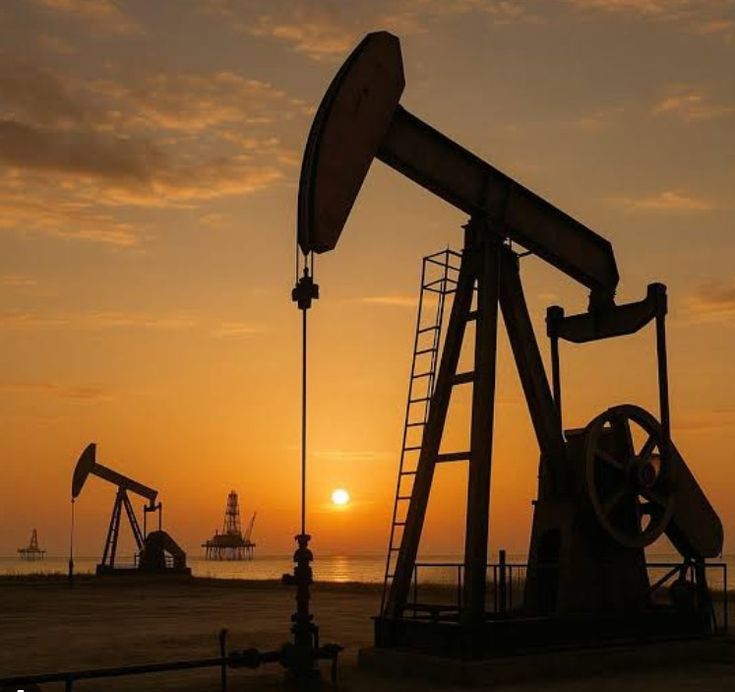
The decline followed signs of easing tensions between the United States and Iran. After 13 consecutive nights of strikes on Iranian targets, Washington suspended its bombing campaign late Friday, while Tehran halted retaliatory actions against US allies in the Middle East. US Ambassador to the United Nations Mike Waltz stated that President Donald Trump intends to leave room for negotiations despite military forces remaining on alert. The prospect of renewed diplomacy has encouraged traders to reduce the geopolitical risk premium previously embedded in oil prices.
However, concerns over global supply disruptions continue to provide support. Maritime traffic through the Bab el-Mandeb Strait declined on July 26 after Iran-backed Houthi forces in Yemen launched attacks on Saudi oil facilities along the Red Sea coast. These developments add to existing worries about restricted shipping through the Strait of Hormuz, a critical route for global energy exports, limiting the downside for crude prices and discouraging aggressive bearish positioning.
As a result, many investors are waiting for further developments in the Middle East before concluding that oil prices have peaked and preparing for a more sustained decline.
Analysts at Rabobank’s RaboResearch Global Economics & Markets noted that crude oil benchmarks have rallied on mounting supply concerns. According to the bank, Brent, WTI, and refined fuel products surged as disruptions in the Strait of Hormuz, escalating Russia-Ukraine attacks, outages at the Caspian Pipeline Consortium (CPC) terminal, and exceptionally tight diesel markets renewed fears of a broader supply shortage. These overlapping geopolitical and logistical challenges continue to underpin the oil market despite the recent pullback.
 THE ETERNAL SOVEREIGN
Leave a comment