A massive oil tanker near Dubai was struck by an Iranian attack following the latest threats from Trump.
Iran struck and set fire to a fully laden crude tanker near Dubai on Monday, as President Donald Trump warned Washington would destroy Iran’s energy infrastructure if Tehran failed to reopen the Strait of Hormuz. The targeted vessel, the Kuwait-flagged Al-Salmi, is the latest in a series of attacks on commercial shipping using missiles and drone strikes in the Gulf since U.S. and Israeli forces hit Iran on February 28.
The conflict, now a month old, has expanded across the Middle East, causing heavy casualties, disrupting energy flows, and raising fears of a global economic downturn. Oil prices briefly surged again following the attack on the tanker, which has a capacity of roughly 2 million barrels valued at over $200 million. Its owner, Kuwait Petroleum Corp, said the strike occurred early Tuesday, igniting a fire and damaging the hull, though no injuries were reported. Dubai authorities later confirmed the blaze had been contained after what they described as a drone strike.
Rising oil and fuel costs are beginning to strain U.S. households and pose a political challenge for Trump and Republicans ahead of November’s midterm elections, particularly after pledges to cut energy prices and boost domestic production. Gasoline prices in the U.S. climbed above $4 per gallon for the first time in more than three years, according to GasBuddy, as tighter global supply pushed crude above $101 per barrel.
Meanwhile, hostilities show no sign of easing, with concerns mounting over a broader regional war. Iran-aligned Houthi forces have launched missiles and drones at Israel, while Turkey reported intercepting a ballistic missile from Iran that briefly entered its airspace. Israel has carried out strikes on targets in Tehran and Hezbollah-linked sites in Beirut, with explosions reported across parts of the Iranian capital and power outages affecting some districts.
The Israeli military said four of its soldiers were killed in southern Lebanon, where recent incidents have also claimed the lives of UN peacekeepers. Iran’s military stated its latest wave of attacks targeted U.S. bases and Israeli positions across the region.
The U.S. has begun deploying thousands of troops from the 82nd Airborne Division to the Middle East, signaling potential escalation even as diplomatic efforts continue. The White House said Trump aims to secure a deal with Iran before an April 6 deadline to reopen the Strait of Hormuz, a key route for roughly one-fifth of global oil and LNG shipments.
While U.S. officials say talks are progressing, Iran has dismissed proposed terms as unrealistic, insisting it is focused on defense amid ongoing attacks. Trump reiterated both optimism for a deal and a renewed threat to destroy Iran’s energy facilities if no agreement is reached, though reports suggest he may be open to ending military operations even if the strait remains partially closed.
Oil prices later eased and equities recovered on hopes of de-escalation. Still, the administration is weighing further steps, including seeking financial contributions from Arab allies, as it requests an additional $200 billion in war funding—an effort likely to face resistance in Congress.
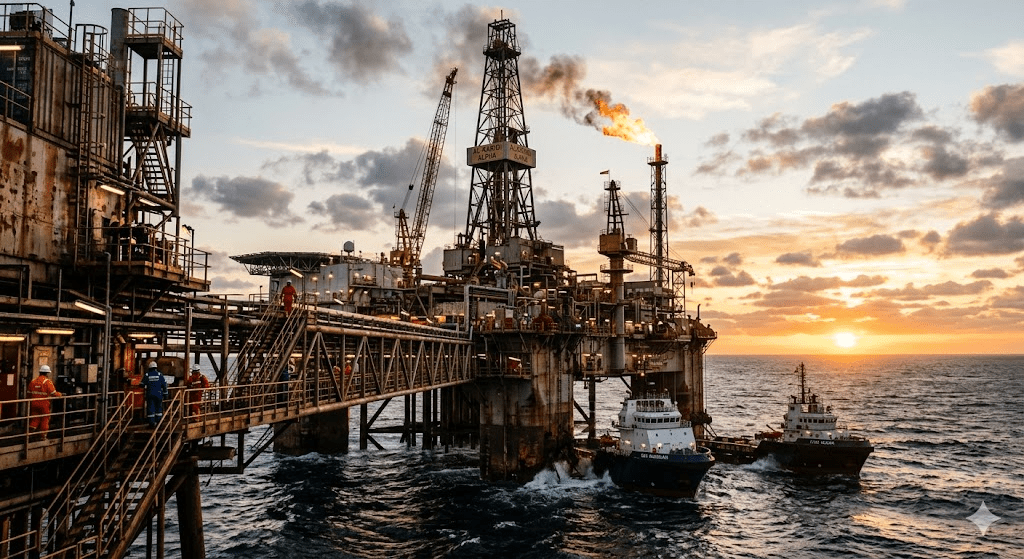
Oil and war fears dominate markets heading into an uncertain Q2.
Financial markets enter the second quarter on shaky ground, highly sensitive to war-related headlines. This environment raises the risk of deeper equity declines, while the sharp selloff in bonds may start to attract buyers.
Even if the conflict eases soon, investors believe lasting damage to Middle East energy infrastructure and persistently high oil prices will weigh on growth and keep inflation elevated. That combination could further pressure stocks, though if growth fears begin to outweigh inflation concerns, bonds may stage a recovery.
Seema Shah, chief global strategist at Principal Asset Management, noted that uncertainty dominates: it’s hard for investors to see beyond the constant flow of geopolitical news. While diversification into international equities remains appealing, she emphasized that U.S. exposure still plays an important role.
The Middle East conflict caps a volatile first quarter also shaped by U.S. geopolitical moves and rapid AI-driven disruption. Oil has been the standout performer, surging about 90% to above $100 a barrel, which has shaken bond markets and pushed expectations for higher interest rates.
Analysts surveyed by Reuters see oil ranging from $100 to $190 if supply disruptions persist, with an average forecast around $134. Meanwhile, prediction platform Polymarket assigns roughly a one-third chance of the war ending by mid-May and a 60% likelihood by late June.
Echoing the inflation surge of 2022, short-term borrowing costs in countries like Britain and Italy have jumped sharply, with notable moves also seen in U.S., German, and Japanese bonds. According to Societe Generale strategist Manish Kabra, the key factors for markets are how long the oil shock lasts and how central banks respond.
Since the war began, expectations for U.S. rate cuts this year have largely disappeared. In Europe and the UK, investors now anticipate rate hikes instead of easing, while hopes for monetary loosening in emerging markets have faded.
Kabra highlighted the upcoming U.S. Memorial Day weekend as a potential pressure point, as rising travel demand could intensify public and political focus on energy prices. Reflecting this backdrop, he has increased exposure to commodities in portfolios.
Bond markets have taken a hit, with yields rising sharply, but some investors see value emerging. Amundi, for instance, has added short-term eurozone government bonds and maintained positions in U.S. Treasuries, expecting central banks to look past short-term inflation spikes once the crisis stabilizes.
Similarly, Russell Investments sees bonds as more attractive than a few months ago and expects the dollar’s recent strength—up over 2% in March—to fade over time. Before the conflict, investors had been rotating away from U.S. assets, a trend that could resume if tensions ease.
Gold has slipped about 4% in March, as investors sell profitable positions to offset losses elsewhere, despite its usual role as an inflation hedge.
Equities, while initially resilient thanks to strong earnings and the tech sector, are now under pressure. The S&P 500 and Europe’s STOXX 600 have fallen roughly 9–10% from recent highs, and Japan’s Nikkei has dropped nearly 13% from its February peak.
Zurich Insurance strategist Guy Miller said his firm has shifted to an underweight position in equities as the economic outlook deteriorates. Data already points to weakening momentum, with U.S. consumer sentiment declining, German investor confidence dropping sharply, and business activity indicators hitting multi-month lows.
Although the U.S. benefits from a relatively strong economy and its status as an energy exporter, it is not immune. Prolonged high energy prices would still weigh on growth. The OECD has already warned that the global economy has been knocked off a stronger growth trajectory.
Miller concluded that this conflict differs from recent geopolitical shocks, which had limited market impact—this time, the implications for earnings, margins, and valuations are far more significant.
Sources: Reuters
 THE ETERNAL SOVEREIGN
Leave a comment