Oil prices inched up as Iran considers the U.S. plan to end the conflict.
Oil prices in Asia inched up on Thursday as mixed signals over Middle East de-escalation kept markets cautious, while Iran considered a U.S. proposal to end the conflict.
By 20:31 ET (00:31 GMT), May Brent crude rose 0.8% to $103.02 per barrel and WTI crude gained 1% to $91.20, after both benchmarks dropped more than 2% in the previous session.
Traders assessed tentative diplomatic developments from Tehran, where authorities are said to be reviewing a U.S.-supported plan to stop the fighting. Although Iran has yet to accept the proposal, it has not rejected it outright, fueling guarded optimism for easing tensions.
However, uncertainty remains high. Tehran has denied direct talks with Washington and signaled that major disagreements persist, leaving markets uneasy and price moves relatively muted.
Crude has seen sharp swings in recent weeks as the conflict disrupted supply flows from the Gulf, a key global oil hub. Earlier this month, Brent surged past $119 per barrel on concerns over potential supply outages.
The Strait of Hormuz—through which about one-fifth of global oil passes—remains a critical risk point, with any disruption likely to drive prices higher.
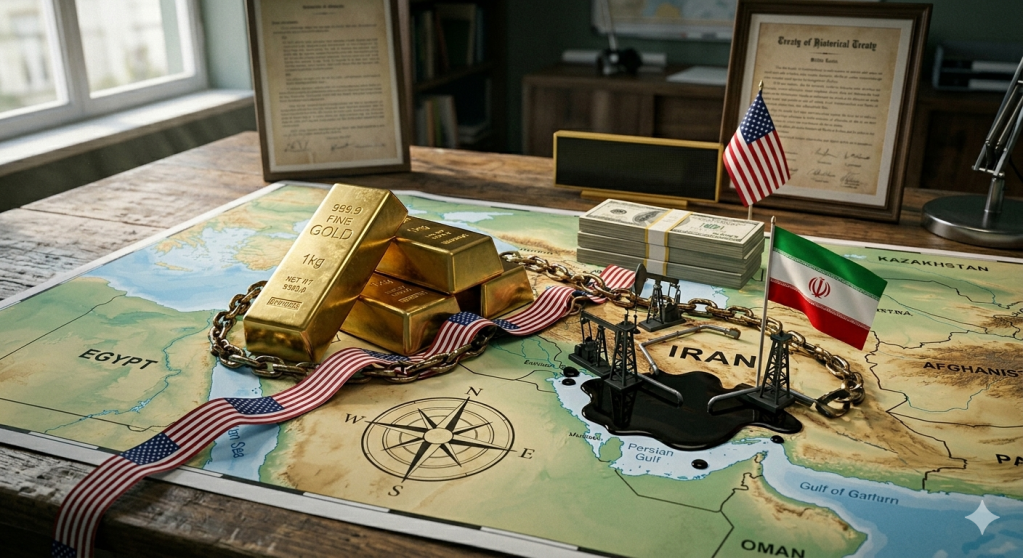
On Wednesday, prices fell as reports of possible negotiations eased some geopolitical risk premium. Meanwhile, investors are monitoring Washington’s stance, as officials warn of tougher action if Iran fails to engage, adding further uncertainty to the outlook.
Gold holds steady as markets weigh conflicting signals over potential de-escalation between the U.S. and Iran.
Gold prices were mostly stable in Asian trading on Thursday as investors navigated mixed signals surrounding the Iran conflict, while Tehran continued to assess a U.S. proposal to end the war.
Spot gold edged up 0.1% to $4,509.06 an ounce by 22:57 ET (02:57 GMT), while U.S. gold futures declined 1.1% to $4,536.10.
Bullion had recovered earlier in the week, climbing back above $4,500 after a sharp pullback, supported by a weaker dollar and cautious optimism over potential U.S.-Iran diplomacy.
Still, gains were limited as uncertainty persisted. Iran is reviewing a U.S.-backed plan to halt hostilities, but unclear signals on whether talks will advance have kept investors wary.
Although Tehran has not formally accepted the proposal, it has avoided rejecting it outright, fueling guarded hopes for de-escalation. At the same time, Iran has denied direct negotiations with Washington and emphasized that key differences remain unresolved, leaving markets uneasy.
The U.S. has also warned of tougher action if Iran fails to engage constructively, adding another layer of tension.
Gold—traditionally a safe-haven asset—has shown unusual volatility in recent weeks. Prices dropped sharply earlier this month despite rising geopolitical risks, as expectations of prolonged high interest rates and a stronger dollar weighed on demand.
Movements in oil prices have also influenced sentiment. Rising crude has heightened inflation concerns, reinforcing expectations that central banks may keep rates elevated, which tends to pressure non-yielding assets like gold.
Wider financial markets reflected a cautious tone, with investors seeking clearer direction on both geopolitical developments and global monetary policy.
Among other precious metals, silver gained 0.1% to $71.32 an ounce, while platinum slipped 0.6% to $1,918.60.
Sources: Ayushman Ojha
 THE ETERNAL SOVEREIGN
Leave a comment