Trump is expected to pressure Japan to support the Iran conflict during a White House meeting.
Donald Trump is expected to use a White House meeting with Japan’s prime minister, Sanae Takaichi, to seek support for the war against Iran, putting Tokyo in a difficult position as it weighs how much assistance it can offer.
Although Trump has criticized allies for their limited backing of the U.S.-Israeli campaign—while also claiming the U.S. does not need help—he is still urging partners to contribute naval forces to clear mines and protect tankers in the Strait of Hormuz, which has been largely disrupted during the conflict.
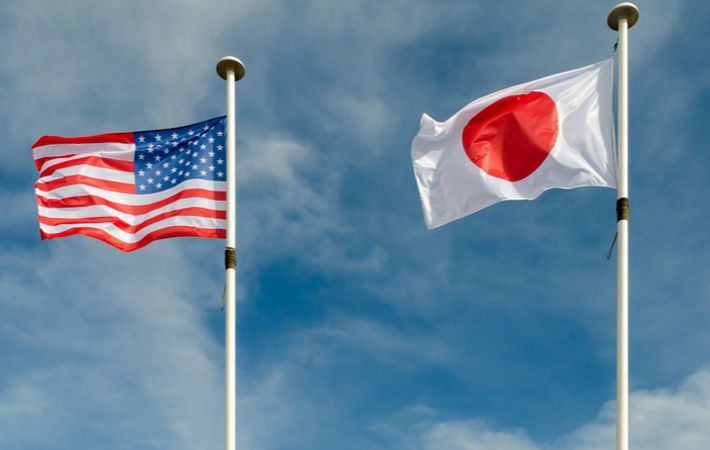
The visit, originally intended to reinforce long-standing U.S.-Japan ties, has become more complicated. While Takaichi has advocated for a stronger military posture at home, public opposition to the Iran war has so far prevented Japan from committing to operations in the Gulf.
Meanwhile, other U.S. allies, including Germany, Italy, and Spain, have declined to join any mission in the region, frustrating Trump. Takaichi has stated that Japan has not received a formal request but is reviewing what actions might be possible within constitutional limits.
Analysts note the meeting could prove challenging for Takaichi, who had hoped to influence Trump’s approach to Asia policy—particularly regarding China—but may instead have to respond to immediate demands related to the Middle East.
Japan is also preparing for potential U.S. requests to help produce or co-develop missiles to replenish American stockpiles depleted by conflicts in Iran and Ukraine. At the same time, Tokyo’s diplomatic ties with Iran could offer a channel for mediation, though past efforts have failed.
In addition, Takaichi is expected to express Japan’s intention to join the “Golden Dome” missile defense initiative and announce new investments in the U.S., potentially including tens of billions of dollars in sectors such as energy and critical minerals, building on earlier commitments tied to easing trade tensions.
Oil prices climb after Iran launches attacks on energy infrastructure across the Middle East.
Oil prices climbed on Thursday, with Brent crude surging by as much as $5 per barrel after Iran launched attacks on energy infrastructure across the Middle East in response to a strike on the South Pars gas field—marking a significant escalation in its conflict with the United States and Israel. By 0400 GMT, Brent futures had gained $4.66, or 4.3%, to $112.04 a barrel, after earlier peaking at $112.86. Meanwhile, U.S. West Texas Intermediate (WTI) rose 96 cents, or 1%, to $97.28, having previously jumped more than $3. Brent had already advanced 3.8% on Wednesday, while WTI ended nearly unchanged.
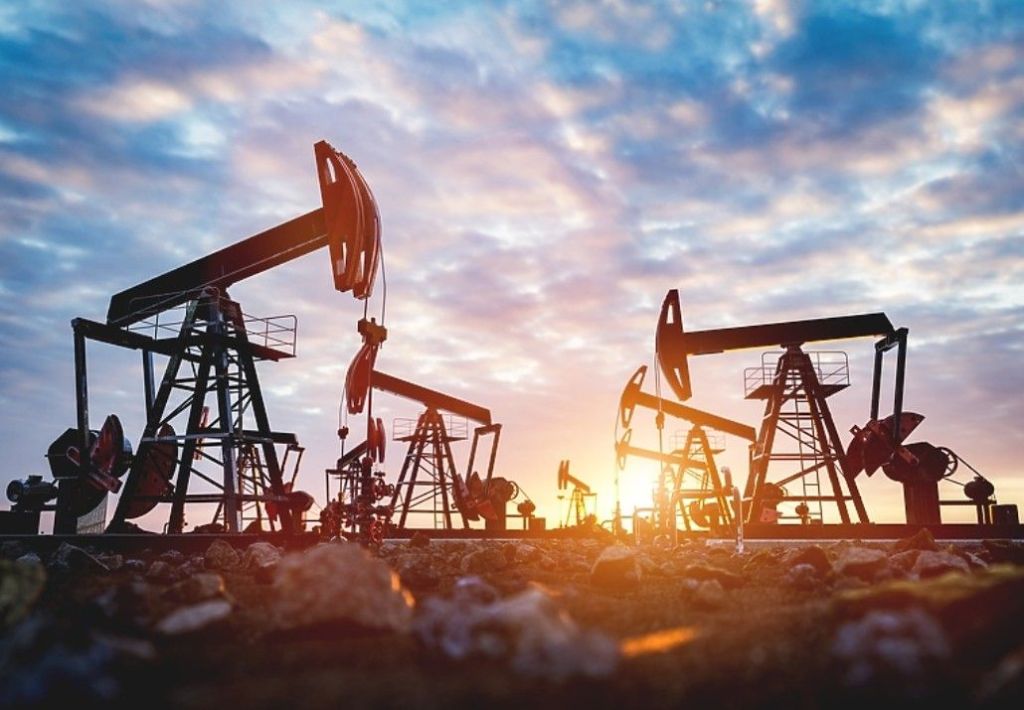
WTI has been trading at its widest discount to Brent in over a decade, driven by releases from U.S. strategic reserves and elevated shipping costs, while renewed strikes on Middle Eastern energy assets have lent additional support to Brent. Analysts noted that the intensifying conflict—targeted attacks on oil infrastructure and the loss of Iranian leadership—could lead to prolonged supply disruptions. They also pointed to the U.S. Federal Reserve’s decision to hold interest rates steady, accompanied by a hawkish outlook, as another factor heightening market concerns amid wartime conditions.
Further escalating tensions, QatarEnergy reported significant damage to its Ras Laffan LNG hub following Iranian missile strikes, while Saudi Arabia said it intercepted ballistic missiles and a drone targeting its gas facilities. Iran had issued evacuation warnings ahead of strikes on oil sites in Saudi Arabia, the UAE, and Qatar, retaliating for earlier attacks on its own facilities in South Pars and Asaluyeh.
South Pars, part of the world’s largest natural gas field shared between Iran and Qatar, was hit in an attack attributed to Israel, though U.S. and Qatari involvement was denied by President Donald Trump. He warned that the U.S. would respond if Iran targeted Qatar and said Israel would refrain from further strikes unless provoked.
Market analysts expect oil prices to remain elevated as tensions show no signs of easing and the Strait of Hormuz remains at risk of disruption. Reports also suggest the U.S. is considering deploying additional troops to the region, with options including securing tanker routes through the Strait—potentially involving both naval and air forces, and possibly ground troops if necessary.
Sources: Reuters
 THE ETERNAL SOVEREIGN
Leave a comment