Oil prices rebounded on Wednesday as investors questioned whether a planned large-scale release of strategic reserves by the International Energy Agency would be enough to offset potential supply disruptions caused by the U.S.–Israeli conflict with Iran.
Brent crude futures rose 59 cents, or 0.7%, to $88.39 a barrel by 07:27 GMT, while West Texas Intermediate crude oil gained 98 cents, or 1.2%, to $84.43 per barrel.
Both benchmarks had extended losses earlier in Asian trading after plunging more than 11% on Tuesday, despite U.S. crude initially jumping 5% at the market open.
According to a report by The Wall Street Journal, the proposed IEA release would surpass the 182 million barrels collectively released by member countries in 2022 following the Russian invasion of Ukraine.
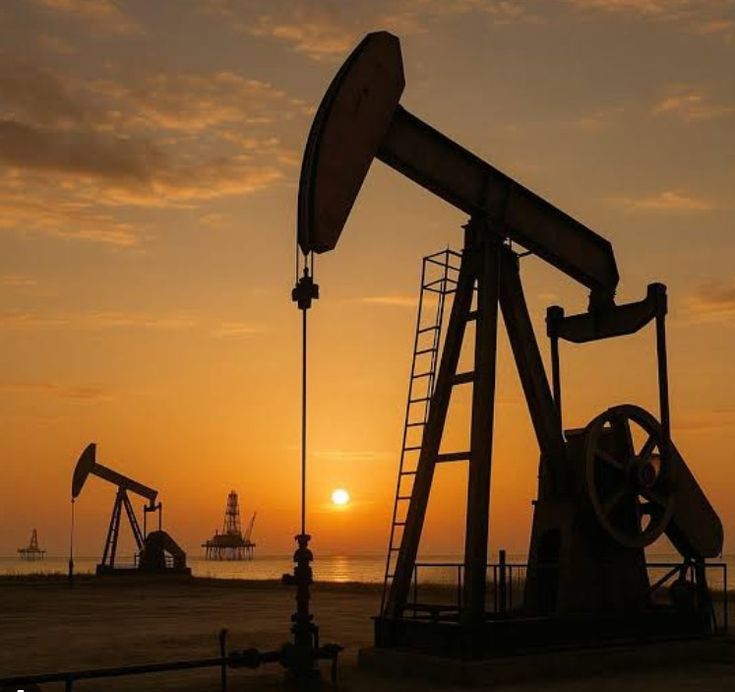
Analysts at Goldman Sachs said such a stockpile release could offset roughly 12 days of an estimated 15.4 million barrels-per-day disruption in Gulf exports.
Meanwhile, the conflict continued to escalate. The U.S. and Israel launched what both the Pentagon and Iranian sources described as the most intense airstrikes of the war on Tuesday. The United States Central Command also said the U.S. military had destroyed 16 Iranian mine-laying vessels near the Strait of Hormuz, after Donald Trump warned that any mines placed in the waterway must be removed immediately.
Some analysts remained skeptical that the reserve release would significantly ease market tensions. Suvro Sarkar, energy sector team lead at DBS Bank, said such moves were unlikely to solve the crisis, adding that oil prices would largely depend on how long the conflict with Iran continues. Strategic signals, including potential reserve releases, may help temper near-term price spikes, he added.
Leaders of the Group of Seven have also convened to discuss a coordinated emergency stockpile release. Emmanuel Macron is set to host a virtual meeting with other G7 leaders to assess the Middle East conflict’s impact on energy markets and possible responses.
Trump has repeatedly stated that the U.S. is prepared to escort oil tankers through the Strait of Hormuz if necessary. However, sources told Reuters that the United States Navy has so far declined shipping industry requests for escorts, citing high security risks.
Supply concerns remain
Energy infrastructure disruptions have also added to supply worries. Abu Dhabi National Oil Company reportedly shut down its Ruwais refinery after a drone strike caused a fire at the complex.
At the same time, Saudi Arabia, the world’s largest oil exporter, is attempting to increase shipments via the Red Sea. However, current export levels remain far below what would be needed to fully offset the decline in flows through the Strait of Hormuz. The kingdom is relying on the Red Sea port of Yanbu to boost shipments as neighbors such as Iraq, Kuwait, and the UAE have already reduced production.
Energy consultancy Wood Mackenzie estimates the war is currently cutting Gulf oil and refined product supplies by about 15 million barrels per day, a disruption that could potentially push crude prices as high as $150 per barrel.
Analysts at Morgan Stanley noted that even a quick resolution to the conflict could still leave energy markets facing several weeks of disruption.
Meanwhile, signs of strong demand also supported prices. Data from the American Petroleum Institute indicated that U.S. crude, gasoline, and distillate inventories all declined last week.
Sources: Reuters
 THE ETERNAL SOVEREIGN
Leave a comment