U.S. crude oil futures surged on Friday as the widening U.S.–Israeli conflict with Iran disrupted global oil supply expectations.
Brent crude settled at $92.69 per barrel, rising $7.28 or 8.5%, while West Texas Intermediate (WTI) climbed $9.89, or 12.2%, to close at $90.90 per barrel.
On a weekly basis, WTI jumped 35.6% and Brent gained about 27%, marking their strongest weekly advances since the early stages of the COVID-19 pandemic in spring 2020.
For the second straight day, U.S. crude futures outperformed Brent as refiners around the world rushed to secure alternative oil supplies to offset potential disruptions from the Middle East.
According to UBS analyst Giovanni Staunovo, refiners and trading firms are actively seeking substitute barrels, with the United States — the world’s largest oil producer — emerging as a key supplier.
Janiv Shah, vice president of oil analytics at Rystad Energy, noted that several factors contributed to the wider gains in WTI compared with Brent. Strong refinery activity supported by attractive refining margins, along with favorable arbitrage opportunities for shipments to Europe, helped drive demand for U.S. crude.
Could oil exceed $100?
Qatar’s energy minister warned in an interview with the Financial Times that Gulf energy producers might halt exports within weeks if the conflict escalates further. Such a move, he suggested, could push oil prices as high as $150 per barrel.
John Kilduff, partner at Again Capital, said the situation is increasingly alarming. “The worst-case scenario is unfolding right in front of us,” Kilduff said, adding that forecasts of oil reaching $100 per barrel now appear increasingly realistic.
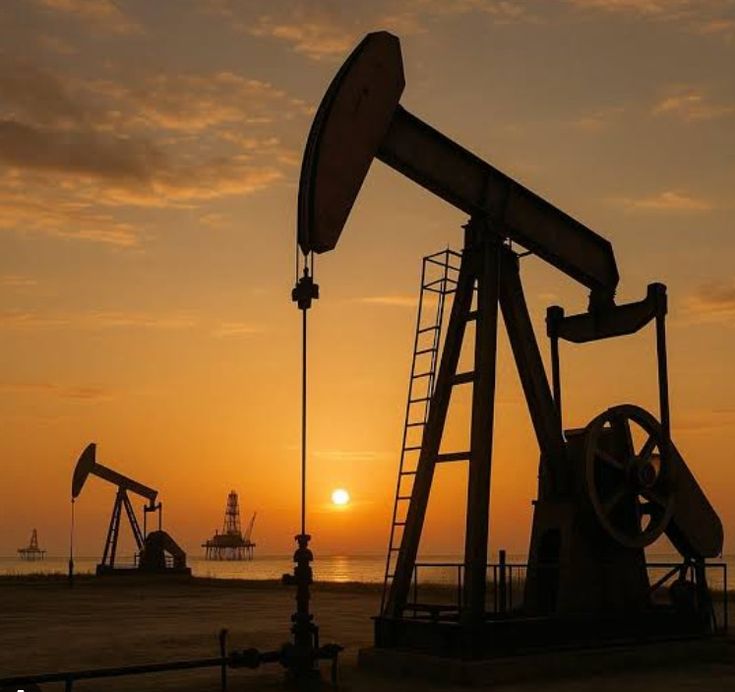
Oil prices began their sharp rally after the United States and Israel carried out strikes on Iran last Saturday, which prompted Iran to halt tanker traffic through the Strait of Hormuz.
Around 20% of the world’s daily oil supply normally passes through this key shipping route. With the strait effectively closed for seven days, roughly 140 million barrels of crude — equivalent to about 1.4 days of global demand — have been prevented from reaching international markets.
The conflict has expanded across major energy-producing regions in the Middle East, disrupting production and forcing several refineries and liquefied natural gas facilities to shut down.
UBS analyst Giovanni Staunovo said oil prices are likely to continue rising for as long as the strait remains closed. He noted that markets previously believed U.S. President Donald Trump might eventually scale back the conflict to avoid higher oil prices, but the longer the situation persists, the greater the perceived supply risk becomes.
In an interview with Reuters on Thursday, Trump said he was not worried about rising gasoline prices in the United States linked to the conflict, commenting that “if they rise, they rise.”
Earlier on Friday, oil prices briefly dropped by more than 1% after speculation that the U.S. Treasury Department might take steps to counter the surge in energy costs.
On Thursday, the Treasury issued waivers allowing companies to purchase sanctioned Russian oil. The first approvals were granted to Indian refiners, which have since bought millions of barrels of Russian crude.
Sources: Erwin Seba
 THE ETERNAL SOVEREIGN
Leave a comment