Gold held steady in early Asian trading on Friday after slipping below key technical levels amid growing uncertainty about the outlook for U.S. interest rates, with investors now awaiting upcoming inflation data for clearer direction.
Silver also stabilized after shedding roughly 10% in the previous session, though metals remained vulnerable following a sharp selloff earlier in the month.
Persistent doubts about the timing of future U.S. rate cuts continued to pressure precious metals, particularly after January data signaled resilience in the labor market. The U.S. dollar rebounded from weekly lows following Wednesday’s stronger-than-expected nonfarm payrolls report.
Spot gold edged down 0.1% to $4,915.40 an ounce by 18:31 ET (23:31 GMT), while April gold futures slipped 0.1% to $4,937.60 per ounce. In the prior session, spot prices had dropped more than 3%.
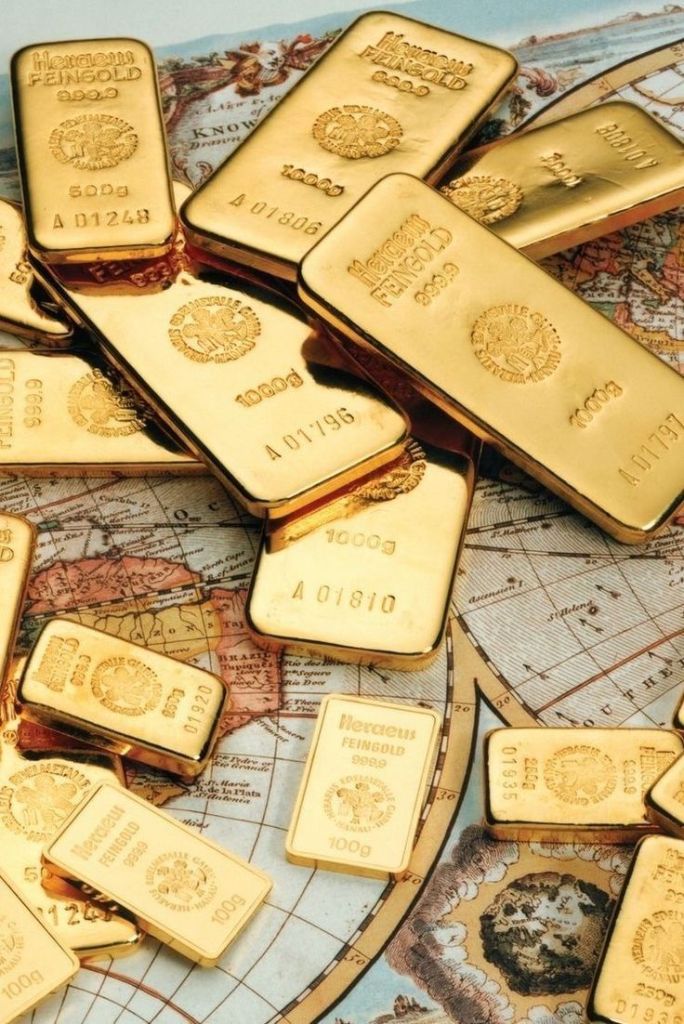
Spot silver was little changed at $75.060 per ounce, while platinum recovered to trade back above $2,000 per ounce after steep losses a day earlier.
Thursday’s decline effectively wiped out most of this week’s gains for gold and other precious metals, putting the yellow metal on track for a third consecutive weekly loss.
Markets have struggled to find direction since a late-January flash crash, with interest rate uncertainty remaining a central headwind. Gold’s retreat from recent record highs was initially sparked by U.S. President Donald Trump’s nomination of Kevin Warsh as the next Federal Reserve Chair, a choice seen as less dovish.
The robust January jobs report reinforced expectations of fewer rate cuts ahead, while sharp price volatility has also weakened metals’ appeal as safe-haven assets.
Attention now turns to the January U.S. consumer price index data due later Friday, which could offer further insight into the trajectory of the world’s largest economy. Inflation and labor market conditions remain the Federal Reserve’s primary factors in setting monetary policy.
Sources: Ambar Warrick
 THE ETERNAL SOVEREIGN
Leave a comment