Oil prices slipped in Asian trading on Monday as the United States and Iran indicated they would continue negotiations over Tehran’s nuclear program, easing concerns about heightened tensions in the Middle East.
Crude prices were also weighed down by a firmer U.S. dollar ahead of a busy week of key U.S. economic data, extending losses after a roughly 2% decline last week. Investors are additionally awaiting major economic releases from China, the world’s largest oil importer.
Brent crude futures for April dropped 0.7% to $67.57 a barrel by 21:17 ET (02:17 GMT), while West Texas Intermediate futures also fell 0.7% to $63.12 a barrel.
U.S. and Iran agree to press ahead with nuclear negotiations
Washington and Tehran said over the weekend that indirect nuclear negotiations will continue following what both sides described as constructive talks in Oman on Friday.
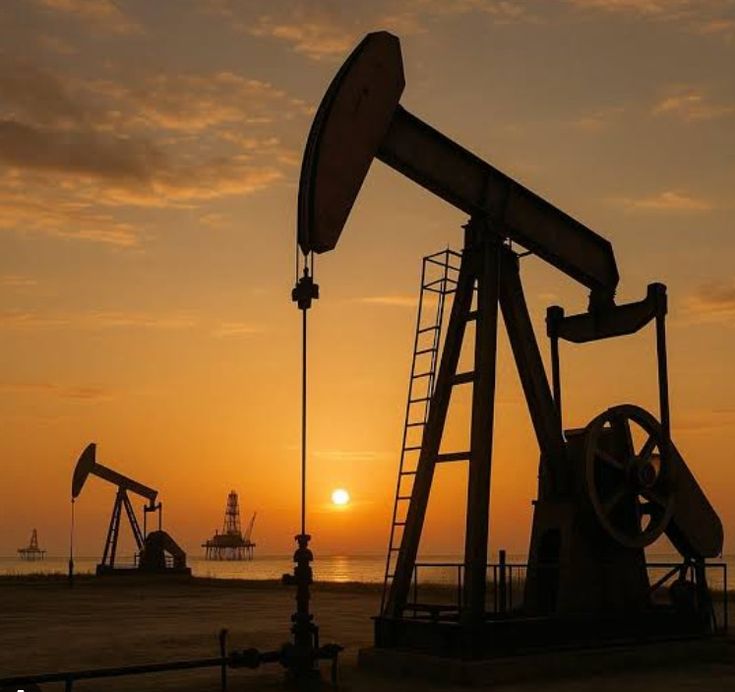
The statements helped ease fears of an imminent military confrontation in the Middle East, particularly after the United States had earlier deployed several warships to the region.
Concerns over a potential conflict had previously pushed traders to build a higher risk premium into oil prices, with former President Donald Trump also issuing threats of military action against Iran.
However, the likelihood of a full-scale war in the region now appears reduced, even as Tehran indicated it will continue advancing its nuclear enrichment activities.
Markets await key U.S. and China economic data
Attention this week is also on a slate of major economic data from the world’s largest oil-consuming economies.
In the United States, January nonfarm payrolls figures are due on Wednesday, followed by CPI inflation data on Friday. These releases will be closely scrutinized for further signals on the interest-rate outlook, as markets continue to assess the direction of monetary policy under Warsh.
In China, January CPI data is also scheduled for release on Friday, providing fresh insight into conditions in the world’s biggest oil importer.
The data arrives just ahead of China’s week-long Lunar New Year holiday, which is expected to boost fuel demand across the country.
Sources: Ambar Warrick
 THE ETERNAL SOVEREIGN
Leave a comment