The U.S. dollar remained near a six-week low on Wednesday as growing optimism about a sustained ceasefire in the Iran conflict boosted investors’ appetite for risk.
In recent weeks, investors have increasingly shifted toward riskier assets like equities, putting pressure on the dollar, which had served as a preferred safe-haven during tensions in the Middle East.
As of 16:57 ET (20:57 GMT), the U.S. Dollar Index—measuring the greenback against a basket of six major currencies—edged down 0.1% to 98.06.
Trump signals possible end to war despite ongoing U.S. blockade
The U.S. dollar surged in March as investors sought safety during the Middle East crisis, supported by the view that the U.S.—as a net energy exporter—would be less affected by disruptions such as the closure of the Strait of Hormuz.
However, the currency has since slipped back toward pre-war levels, as expectations of a lasting ceasefire reduce its safe-haven appeal. Analysts at ING noted that markets are increasingly pricing in a positive outcome from upcoming U.S.-Iran talks, though they caution that risks for the dollar may still tilt upward.
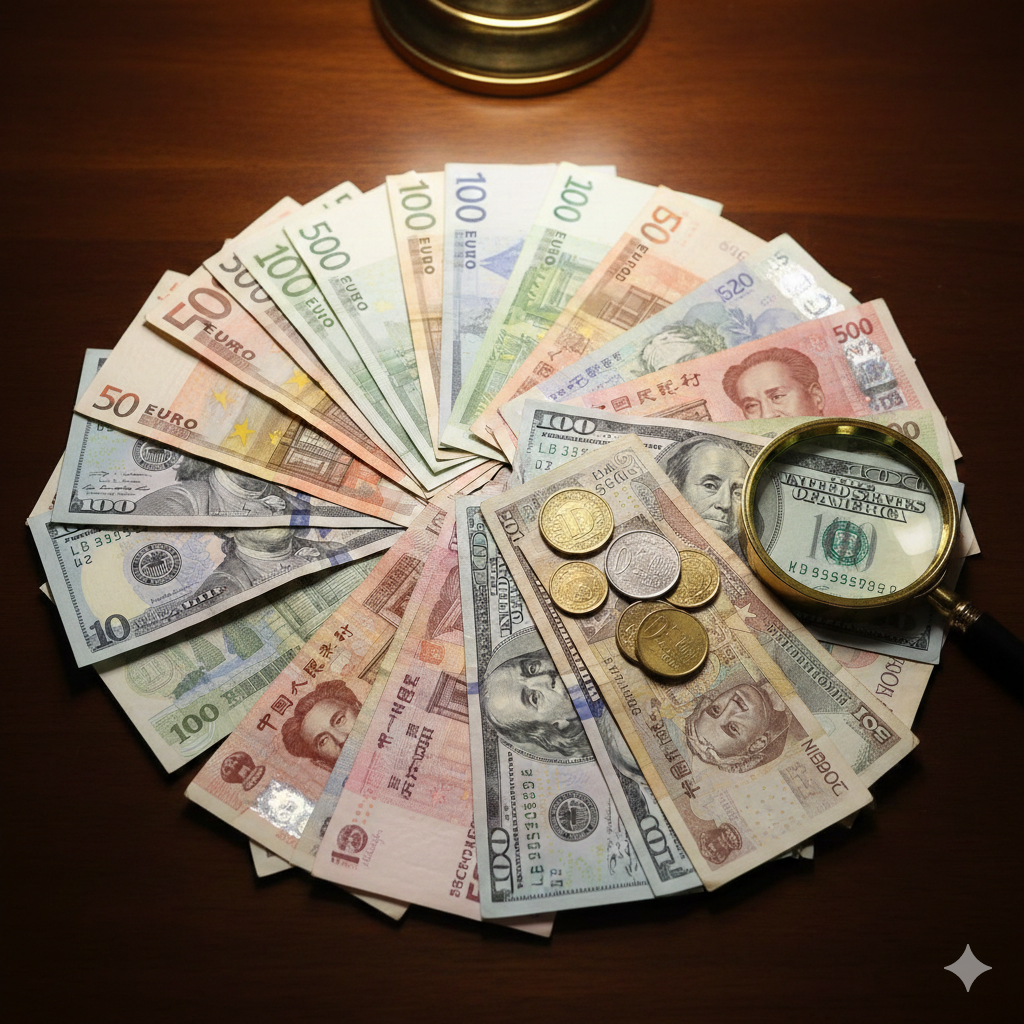
President Donald Trump indicated the conflict with Iran could soon end, even as U.S. forces maintain a fully enforced naval blockade restricting Iranian shipping. He suggested a permanent ceasefire might be reached before King Charles’ upcoming visit and described the conflict as nearing its conclusion.
Reports also indicate that ceasefire negotiations may resume shortly after earlier talks failed to yield results. The White House said discussions remain active and constructive, expressing optimism about a potential agreement while denying any request to extend the current truce.
The U.S. and Iran are observing a fragile two-week ceasefire through April 21. Meanwhile, broader regional tensions persist, with Israel continuing strikes in Lebanon despite rare direct talks with Lebanese officials—raising concerns that the fragile de-escalation could unravel.
Inflation and central banks in a potential “peace trade”
Oil prices have been volatile but stayed below $100 per barrel, as traders closely monitor supply through the Strait of Hormuz—a key route for roughly a fifth of global oil shipments. Despite fluctuations, crude remains higher than pre-conflict levels, sustaining concerns about rising global inflation.
Recent U.S. data for March showed that higher oil prices significantly lifted headline inflation, while core inflation was less affected.
According to Thierry Wizman of Macquarie, a peace scenario would likely push oil and gas prices lower. This would trigger a “peace trade,” particularly impacting inflation expectations and central bank policy. Central banks that turned more hawkish due to rising energy costs could shift back to their pre-war outlooks if prices ease.
Wizman noted that the Bank of England—and possibly the European Central Bank—have the most room to soften their stance, as they had become notably more aggressive on rate hikes after the conflict began. A drop in energy prices could therefore lead to a less hawkish policy outlook.
He added that one of the most attractive trades in such a scenario would be positioning for lower interest rates over the next 9 to 12 months, particularly in instruments like GBP OIS or Libor, even as markets have yet to fully price out the possibility of rate hikes this year.
Euro and pound steady; yen weakens despite Katayama’s remarks.
The euro remained largely flat at $1.1799, while the British pound slipped 0.1% to $1.3560.
The Japanese yen also weakened slightly, with USD/JPY rising 0.1% to 158.96, despite comments from Finance Minister Satsuki Katayama indicating that authorities stand ready to take “bold” measures if necessary.
After bilateral talks at the U.S. Treasury in Washington, Katayama noted that both sides had extensive discussions on currency matters and agreed to strengthen coordination going forward.
 THE ETERNAL SOVEREIGN
Leave a comment