In our Ethereum (ETHUSD) update from three weeks ago, we noted that ETH had been forming an ascending triangle since 2020—characterized by higher lows and relatively equal highs—signaling that the long-term uptrend remained intact. We also highlighted that a pullback toward the ~$2,200 support area, followed by a breakout, could open the door for a move toward ~$6,190.
Today, Ethereum is trading near that trend line at around $2,150. At the same time, the daily RSI(30) has declined to 32. Historically, aside from the 2018 bear market, this zone has provided attractive low-risk, high-reward opportunities for investors with a long-term horizon or those employing a dollar-cost averaging (DCA) strategy (see Figure 1).
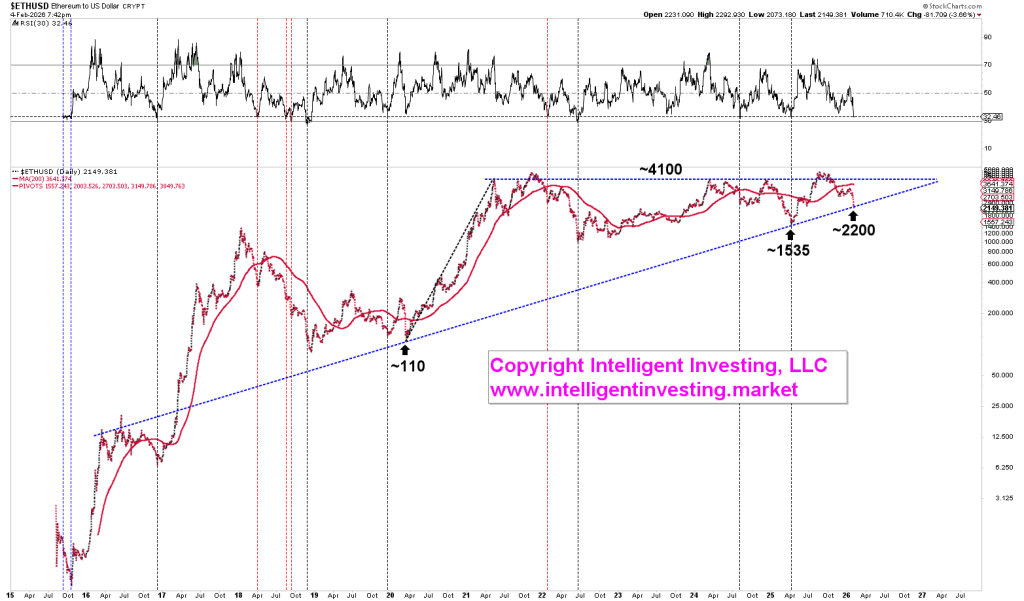
Figure 1: Ethereum’s daily price action since 2015.
More on the RSI is discussed below. In the meantime, what would be the downside risk if the trend line fails to hold, allowing for some short-term whipsaw action? That scenario is illustrated below using the Elliott Wave Principle (EW). Under this framework, ETH’s price action suggests it may be unfolding within a larger, higher-degree fourth wave—labeled as the black Wave 4. See Figure 2.
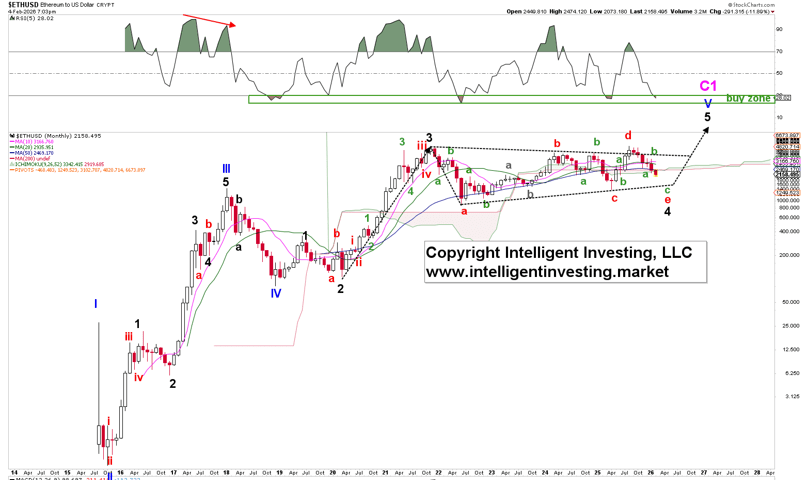
Figure 2: Ethereum’s monthly price action since 2015.
In this scenario, Ethereum would gravitate toward the lower black dotted trend line, which has acted as key downside support since 2021 and is currently near $1,450. From that level, the second-largest cryptocurrency by market capitalization could still resume its advance, unfolding a (black) fifth wave that ideally targets around $6,200 (4,865 − 1,08? + 1,450). This aligns closely with the breakout objective from our original analysis, where we noted: “If Ethereum drops to ~$2,200 support first and then breaks out, we can expect ~$6,190.”
Lastly, it is worth noting that the monthly RSI(5) has now fallen below 30. Similar to the daily RSI(30), historical data shows that this level has typically provided low-risk, high-reward opportunities for investors with a long-term horizon and/or those employing a dollar-cost averaging (DCA) approach.
Sources: Arnout ter Schure
 THE ETERNAL SOVEREIGN
Leave a comment