Gold vaulted above the psychological $5,000-per-ounce threshold on Monday, building on last week’s explosive rally as investors flocked to the traditional safe haven amid escalating geopolitical risks.
Spot gold climbed 1.1% to a fresh all-time high of $5,035.83 per ounce by 18:52 ET (00:52 GMT), while U.S. gold futures also advanced 1.1% to a record $5,074.71 per ounce.
The precious metal surged more than 8% last week, repeatedly setting new highs, and is now up nearly 17% year-to-date.
The broader precious metals complex also strengthened. Silver jumped over 2% to a record $106.56 per ounce, while platinum edged higher to a new peak of $2,798.46 per ounce.
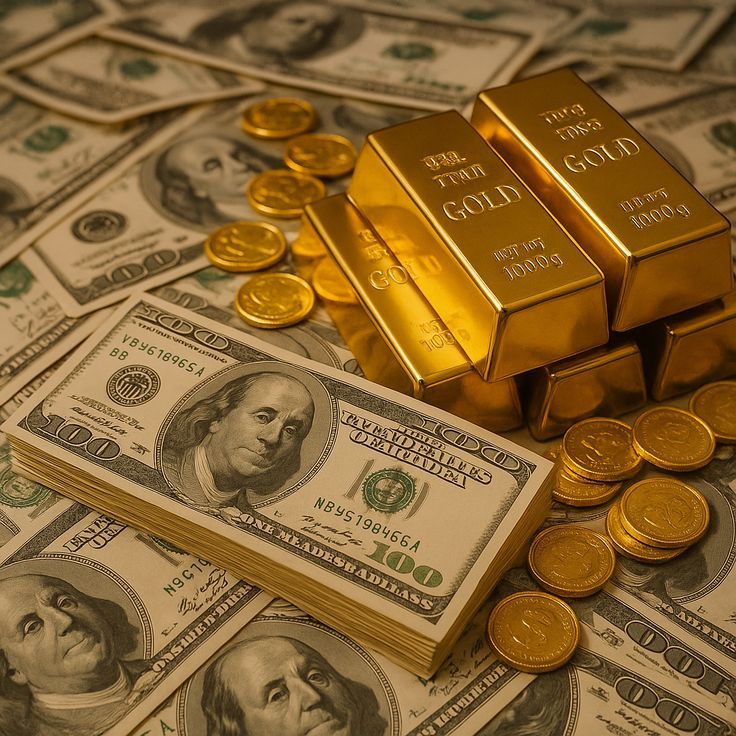
Gold has climbed sharply since the beginning of the year, supported by geopolitical tensions, expectations of looser U.S. monetary policy later in 2026, and continued buying from central banks and investors hedging against market volatility.
Geopolitical tensions, Trump tariff threats lift gold
A key catalyst behind gold’s sharp rally this month has been mounting friction between the United States and its NATO partners over Greenland, a dispute that has rattled global markets.
President Trump’s comments on U.S. strategic ambitions in the Arctic have further strained transatlantic ties, fueling fears of wider diplomatic and economic repercussions.
Adding to those geopolitical pressures, Trump escalated trade tensions with Canada over the weekend, warning of a 100% tariff on Canadian imports should Ottawa move forward with a trade agreement with China.
Trump said on his social media platform that Canada could serve as a “drop-off port” for Chinese goods entering the United States, warning that Beijing would “eat Canada alive” if the agreement proceeds.
Fed rate decision in focus
Gold has also found support from expectations around U.S. monetary policy. The Federal Reserve is set to wrap up its policy meeting on Wednesday, with markets broadly expecting officials to leave interest rates unchanged.
Although a hold decision is largely priced in, investors will closely examine the Fed’s statement and remarks from Chair Jerome Powell for signals on the timing and pace of potential rate cuts later this year.
Gold typically benefits from lower interest rates, which reduce the opportunity cost of holding non-yielding assets.
“Both the data and Chair Powell’s strong defence of central bank independence suggest there is little chance of a Fed rate cut on January 28,” ING analysts said in a note.
“Attention will instead turn to President Trump’s forthcoming nomination for the next Fed chair, upcoming economic data, and whether that nominee can steer the committee toward additional rate cuts,” they added.
Sources: Reuters
 THE ETERNAL SOVEREIGN
Leave a comment