Most Asian currencies weakened on Tuesday, with the Japanese yen falling to a one-year low, as higher oil prices fueled by unrest in Iran pressured the region. Meanwhile, new political and trade developments in the United States dampened investor sentiment.
The U.S. Dollar Index, which tracks the greenback against a basket of major currencies, rose 0.1% after a slight decline in the previous session. Dollar Index futures were also up 0.1% as of 03:36 GMT.
Japan’s currency drops to a one-year low following news of a possible snap election
The yen was the worst-performing currency, as USD/JPY climbed 0.4% to 158.76, its highest level since January 2025. The currency came under pressure after reports suggested that Prime Minister Sanae Takaichi could call a snap election as early as February. Investors speculated that a potential election win would strengthen her mandate for expansionary fiscal policies, further weighing on the yen.
Markets focus on Trump’s tariff threat, unrest in Iran, and higher oil prices
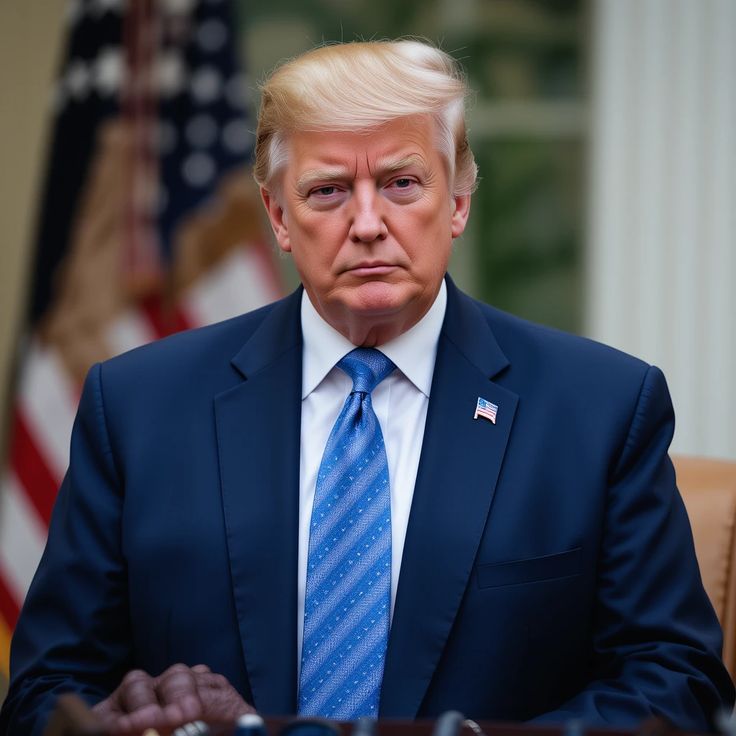
Risk appetite across Asia stayed cautious following U.S. President Donald Trump’s announcement of a 25% tariff on goods from countries “doing business” with Iran, though specifics on timing and coverage remain unclear.
Meanwhile, oil prices rose further amid deadly anti-government protests in Iran, sparking concerns over potential supply disruptions. The unrest has also led to warnings of possible military intervention from Trump, heightening geopolitical risk premiums.
MUFG analysts noted that Asian currencies may have been negatively affected by recent rises in oil prices, driven by events in both Venezuela and Iran.
They added that, aside from China, countries like Turkey, the United Arab Emirates, and to a lesser extent Russia and India, maintain some trade connections with Iran.
In Asia, the South Korean won (USD/KRW) rose 0.4%, marking its seventh consecutive gain. The Indian rupee (USD/INR) increased slightly by 0.1%, while the Singapore dollar (USD/SGD) remained stable. In China, the onshore yuan (USD/CNY) showed little movement, whereas the offshore yuan (USD/CNH) edged up 0.1%. The Australian dollar (AUD/USD) traded mostly flat.
Concerns over Fed independence trigger risk-averse sentiment
The Trump administration has launched a criminal probe into Federal Reserve Chair Jerome Powell regarding his testimony about renovation activities at the central bank’s headquarters, raising concerns about the Fed’s independence.
In response, Powell issued a statement affirming the Fed’s autonomy and assuring that policy decisions will remain based solely on economic data and the central bank’s mandate. Several former Fed chairs and senior officials have publicly expressed their support for Powell.
“It’s a wait-and-see situation as markets attempt to gauge the actual impact of these developments,” noted analysts from ING in a recent report.
Despite a softer U.S. dollar, Asian currencies found it difficult to gain, as investors remained focused on broader U.S. political risks, trade uncertainties, and rising oil prices.
Focus is also shifting to upcoming U.S. economic reports and any indications from the Federal Reserve, as market participants reevaluate interest rate forecasts amid increased political scrutiny of the central bank.
Sources: Investing
 THE ETERNAL SOVEREIGN
Leave a comment