The U.S. dollar declined on Monday, giving up earlier gains as investors reacted to President Donald Trump’s remarks about “productive” discussions with Iran. By 17:15 ET (21:15 GMT), the dollar index—measuring the greenback against six major currencies—had dropped 0.5% to 99.13.
Optimism over easing tensions spreads across global markets.
Hopes of easing tensions spread across global markets. Wall Street posted strong gains, while oil prices plunged after Trump decided to delay missile strikes on key Iranian infrastructure, citing progress in talks with Tehran. In a social media update, he said discussions aimed at achieving a “complete and total resolution” to the conflict.
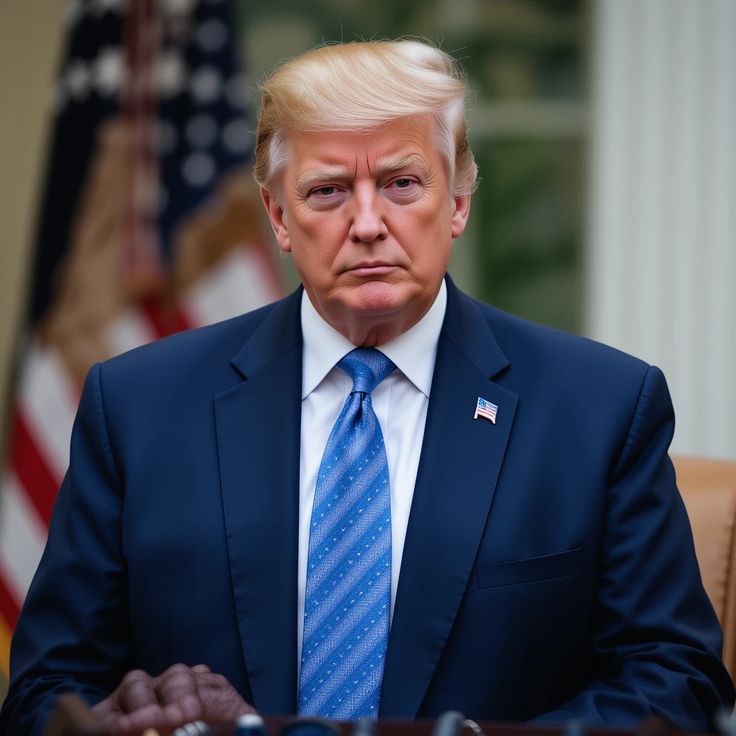
Trump noted that, based on the positive tone of the talks—which are expected to continue—he had ordered the Pentagon to postpone any military action against Iranian energy facilities for five days. However, Iranian state media denied that any direct negotiations had taken place with the U.S. Officials in Tehran maintained their stance on the Strait of Hormuz and reiterated that their conditions for ending the conflict remain unchanged.
Reports from the The Wall Street Journal, citing Iran’s Fars news agency, also indicated there had been no communication between the two sides. According to Fars, the U.S. decision to step back from targeting Iranian energy sites followed warnings from Iran about potential retaliation across West Asia.
Speaking to reporters, Trump said the talks had gone “very well” and suggested there was a serious chance of reaching an agreement, though he stopped short of making any guarantees.
Market analysts expressed uncertainty over how to interpret the situation. David Morrison from Trade Nation noted that the developments add volatility to trading, especially given the high stakes involved. He also suggested that the lack of clearly defined war objectives may allow the U.S. to step back while claiming success—though Iran has framed the move as a retreat following its warnings.
The euro, pound, and yen showed little movement.
In currency markets, the euro and pound showed little movement, while the yen remained steady. European markets ended higher, supported by optimism that reduced tensions could stabilize energy supplies. This is particularly important for Europe, which depends heavily on oil and gas from the Middle East.
Disruptions to the Strait of Hormuz—through which about 20% of global energy supply passes—as well as attacks on gas infrastructure in Qatar, have recently weighed on the region. Meanwhile, Japan’s currency has also been pressured by rising oil prices, as the country relies on crude imports passing through the same route.
Sources: Anuron Mitra
 THE ETERNAL SOVEREIGN
Leave a comment