U.S. President Donald Trump on Tuesday agreed to a two-week ceasefire with Iran just hours before his deadline for Tehran to reopen the Strait of Hormuz or face major strikes on civilian infrastructure. The move marked a sharp reversal from his earlier warning that catastrophic consequences would follow if his demands were ignored. Pakistan’s military chief Asim Munir and Prime Minister Shehbaz Sharif played a key role in brokering the deal, with talks potentially set to continue in Islamabad.
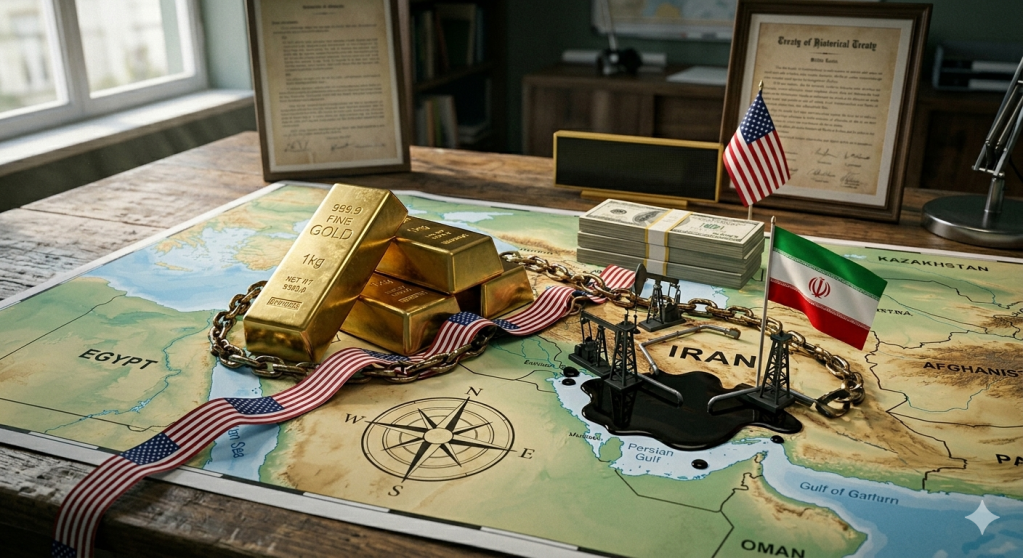
The agreement hinges on Iran easing its blockade of the strategic waterway, which carries about 20% of global oil shipments. In response, Iran signaled it would halt counterattacks and allow safe passage if hostilities against it cease. While Trump hailed the deal as a “total victory” and a step toward long-term peace in the Middle East, Iranian officials framed it as a win for their own conditions being accepted.
Despite optimism, uncertainty remains over whether the ceasefire will hold, with some officials viewing it as a temporary confidence-building measure. Israel backed the pause in strikes on Iran but indicated the truce does not extend to Lebanon, highlighting conflicting interpretations of the agreement. Meanwhile, hostilities appeared to continue shortly after the announcement, with missile activity reported and defensive systems activated across the region.
Markets reacted positively to the news, with oil prices dropping, stocks rising, and the dollar weakening amid hopes that trade through the Strait of Hormuz could resume. Global leaders welcomed the development, noting both the economic risks and human toll of the six-week conflict, which has killed more than 5,000 people. Analysts suggest the ceasefire may reflect growing pressure on Trump to de-escalate a prolonged and unpopular war, while still framing the outcome as a strategic success.
Sources: Reuters
 THE ETERNAL SOVEREIGN
Leave a comment