The U.S. dollar rose on Friday, positioning itself for its strongest monthly performance since July, as investors turned to the currency as a safe haven amid uncertainty surrounding the Iran conflict.
By 17:28 ET (21:28 GMT), the U.S. Dollar Index—which measures the greenback against six major currencies—had increased by 0.3% to 100.18.
The U.S. dollar is on track for its strongest monthly performance since July 2025.
The U.S. dollar is on track for its strongest monthly gain since July 2025, with the Dollar Index rising 2.6% in March—its biggest increase since a 3.2% climb last July.
This strength has been driven by growing safe-haven demand amid geopolitical tensions, along with expectations that interest rates will stay higher for longer due to inflation pressures from rising energy prices. Markets have largely abandoned bets on Federal Reserve rate cuts this year, and are even starting to price in potential rate hikes.
At the same time, investors have been selling off bonds, pushing U.S. Treasury yields sharply higher, with the 10-year yield reaching its highest level since July.
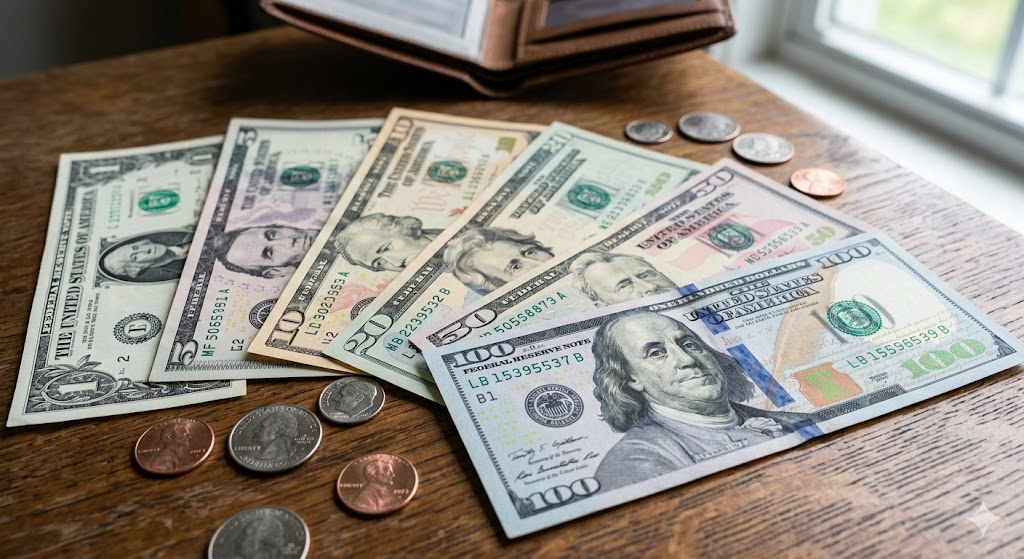
According to Macquarie strategist Thierry Wizman, while safe-haven flows have played a role, the dollar’s strength is more fundamentally driven—particularly by the U.S.’s lower reliance on imported oil compared to other regions. He noted that unlike past periods of uncertainty, the current environment may have a less severe impact on U.S. incomes, helping support the dollar despite global economic disruptions.
Trump pushed back a critical deadline, while Iran reported that its infrastructure had been struck.
Risk assets fell sharply on Friday as tensions in the Middle East intensified, while oil prices surged past $110 per barrel. Although President Donald Trump extended a deadline for Iran to reopen the Strait of Hormuz, the move did little to reassure markets.
Iran’s foreign minister, Abbas Araghchi, stated that Israeli strikes had already hit key infrastructure, including steel plants, a power station, and civilian nuclear facilities, calling the attacks inconsistent with Trump’s extended timeline.
Earlier, Trump had warned Iran to unblock the strategic waterway—through which about 20% of global oil supply passes—or face U.S. strikes on its energy infrastructure. He later delayed potential action until Friday following what he described as “very strong” talks with Iran. However, Tehran has denied that any negotiations with Washington are taking place.
The euro and British pound weakened, while the yen surged to 160 against the dollar.
The euro and British pound weakened against the U.S. dollar, with EUR/USD falling 0.2% to 1.1510 and GBP/USD dropping 0.5% to 1.3259, as Europe continues to face energy supply disruptions—especially in natural gas—linked to the Iran conflict.
G7 diplomats met in France, where U.S. Secretary of State Marco Rubio highlighted the Strait of Hormuz as a key issue, warning that any attempt by Iran to impose tolls on the passage would be unacceptable.
Meanwhile, the Japanese yen slid further, with USD/JPY rising 0.4% to 160.25. Reports suggest that breaching the 160 level could prompt intervention by Japanese authorities. The Australian dollar, often seen as a risk-sensitive currency, remained broadly stable after earlier falling to a two-month low.
Analysts at MUFG expect the U.S.–Iran conflict to be relatively short-lived, with geopolitical risk premiums eventually easing. However, they caution that a prolonged conflict could keep energy prices elevated, putting additional pressure on currencies in Asia that rely heavily on energy imports—particularly the South Korean won and the Japanese yen.
Sources:
 THE ETERNAL SOVEREIGN
Leave a comment