Bank of America expects the U.S. dollar to strengthen further in the second quarter.
Bank of America expects the U.S. dollar to stay strong in the near term, supported by elevated energy prices and shifting expectations around central bank policy. The bank has upgraded its FX outlook, now projecting EUR/USD at 1.14 and USD/JPY at 160 by the end of Q2, reflecting continued short-term dollar strength.
This revision comes as markets reassess the impact of the Middle East energy shock, with high oil prices and ongoing uncertainty boosting demand for the greenback. According to BofA strategists led by John Shin, rising energy costs and increasingly hawkish central banks—particularly the Federal Reserve—have played a key role in lifting the dollar.
The conflict in Iran has also reshaped currency outlooks, with the dollar likely to gain further, especially against currencies of energy-importing economies. BofA’s commodities team now expects Brent crude to average around $80 in 2026, reinforcing inflationary pressures.
Meanwhile, expectations for central bank policy have shifted, with markets pricing in modest Fed tightening and multiple rate hikes from other G10 central banks. Whether these hikes materialize will be crucial for FX movements in the coming months.
BofA now sees dollar strength extending into Q2 rather than being confined to Q1, although it still anticipates a gradual weakening later in 2026 as energy markets stabilize. Longer term, the bank forecasts EUR/USD rising to 1.20 by year-end.
However, risks remain tied to the trajectory of the energy shock—prolonged disruption could drive further dollar gains, while a quicker resolution may lead to a pullback as geopolitical risk premiums fade.
U.S. Treasury plans to place Donald Trump’s signature on new dollar bills, breaking a 165-year tradition.
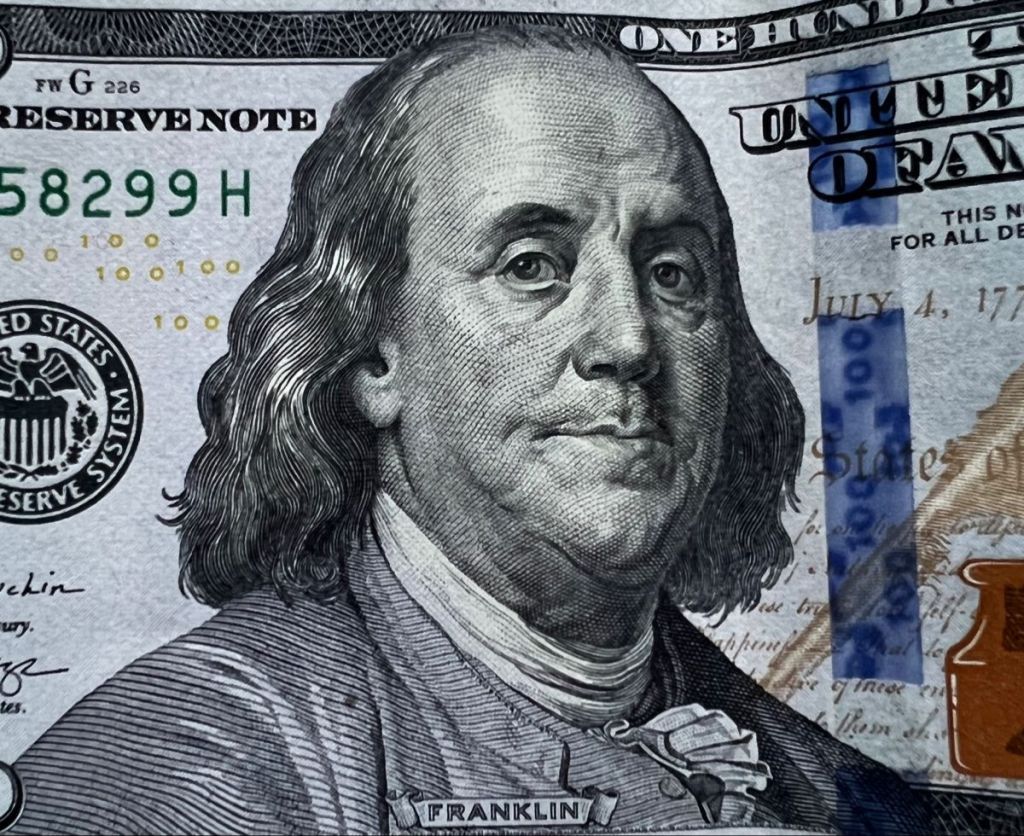
U.S. paper currency will begin carrying President Donald Trump’s signature this summer, marking the first time a sitting president has signed American banknotes, according to the Treasury Department. The change, tied to the 250th anniversary of U.S. independence, also ends a 165-year tradition by removing the U.S. treasurer’s signature from the bills.
The first redesigned $100 notes—featuring Trump’s signature alongside Treasury Secretary Scott Bessent—are set to be printed in June, with other denominations to follow. Existing notes bearing the signatures of former Treasury Secretary Janet Yellen and Treasurer Lynn Malerba will remain in circulation for now.
Malerba will be the last treasurer to appear on U.S. currency, ending a practice that dates back to 1861. The update is part of broader efforts by the Trump administration to place the president’s name and likeness on national symbols, including a newly approved commemorative coin.
While the signatures will change, the overall design of U.S. banknotes will remain largely the same. Officials noted the Treasury has legal authority to adjust currency features, provided key elements—such as “In God We Trust” and portraits of deceased individuals—are preserved.
Sources: Vahid Karaahmetovic and Reuters
 THE ETERNAL SOVEREIGN
Leave a comment