Oil dropping below $95 signals that the market is easing its worst-case fears, though the underlying structural risks remain. Gold’s rally points to a dovish policy interpretation, with traders anticipating a gentler rate path rather than outright risk hedging. Equities are following signs of easing inflation, yet the system remains fragile and sensitive to headlines.
Light at the End of the Tunnel
Asian traders woke to what feels like a soft glow at the tunnel’s end.
Oil has slipped below $95, equities are rising, yields are easing, and the dollar is softening as Washington’s diplomatic push starts to feel less like theatre and more like a path markets can tentatively follow. A 30-day ceasefire is no longer just a line in a briefing note—it’s starting to look like a trackable reality.
But this is still glow, not full daylight.
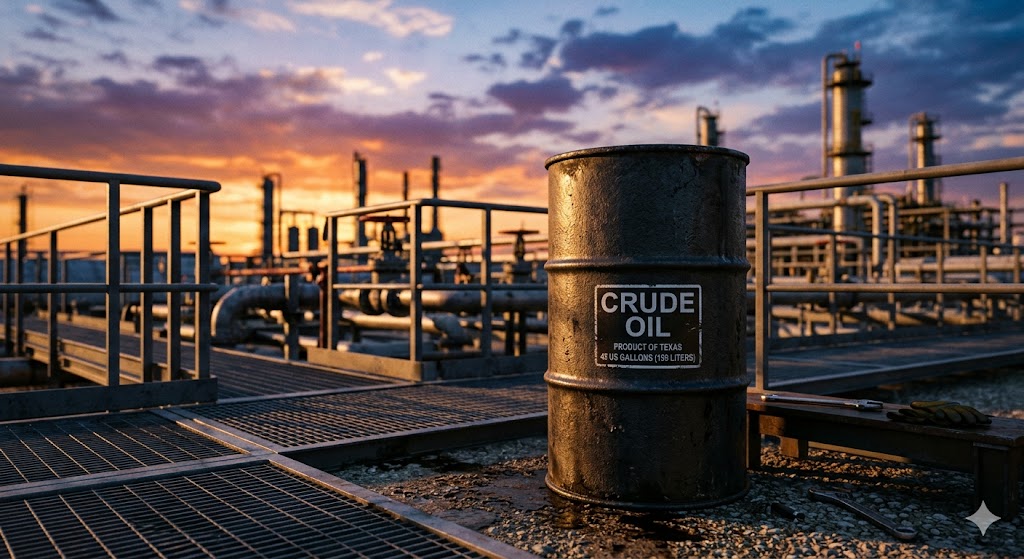
Crude’s decline reflects the market dimming emergency lighting, not declaring the room safe. Traders are beginning to believe the fire may be contained. The panic premium is being dialed down, not switched off. And that subtlety is where trades live or die.
The underlying system remains fragile. The Strait of Hormuz is still the key conduit for global energy flows, flickering under geopolitical tension. Confidence isn’t restored by proposals; it returns when flows run smoothly, insurance risks normalize, and barrels shed their geopolitical premium.
For now, the market follows the beam rather than stepping fully into the open.
Equities lean into it: S&P futures rise as lower oil feeds softer inflation expectations, easing central bank pressure and reopening the risk door. This is expectation-driven, not confirmation-driven.
Bond markets move cautiously. Yields edging lower show traders shading their views rather than rewriting them. The dollar eases as hedges trim slightly; risk isn’t gone, just loosened.
Gold, meanwhile, is stepping further into the light. It rallies not out of fear but in forward pricing—anticipating a softer policy path as oil slips and inflation pressures ease. Bullion is accumulating because markets see central banks nudged closer to a pivot.
This is the tell: when gold rises alongside equities and softer yields, the market isn’t just trading risk—it’s trading policy.
And yet, the barrel still holds the switch.
Even below $95, oil remains the power source for the macro grid. Diplomacy can dim the lights, but full power returns only when the physical system stabilizes. Gains won’t unwind because of negotiations; they unwind when supply chains flow, inventories rebuild, and disruption is no longer priced as baseline.
We’re not there yet.
What we see is the market cautiously walking toward the light: sentiment improving, volatility compressing, risk returning in measured doses. But the wiring underneath remains exposed.
The tunnel is visible. The way forward is clearer. But until that light becomes open sky, every step carries the risk of the switch being flipped back.
Sources: Stephen Innes
 THE ETERNAL SOVEREIGN
Leave a comment