Dollar posts a weekly drop as policymakers adopt a cautious stance due to the ongoing Iran war.
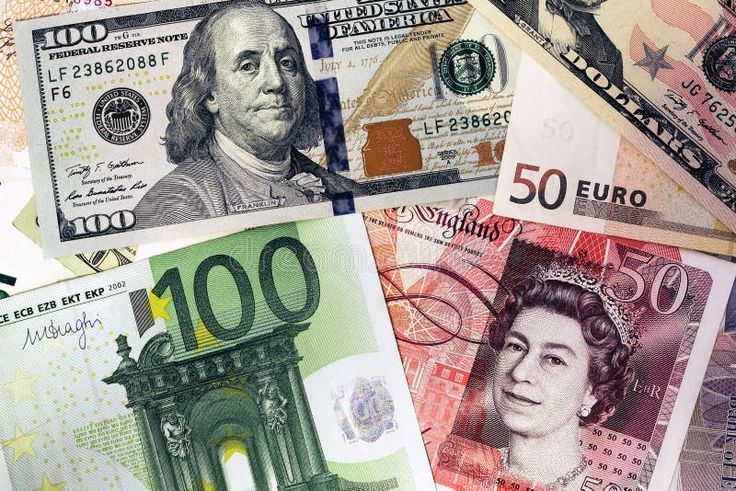
The U.S. dollar held steady on Friday but remained below multi-month highs and was set for a weekly decline, as investors weighed the future of U.S. interest rates amid the ongoing war in Iran. The US Dollar Index, tracking the greenback against six major currencies, rose 0.3% to 99.50 but fell 0.9% for the week.
EUR/USD slipped 0.2% to 1.1570 and GBP/USD dropped 0.7% to 1.3338, both aiming for weekly gains, while USD/JPY gained 0.9% to 159.21. Rising oil prices, driven by attacks on Middle East energy infrastructure and disruption of key shipping routes, have fueled expectations that global central banks may tighten monetary policy to counter renewed inflation risks, boosting demand for the dollar since the conflict began in late February.
The Federal Reserve left interest rates unchanged this week, citing uncertainty around U.S.-Israeli actions in Iran, though it maintained projections for potential rate cuts later this year. This positions the Fed as the only major central bank not expected to hike rates in 2026, in contrast to the European Central Bank’s more hawkish stance. JPMorgan analysts noted the stark difference, highlighting that early hikes could risk repeating past policy errors, though market expectations still tilt toward some rate increases this year.
Brent crude prices fell from a recent $119 per barrel spike after President Donald Trump sought to calm markets, pledging to resolve the crisis without deploying ground troops—though Pentagon planning and additional troop deployments suggest contingency preparations. The White House is also exploring measures to ease energy market pressures, including potentially lifting sanctions on Iranian oil, while requesting $200 billion in funding for the conflict.
The pound falls as rising oil prices counteract a hawkish signal from the Bank of England.
Sterling fell on Friday as higher oil prices pressured sentiment, but the pound remained on track for a weekly gain following a hawkish surprise from the Bank of England that revised UK rate expectations. At 12:52 GMT, GBP/USD was down 0.3% at $1.34, partially reversing Thursday’s 1.31% jump, with the currency up 1.2% for the week.
EUR/GBP was largely unchanged, as hawkish signals from both the ECB and BoE offset each other. EUR/USD slipped 0.2% to 1.15, pulling back from Thursday’s 1.2% rally, as the dollar found tentative support despite the ECB’s April rate hike guidance.
On Thursday, the BoE voted unanimously 9-0 to keep rates on hold, surprising markets that had expected some members to favour a cut. Dovish MPC member Swati Dhingra even discussed possible hikes to manage inflation. Traders quickly repriced expectations, now anticipating around 80 basis points of tightening by year-end, though ING cautioned this may be excessive given weaker conditions for second-round inflation than in 2022.
Oil continued to drive markets, with Brent volatile amid the Iran conflict and Strait of Hormuz concerns. ING strategist Francesco Pesole noted that while the hawkish BoE stance provided some support for sterling, commodity prices and geopolitical developments remained the dominant market influences. ING retains a bullish view on EUR/GBP, targeting 0.88 by end-Q2, factoring in May local elections and potential future BoE cuts.
Sources: Anuron Mitra and Navamya Acharya
 THE ETERNAL SOVEREIGN
Leave a comment