The U.S. dollar paused on Wednesday as softer crude oil prices helped revive some risk appetite ahead of a series of major central bank decisions.
The yen remained fragile near levels that have previously raised concerns about possible intervention by Tokyo, especially with Japanese Prime Minister Sanae Takaichi set to meet U.S. President Donald Trump in Washington. Meanwhile, the euro slipped slightly after two sessions of gains, as the European Central Bank prepared to kick off its two-day policy meeting.
Amid the ongoing Middle East crisis, now in its third week, the dollar has strengthened as the primary safe-haven currency. However, oil prices edged lower after data from the American Petroleum Institute indicated a rise in U.S. crude inventories.
According to Hirofumi Suzuki, chief FX strategist at Sumitomo Mitsui Banking Corporation, while the pause in oil’s rally hasn’t dramatically improved conditions, markets are showing signs of stabilization. He noted that USD/JPY has moved modestly in favor of yen strength.
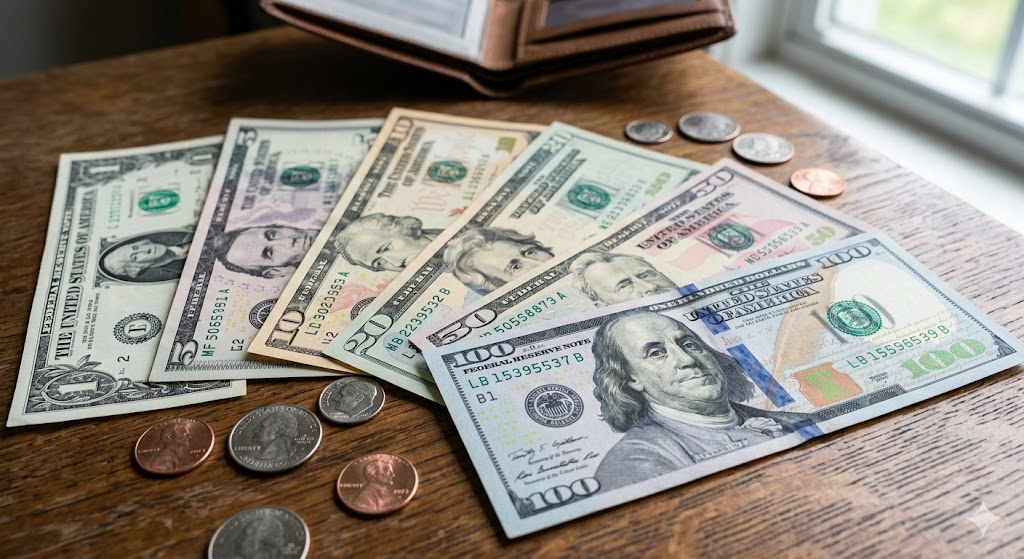
The dollar index rose slightly by 0.06% to 99.61 following a two-day decline, while the euro dipped 0.05% to $1.1532. The yen weakened marginally to 159 per dollar, and sterling remained steady at $1.3355.
The greenback had surged to a 10-month high late last week, driven by geopolitical tensions and rising oil prices that pushed investors toward safer U.S. assets.
Highlighting the broader impact of the crisis, Trump announced he would delay a planned trip to Beijing to meet Chinese President Xi Jinping. Takaichi is expected to leave for Washington later Wednesday.
Analysts at Mizuho Securities noted that even if the conflict drags on, equities could rebound, supporting commodity-linked currencies like the Australian dollar, as well as currencies of oil-importing nations such as the yen and euro. However, they expect limited downside for USD/JPY, partly due to the Japanese government’s preference for a weaker yen.
Attention now turns to central banks, with the Federal Reserve set to announce its decision Wednesday, followed by the ECB, Bank of England, and Bank of Japan a day later. All are widely expected to hold rates steady, though markets will closely watch their outlooks on inflation and growth amid geopolitical uncertainty.
Expectations for Fed rate cuts have been trimmed to around 25 basis points this year. Meanwhile, traders are now pricing in more than one ECB rate hike in 2026—a notable shift from earlier expectations of potential cuts.
Elsewhere, the Australian dollar gained 0.1% to $0.7109, and the New Zealand dollar rose 0.05% to $0.586. In crypto markets, bitcoin slipped 0.40% to $74,257.80, while Ethereum edged up 0.22% to $2,333.60.
Sources: Reuters
 THE ETERNAL SOVEREIGN
Leave a comment