USD/MXN
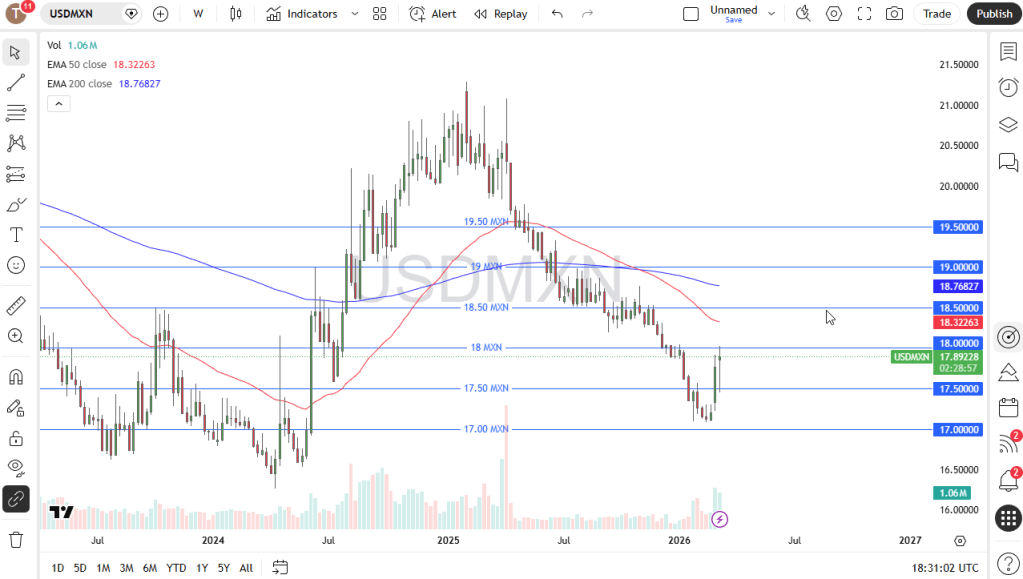
The U.S. dollar remained highly volatile over the past week as markets continued to assess the broader risk appetite outlook. The 18 MXN level still stands as a major resistance barrier, while the weekly candlestick formed a hammer pattern, signaling the potential for continued volatility. However, it is important to remember that holding long positions may carry costs due to interest rate differentials. A move lower would likely indicate a return of risk appetite in the market.
NASDAQ 100
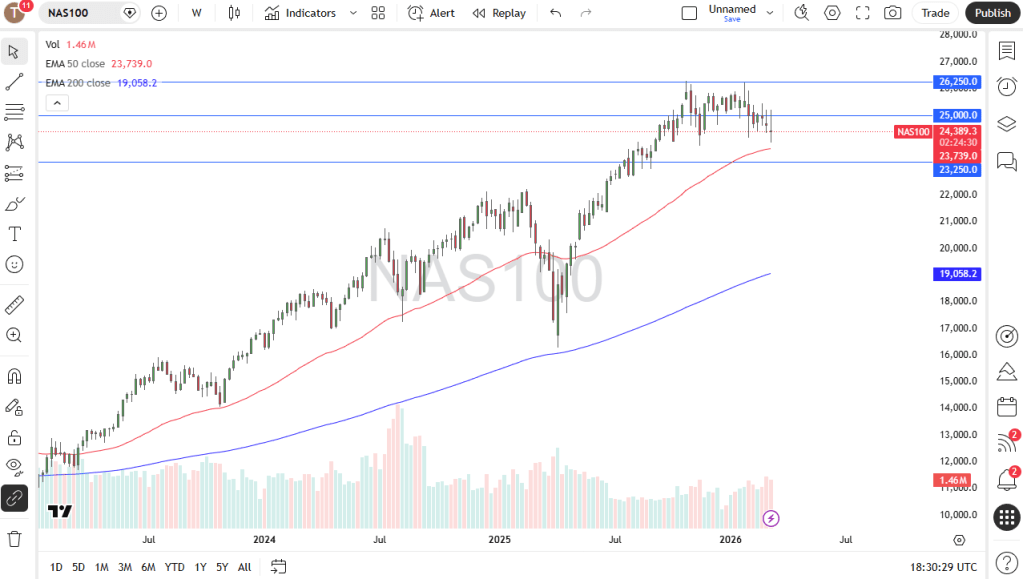
The NASDAQ 100 experienced significant volatility over the past week, driven largely by rising U.S. interest rates and ongoing war-related headlines. Surging energy costs could also pose challenges for many AI-related companies, creating a lingering overhang that may weigh on the market. That said, a major sell-off does not appear likely at this stage. Instead, the market is likely to remain choppy, with pullbacks continuing to attract buyers.
EUR/USD
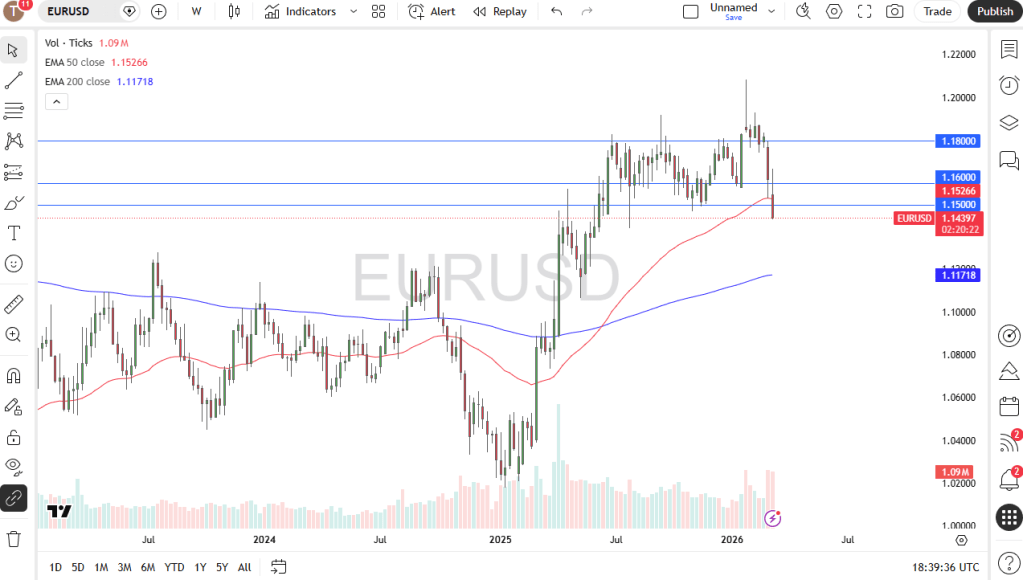
The euro has declined sharply over the past week and has now slipped below the key 1.15 level, an area closely monitored by many traders. As a result, investors appear to be moving toward the US dollar in search of safety. At the same time, inflation in the United States remains persistent, leading traders to believe the Federal Reserve may have to keep interest rates higher for longer. Meanwhile, the European Central Bank must contend with potential energy shortages that could pose challenges for the continent.
USD/CAD
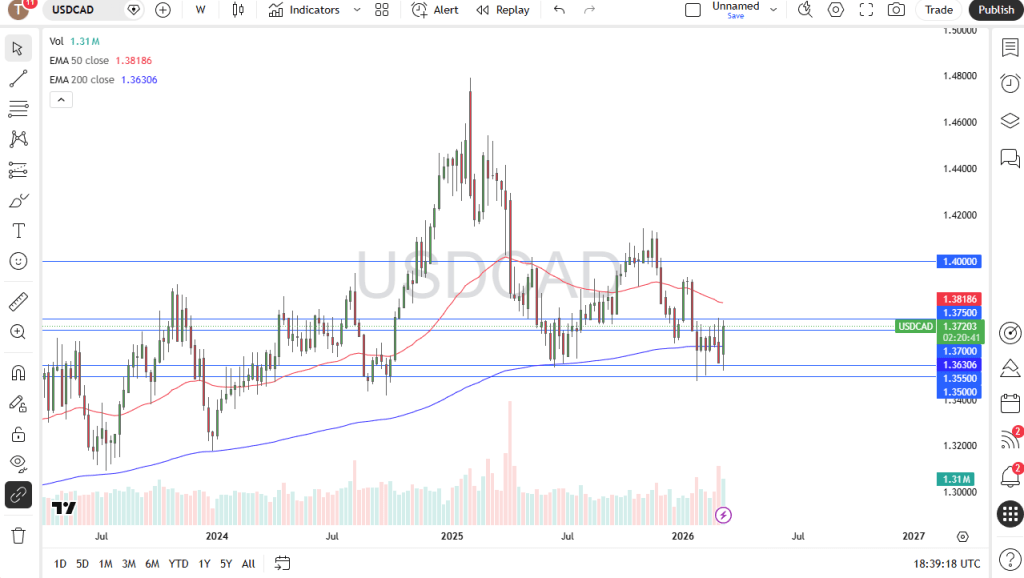
The US dollar strengthened for most of the week, with the market continuing to encounter significant resistance around this area. The 1.3750 level remains a key obstacle, having acted as a strong barrier on several occasions. While higher oil prices typically support the Canadian dollar, this pair may behave differently as the United States keeps boosting its oil output, currently around 14 million barrels per day. As a result, the pair is likely to be driven largely by shifts in risk sentiment, with traders turning to the greenback during periods of uncertainty.
GBP/USD
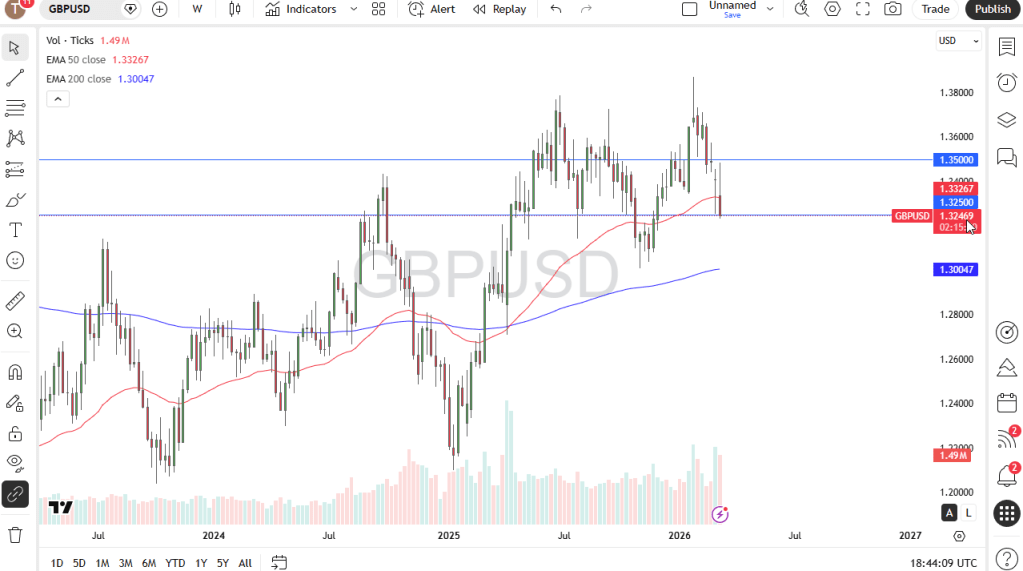
The British pound attempted to rally over the past week but was sharply pushed lower as risk appetite deteriorated. GBP is now threatening a breakdown below the 1.3250 level. If it falls through that support, the next potential target could be around 1.30. Any rallies at this stage may present selling opportunities, as several factors continue to drive traders toward the US dollar. For now, buying interest remains limited, especially with ongoing war-related headlines that could continue to influence market sentiment.
USD/ZAR
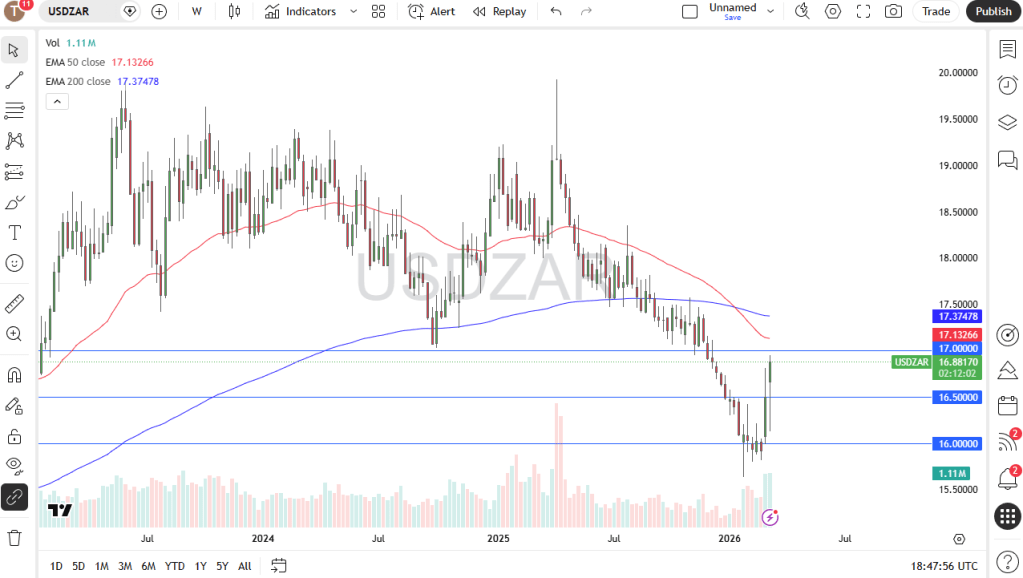
The US dollar started the week on the back foot but then rebounded sharply as traders navigated the ongoing risk aversion dominating the market. South Africa sits on the higher end of the risk spectrum, and concerns about the country’s ability to secure sufficient energy supplies are prompting capital outflows. As a result, the pair is now approaching the 17 ZAR level, a significant round and psychological threshold that many traders monitor closely. A break above this level could trigger a stronger move higher, suggesting the market is nearing a key turning point.
DAX
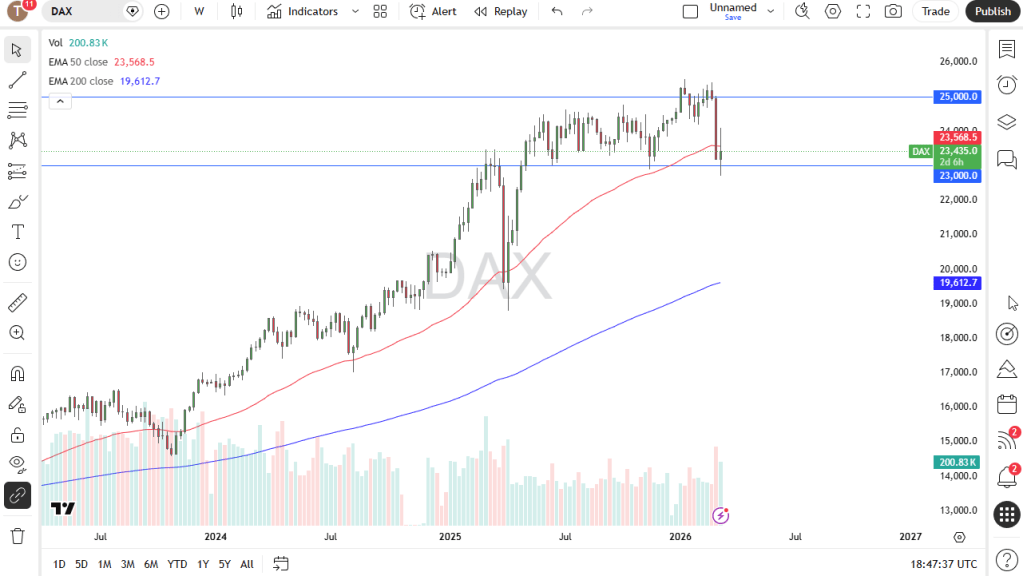
The German index has remained highly volatile, much like other markets, but it has so far managed to hold relatively steady, with the 23,000-euro level acting as a potential floor. From here, the market may attempt to recover. However, a closer look at the daily chart shows considerable choppiness, suggesting the index may be trying to form a base before any broader turnaround. If the market were to break below the 23,000-euro level, it could trigger a much sharper decline.
Sources: Lewis
 THE ETERNAL SOVEREIGN
Leave a comment