Silver advanced over the week but continued to struggle to break decisively above the key $60 level. This major psychological resistance remains a focal point for traders, with selling pressure re-emerging as prices approach the area.
Meanwhile, the $55 region continues to provide solid support, helping to limit downside moves. Despite the recent gains, silver remains challenged by the higher interest-rate environment, which continues to weigh on the precious metals market.
Gold
Gold followed a similar pattern, climbing toward the $4,200 area before retreating from a level that has repeatedly acted as a significant resistance zone. The pullback highlights the market’s ongoing struggle to establish sustained momentum above this threshold.
On the downside, the $4,000 mark remains a key psychological support level, with additional buying interest emerging around $3,900. Overall, gold continues to trade in a volatile and uneven manner, with price action heavily influenced by developments in the Middle East. Geopolitical headlines are likely to remain a major driver of market sentiment, affecting not only gold but also interest-rate expectations, which continue to play a crucial role in shaping global financial markets.
USD/CAD
The U.S. dollar strengthened against the Canadian dollar over the week, even as oil prices surged. This divergence is not particularly surprising, as elevated market uncertainty has boosted demand for the U.S. dollar, while rising U.S. interest rates continue to support the currency. The positive interest-rate differential remains an important factor attracting buyers to the pair.
Although USD/CAD experienced a pullback in recent weeks after an extended bullish run, the correction appears to have helped ease overbought conditions. With the market showing signs of stabilizing, the pair may be positioned to resume its broader uptrend, with the 1.4150 area emerging as a key upside target.
EUR/USD
The euro weakened against the U.S. dollar during the week, with the 1.1400 level continuing to serve as a crucial support zone. This area has attracted significant market attention, having acted as a key consolidation level over the past year.
Looking ahead, the outlook for the pair remains heavily influenced by monetary policy expectations. Elevated U.S. interest rates continue to provide strong support for the dollar, reinforcing its appeal relative to other major currencies. As a result, interest-rate dynamics are likely to remain a primary driver of EUR/USD price action in the near term.
USD/JPY
The U.S. dollar remained firmly supported against the Japanese yen, as the yen continues to struggle amid the wide interest-rate gap between Japan and the United States. The pair’s broader trend remains bullish, with underlying fundamentals continuing to favor the U.S. dollar.
While a short-term correction cannot be ruled out after the recent advance, any pullback is likely to be viewed as a buying opportunity by market participants. The substantial interest-rate differential between the two economies continues to attract demand for the pair, reinforcing the longer-term upward outlook for USD/JPY.
GBP/USD
The British pound declined over the week, but the broader market structure remains largely unchanged. GBP/USD continues to trade within a well-established consolidation range between 1.3150 and 1.3700, suggesting that the recent weakness is part of ongoing sideways price action rather than the start of a new trend.
As the pair remains range-bound, it is likely to continue attracting traders who favor consolidation and mean-reversion strategies. Compared with other major currencies, the pound has shown relative resilience against the U.S. dollar, supported in part by the Bank of England’s comparatively hawkish policy stance, which has helped limit downside pressure on sterling.
Bitcoin (BTC/USD)
Bitcoin continues to experience choppy and unpredictable price action, with market sentiment largely driven by shifts in overall risk appetite. As investors weigh macroeconomic conditions and broader financial market trends, volatility is likely to remain elevated.
Despite the recent fluctuations, the $60,000 level appears to be establishing itself as a significant support zone. From a technical perspective, the latest weekly candlestick resembles a shooting star, following two consecutive hammer formations. This combination suggests a market lacking clear directional conviction, increasing the likelihood of continued sideways trading as participants wait for a stronger catalyst to determine the next major move.
Nasdaq 100
The Nasdaq 100 attempted to move higher during the week but quickly surrendered its gains as investor caution remained elevated. Ongoing geopolitical uncertainty and concerns about the economic outlook continue to weigh on sentiment, limiting the index’s ability to sustain upward momentum.
From a technical standpoint, the index appears vulnerable to a deeper correction if selling pressure persists. However, a decisive break above the high of the latest weekly candlestick would signal renewed bullish strength and could improve the near-term outlook. For now, persistent tensions in the Middle East and expectations of higher interest rates remain key headwinds, making it difficult for growth-oriented assets such as the Nasdaq 100 to stage a strong and sustained rally.
Many investors focus heavily on domestic markets, particularly in the United States, where stocks account for roughly 65% of global equity market capitalization. However, this still leaves about 35% of the world’s investable equity opportunities outside the U.S. A portfolio concentrated solely in one country may miss significant growth potential and expose investors to unnecessary concentration risk.
The Myth of Automatic Global Diversification
Some investors believe they already have international exposure because large U.S. companies generate a substantial portion of their revenue overseas. However, owning multinational U.S. corporations is not the same as investing directly in foreign markets. International investments provide exposure to different economies, regulatory systems, currencies, and political environments that domestic stocks cannot fully replicate.
Another concern is concentration risk within major U.S. indices. The largest companies now account for an increasingly large share of benchmark indexes, meaning investors may be more exposed to a handful of mega-cap stocks than they realize.
Four Ways to Improve Global Diversification
1. Gain Growth Exposure Through Emerging Markets
Emerging economies such as India, Brazil, Indonesia, and China offer access to expanding populations, rising consumer demand, and faster economic growth. Exchange-traded funds (ETFs) focused on these regions can enhance portfolio growth potential while adding geographic and currency diversification.
2. Add Stability with Developed International Markets
Countries including Japan, Canada, Australia, and those in Western Europe host many established companies with strong balance sheets and dividend-paying histories. Developed-market equities often behave differently from U.S. stocks, helping reduce portfolio volatility during periods of market stress.
3. Diversify Income Through International Bonds
International fixed-income investments can provide exposure to different interest-rate cycles and monetary policies. They also introduce foreign-currency exposure, helping reduce reliance on the U.S. dollar while potentially offering attractive yields.
4. Invest in Global Real Estate and Infrastructure
Global infrastructure assets such as utilities, transportation networks, and renewable energy projects can provide stable, defensive returns. International real estate investments further diversify a portfolio by accessing property markets whose cycles may differ from those in the United States.
Bottom Line
A well-diversified portfolio extends beyond national borders. While the U.S. remains one of the world’s most important investment destinations, relying exclusively on domestic assets can create concentration risks and limit long-term opportunities. By incorporating emerging markets, developed international equities, global bonds, and overseas real assets, investors can build a more balanced portfolio positioned to benefit from growth across the global economy.
Light Sweet Crude posted strong gains over the past week, a move largely driven by persistent geopolitical tensions in the Middle East that continue to fuel concerns over potential supply disruptions.
The market appears firmly positioned to challenge the $85 per barrel mark. Any near-term weakness or corrective pullbacks are likely to attract fresh buying interest, particularly from short-term traders looking to capitalize on the prevailing bullish momentum.
Gold
Gold retreated below the $4,000 threshold once again during the week, remaining under pressure as investors continue to assess the interest rate outlook. Persistent concerns that elevated borrowing costs could reduce the appeal of non-yielding assets such as gold have weighed on market sentiment.
The $4,000 level remains a key technical support zone. A sustained hold above this area could help stabilize prices, while a decisive break lower may open the door to additional downside pressure.
Silver
Silver came under heavy selling pressure during the week, dropping to a fresh low before attempting a modest recovery heading into Friday’s session. Despite the rebound, the broader technical outlook remains weak, with rallies likely to encounter renewed selling interest as bearish sentiment continues to dominate the market.
The $50 level remains a significant support zone that has influenced price action on several occasions in the past. Given the current downward momentum, a move toward this area cannot be ruled out. Rising interest rates continue to undermine the appeal of non-yielding assets, leaving silver vulnerable to further declines and offering little incentive for bullish positioning at this stage.
CAC 40
The CAC 40 experienced volatile and range-bound trading throughout the week. However, following the sharp decline seen in the previous week, the recent consolidation can be viewed as a constructive sign that the market may be stabilizing. A decisive break above the 8,400 level could pave the way for further gains toward 8,500.
A sustained move beyond 8,500 would strengthen the bullish outlook and potentially trigger a broader upward advance. On the downside, the 8,000 area continues to provide significant support, and as long as the index remains above this level, the longer-term uptrend is likely to stay intact.
Natural Gas
Natural gas prices edged lower over the past week, extending the prevailing bearish trend. The weakness is largely consistent with seasonal demand patterns, as this period of the year typically experiences softer consumption. Under these conditions, short-term rebounds are likely to be viewed as selling opportunities rather than the start of a sustained recovery.
Market sentiment remains tilted to the downside, with traders likely to sell into rallies that show signs of losing momentum. A break below this week’s low could accelerate selling pressure and expose the $2.50 level as the next significant downside target. Given that the market is currently focused on the August contract, a substantial upward move appears unlikely unless an intense and widespread heatwave significantly boosts energy demand across the United States.
USD/CAD
The US dollar came under significant pressure against the Canadian dollar during the week, with the 1.40 level providing a measure of support heading into the weekend. Strength in crude oil prices has contributed to the Canadian dollar’s resilience, as rising energy prices generally benefit Canada’s commodity-linked currency.
The 1.40 area is likely to remain a closely watched support zone, making next week’s price action particularly important for determining the pair’s near-term direction. Recent movements have been influenced by a combination of factors, including ongoing geopolitical tensions in the Middle East, softer-than-expected US CPI and PPI data, and stronger-than-forecast Canadian employment figures released the previous week. Together, these developments have increased pressure on the US dollar while providing support for the Canadian currency.
NASDAQ 100
The Nasdaq 100 declined during the week, revisiting the 28,500 level, a region that has repeatedly acted as an important support zone. The market’s ability to hold above this area is likely to attract attention from investors looking for value opportunities and could help sustain the broader consolidation pattern.
If buyers successfully defend the 28,500 support level, the index may stage a rebound and continue trading within its established range. Under current conditions, the broader outlook still favors a move back toward the 30,000 mark over time. However, a significant deterioration in geopolitical conditions, particularly in the Middle East, could undermine risk sentiment and challenge the bullish scenario.
EUR/USD
The EUR/USD pair continued to hover around the key 1.14 level throughout the week. This area, which previously served as a major support zone, remains an important reference point for traders. Although the euro managed to recover modestly earlier in the week, higher US interest rates have continued to limit upside momentum and provide underlying support for the US dollar.
The broader bias remains cautious, with rallies likely to face resistance if buying momentum begins to fade. Given the current interest rate dynamics and ongoing demand for the dollar, traders may prefer a short-term trading approach, looking to capitalize on brief upward corrections while remaining alert to signs of renewed weakness in the pair.
U.S. stocks ended Tuesday in positive territory, with the S&P 500 gaining 0.38%. The advance, however, appeared to stem largely from a sharp drop in implied volatility rather than a meaningful shift in market fundamentals. The one-day VIX slid four points to finish at 10.5 after climbing to nearly 15 on July 13.
The earlier spike in volatility was fueled by investor uncertainty ahead of the latest Consumer Price Index (CPI) data and Kevin Warsh’s testimony before the House. Once those events passed and the one-day VIX retreated rapidly following the opening bell, equities lost momentum and spent most of the session moving sideways. With implied volatility now back near subdued levels, the boost it provided to stocks appears to have largely run its course.
Treasury yields declined after the latest CPI report showed softer-than-expected inflation in both the headline and core readings, easing concerns over immediate price pressures. The move was most pronounced at the short end of the curve, with the 2-year Treasury yield dropping eight basis points to close near 4.20%.
Despite the encouraging inflation data, Fed Chair Kevin Warsh struck a more hawkish tone during his testimony before the House on Tuesday. He emphasized that inflation remains above the Federal Reserve’s target and suggested that additional policy tightening may still be necessary. His remarks raised doubts about whether financial markets have fully accounted for the possibility of further interest rate increases.
Although the 2-year yield retreated to 4.20%, it continues to hold above a key support level after breaking through previous resistance. From a technical standpoint, the yield could still climb toward the 4.35%–4.40% range. If inflation proves more persistent than expected, the Federal Reserve may ultimately need to resume rate hikes to complete its inflation-fighting efforts.
Despite the softer-than-expected CPI data, the Japanese yen showed little sign of gaining meaningful traction. The currency strengthened by only 0.12% on the day, leaving USD/JPY to settle near 162.25.
The broader outlook for the yen remains fragile, with few developments so far convincing investors to reverse their bearish stance. As a result, the prevailing trend continues to favor further weakness in the Japanese currency.
From a technical perspective, USD/JPY has been trading closely along its 10-day and 20-day simple moving averages, indicating that bullish momentum remains intact. A decisive break above the 162.50 level could pave the way for a move toward 166, a price not seen since the mid-1980s.
Nvidia’s nearly 4% gain on Tuesday stood in sharp contrast to signals coming from the credit market. The company’s five-year credit default swap (CDS) spread widened to 60.6 basis points, up from roughly 42 basis points on June 22 and above 60 basis points by July 14. Over the same period, Nvidia’s shares rebounded from a June 26 low near $192 to approximately $211.
Under normal market conditions, rising CDS spreads—which reflect increasing perceived credit risk—tend to coincide with weaker equity performance. The divergence between Nvidia’s strengthening share price and widening CDS spreads suggests a disconnect that may not persist. Either the CDS spread will narrow as credit concerns fade, or the stock could eventually adjust lower to reflect the caution being signaled by the credit market.
One possible explanation is that credit investors are pricing in risks that equity investors have yet to fully acknowledge. If that assessment proves accurate, Nvidia’s recent rally may struggle to sustain its momentum as broader market concerns begin to filter into the stock price.
In our previous report, we outlined the $5.5 trillion AI capex supercycle and highlighted three critical bottlenecks that could ultimately determine how much value the ecosystem captures.
The capital is already flowing. The key question now is which supply constraint becomes the limiting factor first. As the industry shifts from training large models to deploying autonomous AI agents, all three bottlenecks are being fundamentally reshaped.
Memory is emerging as the first major pressure point, and Micron’s latest earnings delivered a clear signal of just how rapidly demand is accelerating.
This Week’s TechEdge
CPUs: the most overlooked growth inflection
Memory: the new battleground and what Micron’s results reveal
Networking: our highest-conviction opportunity
The Bottom Line: key implications for investors
The traditional hardware equation is changing. AI training was primarily a GPU-driven story, with large clusters of GPUs supported by relatively few CPUs.
Agentic AI introduces a different dynamic. Like human workers, AI agents require dedicated compute resources, their own memory footprint, and continuous communication with other systems. This reverses the hardware ratios that defined the training era and channels significantly greater demand toward infrastructure categories that were previously secondary considerations.
We believe the agentic AI era could generate roughly three times the hardware spending of the training era over the next two to three years.
CPUs: The Most Overlooked Inflection Point
As AI agents become more prevalent, infrastructure requirements move closer to a one-to-one CPU-to-GPU ratio, since each agent requires orchestration, task management, and system coordination.
We project the CPU market could expand from approximately $35–40 billion today to more than $200 billion by 2030. That outlook exceeds AMD’s estimate of roughly $120 billion and is well above the current Wall Street consensus of around $170 billion.
To put the scale into perspective, Cloudflare estimates that supporting 100 million knowledge workers in the United States would require roughly 10 million CPUs, with global demand potentially approaching one billion CPUs. AMD, Arm, and Intel have all pointed to this emerging trend, and 2025 appears to mark the beginning of the transition. While related stocks have already responded, we believe current valuations reflect only the early stages of a much larger growth cycle.
Memory: The Battleground — What Micron’s Results Revealed
This quarter, the memory story moved beyond theory and into reality.
Micron delivered strong results across every major segment, with the upside driven primarily by pricing rather than volume growth. The most striking figure was adjusted gross margin, which surged to nearly 80%—an extraordinary level for a business that has historically generated margins of 30–50% during favorable cycles and often slipped into negative cash flow during downturns.
Memory pricing has climbed roughly sevenfold from the cycle trough, creating a powerful earnings tailwind for Micron. Those higher prices are flowing directly into the company’s profits while simultaneously increasing infrastructure costs for hyperscalers and AI leaders such as NVIDIA, Alphabet, and Microsoft.
The takeaway is clear: memory is no longer just a supporting component in the AI stack. It is becoming one of the most critical constraints in the industry, with pricing power increasingly concentrated among the companies capable of supplying it.
The forces driving this trend are structural rather than cyclical.
Agentic AI is creating a second, distinct source of memory demand alongside high-bandwidth memory (HBM). While AI training workloads require HBM, autonomous agents also rely heavily on conventional DRAM and NAND—the same memory technologies found in everyday PCs and enterprise systems.
At the same time, manufacturing capacity is becoming increasingly constrained. Producing HBM consumes significantly more resources, with each HBM wafer requiring the equivalent of three to four conventional DRAM wafers. As memory manufacturers shift capacity toward HBM production, the supply available for traditional memory products tightens just as demand for those products is accelerating.
The result is a convergence of two demand streams that historically moved independently, now competing for the same limited supply base. According to Micron’s management, there is still no clear timeline for when supply—particularly in HBM—will fully catch up with demand. We believe these constraints could persist through 2028, extending the favorable pricing environment for memory suppliers and reinforcing memory’s position as one of the most critical bottlenecks in the AI infrastructure stack.
Perhaps the most significant development is not technological, but contractual.
Micron announced 16 strategic customer agreements with fixed-price structures, each spanning roughly three years and representing a combined minimum value of approximately $100 billion through 2030.
Historically, memory has been sold largely on the spot market, a key reason the sector has long traded at a valuation discount due to its cyclical nature. The emergence of multi-year, fixed-price agreements has the potential to reduce earnings volatility, soften future downturns, and support the case for a structural re-rating of memory companies.
That said, we are not prepared to fully underwrite that thesis yet. The real test will come when these businesses generate strong cash flows through an entire down cycle—something that remains unproven. These agreements also carry execution risk. If AI infrastructure investment slows, customers could scale back commitments, while increasing competition from Chinese memory producers remains a meaningful long-term consideration.
For that reason, we continue to favor the picks-and-shovels approach. Companies such as KLA, Lam Research, and Applied Materials supply the critical tools required to expand manufacturing capacity, allowing them to benefit from industry growth without taking direct exposure to memory price cycles.
One emerging catalyst deserves close attention. Micron has highlighted humanoid robotics as a potential second wave of demand growth. These systems could require roughly ten times the memory capacity of today’s AI deployments, creating an additional demand engine that may extend the current cycle well into the next decade.
Networking: Our Highest-Conviction Opportunity
As AI agents become more prevalent, the volume of machine-to-machine communication is set to increase dramatically. Every interaction, task delegation, and data exchange generates network traffic that must be moved efficiently across increasingly complex infrastructure.
The debate is often framed as a choice between copper and optical connectivity, but we believe that view is overly simplistic. Both technologies will play important roles at different performance, distance, and cost thresholds. Rather than betting on a single transmission medium, we prefer technology-agnostic infrastructure providers such as Astera Labs and Credo Technology Group, whose products enable faster and more efficient data movement regardless of the underlying architecture.
Signs of strain are already emerging across the ecosystem. Lead times for certain optical networking products have reportedly extended to as much as 12 months, while fiber pricing has risen approximately 50% since the start of the year. These pressures reflect a market struggling to keep pace with accelerating AI infrastructure demand.
Industry forecasts suggest the optical networking market could ultimately exceed $150 billion in value—roughly nine times its current size. While networking has already outperformed both memory suppliers and hyperscale cloud providers during this cycle, we continue to see the greatest potential for upward earnings revisions in this segment, alongside semiconductor capital-equipment companies.
As AI workloads evolve from model training to large-scale deployment of autonomous agents, networking is increasingly becoming a mission-critical layer of the infrastructure stack. In our view, this remains one of the most compelling opportunities across the AI value chain.
The Bottom Line: What This Means for Investors
The AI opportunity is no longer defined by who has the most capital to deploy—it is increasingly determined by who controls the most constrained resources.
CPUs are entering a major growth inflection and, in our view, remain underappreciated by the market. As AI agents proliferate, demand for orchestration, coordination, and general-purpose compute is set to rise sharply, creating a powerful tailwind for the CPU ecosystem.
Memory has moved from a future thesis to a present reality. Pricing power is already reshaping industry economics, and the market has begun to reflect that shift. However, much of the near-term optimism is now embedded in valuations. Whether memory suppliers deserve a sustained re-rating will ultimately depend on their ability to generate durable cash flows through the next downturn. Until that is proven, we prefer exposure through semiconductor equipment providers rather than the memory manufacturers themselves.
Networking remains our highest-conviction investment theme. As AI systems become increasingly agent-driven, the volume of data moving between machines will grow exponentially, making connectivity infrastructure one of the most critical—and scarce—components of the AI stack. We continue to see the strongest potential for earnings upside in this segment.
The broader takeaway is straightforward: in the agentic era, value accrues to the owners of scarcity. For years, GPUs were the primary bottleneck. Today, the constraints are shifting toward compute orchestration, memory capacity, and network infrastructure. Investors who identify these emerging choke points early will be best positioned to capture the next phase of AI-driven growth.
Although Livermore is not always mentioned in the same breath as renowned investors such as Warren Buffett and Peter Lynch, the lessons he left behind remain remarkably valuable. Notably, many of his principles differ significantly from the investment philosophies championed by Buffett and Lynch.
This contrast largely stems from their differing approaches. Buffett and Lynch are known for their focus on fundamental analysis and long-term value investing, whereas Livermore relied heavily on technical analysis and possessed a deep understanding of market psychology, including both his own behavioral tendencies and those of other investors.
While there is much to learn from the great figures of the investment world, it is important to recognize that no single strategy guarantees success. Every investment approach—whether conservative or aggressive—has its limitations. Livermore’s own career illustrates this reality; despite achieving extraordinary trading success, he ultimately died in financial hardship. Nevertheless, his insights into investor behavior and market dynamics remain highly relevant. With that perspective in mind, we now turn to the next 11 lessons.
Rule 1: Never Sell a Stock Simply Because It Appears Expensive
Rule 1 is essentially the opposite of Rule 10: never avoid a stock merely because it has already risen significantly from previous levels. A company that seems overvalued by traditional metrics may continue to appreciate if its business fundamentals remain strong and investor demand persists.
Valuation measures can help estimate long-term return potential, but they are often poor tools for market timing. Investors should evaluate stocks using multiple metrics rather than relying solely on commonly cited ratios such as P/E. Measures like the PEG ratio and forward P/E can provide additional perspective. A stock’s price alone should never be the sole reason for selling.
History offers many examples. Companies such as Amazon and Apple appeared expensive at various points in their growth cycles, yet continued delivering substantial gains. Selling high-quality businesses solely because they have appreciated can be a costly mistake.
Rule 2: Buy When a Stock Breaks Out After a Healthy Consolidation
Livermore believed investors should enter positions when a stock reaches a new high following a normal and orderly pullback. Such consolidations often indicate that selling pressure has been absorbed and buyers are regaining control of the trend.
A healthy correction differs significantly from a breakdown. The former represents a pause within an existing trend, while the latter may signal a genuine reversal. Distinguishing between these two scenarios is one of the most important skills in technical analysis. According to Livermore, a breakout following orderly consolidation often provides one of the lowest-risk opportunities to join a strong uptrend.
Rule 3: Never Average Down on Losing Positions
Averaging down remains one of the most common—and potentially damaging—investing habits. The reasoning often sounds logical: if a stock was attractive at $50, it should be even more attractive at $40.
In reality, a declining stock may be signaling that the original investment thesis is flawed or that the timing was wrong. Adding more capital to a losing position does not fix the problem; it increases exposure to it. Livermore viewed averaging down as one of the most destructive behaviors a trader can adopt because small losses can quickly become major ones.
Rule 4: Human Nature Is the Investor’s Greatest Enemy
Long before behavioral finance became an established discipline, Livermore recognized that investors frequently act irrationally.
Psychological biases influence nearly every investment decision. Loss aversion encourages investors to hold losing positions for too long. Overconfidence can lead to excessive risk-taking. Anchoring causes people to focus on their purchase price rather than a stock’s current value. Recency bias tempts investors to assume recent trends will continue indefinitely.
While these tendencies cannot be completely eliminated, recognizing them allows investors to build processes and disciplines that help reduce their influence.
Rule 5: Eliminate Wishful Thinking
Wishful thinking begins when hope replaces objective analysis. It occurs when investors stop asking what the market is communicating and instead focus on what they want to happen.
A useful exercise is to periodically evaluate every holding by asking: “If I did not already own this stock, would I buy it today based on the current information and price?” If the answer is no, it may be worth reconsidering the position. Successful investing requires evidence-based decisions, not emotional attachment.
Rule 6: Major Market Moves Require Time
The largest gains in financial markets typically come from trends that develop over months or even years. These trends rarely emerge overnight and often take considerable time to reach their full potential.
Impatience is a common reason investors fail to capture the majority of a trend’s returns. Identifying a strong trend is important, but having the discipline to remain invested while the trend unfolds is equally critical. Often, the biggest profits come not from finding opportunities, but from holding them long enough.
Rule 7: Do Not Obsess Over Every Explanation for Price Movements
Financial news outlets provide explanations for virtually every market move. However, many of these narratives are created after the fact to justify what has already occurred.
Markets frequently move for reasons that are impossible to identify with certainty. Constantly searching for explanations can lead investors toward poor conclusions and unnecessary trading decisions. Livermore believed that price action itself often provides more reliable information than the stories constructed around it. Observing what the market is doing can be more valuable than speculating about why it is doing it.
Rule 8: Following a Few Stocks Is Easier Than Following Many
Diversification has benefits, but excessive diversification can dilute both attention and conviction. When investors own dozens of positions, it becomes increasingly difficult to monitor each one effectively.
Livermore preferred focusing on a relatively small number of leading companies within strong sectors. By concentrating on businesses he understood well, he believed investors could make better decisions and respond more effectively to changing market conditions.
There is an important distinction between diversification as a risk-management tool and diversification as a substitute for thorough research. Owning fewer, well-understood investments may often be more effective than spreading capital across a large number of positions without sufficient analysis.
Rule 9: If You Cannot Profit from Market Leaders, You Are Unlikely to Profit from the Market Overall
In every market cycle, a relatively small group of stocks attracts the majority of investor capital. The growing popularity of passive investing has only reinforced this phenomenon.
If investors struggle to identify and benefit from these leading stocks, generating strong returns from secondary or lagging companies becomes increasingly difficult. For example, investors who avoid high-performing sectors such as technology in favor of weaker-performing areas may miss the primary engines of market gains. This principle underscores the importance of understanding sector leadership and monitoring shifts in market momentum.
Rule 10: Today’s Leaders May Not Be Tomorrow’s Leaders
Market leadership is never permanent. Sectors and investment factors rotate over time, often in dramatic fashion.
History provides countless examples. The “Nifty Fifty” stocks that dominated the early 1970s later fell out of favor. Technology stocks led the market during the late 1990s but underperformed for much of the following decade. Likewise, energy stocks struggled between 2014 and 2020 before becoming some of the market’s strongest performers in 2021 and 2022.
Investors who remain attached to yesterday’s winners risk underperforming in future market environments. Rather than focusing solely on what has worked in the past, successful investors continually evaluate which sectors and themes are most likely to benefit from changing economic and market conditions.
Rule 11: Do Not Let One Stock or Event Shape Your Entire Market View
A single data point does not establish a trend.
One company’s disappointing earnings report does not necessarily indicate weakness across an entire industry. Similarly, one stronger-than-expected inflation reading does not automatically signal the end of a broader disinflationary trend. Even a single bank failure does not guarantee a systemic financial crisis.
Markets are complex systems influenced by numerous variables. Investors often make costly mistakes when they draw sweeping conclusions from isolated events. Effective analysis requires examining a broad range of evidence and identifying consistent patterns before forming a strong bullish or bearish outlook.
Rule 12: Be Skeptical of Tips and “Inside Information”
While the sources of investment advice have evolved since Livermore’s time, the underlying principle remains unchanged.
In Livermore’s era, stock tips were commonly exchanged through personal networks and social gatherings. Today, they spread through social media, online forums, financial influencers, and subscription trading services. Yet the reality remains the same: if a truly exceptional investment opportunity were widely known, its advantage would quickly disappear.
People promoting “guaranteed winners” are often either misinformed, motivated by self-interest, or both. More importantly, investors should avoid relying entirely on someone else’s judgment. External research can be valuable, but investment decisions should ultimately be based on an analytical framework that the investor understands and can evaluate independently.
One of the most effective ways to strengthen investment decisions is to actively study viewpoints that challenge your own assumptions.
Summary
Jesse Livermore experienced extraordinary success and devastating setbacks throughout his career, building and losing multiple fortunes. Personal struggles, including depression and the changing regulatory landscape following the establishment of the U.S. Securities and Exchange Commission in 1934, weighed heavily on him. In 1940, he tragically ended his life, leaving behind a note describing himself as a failure. History, however, remembers him very differently.
What makes Livermore’s legacy remarkable is the enduring relevance of his principles. The markets he traded were vastly different from those of today. Technology, communication systems, market structure, and regulations have all undergone profound transformation. Yet the behavioral tendencies and market dynamics he identified remain strikingly familiar.
More than a century later, Livermore’s lessons on discipline, psychology, trend-following, risk management, and independent thinking continue to offer valuable guidance for investors navigating modern financial markets.
Bitcoin showed a modest recovery over the week, finding support around the $60,000 level and signaling a potential stabilization after its recent decline. However, caution remains warranted, as the cryptocurrency has experienced significant downward pressure and market sentiment is still fragile.
Looking ahead, any upward movement is likely to face resistance from sellers until Bitcoin can establish itself firmly above the $65,000 mark. On the downside, a break below the low of the current weekly candle could trigger renewed bearish momentum, increasing the likelihood of a move toward the $50,000 level.
EUR/USD
EUR/USD traded within a relatively narrow range throughout the week, with the 1.14 level continuing to serve as an important support zone for market participants. Sentiment shifted slightly following a weaker-than-expected U.S. Non-Farm Payrolls report, which prompted investors to scale back expectations of further interest rate hikes by the Federal Reserve.
Despite this development, the broader outlook remains uncertain. A break below the previous week’s low could accelerate bearish momentum and pave the way for a decline toward the 1.12 level. On the upside, any recovery attempts should be approached cautiously until the pair can convincingly move above 1.15, ideally supported by a daily close above that threshold.
NZD/USD
NZD/USD posted solid gains for most of the week, although the pair began to lose momentum on Friday, suggesting that bullish sentiment may be fading. If the U.S. dollar strengthens broadly in the coming sessions, the New Zealand dollar could be among the currencies most vulnerable to a reversal.
The pair has remained trapped within a long-standing trading range, while New Zealand’s monetary policy outlook differs from that of several other major economies. The central bank has maintained a relatively less hawkish stance, which could limit the kiwi’s upside potential. Given these factors, bearish opportunities may emerge if further signs of weakness develop. Additionally, Friday’s price action resembles a shooting star candlestick pattern, often viewed as a warning of potential downside pressure, making it a technical signal worth monitoring closely.
USD/CAD
USD/CAD traded largely sideways throughout the week, reflecting a period of consolidation after recent moves. While the pair may appear somewhat stretched in the short term, price action is likely to remain volatile given the close economic relationship between the United States and Canada.
Although the latest U.S. employment data came in weaker than expected, broader fundamentals continue to support the U.S. dollar. At the same time, concerns over the Canadian economy’s performance may limit the Canadian dollar’s strength. As a result, any near-term pullback in USD/CAD could present buying opportunities, particularly if the pair declines toward the key 1.40 support area, where demand may re-emerge.
GBP/USD
GBP/USD delivered a strong performance during the week, advancing above the 1.33 level and testing the 50-week Exponential Moving Average (EMA). A decisive break above this week’s high, near 1.34, could reinforce bullish momentum and pave the way for a move toward the 1.35 area.
The pair has spent an extended period trading within a range, making the recent recovery a relatively natural development. The British pound has also demonstrated greater resilience against the U.S. dollar compared with several other major currencies. Should the U.S. dollar come under renewed selling pressure, sterling could emerge as one of the primary beneficiaries. Conversely, even if the dollar regains strength, the current market structure offers little incentive for a bearish outlook on GBP/USD, as the pair continues to show underlying support and positive momentum.
Silver
Silver experienced considerable volatility throughout the week, with price action remaining choppy and directionless. The $60 level continues to act as a key psychological resistance zone, creating a significant hurdle for any sustained upward movement.
Despite periodic rebounds, the broader technical picture remains cautious following the recent formation of a new swing low. This suggests that rallies may continue to face selling pressure, particularly if bullish momentum begins to fade. From a technical perspective, the 50-week Exponential Moving Average (EMA), currently near $64.36, represents an important resistance area and may serve as the primary upside barrier in the near term. Until silver can break convincingly above this level, the market is likely to remain vulnerable to further downside pressure.
Gold
Gold has shown signs of improvement over the past several weeks, with prices recovering and attempting to build a stronger foundation. The market is now approaching the 50-week Exponential Moving Average (EMA), a key technical level that could determine the next major move. A successful breakout above this resistance may strengthen bullish momentum and open the door for a rally toward the $4,400 level.
On the downside, a decline below the $3,900 support zone would likely weaken the outlook and increase the risk of a deeper correction toward $3,500. Overall, gold appears to be in the process of establishing a long-term bottom, although confirmation is still needed. Traders should continue to monitor the performance of the U.S. dollar, as further dollar weakness could provide additional support for gold prices and enhance the prospects for a sustained recovery.
The Nasdaq 100
The Nasdaq 100 advanced for most of the week, continuing to reflect the market’s underlying strength. However, trading activity was shortened due to the market closure on Friday, which slightly distorts the weekly candlestick. Additionally, Thursday’s session was heavily influenced by the release of the U.S. Non-Farm Payrolls report. While the data came in weaker than expected, the impact does not appear severe enough to significantly alter the broader market outlook.
Looking ahead, the index may enter a period of consolidation following its substantial gains over the past several months. Rather than expecting an immediate continuation of the rally, a sideways trading phase could help absorb recent gains and establish a stronger foundation for future advances. Within this context, short-term pullbacks may present attractive buying opportunities, as the longer-term trend remains constructive and investor sentiment continues to favor equities.
Gold started the previous week with a noticeable gap lower, highlighting the market’s ongoing uncertainty and elevated volatility. Price fluctuations are likely to remain significant in the near term as traders continue to react to various external factors.
The $4,000 level remains a key support zone. As long as gold stays above this threshold, short-term pullbacks could present buying opportunities. However, a decisive break below $4,000 may trigger a deeper correction, potentially sending prices toward the $3,500 area.
On the upside, a move above the 50-week EMA would strengthen the bullish outlook and could pave the way for a rally toward $4,600. That said, gold continues to be influenced by a range of macroeconomic and geopolitical developments, making its direction less predictable.
For now, the most likely scenario may be a period of consolidation, with prices trading within a broad range while the market searches for its next major catalyst.
EUR/CHF
The euro declined notably against the Swiss franc over the past week, yet the 0.92 level continues to serve as an important support area. A rebound from this zone would not be surprising, as the pair appears to be searching for enough momentum to resume a move higher, potentially targeting a break above 0.93.
In the near term, buying on a bounce remains an attractive strategy, especially if support at 0.92 continues to hold. However, if the pair falls decisively below this level, downside pressure could intensify, opening the door for a move toward 0.91.
Overall, EUR/CHF may remain range-bound in the short run, with traders closely watching whether support at 0.92 can sustain another upward attempt.
USD/CHF
The U.S. dollar posted gains against the Swiss franc during the week, but a significant portion of those advances was later erased. This price action suggests that the pair may be due for a corrective pullback after its recent rally.
The 0.80 level stands out as a key area to watch. A retreat toward this support zone could provide a potential buying opportunity if the market shows signs of stabilization and renewed bullish momentum. Traders may look for a bounce from this level as confirmation of a possible continuation higher.
On the upside, a breakout above the high of the current weekly candlestick would strengthen the bullish outlook and could lead to a test of the 0.82 level.
Overall, the short-term bias remains cautiously positive, although a pullback toward support may be needed before the next leg higher can develop.
USD/MXN
The U.S. dollar advanced against the Mexican peso during the week, but the 17.50 level once again proved to be a strong area of resistance. The subsequent pullback from those highs is not particularly surprising and suggests that the pair may continue trading within its established consolidation range.
Looking ahead, USD/MXN is likely to remain volatile and range-bound as traders assess the next directional catalyst. While occasional swings above or below recent levels are possible, the broader price action continues to favor consolidation rather than the start of a sustained trend.
Even if the U.S. dollar manages to break decisively higher against the Mexican peso, the move may not offer an attractive trading opportunity given the pair’s tendency to remain choppy and unpredictable. For now, traders may be better served by focusing on short-term range dynamics rather than chasing a potential breakout.
Nasdaq 100
The Nasdaq 100 moved lower throughout the week, but the broader picture suggests that the index is simply consolidating after an extended rally. Recent weakness appears to be a healthy pause as the market works off some of the excess optimism and overbought conditions that developed earlier.
Despite the pullback, the longer-term outlook remains constructive. Buyers are likely to re-emerge over time, although current market conditions do not necessarily justify taking large positions. The index may continue to trade within a range while investors assess economic data, corporate earnings, and monetary policy expectations.
Short-term declines could present attractive buying opportunities, particularly if prices approach the 28,500 level, which may act as a significant support area. For now, the focus remains on identifying value during pullbacks rather than betting against the broader uptrend.
Overall, the bias remains cautiously bullish, with dip-buying favored over short-selling.
GBP/USD
The British pound posted a modest recovery against the U.S. dollar during the week, with the 1.32 level continuing to establish itself as an important support zone. The market’s ability to hold above this area suggests that buyers remain active and willing to defend the pair on pullbacks.
On the upside, the 1.33 level remains a key resistance barrier. A successful move above this threshold would strengthen bullish sentiment and could pave the way for a further advance toward the 1.35 level.
In the near term, GBP/USD is likely to remain range-bound between support at 1.32 and resistance at 1.33 as traders wait for a stronger catalyst. However, a breakout above the upper boundary of this range could signal the start of a more sustained upward move.
Overall, the outlook remains cautiously positive, with the potential for additional gains if buyers can push the pair decisively above 1.33.
EUR/USD
The euro experienced a notable decline against the U.S. dollar during the week but managed to recover and return to the 1.14 area. This level has served as a major short-term support zone for much of the past year, making current price action particularly important for determining the pair’s next direction.
After briefly breaking below 1.14, the market has rebounded to retest this key level. Traders will be watching closely to see whether it acts as resistance following the breakdown or if buyers can regain control and push the pair higher.
A sustained move above 1.1450 would improve the bullish outlook and could encourage additional buying interest in the euro. However, there is also a strong possibility that EUR/USD remains anchored around the 1.14 level while the market searches for a clearer catalyst.
Ultimately, the pair’s direction may depend less on euro-specific factors and more on the broader performance of the U.S. dollar. As a result, developments in U.S. economic data, interest rate expectations, and overall dollar sentiment are likely to play a decisive role in shaping EUR/USD’s next major move.
USD/JPY
The U.S. dollar continued its gradual advance against the Japanese yen during the week, maintaining the bullish momentum established by recent breakouts. As a result, USD/JPY remains one of the key currency pairs to watch in the current market environment.
The 162.00 level represents an important resistance zone. A decisive break above this threshold could signal the continuation of the broader uptrend and open the door to further gains for the U.S. dollar.
While Japanese authorities have recently intervened in the currency market to support the yen, the underlying fundamentals still appear favorable for USD/JPY. In particular, the significant interest rate differential between the United States and Japan continues to attract investors toward the pair.
Short-term pullbacks may therefore present buying opportunities, especially if prices retrace toward the key 160.00 level, which is likely to act as an important support area. As long as this zone holds, the overall bullish bias remains intact.
Overall, the outlook continues to favor the upside, with traders closely monitoring whether USD/JPY can break through 162.00 and extend its recent rally.
The US dollar strengthened against the Japanese yen for most of the week, extending the broader bullish trend that has dominated the pair in recent months. As long as this momentum remains intact, traders are likely to view pullbacks as buying opportunities rather than signs of a reversal.
The ¥160 level may provide initial support in the near term. If the pair falls below that threshold, additional support could emerge around ¥158, where buyers may step in once again.
Bitcoin
Bitcoin moved lower during the week, but the cryptocurrency continues to find support around the key $60,000 level. This area remains an important technical floor for the market, and traders will be closely watching whether buyers can defend it in the coming sessions.
A decisive break below $60,000 could trigger additional selling pressure, potentially opening the door for a decline toward the $50,000 level, which represents the next major support zone.
AUD/USD
The Australian dollar attempted to move higher during the week but struggled to maintain its gains, with the market retreating and signaling a degree of underlying weakness. Despite the pullback, the pair remains confined within a well-defined trading range.
The 0.6950 level continues to serve as a key support zone, while 0.7150 remains a significant resistance area. As long as these boundaries hold, AUD/USD is likely to remain range-bound, with traders looking for opportunities at the extremes of the range.
USD/MXN
The US dollar advanced against the Mexican peso during the week, but the pair continues to encounter strong resistance around the 17.50 level. This area has repeatedly attracted selling interest and remains a key barrier for further upside momentum.
A sustained break above 17.50 could signal a shift in market sentiment and pave the way for a move toward the 18.00 peso level, which would become the next major upside target.
USD/CAD
The US dollar strengthened significantly against the Canadian dollar during the week, supported by growing concerns that the Canadian economy is losing momentum. Signs of slowing economic activity and increasing recession risks have weighed on the Canadian dollar, helping to drive USD/CAD higher.
As economic conditions in Canada remain challenging, the US dollar could continue to benefit from its relative strength, particularly if investors favor safer and higher-yielding assets.
Nasdaq 100
The Nasdaq 100 posted solid gains over the course of the week, reflecting the strong bullish sentiment that continues to support the technology-heavy index. Although the market opened with a gap higher on Monday, prices later pulled back to fill that gap before resuming their upward trajectory.
The successful rebound following the gap fill suggests that buyers remain firmly in control, reinforcing the positive outlook for the index.
Gold
Gold spent most of the week under pressure, although the broader market remained relatively stable as prices continued to hold above the critical $4,000 support level. This area has become a key battleground between buyers and sellers and is likely to determine the next major directional move.
A sustained break below $4,000 could signal a significant shift in market sentiment and potentially mark the beginning of a new bearish phase. For now, however, buyers appear willing to defend this important support zone.
Silver
Silver continued to trade in a volatile and directionless manner during the week, with prices hovering around the 50-week Exponential Moving Average (EMA). Similar to gold, the metal appears to be stuck in a broad consolidation phase, lacking the momentum needed to establish a sustained trend.
The market is currently positioned between two major technical levels: $60 on the downside and $70 on the upside. These boundaries have become the primary areas to watch for the next significant breakout.
The market had a shaky start to the week but managed to stage a respectable recovery following last week’s sharp selloff. Most of the rebound came on Thursday after reports suggested that the US and Iran could be moving closer to another agreement, a development that has resurfaced repeatedly since March. Whether a deal is ultimately finalized or not, investors continue to react positively whenever such headlines emerge, and that response itself remains significant. By Friday’s close, the S&P 500 had edged slightly above where it finished the previous week.
However, the index remains capped by its 10-day and 20-day exponential moving averages, both of which are currently acting as resistance. Additional technical barriers sit just above these levels, suggesting that the market still faces challenges before a more convincing upside breakout can occur.
From a positioning perspective, the market has drifted back into slightly positive gamma, meaning dealer hedging is once again acting as a stabilizer rather than a source of amplification. However, the signal is still relatively weak. If we see another pullback next week, that setup could quickly shift back into negative gamma, where hedging flows would start to reinforce price moves and potentially accelerate downside — a dynamic that helped fuel Thursday’s rebound.
In a positive gamma environment, price action tends to gravitate toward “pinning” rather than trending. With monthly options expiring on Thursday the 18th (and markets closed on Friday the 19th for the holiday), and a meaningful amount of gamma set to roll off into expiry, conditions point toward a potentially quieter, more range-bound week ahead.
The key event next week is the Fed meeting on Wednesday, and there’s a risk the market may be caught leaning the wrong way if the tone comes in more hawkish than expected.
It helps to put the starting point in context. At the March meeting under Chair Powell, the FOMC’s dot plot showed a median policy rate of about 3.4% for 2026, with the easing cycle flattening out near 3.1% into early 2027.
Since then, markets have moved meaningfully higher in their rate expectations. Fed funds futures are now pricing roughly 3.80% for 2026, 3.90% for 2027, and about 4.05% for 2028. In effect, that shift has largely erased the earlier assumption of continued rate cuts and instead leans toward a more restrictive long-run stance, even introducing a subtle tilt toward the possibility of hikes.
Against that backdrop, the focus will be on whether the Fed updates its messaging to match this repricing. A key risk is a removal of any remaining easing bias, along with a rhetorical shift away from emphasizing labor market softness and back toward inflation persistence.
Inflation has also become more interesting lately because it’s no longer just an energy-driven story.
Core CPI, which strips out food and energy, is running at roughly 3.1%–3.2% on a three- and six-month annualized basis, and about 2.8% year over year. That implies the headline annual figure may continue edging higher unless monthly momentum clearly cools in the near term.
Core PCE — the Fed’s preferred inflation measure — is showing a similar pattern. It’s tracking around 3.8% on a three- and six-month basis and about 3.3% year over year, reinforcing the idea that underlying inflation remains sticky even without the volatility from energy prices.
Even measures designed to strip out outliers are now pointing in the same direction. Trimmed mean PCE — an alternative inflation gauge that excludes the most extreme monthly price moves and has been highlighted by figures such as Kevin Warsh — is running around 2.3%. Meanwhile, the Cleveland Fed’s trimmed mean CPI sits closer to 2.9%.
The historical context matters here. In 2021, trimmed-mean measures lagged the acceleration in inflation, while core PCE moved higher earlier and ultimately peaked first. In contrast, during 2019–2020, relying on trimmed-mean data alone would not have justified the rate cuts that eventually came.
The current setup suggests this is not purely an energy-driven story. If inflation were mainly about oil, it would be harder to explain why core measures are still elevated on both three- and six-month annualized bases, especially given that oil’s move only really began in March.
A key contributor appears to be goods inflation. After previously running negative, goods prices have swung back to roughly 4.4% year over year, and that reversal is now feeding through into broader inflation readings.
At the same time, the labor market is starting to show signs of turning. The ratio of job openings to unemployed workers has moved back above one and has been trending with higher highs and higher lows since December. Broader indicators — including payroll data, ADP figures, and Revelio Labs — are broadly aligned, suggesting the labor market likely bottomed out in late autumn and is now gradually firming.
That shift gives the Fed more flexibility to pivot its attention away from employment concerns and back toward inflation. Against that backdrop, it wouldn’t be surprising if the updated dot plot on Wednesday reflects a slightly lower unemployment path alongside higher inflation projections for both this year and next.
On equities, the semiconductor complex still hasn’t fully reset. Implied volatility across the group remains near the upper end of its one-year range, and positioning in options is still skewed toward calls. Even after Broadcom and NVIDIA pulled back following Broadcom’s results, names like Micron have kept overall volatility elevated.
At the same time, dispersion remains wide — the gap between single-stock volatility and index-level volatility is still pronounced — and implied correlations are still low. In other words, single-stock volatility is elevated while index volatility remains relatively contained, and that relationship hasn’t fully normalized despite the sharp selloff over the past couple of weeks.
“Space: the final frontier…” is the iconic opening narration of the long-running sci-fi series Star Trek, celebrating humanity’s drive to explore the unknown and venture beyond familiar boundaries.
On Friday, Elon Musk achieved a milestone that would have seemed equally futuristic: becoming the world’s first trillionaire. The IPO of SpaceX was a resounding success, raising $75 billion, with the stock surging 19% on its first day of trading. Despite being the largest IPO on record, it represented only a small fraction of the roughly $74 trillion market capitalization of the Wilshire 5000.
While congratulating Musk on this remarkable accomplishment, we would offer a few suggestions. First, the case for establishing a human presence on Mars remains debatable, given the immense costs and limited practical benefits currently on offer. Second, locating data centers beneath the ocean may prove more efficient than placing them in orbit, as installation, maintenance, and repairs would be significantly easier to manage. Orbital facilities would also face ongoing risks from space debris.
Finally, we would suggest that Tesla consider expanding its lineup with a hybrid vehicle, a move that could help strengthen demand and broaden its customer base.
Fueling the enthusiasm surrounding SpaceX’s blockbuster debut on Friday was growing optimism that the United States and Iran could soon reach a memorandum of understanding (MOU). Whether the agreement ultimately delivers meaningful progress remains uncertain, and skeptics may view it as a potential “memorandum of misunderstanding.” Even so, the prospect of easing geopolitical tensions helped push Brent crude prices lower, with the global benchmark settling at $87.33 per barrel on Friday. Iranian officials, however, indicated today that they would not be ready to sign the agreement on Sunday as previously anticipated.
Additional downward pressure on oil prices came from reports that the US military is escorting vessels carrying roughly 7 million barrels per day of crude oil and refined fuel products through the Strait of Hormuz. According to Chris Wright, the operation is intended to ensure the uninterrupted flow of energy supplies through one of the world’s most critical maritime chokepoints. This development has eased concerns about potential supply disruptions and contributed to the recent decline in crude prices.
The prospect of easing tensions in the Middle East also provided a modest boost to Wall Street on Friday, helping both the S&P 500 and Nasdaq edge higher. Importantly, each index found support at its respective 50-day moving average, reinforcing the resilience of the broader uptrend.
The market’s powerful advance continues to be driven by what might be called fabulous earnings momentum (FEMO). Analysts have become increasingly optimistic about corporate profitability, with consensus forecasts for long-term earnings growth (LTEG) climbing to an annualized 24.0% over the next five years during the week ending June 12.
That figure marks a new record high and stands at roughly double the historical average since 1985. Such expectations reflect extraordinary confidence in the earnings outlook, fueled by themes such as artificial intelligence, automation, and productivity gains.
Yet there is also reason for caution. Sustaining earnings growth at that pace for five consecutive years would be an exceptional achievement by historical standards. In that sense, the forecast may prove almost as ambitious as Elon Musk’s vision of establishing a human colony on Mars. Investors are currently pricing in a remarkably optimistic future, one that leaves little room for disappointment if corporate earnings fail to keep pace with expectations.
A more grounded measure of the market’s earnings outlook is the S&P 500 forward earnings per share (EPS), which climbed to another record high last week. The forward EPS estimate now stands at $366.92, representing a time-weighted blend of analysts’ current consensus forecasts for 2026 EPS of $340.39 and 2027 EPS of $397.87.
While these projections are less ambitious than the market’s lofty long-term earnings growth expectations, they still imply a notably strong profit outlook for corporate America. Indeed, the consensus forecasts remain well above our own estimates of $330 for 2026 and $375 for 2027, suggesting that Wall Street analysts continue to anticipate robust earnings expansion over the next two years.
The gap between consensus estimates and more conservative forecasts highlights the degree of optimism currently embedded in equity valuations. As long as earnings continue to surprise to the upside, investors may remain willing to support elevated stock prices. However, the higher expectations rise, the greater the risk of disappointment if corporate profit growth fails to match the market’s bullish assumptions.
In any case, fabulous earnings momentum (FEMO) is no longer confined to large-cap stocks. The trend is spreading across the broader market, with forward earnings estimates for the S&P 500, S&P MidCap 400, and S&P SmallCap 600 all surging to fresh record highs in recent weeks.
This broad-based improvement in earnings expectations is an encouraging sign for equity bulls, as it suggests that profit growth is expanding beyond a handful of mega-cap companies. Instead, analysts are becoming increasingly optimistic about the earnings prospects of mid-sized and smaller firms as well, indicating a healthier and more inclusive corporate profit cycle.
The widening participation in earnings growth helps reinforce the market’s resilience and provides a stronger fundamental foundation for the ongoing rally. However, it also means that elevated expectations are becoming embedded across a larger segment of the market. As a result, companies will need to continue delivering robust results to justify current valuations and sustain investor enthusiasm in the months ahead.
Despite our Fabulous Earnings Momentum (FEMO) thesis remaining intact, we have maintained since June 3 that the market was vulnerable to a “June Swoon”—a temporary pullback that could ultimately create an attractive buying opportunity. Arguably, that correction may have already occurred on June 5, when the S&P 500 dropped 2.6% following a much stronger-than-expected May employment report.
The surprisingly robust labor data raised the possibility that the Federal Open Market Committee could adopt a more hawkish tone at its upcoming meeting on Wednesday, a scenario we have viewed as a contrarian risk since early May. Strong economic data tends to reduce the urgency for monetary easing and can lead investors to reassess interest-rate expectations.
The pullback has been particularly noticeable among the Magnificent Seven, which have underperformed the rest of the market so far this month. In contrast, the remaining members of the S&P 500—the so-called “Impressive 493”—have held up relatively well.
One explanation may be portfolio rebalancing. Investors looking to participate in the highly anticipated SpaceX IPO may have funded purchases by taking profits in large-cap technology names that had delivered substantial gains. Another possibility is growing concern that corporate customers are becoming more disciplined with artificial intelligence spending. If businesses begin tightening AI budgets, suppliers of AI infrastructure and services could face increased pricing pressure, particularly in the market for AI computing and token-based services.
As a result, while enthusiasm for AI remains strong, investors appear to be questioning whether the extraordinary growth expectations embedded in leading technology stocks can continue to be met at the same pace.
So, has the June Swoon already run its course now that the highly anticipated SpaceX IPO has been successfully completed? There are several reasons to believe that may be the case.
A potential memorandum of understanding between the United States and Iran could provide an additional tailwind for equities by easing geopolitical tensions and putting further downward pressure on oil prices. Lower energy costs would help improve the inflation outlook, potentially creating a more supportive backdrop for risk assets.
Such a development could also strengthen the position of the more dovish members of the Federal Open Market Committee, giving them greater scope to argue against a more restrictive policy stance. Falling oil prices and reduced inflation risks would lessen the need for additional tightening measures.
That said, we continue to lean toward the view that the FOMC may signal a modest hawkish shift in Wednesday’s policy statement. However, recent geopolitical and market developments have increased the likelihood that policymakers adopt a more neutral tone instead.
If that proves to be the case, the recent pullback could ultimately be remembered as a brief correction rather than the start of a deeper downturn. Combined with strong earnings momentum, easing energy prices, and improving investor sentiment, a neutral Fed stance could provide the foundation for the broader bull market to resume its advance toward fresh record highs.
The NASDAQ 100 has experienced choppy price action this week as traders continue searching for clearer market direction. Despite the short-term uncertainty, the broader outlook remains bullish. However, ongoing geopolitical developments and headline-driven volatility could create additional risks, making it prudent to remain cautious rather than aggressively increasing exposure at current levels.
While the index continues to trade within a longer-term uptrend, investors may be wary heading into the weekend due to the possibility of unexpected developments in the Middle East that could impact market sentiment. Even so, the overall technical picture remains constructive, and any meaningful pullback is likely to be viewed as a buying opportunity, with traders looking to capitalize on potential rebounds within the prevailing bullish trend.
Gold
The gold market came under notable selling pressure at the start of the week, declining sharply and briefly testing the key $4,000 support level. This area remains a critical technical zone and is likely to attract close attention from traders in the coming sessions.
Gold prices continue to be heavily influenced by interest rate expectations. Recently, bond yields have edged lower as market participants speculate that the United States and Iran may be moving closer to a diplomatic agreement, reducing some geopolitical uncertainty and affecting demand for safe-haven assets.
From a longer-term perspective, the outlook for gold remains bullish. However, volatility is expected to remain elevated, and traders should be prepared for significant price swings. A sustained break below the $4,000 support level could trigger a deeper correction and lead to a more pronounced sell-off, making this a crucial level to monitor.
Silver
The silver market experienced volatile and uneven trading throughout the week, with price action remaining relatively noisy. Despite the fluctuations, the $60 level appears to be emerging as an important support zone and could serve as a near-term floor for the market.
On the weekly chart, the current candlestick is beginning to resemble a hammer pattern, which is often viewed as a potential bullish signal. It is also worth noting that much of the recent upward momentum was driven by Friday’s gap higher, suggesting that short-covering activity ahead of the weekend may have contributed significantly to the rally.
Looking ahead, a decisive break above the $70 level could signal a continuation of bullish momentum. If that resistance is cleared, silver may have the potential to advance another $10 relatively quickly as buyers regain control of the market.
DAX
Germany’s DAX index declined during the week, testing the important €24,000 support level before rebounding and showing renewed signs of strength. The recovery suggests that buyers remain active at lower levels, helping to stabilize the market after the recent pullback.
At present, the index appears to be trading within a broad consolidation range, with support near €24,000 and resistance around €25,000–€25,250. This upper zone continues to act as a significant barrier, limiting further upside progress in the short term.
The overall outlook remains moderately bullish, but expectations for explosive gains are limited. Instead, the DAX continues to favor a “buy-the-dip” approach, with traders likely viewing pullbacks as opportunities to enter long positions. Before a more substantial upward move can develop, the market may need additional time to build momentum and establish a stronger foundation above current levels.
S&P 500
The S&P 500 posted modest losses during the week, but the 7,300 level continues to provide strong support, a pattern that has been observed on several occasions in recent months. Buyers have consistently stepped in around this area, helping to maintain the broader bullish structure of the market.
On the upside, the 7,500 level remains an important resistance zone. However, a decisive breakout above 7,600 could serve as a catalyst for a stronger bullish move, potentially opening the door to a fresh leg higher in the ongoing uptrend.
The preferred strategy remains buying on pullbacks, although traders should be prepared for increased volatility. Seasonal summer trading conditions, concerns surrounding the bond market, and ongoing geopolitical tensions in the Middle East could contribute to choppy price action in the near term. Nevertheless, the overall outlook remains constructive. The market is still firmly in an uptrend, and while momentum has slowed somewhat, the underlying bullish trend remains intact.
EUR/USD
The euro strengthened against the U.S. dollar during the week, but the broader market structure remains largely range-bound. Despite the recent rally, EUR/USD appears to be trapped within a well-established trading range that has been in place since July 2025, with the 1.16 level serving as a key equilibrium or “fair value” area.
Given the current price dynamics, the pair may continue gravitating toward the middle of this range, with the 1.1600–1.1650 zone likely acting as an important area for traders to reassess market direction. Whether the euro can sustain further gains from there remains uncertain and will depend on broader macroeconomic developments.
One key indicator to monitor is the U.S. 10-year Treasury yield. Rising yields typically support the U.S. dollar by increasing the attractiveness of dollar-denominated assets. As a result, if Treasury yields begin moving higher, EUR/USD could come under renewed selling pressure and potentially reverse some of its recent gains. Overall, the pair continues to trade without a clear long-term directional bias, favoring a range-trading environment for now.
USD/JPY
The U.S. dollar traded largely sideways against the Japanese yen during the week, as the market continued to test a major resistance area near a swing high dating back to 1990. Although USD/JPY briefly moved above this level in 2024, the breakout lacked sustained momentum, leaving traders focused on whether a more decisive move higher can develop.
A key factor influencing sentiment is the possibility of intervention by the Bank of Japan. The central bank’s intervention several weeks ago helped slow the pair’s advance, but its long-term effectiveness remains uncertain. Many market participants believe that intervention alone may not be enough to reverse the broader trend.
From a fundamental perspective, the interest rate differential between the United States and Japan continues to favor the U.S. dollar, supporting a bullish outlook for USD/JPY. As a result, short-term pullbacks are still viewed as potential buying opportunities. Unless there is a significant shift in monetary policy or economic conditions, the pair appears positioned for another attempt at a sustained breakout. Even if intervention temporarily pushes prices lower, such declines could attract buyers looking to re-enter the market at more favorable levels.
USD/MXN
The U.S. dollar weakened against the Mexican peso during the week, a move that aligns with the pair’s recent technical structure. The 17.50 level has continued to act as a significant resistance zone, limiting upside attempts and reinforcing the broader range-bound environment.
On the downside, the 17.00 level remains an important area of support. With resistance clearly defined above and support holding below, USD/MXN appears likely to continue trading sideways in the near term, lacking a strong catalyst for a sustained breakout in either direction.
From a fundamental perspective, the interest rate differential continues to favor Mexico, making the peso relatively attractive compared with the U.S. dollar. As a result, short-term rallies in USD/MXN may continue to attract sellers. However, expectations for large directional moves remain limited. Ongoing uncertainty surrounding global risk sentiment, trade conditions, and supply-chain dynamics suggests that traders may prefer a cautious approach rather than taking aggressive positions in a currency pair that is often more sensitive to shifts in investor appetite for risk.
The relief rally is fundamentally an oil-and-rates story. If a US-Iran agreement holds together, inflation fears ease, bond yields retreat, and expectations for further rate hikes fade into the background.
The dollar’s strength may prove short-lived. A credible peace deal could unwind safe-haven demand, while cheaper oil reduces pressure on the Fed, creating conditions for a rapid 3%+ decline in the dollar.
Gold’s bull case is not broken. The metal was pressured by a stronger dollar, rising yields, and premature calls for the end of the debasement trade, but a softer backdrop for oil and interest rates could quickly put 4300+ back in play.
SpaceX represents far more than a conventional IPO. It combines a trillion-dollar liquidity event, an AI infrastructure narrative, the power of Musk-driven market mythology, and massive benchmark-related capital flows.
The ETF industry is already positioning SpaceX as a leveraged trading instrument. As a result, the stock could behave less like a traditional IPO and more like an entirely new volatility ecosystem.
The larger issue is whether SpaceX paves the way for capital raises by companies like OpenAI and Anthropic, or whether markets eventually realize that even the future must obey the realities of supply and demand.
Plop Plop Fizz Fizz, Oh What a Relief It Is
The market finally got the antacid it had been searching for all week. After two sessions of geopolitical indigestion, Wall Street snapped higher as President Donald Trump signalled that the US was nearing a deal with Iran. Suddenly, traders stopped pricing missiles and started pricing relief. The S&P 500 surged 2%, oil retreated toward $86, bond yields eased, and semiconductor stocks exploded nearly 8% higher as risk appetite roared back to life. This was more than a routine rebound. It was the market aggressively repricing the idea that the war premium embedded in oil may have already peaked.
Trump’s comments acted as the catalyst. He said the US had reached a strong settlement framework with Iran, pending final documentation, and hinted that a formal agreement could arrive within days. He also suggested Vice President JD Vance may travel to Europe for a signing ceremony over the weekend. That alone was enough to flip market psychology almost instantly. Diplomacy rarely moves in a straight line, and the Middle East almost never delivers traders a clean narrative, but the core assumption shifted abruptly from escalation risk to de-escalation relief. Once that shift takes hold, investors stop obsessing over every oil tick and refocus on earnings, liquidity, margins, and the still-solid economic backdrop across the US and Europe.
The biggest asymmetry now sits in rates. Only recently, traders had effectively abandoned the idea of rate cuts altogether, and that repricing hit markets hard. It pressured equities, strengthened the dollar, and ultimately crushed gold as social media prematurely declared the debasement trade dead. But much of that move flowed directly through the oil channel. Higher crude became the inflation ghost haunting the Fed’s outlook. Once oil retreats, that ghost loses power. If this peace framework holds together, even imperfectly, the probability of further rate hikes falls sharply. Markets do not need a dramatic dovish pivot from the Fed to sustain a rally. They simply need the war premium to stop feeding the inflation narrative.
My core view has never been that rate cuts are suddenly locked in. The real thesis is that the conflict ends sooner than markets were pricing, and that shifts the entire macro backdrop. Dollar strength still looks temporary to me. As the war premium fades, safe-haven demand for the dollar should unwind, oil prices should cool, and the Fed conversation can return to underlying inflation trends, which remain far more contained than the panic narrative suggests.
Put those dynamics together, and the dollar could fall 3% or more in relatively short order if a peace agreement comes together cleanly. That same environment would likely put gold back in control, with $4300+ firmly back on the table.
The setup is fairly straightforward. Remove the oil shock and the fear of renewed rate hikes, and the dollar loses a major source of support while gold regains the macro oxygen it needs to rally again.
Then, just as the macro backdrop finally starts to breathe again, SpaceX explodes across the equity landscape with what is being framed as the largest IPO in history. Space Exploration Technologies Corp sold 555.6 million shares at $135 apiece, raising $75 billion — more than double the $29.4 billion raised by Saudi Aramco in 2019. At that price, the company commands a market capitalization of roughly $1.77 trillion, or close to $1.8 trillion fully diluted when including employee stock options and restricted stock units. That instantly places SpaceX among the largest public companies on earth, values it above Tesla, and pushes Elon Musk to the edge of becoming the world’s first trillionaire.
But this is not merely an IPO. It is a liquidity event fused with a new space race, powered by an artificial intelligence narrative, and marketed to a retail crowd desperate for a ticket into the future. Musk’s retail following is not a sideshow to this deal — it is the combustion engine underneath it. Retail orders reportedly topped $100 billion, vastly exceeding the 20% allocation initially reserved for individual investors. Friends have been chasing me for access to the deal as if I were some Wall Street syndicate insider. I keep reminding them I am just a tiny minnow hiding out in Hua Hin, Thailand. Yet the frenzy makes perfect sense. Investors are not simply buying shares. They are buying proximity to the next mythology trade.
Naturally, there is another side to the rocket launch. Critics see SpaceX as a hopes-and-dreams IPO, driven more by Musk’s aura, AI hype, and collective imagination than by the financial reality of a company that still has not posted a profit. That criticism matters, but perhaps not immediately. In today’s market, hope is not a side note. Hope itself has become a factor model. Investors want exposure to the future, and in a tape constantly swinging between greed and fear, that alone can generate its own gravitational pull.
The plumbing beneath the market matters just as much as the narrative. Regulatory adjustments could accelerate SpaceX’s inclusion into benchmark indices like the Nasdaq 100, forcing passive funds and institutions that missed the IPO to become buyers in the open market. That is the moment where the story evolves from corporate finance into pure market structure. SpaceX is not simply going public — it is being embedded directly into the machinery of modern finance: index flows, ETFs, institutional benchmarking, retail speculation, and algorithmic liquidity. Once that machine starts spinning, valuation becomes only one variable. Flow becomes the dominant force.
SpaceX may also represent the opening shot in what becomes a massive AI-driven public equity supply cycle. Companies like Anthropic and OpenAI are reportedly preparing for eventual public listings that could seek valuations north of $1 trillion. Their trajectories may now hinge partly on how the SpaceX trade performs. Venture capital firms will treat it as a signal for fundraising appetite. Wall Street will interpret it as a test of liquidity capacity. If SpaceX trades well, the floodgates open wider. If it struggles, the entire AI issuance window suddenly feels colder. Add Alphabet’s massive equity raise and the possibility that other mega-cap technology firms follow, and the question becomes unavoidable: does the market truly have enough demand to absorb the future, or will Wall Street rediscover that even dreams obey the laws of supply and demand?
What makes the SpaceX story even more extraordinary is the speed of its transformation. Less than a year ago, the valuation already looked enormous. Then the xAI acquisition in February pushed the combined private valuation toward $1.25 trillion, lifting the implied standalone SpaceX value to roughly $1 trillion. That came after an insider share sale in December valued the company near $800 billion, nearly double the level seen in mid-2025. In barely six months, the narrative evolved from rockets and Starlink into something much larger: an aspiring AI infrastructure titan. Agreements to provide computing infrastructure to companies like Anthropic and Google, reportedly worth up to $2.17 billion per month, are now expected to become some of its largest revenue streams. That is the real pivot. SpaceX is no longer marketed purely as Mars exploration or satellite broadband. It is now being sold as a foundational power grid for artificial intelligence.
And Wall Street, never one to leave speculative enthusiasm unmonetized, is already transforming SpaceX into a leveraged retail casino. The $15 trillion ETF industry is not waiting around to see how the stock behaves before packaging it into high-octane trading products. Nearly a dozen SpaceX-linked ETFs are expected to launch shortly after the debut, with firms such as ProShares, Leverage Shares, Defiance ETFs, GraniteShares, REX Shares, Direxion, and Tradr ETFs racing to market. Many of these products are designed to deliver double the daily long or inverse performance of the stock, giving traders instant leverage tied to the most anticipated listing in years.
This is the point where the rocket gets bolted directly onto the casino floor. More than 20 ETF filings tied to SpaceX have reportedly already appeared this year, ranging from leveraged strategies to inverse products and options overlays. Exchanges may delay launches briefly, but the larger point remains unchanged: the product machine is already sitting on the runway with engines fully ignited. Since many of the products are structurally similar, the competition becomes all about distribution, marketing power, and speed to market. In ETF land, being first to the shelf often matters more than being best to the shelf. Sometimes a few minutes is enough to determine who captures the first tidal wave of inflows.
The comparison to spot Bitcoin ETFs is unavoidable, except this time the package combines a giant IPO with embedded leverage and Musk mythology. When spot Bitcoin ETFs launched in early 2024, a cluster of nearly identical products hit the market simultaneously before one dominant issuer eventually captured the bulk of assets. SpaceX could become a similar battlefield, only this time the cocktail includes AI hype, rockets, meme energy, retail leverage, and one of the most recognizable entrepreneurs in the world. The hype gauge is not flashing caution anymore. It is completely maxed out.
This is the new Wall Street assembly line: file the ETF before the company even trades. Package the dream before the first candle prints. Sell the upside, the downside, the volatility, the options, the access, and the fear of missing out. ETF filings tied to Anthropic and OpenAI are reportedly already waiting in the wings despite those companies not yet being public. If they eventually list, this process may become the default template for every mega-cap AI IPO going forward. The IPO itself is no longer the final destination. It is merely the starting gun for a financial product arms race.
So the tape now has two engines firing simultaneously. The first is macro relief: falling oil weakens the inflation narrative, lowers yields, softens the dollar, and potentially revives gold. The second is speculative supply: SpaceX arrives as the largest IPO ever and instantly becomes the centerpiece for passive inflows, retail obsession, and leveraged ETF speculation. One side of the market is saying, “Plop Plop Fizz Fizz, what a relief it is.” The other side is screaming, “Strap in, because the rocket has not even started trading yet and Wall Street is already selling tickets to the afterburner show.”
Market Activity: Dow futures slipped following a mixed overnight performance on Wall Street, with tech stock gains balancing out losses in blue chips.
Geopolitical Outlook: Investor sentiment stays cautious amid persistent uncertainties in the Middle East.
Economic Drivers: Resurgent inflation fears—sparked by strong jobs data and geopolitical friction—have shifted expectations regarding upcoming Fed decisions.
During Tuesday’s European trading session, US stock futures showed a mixed performance ahead of the New York open. Dow Jones futures dipped marginally by 0.02% to hold above 50,850, while S&P 500 and Nasdaq 100 futures climbed 0.21% and 0.51%, respectively.
This uneven momentum follows a split session on Wall Street, where a tech rebound—led by surges in semiconductor stocks like Intel (+11.2%), Marvell Technology (+9.6%), and Nvidia (+1.7%)—lifted the Nasdaq and S&P 500 despite a 0.16% drop in the Dow.
However, overall market sentiment remains guarded due to persistent Middle East tensions. While Iran indicated a halt to its strikes on Israel, Israeli Prime Minister Benjamin Netanyahu warned that the conflict is not over, drawing a counter-warning from Iran of severe retaliation if operations persist in southern Lebanon. These geopolitical risks, alongside recent strong US employment figures, have revived inflation anxieties. Consequently, traders are adjusting their Federal Reserve expectations, with the CME FedWatch Tool now showing a 43% chance of a December rate hike (up from 14% last month). Investors are now tightly focused on the upcoming CPI and PPI releases to anticipate the Fed’s trajectory.
The Nasdaq 100 finished the week with a notably bearish candlestick pattern, largely driven by Friday’s sharp sell-off following the latest employment data. Investors reacted to concerns that the strong jobs report could prompt the Federal Reserve to maintain elevated interest rates for an extended period. Higher borrowing costs tend to weigh on growth-oriented sectors, particularly technology stocks. However, the longer-term outlook remains supported by ongoing enthusiasm for the technology sector and the artificial intelligence trend. If these structural growth drivers remain intact, the Nasdaq 100 may eventually recover and resume its upward trajectory.
Some additional downside momentum could emerge in the near term given the market’s weak weekly close. However, the 28,500 level remains an important area to monitor. If the Nasdaq 100 manages to hold above this support zone, it may present an attractive opportunity for buyers to re-enter the market. Conversely, a sustained move below 28,500 could increase selling pressure and pave the way for a decline toward the 26,000 level.
USD/MXN
The US Dollar strengthened against the Mexican Peso over the course of the week, although the 17.50 area continues to act as a significant resistance level. The key question is whether this barrier can remain intact. With the pair likely to challenge this level again as trading resumes, a breakout is certainly possible. Even so, any gains beyond 17.50 may be limited, with the 18.00 level representing a likely upside target. Mexico’s substantially higher interest rates continue to provide strong support for the Peso, making it difficult for USD/MXN to sustain a more pronounced rally.
If the US Dollar begins to gain significant upward momentum against the Mexican Peso, it may be more attractive to take long Dollar positions against other currencies instead. This is because holding a long USD/MXN position can involve substantial swap or carry costs, which may reduce the overall appeal of the trade despite any potential appreciation in the Dollar.
Gold
Gold came under heavy selling pressure, a move that was not entirely unexpected after interest rates surged on Friday. The decline has pushed prices below the lower boundary of the hammer candlestick formed the previous week, signaling a notable deterioration in the technical outlook. This bearish development raises the risk of further downside. The 50-week EMA, currently located around the $4,270 level, represents a key support area. If gold falls below this threshold and selling momentum persists, the metal could experience a much deeper corrective move.
The current weakness in gold is largely tied to expectations that US interest rates will remain elevated for an extended period. Friday’s stronger-than-expected jobs report reinforced this view, leading investors to scale back hopes for near-term monetary easing. However, if bond yields begin to decline—particularly if the US 10-year Treasury yield falls below the 4.50% level—the pressure on gold could ease, potentially allowing the precious metal to stabilize and recover.
Silver
Silver has slipped below the key $70 level, an area that previously served as an important support zone. The metal is now testing its 200-day EMA on the daily chart, making this a critical point for traders to watch. A decisive break below this technical indicator could signal further weakness and increase the likelihood of a decline toward the $65 level, based on signals from the longer-term weekly chart analysis.
At this stage, silver’s outlook remains heavily dependent on a decline in US interest rates. Persistent high yields continue to weigh on the precious metal, limiting its ability to sustain upward momentum. From a technical perspective, the weekly chart shows three consecutive attempts to push higher that were ultimately rejected, a pattern that reflects weakening bullish sentiment. For silver to regain strength and reverse its recent downtrend, support from the bond market—particularly through lower Treasury yields—may be necessary.
USD/CHF
The US Dollar strengthened significantly during the week, surpassing the key 0.79 mark against the Swiss Franc. This move suggests that the pair could continue its upward momentum, potentially advancing toward the 0.81 level.
The interest rate outlook in the United States remained volatile, with yields rising following the latest employment data. This increase further widened the rate gap between the US and Switzerland, enhancing the appeal of the US Dollar. As a result, the pair is likely to maintain its upward trajectory. Any near-term declines could present buying opportunities, provided US Treasury yields remain elevated. However, if the 10-year Treasury yield falls significantly, particularly below 4.50%, the bullish outlook for the Dollar may begin to weaken.
USD/ZAR
The US Dollar advanced against the South African Rand during the week, climbing above the 16.50 level as US interest rates moved higher. While South Africa continues to maintain higher rates than the United States, the widening strength of US yields has narrowed the interest rate advantage. Despite the recent gains, market participants may be watching for signs that the rally is losing momentum, which could encourage renewed selling pressure on the pair.
If bullish momentum continues to build, the pair could extend its advance toward the 50-week EMA, which is currently located around the 16.91 level.
GBP/USD
The British Pound came under heavy pressure against the US Dollar during the week, which was not particularly surprising given the broad-based strength of the Greenback. The key question now is whether the 1.33 level can continue to act as a support zone. If it holds, buyers may attempt to stabilize the market, but a decisive break below this level could signal further downside ahead.
The 1.33 level has been a significant support area for an extended period and is likely to remain a key focus for traders. If the pair can find support and rebound from this zone, the British Pound could regain strength and stage a recovery against the US Dollar. However, maintaining this level will be crucial for preserving the broader bullish outlook.
USD/CAD
The US Dollar posted a strong advance against the Canadian Dollar, rising to test the key 1.3950 level. This price zone has served as an important area of support and resistance on multiple occasions, making it a significant point of interest for traders. With the pair closing near this level, it is reasonable to expect continued volatility and choppy price action as the market attempts to determine its next direction.
If US interest rates continue to move higher, the USD/CAD pair is likely to maintain its upward momentum, potentially targeting the 1.4150 level. Conversely, if Treasury yields begin to decline, the pair could come under pressure and retreat toward the 1.38 level. As a result, the direction of US interest rates is likely to remain a key driver of price action in the near term.
USD/JPY
The US Dollar ended the week by testing the critical ¥160 level against the Japanese Yen. This is a closely watched psychological and technical threshold, and its importance to market participants could lead to heightened volatility as traders assess whether the pair has enough momentum to break higher or if resistance will hold.
This is a level where the Bank of Japan has intervened in the past, making it an area that deserves close attention. If USD/JPY can break decisively above the ¥160.50 level, it could trigger a significant bullish breakout by surpassing a major swing high that has stood since 1990. Such a move would likely reinforce the pair’s long-term upward momentum. In the meantime, any short-term pullbacks are likely to be viewed as buying opportunities by traders looking to participate in the broader uptrend.
EUR/USD
The Euro came under significant pressure this week, largely driven by rising US interest rates and the resulting strength of the US Dollar. With that in mind, it will be important to watch whether the market moves down to test the 1.14 level. While a rebound from that area is certainly possible, patience may be warranted. Rather than buying immediately, it may be wiser to wait for a clear “V-shaped” recovery pattern to emerge on the chart, as this would provide stronger confirmation that bullish momentum is returning.
Given the current market conditions, I am content to remain on the sidelines and observe how trading develops on Monday before making any decisions. The market may provide clearer direction after the initial reaction to recent price movements and interest rate expectations.
SpaceX is unlikely to arrive on public markets as a conventional IPO.
If reports prove accurate, the company could debut at a valuation typically associated with the world’s largest publicly traded corporations. According to Reuters, SpaceX is seeking to raise approximately $75 billion at $135 per share, implying a valuation near $1.75 trillion. By comparison, Morningstar has reportedly estimated the company’s value at roughly $780 billion.
The significant gap between those estimates highlights the challenge of valuing a business as unique as SpaceX.
More than a standard listing, the IPO may become a test of how public markets assign value to vision when traditional valuation methods begin to lose their effectiveness.
Investors are being asked to assess a company whose activities span rocket launches, satellite broadband, telecommunications infrastructure, defense, data networks, artificial intelligence ambitions, and the broader reputation of Elon Musk as an executor of ambitious projects. Few listed companies offer a meaningful comparison.
Conventional valuation models work best when businesses have clear peers, predictable cash flows, stable margins, and an understandable connection between current earnings and future returns. SpaceX does not fit comfortably into any single category. It is simultaneously an aerospace company, infrastructure provider, telecom platform, defense contractor, technology business, and long-term industrial project.
As a result, the IPO could become a much larger market event than a typical public offering.
The key issue is not whether SpaceX is an exceptional company. Few would dispute that. The more important question is whether even exceptional businesses can become overvalued when investors begin paying not only for existing achievements but also for future possibilities.
Markets have encountered similar challenges before. Tesla encouraged investors to think beyond automobile sales. Nvidia pushed them to look beyond semiconductors. The AI boom prompted markets to focus on future infrastructure demand rather than current earnings. SpaceX may take this dynamic even further by asking investors how much they should pay today for opportunities that may not materialize for years.
There is nothing unusual about investing based on future growth. Equity markets are built on that concept. The challenge emerges when a narrative becomes so compelling that virtually any valuation can be justified by referencing a future that has yet to arrive.
The stronger the story becomes, the more difficult it can be to distinguish conviction from extrapolation.
Supporters of a premium valuation have legitimate arguments. SpaceX has developed capabilities and market positions that few competitors can match. Starlink has transformed satellite broadband into a global business. The company dominates commercial launch services and holds strategically important relationships with governments and defense agencies. Its technological advantages may create barriers to entry that standard valuation frameworks fail to capture.
These strengths deserve serious consideration, particularly given SpaceX’s proven execution record.
However, a valuation approaching $1.75 trillion would require investors to pay not only for current performance but also for continued success across several highly complex businesses. Such a valuation assumes sustained growth in Starlink, continued leadership in launch services, ongoing defense relevance, potential AI-related infrastructure opportunities, future space-economy expansion, and continued confidence in Musk’s ability to push the company into new frontiers.
In other words, multiple layers of future success would already be embedded in the price.
That does not necessarily mean the IPO is overpriced. Rather, it means the investment case depends heavily on how investors assess probabilities. The critical question may not be whether SpaceX can become more valuable in the future. Instead, investors must determine how much of that future is already reflected in the proposed valuation.
For public-market investors, that distinction is crucial.
A company can be outstanding and still generate disappointing returns if the purchase price already assumes near-perfect outcomes. Even businesses that transform industries can underperform expectations if execution takes longer, costs more, or requires greater capital than anticipated.
This consideration is particularly relevant for SpaceX because the company is selling more than financial performance. It is offering a vision of scale, ambition, and strategic importance. While that can be highly attractive to investors, it can also blur the line between rigorous analysis and belief.
Several questions therefore need to be separated.
Is SpaceX an exceptional company? Likely yes.
Is it strategically important? Again, likely yes.
Does it deserve a valuation premium? Probably.
But the fourth question is different: does the proposed IPO valuation provide investors with a sufficient margin of safety?
That is where the debate becomes more difficult.
The lack of direct comparables complicates the analysis. Aerospace companies fail to capture Starlink’s platform characteristics. Telecom companies do not reflect the strategic value of space infrastructure. Defense contractors overlook commercial optionality. Technology firms may underestimate capital intensity, while infrastructure companies often fail to reflect growth potential.
Each comparison explains part of the business, but none explains the whole company.
This gives bullish investors room to argue that SpaceX deserves an entirely new valuation framework. At the same time, skeptics may question whether the absence of comparables is being used to justify almost any price.
Ultimately, the IPO will test not only investor demand for SpaceX but also the market’s ability to remain disciplined when evaluating a compelling narrative.
History shows that the biggest market winners often appeared expensive in their early stages. Yet successful long-term investments require more than an attractive story. They require a balance between price, execution, risk, and time that still leaves room for meaningful returns.
SpaceX brings that challenge into unusually sharp focus.
There is also the issue of investor participation. Reuters has reported that retail investors could receive an unusually large allocation. If true, this could add another dimension to the offering. Strong retail demand may boost enthusiasm, but it can also increase sensitivity to sentiment and narrative-driven momentum, particularly during the early stages of trading.
For long-term investors, the challenge is avoiding the assumption that visibility equals certainty.
SpaceX is highly visible. Musk is highly visible. Themes such as Mars exploration, Starlink, AI infrastructure, defense technology, and orbital networks are all highly visible as well. Yet visibility does not necessarily make valuation easier. In many cases, it makes discipline harder because investors fear missing a transformative opportunity.
The greatest risk may not be failing to recognize the opportunity, but assuming that the opportunity justifies any price.
The SpaceX IPO therefore represents more than a chance to invest in space-related growth. It is a test of how public markets evaluate companies whose narratives are larger than their current financial results, whose peer groups are imperfect, and whose futures may be extraordinary but remain uncertain.
Investors do not need to choose between skepticism and enthusiasm. A better approach is to separate the quality of the company from the attractiveness of the stock.
SpaceX may be one of the defining private companies of its generation. That does not automatically mean every IPO valuation will be attractive.
Ultimately, the central question is not whether SpaceX is visionary. It is whether the proposed valuation leaves enough room for that vision to unfold without requiring everything to go exactly as planned. In that sense, SpaceX is not merely asking investors to buy shares. It is asking them to place a value on belief—and in financial markets, belief is never free.
The British Pound experienced choppy trading throughout the week, with price action characterized by frequent swings in both directions. Despite the volatility, the 1.3550 level continues to act as a significant resistance zone. However, momentum suggests that it may only be a matter of time before the pair makes another attempt to challenge that area.
A decisive break above the 1.3550 resistance level could pave the way for further gains, potentially driving the pair toward the 1.3700 mark. For now, the broader uptrend remains intact, making short-term pullbacks attractive buying opportunities. Ongoing uncertainty surrounding US interest rate expectations is likely to keep volatility elevated, but the recent weakness in the US Dollar toward the end of the week has provided additional support for the British Pound, helping it maintain its bullish momentum against the greenback.
EUR/USD
The Euro has rebounded and is beginning to regain momentum. Overall, the pair appears likely to make another attempt toward the 1.18 level. However, market participants remain focused on the U.S. interest rate outlook, as they assess whether the recent volatility surrounding rate expectations will start to ease.
Silver
Silver remains highly volatile, with price action continuing to fluctuate within a choppy trading environment. While the broader outlook remains uncertain, the market is likely to stay sensitive to shifts in interest rate expectations. In addition, investor sentiment toward risk assets and the overall direction of the US Dollar will continue to play a key role in driving silver prices. As a result, traders should expect ongoing swings and periods of erratic movement in the near term.
Given the current market conditions, buying on short-term pullbacks appears to be a reasonable strategy. However, the outlook does not suggest an imminent breakout or a significant directional move. A decline below the $70 level could trigger a deeper sell-off and put additional pressure on prices, although such a scenario does not seem particularly likely in the near term. For now, the market appears more inclined toward range-bound trading, with continued back-and-forth price action expected.
Gold
Gold prices moved lower at the start of Monday’s trading session but quickly recovered, with bullish momentum driving the market higher throughout the remainder of the week. Strong buying interest continues to emerge around the $4,600 level, a key area that has attracted considerable attention from traders. Given its importance as a support zone, this level is likely to remain a focal point for market participants and could play a significant role in determining gold’s next directional move.
If interest rates continue to decline, gold could gain additional upward momentum and potentially advance toward the $4,800 level. The lower-rate environment would likely enhance the appeal of non-yielding assets such as gold. From a longer-term perspective, the overall outlook remains positive, with the broader trend continuing to favor further gains in the precious metal.
USD/JPY
The US Dollar posted modest gains against the Japanese Yen during the week, although the 160.00 level continues to act as a major resistance barrier. Recent interventions and increased market activity from the Bank of Japan suggest that policymakers remain committed to supporting the yen and preventing excessive currency weakness.
Despite these efforts, the yen continues to face challenges due to Japan’s relatively low interest rate environment, which limits its ability to attract capital flows and strengthen significantly. As a result, the broader outlook still favors the US Dollar, and it may only be a matter of time before USD/JPY makes another attempt to break above the 160.00 level.
A break below the 158.00 yen level would represent a significantly bearish development for USD/JPY. Such a move could signal a shift in market sentiment, potentially triggering additional selling pressure and raising the likelihood of a deeper correction. As a result, the 158.00 area remains a key support level that traders will be watching closely.
USD/CAD
The US Dollar initially strengthened during last week’s trading, but much of those gains were later surrendered against the Canadian Dollar. This price action suggests that traders should remain cautious, as bullish momentum has yet to establish itself convincingly.
At the same time, the 50-week Exponential Moving Average (EMA) continues to act as a notable resistance barrier, limiting upside progress. Until the pair can break decisively above this level, the market may remain vulnerable to further consolidation or renewed selling pressure.
A move below the 1.3750 level could be a significant bearish signal for USD/CAD, potentially opening the door to a much deeper decline. Such a breakdown would likely encourage additional selling pressure and shift the market’s near-term outlook to the downside.
From a broader perspective, however, the pair appears likely to remain trapped in a range-bound environment. As a result, traders should continue to expect considerable volatility and back-and-forth price action, with neither buyers nor sellers maintaining a clear long-term advantage for the time being.
Bitcoin
Bitcoin moved lower during the week but later recovered some of its losses, signaling a degree of market indecision. Price action suggests that traders remain cautious, with neither buyers nor sellers able to establish clear control.
While the market will likely need to make a more decisive directional move in the near future, Bitcoin does not currently appear to have the momentum required for a strong breakout to the upside. Until a clearer catalyst emerges, the cryptocurrency may continue to trade within a period of consolidation and uncertainty.
While the longer-term outlook remains constructive, any meaningful move higher is likely to develop gradually rather than through an immediate breakout. In the near term, a modest rebound appears possible this week as buyers attempt to regain control following recent weakness.
Looking ahead, the market could eventually make another push toward the $77,000 level, although achieving that target may require time and sustained buying interest. For traders and investors alike, patience is likely to be essential, as the path higher may involve periods of consolidation and uneven price action before a stronger trend emerges.
DAX
Germany’s DAX index experienced some selling pressure after rallying earlier in the week, giving back a portion of its gains. Despite the pullback, the 25,000 level appears to be providing an important area of support, helping to stabilize price action.
Overall, market sentiment remains relatively constructive, with many traders viewing declines as potential buying opportunities. As a result, pullbacks are likely to attract interest from investors looking to enter the market at more favorable levels, which could help support the index in the near term.
A break above last week’s high near the 25,425 level could serve as a strong bullish signal for the DAX. Such a move would likely reinforce positive market sentiment and attract additional buying interest from traders and investors who have been waiting for confirmation of further upside momentum.
If that resistance level is successfully cleared, participation in the market could increase significantly, potentially paving the way for a stronger advance and extending the broader upward trend.
It feels as though markets are trapped on a never-ending carousel. Over the past two months, investors have repeatedly been hit with headlines suggesting that the US and Iran are nearing another agreement to end hostilities. What makes the situation unusual is that the proposed deal is reportedly aimed at extending a two-week ceasefire that began on April 8 and has already lasted nearly 50 days by an additional 60 days. Why a fresh agreement is required for that remains somewhat unclear.
Nevertheless, renewed optimism surrounding a potential deal once again pushed the S&P 500 higher, with the index gaining 58 basis points, while the VIX slipped below 16. Frankly, the constant cycle of ceasefire headlines is even starting to disrupt my Treasury settlement calendar analysis. By the close, the index had risen roughly 10 basis points more than its average positive-day gain of 48 basis points.
Bitcoin traded largely in line with expectations, although it briefly dropped around 2% near midday and remains down roughly 1% on the session. While I remain skeptical about Bitcoin’s intrinsic value, it continues to serve as a useful barometer of overall liquidity conditions in the market. For that reason alone, it deserves close attention.
The liquidity-sensitive private equity ETF PSP also ended the session in negative territory, reinforcing the view that some of the market’s most liquidity-dependent segments continue to face pressure even as the broader equity market advances.
That is all for today. The relentless news cycle has become exhausting, and frankly, I still have plenty of work to wrap up before the end of the month.
NZD/USD has been highly volatile throughout the week, and that remains the key theme. The pair appears to have support around the 0.58 level, while resistance is likely near 0.5950.
Overall, this market is likely to remain very choppy. However, with interest rates easing slightly toward the end of the week, the New Zealand dollar could gain some momentum and stage a rebound. On the other hand, if the pair falls below the 0.58 level, it may trigger an additional 100-point decline.
AUD/USD
AUD/USD has also seen a great deal of volatility, with the pair currently hovering around the 0.7150 level. This zone previously acted as resistance and should now provide support. If the pair breaks above this week’s candlestick high, it could pave the way for a move toward the 0.7275 level.
However, a break below the candlestick low could open the door for a decline toward the 0.70 level. It’s worth noting that the Australian dollar continues to outperform many other currencies against the US dollar. As a result, buying on pullbacks may still be the preferred strategy, although market conditions are likely to stay highly choppy.
Gold
The Gold market was also highly volatile this week. With U.S. interest rates remaining relatively elevated, it has become challenging for gold to maintain upward momentum. Overall, the market is likely to keep a close eye on the $4,600 level, as a breakout above that area could pave the way for a move toward $4,800.
On the downside, if price falls below the weekly candlestick low, it could trigger a decline toward the $4,300 level. Broadly speaking, gold continues to be heavily influenced by interest rate expectations — when U.S. rates rise, gold tends to weaken.
USD/CAD
The US dollar has been climbing against the Canadian dollar throughout the week, and that trend is likely to continue. A push toward the 1.39 level seems possible, although the move may remain uneven and volatile along the way.
USD/CAD is typically a range-bound market, so periods of choppy price action would not be unusual. Traders should keep an eye on US interest rates, as further increases could provide additional strength for the pair. Meanwhile, Canada’s economy continues to show signs of weakness, which currently supports a stronger US dollar in this environment.
Bitcoin
Bitcoin ended the week slightly lower, but strong support still appears to be in place beneath current levels. The broader recovery trend remains intact, and the market could eventually rebound toward the $84,000 region. Despite recent geopolitical tensions and the outbreak of war, Bitcoin has shown notable resilience, which is a positive sign for bulls.
Price action is expected to remain volatile and noisy, so patience may be necessary. Another important factor is the continued inflow of institutional money into Bitcoin ETFs, as sustained investment demand could help support prices over time.
USD/MXN
The US dollar moved erratically against the Mexican peso throughout the week, hovering near the 17.33 area. Resistance is seen around 17.50, while the 17.00 level continues to provide support.
This pair is likely to remain highly volatile, with interest rate expectations continuing to influence sentiment. Since Mexico still offers significantly higher interest rates than the United States, traders may continue favoring strategies that involve selling USD/MXN rallies, especially when bearish reversal signals appear on shorter timeframes.
EUR/USD
The euro posted modest losses during the week and tested the 50-week EMA, although overall trading conditions remain choppy. Interest rate differentials between Europe and the US continue to dominate market sentiment, while the 1.16 level appears to be acting as a key price magnet.
The pair is drifting closer to the lower boundary of its broader consolidation range, which could open the door for a move toward 1.14. Ongoing concerns surrounding Europe’s energy situation may add downside pressure. On the other hand, if momentum improves, EUR/USD could attempt another rally toward the 1.1750 region.
NASDAQ 100
The Nasdaq 100 continued attracting buyers on pullbacks, reinforcing the market’s strong bullish momentum. Investors increasingly appear focused on the possibility of the index reaching the 30,000 level, especially as enthusiasm surrounding artificial intelligence continues to drive technology stocks higher during earnings season.
For now, buying dips remains the dominant strategy. Rising interest rates could eventually create headwinds for equities, but the Nasdaq 100 has so far shown an ability to overlook many macroeconomic concerns. At the current pace, a move toward 30,000 seems increasingly realistic.
The lower panel shows the daily SPY, while the upper panel displays the NYSE McClellan Oscillator. Market bottoms typically form when a “Selling Climax” is followed by a “Sign of Strength.” In McClellan Oscillator terms, a Selling Climax occurs when the indicator falls below -200, while a Sign of Strength is triggered when it rises above +200.
For a market bottom to form, the McClellan Oscillator typically needs to move from -200 or lower to +200 or higher within 30 days or less. In the lower panel, the dotted red lines mark instances when the Oscillator dropped below -200, while the blue dotted lines indicate when it climbed above +200 within the required timeframe.
Heading into the March low, the market experienced a “Selling Climax,” followed by a “Sign of Strength” after the low was established, confirming a market bottom. The current rally may extend into mid-July, with the ongoing consolidation potentially representing the halfway point of the upward move.
We updated this chart from yesterday, and the prior commentary outlined why the current consolidation could represent the halfway point of the ongoing advance.
“Last Thursday, the 5-period RSI climbed to 88.41, while the 14-period RSI reached 78.69. Historically, an RSI (14) reading near 80 and an RSI (5) near 90 — with last Thursday’s readings falling just 1.5 points short of those bullish thresholds — signals strong market momentum rather than a final market top.
Since 2002, the RSI (14) has reached 80 only eight times, roughly once every three years (as highlighted on the chart above). In many of those cases, an RSI (14) near 80 has coincided with the midpoint of a broader upward move.
This week also leads into a three-day holiday weekend, with markets closed Monday for Memorial Day, which could result in lighter trading volume as traders step away early. Pullbacks on lighter volume are typically viewed as constructive for the broader bullish trend. While some near-term weakness is possible this week, momentum indicators continue to point toward higher prices following the holiday.”
The chart above shows the monthly GDX alongside the GDX/GLD ratio in the lower panel. Since January, GDX has been trading within a broad range, with resistance near 118.00 and support around 80.00. Current analysis suggests this consolidation may represent the midpoint of a larger bullish advance. If that view proves correct, GDX could eventually rally toward the 200.00 area.
The key to this outlook lies in the monthly GDX/GLD ratio shown in the lower panel. This ratio has spent the past 13 years moving sideways and now appears poised for a potential breakout. The critical breakout zone sits near 0.20, which is where the ratio is currently trading. Importantly, the ratio has not been retreating from this resistance level, suggesting supply is being absorbed. Once that supply is exhausted, the ratio could begin a sustained move higher.
The next major upside resistance for the ratio is near the 2010 highs around 0.40. Even if gold prices remained unchanged, a move in the ratio toward 0.40 could lift GDX toward the 180 area. However, with gold also expected to advance alongside mining stocks, GDX could ultimately trade substantially higher.
A major upside move in GDX may be developing, although the current consolidation phase could continue for several more weeks before the next leg higher begins.
Rising energy prices, the Fed’s FOMC minutes, and upcoming earnings from NVIDIA could shape market sentiment in the week ahead.
NVIDIA appears set for a potentially volatile and high-impact week as investors await its closely watched earnings report.
Meanwhile, Home Depot is confronting mounting challenges ahead of earnings, with expectations pointing toward a potentially underwhelming report.
U.S. stocks ended sharply lower on Friday, with both the S&P 500 and the Nasdaq Composite retreating from record highs as soaring energy prices fueled inflation concerns and pushed Treasury yields significantly higher.
Despite Friday’s selloff, the major U.S. indexes posted a relatively subdued weekly performance overall. The S&P 500 managed a modest gain of 0.1%, while the Nasdaq Composite and the Dow Jones Industrial Average slipped 0.1% and 0.2%, respectively.
The week ahead is expected to be relatively quiet on the economic data front. Investor attention will likely center on the minutes from the Federal Reserve’s April FOMC meeting, the final meeting chaired by Jerome Powell before the Fed’s leadership transition.
According to the Investing.com Fed Monitor Tool, the probability of the Federal Reserve delivering a 25-basis-point rate hike in December has climbed to nearly 50%, up sharply from roughly 15% just a week earlier.
On the corporate earnings front, results from NVIDIA are expected to be the week’s main highlight as earnings season nears its conclusion. Investors will also get a fresh read on the retail sector, with quarterly reports due from Walmart, Home Depot, Lowe’s, Target, and TJX Companies.
No matter which direction the broader market takes, below I highlight one stock that could attract strong buying interest and another that may face renewed downside pressure. Keep in mind that this outlook covers only the upcoming trading week, from Monday, May 18 through Friday, May 22.
Stock to Buy: NVIDIA
NVIDIA stands out as the top stock to watch this week as investors anticipate a potentially blockbuster earnings report alongside a notable increase in forward guidance. The AI leader is widely expected to deliver a double beat, topping Wall Street forecasts for both revenue and earnings per share, fueled by relentless demand for AI infrastructure.
The company is scheduled to release fiscal first-quarter results after the market closes on Wednesday at 4:30 p.m. ET, followed by a conference call with CEO Jensen Huang at 5:00 p.m. ET. In the options market, traders are pricing in a post-earnings move of roughly ±8% for NVDA shares.
Wall Street expects NVIDIA to post earnings of $1.75 per share, representing a 116% increase from a year earlier. Revenue is forecast to jump 79% to $78.8 billion, driven by sustained strength in AI data center demand.
Analyst sentiment has remained overwhelmingly bullish ahead of the report. According to InvestingPro data, 34 of the past 35 analyst estimate revisions have moved higher, underscoring strong confidence in the company’s ongoing growth trajectory.
CEO Jensen Huang is also expected to emphasize how hyperscalers and enterprise customers continue to accelerate spending on AI infrastructure, reinforcing the belief that the AI expansion cycle is still in its early stages despite the company’s already remarkable growth.
NVDA shares closed near $225 on Friday, retreating slightly after a powerful rally but still appearing well-positioned to advance further on favorable catalysts. Across multiple timeframes — from intraday charts to monthly indicators — technical signals and moving averages continue to point toward a “strong buy” outlook for NVIDIA.
With expectations already elevated yet the company continuing to outperform forecasts, Nvidia maintains strong momentum heading into earnings and may remain attractive for investors seeking exposure to the long-term AI growth trend.
Trade Setup:
Entry: Approximately $225.00
Exit Target: $242.00 (+7.5% potential upside)
Stop-Loss: $213.00 (-5.3% downside risk)
Stock Pick to Avoid: Home Depot
By contrast, HD stands out as a stock to sell. The home improvement giant is set to release its Q1 earnings before Tuesday’s opening bell, and expectations suggest a weak report alongside cautious guidance that could pressure the shares.
Wall Street sentiment has turned increasingly negative ahead of the announcement, with all 22 recent analyst revisions moving lower. Meanwhile, the options market implies a post-earnings move of roughly +/-4.2% in either direction.
Wall Street expects the The Home Depot, Inc. to post earnings of $3.41 per share, down 1.1% from a year earlier, as margins remain under pressure from rising costs and increased promotional activity. Revenue is projected to climb modestly by 4.3% to $41.6 billion.
Consumer spending continues to weaken, especially for large-scale home renovation projects, as stubborn inflation, elevated gasoline prices, and high mortgage rates weigh on discretionary purchases.
Management has already warned of softer core demand, and any reaffirmation of that cautious tone — or even a slight cut to full-year guidance — would reinforce concerns about ongoing cyclical weakness in the housing and DIY markets.
Trading near a 52-week low at around $297.51, HD remains under heavy technical pressure. The shares are trading more than 10% below the 20-day moving average and nearly 30% beneath last year’s peak. While the RSI reading of 32.72 is approaching oversold territory, there are still few signs of capitulation or a meaningful reversal. Broader technical signals — including the Ichimoku Cloud, ADX, and MFI — continue to point to a strong bearish trend.
With the stock already weighed down this year by macroeconomic headwinds, any earnings miss or cautious commentary could trigger additional downside as investors continue rotating away from discretionary retail names exposed to weakening consumer demand.
The US Dollar strengthened notably against the Japanese Yen during the week, climbing back above the key ¥158 level. The widening interest rate gap remains a primary factor driving the pair higher, as Japan continues to face limitations in tightening monetary policy too aggressively.
In many ways, this market continues to reward traders who hold US Dollars instead of Japanese Yen, largely due to the attractive yield advantage. The broader sentiment remains bullish, though traders should closely monitor the ¥160 region, as it has previously prompted intervention from Japan’s central bank.
EUR/USD
The Euro fell sharply during the week and now appears likely to move toward the lower end of the broader trading range that has been in place for months. A decline toward the 1.14 level would not be surprising, as that area has served as a major support zone since around March.
In the end, persistent high interest rates in the United States continue to support the bullish outlook for the US Dollar, keeping demand for the currency strong. At the same time, markets increasingly appear to be pricing in the risk of energy-driven inflation shocks across the global economy.
Natural Gas
Natural gas prices moved higher during the week, although the $3 level continues to stand out as a significant resistance zone. Selling into excessive bullish momentum still appears attractive, particularly if prices approach the $3 mark again.
I don’t view this as the beginning of a major or long-term move higher. Instead, it seems more like a short-term “fade the rally” setup, especially since this period of the year typically brings softer natural gas demand.
Crude Oil
The light sweet crude oil market posted strong gains during the week, although price action remains extremely volatile. That instability is likely to persist as traders continue reacting to geopolitical headlines and developments coming out of the Middle East.
Ongoing concerns surrounding energy inflation continue to shape market sentiment, with traders increasingly fearing that further economic pressure could lie ahead before conditions improve. Global markets are also beginning to feel the impact of reduced Middle Eastern oil flows, as previously stored supplies on tankers are gradually being depleted. As a result, crude oil is likely to remain a highly volatile and unpredictable market in the near term.
Bitcoin
Bitcoin declined over the course of the week, but the broader bullish pressure remains intact as the market continues to test higher levels. Notably, Bitcoin showed relative strength while many other assets struggled, marking a shift from its behavior in previous periods when it often moved lower alongside broader market weakness.
Despite elevated interest rates, Bitcoin’s resilience has been difficult to ignore. Under normal circumstances, the market could have experienced a much deeper pullback months ago, yet buyers have consistently stepped in to support prices. Sometimes it is more important to focus on what the market is actually doing rather than what it is theoretically supposed to do, and right now Bitcoin still appears to be attracting buyers.
Gold
Gold prices came under heavy selling pressure during the week, and continued increases in interest rates are likely to remain a major headwind for the market. With prices now trading below the $4,600 level, attention is shifting toward the $4,500 area as the next key support zone.
A break below the $4,500 level could pave the way for a deeper decline toward the 50-week EMA. On the upside, short-term rebounds are likely to face resistance near the $4,800 region, and as long as US 10-year Treasury yields remain elevated, gold may continue to encounter selling pressure.
Silver
Silver endured a very difficult week after initially appearing ready for a major breakout higher. However, the $90 level once again acted as strong resistance, effectively halting the rally. Rising interest rates in the United States have continued to weigh heavily on silver prices, which has historically been a negative factor for the metal over the longer term.
Silver is now forming a very bearish-looking weekly candlestick pattern, which could signal additional downside pressure ahead. A decline back toward the $70 level would not be surprising, as that area has previously served as a major support zone. Overall, silver remains an extremely risky and volatile market at the moment.
USD/MXN
The US Dollar strengthened against the Mexican Peso during the week, although the pair remains stuck within the broader consolidation range that has been in place for some time. The 17.50 level continues to act as a major resistance barrier, while the 17.20 area underneath provides important support.
The pair is likely to remain range-bound for now, as the stronger US Dollar is being offset by the attractive interest rate differential offered by the Mexican Peso. While the Dollar has been gaining against many currencies, the yield advantage in Mexico still encourages traders to sell rallies in USD/MXN. As a result, the market may continue moving sideways until broader macroeconomic uncertainties become clearer.
The market mood has shifted dramatically since late March. Back then, soaring oil prices, rising bond yields, and falling equities created a difficult environment for investors. Retail sentiment weakened, and Wall Street analysts faced growing pressure to reconsider their ambitious year-end targets for the S&P 500.
AI Reignites the Rally
Artificial intelligence once again became the market’s driving force. Semiconductor stocks rebounded sharply, with the VanEck Semiconductor ETF gaining more than 60% since its March 30 low. Volatility, as always, proved capable of moving markets in both directions.
Interestingly, the rally has not been led solely by the market’s usual AI giants. While NVIDIA has surpassed its October 2025 highs, some of the strongest gains have come from more traditional chipmakers and memory producers. Micron Technology is approaching a trillion-dollar valuation, while Intel has delivered enormous gains tied to government-backed support. Meanwhile, Asian leaders such as Samsung Electronics and SK Hynix have reinforced the global nature of the AI boom.
Bubble Concerns Return
AI dominates conversations at investor and industry conferences across sectors. Themes such as automation, scalability, and productivity improvements are everywhere, but concerns are growing as well. Investors are increasingly debating workforce reductions, weaker free cash flow in parts of the tech sector, and whether current valuations resemble the speculative excesses of the late 1990s tech bubble.
Portfolio concentration has also become a major concern. With semiconductor stocks accounting for much of the market’s outperformance, generating broad-based alpha has become increasingly difficult.
Leadership Changes Across Corporate America
Beyond macro trends, executive turnover has emerged as another defining theme. Tim Cook recently announced plans to hand leadership of Apple to John Ternus, signaling the beginning of a new era for the company. At Adobe, Shantanu Narayen also indicated plans to step away from the CEO role.
Leadership changes have been especially visible in retail, with major transitions taking place at Walmart, Target, and Lululemon. Even the investment world felt the shift, as Berkshire Hathaway’s annual meeting — often called “Woodstock for Capitalists” — took place without Warren Buffett for the first time.
The Fed Enters a New Chapter
Another major transition is happening at the Federal Reserve. Jerome Powell is set to hand leadership to Kevin Warsh, marking a potentially important turning point for U.S. monetary policy. Markets currently expect the Federal Open Market Committee to remain cautious, with interest-rate cuts largely priced out for now.
This environment has weighed heavily on financial stocks, making Financials the weakest-performing sector in the S&P 500 so far in 2026. As a result, banking conferences may carry a more subdued tone compared with the enthusiasm surrounding technology, industrials, and communication services events.
A Strong Earnings Season
Despite these uncertainties, corporate America has delivered one of its strongest earnings seasons in years. First-quarter profit growth has been impressive, and upward earnings revisions have expanded well beyond the “Magnificent Seven” and leading AI firms. Investors will now closely watch how CEOs and CIOs revise their long-term outlooks as stronger estimates are incorporated into future guidance.
Key Investor Conferences Into Mid-Year
The coming weeks feature a packed calendar of investor conferences spanning technology, healthcare, consumer, financials, industrials, energy, materials, and regional markets. Notable events include:
Apple Worldwide Developers Conference
Morningstar Investment Conference
BloombergNEF Summit Amsterdam
JP Morgan Global Technology, Media, and Communications Conference
Goldman Sachs Utilities & Clean Energy Conference
Together, these events are expected to shape market narratives around AI, monetary policy, executive leadership changes, earnings momentum, and sector rotation through the middle of the year.
We are revisiting this chart due to its relevance to the current market rally. The upper panel displays the five-period Relative Strength Index (RSI), while the lower panel shows the daily chart of the SPDR S&P 500 ETF Trust (SPY). Historically, it has been viewed as a bullish signal when the RSI (5) climbs to +90 following a market low. With the indicator currently at 84.75, momentum remains strong and points to the potential for further gains. The green shaded areas highlight prior lows in the SPY, while the blue lines indicate previous instances when the RSI (5) reached the +90 level.
Over the past three years, and across the market’s last three major bottoms, the RSI (5) reached the +90 level at least twice during each recovery phase. In the current setup, the indicator has only recorded one such reading so far, though another could emerge in the near term. Historically, repeated RSI (5) readings above +90 have signaled that the rally may only be at the midpoint of a broader upward move.
The RSI (14) could climb toward the 80 level during the current advance, potentially paving the way for further upside. The indicator is currently at 76.85. As noted in yesterday’s commentary, the upper panel shows the 14-period RSI dating back to 2002, with blue dotted lines highlighting previous occasions when the RSI (14) reached 80. Historically, an RSI reading of 80 has reflected exceptionally strong market momentum and has never coincided with the final peak of a bull move.
Since 2002, the RSI (14) has touched 80 only eight times — roughly once every three years — making it a relatively rare event. Yesterday’s reading stood at 76.52, just 3.5 points below the 80 threshold. The significance of approaching 80 is that, in past cycles, it has often marked the midpoint rather than the end of a market advance. If the RSI does move up to 80 in the near term, it could provide a basis for projecting higher price targets for the ongoing rally. We will continue monitoring this chart closely going forward.
Yesterday, we highlighted the long-term outlook using the monthly RSI of the HUI/Gold ratio. A monthly RSI reading above 50 typically signals that HUI is in an uptrend, while a reading below 50 points to a downtrend. At present, the monthly RSI remains above 50, indicating that the longer-term trend for HUI — along with related indices such as GDX and XAU — remains bullish.
The chart above focuses on the intermediate-term outlook for GDX, which can weaken temporarily even within a broader long-term uptrend. The second panel from the bottom tracks the daily cumulative advance/decline line, while the panel above it shows the daily cumulative up/down volume, both for GDX. When both indicators trade above their mid Bollinger Bands, the intermediate-term trend is considered positive and is highlighted in green. Conversely, when both fall below their mid Bollinger Bands, the intermediate-term trend is viewed as negative and is shaded in pink.
Although the intermediate-term trend currently leans bearish — or more likely sideways in our view — we continue to focus on the longer-term picture, which remains constructive and bullish.
Key macro drivers for the coming week include U.S. inflation figures, retail sales data, geopolitical developments between the U.S. and Iran, and the anticipated Trump–Xi summit.
In this context, Applied Materials is highlighted as a buy, supported by its strong exposure to semiconductor equipment demand, which continues to benefit from accelerating AI infrastructure investment.
Conversely, Alibaba is flagged as a sell, with its upcoming earnings expected to underscore persistent headwinds from intense competition and a challenging regulatory environment.
U.S. equities finished the week on a strong note Friday, with both the S&P 500 and Nasdaq setting fresh record highs. Gains were led by AI-linked semiconductor names such as Micron, Sandisk, and Intel, while upbeat labor data reinforced expectations of continued resilience in the U.S. job market.
All three major U.S. equity benchmarks ended the week higher. The Nasdaq Composite surged 4.5%, while the S&P 500 climbed 2.3%. Both indices extended their winning streak to six consecutive weeks, the longest since October 2024. The Dow Jones Industrial Average added a modest 0.2% over the same period.
Looking ahead, market sentiment is expected to be shaped by key catalysts including inflation data, consumer spending trends, geopolitical developments in the Iran conflict, and a closely watched summit between the United States and China.
U.S. President Donald Trump is scheduled to visit Beijing on May 14–15 for a meeting with Chinese President Xi Jinping, marking the first visit by a sitting U.S. president to China in nearly a decade.
On the economic front, attention will center on Tuesday’s U.S. Consumer Price Index report, which is expected to show headline inflation rising 3.7% year-on-year in April.
The upcoming week features a dense macro calendar, with CPI data on Tuesday followed by producer price figures on Wednesday and retail sales on Thursday, all of which will shape expectations for inflation trends and consumer demand.
On the corporate side, earnings activity slows but remains notable. Key reports include Cisco Systems, Applied Materials, Nebius, Oklo, Hims & Hers Health, Circle Internet Group, Klarna, Barrick Mining, and Alibaba Group.
Overall, the outlook remains highly event-driven, and regardless of market direction, attention is centered on identifying one stock likely to attract buying interest versus another that could face renewed selling pressure over the Monday, May 11 to Friday, May 15 trading week.
Stock to Buy: Applied Materials
Applied Materials, the world’s largest semiconductor equipment supplier, is positioned for a potentially strong quarterly performance, driven by sustained demand for advanced chip manufacturing tools amid ongoing AI infrastructure expansion.
The company is set to report fiscal second-quarter results on Thursday at 4:00 PM EST. Market expectations imply a relatively large post-earnings swing, with options pricing in an approximate move of around ±8.7%.
Given its exposure to the semiconductor capex cycle and AI-related investment trends, Applied Materials is likely to remain in focus into the report and could see heightened trading activity around the earnings release.
Applied Materials is expected to report adjusted earnings of $2.68 per share for the March-ended quarter, representing roughly 12% year-over-year growth. Revenue is projected to increase 8% to about $7.68 billion.
Sentiment heading into the results is strongly positive, with analyst revisions skewing decisively upward. According to InvestingPro data, all 23 recent estimate revisions have been raised, underscoring growing confidence in the company’s momentum and continued expansion within the semiconductor equipment cycle.
Applied Materials, a leading provider of semiconductor manufacturing equipment and services, continues to benefit from strong industry capital expenditure, especially tied to advanced chip technologies.
Demand remains particularly supported by ongoing investment in artificial intelligence infrastructure, where advanced semiconductors are a key enabling layer, helping reinforce the company’s positioning in a structurally growing end-market.
Applied Materials has rallied to near its all-time high, closing at $435.44 on Friday. The technical picture remains firmly bullish, with SuperTrend support intact, the Ichimoku cloud still green, and MACD momentum continuing to expand in favor of buyers.
Recent analyst action has further supported sentiment, including HSBC initiating coverage at Buy with a $517 price target, driven by expectations of sustained demand for wafer fabrication equipment linked to AI investment cycles.
Markets will now be watching this week’s earnings closely, as a beat or stronger-than-expected guidance—particularly around AI-related orders—could act as a catalyst for another leg higher.
Trade setup summary:
Entry: around $436.00
Target: $462.00 (≈ +6%)
Stop-loss: $419.00 (≈ -3.9%)
Sell Recommendation: Alibaba Group
In contrast, Alibaba Group is viewed as a potential sell heading into its March-quarter earnings release on Thursday. Despite its strong scale in e-commerce and cloud services, the company continues to face challenges such as margin pressure from ongoing heavy investment in AI and cloud infrastructure, weaker momentum in its core businesses, and a difficult macroeconomic backdrop in China.
Sentiment among analysts has also turned more cautious ahead of the results, with 13 of the last 14 estimate revisions moving lower. Meanwhile, options markets are currently pricing in an expected post-earnings share move of about ±7.3%.
Consensus estimates expect the Alibaba Group to report earnings per share of ¥7.11 ($1.05) on revenue of about ¥247.20 billion ($36.3 billion) for the quarter.
Although the stock may look inexpensive on a valuation basis, it is facing pressure from several directions. Competition in China’s e-commerce space is intensifying, particularly from players such as PDD Holdings, while the domestic economic recovery remains uneven and consumer demand relatively muted. In addition, regulatory oversight from Beijing continues to be a structural overhang.
Its cloud business—previously seen as a key long-term growth driver—has also come under strain, with rising domestic rivals eroding momentum and market share. On top of that, recurring concerns around potential delisting risk for U.S.-listed Chinese companies continue to weigh on investor sentiment, limiting valuation expansion even when operational performance stabilizes or improves.
Alibaba Group is currently trading around $140.06 and is pressing into a technically significant resistance zone. This area is defined by the lower boundary of the Ichimoku cloud ($135.74–$140.06) as well as a key Fibonacci retracement cluster between 50% and 61.8% ($138.33–$143.14) drawn from its February–April decline.
While the broader analyst outlook remains constructive—with consensus implying roughly 27% upside and a generally “Buy” rating—the short-term technical picture appears more fragile, with price action stalling at a heavy confluence of resistance.
Trade structure implied:
Suggested entry: around $140.00
Target: $129.00 (roughly +7.8% move if short is realized)
The gold market initially pulled back during the week but later rebounded and regained strength. The $4,600 level remains a key area to watch closely, as it has repeatedly acted as both support and resistance in the past.
Gold still appears to have solid potential to gradually move higher, although interest rate markets continue to create headwinds. In this environment, gold is likely to remain volatile and range-bound in the short term. Despite that, the longer-term outlook still looks strongly bullish, and I believe the market could eventually reach the $5,000 level. However, that would likely require several supportive factors to align, including a de-escalation of tensions in the Middle East.
USD/CHF
The US dollar initially strengthened against the Swiss franc but has since pulled back quite sharply. The pair is now testing a potential support zone around the 0.7750 level. Among the major currency pairs, this is one where I still favor the US dollar over the longer term. However, falling interest rates and growing concerns that geopolitical conflicts could escalate are boosting demand for safe-haven assets like the Swiss franc.
Ironically, if geopolitical tensions ease and peace returns, interest rates in the United States may decline, but demand for the safe-haven Swiss franc would likely weaken as well. As a result, this pair is expected to remain heavily influenced by headlines and market sentiment. Over the longer term, however, I still believe USD/CHF has room to move higher.
EUR/USD
The euro initially moved lower before rebounding and showing renewed strength. However, the pair continues to face strong resistance around the 1.18 level, extending up to 1.1850. The 1.1850 zone has remained a significant area of selling pressure, keeping the market contained since the summer of last year.
Going forward, we will need to see whether EUR/USD can finally break above this resistance zone, especially since the pair has attempted to do so several times already. Each breakout attempt, however, has been met with heavy selling pressure that quickly pushes the market back down. For now, I suspect the broader trading range will continue to hold.
BTC/USD
Bitcoin moved higher during the week but later surrendered part of its gains. Even though the latest candlestick resembles a shooting star, it is important to note that the previous candle formed a hammer pattern. This combination suggests that Bitcoin could enter a period of sideways consolidation in the near term.
A break above the $84,000 level would be a strong bullish signal and could pave the way for a much larger upward move. In the meantime, I believe short-term pullbacks will likely continue to attract buyers, with many traders viewing dips as potential buying opportunities.
USD/ZAR
If you were searching for volatility, the South African rand certainly delivered during the week. The pair initially attempted to move higher, but later turned lower as the US dollar continued to weaken. That remains the key theme in this market — traders are likely to keep selling into short-term rallies, especially as the interest rate differential continues to favor South Africa and is expected to do so for the foreseeable future.
With that in mind, I believe the market will likely drift back toward the 16.20 level over time, although the move is expected to be gradual rather than aggressive. In the end, this remains more of a carry trade environment, where traders are primarily focused on earning positive swap returns.
NASDAQ 100
The Nasdaq 100 continues to defy gravity and now appears extremely overbought. The index remains locked in a remarkably strong uptrend, but sooner or later, a sizable pullback is likely to occur — one that could catch overly aggressive or greedy traders off guard.
That said, I believe the 28,000 level will be a key area to watch, as many traders are likely to look for signs of support and renewed buying interest if the market pulls back toward that zone.
USD/MXN
The US dollar has remained weak against the Mexican peso for quite some time. The 17.50 level continues to act as a significant resistance barrier, as it has repeatedly attracted strong selling pressure in the past. Overall, the pair still appears to be trapped within a broader trading range, with support near 17.20 and resistance around 17.50.
Ultimately, I believe that if USD/MXN can break above the highs of the last two weekly candlesticks, it could open the door for a move toward the 18.00 level. However, such a rally would likely require a broader risk-off or fear-driven market environment. For now, the overall setup still appears to favor a “sell the rally” approach rather than a sustained bullish trend.
USD/JPY
The US dollar traded in a highly volatile manner against the Japanese yen throughout the week, following last week’s intervention by the Bank of Japan.
That said, the pair is beginning to form a candlestick pattern that suggests stabilization, indicating there is a genuine possibility of another move higher. A breakout above the 160.50 level — or potentially even the 162.00 region — could pave the way for fresh multi-decade highs, with resistance levels stretching back to 1990.
Narrowing market breadth. Overextended positioning. The weakest seasonal stretch of the year. The most challenging phase of the political cycle. And a conflict with no clear end in sight. The ingredients for a market correction are piling up.
The S&P 500 notched another record high last week, yet the typical stock in the index remains about 13% below its 52-week peak. That gap isn’t trivial—it’s one of the clearest warning signs seen since the dot-com era, and it’s emerging at a particularly unfavorable time in the calendar. Correction risks are building, now layered with several forces that rarely align all at once.
Decades of observing market cycles suggest the most dangerous periods are when conditions appear stable on the surface but are weakening underneath. That’s the current setup. The risk of a summer correction isn’t tied to a single bearish signal, but to multiple red flags appearing simultaneously—and overlooking any one of them could prove costly.
Breadth Divergence Is at an Extreme
The current rally’s narrowness isn’t a matter of interpretation—it’s simply the math.
The S&P 500 has climbed about 14% from its late-March selloff to reach a new high near 7,125. But beneath the surface, the market tells a very different story. The equal-weight version of the index is actually down roughly 1% over the same stretch. Meanwhile, the “Magnificent Seven” have gained around 10%, and semiconductor stocks have surged close to 30%, leaving much of the broader market behind.
This level of dispersion has been rare since 1980. Analysts at Goldman Sachs recently highlighted that such weak breadth has often been followed by deeper-than-average declines over the next six to twelve months. They’re not alone in raising concerns. Hedge funds are heavily skewed toward momentum trades, with net positioning near multi-year highs, while overall leverage sits toward the top of its five-year range. When positioning becomes this crowded and leadership is so concentrated, any reversal tends to be abrupt rather than orderly.
While market breadth grabs the headlines, the underlying technical signals are just as concerning.
The 14-day relative strength index (RSI) on the S&P 500 has remained above 70 for much of the past three weeks—a level typically associated with overbought conditions. More importantly, a classic negative divergence has emerged: prices pushed to a new high last week, while RSI failed to confirm and instead formed a lower high.
This exact setup has appeared before at key turning points, including the January 2018 peak, the February 2020 top, and the late-2021 high—and in each case, the aftermath was far from benign.
The advance-decline line for the broader NYSE has started to roll over even as the index continues to push higher. At the same time, the share of S&P 500 stocks trading above their 200-day moving average has slipped to around 56%, despite the index itself setting new highs.
We saw a similar deterioration in breadth during a rising market just ahead of the “Liberation Day” selloff in 2025—a reminder that weakening participation beneath the surface often precedes sharper corrections.
The Volatility Index is hovering in the mid-teens, which might seem comforting—until you recall it sat around 12 in January 2020 and near 15 just before the market unraveled. Low realized volatility tends to foster complacency; complacency encourages leverage; and leverage, in turn, sets the stage for sharp unwinds. Right now, all three conditions are in place.
On their own, none of these indicators can precisely time a correction. But taken together, they point to a market that has largely exhausted its margin of safety.
As noted previously:
“Markets don’t typically unravel from euphoric peaks—they tend to break from periods of complacency. And right now, we’re looking at a complacent backdrop marked by weakening breadth, deteriorating technical signals, and the most unfavorable stretch of the seasonal calendar directly ahead.”
Summer Seasonality Is Real—And This Year Looks Even Tougher
The old “sell in May and go away” saying is often brushed off, usually by those who haven’t examined the historical data closely. But the numbers are hard to ignore.
Since 1950, the S&P 500 has delivered an average return of about 1.7% from May through October, compared to more than 7% during the November-to-April period. Much of that underperformance is concentrated in the summer months—June through September. More importantly, in years when the market enters May at or near record highs, the seasonal weakness has tended to be even more pronounced than the long-term average.
Statistical evidence reinforces the seasonal pattern: a $10,000 investment held from November through April has historically far outperformed the same capital deployed from May through October. Notably, the largest drawdowns also tend to cluster in the “Sell in May” window, with major market breaks occurring in October 1929, 1987, and 2008.
That said, seasonality isn’t a guarantee. There have been plenty of exceptions where markets rallied through the summer months. In 2020 and 2021, for instance, aggressive Federal Reserve support helped drive equities higher well beyond April. By contrast, April 2022 marked a sharp downturn as the Fed pivoted to an aggressive rate-hiking cycle the month prior, underscoring how macro policy can override typical seasonal trends.
To be clear, seasonality on its own isn’t a sell signal—it’s context, not a catalyst. But when a weak seasonal backdrop aligns with deteriorating breadth and crowded positioning, the market loses one of its key shock absorbers.
During the summer months, liquidity tends to thin out, trading volumes decline, and it takes less to move prices. With fewer buyers stepping in, even modest negative catalysts can trigger outsized volatility. That’s the environment the market now appears to be heading into.
Midterm Election Years Tend to Be the Most Volatile
One underappreciated reality is that midterm election years have historically been the weakest and most volatile phase of the four-year presidential cycle for equities.
On average, the S&P 500 posts its softest performance from May through October during these years, with larger drawdowns and a higher frequency of corrections compared to non-election periods.
Looking back to 1962, midterm election years have seen average peak intra-year drawdowns of around 17%—notably worse than the roughly 13% typical in other years. The most difficult stretch tends to fall between spring and autumn: from April through October, the S&P 500 has historically experienced an average peak-to-trough decline close to 19% in midterm cycles. Then, almost like clockwork, markets have often found a bottom in late October before staging a strong rebound into year-end and over the following year.
This pattern isn’t random. As November approaches, policy uncertainty ramps up. Companies grow more cautious in their guidance, while political maneuvering and fiscal debates dominate the narrative. Markets generally struggle with uncertainty, and few periods in the four-year cycle carry more of it than the months leading into midterm elections.
With roughly six months until the next vote, the combination of polling dynamics, policy ambiguity, and geopolitical tensions suggests a more contentious backdrop than usual. History indicates that this is precisely the window when correction risk tends to be at its highest.
Iran, Oil, and the Inflation Pipeline
The market has, so far, managed to compartmentalize the conflict in the Persian Gulf—but that kind of detachment rarely lasts indefinitely.
Brent crude is trading above $109 per barrel, roughly 40% higher than before the conflict began. WTI has followed a similar path, hovering near $102. At the center of the risk is the Strait of Hormuz, a critical chokepoint that handles about 20% of global oil supply. Any escalation that seriously disrupts this passage would represent a step-change risk for energy prices.
Up to this point, markets have absorbed the impact of higher oil without major disruption. But that resilience has limits. The longer energy prices stay elevated, the more pressure builds across the inflation pipeline, eventually feeding into broader economic and market stress.
As noted in Bull Bear Report: “The duration of the conflict—specifically how quickly the Strait of Hormuz returns to normal shipping conditions—is the single most important variable for downstream economic and market outcomes. From there, we frame three potential scenarios…”
The risk intensifies over time because energy prices transmit into inflation more directly than almost any other input. A sustained $10 rise in oil typically lifts headline CPI by about 0.2–0.3 percentage points within a few months. Shortly after, some of that pressure filters into core inflation as higher transportation costs ripple through the pricing of goods.
That dynamic helps explain why the Federal Reserve has remained cautious about cutting rates. If tensions escalate further and oil climbs toward $130 or even $140, the argument for easing this year likely disappears—and the possibility of renewed rate hikes could come back into focus.
That scenario isn’t reflected in current pricing. Equity valuations are still built on the expectation that inflation will continue to ease and that the Fed will begin cutting rates later this year. Remove those assumptions, and the foundation under multiples weakens quickly—leaving valuations vulnerable to a sharp repricing.
Managing Market Correction Risk
The most credible counterargument is fairly simple. The surge in AI-driven capital expenditure represents one of the largest corporate spending cycles in decades. According to Q1 2026 GDP data, roughly 75% of overall growth was driven by capital investment, helping to offset softness in personal consumption—which itself makes up about 70% of the economy.
On top of that, hyperscaler earnings are still beating expectations. While narrow breadth is a concern, it doesn’t automatically require leaders to fall—there’s a plausible path where lagging sectors simply catch up instead. That’s a legitimate counterpoint, and it deserves to be taken seriously.
There’s a flaw in the “catch-up” argument. For laggards to close the gap, you need a supportive catalyst—and the current macro setup isn’t providing one. Consumer stocks, which carry the largest weight outside of tech, are directly pressured by elevated oil prices acting as a tax on disposable income. Industrials and materials depend on improving global growth, yet ongoing conflict is pulling in the opposite direction. Financials would benefit from a steeper yield curve and tighter credit spreads, neither of which are in place today. In short, a smooth rotation into laggards would require a macro improvement that doesn’t appear likely in the near term.
That said, narrow leadership can persist. Research from Goldman Sachs suggests the typical narrow-breadth phase lasts around three months, though extreme cases—like the late 1990s—can stretch much longer.
To be clear, this isn’t a call for an imminent crash. It’s a recognition that the ingredients for a sharp and disorderly drawdown are as aligned as they’ve been in quite some time—and they’re showing up during the least forgiving part of the seasonal calendar.
The response doesn’t need to be complicated. It’s about sticking to fundamentals and applying them with discipline.
None of these steps depend on calling the exact top, and they don’t require an outright bearish stance. They simply reflect an understanding that the current risk-reward balance is skewed unfavorably—and adjusting positioning with that reality in mind.
As noted earlier, markets rarely unravel from euphoric peaks—they tend to break from periods of complacency. That complacency is increasingly visible today, with weakening breadth, deteriorating technicals, the least favorable seasonal and political backdrop, and an active geopolitical conflict pushing energy prices to multi-year highs. Any one of these factors would be worth monitoring on its own. Taken together, they create one of the most elevated correction risk environments seen since early 2022, particularly heading into the November election window.
This isn’t a call to exit the market entirely, but it is a case for taking measured action now to reduce exposure to potential downside. Rebalancing portfolios, locking in gains, and modestly increasing cash positions are all ways to regain control on your own terms rather than reacting under pressure later.
It’s important to distinguish between elevated risk and certainty. None of this guarantees a correction. Markets can defy logic—rallies can extend, geopolitical tensions can ease quickly, and seasonal patterns can fail. But the real risk lies in inaction when the warning signs are this aligned.
If markets continue grinding higher into year-end, trimming risk may lead to a period of underperformance. That’s manageable. Performance gaps can be recovered over time with disciplined participation. Permanent capital loss is far harder to repair. A 30% decline requires a 43% rebound just to get back to even—and the deeper the drawdown, the steeper the climb.
That asymmetry should guide decision-making. Investors who endure across cycles aren’t those who capture every rally—they’re the ones who avoid being significantly impaired when conditions turn against them.
A $2 trillion IPO doesn’t emerge in isolation. Long before SpaceX lists on a public exchange, the technology stack behind its reusable rockets and AI-powered systems is already being built by a select group of publicly traded firms—and according to Dylan Jovine, founder of Behind the Markets, most investors are looking in the wrong place.
“SpaceX doesn’t exist without chips,” Jovine argues. The company’s ability to autonomously land rockets and expand its Starlink satellite network depends heavily on semiconductor technology—designed, fabricated, packaged, and delivered by companies investors can access right now.
Here are the five stocks Jovine sees as best positioned to gain from this trend.
Taiwan Semiconductor: The Foundry Powering Every Player on This List
No matter which company designs the next breakthrough in AI chips—whether it’s NVIDIA, AMD, Intel, or even Elon Musk’s rumored AI5—Taiwan Semiconductor Manufacturing Company (TSMC) is almost always the one that brings those designs to life in silicon.
Jovine calls TSMC the backbone of the entire AI chip ecosystem, a view reinforced by its latest earnings results.
“TSMC benefits regardless of who wins the chip race,” he notes. “They’re positioned to succeed across the board.”
The company commands a leading role in advanced semiconductor manufacturing—one that rivals, and in some respects even surpasses, SpaceX’s dominance in orbital launches.
That advantage only deepens as chip designs grow more complex. With next-generation GPUs, AI5, and emerging agentic AI processors demanding increasingly advanced fabrication, TSMC’s technological edge becomes more difficult—not easier—for competitors to match.
Intel: A CPU Revival the Market Is Only Beginning to Recognize
The rise of agentic AI—systems capable of taking action, not just generating responses—is quietly reshaping demand across the semiconductor landscape.
In the early phase of the AI boom, GPUs dominated, with roughly eight GPUs sold for every CPU. According to Jovine, that ratio has already tightened to around four-to-one, and Intel’s CEO has indicated it could eventually move closer to parity.
For Intel, whose core strength has long been CPU design, that shift represents a major tailwind. “It’s like a comeback story,” Jovine suggests, likening it to a powerful return rather than a fading legacy.
The stock has already begun to reflect this changing narrative, climbing more than 100% in the past month. Still, Jovine argues the opportunity is rooted in structural demand, not short-term hype. With the so-called “Magnificent Seven” expected to pour nearly $200 billion into AI infrastructure, the need for CPUs—especially for agentic workloads—is scaling faster than the industry was built to handle.
That gap between demand and supply is exactly where pricing power tends to emerge.
For those concerned about entering after a sharp rally, Jovine takes a balanced view: periods of consolidation are both natural and necessary. The broader trend, he believes, is still in its early stages.
AMD: Positioned to Capture Both Ends of the AI Boom
Advanced Micro Devices is benefiting from the same surge in CPU demand that’s boosting Intel, while also gaining from its exposure to GPUs.
The stock has jumped करीब 70% over the past month, fueled by the broader wave of enterprise spending on AI infrastructure.
Microsoft has indicated that around 90% of Fortune 500 companies are now exploring agentic AI solutions—and AMD plays a key role in enabling that shift.
The investment case is clear: as businesses push cloud providers to integrate more autonomous, agent-driven capabilities, that demand cascades down to chipmakers. AMD is right in the middle of that flow.
NVIDIA: “Cheap” on a Different Scale
It’s not a word most investors would use for NVIDIA—but Jovine does: cheap, at least in relative terms.
While Intel and AMD have surged on the CPU narrative, NVIDIA has been moving sideways, consolidating as it waits for the next phase of its growth story.
The initial GPU-driven rally may have cooled, but the rise of agentic AI is setting the stage for a fresh wave of demand in high-performance computing.
Jovine points to research suggesting a potential $24 trillion valuation for NVIDIA—a figure that naturally invites skepticism, yet is argued on the basis of the company’s dominant market position and exceptional pricing power in GPUs.
With the Magnificent Seven collectively committing massive capital to AI infrastructure, the question becomes less about if demand materializes and more about where that spending ultimately flows—and NVIDIA remains a primary destination.
Amkor Technology: The Overlooked Link in the Semiconductor Chain
The least recognizable name on the list may offer one of the more compelling opportunities.
Amkor Technology operates in semiconductor packaging—a segment that was historically viewed as a low-margin, commoditized business.
That perception is shifting. As chip architectures grow more complex, companies like Taiwan Semiconductor Manufacturing are increasingly producing “chiplets”—modular components that must be precisely assembled before they can function as a complete system.
This is where Amkor comes in. Modern chip packaging now involves highly advanced processes, requiring precision engineering at microscopic scales. As complexity rises, so does the value—and strategic importance—of companies providing these services.
Jovine highlights a key signal: when TSMC built its major fabrication plant in Arizona, Amkor followed by establishing its own facility just seven miles away. That proximity isn’t accidental—it reflects a tightly linked supply chain, with Amkor’s performance increasingly tied to TSMC’s production volumes.
After rallying about 65%, the stock saw a modest pullback in late April. Jovine views this not as a red flag, but as a typical consolidation phase following a sharp repricing—suggesting the broader investment thesis remains intact.
AI Spending Keeps the Momentum Alive
SpaceX may be capturing the spotlight, but the real enablers are already trading in public markets. From chip design and fabrication to advanced packaging, the backbone supporting what could be the most anticipated IPO in history runs through these companies—and the Magnificent Seven’s record-level AI spending continues to reinforce that demand.
This trend has staying power. The cycle doesn’t fade until the capital behind it does.
Salesforce, Adobe, and HubSpot have each experienced sharp year-to-date declines in their share prices.
However, despite the pullback, all three continue to deliver strong fundamentals, including double-digit revenue growth, industry-leading profit margins, and robust long-term earnings expansion forecasts.
The analysis below examines why these companies are increasingly viewed as “buy-the-dip” opportunities in the current market environment.
Software equities have come under heavy selling pressure in 2026, with many major enterprise software names falling sharply on worries about AI-driven disruption, lengthening sales cycles, and a broader shift away from high-growth tech.
Despite this backdrop, industry leaders like Salesforce (NYSE:CRM), Adobe (NASDAQ:ADBE), and HubSpot (NYSE:HUBS) continue to report strong operating performance while accelerating the monetization of AI capabilities.
As a result, these companies are now trading at multi-year low valuation multiples even as subscription revenues remain resilient and forward guidance is stable or improving. This disconnect is creating potential long-term entry opportunities for investors looking to accumulate high-quality growth names at discounted levels.
Salesforce (NYSE: CRM)
Year-to-Date Performance: -33.3% Current Price: $176.53 Fair Value Estimate: $282.84 (+60.2% upside) Market Cap: $144.4B
Salesforce has emerged as a notable laggard in 2026, with its share price down roughly one-third year-to-date amid broader software sector de-rating and concerns about moderating growth in its core business.
Even so, the company continues to demonstrate solid fundamentals, supported by AI-driven product enhancements and ongoing enterprise demand, which helps reinforce its long-term growth narrative despite near-term market weakness.
However, Salesforce’s AI initiatives—particularly Agentforce and its broader agentic AI suite—are beginning to show meaningful traction, with accelerating adoption and improving bookings momentum as enterprises integrate more autonomous workflow capabilities.
From a valuation standpoint, the stock now trades at levels well below its historical averages for a company of its scale and quality, which many analysts see as increasingly attractive. Salesforce is projected to deliver nearly 94.3% EPS growth, alongside an estimated 11.0% increase in revenue.
Wall Street consensus currently places a price target of $270.93, implying about 53.5% upside from current levels, while InvestingPro’s AI-driven models suggest roughly 60.2% upside, broadly aligning with a fair value estimate of $282.84.
With its next earnings report scheduled for June 3, 2026, Salesforce has an opportunity to reassert its leadership in both cloud software and AI-powered CRM solutions, potentially reinforcing investor confidence in its long-term growth trajectory.
Adobe (NASDAQ: ADBE)
Year-to-Date Performance: -29.7% Current Price: $246.10 Fair Value Estimate: $398.38 (+60.1% upside) Market Cap: $99.5B
Adobe has also been heavily sold off, with shares down nearly 30% year-to-date and now trading well below its 52-week high of $422.95. The decline reflects broader pressure across software stocks as well as investor concerns around AI disruption and shifting creative software dynamics.
At the same time, Adobe continues to make meaningful progress in integrating AI into its creative suite, strengthening its positioning in generative tools and workflow automation. This innovation cycle helps support its long-term growth outlook despite near-term volatility.
The company recently delivered another earnings beat in March, with both EPS and revenue surpassing expectations, driven by continued strength in its subscription-based business model.
Looking ahead, Adobe’s earnings are forecast to grow by 40.1%, while its free cash flow yield stands at an attractive 7.2%, a level that compares favorably with most peers in the software sector.
Momentum in its AI strategy is also accelerating. Adoption of Firefly generative AI tools has been strong, with generative credit usage rising more than 45% sequentially. Firefly-related ARR increased 75% quarter-over-quarter, while AI-first applications have more than tripled year-over-year, underscoring rapid integration of AI across Adobe’s product ecosystem.
With a forward P/E of just 10.5x, Adobe is trading at a notably compressed valuation despite its continued earnings strength and expanding AI-driven product momentum. Against this backdrop, a fair value estimate of $398.38 implies roughly 60.1% upside from current levels, reinforcing the view that the market may have overcorrected on the stock’s recent weakness.
HubSpot (NYSE: HUBS)
Year-to-Date Performance: -44.7% Current Price: $221.76 Fair Value Estimate: $303.95 (+37.1% upside) Market Cap: $11.4B
HubSpot has been one of the hardest-hit names in the software sector, with shares declining nearly 45% year-to-date amid widespread weakness across high-growth SaaS stocks and ongoing concerns about slower enterprise spending. As a result, the stock now trades well below its 52-week high of $344.71.
Despite the sharp correction, HubSpot remains a standout in the small-to-mid-cap software space, with its pullback reflecting more of a sector-wide de-rating than a deterioration in its underlying business fundamentals.
This sharp sell-off contrasts with HubSpot’s “Strong Buy” consensus rating, which reflects continued confidence in its underlying business strength.
The company has maintained solid growth in its inbound marketing and sales platform, while expanding AI-driven capabilities that enhance customer acquisition, automation, and retention tools.
Recent earnings reports have consistently delivered upside surprises in both revenue and profitability, reinforcing the durability of its SaaS model even in a more cautious spending environment. Looking ahead, the upcoming Q1 2026 results (expected on May 7) are seen as an important catalyst that could further validate HubSpot’s long-term growth trajectory.
At current levels, HUBS appears undervalued based on AI-driven quantitative models from InvestingPro, suggesting a potential 37.1% upside toward its estimated fair value of $303.95 per share.
This gap between price and intrinsic value highlights a meaningful dislocation in the stock, especially when combined with HubSpot’s strong competitive positioning in inbound marketing software and its expanding suite of AI-enabled tools that enhance customer acquisition, engagement, and retention.
Taken together, its resilient growth profile, innovation pipeline, and discounted valuation support the view that HubSpot remains an attractive buy-the-dip opportunity within the broader software sector.
Bottom Line
What unites Salesforce (CRM), Adobe (ADBE), and HubSpot (HUBS) is not just the magnitude of their recent selloffs, but the growing disconnect between depressed share prices and still-strong underlying business fundamentals.
Despite short-term concerns around software demand cycles and AI disruption, each company continues to demonstrate durable growth, expanding AI capabilities, and resilient recurring revenue models.
Historically, periods of heavy pessimism in high-quality software names have often proven temporary. For long-term investors able to tolerate volatility, these pullbacks may represent a rare opportunity to accumulate leading SaaS platforms at discounted valuations.
The market’s attention this week will center on the U.S. jobs report, the ISM PMI survey, and a fresh wave of AI-driven tech earnings.
Palantir Technologies looks set to post striking growth, fueled by accelerating demand for its AI-powered platforms.
Meanwhile, The Walt Disney Company is under pressure as investors closely evaluate streaming profitability and trends in its theme park business.
U.S. stocks closed higher on Friday, with both the S&P 500 and Nasdaq hitting fresh record highs as investors weighed signs of progress in U.S.–Iran ceasefire talks, while a strong rally in Apple Inc. shares provided additional support.
For the week, the S&P 500 climbed 0.9%, while the Nasdaq Composite and the small-cap Russell 2000 gained 1.1% and 0.9%, respectively. The Dow Jones Industrial Average posted a more modest increase of about 0.5% over the same period.
Looking ahead, markets may see increased volatility as investors weigh the outlook for economic growth, inflation, interest rates, and corporate earnings amid ongoing tensions with Iran.
The key item on the economic calendar will be Friday’s U.S. employment report for April, which is expected to show job gains of around 73,000, with the unemployment rate holding steady at 4.3%. In the meantime, the ISM services PMI will also draw close attention as an indicator of economic activity.
That will be accompanied by a busy lineup of Federal Reserve speakers, with policymakers including Christopher Waller, John Williams, Michelle Bowman, Beth Hammack, Mary Daly, and Alberto Musalem all scheduled to speak publicly.
Elsewhere, earnings season remains in full swing, with more than 100 companies in the S&P 500 due to report results this week. Key names include Advanced Micro Devices, Palantir Technologies, CoreWeave, Arm Holdings, The Walt Disney Company, McDonald’s, and Uber Technologies.
They will be joined by other notable firms such as Shopify, PayPal, Coinbase, Pfizer, and Arista Networks.
Regardless of how the market moves, here’s one stock that could attract strong demand and another that may face renewed downside pressure. Keep in mind, this outlook is strictly for the week ahead, from Monday, May 4 through Friday, May 8.
Stock to Buy: Palantir Technologies
Palantir stands out as a compelling buy ahead of its Q1 2026 earnings release, scheduled after Monday’s market close. The data analytics and AI platform firm continues to deliver rapid growth, fueled by strong demand for its Artificial Intelligence Platform (AIP) and accelerating adoption across commercial clients.
Sentiment has been increasingly bullish in the run-up to earnings, with analysts steadily revising their forecasts higher. Notably, all 18 of the most recent estimate changes have been upward revisions, underscoring growing confidence in the company’s near-term performance.
In the options market, traders are pricing in a post-earnings move of roughly ±9.5%, pointing to expectations of elevated volatility following the report.
Analysts expect adjusted EPS to reach $0.28, marking a 115% year-over-year surge, with revenue estimated at about $1.54 billion, up 74% annually. Both U.S. commercial and government segments are projected to grow by more than 60%, driven by strong demand for Palantir’s AI solutions.
Although the stock has declined roughly 20% in 2026 due to sector rotation, Palantir has consistently outperformed expectations and lifted its guidance. Market speculation around a potential stock split is also drawing attention. With Wall Street holding a Moderate Buy rating and average price targets near $192, a solid earnings beat combined with upbeat updates on backlog and AIP momentum could spark a sharp recovery.
Palantir is currently consolidating within a clearly defined range, with key support coming from the SuperTrend indicator and the Ichimoku Kijun level around $139.48–$140. While MACD is showing signs of improving bullish momentum, the broader price structure still reflects a pattern of lower highs since the November peak.
This technical setup suggests that, barring a significant earnings disappointment, the stock could be positioned for an upside surprise and a momentum-led breakout.
Trade Setup:
Entry: ~$144.10
Target: $164.30 (≈ +14% upside)
Stop-loss: $139.00 (≈ -3.6% risk)
Stock to Sell: Disney
In contrast, Disney is being viewed as a potential sell or short ahead of its Q2 fiscal 2026 earnings, scheduled for Wednesday morning before the market open. Although the company benefits from a diversified business model spanning streaming, theme parks, and content production, its near-term outlook points to only moderate growth amid ongoing headwinds.
Sentiment has also turned more cautious going into the report, with all 19 recent analyst revisions moving downward. Meanwhile, the options market is currently pricing in an expected post-earnings move of about ±5.1% in the stock.
Consensus estimates point to earnings per share of $1.49, up 3.4% compared to the same period last year, with revenue expected to increase 5.1% year-over-year to $24.84 billion.
More importantly, investors will focus on three key drivers: streaming profitability, theme park performance, and broader macroeconomic and geopolitical pressures affecting discretionary spending.
The Burbank-based entertainment giant is also expected to issue relatively cautious forward guidance, reflecting ongoing challenges in the Disney+ segment as well as uncertainty tied to global conditions impacting its theme park operations.
Disney recently staged a V-shaped rebound from the $92.18 area, but the upside momentum is now showing signs of exhaustion. Despite the bounce, the broader trend remains under pressure, with the 150-day moving average near $109.65 and a strong volume-based resistance zone around $111.82 continuing to cap further gains.
From a technical standpoint, the structure still favors sellers in the near term, making Disney more of a sell or underweight candidate into earnings for short-term traders and risk-conscious investors.
The NASDAQ 100 has delivered another strong week, but the key question now is whether it can sustain further upside momentum. Despite the gains, the market remains highly volatile and choppy, making it difficult to confidently chase prices at these elevated levels.
I believe dips will present buying opportunities that many traders will look to capitalize on, but for now, patience is essential. When a market is this strongly bullish, it can be challenging to navigate effectively.
USD/JPY
The US dollar dropped sharply against the Japanese yen on Thursday amid intervention, but overall, the market likely needs to stabilize before traders feel confident enough to start buying the dollar again.
Ultimately, the Japanese central bank has limited ability to keep the yen stable. Japan’s heavy debt burden makes it extremely difficult to sustain higher interest rates. As a result, I expect the market to reverse course and move back toward previous highs.
EUR/USD
The euro dipped early on, then rebounded, but ultimately surrendered much of its gains by the end of the week, reflecting ongoing choppy and erratic price action.
Given this setup, it appears that the 1.18 level marks the start of a significant resistance zone, likely extending up to around 1.1850. On the downside, the 1.1650 level remains a key area to watch, with a break below potentially opening the door toward 1.15.
BTC/USD
Bitcoin initially declined during the week but later rebounded, showing signs of recovery. As a result, the formation of a weekly hammer isn’t particularly surprising, given the strong resilience the market has consistently demonstrated.
It has climbed for most of the conflict, which is likely the first clear indication that something meaningful is happening beneath the surface. Bitcoin now appears to be targeting the $84,000 level, though reaching it will likely be a tough battle rather than an immediate move.
USD/CAD
The US dollar has traded in a choppy manner against the Canadian dollar this week, remaining within a well-established range. The 1.35 level continues to act as support, while the 1.3750 level serves as resistance above.
Friday saw a modest rebound from the lower end of the range, reinforcing the idea that “buy the dip” behavior may continue—at least until price breaks above the 1.3750 level. If that resistance is cleared, the upside could accelerate significantly, potentially pushing toward 1.40 over time, though such a move is unlikely to happen quickly.
Gold
Gold initially declined during the week, attempted a rebound, but then pulled back again. Overall, the $4,600 level appears to be a key area that traders will continue to watch closely.
This level has repeatedly proven significant in the past, and that’s unlikely to change anytime soon. That said, a break below the week’s low could open the door for a move down toward the $4,200 level.
Crude Oil
Crude oil has been highly volatile again this week, with markets remaining broadly noisy and unpredictable. Prices are largely being driven by the latest headlines from the Middle East, Washington D.C., and Tehran, leaving the market heavily influenced by geopolitical developments.
Given the situation, it’s nearly impossible to analyze or predict the next move in such a chaotic environment. Over the longer term, however, the only clear takeaway is that prices are likely to maintain a higher floor than they have in the past.
GBP/USD
The British pound showed strength for most of the week, though a late pullback has raised doubts about how sustainable the rally may be.
Given enough time, the market will likely make another attempt to reach the 1.37 level, though it may take a while to get there. After all, this has been a significant level over the past several months.
Microsoft (MSFT) reached a major all-time high of $555.45 on July 31, 2025, before entering a sharp correction that bottomed at $356.07 on March 28, 2026—identified as wave (II). Since then, the stock has begun advancing in wave (III), although a break above $555.45 is still needed to fully rule out the risk of a double correction. The rally from the wave (II) low formed a clear five-wave impulse, reinforcing the bullish outlook as long as price holds above that base.
From the March low, wave (1) peaked at $386.29, followed by a pullback in wave (2) to $367.05. Wave (3) then extended higher to $433.94, before wave (4) corrected to $404.61. The final push in wave (5) reached $445.24, completing wave ((1)). Currently, the stock is undergoing a pullback in wave ((2)), correcting the cycle from the March low.
This corrective phase is expected to unfold in either three or seven swings before the broader uptrend resumes. In the near term, as long as the pivot at $367.23 holds, dips are likely to attract buyers, supporting the case for continued upside within wave (III).
Silver prices dropped sharply this week as interest rates remained the key driver. Ongoing uncertainty around Middle East tensions—despite some easing—continues to leave traders unsure, with no clear agreement yet between the U.S. and Iran.
The $80 level is acting as resistance; a break above it could push prices toward $90, while $70 appears to be the support floor.
Gold
Gold prices have fluctuated throughout the week, with the region just above $4,600 emerging as a key level. Similar to silver, the market has shown strong sensitivity to interest rate movements. In particular, the U.S. 10-year yield remains crucial, with the 4.30% mark acting as an important threshold. Generally, when yields rise above 4.3%, it tends to put downward pressure on gold.
EUR/USD
The euro moved erratically throughout the week, briefly testing the 1.18 level before finishing slightly lower. Overall, it remains near the upper boundary of the range it has traded in since around this time last year, so no major breakout is expected
That said, interest rates in both the United States and Germany are elevated beyond where they arguably should be, and combined with ongoing war-related news, they are creating significant market distortions. Even so, it’s notable that prices have remained within the same range for an extended period, and as we approach the upper boundary, selling pressure is beginning to re-emerge.
GBP/USD
The British pound traded within a relatively narrow range over the week, as traders weighed the potential end of the war and its implications for interest rates.
The 1.35 level stands out as a key area—not only as a major psychological round number, but also as a point many market participants are watching closely. Overall, the market appears to be searching for direction.
A break above last week’s high could open the door for a move toward the 1.3750 level. On the other hand, if the market pulls back, the 1.3350 area may become a likely target for sellers.
USD/MXN
The US dollar traded choppily against the Mexican peso during the week, testing the 17.5 level.
This zone has previously acted as both support and resistance, suggesting strong market memory. A break above 17.50 could pave the way for a move toward the 17.8 level.
A pullback from this point would likely signal continued consolidation for the US dollar between the 17 and 17.5 levels. While the interest rate differential still favors Mexico, any increase in risk aversion could boost demand for the dollar.
NASDAQ 100
The Nasdaq 100 posted another strong rally over the week, marking its fourth consecutive week of significant gains. Short-term pullbacks could present buying opportunities, especially on a bounce, for those looking to align with the upward momentum. The 26,250 level, which previously acted as resistance, is likely to serve as support if the market pulls back from here.
It’s worth noting that much of the Nasdaq 100’s movement is being driven by developments in artificial intelligence, along with ongoing headlines out of the Middle East.
BTC/USD
Bitcoin moved higher over the week, though it still faces some downward pressure. The climb appears to be gradual, with the market likely aiming toward the $84,000 level—an area that previously acted as support and may now serve as resistance.
USD/CAD
The $72,000 level remains a key area on pullbacks, where buyers may step back in and provide support to push the market higher.
The US dollar initially declined against the Canadian dollar but found support at the 200-week EMA, reversing course and forming a hammer pattern.
A break above the 1.37 level could open the way for a move toward 1.38. The interest rate differential continues to favor the US dollar, which should remain a key driver of direction.
Dow Jones futures climb as sentiment improves on Iran’s plan to hold a second round of US talks ahead of the ceasefire deadline.
Wall Street ended Monday on a softer note as renewed US–Iran tensions intensified over the weekend.
Trump signaled he is unlikely to extend the truce with Tehran if no agreement is reached.
Dow Jones futures rise 0.14% to above 49,700, while S&P 500 and Nasdaq 100 futures also edge higher by 0.13% and 0.27% to around 7,160 and 26,820, respectively, during Tuesday’s European session ahead of the US market open.
US equity futures move higher as sentiment improves, driven by reports that Iran will send a delegation to Islamabad for a second round of talks with the US before the truce deadline. President Donald Trump said Vice President JD Vance is expected to travel to Pakistan to resume negotiations, “either Tuesday night or Wednesday morning,” according to Bloomberg.
In Monday’s regular session, Wall Street ended slightly lower. The Dow Jones slipped 0.01%, while the S&P 500 and Nasdaq 100 declined 0.24% and 0.26%, retreating from record highs amid renewed US–Iran tensions over the weekend. Tech stocks led the pullback, with Broadcom and Meta dropping more than 2%, and Microsoft, Nvidia, and Alphabet falling over 1%.
Trump also indicated he is unlikely to extend the truce with Tehran if no deal is reached before its expiration this week, adding that the Strait of Hormuz will remain blocked until an agreement is secured. The situation has pushed oil prices higher and increased inflation concerns, reducing expectations for near-term Federal Reserve rate cuts.
Geopolitical tensions involving Iran, fresh U.S. retail sales figures, and a surge in Q1 earnings reports are set to drive market sentiment in the coming week.
Tesla stands out as a potential buy, supported by improving turnaround momentum and closely watched forward guidance that could reshape investor expectations.
In contrast, Intel appears vulnerable after a strong recent rally, with downside risks emerging from stretched valuations and potential profit-taking.
U.S. equities surged on Friday after investors welcomed Iran’s move to reopen the Strait of Hormuz. The S&P 500 and Nasdaq Composite each notched their third consecutive record close, while the blue-chip Dow Jones Industrial Average posted its strongest finish since late February.
For the week, the S&P 500 climbed 4.5%, the Dow Jones Industrial Average advanced 3.2%, the tech-heavy Nasdaq Composite surged 6.8%, and the small-cap Russell 2000 gained 5.6%.
Looking ahead, market focus will once again center on developments in the Middle East and movements in oil prices, after Iran stated on Saturday that the Strait of Hormuz is now “under strict control” by its forces—marking a sharp shift from Friday’s stance.
Potential direct talks between the U.S. and Iran may take place in Pakistan on Monday, although Tehran indicated that no official date has been confirmed. Meanwhile, the current two-week ceasefire is set to expire on Wednesday.
On the economic front, attention will also turn to U.S. data releases, including retail sales, initial jobless claims, and consumer sentiment, in what is expected to be a relatively quiet week for macroeconomic indicators.
The Senate Banking Committee is set to hold a confirmation hearing on Tuesday for Kevin Warsh regarding his nomination as Federal Reserve chair.
At the same time, earnings season is moving into full swing, with several major companies scheduled to report results in the week ahead, including Tesla, Intel, IBM, Boeing, GE Aerospace, UnitedHealth, AT&T, American Express, and United Airlines.
Regardless of how the broader market unfolds, the focus below highlights one stock that appears poised to attract buying interest and another that could face renewed downside pressure. Note that this outlook is strictly short-term, covering the trading week from Monday, April 20 through Friday, April 24.
Stock to watch for buying: Tesla
Tesla heads into its Q1 2026 earnings with strong momentum. After breaking a prolonged losing streak, the stock posted its best weekly gain since last May and is now trading close to the $400 level ahead of the announcement.
Options markets are pricing in a move of around 6% following the earnings release—significant, though not unusual for Tesla. If results meet or exceed expectations, accompanied by positive forward guidance and convincing updates on long-term autonomy and product development, the stock could see an even larger upside move as investor sentiment shifts.
Wall Street forecasts adjusted earnings of $0.36 per share, marking an approximate 33% year-over-year increase from a weaker Q1 2025. Revenue is expected to rise 15% to $22.28 billion.
However, the spotlight will be on guidance and strategic commentary from CEO Elon Musk. Investors will closely watch developments in key areas such as the robotaxi initiative, Cybercab production plans, and the rollout timeline for Full Self-Driving technology.
Markets are also paying attention to any updates related to a potential SpaceX IPO and how it might connect to Tesla’s broader ecosystem. Positive signals on this front could further boost bullish sentiment.
As Tesla continues to be valued more as an AI and robotics company rather than purely an EV manufacturer, strong earnings or encouraging autonomy-related updates could drive additional upside.
Trade Setup:
Entry: ~$401
Target: $436 (+8.7%)
Stop-loss: $387 (-3.5%)
Stock to consider selling: Intel
Intel is heading into a more difficult earnings setup, making it a potential sell or avoid candidate this week. The company is scheduled to report Q1 results on Thursday at 4:00 PM ET, with options markets implying a sizable post-earnings move of around ±9%.
Wall Street expects adjusted earnings per share of roughly $0.02, representing a steep 87% decline compared to the same period last year. Revenue is projected to slip 2% to about $12.4 billion, pressured by ongoing softness in the PC market and continued losses in its foundry segment.
Looking forward, Intel is likely to guide revenue in the $11.7–$12.7 billion range. Despite its widely discussed turnaround strategy, tangible progress remains limited. The foundry business continues to burn cash while facing intense competition from TSMC and Samsung. Meanwhile, its GPU and AI accelerator products have yet to gain meaningful traction in the market.
Although INTC shares have surged about 85% year-to-date in 2026, this strong rally leaves the stock exposed to profit-taking, especially if earnings or guidance disappoint.
From a technical perspective, the RSI stands at an elevated 79.05, signaling overbought conditions. Additionally, declining volume during recent price increases suggests weakening buying momentum as the stock nears resistance in the $70.33–$72.33 range (upper Bollinger Band).
Given the likelihood of underwhelming results and cautious guidance, Intel may present a classic “sell-the-news” scenario. Investors could consider trimming positions ahead of the earnings release.
Gold prices initially declined during the week but found solid support around the $4,600 level, allowing the market to rebound and climb back above $4,800. The easing interest rate environment in the United States remains a key driver, as gold typically moves inversely to rates—falling when rates rise and gaining when they decline.
Following Iran’s announcement that ships would be allowed to pass through the Strait of Hormuz without disruption during the ceasefire, prices moved higher again. Overall, the outlook suggests that short-term dips will continue to attract buyers, with the market likely targeting the $5,000 level—unless an unexpected negative event intervenes.
USD/CHF
The US dollar declined once more against the Swiss franc, settling near the 0.78 level by the end of the week. This pair remains particularly intriguing, as the interest rate differential continues to support the US dollar, while the Swiss National Bank has shown a clear willingness to step in if the franc strengthens excessively.
I would be watching for a buy-on-dips opportunity in the coming week, particularly if the 0.78 level holds as support. On the upside, the 0.80 level serves as a potential target, while on the downside, the 0.7650 level could act as key support.
AUD/USD
The Australian dollar posted a strong performance over the week, though Friday’s candlestick suggests it may be surrendering some of those gains, making near-term price action worth monitoring closely. Interest rate differentials continue to support the Aussie against many currencies, alongside strength in key commodities—particularly gold—that underpin its value.
The US dollar is currently under pressure as easing interest rates—driven by positive developments in the Middle East—continue to weigh on it. This trend is likely to persist, suggesting that any pullback in the Australian dollar, barring a renewed escalation in the region, could present a buying opportunity.
GBP/USD
The British pound has climbed notably over the course of the week, briefly breaking through the 1.3550 level, but it has struggled to hold above it. This is a currency pair I’ll be monitoring very closely.
I think the market is likely to remain quite noisy, with choppy price action. In the short term, it may push higher if the flow of positive news continues.
DAX
The German index posted a solid week, pushing toward the 25,000 level. This is a major round number with strong psychological importance, likely drawing a lot of attention and serving as a target. It’s also a clear level that has acted as resistance in the past.
A break above the 25,000 level could pave the way for a move toward 25,400. In the near term, any pullbacks are likely to be seen as buying opportunities, provided the news flow stays supportive. However, it’s important to watch Germany’s energy situation closely—any renewed disruption to oil supplies could have a serious negative impact.
BTC/USD
The Bitcoin market is one I’ve been following for some time, and it’s encouraging to see a breakout to the upside. With interest rates in the U.S. declining, assets like Bitcoin could begin to draw more attention. It now appears the market may be shifting direction, potentially targeting the $80,000 level, with $84,000 as the next area of interest.
Near-term dips may present buying opportunities. I’m not interested in shorting Bitcoin, as it showed strong resilience during the Middle Eastern conflict.
Silver
Silver has surged past the $80 level as U.S. interest rates have declined. Given the typical inverse relationship between rates and silver, this move doesn’t come as much of a surprise.
Keep a close watch on the U.S. 10-year yield—if it climbs back above 4.30%, it could weigh on silver. For now, though, short-term dips may still offer buying opportunities. Expect volatility, as that’s typical for silver, and be sure to manage your position size carefully.
EUR/USD
The euro climbed enough to break above the 1.18 level, but notably gave back some of those gains late on Friday. I’ll be keeping an eye on this pair, as it could start to pull back if broader euro weakness emerges.
A break above the weekly candlestick could open the door for a move toward the 1.20 level. However, if the market pulls back, we may simply remain within the broad range that dominated much of last year—something that can still offer solid trading opportunities. On the downside, the 1.17 and 1.16 levels are likely to act as support.
The payments industry is thriving—but not every company is reaping the rewards. Firms like Fiserv, Global Payments, and FIS take a cut whenever you tap your card, settle a bill, or transfer money digitally.
Still, their performance tells three very different stories. One appears to be a turnaround opportunity with deep value potential. Another has just completed a major acquisition that could either redefine its future or introduce new challenges. The third stands out as a consistent, dividend-paying performer.
For investors aiming to benefit from the growth of digital payments, any one of these—or a combination—could offer a way to gain exposure to the trend.
Fiserv: A Contrarian Bet on a Beaten-Down Stock
Fiserv has been through a difficult stretch. Its stock is now trading around levels not seen in nearly eight years, despite the company continuing to generate billions in free cash flow and holding strong positions with banks and merchants nationwide.
In 2025, Fiserv posted $21.2 billion in revenue and $5.8 billion in operating income, supported largely by its recurring payments processing business. The fourth quarter showed some signs of stability—while revenue growth remained muted, both revenue and earnings still exceeded analyst expectations. Revenue rose less than 1% year-over-year to $4.9 billion, while earnings per share came in at $1.99—down 21% from the prior year but still 9 cents above forecasts.
The biggest blow to the stock, however, came earlier. After reaching a 52-week high of $221.50, shares dropped sharply in late 2025 following disappointing third-quarter results. This triggered leadership changes, including the appointment of two co-presidents and a new chief financial officer.
More recently, another sell-off followed the company’s year-end report and cautious outlook. Management’s 2026 guidance—projecting earnings per share between $8 and $8.30 and organic revenue growth of just 1%–3%—fell short of prior growth rates, raising concerns that its turnaround strategy may take longer than expected.
Analyst sentiment remains neutral overall. Of 37 analysts covering the stock, most recommend holding, with a smaller number leaning bullish and only a few bearish. The average 12-month price target sits in the low-to-mid $70 range.
For contrarian investors, Fiserv may present an intriguing setup: a fundamentally solid business facing short-term headwinds, where patience could potentially be rewarded—though not without risk.
Global Payments: Big Acquisition, Bigger Question Marks
Global Payments (GPN) presents the most complex narrative among the three. In 2025, the company reported adjusted net revenue of $9.3 billion, up 2% year-over-year—or 6% on a constant-currency basis excluding divestitures. Adjusted earnings per share rose a solid 11% to $12.22.
However, under GAAP metrics, the picture was less encouraging, with both revenue and net income declining—highlighting the gap between adjusted performance and reported results.
At the same time, GPN is returning capital to shareholders. It announced a $2.5 billion share buyback as part of a broader $7.5 billion capital return plan through 2027. The company also pays a modest quarterly dividend of $0.25, offering a yield of around 1.5%.
What truly defines GPN right now is its strategic transformation. A key milestone is the acquisition of Worldpay, completed in January 2026. The deal—valued at over $24 billion and structured through a mix of cash, stock, and debt—gives GPN full ownership of Worldpay. At the same time, it sold its Issuer Solutions unit back to FIS.
This reshapes GPN into a more focused commerce solutions provider, with ambitions to scale its merchant platform, expand cross-border capabilities, and leverage richer transaction data. But deals of this magnitude rarely come without risk—especially when integration complexity is high and financial benefits may take time to materialize.
Management remains optimistic, forecasting 2026 net revenue growth of about 5% and adjusted EPS growth of 13%, reaching $13.80–$14 per share.
For now, though, Wall Street remains cautious. Analyst sentiment leans neutral, with a consensus “Hold” rating and an average price target in the upper $80s—suggesting some upside from current levels but far from a strong vote of confidence. Several analysts have recently downgraded expectations as the stock touched a 52-week low, reflecting ongoing uncertainty around execution.
Fidelity National Information Services (FIS): A Stronger Fit for Income Investors
FIS stands out with a distinct profile built on steady growth, expanding free cash flow, and a steadily improving dividend.
After divesting its Worldpay merchant stake to Global Payments, the company posted solid 2025 results, with revenue rising 5% to $10.7 billion and adjusted earnings per share increasing 10% to $5.75. Cash flow from continuing operations surged 19%, allowing the company to boost its dividend by 10% to $0.44 per share. Altogether, FIS returned $2.1 billion to shareholders during the year, including $1.3 billion through share repurchases.
The company’s outlook for 2026 remains upbeat. Management expects adjusted revenue to grow by around 30%, with EPS projected to increase between 8% and 10%.
Analysts remain broadly positive, assigning a “Moderate Buy” consensus rating. With an average price target of $69.67, the stock suggests close to 50% upside from current levels. Meanwhile, a dividend yield approaching 4% enhances its appeal for income-oriented investors.
That said, some risks persist. A slowdown in the financial sector or reduced spending from major clients could weigh on performance, while pricing pressure may affect margins. Even so, for those seeking consistent returns within financial infrastructure, FIS appears to be the most balanced of the three companies.
Different Ways to Invest in Payments
These three companies each come with their own set of trade-offs. While all provide exposure to the growth of digital payments, they play very different roles within the sector. Investors could consider holding all three—Fiserv, Global Payments, and Fidelity National Information Services—to diversify risk while benefiting from the broader industry tailwind.
A more conservative strategy might lean toward FIS for its income potential. Meanwhile, Global Payments offers a clearer growth story, albeit with execution risks tied to its recent transformation. Fiserv, on the other hand, represents a contrarian play, dependent on a successful turnaround.
Although they operate within the same segment of financial services, their differences in strategy, risk, and return profiles make each a distinct way to approach the payments space.
Iran-related geopolitical tensions, upcoming PPI inflation data, and the kickoff of the first-quarter earnings season will dominate market attention in the coming week.
Netflix appears poised for a possible breakout as it approaches its Q1 earnings release.
Meanwhile, Johnson & Johnson is expected to face pressure, with forecasts pointing to a decline in earnings.
U.S. stocks mostly ended lower on Friday, though the S&P 500 still posted its strongest weekly performance since November, as investors monitored the fragile two-week ceasefire between the U.S. and Iran.
For the week, the benchmark S&P 500 surged 3.6%, the Dow Jones Industrial Average advanced 3%, the tech-heavy Nasdaq Composite climbed 4.7%, and the small-cap Russell 2000 added 4%.
Looking ahead, market focus will again center on Middle East developments and oil prices after weekend peace talks between the U.S. and Iran ended without an agreement. In response, President Donald Trump said on Sunday that the U.S. Navy will start blockading ships entering or leaving the Strait of Hormuz.
Beyond geopolitical tensions, the upcoming week features a relatively light U.S. economic calendar, with key reports including producer price inflation, existing home sales, and initial jobless claims.
At the same time, the first-quarter earnings season gets underway, with major banks like JPMorgan Chase, Bank of America, Citigroup, Wells Fargo, Goldman Sachs, and Morgan Stanley set to report. Beyond the banking sector, companies including Netflix, Johnson & Johnson, PepsiCo, Taiwan Semiconductor, and ASML are also scheduled to release their results next week.
No matter which way the market moves, below I outline one stock that could attract strong buying interest and another that may face additional downside pressure. Keep in mind, this outlook only covers the upcoming week, from Monday, April 13 through Friday, April 17.
Stock to Buy: Netflix
Netflix looks like a strong candidate for upside this week. The streaming leader is set to release its first-quarter earnings after Thursday’s market close, followed by a live management interview. According to the options market, investors are expecting a notable move in NFLX shares after the announcement, with an implied swing of about ±6.9% in either direction.
Netflix is expected to post earnings of $0.79 per share, marking a 19.7% year-over-year increase. Revenue is projected to rise 15.5% to $12.18 billion, driven by solid streaming growth, strategic price hikes, and the rapid scaling of its ad-supported tier.
Investor sentiment has improved after Netflix walked away from acquiring the streaming and studio assets of Warner Bros. Discovery, sidestepping a large, debt-intensive deal. This decision helped maintain balance sheet flexibility and allowed the company to redirect capital toward content creation, share buybacks, and expanding its advertising business.
Looking forward, developments such as Netflix’s push into sports and gaming point to emerging growth opportunities.
After a sharp decline earlier this year—largely triggered by its scrapped attempt to acquire Warner Bros. Discovery’s streaming and studio assets—Netflix stock has staged a recovery as investors shifted their attention back to the company’s fundamental strengths.
The stock is now exhibiting strong upward momentum, having broken out of a double-bottom pattern at $75.21 and climbing to $103.01. It continues to gain traction ahead of Q1 earnings. The MACD remains in bullish territory, while the price is holding comfortably above both the 20-day and 50-day moving averages, indicating a solid uptrend.
In contrast, Johnson & Johnson appears to be heading into a more difficult earnings period, making it a stock to consider avoiding or selling this week. The company is scheduled to report its Q1 results before the market opens on Tuesday at 6:20 AM ET.
Analyst sentiment has turned more cautious ahead of the release, with roughly half of the recent estimate revisions trending downward. Meanwhile, the options market is anticipating a potential post-earnings move of about ±3.8% in JNJ shares.
Analysts expect a slight decline in Q1 earnings per share, with consensus estimates around $2.68—pointing to a low single-digit drop compared to the same period last year. Revenue, however, is projected to remain relatively stable, coming in between $23.4 billion and $23.6 billion, supported by continued strength in the Innovative Medicine and MedTech divisions.
Although the company benefits from a well-diversified portfolio and a solid pipeline—including key treatments like Darzalex—its near-term outlook lacks strong catalysts that could drive a meaningful upside surprise.
Management guidance and commentary are also unlikely to significantly shift the short-term narrative, given ongoing challenges such as the loss of exclusivity for major products like Stelara, along with persistent legal uncertainties.
Johnson & Johnson’s technical outlook has weakened. After reaching a record high of $251.71 in early March, the stock has lost momentum, slipping below both its 20-day and 50-day moving averages, while the SuperTrend indicator has turned bearish.
With a rounding top pattern taking shape, the stock may need to find solid support again before bullish sentiment can return.
One of the most compelling charts this week is Bitcoin. Despite widespread hesitation and global risk aversion, it has remained relatively resilient instead of breaking down. In addition, Wall Street–based ETFs tied to Bitcoin continue to attract inflows, even as overall market sentiment stays cautious.
That said, this suggests a level of resilience in the Bitcoin market that shouldn’t be overlooked. At some point, the market will need to make a longer-term move, and based on current signals, it appears to be leaning toward a bullish outcome.
This outlook is somewhat logical, considering Bitcoin has already dropped around 50% from its highs. For long-term holders, that kind of correction often signals a potential buying opportunity. While I’m not strongly bullish on Bitcoin overall, the technical picture indicates that a move above $76,000 could quickly become significant.
NASDAQ 100
The Nasdaq 100 moved higher over the week, largely driven by the ceasefire announcement, which boosted overall risk appetite. By the end of the week, the index was hovering around the 25,000 level. However, with key talks taking place in Pakistan over the weekend, market sentiment could shift quickly as early as Monday. For this reason, I remain optimistic about equities—but only with a strong sense of caution.
USD/MXN
The US dollar declined sharply against the Mexican peso over the week as risk appetite returned. It’s also important to note the significant interest rate gap between the two economies, which encourages traders to short this pair, as holding Mexican pesos allows them to earn daily carry.
It now appears that the pair is on the verge of breaking down toward the 17 peso level. However, that level may not matter much at this stage due to the upcoming meeting in Pakistan over the weekend. If the outcome is negative, the US dollar is likely to strengthen; if not, the current downward trend should continue.
DAX
Germany’s DAX ended the week in positive territory, although it closed on a weak note on Friday. This likely reflects caution ahead of the weekend meeting, as Germany remains highly sensitive to energy supply risks—particularly LNG from Qatar and crude shipments through the Strait of Hormuz. Any disruption there could create significant challenges for its industrial sector. As a result, many traders appear to be locking in profits and reducing exposure ahead of potentially impactful developments from the talks in Pakistan.
USD/CAD
The US dollar has declined against the Canadian dollar and is now hovering around both the 50-week EMA and the 200-day EMA, making a pause at this level quite reasonable. As with other markets, Monday’s open will likely be influenced by developments in Islamabad. Overall, this appears to be a market attempting to establish support before potentially moving higher. The 1.3750 level stands out as a key area to watch for a possible bounce if the pair continues to pull back, while the 1.40 level remains a significant resistance to the upside.
EUR/USD
The euro posted a solid rally over the week, largely supported by improving risk appetite. It has now climbed above the 1.17 level for the first time in about five weeks. If this momentum holds, the next target to watch would be the 1.18 level.
The 1.18 level represents a major resistance zone. However, if the talks between Iran and the United States produce positive outcomes, it could trigger a broad relief rally—potentially pushing this market higher along with others.
Silver
Silver has been volatile but clearly positive over the week as it continues to search for a bottom. The market is likely to remain choppy, and while a larger move will eventually take shape, it may not be the ideal time to take on significant positions.
Interest rates will remain a key driver here, so it’s important to watch the US 10-year yield closely. Generally, a move above 4.30% tends to be negative for this market—though it’s not a definitive rule, just one of several influencing factors. Additionally, developments coming out of Islamabad and the ongoing talks are likely to have a significant impact on interest rate expectations, which will in turn affect price action here.
Gold
The gold market has also moved higher, but this seems to have caught many traders off guard, as the main driver has been interest rates rather than geopolitical fear. Many people are puzzled by gold’s weakness during times of conflict, but the explanation lies in the bond market—yields are now significantly higher than before, prompting portfolio managers to shift allocations toward interest-bearing assets instead of gold.
I remain bullish on gold over the longer term, but I also recognize that a renewed spike in yields—possibly triggered by disappointing outcomes from the talks in Islamabad—could push the market down toward the $4,600 level. On the upside, the $5,000 mark stands out as the first major resistance zone.
Markets tilted back toward buyers, but it’s still too early to call a sustained rally. The S&P 500 led the move, breaking above downtrend resistance, though it has yet to test its 20-day moving average. A fresh MACD buy signal emerged, but its strength remains questionable as the indicator is still below the zero line.
The Russell 2000 (IWM) closed above its 20-day moving average but still needs to overcome more meaningful resistance at prior highs. After holding firmly above its 200-day MA, it has generated fresh buy signals in both On-Balance Volume and MACD. The index is also showing relative outperformance versus its peers.
The Nasdaq Composite remains below key range support and downtrend resistance. While the past three sessions saw constructive buying—with new buy signals in MACD and On-Balance Volume—the broader picture is largely unchanged, and the index still leans bearish.
Bitcoin has seen little change in its overall setup, but still tilts in favor of the bulls and may offer a trading opportunity. From a technical standpoint, there’s a confirmed buy signal in On-Balance Volume and a potential buy trigger emerging in the MACD.
The Dow Jones Industrial Average has successfully back-tested its breakout and held above the 20-day moving average. The next step is a push toward the 47,000 level. The move is supported by buy signals in both MACD and On-Balance Volume, with the index also outperforming its peers.
Indices that have rallied over the past three sessions are unlikely to extend gains into a fourth, or at least don’t offer attractive long setups. Bitcoin continues to present the most compelling long opportunity. On the short side, there’s limited conviction—though the Nasdaq Composite could provide a setup on a test of the 47K level.
Oil surged at the Asian open on Monday, bonds declined, and equities were mixed as Donald Trump warned of “hell” if Iran fails to meet his Strait of Hormuz deadline.
Crude prices advanced after the Easter break, with the ongoing U.S.-Israel conflict with Iran continuing to disrupt global supply.
The dollar remained firm, while the yen hovered near the key 160-per-dollar level amid market unease over escalating Iran tensions and Trump’s deadline.
Japan’s benchmark yields climbed to a 27-year high as Middle East conflict fueled inflation concerns and strong U.S. jobs data reduced expectations for early rate cuts.
Gold edged lower, weighed down by a stronger dollar, as elevated oil prices and robust U.S. labor data dampened hopes for Federal Reserve easing.
Dow Jones futures ticked higher Sunday night, with S&P 500 and Nasdaq futures also posting modest gains as investors remained cautious amid fresh U.S.–Iran tensions and rising oil prices.
The S&P 500 advanced during the holiday-shortened week, breaking a five-week losing streak. Earlier, the index had recorded its worst quarter since 2022, weighed down by late-February declines linked to the conflict and surging energy costs. However, markets rebounded last week despite continued gains in crude oil.
All three major indexes ended their five-week slides, each rising at least 3%. Still, equities have faced pressure this year due to concerns over AI disruption, weakness in private credit, and ongoing Middle East uncertainty, leaving the S&P 500 roughly 6% below its late-January peak.
U.S. Economic Data & Earnings Preview
Investors are closely watching upcoming inflation data, particularly Friday’s March Consumer Price Index, which is expected to rise 0.9% month-over-month—an early indication of the inflationary impact from the war-driven surge in energy prices. U.S. crude oil has climbed roughly 90% so far this year, pushing average gasoline prices above $4 per gallon for the first time in more than three years.
Another key release comes Thursday with the Personal Consumption Expenditures report, a preferred inflation gauge for the Federal Reserve and a crucial input for its interest-rate decisions.
Economic calendar:
Monday (Apr 6): Donald Trump holds a press conference at the Oval Office at 1:00 p.m.
Tuesday (Apr 7): Austan Goolsbee participates in a live Q&A in Detroit at 12:35 p.m.
Wednesday (Apr 8): Federal Reserve releases minutes from its March meeting at 2:00 p.m.
Thursday (Apr 9): February PCE report is published.
Friday (Apr 10): March CPI data is released at 8:30 a.m., with forecasts pointing to a 0.9% monthly increase.
Earnings calendar:
Wednesday (Apr 8): Delta Air Lines reports Q1 results before the open, while Constellation Brands posts its fiscal Q4 earnings.
Delta’s recent performance reflects the typical volatility of the airline sector, where fuel costs, labor expenses, and consumer demand fluctuate. The company has held up relatively well by focusing on higher-income travelers who are less sensitive to inflation, even as demand for economy-class seats weakened. In Q4, main-cabin revenue dropped 7% to $5.62 billion, while premium ticket revenue increased 9% to nearly $5.7 billion.
The stock reaction to Delta’s January 14 earnings was muted: adjusted EPS declined 13% year-over-year to $1.55, slightly beating expectations, while revenue rose 3% to $16 billion. Looking ahead, the company projects full-year adjusted EPS of $6.50–$7.50 (midpoint $7.00, below the $7.25 consensus) and Q1 adjusted EPS of $0.50–$0.90, roughly in line with market estimates.
Technical Analysis
DJIA Technical Outlook
The Dow Jones Industrial Average recently broke out above a descending channel, which has now turned into support around 45,760.
As long as the index holds above this level, it is likely to extend its rally toward 47,430, followed by a potential short-term pullback. A clear breakout above 47,430 would signal further upside, with the next target near 48,400.
Notably, the index successfully retested and rebounded from the previous all-time high zone around 45,000—an encouraging sign that the broader uptrend remains intact.
Nasdaq 100 Technical Outlook
The Nasdaq-100 has rebounded from the previously identified support near 23,000.
To maintain upward momentum, the index needs to stay above 23,990, which would open the way for a move toward 24,330 this week. However, a rejection at the 24,330 level could push prices back down toward the 23,000 support zone.
In the near term, the NDX is likely to trade within a range of 23,000 to 24,330 until a decisive breakout establishes a clearer direction.
S&P 500 Technical Outlook
The S&P 500 rebounded from the 6,335–6,340 support zone and delivered a strong rally last week, in line with the previous outlook.
To continue the upward trend, the index needs to break above the 6,610–6,615 resistance area, which would open the path toward 6,705.
If that breakout fails, the SPX is likely to move sideways within a 6,510–6,610 range, with potential downside risk extending to around 6,475.
Weekly U.S. Indices Probability Map
The U.S. weekly probability map for March 30 to April 3, 2026 indicates that the following week (April 6–10) has historically been bullish for major U.S. indices, suggesting a favorable environment for upward momentum.
These probability maps are based on historical seasonality trends, while sentiment indicators are generated using a scoring system derived from those seasonal patterns.
Goldman Sachs Group Inc. reported that hedge funds offloaded global equities in March at the fastest pace in 13 years, marking the second-largest wave of selling since its prime brokerage began tracking the data in 2011.
The selloff was largely driven by a surge in short positions, as investors bet on further market weakness amid ongoing conflict in Iran. Global equities reflected this pressure, with the MSCI All-Country World Index dropping 7.4%—its worst monthly performance since 2022—while the S&P 500 Index fell 5.1% over the same period.
Fast-moving hedge funds increasingly used exchange-traded funds (ETFs) to express bearish views, with short positions in large-cap equity ETFs driving a 17% rise in overall short exposure across U.S.-listed ETFs.
In the U.S., selling was widespread, hitting eight out of 11 sectors, with the heaviest outflows seen in economically sensitive areas such as industrials, materials, and financials.
At the same time, fund managers rotated into more defensive assets, buying consumer staples stocks at the fastest pace since July 2025—driven entirely by new long positions.
Meanwhile, hedge funds turned net buyers of technology, media, and telecom stocks for the first time in four months, though this was mainly due to short covering rather than fresh bullish bets.
The coming week will be driven by key U.S. data releases, including the jobs report and retail sales figures, alongside ongoing developments in the Iran conflict.
ExxonMobil is highlighted as a momentum opportunity, supported by increased oil price volatility stemming from Middle East supply risks.
In contrast, Nike is seen as a stock to avoid ahead of its earnings release, with concerns over potentially weak results and cautious forward guidance.
U.S. equities fell sharply in a broad-based selloff on Friday, with both the Dow Jones Industrial Average and the Nasdaq Composite slipping into correction territory as investors grew concerned about the global economic fallout from the war in Iran.
The S&P 500 extended its losing streak to a fifth consecutive week, falling 2.1%, while the tech-focused Nasdaq Composite dropped 3.2% and the Dow Jones Industrial Average declined 0.9%.
Looking ahead, investors will focus on the upcoming U.S. employment report, a key economic release expected to show around 56,000 job additions and an unemployment rate of 4.4%, alongside ongoing monitoring of the second month of the Iran conflict. The payrolls data is scheduled for April 3, when U.S. markets will be closed for the Good Friday holiday.
Retail sales for February and manufacturing activity data are also scheduled for release next week.
On Monday, Jerome Powell will participate in a moderated discussion at Harvard University, with his remarks likely to influence market sentiment.
On the corporate side, Nike is set to report earnings on Tuesday, while the majority of first-quarter results will come later in the earnings season.
Overall, the focus remains on the week ahead—Monday, March 30 to Friday, April 3—as investors position for key macro data, central bank commentary, and early corporate earnings, along with one stock expected to outperform and another at risk of further downside.
Buy Idea: ExxonMobil
ExxonMobil emerges as the top pick to buy this week, supported by a notable surge in global oil prices as markets react to heightened fears of supply disruptions tied to the ongoing U.S.–Israeli conflict with Iran. Since the outbreak of the war, crude benchmarks have climbed sharply amid growing concern that the turmoil could choke flows through the strategically vital Strait of Hormuz.
U.S. West Texas Intermediate (WTI) crude has surged more than 70% year-to-date, trading near $100 per barrel, while Brent crude futures have climbed above $105 and briefly approached $110 during intraday trading on Friday.
Despite periodic pullbacks and speculation around potential ceasefires, geopolitical risk premiums remain elevated, helping to sustain higher energy prices in the near term.
ExxonMobil is well positioned to benefit from this environment, given its large upstream portfolio, including major production assets in the Permian Basin and Guyana. As a result, each $10 increase in crude prices could add billions of dollars in incremental annual cash flow.
Notably, XOM is trading close to its 52-week high of $171.23. While volatility has increased, the stock continues to demonstrate strong resilience, reflected in its relatively low 1-year beta of 0.27, suggesting limited sensitivity to broader market swings even amid turbulence.
This stability reinforces ExxonMobil’s appeal as a buy or add at current levels, particularly as geopolitical tensions continue to support higher crude prices.
Trade Setup:
Entry: Around current levels (~$171.00)
Exit Target: $180.00 (approx. +5.3%)
Stop-Loss: $165.60 (approx. -3.5%)
Stock to Offload: Nike
Nike, by contrast, is the stock to avoid or sell this week, as it heads into its upcoming earnings release facing multiple challenges. The sportswear giant is scheduled to report fiscal Q3 results on Tuesday at 4:15 PM ET after the market close, and expectations remain weak.
Despite its globally recognized brand, Nike has been under pressure in recent quarters due to weakening consumer demand, rising competitive pressure, and a series of strategic setbacks.
Options markets are currently pricing in an earnings-related move of roughly ±9%, suggesting significant volatility ahead, with downside risk that could drive the stock toward multi-year lows.
Nike is projected to report a 45% year-over-year decline in adjusted EPS to $0.30, with revenue expected to slip 1% to around $11.2 billion. The weaker outlook reflects soft demand in key regions—especially China—along with inventory overhang, higher tariff pressures, and intensifying competition.
Any disappointing forward guidance could further dampen investor sentiment, as the market increasingly questions when Nike’s turnaround strategy under new leadership and restructuring efforts will begin to deliver sustained growth.
Meanwhile, competitors such as On, Hoka, and Alo Yoga continue to take share in both performance and lifestyle segments, gradually eroding Nike’s dominance. At the same time, Nike’s premium pricing strategy is becoming more challenging in an increasingly value-sensitive consumer environment.
Nike (NKE) is currently trading just above its 52-week low at around $51.20, extending a persistent downtrend marked by a 16.8% decline over the past month.
Heading into a key earnings release, management has already flagged continued headwinds, and the combination of elevated valuation concerns and weak price momentum suggests the stock may remain under pressure.
Although the RSI indicates oversold conditions from a technical standpoint, the absence of clear positive catalysts raises the risk that attempting to “buy the dip” could be premature.
U.S. stocks are facing a challenging mix of shrinking valuation multiples and still-strong corporate fundamentals as markets head into the Q1 2026 earnings season.
According to Goldman Sachs’ latest “Weekly Kickstart” report, the S&P 500 has fallen about 9% from its January peak, pressured by rising oil prices, higher interest rates, and ongoing instability linked to the Iran conflict. Over the past month, the index’s P/E ratio has dropped from 21x to 19x, even as analysts have unexpectedly increased 2026 EPS forecasts by 3%.
From a sentiment standpoint, positioning has weakened sharply, with Goldman’s U.S. Equity Sentiment Indicator falling to -0.9—its lowest level since August 2025. While historically such low readings can precede stronger returns, analysts caution that sentiment alone may not be enough to drive a rebound without clearer improvements in underlying fundamentals. Continued escalation in the Middle East could still pose downside risks to growth expectations.
Despite macro pressures, corporate fundamentals remain relatively solid. Goldman still expects S&P 500 earnings to grow 12% in 2026, assuming disruptions do not worsen significantly. The upcoming earnings season will be key in testing this outlook, particularly whether companies can sustain margins amid elevated energy costs and shifting trade dynamics.
Looking ahead, markets are closely watching how the Federal Reserve responds to stagflationary pressures. While earnings growth persists, high oil prices and sticky inflation complicate the case for rate cuts. Investors are increasingly leaning toward high-quality companies with strong balance sheets that can endure a prolonged high-rate environment. Ultimately, management guidance in the coming earnings reports will play a decisive role in determining whether the S&P 500 can stabilize at current levels.
In our previous update, we noted that the S&P 500’s year-to-date performance had closely followed midterm election-year seasonality. When combined with our Elliott Wave analysis, we concluded that:
The decline was likely to bottom around $6,490 ± 10
A countertrend rally would begin once that low was in place, potentially reaching about $6,900 ± 100
This would likely be followed by another pullback, at minimum retracing 38.2% of the rally from the April low
As of now, the index appears to have behaved largely in line with that outlook. It bottomed on Friday at $6,473—just 7 points below the projected zone—and has since rebounded by roughly 2%.
However, given that the market seems to be undergoing a fourth-wave correction comparable in scale to the 2022 second-wave decline, it’s unlikely that such a modest pullback represents the entire correction. Elliott Wave theory suggests corrections typically unfold in at least three waves (a, b, and c).
As a result, while not impossible, it is unlikely that the correction has already completed. More plausibly, the red Wave A within the broader black Wave 4 has now formed its low.
Figure 1. Intermediate-term Elliott Wave count for the S&P 500 (SPX) since April 2025.
Because we prioritize what’s most probable rather than merely possible, we rely on a weight-of-the-evidence approach. In addition to seasonality, we assess a range of market breadth indicators.
Here, the McClellan Oscillator for the S&P 500 shows a higher low between the March 13 and March 20 price lows (see Figure 2). This indicates that fewer stocks were involved in the latest decline—a condition known as positive divergence (green dotted arrow), which is typically a bullish signal.
Moreover, the indicator had fallen to levels last seen during the April 2025 crash low, pointing to deeply oversold market breadth. Much like a stretched rubber band nearing its limit, such conditions often precede a rebound—another constructive signal for the market.
Figure 2. McClellan Oscillator for the S&P 500 since April 2025.
The second breadth indicator we analyze is the cumulative Advance–Decline line for the S&P 500 (SPX A/D), shown in Figure 3. So far, it has continued to hold above its upward-sloping blue dotted trendline from the April lows (black arrows), which is a constructive sign.
Earlier in 2025, a negative divergence between the index and the A/D line signaled the February–April correction (solid red and green arrows). In contrast, no such divergence has appeared recently. Instead, the A/D line has been rising while the index has been largely flat (dotted red and green arrows within the black box).
Moreover, the A/D line has now broken above its downtrend line that had been in place since early March (green arrow), adding another bullish indication.
Figure 3. Cumulative Advance–Decline (A/D) line for the S&P 500 since October 2025.
In summary, while price action remains the ultimate arbiter, key market breadth indicators are broadly supportive of a bullish outlook. At the same time, the index found a low precisely within the zone projected by our Elliott Wave and Fibonacci analysis.
As long as prices hold above Friday’s low, we anticipate the B-wave rebound to extend toward the $6,900 ± 100 area. However, if that level fails to hold, the next meaningful support lies in the mid-6,300s, where buyers may look to reestablish control.
Since fighting with Iran erupted on Feb. 28, energy stocks have stood out as some of the few consistent winners for bullish investors—until a social media post from President Trump triggered a drop in oil prices, dragging energy shares down with it. The episode underscored how fragile markets are right now, where even a single headline can spark sharp swings.
That’s why recent remarks from Chevron CEO Mike Wirth carry weight. He warned that markets may be underestimating the impact of potential supply disruptions, particularly if Iran closes the Strait of Hormuz—a key route that typically handles about 20% of global oil flows . According to Wirth, pricing is being driven more by perception than solid information, even as investors are flooded with conflicting data.
Still, his view shouldn’t be dismissed as self-serving. With decades of operational experience in volatile regions like Venezuela, Wirth understands how deeply disruptions can affect supply chains—and how long it can take for markets to stabilize again.
As a result, even if oil avoids extreme scenarios—such as the $200-per-barrel projections floated by some analysts—consumers may still face elevated fuel prices for an extended period. For investors who missed the initial rally, opportunities may still exist, particularly across different segments of the energy sector.
Big Oil Momentum: Chevron at the Forefront in a Supply-Constrained Market
Among major oil companies, Chevron stands out as a top pick. Its stock (CVX) has surged nearly 33% in 2026, breaking out of a multi-year range that had held since 2022.
Much of this rally followed U.S. military actions in Venezuela, where Chevron uniquely maintains operations among international oil firms.
That said, investors may question whether the stock is vulnerable to a pullback if tensions in the Strait of Hormuz ease. Currently, CVX trades about 11% above its average analyst price target. Still, those targets are being revised upward, with the most optimistic call from Piper Sandler lifting its target to $242 from $179.
Over the past three years, Chevron has delivered roughly 50% total returns—modest for growth-focused investors, but notable given its reputation as a reliable dividend payer. Even after its recent rally, the stock offers a 3.5% yield, reinforcing its appeal as a blend of income and stability.
Refining Edge: Valero Benefits from Volatility and Expanding Margins
While Chevron represents upstream exposure, Valero Energy provides a different angle—pure refining. This makes it well-positioned even in volatile oil markets.
Unlike producers, refiners profit from the “crack spread,” or the gap between crude input costs and refined product prices. Supply disruptions that hurt producers can actually boost refining margins.
Valero, the world’s largest independent refiner, operates 15 facilities across North America and the U.K., giving it both scale and flexibility—especially valuable if supply routes shift due to geopolitical risks.
Its stock (VLO) has climbed over 45% in 2026, now trading about 20% above consensus targets. While somewhat extended, analysts continue to raise expectations. Meanwhile, investors benefit from a dividend yield near 2%, offering a mix of cyclical upside and income.
Midstream Stability: Enbridge Delivers Income with Volume-Driven Growth
Another way to play the energy rally is through midstream operators like Enbridge, which function more like toll collectors for oil and gas flows.
These companies earn fees based on volume rather than commodity prices—and volumes are currently near record highs in early 2026.
Enbridge is one of the largest pipeline operators in North America, with over 18,000 miles of infrastructure, transporting roughly 30% of the region’s crude oil and about 20% of U.S. natural gas demand.
Over the past three years, ENB has returned around 80%, highlighting the consistency of midstream performance. With a consensus price target implying nearly 20% upside and a dividend yield around 5.1%, Enbridge offers a compelling combination of steady income and moderate growth.
This week, markets will be closely watching developments in the Iran conflict, movements in oil prices, and changes in global government bond yields.
Ondas is recommended as a buy for traders who are comfortable with high-risk, high-reward situations, especially with earnings approaching.
PDD is suggested as a sell because its slowing growth and looming regulatory challenges likely outweigh any short-term upside, particularly ahead of its fourth‑quarter earnings release.
U.S. stocks fell sharply on Friday, with the S&P 500 ending at a six-month low, as tensions in the Middle East pushed oil prices higher, fueling concerns about inflation and the likelihood of rising interest rates.
The major U.S. stock indexes recorded their fourth consecutive week of losses. The Dow Jones Industrial Average fell 2.1%, the S&P 500 dropped 1.9%, the Nasdaq Composite slid 2.1%, and the Russell 2000 lost 1.7%.
Since the outbreak of the Iran conflict on February 28, the S&P 500 has declined 5.4%, the Nasdaq is down 4.5%, and the Dow has fallen nearly 7%. All three benchmarks are trading below their 200-day moving averages, highlighting the recent weakening of market sentiment.
In the coming week, attention will continue to focus on oil prices, global bond yields, and developments in Iran.
U.S. economic releases are expected to be relatively light, with reports on manufacturing, services activity, and initial jobless claims scheduled for the week ahead.
Notable companies such as Carnival and Chewy are scheduled to release their earnings this week.
Additionally, a major energy conference in Houston, featuring leading executives from the global industry, may capture Wall Street’s focus.
Below, I outline one stock recommended for purchase and one to consider selling for the week of Monday, March 23, through Friday, March 27.
Recommended Buy: Ondas
Ondas, a company specializing in private wireless networks and drone solutions, is scheduled to report its latest earnings this week. The firm is active in high-growth areas such as industrial automation and critical infrastructure, sectors that are rapidly embracing advanced wireless technologies.
Ondas will release its Q4 results on Wednesday, with a conference call set for 8:00 AM ET. Based on options market activity, investors are anticipating a potential move of roughly ±10% in ONDS shares following the announcement.
Ondas has already released updated preliminary results, reporting Q4 revenue of $29.1 million to $30.1 million—exceeding prior guidance of $27–$29 million—driven by strong demand in defense, homeland security, and critical infrastructure applications.
The company anticipates Q4 net income between $82.9 million and $83.4 million, with full-year net income projected at $50.4 million to $50.9 million, surpassing earlier estimates.
Management also reaffirmed its ambitious 2026 revenue target of $170–$180 million (excluding potential acquisitions), backed by a growing backlog and recent defense contract wins, including border protection systems and counter-drone solutions.
ONDS recently traded near $10, closing at $10.06 on Friday, following a pullback accompanied by strong trading volume. After an extraordinary one-year rally of roughly +1,300%, Ondas is now consolidating within a high-volatility symmetrical triangle. The stock is trading between $9.50 (rising support, aligned with the 50% Fibonacci retracement) and $11.50 (falling resistance), with the triangle nearly 80% complete.
This technical pattern indicates potential for a favorable earnings-driven move if the final results align with preliminary figures and guidance remains intact.
Trade Setup:
Entry: $9.95 – $10.25
Target: $12.00 (~20% potential gain)
Stop-Loss: $9.35 (~6.5% risk)
Recommended Sell: PDD
In contrast, PDD Holdings, the parent company of Pinduoduo and Temu, heads into earnings week amid a pronounced downtrend. Despite strong growth in recent years, PDD faces increasing headwinds, including intensifying competition in China’s e-commerce market and rising global regulatory scrutiny, which could weigh on investor sentiment.
The company is scheduled to report its fourth-quarter results before the market opens on Wednesday. Options markets imply a potential ±6% move in the stock following the earnings release, highlighting the risk of an earnings miss.
Analysts expect year-over-year growth in both EPS and revenue, but recent quarters have fallen short, and the company faces broader challenges.
Temu’s rapid international expansion has driven up marketing expenses, potentially weighing on profitability. Additionally, PDD operates in a tightly regulated environment in both China and overseas, with recent scrutiny on data privacy and trade practices posing further risks.
Against this backdrop, even strong revenue results may not reassure investors if management provides cautious guidance or commentary, or if margins are pressured by ongoing subsidies and high marketing costs.
PDD has dropped nearly 25% over the past year, closing at $96.19 on Friday. The stock recently broke below key multi-month support at $97.00, signaling a textbook bearish breakdown.
Technical indicators reinforce the downtrend: the price is trading below all major moving averages (20-, 50-, and 200-day), the SuperTrend is red at $106.42, and the Ichimoku Cloud confirms a bearish outlook, with the next potential support zone around $90–$92.
Trade Setup:
Entry: Near current levels (~$96)
Target: $87 (~9.5% potential gain)
Stop-Loss: $102 (~6.2% risk)
Disclaimer: This content is for informational purposes only and should not be considered financial advice. Always perform your own due diligence before making investment decisions.
The euro climbed during the week, testing the 1.16 level as both central banks tied to this pair held their meetings. However, the key takeaway is that the Federal Reserve is likely to stay more hawkish than previously expected, increasing the chances that the US dollar will remain stronger for an extended period.
In fact, by Friday, even though the ECB had sounded somewhat more hawkish than expected, there were already signs of a shift in tone, with ECB member Villeroy indicating that a rate cut cannot be ruled out.
Ongoing concerns over energy in the European Union also add downside risk—if energy issues persist, economic growth could slow. As a result, the euro may remain under pressure, with any short-term rallies likely to face selling pressure.
Silver (XAG/USD)
Silver prices dropped sharply over the week as rising U.S. interest rates weighed on the market, and that trend is likely to continue. As the week comes to a close, the focus is on holding above the $70 level—a key round number that carries strong psychological importance and is being closely watched by traders.
If the market breaks below this support level, it could trigger significant selling pressure, potentially driving prices toward $65, and over the longer term, even down to $50.
Overall, this is a market that may be hard to navigate, and it’s unlikely to see consistent upward momentum unless U.S. interest rates begin to stabilize.
Gold (XAU/USD)
The gold market is likely to behave similarly to silver, with the key difference being its safe-haven appeal. Because of that, gold may outperform silver—and frankly, that’s what I expect to happen.
That said, outperformance is relative, and this week’s candlestick looks quite weak. I’d be watching the 4,500 level closely, with the 4,400 area below it acting as additional support.
Any rally from here is likely to face selling pressure sooner or later, with 5,000 serving as a near-term ceiling. It’s only when U.S. interest rates fall meaningfully that gold can resume a stronger upward move. Still, looking at the longer-term charts, gold could drop another 1,000 and remain within a broader uptrend.
BTC/USD
Bitcoin initially attempted a breakout during the week but is having trouble holding above the 72,000 level. Still, it remains within a formation that suggests a possible reversal, although—like other markets—the outcome will largely depend on U.S. interest rates.
If interest rates remain exceptionally high, it’s hard to see Bitcoin—being a high-risk asset—performing strongly in that environment.
That said, I’m not expecting Bitcoin to collapse, but any upward move is likely to be gradual rather than sharp. If the trend is positive, it will probably be more of a slow grind higher than a rapid rally.
GBP/USD
The British pound climbed over the week, reaching up to test the key 1.35 level before pulling back. Overall, the market is likely to remain quite volatile, with the 1.3250 level acting as a support zone.
It seems that traders are continuing to sell the British pound whenever signs of exhaustion appear, especially as ongoing energy concerns in the United Kingdom weigh on sentiment.
There is a strong possibility that the US dollar could strengthen against the pound, pushing this pair lower. If the price falls below the 1.32 level, it may head toward the 200-week EMA, which is currently around 1.30. I have little interest in buying the pound at the moment, even though it may still perform better than several of its peers against the US dollar.
USD/CHF
The US dollar is trading choppily against the Swiss franc, hovering around the 0.79 level. If the price manages to break above this week’s high, it could pave the way for a move toward the 0.81 level.
If the price breaks below this week’s low, the market could decline toward the 0.77 level. Overall, this is likely to remain a choppy and noisy environment.
With US interest rates rising, the market tends to favor safe-haven flows, while the Swiss National Bank may step in if the franc strengthens excessively. Given these opposing forces, I expect the pair to eventually move higher.
NASDAQ 100
The Nasdaq 100 attempted to move higher during the week but encountered resistance around the 25,000 level. After reversing and showing weakness, the market now appears to be testing the 23,800 level.
Given this situation, the market appears vulnerable to a deeper downside move. The 50-week EMA sits near the 23,800 level, and a break below that could trigger significant selling pressure. While short-term bounces may occur, a sustained move above 25,000 would be needed for buyers to regain control and target higher levels. For now, elevated interest rates continue to weigh on overall risk sentiment.
DAX
In Germany, the DAX initially attempted to rally but has since broken down decisively, appearing to lose key support. Rising German interest rates, combined with a broader risk-off environment and ongoing energy challenges across Europe, continue to heavily influence the market’s direction.
With liquefied natural gas and oil continuing to pose challenges, this market will likely need time to establish support at lower levels. Before that happens, however, it could potentially decline toward the 20,000 mark.
The S&P 500 closed down more than 1.3%, pressured by a hotter-than-expected PPI reading, a sharp rise in oil prices, and growing expectations that the Fed may delay rate cuts into 2026—even without Jay Powell at the helm.
The 2-year Treasury yield tells the story, jumping over 10 basis points to 3.79%, its highest level since August. While there’s minor resistance around 3.8%, it appears limited, leaving the door open for a move back toward 4% in the near term.
More notable is the move in the 30-year yield, which is once again approaching the 5% level. It rose 4 basis points on the day to 4.89%, putting it within striking distance of that key threshold.
If oil prices remain elevated—or push even higher—and inflation continues to trend upward, a breakout above 5% looks increasingly plausible, with a potential move toward 5.1%–5.2% not out of the question.
Turning back to the S&P 500, the index closed at its lowest level since November, finishing at 6,624. With the 200-day moving average just 9 points below, the market is approaching a key technical battleground ahead of Friday’s options expiration (opex).
A decisive break below the 200-day, especially with follow-through selling, would likely raise red flags for investors. For now, however, such a move would more likely signal a test of the next support zone around 6,520.
The real inflection point lies below that—if 6,520 gives way, downside momentum could accelerate. In the near term, 6,500 is also shaping up as a critical level, acting as a put wall at least through Friday.
Based on my CTA model, flows are currently negative, with the next key flip level sitting around 6,570. I’m still refining the longer-term trend signal, so confidence there remains limited. More importantly, though, systematic flows at this point are not providing support for a market move higher.
The Financials ETF (XLF) is nearing a break of key support just below $49. If that level gives way, the next support zone comes in around $47.25—an area that dates back to April last year and also marks an unfilled gap on the chart.
At the end of the day, it all comes back to one key driver: oil—and for now, that trend is still pointing higher. As long as oil continues to climb, it likely keeps upward pressure on rates and the dollar, while weighing on risk assets.
Micron (NASDAQ: MU) just delivered stellar earnings and strong forward guidance, yet the stock is still down more than 3%. It’s not disastrous—at least for now—but notably, shares remain below the $450 level.
In essence, call options at $450 and above could rapidly lose value today if the stock fails to recover. That may trigger selling pressure, which in turn could force market makers to unwind their hedging positions.
As long as the stock holds above $430, gamma should remain positive—at least based on yesterday’s readings—making that level a potential area of support. However, if it falls below $430, dealers may turn into sellers, which could push the stock down toward $400, or possibly even closer to $390.
In this market, it really does feel like the tail is wagging the dog—at least from my perspective.
Investor focus remains firmly on Iran—and rightly so. West Texas Intermediate crude is hovering near $100 per barrel, up sharply from December lows, as tanker traffic through the Strait of Hormuz remains restricted. Iran is selectively allowing shipments—primarily to China and some Asian countries—helping ease oil price pressure slightly.
The key market variable continues to be how long the Strait disruption lasts. While timelines remain uncertain, reopening it will likely be slow and complicated, with limited international support increasing pressure on the U.S. to act.
Despite geopolitical tensions, corporate earnings have remained resilient and continue to support equities. Strong investment in AI is driving robust growth—especially in tech, which accounted for more than half of recent S&P 500 earnings gains—and is expected to play an even larger role ahead. Fiscal stimulus is also boosting capital spending and profits.
Notably, earnings estimates are holding up better than usual, defying the typical early-year downgrades and continuing to trend higher into 2026 and beyond.
Upward revisions in the energy sector are lifting overall 2026 earnings forecasts, as highlighted in “It’s Not Just Energy Boosting Earnings Estimates.” But the strength isn’t limited to energy—technology and materials are also pulling more than their weight. And this shift has already emerged just two weeks into March.
Bottom line
Earnings momentum remains strong and should stay resilient despite the conflict in Iran. With core U.S. growth drivers intact and energy independence in place, double-digit earnings growth in 2026 still looks achievable—providing solid support for the stock market and helping cushion downside risk until geopolitical tensions ease.
For investors aiming to build reliable passive income and long-term wealth, dividend stocks continue to stand out as some of the most dependable assets. Among the most consistently favored names are The Coca-Cola Company and Walmart Inc..
Both companies belong to the elite group known as Dividend Kings — firms that have increased their dividends for at least 50 consecutive years. Their proven resilience and steady growth make them particularly attractive for long-term investors. Whether constructing a retirement portfolio or seeking stable income-generating holdings, these two consumer giants remain strong candidates.
Coca-Cola and Walmart: Enduring Dividend Leaders
Coca-Cola has delivered 63 straight years of dividend increases, reinforcing its reputation as a cornerstone income stock. It currently offers a yield of around 2.65%, supported by solid price performance, with shares up more than 10% year-to-date and over 77% in the past five years.
Its strength lies beyond dividends. With a portfolio of 32 billion-dollar brands, a deeply loyal global customer base, and a localized production strategy that helps mitigate tariff pressures, Coca-Cola continues to maintain a competitive edge that investors value.
Walmart, on the other hand, has raised its dividend for 53 consecutive years and operates the world’s largest retail network, spanning over 5,000 stores in the U.S. and nearly 11,000 globally. While its dividend yield is lower at roughly 0.79%, its total return profile is exceptional — the stock has surged more than 200% over five years, far outpacing the S&P 500.
Importantly, Walmart’s growth is no longer tied solely to its physical stores. Its e-commerce division expanded 24% year-over-year in fiscal Q4 2026, while its Walmart+ subscription service continues to grow, adding a high-margin recurring revenue stream.
Both companies operate within the consumer defensive sector, meaning demand for their products remains stable regardless of economic conditions. Essentials like food, beverages, and household goods are always needed, making these businesses naturally resilient. Combined with decades of disciplined dividend growth, this stability underpins their role as long-term portfolio anchors.
Stock Snapshot: Performance and Market Outlook
As of mid-March 2026, Coca-Cola trades at $77.49 with a market capitalization of roughly $333 billion. It has a trailing P/E ratio of 25.49 and generated $3.04 in earnings per share over the past year, consistently exceeding analyst expectations. The company also boasts a strong return on equity of over 43%, alongside annual revenue nearing $48 billion and profit margins above 27%.
Analyst sentiment remains positive, with an average price target of $83.36. Notably, Barclays recently raised its target to $83 while maintaining an overweight rating.
Walmart trades around $126.07, with a market value exceeding $1 trillion. Its higher P/E ratio of 46.17 reflects the premium investors are willing to pay for its consistent growth and execution.
Over the past 12 months, Walmart generated more than $713 billion in revenue and nearly $22 billion in net income, along with strong free cash flow of $7.77 billion — supporting both dividend increases and ongoing investments.
Analysts remain optimistic. Mizuho Financial Group rates the stock as outperform, while Tigress Financial Partners recently lifted its price target to $150.
Overall, both stocks demonstrate not only dependable income potential but also strong capital appreciation. Coca-Cola has outperformed the broader market so far in 2026, while Walmart’s nearly 202% five-year gain highlights its ability to generate superior long-term returns. Investors holding these names benefit from a powerful combination of rising dividends and sustained growth that often matches or exceeds market benchmarks.
Utilities are outperforming the S&P 500, signaling growing investor demand for defensive positioning.
Consumer Staples and Health Care present mixed signals as traders evaluate potential rotation into risk-off sectors.
Tracking both absolute and relative sector strength can offer insight into broader market risk.
It’s March Madness on Wall Street: the VIX remains in the mid-20s, WTI crude oil has climbed back to $100, and bearish momentum continues to build. With “defense wins championships” in mind, traders may be weighing whether bracing for further downside is the prudent strategy.
In that context, sector analysis deserves a spot in your playbook. Within the 11 S&P 500 sectors, Utilities, Consumer Staples, Health Care, and Real Estate are typically viewed as less cyclical, lower-growth, defensive areas. Together, they account for about 18.5% of the index (under 10% excluding Health Care). From a portfolio standpoint, shifting heavily into these sectors represents a meaningful active bet. If sentiment flips and bulls regain control, a sharp rebound could quickly punish defensive positioning.
Even so, opportunities may lie beyond the high-growth “headline” sectors. Let’s take a closer look.
Utilities Gaining Momentum
Starting with Utilities (XLU), it’s useful to assess both absolute and relative price action. The sector ETF remains firmly in an uptrend.
As shown in the chart, a pattern of higher highs and higher lows has persisted since September 2023. The upward-sloping 200-day moving average indicates that bulls still dominate the primary trend. Meanwhile, the RSI momentum indicator has frequently reached overbought territory—often a sign of strength rather than weakness. In short, XLU continues to show strong upside momentum.
XLU remains in a strong uptrend and is trading near record highs.
But how does it compare to the S&P 500 ETF (SPY)?
To check, enter “XLU:SPY” in the SharpCharts symbol box (or “_XLU:_SPY” for a price-only view). As of last Friday, the ratio hit its highest level since May 2025, breaking above key resistance.
In short, relative strength is shifting toward Utilities, which implies a more bearish tilt for the broader S&P 500.
Staples Near a Crucial Support Zone
Looking at Consumer Staples (XLP), the price trend is less decisive. The ETF is edging closer to correction territory, pulling back toward key support around $84 and its 50-day moving average. Given the strong volume-by-price concentration in the mid-$80s, there’s an expectation buyers may step in at this level. The coming weeks will be pivotal.
Similarly, the XLP:SPY ratio is not as well-defined as XLU:SPY. It formed a rounded bottom around the start of the year and has since moved into a consolidation phase—potentially a bull flag.
From a technical perspective, consolidations typically break in the direction of the broader trend—which is upward here. That suggests XLP could maintain support near $84 and resume outperforming the S&P 500 in the weeks and months ahead.
Health Care Still on the Sidelines
Turning to Health Care (XLV), the chart shows a clear bearish double top, with sellers stepping in twice around the $160 level—first in Q3 2024 and again more recently over an extended period.
The sector, which includes defensive pharmaceutical firms, somewhat cyclical medical device makers, and higher-risk biotech names, has seen its RSI drop to its weakest level since just after Liberation Day. Meanwhile, the rising 200-day moving average sits only a few percentage points below the current price. In addition, after breaking below an upward trendline, the next key level to watch is the 38.2% Fibonacci retracement near $148.
Overall, XLV looks better left on the sidelines for now.
XLV:SPY lacks a compelling setup. The sector found a bottom last August, showed some strength in November, but has largely moved sideways since December.
Much like how Walmart and Costco lead the Staples space, Health Care performance is heavily driven by Eli Lilly, Johnson & Johnson, and UnitedHealth Group.
Don’t Overcomplicate the Defensive Trade
At a high level, it’s easy to get lost comparing relative strength across defensive, cyclical, and growth sectors. But the reality is simple: risk-off areas like Utilities, Staples, and Health Care can rally—and have done so multiple times during this bull market. In fact, companies such as Walmart, Costco, and Eli Lilly often behave more like growth stocks than traditional defensive names.
The takeaway: sector analysis—including relative strength—is just one tool within a broader top-down and intermarket framework.
When Defensive Strength Signals Trouble
So when does outperformance in defensive sectors shift from a caution sign to a real warning? If Utilities, Staples, Health Care (and possibly Real Estate) start showing relative strength while declining in absolute terms, it’s usually a sign the S&P 500 is under pressure.
There have been early hints of this dynamic alongside the index’s bearish rounded top, but so far it’s been inconsistent rather than decisive. While it’s not ideal for defensive sectors to lead, such phases can persist longer than expected.
Bottom Line
While attention is centered on Energy and Technology—with $100 oil and NVIDIA grabbing headlines—along with Financials facing stress from private credit concerns, traders shouldn’t ignore the defensive sectors. Monitoring both absolute and relative trends in these areas can provide clarity and help filter out noise during volatile market conditions.
This week will see a series of major central bank meetings worldwide, including those of the Federal Reserve, European Central Bank, Bank of Japan, and Bank of England. With oil prices climbing sharply and inflation expectations edging higher, investors will be closely watching how policymakers assess the outlook for monetary policy and the implications of elevated energy costs.
Among these institutions, the Bank of Japan faces perhaps the most delicate situation, particularly after the country’s February general election and the policy trajectory it had already been pursuing since its previous meeting. With oil trading near $100 a barrel, the BOJ must proceed cautiously as the USD/JPY exchange rate moves toward 160 — a level widely viewed as a potential tipping point for the currency.
The pair has already broken above resistance near 159, though it still remains below the highs reached in July 2024.
From a technical perspective, once USD/JPY moves above its July 2024 peak, there would be no clear resistance levels ahead, potentially opening the door for further and possibly sharp depreciation of the Japanese yen.
Meanwhile, the recent surge in oil prices has reshaped expectations for U.S. interest-rate cuts. Markets have gradually scaled back their projections for easing, even though the incoming Federal Reserve chair nominee has indicated a preference for looser monetary policy.
December Fed funds futures have climbed to around 3.44%, reflecting reduced expectations for rate cuts. Since 2022, market pricing for Fed easing has broadly moved in tandem with oil prices.
If oil continues to rise, it could complicate the Fed’s ability to lower rates, as higher energy costs tend to fuel inflation. Rate cuts may only become more likely if oil prices rise to a point where they begin pushing the economy toward recession.
Rising rates are not limited to the U.S., as Australia’s 2-year bond yield has now moved above its October 2023 peak.
Rising global oil prices are likely to tighten liquidity and financial conditions worldwide. Tighter financial conditions typically place pressure on economic activity and risk markets. As long as oil prices remain elevated — or continue to climb — they are likely to further tighten global financial conditions and weigh on risk assets.
For investors trying to gauge the outlook for risk assets, the direction of oil prices has become increasingly important. However, predicting oil’s near-term path remains challenging. Weekend oil CFDs were trading about 3% higher and above $100 per barrel.
From a technical perspective, the trend remains upward for now, as long as oil continues to hold above its 10-day exponential moving average.
The situation is similar for the S&P 500—as long as the index stays below its 10-day exponential moving average, the short-term trend is likely to remain downward.
The distribution pattern in the S&P 500 appears relatively clear, with a key pivot level near 6,525, which coincides with the index’s November lows.
More significantly, measuring the decline from the recent high to this pivot level and projecting that move 100% lower points to a potential downside target near 6,050. Such a move would also fill the price gap from June 24 and allow the index to retest the breakout level from the pre-tariff highs, an area that could act as technical support.
Such a scenario would likely require oil prices to stay elevated while interest rates and the U.S. dollar continue to strengthen. The U.S. Dollar Index could also extend its gains; a decisive break above 100.50 may open the door for a move toward 102.
With momentum indicators turning positive, it appears likely that CTAs and leveraged funds may start adding long dollar positions while reducing their existing shorts.
Meanwhile, the U.S. 2‑Year Treasury Yield may have room to extend higher, with the next resistance level seen near 3.80%, followed by a potential move toward 3.97%.
Technically, the outlook has strengthened as the yield has moved above its 200-day moving average, while the 50-day moving average is beginning to trend upward. In addition, the yield recently broke above a multi-year downtrend line that had been in place since April 2024, reinforcing the case for further upside momentum.
We’ll have to watch how the week develops. With options expiration (OPEX) taking place, market volatility could remain elevated. This is particularly true for the S&P 500, where put options currently dominate positioning, increasing the potential for sharp and erratic intraday price swings.
Japanese equities tumbled sharply, with the Nikkei 225 dropping as much as 6.9% and the TOPIX falling up to 5.7%, as investors reacted to surging oil prices, escalating Middle East tensions, and weak U.S. employment data.
Asian markets traded cautiously while oil prices remained volatile amid uncertainty over shipping through the Strait of Hormuz. Investors are also watching a series of upcoming central bank meetings for signals on inflation. On Wall Street, attention is turning to Jensen Huang’s AI conference at Nvidia, while the U.S. dollar eased slightly from recent highs but stayed near key technical levels.
Oil prices fluctuated, with Brent crude trading around $105 per barrel and West Texas Intermediate near $99, after surging more than 40% over the past two weeks. The rally followed a U.S. strike on Iran’s Kharg Island, the country’s main oil export hub, and retaliatory Iranian attacks on Israel and several Arab states.
The International Energy Agency indicated that strategic oil reserves could soon be released to markets. Meanwhile, Donald Trump rejected ceasefire negotiations and called on nations to help reopen the Strait of Hormuz to global shipping.
Bond investors are debating the inflation outlook, weighing whether the Iran-war-driven oil shock will sustain inflation pressures or eventually lead to slower growth. Some strategists warn that markets may be underestimating that risk, favoring bullish bond strategies such as long positions in short-term rates that anticipate deeper Federal Reserve rate cuts than currently priced in.
U.S. stock futures edged higher on Sunday night, with Dow Jones Industrial Average, S&P 500, and Nasdaq Composite futures all posting modest gains. U.S. crude briefly climbed above $100 per barrel before retreating, while economic data from China came in stronger than expected.
U.S. equities declined for a third consecutive week as the Iran conflict entered its second full week. All three major indexes lost more than 1% again and hovered near their 2026 lows amid volatile markets and sharply rising oil prices.
U.S. Economic Data and Earnings Calendar
Investors will look for clearer signals next week on how the Middle East conflict may be altering expectations for interest-rate cuts this year, as policymakers at the Federal Reserve meet for the first time since U.S. and Israeli airstrikes on Iran roughly two weeks ago. The escalation pushed oil prices sharply higher and triggered volatility across global markets.
Comments from Fed Chair Jerome Powell following the policy decision will be closely monitored, as they could highlight divisions within the Federal Open Market Committee. Some officials support deeper rate cuts amid signs of labor-market weakness, while others remain concerned about persistent inflation. The press conference may also be Powell’s second-to-last before his term concludes in May.
Also on Wednesday, the February Producer Price Index will provide insight into wholesale inflation after January’s stronger-than-expected increase. Meanwhile, upcoming reports on new and pending home sales will be examined for indications of recovery in the U.S. housing market.
Economic Calendar
Monday, March 16
February Industrial Production and Capacity Utilization data
March Empire State Manufacturing Survey
March Homebuilder Confidence
Tuesday, March 17
February Pending Home Sales
Wednesday, March 18
Federal Open Market Committee interest-rate decision
Press conference by Jerome Powell, chair of the Federal Reserve
February Producer Price Index
January Factory Orders
Thursday, March 19
January New Home Sales
Weekly Initial Jobless Claims (week ending Mar. 14)
March Philadelphia Fed Manufacturing Index
January Wholesale Inventories
Friday, March 20
Xpeng (NYSE:XPEV)
Micron Technology (NASDAQ: MU) is set to report earnings after its stock surged more than fourfold over the past year amid the AI boom. The memory-chip maker posted a 60% year-over-year jump in revenue last quarter and exceeded profit expectations.
FedEx (NYSE: FDX) will release quarterly results on Thursday. Its shares have climbed nearly 25% this year, and investors will look for signals on global shipping trends and the health of the broader economy.
Results from Dollar Tree (NASDAQ: DLTR) are expected to provide further insight into U.S. consumer spending after the retailer previously noted that customers were feeling financially “stretched.” Earnings from General Mills, Lululemon Athletica, and Macy’s will also offer a clearer view of consumer demand.
Nuclear-energy startup Oklo is scheduled to report earnings as well, after announcing earlier this year a deal to supply power for data centers operated by Meta Platforms.
Meanwhile, Alibaba Group, China’s largest technology company, will post earnings as it accelerates investment in artificial intelligence. Chinese EV maker XPeng, a global competitor to Tesla, is also due to report.
Alibaba is reportedly preparing to launch an enterprise-focused agentic AI service built on its Qwen model by the DingTalk team, potentially as soon as this week. The company plans to gradually integrate the service with platforms such as Taobao and Alipay, aiming to capitalize on growing demand for AI assistants capable of performing complex tasks.
Technical Analysis
Dow Jones Industrial Average (DJIA) Index
The DJIA has broken below its long-term uptrend that began in August 2025 and is now trading within a downward-sloping channel, signaling a potential shift in short-term momentum.
Key support: 46,430
Next downside target: Around 45,770 if the index breaks decisively below support.
Short-term rebound level: A corrective bounce toward 47,000 remains possible as long as 46,430 holds.
In technical terms, the market is currently testing a critical support zone. Holding above it could trigger a temporary recovery, while a breakdown would likely accelerate downside pressure within the bearish channel.
DJIA Daily Candlestick Chart
Nasdaq‑100
The Nasdaq-100 is currently moving within a rectangular trading range between 24,300 and 25,370, with 24,860 acting as the midpoint pivot that helps define near-term direction.
Key support: 24,300
Midpoint resistance/pivot: 24,860
Upper range resistance: 25,370
A Monday 9:30 a.m. ET open below 24,300 would signal a bearish breakout from the range.
Downside targets if the breakdown occurs:
23,800
23,250
If support holds, the index is likely to continue consolidating within the lower portion of the range, trading roughly between 24,300 and 24,860 in the near term.
NDX Daily Candlestick Chart
SPX (S&P500) Index
The S&P 500 has broken below a rectangular consolidation pattern, signaling the start of a bearish move in the near term.
Primary support zone:6,550 – 6,520
Key resistance:6,670 – 6,680
A temporary corrective rebound toward 6,660–6,680 remains possible. However, this resistance area needs to hold firmly to maintain the bearish outlook.
If the index fails to reclaim this resistance zone, downside momentum could continue toward the 6,550–6,520 support range.
SPX Daily Candlestick Chart
Weekly Probability Outlook for Major U.S. Stock Indices
The U.S. weekly market probability map for March 16–20, 2026 indicates that historically, major U.S. indices tend to begin the week with mixed performance, followed by a three-day rally, before shifting to a mixed-to-bearish tone toward the end of the week.
This outlook applies broadly to benchmarks such as the S&P 500, Nasdaq-100, and Dow Jones Industrial Average.
The probability maps are constructed from historical seasonality trends, analyzing how markets have typically behaved during the same calendar period in past years. Sentiment readings in the model are generated through a seasonality-based scoring framework, which evaluates historical performance patterns to estimate the likely directional bias for the week.
In a market dominated by passive strategies, investment decisions are often detached from traditional valuation metrics, which blurs the distinctions between classic styles such as value and growth.
Passive investors are commonly associated with broad market index funds tracking benchmarks like the S&P 500 or the Nasdaq. Yet passive capital also flows into sector- or factor-focused ETFs, including funds targeting areas such as consumer staples or large-cap growth.
While “passive” refers to not selecting individual stocks, it does not necessarily mean the investment behavior itself is passive. Increasingly, investors in passive vehicles actively trade themes and narratives, shifting capital between popular sectors and strategies.
For example, in recent months, stocks within large-value ETFs have gained popularity, while the once-favored mega-cap technology names have lost momentum. This rotation is clearly visible in the diverging performance of value and growth ETFs and sectors, as well as in the inflows and outflows among the largest exchange-traded funds.
The first chart below highlights the sharp contrast in capital flows between the Vanguard Value ETF and the iShares Russell 1000 Growth ETF.
The second chart illustrates an even wider divergence in flows between the Energy Select Sector SPDR Fund and the Technology Select Sector SPDR Fund.
All flow data presented in the charts is sourced from ETF.com.
The Value Rotation Narrative
Financial media has been heavily focused on the apparent shift from “expensive” growth stocks into supposedly “cheaper” value stocks. However, as discussed in Part One, investors are largely responding to a narrative. In many cases, market participants believe they are buying value when they are actually selling it.
The value-rotation story generally goes like this: high-beta, mega-cap growth stocks have already enjoyed strong gains and now appear overvalued and risky. As a result, investors assume the logical move is to rotate into the opposite segment of the market—smaller-cap, lower-priced, and traditionally “value” sectors.
Whether or not this reasoning is accurate, the narrative itself is influencing markets, sectors, and factor performance. Even if many so-called value ETFs do not truly represent value, capital flows continue to follow the story until investor sentiment eventually shifts.
When narratives diverge from underlying fundamentals, however, distortions can emerge. For that reason, active investors must recognize the influence of prevailing narratives while also identifying genuine value opportunities—because eventually the market tends to reward them.
Why Traditional Screens Often Miss True Value
Most value investors start their search with quantitative screens that filter for metrics such as low price-to-earnings ratios, high dividend yields, or low price-to-book multiples. While these indicators are helpful starting points, they should not be treated as definitive conclusions. Frequently, they only highlight companies that appear inexpensive on the surface.
In reality, “cheap” valuation metrics can sometimes reflect underlying problems rather than attractive opportunities. For example:
Earnings could be cyclical and currently near their peak.
The company’s business model may be weakening.
Management execution might be inconsistent.
Emerging legal, political, or structural challenges could be affecting the outlook.
Many screening models—particularly those that rely on historical data rather than forward-looking estimates—struggle to differentiate between companies that are truly undervalued and those that are simply in decline. As a result, investors often mistake statistical cheapness for genuine value.
A Forward-Looking Framework
To properly assess value, investors should evaluate companies through several valuation perspectives. Each perspective addresses a different aspect of a company’s fundamentals, and when all three point in the same direction, the likelihood of identifying genuine value opportunities increases.
These perspectives focus on the past, present, and future. Investors should ask: Does the company have a strong earnings history? Is it currently performing well? And does it have solid prospects for future growth? Just as important as earnings themselves is how the current share price compares with past results, current performance, and expected future earnings.
Past Earnings
The first step is determining whether the stock appears expensive based on its recent financial performance. Measures such as trailing price-to-earnings ratios, free cash flow yield, and profit margins help investors evaluate valuation relative to earnings and cash flow generated over the past year or two.
One-Year Forward Earnings
Forward-looking estimates are often more informative than historical metrics—but only when those projections are credible. As the legendary investor Benjamin Graham once advised, investors should limit forecasts to what can reasonably be anticipated.
Businesses with stable financial trends, durable competitive advantages, and consistent management execution generally deserve greater confidence than companies reliant on optimistic projections, uncertain economic scenarios, or speculative growth stories.
Growth-Adjusted Valuations
As discussed earlier, both trailing and forward P/E ratios can appear elevated if earnings growth is expected to accelerate. For that reason, investors often incorporate the PEG ratio, which compares valuation multiples with anticipated growth rates.
This third layer is frequently absent from many screening approaches. It is also the most challenging to evaluate, since small adjustments to growth expectations can significantly influence whether a stock qualifies as a genuine value opportunity.
Applying the Framework
In Part One, we highlighted that companies such as Walmart and Costco—often perceived as classic value names—are not necessarily inexpensive.
Applying the three-tier framework shows that Walmart, for example, trades at a P/E ratio of 46, a forward P/E of 43, and a PEG ratio of 4.50, indicating a relatively high valuation across all three measures.
To help investors identify companies that may represent genuine value rather than merely appearing inexpensive, we developed a screening process. The companies that emerge from this screen combine relatively low valuations with solid earnings prospects and growth expectations that justify their current prices. While these stocks may better resemble true value opportunities in today’s market, they still carry risks.
The screen included the following criteria:
Market capitalization above $5 billion
U.S.-listed companies
P/E ratio
Forward P/E ratio
PEG ratio
Price-to-sales ratio
Quick ratio
Beyond the three primary valuation lenses, we also incorporated the price-to-sales ratio to reinforce the valuation assessment and the quick ratio to gauge a company’s short-term liquidity. Financial companies were excluded from the analysis because their earnings structures differ significantly from those of most other industries, making direct comparisons less meaningful.
Why True Value Often Gets Overlooked
Market outcomes are shaped not only by fundamentals but also by investor psychology and industry incentives. Many professional portfolio managers prefer to hold widely owned stocks because straying too far from benchmark indices can create career risk. Meanwhile, passive investment vehicles allocate capital according to index weightings that loosely align with their mandates, which naturally directs more money toward the largest and most established companies. Financial media narratives can further reinforce this dynamic by highlighting popular themes that attract even more capital to the same group of stocks.
These forces often create a self-reinforcing cycle: popular companies draw new inflows, rising prices follow, and the higher prices then attract additional investment. Companies that fall outside the spotlight frequently face the opposite pattern—even when their earnings and financial positions remain solid. As a result, the valuation gap between favored companies and overlooked ones can widen significantly.
For example, the companies identified in our screen generally represent only small positions in widely held ETFs. Phillips 66, the largest firm in the screen, represents just 3.78% of the Energy Select Sector SPDR Fund. Delta Air Lines and United Airlines—the next-largest companies—account for only 0.86% and 0.67% of the Industrial Select Sector SPDR Fund respectively. Their weights are even smaller in the large-cap value ETF Vanguard Value ETF.
The Value Trap
A common misconception in investing is that a stock that looks “cheap” automatically qualifies as a value investment. In reality, one of the riskiest situations is when a stock appears inexpensive but lacks the earnings strength, growth potential, or stability needed to justify its low valuation.
Take the airline sector as an example. Both Delta Air Lines and United Airlines appear in our screen as potential value candidates. However, their revenue prospects are highly sensitive to economic conditions and jet fuel prices. In addition, a meaningful share of their profits comes from airline credit card reward partnerships. If the economy slows, forecasts for strong double-digit earnings growth may prove unrealistic.
Rising jet fuel costs also pose an important question: can airlines pass those higher costs on to consumers? Another uncertainty is whether increasing competition from newer financial service providers could pull customers away from airline rewards cards tied to networks such as Visa and Mastercard.
Ultimately, genuine value investing requires both a reasonable price and credible earnings prospects. The stronger the investor’s confidence in a company’s future earnings growth, the higher the likelihood that a value investment will succeed.
Summary
Identifying true value has always been challenging, but the rise of passive investing has made the task even more difficult. Many investors today purchase “value” in name only, often through ETFs labeled with the term. These funds attract capital from investors seeking value exposure, yet fewer participants are actively searching for genuinely undervalued companies.
This dynamic can lead to a wide divergence between stocks perceived as value and those that truly offer value. Over time, such market distortions can create compelling opportunities—though investors must remain patient while waiting for those valuation gaps to eventually close.
The U.S. dollar remained highly volatile over the past week as markets continued to assess the broader risk appetite outlook. The 18 MXN level still stands as a major resistance barrier, while the weekly candlestick formed a hammer pattern, signaling the potential for continued volatility. However, it is important to remember that holding long positions may carry costs due to interest rate differentials. A move lower would likely indicate a return of risk appetite in the market.
NASDAQ 100
The NASDAQ 100 experienced significant volatility over the past week, driven largely by rising U.S. interest rates and ongoing war-related headlines. Surging energy costs could also pose challenges for many AI-related companies, creating a lingering overhang that may weigh on the market. That said, a major sell-off does not appear likely at this stage. Instead, the market is likely to remain choppy, with pullbacks continuing to attract buyers.
EUR/USD
The euro has declined sharply over the past week and has now slipped below the key 1.15 level, an area closely monitored by many traders. As a result, investors appear to be moving toward the US dollar in search of safety. At the same time, inflation in the United States remains persistent, leading traders to believe the Federal Reserve may have to keep interest rates higher for longer. Meanwhile, the European Central Bank must contend with potential energy shortages that could pose challenges for the continent.
USD/CAD
The US dollar strengthened for most of the week, with the market continuing to encounter significant resistance around this area. The 1.3750 level remains a key obstacle, having acted as a strong barrier on several occasions. While higher oil prices typically support the Canadian dollar, this pair may behave differently as the United States keeps boosting its oil output, currently around 14 million barrels per day. As a result, the pair is likely to be driven largely by shifts in risk sentiment, with traders turning to the greenback during periods of uncertainty.
GBP/USD
The British pound attempted to rally over the past week but was sharply pushed lower as risk appetite deteriorated. GBP is now threatening a breakdown below the 1.3250 level. If it falls through that support, the next potential target could be around 1.30. Any rallies at this stage may present selling opportunities, as several factors continue to drive traders toward the US dollar. For now, buying interest remains limited, especially with ongoing war-related headlines that could continue to influence market sentiment.
USD/ZAR
The US dollar started the week on the back foot but then rebounded sharply as traders navigated the ongoing risk aversion dominating the market. South Africa sits on the higher end of the risk spectrum, and concerns about the country’s ability to secure sufficient energy supplies are prompting capital outflows. As a result, the pair is now approaching the 17 ZAR level, a significant round and psychological threshold that many traders monitor closely. A break above this level could trigger a stronger move higher, suggesting the market is nearing a key turning point.
DAX
The German index has remained highly volatile, much like other markets, but it has so far managed to hold relatively steady, with the 23,000-euro level acting as a potential floor. From here, the market may attempt to recover. However, a closer look at the daily chart shows considerable choppiness, suggesting the index may be trying to form a base before any broader turnaround. If the market were to break below the 23,000-euro level, it could trigger a much sharper decline.
In late December 2025, I wrote a blog post to reflect on the various factors that influence equity market returns. One of the simplest ways to look at historical performance, however, is to assume that double-digit gains cannot continue indefinitely.
After three consecutive years of strong returns for the S&P 500:
2025: +17.88%
2024: +24.87%
2023: +26.37%
it would be reasonable to expect that a typical “reversion to the mean” year for the index might deliver single-digit performance, either slightly positive or slightly negative.
One of the more interesting developments in 2025 was the resurgence of previously underperforming asset classes, particularly international equities (and even bonds), along with emerging market stocks. These so-called non-correlated trades had been largely stagnant for years, yet international equities posted their strongest performance since 2006 during 2025.
However, tensions involving Iran have significantly altered the investment outlook for 2026, disrupting the rotational trade that had appeared logical—at least before the recent airstrikes.
The real challenge now is distinguishing between stocks, sectors, and asset classes that could face genuine long-term damage from the geopolitical conflict and those that are simply undergoing a normal correction driven by news headlines.
Earlier, the “Liberation Day” correction from late January 2025 to early April 2025 resulted in roughly a 20% peak-to-trough decline. That episode was the last time investors experienced a meaningful surge in market fear and negative sentiment.
Looking back at history, the last time the S&P 500 produced returns similar to those seen from 2023 to 2025 occurred during the following stretch:
2021: +28.75%
2020: +18.2%
2019: +31.8%
Aside from 2019, those gains were heavily influenced by accommodative monetary policy and the era of near-zero interest rates. But it is worth noting what happened next: in 2022, the S&P 500 declined by -18.11%.
In short, some investors describe market behavior as a “sequencing of returns.” The broader takeaway is that after two or three years of strong equity gains, markets often transition into a period where returns become more modest—typically in the single digits. This is not a forecast, but historical patterns are worth considering.
At the moment, the U.S. equity market may need a significant spike in fear to establish a tradable bottom, particularly following the recent surge in crude oil prices. As always, this commentary is not investment advice but simply an opinion. Past performance does not guarantee future results. Investors should assess their own tolerance for portfolio volatility and make adjustments accordingly.
China has expanded its restrictions on iron ore from BHP Group for the second time in two weeks, intensifying a prolonged contract dispute with the world’s third-largest supplier of the key raw material used in steel production.
On Thursday, the state-owned buyer China Mineral Resources Group informed domestic steelmakers and traders that, beginning late next week, they will no longer be permitted to take delivery of Newman fines — a widely traded BHP iron ore product stored at Chinese ports, according to three sources familiar with the matter.
However, customers will still be able to collect shipments that are scheduled for delivery within the next five working days, two of the sources said, requesting anonymity.
One source noted that the move had been expected. “We had anticipated that restrictions on additional BHP products might eventually arrive, so the decision did not come as a surprise,” the person said.
BHP declined to comment, while CMRG did not immediately respond to requests for comment.
Over the past six months, Beijing has gradually tightened controls on purchases of BHP iron ore by domestic mills and traders as negotiations continue over the company’s 2026 supply agreement.
China first banned purchases of Jimblebar fines in September, followed by restrictions on the Jinbao product in November.
Last week, traders were instructed to limit new purchases of Newman fines, Newman lumps, and Mac fines, although buying cargoes already stored at ports was still permitted. The latest measure now limits purchases only to existing port inventories of Newman lumps and Mac fines.
Spillover impact
Concerned that additional restrictions may soon target the remaining grades, traders have begun offloading their cargoes quickly.
“We plan to sell all Newman fines stored at ports within the next few days and will also try to exit Mac fines positions,” another source said. “Even if Mac fines are not yet restricted, there is uncertainty about when delivery might be banned.”
Meanwhile, benchmark April iron ore futures on the Singapore Exchange rose more than 4% on Thursday afternoon to $108.95 per ton, the highest level since January.
According to another trader, port inventories of Newman fines reached 3.17 million tons this week — an increase of 55% compared with October.
Singapore-based logistics firm GLP is targeting a valuation of around $20 billion through a potential initial public offering in Hong Kong, which could take place as early as this year, according to two people familiar with the matter.
The company has been discussing the possible listing with advisers including Citigroup and Morgan Stanley, one source and a third person with knowledge of the plans said.
However, both the size and timing of the offering have yet to be finalized.
Under the rules of the Hong Kong Exchanges and Clearing, large-cap companies typically float at least 15% of their shares in an IPO.
The sources declined to be identified as the discussions are private. GLP, Citigroup and Morgan Stanley all declined to comment.
If completed, the listing would add a major name to a revitalized equity capital market in Hong Kong, where the current IPO pipeline is largely dominated by companies from China.
After ranking first globally for IPO fundraising last year, Hong Kong entered 2026 with a strong pipeline. About $5.5 billion was raised through IPOs and secondary listings in January alone, according to data from HKEX and London Stock Exchange Group.
Return to public markets
A Hong Kong listing would mark a return to public markets for GLP, which was taken private from the Singapore Exchange in 2017 in a S$16 billion ($12.6 billion) deal led by investors backing CEO Ming Mei.
Investors involved in the privatization included Hopu Investment, Hillhouse, the investment arm of Bank of China, and Ping An Insurance.
GLP describes itself as a global thematic investor and business builder focused on logistics real estate, digital infrastructure, renewable energy and related technologies. The firm manages more than $80 billion in assets across real assets and private equity.
In recent years, GLP has sought to strengthen its capital base and reshape its business. In August, a subsidiary of the Abu Dhabi Investment Authority agreed to invest up to $1.5 billion in the company.
Earlier, in March 2025, GLP sold GCP International to Ares Management in a deal that included $3.7 billion upfront and a potential earn-out of up to $1.5 billion.
Markets appear to be reflecting the uncertainty surrounding developments in the Middle East, showing the same kind of indecision that currently characterizes the U.S. administration’s approach to the region. While headlines emphasize sharp declines, actual price action has been more mixed. The Nasdaq Composite has been particularly resilient, even as concerns about a potential AI bubble add pressure to the technology sector.
On the technical side, a declining resistance line drawn from January now intersects near Tuesday’s closing level. This area could present a potential short setup, with risk management defined by a stop placed on a close above Tuesday’s sharp spike high.
Although there is a weak buy signal present, several other indicators remain bearish. This cautious outlook persists despite the Nasdaq’s recent surge in relative performance compared with the Russell 2000, often tracked through the iShares Russell 2000 ETF.
After Monday’s bullish engulfing pattern in the Russell 2000, the market followed with a “gravestone doji” formation, suggesting a potential loss of upward momentum. However, the signal carries somewhat less weight because the index is not currently in overbought territory.
Even so, the pattern may present a shorting opportunity, particularly after the index failed to secure a close above the $255 level. A prudent risk management approach would place stops on a high-volume move above $258.
The iShares Russell 2000 ETF—often used as a trading proxy for the index—could reflect similar technical dynamics as traders watch for confirmation of either renewed weakness or a recovery attempt.
The S&P 500 ended the session with an indecisive spinning top candlestick at what had previously been support but now appears to be acting as resistance. This shift suggests the market is struggling to establish a clear directional bias.
Resistance within the broader trading range is now relatively well defined, and a move back toward Monday’s candlestick range appears possible in the near term. While a deeper pullback toward the 200-day moving average cannot be ruled out, the broader picture points toward the development of a wider consolidation range.
In this evolving structure, 6,550 is emerging as a potential new support level, reinforcing the likelihood that the index may continue trading within an expanded range rather than entering a sustained trend in the immediate term.
The S&P 500 Equal Weight Index moved close to the 7,800 support level, which could develop into the next key floor for the emerging trading range.
Technical indicators remain broadly negative, although the index has not yet reached oversold territory. A further decline toward the 7,800 level would likely push momentum indicators into an oversold condition, potentially setting up the conditions for a short-term stabilization or rebound.
Among potential long opportunities, Bitcoin stands out. What initially appeared to be a potential bull trap is now developing into a test of the 50-day moving average, a level that could determine the next directional move.
If Bitcoin manages to break above this moving average, it could open the path toward the 200-day moving average and potentially a move toward the $85,000 level. While technical signals remain mixed, the MACD has managed to maintain a modest buy signal, suggesting that bullish momentum has not fully faded.
Notably, the cryptocurrency has already fallen roughly 50% from its peak last year. Given the magnitude of that correction, the balance of probabilities may now favor further upside if key technical resistance levels begin to give way.
Traders currently face a mixed set of opportunities across major markets. On one side, several leading equity indices—such as the S&P 500, Nasdaq Composite, and Russell 2000—are presenting potential short setups as technical resistance levels come into play.
On the other side, Bitcoin is shaping up as a possible long trade if it can push through key moving-average resistance and build bullish momentum.
In short, the market currently offers both bearish equity setups and a bullish crypto opportunity—leaving traders to decide which side of the risk spectrum they want to engage.
Stocks dropped sharply at Monday’s open but, as anticipated, recovered steadily throughout the session as volatility began to fade. Sentiment improved further later in the day after headlines suggested the war could end soon.
From a bullish perspective, however, one key challenge remains. Today marks the settlement of roughly $15 billion in Treasury bills. Historical data indicates that markets rise only about one-third of the time on settlement days, while in roughly two-thirds of cases equities tend to decline.
It is still possible that elevated volatility overrides the typical settlement pattern, allowing the market to post a modest gain of around 40 to 50 basis points. Even so, the historical analysis has generally proven reliable.
From both an options-market and technical-analysis standpoint, 6,800 is a key level. If the SPX moves above it, the index could quickly advance toward 6,900, which corresponds to the zero gamma level.
Another concern is that the USD/JPY cross-currency basis has been turning more negative, pointing to tighter dollar liquidity. This comes on top of signals from the Treasury settlement data. Overall, the liquidity situation hasn’t improved much so far and may even be slightly worse.
That said, the cross-currency basis could widen if markets begin to believe oil prices will stabilize or decline. For now, however, the outlook remains uncertain and difficult to call.
Oil had clearly become overbought, trading above its upper Bollinger Band while the RSI was above 70. There also appears to be solid support near the $80 level. While prices could decline further, a return to the $60 range in the near term seems unlikely.
Oil at $80 is certainly preferable to $100, but it is still significantly higher than $60. A $20 jump in prices represents more than a 33% increase, which is unlikely to be favorable for the upcoming CPI report or for consumers paying at the gas pump.
Silver faced a difficult week as the U.S. dollar strengthened for much of the period, though it’s important to remember that its recent collapse wiped out many retail trading accounts.
That said, this is a market worth monitoring closely because the $80 level represents an important support area and sits near the center of the broader consolidation range.
If the price breaks below this week’s candlestick, it could open the door for silver to decline toward the $70 level, where I also expect support to emerge.
Overall, the market has been quite volatile and choppy, and that pattern is likely to persist. Because of this, careful position sizing will be essential.
S&P 500
The S&P market declined quite sharply over the week, testing the 5,000 level. This level is a major round number with strong psychological importance, so it’s an area many investors are watching closely.
If the market breaks below 5,000, it could pave the way for a drop toward 4,800, with the possibility of quickly moving further down to around 4,600.
From a longer-term perspective, the 5,000 level may continue to act as a price magnet for the market.
If that remains the case, we could see extended sideways movement around this zone, although my broader outlook still leans bullish over the long run.
USD/CAD
The US dollar first strengthened against the Canadian dollar, rising to test the 1.3750 level, but then reversed and began showing signs of weakness. Meanwhile, the 1.35 level below stands as an important support area that many market participants are closely monitoring.
It is also worth noting that the Canadian dollar has been gaining some strength on the back of rising oil prices. Whether that trend will continue is uncertain, but if oil fails to maintain its momentum, a reversal could follow.
For now, the market remains within the same consolidation range that it has revisited repeatedly.
USD/MXN
The US dollar surged sharply against the Mexican peso during the week, but in reality a pullback had been due. The key question now is whether the 18-peso level will act as strong enough resistance to reverse the move.
If it does, it could present a solid opportunity to take short positions. However, if the market manages a daily close above the 18-peso level, it may signal that the recent trend is coming to an end.
All things considered, this is a market where traders may look for signs of exhaustion to sell into, as the interest rate differential still generally favors Mexico.
Bitcoin
The Bitcoin market has been quite volatile during the week, but it did manage to break above the $72,000 level. This is notable given the overwhelmingly negative headlines around the world at the moment, and it’s a market I’ll be monitoring very closely.
If the market can close above the weekly high and continue moving higher, Bitcoin could begin to rally strongly. There may still be debate about what Bitcoin truly represents, but one thing seems clear—it appears to be heavily oversold.
The key question now is whether buyers will step back in. On the other hand, if the price drops below the $60,000 level, it could trigger a sharp and widespread sell-off.
Nasdaq 100
The Nasdaq 100 has been volatile but has continued to show resilience. This is a pattern that appears repeatedly in the US stock market, even when there have been plenty of reasons for it to break down. In itself, that persistence likely says a lot about the underlying strength of the market.
What I think it tells you is that given enough time, the US stock market, and in this case the Nasdaq 100, will find buyers on any pullback and selling just does not seem to be working out.
EUR/USD
The euro weakened significantly during the week. Much of this appears to be driven by expectations that energy costs in the European Union will rise sharply, which could heavily influence the options available to the European Central Bank.
Keep a close eye on the 1.15 level. If the market breaks below that point, the euro could decline sharply.
For now, the market remains within the same consolidation range it has been trading in for some time. I do not expect significant movement at the moment, but the 1.15 level will be important to watch.
USD/JPY
The US dollar continues to signal the possibility of a major breakout against the Japanese yen, although it has not achieved it yet. The ¥158 level marks the start of a strong resistance zone that extends up to the ¥160 level.
If the market manages to break above that area, it is likely to move significantly higher. In the short term, pullbacks could present buying opportunities as traders look to pick up the dollar at lower prices.
Over the longer term, I expect an eventual breakout to the upside. However, the current situation makes it challenging to short the market, while buying directly at this resistance zone is also difficult. It may be best to wait for better value and take advantage of opportunities when they appear.
Trading volume has begun to increase, with selling pressure dominating, though the market has not yet confirmed the start of a new downtrend. While news headlines suggest a more severe market deterioration, price action has not fully validated that narrative so far.
The Russell 2000 (IWM) has gradually drifted toward range support, forming a series of lower highs but still avoiding lower lows. This tightening structure could eventually resolve with a decisive bearish breakdown—likely marked by a strong red candlestick—which would present a potential short opportunity targeting the 200-day moving average.
If that level is reached, the technical outlook would likely shift to a net-negative stance. At that point, the market could begin to reveal whether a broader bearish trend is developing.
The S&P 500 is also approaching the lower boundary of its trading range, though it still has the early-week spike low acting as a reference level. Trading volume in recent sessions has remained relatively modest, but the broader technical picture has turned negative, highlighted by a newly formed downtrend in On-Balance Volume (OBV).
When prices move back toward a spike low, markets often break below that level if the session ultimately closes within the spike range. A decisive drop below 6,800 would therefore create a potential short setup, with risk managed by placing a stop on a daily close back above 6,800.
The equal-weighted S&P 500 may provide clearer insight into the market’s direction. It recently registered a clear trend break and has since completed two successful retests of its 50-day moving average. Given how frequently this level has been tested, a third retest would not be surprising—and that attempt could potentially lead to a breakdown below the 50-day MA.
Technical indicators currently present a mixed picture. For the time being, the most reasonable interpretation is that the index remains in a trading range, similar to the consolidation pattern observed in the market-cap-weighted S&P 500.
The Nasdaq is showing slightly better resilience compared with other major indices. Yesterday’s volume was classified as accumulation, indicating some buying interest. However, the 20-day moving average is currently acting as resistance and is quickly converging with range support and the 200-day moving average.
This tightening price structure suggests a potential volatility squeeze, which is likely to lead to a sharp breakout. Once that move occurs, traders can look to position themselves in the direction of the breakout.
Bitcoin has made an initial move higher, successfully breaking above its 20-day moving average. Although prices have pulled back slightly since the breakout, the move remains intact and has not yet threatened the bullish shift.
The next upside target is the 50-day moving average, followed by the $85,000 level, which is likely to align with a test of the 200-day moving average.
Potential short opportunities are beginning to emerge, but with markets still confined to trading ranges, entering positions too early carries a high risk of whipsaws. For the time being, bullish traders may find Bitcoin to be the more stable long setup, as it continues to hold above its recent breakout level.
U.S. large-cap stocks slipped to multi-month lows this week as oil prices surged, although dip buyers quickly stepped in. A modest rotation across sectors is giving bulls some optimism ahead of upcoming earnings releases and key economic data. Meanwhile, potential distribution in SPY and consolidation in the U.S. dollar could serve as important signals for market direction.
As the week progresses, traders may finally shift their attention away from geopolitical tensions. Following the release of the Beige Book on Wednesday afternoon, Broadcom reported earnings. The semiconductor firm—less highlighted than the “Magnificent Seven”—has been under pressure like many peers, currently about 25% below its December record high of $413. After four consecutive declining sessions, a rebound would provide some relief for the VanEck Semiconductor ETF, which tracks the chip sector.
Chip and Consumer Earnings Shift Focus
Upcoming earnings from Marvell Technology and Costco Wholesale will further influence market sentiment. Marvell’s results could add to volatility in semiconductor stocks, while Costco’s report may offer new insight into the strength of the consumer.
Looking more closely at Costco, bullish signals are beginning to emerge after a difficult second half of 2025. The consumer-staples retailer fell sharply from $1,067 last June to a 16-month low in December, marking its first series of 52-week lows since March 2009.
Currently, however, the stock has recovered above its long-term 200-day moving average as well as its rising 50-day average. A bullish “golden cross” could soon form just as the company releases its fiscal Q2 results. A positive reaction to the earnings report would likely be viewed as an encouraging sign for the broader economy. While consumer staples are typically considered defensive, Costco’s performance is closely tied to middle- and upper-income consumer spending and it has historically been a major leader during long-term bull markets.
It’s the Market Reaction That Matters, Not the Data
At the moment, a pullback in that group would be unwelcome, especially as stocks such as American Express (NYSE: AXP) are already showing potential warning signals. What matters most won’t simply be the revenue and earnings figures released on Thursday evening, but how the stock responds when trading resumes on Friday. In the end, investors’ reactions to fundamental data often carry more weight than the data itself.
Economic Data Takes Center Stage
With that in mind, Friday morning’s focus will shift toward domestic economic indicators rather than the ongoing concerns surrounding the Middle East conflict, including tensions near the Strait of Hormuz, drone and missile strikes, and the possibility of crude oil prices climbing above $100 per barrel for WTI and Brent.
In fact, something unusual is set to occur: the February Employment Situation report and the January Retail Sales report are scheduled to be released at the same time. Key questions remain—how strong will the headline job gains be? Will consumer spending confirm a solid start to the year? For now, it’s uncertain.
Friday Risk Sentiment and Sector Trends
What should become clearer, however, is traders’ appetite for risk as the weekend approaches. Market behavior at the close of the first week of the month—especially with the VIX nearing the 30 level—may provide clues about how the remainder of the first quarter could unfold. Will markets experience heightened volatility, or will conditions calm after March’s turbulent start? Instead of speculating, the charts may offer the answers.
Sector movements have stood out this week. Despite sharp volatility in Energy and other cyclical industries, the Financials (XLF) sector has still managed to generate modest outperformance. That’s an encouraging sign for bullish investors, considering banks and related stocks have been among the market’s leaders since October 2022. At the same time, Energy (XLE) and Utilities (XLU) have continued to rank among the top performers over the past six trading sessions.
However, two sectors trailing behind are Health Care (XLV) and Consumer Staples (XLP). This suggests there hasn’t been a complete shift into defensive assets even as the VIX has climbed. It’s worth noting that the S&P 500 (SPY) has only slipped slightly since February 23, which may hint at a somewhat healthier sector backdrop. By the market close on Friday, we should have a clearer picture of the trend.
SPY: Bulls and Bears Still Battling
Looking at the bigger picture, the SPY still appears somewhat fragile. A bearish rounded-top pattern seems to be forming, and the price has slipped below the 100-day moving average. While this moving average isn’t always a primary indicator, it has acted as a fairly reliable support and resistance level over the past two years.
That said, the bulls have shown resilience this week. U.S. large-cap stocks rebounded significantly from their lows on both Monday and Tuesday. However, the sharp volatility and heavy trading volumes mean a large amount of shares have changed hands between roughly $670 (Tuesday’s low) and the record high just under $700 set on January 28. For technical analysts, that kind of activity often signals distribution.
Typically, bullish investors prefer to see tight consolidation rather than price structures that stretch out over several months. The concern is that major market participants could be gradually selling shares after a long rally. In other words, traders should remain cautious—especially with potential distribution patterns emerging as March unfolds.
The Dollar’s Rally: Why It Matters
From an intermarket standpoint, the US Dollar Index ($USD) should remain a key indicator to watch for the rest of the quarter. Earlier this week, it moved into the important 99.50–100.50 range but was initially pushed back. Now trading below 99 ahead of major economic releases, a move toward 10-month highs above 100.39 would likely signal a broader risk-off environment in financial markets.
The latest rebound followed what appears to have been a bullish false breakdown, occurring when market sentiment toward the dollar had become excessively negative. To put things into perspective, it’s quite rare for the dollar to remain trapped in such a tight trading range for an extended period.
Once the index eventually breaks out or breaks down, the move could carry significant consequences across global asset markets—from equities to commodities and currencies. For the moment, however, the situation remains a wait-and-see one as traders watch for a decisive shift.
The Bottom Line
March volatility has arrived as expected. Geopolitical tensions have intensified, yet the S&P 500 continues to show resilience. With several key earnings reports and important economic data releases approaching, the market’s reaction heading into the weekend will likely provide the clearest signal for traders.
At the very least, attention may briefly shift away from geopolitical developments. For now, the key areas to monitor include evolving sector trends, the months-long consolidation in the S&P 500, and the range-bound movement of the US Dollar Index. Together, these factors could offer important clues about the market’s next direction.
Stocks ended the session little changed, rising just 4 basis points. As anticipated in this free daily note, the S&P 500 opened with a gap lower and quickly tested the 6,800 put wall. Implied volatility was sharply compressed as those put positions were likely unwound, paving the way for a rebound in equities.
In short, the action unfolded largely in line with Sunday’s outlook.
The more notable development was that the CBOE Volatility Index still climbed to 21.5 on the session after spiking to roughly 25 earlier in the day. Examining the volatility smile, implied volatility for the SPDR S&P 500 ETF Trust March 20 options moved broadly higher. With minimal net price change in the underlying, the bulk of the adjustment reflected a parallel upward shift in implied volatility across the curve. Put skew steepened, while call skew flattened.
In other words, volatility did increase overall, but the sharp pullback from intraday highs helped power the rebound following the opening gap lower.
At the same time, the gap between the S&P 500 Dispersion Index and three-month implied correlation tightened. Historically, that spread has tended to act as a leading indicator for the S&P 500. It’s hard to envision a setup where implied volatility stays elevated and correlations continue to climb without the index eventually facing downside pressure.
For the moment, though, options traders seem comfortable maintaining positioning around the 6,800 level.
Equities could also face headwinds if interest rates and crude prices keep pushing higher. A combination of rising yields and elevated oil costs is rarely constructive for economic growth. The same dynamic extends to the U.S. dollar — since 2022, oil, rates, and the greenback have often moved in tandem.
If all three continue advancing, financial conditions would likely tighten over time, a backdrop that historically has not been favorable for stocks.
But as long as the options market keeps propping up the S&P 500, what could possibly derail the rally?
The heatmap below, via Finviz, highlights one-month returns across the S&P 500 financial sector. Notably, Berkshire Hathaway (NYSE: BRK.B) and several insurers have posted gains, while most other financial names have lagged. For comparison, the broader index declined 2.80% over the same stretch. Three key forces appear to be weighing on the group:
Yield Curve Pressure:
Banks typically fund themselves through short-term deposits and CDs while extending longer-term loans. As a result, the slope of the yield curve directly affects net interest margins. Recently, the curve has flattened by roughly 25 basis points, compressing margins and dampening earnings prospects.
Credit Concerns:
As discussed in Monday’s commentary, stress is building in the private credit market due to rising loan losses and potential fraud. Major institutions such as Goldman Sachs and Morgan Stanley are significant participants in that space. Turbulence in private credit is now spilling over into banks and brokers more broadly. At the same time, consumer delinquencies are trending higher, adding to sector-wide risk.
Credit Card Competition:
Payment leaders Visa (NYSE: V) and Mastercard (NYSE: MA), long viewed as possessing durable competitive advantages, are facing mounting competition from lower-cost payment alternatives. Real-time payment rails, account-to-account transfers, and fintech platforms are increasingly bypassing traditional card networks and their interchange fees. Investors are beginning to question the sustainability of their pricing power.
Taken together — margin compression, mounting credit risks, and intensifying payment competition — the financial sector currently lacks a compelling catalyst for sustained outperformance.
Key Things to Monitor Today
Earnings
Economy
No major economic data releases today.
Financial Stocks Are Losing Momentum
Building on the opening section, the financial sector has been the weakest performer over the past five days. The first chart highlights that it has lagged the S&P 500 by 3.00% during that span, following an additional 2.84% underperformance in the preceding 20-day period.
The second chart shows that the Financial Select Sector SPDR Fund (XLF) continues to churn in the lower-left quadrant, indicating that both its absolute technical score and its relative strength versus the S&P 500 remain in oversold territory.
As noted earlier, three primary factors are pressuring the financial sector, and there is no clear near-term fundamental catalyst to shift the tone.
The world’s most critical oil chokepoint has effectively gone offline — and energy markets are adjusting instantly.
Brent crude surged 13% to $82.37 per barrel on Monday morning, marking its largest one-day jump in four years. The rally followed coordinated U.S. and Israeli airstrikes on Iran over the weekend — an operation the Pentagon has labeled Operation Epic Fury. The strikes killed Supreme Leader Ali Khamenei, ending his 36-year rule and plunging the Islamic Republic into its most severe political upheaval since 1979. Tehran responded swiftly, launching attacks on U.S. bases across the region and, more critically for global markets, targeting oil tankers moving through the Strait of Hormuz.
That narrow passageway handles roughly 20% of global oil flows each day. By Monday morning, it was effectively shut. Maersk suspended all vessel transits. Over 200 oil and LNG carriers dropped anchor. Iran’s Islamic Revolutionary Guard Corps reportedly warned ships that no vessels would be permitted to pass. This is no longer rhetoric — it is a tangible supply shock.
Why the Oil Outlook Has Fundamentally Shifted
Oil markets are accustomed to geopolitical tension. They have repeatedly absorbed headlines without lasting disruption. What they cannot easily digest is the sudden loss of one-fifth of global supply with no clear timeline for restoration.
Just days ago, Brent was trading near $73, and the prevailing narrative centered on excess supply. The U.S. Energy Information Administration projected WTI crude would average $53 by year-end. OPEC+ was discussing potential production increases. Market bears appeared firmly in control.
That backdrop has flipped. Brent settled near $79 after briefly touching $82, while WTI climbed from $67 on Friday to $72. Diesel futures — a key barometer of industrial activity — spiked more than 20% intraday. U.S. gasoline futures advanced 9% to their highest level since July 2024. According to GasBuddy analyst Patrick De Haan, retail gasoline prices could rise by 10 to 30 cents per gallon in the near term, with some stations potentially increasing prices by as much as 85 cents.
The market is no longer pricing geopolitical risk. It is pricing physical disruption.
“The magnitude of the retaliation caught the market completely off guard,” said Jorge Leon, head of geopolitical analysis at Rystad Energy. “This is far removed from what investors had been pricing in.”
OPEC+ attempted to ease concerns on Sunday by announcing a relatively small output increase of 206,000 barrels per day for April. However, as Helima Croft of RBC Capital Markets noted, incremental barrels offer limited relief if transport routes remain compromised. “Accessing spare capacity becomes highly constrained when key waterways are effectively shut down,” she wrote.
From a broader market perspective, Dominic Wilson of Goldman Sachs emphasized that equities will be driven less by dramatic headlines and more by the duration of the energy shock. In a client note, he argued that only a prolonged and severe spike in oil prices would materially alter the global growth trajectory.
Meanwhile, analysts at JPMorgan outlined four key variables shaping the outlook: the scale of supply disruption, the length of the outage, the speed at which alternative production can be activated, and the credibility of a diplomatic resolution. On Sunday, Donald Trump suggested U.S. military operations could extend for “four to five weeks” — a timeframe that implies a potentially sustained period of elevated risk for energy markets.
How to Position for the Oil Shock
Energy equities are the clearest near-term beneficiaries, and capital is already rotating aggressively into the space. The Energy Select Sector SPDR Fund (XLE) notched a fresh 52-week high on Monday. Below are five vehicles to consider:
Exxon Mobil (XOM)
Trading near $155, just shy of its all-time high of $156.93, Exxon represents the most diversified large-cap exposure to elevated crude prices. The company produced 4.7 million barrels of oil equivalent per day last quarter, exceeded Q4 expectations with EPS of $1.71, and has earmarked $20 billion in buybacks for 2026.
Wells Fargo recently lifted its price target to $183 from $156. CEO Darren Woods reiterated on the latest earnings call that there is “no near-term peak Permian” for the company. With Permian breakevens around $35 per barrel and production in Guyana scaling, incremental oil price gains translate efficiently into free cash flow expansion.
Chevron (CVX)
Shares briefly reached a new 52-week high of $196.76 before closing near $193. Chevron’s estimated Brent breakeven — inclusive of dividends and capex — sits near $50 per barrel. At current levels around $79 Brent, the company is generating substantial surplus cash.
Bank of America raised its target to $206 from $188. Chevron is also reportedly in exclusive discussions to assume control of Iraq’s West Qurna 2 field from Lukoil, a move that would add meaningful production upside. CEO Mike Wirth recently characterized the company as “bigger, stronger, and more resilient than ever.”
ConocoPhillips (COP)
Up nearly 4% to roughly $118 and marking a new 52-week high, ConocoPhillips offers more direct leverage to crude prices given its pure upstream model.
Goldman Sachs added COP to its U.S. Conviction Buy List, arguing the stock is approaching a material re-rating. The Marathon Oil integration is enhancing scale, while a $2 billion asset divestiture is sharpening its Permian focus. At current oil prices, COP is generating approximately $7 in EPS, implying a sub-17x multiple — reasonable for a commodity cycle inflection.
Occidental Petroleum (OXY)
Trading near $54, Occidental offers higher beta exposure. Its more levered balance sheet amplifies upside in a sustained higher-price environment.
Berkshire Hathaway holds roughly 28% of the company, providing a credibility anchor via Warren Buffett’s long-term endorsement. While the Carbon Engineering acquisition adds energy-transition optionality, the immediate thesis is straightforward: if Brent sustains levels above $80, OXY’s earnings power expands rapidly, making a $70+ valuation plausible under that scenario.
Energy Select Sector SPDR Fund (XLE)
For investors seeking diversified sector exposure without single-name volatility, XLE remains the default allocation. Trading near $93 and at a 52-week high, the ETF is heavily weighted toward Exxon (~22%), Chevron (~17%), and ConocoPhillips (~8%), which together account for nearly half the portfolio.
XLE provides integrated exposure across oil, gas, and energy services in a single vehicle. Should the conflict extend for several weeks — as suggested by Donald Trump — the entire sector could undergo a structural repricing higher.
The Bear Case You Can’t Ignore
History shows that geopolitical shocks often produce violent spikes followed by equally sharp reversals. During the June 2025 “12-day war” between Israel and Iran, crude initially surged but retraced quickly once it became clear that physical supply flows were unaffected.
While this episode involves direct tanker strikes and the functional closure of the Strait of Hormuz, some analysts still see a limited-duration event. Max Layton of Citigroup argues the base case is a leadership shift in Tehran that brings the conflict to an end within one to two weeks.
A similar view comes from Landon Derentz at the Atlantic Council. He notes that regional energy infrastructure remains intact and that global supply capacity has not been structurally damaged. The oversupply dynamics that capped prices before the conflict have not disappeared. If Hormuz reopens quickly, crude could surrender much of its recent gains.
The Inflation Risk
There is also a macro layer that complicates the bullish narrative. Sustained higher oil prices feed directly into transportation, manufacturing, and consumer input costs. That dynamic could constrain the Federal Reserve, forcing policymakers to delay or abandon anticipated rate cuts.
Monday’s Institute for Supply Management manufacturing data showed input costs rising at their fastest pace since 2022. Treasury yields have begun to move higher in response. If oil remains elevated long enough to reignite inflation pressures, the Fed’s stance could shift from easing to holding — a headwind for equities broadly, even if energy stocks outperform on relative terms.
A Structural Repricing of Risk
That said, even a swift diplomatic resolution would not fully reset the clock. Markets were effectively assigning near-zero geopolitical risk premium to oil prior to this weekend. That complacency has been challenged.
Energy equities were already trading at modest multiples relative to free cash flow. Now they have a tangible catalyst. Even if the conflict de-escalates quickly, the perception of risk — and the embedded premium in crude pricing — is unlikely to vanish overnight.
What to Watch
Three catalysts in the next 72 hours. First, Iran’s response — Tehran’s next move over the next 24 to 48 hours will determine whether this is a two-week shock or a multi-month crisis. Any strikes on Saudi or UAE energy infrastructure pushes Brent toward $90 or beyond.
Second, the Strait of Hormuz reopening timeline. If shipping insurance companies begin covering Hormuz transits again this week, oil pulls back. If the effective closure extends past Friday, the supply disruption becomes real and sustained — and $80+ becomes the new floor.
Third, the U.S. Strategic Petroleum Reserve. The IEA said Monday it’s in contact with major producers about potential coordinated reserve releases. Any SPR drawdown announcement would cap oil’s upside temporarily but wouldn’t change the structural supply picture.
The energy sector just went from afterthought to the most important trade in the market. Whether this conflict lasts two weeks or two months, the companies producing oil at $35 to $50 breakevens and generating massive free cash flow at $70 to $80 Brent are going to reward shareholders. The question isn’t whether to own energy — it’s how much.
U.S. equity index futures declined Monday evening, pulling back as renewed tensions among the United States, Israel, and Iran fueled fresh volatility across Wall Street.
Earlier in the day, U.S. markets staged a sharp recovery from significant intraday losses to close slightly higher. The rebound was supported by solid business activity data, while technology stocks attracted bargain hunters following steep declines in February.
Investor attention remained firmly fixed on escalating Middle East tensions, as leaders from Washington, Tel Aviv, and Tehran showed no indication of de-escalating the conflict. Weekend strikes by the U.S. and Israel on Iran prompted swift retaliation from Tehran, intensifying geopolitical risks.
By 20:00 ET (01:00 GMT), S&P 500 futures were down 0.3% at 6,867.0. Nasdaq 100 futures slipped nearly 0.4% to 24,922.25, while Dow Jones futures declined 0.3% to 48,807.0.
Wall Street swings sharply amid US-Iran tensions
Major U.S. indices ultimately finished modestly higher on Monday after rebounding from earlier session lows, though market sentiment remained fragile as the regional conflict deepened.
Technology stocks led the gains, particularly semiconductor names, which recovered after notable February losses. Nvidia surged 2.9% following a 7.3% decline the previous month.
The S&P 500 closed essentially unchanged, the Dow Jones Industrial Average edged down 0.2%, and the Nasdaq Composite rose 0.4%. Market volatility remained elevated, with the CBOE Volatility Index jumping nearly 8%.
Hostilities continued into Monday, with the U.S. signaling no intention to halt its military actions. Iran responded with drone and missile strikes targeting Israel and nearby regions, while senior Iranian officials reiterated that negotiations with Washington were not under consideration.
Markets grew increasingly concerned about the inflationary implications of the conflict, particularly as oil prices surged. A prolonged rise in crude could reignite global inflationary pressures and prompt central banks to adopt a more hawkish stance.
ANZ analysts noted that higher oil prices represent a negative supply shock, increasing inflation while weighing on growth prospects. They emphasized that the broader economic impact will largely depend on the duration of the conflict.
U.S. PMI data exceeds expectations
Meanwhile, February U.S. purchasing managers’ index data came in stronger than expected, according to ISM figures released Monday.
Manufacturing activity expanded for a second consecutive month, with new orders significantly outperforming forecasts. However, the report also showed a sharp increase in manufacturing input prices, even before factoring in potential energy-related shocks stemming from Middle East tensions.
The data followed last week’s stronger-than-expected producer price figures for January, reinforcing concerns that inflation may remain sticky. As a result, investors are increasingly wary that the Federal Reserve could maintain interest rates at elevated levels for longer than previously anticipated.
Several Federal Reserve officials are scheduled to speak in the coming days, which may provide further guidance on the future path of monetary policy.
Beyond the surge in oil prices — which had already been climbing before Israel and the accompanying U.S. strike on Iran — the longer-term market consequences remain uncertain. I closely monitor how major indices trade relative to their 200-day moving averages. Since late 2025, this positioning has normalized, no longer appearing overbought or presenting the level of risk I had anticipated heading into 2026.
That said, clearly defined support levels are now in play and are likely to be tested early next week. A break below these levels would not necessarily be severe, as the 200-day moving averages lie beneath and could provide a cushion. The real risk scenario would emerge if the Iran conflict escalates into sustained terrorist attacks targeting U.S. interests, potentially provoking direct U.S. (and possibly Israeli) ground involvement in Iran.
The Middle East rarely offers quick, decisive resolutions, and the U.S. has little historical success in such engagements to rely upon. In that kind of drawn-out conflict, markets could experience gradual, persistent losses that eventually shift the broader trend into bearish territory. If declines were to push indices decisively below their 200-day moving averages, it could create attractive long-term buying opportunities — even if headlines remain overwhelmingly negative.
The S&P 500 ended Friday with a technical “sell” signal following higher-volume distribution. February has already seen several distribution days. Considering the questionable activity in prediction markets ahead of the Iran strikes, it raises the possibility that some February selling may have reflected insider positioning around a potential conflict. The elevated distribution volume on Friday — just before Saturday’s airstrikes — stands out as unusual, especially within what had been a range-bound market where volume is typically subdued.
Ultimately, speculation aside, we can only act on the data in front of us. For now, the S&P 500 remains a “hold.”
The Nasdaq Composite also registered a distribution day, though the signal was less pronounced than what we saw in the S&P 500. It’s possible the 200-day moving average could converge with established range support just as the index pulls back to retest that same level.
Technical indicators are giving mixed signals. The only outright positive is a weak MACD buy trigger, but that comes after an extended stretch of relative underperformance compared to the Russell 2000 (IWM). Under these conditions, a break below support would not be surprising — though it’s best to wait and see how price action unfolds.
The Russell 2000 (IWM) may prove to be the most resilient in the face of negative headlines. Unlike the larger indices, it did not register a distribution day and continues to hold support at its 50-day moving average.
Technical indicators are leaning constructive: on-balance volume and stochastics are positive, ADX remains neutral, and although MACD is trending lower, it is still positioned above the bullish zero line. For now, the key question is how the index responds to the weekend developments — price action will ultimately provide the clearest signal.
Bitcoin has responded relatively calmly to the developments surrounding Iran. From a trading perspective, there appears to be a swing setup forming, with a decisive move above $70K or below $65K likely to determine the next directional bias.
Given that the market is already in oversold territory, even a downside break may struggle to sustain prolonged weakness. Any dip could prove short-lived if buyers step in at lower levels.
An eventful week is shaping up, but this feels more like the beginning of a broader development rather than its conclusion.
The U.S. dollar initially strengthened against the Canadian dollar over the course of the week, but has since pulled back and is now showing signs of indecision. This isn’t particularly surprising, given that the pair has been fluctuating within the same range for the past five weeks. Notably, the 1.3550 level continues to serve as solid support, while the 1.3750 area above remains a key resistance zone.
For longer-term traders, the prudent approach is likely to wait for a decisive breakout in either direction. In the meantime, short-term participants may keep trading the range, especially as the interest rate differential between the two currencies continues to narrow, encouraging back-and-forth price action.
EUR/USD
The euro has traded in a choppy, sideways manner throughout the week, much like the U.S. dollar against the Canadian dollar. The interest rate differential between the euro and the dollar is relatively modest, with the European Central Bank expected to hold rates steady while the Federal Reserve may move toward cutting them.
In this kind of environment, traders are searching for a catalyst to drive price in either direction. At the moment, the 1.18 level appears to be acting as a magnet, drawing price back toward it as the market struggles to establish a clear trend.
USD/MXN
The U.S. dollar moved higher against the Mexican peso over the week, which isn’t particularly surprising given how sharply it had declined beforehand. If the pair continues to rebound, the 17.50 level is likely to attract selling pressure, making it a potential area to consider short positions.
A sustained break above 18.00 would be needed before entertaining the idea of a broader trend reversal. For now, the interest rate differential continues to favor the downside, so the pair is often used to collect positive swap. I rarely look to buy this market, though sharp upside moves can occur and prove highly profitable—typically driven by strong momentum or bouts of risk aversion, which tend to override the yield advantage.
BTC/USD
Bitcoin has been highly volatile throughout the week, with price action continuing to revolve around the $60,000 level. This area is drawing significant attention, as a decisive break below it could pave the way for a swift move toward the $50,000 region.
A break above the $72,000 level would open the door for a potential rally toward $84,000. However, at this stage, the more likely scenario appears to be continued sideways consolidation. In fact, the longer Bitcoin trades within a range and builds a base, the healthier the overall structure becomes, potentially setting the stage for a more sustainable move higher later on.
USD/JPY
The U.S. dollar edged higher against the Japanese yen over the week, though the ¥158 level continues to act as resistance. At this point, traders seem to be searching for a catalyst strong enough to push the pair beyond the key ¥160 threshold.
A sustained move above ¥160 could trigger a significant rally, as that area marks the major swing high dating back to 1990. In the meantime, short-term pullbacks are likely to be viewed as buying opportunities, supported by the wide interest rate differential and Japan’s heavy debt burden, which limits the scope for materially higher domestic rates.
DAX
The German equity market has been somewhat erratic, with the DAX moving back and forth, though overall activity has been relatively subdued. The 25,000-euro level remains a key focus, as it represents a major round number with strong psychological significance. In the near term, minor pullbacks are likely to be viewed as buying opportunities.
There is also the potential for a push above the 25,400 level. A decisive breakout there could pave the way for a move toward the 27,000-euro region. At this stage, I have no interest in shorting the DAX, as the German economy appears to be supported by substantial government stimulus measures.
NASDAQ 100
The Nasdaq 100 has experienced significant volatility throughout the week. Despite ongoing challenges and heavy selling pressure in major stocks such as Nvidia, the index is set to close the week in relatively steady shape. The 25,000 level remains a key focus, as it represents a major psychological milestone.
A decisive move above 25,000 could open the door to the 25,500 area, which may act as the next resistance barrier. Overall, the broader outlook remains constructive, with short-term pullbacks likely presenting buying opportunities.
Meanwhile, the U.S. dollar has continued to weaken against the Swiss franc over the past week, making this currency pair one to monitor closely.
USD/CHF
The U.S. dollar has edged lower against the Swiss franc over the past week, making the pair particularly important to monitor. Swiss officials have expressed concern about the franc’s strength, which adds another layer of sensitivity to current price movements.
The 0.76 level appears to be providing near-term support, and the market will be watching closely to see whether it holds. A breakdown below that area could open the way toward the 0.75 level. Over the longer term, there is a strong possibility that the Swiss National Bank may step in to curb further franc appreciation, though any intervention would more likely begin in the euro–Swiss franc pair rather than in USD/CHF itself.
NASDAQ Composite — and technology stocks more broadly — are like a finely tuned sports car. They can easily lap your grandmother’s Oldsmobile — the Dow Jones Industrial Average — but they also require more maintenance and can stall at inconvenient moments.
Since its launch, and particularly since 2015, the NASDAQ has outperformed both the Dow and the S&P 500. Still, it’s very much a hare-and-tortoise story: the speedy rabbit occasionally takes long naps, yet ultimately wins the race — provided investors can tolerate the volatility that comes with tech-heavy exposure.
That dynamic is playing out again in the current market rotation. Since November 1, 2025, the Dow has gained 4.34%, while the NASDAQ has slipped 3.54% — a near mirror image. Once again, capital has rotated out of high-flying tech names (the flashy sports car) and into the steadier reliability of the Dow’s blue-chip stalwarts.
In April, Consumer Discretionary stocks tumbled during a tariff-driven selloff. Although they initially sank, they’ve since rebounded strongly. Betting against the U.S. consumer has historically been a mistake, especially when sentiment temporarily sours.
Over the past year, Consumer Discretionary shares outpaced Consumer Staples, though a recent rotation has narrowed that gap.
Yes, the NASDAQ can test your patience — even break your heart — but history suggests that endurance can pay off.
Consider late 2021. While Federal Reserve officials were still describing inflation as “transitory,” markets began adjusting. On November 19, 2021, the NASDAQ reached an all-time high of 16,057. Over the next 13 months, it plunged 36.4%, closing at 10,213 on December 28, 2022. During that same stretch, the S&P 500 fell about 19%, and the Dow declined just 7.65%.
Investors heavily concentrated in high-growth tech during 2022 likely felt significant pain. Yet those wounds healed quickly. From 2023 through 2025, the NASDAQ surged 122%, compared with a 78% gain for the S&P 500 and a more modest 45% rise for the Dow.
Short-term breakdowns in tech can be dramatic — but historically, they have often laid the groundwork for powerful long-term outperformance.
The Biggest NASDAQ Disaster – The Y2K Crash
In 1999, the NASDAQ Composite was on a tear, doubling between June 1999 and March 2000, while the Dow Jones Industrial Average seemed half-asleep by comparison. That divergence flipped abruptly in March 2000. The Dow began climbing just as the NASDAQ collapsed, ultimately losing 50% or more in short order.
In February 2000, the NASDAQ experienced a classic “melt-up” even as the Dow drifted lower. By mid-April, the opposite occurred: the NASDAQ suffered its worst week, plunging while the Dow actually advanced. From the start of 1999 through the end of February 2000, the NASDAQ had soared 122%, compared with gains of just 16% for the S&P 500 and 17% for the Dow. Then came the reversal. Between March and May, the blue-chip indexes gained about 4%, while the NASDAQ tumbled 28%. In a single week — April 11–15 — the NASDAQ dropped 25.3%, even as the Dow rose 3.4%.
The aftermath was even more sobering. It took 16 years for the NASDAQ to reclaim its March 2000 peak. Meanwhile, the Dow and S&P 500 briefly reached new highs by 2007 and went on to establish lasting all-time highs by 2012. Over that 16-year span, the Dow climbed 48.6%, the S&P 500 gained 33.8%, and the NASDAQ was still slightly below its prior peak.
Still, comparisons between 2026 and the dot-com era can be misleading. The 1999 boom was driven largely by speculative internet companies with little or no earnings. Today’s technology leaders, by contrast, generate substantial revenues and profits, with strong forward guidance tied to tangible business applications. This is a very different foundation.
Over the long haul — since its launch 55 years ago — the NASDAQ has dramatically outperformed both the Dow and the S&P 500, often by multiples of two to four times. Since 1971, the NASDAQ has surged nearly 260-fold, rising from 89.61 to 23,242 at the start of 2026. Over the same period, the Dow has increased about 57-fold and the S&P 500 roughly 74-fold.
So while volatility can test investors’ patience, history suggests resilience. Not every four-letter ticker deserves a four-letter rebuke.
The United States and Israel carried out coordinated strikes on Iran on Saturday, killing Supreme Leader Ali Khamenei and triggering a fresh wave of conflict across the Middle East.
The attacks unsettled neighboring Gulf Arab oil producers as concerns mounted over further escalation, particularly after Iran retaliated with missile launches toward Israel.
According to four trading sources, several major oil companies and leading commodity traders temporarily halted crude and fuel shipments through the Strait of Hormuz following the strikes.
Key Reactions from Analysts
Helima Croft, Head of Commodities Research, RBC Capital:
Croft said the long-term impact on oil prices will depend on whether the IRGC retreats under sustained airstrikes or escalates further, potentially increasing the costs of what she described as Washington’s second regime-change effort in just over two months.
She added that regional leaders had cautioned Washington about the spillover risks of renewed confrontation with Iran, warning that oil prices above $100 per barrel would pose a serious threat.
Croft also emphasized that OPEC’s ability to cushion supply shocks is limited. Aside from Saudi Arabia, most OPEC+ members are already producing near capacity, meaning any announced output increase may have little practical effect.
Jorge Leon, SVP and Head of Geopolitical Analysis, Rystad Energy:
Leon noted that while alternative infrastructure exists to bypass the Strait of Hormuz, a prolonged disruption could effectively remove 8–10 million barrels per day from the market—significant in a world consuming roughly 100 million barrels daily.
He suggested countries with strategic petroleum reserves may release supplies if the disruption drags on. Absent quick de-escalation, he expects oil prices to reprice sharply higher at the start of the week.
Eurasia Group energy analysts:
They anticipate oil prices will surge when markets reopen. If fighting continues into Sunday, prices could jump $5–$10 above the current $73 level, especially given Iran’s claim that it has closed the Strait of Hormuz and reports of tanker disruptions.
Barclays energy analysts:
Barclays warned that markets may confront worst-case supply fears on Monday. Brent crude could climb to $100 per barrel as traders assess the risk of major supply interruptions amid intensifying regional instability.
Vishnu Varathan, Head of Macro Research (Asia ex-Japan), Mizuho, Singapore:
Varathan said recurring regional attacks may become the new norm, keeping oil prices elevated as both production and transit routes remain vulnerable. OPEC could face pressure to boost output, though a 10–25% risk premium on oil prices would not be excessive—even without a full blockade of the Strait of Hormuz, which he described as a potential 50% premium event.
Christopher Wong, Strategist, OCBC, Singapore:
Wong expects geopolitical risk premiums to rise as markets open. Safe-haven assets like gold are likely to gap higher, while oil could strengthen on supply concerns. Meanwhile, risk assets and high-beta currencies may experience early volatility, particularly if retaliation or regional spillover intensifies.
Nick Ferres, CIO, Vantage Point Asset Management, Singapore:
Ferres argued that energy remains undervalued and should rally at the start of the week—alongside gold.
Each week, host and Zacks stock strategist Tracey Ryniec teams up with guest experts to break down the most compelling trends in stocks, bonds, and ETFs — and what they mean for investors’ everyday lives.
The era of the “Magnificent 7” may be winding down. Before that, investors rallied around the FANG stocks, which later evolved into FANGMAN. At one point, some pushed to include Tesla, transforming the group into the Magnificent 7.
Now, with several of those mega-cap names losing momentum, that once-dominant lineup appears to be fading.
Moving Past Apple and Microsoft
For years, mega-cap tech giants like Apple and Microsoft have led the market. But what if leadership shifts?
Tracey highlights five non–big tech companies that could emerge as the “new” magnificent stocks. All five are trading at fresh five-year highs and are projected to deliver double-digit earnings growth in 2026.
Are you prepared to look beyond Apple and Microsoft to discover the market’s next generation of winners?
5 New “Magnificent” Stocks to Consider for 2026
MasTec, Inc. (MTZ)
MasTec operates across communications, energy, and utilities infrastructure — positioning it as a potential AI infrastructure beneficiary. The stock has surged 225% over the past five years and is trading at fresh five-year highs.
While it has yet to report Q4 2025 results (due Feb. 26, 2026), earnings are projected to climb 61.8% in 2025 and another 28.6% in 2026. However, with a forward P/E of 33.5, the valuation is well above traditional value levels.
Does an infrastructure-focused growth name like MasTec deserve a spot on your watchlist?
Caterpillar Inc. (CAT)
Known for its construction and mining equipment, Caterpillar is benefiting from renewed infrastructure and development activity. Shares are up 262% over the past five years, also marking new five-year highs.
Earnings are expected to grow 18.9% in 2026. Yet, like MasTec, Caterpillar trades at a premium, with a forward P/E of 33.6.
Is there still upside ahead, or have investors already priced in the growth?
Walmart Inc. (WMT)
One of America’s largest retailers, Walmart has significantly expanded its online presence since 2020. The strategy appears to be paying off: shares have gained 164% over five years and sit at new highs.
Despite projected earnings growth of 11% in fiscal 2027, Walmart trades at a lofty 42.6 forward P/E — even higher than NVIDIA at roughly 25x.
Has Walmart become overheated, or is its transformation still underappreciated?
Eli Lilly & Company (LLY)
Eli Lilly, a pharmaceutical heavyweight, is riding strong momentum driven partly by its weight-loss treatments and an upcoming pill launch. The stock has soared 404% over five years, outperforming the S&P 500 and hovering near record highs.
Earnings are forecast to rise 39.6% in 2026. With a forward P/E of 30, Lilly isn’t cheap, but it’s more moderately valued compared to some peers.
Could healthcare leadership define the next “magnificent” cycle?
Howmet Aerospace Inc. (HWM)
Operating in aerospace and defense, Howmet has delivered one of the most remarkable runs of the group, climbing 798% over the past five years and reaching new all-time highs.
Earnings are projected to grow 18.8% in 2026. Still, its forward P/E of 56 signals a steep premium.
Can a high-growth defense supplier sustain its momentum at these levels?
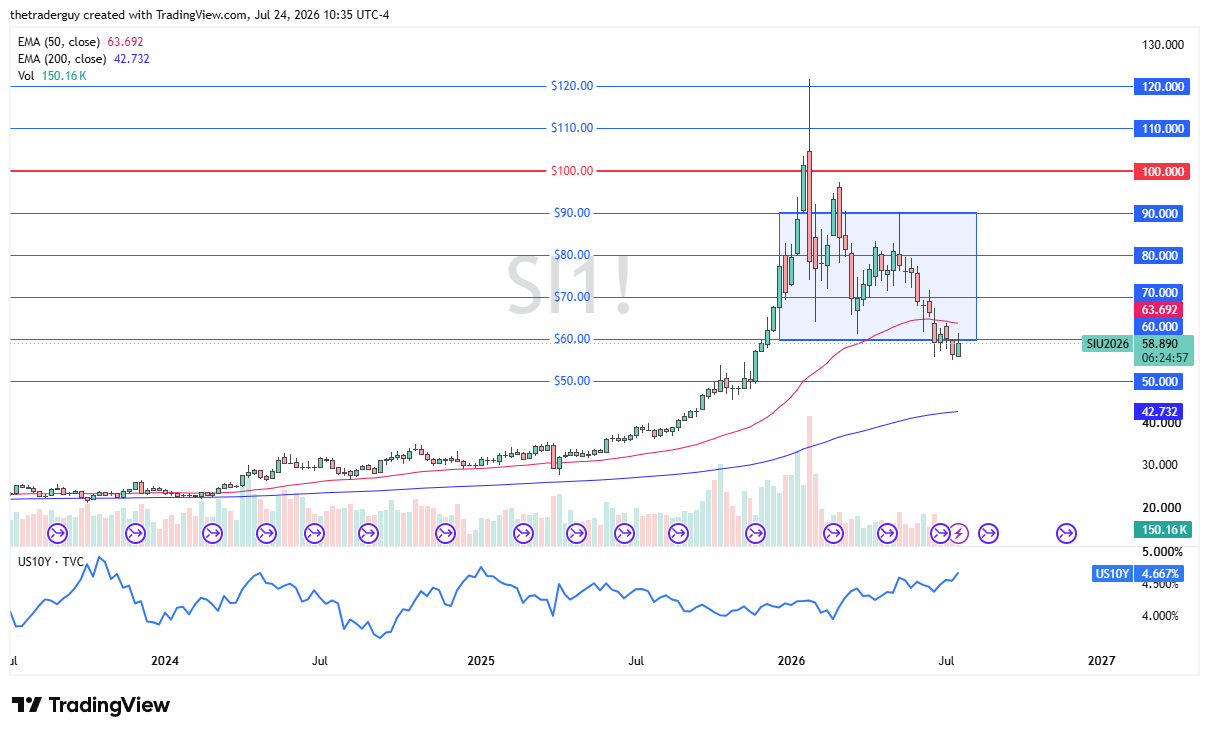
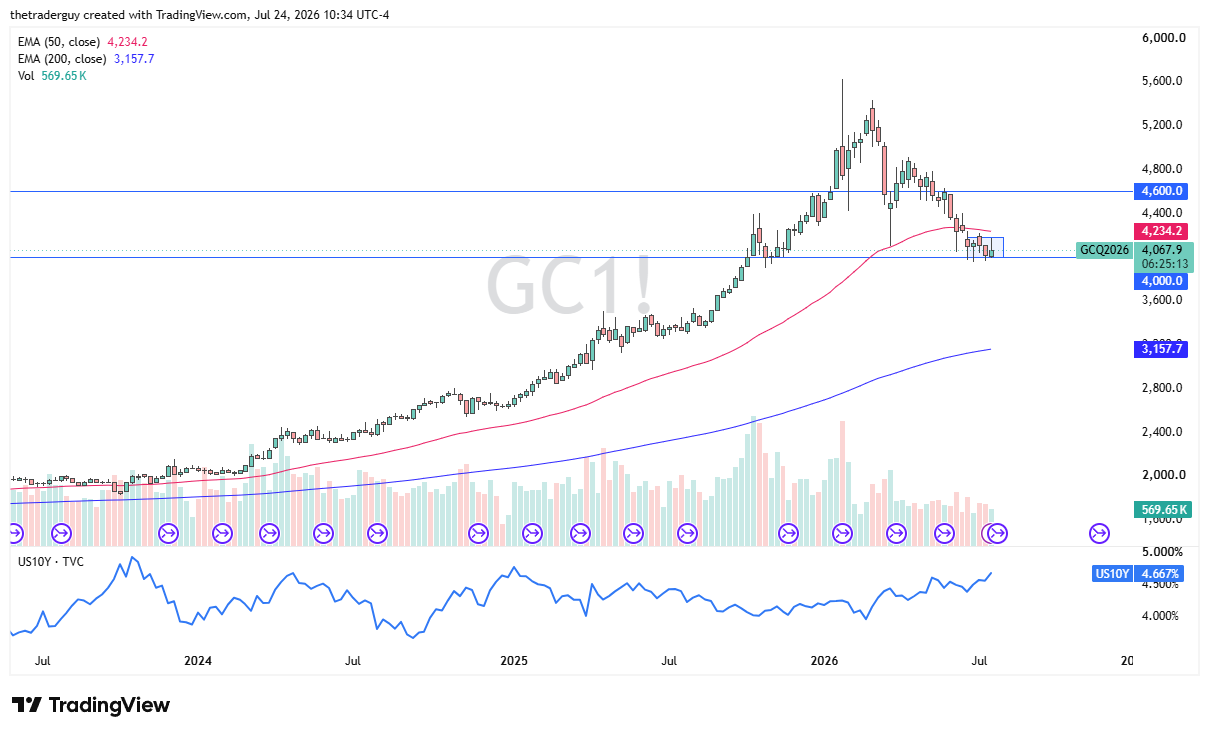
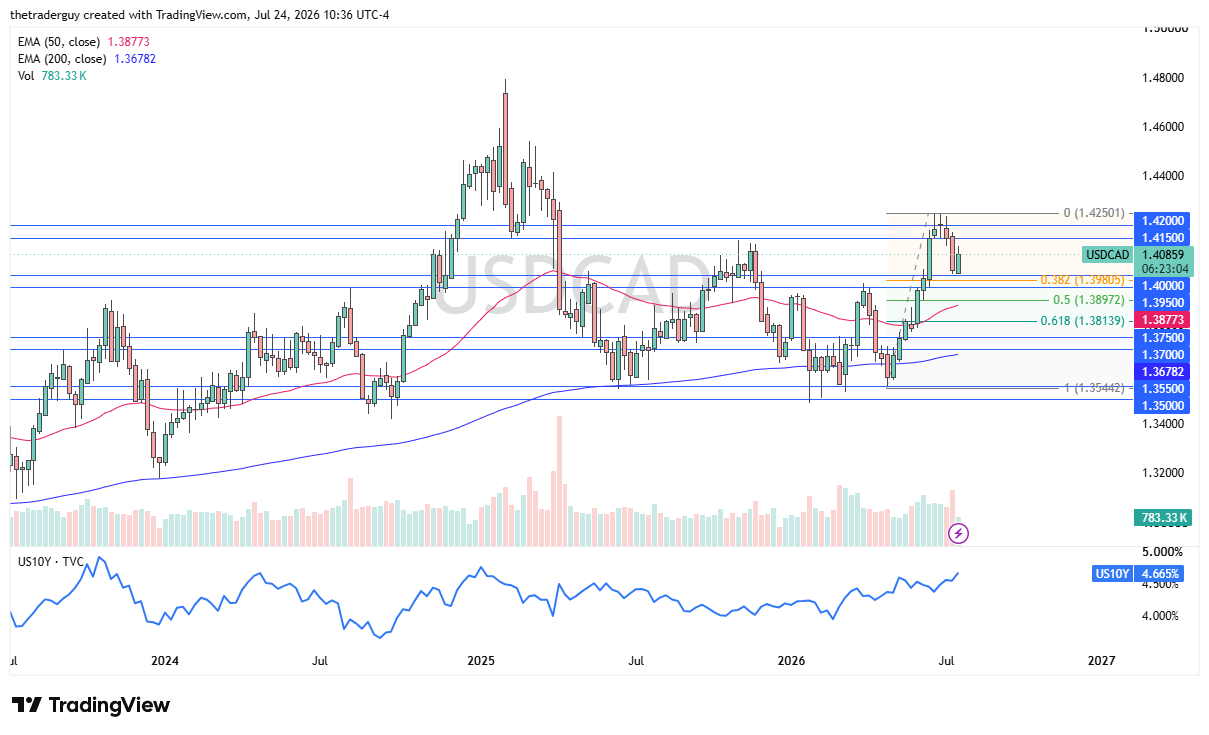
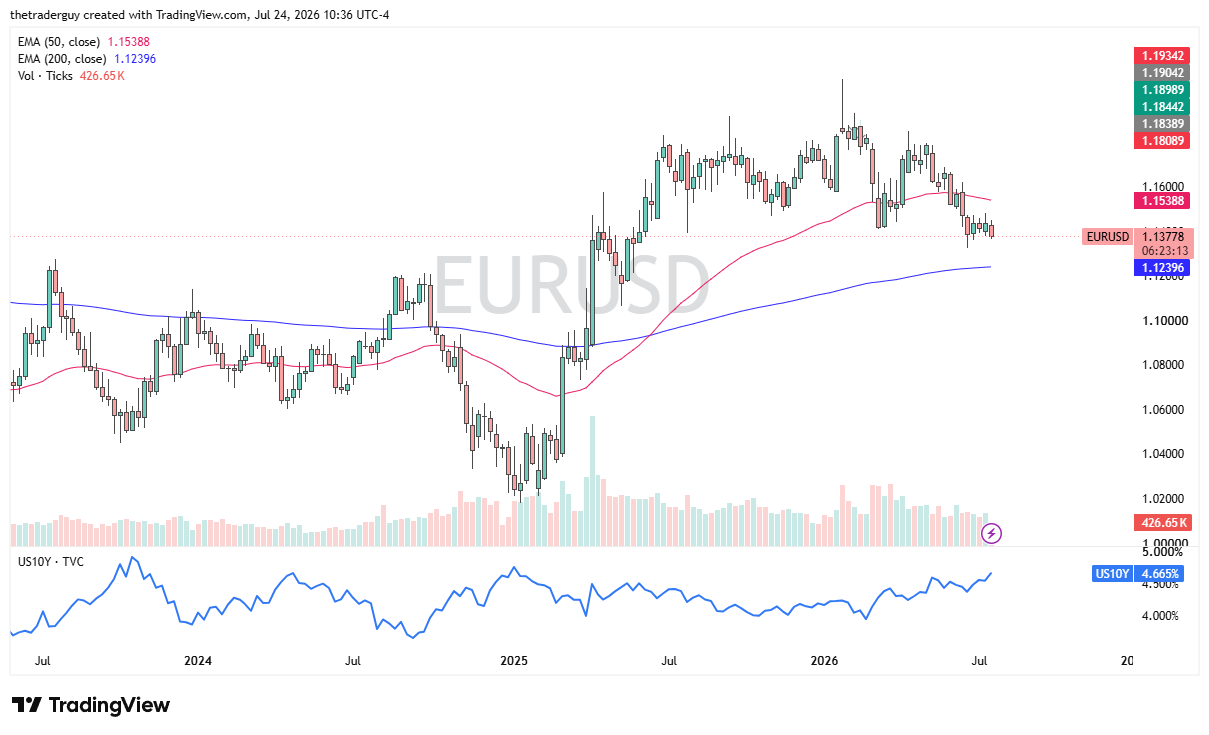
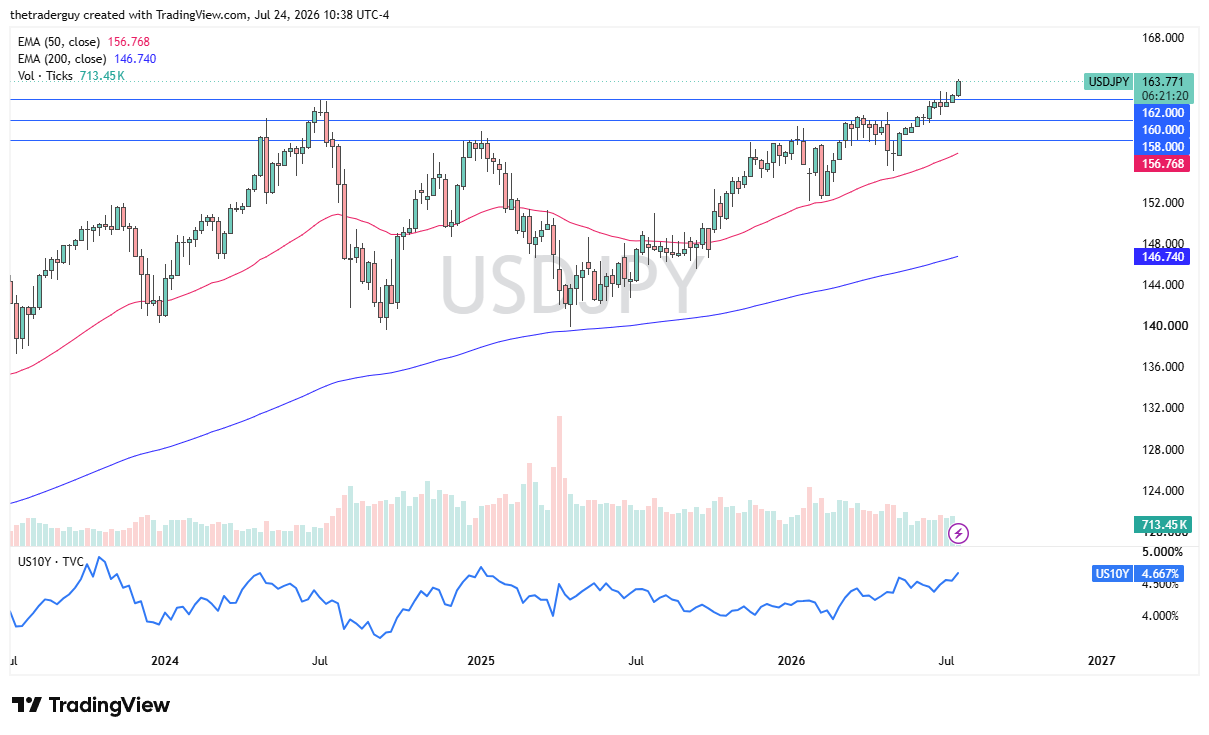
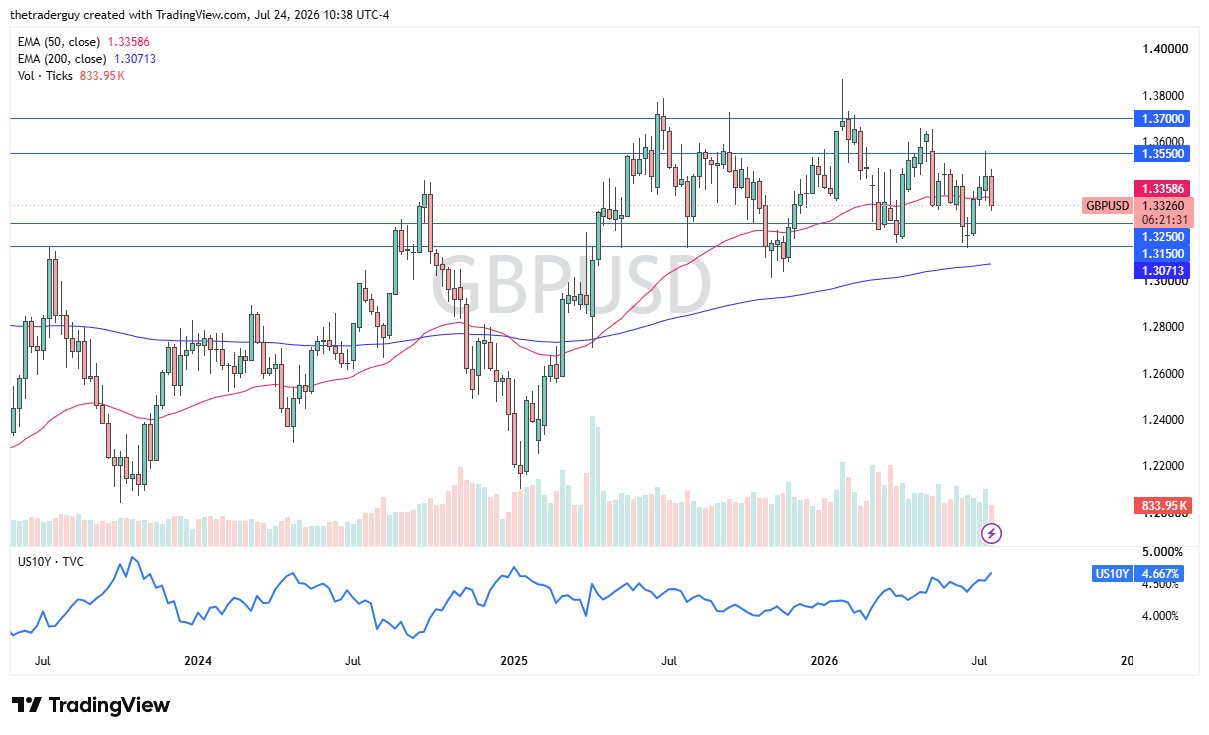
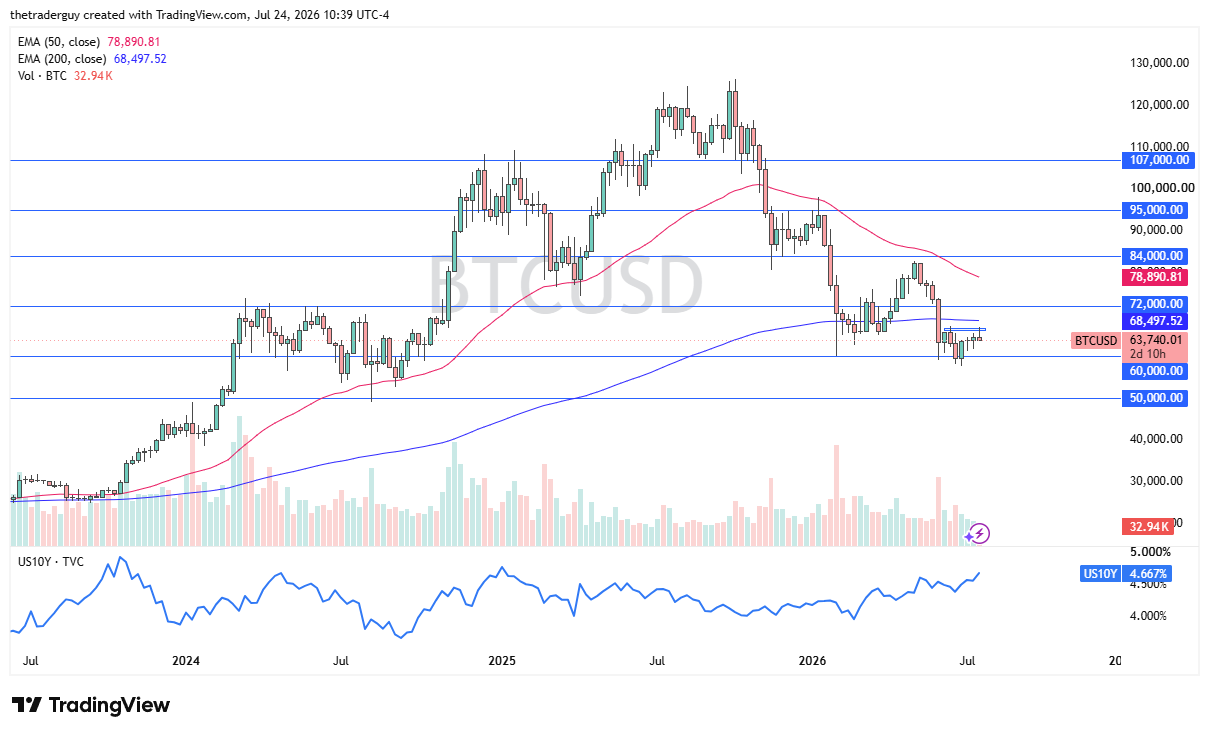
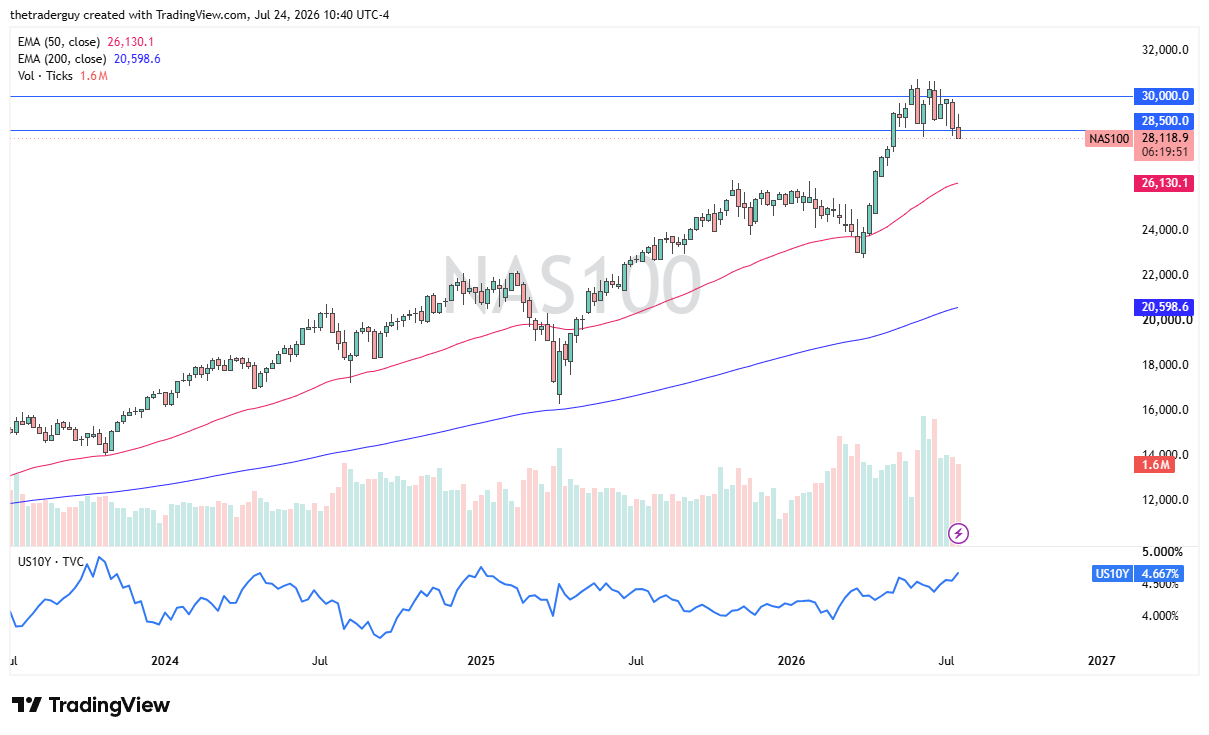

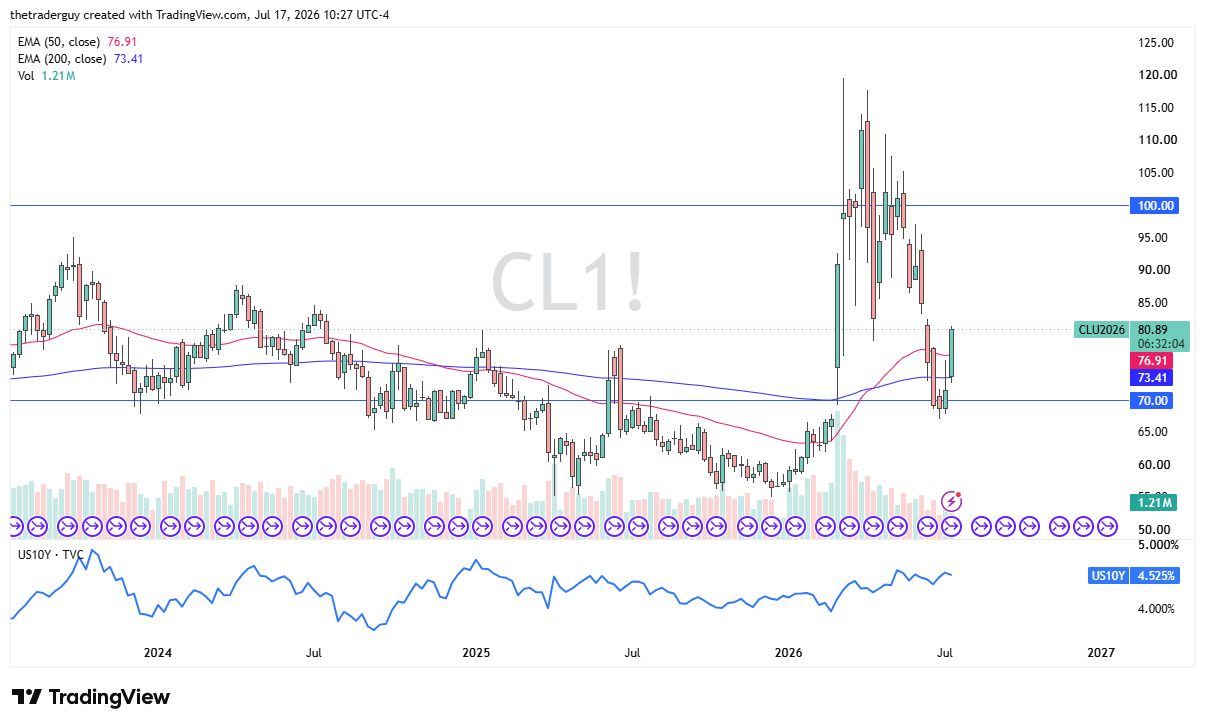
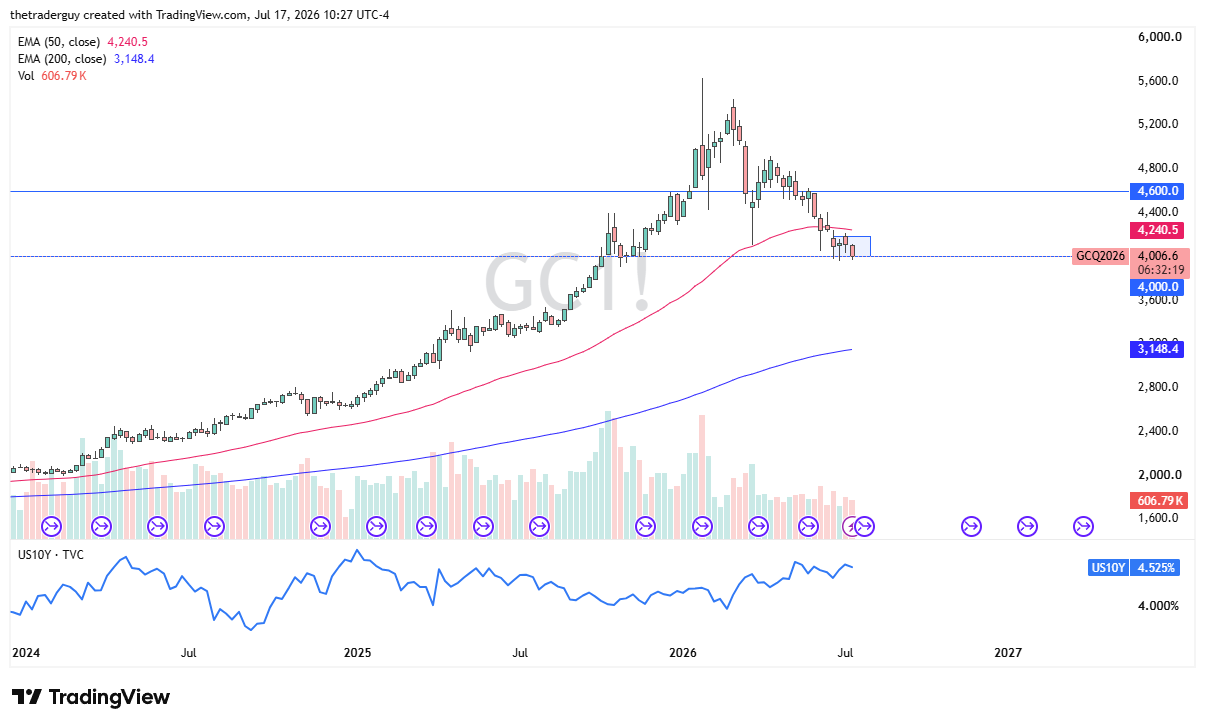
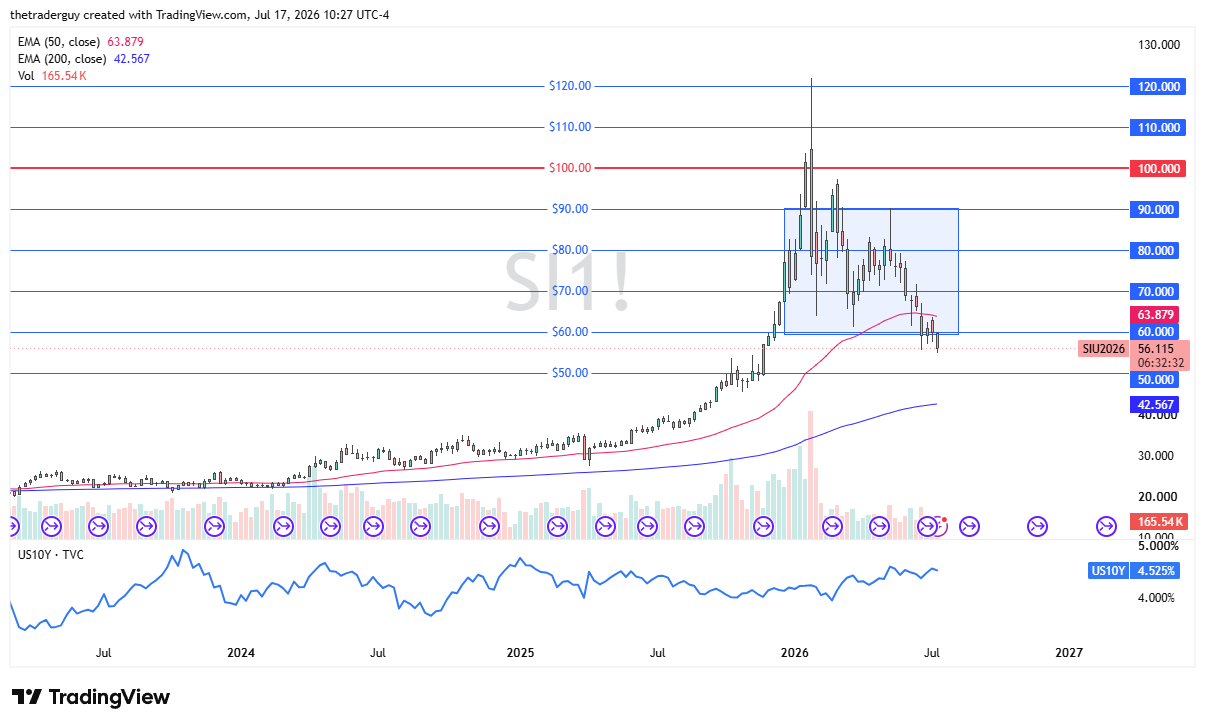
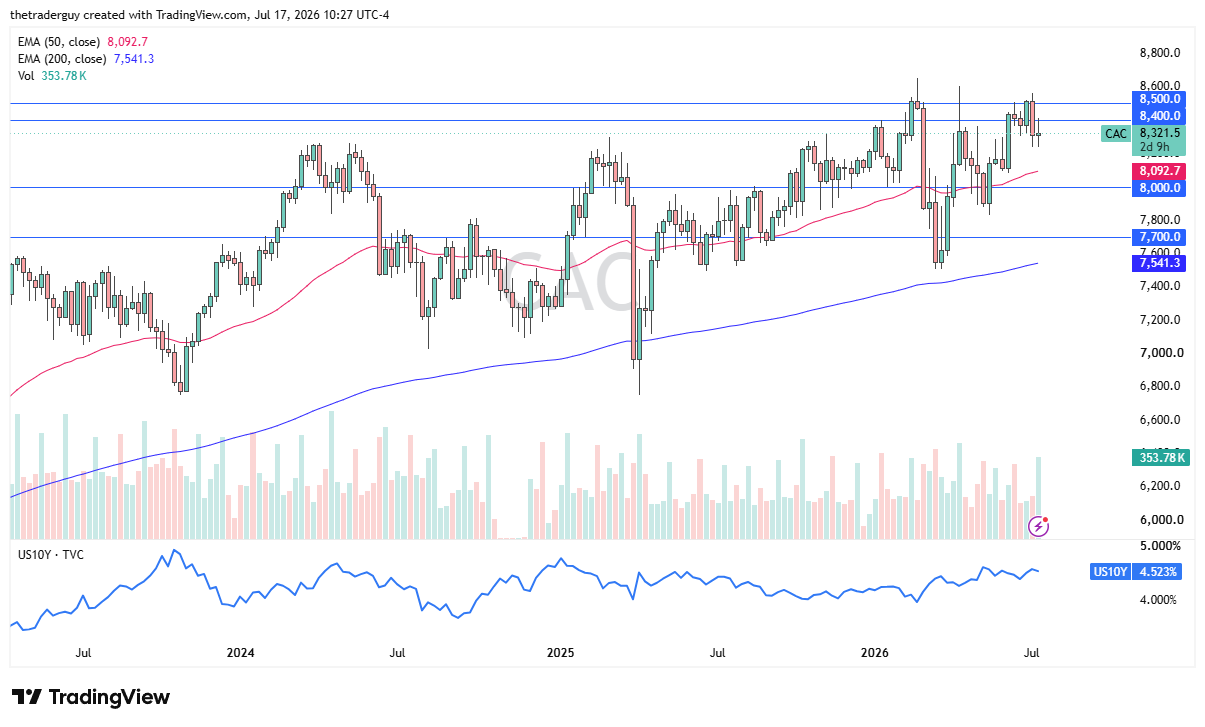
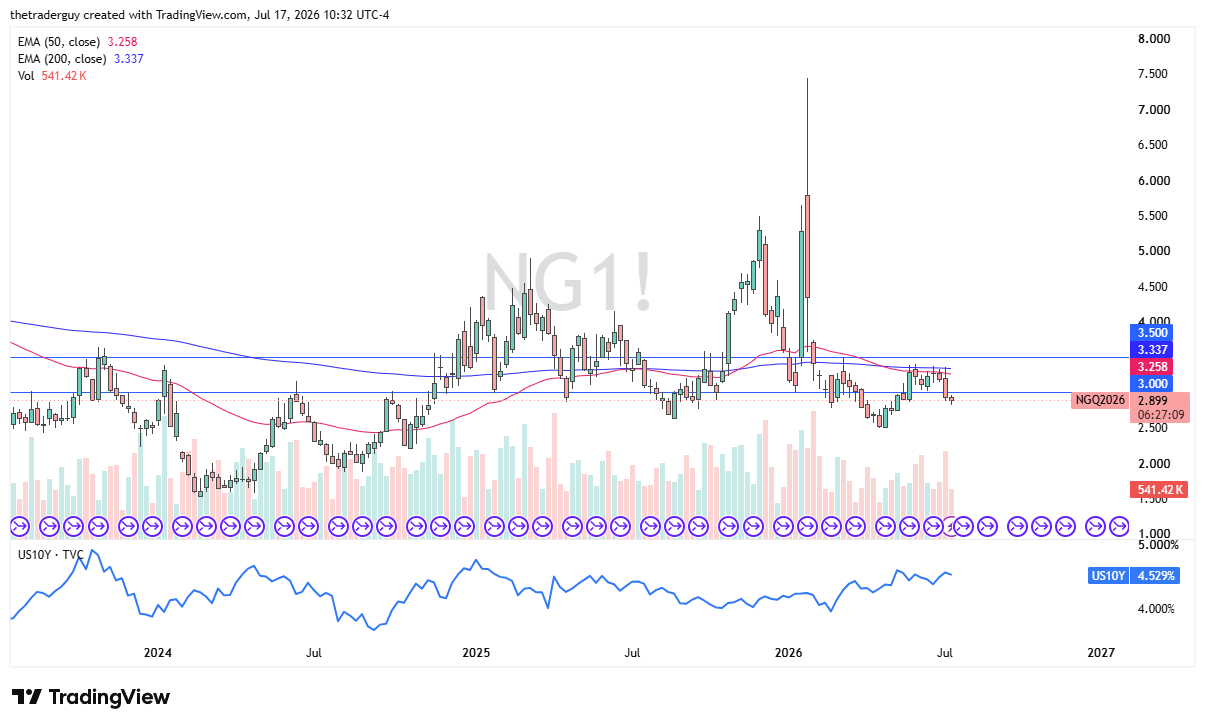
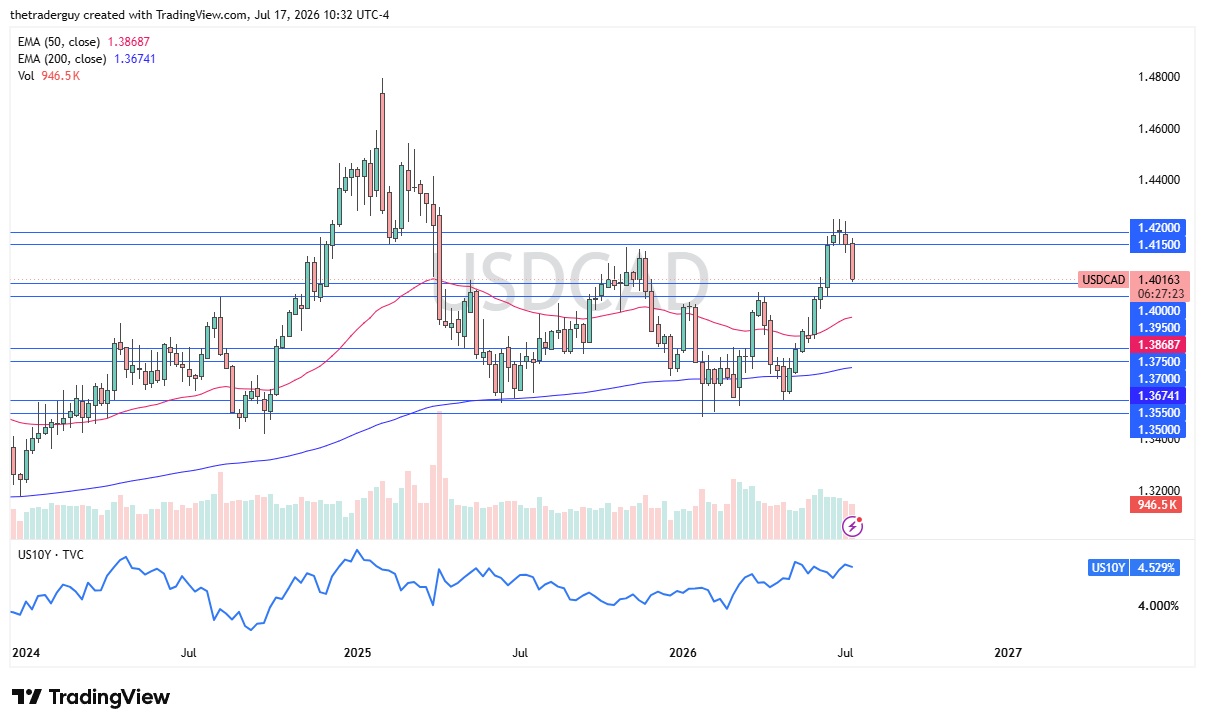
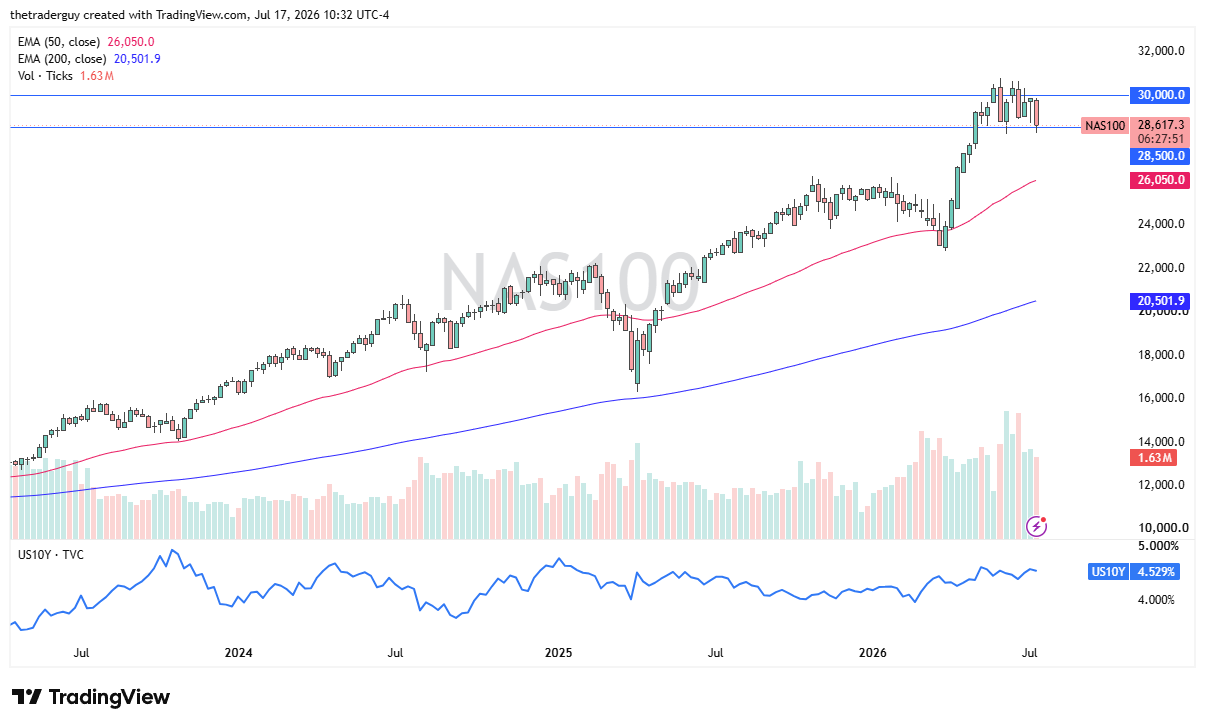
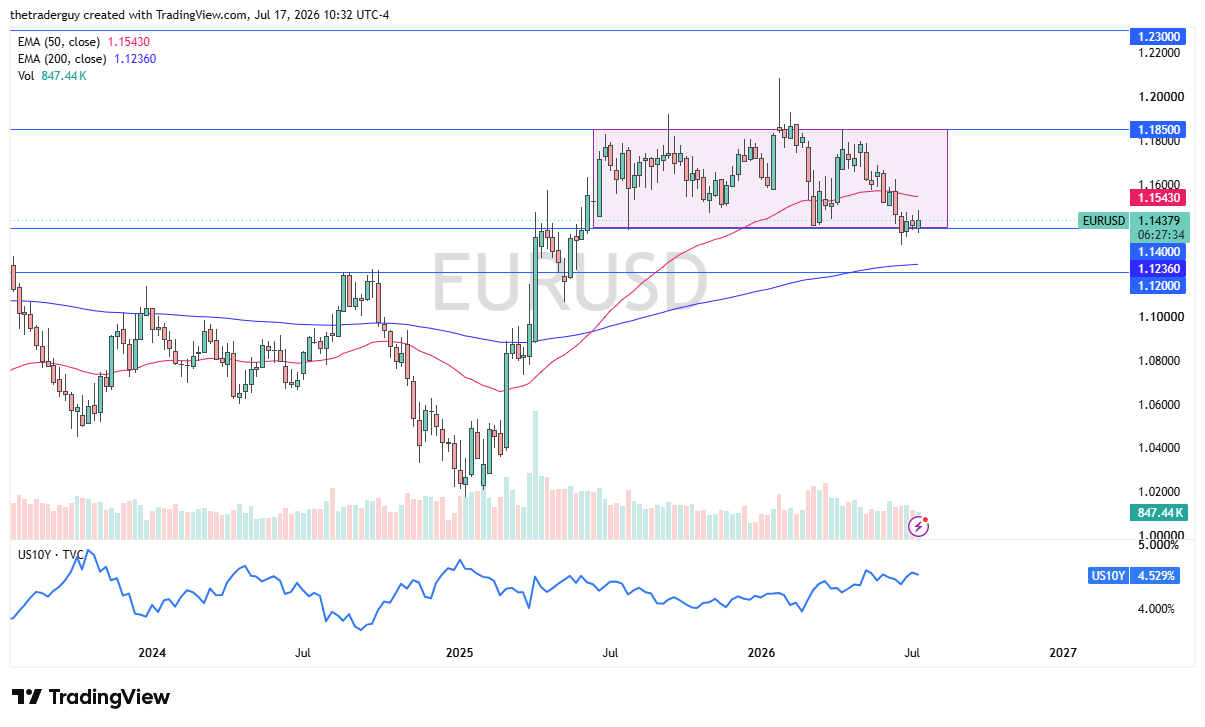


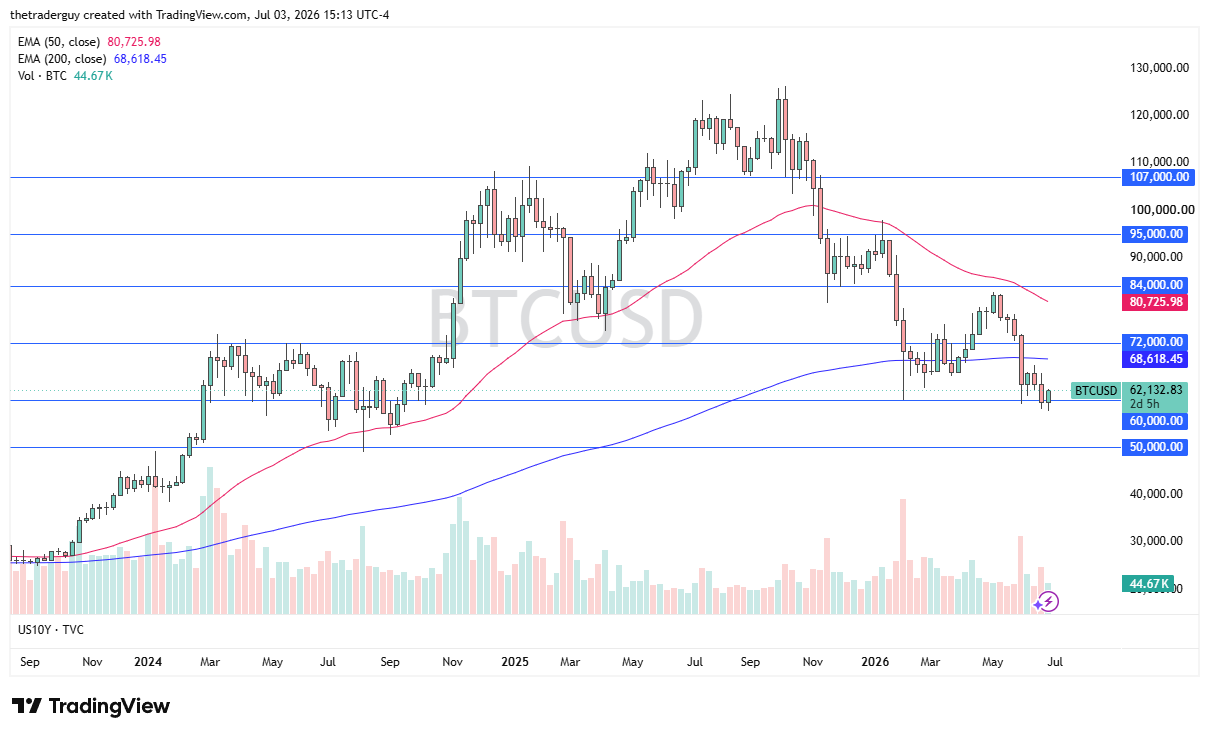
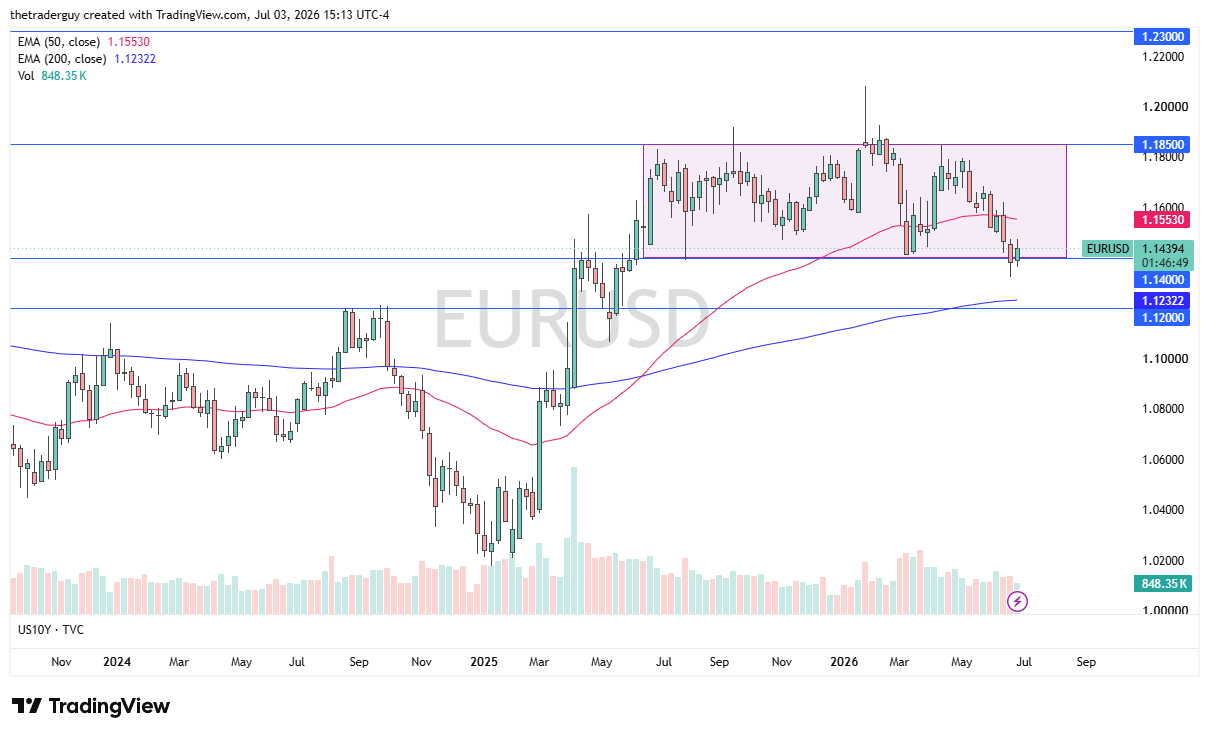
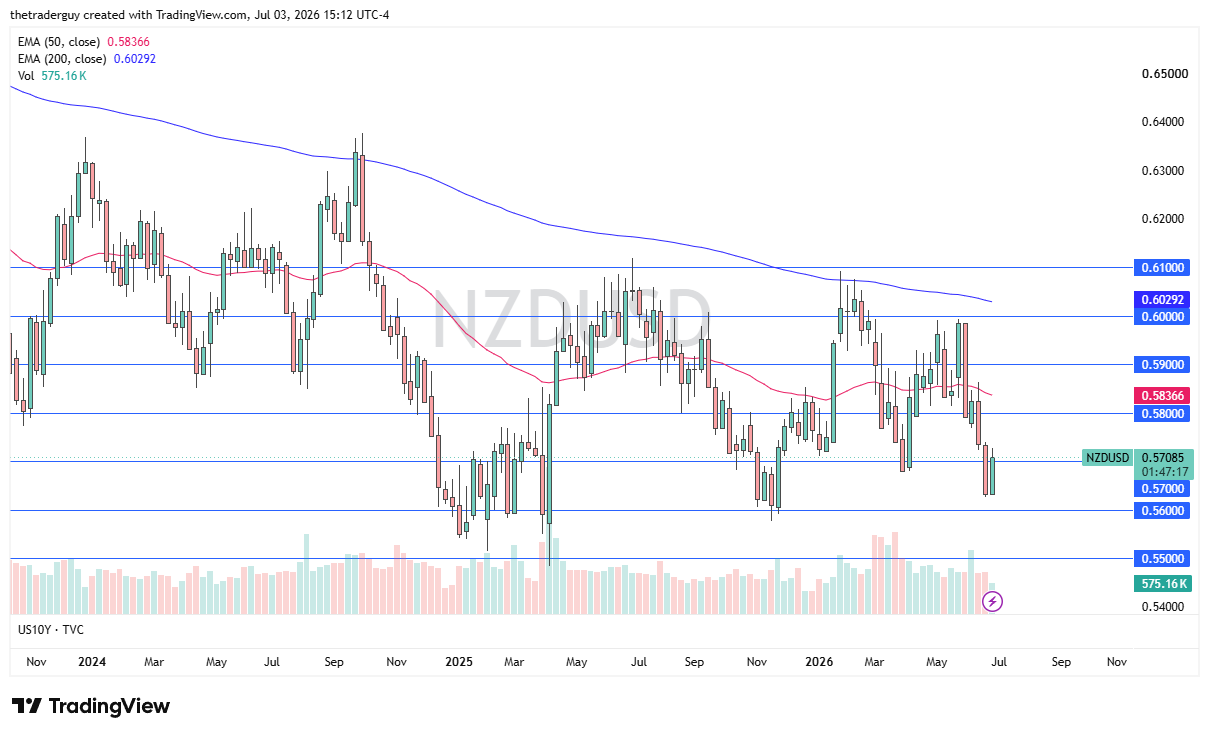
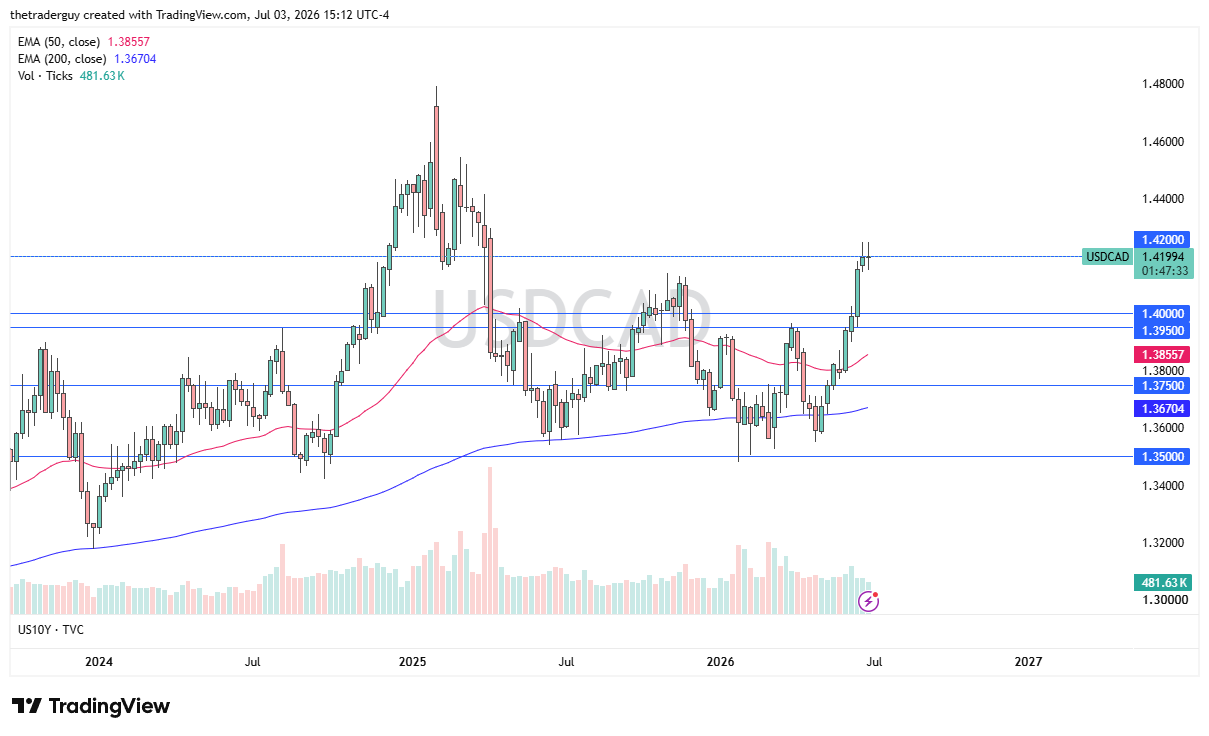
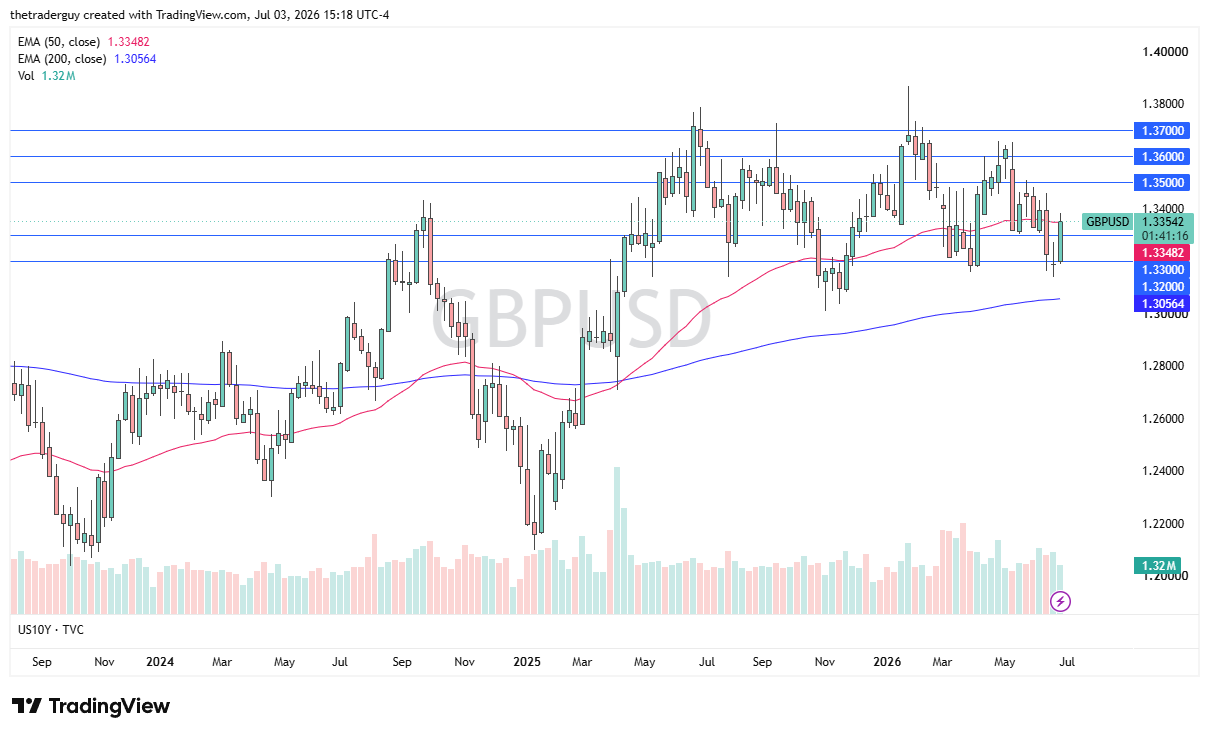
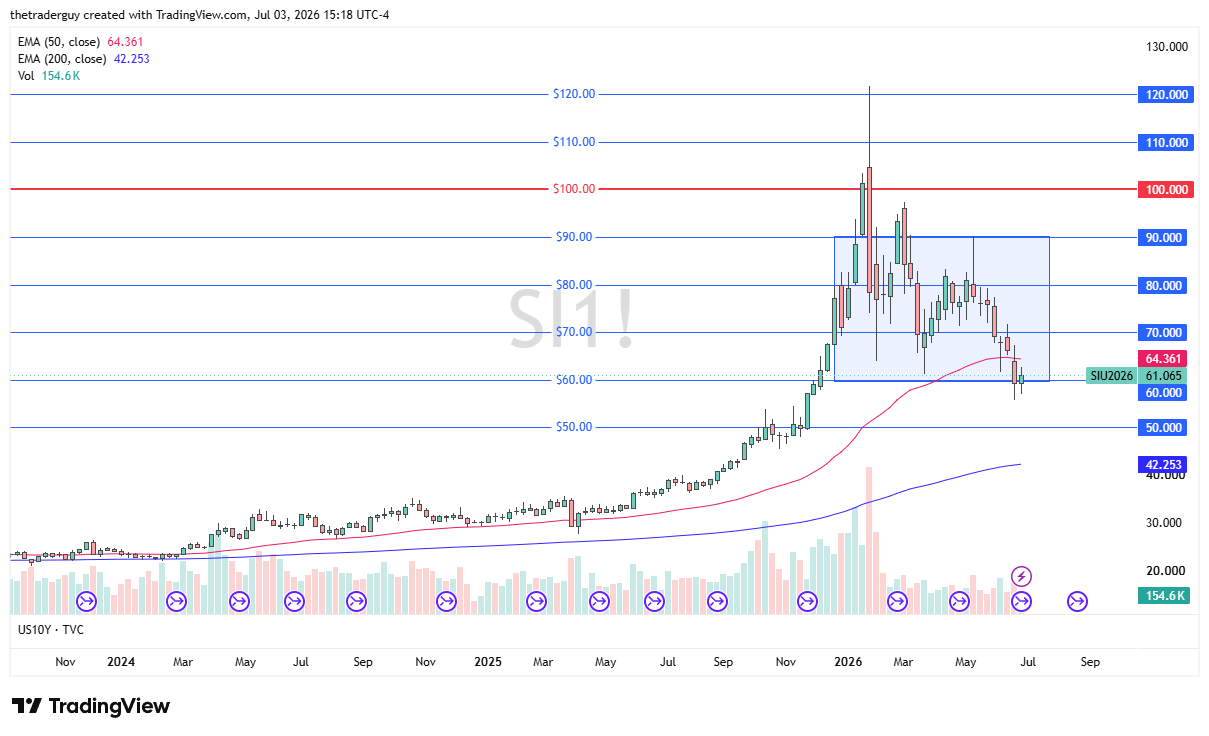
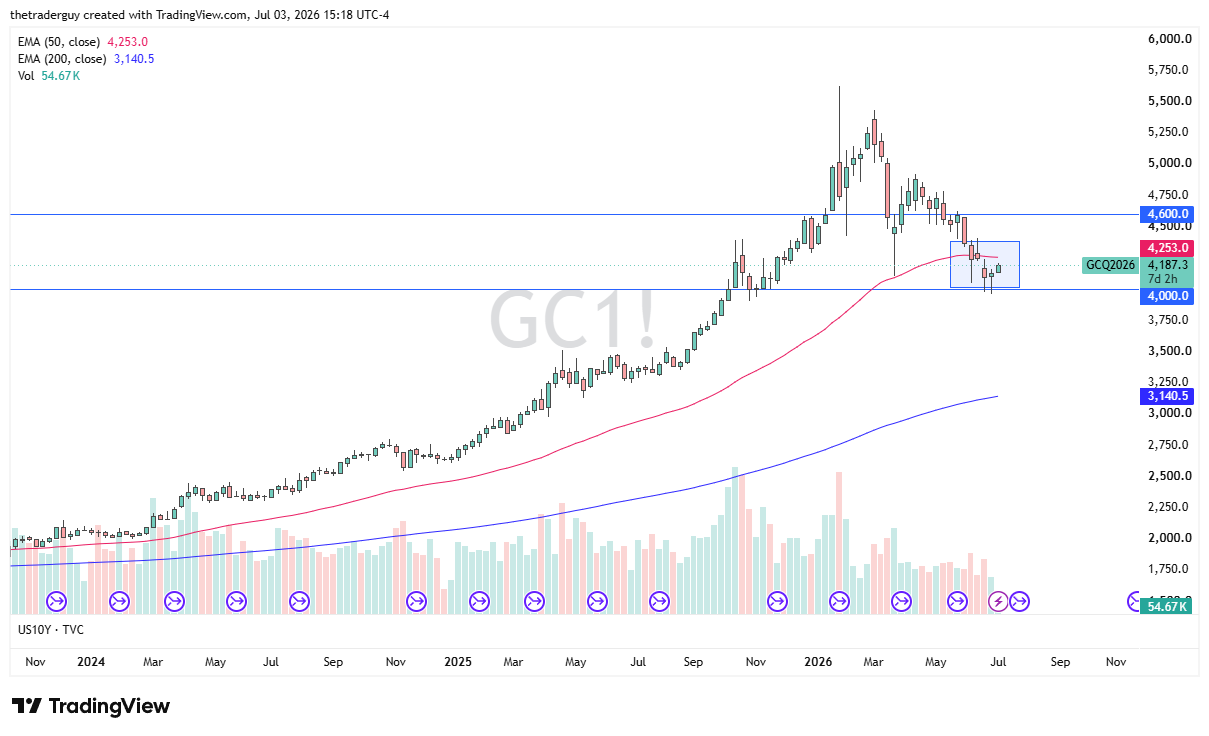
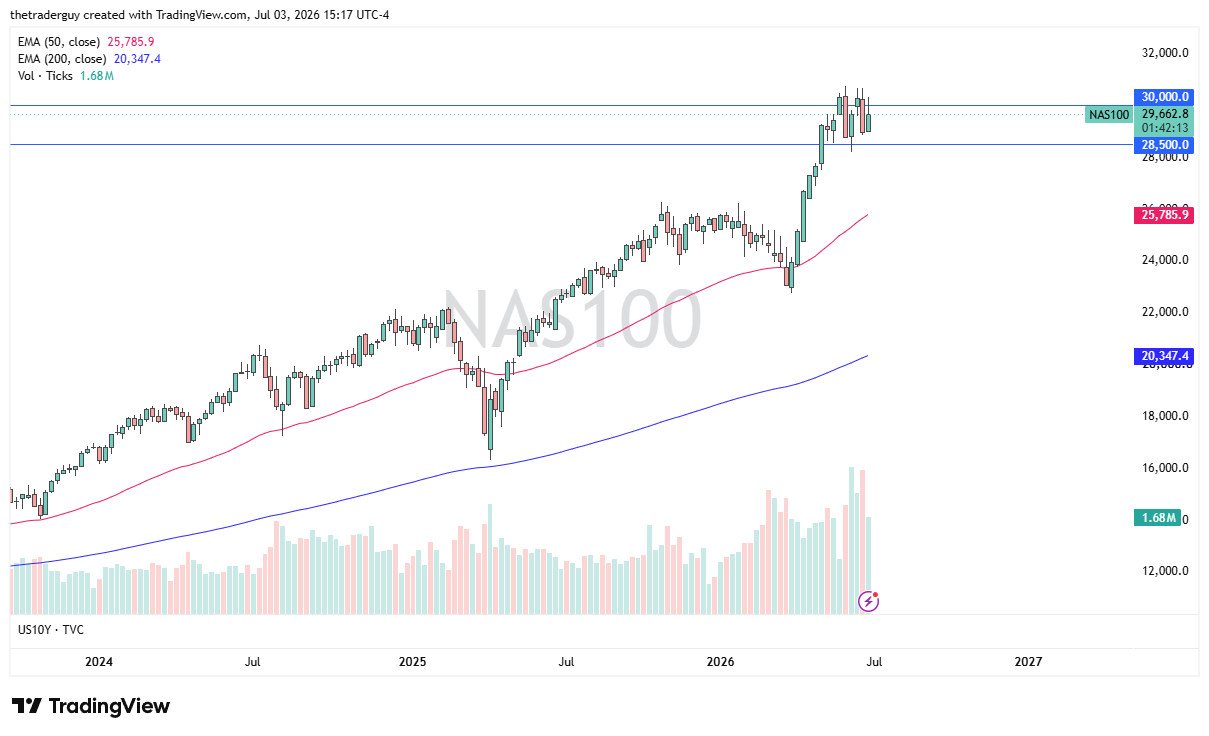
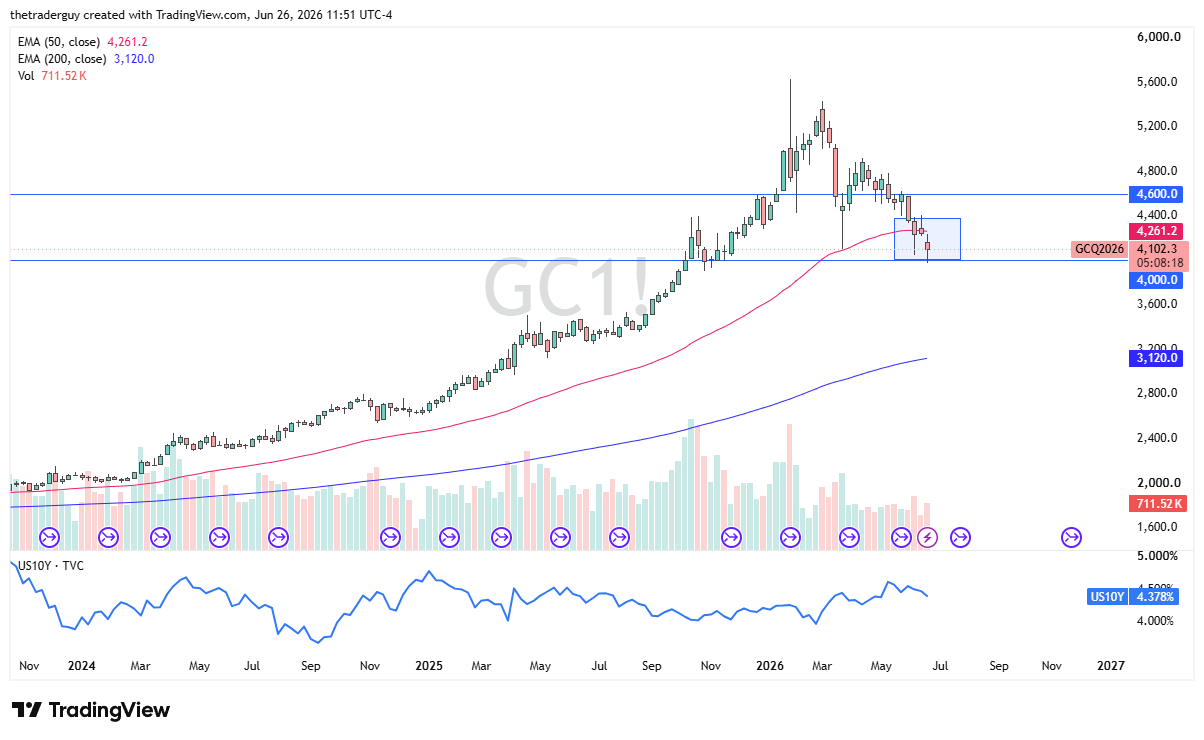
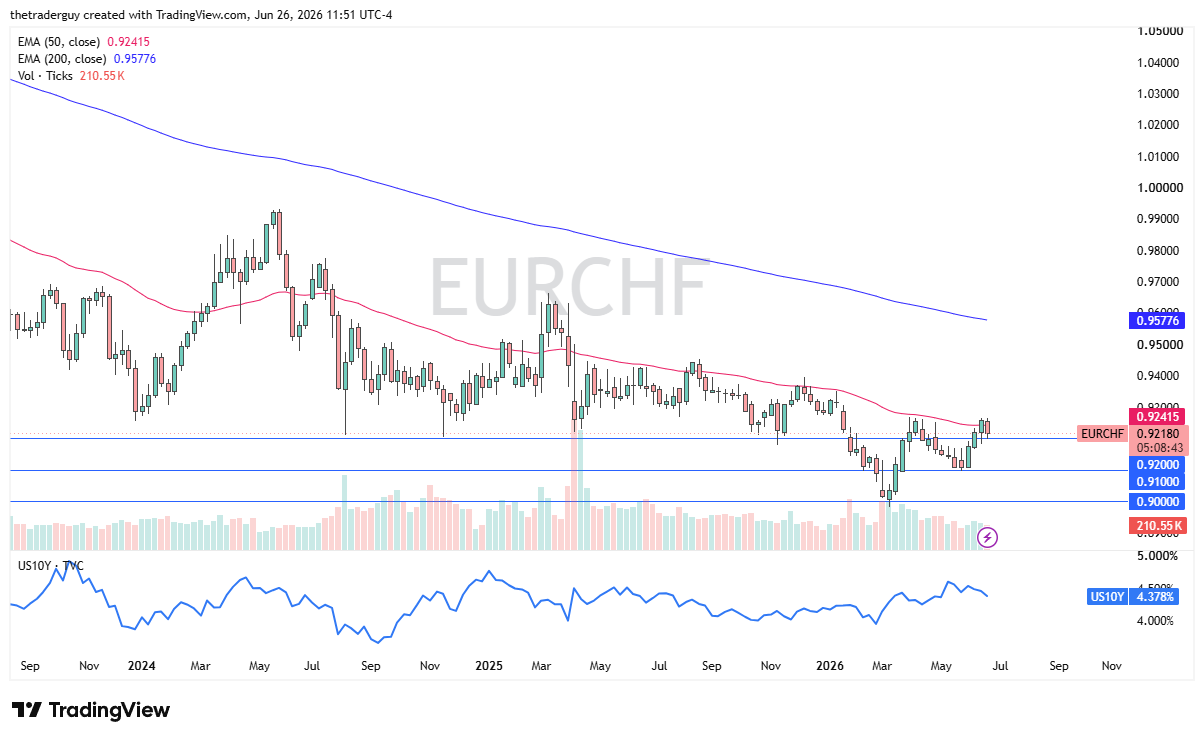
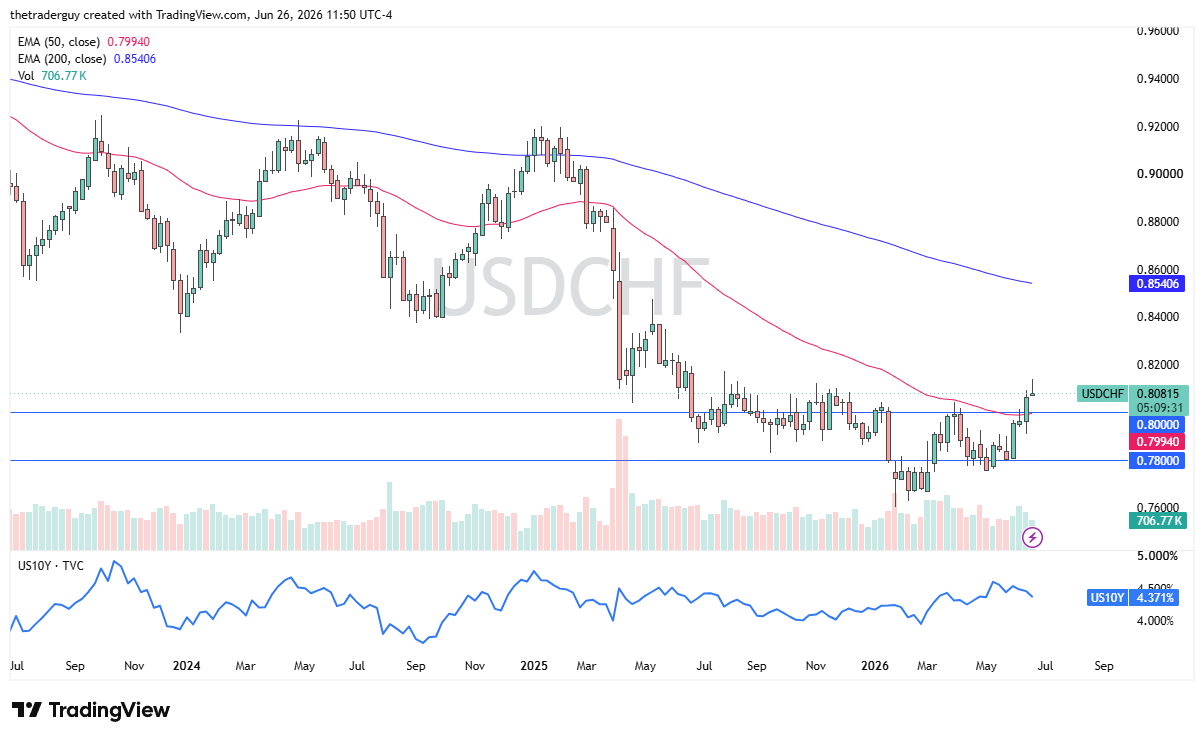
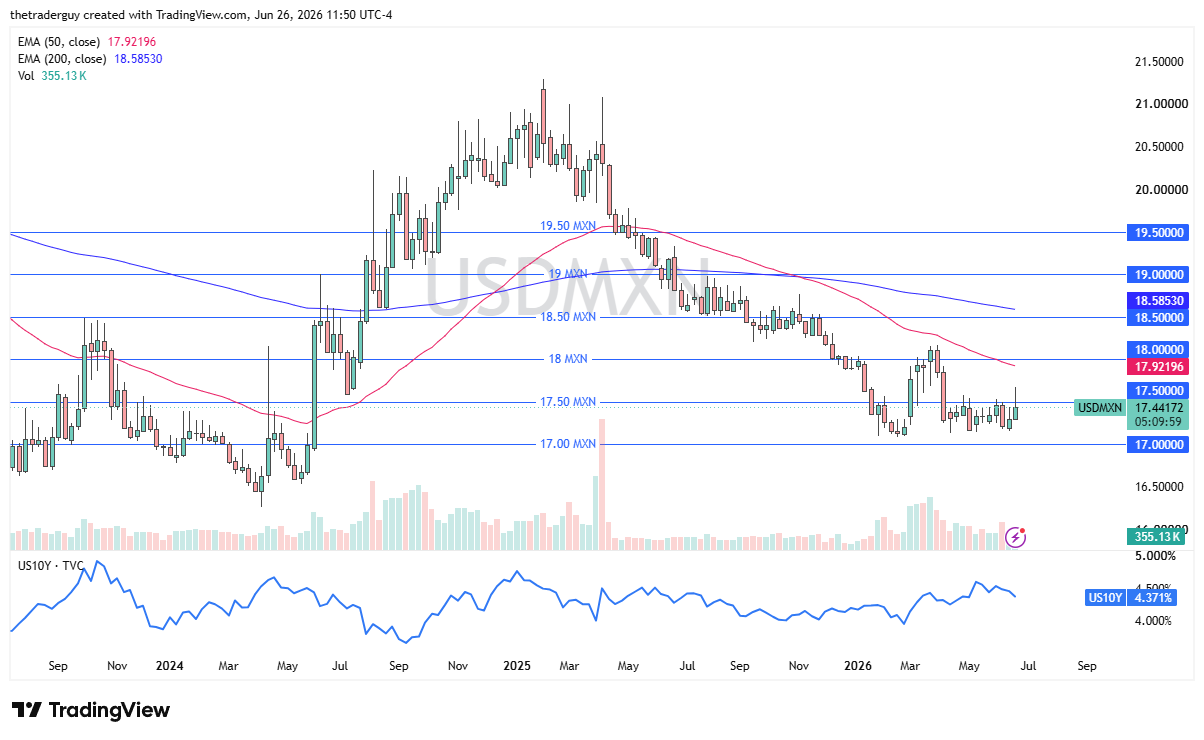
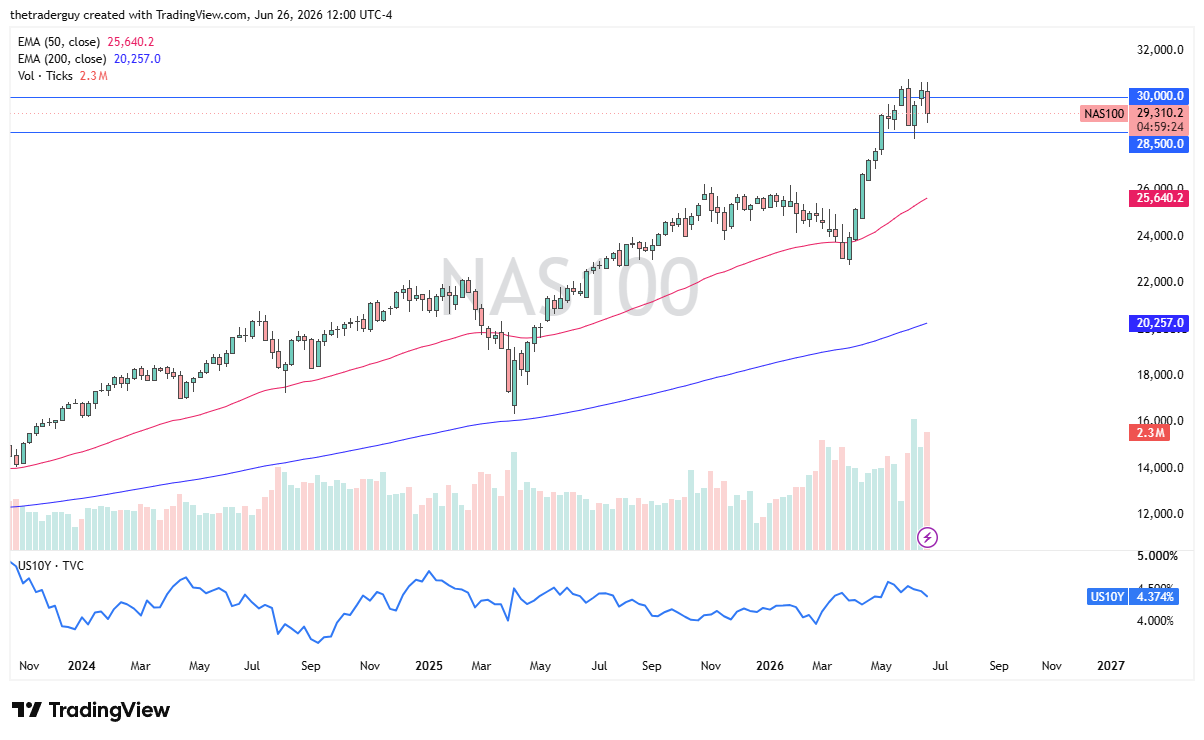
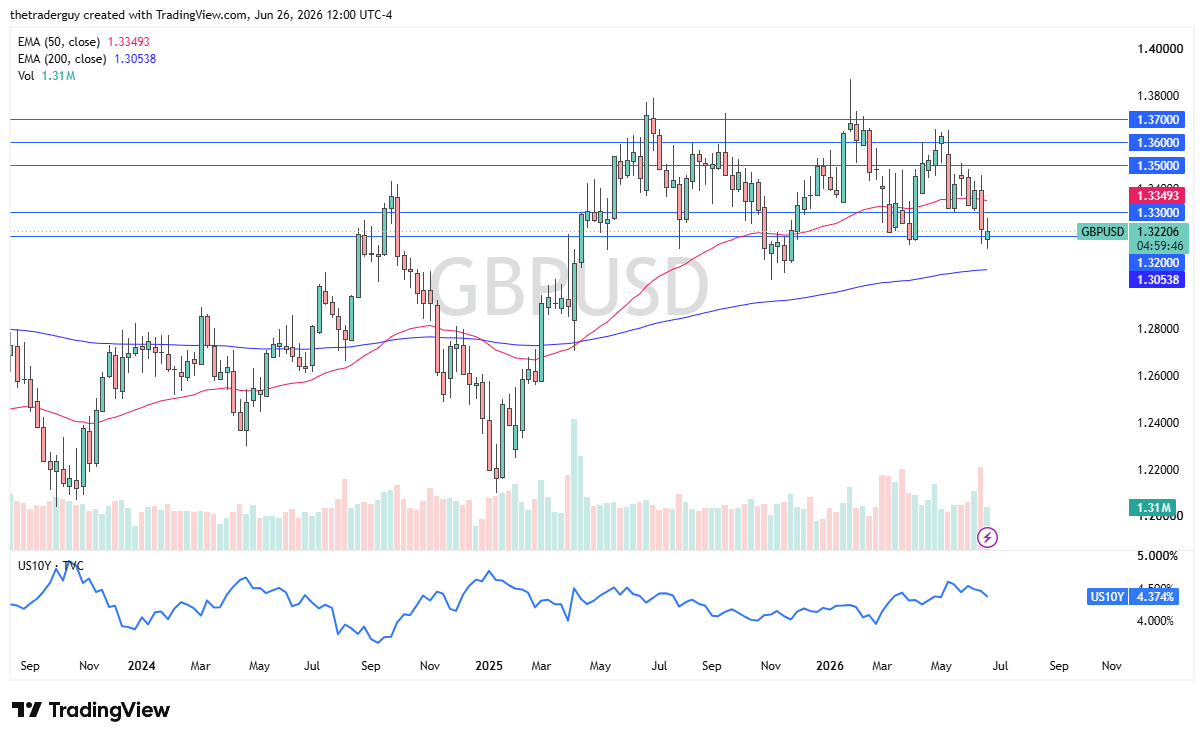
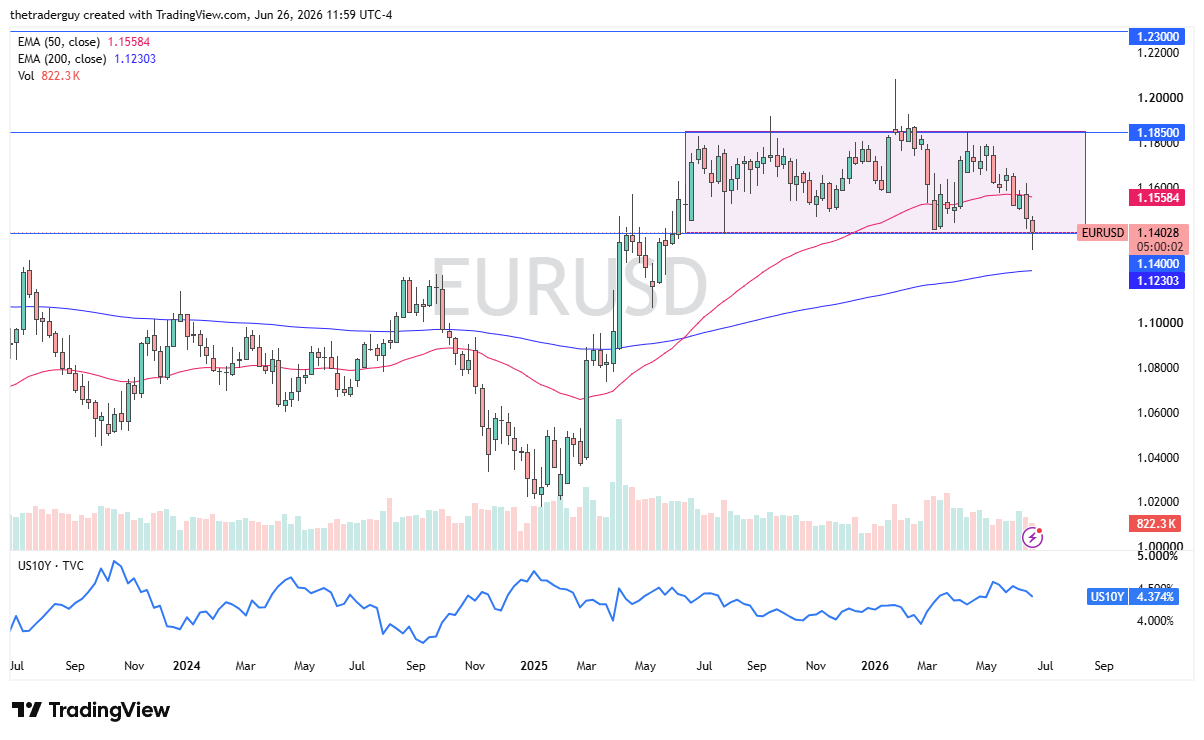
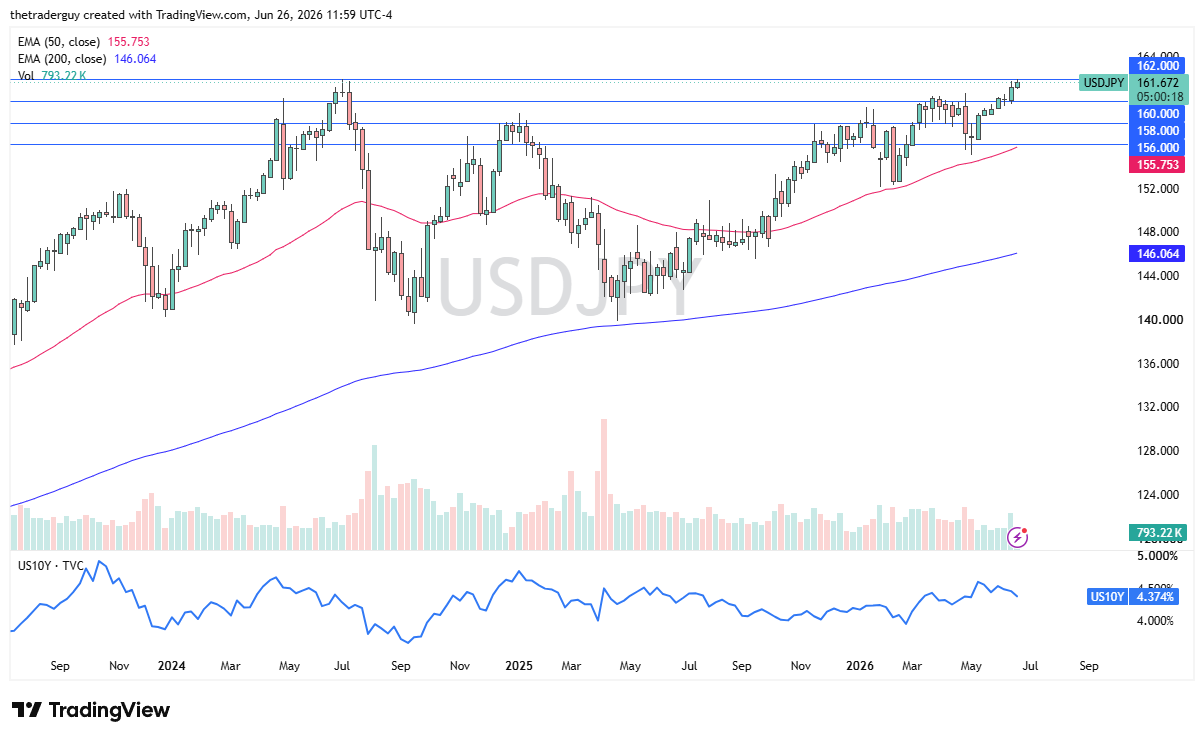
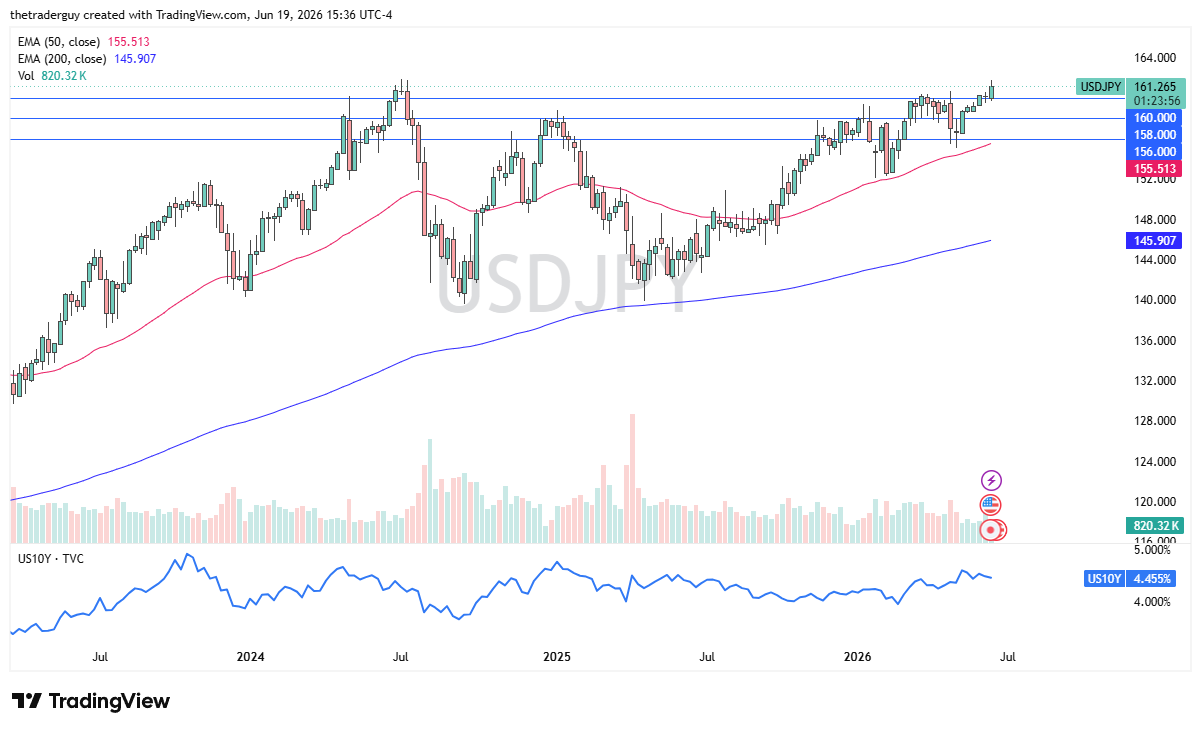
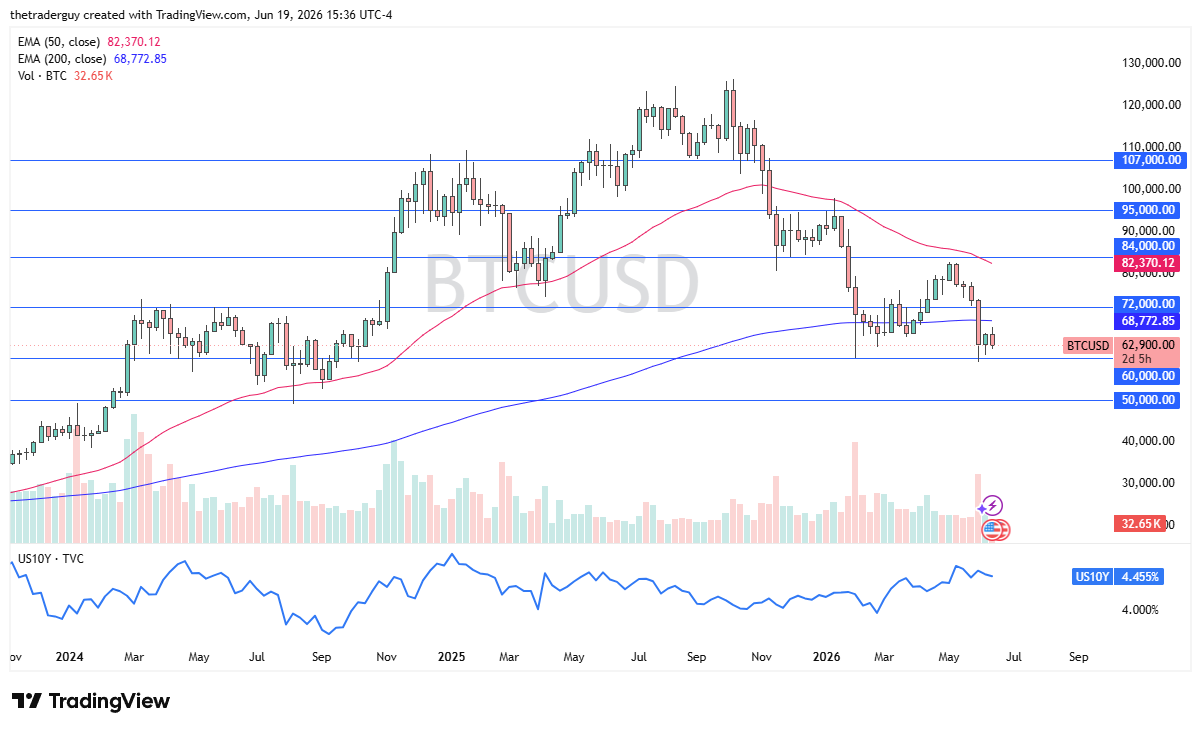
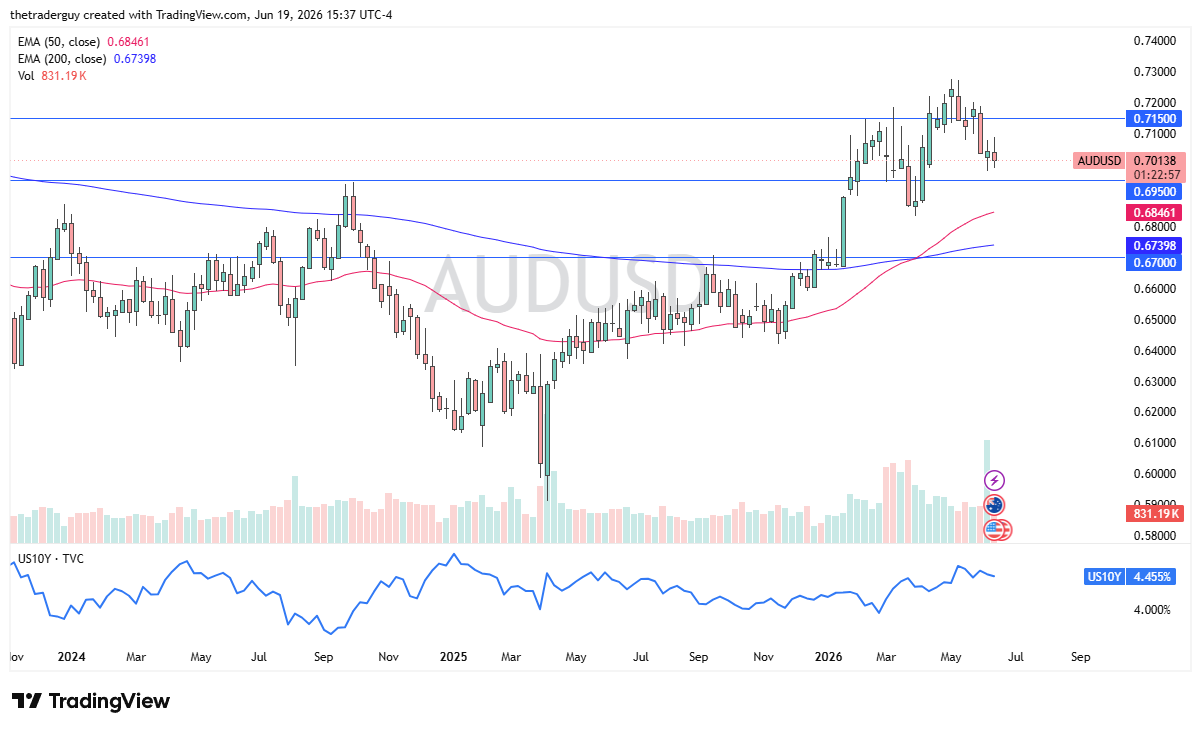
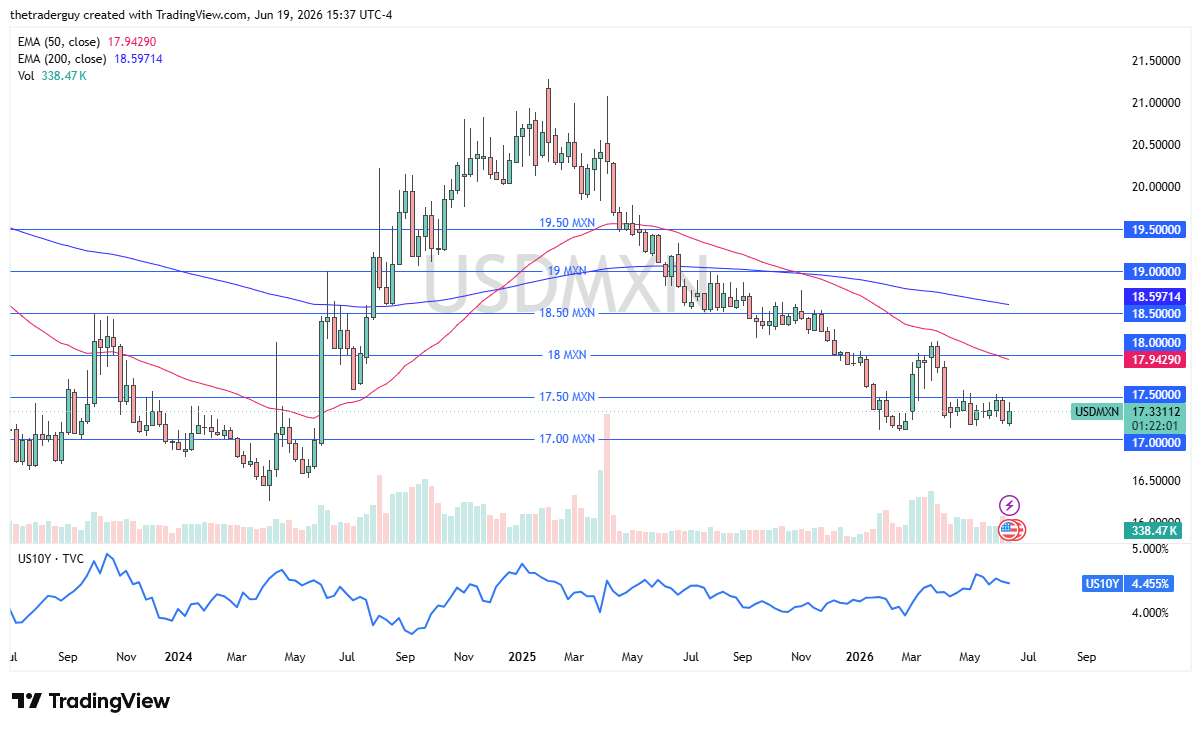
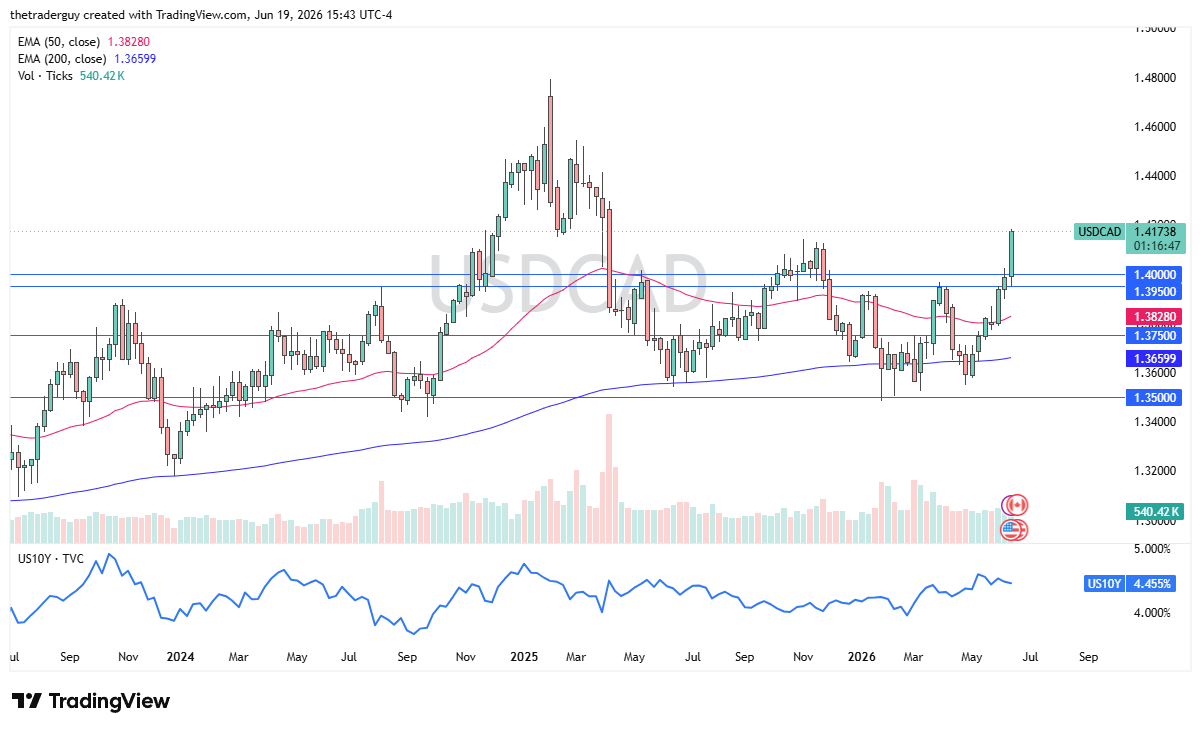
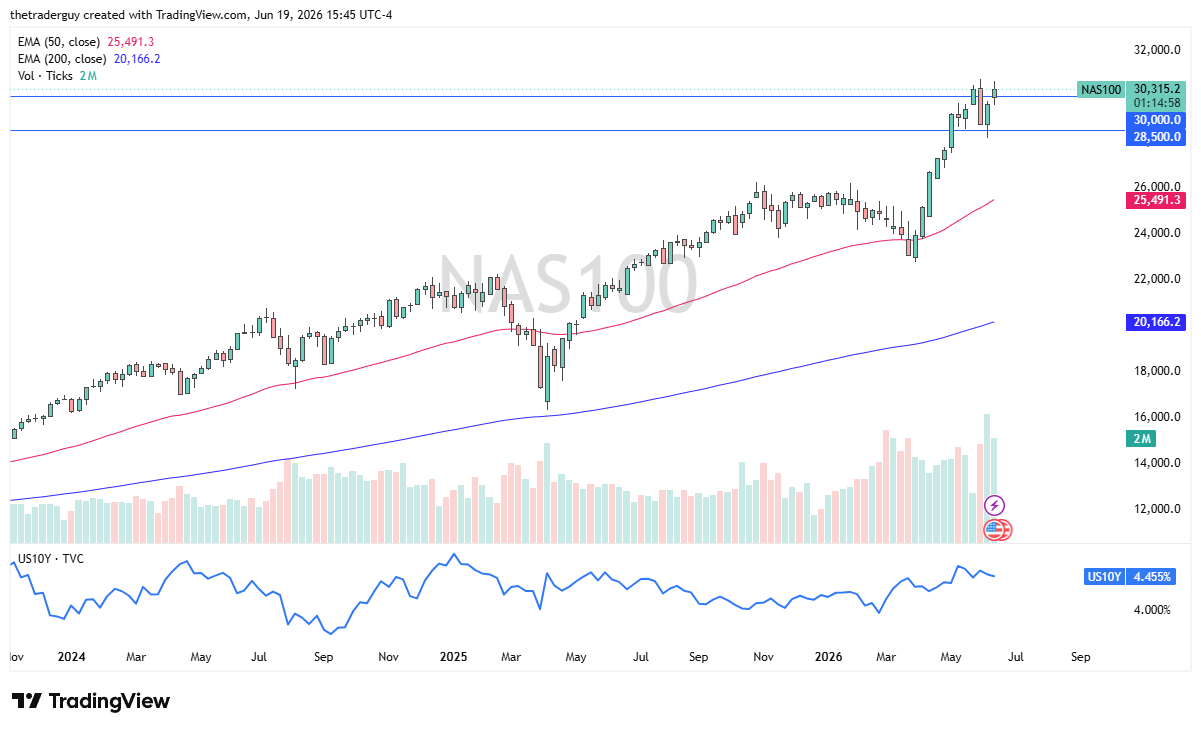
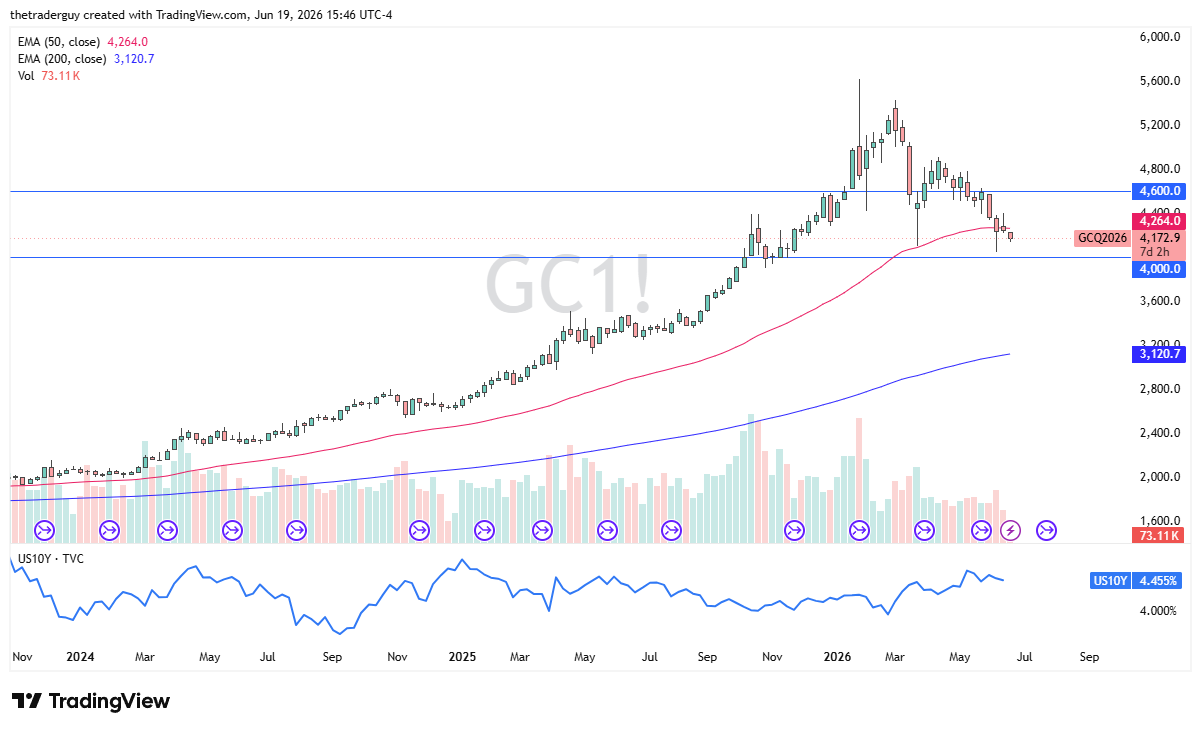
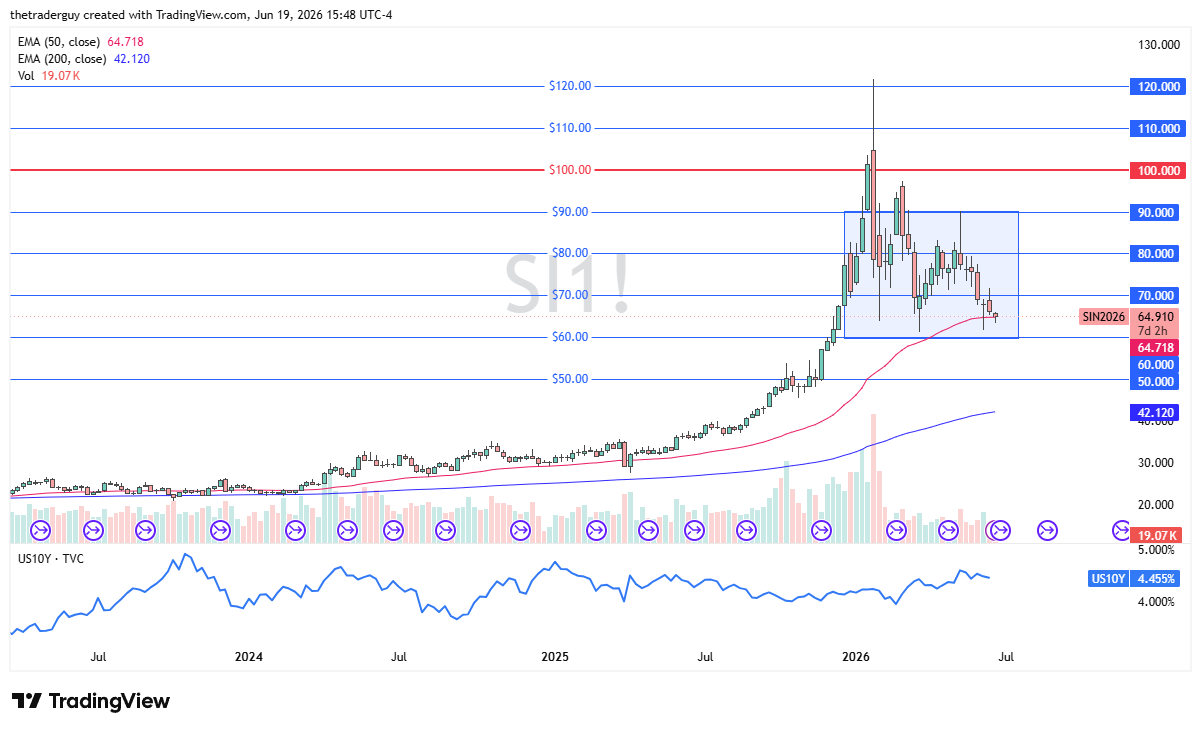
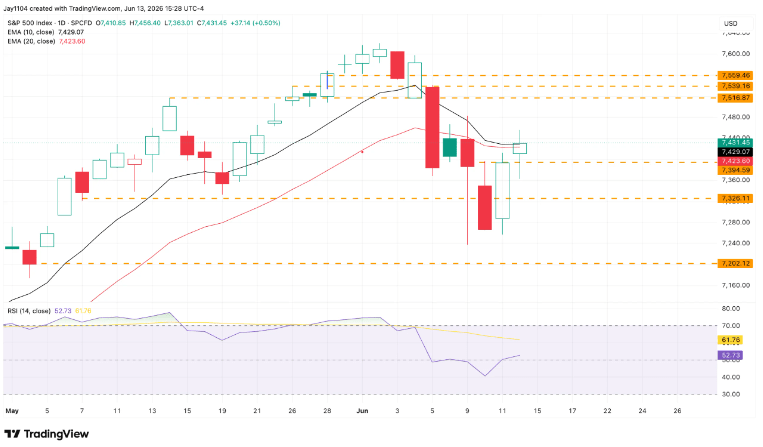

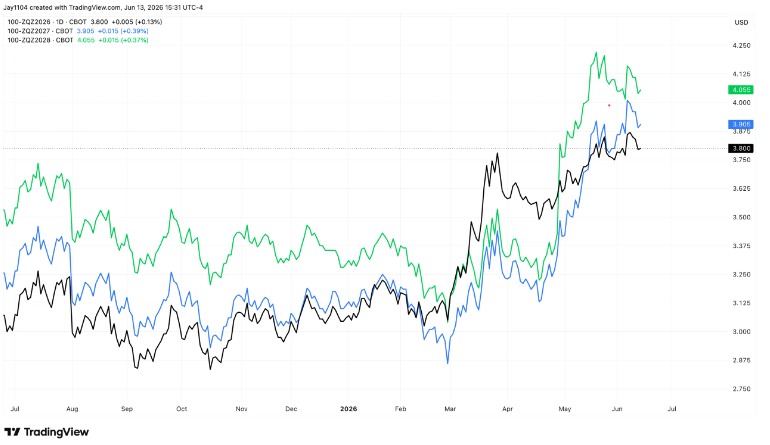
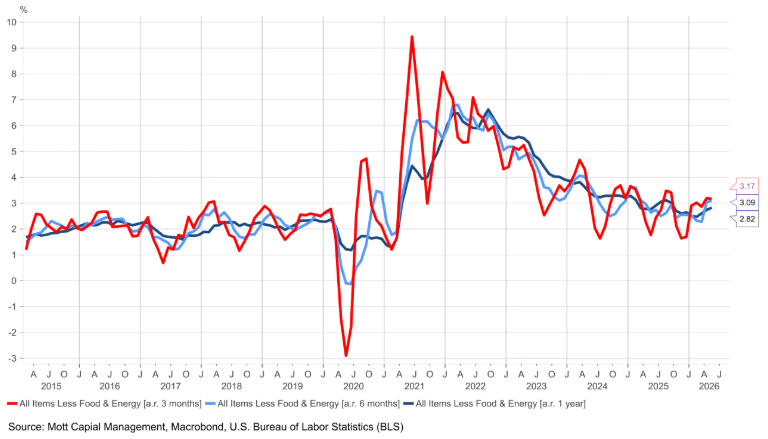
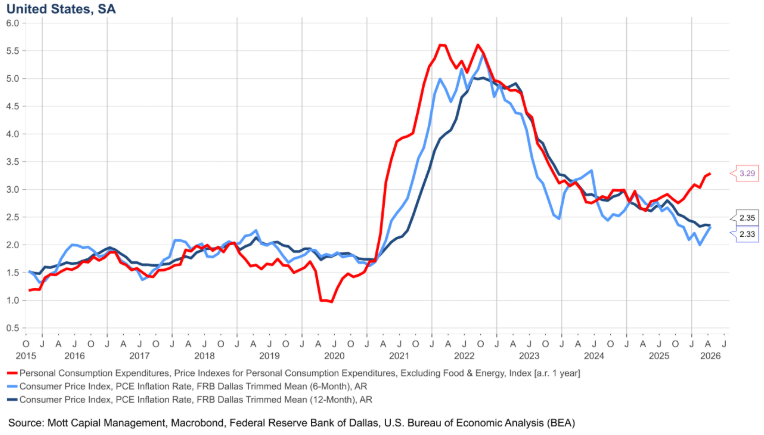
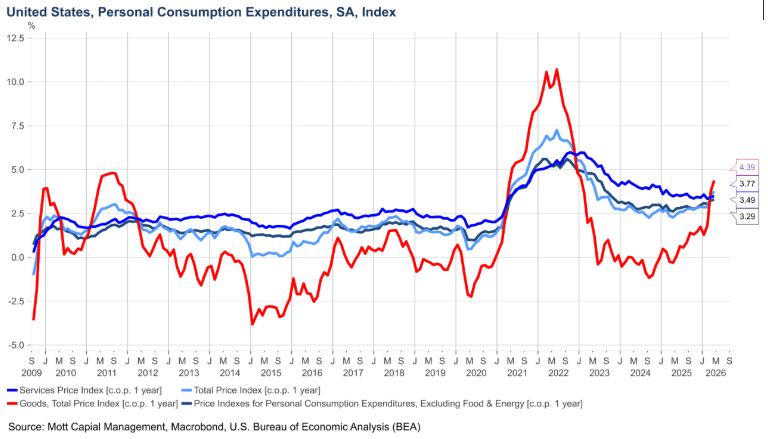
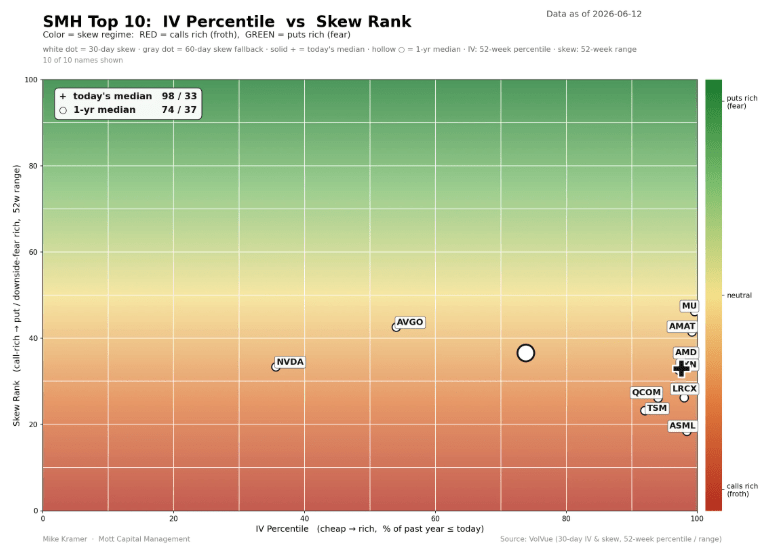


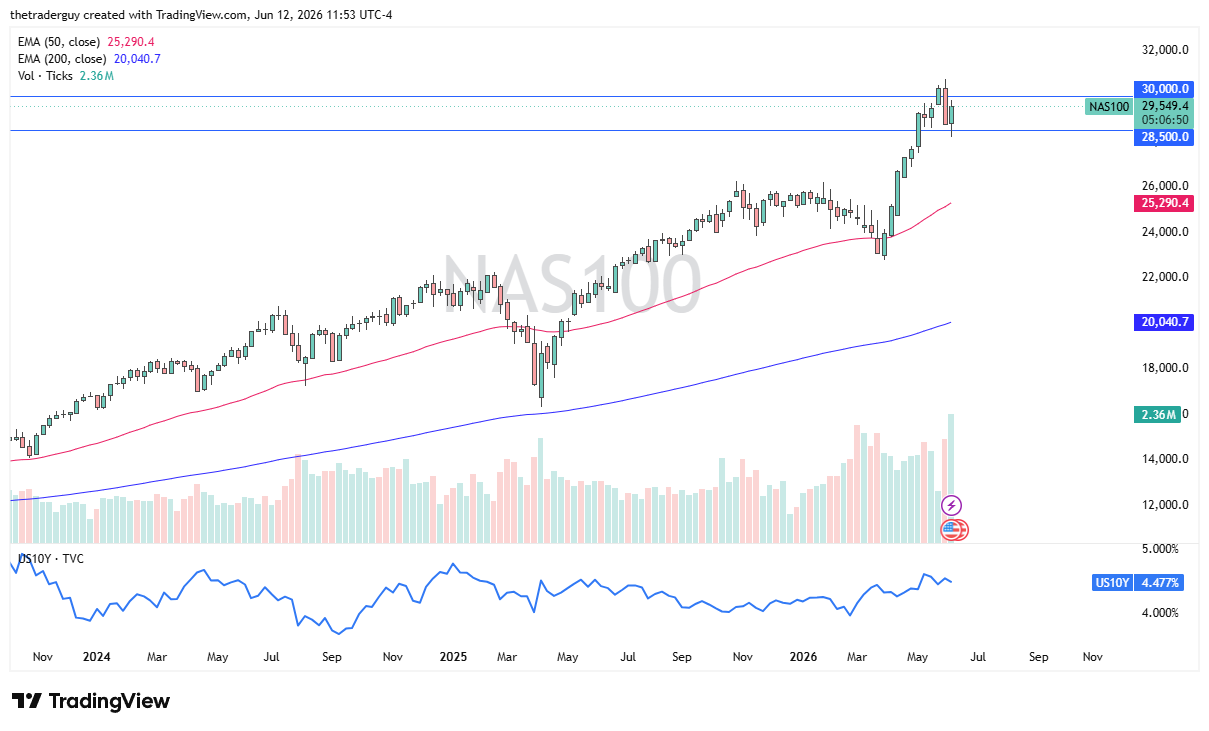
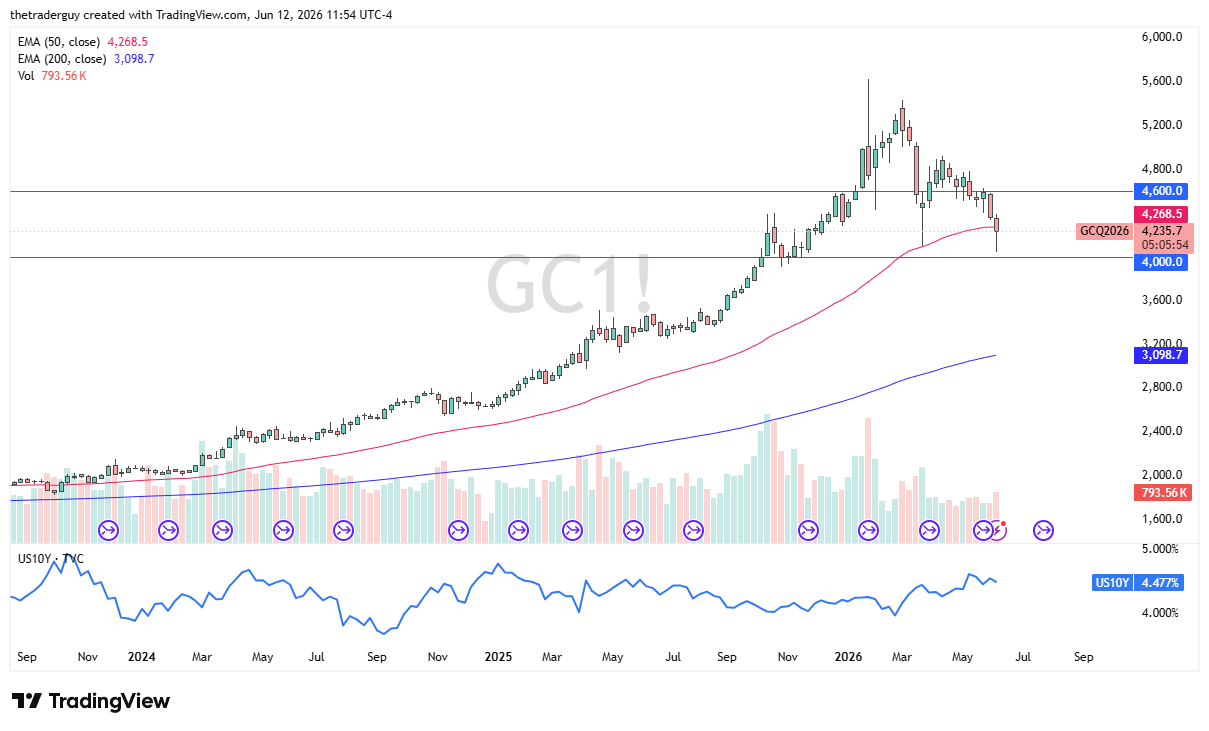
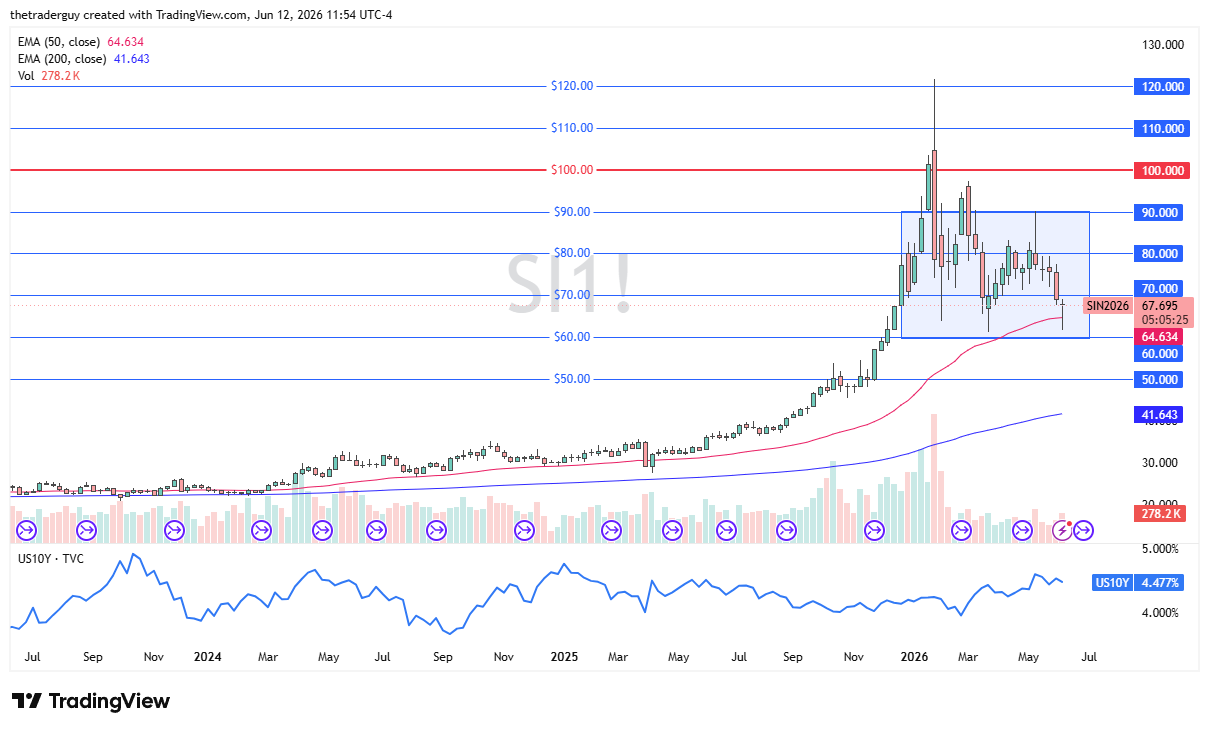
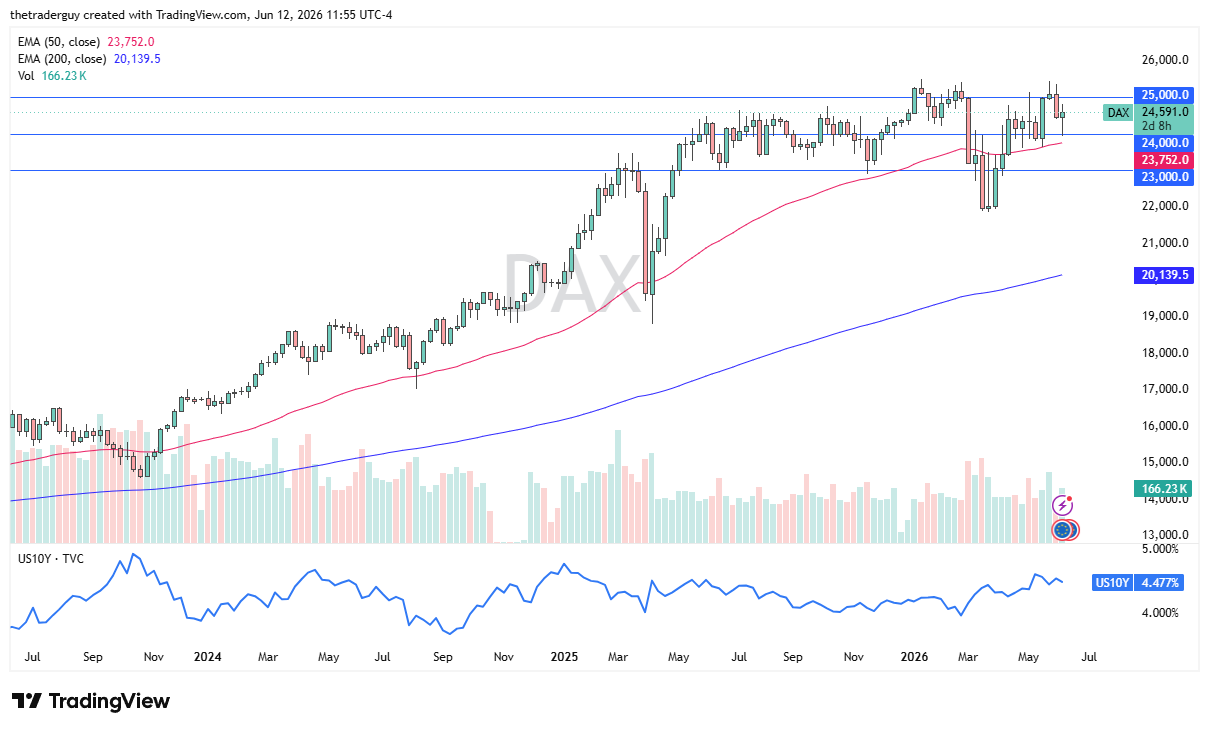
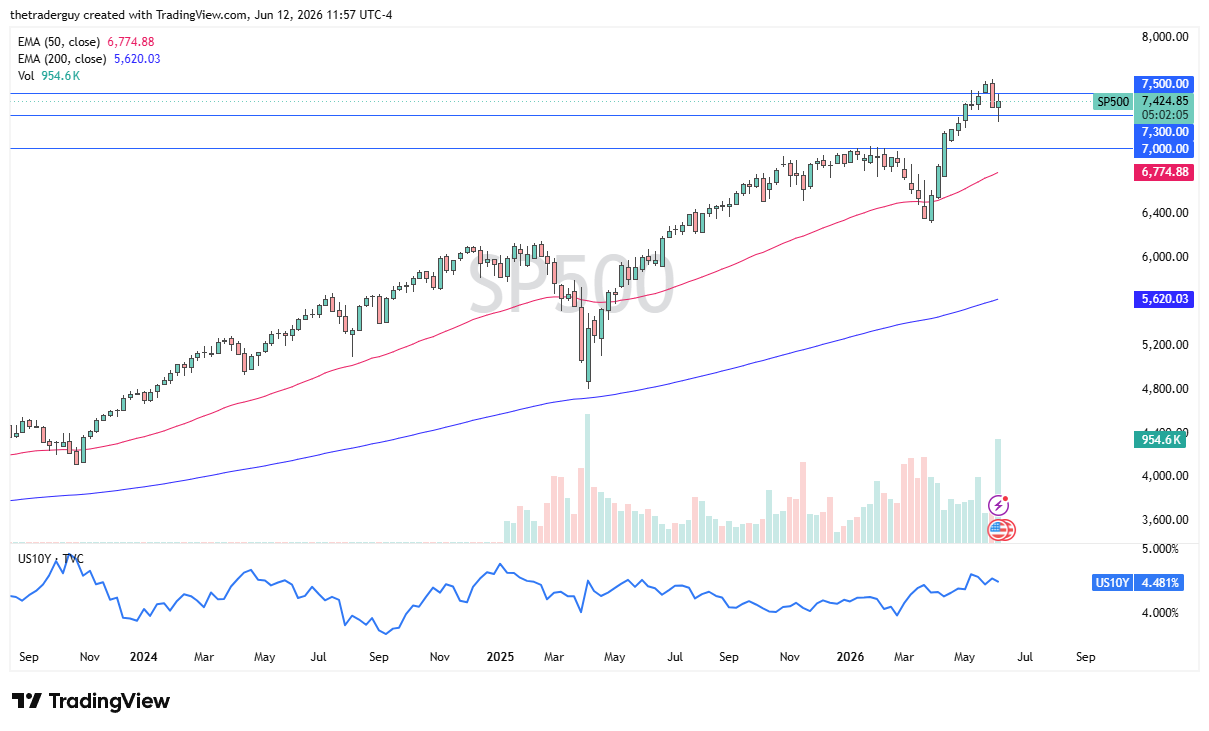
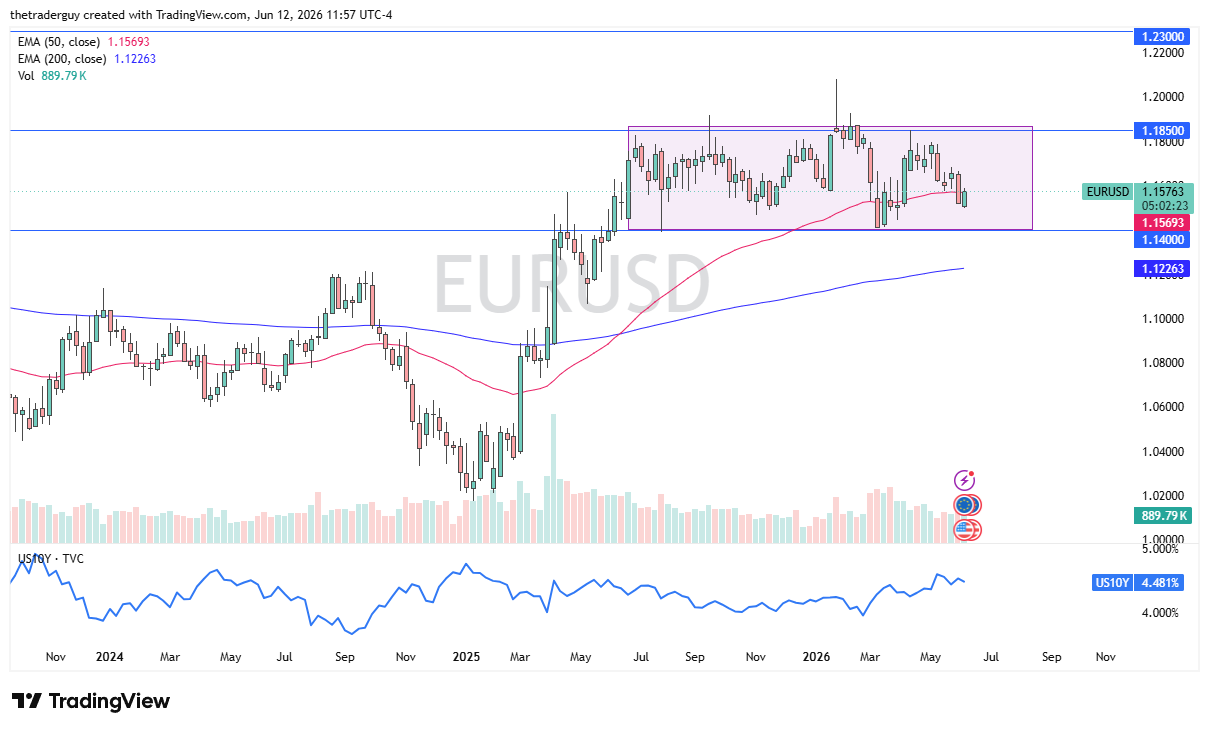
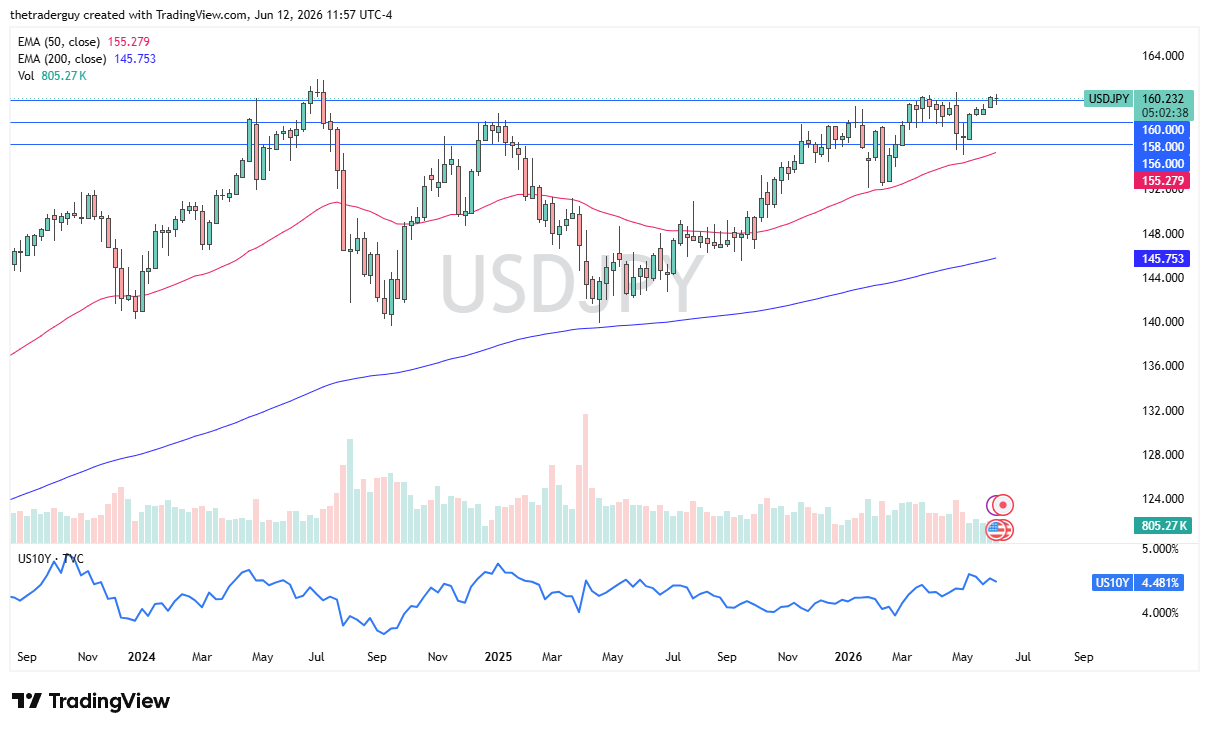
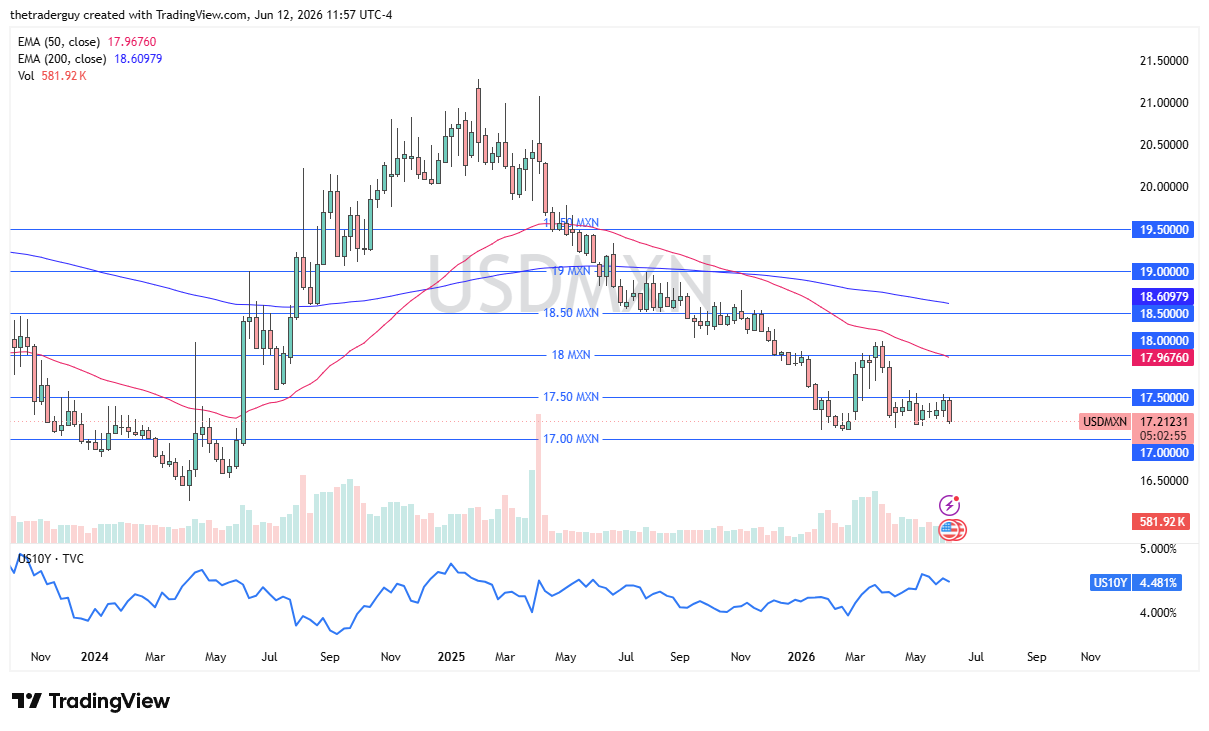
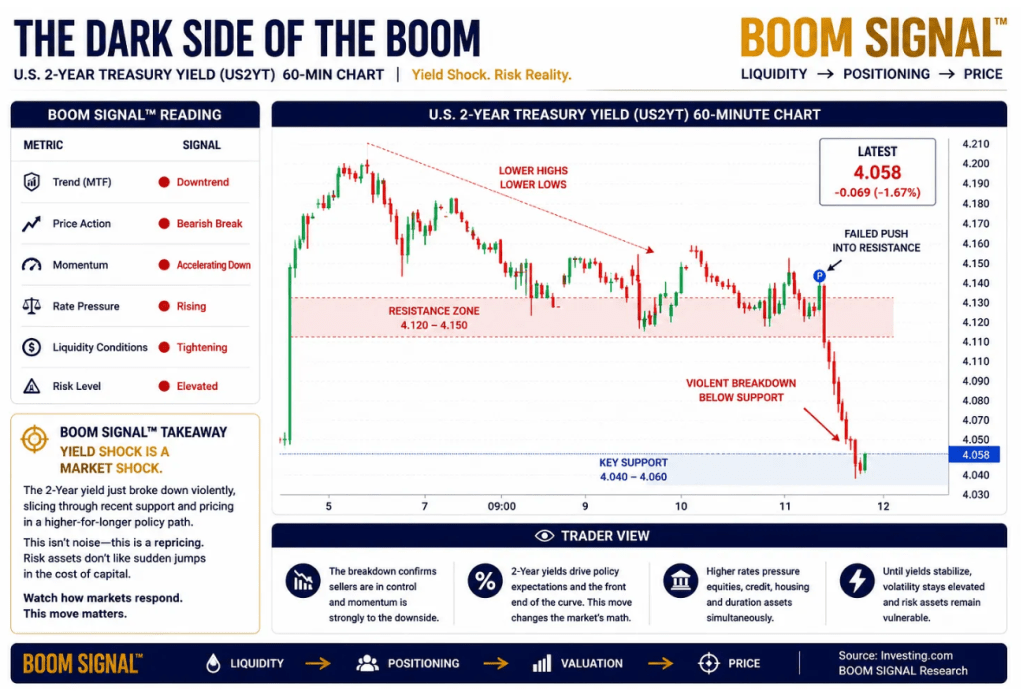
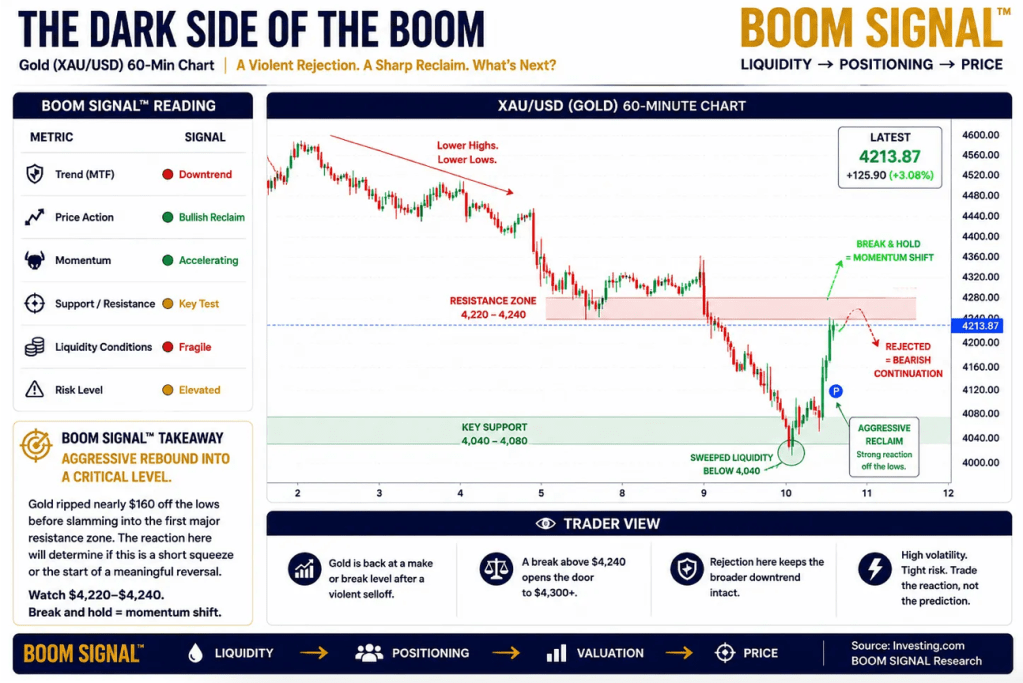
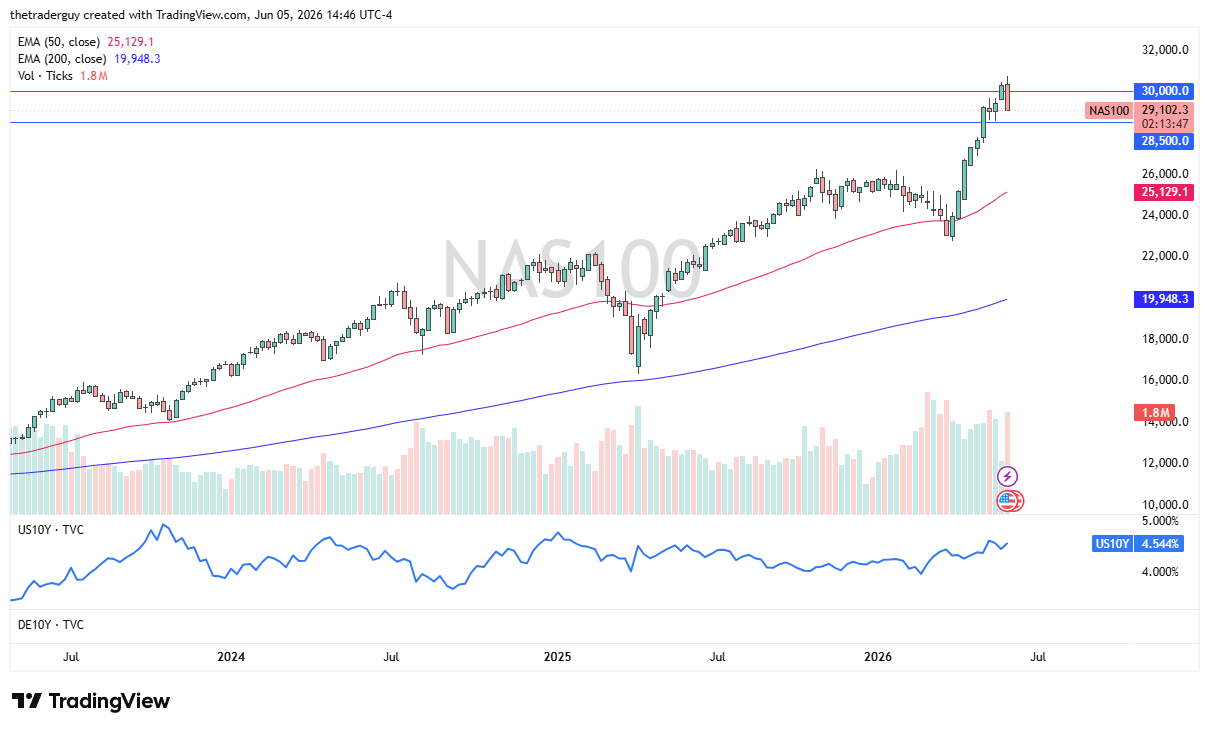
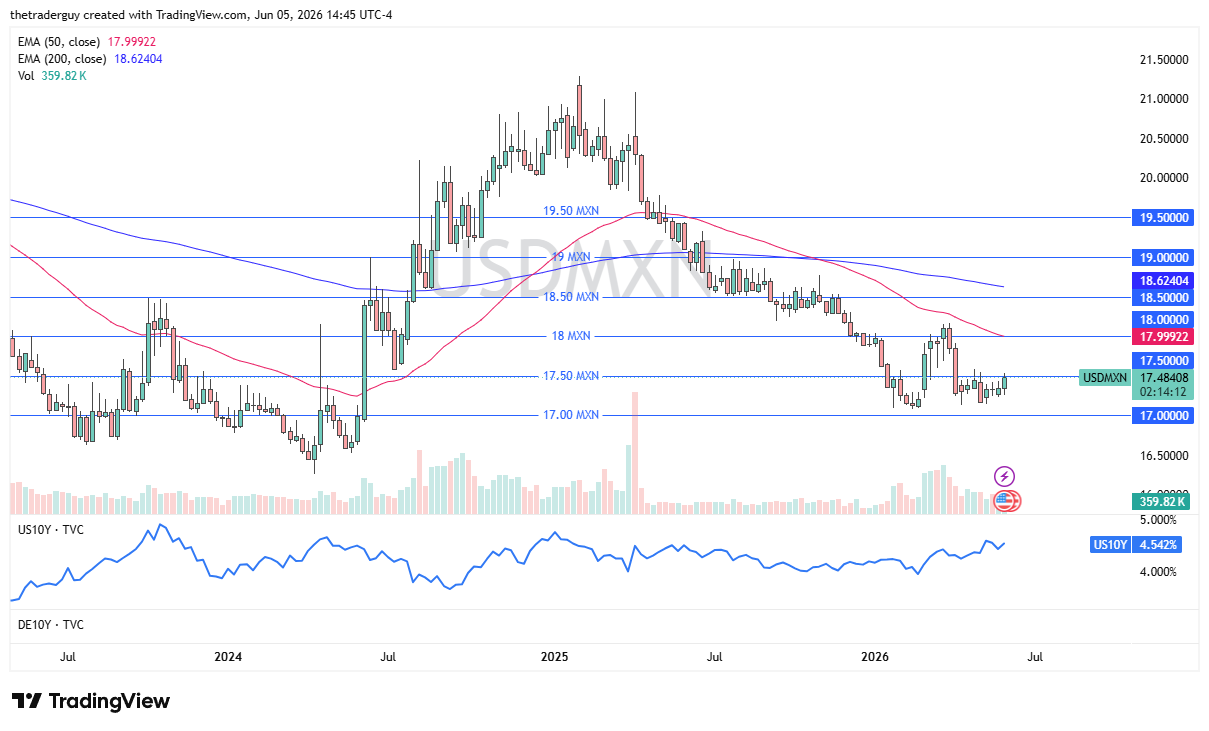
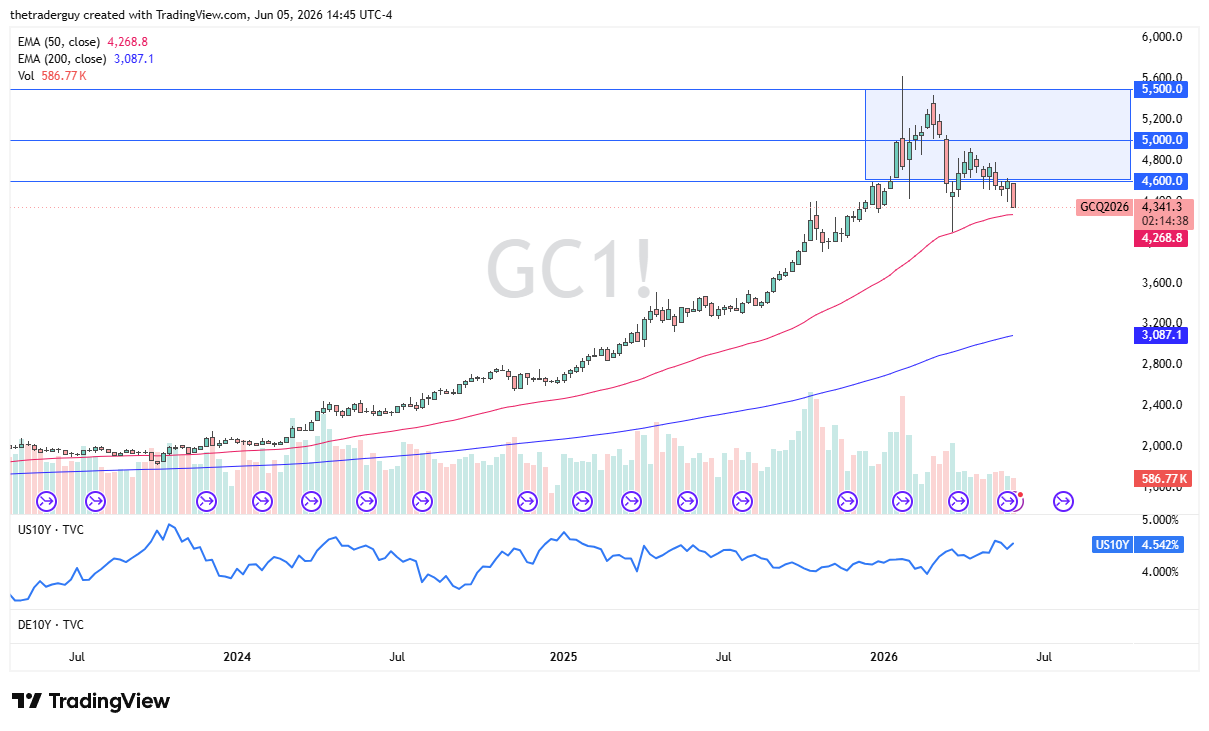
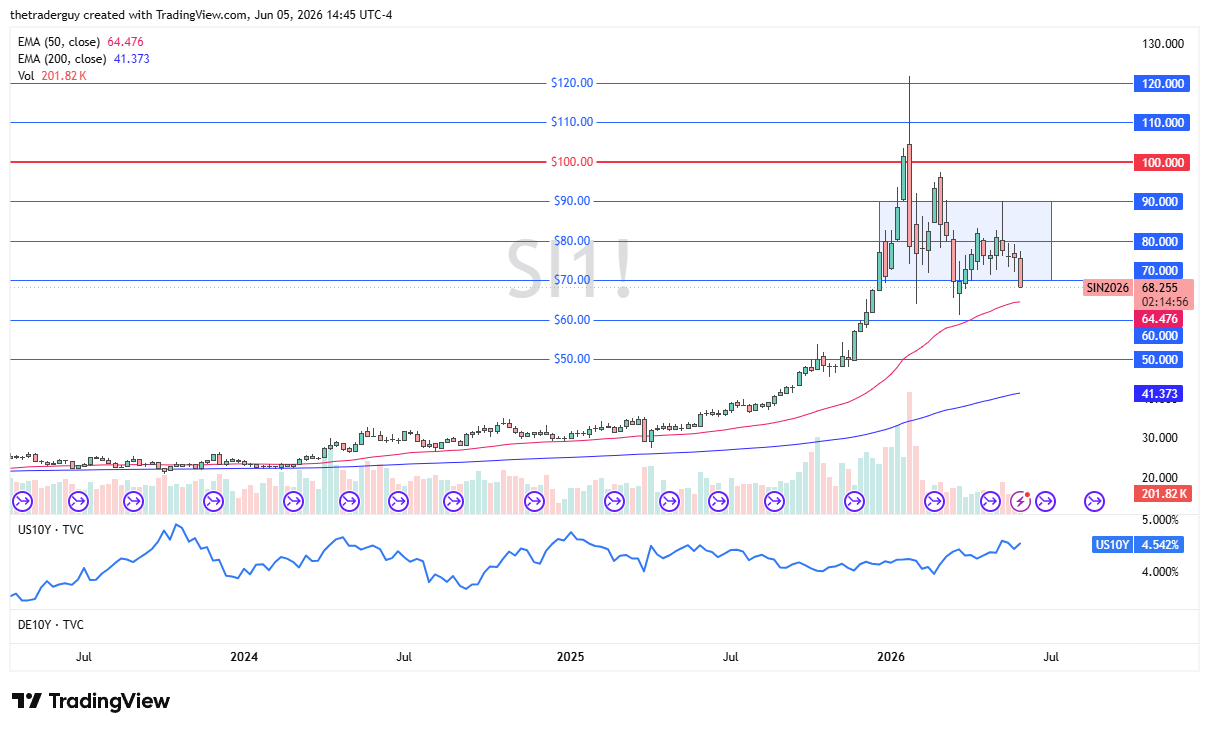
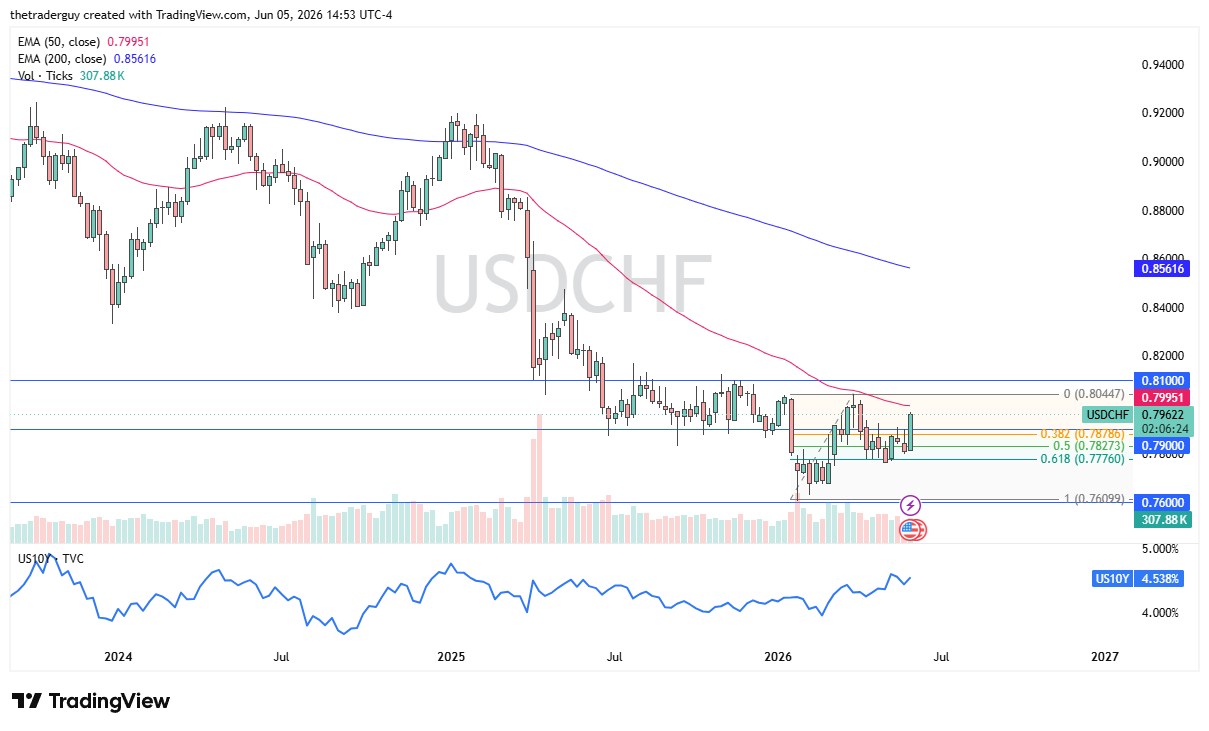
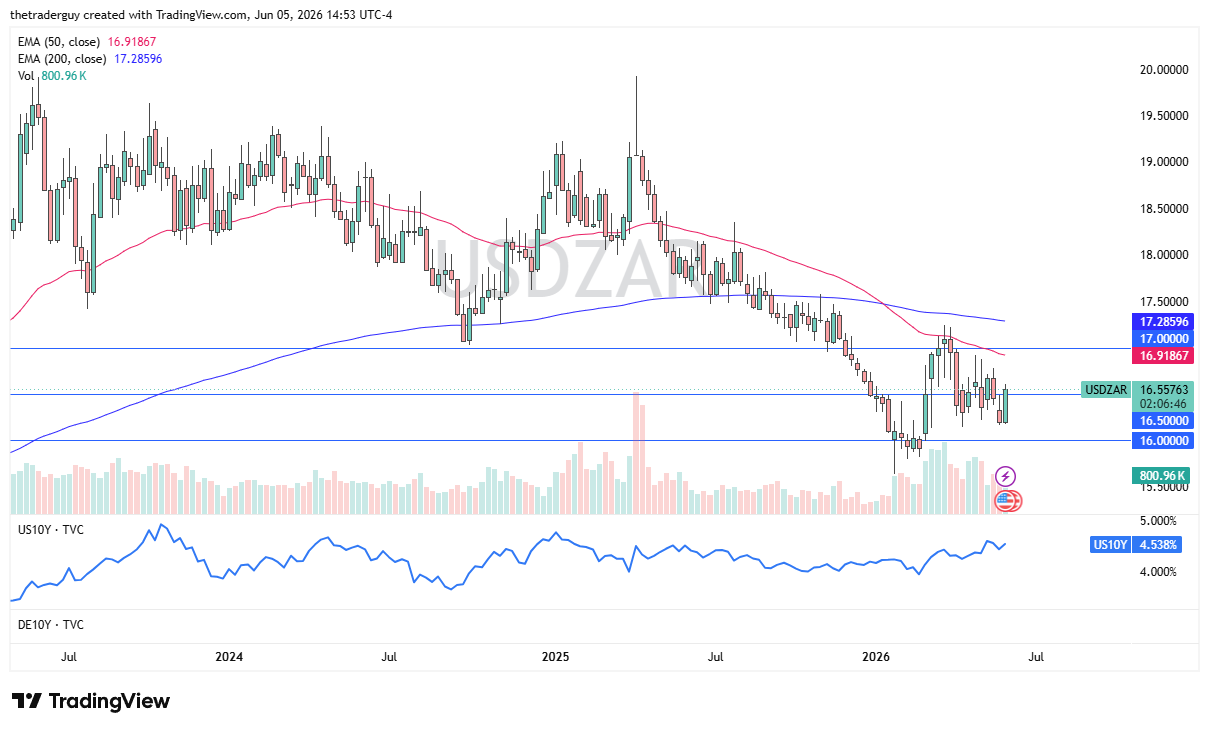
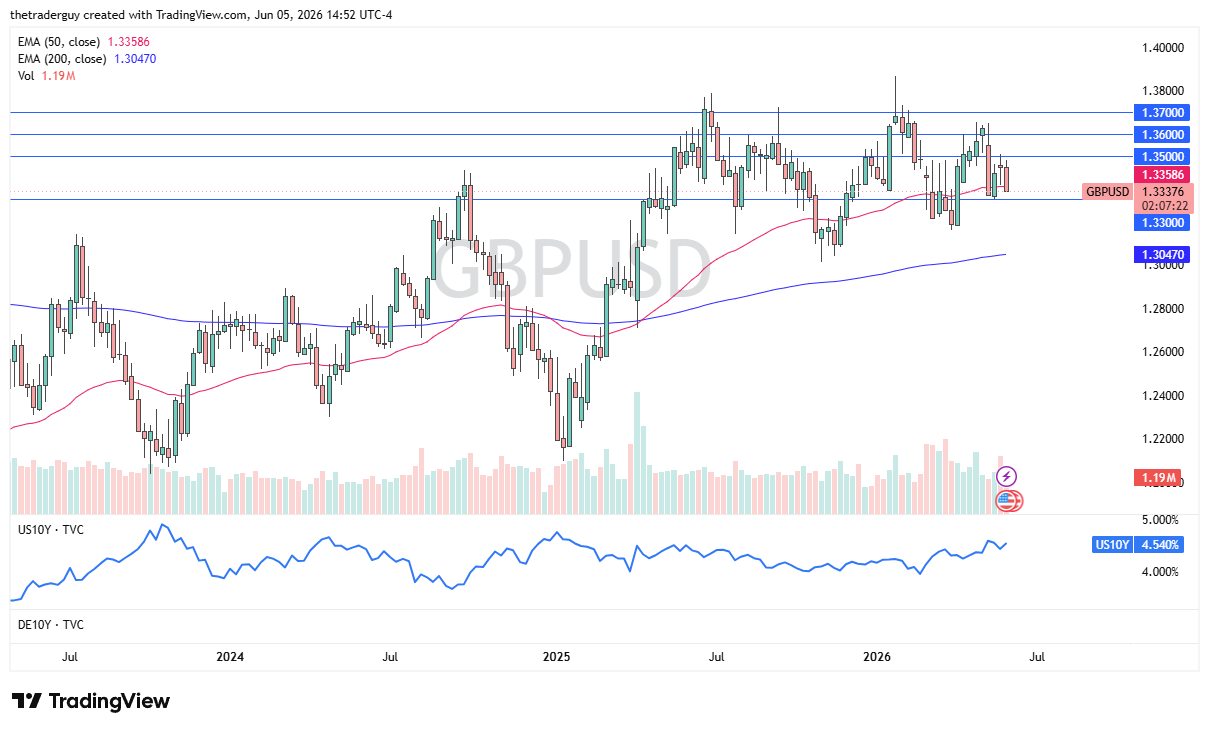
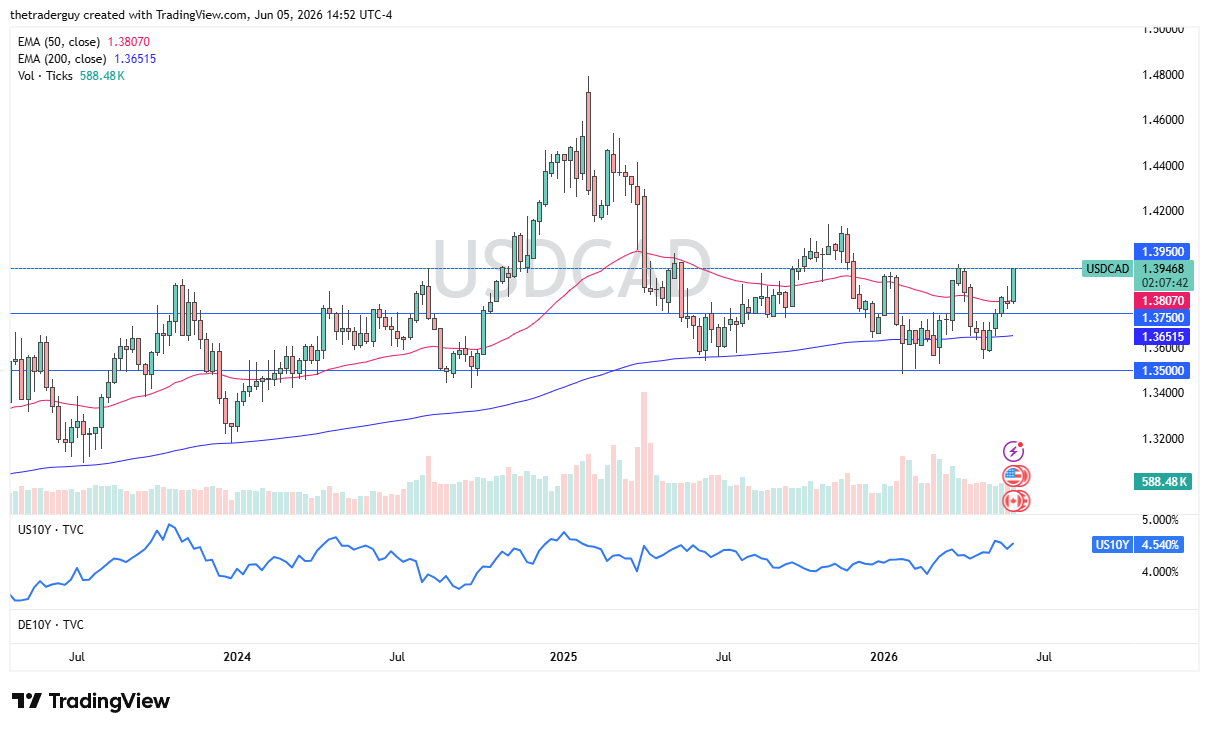
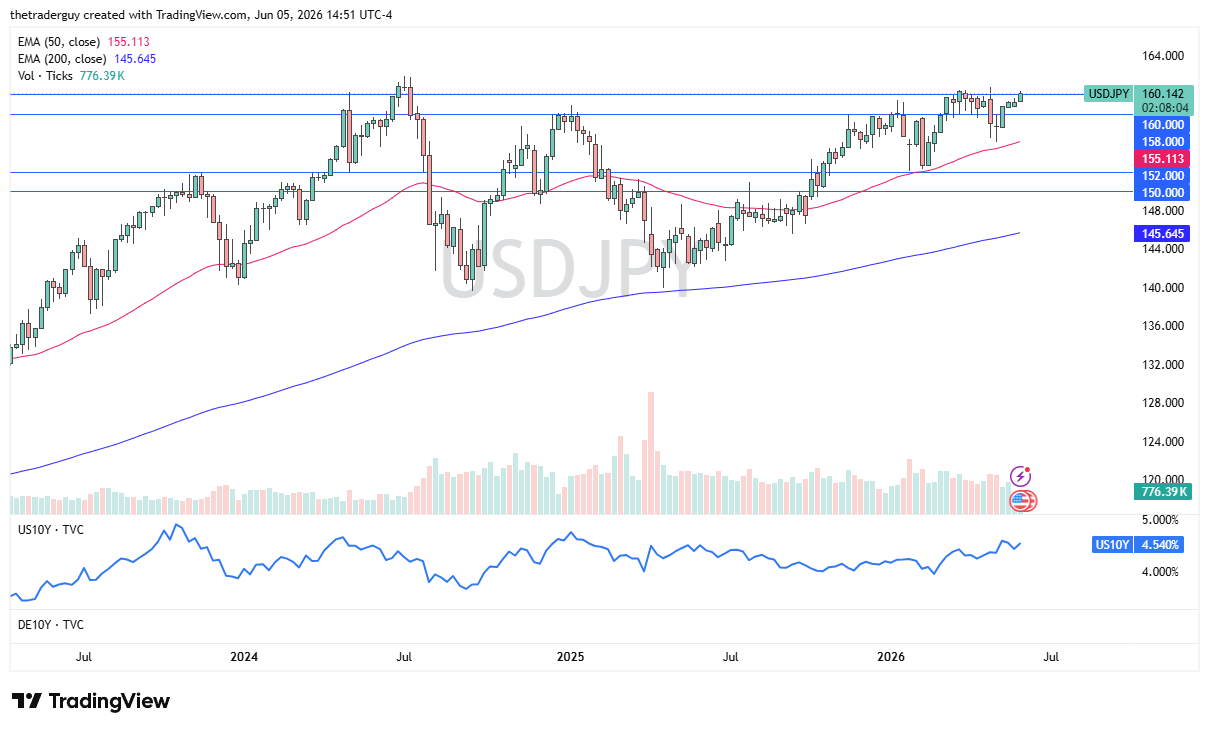
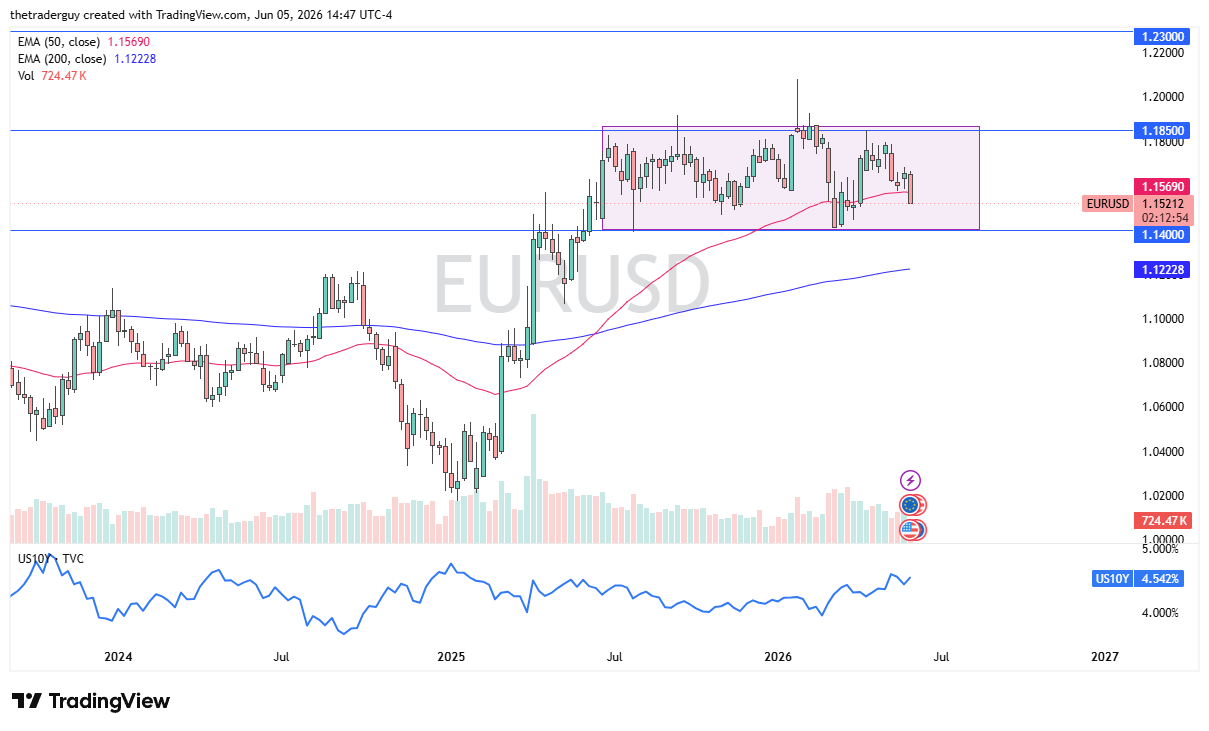

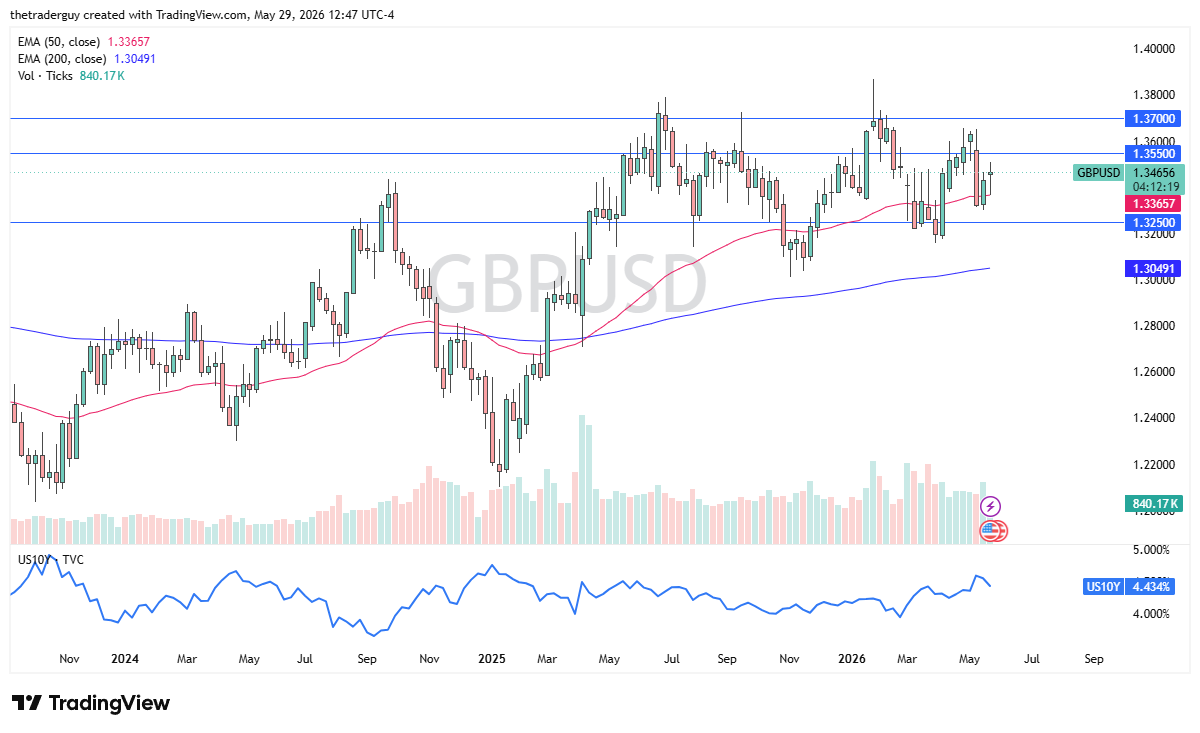
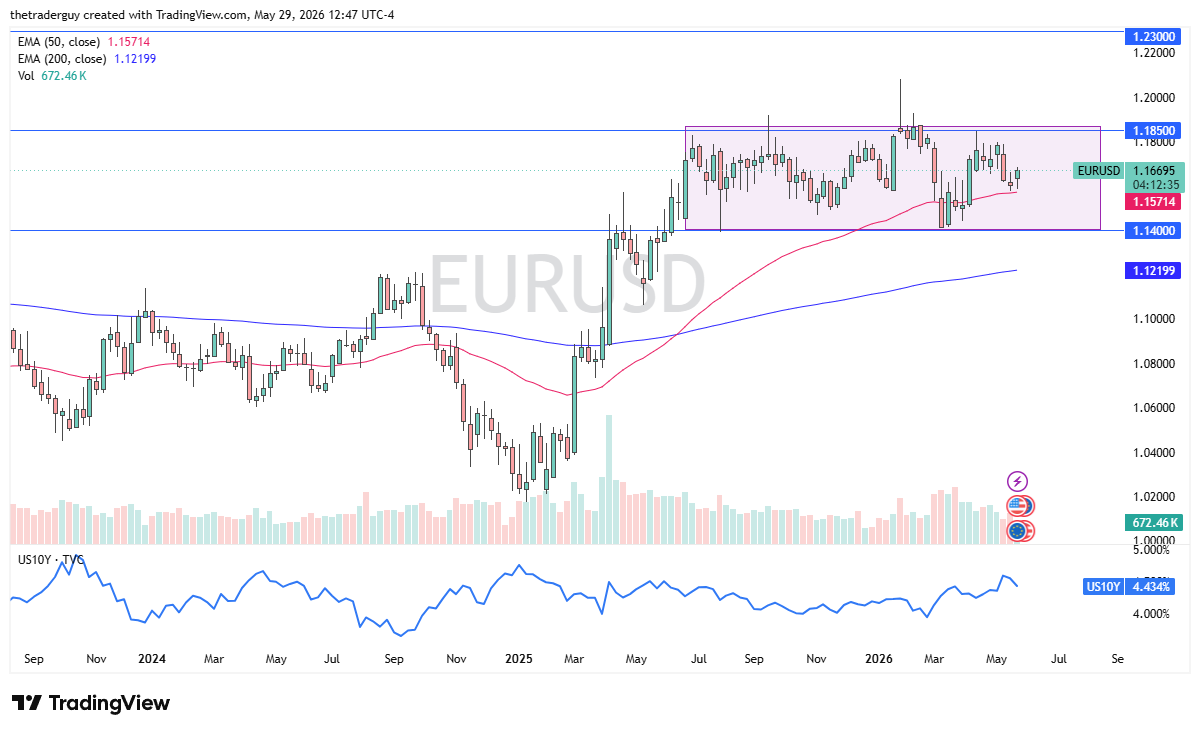
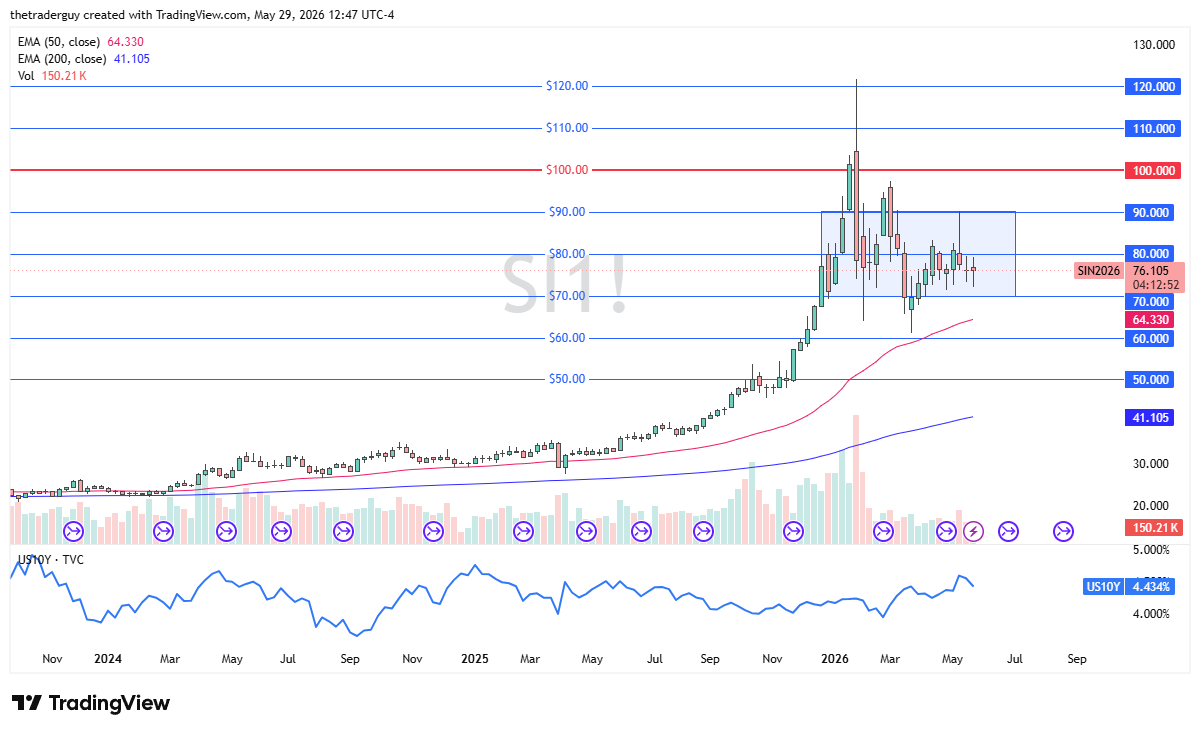
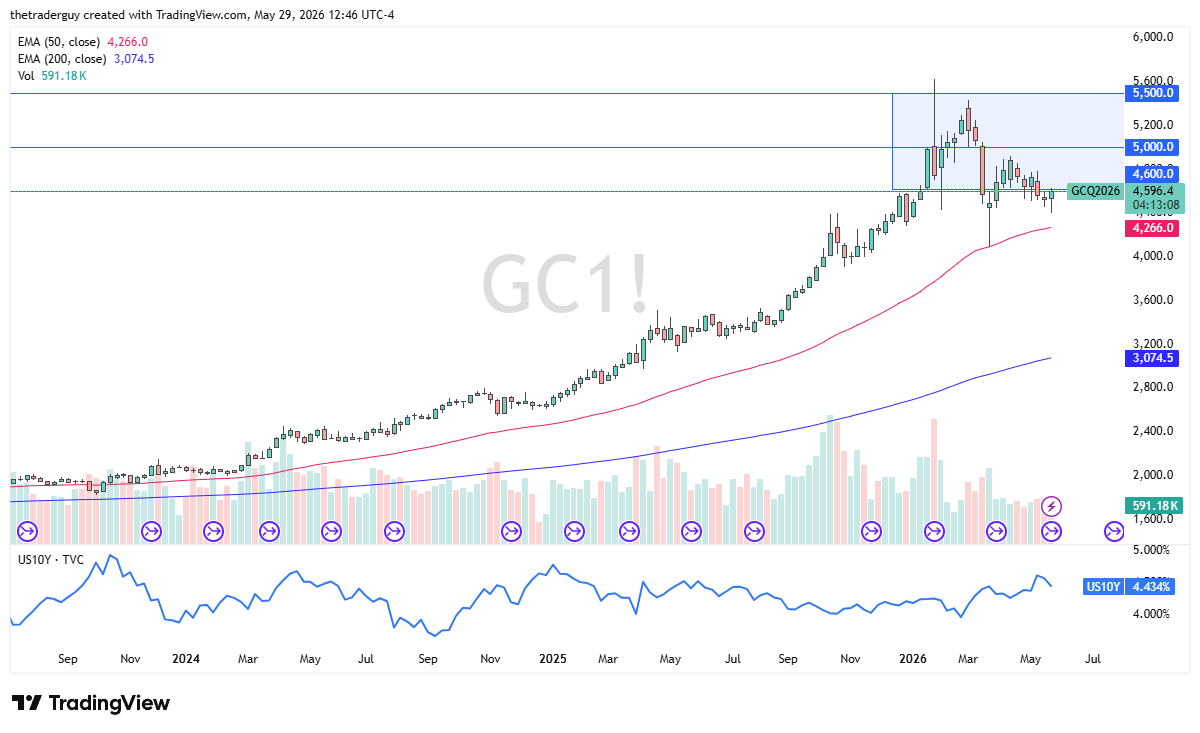
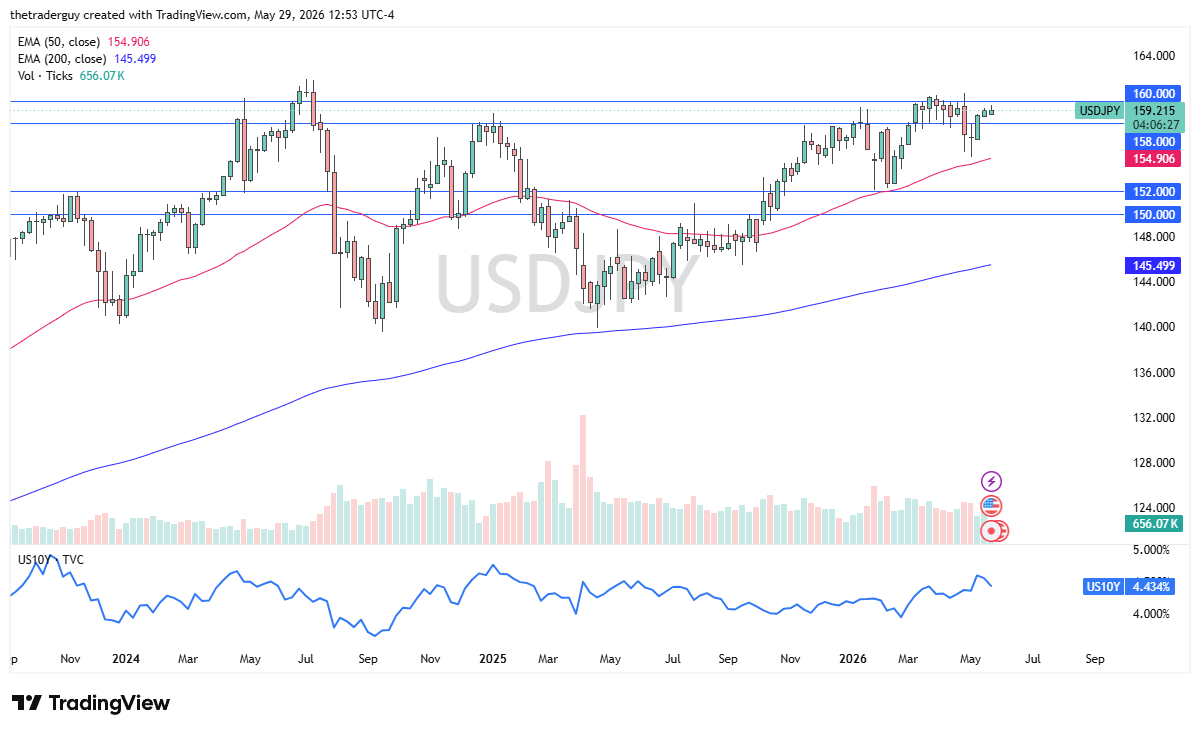
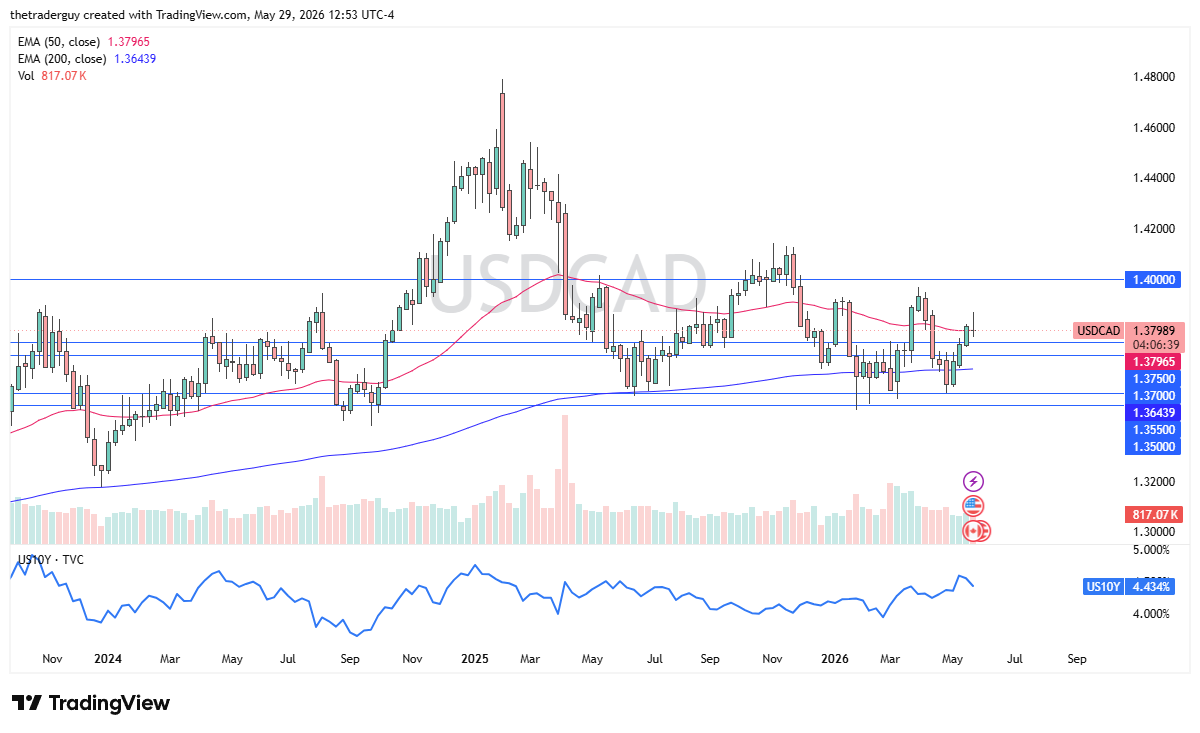
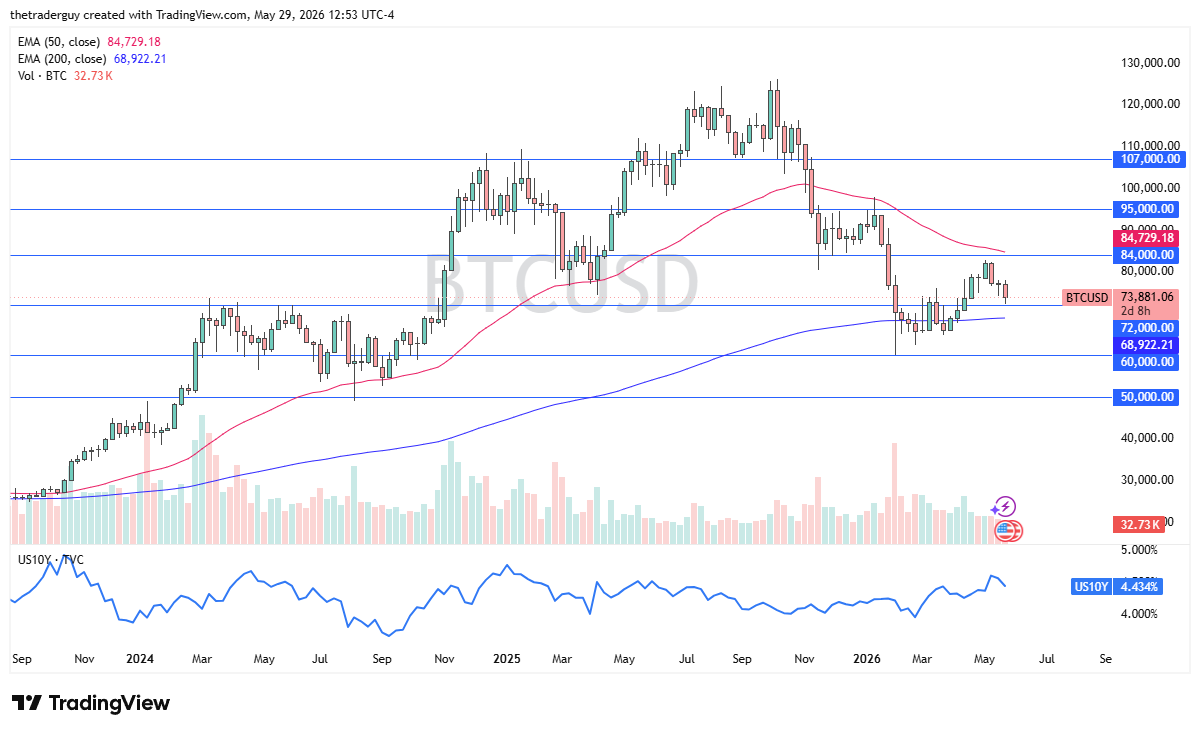
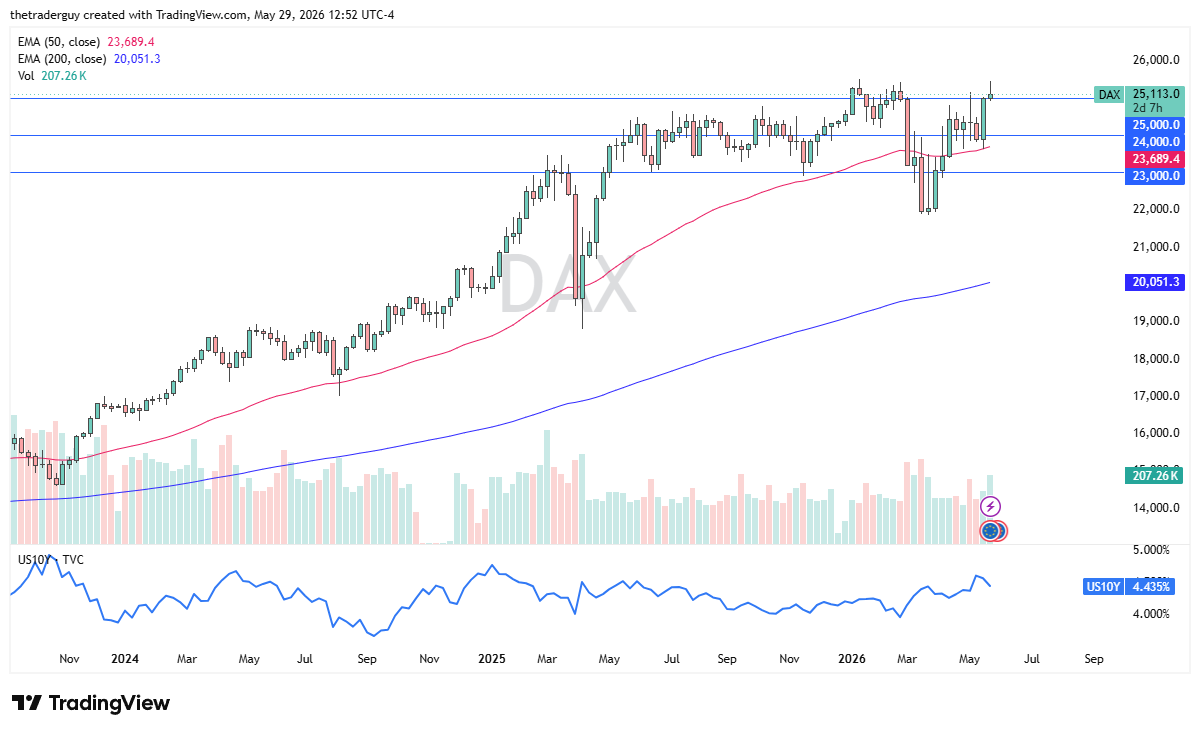


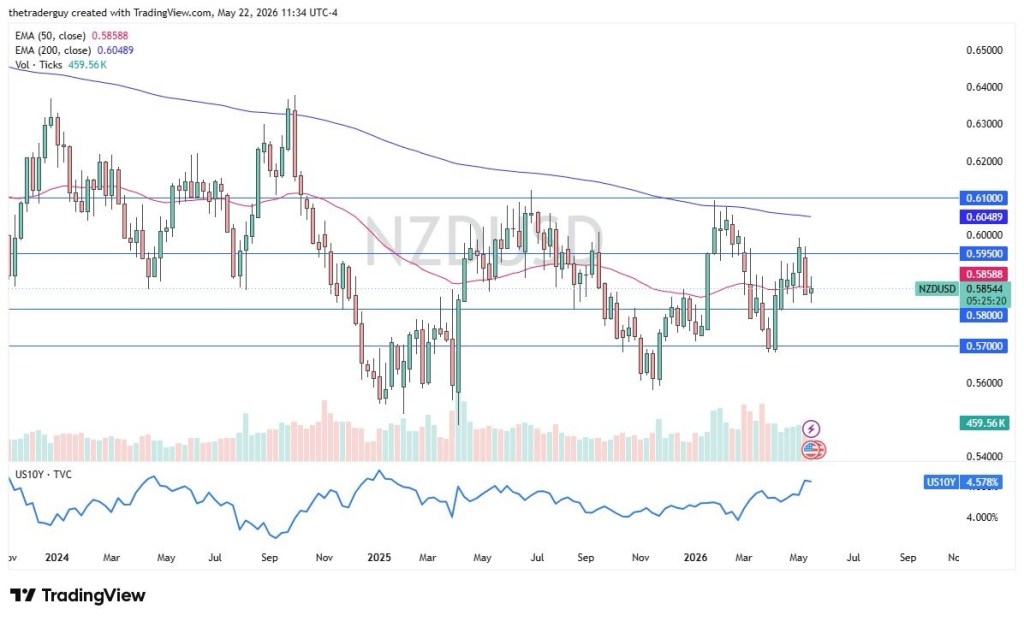
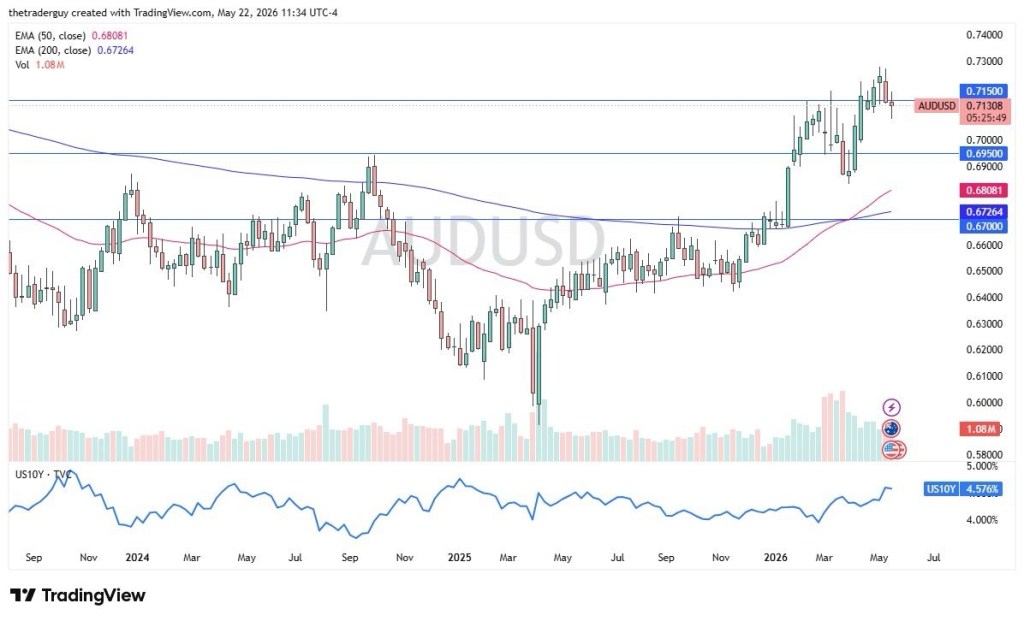
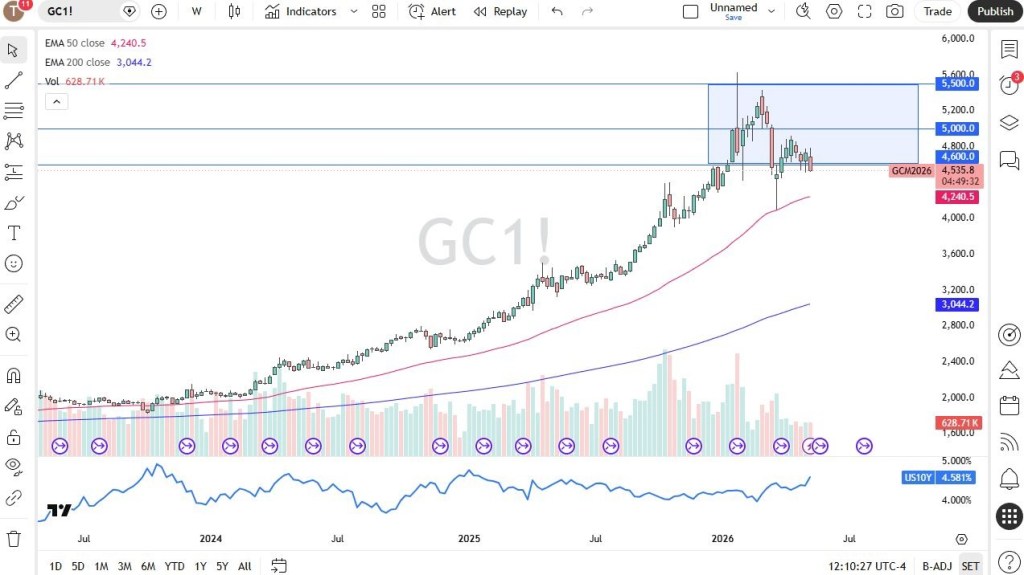
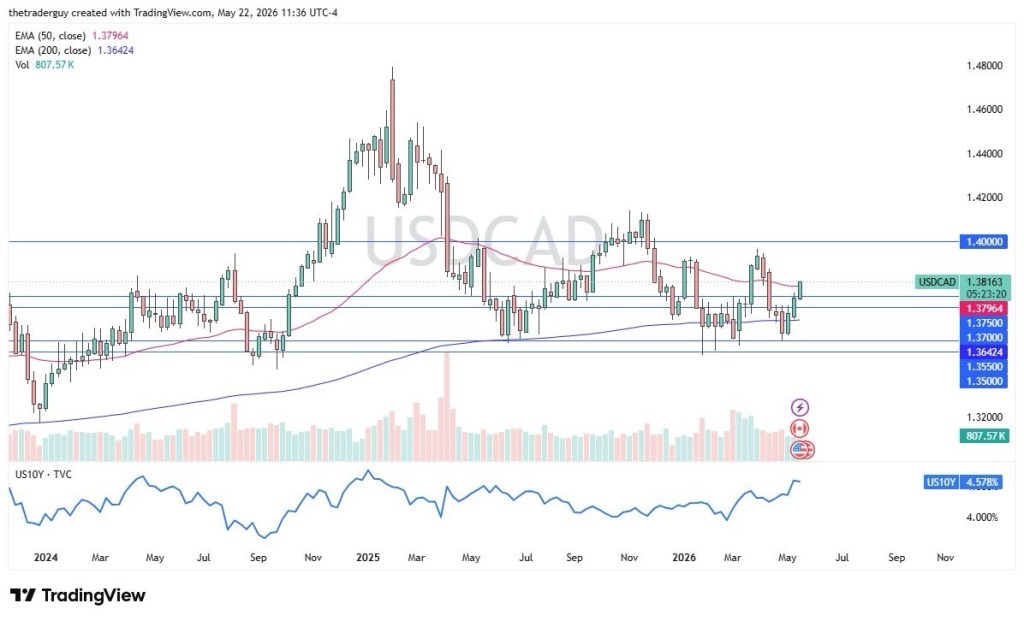
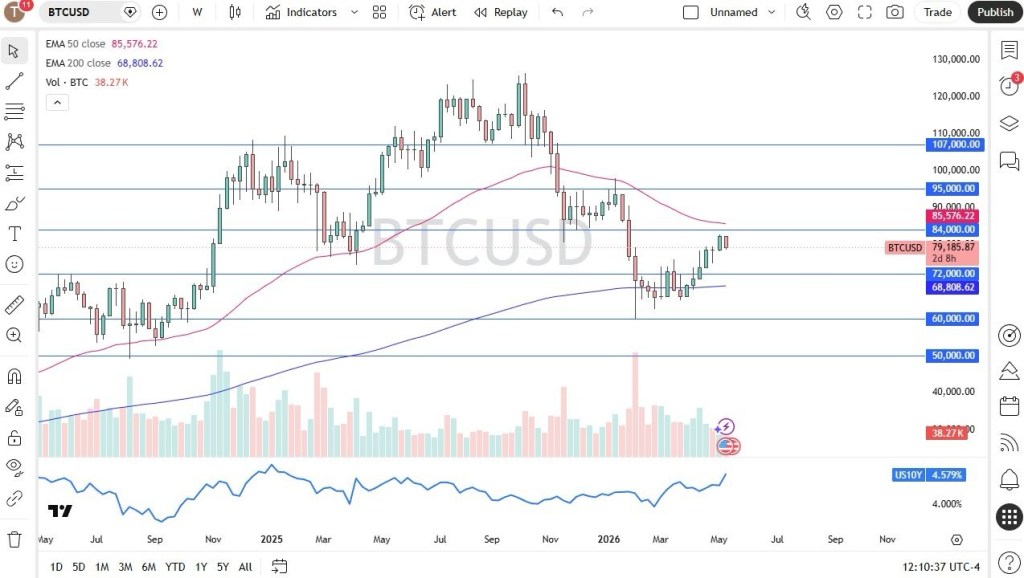
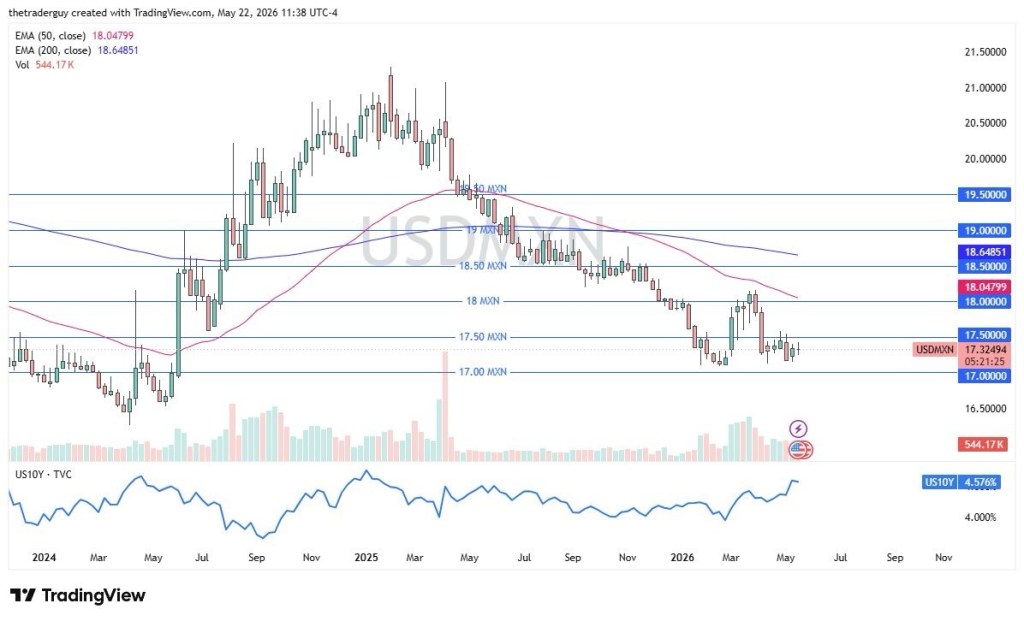
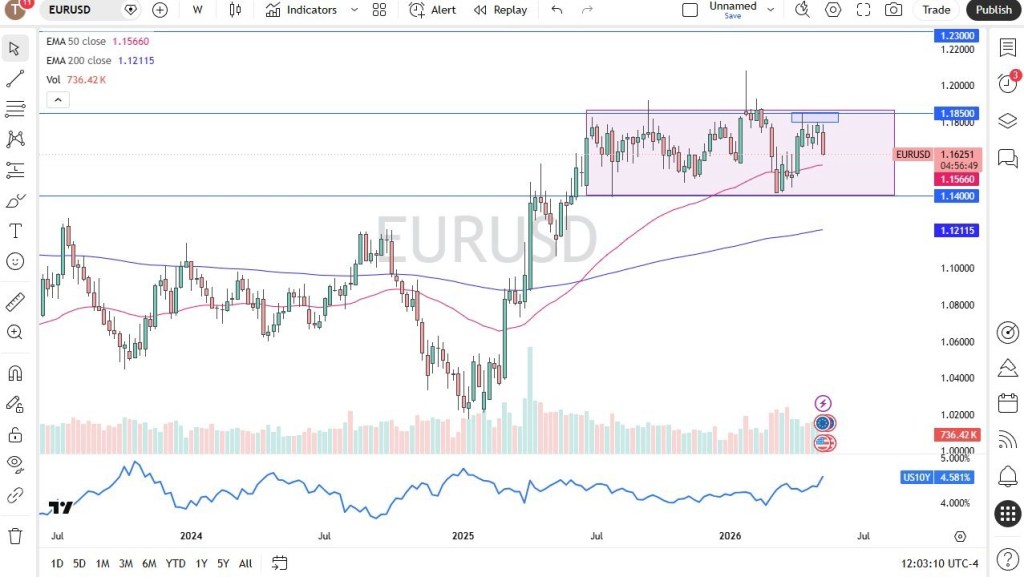
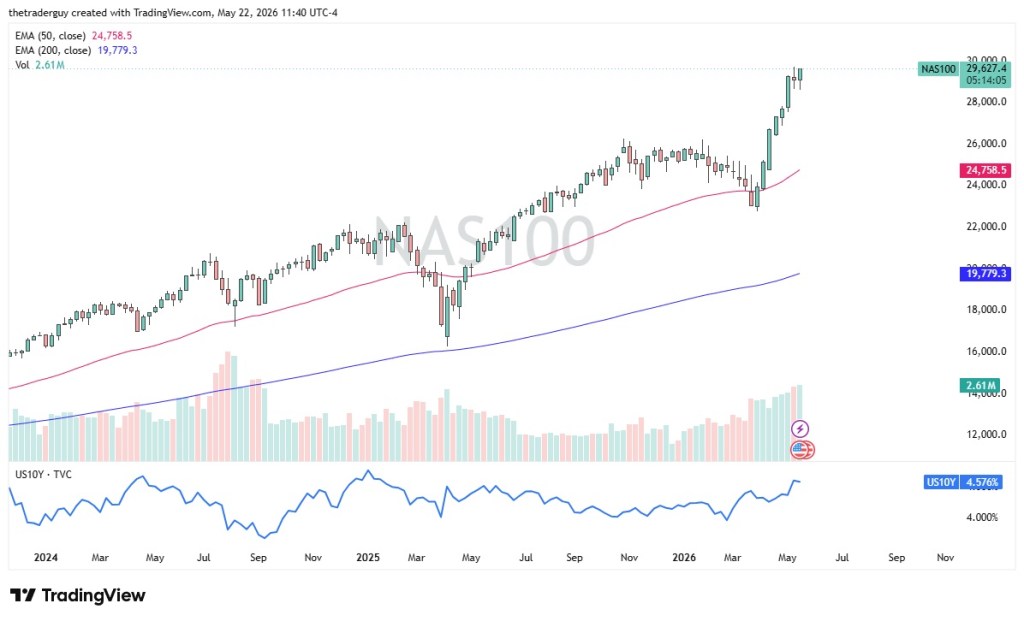


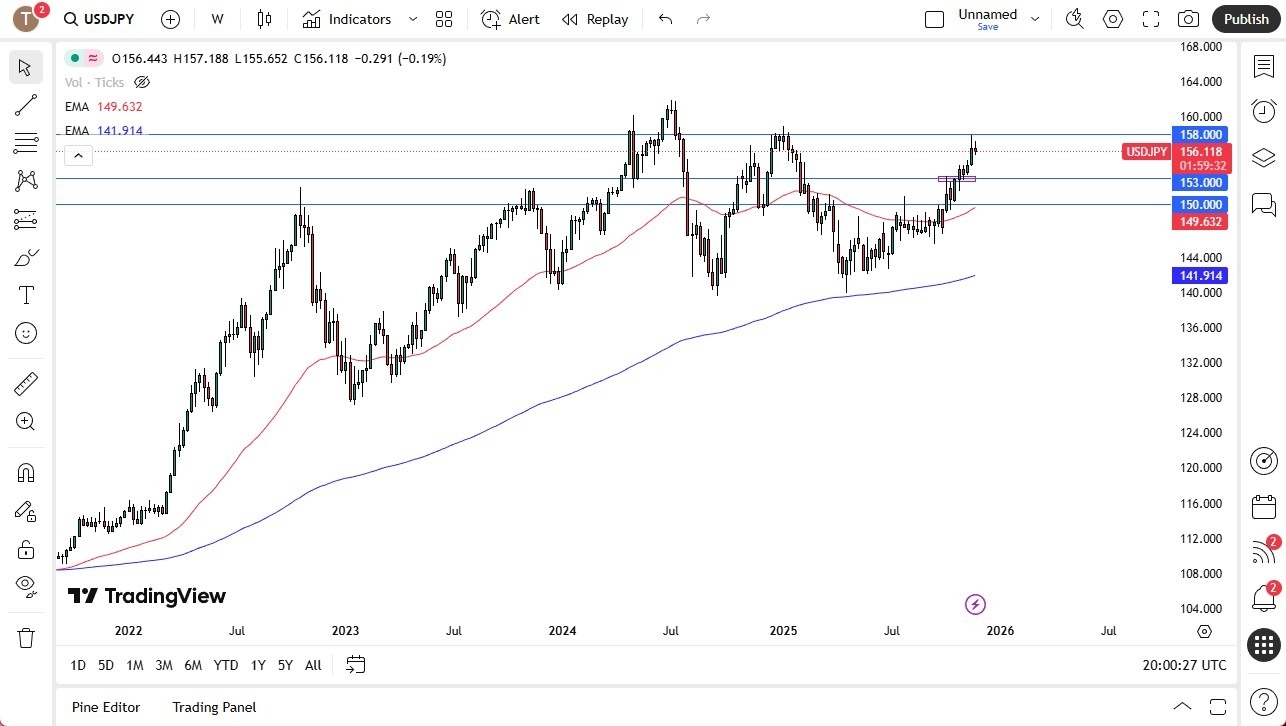
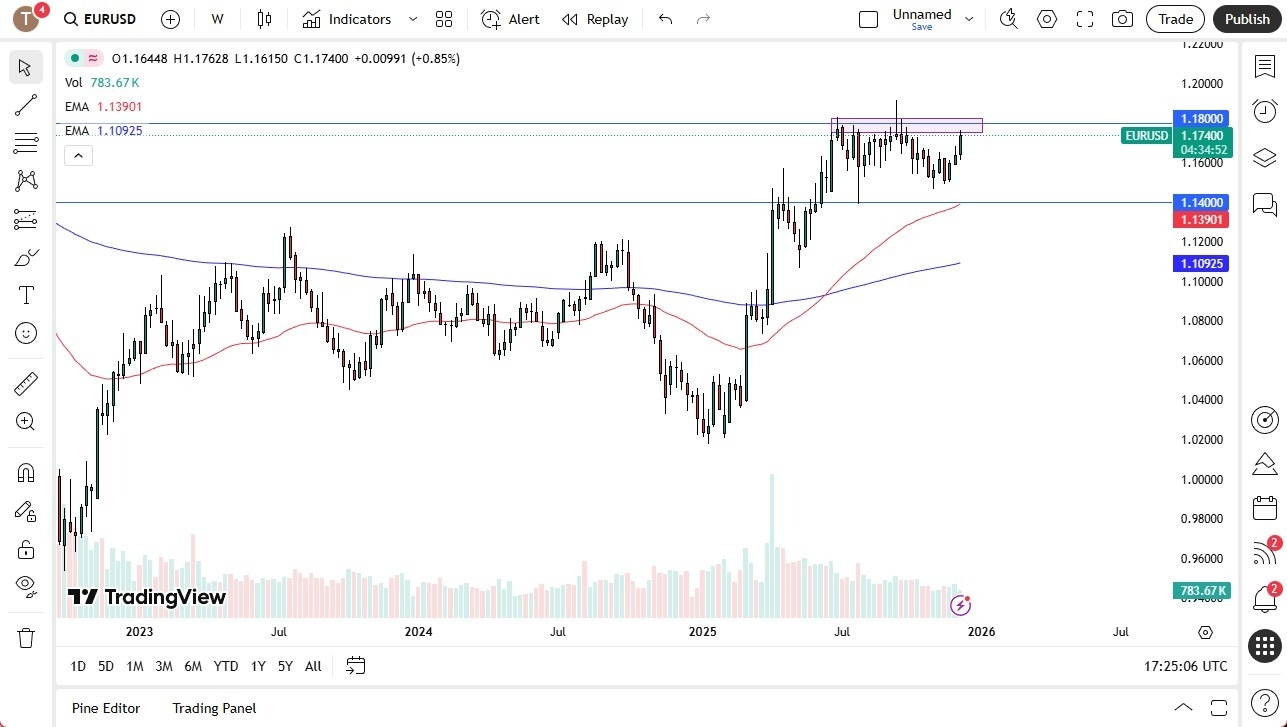

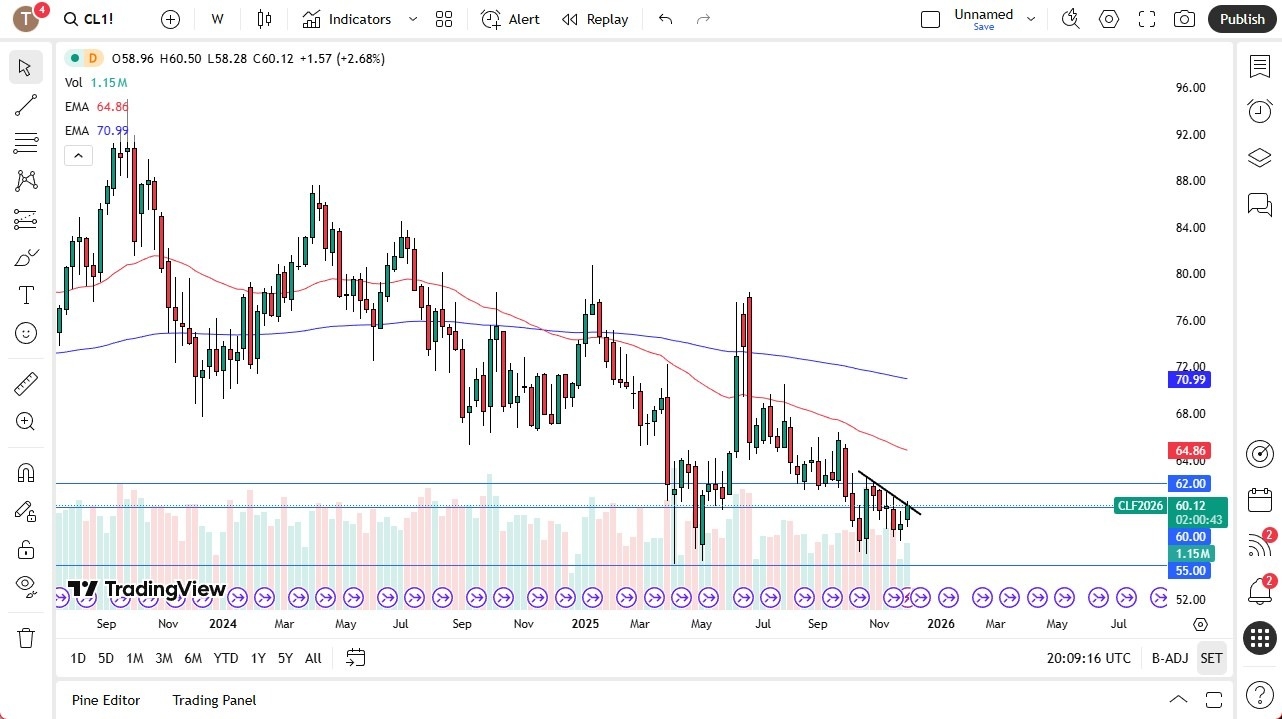
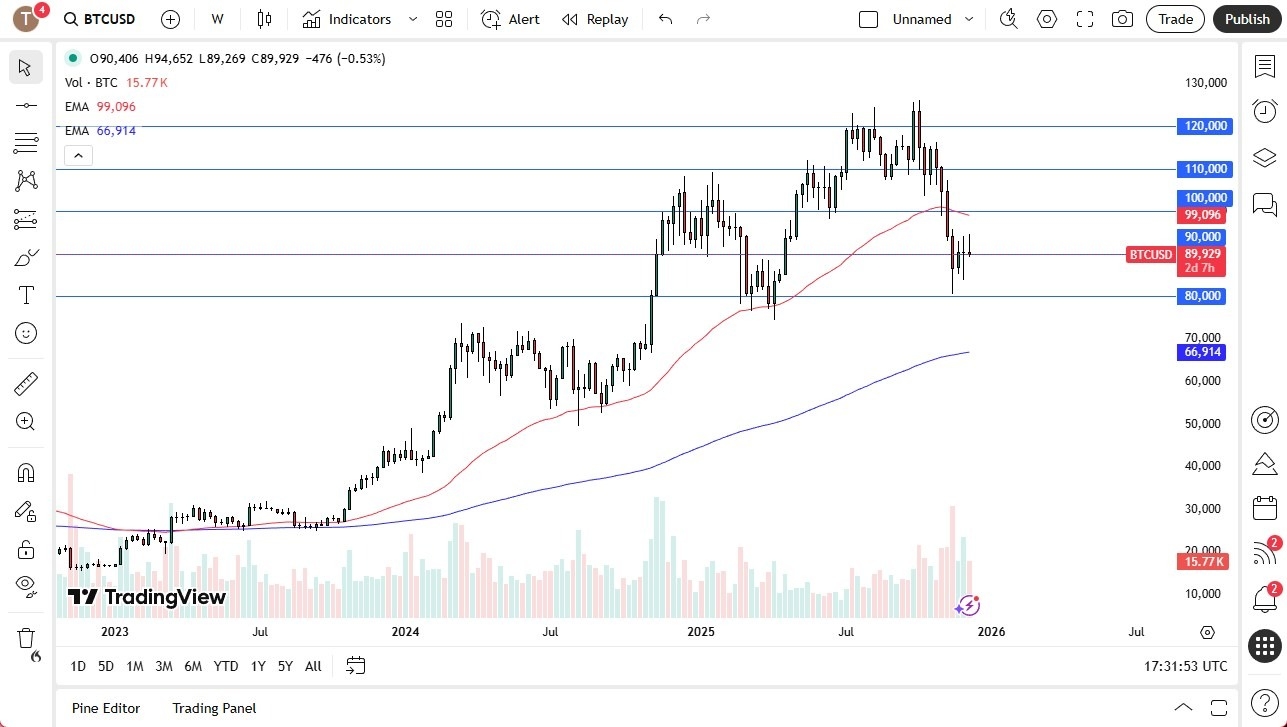
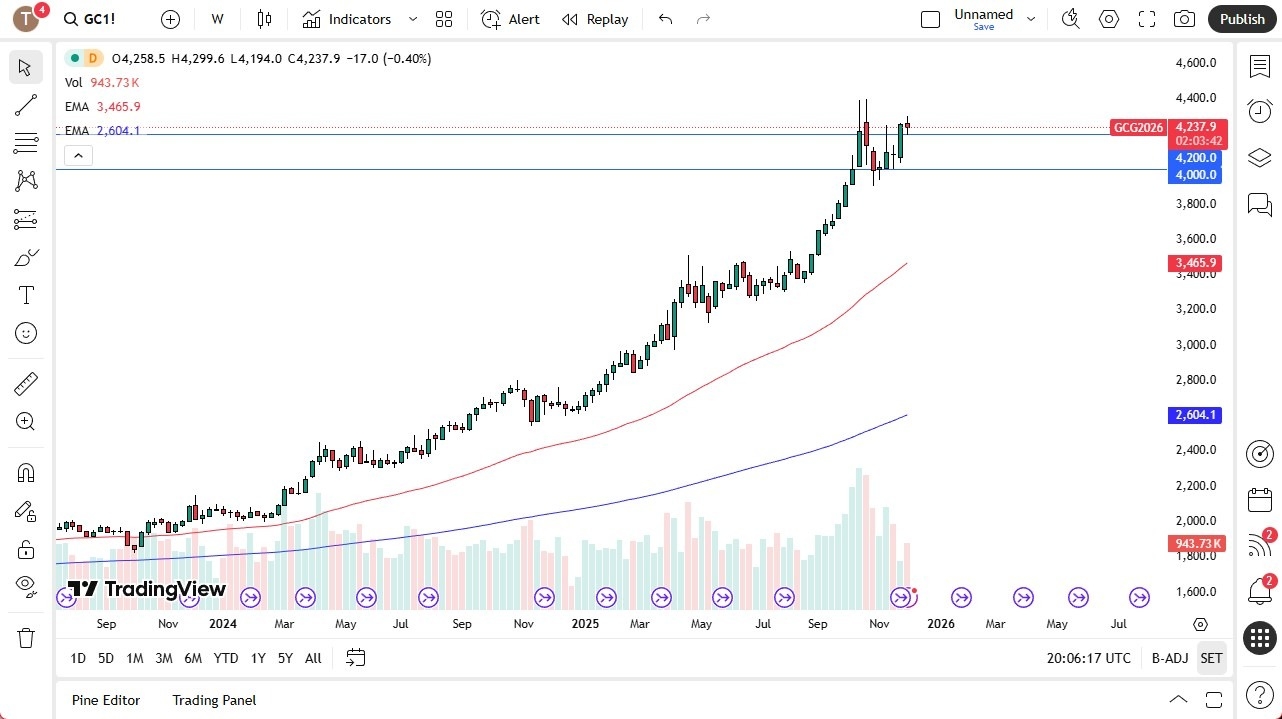
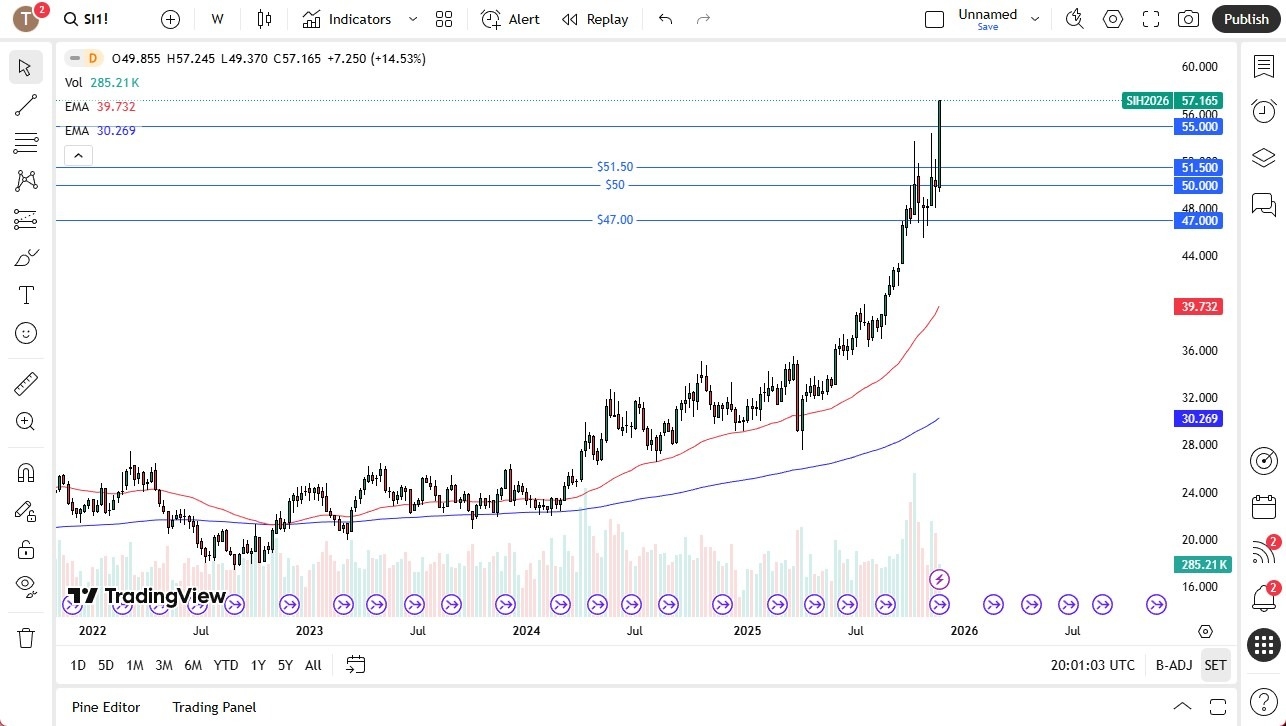
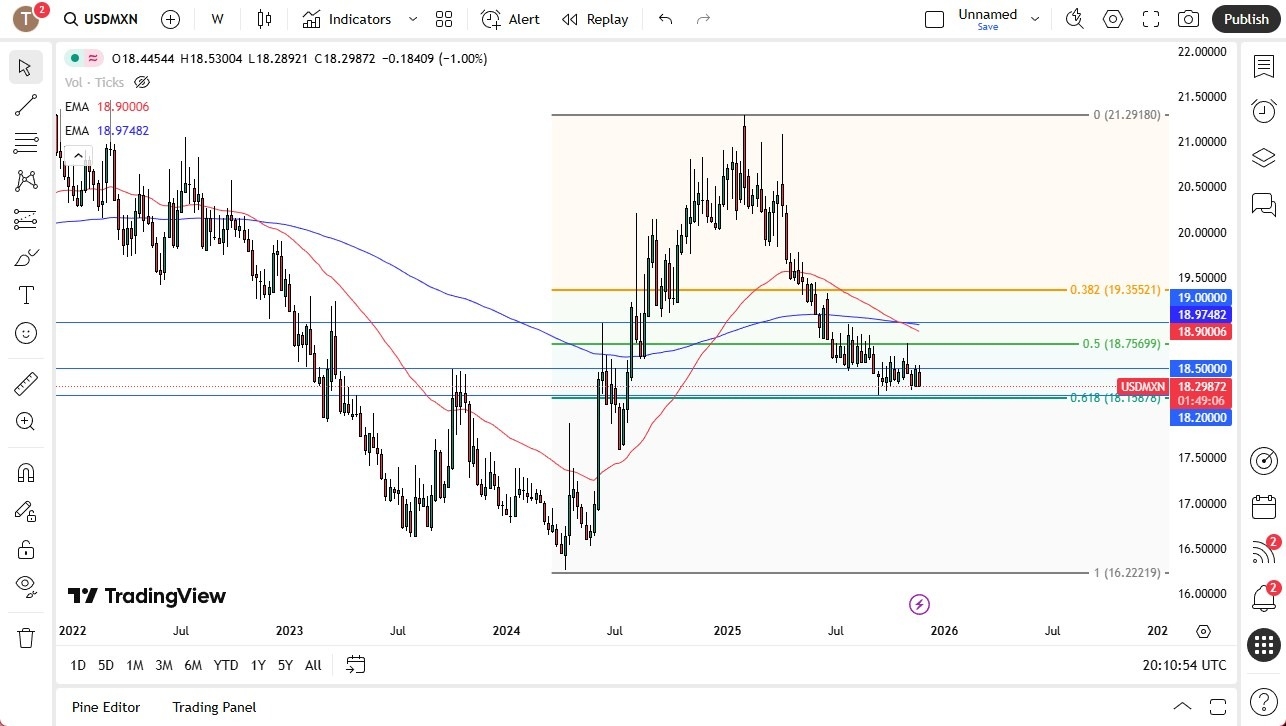


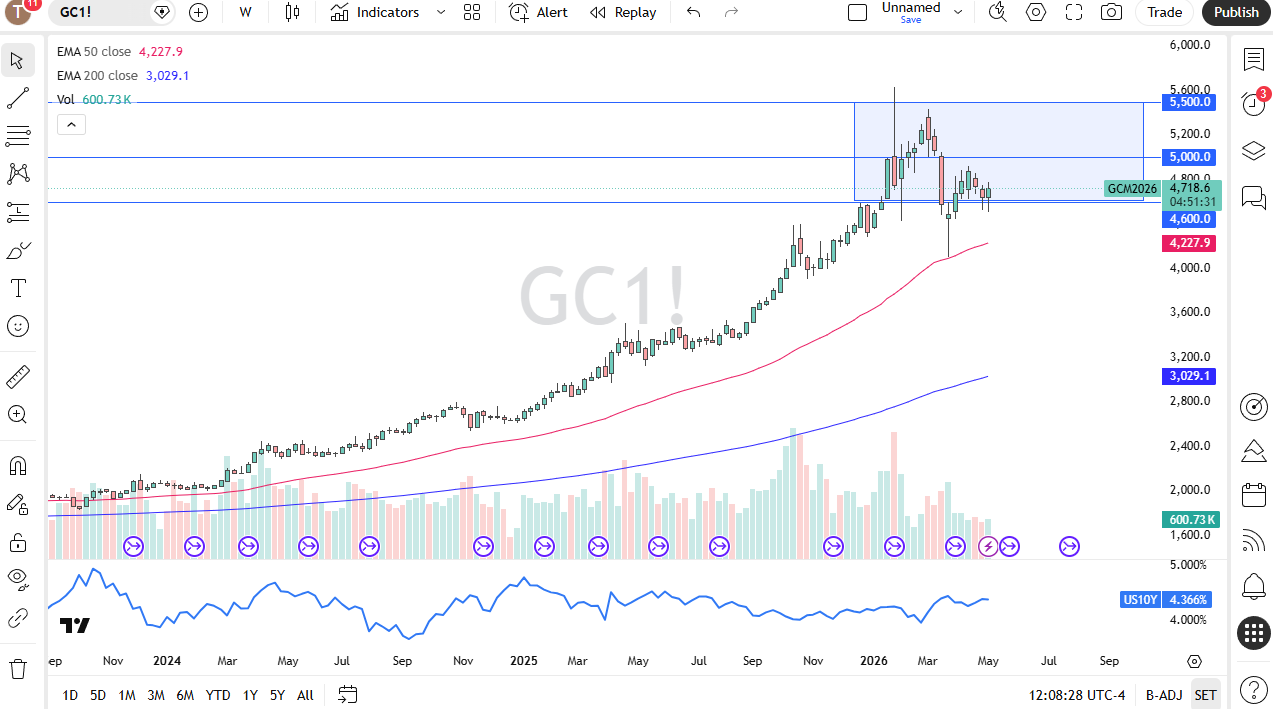
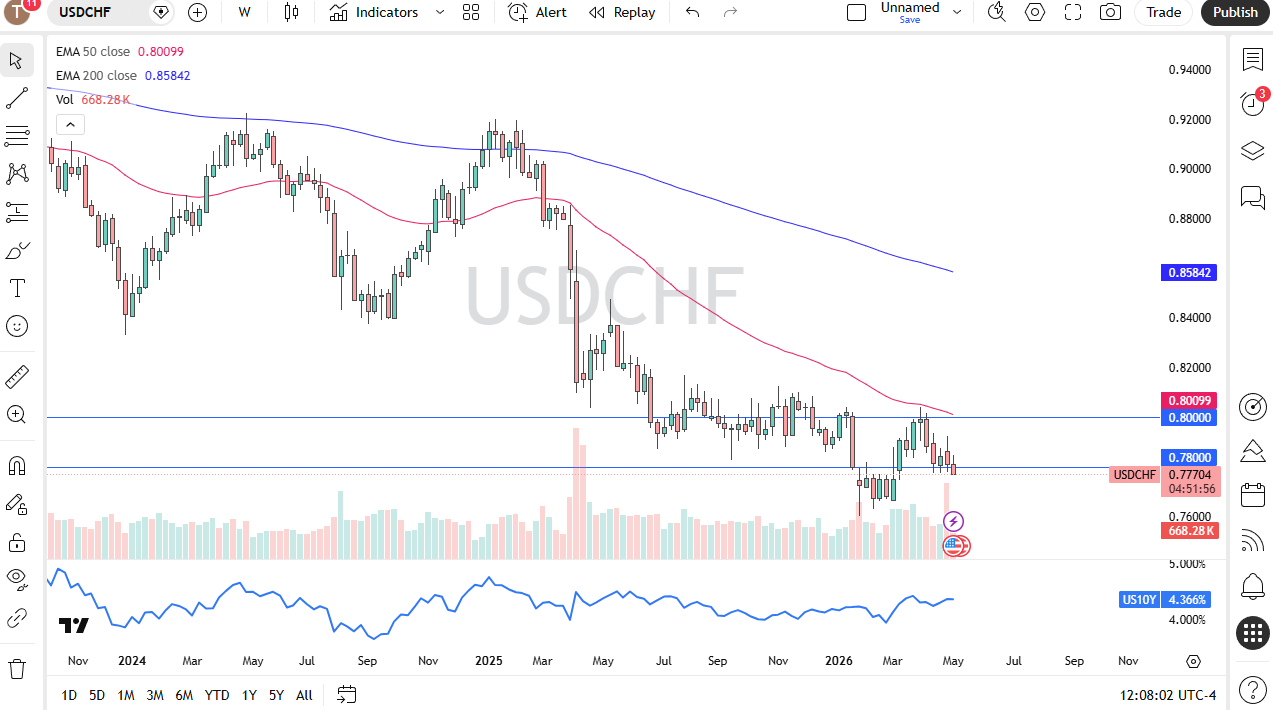
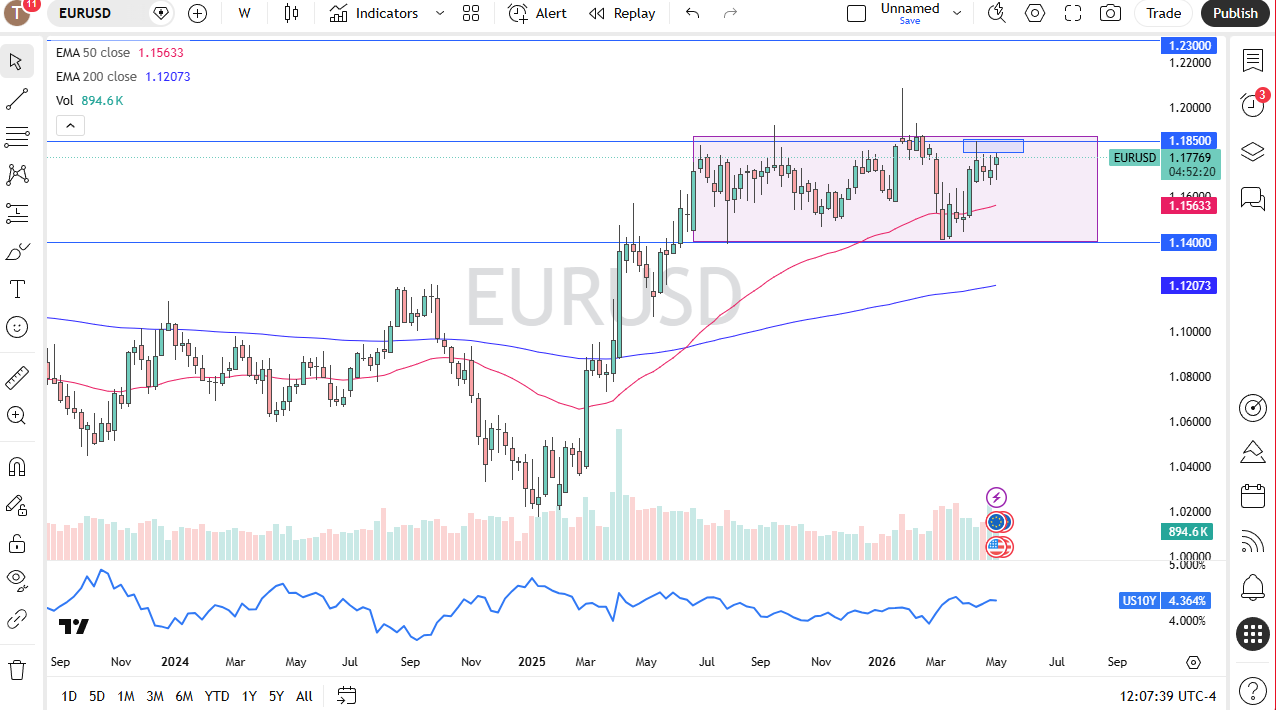
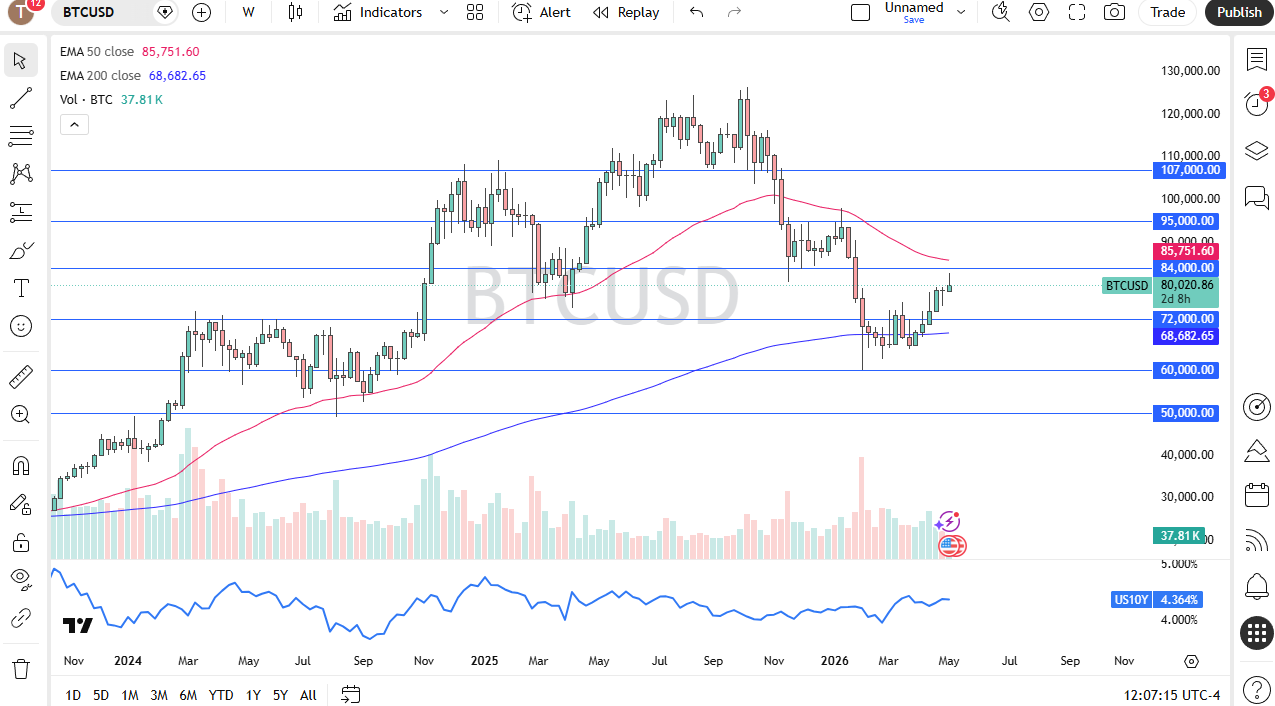
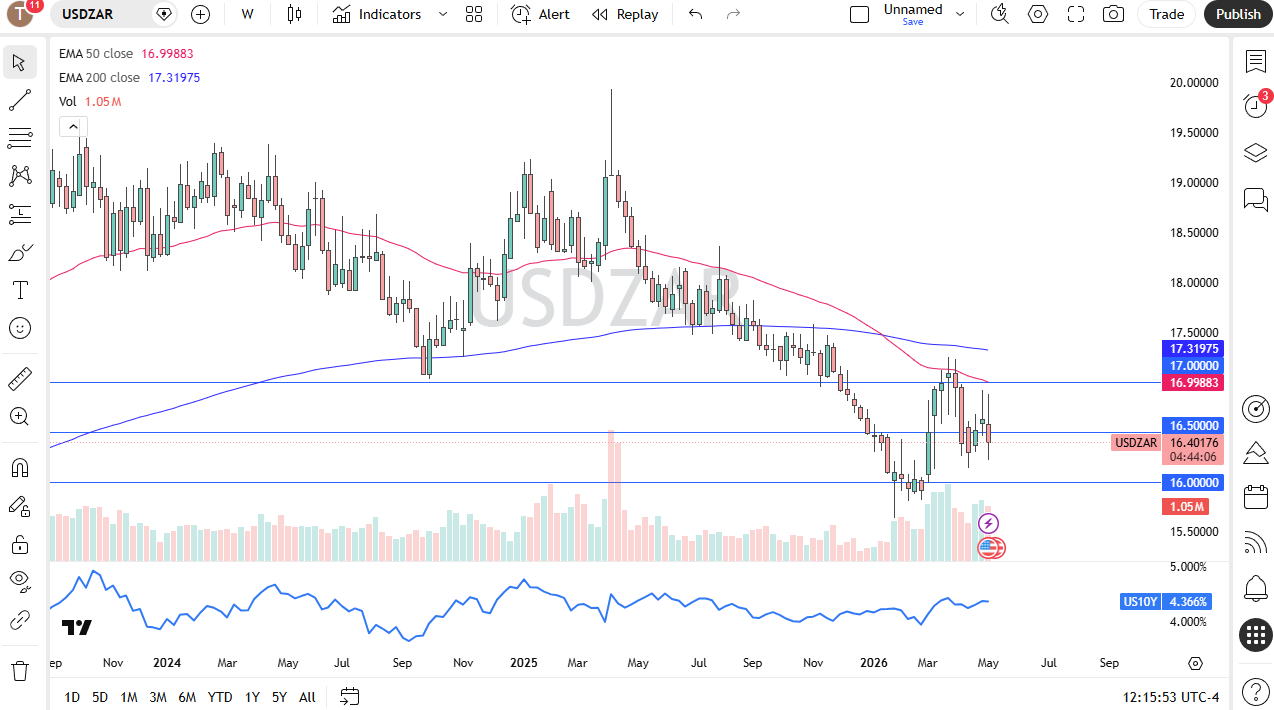
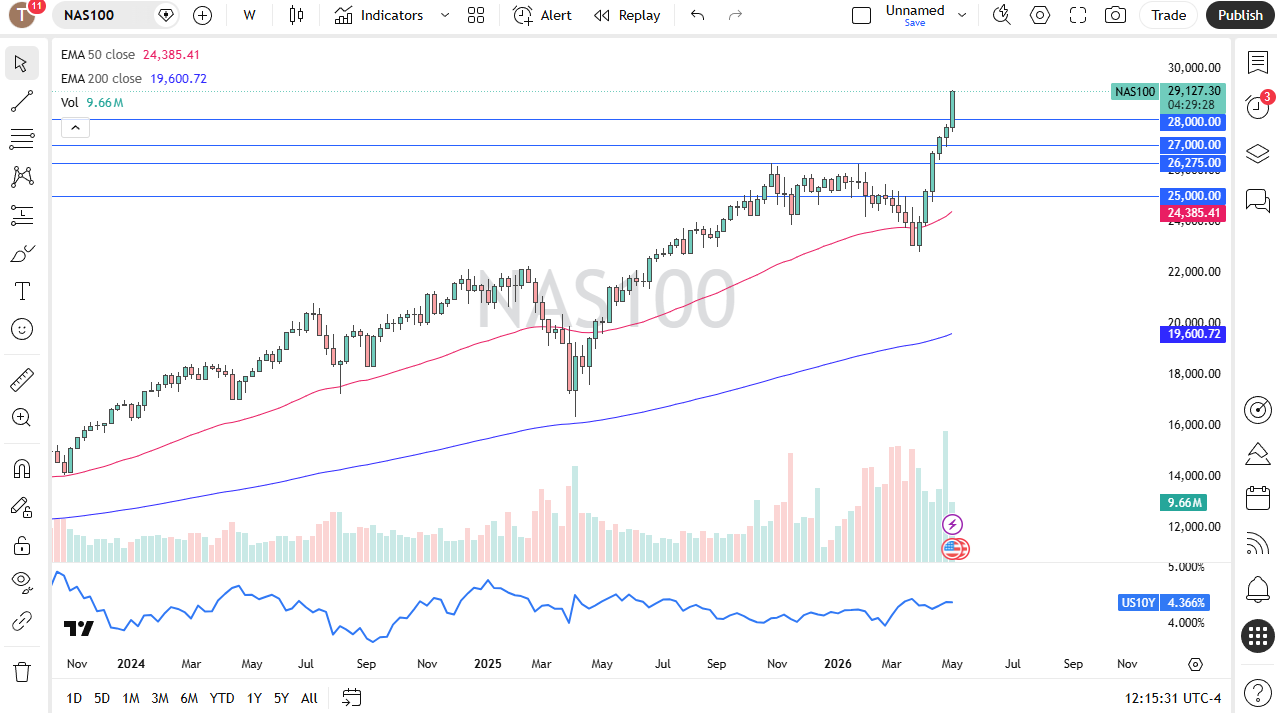
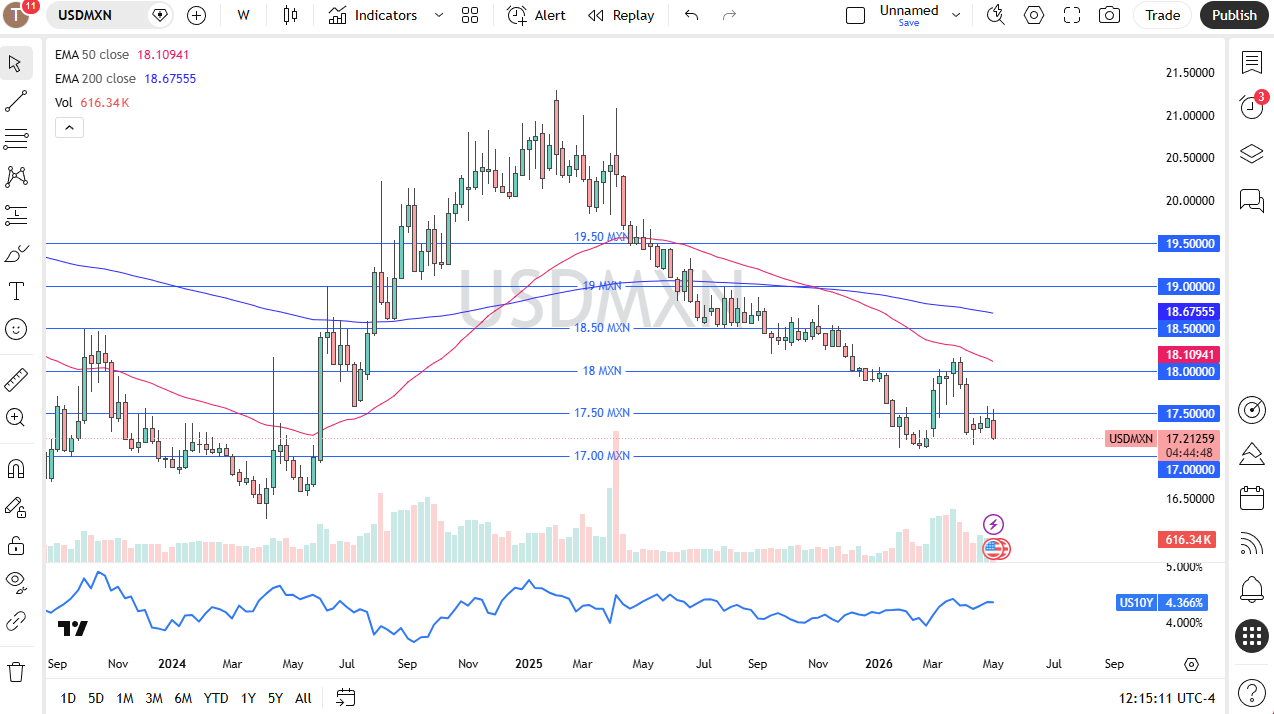
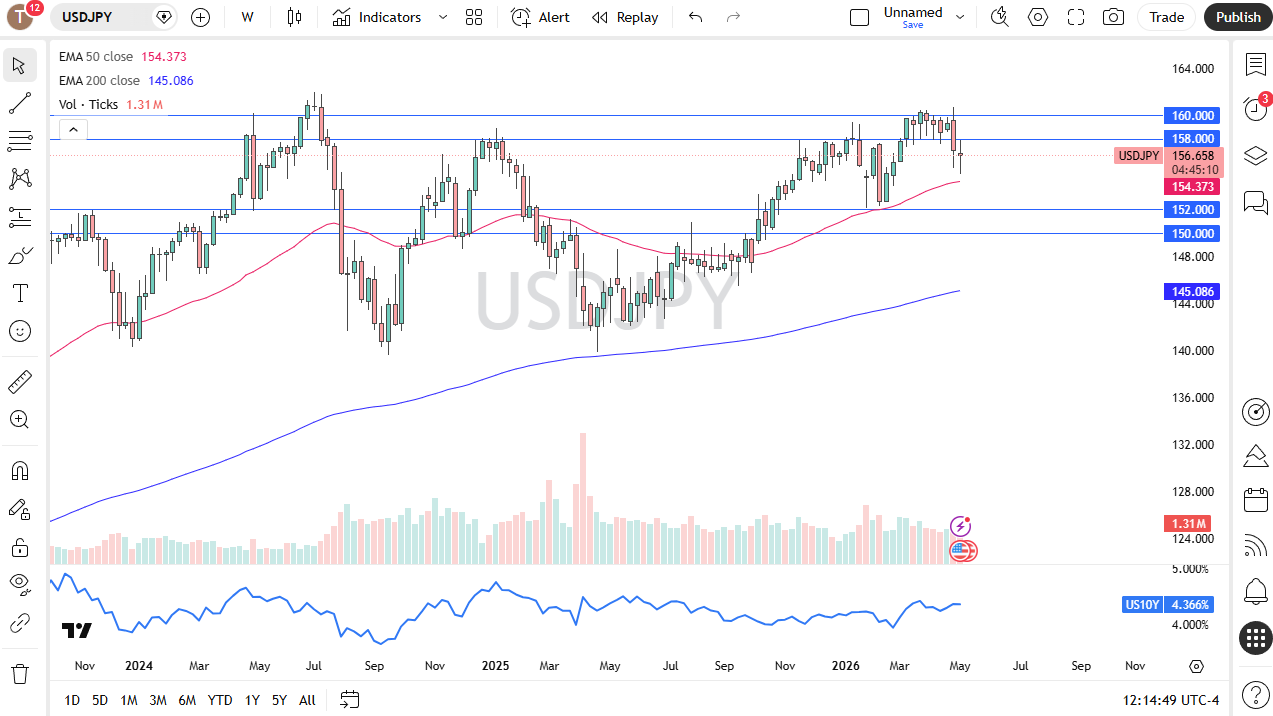


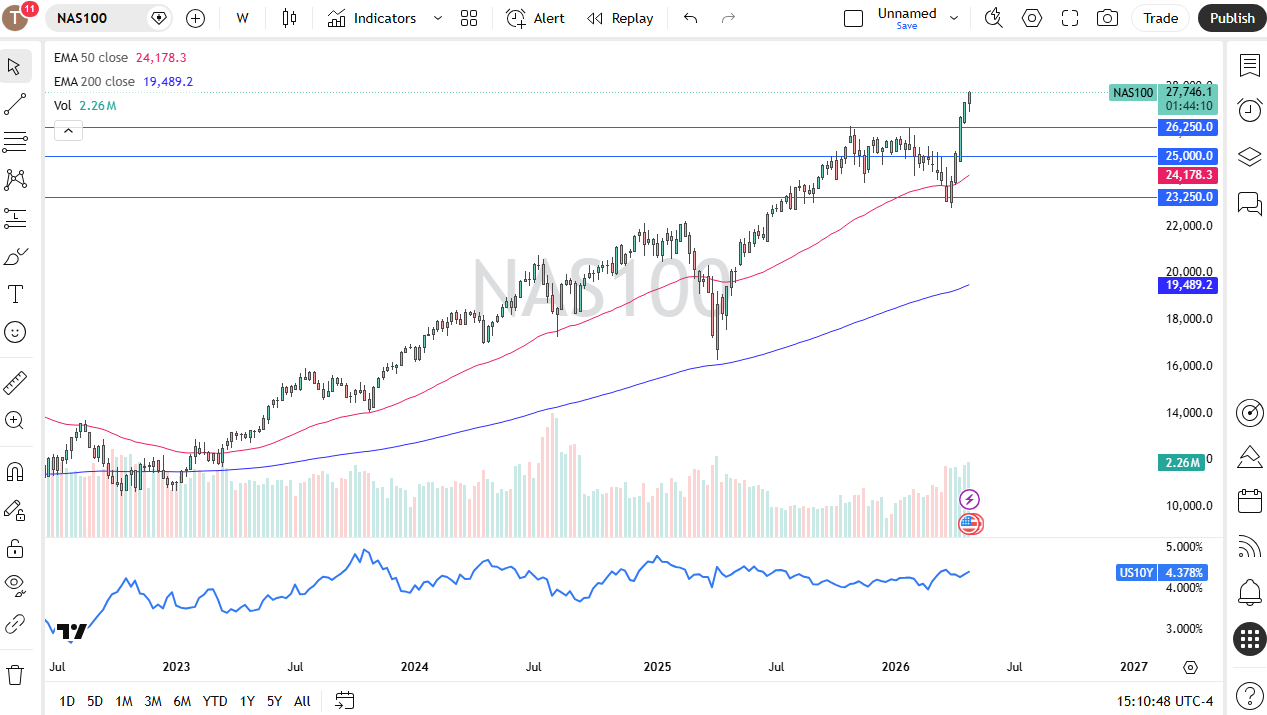
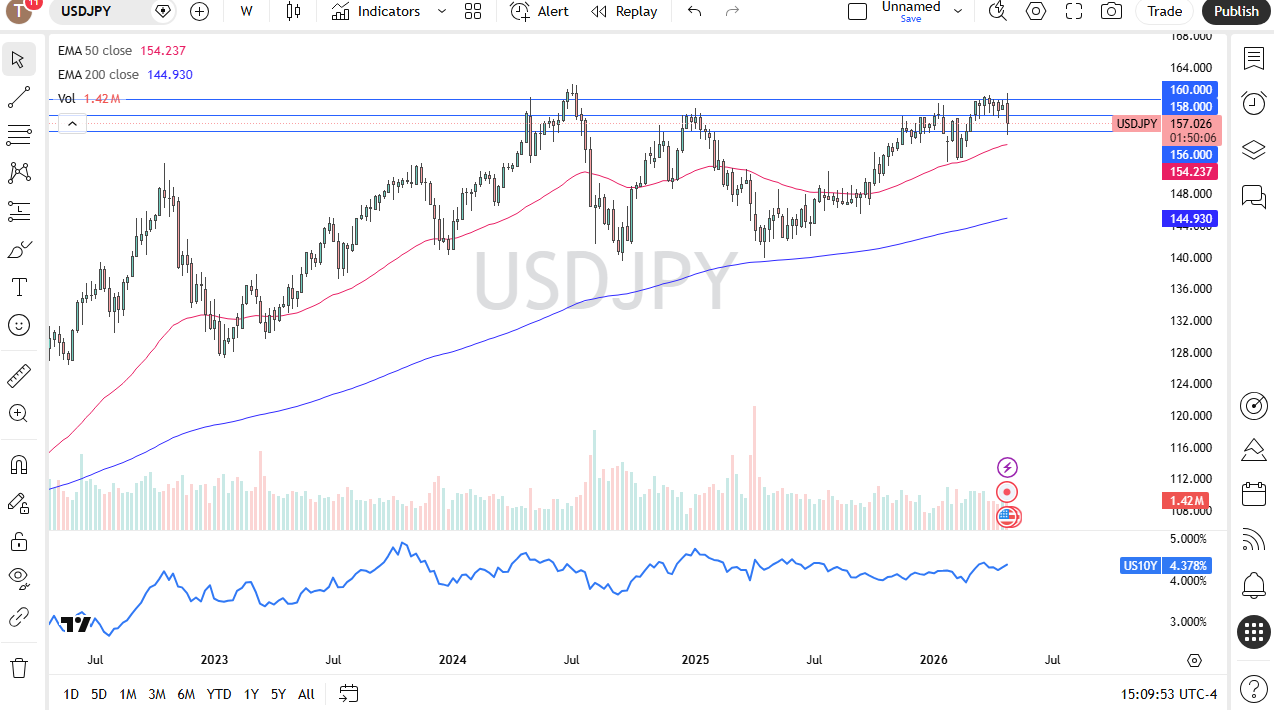
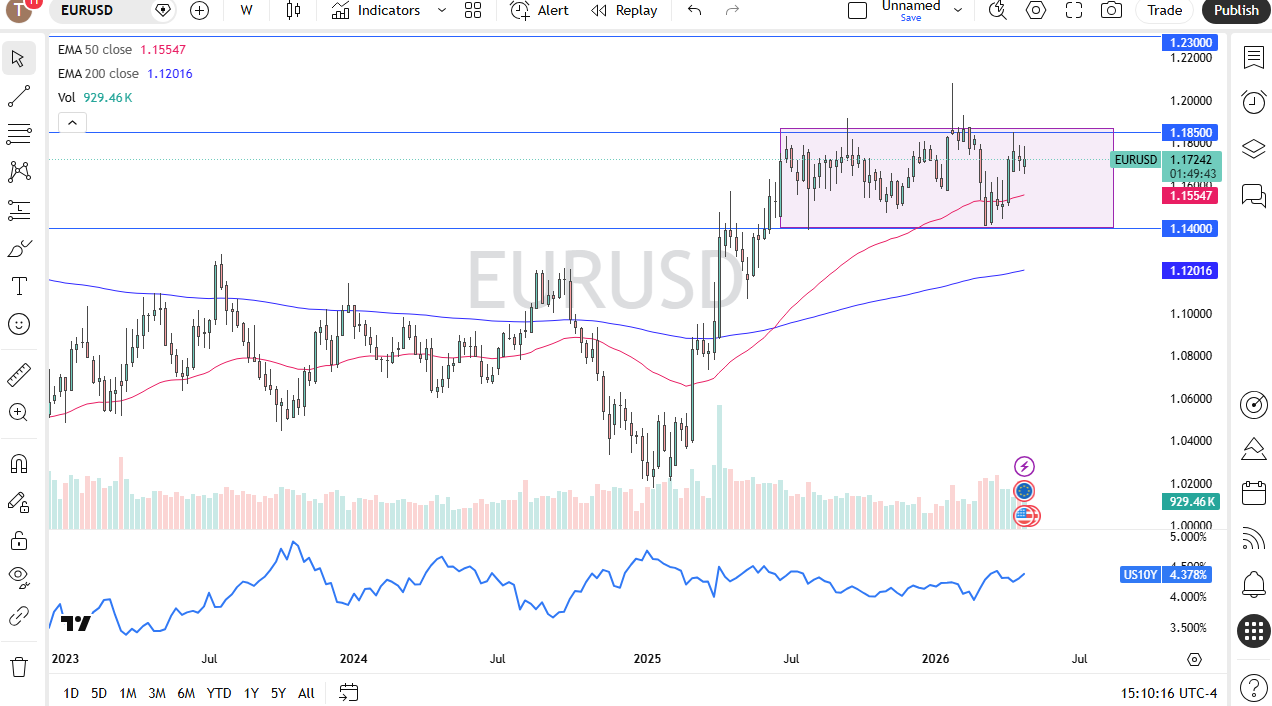
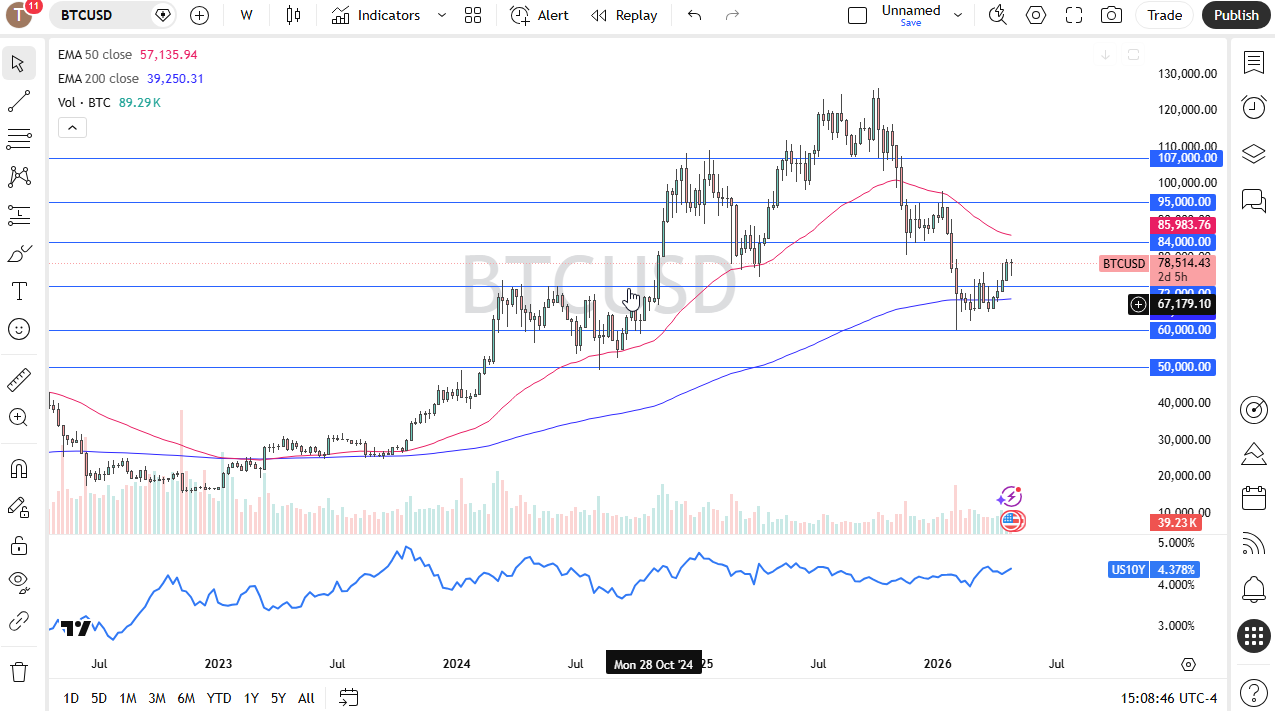
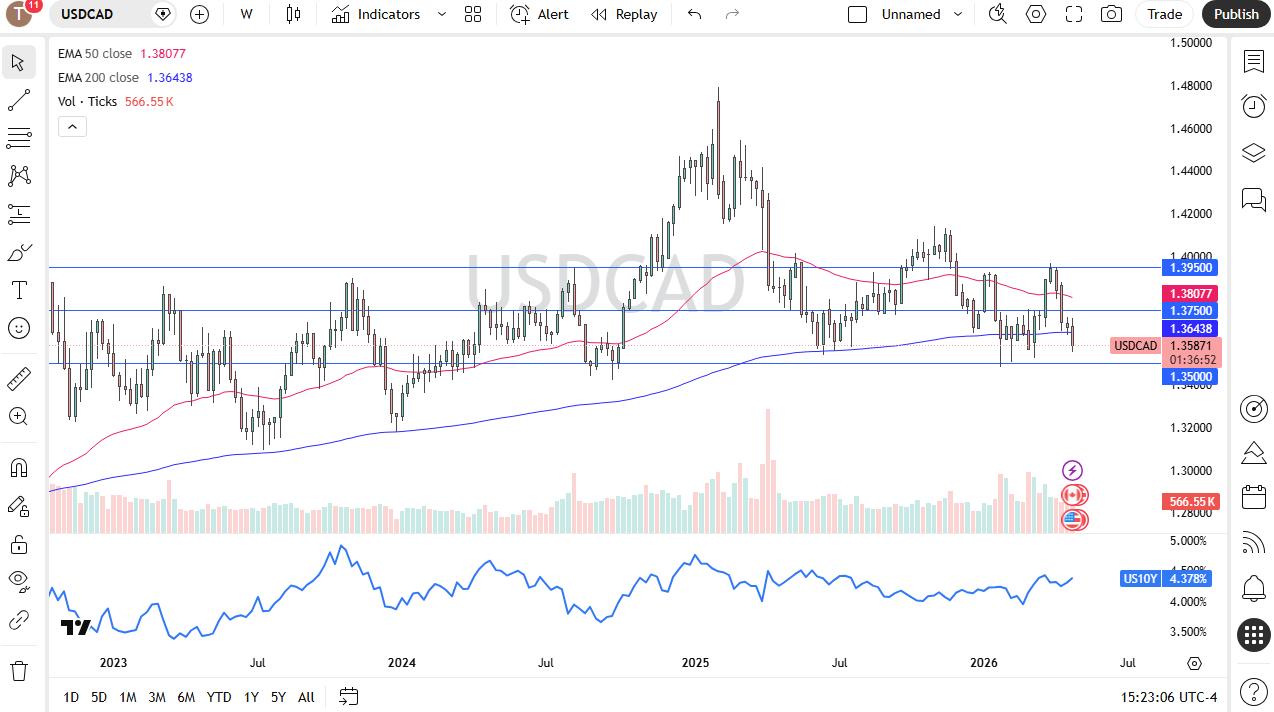
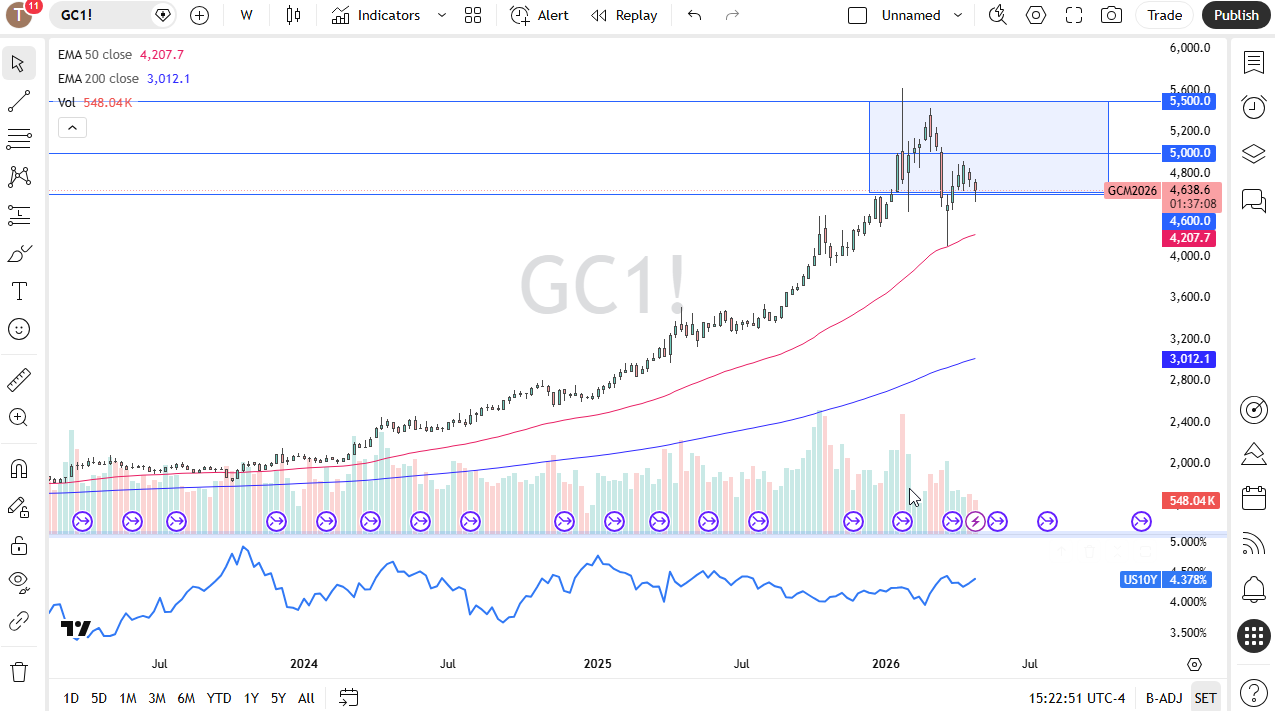
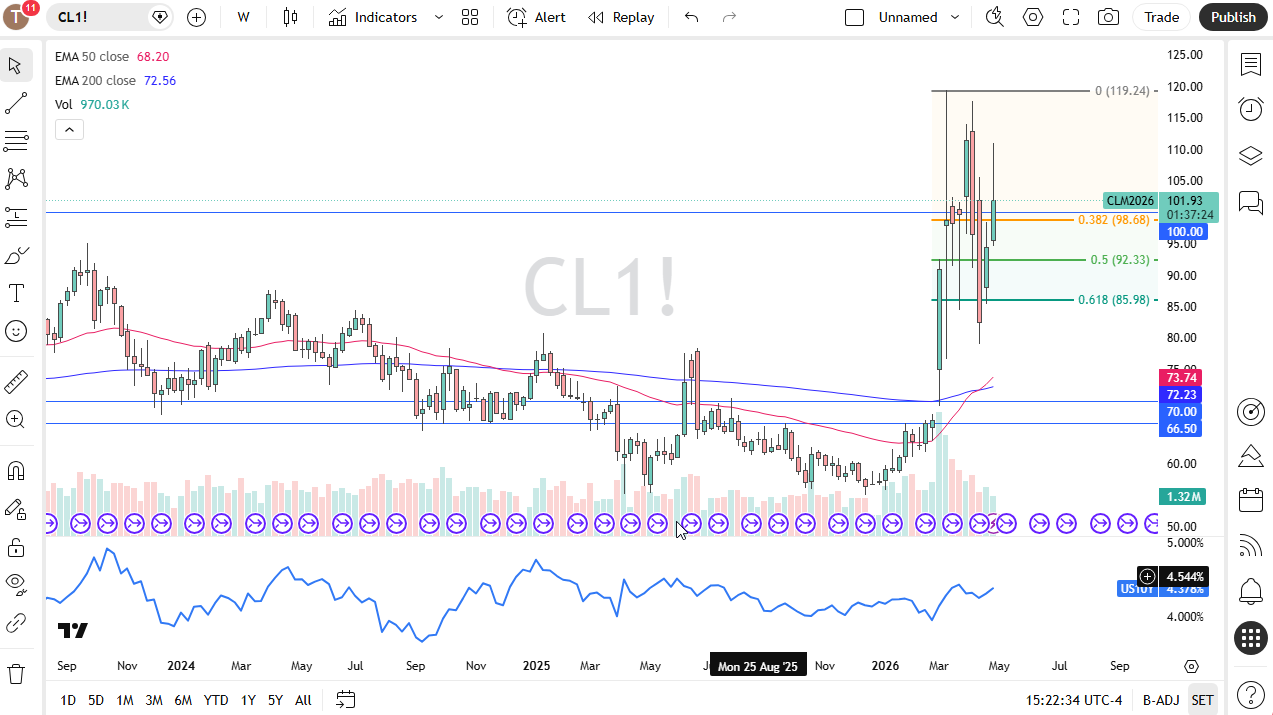
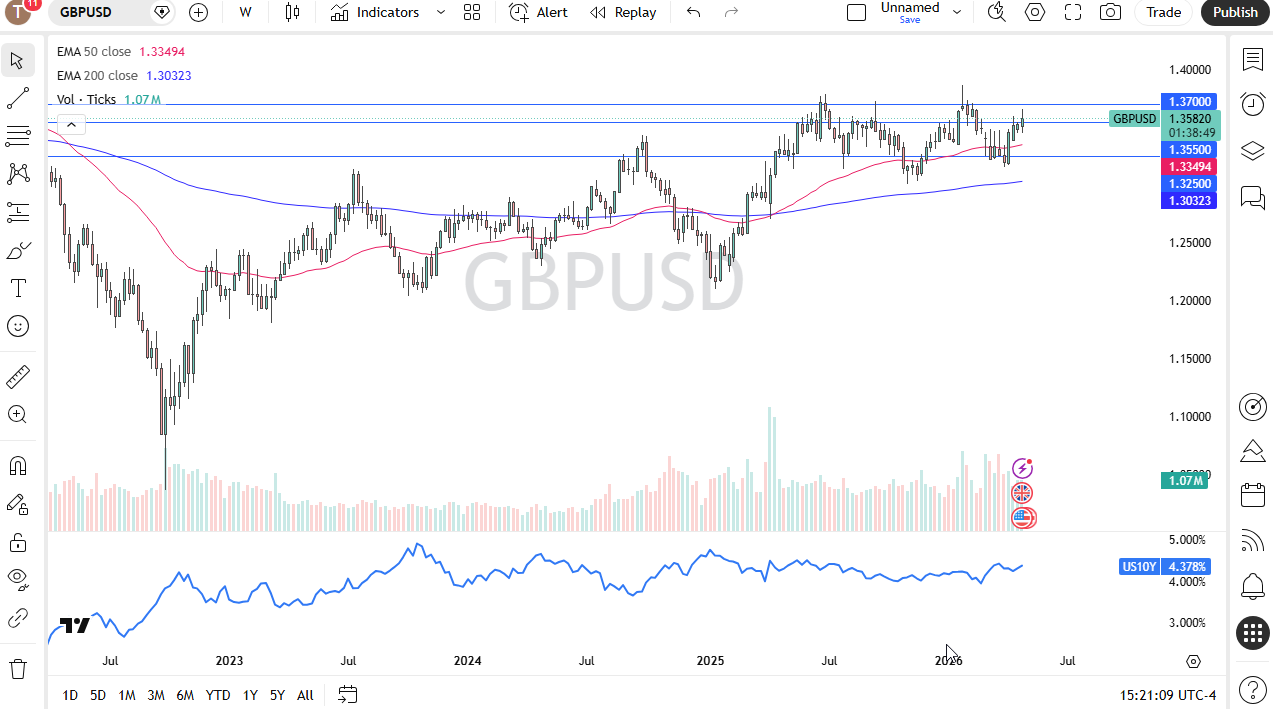
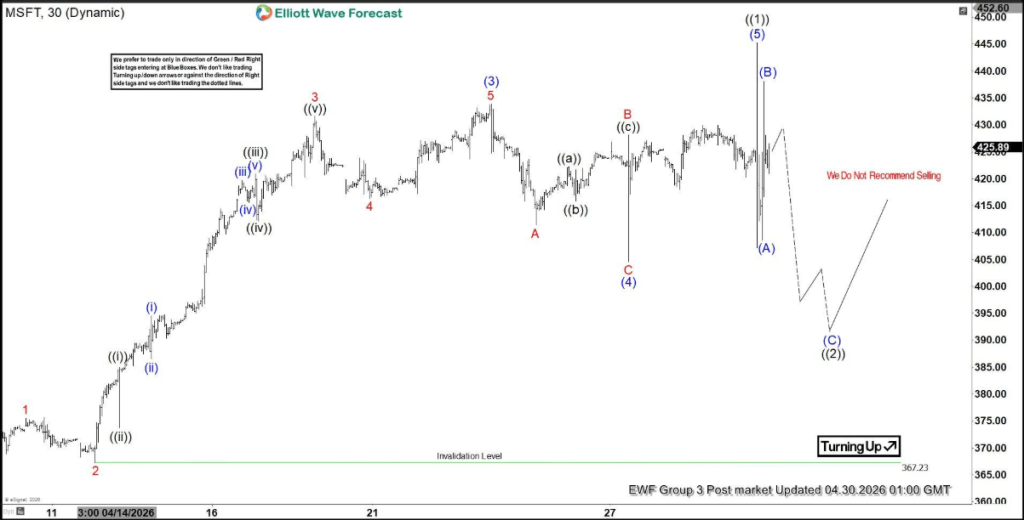
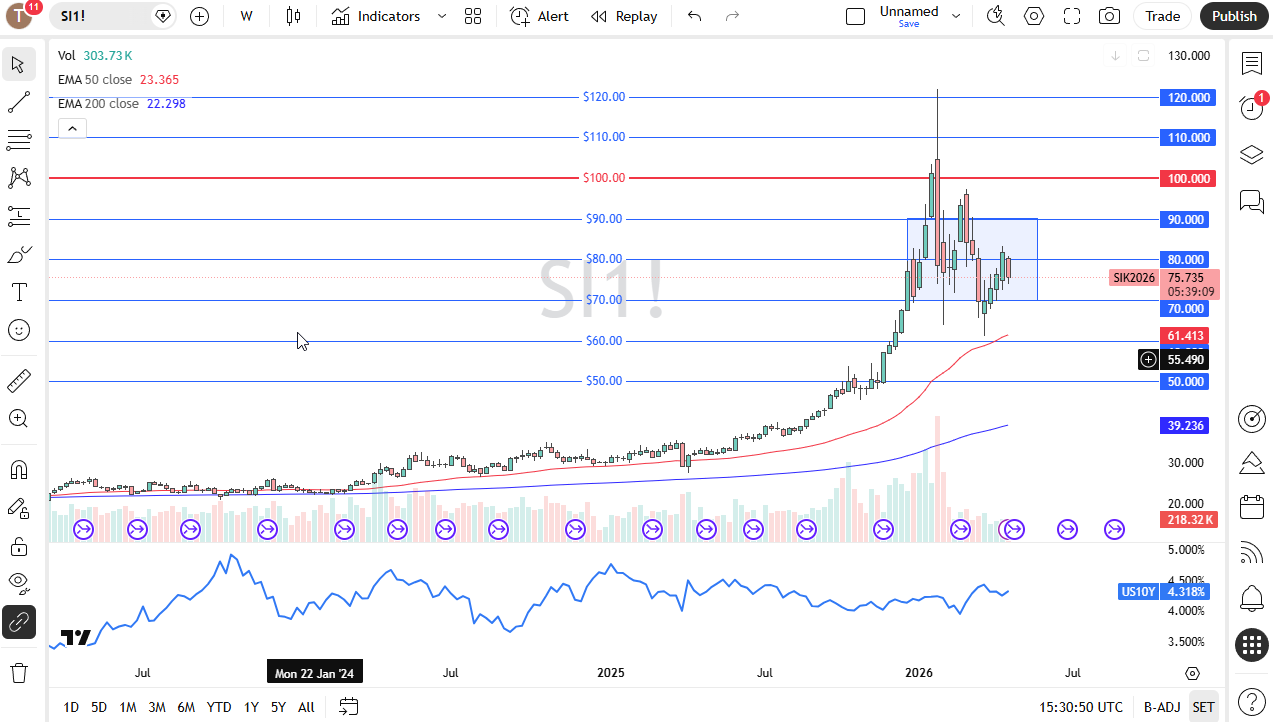
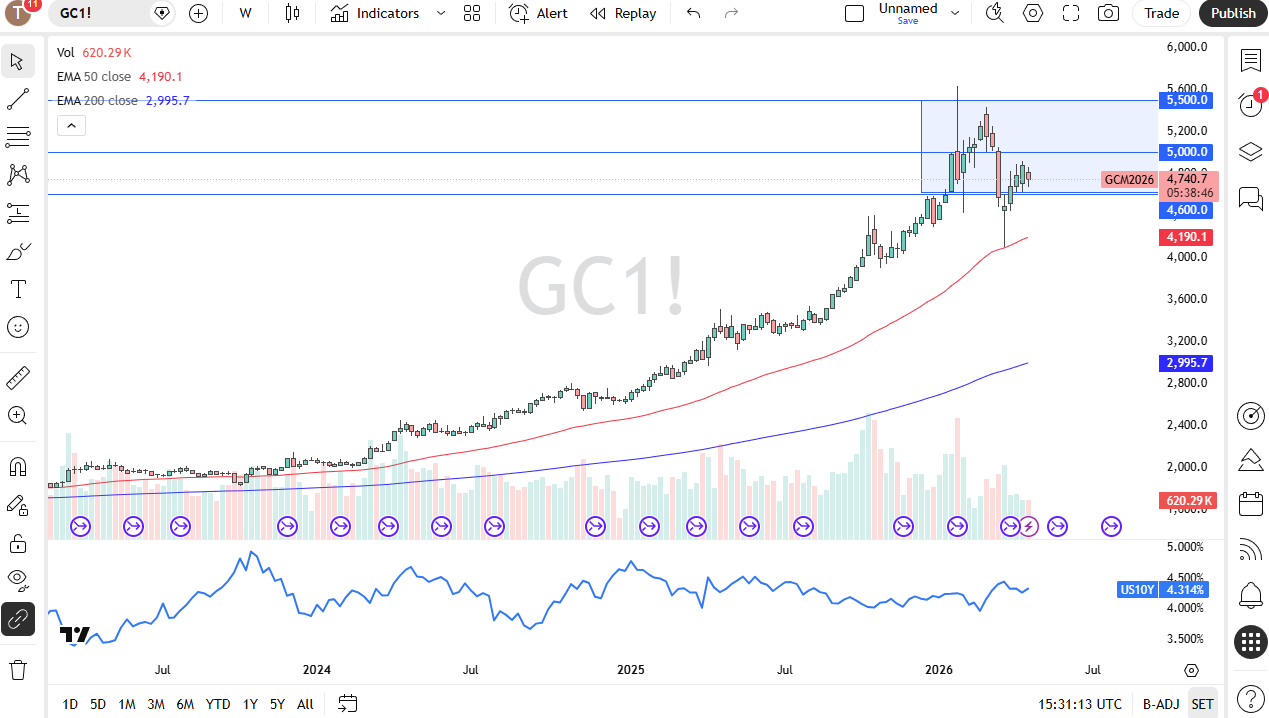
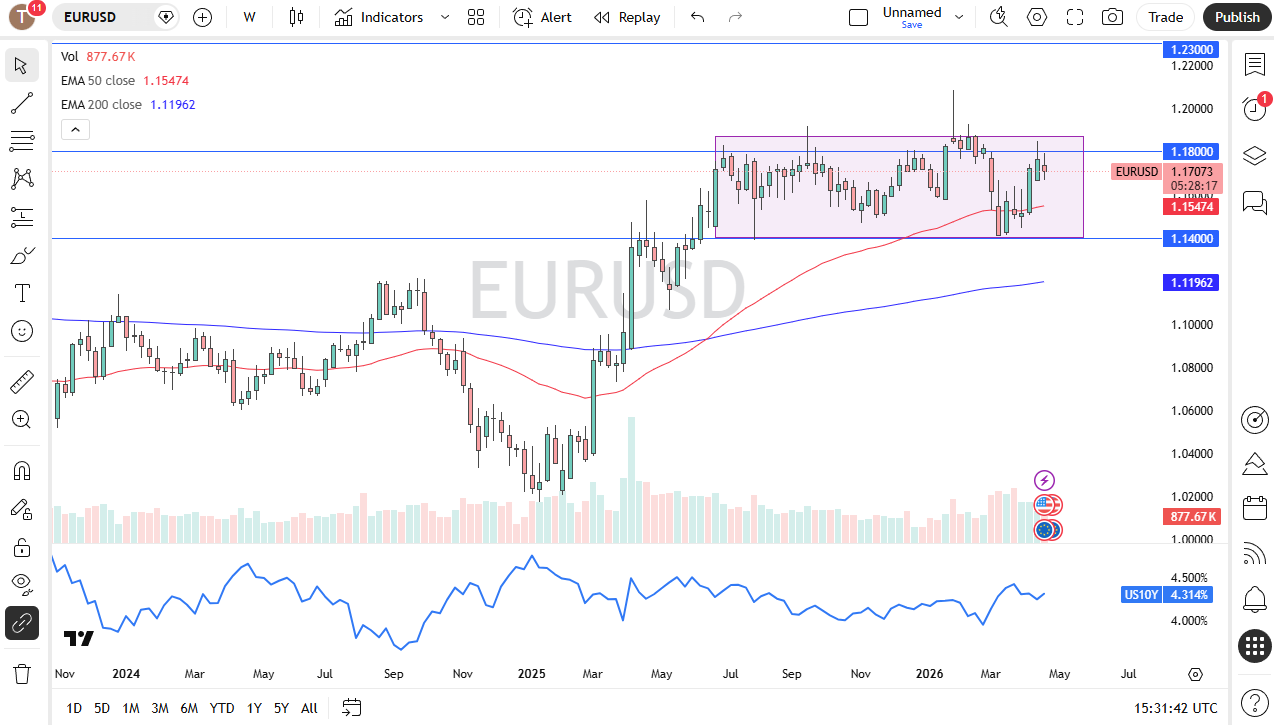
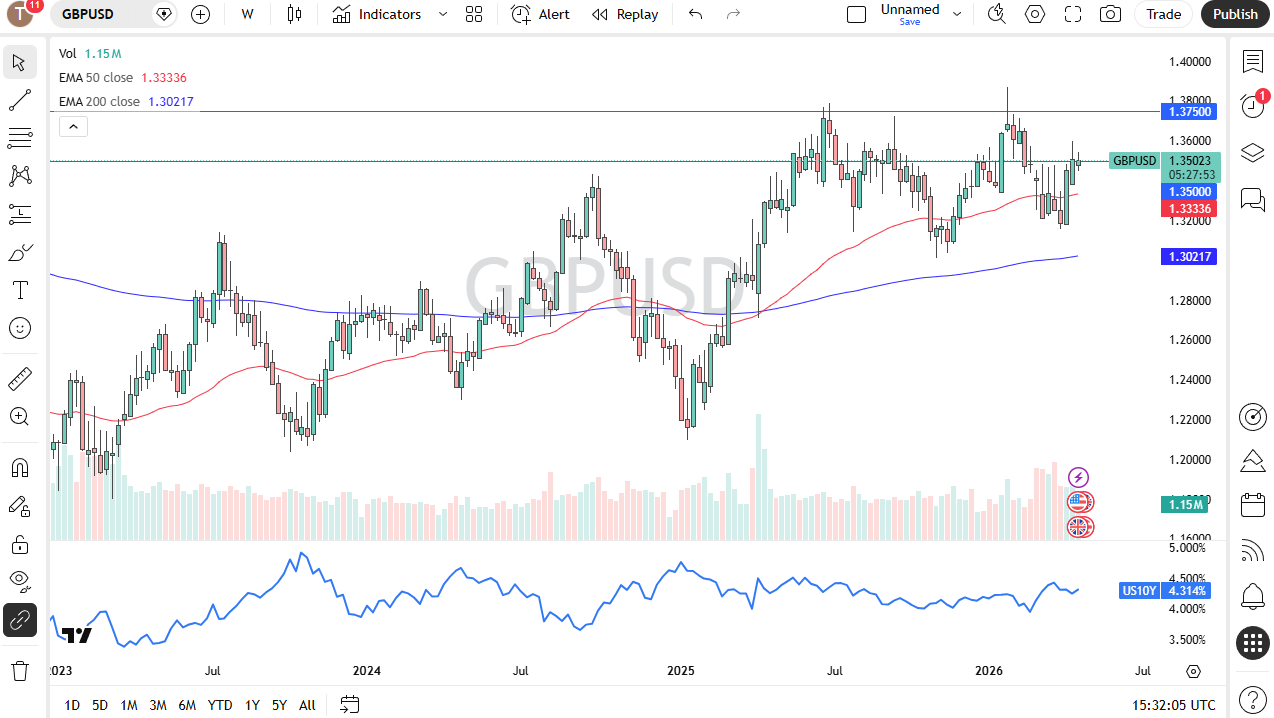
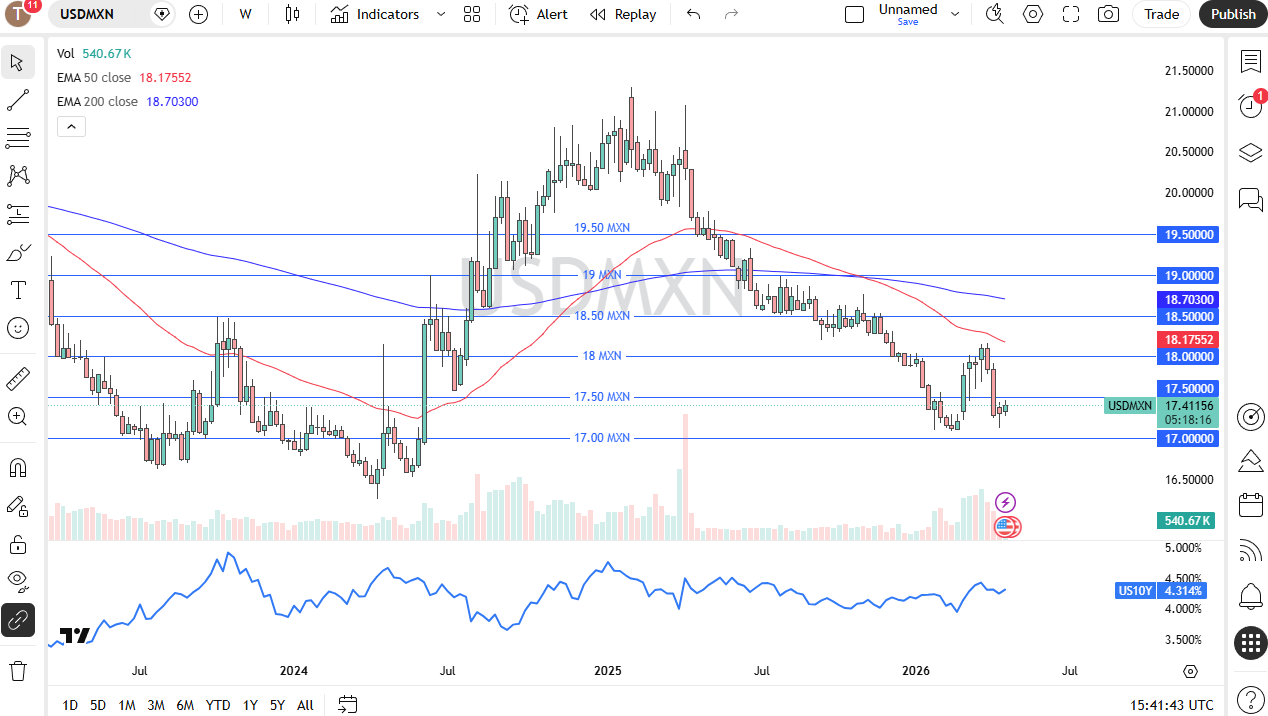
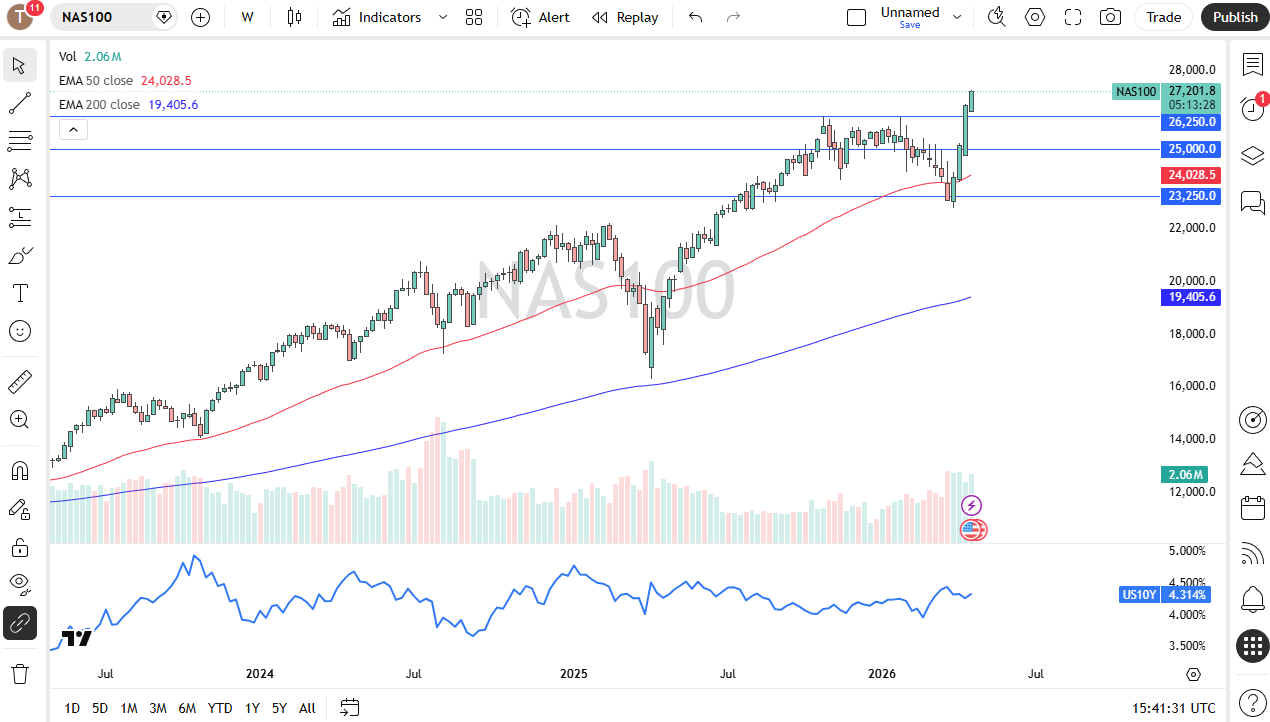
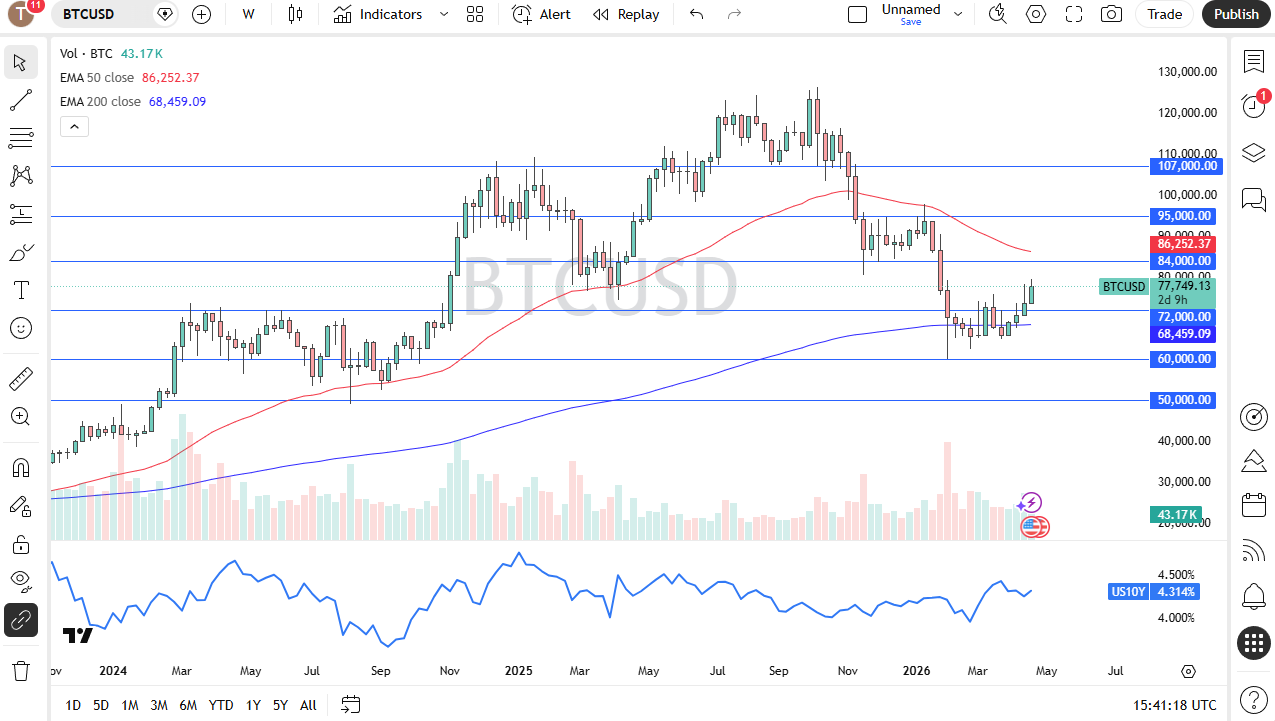
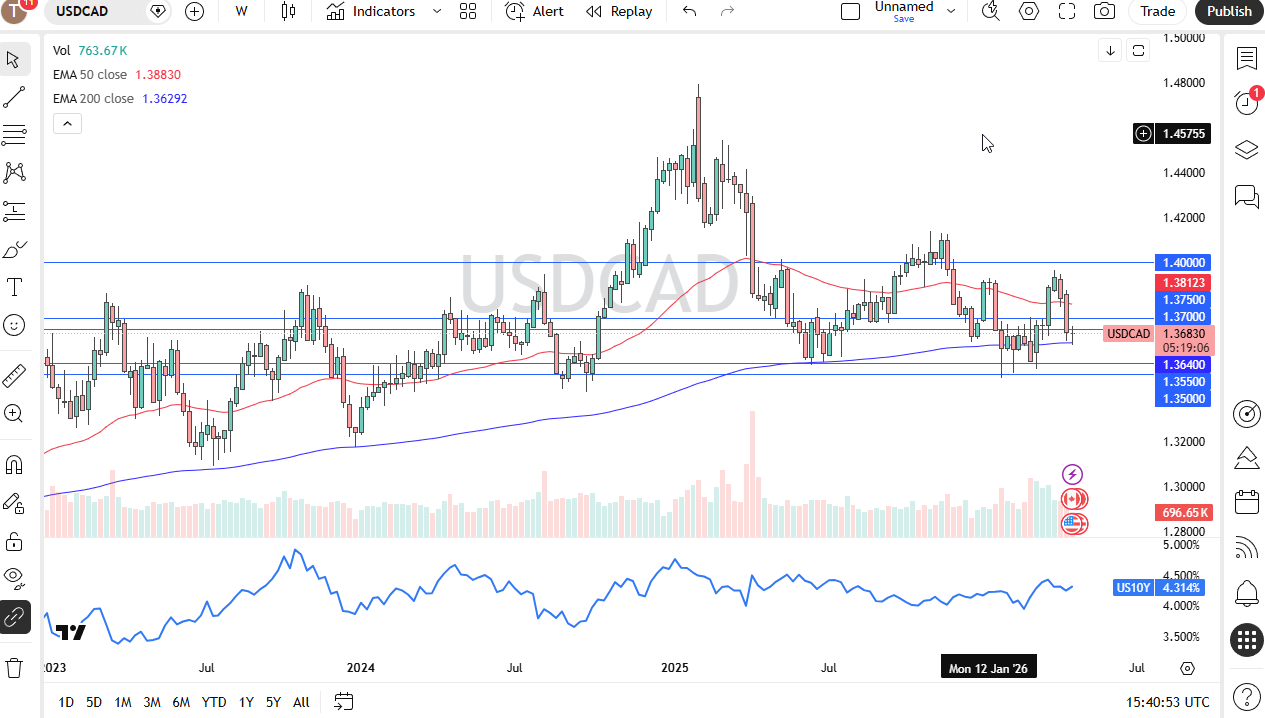

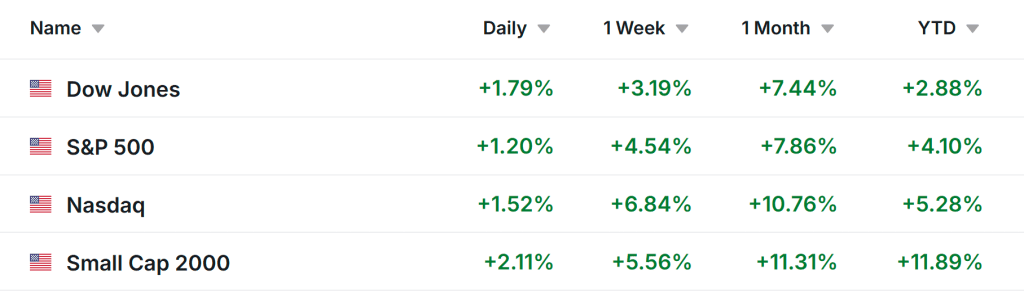
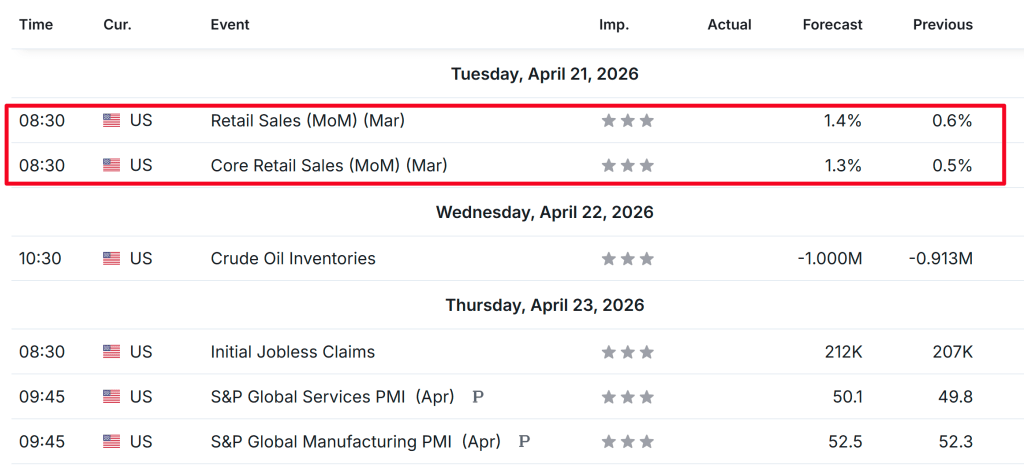
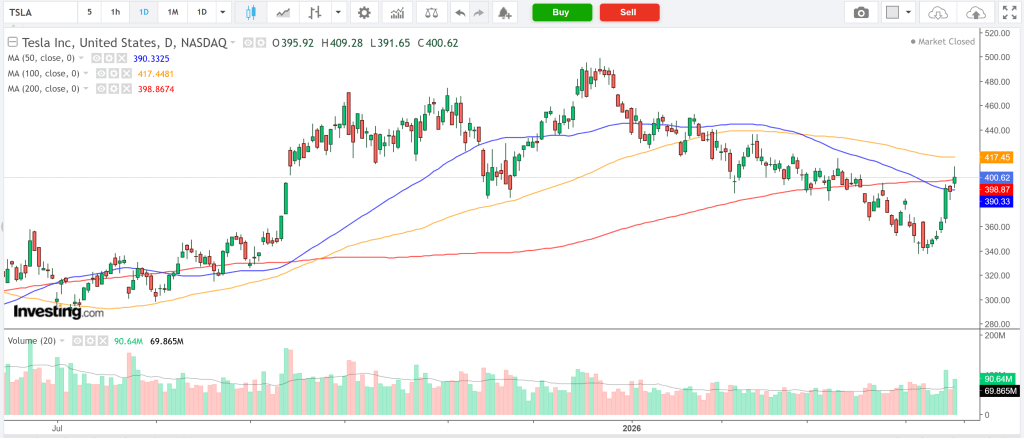
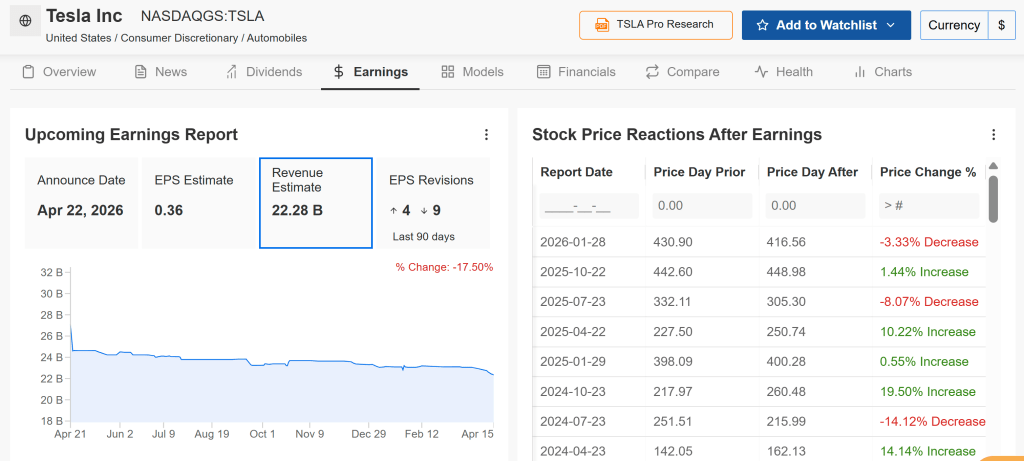
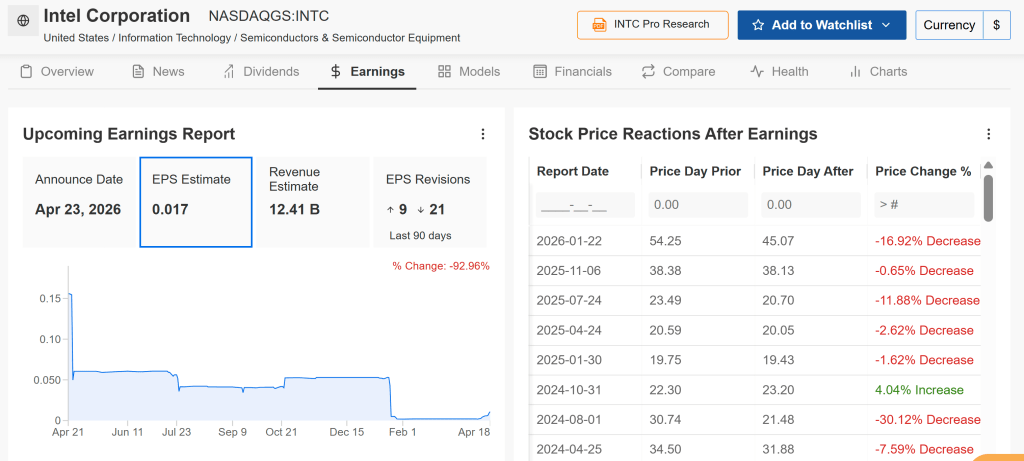
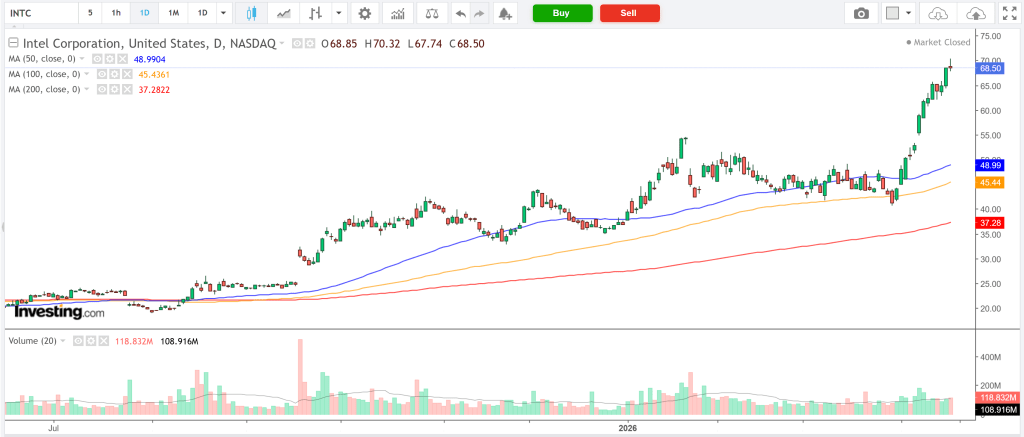
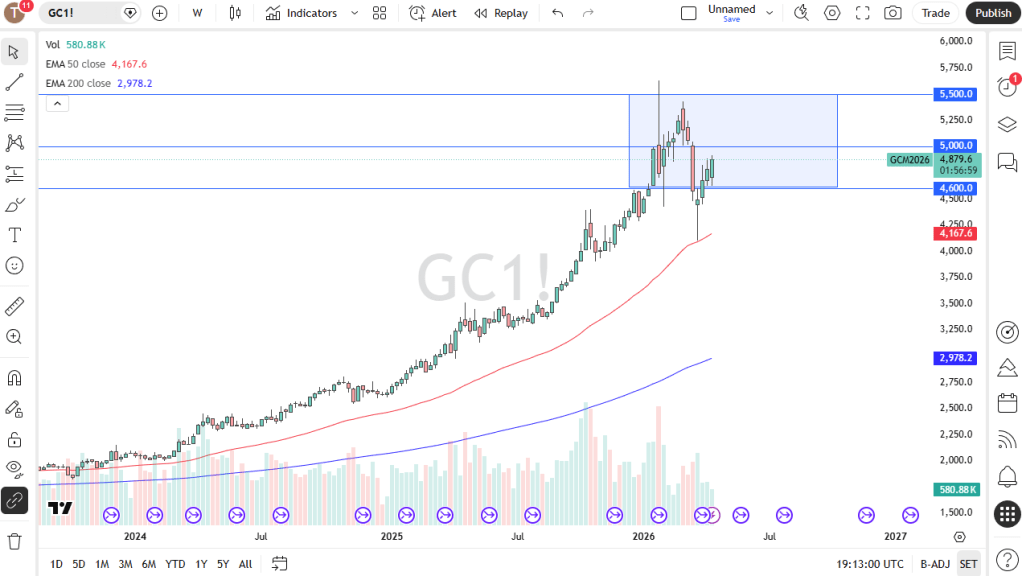
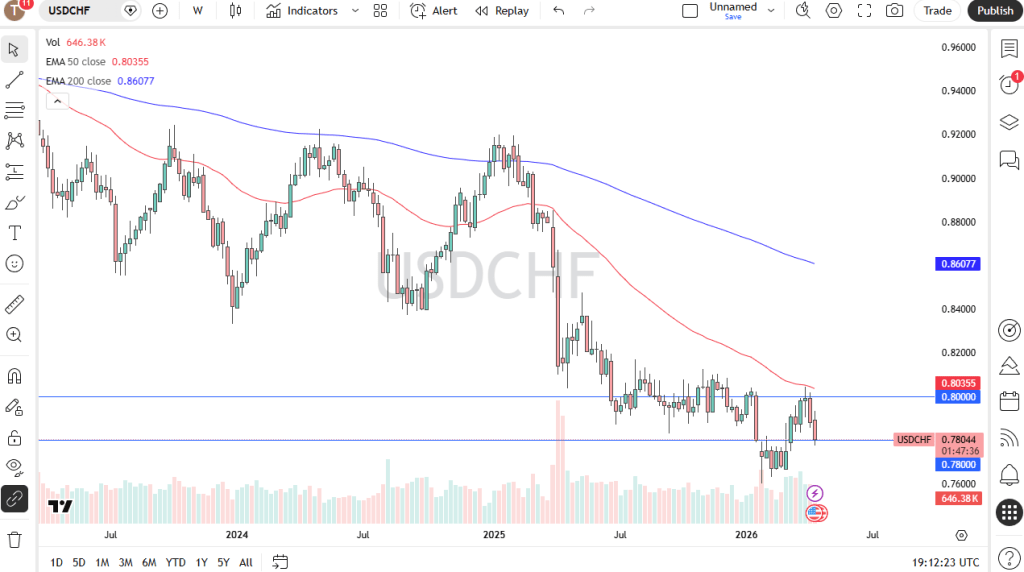
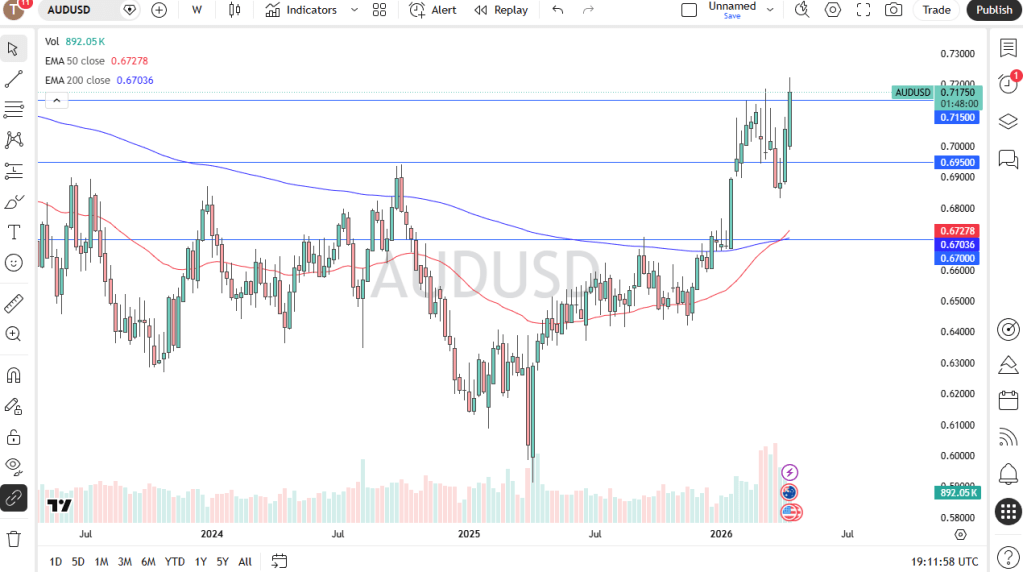
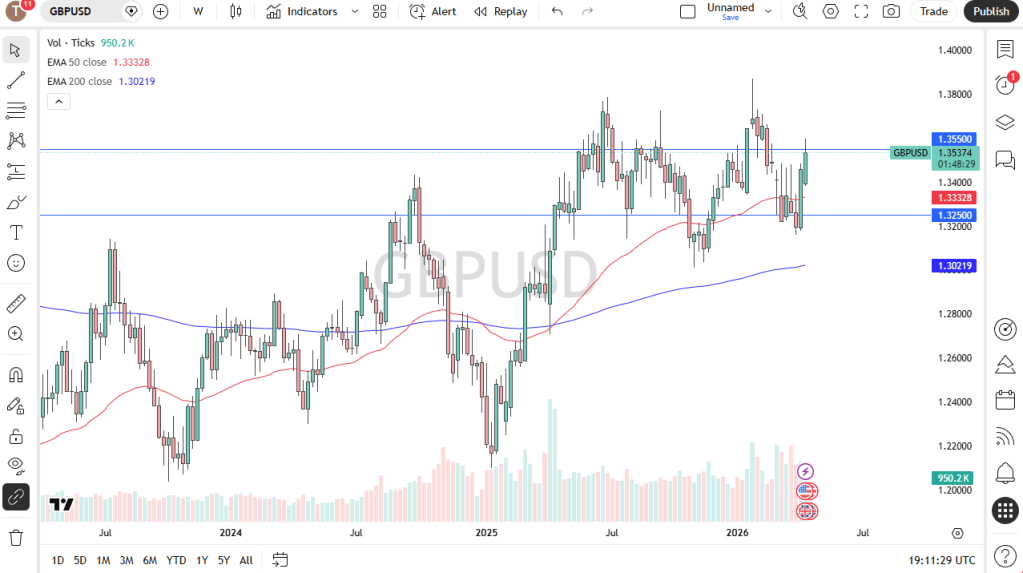
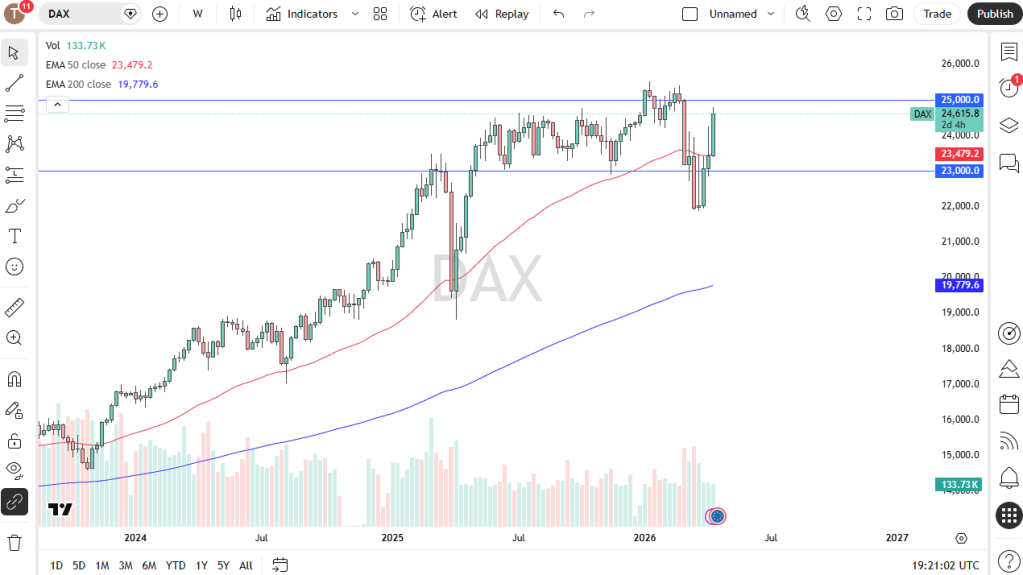
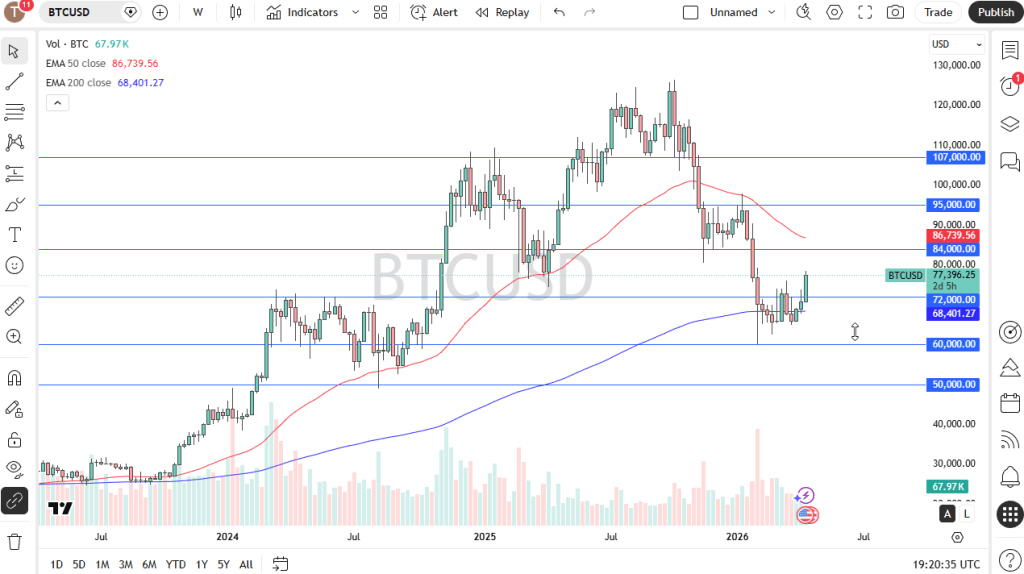
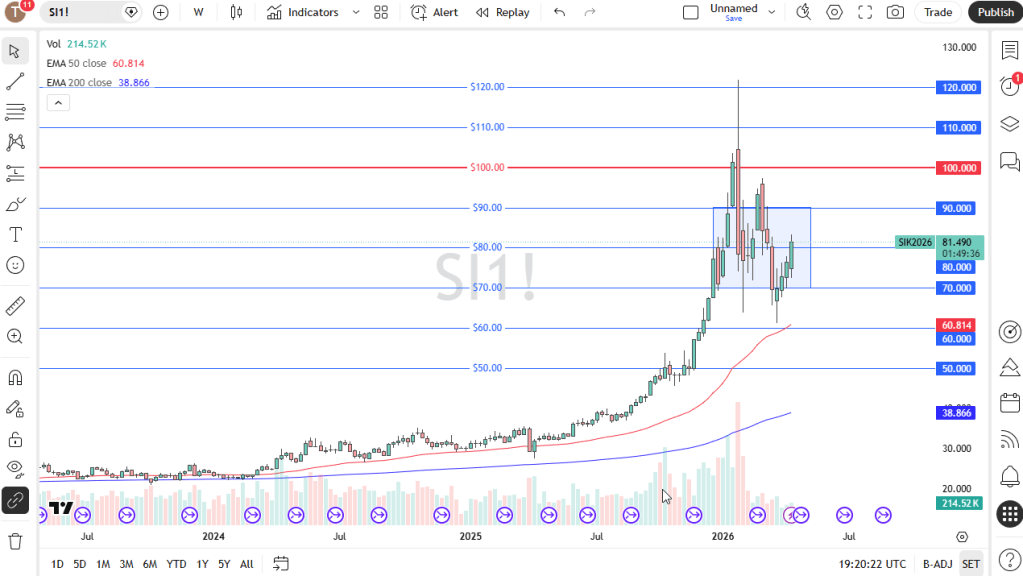
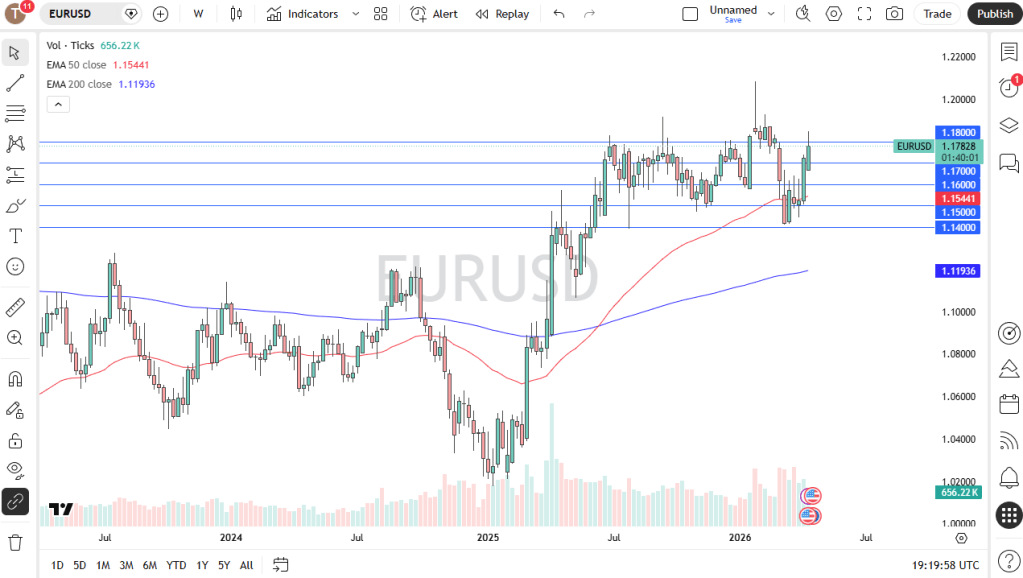
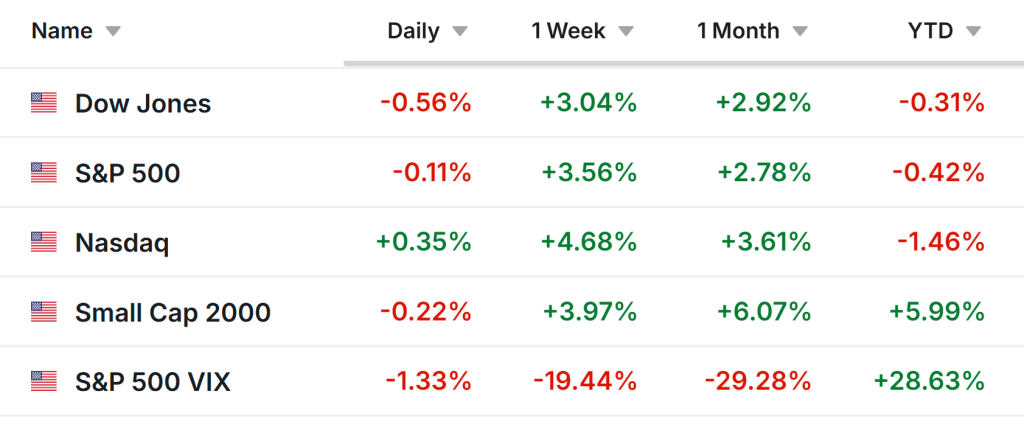
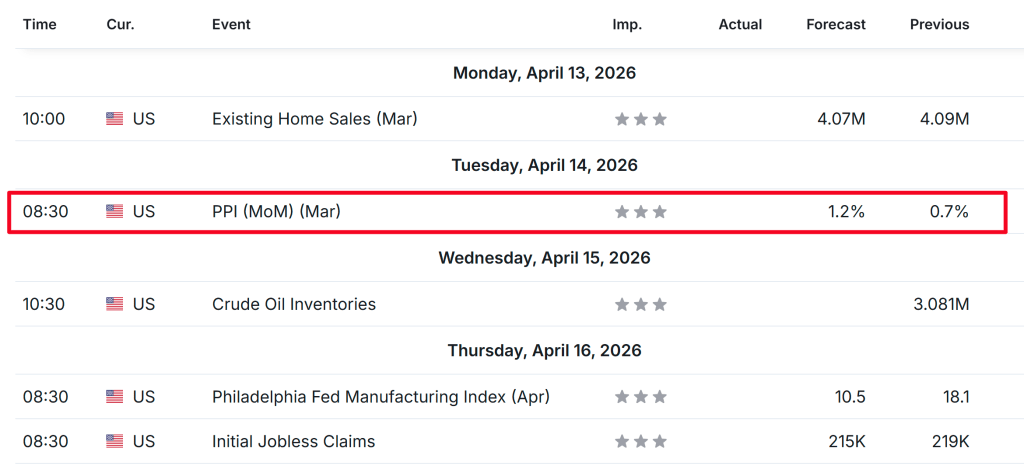
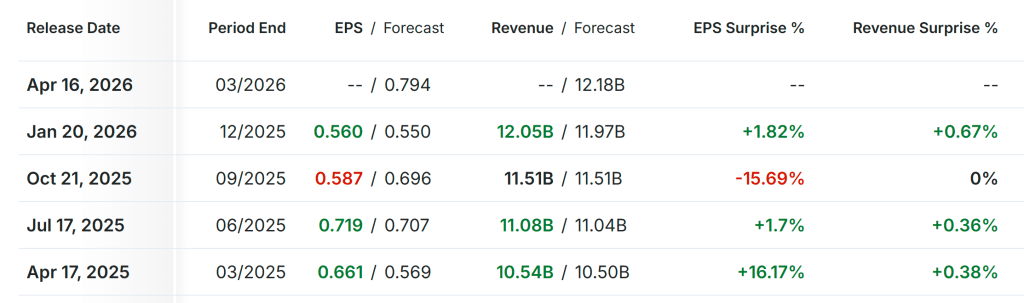
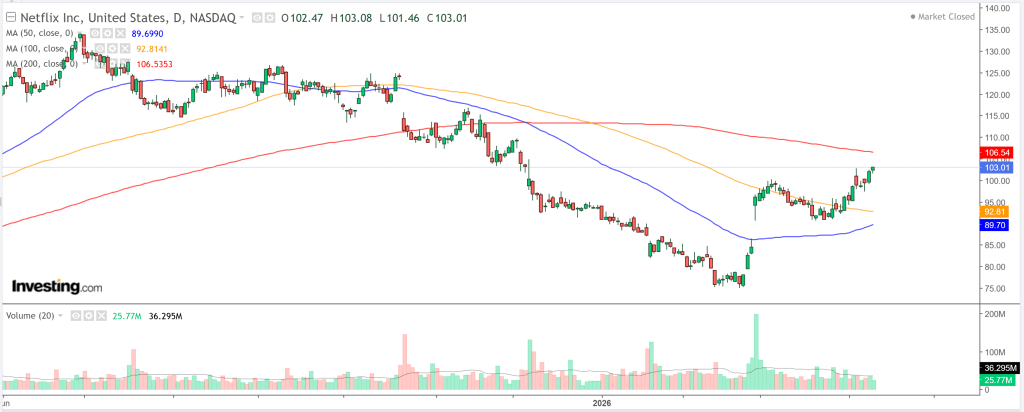
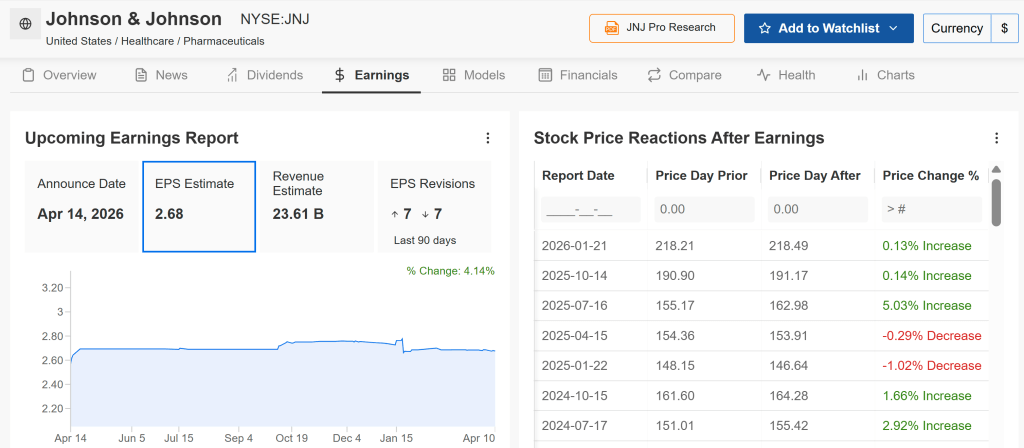
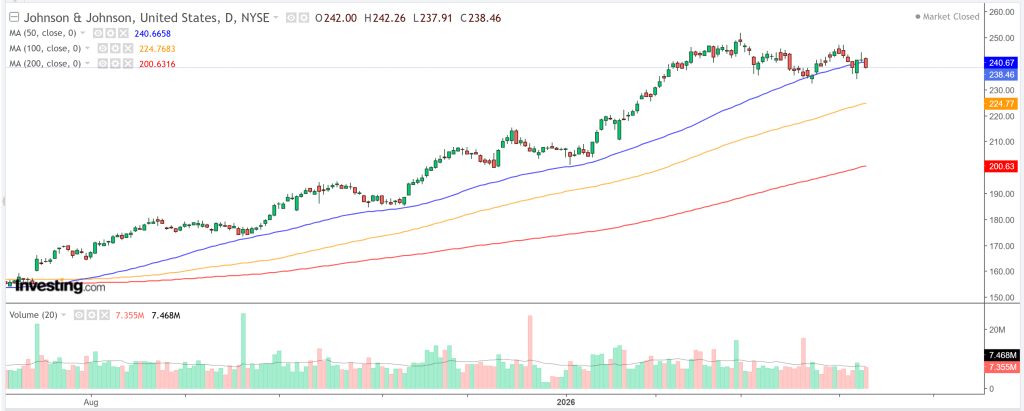
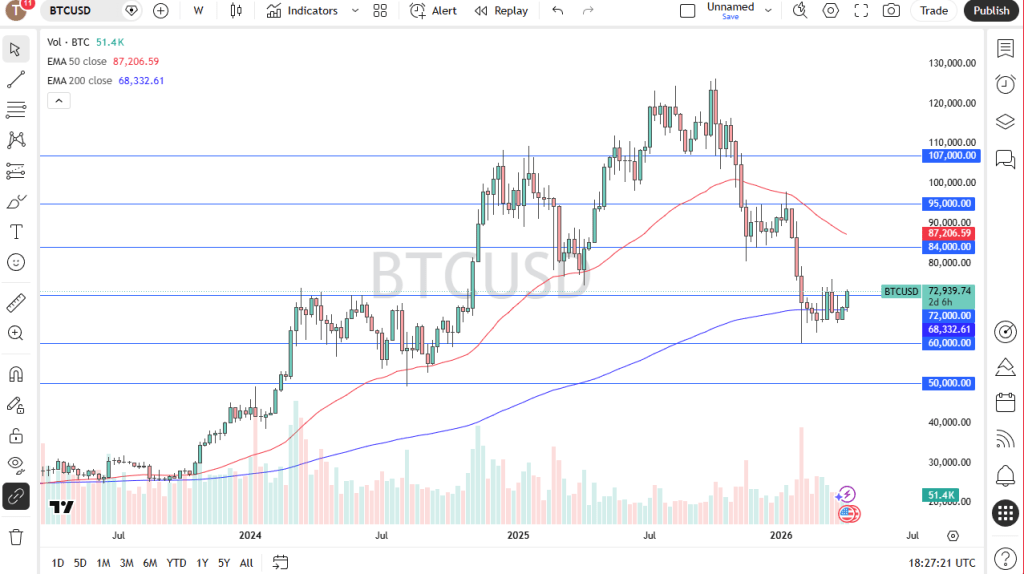
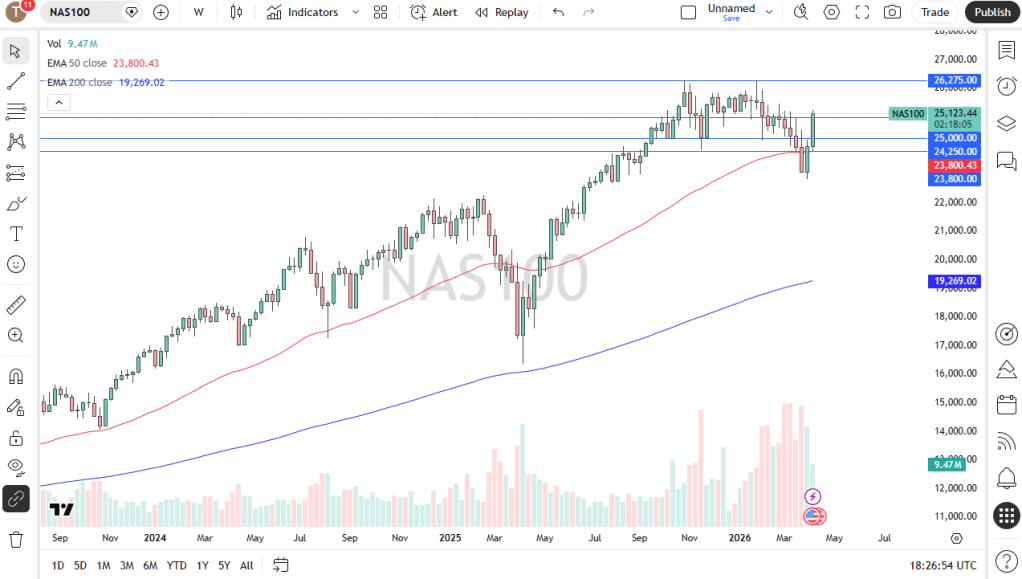
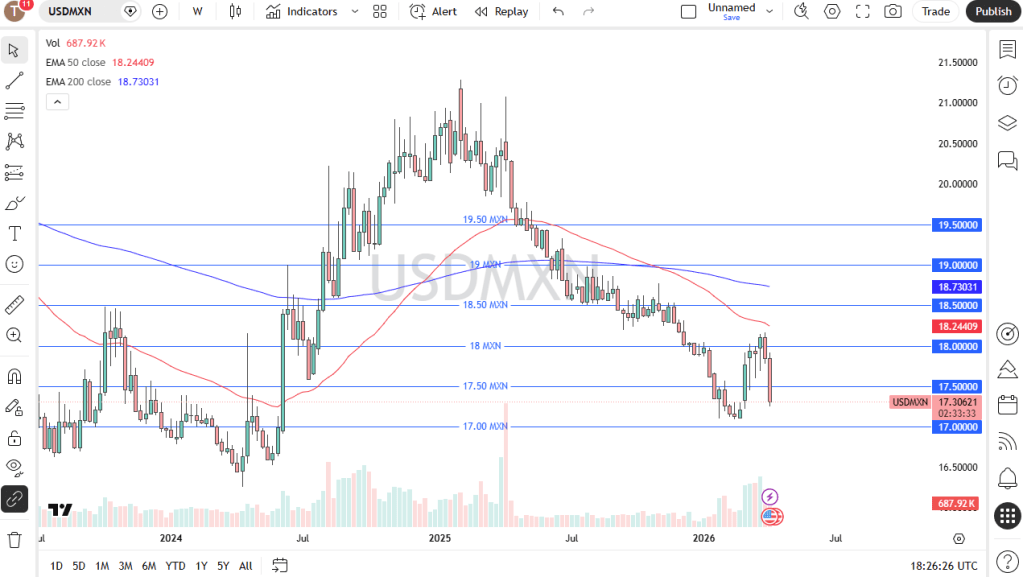
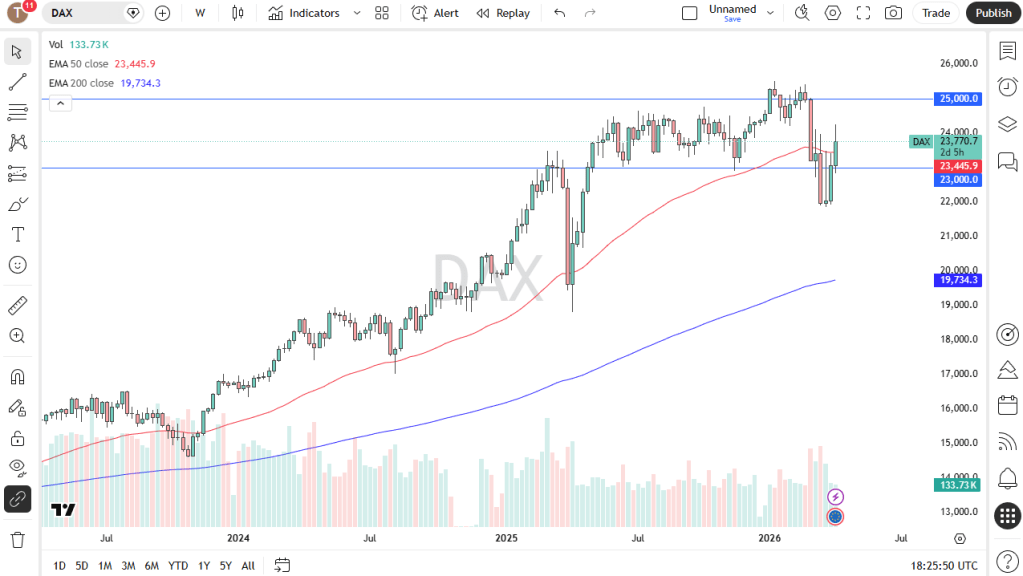
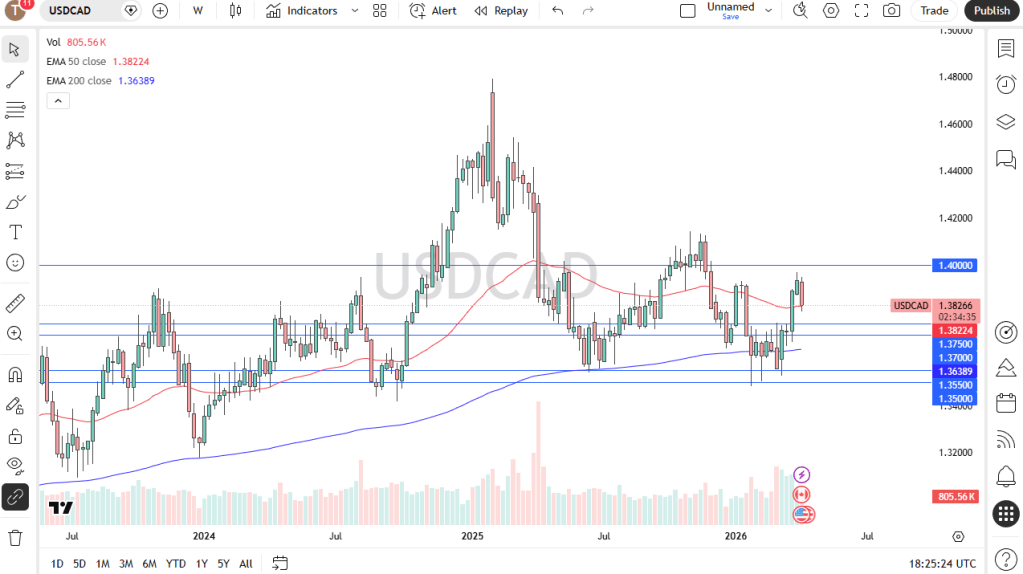
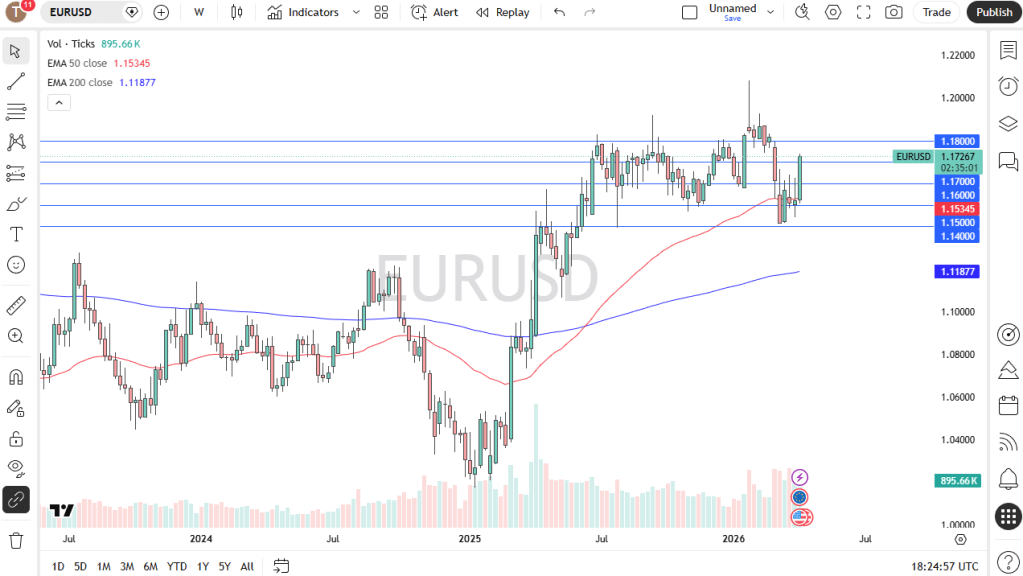
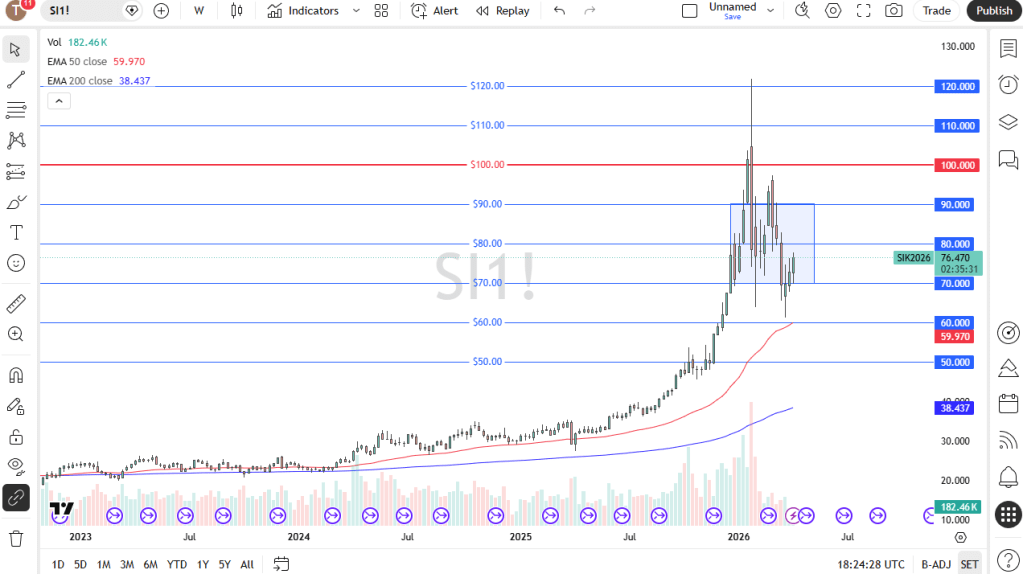
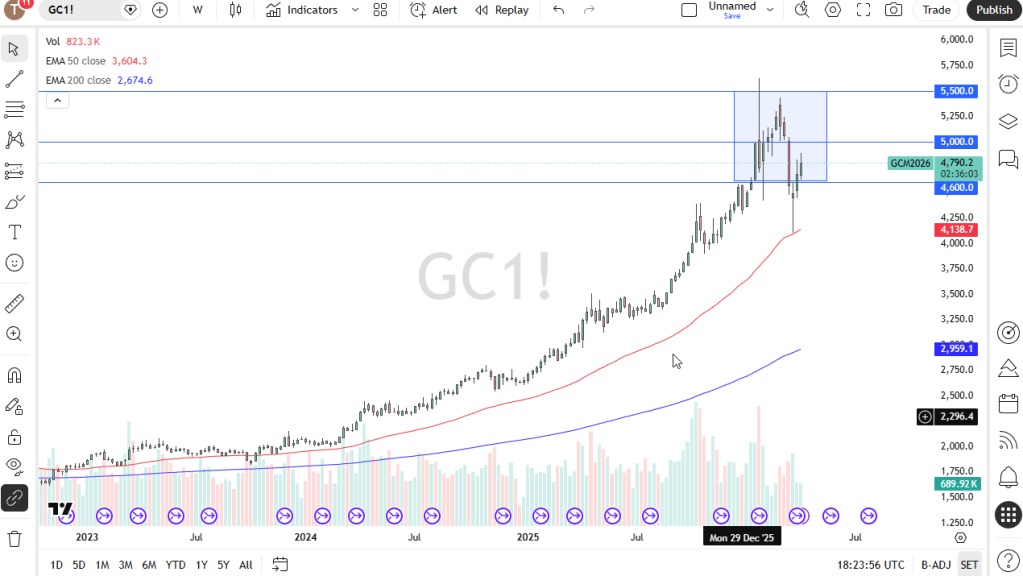
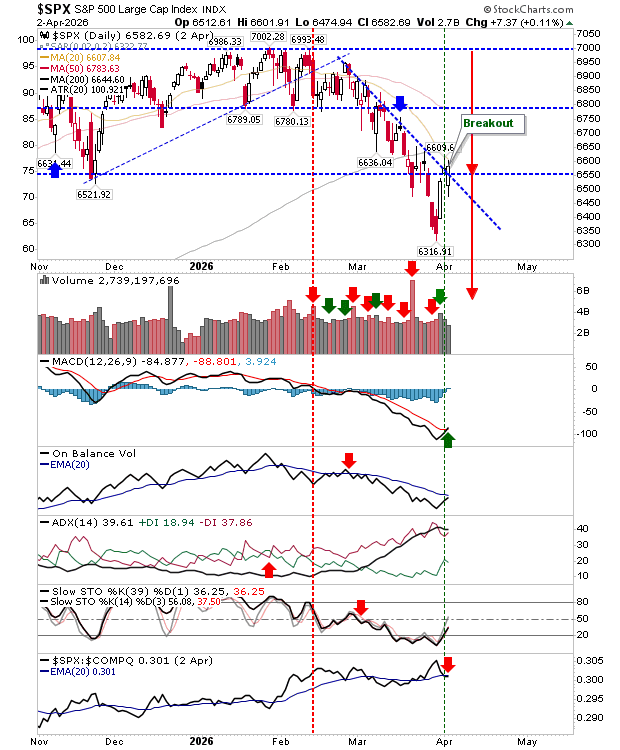
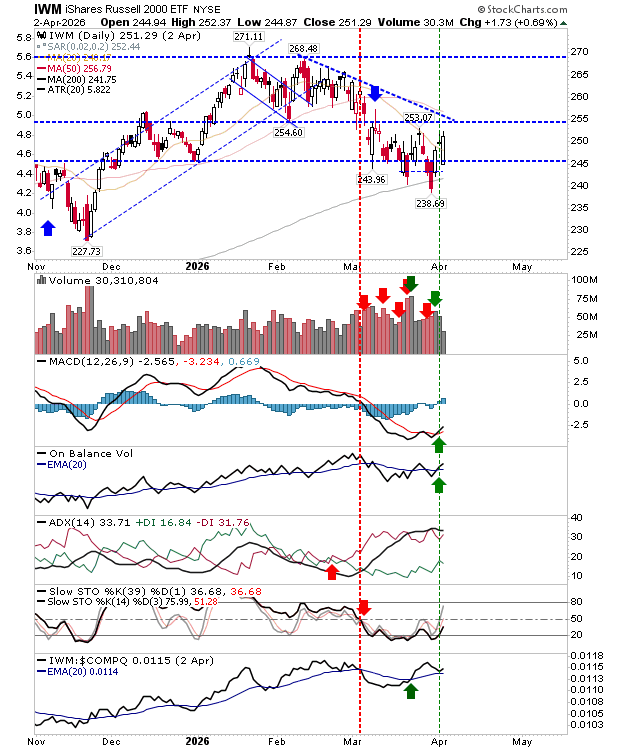
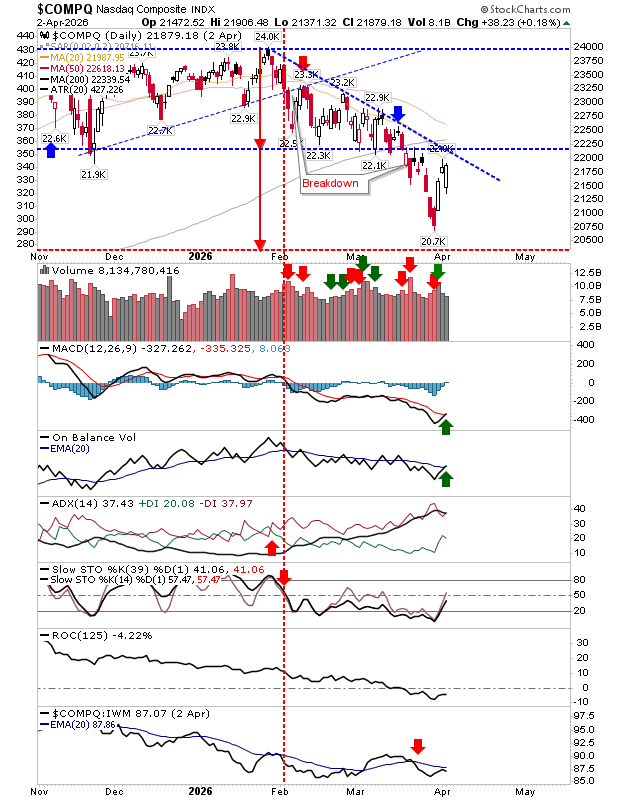
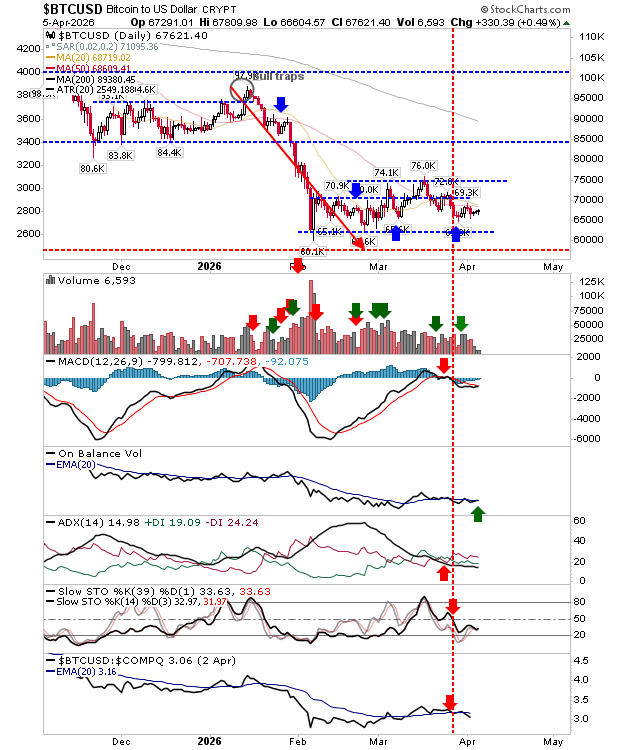
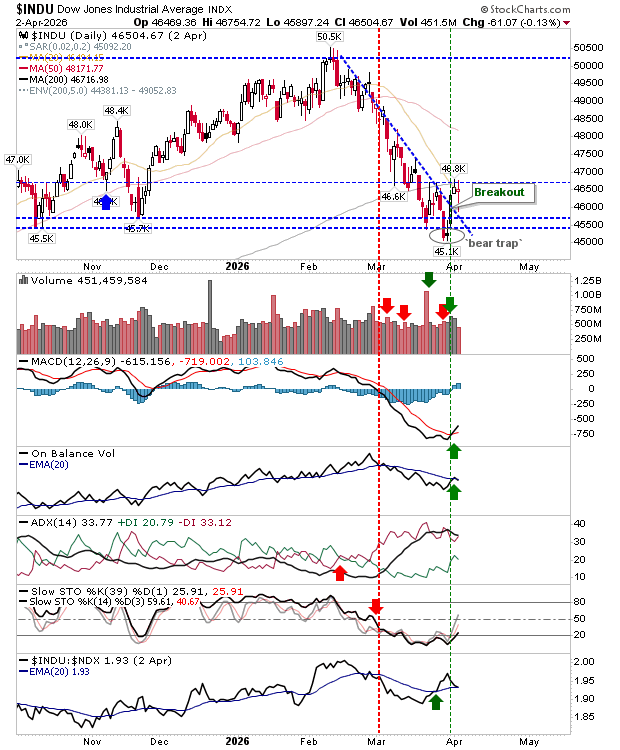
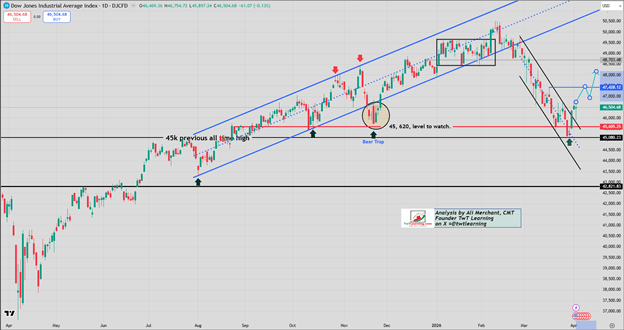
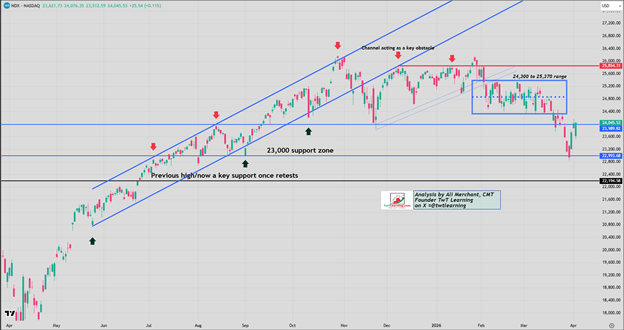
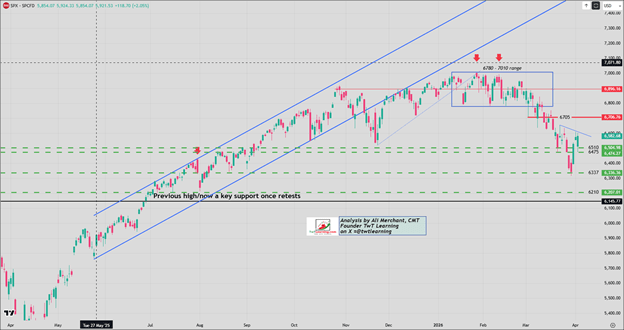
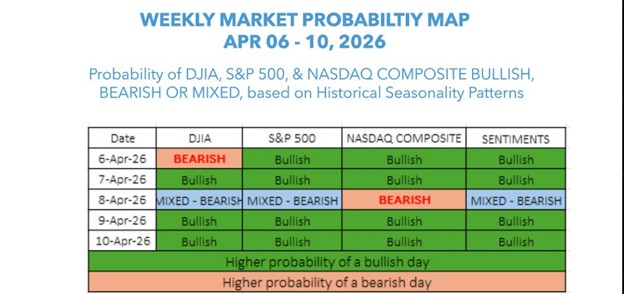
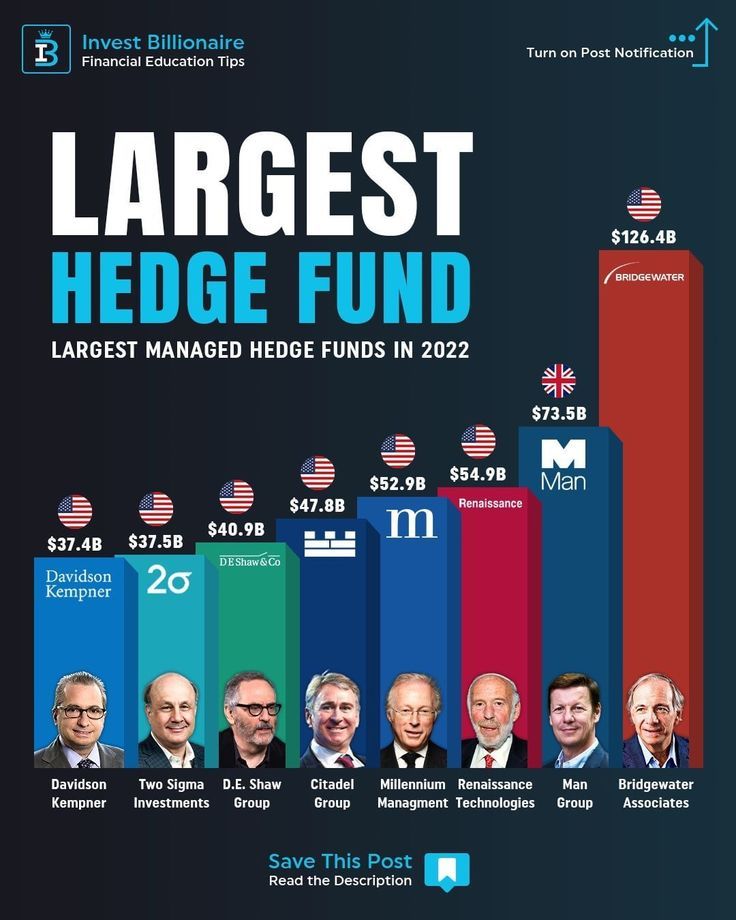
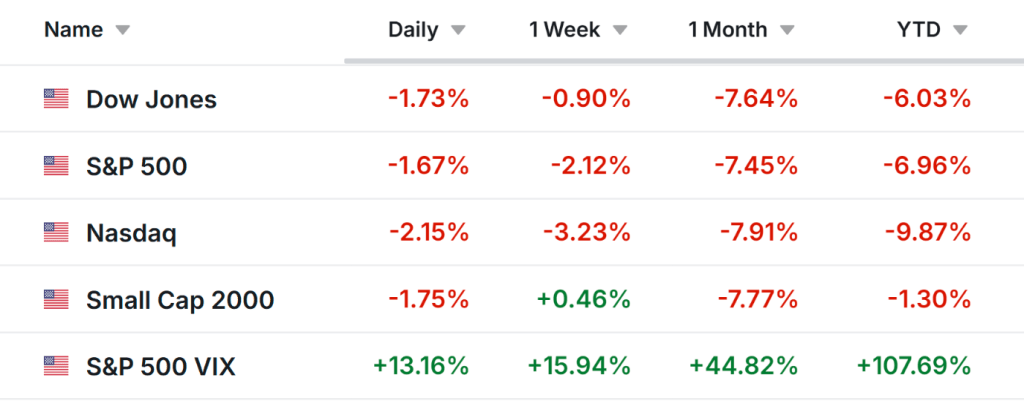
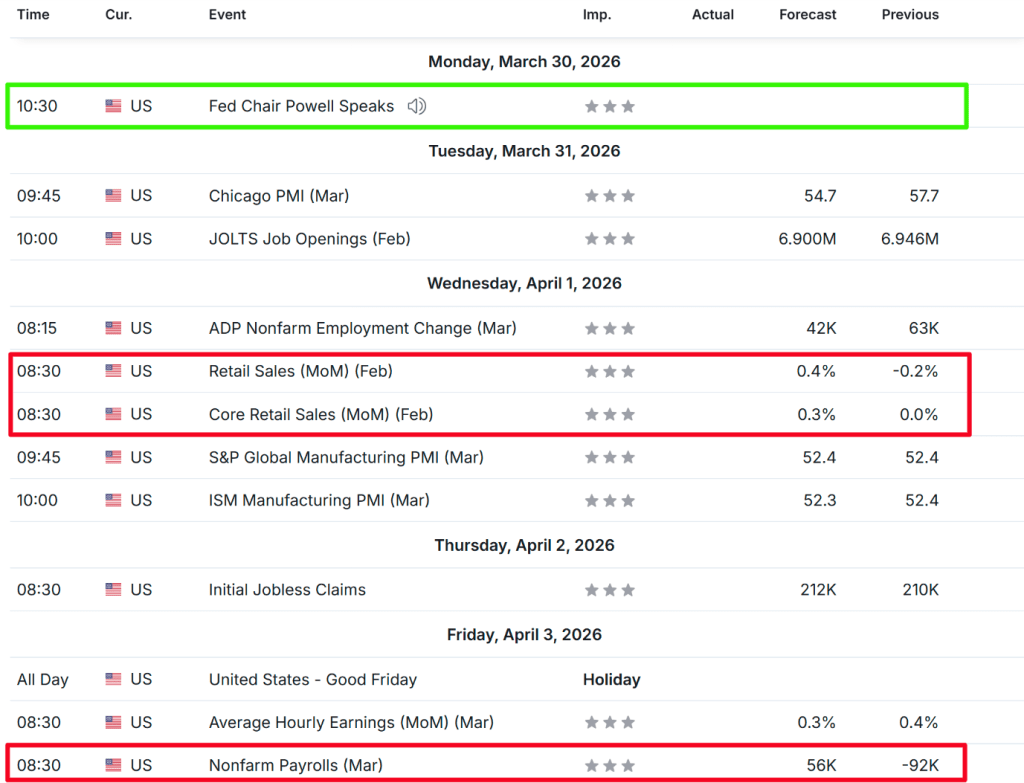
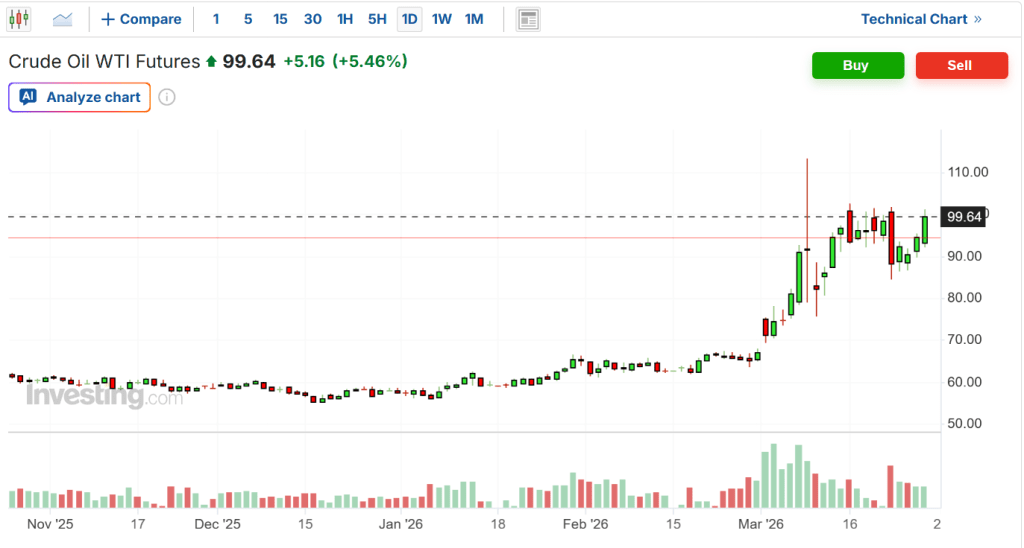
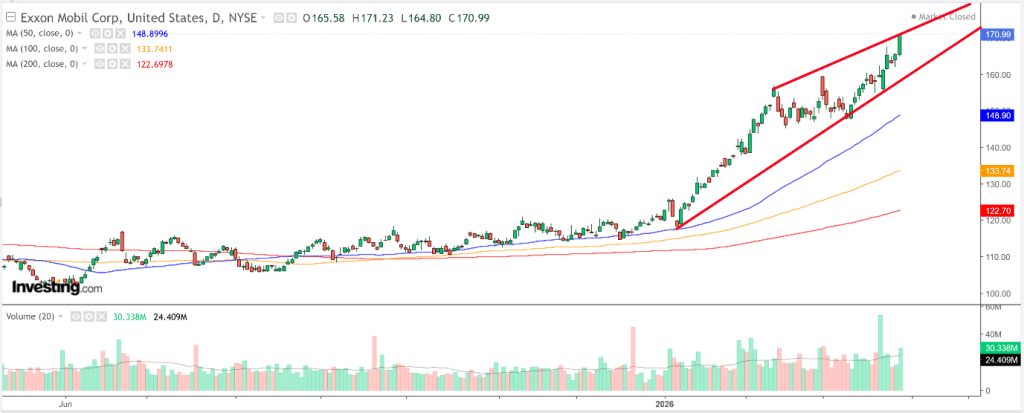
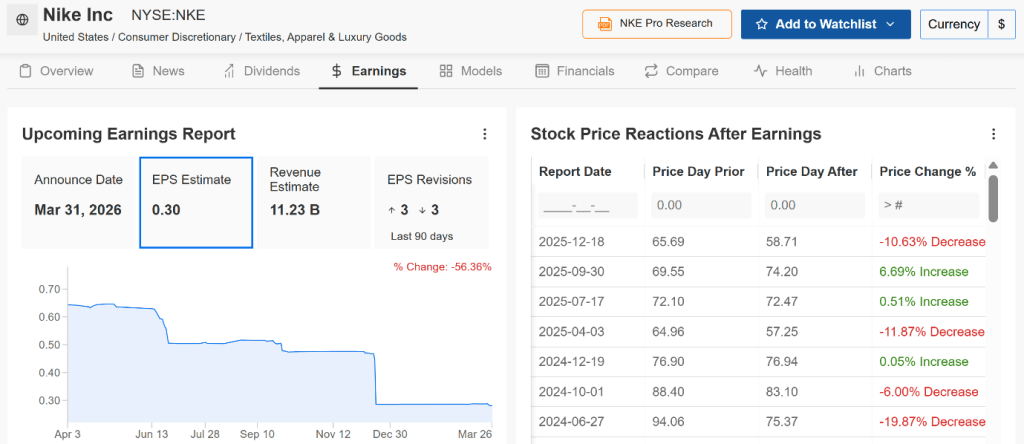
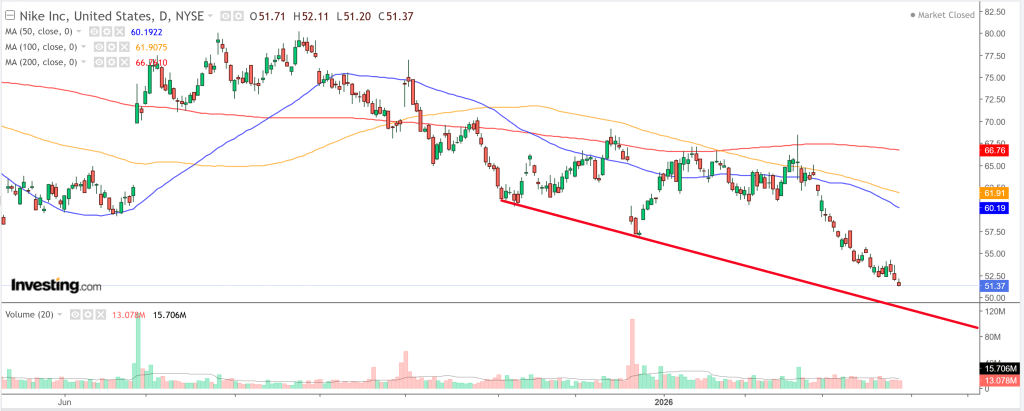
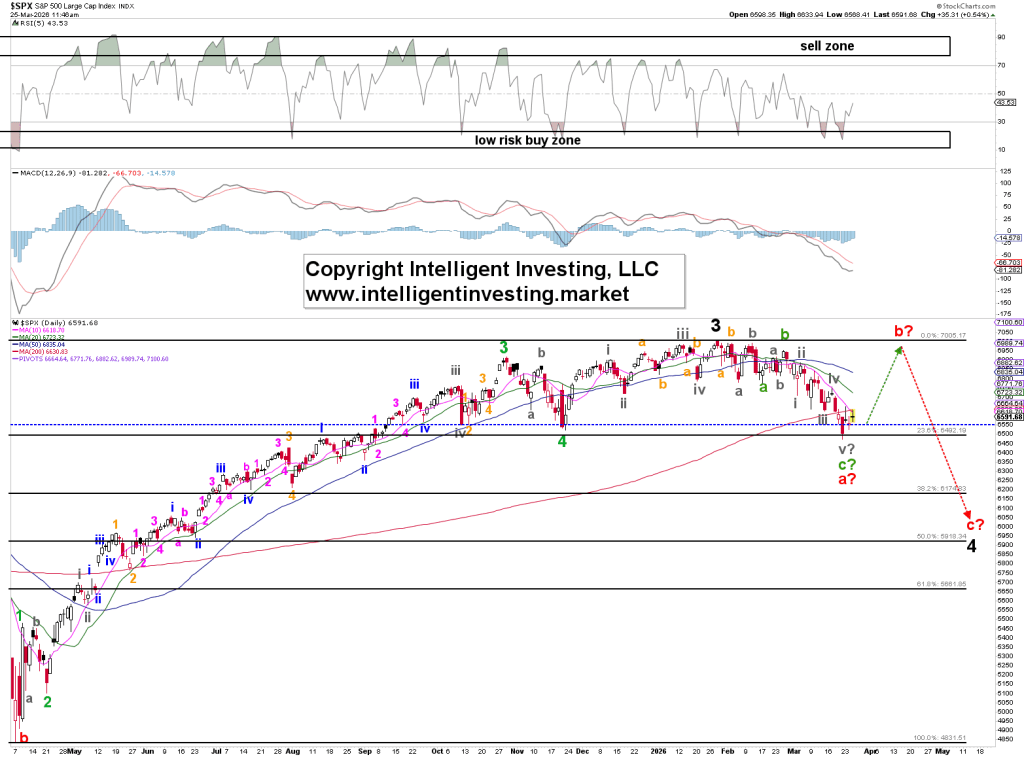
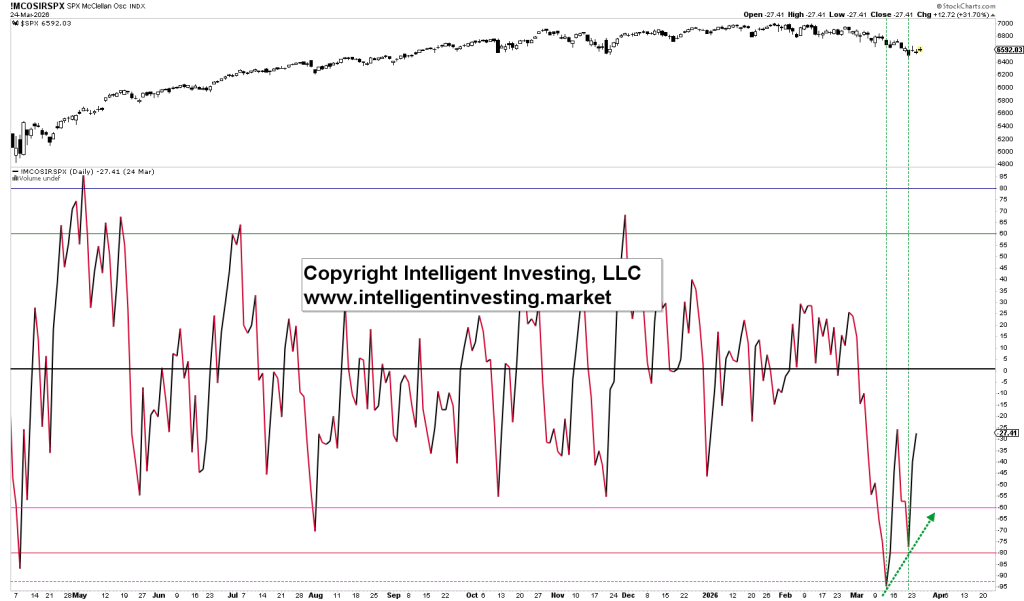
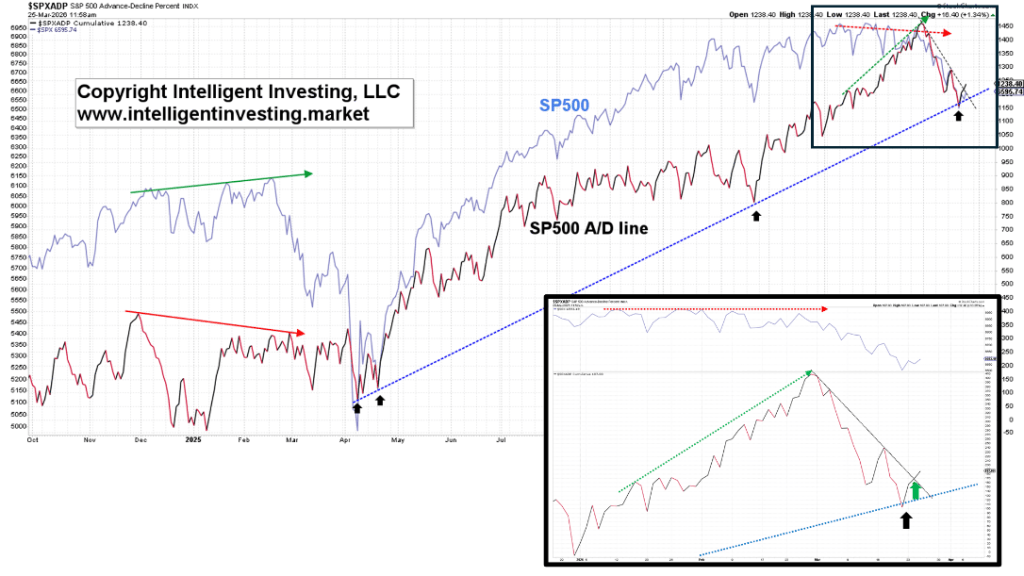

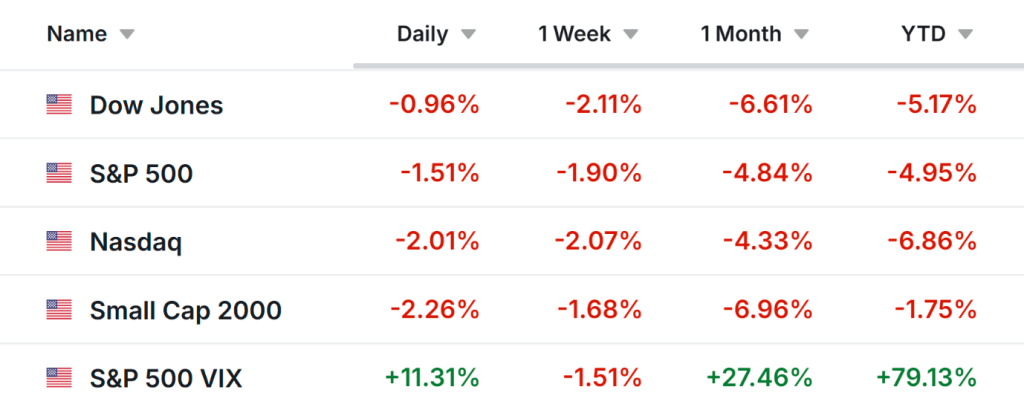
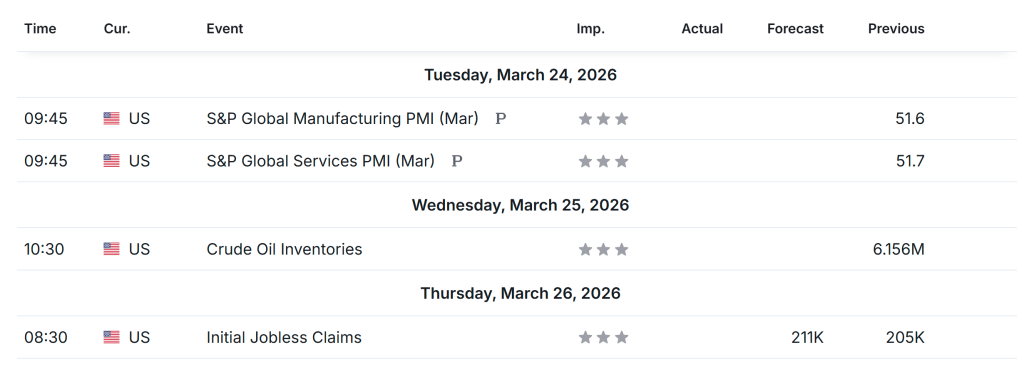
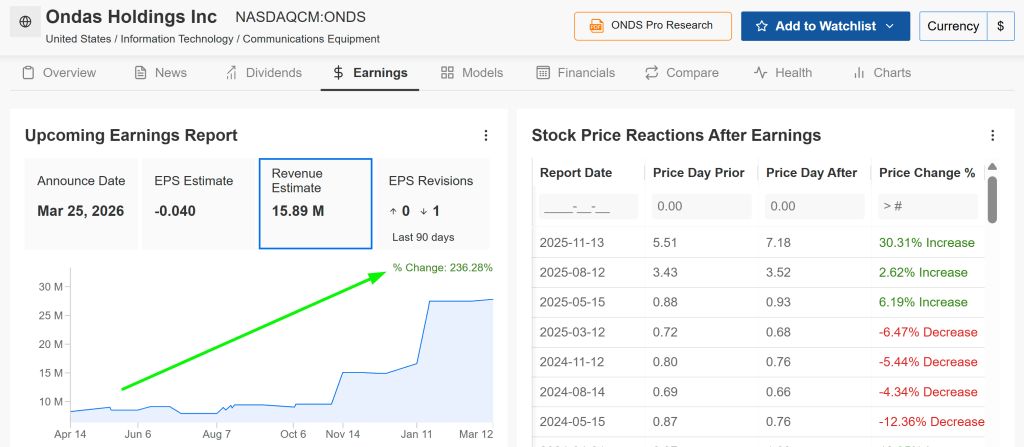
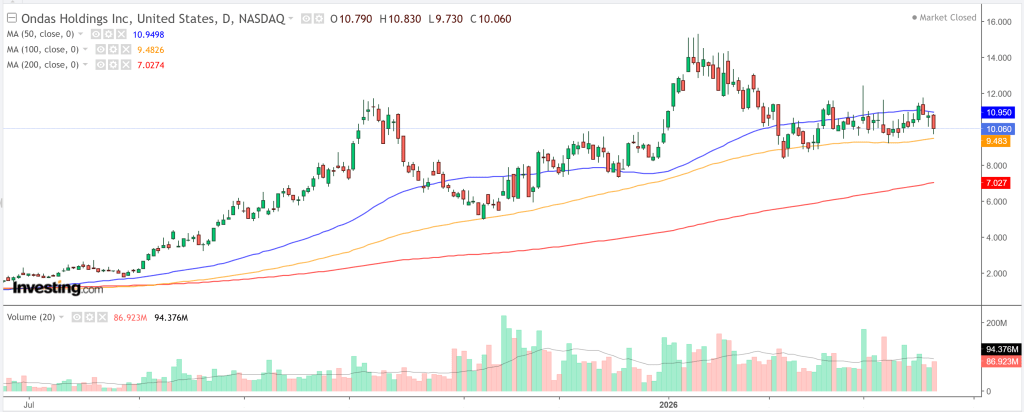
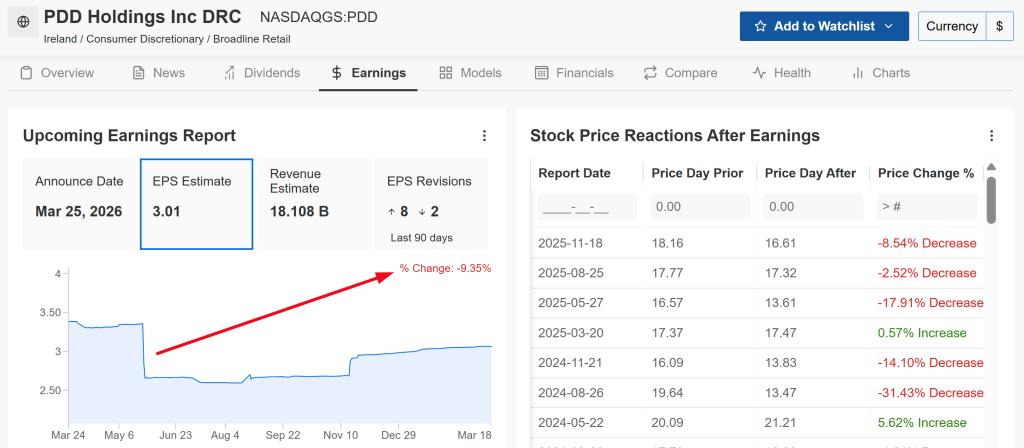
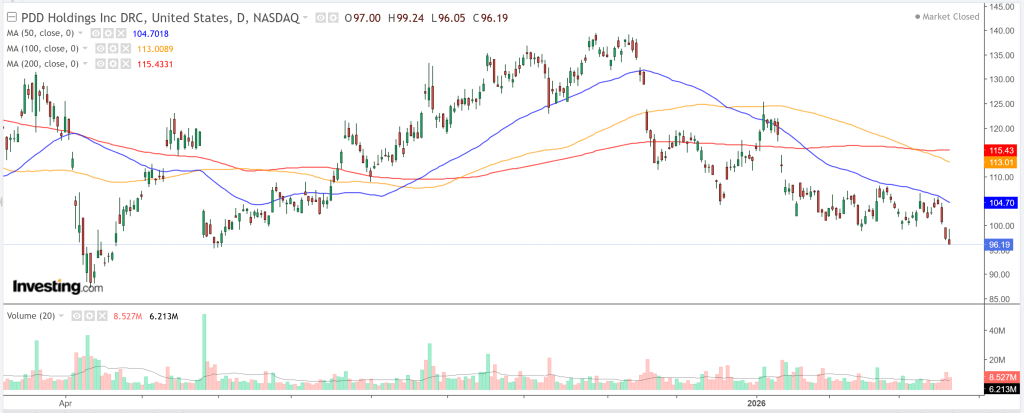
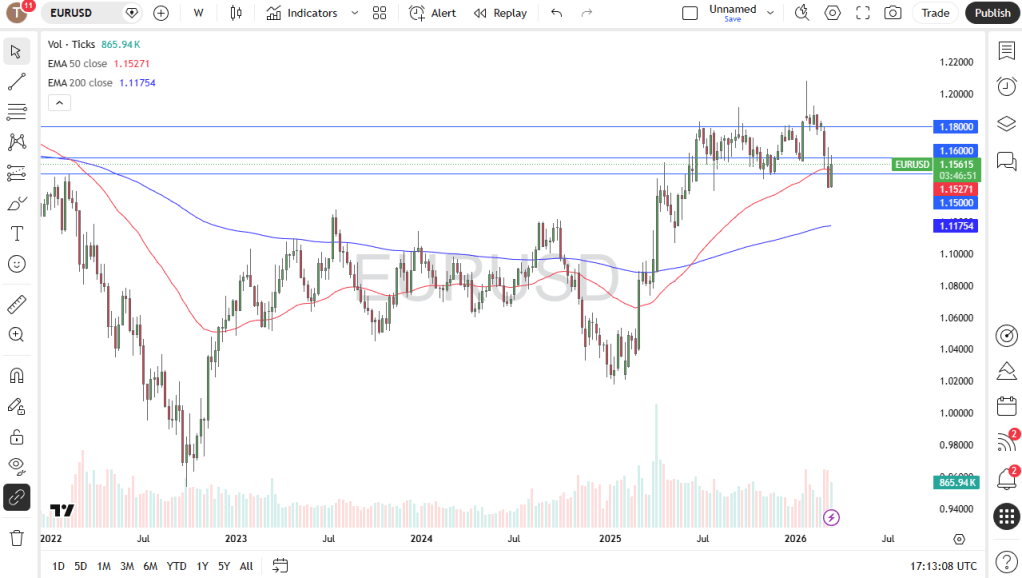
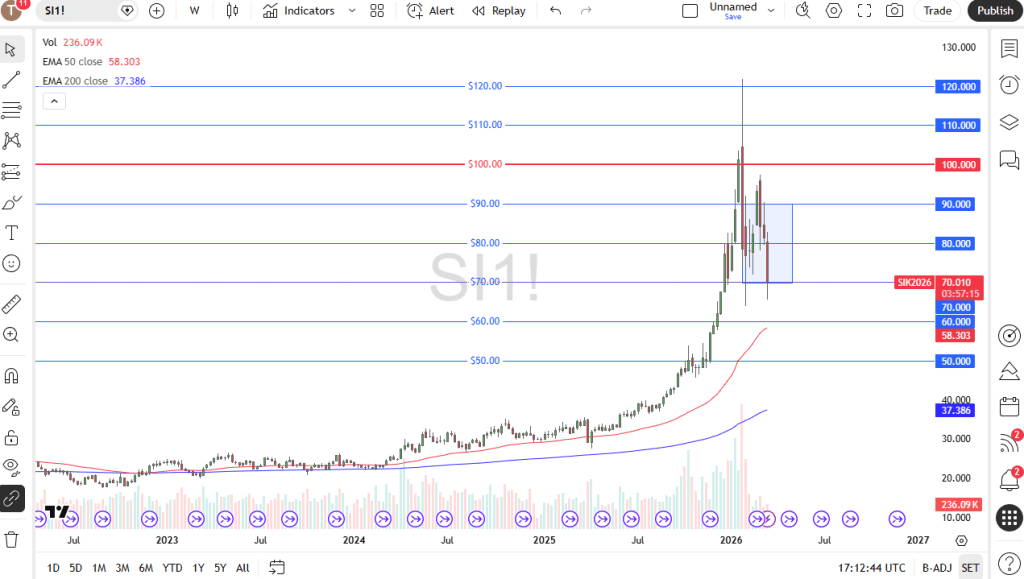
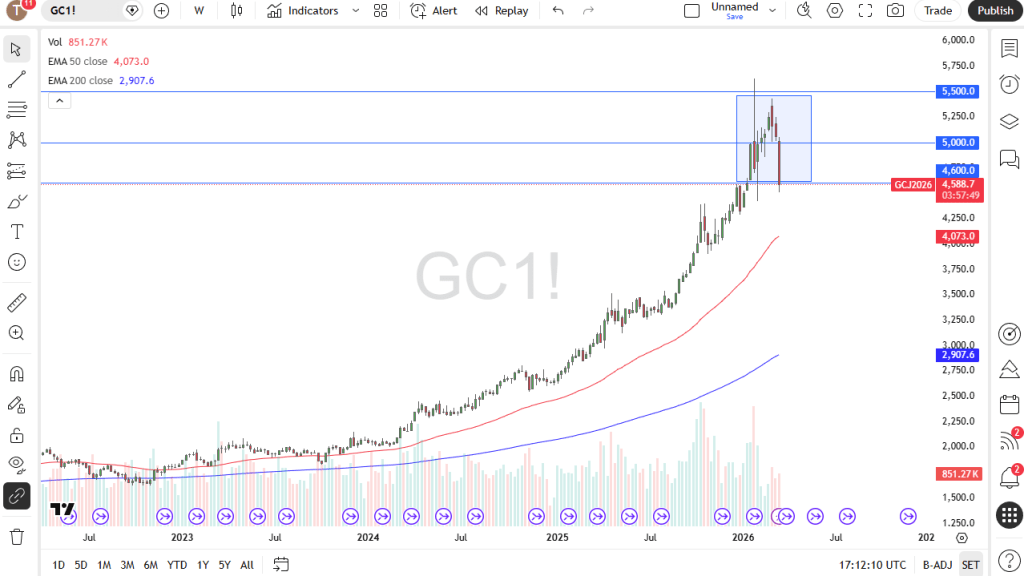
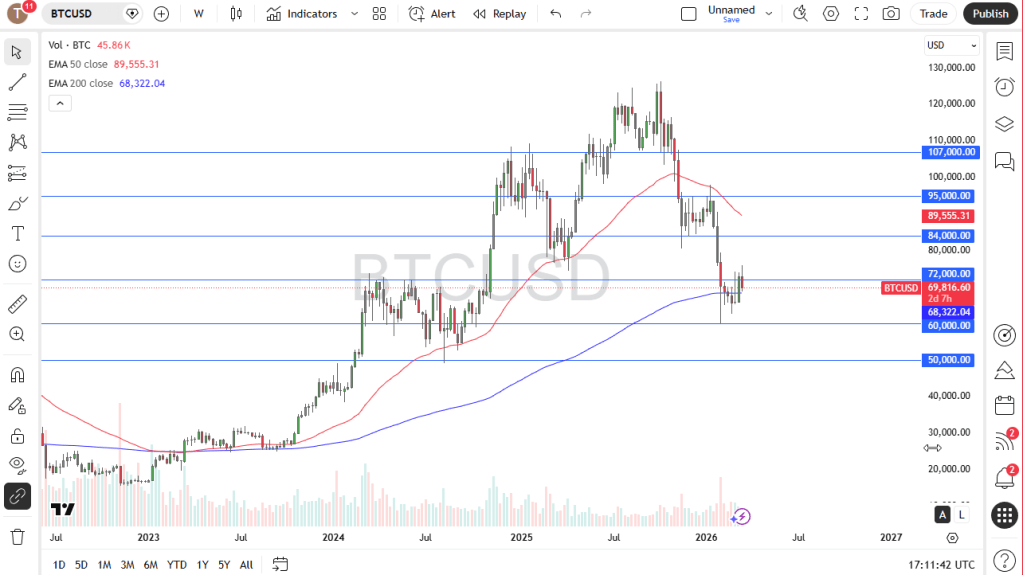
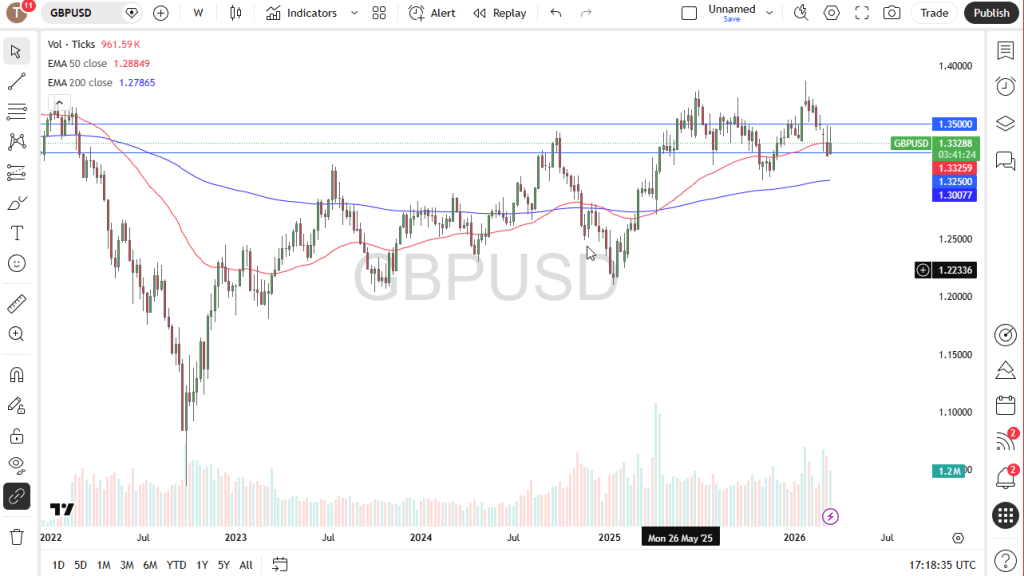
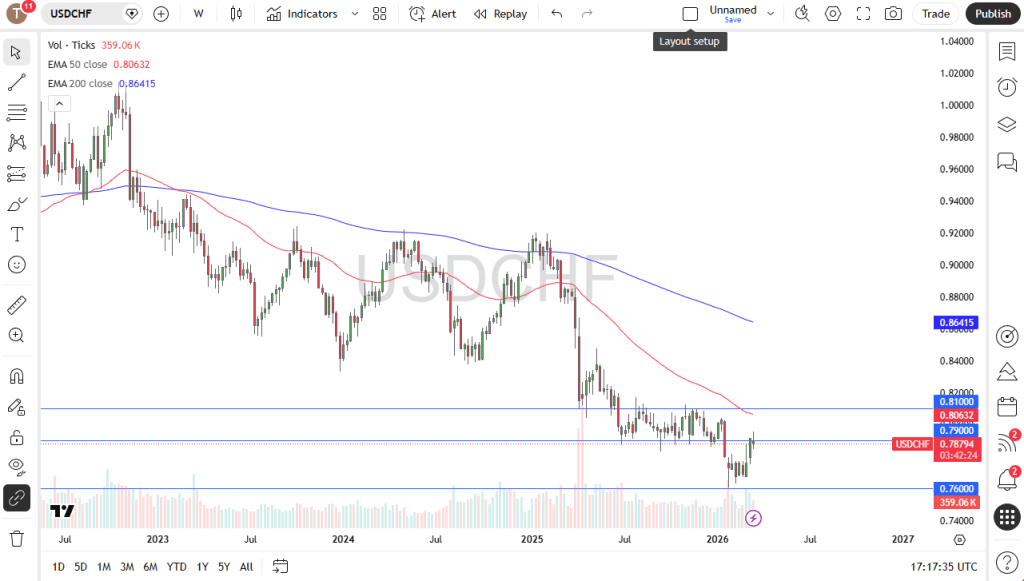
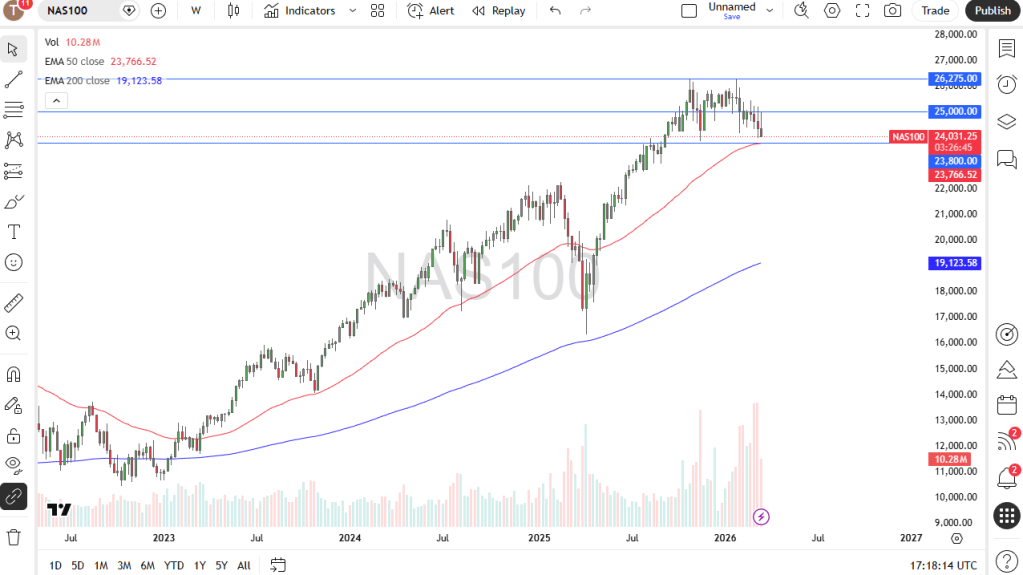
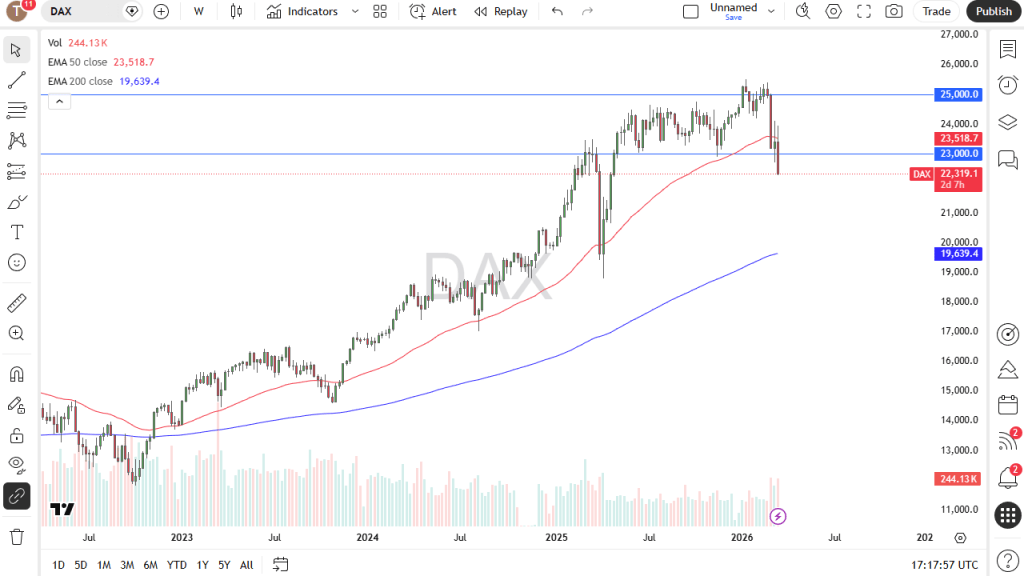
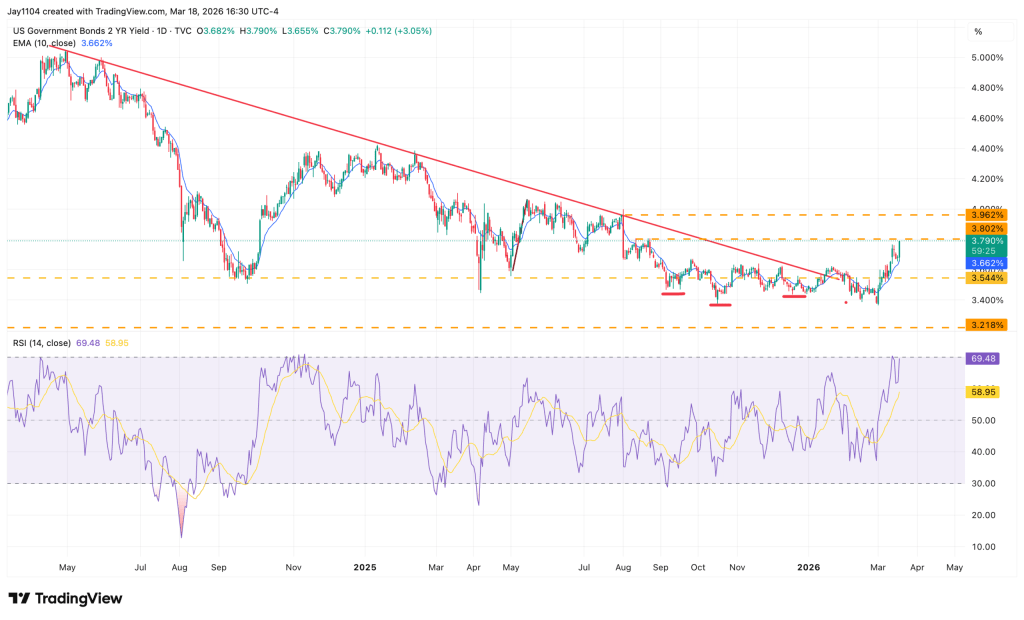
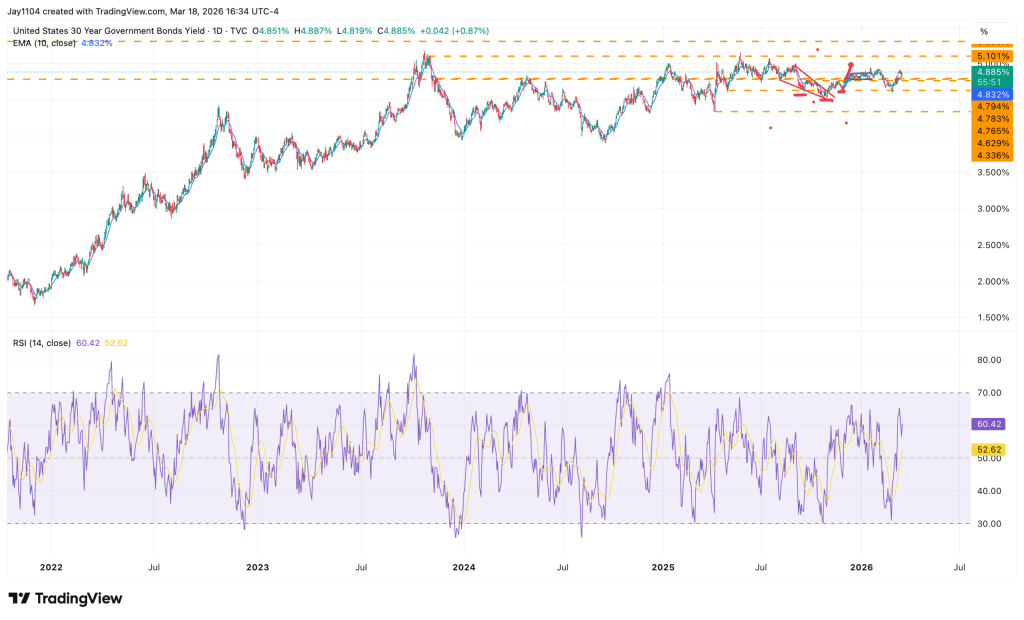
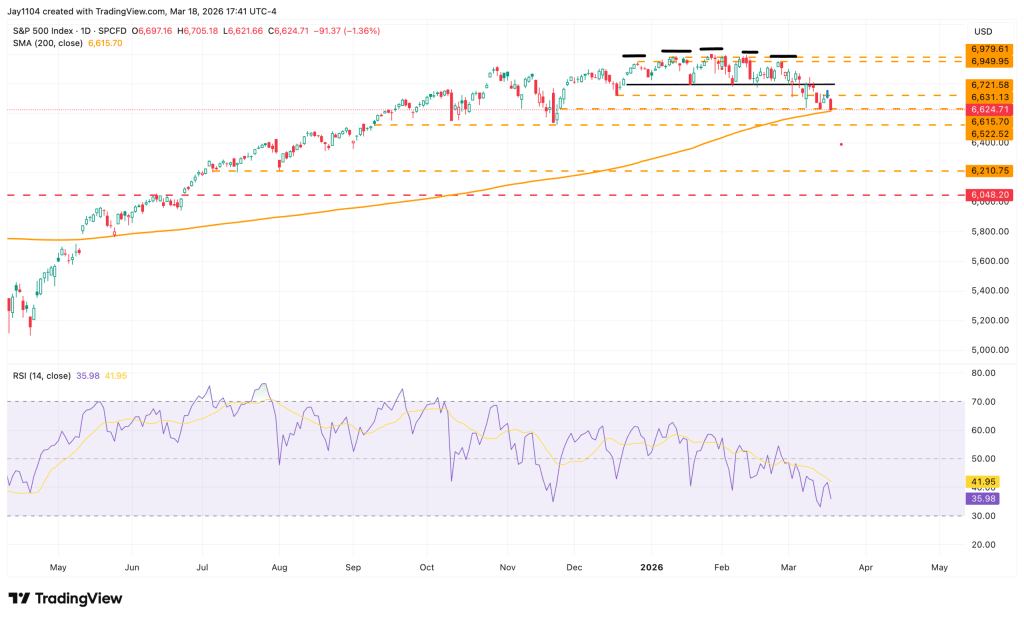
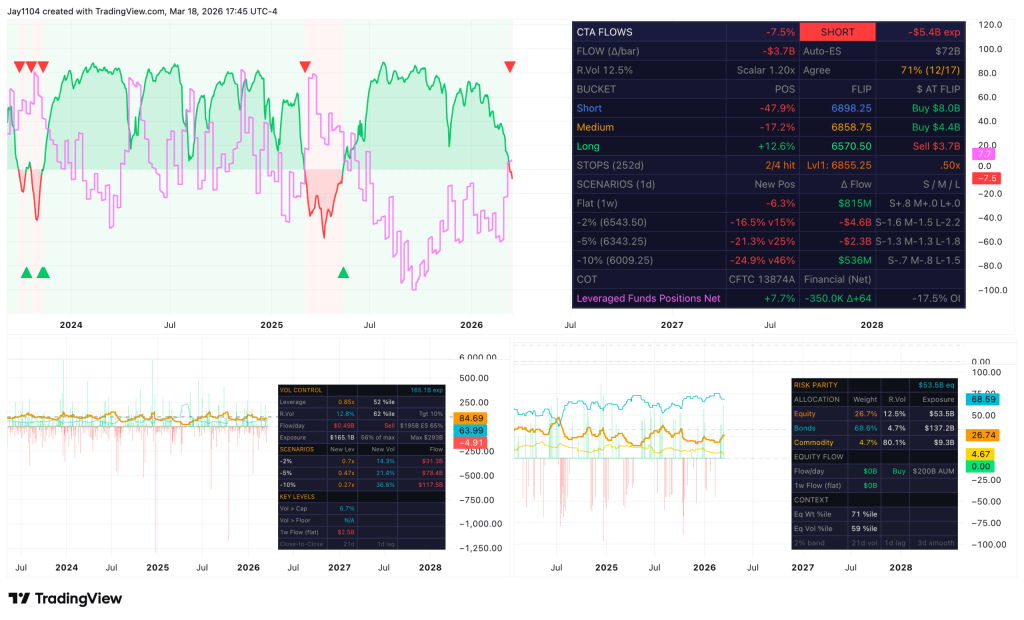
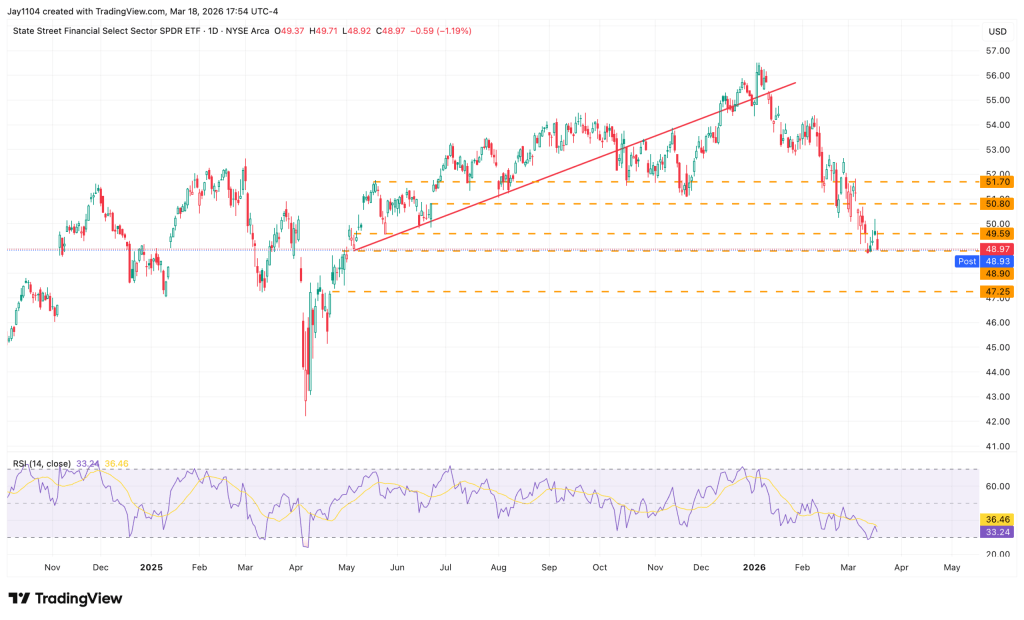
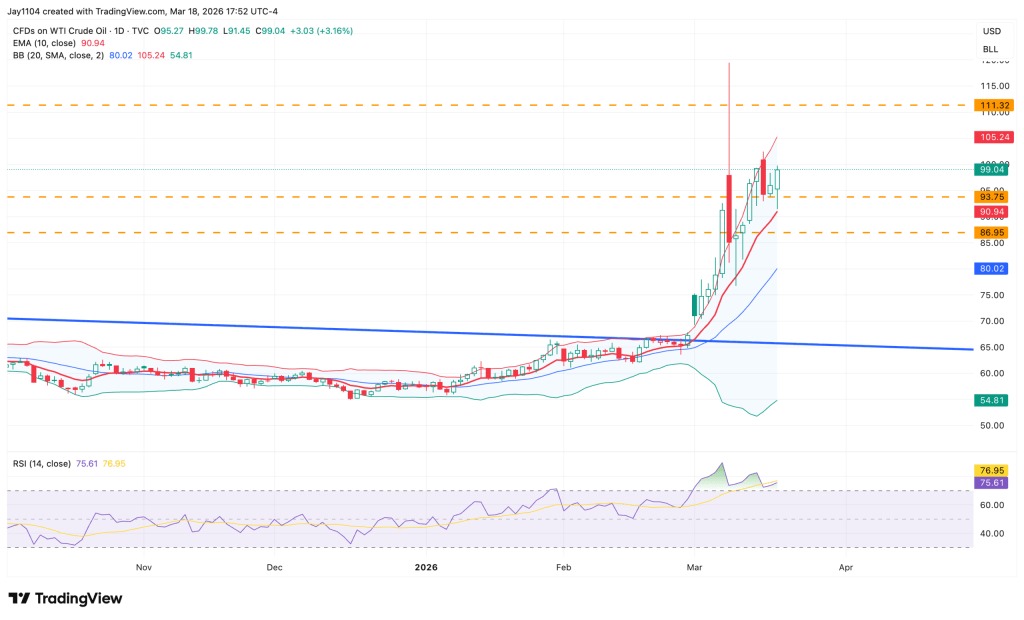
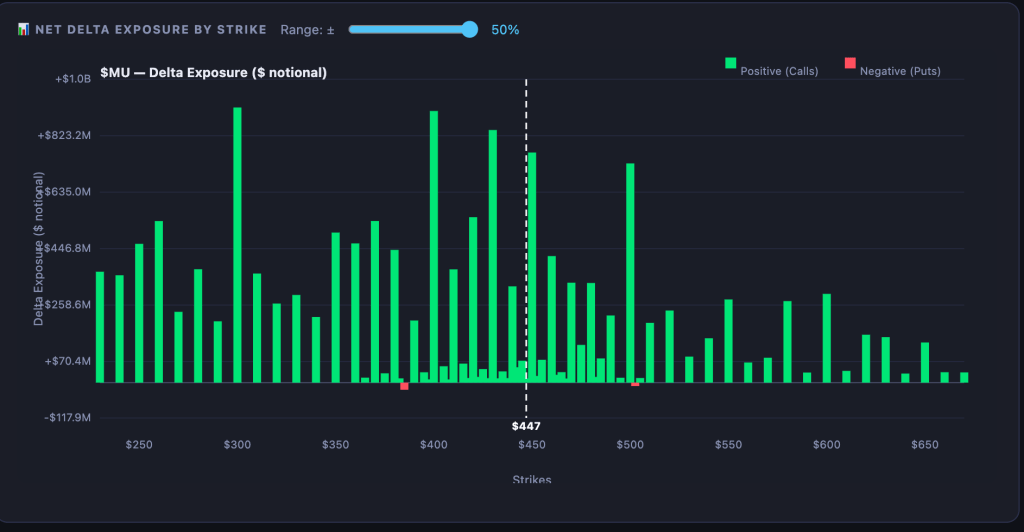
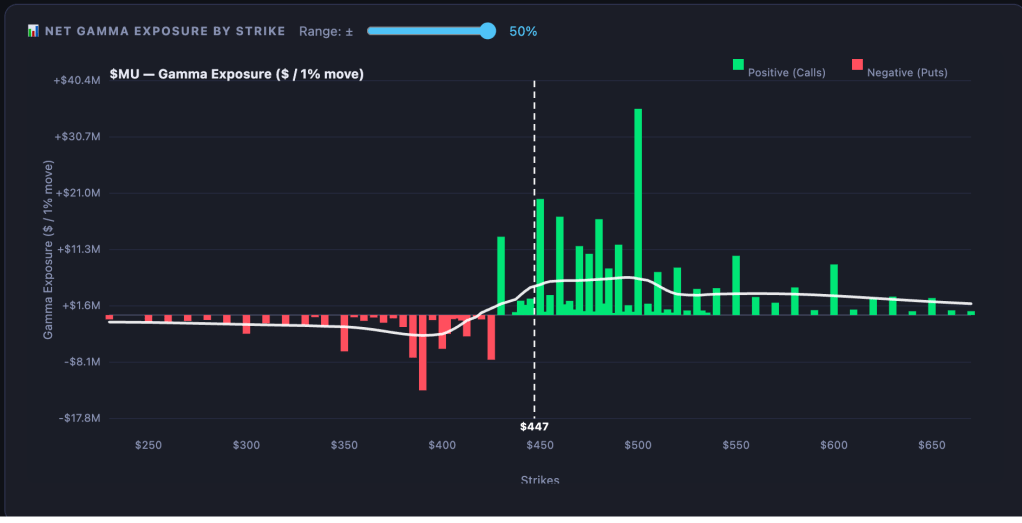
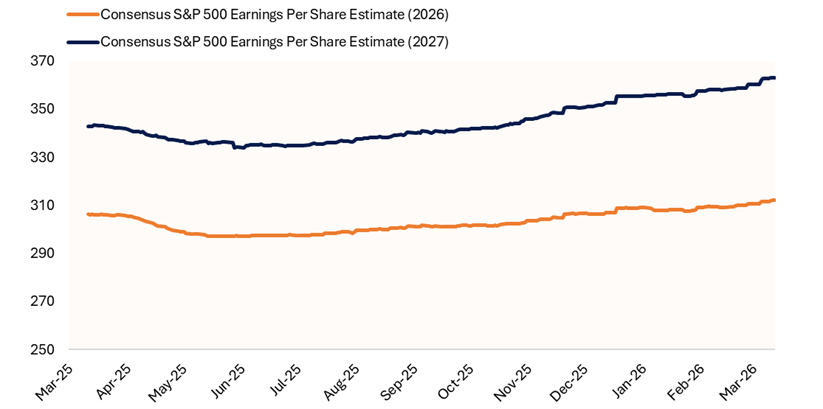
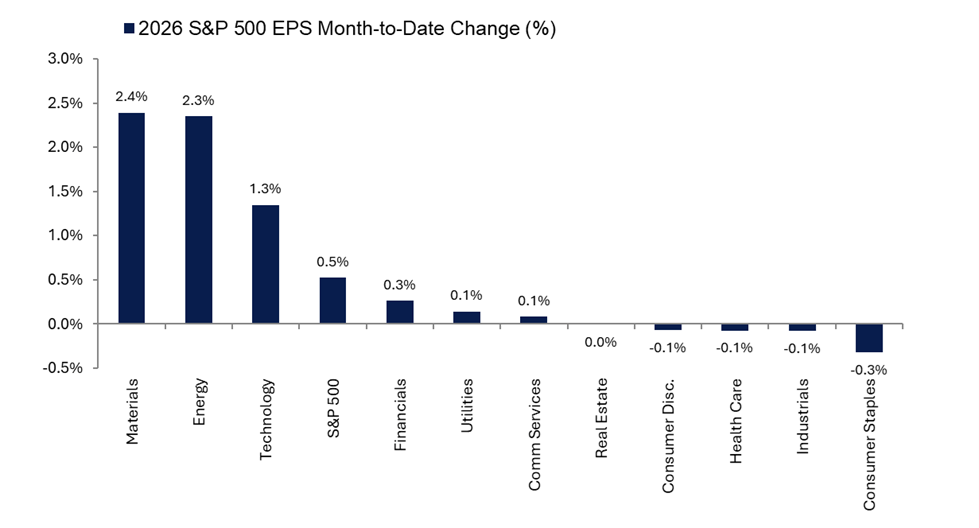

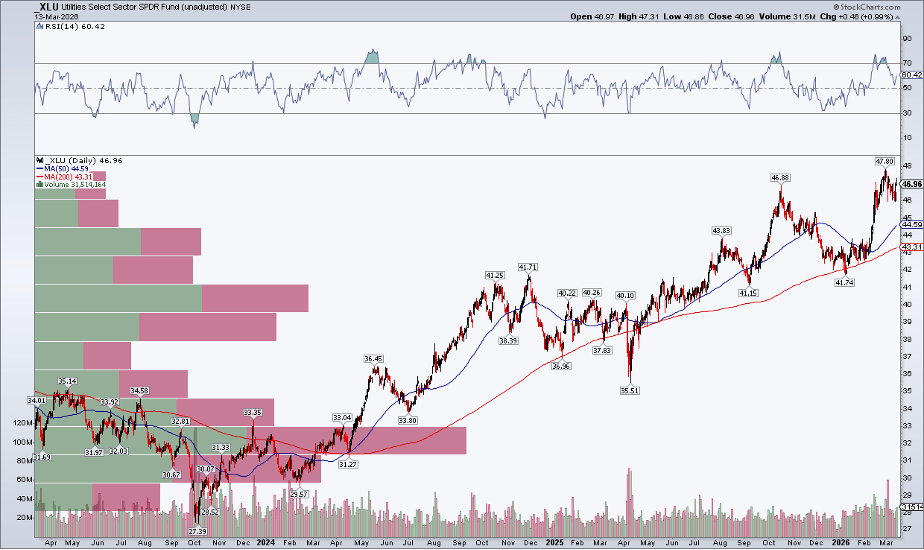
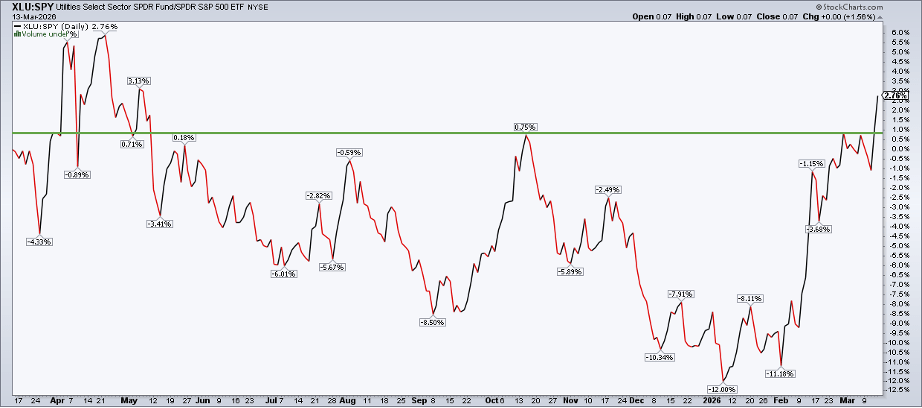
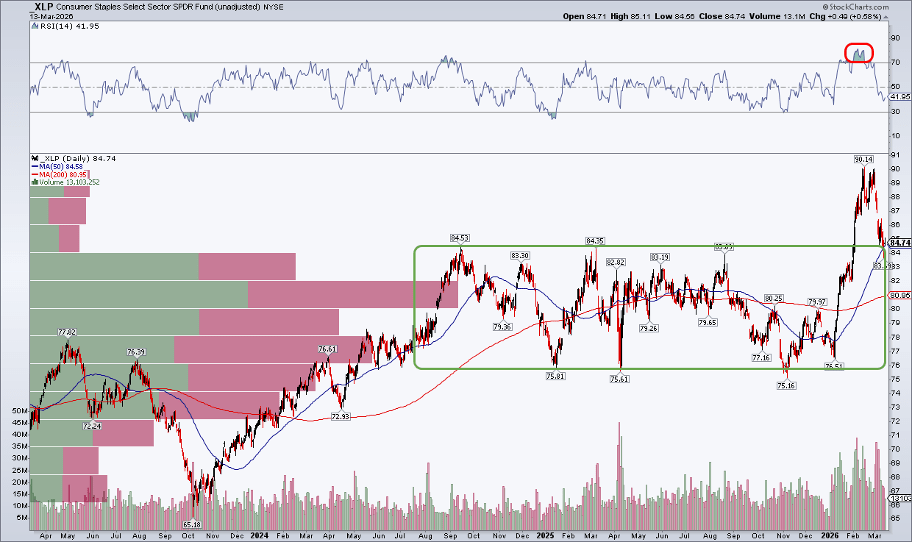
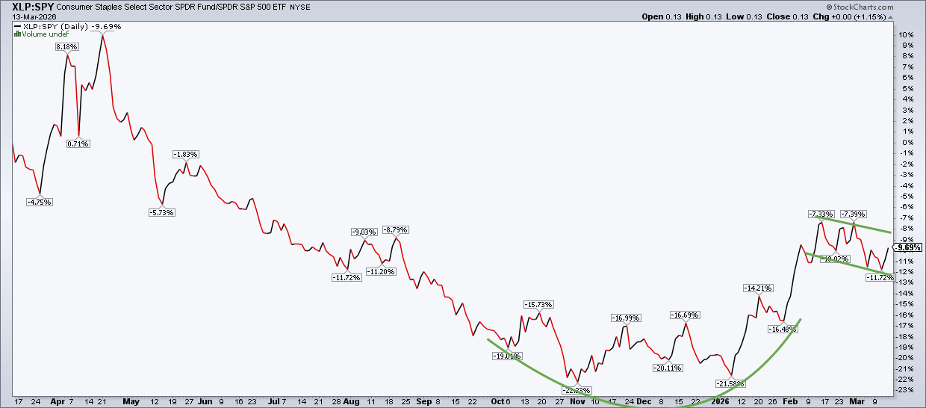
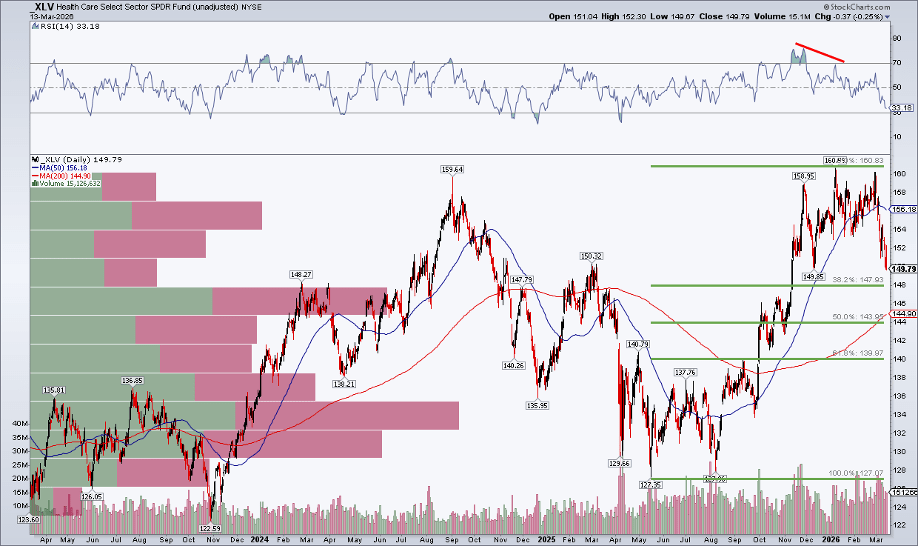
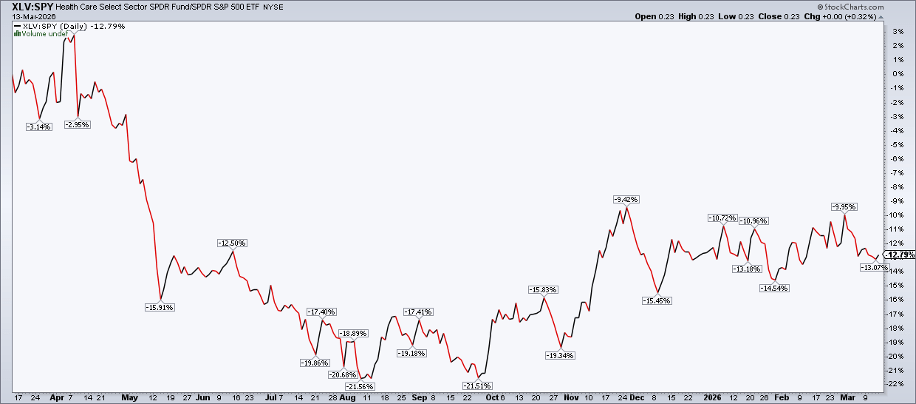
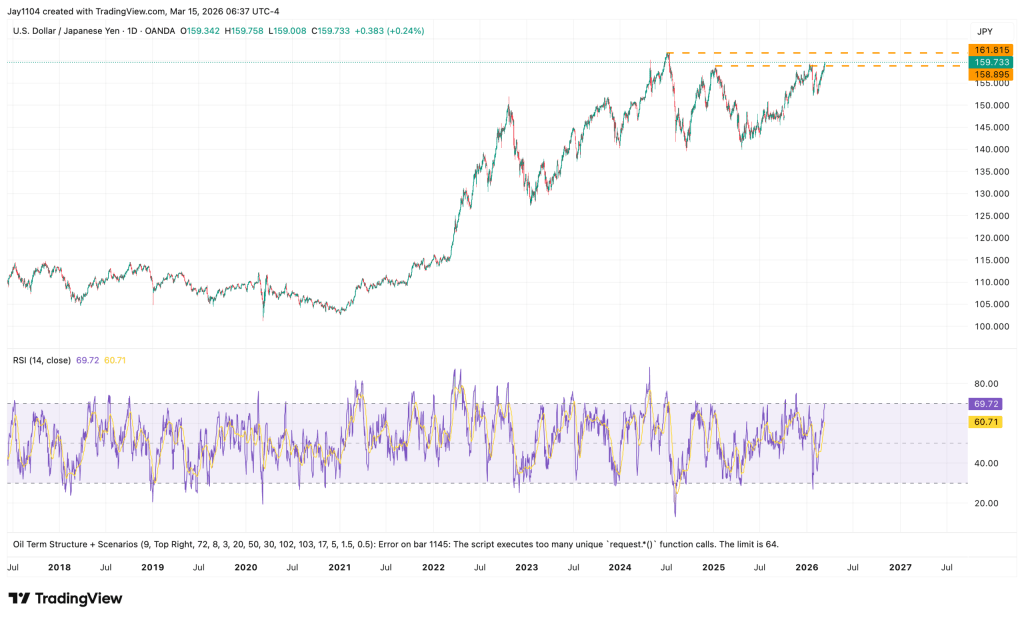
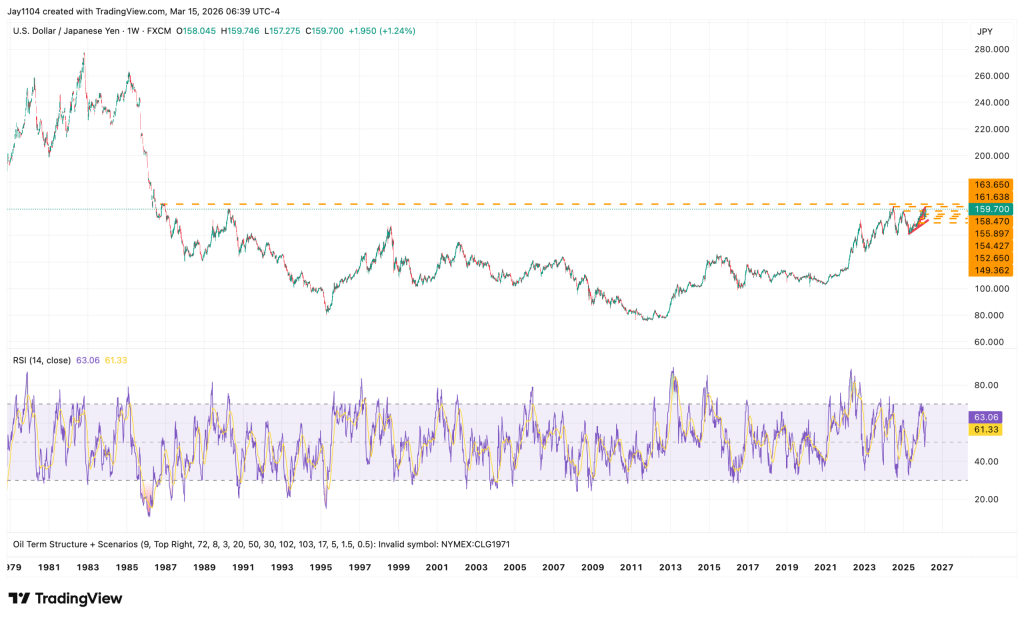
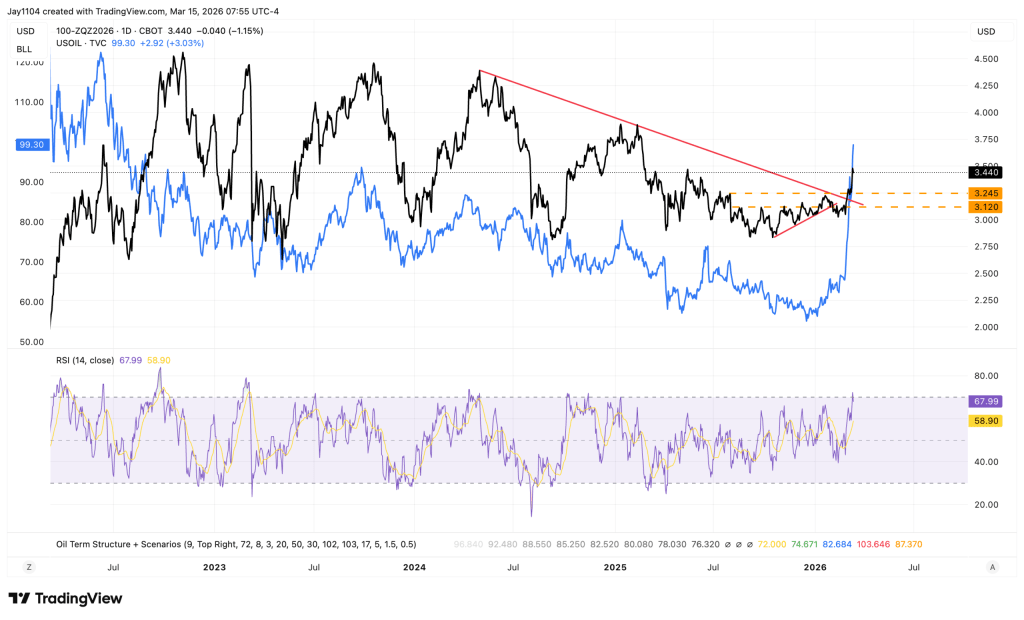
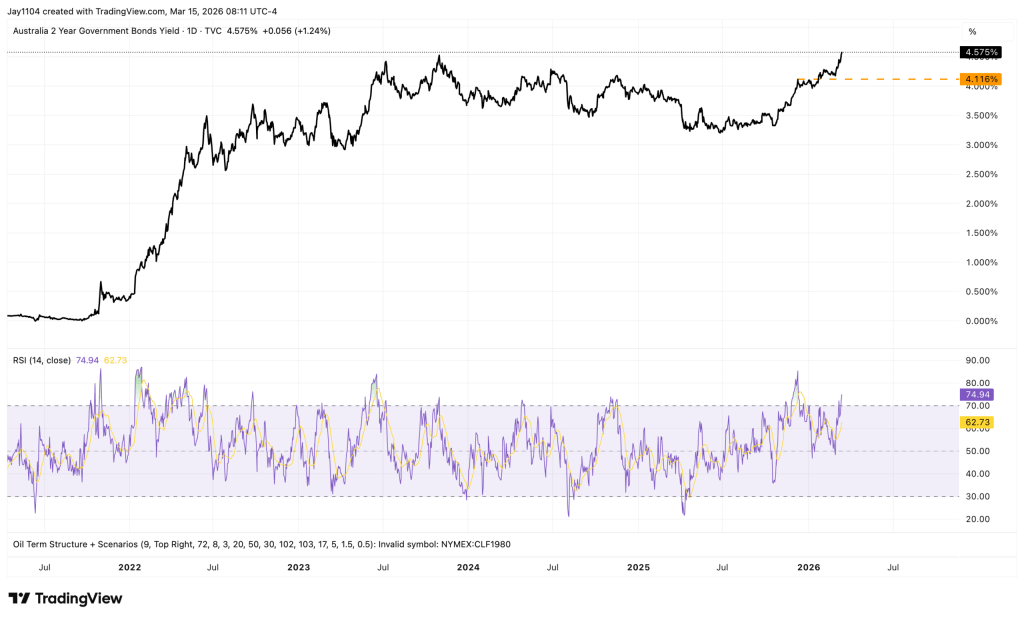
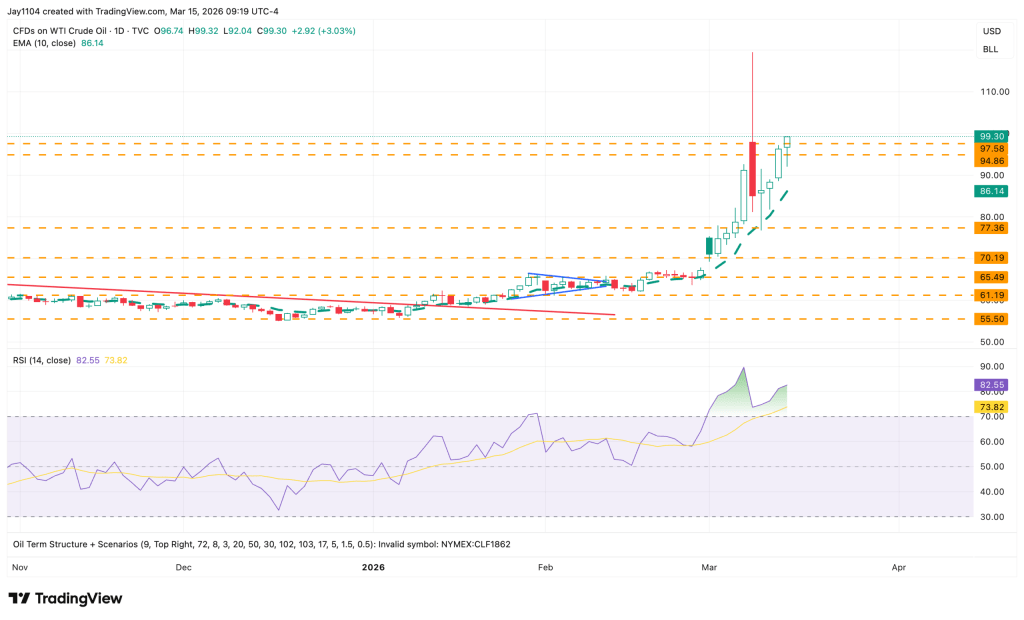
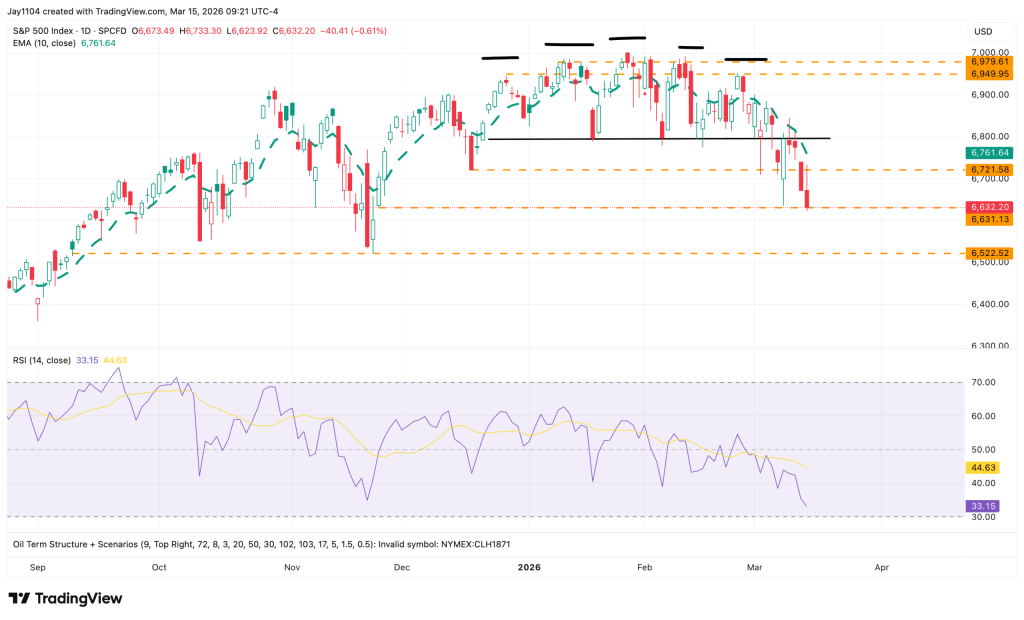
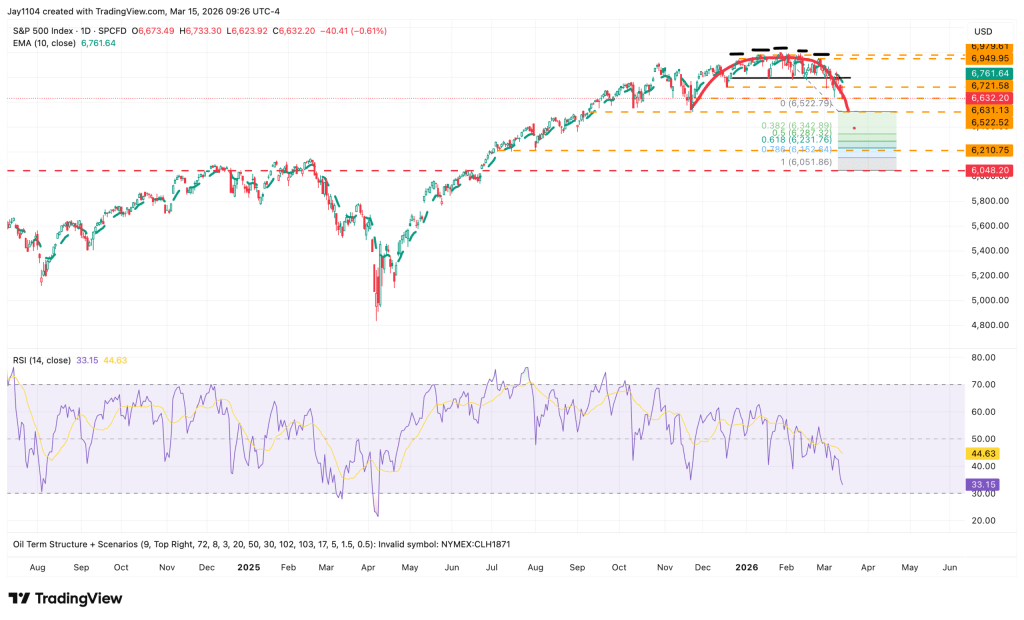
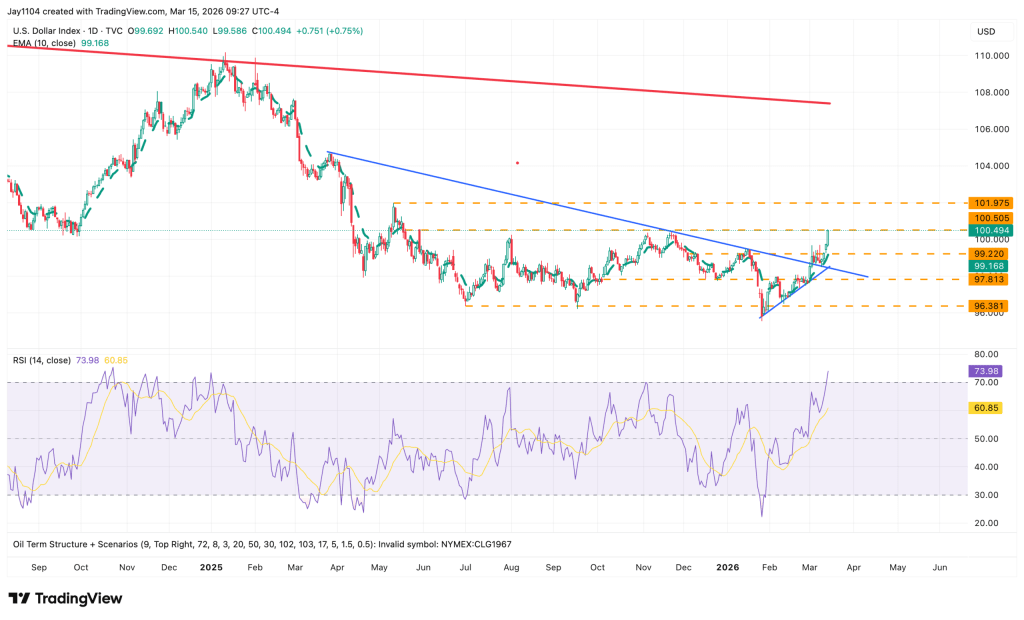
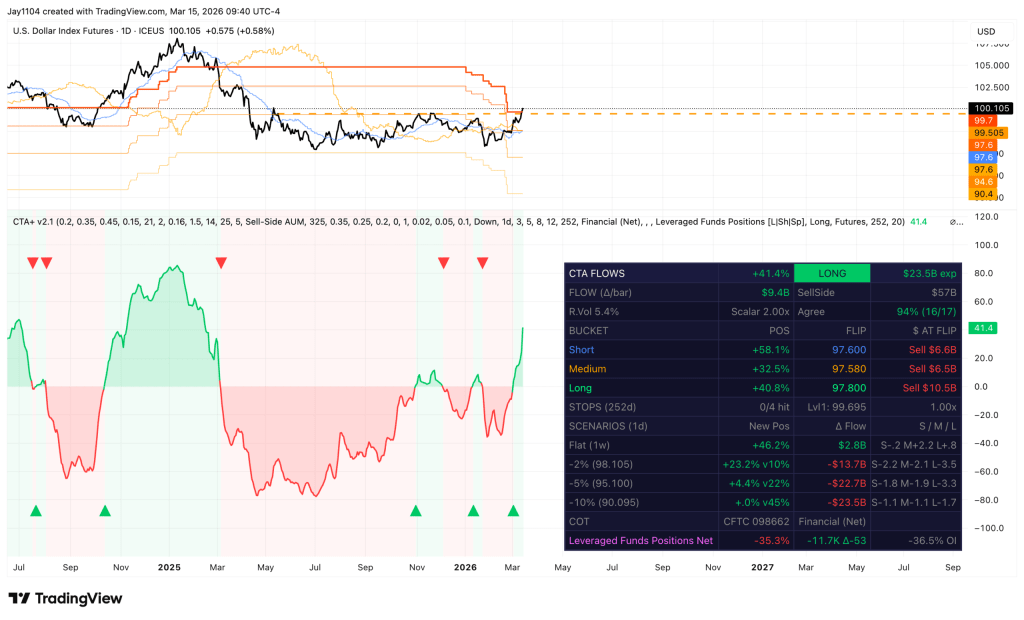
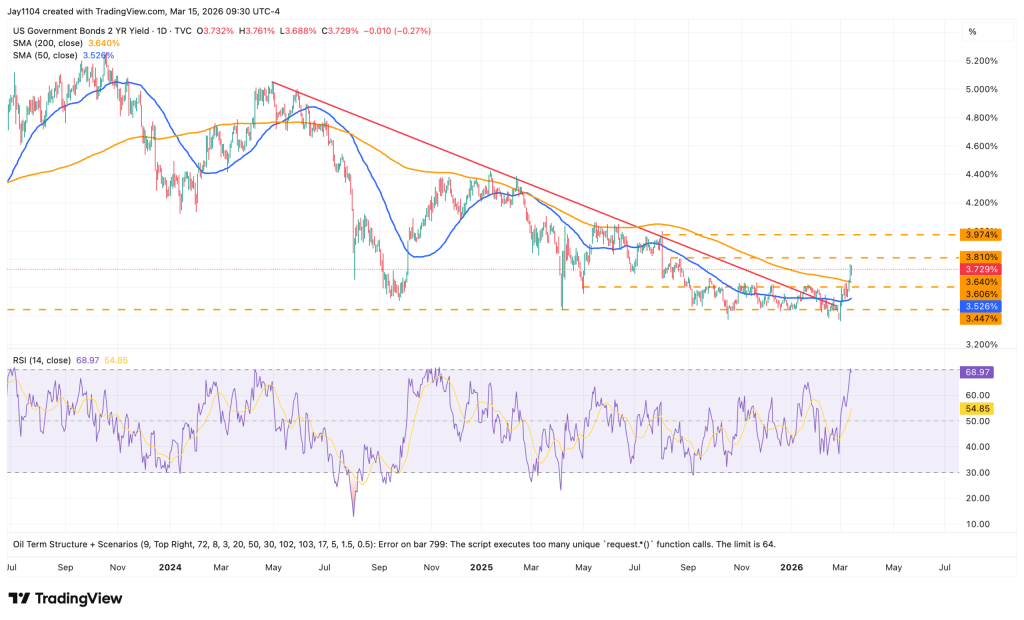
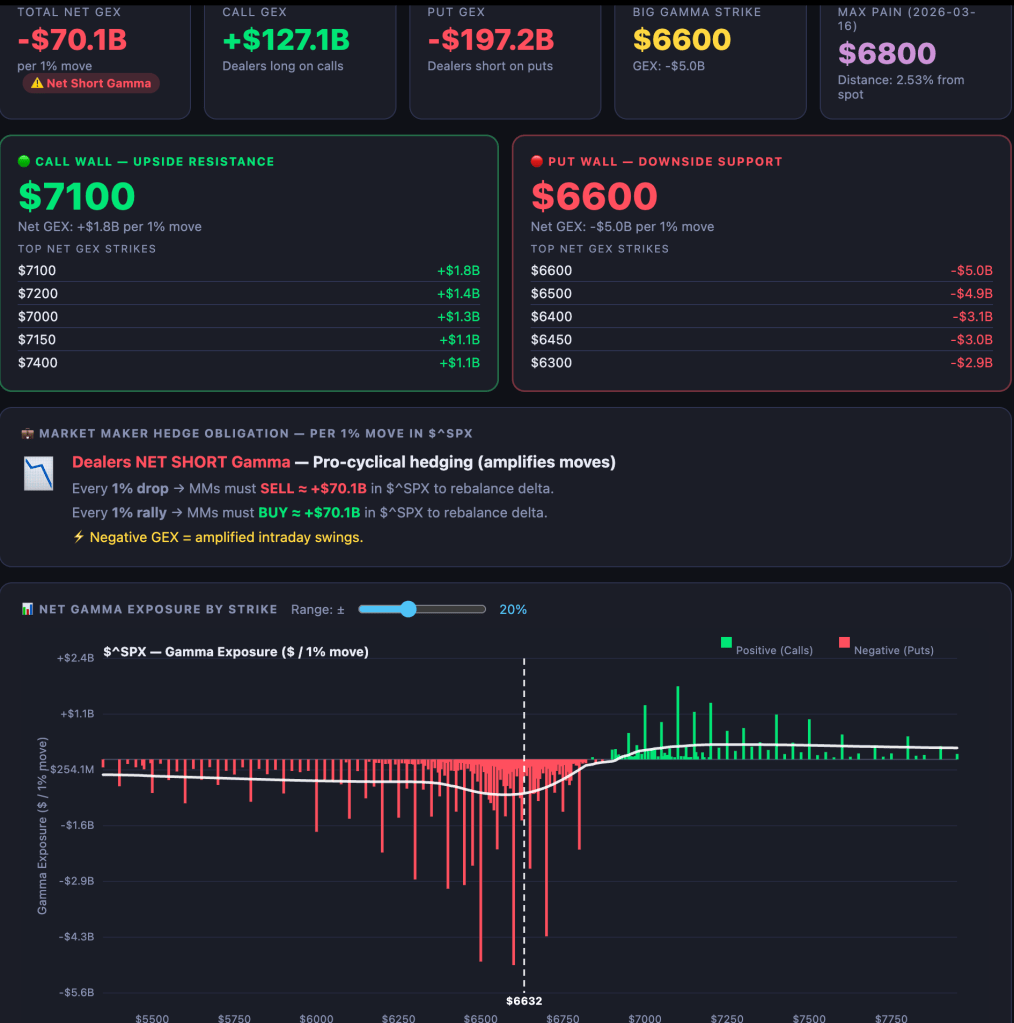
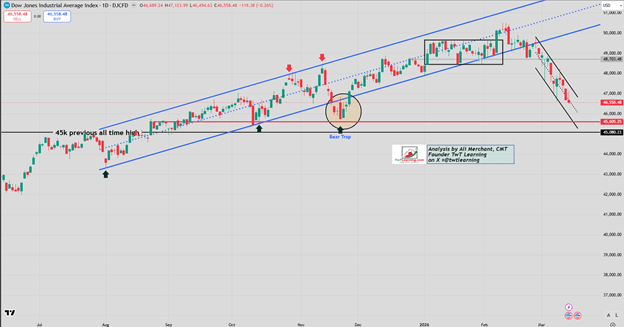
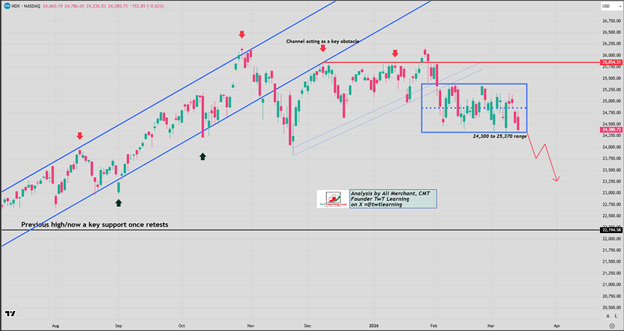
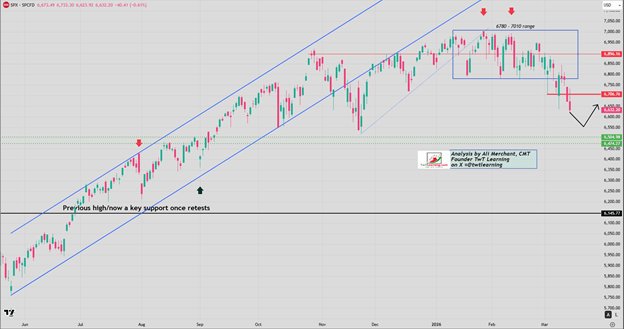
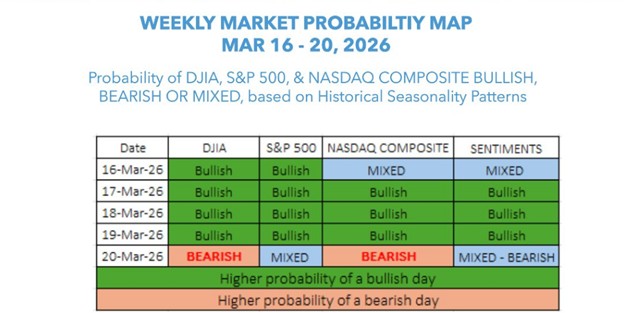
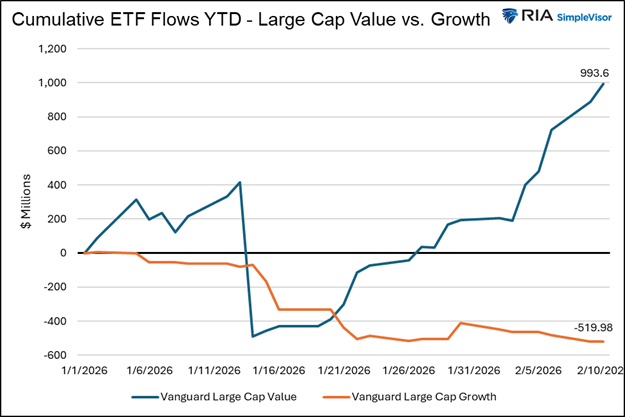
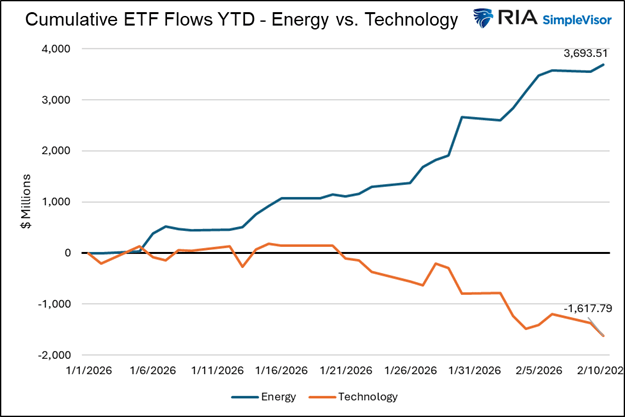
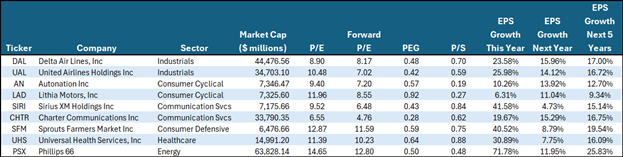
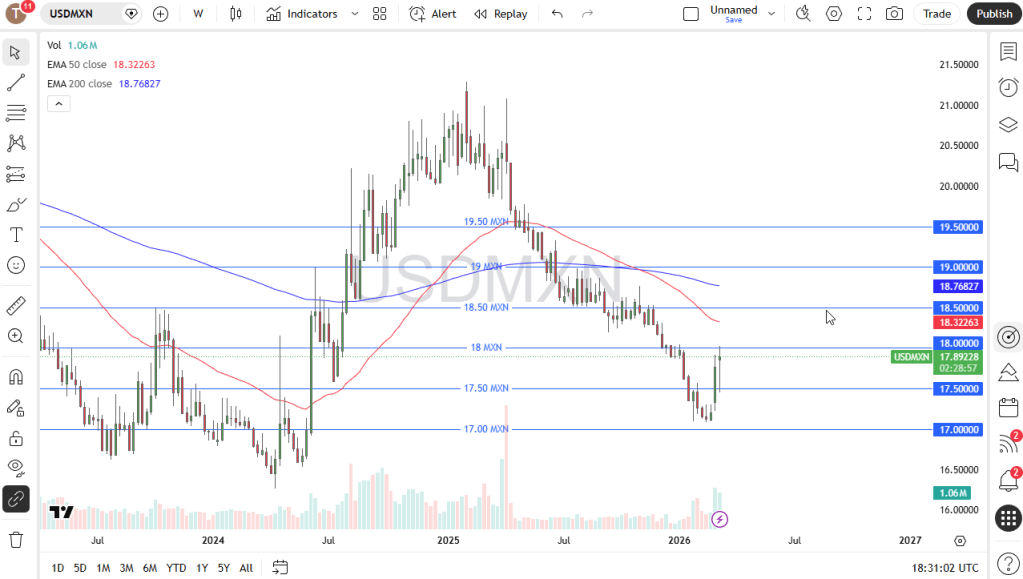
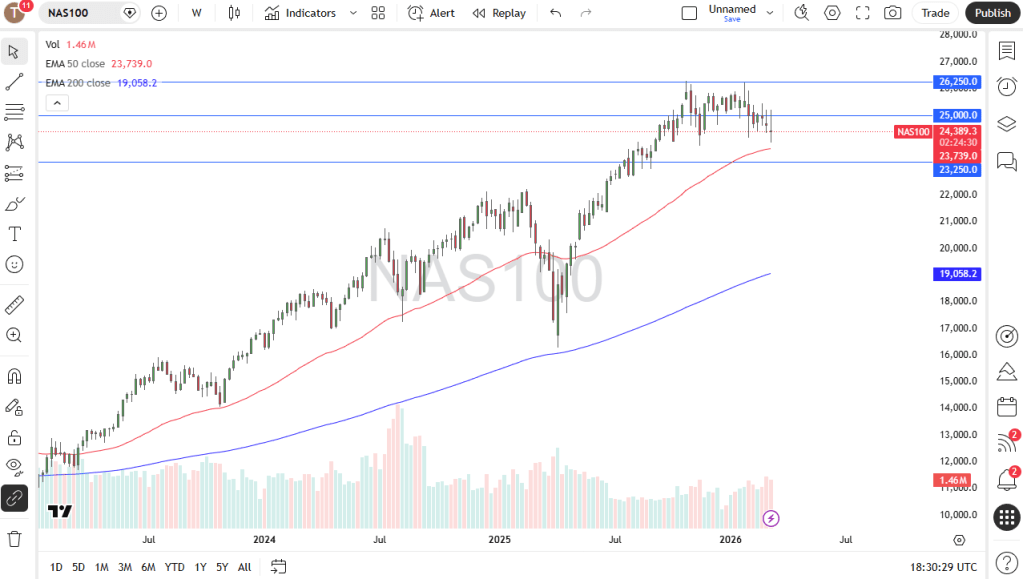
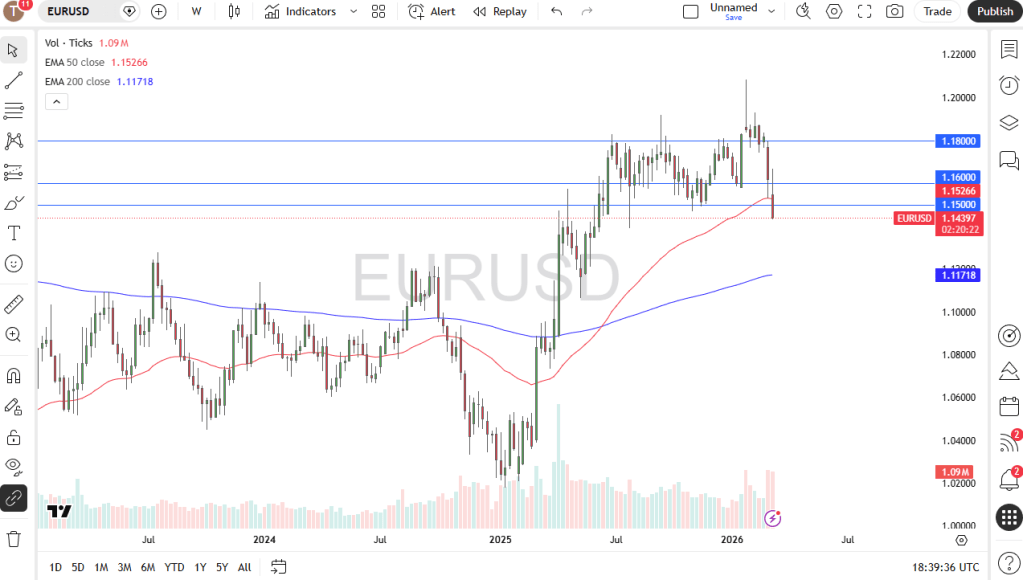
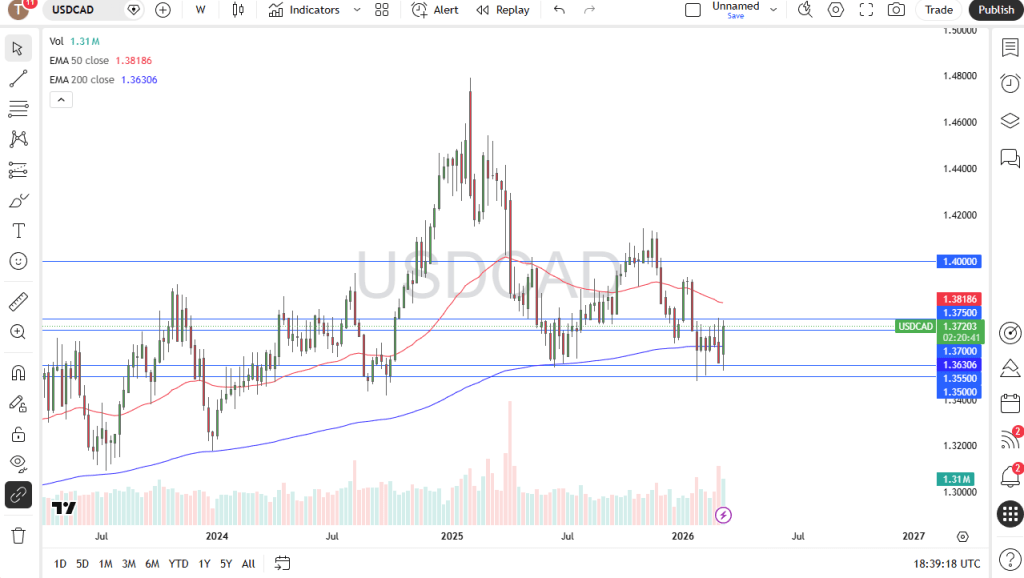
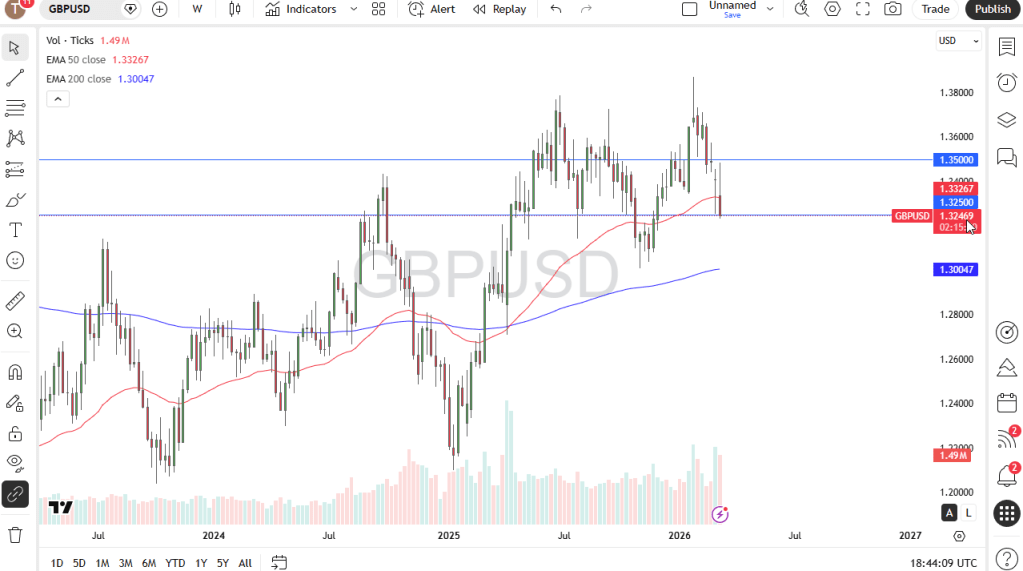
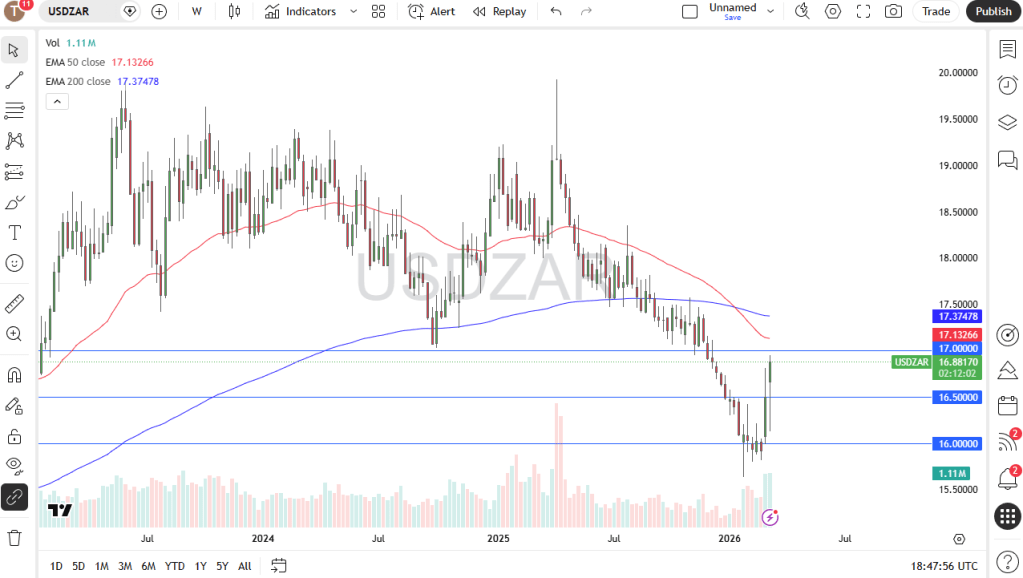
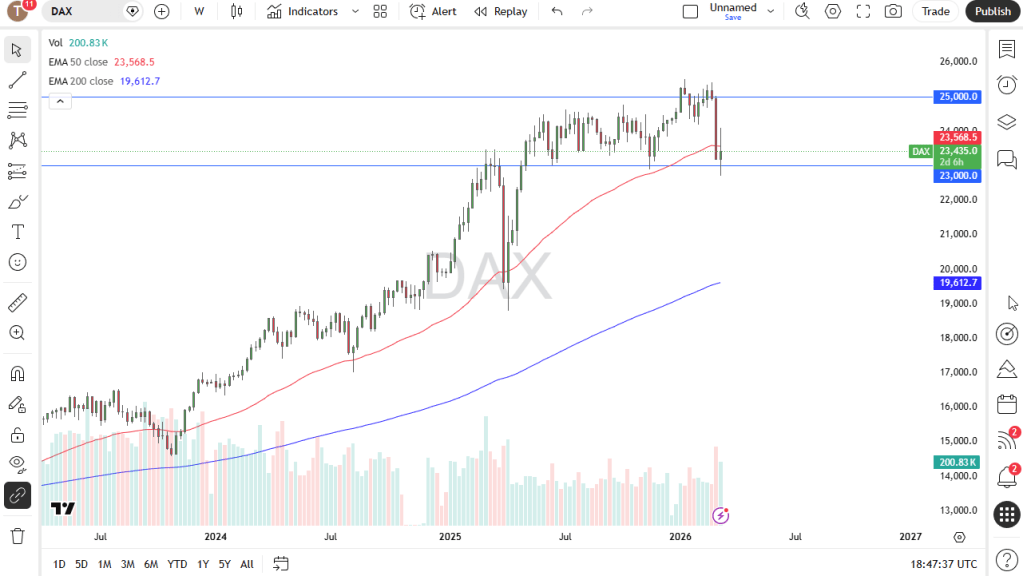


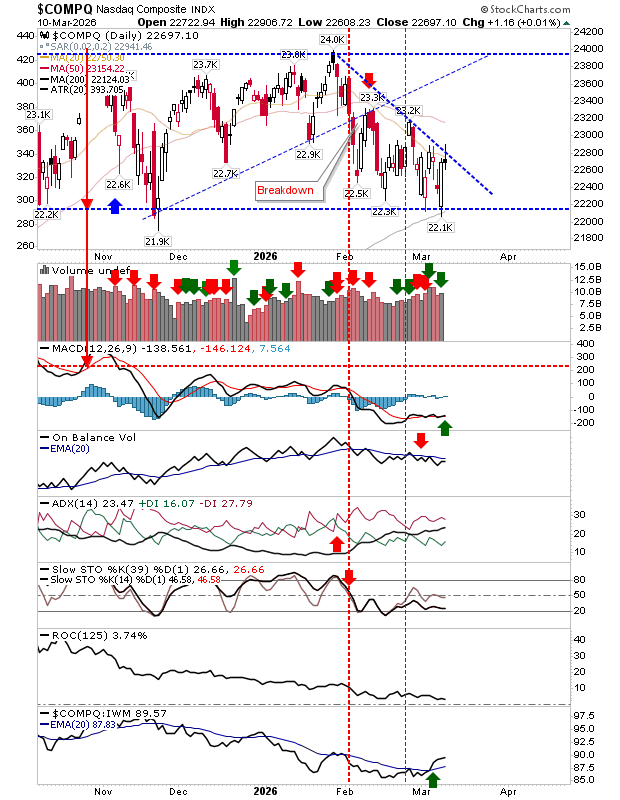
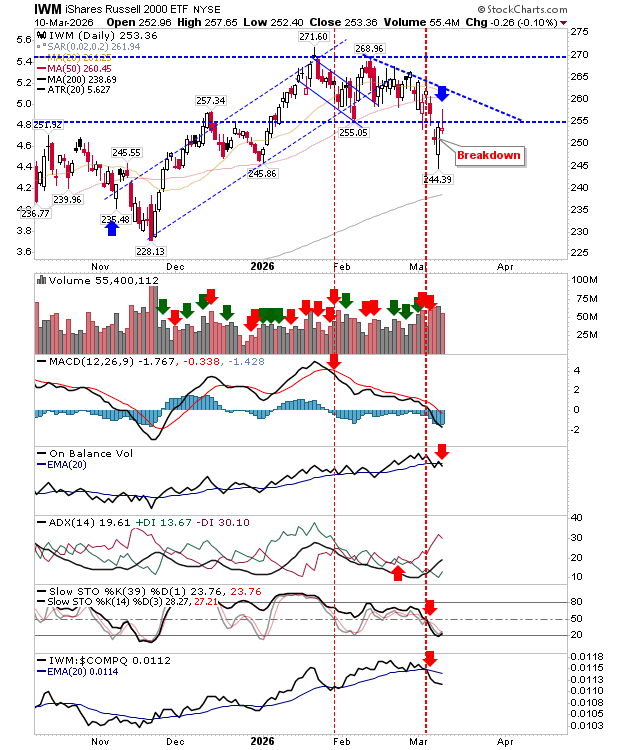
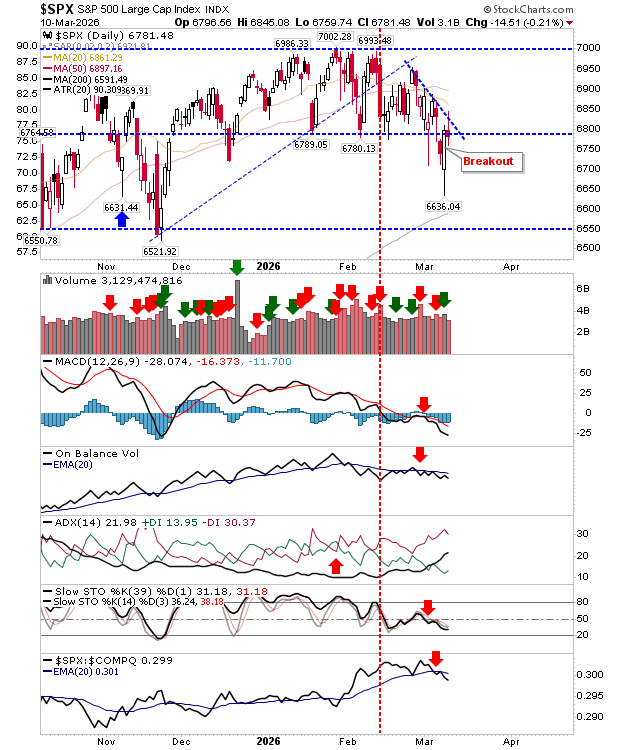
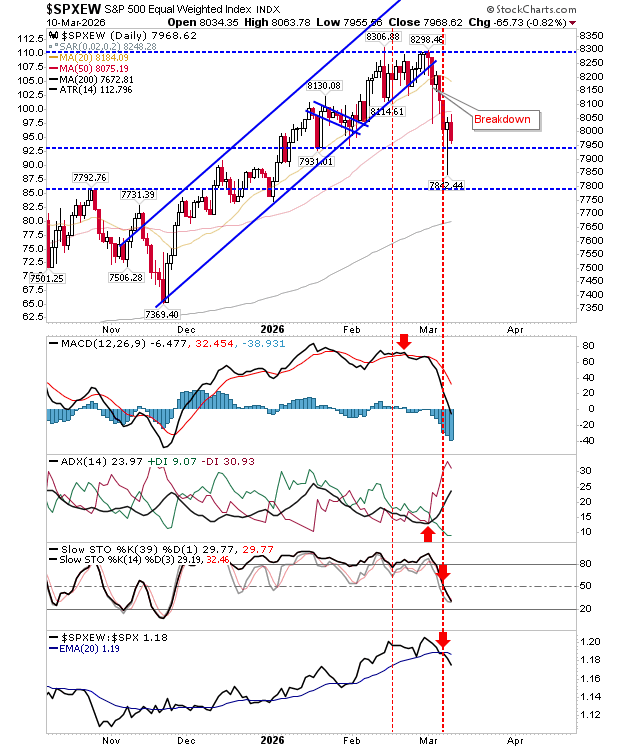
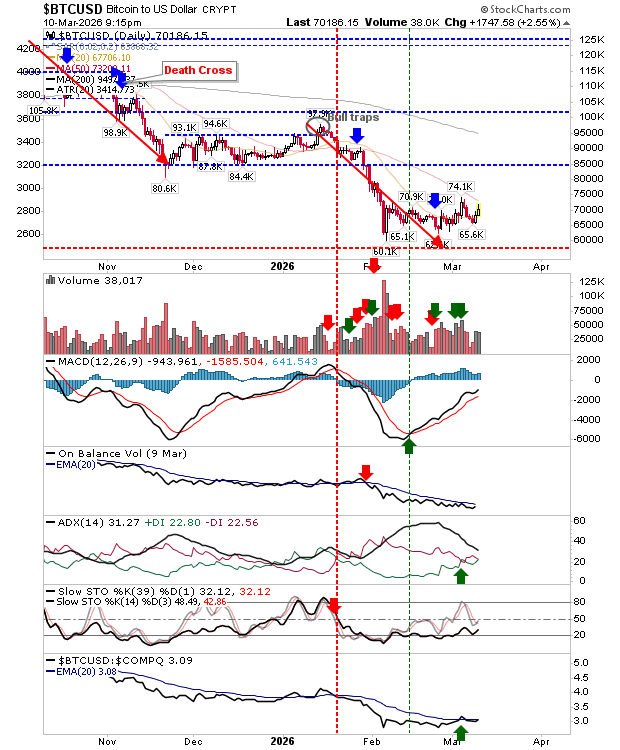
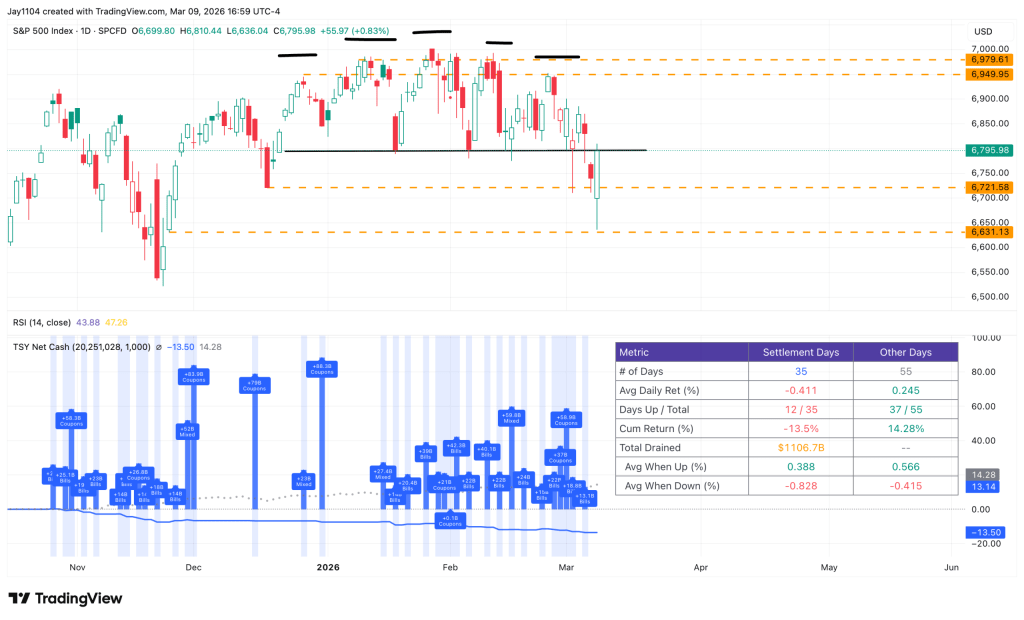
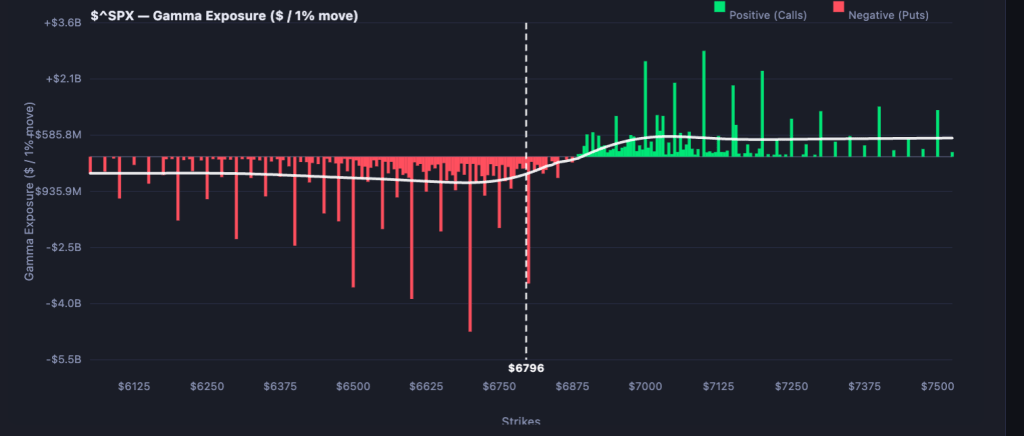
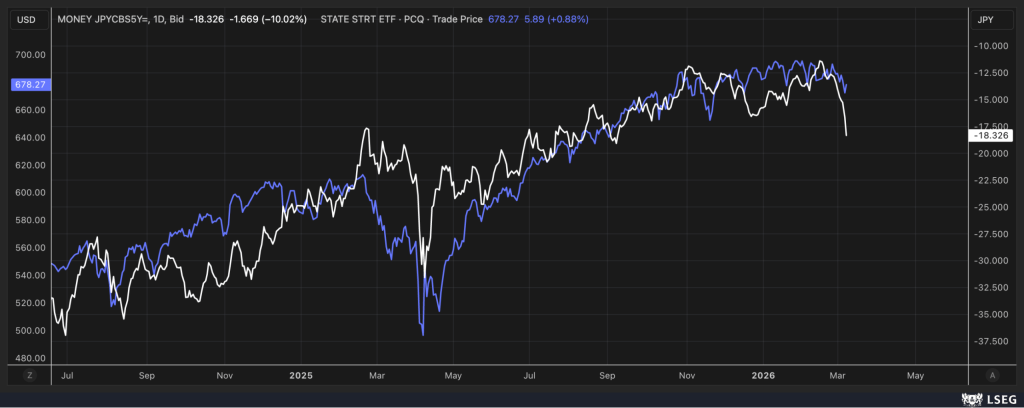
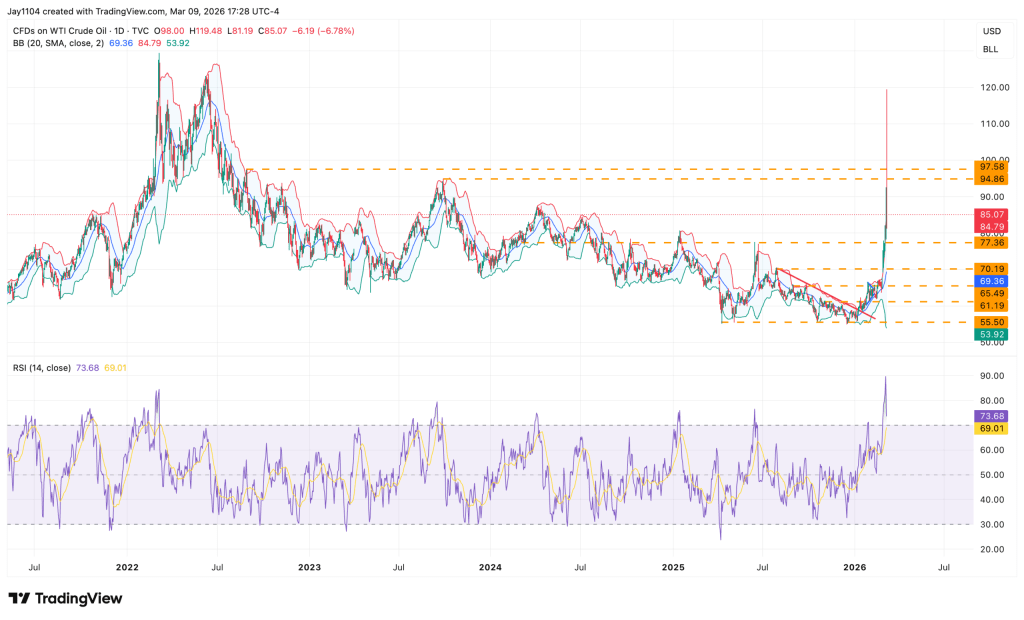
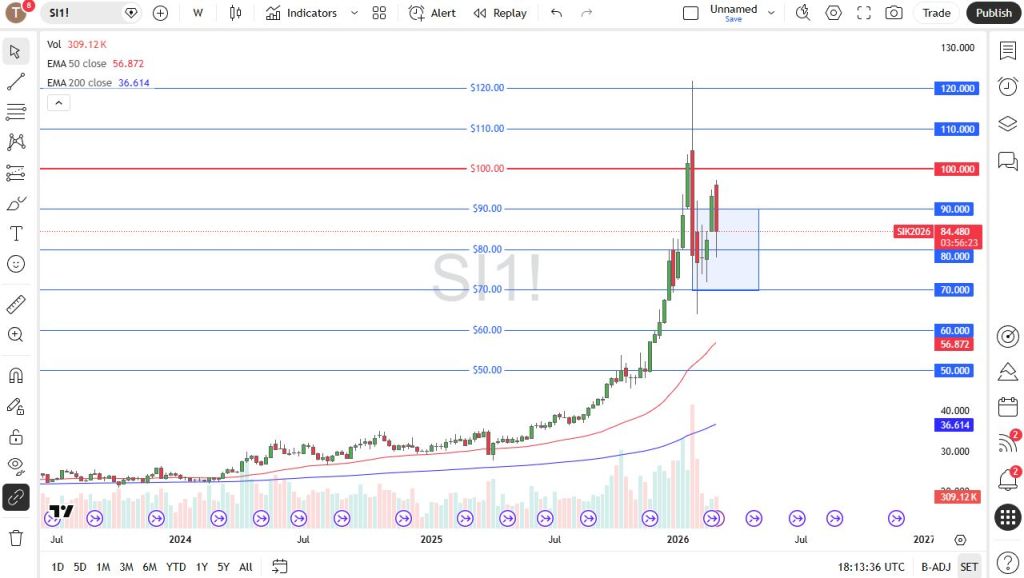
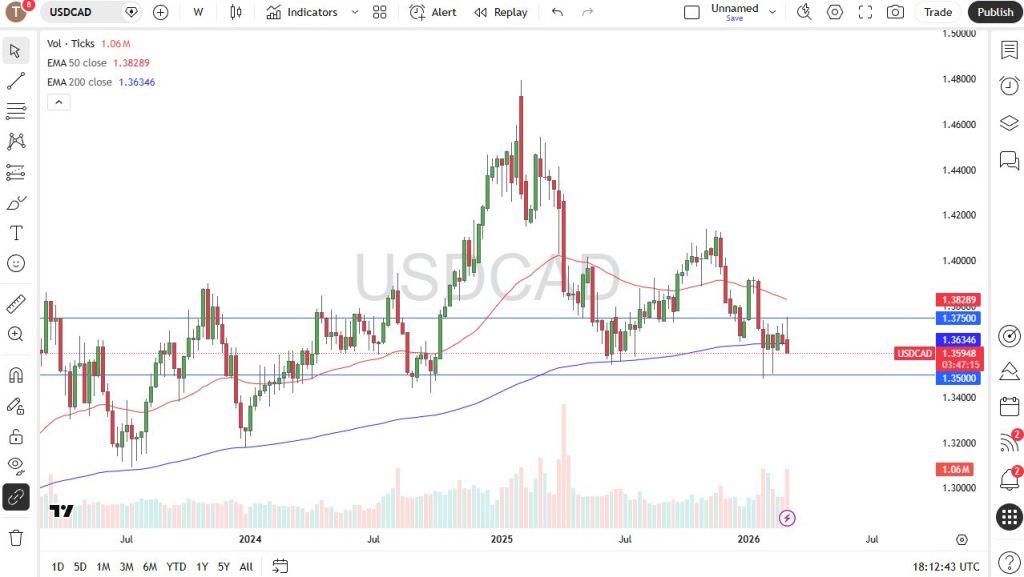
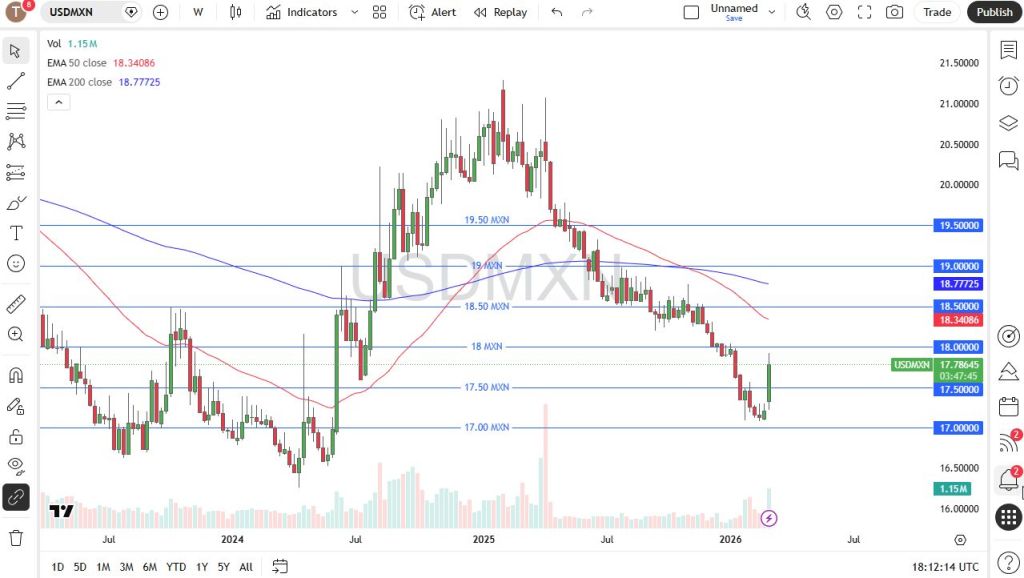
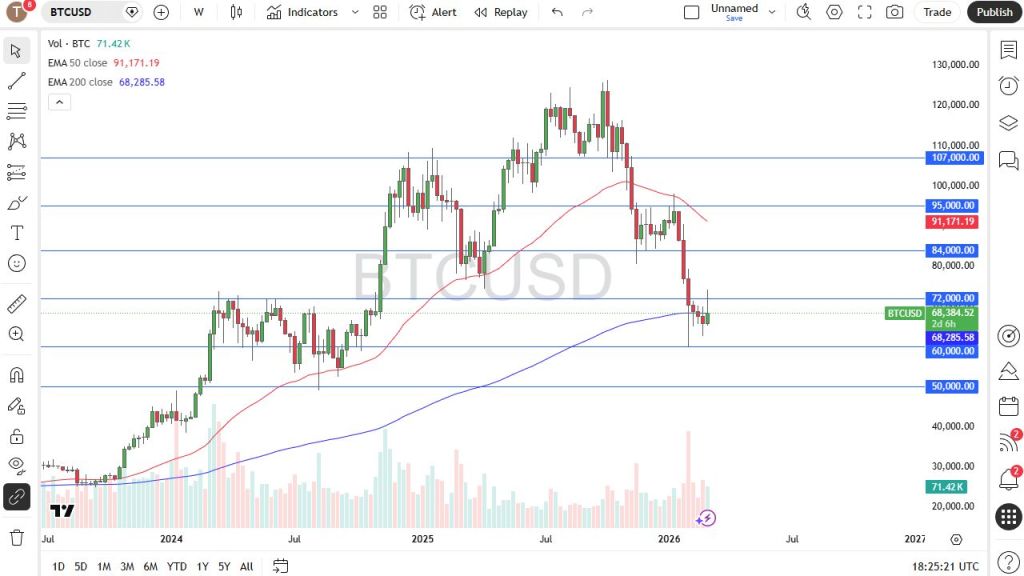
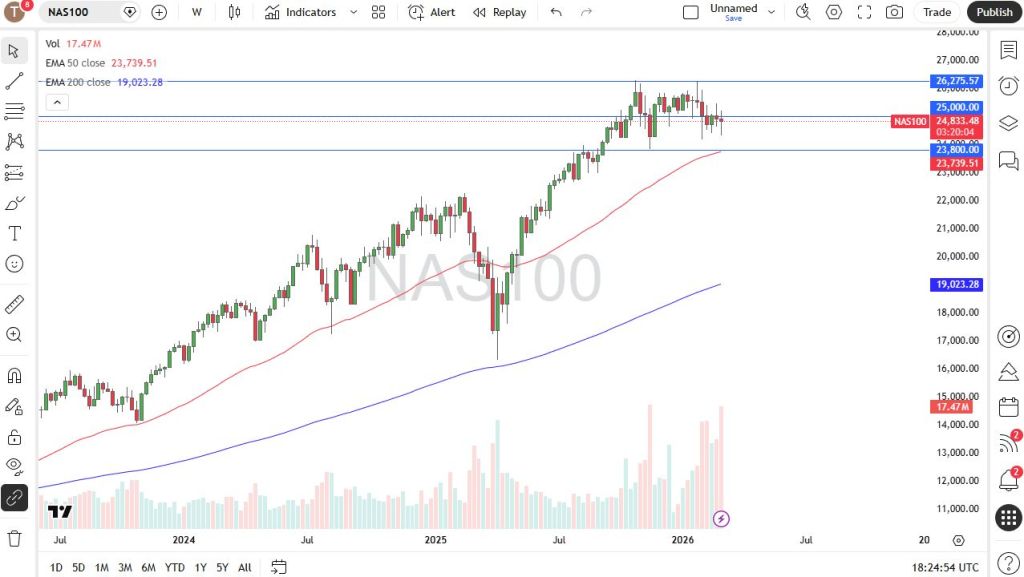
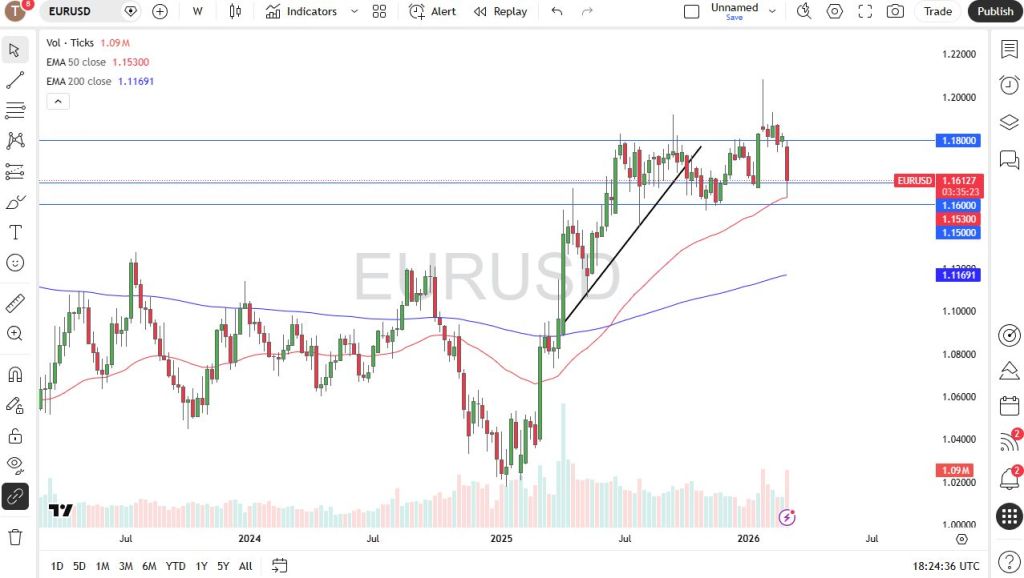
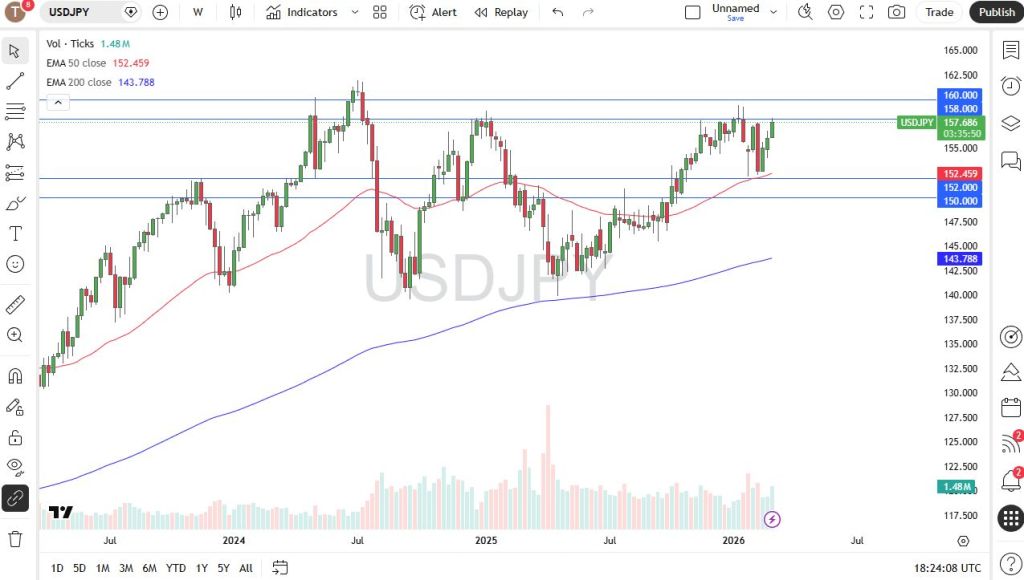
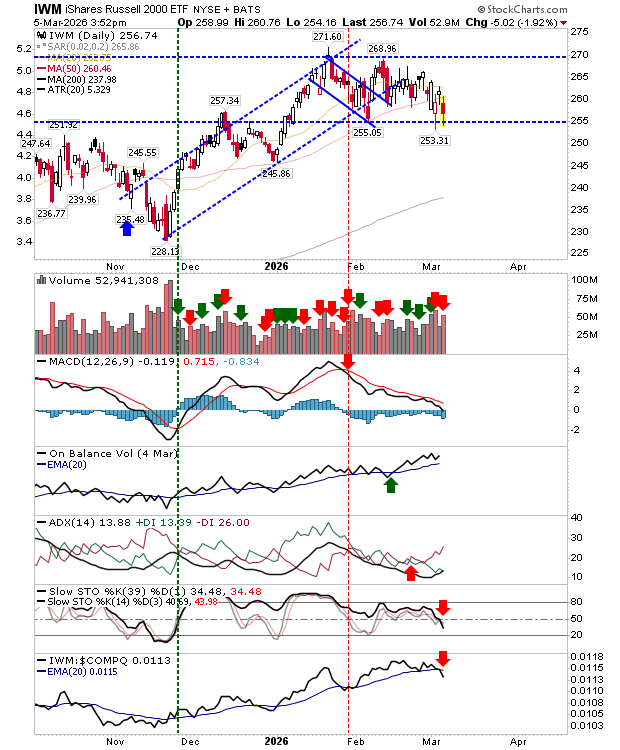
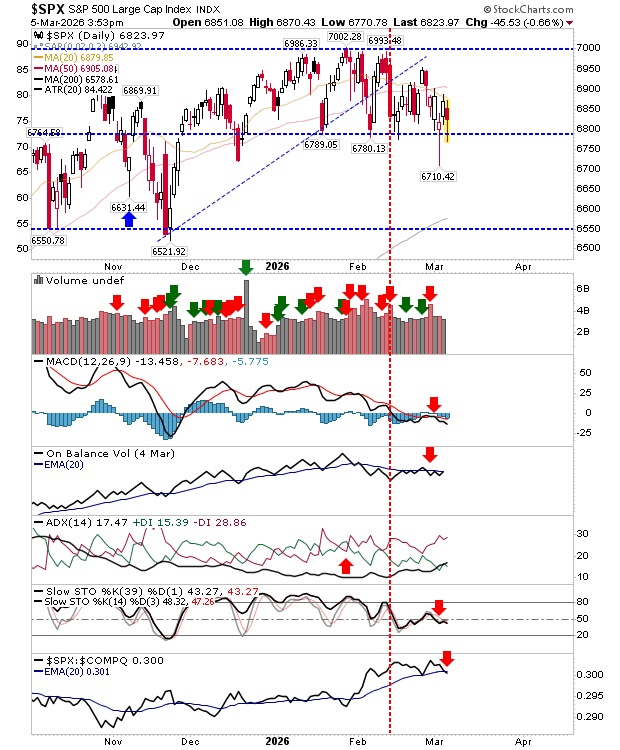
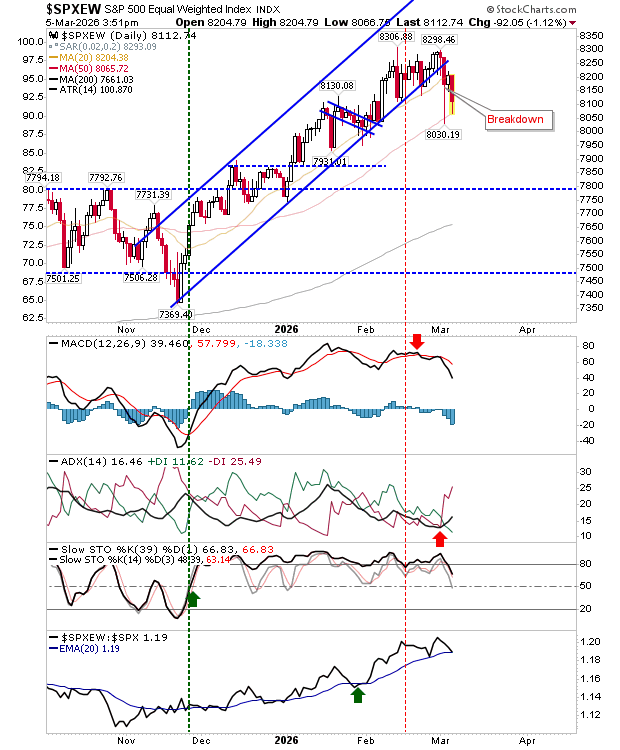
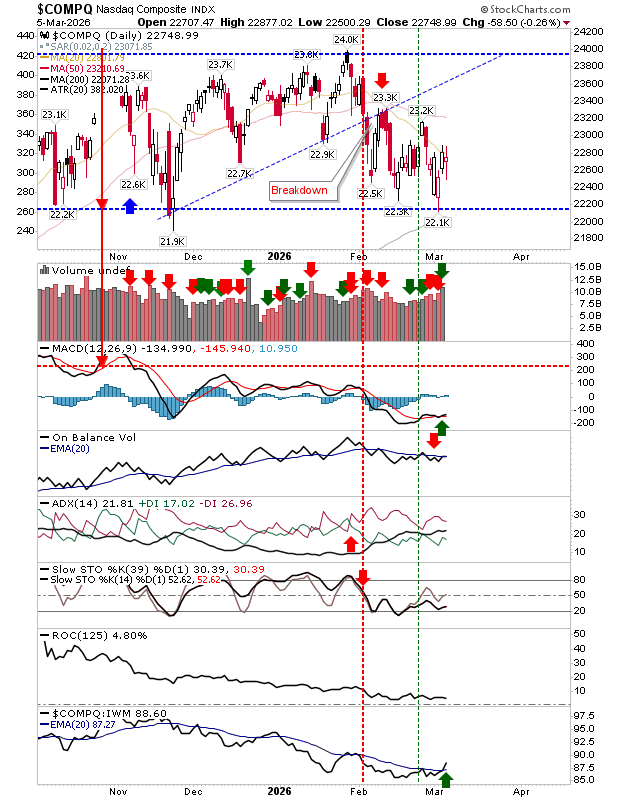
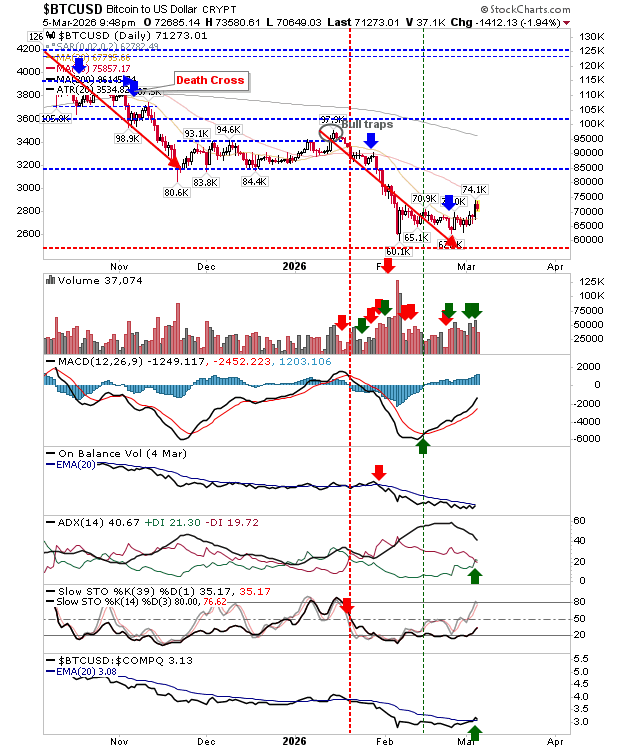
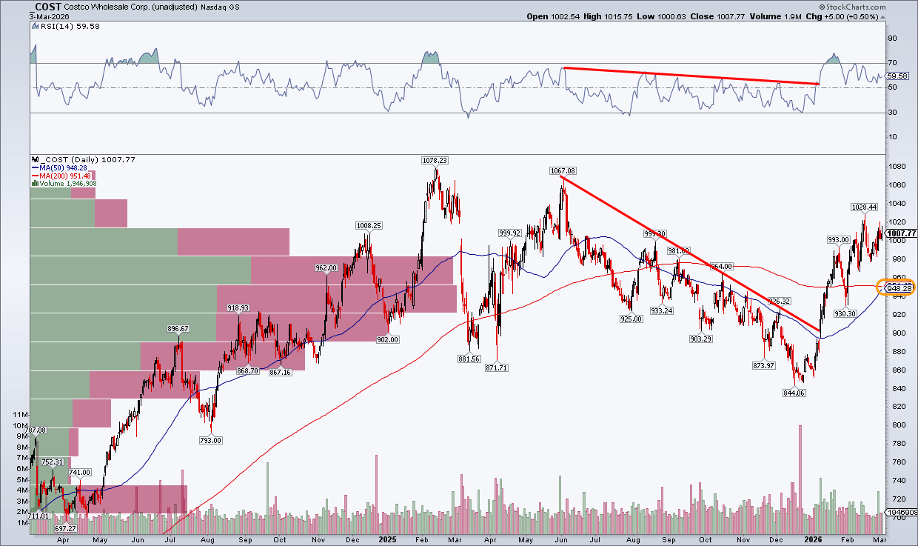
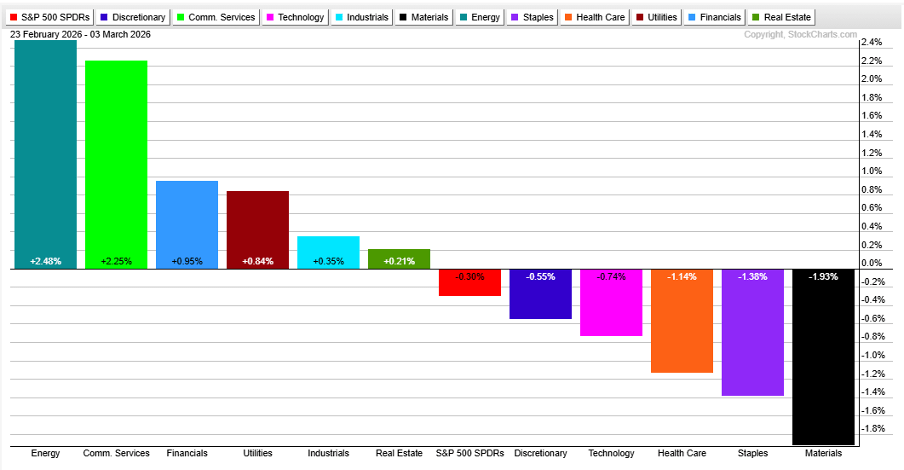
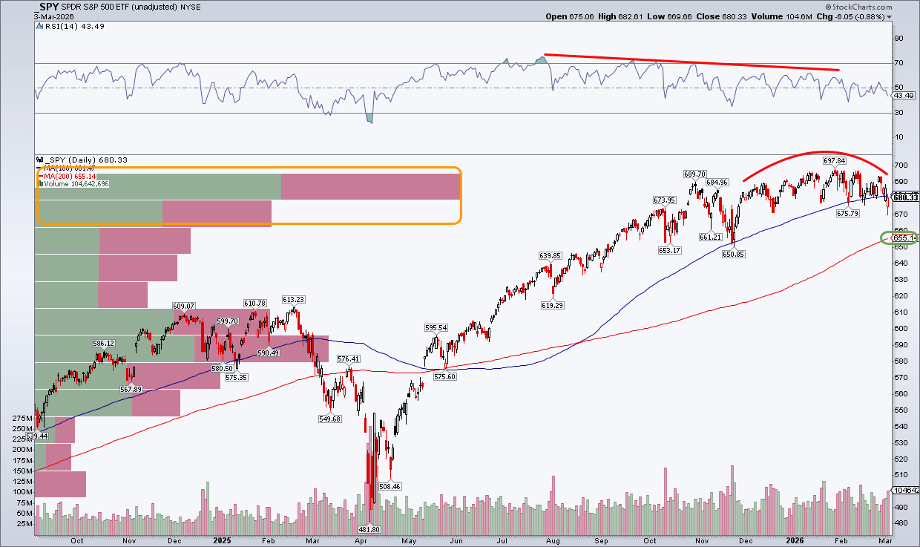
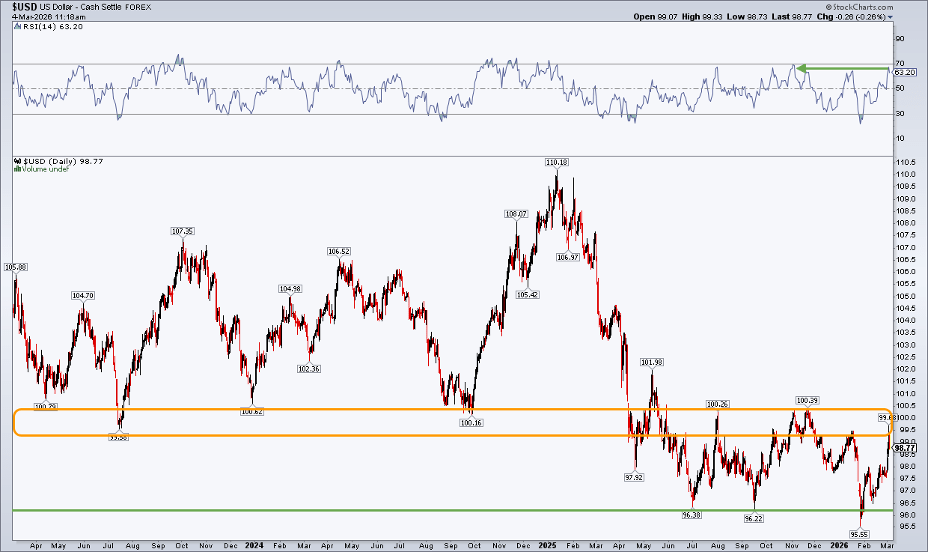
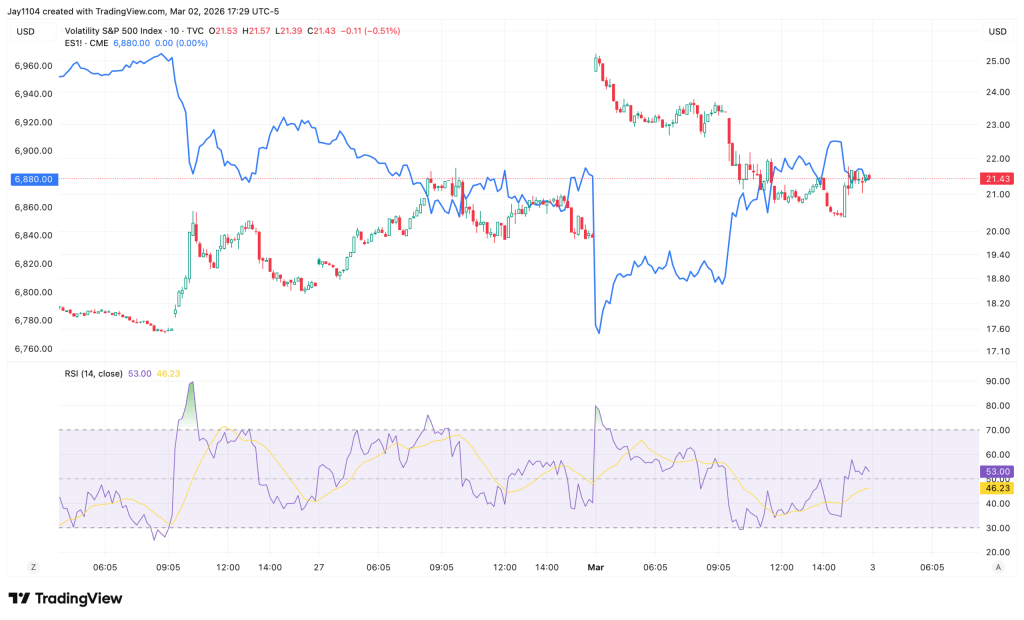
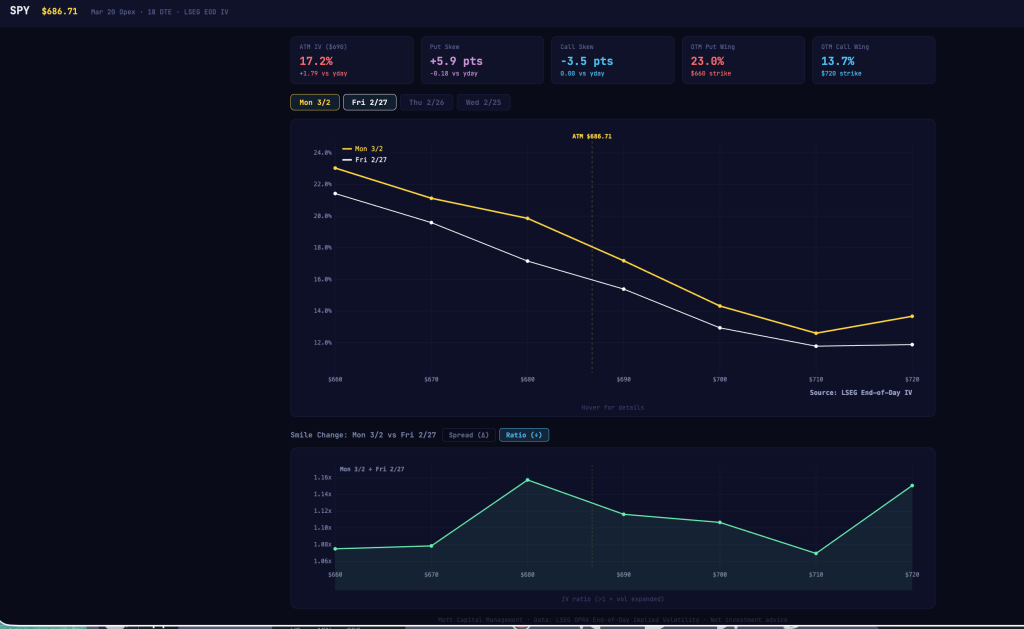
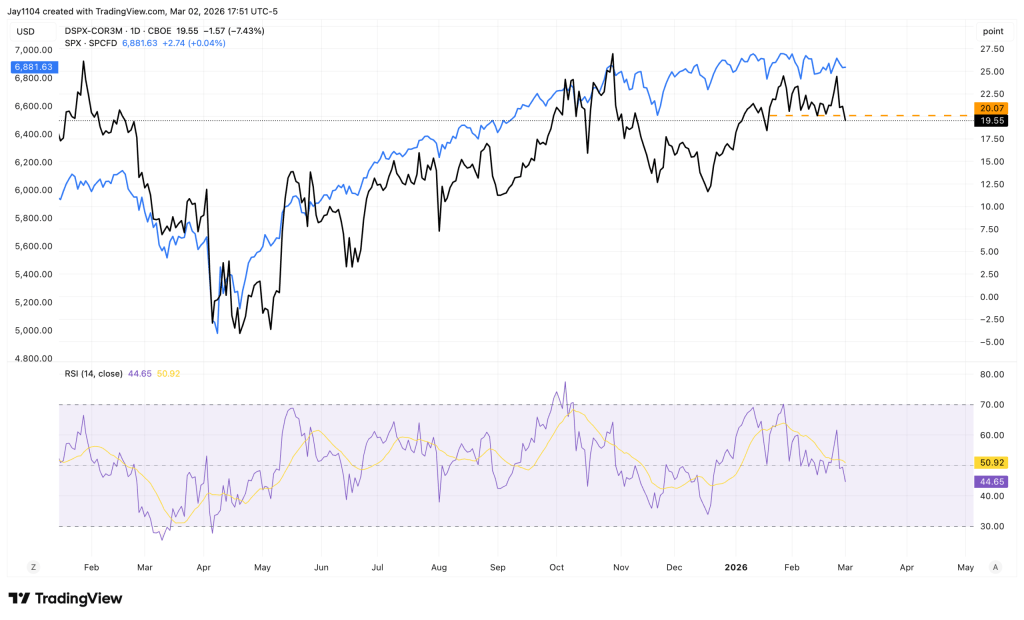
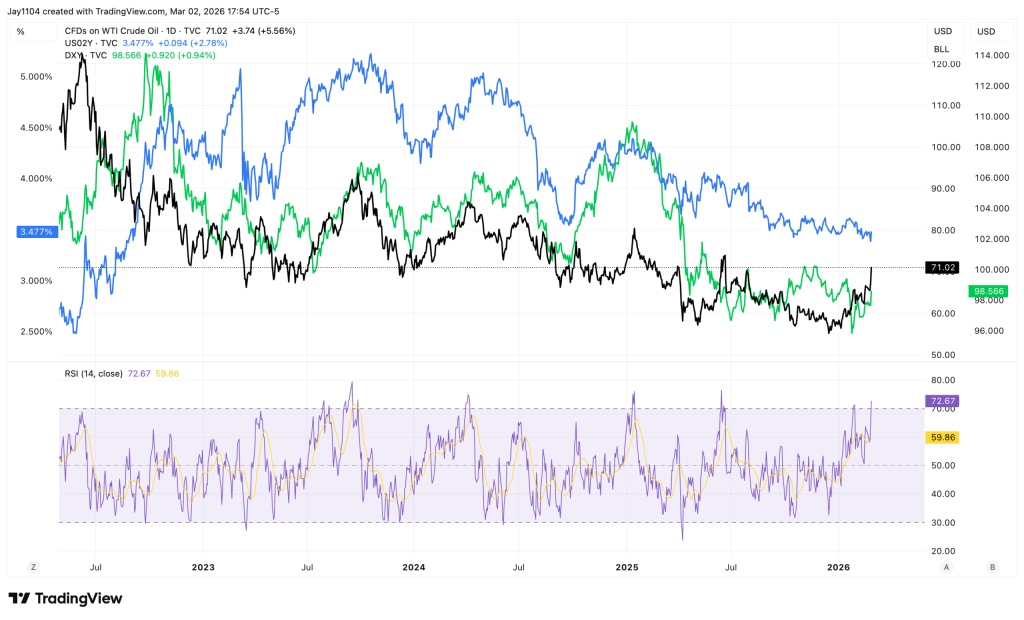
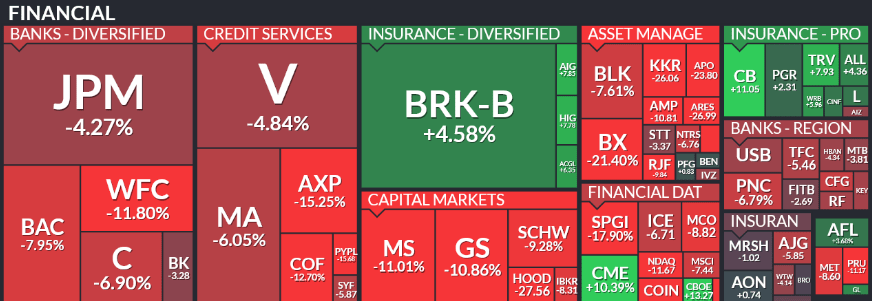
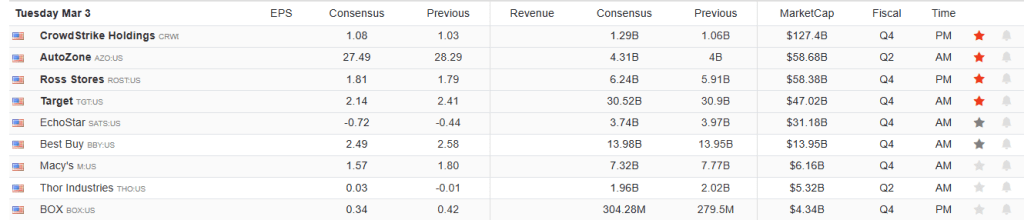
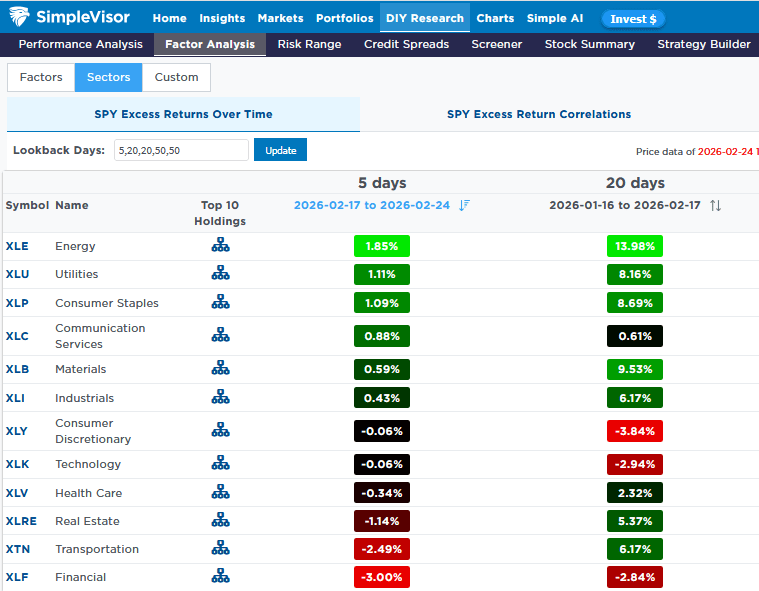
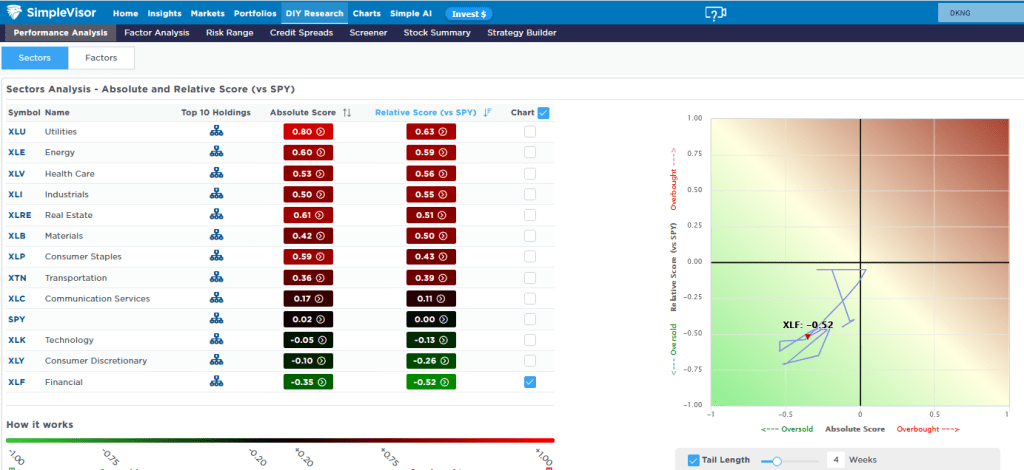
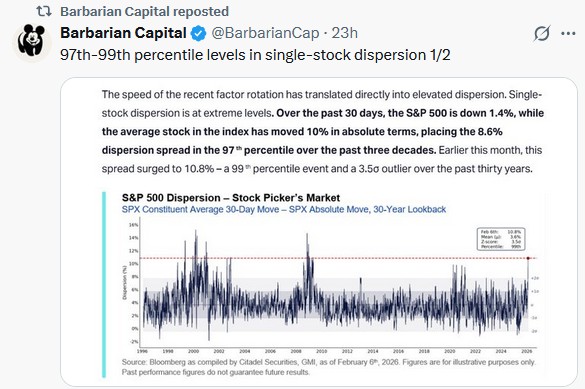
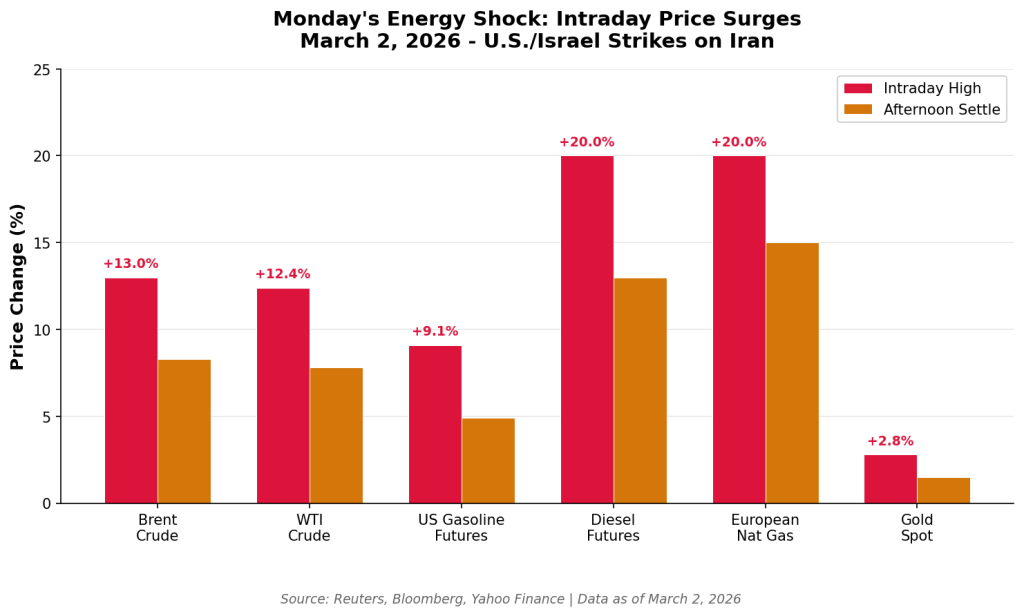
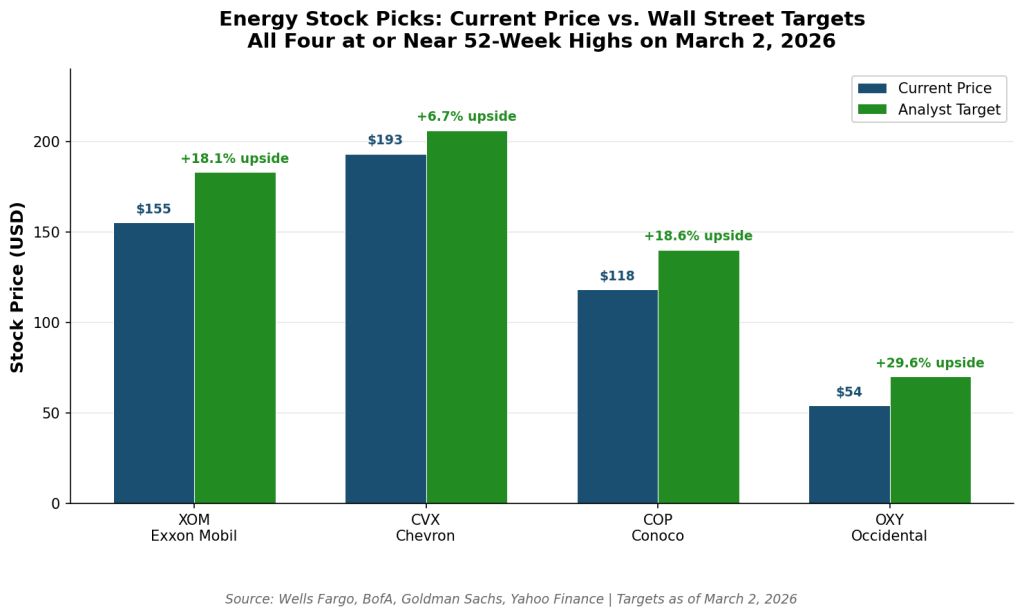
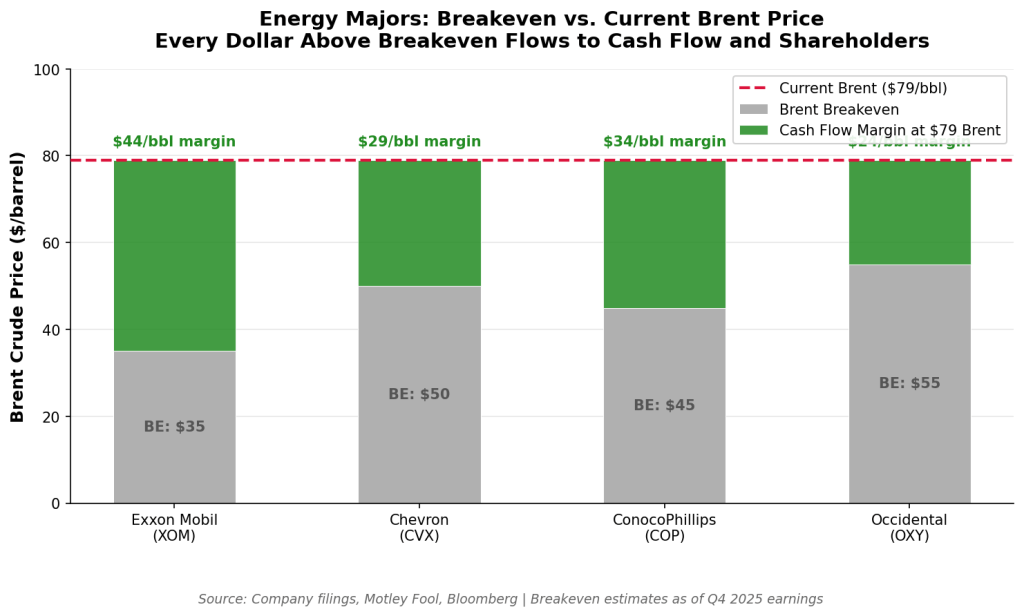

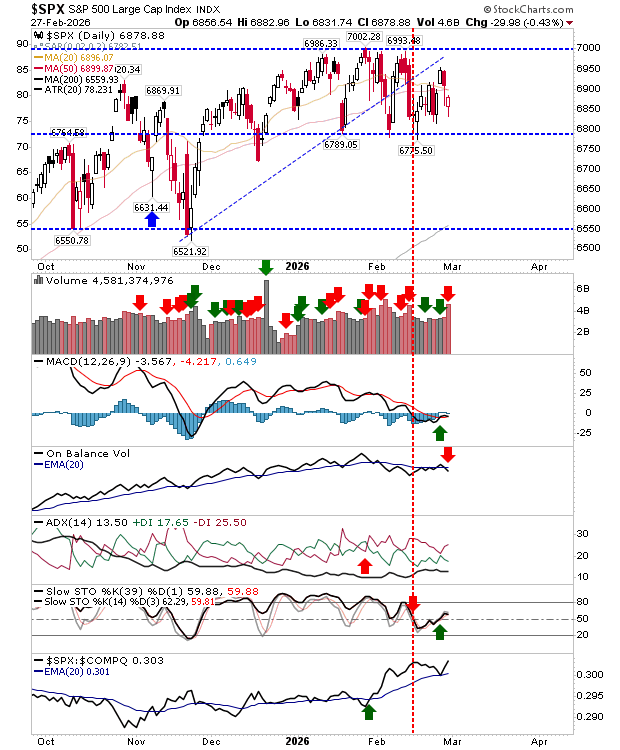
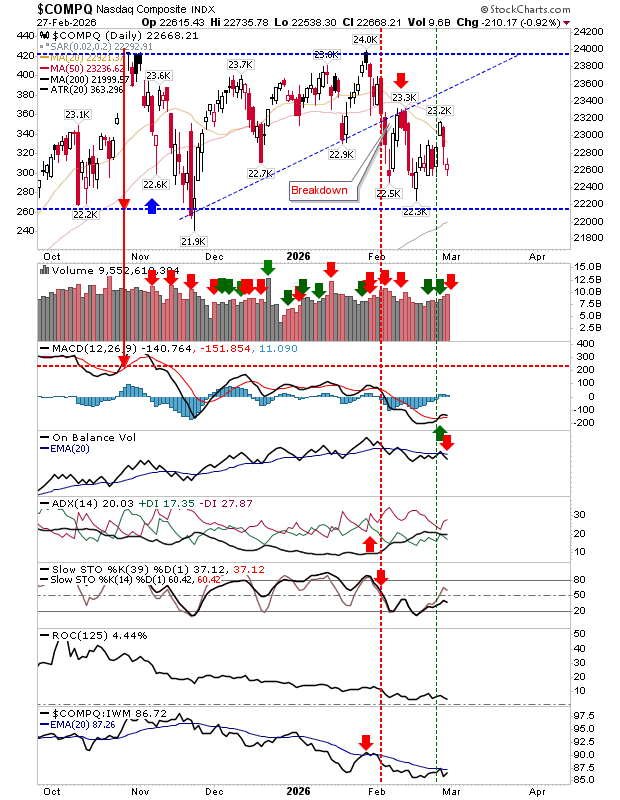
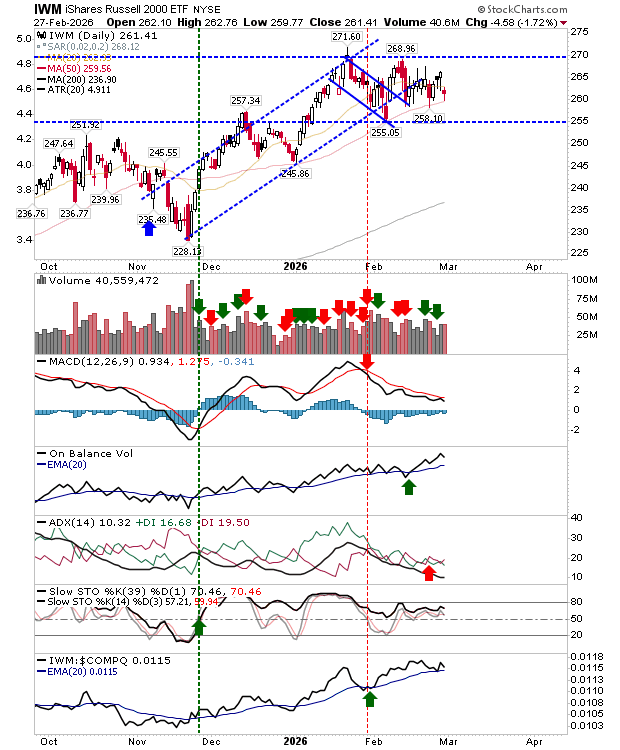
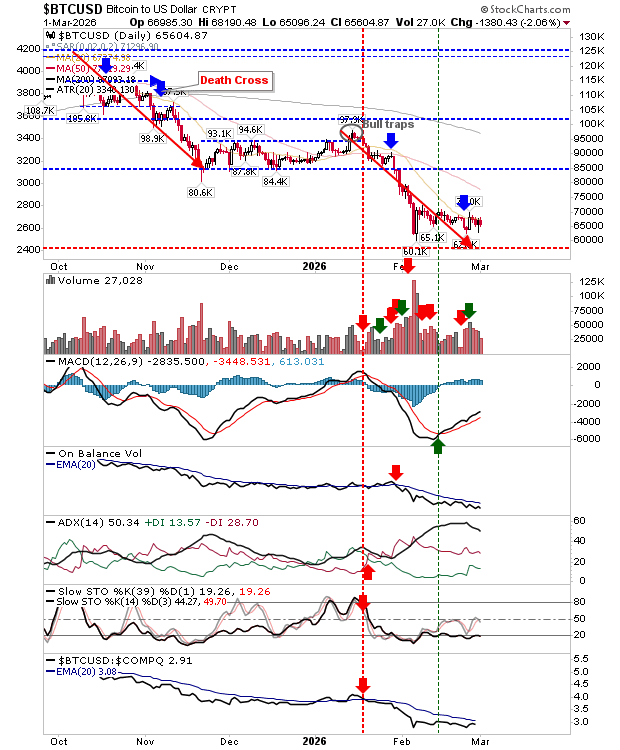
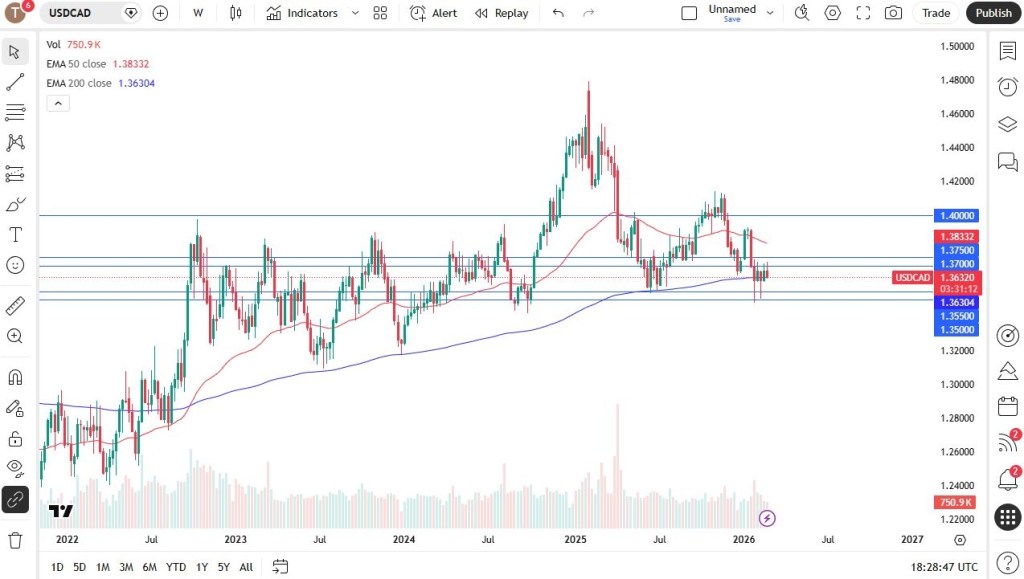
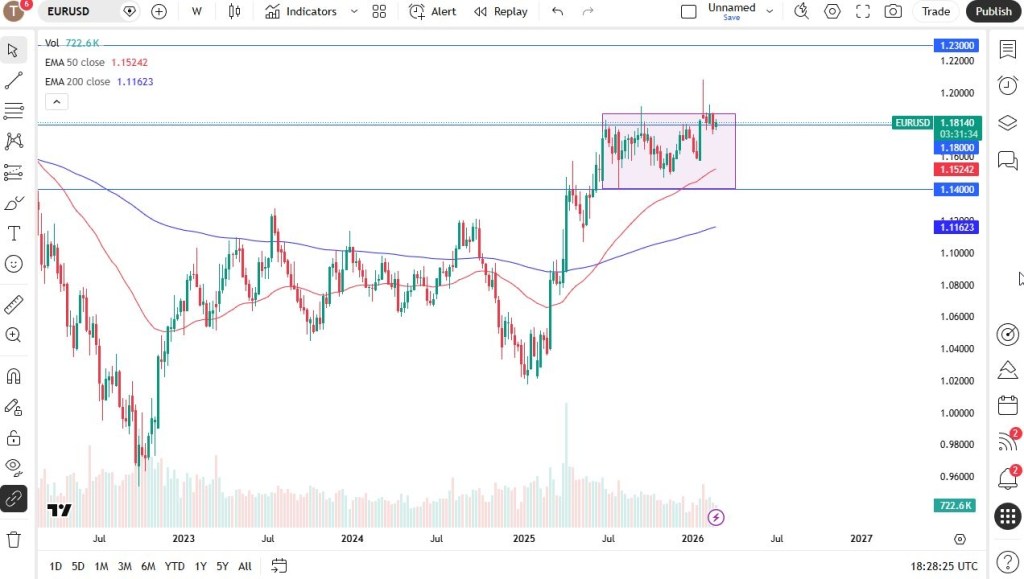
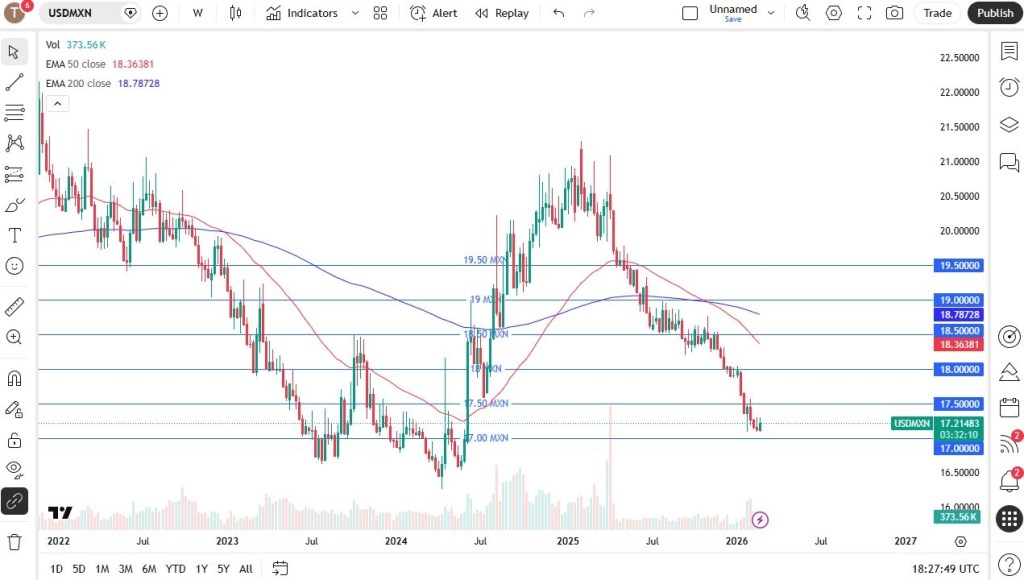
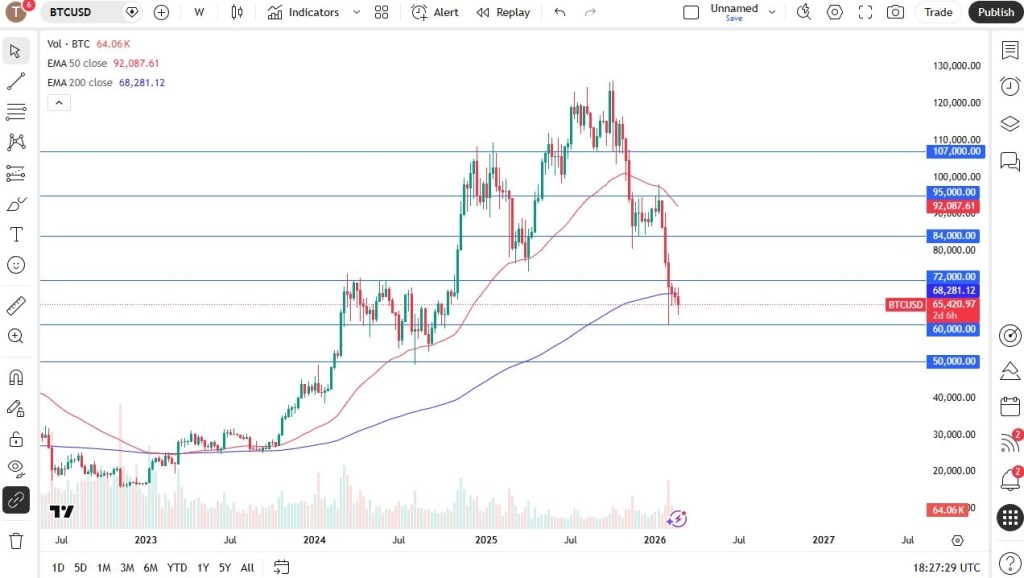
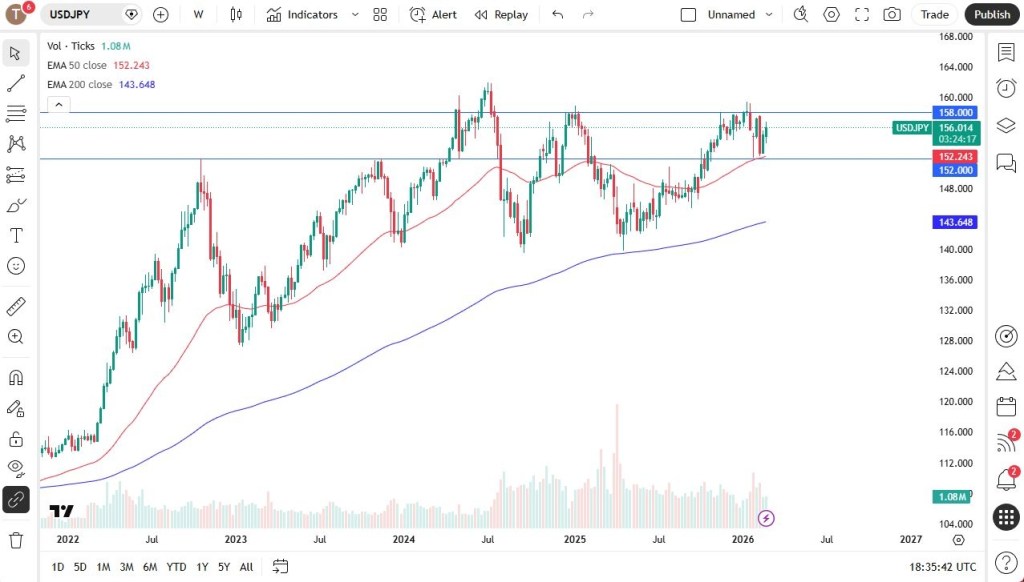
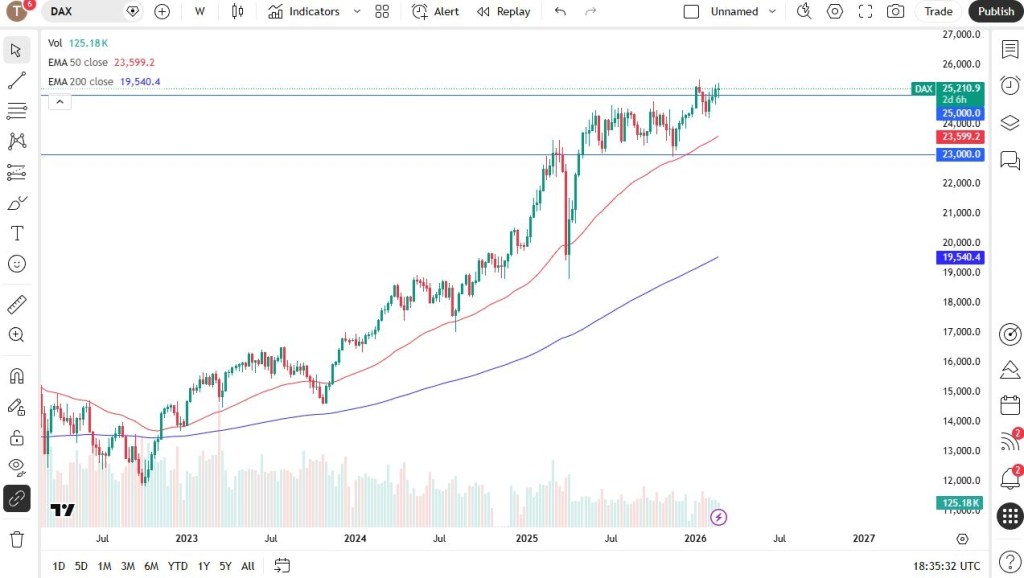
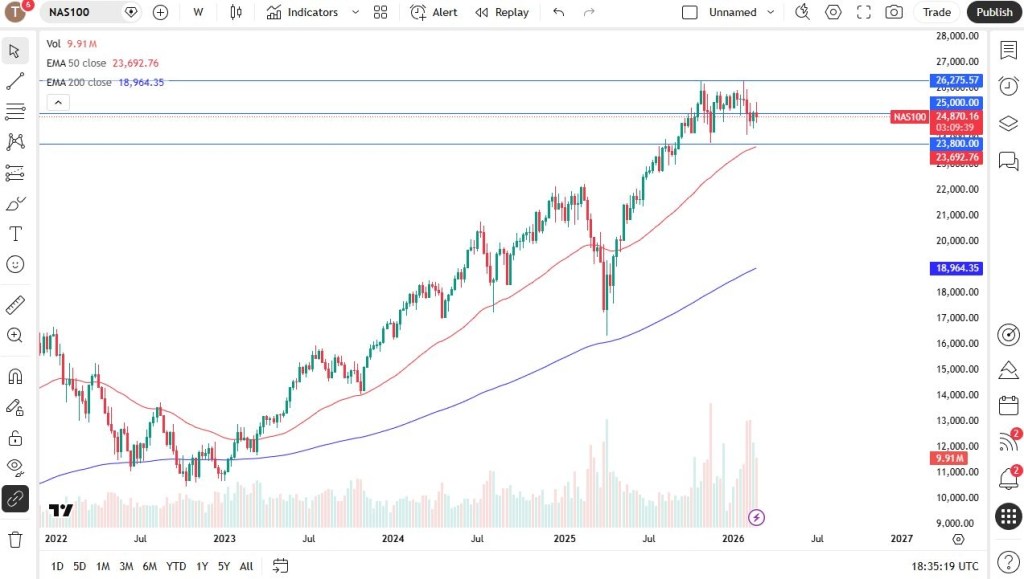
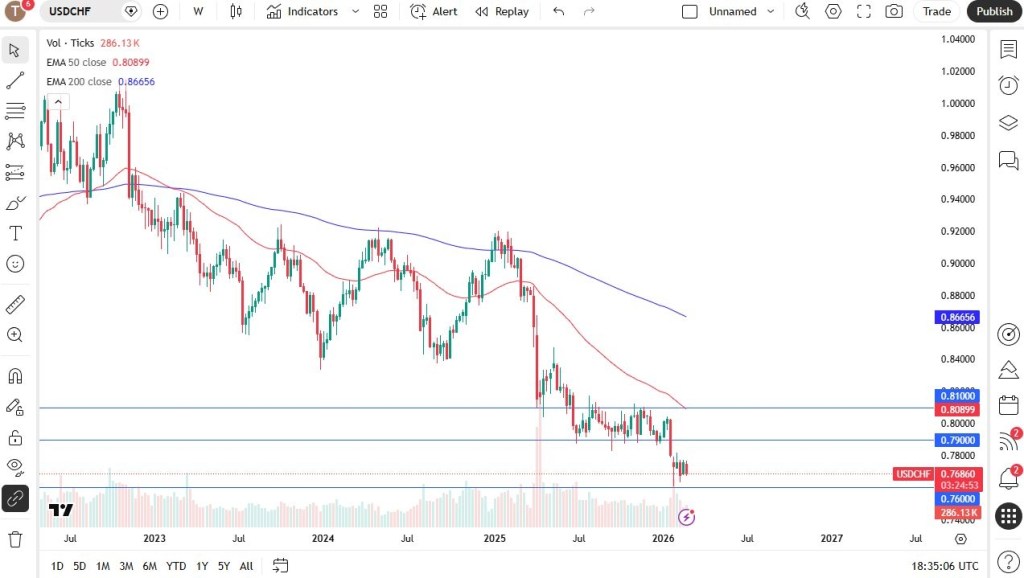
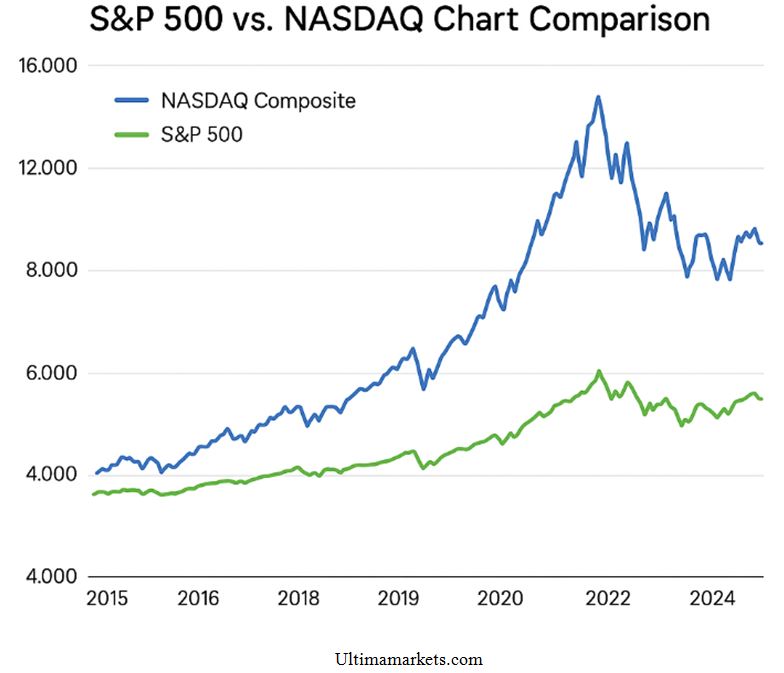
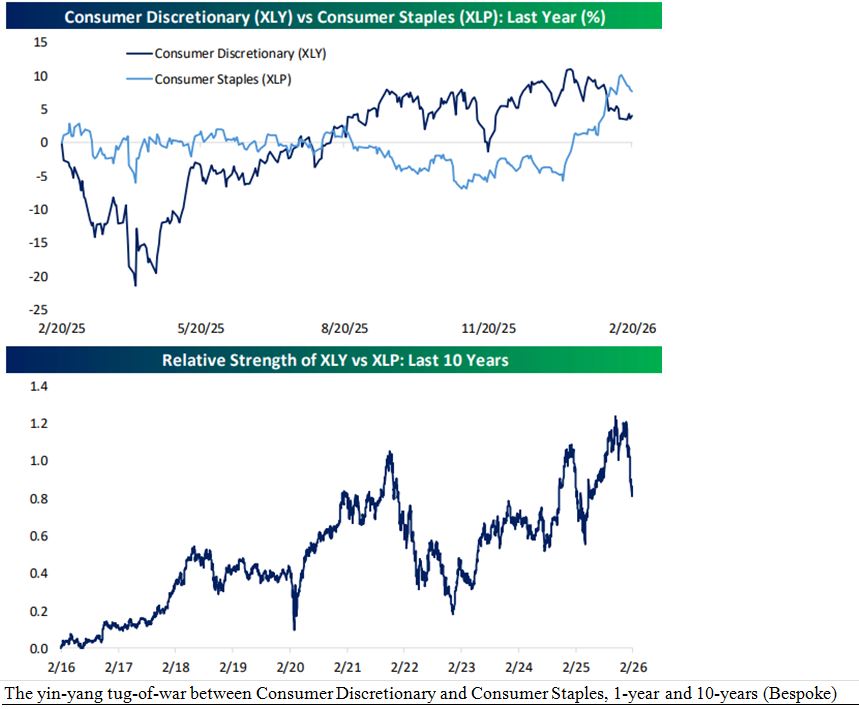
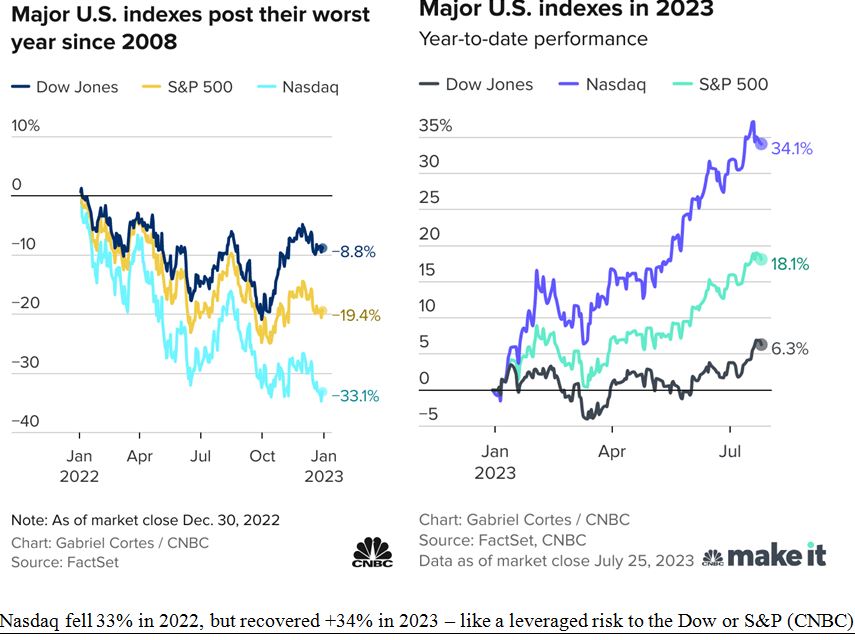

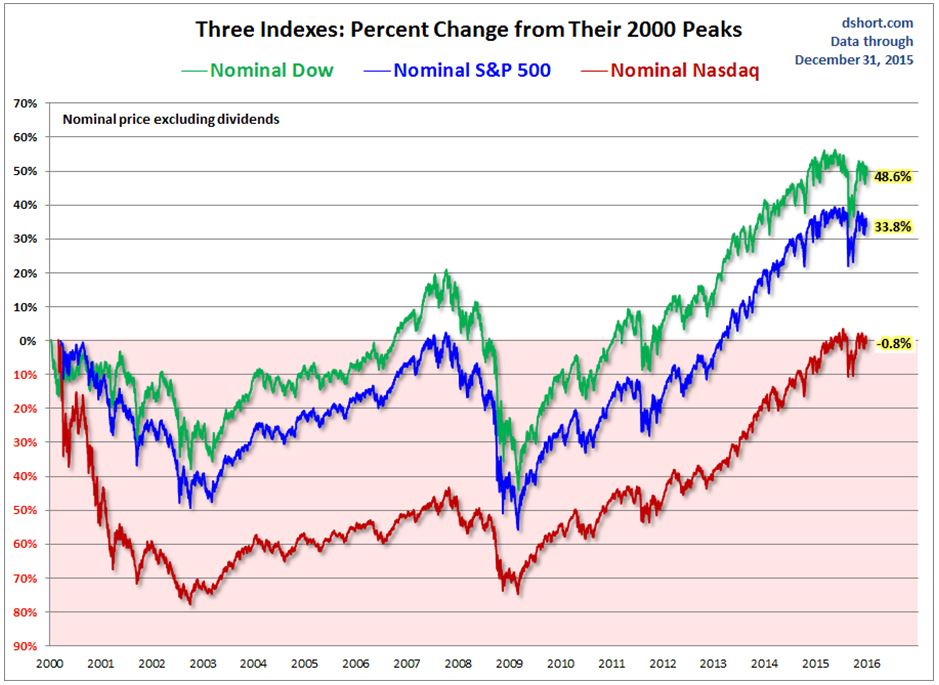



 THE ETERNAL SOVEREIGN