The U.S. dollar rally paused on Tuesday as investors evaluated signs that the joint U.S.–Israeli military campaign against Iran could be nearing its end.
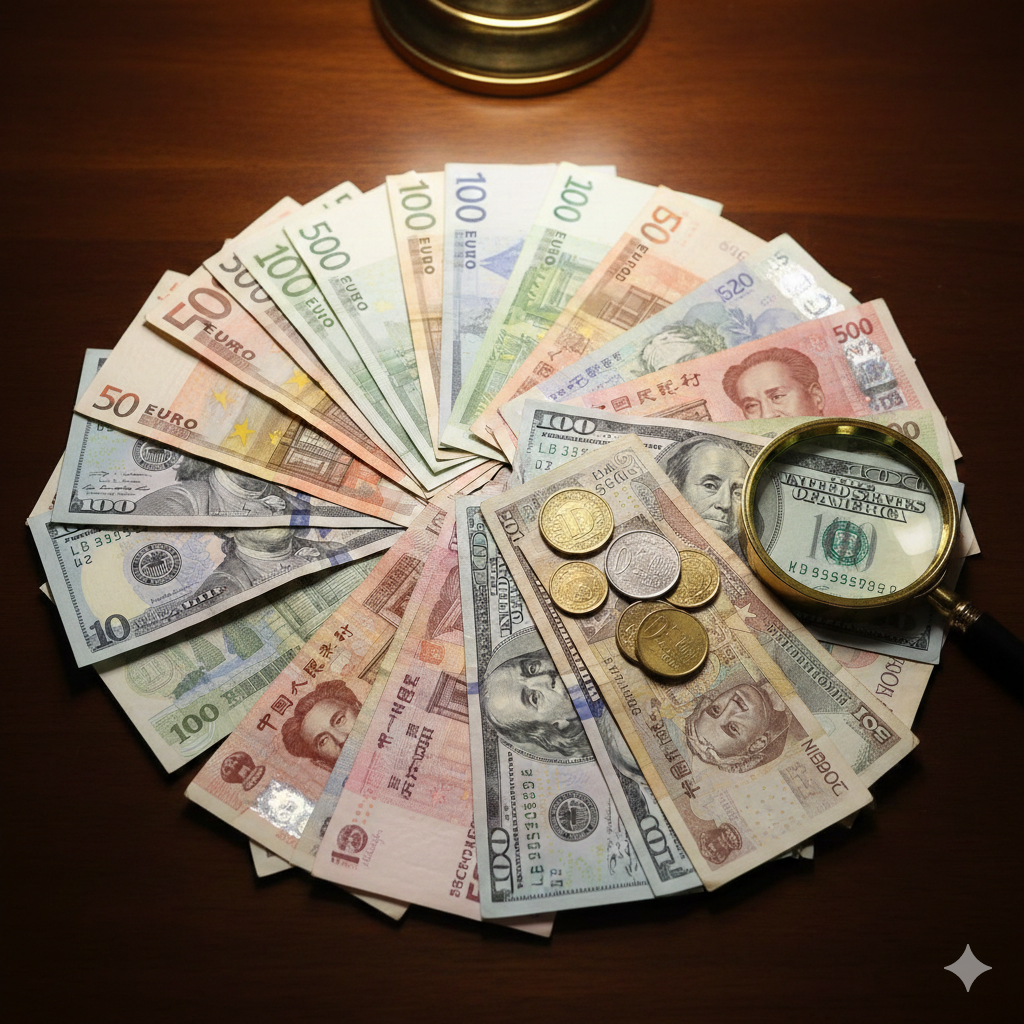
The Dollar Index, which measures the greenback against a basket of six major currencies, fell 0.3% to 98.91 at 15:47 ET (19:47 GMT).
U.S. President Donald Trump suggested that the conflict in Iran—now ongoing for more than a week—could conclude “very soon.” However, he warned that further fighting could occur if Iran attempts to block shipments through the Strait of Hormuz, a crucial passage south of Iran that carries about one-fifth of global oil flows.
Despite these comments, the conflict has shown little sign of easing, with the United States launching its most intense airstrikes on Iran so far on Tuesday.
Concerns that prolonged disruptions in the Strait of Hormuz could drive global inflation higher had supported the dollar in recent days. Iran’s leadership reportedly warned it would not allow “one liter of oil” to pass through the chokepoint if U.S. and Israeli strikes continued. Still, Trump’s remarks appeared to boost market sentiment.
Analysts at ING, including Chris Turner and Francesco Pesole, said in a note that markets reversed course after an initially shaky start to the week.
“After a very shaky start, Monday proved to be a day of reversal for risk assets as President Trump hinted that military operations could end soon,” they wrote. “No one knows whether that will be the case, but Monday’s events show that the U.S. administration is more sensitive to energy than it seemed.”
However, the analysts added that oil supplies—currently stranded near the Strait of Hormuz or rerouted away from the region—would need to begin flowing normally again for the dollar’s pullback to continue.
Elsewhere in currency markets, EUR/USD slipped 0.2% to 1.1609, while GBP/USD declined 0.1% to 1.3414.
Yen remains stable in Asian trading
The Japanese yen remained relatively steady in Asian trading, with the USD/JPY pair edging up 0.2% to 158.07. The currency continued to face pressure from a stronger U.S. dollar and concerns that disruptions to energy supplies could weigh on Japan’s economy. Japan relies heavily on oil imports that pass through the Strait of Hormuz.
Revised gross domestic product data for the fourth quarter showed that Japan’s economy expanded more than previously estimated, supported by robust capital investment and stable consumer spending.
The figures indicated a degree of resilience in the Japanese economy, although exports remained under strain. Private consumption growth was also revised higher but stayed close to its long-term average of roughly 0.3% quarter-on-quarter.
This economic resilience may provide the Bank of Japan with more room to raise interest rates. However, the central bank is unlikely to tighten policy in the near term given heightened uncertainty in global markets.
Sources: Anuron Mitra
 THE ETERNAL SOVEREIGN
Leave a comment