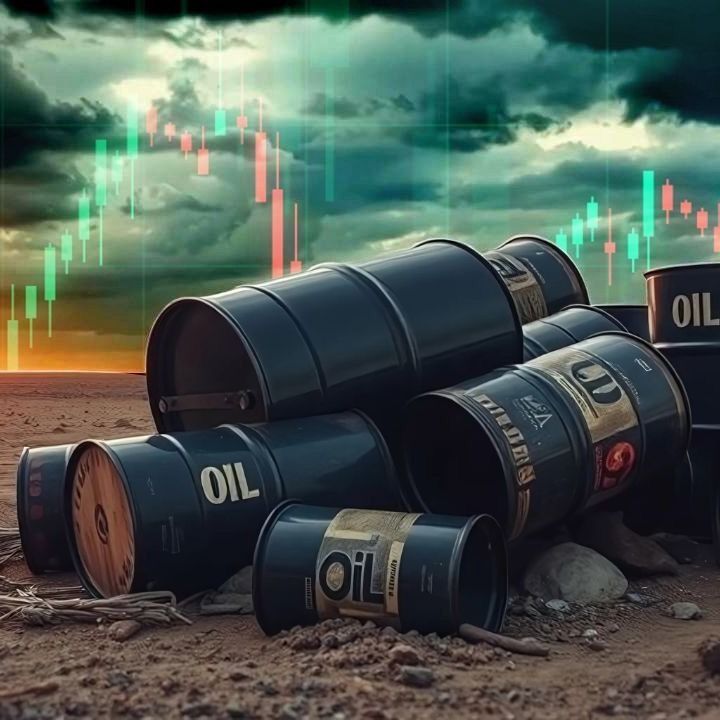
Oil prices surged about 25% on Monday, reaching their highest level since mid-2022. Brent crude was on course for its largest single-day increase on record, while gold declined by around 2%. The sharp moves came as the escalating war involving Iran tightened global energy supplies, strengthened the U.S. dollar, and reduced expectations that interest rates will be cut soon.
Agricultural markets also moved higher, particularly edible oils, which tend to follow crude oil prices because vegetable oils are widely used in biofuel production. Aluminium prices edged higher due to supply concerns, although other industrial metals struggled under pressure from the stronger U.S. dollar.
According to IG market analyst Tony Sycamore, the intense market reaction reflects the lack of any clear path to de-escalation in the Middle East conflict. He noted that the situation has turned into a high-stakes standoff where neither side appears ready to back down, increasing the risk of lasting economic damage.
Meanwhile, Iran announced that Mojtaba Khamenei will succeed his father Ali Khamenei as Supreme Leader, signaling that hardline leadership remains firmly in control in Tehran during the ongoing conflict with the United States and Israel.
Oil rally pushes agricultural markets higher
Brent crude appeared set to record its largest single-day gain both in percentage and absolute terms. The surge was driven by the widening U.S.–Israeli conflict with Iran, which prompted some major Middle Eastern producers to reduce supply and raised fears of prolonged disruptions to shipping through the Strait of Hormuz, a critical global oil chokepoint.
During the session, Brent crude futures climbed to about $119.50 per barrel, while U.S. West Texas Intermediate (WTI) reached roughly $119.48 per barrel.
Analysts at ING Group said in a note that conditions appear to be worsening further. They added that upstream oil production has begun to shut down as producers face limited storage capacity. As a result, Iraq, Kuwait, and the UAE have started cutting their oil output.
In agricultural markets, Malaysian palm oil prices jumped about 9%, while Chicago soybean oil climbed to its highest level since late 2022, supported by the strong rally in crude oil. Wheat prices reached their highest point since June 2024, and corn rose to a 10-month high.
Meanwhile, gold dropped more than 2% as a stronger U.S. dollar put pressure on dollar-denominated bullion. Rising energy costs also increased inflation concerns and further reduced expectations that interest rates will be lowered in the near term.
The U.S. dollar remained close to a three-month high, which made gold more expensive for buyers using other currencies. Concerns that higher oil prices could drive inflation and delay rate cuts appear to have pushed U.S. bond yields and the dollar higher, offsetting gold’s usual safe-haven demand and sending prices lower.
Aluminium surges on supply concerns
Aluminium prices surged to their highest level in four years as supply worries intensified amid the Middle East conflict. Benchmark three-month aluminium contracts on the London Metal Exchange rose to about $3,544 per ton, the highest level since March 2022.
Two major Gulf producers—Qatalum and Aluminium Bahrain—have already declared force majeure on shipments as tensions in the region escalate. However, other base metals faced downward pressure due to the strengthening U.S. dollar.
Sources: Reuters
 THE ETERNAL SOVEREIGN
Leave a comment