The U.S. Supreme Court’s decision on Friday to overturn trade tariffs introduced by President Donald Trump last year could ease financial pressure on certain oil producers and drilling firms, though analysts say it is unlikely to significantly reshape global energy trade flows in the near term.
By striking down the tariffs, the Supreme Court of the United States may lower the cost of constructing LNG facilities and other major energy projects that depend on foreign-made modules and components. For instance, Venture Global assembles parts of its LNG plants in Italy before shipping them to the U.S. for completion — a process that had become more expensive under the tariff regime. U.S. crude producers and oilfield service firms also faced higher costs for imported equipment and materials, with some absorbing the impact and others attempting to pass it along to customers.
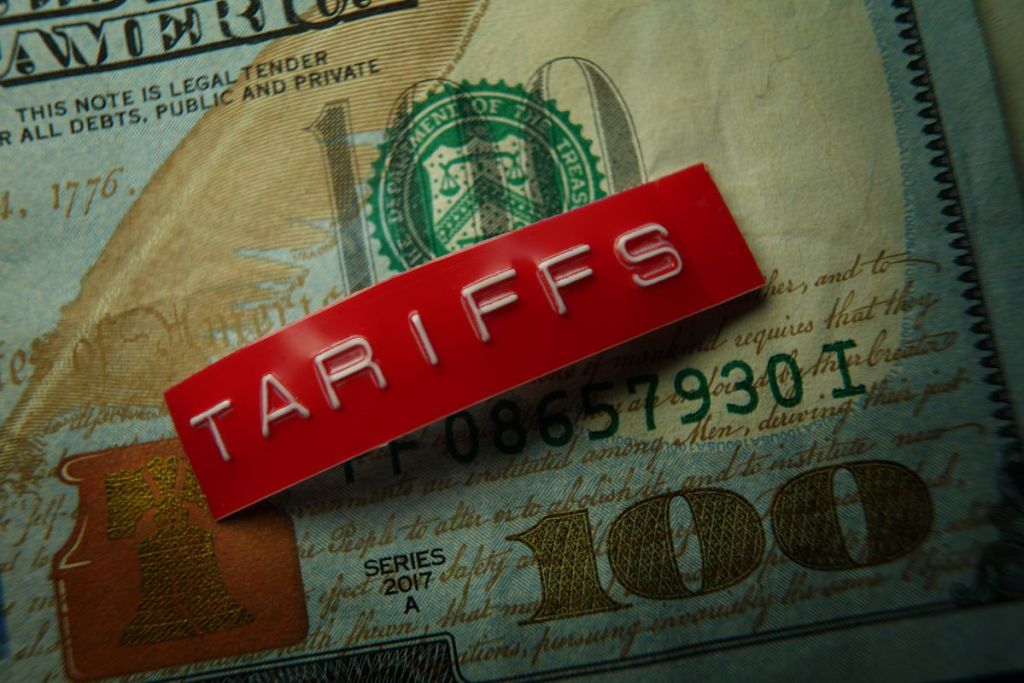
Cam Hewell, CEO of Premium Oilfield Technologies, said his company had expected to pay $5–6 million in tariff-related taxes in 2026 — a figure that may now decline. He noted that most of the added costs had been absorbed internally, meaning customer pricing would see little change, but improved cash flow could support research, employee compensation, and shareholder returns.
Kirk Edwards, president of Latigo Petroleum in Texas, added that the ruling could improve budgeting clarity and cost visibility for drilling projects.
However, the decision does not eliminate the 50% tariffs on steel and aluminum imposed last year, and some executives remain cautious that the administration could pursue alternative measures to maintain similar trade barriers. Trump himself indicated he may introduce a 10% global tariff for 150 days, signaling that policy uncertainty remains.
Despite the potential cost relief for LNG infrastructure, experts believe global LNG trade patterns are unlikely to shift materially. Ira Joseph of Columbia University’s Center on Global Energy Policy said China has stronger economic incentives to continue redirecting U.S. LNG cargoes to Europe for arbitrage or to import cheaper oil-indexed LNG from the Middle East.
Alex Munton of Rapidan Energy added that Beijing increasingly views LNG purchases as strategic leverage in its relationship with Washington, making new buying commitments unlikely even if tariff pressures ease. Samantha Santa Maria-Hartke of Vortexa echoed that view, suggesting China — which halted U.S. crude and LNG imports after imposing retaliatory tariffs — is unlikely to reverse course in the near term.
Sources: Reuters
 THE ETERNAL SOVEREIGN
Leave a comment