Most Asian currencies edged lower on Friday, while the U.S. dollar held steady as investors assessed the interest rate outlook ahead of closely watched U.S. inflation data due later in the session. Despite the day’s softness, many regional currencies were still on track for weekly gains, whereas the dollar continued to reflect broader weekly losses amid uncertainty surrounding U.S. monetary policy.
Japanese yen outperforms on intervention speculation
The Japanese yen emerged as one of the strongest Asian performers this week, supported by rising speculation of potential government intervention in currency markets, which helped investors look beyond concerns about Japan’s fiscal position. The USD/JPY pair ticked up 0.2% on Friday but remained down roughly 2.6% for the week—its strongest weekly showing since November 2024.
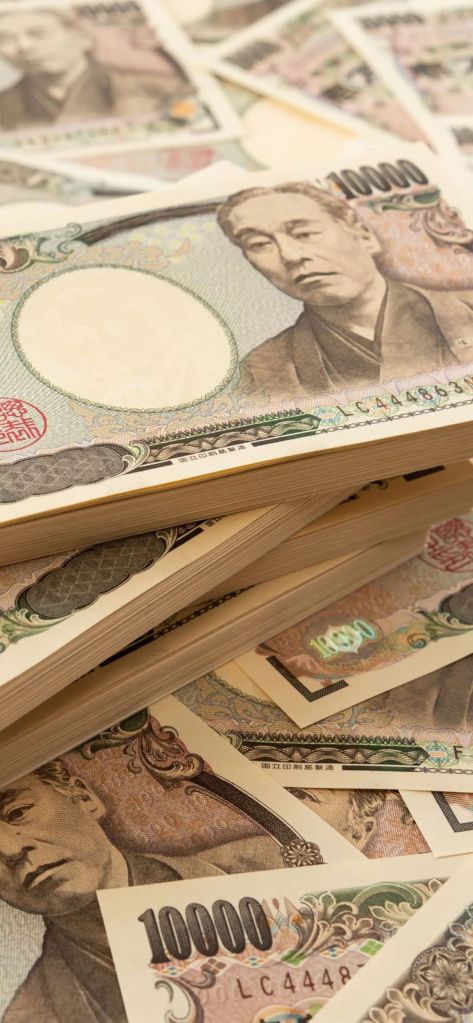
The yen’s rally followed a series of hawkish remarks from Japanese officials signaling readiness to intervene, easing worries over elevated fiscal spending under Prime Minister Sanae Takaichi.
Elsewhere, the Australian dollar also posted solid gains, with AUD/USD climbing 1% for the week to a three-year high after hawkish commentary from the Reserve Bank of Australia.
The South Korean won strengthened as well, with USD/KRW down 1.4% on the week, aided by renewed foreign inflows into domestic equities, particularly chipmakers tied to artificial intelligence themes.
China’s yuan saw USD/CNY edge up slightly on Friday but remain 0.4% lower for the week, supported by a series of firm daily midpoint settings from the People’s Bank of China. The currency hovered near a nearly three-year peak reached earlier in the week.
Meanwhile, the Indian rupee was little changed for the week, and the Singapore dollar gained 0.6% against the greenback.
Dollar steady before CPI, but weekly loss likely
The dollar index and its futures posted modest gains during Asian hours Friday, with attention fixed on January’s consumer price index report. Although expectations point to a slight cooling in both headline and core inflation, traders remained cautious about potential upside surprises, especially as January CPI has exceeded forecasts in each of the past four years.
The greenback drew some support earlier in the week from stronger-than-expected nonfarm payrolls data, yet it was still down about 0.7% on a weekly basis. Ongoing uncertainty over U.S. monetary policy—particularly following Kevin Warsh’s nomination as the next Federal Reserve Chair—continued to weigh on the currency.
Sources: Ambar Warrick
 THE ETERNAL SOVEREIGN
Leave a comment