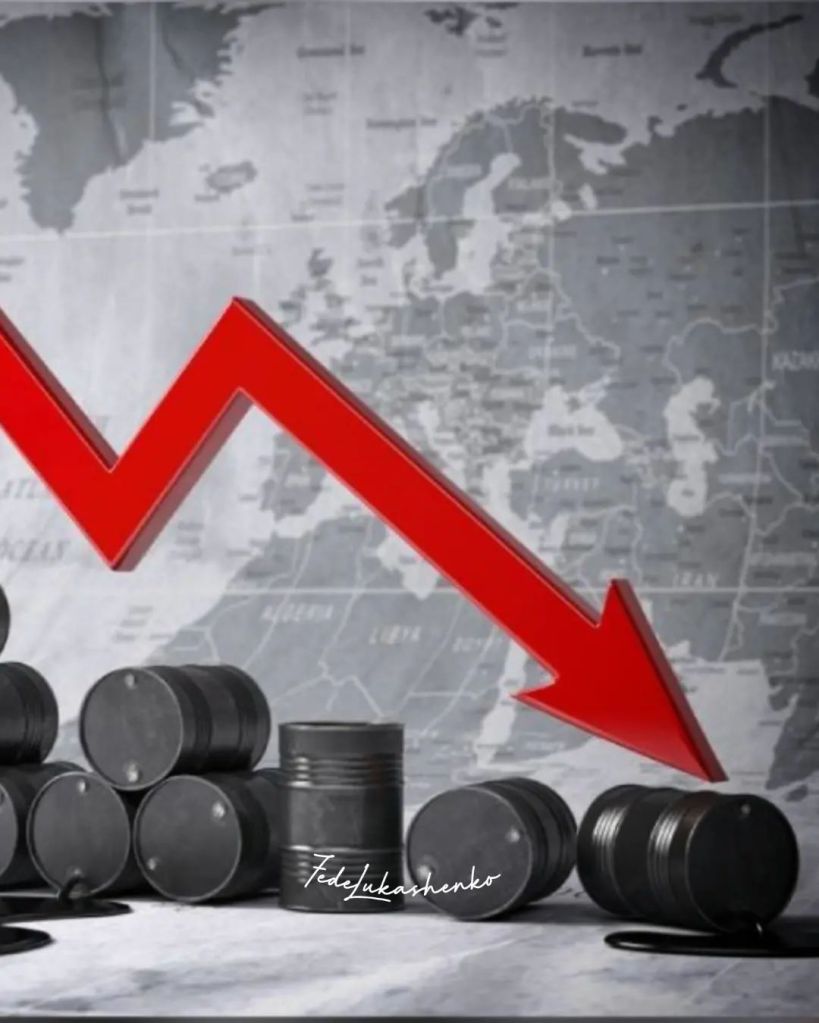
Oil prices edged lower in Asian trading on Tuesday as markets focused on rising US-Iran tensions, while also monitoring potential supply disruptions caused by extreme winter weather in the United States.
Crude had gained in recent sessions on fears that tensions with Iran could disrupt supply, while a severe snowstorm in the US was estimated to have shut in up to 2 million barrels of oil production over the weekend.
However, expectations of tighter supply were tempered after Kazakhstan signaled it would resume production at the Tengiz oil field, its largest producing asset.
Brent crude futures for March slipped 0.6% to $65.22 a barrel, while West Texas Intermediate futures fell 0.5% to $60.33 a barrel by 21:20 ET (02:20 GMT).
Iran tensions, US weather disruptions in focus
A US aircraft carrier and several destroyers were seen arriving in the Middle East over the weekend. President Donald Trump said last week that an “armada” was headed toward Iran, though he expressed hope it would not be used.
The deployment followed Trump’s warnings to Iran over the killing of protesters during recent nationwide demonstrations, although unrest has eased in recent weeks and his rhetoric toward Tehran has softened.
Meanwhile, a severe snowstorm in the US caused widespread disruptions, halting oil production and straining the power grid, with markets closely watching whether prolonged outages could further tighten crude supplies.
Kazakhstan signals plans to resume production at the Tengiz oil field.
Kazakhstan said on Monday it will resume output at the Tengiz oil field after a fire and power outage halted production. However, Reuters reported that initial volumes are expected to be limited, as the country has yet to lift a force majeure on CPC Blend exports.
Kazakhstan is the world’s 12th-largest oil producer and a member of OPEC and its allies. The group is expected to keep production levels unchanged at its February 1 meeting, after steadily increasing output through 2025 before announcing a pause late last year to curb prolonged weakness in oil prices.
Sources: CNBC
 THE ETERNAL SOVEREIGN
Leave a comment