The recent rally in Japanese equities, sparked by Prime Minister Sanae Takaichi’s announcement of a snap election, could lose momentum if she ultimately achieves her political objectives, as increased fiscal spending risks stoking inflation and pushing up government borrowing costs.
Japan’s Topix index jumped over 4% this week, marking its strongest advance since July, as investors revived the so-called “Takaichi trade,” betting on heavier government expenditure. Takaichi is seeking to strengthen her grip on power by expanding her party’s seat count, which would give her greater latitude to pursue expansionary economic policies.
Market participants believe Takaichi could follow in the footsteps of her mentor, former Prime Minister Shinzo Abe, whose stimulus-driven Abenomics era propelled asset prices. She has identified sectors such as artificial intelligence, semiconductors, defense, space, and content industries as key targets for investment.
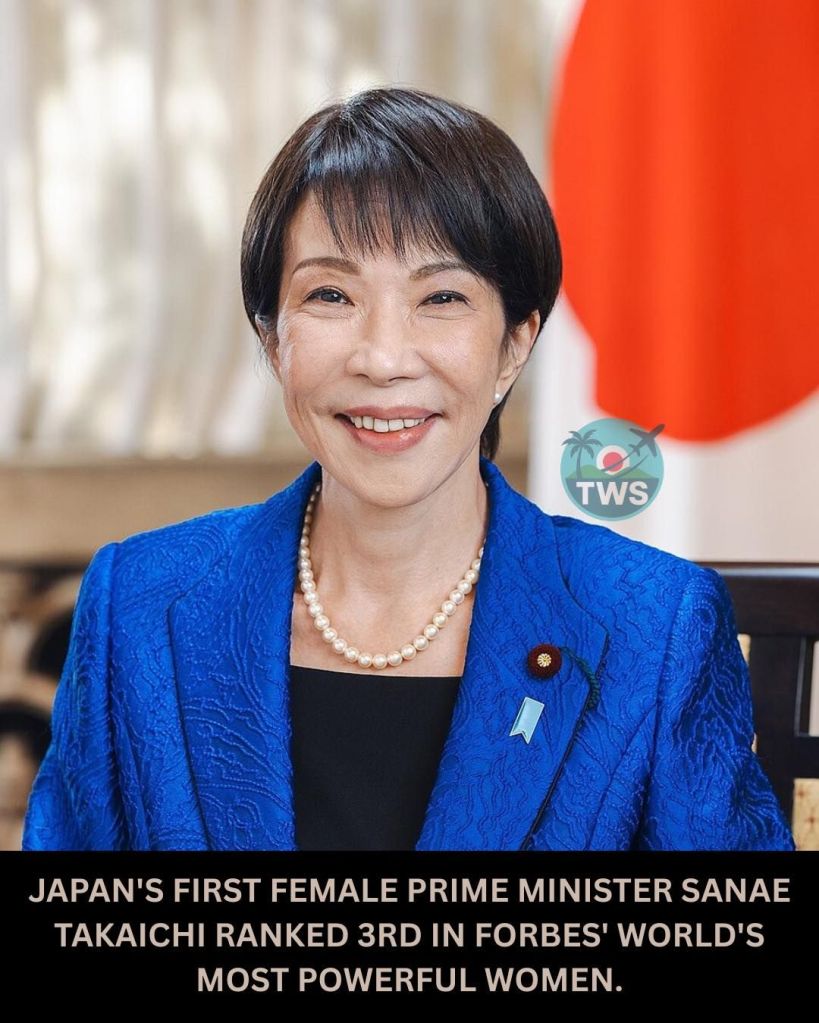
Although Japanese equities are once again following a familiar pattern of rallying ahead of Lower House elections, sustained upside may hinge on the specifics of Takaichi’s fiscal agenda. Meanwhile, bond investors are demanding higher yields to compensate for holding Japanese government debt, even as global bond yields ease.
“Rising break-even inflation rates suggest the market is pricing in looser, more inflationary policies after the election, with inflation staying above the Bank of Japan’s target for longer,” said Aninda Mitra, head of Asia macro and investment strategy at BNY Investments.
Economists anticipate that Japan’s consumer inflation will ease to below 2.0% this year — falling under the Bank of Japan’s target for the first time in five years — helped in part by reductions in gasoline taxes and other regulated prices.
However, the yen’s decline to a more than one-year low of 159.45 per dollar on Wednesday, and to its weakest level since 1992 on a trade-weighted basis, has reignited inflation worries. The currency’s weakness is also eroding its traditional support for exporter stocks. Pressure on the yen has intensified as Takaichi’s dovish stance on monetary policy is seen as constraining the BOJ’s ability to raise interest rates swiftly.
“The yen is the biggest risk factor for Takaichi,” said Chisa Kobayashi, Japan equity strategist at UBS SuMi TRUST Wealth Management. “Further depreciation could push inflation higher, dampen consumer spending, and eventually weaken voter backing.”
Neil Newman, head of strategy at Astris Advisory Japan, said a Takaichi election victory could drive another 5% rise in the Nikkei 225 Stock Average. “With the government planning targeted investments in strategic sectors, a surge in capital expenditure is likely,” he said.
Despite Takaichi’s strong approval ratings, which have led many investors to expect a comfortable win, some analysts are growing more cautious after Komeito — previously a junior coalition partner of the Liberal Democratic Party — shifted toward cooperation with the main opposition party.
As a result, the election outcome has become increasingly uncertain, said Shinichi Ichikawa, senior fellow at Pictet Asset Management Japan.
“The one thing that’s clear is that both camps will be compelled to campaign on bold spending promises to attract voters,” he said.
Sources: Bloomberg
 THE ETERNAL SOVEREIGN
Leave a comment