TASIILAQ, GREENLAND — For decades, oil executives have eyed the Arctic as a potential source for vast petroleum reserves. U.S. government studies estimate that the region north of the Arctic Circle may contain up to 90 billion barrels of oil and nearly 1,700 trillion cubic feet of natural gas.
The amount of oil alone could meet global demand for almost three years if all other drilling activities worldwide stopped immediately.
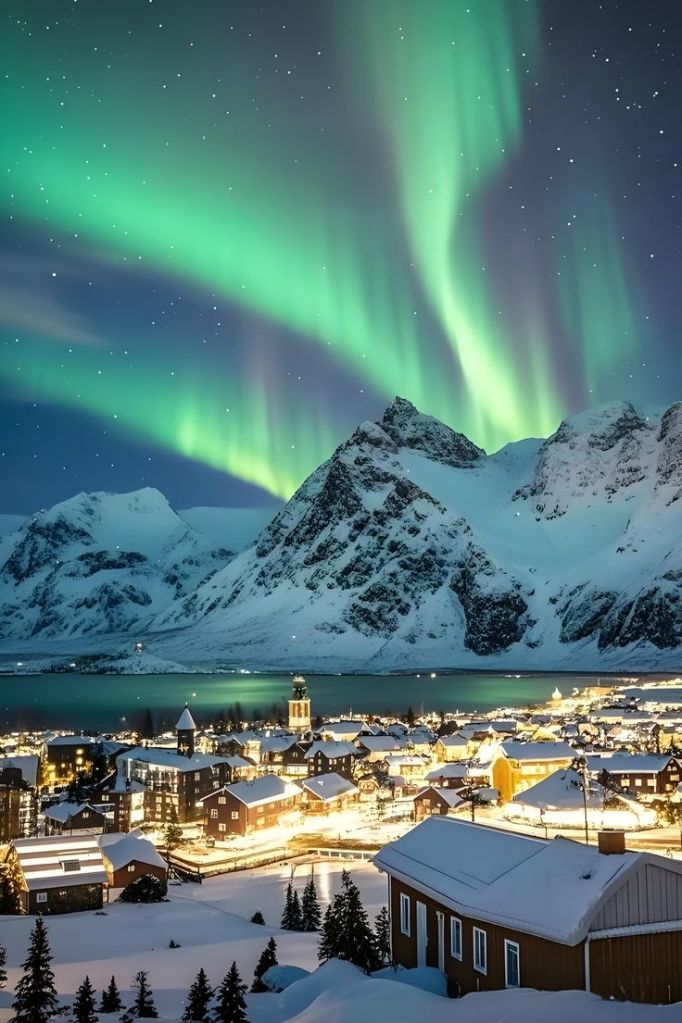
At the heart of these ambitions lies Greenland, where some of the planet’s most extreme conditions safeguard vast reserves that have attracted prospectors hoping to find another giant oil field like Alaska’s Prudhoe Bay.
One company, March GL—set to be renamed Greenland Energy Company upon going public this year—is aiming to become a major player in the industry by tapping into billions of barrels of oil located on Jameson Land, a peninsula on Greenland’s eastern coast. This oil has the potential to significantly impact U.S. and European markets by introducing a large new supply, which could help reduce Europe’s reliance on Russian oil, currently constrained by strict sanctions due to the ongoing war in Ukraine.
In late October, Yahoo Finance joined March GL CEO and experienced oilman Robert Price, along with the company’s lead petroleum engineer, in the town of Tasiilaq on Greenland’s eastern coast. There, March GL’s contractors were preparing to store a range of heavy machinery for the winter season.
Price had planned to transport the earthmoving equipment by barge to Jameson Land, where the company intends to build a three-mile road from the coast to its inland drilling site for the initial wells. However, rough seas along the island’s eastern coast prevented the tugboat assigned to move the equipment from making the trip. By late autumn, the ice-free window for such a journey was closing too fast to wait for a replacement vessel.
As a result, March GL’s team will keep much of the machinery in Tasiilaq until spring or summer, when thawing ice will allow movement. This delay underscores the challenging and unpredictable operating conditions in Greenland.
Since that trip, the challenges around Price’s ambitions in Greenland have only grown more complex.
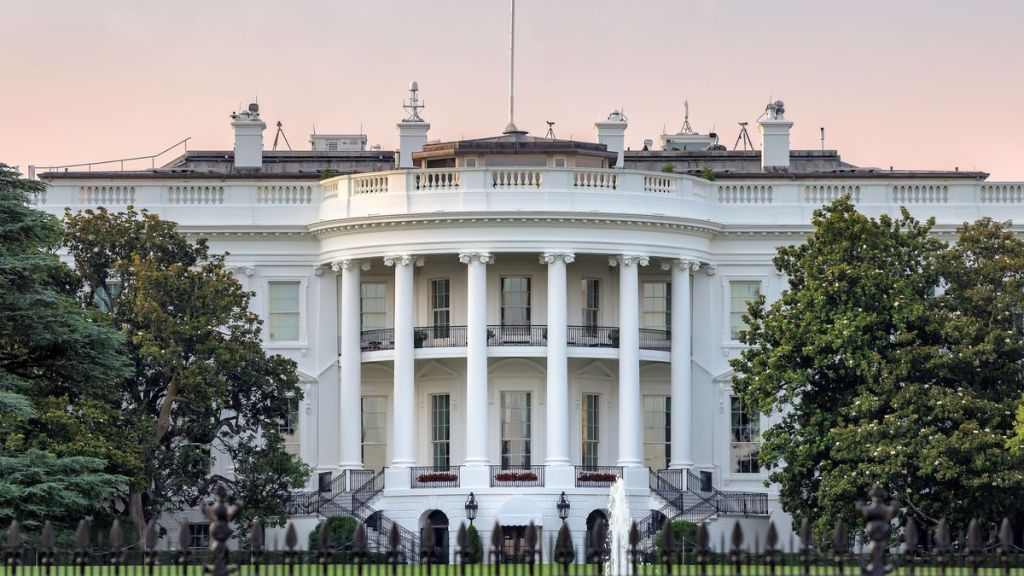
After Venezuelan leader Nicolás Maduro was captured and removed from power in early January, President Trump intensified his focus on Greenland. At a Jan. 4 press briefing, Trump said the United States “needs Greenland” to secure its national security interests in the Arctic, drawing strong criticism from both the Greenlandic and Danish governments.
At a White House meeting with more than a dozen major oil executives, Trump insisted that owning Greenland would be essential for defense, saying that defending leased territory is not the same as defending territory the U.S. owns. He added that the U.S. would take action on Greenland “whether they like it or not.”
In a Jan. 6 briefing to Congress, Secretary of State Marco Rubio confirmed that the U.S. was actively pursuing the option of purchasing Greenland from Denmark, and Louisiana Governor Jeff Landry—who Trump named as a special envoy to Greenland—said he intends to work toward making the territory part of the United States.
These moves have heightened diplomatic tensions, with Greenland’s leaders and Denmark pushing back against U.S. efforts and stressing that the island’s future should be decided by its people and legal processes.
Meanwhile, China and Russia have been expanding their military and maritime activities across the Arctic, putting pressure on the U.S. and Europe to boost their own defense readiness and elevating Greenland’s strategic importance. In January, a subsidiary of Russia’s state nuclear corporation shared a video on Telegram showing an icebreaker navigating the “Northern Sea Route,” which passes near Greenland and offers a significantly faster shipping route between Europe and Asia compared to the Suez Canal.
If March GL succeeds, Price’s company could establish a significant American energy foothold in the High North at a time when territorial control has become a top priority for the White House. That, however, was not originally part of Price’s plan.
Sources: Yahoo Finance
 THE ETERNAL SOVEREIGN
Leave a comment