Data from CoinGlass indicate that more than $800 million in leveraged positions were liquidated across the cryptocurrency market over the past 24 hours.
Risk-off sentiment has intensified as European capitals weigh retaliatory tariffs of up to $101 billion against the United States, following tariff threats from President Donald Trump.
Long positions accounted for 90.5% of total liquidations, with the largest single event being a $25.83 million BTCUSD liquidation on Hyperliquid.
The cryptocurrency market saw a sharp pullback on Monday, with total liquidations exceeding $800 million over the past 24 hours. The downturn was driven largely by rising risk-off sentiment, as escalating trade tensions between the European Union and the United States unsettled traders.
Escalating trade tensions dampen demand for risk assets
Cryptocurrency markets started the week under pressure, with Bitcoin (BTC) slipping below the $93,000 mark on Monday, dragging major altcoins—including Ethereum (ETH), Solana (SOL), and Cardano (ADA)—lower in tandem. The sell-off came amid escalating trade tensions between the United States and the European Union.
U.S. President Donald Trump announced plans to impose tariffs on eight European countries that have opposed his proposal for the United States to acquire Greenland. The measures include a 10% levy on goods from Denmark, Sweden, France, Germany, the Netherlands, Finland, the United Kingdom, and Norway, set to take effect on February 1 and remain in place until Washington is permitted to purchase the territory.
In response, the Financial Times reported on Sunday that EU capitals are weighing retaliatory measures, including up to €93 billion ($101 billion) in tariffs on U.S. goods or potential restrictions on American firms’ access to the European market.
The escalating trade dispute has fueled a risk-off mood among investors, weighing heavily on high-risk assets such as cryptocurrencies. This shift in sentiment triggered widespread liquidations across the crypto market, with more than $800 million in leveraged positions wiped out over the past 24 hours, according to CoinGlass data.
Long positions accounted for 90.5% of total liquidations, highlighting the market’s prior bullish positioning. The largest single liquidation was a $25.83 million BTCUSDT position on Hyperliquid.
The Fear and Greed Index slipped to 44 on Monday from a high of 61 on Thursday, signaling a shift away from optimism toward a more cautious market mood.
The Australian dollar advanced after the TD-MI Inflation Gauge rose to 3.5% year-on-year in December.
China’s GDP grew 1.2% quarter-on-quarter in the fourth quarter of 2025, accelerating from the previous quarter and exceeding market expectations.
Meanwhile, the U.S. dollar struggled as risk aversion intensified amid escalating uncertainty surrounding U.S.–Greenland developments.
The Australian dollar strengthened against the U.S. dollar on Monday after Australia’s TD-MI Inflation Gauge rose to 3.5% year-on-year in December, up from 3.2% previously.On a monthly basis, inflation jumped 1.0% in December 2025, marking the fastest pace since December 2023 and a sharp acceleration from the 0.3% increases seen in the prior two months.
AUD/USD also found support from China’s key economic data, with developments in the Chinese economy closely watched given Australia’s strong trade links with China.
Data from China’s National Bureau of Statistics showed industrial production grew 5.2% year-on-year in December, accelerating from 4.8% in November, supported by resilient export-led manufacturing activity.
China’s GDP expanded 1.2% quarter-on-quarter in the fourth quarter of 2025, up from 1.1% in Q3 and above the market consensus of 1.0%. On an annual basis, GDP rose 4.5% in Q4, easing from 4.8% in the previous quarter but beating expectations of 4.4%.
Meanwhile, retail sales rose 0.9% year-on-year in December, falling short of forecasts for a 1.2% increase and November’s 1.3% reading.In contrast, industrial output exceeded expectations, rising 5.2% YoY versus estimates of 5.0% and improving from 4.8% a month earlier.
U.S. Dollar softens amid escalating uncertainty over the U.S.–Greenland dispute
The US Dollar Index (DXY), which tracks the Greenback against six major currencies, is under pressure and hovering near 99.20 at the time of writing. US financial markets remain closed on Monday in observance of Martin Luther King Jr. Day, resulting in thinner liquidity.
The Dollar has come under renewed pressure amid rising risk aversion, fueled by growing uncertainty surrounding the US–Greenland dispute. Over the weekend, US President Donald Trump reiterated plans to impose tariffs on eight European nations that have opposed his proposal for the United States to acquire Greenland.
According to Bloomberg, Trump said the US would levy a 10% tariff starting February 1 on imports from EU members Denmark, Sweden, France, Germany, the Netherlands, and Finland, as well as Britain and Norway. The tariffs would remain in place until Washington is allowed to proceed with the Greenland acquisition.
Meanwhile, recent US labor market data have pushed expectations for additional Federal Reserve rate cuts further into the year. Fed officials have indicated limited urgency to ease policy until there is clearer evidence that inflation is sustainably returning to the 2% target.
Reflecting this shift, Morgan Stanley revised its 2026 outlook, now projecting two rate cuts in June and September, compared with its prior forecast that anticipated cuts in January and April.
Data from the US Department of Labor showed that Initial Jobless Claims unexpectedly declined to 198K for the week ending January 10, well below market expectations of 215K and down from the prior week’s revised 207K. The figures suggest layoffs remain subdued and the labor market continues to show resilience despite prolonged tight financial conditions.
Inflation data offered mixed signals. Core CPI, excluding food and energy, rose 0.2% month-over-month in December, below expectations, while annual core inflation held steady at 2.6%, matching a four-year low. Headline CPI increased 0.3% MoM, in line with forecasts, leaving annual inflation unchanged at 2.7%. The data reinforced signs of easing price pressures after earlier readings were distorted by shutdown-related effects.
In Australia, Reserve Bank of Australia (RBA) policymakers acknowledged that inflation has eased substantially from its 2022 peak, though recent data point to renewed upside risks. Headline CPI slowed to 3.4% YoY in November, the lowest level since August, but remains above the RBA’s 2–3% target range. Trimmed mean CPI edged down to 3.2% from 3.3% in October.
The RBA noted that inflation risks have modestly shifted to the upside, while downside risks—particularly from global developments—have diminished. Policymakers currently expect only one additional rate cut this year, with underlying inflation projected to stay above 3% in the near term before easing toward 2.6% by 2027. Reflecting these expectations, ASX 30-Day Interbank Cash Rate Futures for February 2026 were trading at 96.35 as of January 16, implying a 22% probability of a rate hike to 3.85% at the next RBA policy meeting.
The Australian Dollar approaches the 0.6700 level, facing resistance near the nine-day EMA
The AUD/USD pair trades near 0.6680 on Monday, with daily chart signals showing consolidation around the nine-day Exponential Moving Average (EMA), pointing to a near-term neutral outlook. The 14-day Relative Strength Index (RSI) stands at 52.78, remaining above the neutral level and indicating underlying upside momentum.
A sustained move below the short-term moving average could bring the 50-day EMA at 0.6642 into focus as initial support. Deeper declines may extend toward 0.6414, the lowest level recorded since June 2025.
Conversely, a decisive break above the nine-day EMA at 0.6690 would strengthen the bullish case, potentially opening the way for a move toward 0.6766, the highest level since October 2024.
EUR/JPY moved higher as the euro drew support from EU efforts to push back against potential U.S. tariffs on European allies.
President Donald Trump said tariffs would be imposed on eight European countries that have opposed his proposal involving Greenland.
Meanwhile, Japan’s industrial production dropped 2.7% month-on-month in November, marking its sharpest fall since January 2024.
EUR/JPY rebounded after three consecutive sessions of losses, trading near 183.60 during Asian hours on Monday. The cross found support as the euro was buoyed by reports that European Union ambassadors agreed on Sunday to intensify efforts to deter U.S. President Donald Trump from imposing tariffs on European allies, while also preparing retaliatory measures if the duties go ahead, according to diplomats.
On Saturday, Trump said he would impose tariffs on eight European countries opposing his proposal for the United States to acquire Greenland. He said a 10% levy would be applied from Feb. 1 on goods from Denmark, Sweden, France, Germany, the Netherlands and Finland, as well as Britain and Norway, until Washington is allowed to purchase Greenland, Bloomberg reported.
FILE – This July 31, 2012 file photo shows the euro sculpture in front of the headquarters of the European Central Bank, ECB, in Frankfurt, Germany. The eurozone economy has finally recouped all the ground lost in the recessions of the past eight years after official figures Friday April 29, 2016. showed that the 19-country single currency bloc expanded by a quarterly rate of 0.6 percent in the first three months of the year. (AP Photo/Michael Probst, File) ORG XMIT: LON101
Japan’s industrial production fell 2.7% month-on-month in November 2025, slightly worse than the preliminary estimate of a 2.6% decline, reversing October’s 1.5% rise and marking the steepest contraction since January 2024.
Gains in EUR/JPY could be limited as the yen finds support from expectations of Bank of Japan rate hikes and the prospect of increased fiscal spending under Prime Minister Sanae Takaichi.The BoJ is widely expected to keep its policy rate unchanged at 0.75% this week, although markets are watching for a potential move as early as June.
Last week, BoJ Governor Kazuo Ueda reiterated that the central bank stands ready to tighten policy if economic and inflation trends develop in line with its projections.
Meanwhile, Finance Minister Satsuki Katayama signaled the possibility of coordinated intervention with the United States, stressing on Friday that all options—including direct market action—remain on the table to address the yen’s recent weakness.
Most Asian currencies were little changed on Monday as fresh U.S. tariff threats against Europe dampened risk appetite, while markets also absorbed China’s slightly better-than-expected growth figures.
The U.S. Dollar Index slipped 0.2% from a seven-week peak during Asian trading, while Dollar Index futures were down 0.3% as of 03:58 GMT.
Yuan rises to a 32-month peak following China’s Q4 GDP release
China helped temper the broader risk-off sentiment after data showed the world’s second-largest economy expanded slightly faster than expected in the fourth quarter.
The GDP reading enabled China to achieve its official 5% growth target for 2025, providing some comfort on regional economic momentum despite ongoing worries about subdued domestic demand and stress in the property sector.The onshore yuan pair USD/CNY slipped 0.1% to its weakest level since May 2023.
Asia FX little changed as Trump renews Greenland tariff threats
Risk appetite weakened after U.S. President Donald Trump said he would impose tariffs on eight European countries that have opposed his proposal to acquire Greenland.
Trump said the duties would start at 10% from Feb. 1 and increase to 25% in June if no deal is reached, reigniting concerns about escalating transatlantic trade tensions and possible spillover effects on global markets.
Media reports indicated the European Union is considering suspending progress on an EU-U.S. trade agreement and may revive a previously proposed 93 billion euro tariff package on U.S. goods.
France has called on the bloc to consider deploying its anti-coercion instrument against the United States, a tool designed to respond to economic pressure from external partners.
Asian currencies mostly moved sideways, with traders remaining cautious and refraining from bold bets.
USD/KRW ticked up 0.1%, while USD/SGD slipped 0.2%.USD/INR was little changed.AUD/USD added 0.1%.
Japanese snap elections come into focus
The Japanese yen strengthened against the dollar, with USD/JPY slipping 0.2% to a 10-day low, supported by safe-haven demand amid global trade uncertainty.Domestic political developments also remained in focus after reports said Prime Minister Sanae Takaichi is weighing a snap election in the coming weeks to bolster her mandate.
“For now, the yen continues to face headwinds from election-related uncertainty, and greater clarity is unlikely before February,” MUFG analysts said in a note.
“Over the medium term, our global team still sees the yen as having been relatively weak, and we maintain a bias for USD/JPY to trend lower, subject to election outcomes,” they added.
Canada and China reached a preliminary trade agreement on Friday to sharply reduce tariffs on electric vehicles and canola, pledging to dismantle trade barriers and deepen strategic cooperation during Prime Minister Mark Carney’s visit.
On his first trip to China since 2017 by a Canadian prime minister, Carney aims to repair relations with Canada’s second-largest trading partner after the United States, following months of diplomatic outreach.
Canada will initially permit imports of up to 49,000 Chinese electric vehicles at a 6.1% most-favoured-nation tariff, Prime Minister Mark Carney said following talks with Chinese leaders, including President Xi Jinping.
The move marks a sharp reversal from the 100% tariff imposed on Chinese EVs in 2024 under former Prime Minister Justin Trudeau, in line with similar measures taken by the United States. China shipped 41,678 electric vehicles to Canada in 2023.
“This restores access to levels seen before the recent trade disputes, but within a framework that offers significantly more benefits for Canadians,” Carney said, adding that the import quota would be expanded gradually to around 70,000 vehicles over the next five years.
“To build a globally competitive electric vehicle industry, Canada must learn from innovative partners, gain access to their supply chains, and stimulate domestic demand,” Carney said, distancing himself from former prime minister Justin Trudeau’s view that tariffs were necessary to shield local manufacturers from subsidised Chinese competitors.
Canada’s decision to ease EV tariffs runs counter to U.S. policy, drawing criticism from some members of President Donald Trump’s cabinet ahead of a planned review of the U.S.–Canada–Mexico trade agreement. However, Trump himself voiced support for Carney’s approach.
“That’s exactly what he should be doing. Signing trade deals is good for him. If you can strike a deal with China, you should take it,” Trump said at the White House.
AGRI-FOOD PARTNERSHIP: Ontario Premier Doug Ford denounces the deal.
“The federal government is effectively opening the door to a surge of low-cost Chinese-made electric vehicles without firm assurances of comparable or timely investment in Canada’s economy, auto industry, or supply chains,” Ford said in a post on X.
China imposed retaliatory tariffs in March on more than $2.6 billion worth of Canadian agricultural and food exports — including canola oil and meal — in response to tariffs introduced by Trudeau. Additional duties on canola seed followed in August.
As a result, China’s imports of Canadian goods fell by 10.4% in 2025.
Under the new agreement, Canada expects China to cut tariffs on canola seed to a combined rate of around 15% by March 1, down from 84%, Carney said. He added that discriminatory tariffs on Canadian canola meal, lobsters, crabs and peas are also expected to be lifted from March 1 through at least the end of the year.
Canadian canola futures climbed.
The agreements are expected to generate nearly $3 billion in export orders for Canadian farmers, fishers and food processors, Carney said.
China’s Ministry of Commerce said it would adjust anti-dumping duties on canola and lift anti-discrimination measures on certain Canadian agricultural and seafood products, citing Canada’s decision to lower tariffs on electric vehicles.
Carney added that President Xi Jinping had agreed in principle to grant visa-free travel for Canadians visiting China, though further details were not provided.
In a statement released by state-run Xinhua, the two countries said they would resume high-level economic and financial talks, expand trade and investment, and deepen cooperation in sectors including agriculture, oil, gas and green energy.
Carney said Canada plans to double the size of its power grid over the next 15 years, creating potential opportunities for Chinese investment, including in offshore wind projects. He also said Canada is ramping up liquefied natural gas exports to Asia, with annual production set to reach 50 million tonnes by 2030, all of which will be shipped to Asian markets.
Carney says China has become “more predictable”
Given the growing complications in Canada’s trade relationship with the United States, it is unsurprising that Carney’s government is seeking to strengthen trade and investment ties with Beijing, which offers a vast market for Canadian agricultural exports, said Even Rogers Pay of Beijing-based consultancy Trivium China.
U.S. President Donald Trump has imposed tariffs on certain Canadian goods and has even suggested that the longtime U.S. ally could become America’s 51st state. China, which has also been targeted by Trump’s tariffs, is eager to deepen cooperation with a G7 country traditionally seen as part of the U.S. sphere of influence.
Asked whether China had become a more predictable and reliable partner than the United States, Carney said recent engagement with Beijing had delivered greater clarity and tangible outcomes. “Looking at how our relationship with China has evolved in recent months, it has become more predictable, and we are seeing results from that,” he said.
Carney added that he had also discussed Greenland with President Xi Jinping, saying the two leaders found their views broadly aligned. Trump has recently revived his claim to the semi-autonomous Danish territory, prompting NATO members to push back against U.S. criticism that Greenland is insufficiently defended.
Analysts said the warming of ties between Canada and China could alter the political and economic backdrop of Sino-U.S. competition, though Ottawa is unlikely to shift decisively away from Washington.
“Canada remains a core U.S. ally and is deeply integrated into American security and intelligence systems,” said Sun Chenghao, a fellow at Tsinghua University’s Centre for International Security and Strategy. “A strategic realignment away from Washington is therefore highly unlikely.”
The recent rally in Japanese equities, sparked by Prime Minister Sanae Takaichi’s announcement of a snap election, could lose momentum if she ultimately achieves her political objectives, as increased fiscal spending risks stoking inflation and pushing up government borrowing costs.
Japan’s Topix index jumped over 4% this week, marking its strongest advance since July, as investors revived the so-called “Takaichi trade,” betting on heavier government expenditure. Takaichi is seeking to strengthen her grip on power by expanding her party’s seat count, which would give her greater latitude to pursue expansionary economic policies.
Market participants believe Takaichi could follow in the footsteps of her mentor, former Prime Minister Shinzo Abe, whose stimulus-driven Abenomics era propelled asset prices. She has identified sectors such as artificial intelligence, semiconductors, defense, space, and content industries as key targets for investment.
Although Japanese equities are once again following a familiar pattern of rallying ahead of Lower House elections, sustained upside may hinge on the specifics of Takaichi’s fiscal agenda. Meanwhile, bond investors are demanding higher yields to compensate for holding Japanese government debt, even as global bond yields ease.
“Rising break-even inflation rates suggest the market is pricing in looser, more inflationary policies after the election, with inflation staying above the Bank of Japan’s target for longer,” said Aninda Mitra, head of Asia macro and investment strategy at BNY Investments.
Economists anticipate that Japan’s consumer inflation will ease to below 2.0% this year — falling under the Bank of Japan’s target for the first time in five years — helped in part by reductions in gasoline taxes and other regulated prices.
However, the yen’s decline to a more than one-year low of 159.45 per dollar on Wednesday, and to its weakest level since 1992 on a trade-weighted basis, has reignited inflation worries. The currency’s weakness is also eroding its traditional support for exporter stocks. Pressure on the yen has intensified as Takaichi’s dovish stance on monetary policy is seen as constraining the BOJ’s ability to raise interest rates swiftly.
“The yen is the biggest risk factor for Takaichi,” said Chisa Kobayashi, Japan equity strategist at UBS SuMi TRUST Wealth Management. “Further depreciation could push inflation higher, dampen consumer spending, and eventually weaken voter backing.”
Neil Newman, head of strategy at Astris Advisory Japan, said a Takaichi election victory could drive another 5% rise in the Nikkei 225 Stock Average. “With the government planning targeted investments in strategic sectors, a surge in capital expenditure is likely,” he said.
Despite Takaichi’s strong approval ratings, which have led many investors to expect a comfortable win, some analysts are growing more cautious after Komeito — previously a junior coalition partner of the Liberal Democratic Party — shifted toward cooperation with the main opposition party.
As a result, the election outcome has become increasingly uncertain, said Shinichi Ichikawa, senior fellow at Pictet Asset Management Japan.
“The one thing that’s clear is that both camps will be compelled to campaign on bold spending promises to attract voters,” he said.
Volatility across major CoinDesk indices stayed low, with bitcoin maintaining its position above the key $94,500 breakout level despite limited price movement. Dash (DASH) led the market, climbing 15% on the day and pushing its weekly gain to 141% as most other altcoins cooled. Meanwhile, altcoins showed relative strength against major cryptocurrencies, with the CoinDesk 80 Index ticking higher as traders waited for new catalysts from U.S. markets and global political developments.
Crypto market volatility slowed sharply on Friday, with all major CoinDesk indexes moving less than 1% since midnight UTC. The subdued action comes as Bitcoin continues to trade above the key $94,500 level, which it broke earlier this week after months of range-bound movement.
Zcash, APT, and Polygon (POL) each recorded slight losses, while Dash—a privacy-focused payments token—continued its strong start to the year, climbing 15% and extending its weekly gain to 141%. The market is now looking for its next catalyst as political unrest in Iran and Venezuela revives crypto’s “safe-haven” narrative, highlighted by the divergence between digital assets and U.S. equities, which underperformed BTC and ETH this week.
Derivatives market positioning
Exchanges have unwound nearly $240 million in leveraged crypto futures positions. Total futures open interest across the market has eased to $143 billion from $146 billion, signaling a cooling in demand for leveraged trading.
Bitcoin’s volatility slump persists. Volmex’s 30-day implied volatility now reflects an average daily move of about 2.5% over the next month. Ethereum’s 30-day implied volatility has also fallen, reaching its lowest level since early 2024.
ZEC saw futures open interest drop 14% in 24 hours, contributing to capital outflows across most major tokens, including bitcoin, ether, solana, and XRP. In contrast, Monero stood out with an 8% increase in open interest.
ZEC’s annualized funding rates plunged to -50%, indicating strong demand for bearish, short positions. This also suggests that downside bets may be becoming crowded, a setup that can often precede a potential short squeeze.
In the options market, block trades showed a large short position in bitcoin’s $112,000 call expiring on February 6. This may have been paired with a long spot position as part of a covered call strategy to generate additional yield. For Ethereum, block flows leaned toward the iron condor strategy, which is typically used to benefit from a range-bound price environment.
Crypto token overview
DASH once again took the lead on Friday, climbing over 15% since midnight UTC, even as most of the altcoin market stayed subdued following an earlier rally at the start of the week. This could be a constructive signal for the broader altcoin space, as DASH had also been the first mover during Asian trading on Tuesday, hours before the wider market broke higher.
XTZ also displayed strength, advancing 8.3% from a morning low of $0.57 to $0.62. The CoinDesk 80 Index (CD80), which tracks a broader range of altcoins, is up 0.68% since midnight, while the CoinDesk 20 (CD20) is largely flat—suggesting relative outperformance among altcoins as major tokens move sideways.
Traders are now watching the U.S. market open to see whether traditional markets might inject volatility ahead of the weekend, a period that is typically marked by lighter volume and liquidity.
European leaders are treating Trump’s comments about Greenland as a serious issue, though his ultimate objective remains unclear. They may respond by offering incentives, such as expanding the U.S. military and business footprint on the island. According to Standard Chartered economists Christopher Graham and Philippe Dauba-Pantanacce, a coordinated European approach focused on territorial sovereignty and the role of NATO will be crucial.
Greenland dispute set to strain NATO unity
President Trump has stated that he wants the United States to take control of Greenland on national security grounds, indicating that both economic and military tools could be employed. Any use of force would represent a fundamental challenge to NATO, as Greenland is an autonomous territory of Denmark, a member of both NATO and the EU. However, European leaders may interpret Trump’s remarks differently: some may view them literally, while others may regard them as leverage to expand the U.S. military footprint, secure access to rare-earth resources, or pressure European allies to assume a greater share of defense responsibilities.
Europe is likely to respond through a mix of diplomatic incentives and deterrence. Possible inducements include expanding the U.S. military and commercial footprint in Greenland, potentially granting Washington a right of first refusal over third-party activity there. Europe may also push for a stronger NATO role in Greenland and across the Arctic to address U.S. security concerns and weaken the case for any takeover—while also making any hypothetical U.S. military move more complex. A unified European position will be essential, particularly in clearly communicating to the United States the military and economic consequences of any erosion of NATO.
Trump has effectively set off a regime change in Venezuela. The Monroe Doctrine has suddenly become relevant again. A special forces mission in Caracas plays across social media, Nicolás Maduro is taken into U.S. custody to face trial, and Washington declares it will run the country temporarily. No lives are lost. Global attention immediately focuses on Venezuela’s massive oil reserves, drawing in major energy companies.
Overnight, ETFs respond predictably. Defense-related funds soar, while oil services ETFs rally on expectations of rebuilding, drilling, and upgrading energy infrastructure.
Initially, that seems reassuring for ETF providers. Thematic and sector-based strategies still appear to “work.” Despite elevated fees, retail investors’ chronically bad timing, and the tendency for funds to debut right at the top of market themes, money still pours in when major geopolitical shocks occur.
But here’s the difficult reality. By 2026, issuers who depend on thematic ETFs will face a much tougher landscape. Not because their products stop being relevant, but because a newer, more direct alternative is quietly overtaking them: Prediction markets.
I say this frankly as someone inside the ETF business who is seeing investor habits evolve in real time, particularly among those under 30. Across social platforms, younger millennials and Gen Z investors are bypassing thematic ETFs entirely and placing their macro bets through prediction markets instead.
Understanding Prediction Markets
A prediction market is a marketplace where people buy and sell contracts based on the outcome of a clearly defined event. These contracts usually pay out either $1 if the event happens or $0 if it doesn’t. Their prices move beforehand as expectations change.
Polymarket and Kalshi are currently two of the biggest platforms. Although their legal frameworks and back-end systems vary, they function in much the same way. Users can trade contracts on issues such as whether a government decision will be made, if interest rates will be reduced by a set deadline, or whether a geopolitical conflict will intensify. When the result is known, the contracts settle automatically.
Most of these platforms operate with or alongside crypto, enabling fast account setup, funding, and settlement. More significantly, they remove extra layers of indirection. Instead of buying securities that represent a theme, users wager directly on the outcome of the event itself.
Why Prediction Markets Could Undermine Thematic ETFs
Prediction markets react much more aggressively to fresh information. When a development raises the likelihood of a given outcome, contract prices can jump by double digits within moments. That speed and sensitivity is a major draw for investors.
In the Venezuela scenario, markets tied to potential U.S. intervention rallied far more dramatically than any defense or energy-themed ETF—even those offering multiple layers of leverage. ETFs spread exposure across many companies, balance sheets, and indirect impacts. Prediction markets offer pure exposure to a single event.
Thematic ETF investing, by contrast, requires multiple steps of inference. You begin with a headline. You estimate which sectors might benefit. You choose the companies with the most relevant exposure. You locate an ETF with a reasonable basket, verify fees and trading volume, and then hope the broader market validates your thesis.
Prediction markets compress that whole decision chain into a single action. You find the contract and place your bet. The outcome may be all-or-nothing, and the pricing is constantly arbitraged, but the simplicity is the appeal. They make sense instantly. Gen Z especially gravitates toward speed, transparency, and the freedom to get in and out of a position without digging through fund disclosures, holdings breakdowns, or factor metrics.
The Outlook for Thematic ETF Strategies
This isn’t a death notice for the category. I don’t believe sector ETFs are disappearing. Low-cost, market-cap sector funds—especially those priced below 10 basis points and spanning the 11 GICS sectors—will continue to serve as essential asset-allocation building blocks.
Major thematic ETFs should also endure. Products with over $1 billion in assets have the size, trading depth, and embedded capital gains that tend to keep investors from exiting. Momentum still works in their favor.
Where the real pressure shows up is at the edges. Smaller thematic products—particularly those with less than $50 million, along with brand-new funds launched to chase the latest storyline—are entering a very tough competitive landscape. Their rivals are no longer just other ETFs. They’re up against prediction markets that provide quicker, simpler, and more emotionally direct ways to express a macro belief.
If you’re running an ETF business, now might be the moment to tap the brakes. The old playbook—rolling out a stream of hyper-niche thematic funds and hoping a few gain traction—looks much less sustainable in 2026. With retail investors tiring out, fees getting squeezed, and prediction markets gaining momentum, the “launch everything and see what works” model is hitting some real limits.
U.S. stock index futures were little changed Thursday evening as strength in tech shares and a strong report from TSMC helped Wall Street break a two-session slide.
Gains were further supported by upbeat results from Morgan Stanley and Goldman Sachs, though worries over escalating geopolitical risks in Iran limited the broader market advance.
S&P 500 futures edged up 0.1% to 6,988.50 by 18:35 ET (23:35 GMT). Nasdaq 100 futures also gained 0.1% to 25,727.0, while Dow Jones futures ticked up to 49,670.0.
Tech, chipmakers rise after TSMC’s bumper Q4
Chipmakers led Wall Street higher on Thursday after TSMC (NYSE:TSM) reported record fourth-quarter earnings and pointed to continued strong demand driven by artificial intelligence. As the world’s largest contract chip producer and a key industry barometer, TSMC surged 4.4% in U.S. trading.
Customer NVIDIA Corporation (NASDAQ:NVDA) advanced 2.2% after its report, while competitor AMD (NASDAQ:AMD) gained 1.9%. TSMC CEO C.C. Wei noted that both the firm’s clients and their own customers are still eager to secure more semiconductors amid a major buildout of AI infrastructure.
Wei also projected a steep increase in capital investment in 2026 as the company scales production to meet accelerating demand. Chip strength extended modestly into the wider tech sector, which had seen some profit-taking earlier in the week after sharp early January gains.
Wall St breaks 2-day losing streak, bank stocks gain
Wall Street’s major indexes ended a two-day slide on Thursday, helped by gains in tech stocks and upbeat earnings from several banks. Goldman Sachs Group Inc (NYSE:GS) and Morgan Stanley (NYSE:MS) jumped 4.6% and 5.8% after reporting strong December quarter results—boosting sentiment despite softer bank earnings earlier in the week.
The results effectively kicked off the fourth-quarter earnings season, with a wave of heavyweight names set to follow. Netflix Inc (NASDAQ:NFLX), 3M Company (NYSE:MMM), and U.S. Bancorp (NYSE:USB) will release earnings on Tuesday, while Johnson & Johnson (NYSE:JNJ) is due Wednesday.
Later in the week, Visa Inc (NYSE:V), Intel Corporation (NASDAQ:INTC), Abbott Laboratories (NYSE:ABT), and Intuitive Surgical Inc (NASDAQ:ISRG) are among many firms scheduled to report. By the close, the S&P 500 rose nearly 0.3%, the NASDAQ Composite added 0.25%, and the Dow Jones Industrial Average outperformed with a 0.6% gain fueled by bank strength.
The three major indexes had dropped for two consecutive sessions earlier this week amid market anxiety over escalating geopolitical tensions involving Iran.
Most Asian currencies traded in narrow ranges on Friday, while the U.S. dollar held firm near a six-week high, supported by upbeat U.S. economic data and growing expectations that Federal Reserve rate cuts are not imminent.
The US Dollar Index tarded largely flat during Asian hours after rising to its highest since early December overnight
US Dollar Index Futures also traded flat as of 03:35 GMT.
Strong U.S. data delays expectations of Fed rate cuts
U.S. initial jobless claims unexpectedly declined to 198,000 last week, beating forecasts of 215,000 and underscoring ongoing resilience in the labor market.
The figures strengthened expectations that the Federal Reserve will leave interest rates unchanged for a longer period, with traders now projecting the first rate reduction around the middle of the year. Remarks from multiple Fed officials overnight further contributed to the cautious sentiment.
Policymakers indicated they may delay rate cuts at the upcoming meeting, pointing out that employment conditions remain firm while inflation pressures have yet to fully ease.
Yen holds firm on government backing; won heads for weekly loss
In Japan, the yen inched higher after hovering near 18-month lows, with USD/JPY slipping 0.3%. The currency gained some backing following verbal interventions from government officials aimed at curbing its rapid decline.
“Recent headlines suggest the Bank of Japan is growing uneasy about the yen’s weakness, and BOJ policymakers now view the exchange rate as having a bigger impact on inflation,” MUFG analysts noted.
The yen has faced persistent pressure amid rising speculation that Prime Minister Sanae Takaichi may call an early snap election as soon as next month. Markets view the prospect of a vote as negative for the currency, on expectations of looser fiscal policy and increased government spending.
Across Asia, the South Korean won saw USD/KRW climb 0.2%, putting it on track for a gain of more than 1% this week, despite Thursday’s pullback. Brief support came earlier in the week after remarks from U.S. Treasury Secretary Scott Bessent helped bolster sentiment toward the currency.
In China, the onshore yuan (USD/CNY) was steady, while the offshore rate (USD/CNH) inched 0.1% higher. The Indian rupee (USD/INR) and the Singapore dollar (USD/SGD) were little changed, while Australia’s AUD/USD pair added 0.1% on Friday.
Jerome Powell’s eight-year leadership at the Federal Reserve is ending amid significant challenges for the U.S. central bank and divided opinions among policymakers about the right approach to monetary policy. So, what might Powell’s last moves as Chair look like in this environment?
The labor market is still slightly weaker than full employment. Private sector job growth has stalled recently, and although the unemployment rate dropped a bit in December, it remains above what most economists consider the long-term natural rate.
On the inflation front, recent data are more promising. Core CPI inflation fell to 2.6% year-over-year in December from 3.1% in August. Some temporary shutdown effects may be lowering this figure by about 0.1 percentage points, and the Fed’s preferred inflation gauge, the PCE deflator, likely hasn’t improved as much. However, the overall trend for core inflation entering 2026 is clearly downward.
Given this, the Federal Open Market Committee (FOMC) likely has room to continue guiding the federal funds rate toward a neutral level in the near term. The forecast remains two quarter-point rate cuts in March and June, with the rate then holding steady at 3.00%-3.25%.
However, the opportunity for further rate reductions is narrowing. Fiscal stimulus from the recent One Big Beautiful Bill Act is expected to start boosting the economy by spring or summer. Additionally, tariff risks seem to be declining, which could also spur faster growth later in the year. The recent 75 basis points of rate cuts over the past three months will likely provide some support as well.
If labor market and inflation indicators show signs of overheating in the coming months, Powell and the FOMC might opt to pause policy adjustments and leave things steady for the next Chair. This successor could face skepticism from a committee under pressure from the Trump administration. The expectation of stronger economic growth in spring and summer further supports holding rates steady.
For now, the current forecast stands, but there is growing risk that rate cuts may be delayed or reduced compared to the baseline prediction.
Oil prices are rising sharply, as WTI nears $62 and Brent crude moves up toward $66 per barrel. These increases highlight the market’s responsiveness to geopolitical tensions, despite no actual disruptions in supply. The question remains: where will prices go from here?
Main Highlights of WTI Crude Oil
WTI Crude Oil prices are sharply rising amid concerns that ongoing protests in Iran might escalate and impact production or disrupt the Strait of Hormuz.
However, this upward pressure is balanced by underlying fundamentals and a global surplus.
The current price around $62 is a crucial threshold: surpassing this resistance level could pave the way for a rally toward the six-month highs near $66.
In today’s trading environment, it can be difficult for market participants to isolate the key drivers of price action on a day‑to‑day basis. Beyond enduring themes like economic growth trajectories, inflation trends, the expansion of AI infrastructure, and sovereign debt pressures, fresh geopolitical tensions seem to emerge almost daily.
Amid simmering issues in places like Venezuela — and speculation about other potential flashpoints — Iran has become the dominant focus for energy markets. Nationwide protests there, sparked by severe economic strains and a collapsing currency, have raised serious questions about stability in one of the world’s most influential oil‑producing countries.
Although these demonstrations have not yet led to direct disruptions in oil output, the unrest has prompted traders to price in a growing geopolitical risk premium. Concerns about possible escalation — including the risk of broader conflict or disruption to key infrastructure such as the Strait of Hormuz, through which a large share of global seaborne oil exports transit — are contributing to recent volatility in crude prices.
As a reminder, Iran remains a key influence on global energy markets due to both its oil production capacity and its control over the Strait of Hormuz — a vital maritime chokepoint through which nearly 20 million barrels per day of crude and petroleum products transit, representing a large share of seaborne global oil flows. Any actual or perceived threat to exports or shipping through this route can have outsized impacts on pricing and risk sentiment.
Against this backdrop, oil prices have recently climbed, with Brent trading in the mid‑$60s and WTI previously approaching the $62 per barrel area, as traders price in geopolitical risk tied to the unrest in Iran. This reflects markets’ sensitivity to potential escalations, even though there have been no confirmed widespread production outages to date.
However, this upside is balanced by broader market fundamentals. Global oil inventories remain substantial, and additional output from other producers — including resumed Venezuelan exports and lingering oversupply concerns — continues to temper the rally. This backdrop helps explain why prices have fluctuated and, at times, pulled back when geopolitical anxieties ease.
Looking ahead, the future direction of crude prices is likely to hinge on developments in Iran’s domestic unrest and whether tensions translate into actual disruptions in oil production or interference with key export infrastructure such as the Strait of Hormuz. So far, most of the price appreciation has been driven by risk premium and sentiment rather than physical losses of barrels.
If broader instability were to disrupt supply routes or exports, markets could respond with a more pronounced and sustained price surge, particularly given the strategic importance of Middle East exports to the global oil system. However, short‑term moves are also currently influenced by macro factors such as inventory data and demand signals, as well as comments from policymakers that can quickly recalibrate risk perceptions.
Technical Analysis of Crude Oil: Daily Chart for WTI
Looking at the technicals, WTI Crude Oil is on a five-day winning streak, climbing from the lower end of its three-month trading range between $55 and $62 up to the upper boundary. Chart-wise, the current price level is a crucial threshold: a break above the $62 resistance — which also aligns with the 200-day moving average — could open the door for further gains toward the six-month highs around $66, where it would face resistance from the longer-term bearish trend line drawn from the second half of 2023’s peak.
Conversely, if indications emerge that the protests are easing and stability is being restored in Iran, the geopolitical risk premium currently weighing on crude prices may diminish. This could trigger a reversal, causing prices to retreat below the $60 mark. Regardless of the outcome, oil traders should closely monitor developments in Iran in the days ahead.
After reaching record highs and recording its largest four-day gain since 2008, silver’s momentum has sharply reversed. The price broke through its uptrend support from January 9, signaling a potential deeper correction.
Despite strong macroeconomic tailwinds, selling pressure has intensified, likely fueled by heavy retail trader activity, which has contributed to significant volatility.
The break of the uptrend was confirmed by a three-candle bearish reversal pattern on the hourly charts and bearish divergence in the RSI (14) indicator.
Following the trend break, silver’s price dropped sharply to a support level at $86.24 before rebounding toward $89.15. This price range has been a key area of activity recently and will be important for traders monitoring short-term movements.
If the bullish trend has ended and the price fails to climb back above $89.15 to rejoin the uptrend, traders might consider opening short positions just below this level with a tight stop-loss above it for protection. The initial target would be support at $89.24.
Should this support break, key downside levels to watch are $84.60, $83.67, and $82.76, all of which previously acted as short-term support or resistance during the upward move. Further declines could target $80.50 and $79 if the sell-off gains momentum.
However, as has often been the case with silver breakouts, bearish moves tend to be short-lived, so a strong wave of dip-buying remains possible. If buyers push the price back above $89.15, it could trigger new long positions aiming first for the previous uptrend level, followed by targets at $92 and the record high of $93.61.
While I don’t put much emphasis on the mixed signals from the RSI (14) and MACD regarding the short-term direction, the bearish divergence between RSI and price before the drop did offer an early warning that the bullish momentum was weakening. This is an important factor to consider regardless of silver’s next move.
The U.K. economy showed signs of recovery in November following a weak start to the fourth quarter, though economic outlooks remain uncertain.
Data published Thursday by the Office for National Statistics revealed that the U.K.’s gross domestic product increased by 0.3% in November, rebounding from a 0.1% monthly decline in October. Year-over-year, the U.K. economy grew by 1.4% in November, up from 1.1% growth the month before.
The manufacturing sector saw strong growth of 2.1% in November, supported by the ongoing reopening of Jaguar Land Rover’s factories as the company continues to recover from last year’s cyberattack.
However, Michael Brown, senior research strategist at Pepperstone, cautioned that this modest growth rate does little to inspire confidence in the U.K.’s economic outlook. He pointed out that risks remain heavily skewed to the downside, and that recent government policy reversals have eroded up to two-thirds of the fiscal flexibility that Chancellor Rachel Reeves had secured in the November Budget.
Late last year, Finance Minister Reeves increased taxes to help reduce the deficit and support higher welfare spending, but the tax hikes were less severe than initially expected.
Reeves recently announced a £4.3 billion fund aimed at easing the impact of upcoming interest rate hikes on the hospitality sector, especially as Covid-era support ends in April and property valuations are updated.
In December, the Bank of England cut interest rates at its final policy meeting of 2025, with expectations of further cuts this year due to forecasts of a significant slowdown in inflation. Alan Taylor, an external member of the Bank’s monetary policy committee, noted this earlier in the week.
He added that falling energy prices and measures introduced in the autumn budget to reduce living costs should help bring inflation back to the 2% target by mid-2026.
“Interest rates are likely to keep declining, provided my economic outlook aligns with the data, as it has over the past year,” Taylor said. British inflation eased to 3.2% in November 2025, falling more than anticipated but still above the Bank of England’s 2% goal.
TSMC (NYSE: TSM) reported a better-than-anticipated net profit for the fourth quarter on Thursday, as the global leader in contract chip manufacturing continued to capitalize on strong demand for its advanced chips driven by artificial intelligence.
The company also announced a significantly increased capital expenditure outlook for 2026, aiming to rapidly expand production capacity to keep up with growing AI-related demand.
TSMC’s CFO, Wendell Huang, revealed in a post-earnings call that the company expects its capital expenditure for 2026 to range between $52 billion and $56 billion, a substantial increase from $40.9 billion in 2025.
Huang also cautioned that TSMC’s mid- to long-term profit margins are likely to decline as the company continues expanding its production capacity, particularly in overseas locations. CEO C.C. Wei echoed these concerns, highlighting “significantly higher” capital spending and costs in the years ahead.
For the quarter ending December 31, TSMC posted a record net profit of T$505.74 billion ($16 billion), surpassing Bloomberg’s estimate of T$467 billion and significantly up from T$374.68 billion the previous year.
The company’s quarterly revenue, previously disclosed, rose to T$1.046 trillion ($33 billion), up from T$868.46 billion a year earlier. Huang forecasted first-quarter 2026 revenue between $34.6 billion and $35.8 billion.
TSMC’s strong performance was driven by robust demand for its advanced chips, with its 3-nanometer products contributing over 25% of revenue from its wafer segment.
CEO C.C. Wei indicated that the strong AI-driven demand is expected to continue in the coming years, with positive feedback from TSMC’s largest customers. He emphasized that the “AI megatrend” remains firmly in place.
While TSMC’s high-performance computing segment continues to be its primary revenue source, the smartphone chip division’s contribution increased slightly to 32% in Q4, up from 30% the previous quarter. This growth was likely boosted by Apple Inc., which incorporated new TSMC-made chips in its iPhone 17 lineup.
TSMC is also a crucial supplier of advanced AI processors to NVIDIA Corporation, a partnership that has significantly boosted its earnings and market value over the past two years.
The company has benefited greatly from a surge among major tech firms to expand data center infrastructure supporting AI development, as advanced processors are vital for handling AI models’ intense computing demands.
Last year, TSMC announced a $165 billion investment in the U.S., mainly targeting increased production capacity at its Arizona facility. This move also appears aimed at addressing the Trump administration’s push for more domestic manufacturing.
On Thursday, TSMC signaled plans to further expand U.S. production, with a goal of allocating 20% to 30% of its overall capacity to the Arizona plant.
TSMC is broadly seen as a key indicator of chip demand and the AI market trends.
Gold prices declined during Asian trading on Thursday following three days of record-breaking highs, as U.S. President Donald Trump softened his position on the unrest in Iran and Federal Reserve Chair Jerome Powell eased concerns, reducing the demand for gold as a safe haven.
Spot gold was last down 0.8% at $4,588.55 per ounce by 23:04 ET (04:04 GMT), while U.S. Gold Futures fell 0.3% to $34,594.10. In the previous session, gold reached a record peak of $4,642.72 per ounce.
Other precious metals experienced even sharper drops, with silver plunging nearly 6% to $87.74 per ounce and platinum prices falling 4% to $2,309.52 per ounce.
Gold retreats from highs as Trump adopts a milder approach toward Iran
The precious metal had climbed to consecutive record highs amid concerns that escalating unrest in Iran might provoke U.S. military intervention and destabilize the Middle East, along with worries about political pressure on the U.S. Federal Reserve.
Those fears subsided after President Trump indicated a softer approach toward Iran. He stated that he was reassured Iranian authorities would cease killing protesters and expressed his belief that there were no plans for large-scale executions at this time.
His remarks lowered the chances of an immediate U.S. military response to the protests against the government of Supreme Leader Ayatollah Ali Khamenei, easing the geopolitical tensions that had driven gold’s recent surge.
Trump states there is no intention to dismiss Fed Chair Powell.
Gold prices also came under pressure after Trump attempted to ease worries about the Federal Reserve. In an interview with Reuters, he stated that he had no plans to remove Federal Reserve Chair Jerome Powell, despite ongoing investigations, which helped to alleviate investor concerns about the independence of U.S. monetary policy.
The recent decline in gold was partly due to profit-taking following its rapid rise, which pushed prices well beyond key technical levels.
Despite Thursday’s drop, gold remained supported by expectations of U.S. interest rate cuts later this year, ongoing geopolitical tensions, and robust central bank purchases.
Lower interest rates generally benefit gold by decreasing the opportunity cost of holding a non-yielding asset.
ECB policymaker Martins Kazaks warned that the European Central Bank must remain vigilant as the U.S. administration’s criticism of the Federal Reserve introduces new risks to the global economic outlook. He was speaking after Fed Chair Jerome Powell was reportedly threatened with criminal charges over remarks about the renovation of the central bank’s headquarters, a move that has raised concerns about the independence of the world’s most influential monetary authority.
Kazaks, who heads Latvia’s central bank and is a contender for the ECB’s vice presidency, said such attacks resembled the politics of emerging economies and added to growing uncertainties facing the ECB, alongside the potential for an AI-driven financial bubble and China’s assertive trade practices. He stressed that risks to both inflation and growth exist on both sides, leaving no room for complacency, and warned that weakening the Fed’s independence could ultimately hurt lower-income Americans through higher inflation and interest rates. On China, he criticized subsidies, rare-earth export limits, and exchange-rate policies that restrain the yuan’s rise, suggesting they may conflict with WTO rules, and called on Europe to respond through long-overdue reforms and, if necessary, targeted industrial policy.
Kazaks said ECB interest rates remain appropriate, noting that euro zone inflation is showing positive signs, with even core inflation measures—excluding volatile items—moving closer to the ECB’s 2% target.
Today may bring another chance for the Supreme Court to issue a ruling on tariffs—we’ll know around 10:00 a.m. whether an opinion is released. The timing is notable for equities, as the S&P 500 is tightly consolidating and approaching a point where it must break in one direction. I still believe the setup looks more like a market top than the beginning of a melt-up. Technically, it could even be interpreted as a terminal diagonal triangle.
Ultimately, the key factor is volatility, which remains extremely subdued. While Tuesday did bring a notable rise in the left-tail index to 10.7—still a relatively low level—it was higher than before. In any case, we’ll find out today which way things break.
For now, interest rates seem stuck in place, with neither strong nor weak economic data moving the long end of the curve. Even the CPI report—despite undershooting on core inflation—failed to budge the 30-year yield. The setup still resembles a bull flag, but at the moment, there’s little follow-through.
If you’re looking for rising yields, Japan is where to focus. The 10-year JGB continues its steady ascent and is now around 2.17%. Based on the wedge pattern and a forward projection, the yield could push toward 2.25%.
On Tuesday, USD/JPY broke out, climbing past the 159 resistance level. Currently, the market seems to be focusing more on Japan’s fiscal spending plans than on interest rate differentials. A move up to 162 is looking more and more probable.
Software stocks took a severe hit. Shares of Salesforce (NYSE:CRM), ServiceNow (NYSE:NOW), and Workday (NASDAQ:WDAY) were heavily battered. Notably, ServiceNow has fallen back to its 2021 highs, which also align with the lows seen in April 2025.
Workday’s performance is actually even more troubling.
Salesforce seems to be holding up better than the others, but that’s not exactly reassuring. It looks like the market fears these companies might get disrupted or cannibalized by AI. Honestly, the charts across the board look pretty bleak.
Yesterday, the US CPI came in weaker than anticipated, supporting our prediction of a Fed rate cut in March. However, we expect the market to take a few more weeks before fully embracing this outlook. The US dollar could recover more than its recent losses, possibly driven by a hawkish stance following the Powell criminal investigation. In the meantime, we’ll continue to watch the Japanese yen closely today, along with developments in the Greenland discussions.
USD: We Maintain a Short-Term Optimistic Outlook
US inflation came in softer than consensus and well below our expected 0.4% month-on-month core reading. Yet, yesterday’s market reaction actually reinforced our short-term positive outlook on the dollar: despite the weak CPI data, Fed rate expectations barely shifted, and the dollar quickly regained strength.
This may partly be due to market caution in over-interpreting the CPI figures amid ongoing shutdown-related distortions. It also indicates that concerns about the Fed’s independence are diminishing, helped by expectations that the criminal probe into Chair Powell may not advance much further and opposition from some GOP lawmakers. We believe there’s a fair chance the dollar will ultimately come out stronger from this situation, as Powell might adopt a more firmly hawkish stance to assert Fed independence.
Additionally, the key message from yesterday’s CPI report is the continued softness in goods prices, highlighting how limited the tariff effects on inflation have been. Several tariff-sensitive categories remained weak, including appliances (-4.3% MoM), furniture (-0.4%), new vehicles (0.0%), and video and audio equipment (-0.4%). This clear trend suggests US retailers are still squeezing their margins. Overall, this strengthens our confidence in a Fed rate cut in March, although it may take time for markets to fully accept this outlook.
Today, focus shifts to November’s PPI, with core PPI expected to rise by 0.2% month-on-month, and retail sales, which are anticipated to remain fairly strong. A busy lineup of Fed speakers—including Paulson, Miran, Kashkari, Bostic, and Williams—will be closely watched for any subtle hawkish signals in support of Powell and the Fed’s independence.
Additionally, the Supreme Court is expected to issue a ruling on tariffs today, likely unfavorable. If that happens, significant noise from the Trump administration is expected, though markets are unlikely to be caught off guard. Our baseline expectation is for a mildly positive reaction in the dollar.
EUR: Greenland Discussions Likely to Have Limited Market Impact
A US delegation, including JD Vance and Marco Rubio, is scheduled to meet today with officials from Denmark and Greenland. So far, US threats related to Greenland have had minimal impact on markets—limited mostly to some movements in EUR/DKK forwards—meaning there’s little risk premium to be unwound even if the talks lead to a cooperative outcome. Nevertheless, any progress could help eliminate a lingering geopolitical “black swan” risk for European currencies.
There seems to be potential for an agreement, likely based on the US abandoning any claims of “ownership” over Greenland—a stance firmly rejected by both Denmark and Greenland—in exchange for enhanced economic partnerships and a greater US military presence.
Positive headlines from the talks might ease the EUR/USD’s recent decline slightly, but we still expect the pair to approach 1.1600 in the near term.
JPY: Approaching the 160 Level for a Key Test
The USD/JPY rally shows no signs of slowing. Rising speculation about snap elections is bringing back a political risk premium, giving another push to test Japan’s currency tolerance band. Meanwhile, ongoing diplomatic tensions between Japan and China are adding more momentum to the move.
On Monday, we viewed 160 as a key upside target. While intervention concerns may slow the rally near that level, it increasingly looks like 160 will eventually be tested. Recall that in July 2024, Japan allowed the pair to surpass 160 and only intervened when it neared 162. Pinpointing the exact intervention level is tricky, but since the BoJ hasn’t acted sooner, it’s reasonable to expect they’ll wait until the pair exceeds 160.
For context, the first intervention on July 11, 2024, led to a 1.8% drop in USD/JPY. Interestingly, back then, CFTC net non-commercial positions on the yen were at -52% of open interest, whereas now they are 3% net-long, despite spot price action suggesting otherwise.
The crucial question is whether FX interventions alone can sustain a USD/JPY recovery. Historically, they haven’t. In 2024, interventions curtailed short-term gains but the subsequent USD/JPY decline was driven mainly by a sharp 50bp drop in US 2-year swap rates over the next month. That scenario seems unlikely now, and with snap election risks ongoing, markets remain hesitant to price in a BoJ rate hike before summer.
Michael Saylor’s Strategy Inc. purchased nearly $1.25 billion worth of Bitcoin, marking its largest acquisition of the cryptocurrency since July.
Between January 5 and 11, the former MicroStrategy acquired 13,627 BTC, according to a regulatory filing on Monday. Most of these recent purchases were funded by proceeds from at-the-market sales of its Class A common stock.
This move follows the company’s disclosure last week of a $17.44 billion unrealized loss in Q4, due to the decline in Bitcoin’s value. New accounting rules require the firm to report the fair value of its Bitcoin holdings in earnings, causing significant fluctuations between profits and losses. Bitcoin dropped 24% in the last quarter of 2025—the largest decline since Q2 2022.
The substantial loss comes at a critical juncture for the dot-com-era software company turned Bitcoin proxy, which now holds a cryptocurrency portfolio valued at about $62 billion. Investor confidence has waned in the treasury-company model pioneered by Strategy’s co-founder and chairman, Saylor, over five years ago. Despite outperforming benchmark stock indexes initially, the company’s shares fell 48% in 2025.
The decline in Strategy’s share price has raised concerns that the company might need to sell Bitcoin to cover future expenses like growing dividends and interest payments, given that the cryptocurrency generates no income and the software division produces minimal positive cash flow. To alleviate these worries, Strategy created a cash reserve by selling common shares on December 1, which amounted to $2.25 billion as of January 4.
As of 10:10 a.m. in New York on Monday, Strategy’s shares remained relatively steady at around $158. Bitcoin also showed little movement, trading near $90,700.
WASHINGTON — On January 12, former Federal Reserve chairpersons strongly condemned the ongoing U.S. criminal investigation into current Fed Chair Jerome Powell, describing it as an “unprecedented attempt” to undermine the central bank’s independence.
Two Republican senators also criticized the Trump administration and questioned the Justice Department’s credibility in pursuing charges against Powell, whom President Trump has long aimed to replace amid his push for lower interest rates.
On January 11, Powell disclosed that the Federal Reserve had received grand jury subpoenas and faced threats of a criminal indictment related to his Senate testimony from June.
The controversy centers on a $2.5 billion (S$3.2 billion) renovation project for the Federal Reserve’s headquarters. In 2025, President Donald Trump suggested he might dismiss Chair Jerome Powell due to cost overruns related to the historic building’s refurbishment.
On January 12, former Fed Chairs Ben Bernanke, Alan Greenspan, and Janet Yellen, along with other ex-economic leaders, publicly criticized the Department of Justice’s investigation.
In a joint statement, they condemned the probe as “an unprecedented attempt to use prosecutorial attacks” aimed at undermining the Fed’s independence.
The statement added, “This is typical of how monetary policy is conducted in emerging markets with fragile institutions, often resulting in severe inflation and broader economic dysfunction.”
“Such practices are unacceptable in the United States.”
In an unusual statement on January 11, Mr. Powell criticized the administration, calling the building renovation and his congressional testimony mere “pretexts.” “The possibility of criminal charges stems from the Federal Reserve’s commitment to set interest rates based on its best judgment of the public’s interest, rather than aligning with the president’s preferences,” Powell stated.
He pledged to perform his duties “without political fear or favor.”
Separately, New York Fed President John Williams noted that historically, political interference in monetary policy often results in “unfortunate” consequences such as inflation.
Stocks Reach New All-Time Highs
Despite concerns triggered by the investigation, U.S. stock indices closed at record highs.
Bernard Yaros, lead U.S. economist at Oxford Economics, noted, “The fact that market-based inflation expectations have stayed steady suggests that investors are largely dismissing the probe as having little or no effect on the Fed’s independence.”
The Federal Reserve operates independently with a dual mandate to maintain price stability and low unemployment. Its primary tool is adjusting the benchmark interest rate, which influences U.S. Treasury yields and borrowing costs.
President Trump has frequently criticized Powell, labeling him a “numbskull” and “moron” for the Fed’s policy choices and not cutting rates more aggressively.
On January 12, White House spokeswoman Karoline Leavitt told Fox News that Powell “has proven he’s not very good at his job.” Regarding whether Powell is a criminal, she added, “That’s a question the Department of Justice will have to answer.”
Republicans Push Back Against Investigation
The Justice Department’s investigation has faced backlash from across the political spectrum.
On January 11, Republican Senator Thom Tillis, a member of the Senate Banking Committee, pledged to block the confirmation of any Federal Reserve nominee—including the next Fed chair—until the legal issue is “fully resolved.”
He stated, “The independence and credibility of the Department of Justice are now at stake.”
Another Republican senator, Lisa Murkowski of Alaska, backed Thom Tillis’ stance, describing the investigation as “nothing more than an attempt at coercion.”
Earlier, Senate Majority Leader Chuck Schumer, a leading Democrat, criticized the probe as an assault on the Federal Reserve’s independence.
David Wessel, a senior fellow at the Brookings Institution, warned of serious risks if the Fed were to come under President Trump’s influence.
Politicians might be tempted to keep interest rates low to stimulate the economy before elections, while an independent Fed is expected to set policy focused on controlling inflation and maximizing employment.
Wessel told AFP that if Trump succeeds in swaying the Fed, the U.S. could face higher inflation and reduced willingness from global investors to finance the Treasury.
Powell was originally nominated as Fed chair by Trump during his first term. His chairmanship ends in May, but he may remain on the Fed board until 2028. In 2025, Trump also attempted to remove Fed Governor Lisa Cook over allegations of mortgage fraud.
On Wednesday, Bitcoin is trading above $95,000, having recently broken through a crucial resistance level. Ethereum continues its upward momentum, currently trading above $3,300 after gaining nearly 7% this week. Meanwhile, XRP has bounced back, holding support near its 50-day EMA at $2.17, indicating the potential for further gains.
On Wednesday, Bitcoin (BTC), Ethereum (ETH), and Ripple (XRP) continued trading higher, following gains of over 4%, 7%, and 5% respectively the previous day. BTC closed above a critical resistance level, while ETH and XRP held firm support at key price points. These top three cryptocurrencies by market cap appear poised to extend their rallies, with targets set at $100,000 for BTC, $3,500 for ETH, and $2.35 for XRP.
Bitcoin Breaks and Closes Above Key Resistance at $94,253
Bitcoin found support near the former upper consolidation zone around $90,000 on January 8 and showed a modest recovery through Monday. On Tuesday, BTC surged over 4%, closing above the 61.8% Fibonacci retracement level—measured from the April low of $74,508 to the October all-time high of $126,199—at $94,253. As of Wednesday, Bitcoin is trading near $95,300.
If Bitcoin maintains its upward momentum, it could push further toward the important psychological milestone of $100,000.
The daily chart’s Relative Strength Index (RSI) stands at 66, above the neutral midpoint of 50 and trending higher, signaling strengthening bullish momentum. Additionally, the Moving Average Convergence Divergence (MACD) indicator shows a sustained bullish crossover, with increasing green histogram bars above the neutral line, reinforcing the optimistic outlook.
BTC/USDT daily chart
Conversely, if Bitcoin undergoes a pullback, it may drop further toward the critical support level at $94,253.
Ethereum Bounces Back Following 50-Day EMA Test
Ethereum found support near its 50-day EMA at $3,139 last week and remained around that level through Monday. On Tuesday, ETH surged over 7%, closing above $3,325. As of Wednesday, it’s trading near $3,200.
If the upward momentum persists, Ethereum could push toward the December 10 high of $3,447. Similar to Bitcoin, Ethereum’s RSI and MACD indicators show bullish signals, reinforcing a positive outlook.
ETH/USDT daily chart
However, should Ethereum experience a pullback, it may drop further toward the 50-day EMA support at $3,139.
XRP bulls aiming for the $2.35 mark
XRP found support near its 50-day EMA at $2.07 last week and remained around that level through Monday. On Tuesday, XRP climbed over 5%. As of Wednesday, it is trading close to $2.16.
If the rally continues, XRP could push higher toward the daily resistance at $2.35. Similar to Bitcoin and Ethereum, XRP’s momentum indicators, including RSI and MACD, display bullish signals, reinforcing a positive outlook.
XRP/USDT daily chart
On the other hand, if XRP faces a pullback, it could extend the decline toward the 50-day EMA at $2.07.
China’s trade surplus widened in December, reaching CNY 808.80 billion, up from CNY 792.57 billion the previous month.
Exports grew 5.2% year-over-year in December, slightly lower than November’s 5.7% increase. Meanwhile, imports rose 4.4% year-over-year, accelerating from the 1.7% growth recorded in November.
In U.S. dollar terms, China’s trade surplus exceeded expectations, registering $114.10 billion compared to the forecasted $113.60 billion and $111.68 billion in the prior month. Exports increased 6.6% year-over-year, well above the 3.0% forecast and 5.9% last month. Imports also rose strongly by 5.7%, surpassing the anticipated 0.9% growth and previous 1.9% figure.
Market Reaction to China’s Trade Balance Data
AUD/USD continued its upward momentum, trading near 0.6692 shortly after the release of China’s trade data. The pair is currently up 0.16% on the day.
This section was released on Wednesday at 00:52 GMT as a preview ahead of China’s Trade Balance report.
China’s Trade Balance Overview
The General Administration of Customs is scheduled to release December trade data on Wednesday at 03:00 GMT. Analysts expect the trade surplus to widen to $113.60 billion, up from $111.68 billion previously. Exports are forecasted to grow 3.0% year-over-year in December, while imports are projected to rise 0.9% over the same period.
Given China’s significant influence on the global economy, this data release is anticipated to impact the Forex market.
In what ways can China’s Trade Balance impact the AUD/USD exchange rate?
AUD/USD is trading with modest gains ahead of China’s Trade Balance release. The pair dipped slightly as the U.S. dollar strengthened, supported by Consumer Price Index (CPI) inflation data that largely met economists’ expectations last month.
Should the trade data exceed forecasts, it may boost the Australian dollar, with initial resistance seen at the January 12 high of 0.6722. Further upside targets include the January 6 high at 0.6742 and the January 7 peak at 0.6766.
On the downside, the January 9 low of 0.6663 could provide support for buyers. A deeper decline might push the pair down to the December 4 low of 0.6614, followed by the 100-day exponential moving average near 0.6587.
WTI crude slipped to around $60.70 during Wednesday’s Asian trading session, pressured by significant increases in U.S. crude stockpiles. Meanwhile, President Trump assured Iranian protesters that support is forthcoming.
West Texas Intermediate (WTI), the U.S. crude oil benchmark, was trading near $60.70 during Wednesday’s Asian session, as prices edged lower amid rising supply pressures. WTI has been pressured by Venezuela restarting oil exports and the latest American Petroleum Institute (API) report showing a large build in U.S. crude inventories, while traders await the official Energy Information Administration (EIA) stockpile figures later in the day.
According to Reuters and industry sources, Venezuela has begun reversing recent production cuts made under its previous U.S. oil embargo, allowing crude exports to resume. Two supertankers carrying roughly 1.8 million barrels each departed Venezuelan waters, potentially marking the first shipments under a 50‑million‑barrel supply arrangement with Washington, following U.S. control of the country’s exports after political developments.
U.S. crude inventories saw a significant increase last week, with the American Petroleum Institute (API) reporting a build of 5.27 million barrels for the week ending January 9. This contrasts sharply with the previous week’s drawdown of 2.8 million barrels and defies market expectations, which had forecasted a 2 million barrel decline.
Despite the growing stockpiles, ongoing geopolitical tensions in Iran—a key oil producer—could provide support for WTI prices. U.S. President Donald Trump canceled all planned meetings with Iranian officials and pledged assistance to protesters amid reports of a severe crackdown by Iranian security forces, which has resulted in hundreds of deaths. Trump has repeatedly warned that the U.S. would intervene if the Iranian government continues to target demonstrators.
Silver prices hit a new all-time high approaching $90.00 amid escalating tensions as the U.S. threatens military action in Iran. Meanwhile, leaders of major global central banks have criticized Washington for undermining the Federal Reserve’s independence. Despite this, the U.S. dollar rebounded sharply after these central bank chiefs expressed strong support for Fed Chair Jerome Powell.
Silver (XAG/USD) continued its winning streak for a fourth consecutive trading day on Wednesday, rallying close to $90.00 during the Asian session. The white metal’s advance is supported by sustained demand for safe-haven assets amid ongoing geopolitical tensions.
In Iran, widespread civil unrest driven by soaring inflation, a sharp depreciation of the Rial against the US Dollar, and government corruption has led to the deaths of hundreds of protesters calling for political change.
In response, U.S. President Donald Trump has threatened military action against Tehran if the Iranian government continues to kill protesters.
Meanwhile, concerns over the Federal Reserve’s independence have intensified following criminal charges against Chairman Jerome Powell related to alleged mismanagement of funds for renovating Washington’s headquarters. Powell dismissed the charges as a “pretext,” attributing them to the Fed’s decision to set interest rates based on public interest rather than presidential preferences. These developments kept safe-haven assets in demand.
The news initially caused a sharp drop in the U.S. dollar, with experts warning that any threat to the Fed’s autonomy could negatively impact the country’s sovereign credit rating. However, the dollar quickly recovered after top officials from global central banks expressed strong support for Powell amid his dispute with President Trump.
“We stand in full solidarity with the Fed System and its Chair Jerome H. Powell,” said leaders of the European Central Bank, Bank of England, and nine other major institutions in a joint statement on Tuesday.
Silver technical analysis
XAG/USD is trading higher near $90.00 at the time of writing, with strong buying momentum pushing the price further into overbought territory.
The 14-day Relative Strength Index (RSI) has risen to 74.77 from 72.52, signaling increasing bullish momentum. Although the trend remains upward, the overextended conditions may limit further gains and lead to a period of consolidation.
A slight pullback in momentum, with the RSI retreating closer to the 70 level, could provide a healthy reset and support a more gradual upward move. However, if the RSI accelerates again toward the previous high near 85.90, the rally may face a sharper correction due to rising momentum fatigue.
Chinese semiconductor shares climbed on Wednesday after reports said Beijing will restrict purchases of Nvidia’s H200 AI chips to limited, special-use cases. The news largely outweighed an earlier announcement that the U.S. had cleared sales of the H200 to China.
Shares of Semiconductor Manufacturing International Corp, the country’s largest chipmaker by output, rose nearly 2% in Hong Kong, while Hua Hong Semiconductor gained almost 5%. On the mainland, Cambricon Technologies and Moore Threads Technology—both promoted as domestic alternatives to Nvidia—also advanced.
According to The Information, Chinese authorities have told local technology firms that H200 purchases will only be approved under exceptional circumstances, such as for university research and development facilities. This development muted the impact of the U.S. Commerce Department’s decision to allow H200 exports to China, a move previously hinted at by President Donald Trump in late December and accompanied by strict conditions.
Beijing is seen as taking a cautious approach to the approval as it continues to pursue full self-reliance across the artificial intelligence supply chain, with chip manufacturing playing a central role due to the heavy computing demands of AI development and deployment. Although China made progress in chip production in 2025, it is still widely regarded as far from achieving complete technological independence.
Chinese technology stocks have advanced over the past week, driven by a wave of high-profile IPOs from leading domestic AI companies that boosted confidence in the sector’s growth outlook. The rally extended on Wednesday, with MiniMax Group and Zhipu—listed as Knowledge Atlas— the first of China’s so-called “AI tigers” to go public, climbing 4.4% and 17%, respectively.
Silver is being boosted by expectations of interest rate cuts, a weaker US dollar, and increasing geopolitical tensions.
Limited supply combined with record-high industrial demand make silver very responsive to changes in market risk sentiment.
Staying above $83.36 maintains potential for further gains, while dips toward $75 are likely to draw in buyers.
Silver kicks off the week with robust momentum, fueled by multiple factors converging simultaneously. Safe-haven demand is increasing due to geopolitical tensions, the broader economic environment supports expectations of US interest rate cuts, and supply remains constrained amid strong industrial demand.
As a metal that bridges both precious and industrial categories, silver typically reacts more quickly than many other assets to changes in market risk sentiment.
Interest Rates, US Dollar, and Risk Sentiment Are Aligning Together
Last week’s US December jobs report indicated a cooling labor market. Non-farm payrolls increased by only 50,000, while the unemployment rate fell to 4.4%, revealing softer underlying growth despite the headline figures.
This data boosted market expectations for an earlier Federal Reserve interest rate cut. As rate cut bets rose and the US dollar weakened, demand grew for non-yielding assets like silver, giving prices fresh support.
At the same time, increased judicial scrutiny of Jerome Powell and escalating tensions between the Federal Reserve and the administration have added more pressure on the US dollar. Rising political and institutional uncertainty has driven investors toward safe-haven assets, a trend that often causes sharper price swings not just in gold but also in silver, which typically experiences greater volatility.
Safe Haven Demand Returns to Center Stage
Uncertainty in the Middle East and global politics continues to drive safe haven demand in commodity markets. Rising protests in Iran and renewed tensions between Tehran and the US have pushed investors toward gold and silver.
Recent moves by the Trump administration involving Venezuela and Iran, including plans for Venezuelan oil exports and new sanctions threats, have added further uncertainty. In this context, silver’s rebound above $80 an ounce shows how quickly changes in risk sentiment impact prices. Ongoing geopolitical risks from the Russia-Ukraine war and the Gaza conflict also reinforce the environment supporting strong demand for safe haven assets.
Industrial Demand and Supply Challenges
Attributing silver’s rise solely to macroeconomic and geopolitical factors overlooks a key part of the picture. Industrial demand for silver is projected to hit record highs in 2025 and remain strong into 2026. Currently, about 58% of global silver demand comes from industrial uses, driven by rapid growth in sectors like solar panels, electric vehicles, electronics, and AI-related hardware.
This evolving demand profile is making silver a more strategic commodity, which helps explain why its prices often react faster and with greater volatility when risk appetite or commodity exposure shifts.
On the supply side, constraints persist. Only around 27% of silver production comes from primary silver mines; the majority is a byproduct of copper, lead, zinc, and gold mining, limiting the ability to quickly ramp up output. Following several years of supply deficits from 2021 to 2024, total silver supply in 2025 is estimated at about 813 million ounces, compared to demand of roughly 1.24 billion ounces.
Inventories in London, China, and the United States have dropped to low levels, underscoring the tight market conditions. China’s new export licensing system, implemented on January 1, has added extra pressure by complicating shipments, particularly for smaller producers. Meanwhile, silver’s designation as a critical mineral in the US, along with consistent physical buying in China and India, continues to bolster fundamental demand.
Silver’s Technical Outlook
On the daily chart, silver spent much of last week trading sideways between $74.66 and $83.36 while maintaining its overall uptrend. This consolidation above the rising trendline suggests a temporary pause rather than a reversal. Strong buying interest near $74 late last week, followed by a renewed push toward new highs this week, indicates that short-term momentum has shifted back to the buyers.
Technically, the $83.36 level is crucial. A decisive break and sustained trading above this point would turn previous resistance into support. As long as silver stays above $83.36, any pullbacks are likely profit-taking rather than a trend change, keeping the bullish outlook intact.
In this scenario, silver could pick up pace toward the Fibonacci extension targets at $87, $88.76, and $91.28. Holding above $91 would further strengthen the case for a run toward the psychological $100 mark, with a potential next target around $103.63 if momentum continues.
Momentum indicators back this positive outlook. The Stochastic RSI has been hovering near oversold levels, increasing the chance of an upside signal if silver stays above $83.36. The moving averages remain bullish, with short-term exponential moving averages trending upward and price holding above the 8-day EMA at 78.56 and the 21-day EMA at 73.20, reinforcing the prevailing upward trend.
On the downside, daily closes below $83 would raise concerns about breaking the short-term rising trend. In that case, the first support to watch is 78.56, aligning with the 8-day EMA. If that fails, the 74.50 to 74.66 zone becomes crucial, marking the base of recent consolidation and a key Fibonacci retracement level.
A decisive break below this support band could lead to a deeper correction toward 69.28 and potentially 64.93. However, if the broader fundamentals remain supportive—such as expectations for rate cuts, a weaker dollar, elevated geopolitical risks, and ongoing supply constraints—any pullbacks near $75 are likely to attract buyers.
In summary, fundamentals continue to favor silver, but technically, holding above $83.36 is critical to confirm the uptrend. As long as this level holds, silver’s path higher remains open for gradual gains.
The VIX 1-Day index closed below 10 on Monday, indicating that if a significant price surge follows the CPI report, it is unlikely to be driven initially by increased implied volatility. Instead, any substantial move would need to be supported by actual buying activity rather than a rise in volatility. However, volatility could still spike overnight, setting the stage for the familiar CPI-driven market reaction.
The S&P 500 appears stable for now, but I don’t believe this is the significant breakout many have anticipated since late October. Currently, the index hasn’t even fully cleared resistance at the trendline by a single bar. We witnessed similar patterns at the beginning of 2022 and 2025.
The market could keep inching up by 10, 20, or even 30 basis points, but considering the unusually low levels of both realized and implied volatility, along with one-month implied correlation at just 7, the odds aren’t in favor of a strong move. Monday’s trading volume in S&P 500 futures was so thin, it felt like December 22 all over again.
It seems the authorities have the ability to push the 3-month VIX back down to its July 2024 lows.
Perhaps those same market forces can drive the 1-month implied correlation down to 2.
Alternatively, the VXTLT bond market volatility index might decline to levels unseen since 2019.
The main takeaway is that, in my opinion, the market’s current structure is not set up for a sharp, explosive rally. While it may continue to grind upward, eventually volatility is likely to mean-revert higher, triggering a pullback similar to the one seen from late October into November.
Interestingly, despite numerous challenges in the oil market over the past four years, XLE has largely avoided a significant breakdown, instead trading mostly sideways throughout this period. If oil prices were to break out decisively and start climbing, it could signal a strong bullish trend for the sector. Currently, XLE is approaching a critical resistance level and merits close attention.
This could prove significant if oil’s breakout above the downtrend sustains and prices start climbing back into the $60 range. For now, $55 seems to be a support level, and oil remains one of the few commodities yet to make a notable upward move. It’s definitely worth monitoring for potential gains.
Story continues its recovery, approaching the $3 mark after gaining 27% on Monday.
MYX Finance is nearing $6, marking its third straight day of gains within a short-term trading range.
Dash rose 3% on Tuesday, building on Monday’s nearly 6% increase, and is now testing the 200-day Exponential Moving Average (EMA).
Story (IP) is spearheading the market rally with double-digit gains in the past 24 hours, while MYX Finance (MYX) and Dash (DASH) each climb about 6%. These top performers are approaching critical resistance levels as they seek to continue their upward momentum.
Story Continues Rapid Recovery
Story edged up more than 1% Tuesday, building on Monday’s impressive 27% gain. The meme coin is on its third consecutive day of recovery and is nearing the $3.00 mark, approaching the November 6 low of $3.26, which previously acted as resistance on November 26.
If Story (IP) breaks above $3.26, it may set its sights on the 200-day Exponential Moving Average (EMA) at $4.101.
Momentum indicators on the daily chart suggest strong bullish momentum. The Relative Strength Index (RSI) stands at 79, indicating overbought conditions, while the Moving Average Convergence Divergence (MACD) continues to rise, supported by green histogram bars.
IP/USDT daily price chart.
If Story cannot break above $3.00, it may face a pullback that tests support at the 50-day Exponential Moving Average (EMA) around $2.356.
MYX Finance could struggle to surpass $6
MYX Finance is approaching resistance near $6.07, marking the upper boundary of a short-term range and aligning with the January 3 closing price. At the time of writing, MYX has gained nearly 1%, adding to the previous day’s 4% increase.
A strong close above $6.07 could propel MYX toward the January 3 high of $7.29, where it faces resistance from a trendline connecting the October 29 and November 15 highs.
From a technical standpoint, MYX Finance is showing renewed bullish momentum, with the Relative Strength Index (RSI) at 71 on the daily chart, edging into overbought territory. The MACD and its signal line also continue their upward trajectory. However, the absence of a clear trend in these indicators signals a possible risk of reversal.
MYX/USDT daily logarithmic chart.
Conversely, if MYX fails to hold above $6.07, a pullback could drive the price down toward the January 6 low of $4.58.
Dash’s Recovery Reaches 200-day EMA
Dash gained 3% as of Tuesday, building on a 6% increase from the previous day. The privacy-focused cryptocurrency is recovering from a December 23 low of $36.68 and is now nearing the 200-day Exponential Moving Average (EMA) at $41.30.
If Dash surpasses this level, it could next aim for the 50-day EMA at $45.04.
Technical indicators on the daily chart point to a revival in buying interest. The Relative Strength Index (RSI) at 46 is approaching the midpoint, signaling a rebound from last week’s decline, while the MACD has crossed above its signal line, reflecting renewed bullish momentum.
DASH/USDT daily price chart.
On the downside, if DASH fails to break above $41.30, it may pull back to retest the $36.68 support level.
With holiday decorations packed away and investment professionals back at their desks, the serious market work for 2026 is officially underway. So far, investor sentiment appears optimistic, as the S&P 500 has posted a 1.76% gain—a promising start to the year.
Looking ahead, nearly every major Wall Street firm forecasts another strong year for stocks. While leadership within the market may shift, the broad consensus remains that stock prices are poised for healthy gains in 2026.
You might wonder how this optimism holds up amid concerns about AI bubbles, geopolitical tensions, inflation, and lofty valuations. Having wrestled with this question myself, I believe it’s worthwhile to step back and review the fundamental drivers underpinning the stock market.
From my experience managing money for over 40 years, I’ve learned that while short-term market movements are nearly impossible to predict, understanding the broader macroeconomic environment helps to get the major market moves “mostly right, most of the time.” Simply put, aligning with the dominant primary market cycle is my foremost objective in this line of work.
So, without wasting any time, let’s briefly review the key macro drivers: the economy, corporate earnings, inflation, the Fed and interest rates, and, naturally, valuations.
Since there’s quite a bit to cover—and I doubt many of you want to read a 5,000-word report on a Monday morning—I’ve decided to split this analysis into several parts. Today, we’ll begin with a focus on the economy and corporate earnings.
Overview of the Economy
The U.S. economy is generally divided into three main sectors: manufacturing, consumers, and government. Of these, the consumer sector—also known as the services sector—is by far the largest, accounting for roughly 70% of overall economic activity in the United States.
Because of this, the sluggish manufacturing sector, which has been in a prolonged slowdown, is less of a concern. While an improvement there would be welcome, consumer sentiment remains the primary driver of economic growth today.
It’s also important to highlight that high-income earners now dominate consumer spending. Reports indicate that the wealthiest individuals account for just over 50%—a record high—of all U.S. consumer expenditures. These affluent consumers are less sensitive to price increases and tend to maintain their spending habits despite inflation.
Indeed, the labor market has shown signs of weakening, which could eventually affect consumer spending. However, current evidence suggests that job market softness is primarily impacting lower-income consumers at this stage. This situation remains fluid—if job losses accelerate, the services sector would likely feel the impact. But for now, this hasn’t been the case.
The key takeaway is that despite negative headlines, the economy appears to be performing well. U.S. GDP growth was strong last year, moving from a slight contraction of -0.6% in Q1 to +3.8% in Q2 and +4.3% in Q3.
More recently, the Atlanta Fed’s GDPNow model—a real-time GDP estimate—registered a robust +5.4% last week.
From my perspective, anyone claiming the economy is weak or unstable is overlooking the actual data.
Company Earnings Reports
Earnings are often described as the lifeblood of the stock market, making it crucial to stay informed about corporate profit trends. To get straight to the point, corporate earnings are very strong—remarkably so.
For example, Q3 results showed about a 15% increase, significantly surpassing analyst expectations.
Looking forward, consensus estimates from Wall Street analysts predict that S&P 500 companies will see earnings grow by approximately 17.3% in 2026. Quite impressive.
Of course, analysts rarely get their projections exactly right. Estimates often start off too optimistic and are revised downward over time. So, it would be unwise to assume that 2026 earnings per share (EPS) will definitively rise by 17% compared to last year.
The important takeaway is that EPS growth is still expected to be strong this year—significantly above the historical average. (Goldman Sachs recently released a report titled “2026: An Earnings Story.”) My view is that as long as earnings come reasonably close to these expectations, there should be plenty of room for stocks to advance.
Is There Further Upside Potential?
The key question is how much further the stock indices can climb. While I’ll address valuations in the coming weeks, it’s clear to everyone that current stock multiples are quite high. This likely explains why Wall Street analysts are forecasting relatively modest gains of around 10% for the year—roughly in line with the S&P’s average annual return since 1980—even with anticipated earnings growth.
Given the strong economic outlook and expected earnings growth, it’s difficult for me to take a negative stance on the stock market.
That said, it might be prudent to temper enthusiasm somewhat due to elevated valuations. However, from a broader perspective, I believe the best approach is to stay on the bullish path and trust the market leaders to navigate any near-term challenges.
What shapes our lives are the questions we ask, refuse to ask, or never think to ask.
Gold futures have entered a crucial expansion phase, with prices accelerating beyond key VC PMI levels on both daily and weekly charts, indicating momentum-driven growth rather than a mean-reversion scenario. The 15-minute /GC chart shows prices breaking through the VC PMI Daily Mean near $4,496 and pushing above the Sell 1 Daily level at $4,531, confirming robust upward price acceptance. Such moves typically happen when price action and timing converge, creating what traders call “escape velocity.”
According to the VC PMI framework, the market is currently trading near the upper probability band, approaching Sell 2 Daily around $4,561 and Sell 1 Weekly near $4,567, with Sell 2 Weekly projected at about $4,633. Historically, these levels mark significant zones of exhaustion or pause, where momentum traders tend to take profits and the risk of mean reversion rises. Although strong trends can push prices beyond these points, the odds favor increased volatility followed by consolidation once these upper bands are tested.
Time cycle analysis highlights the significance of the present period. The current advance is reaching a short-term cycle peak that aligns with the mid-January rhythm, typically linked to sharp intraday moves and heightened emotional trading. When price momentum accelerates into a cycle window while nearing VC PMI sell bands, markets often shift from trend continuation to sideways rotation. This doesn’t signal a major top but does indicate a high-risk zone for initiating new long positions, emphasizing the need for disciplined trade management.
From the Square of 9 perspective, the current price range corresponds with significant harmonic rotations stemming from previous major swing lows. The $4,560–$4,640 zone marks an important angular relationship where price, time, and geometric factors intersect. Such geometric convergence points often serve as critical decision areas, influencing whether the market pauses, pulls back to the VC PMI mean, or accelerates into a larger upward move.
In summary, gold maintains its bullish structure but is currently trading within a statistically and geometrically significant high zone. Traders are advised to focus on risk management, gradually take profits, and consider the likelihood of mean reversion around the VC PMI levels, while closely watching cycle developments to confirm whether the trend will continue.
USD/CHF declines as the Swiss franc benefits from increased safe-haven demand.
President Trump stated that Iran has expressed interest in negotiations following his military warnings, though he cautioned that action might occur prior to any talks.
Safe-haven demand intensifies amid growing concerns over the Federal Reserve’s independence.
USD/CHF declined for the second consecutive day, trading near 0.7970 during Tuesday’s Asian session. The pair weakened as the Swiss Franc gained support from safe-haven demand driven by geopolitical tensions and worries over the Federal Reserve’s independence.
On Sunday, U.S. President Donald Trump stated that Iran’s leadership had contacted him to seek negotiations following his military threats amid ongoing anti-government protests in the country. However, Trump cautioned that action might be taken before any formal meeting occurs.
Safe-haven demand has risen amid growing concerns over the Federal Reserve’s independence after federal prosecutors threatened to indict Chair Jerome Powell regarding his congressional testimony on a building renovation—an action Powell called an attempt to undermine the central bank’s autonomy.
However, downside pressure on the USD/CHF pair may be limited as the US Dollar maintains strength ahead of the December Consumer Price Index (CPI) release later in the day, which could provide new insights into the Fed’s policy direction.
Markets currently expect two rate cuts from the Federal Reserve this year, beginning in June, though a stronger-than-expected inflation report could reduce the likelihood of easing. December’s Nonfarm Payrolls (NFP) came in below expectations, supporting a more dovish Fed stance. According to the CME Group’s FedWatch tool, there is a 95% chance that the Fed will keep interest rates unchanged at its January 27–28 meeting based on fed funds futures pricing.
Most Asian currencies weakened on Tuesday, with the Japanese yen falling to a one-year low, as higher oil prices fueled by unrest in Iran pressured the region. Meanwhile, new political and trade developments in the United States dampened investor sentiment.
The U.S. Dollar Index, which tracks the greenback against a basket of major currencies, rose 0.1% after a slight decline in the previous session. Dollar Index futures were also up 0.1% as of 03:36 GMT.
Japan’s currency drops to a one-year low following news of a possible snap election
The yen was the worst-performing currency, as USD/JPY climbed 0.4% to 158.76, its highest level since January 2025. The currency came under pressure after reports suggested that Prime Minister Sanae Takaichi could call a snap election as early as February. Investors speculated that a potential election win would strengthen her mandate for expansionary fiscal policies, further weighing on the yen.
Markets focus on Trump’s tariff threat, unrest in Iran, and higher oil prices
Risk appetite across Asia stayed cautious following U.S. President Donald Trump’s announcement of a 25% tariff on goods from countries “doing business” with Iran, though specifics on timing and coverage remain unclear.
Meanwhile, oil prices rose further amid deadly anti-government protests in Iran, sparking concerns over potential supply disruptions. The unrest has also led to warnings of possible military intervention from Trump, heightening geopolitical risk premiums.
MUFG analysts noted that Asian currencies may have been negatively affected by recent rises in oil prices, driven by events in both Venezuela and Iran.
They added that, aside from China, countries like Turkey, the United Arab Emirates, and to a lesser extent Russia and India, maintain some trade connections with Iran.
In Asia, the South Korean won (USD/KRW) rose 0.4%, marking its seventh consecutive gain. The Indian rupee (USD/INR) increased slightly by 0.1%, while the Singapore dollar (USD/SGD) remained stable. In China, the onshore yuan (USD/CNY) showed little movement, whereas the offshore yuan (USD/CNH) edged up 0.1%. The Australian dollar (AUD/USD) traded mostly flat.
Concerns over Fed independence trigger risk-averse sentiment
The Trump administration has launched a criminal probe into Federal Reserve Chair Jerome Powell regarding his testimony about renovation activities at the central bank’s headquarters, raising concerns about the Fed’s independence.
In response, Powell issued a statement affirming the Fed’s autonomy and assuring that policy decisions will remain based solely on economic data and the central bank’s mandate. Several former Fed chairs and senior officials have publicly expressed their support for Powell.
“It’s a wait-and-see situation as markets attempt to gauge the actual impact of these developments,” noted analysts from ING in a recent report.
Despite a softer U.S. dollar, Asian currencies found it difficult to gain, as investors remained focused on broader U.S. political risks, trade uncertainties, and rising oil prices.
Focus is also shifting to upcoming U.S. economic reports and any indications from the Federal Reserve, as market participants reevaluate interest rate forecasts amid increased political scrutiny of the central bank.
Silver futures continue their strong upward momentum, trading near $79.80 after a significant rally that pushed prices well above the VC PMI (Variable Changing Price Momentum Indicator) average and into the upper resistance zone.
This pattern indicates the market has entered what we call escape-velocity behavior—where the trend’s acceleration temporarily outweighs short-term oscillators but still respects longer-term geometry and cycle pressures.
Looking at the VC PMI, the daily mean is holding steady around $76.02, providing dynamic support throughout the week. The market also successfully defended the Daily Buy 1 level at $73.38, confirming the strength of the current bullish setup.
Now, prices are approaching the Daily Sell 1 zone near $78.70, with the Daily Sell 2 resistance at $82.24 closely matching the previous swing high of $82.58. This overlap suggests a higher likelihood of short-term profit-taking or consolidation, rather than a reversal of the uptrend.
On the weekly VC PMI framework, silver stays solidly above the Weekly Buy 1 level at $73.70, with the Weekly VC PMI mean around $78.15, reinforcing that the prevailing trend is upward. However, the Weekly Sell 1 level at $83.78 and Weekly Sell 2 at $88.23 mark key resistance zones where momentum typically slows and volatility tends to increase.
From a time-cycle perspective, silver is currently trading within a compressed late-week cycle window, a phase where markets often pause, rotate, or experience slight retracements before the next move. Such pauses are common in strong trends and usually serve to reset momentum for continuation rather than signaling a reversal.
The present cycle alignment suggests an initial phase of range expansion, followed by consolidation, rather than signaling a trend exhaustion.
The Square of 9 geometry further supports this view. The $82–$83 area corresponds with a significant angular resistance band, while the $78–$76 range serves as a key rotational support zone. As long as prices stay above the VC PMI mean, the primary square rotation remains bullish, with higher-level targets pointing toward the mid-$80s in upcoming cycle windows.
In summary, silver maintains a strong bullish structure according to both the VC PMI and Square of 9 frameworks. Any short-term pauses or pullbacks should be seen as opportunities for mean reversion within the broader uptrend, rather than signs of trend reversal.
If economists were meteorologists, this week’s forecast would predict a data blizzard. However, clarity is expected to improve as markets receive highly anticipated reports on inflation, retail sales, and industrial production ahead of the Federal Reserve’s policy meeting on January 28.
Few economists expect Fed Chair Jerome Powell and the Federal Open Market Committee (FOMC) to ease monetary policy again later this month—and neither do we. This week’s data could either confirm or challenge that view, starting with the December consumer price index report on Tuesday.
The Fed drama intensified last week after President Donald Trump instructed Fannie Mae and Freddie Mac to purchase $200 billion in mortgage bonds—an action typically undertaken by the Fed itself. Many saw this move as an attempt to restart quantitative easing. Meanwhile, Fed Governor Stephen Miran told Bloomberg he anticipates 150 basis points of rate cuts this year.
What’s still missing, however, is significantly lower inflation and a recession that would justify such aggressive easing. This week will also feature speeches from several Fed officials, which could provide insight into the central bank’s thinking. The lineup starts with New York Fed President John Williams on Monday, followed by Governors Miran (Wednesday), Michael Barr (Thursday), Michelle Bowman (Friday), and Vice Chair Philip Jefferson (Friday).
Here’s a rundown of this week’s key data releases likely to influence the timing and scale of any future Fed rate cuts:
Inflation
Since the 43-day government shutdown in October and November, investors have struggled to gauge inflation accurately. The 2.7% year-over-year CPI rise in November, a slight dip from October’s 3.0%, was met with caution, as the shutdown likely disrupted the Bureau of Labor Statistics’ data gathering.
This increases the importance of the upcoming CPI and PPI reports, which will be key indicators before the FOMC’s January 28 interest rate decision.
The upcoming CPI report on Tuesday is expected to show a modest easing in inflation, with the Cleveland Fed’s model forecasting a 0.2% monthly increase and 2.6% year-over-year growth. The November PPI report, due Wednesday, is considered less impactful, while import and export price data for November will be released on Thursday.
Retail sales
Retail sales (Wednesday) are expected to show a slight increase in November after remaining flat in October (see chart). Overall, we believe consumer spending remains resilient despite rising living costs and soft employment figures. Additional important demand indicators this week include December existing home sales (Wednesday) and mortgage applications for the week ending January 9 (Wednesday).
Jobless claims
We anticipate layoffs will stay minimal, which has been the key insight from recent initial unemployment claims data (Thursday) (see chart). While demand for labor may be slowing in certain sectors, the feared AI-driven collapse in the job market has not materialized yet.
Composite economic indicators & business surveys
The composite cyclical indicators for December, due Thursday, are expected to show the coincident index holding at a record high, while the (mis)leading index continues its decline. Additionally, given delays in official hard data, the National Federation of Independent Business’ Small Business Optimism Index for December (Tuesday) should provide valuable insights, following its rise to 99 in November. Later in the week, the Federal Reserve banks of New York and Philadelphia will release their January business surveys (Thursday).
Our preferred coincident indicator is the S&P 500 forward earnings per share, which has accelerated in recent weeks and hit record highs (see chart).
Bitcoin’s price trend moved differently as Nasdaq futures dropped by nearly 0.8%.
Bitcoin increased by 1% amid growing tensions between President Trump and Fed Chairman Powell, which rattled markets and led to declines in U.S. stock futures and the dollar. Powell described the legal challenge as politically driven, intended to pressure the central bank into aggressive interest rate cuts. However, prediction markets do not anticipate this conflict resulting in Powell leaving his position prematurely.
Bitcoin climbed 1% Monday afternoon Hong Kong time as escalating tensions between President Donald Trump and Federal Reserve Chairman Jerome Powell unsettled investors, pushing both U.S. stock futures and the dollar index down.
Bitcoin reached $92,000 but remained within last week’s range of $89,000 to $95,000, according to CoinDesk data. Meanwhile, Nasdaq futures declined 0.8%, S&P 500 futures dropped 0.5%, and the dollar index eased to 99.00 from Friday’s high of 99.26.
Typically, BTC tends to follow the Nasdaq’s movements, but this time it diverged, suggesting growing safe haven demand for the cryptocurrency as investors seek a “hideout” amid the intensifying Trump-Powell conflict. Supporters of BTC have long praised it as an anti-establishment asset and a safeguard against reckless fiscal and monetary policies. Meanwhile, gold, a classic safe haven, also climbed to a record high of $4,600 per ounce.
Tensions between the Federal Reserve and the White House intensified over the weekend after Powell revealed that the Trump administration had threatened him with a criminal indictment related to the renovation of the Fed’s headquarters.
Powell dismissed the indictment as politically motivated, aimed at pressuring the Fed into cutting interest rates.
Trump has long been critical of Federal Reserve policies, especially its hesitance to aggressively lower rates to stimulate economic growth. Since taking office in 2025, he has frequently pushed Fed Chair Jerome Powell to reduce rates more sharply, labeling him a “numbskull” and threatening to make changes to increase White House influence over monetary policy.
Trump has consistently called for interest rates to fall to 1% or below. Although the Fed cut rates by 25 basis points last month to 3.5%, it is expected to hold steady at least until March and is unlikely to return to ultra-low levels anytime soon.
Despite the escalating attacks from Trump’s team, prediction markets do not anticipate an early departure for Powell, whose term ends in May this year.
However, persistent assaults on central banks, especially amid ongoing inflation, can undermine investor confidence and destabilize the domestic currency.
The sharp decline of Turkey’s lira in recent years, triggered by President Recep Tayyip Erdogan’s interference with central bank independence, stands as a cautionary example. Still, the dollar’s position as the global reserve currency makes a severe collapse in the U.S. less likely.
The Australian Dollar ended its three-day slide on Monday.
ANZ reported a 0.5% decline in job advertisements for December, following a revised 1.5% drop in the previous month.
Meanwhile, the US Dollar weakened after federal prosecutors launched a criminal investigation into Federal Reserve Chair Jerome Powell.
The Australian Dollar (AUD) gained ground against the US Dollar (USD) on Monday, reversing a three-day losing streak. The AUD/USD pair rose as the Greenback weakened, partly due to growing concerns about the Federal Reserve.
Federal prosecutors have launched a criminal investigation into Fed Chair Jerome Powell, focusing on the central bank’s renovation of its Washington headquarters and allegations that Powell may have misled Congress about the project’s details, according to a New York Times report on Sunday.
ANZ Job Advertisements fell by 0.5% in December, following a revised 1.5% decline in November. Meanwhile, household spending rose 1.0% month-on-month in November 2025, slowing from a revised 1.4% increase in October, reflecting consumer caution amid high interest rates and ongoing inflation.
Australia’s mixed Consumer Price Index (CPI) report for November has left the Reserve Bank of Australia’s (RBA) policy direction uncertain. However, RBA Deputy Governor Andrew Hauser stated that the inflation data largely met expectations and indicated that interest rate cuts are unlikely in the near term. Attention now turns to the quarterly CPI report due later this month for clearer insight into the RBA’s upcoming policy decisions.
US Dollar Slides Amid Federal Reserve Uncertainty
The US Dollar Index (DXY), which tracks the Dollar against six major currencies, is weakening and trading near 98.90 amid expectations of a dovish Federal Reserve. Slower-than-anticipated US job growth in December suggests the Fed may keep interest rates steady at its upcoming January meeting.
US Nonfarm Payrolls increased by 50,000 in December, below November’s revised 56,000 and the expected 60,000. Meanwhile, the unemployment rate fell to 4.4% from 4.6%, and average hourly earnings rose to 3.8% year-over-year from 3.6%.
CME Group’s FedWatch tool shows about a 95% chance that the Fed will hold rates steady on January 27–28. Richmond Fed President Tom Barkin welcomed the unemployment drop, describing job growth as modest but steady. He noted hiring remains limited outside healthcare and AI sectors and expressed uncertainty about whether the labor market will see more hiring or layoffs going forward.
US Treasury Secretary Scott Bessent told CNBC on Thursday that the Federal Reserve should continue cutting interest rates, emphasizing that lower rates are the “only ingredient missing” for stronger economic growth and urging the Fed not to delay.
The US Department of Labor reported that Initial Jobless Claims rose slightly to 208,000 for the week ending January 3, just below expectations of 210,000 but above the previous week’s revised 200,000. Continuing claims increased to 1.914 million from 1.858 million, signaling a gradual rise in those receiving unemployment benefits.
The Institute for Supply Management (ISM) revealed that the US Services PMI climbed to 54.4 in December from 52.6 in November, surpassing expectations of 52.3.
ADP data showed a gain of 41,000 jobs in December, improving from a revised 29,000 job loss in November, though slightly below the expected 47,000. Meanwhile, JOLTS job openings dropped to 7.146 million in November from a revised 7.449 million in October, missing forecasts of 7.6 million.
China’s Consumer Price Index (CPI) increased by 0.8% year-over-year in December, up from 0.7% in November but slightly below the 0.9% forecast. On a monthly basis, CPI rose 0.2%, reversing November’s 0.1% decline. Meanwhile, China’s Producer Price Index (PPI) fell 1.9% year-over-year in December, improving from a 2.2% drop the previous month and slightly beating expectations of a 2.0% decline.
Australia’s trade surplus narrowed to 2.936 billion AUD in November, down from a revised 4.353 billion AUD in October. Exports declined 2.9% month-on-month in November, following a revised 2.8% increase the previous month. Imports edged up 0.2% in November, slowing from a revised 2.4% gain in October.
AUD rebounds, testing upper boundary of rising channel around 0.6700
On Monday, AUD/USD trades near 0.6700 as the pair attempts a rebound toward an ascending channel, indicating a renewed bullish outlook. The 14-day RSI at 58.33 remains above the neutral midpoint, supporting upward momentum.
A sustained move back into the channel would reinforce the bullish trend, potentially pushing the pair toward 0.6766—the highest level since October 2024. Further upside could target the channel’s upper resistance near 0.6860.
Immediate support is found at the nine-day EMA around 0.6700, followed by the 50-day EMA at 0.6631. A break below these levels could open the path to 0.6414, the lowest point since June 2025.
Gold has drawn buyers for the third consecutive day, supported by escalating geopolitical tensions that increase safe-haven demand.
Worries over the Federal Reserve’s independence are weighing on the US Dollar, providing additional support to the XAU/USD pair.
However, diminished expectations for further Fed rate cuts could limit gold’s upside ahead of important US inflation data.
Gold (XAU/USD) continues to trade with a bullish bias near record levels, holding just under the $4,600 mark reached earlier this week as investors seek safety amid persistent geopolitical tensions and concerns about the Federal Reserve’s independence. Escalating unrest in Iran and broader global risks have kept safe‑haven demand elevated, supporting bullion’s strong performance.
At the same time, worries over the U.S. central bank’s autonomy have weighed on the U.S. Dollar, encouraging flows into non‑yielding assets like gold. However, expectations that rate cuts may be less aggressive could temper upside momentum ahead of key U.S. inflation data due out this week.
Daily Market Movers: Gold Boosted by Safe-Haven Appeal and Softening USD
Following a significant U.S. operation in Venezuela earlier this month, President Donald Trump announced that Washington would oversee the country’s administration during a transitional period after Venezuelan leader Nicolás Maduro was captured — even posting an image on social media depicting himself as the “Acting President of Venezuela.”
Geopolitical risks remain elevated globally. Protests in Iran, which have resulted in hundreds of deaths, continue to unsettle markets, while the ongoing Russia–Ukraine conflict — including confirmed strikes on Russian oil infrastructure — adds further supply‑side pressure.
In Asia, rising tensions between China and Japan have intensified after Beijing restricted exports of rare earths and rare‑earth magnets in response to Tokyo’s recent political remarks. These developments have helped push gold toward fresh all‑time highs as investors seek safe‑haven assets.
On the monetary policy front, U.S. Federal Reserve Chair Jerome Powell has defended the central bank’s independence after threats of a criminal indictment linked to a Senate testimony, emphasizing that rate‑setting should be based on economic evidence rather than political pressure.
Recent U.S. jobs data showed a smaller‑than‑expected increase in nonfarm payrolls and a falling unemployment rate, which has tempered expectations for aggressive rate cuts by the Fed this year — a factor that has weighed on the U.S. dollar and supported flows into gold.
With no major U.S. economic data scheduled for Monday, markets are likely to remain sensitive to comments from Federal Open Market Committee (FOMC) members, while this week’s U.S. inflation figures will be a key focus for traders.
Gold’s Technical Outlook Remains Bullish Despite Overbought RSI Signals
From a technical standpoint, gold’s recent rise over the past month has formed an upward-sloping channel, signaling a solid short-term uptrend that supports bullish momentum for XAU/USD. The price remains above the ascending 200-period Simple Moving Average (SMA), reinforcing the positive trend and providing dynamic support near the $4,320–$4,325 zone.
The MACD indicator shows the line staying above the Signal line in positive territory, with an expanding histogram indicating strengthening bullish momentum.
However, the Relative Strength Index (RSI) at 71.82 suggests overbought conditions, which could limit immediate upside and lead to some consolidation near the channel’s upper boundary.
Any pullback is likely to find support near the channel’s lower boundary around $4,365, with the rising 200 SMA further underpinning the overall bullish outlook. Maintaining momentum above these support levels would keep the upward trend intact, while a decisive break above the channel resistance could trigger a fresh rally toward higher levels.
WTI prices rise amid growing supply concerns linked to escalating unrest in Iran.
President Trump has warned Tehran against using force on protesters, while Iran has warned the U.S. and Israel against any intervention.
However, oil price gains may be capped due to anticipated resumption of Venezuelan exports and forecasts of a potential market oversupply.
West Texas Intermediate (WTI) crude extended its gains for a third consecutive session, trading around $59.10 per barrel during Asian hours on Monday. The rise in oil prices is driven by growing supply concerns amid escalating protests in Iran. As OPEC’s fourth-largest producer, exporting nearly 2 million barrels per day, any conflict escalation poses a significant risk to global supply.
The unrest, now in its third week and having reportedly resulted in hundreds of casualties, has prompted Iranian authorities to signal a harsher crackdown. Meanwhile, U.S. President Donald Trump warned Tehran against using force on protesters and suggested possible intervention if the situation worsens, while Iranian officials cautioned against any U.S. or Israeli involvement.
Oil price gains may be restrained by expectations that Venezuelan crude exports could resume following political changes in the country, with the U.S. poised to receive or manage up to 50 million barrels of sanctioned oil under a new arrangement with interim authorities. This potential influx of supply has tempered some of the upside from geopolitical risk.
However, uncertainty remains over the timing and scale of Venezuelan shipments, as shifting U.S. policy and the logistics of restarting exports from dilapidated ports and vessels cloud the outlook for actual flows.
Meanwhile, traders are watching for possible supply disruptions from Russia amid ongoing Ukraine attacks on energy infrastructure and the prospect of tougher U.S. sanctions on Russian energy exports — factors that could add upward pressure on prices if they materially reduce output.
USD/CAD pulls back toward 1.3890 following an unsuccessful attempt to continue its nine-day rally.
Criminal indictment threats against Fed Chair Powell have put pressure on the US Dollar.
An increasing unemployment rate in Canada is expected to weigh on the Canadian Dollar.
The USD/CAD pair declined on Monday, ending its nine-day winning streak, and corrected to around 1.3890 as the US Dollar retraced following criminal charges against Federal Reserve Chair Jerome Powell.
At the time of reporting, the US Dollar Index (DXY), which measures the Greenback against six major currencies, was down 0.22% to approximately 98.90, retreating from a fresh monthly high of about 99.26 reached last Friday.
On Friday, the U.S. Department of Justice issued a subpoena to the Federal Reserve concerning Chair Jerome Powell’s Senate testimony last June, which involved a multiyear renovation project of historic buildings with an estimated cost of $2.5 billion.
Powell responded by stating that the charges are not related to his testimony or the renovation project, but rather serve as a pretext.
Meanwhile, the Canadian Dollar (CAD) remains under pressure as the unemployment rate rose to 6.8%, exceeding estimates of 6.6% and the previous 6.5% reading. The higher jobless rate may increase expectations that the Bank of Canada (BoC) will soon resume monetary easing.
USD/CAD technical analysis
USD/CAD is trading lower around 1.3890 on Monday. The 20-day Exponential Moving Average (EMA) has started to rise, currently at 1.3806, with the price holding above this level, supporting a short-term recovery outlook.
The 14-day Relative Strength Index (RSI) stands at 61, indicating solid positive momentum after bouncing back from oversold levels.
Measured from the recent high of 1.4140 to the low at 1.3643, the 50% Fibonacci retracement at 1.3891 serves as immediate resistance. Above this, the 61.8% retracement near 1.3950 may cap further upward movement. If the pair fails to break through these resistance levels, the recovery could remain limited, with pullbacks likely to find initial support at the rising 20-day EMA around 1.3806.
This week, market attention will be on CPI inflation figures, retail sales data, and the kickoff of the Q4 earnings season.
Morgan Stanley is expected to see gains driven by robust quarterly results.
Meanwhile, Capital One Financial is likely to face challenges due to a proposed cap on credit card interest rates.
The stock market closed the first complete trading week of 2026 with the Dow Jones Industrial Average and S&P 500 reaching record levels, buoyed by the latest employment report.
Wall Street’s major indexes enjoyed a strong week, with the Dow Jones Industrial Average rising 2.3%, the S&P 500 gaining 1.6%, the tech-focused Nasdaq Composite climbing 1.9%, and the small-cap Russell 2000 soaring 4.6%.
Looking ahead, the upcoming week promises significant market activity as investors assess economic prospects and interest rate trends.
Key events on the economic calendar include Tuesday’s U.S. consumer price inflation report for December, which could trigger market volatility if the data exceeds expectations. This report will be released alongside producer price figures, offering a broader view of inflation, as well as the December retail sales numbers.
Additionally, the Q4 earnings season is about to begin, featuring major companies such as JPMorgan Chase, Bank of America, Wells Fargo, Citigroup, Goldman Sachs, Morgan Stanley, BlackRock, Delta Air Lines, and Taiwan Semiconductor set to report their results.
Additionally, the Supreme Court may deliver a ruling on the Trump tariffs this week, after not doing so last Friday.
No matter how the market moves, below I identify one stock expected to attract buying interest and another that might face renewed selling pressure. Keep in mind, my outlook covers just the upcoming week, from Monday, January 12 to Friday, January 16.
Morgan Stanley: Top Stock Pick to Buy
Morgan Stanley is set to deliver one of the strongest earnings reports in the financial sector this quarter, fueled by a notable rebound in mergers and acquisitions, a thriving IPO underwriting business, and strong results across its core investment banking divisions.
The company will release its Q4 results before the market opens on Thursday at 7:30 AM ET. Investors anticipate significant volatility in MS shares following the announcement, with options markets pricing in a potential move of about ±4.2% post-earnings.
Analysts hold a positive outlook, with all nine recent earnings revisions reflecting upward adjustments, highlighting Morgan Stanley’s strong presence in high-growth sectors such as AI-related financing and capital markets.
Morgan Stanley is projected to earn $2.41 per share, an 8.5% increase compared to last year, while revenue is expected to rise 9.4% year-over-year to $17.72 billion. This growth is anticipated to be driven by a rebound in global mergers and acquisitions, alongside robust performance in IPO underwriting and trading revenues.
In recent quarters, Morgan Stanley has effectively increased its market share in high-margin advisory services while sustaining its leading role in equity and debt underwriting, both of which contribute significant fee income when market conditions are favorable.
Technically, Morgan Stanley’s shares closed near $186.50 on Friday, trading above key moving averages and displaying bullish momentum ahead of the earnings report. Should the company deliver strong results with an optimistic outlook, the stock could push toward $200 shortly, making it an appealing buy for investors confident in the financial sector’s continued strength.
InvestingPro’s AI-driven quantitative model assigns Morgan Stanley a ‘GOOD’ Financial Health Score of 2.65, indicating solid capital reserves, strong liquidity, and a long history of dependable dividends.
Capital One Financial: Recommended Sell
On the other hand, Capital One Financial, a leading credit card lender, is expected to face considerable selling pressure this week following President Trump’s announcement of a temporary 10% cap on credit card interest rates. This policy, designed to alleviate consumer financial strain, poses a direct threat to the profitability of lenders that depend heavily on interest income from credit cards.
Given its large consumer credit card portfolio, Capital One is particularly exposed. With average credit card interest rates typically between 20-30%, a 10% cap would wipe out most of the company’s net interest income, which forms the backbone of its overall profits.
The proposed interest rate cap poses an urgent and substantial challenge to Capital One’s financial results, forcing the company to either accept sharply lower profits or withdraw from large segments of the credit card market that would no longer be financially viable.
Even prior to this announcement, Capital One Financial was struggling with increasing charge-offs and slowing loan growth, leaving the stock susceptible to further declines.
Shares closed around $250 on Friday, but if upcoming earnings (due January 22) reveal worsening credit quality or management signals concerns about future profitability, the stock could drop to $229 or below—a decline of 8-10% from current levels.
Whether you’re a beginner investor or an experienced trader, using InvestingPro can help you discover investment opportunities while managing risks in today’s challenging market environment.
Oil prices remained mostly steady during Asian trading on Monday as investors balanced concerns over potential supply disruptions due to escalating unrest in Iran against the likelihood of more Venezuelan crude returning to the market.
As of 22:23 ET (03:23 GMT), March Brent crude futures rose slightly by 0.1% to $63.39 per barrel, while West Texas Intermediate (WTI) futures also increased by 0.1% to $59.15 per barrel. Both benchmarks had gained over 3% last week amid heightened geopolitical tensions.
Iran’s lethal protests raise fears of oil supply disruption
Markets have been closely monitoring Iran, a major oil producer in the Middle East, where widespread anti-government protests have escalated in recent days. According to rights organizations, over 500 people have died amid the unrest.
Iranian authorities have warned that U.S. military bases in the region would be targeted if Washington intervenes in support of the protesters. This threat has intensified concerns about a wider regional conflict that could disrupt oil shipments passing through the Strait of Hormuz, a critical artery for global energy supplies.
U.S. President Donald Trump adopted a tougher stance on Iran last week, declaring that the U.S. would not remain passive if Iranian forces continue harsh crackdowns on demonstrators.
“Iran, as the fourth-largest OPEC member, produces about 3.2 million barrels per day of crude oil, which represents a significant supply risk for the market,” ING analysts noted in a recent report.
Resumption of Venezuelan oil exports limits upside in oil prices
However, gains were limited by news from Venezuela, where U.S. officials indicated they might ease restrictions on the country’s oil sector. U.S. Treasury Secretary Scott Bessent said additional sanctions could be lifted as early as next week to help facilitate the sale of Venezuelan crude and support oil exports.
President Donald Trump also revealed plans for Venezuela to turn over up to 30 – 50 million barrels of previously sanctioned oil to the United States.
Despite the prospects of renewed output, major oil companies are cautious about re-entering the Venezuelan market without substantial legal and political reforms. ExxonMobil has described the country as “uninvestable” without major changes, and analysts note that firms whose assets were nationalised previously may be reluctant to return without adequate compensation.
Asian currencies remained largely steady on Monday, while the U.S. dollar weakened following the announcement of a criminal investigation involving Federal Reserve Chair Jerome Powell, casting uncertainty over the central bank’s independence.
The U.S. Dollar Index, which tracks the greenback against a basket of major currencies, declined 0.2% from its one-month peak. Meanwhile, U.S. Dollar Index futures were also down 0.2% as of 04:27 GMT.
Fed Chair Powell faces threat of indictment
Investor confidence was rattled after Powell revealed that the administration had threatened the Federal Reserve with a potential criminal indictment related to his Senate testimony about cost overruns in the Fed’s headquarters renovation.
This development weakened trust in U.S. institutions and prompted a cautious mood across global markets, dampening risk appetite in Asia.
In this environment, most regional currencies showed little movement.
The Japanese yen’s USD/JPY pair edged up 0.2%, while the Singapore dollar’s USD/SGD remained flat.
The South Korean won stood out, rising 0.7% on Monday.
In China, the onshore yuan’s USD/CNY pair was mostly unchanged, whereas the offshore yuan’s USD/CNH dipped slightly by 0.1%.
The Indian rupee’s USD/INR pair saw minimal change.
Meanwhile, the Australian dollar’s AUD/USD pair rose modestly by 0.2%.
US jobs data bolster expectations for Fed rate cuts
Investor sentiment was also shaped by U.S. economic data released last Friday, which revealed that nonfarm payroll growth in December slowed more than anticipated.
The weaker-than-expected hiring numbers have heightened expectations that the Federal Reserve may implement interest rate cuts later this year.
Market pricing now factors in at least one additional Fed rate cut in 2026, with some traders anticipating two reductions.
Attention is now turning to the U.S. consumer price index for December, due Tuesday, a key economic indicator ahead of the Fed’s upcoming policy meeting later this month.
Ankur Banerjee provides a preview of the day ahead in European and global markets. Investors remain focused on the escalating conflict between U.S. President Donald Trump and Federal Reserve Chair Jerome Powell, who is pushing back against attempts to exert political control over the Fed and its interest rate decisions.
Meanwhile, growing turmoil in Iran—where over 500 people have reportedly been killed, according to human rights groups—adds to the geopolitical uncertainties shaping market sentiment at the start of 2026, supporting demand for safe-haven assets.
Markets opened Monday with shocking news that the Trump administration had threatened to indict Powell over his Congressional testimony last summer concerning a Fed building renovation. Powell described this as a “pretext” aimed at increasing political influence over monetary policy.
“This issue centers on whether the Fed can continue setting interest rates based on data and economic realities, or if monetary policy will instead be shaped by political pressure and intimidation,” Powell stated.
The initial market reaction saw the dollar weaken and stock futures decline, although the impact on interest rate policy remains unclear. Gold prices surged past $4,600 per ounce as investors sought refuge.
Despite the unsettling news, market responses were measured, with no signs of panic selling as investors await further clarity on the Fed’s independence and the future path of interest rates.
WASHINGTON, DC – DECEMBER 13: U.S. Federal Reserve Board Chairman Jerome Powell speaks during a news conference at the headquarters of the Federal Reserve on December 13, 2023 in Washington, DC. The Federal Reserve announced today that interest rates will remain unchanged. (Photo by Win McNamee/Getty Images)
Markets may now generally anticipate that the Federal Reserve will yield to Trump’s influence and ease interest rates freely once a new Fed chair takes over after Powell’s term ends in May. Futures pricing currently reflects expectations of two rate cuts this year.
With Japanese markets closed on Monday, no cash trading occurred in Treasuries during Asian hours. Attention will shift to the Treasury market when London trading begins.
Key events that could impact markets on Monday include: Germany’s November current account balance and the euro zone Sentix investor confidence index for January.
Most Asian markets advanced on Monday, led by Chinese AI stocks amid rising optimism about the sector, though gains were limited by mounting geopolitical and macroeconomic risks. Trading volumes across the region were also muted due to a market holiday in Japan.
Technology stocks led the session, supported by gains in Chinese AI names and by following a rally on Wall Street late Friday. Weaker-than-expected U.S. nonfarm payrolls data also offered some backing, though near-term rate expectations were unchanged.
S&P 500 futures slipped 0.5% by 00:04 ET (05:04 GMT) after reports of a U.S. government probe into the Federal Reserve, which Chair Jerome Powell said was politically driven, raised concerns about the central bank’s independence.
Meanwhile, persistent global geopolitical tensions—including protests in Iran, a U.S. incursion into Venezuela, diplomatic friction between China and Japan, and the White House’s push to acquire Greenland—continued to weigh on sentiment.
Asian tech stocks rise, led by a rally in Chinese AI shares
South Korea’s KOSPI led regional gains, rising 1.2% thanks to strength in technology and semiconductor stocks. Hong Kong’s Hang Seng index climbed 0.8%, driven by gains in tech shares, while China’s mainland indices—the Shanghai Shenzhen CSI 300 and Shanghai Composite—advanced between 0.5% and 1%.
In Hong Kong, several newly listed AI companies continued their strong momentum. Z.AI, trading as Knowledge Atlas Tech (HK:2513) and recognized as China’s first publicly listed “AI tiger,” surged 25% on Monday.
Fellow newcomer MiniMax Group Inc (HK:0100) jumped over 20%, while chipmaker Shanghai Iluvatar CoreX SemiCon Co (HK:9903) gained nearly 3%. On the mainland, Cambricon Technologies Corp Ltd (SS:688256) rose by more than 3%. Taiwan’s TSMC (TW:2330), the world’s largest contract chipmaker, saw its shares increase 1.4% following strong year-on-year December sales reported last Friday.
TSMC’s solid performance, together with NVIDIA’s (NASDAQ:NVDA) recent chip launch and positive reception at the CES trade show, bolstered investor sentiment toward AI stocks.
Nevertheless, the sector was still recovering from significant losses experienced through late 2025 amid concerns about inflated valuations and circular investment patterns in AI.
Asian stocks open 2026 with mixed performance amid tech gains and geopolitical concerns
Broader Asian equities climbed on Monday, although the region still showed a mixed performance in the early weeks of 2026. A surge in technology stocks helped lift markets, but rising geopolitical tensions around the world dampened appetite for risk assets over the past week, counterbalancing much of the tech‑led rally.
South Korea’s KOSPI and Japan’s Nikkei 225 were among the strongest performers in the opening week, and Chinese benchmarks also finished higher, while indices with less tech exposure underperformed. Singapore’s Straits Times Index gained 0.7%, continuing its advance after the government signalled potential changes to sovereign wealth fund investment rules for GIC and Temasek. Australia’s ASX 200 rose 0.5%, supported by gains in mining stocks as precious and base metals strengthened.
In contrast, India’s Nifty 50 lagged its regional peers, dropping 0.5% amid increasing uncertainty over potential new U.S. trade restrictions on New Delhi. Geopolitical developments—including a U.S. intervention in Venezuela, ongoing diplomatic tensions between China and Japan, fears of possible U.S. action against Iran, and slow progress toward a Russia‑Ukraine ceasefire—kept market sentiment cautious.
Tehran has declared it will attack Israel and U.S. military bases in the region if Washington intervenes militarily to support protesters in Iran.
Speaking before the Iranian Parliament today, Speaker Mohammad Baqer Qalibaf accused the U.S. and Israel of “supporting recent riots and causing unrest” across Iran. He warned that Israel and U.S. military bases in the region would be considered “legitimate targets” if the U.S. launches any attacks against Iran.
According to Reuters, Israeli authorities are currently on high alert due to the possibility of U.S. intervention to back the protest movement in Iran.
The New York Times quoted knowledgeable U.S. officials saying that in recent days, President Donald Trump has received reports on potential military interventions in Iran as he considers acting on his threats to attack the country over accusations of “suppressing protesters.”
While Trump has not made a final decision, officials indicate he is seriously weighing the possibility of launching strikes in response to Iran’s crackdown on demonstrations. Various options have been presented to the president, including attacks on non-military sites in Tehran.
According to sources, U.S. Secretary of State Marco Rubio spoke by phone with Israeli Prime Minister Benjamin Netanyahu on January 10 to discuss the protests in Iran, the situation in Syria, and the peace agreement in Gaza. Earlier that day, Rubio posted on social media expressing U.S. support for “the brave people of Iran.”
When asked about the New York Times report, the White House referred to President Trump’s recent public statements and social media posts.
“Perhaps Iran is closer to freedom than ever before. America is ready to help,” Trump wrote on social media on January 10.
The day before, he warned of “very strong” retaliation if Iran causes protester deaths as in previous incidents. He noted the demonstrators in Iran face “extreme danger” and said the U.S. will closely monitor developments.
“Iran better not start shooting because if they do, we will shoot back,” Trump said, but emphasized this did not mean American troops would directly deploy to Iran.
The protests, which began on December 28, 2025, sparked by small traders upset over the economic situation and the falling rial, have spread in Tehran and other cities in recent days. Iranian officials accuse “terrorist agents” from Israel and the U.S. of inciting the protests and escalating violence, claims denied by the U.S. State Department, which says Tehran is “distracting attention from internal problems.”
International organizations citing local sources report that the Iranian government has blocked nationwide information flow, cut Internet access, and limited international communications, making it difficult to assess the full scope of the protests. Some human rights groups abroad report over 100 protesters have died and more than 2,000 have been arrested since late December 2025.
Iran’s Supreme Leader Ali Khamenei declared that the government will not back down before the protests, claiming that the past two weeks of unrest are caused by agitators aiming to please the U.S. leadership. He mocked Trump’s intervention warnings, urging the U.S. president to focus on domestic issues.
Iranian Judiciary Chief Gholamhossein Mohseni Ejei warned of “severe, maximum, and merciless” punishment for rioters, while the intelligence branch of the Islamic Revolutionary Guard Corps (IRGC) vowed not to allow the protests to continue.
Every January, it’s the same story: gym parking lots are packed like a Taylor Swift concert, salad aisles get wiped clean as if there’s a lettuce shortage, and suddenly half your coworkers are quoting Warren Buffett while buying shares in companies they can barely pronounce. Yep, it’s “New Year’s Resolution Season”—that magical time when we all vow to lose weight, get fit, and save money… until Valentine’s Day rolls around.
By February, reality hits hard. That treadmill you bought has become a fancy clothes rack, your credit card bill looks like you confused “budgeting” with “shopping spree,” and that grand investing plan? It’s now a Coinbase account loaded with meme coins, a YouTube playlist of gurus, and a browser stuck on Reddit’s WallStreetBets.
So why do we do this every year? Blame it on history and human nature.
The tradition started with the Babylonians, who promised their gods to return borrowed tools—not a bad resolution, unless you were the poor soul who lent out a plow in 1900 B.C. and never got it back. Then the Romans made it official with oaths to Janus, the god of beginnings, who had two faces: one looking back at last year’s mess, the other pretending this year would be different. Fun fact: that’s where January gets its name—a month built on denial.
Back then, resolutions were about crops and keeping your ox alive. Now, it’s about getting washboard abs and beating the S&P 500 by following some “CryptoWolf69” on social media.
Why the obsession? Because average feels like failure. New Year’s resolutions give your brain a quick hit of motivation, tricking you into thinking momentum equals progress. You say you’ll track spending, invest regularly, and finally master options trading. But three weeks later, you’re impulse-buying crypto at midnight while binge-watching Shark Tank.
Here’s where it all falls apart. Resolutions don’t fail because you’re weak—they fail because they’re built on hope, caffeine, and Instagram quotes. You make grand plans after a couple of glasses of wine on New Year’s Eve but skip the hard parts—routine, discipline, and pushing through when things get tough. You want the six-pack but not the push-ups; you want the returns but not the risk management.
And investing is no different.
You promise yourself you’ll “invest for the long term.” But the moment the market dips 5%, you panic, move everything to cash, and start reading headlines like “Is This the Big One?” while watching YouTube channels declaring the apocalypse is near. Although you say retirement is a priority, you’ve never run the numbers or calculated how much you need to save. You make investment choices based on TikTok trends, then act surprised when your portfolio looks like it was managed by a teenager.
Most people don’t wreck their portfolios all at once. Instead, they do it gradually by:
Developing bad habits
Expecting motivation to last forever
Mistaking effort for consistency
By the time they realize things aren’t working, the damage is already done.
Short-term enthusiasm isn’t a strategy—it’s a mirage.
If your investment goals revolve around the calendar instead of a disciplined plan, you’re not managing money—you’re chasing a feeling. And like that unused gym membership, this approach leads to frustration. Every. Single. Time.
So, why do we keep making poor investment decisions?
Why We Keep Making the Same Mistakes
Each year, Dalbar Research publishes a report that feels like a nightmare for investors. Different year, same takeaway: we’re often the biggest obstacle to our own financial success.
The issue isn’t just about having enough money—it’s what happens in your mind. Dalbar identified nine common investing habits that can derail your returns faster than you can say “buy the dip.”
Loss Aversion – You’re so scared of losing money that you sell right before the market bounces back.
Narrow Framing – You fixate on one stock and ignore the rest of your portfolio, slowly watching it unravel.
Anchoring – You keep waiting for a stock to “return to even,” as if it owes you.
Mental Accounting – You treat your retirement fund and crypto wallet as separate universes, even when both are crashing.
Lack of Diversification – Owning five tech stocks doesn’t count as a balanced strategy.
Herding – You invest just because everyone else is, and it ends exactly how you’d expect.
Regret Aversion – You hesitate to act because you’re still haunted by selling Apple too early in 2012.
Media Response – You treat every financial headline like a crisis, even when it’s just noise.
Optimism Bias – You believe every investment will bounce back—yes, even the one currently under SEC investigation.
The biggest culprits are herding and loss aversion. Investors rush in during market highs but panic-sell at every dip. It’s like devouring a whole pizza and then blaming the scale. Yet we keep falling into these traps because markets mess with our minds. When prices climb, we convince ourselves the rally will last forever. When they fall, we believe recovery is impossible. We buy at the top, sell at the bottom, and then wonder why our portfolios never seem to grow.
That’s why you need a different kind of resolution—one grounded in the reality of how investors actually behave, not the fantasy of turning into the next Warren Buffett overnight.
Key Investor Resolutions to Consider in 2026
Let’s face it: emotions wreck portfolios. So in 2026, ditch the vague resolutions and focus on clear rules that can outsmart your worst impulses. Here’s a smarter list of resolutions designed for real investors—not fantasy league traders:
In 2026, I plan to (or at least make an effort to):
Stick to what’s working and cut losses quickly. No more waiting for a turnaround that might never come.
Respect the trend—fighting it is a quick way to lose money.
Be either bullish or bearish, but never greedy. Greed leads to losses.
Accept that paying taxes means you made a profit—and that’s a good thing.
Buy gradually, use limit orders, and don’t chase prices like it’s a Black Friday sale.
Look for real value, not companies in crisis with a slick PR team.
Diversify—because trouble always hits somewhere.
Set stop-losses, use them, and don’t argue with the results.
Do your homework before hitting “buy.”
Stay calm during market drops. Take a deep breath, then review your plan.
Treat cash as a strategic position, not a failure.
Expect market corrections and handle them maturely.
Be ready to admit mistakes instead of stubbornly doubling down.
Leave hope out of your investment decisions.
Stay flexible—stubbornness is not a strategy.
Practice patience—good results take time, not hype.
Turn off the TV, log off TikTok, and focus on data over influencers.
I try to stick to this list every year, but, like everyone, I mess up on a few points. That’s okay. The goal isn’t perfection—it’s making fewer mistakes than the year before. Investing success doesn’t come from reading motivational quotes or binge-watching market TikToks at midnight.
Just like fitness, results don’t come from buying a gym membership—they come from showing up even when it’s tough. Investing works the same way. There are no shortcuts or magic tricks, only basic rules, steady discipline, and the patience to outlast everyone else.
Want to become a better investor? Then keep your resolutions—even when the market tries to convince you otherwise.
Last year was another strong period for the world’s top technology firms, known as the Magnificent 7. While artificial intelligence clearly provided a boost, these companies’ core business performance remained robust even without AI-driven growth, continuing to deliver steady revenue increases and strengthening competitive advantages that few rivals can match. They remain central to some of the most powerful and lasting secular trends shaping the global economy. This strong foundation persists as we enter 2026, though individual positioning within the group has started to vary.
Interestingly, Meta Platforms (META) and Amazon (AMZN)—which were the two weakest performers in 2025—now appear to be among the best positioned for gains in the coming year, along with Alphabet (GOOGL). This doesn’t rule out further upside potential for the rest of the group, but it does indicate a shift in relative opportunities. Below, I detail the changing dynamics for each of the Magnificent 7 and share insights on how to approach trading them in 2026.
Amazon, Meta Platforms, and Alphabet Stocks Take Center Stage
After trailing the broader group in 2025, Amazon and Meta Platforms seem poised for a strong recovery in the coming year. Both companies continue to show steady revenue and earnings growth, but their stock prices have lagged, resulting in some of the most attractive valuations seen in years. Meta is currently trading at about 21.9 times forward earnings, while Amazon is around 30.7 times—both significantly below their historical averages. According to analyst ratings, Meta holds a Zacks Rank of #3 (Hold), indicating stable earnings revisions, whereas Amazon has a more favorable Zacks Rank of #2 (Buy).
Technical indicators also favor both Meta and Amazon. Meta’s shares have been trading within a narrow range recently, a pattern that often signals an impending breakout. Amazon shows a similar pattern but has already begun to move upward, breaking out on strong volume just yesterday.
From a fundamental perspective, both companies have strong bullish catalysts. Amazon is actively pursuing various AI-driven growth opportunities, particularly through AWS, where demand for cloud computing services remains strong. Meta has been one of the most effective users of AI in its advertising platform, converting technological advances into better monetization and higher margins. Additionally, Meta’s recent acquisition of Manus AI, though relatively low-profile, could be strategically important. Manus stands out among large language model (LLM) applications for its sophistication and may help Meta reestablish itself as a serious competitor in consumer-facing AI, an area where it has previously fallen behind.
In contrast, Alphabet was the best performer in the group last year as the market finally recognized its AI strengths. Its large language model is among the industry’s top, and its vertically integrated hardware ecosystem—centered on proprietary TPUs—provides a strong and unique competitive edge. Alphabet’s shares are now emerging from their own consolidation phase, indicating potential for further gains.
Together, these three companies present a well-rounded investment opportunity: two former laggards with improving technical and valuation setups, and one established leader continuing to deliver. In all cases, AI acts as a powerful catalyst, but not the sole basis for investment.
Nvidia and Microsoft Continue to Show Strong Potential
Microsoft (MSFT), a dominant force in global technology, has experienced a pause in its share price momentum in recent months, with little sustained progress since early summer and a slight decline during the fourth quarter. However, this consolidation seems to be settling. The stock has consistently tested a critical support level but has yet to break significantly below it, indicating that downward pressure may be easing.
On the fundamentals side, Microsoft’s outlook is strengthening. Earnings estimates have seen modest upward revisions, contributing to a Zacks Rank of #2 (Buy) for the stock. As long as the shares remain above the key support level around $470, the risk-to-reward ratio looks increasingly favorable.
Nvidia (NVDA) currently holds a Zacks Rank of #1 (Strong Buy), reflecting unanimous upward revisions to earnings estimates across various time frames. In just the past 60 days, analysts have increased next year’s EPS forecasts by about 16%, signaling continued positive surprises in its fundamentals.
The company’s valuation remains attractive relative to its growth prospects. Nvidia trades at roughly 40.1 times forward earnings, while its long-term EPS is expected to grow at an annualized rate of around 46% over the next three to five years. This results in a PEG ratio below 1—a rare and favorable setup for a company of this size.
Importantly, Nvidia is actively advancing despite its dominant position in the AI market. It is investing heavily across the entire AI technology stack, with a growing focus on next-generation architectures and inference optimization, which is set to become an increasingly lucrative area as AI workloads expand. This strategy was further supported by Nvidia’s recent acquisition and partnership with chip startup Groq, enhancing its capabilities in low-latency inference and performance-optimized chip design ahead of the upcoming Rubin architecture. These moves keep Nvidia firmly on investors’ radar.
Apple and Tesla Stocks Experience a Downward Trend
Although both Apple (AAPL) and Tesla (TSLA) experienced rallies late last year, their price trends remain concerning as we head into 2026. They are currently the only two stocks among the Magnificent 7 clearly trading in sustained downtrends, highlighting a shift in leadership within the group.
Tesla’s story remains ambitious, with Elon Musk emphasizing long-term prospects like autonomous driving and humanoid robots. However, investors are now focused more on near-term fundamentals, which have weakened. Tesla’s top-line growth has stalled since 2023, and its market share declined after being overtaken by BYD as the world’s largest EV producer last year. So far, there’s little sign of a meaningful rebound in vehicle demand.
Valuation also poses a major challenge for Tesla. It currently trades at over 200 times forward earnings and about 13 times forward sales—levels that surpass most high-growth, high-margin software firms. While Tesla has historically commanded premium valuations, slowing growth and changing market sentiment increase the risk of downside in the near to medium term.
Apple, on the other hand, doesn’t face the same fundamental risks but appears less attractive compared to its peers. The company has taken a cautious approach in the AI race, choosing not to match competitors’ aggressive infrastructure investments. Although this initially hurt sentiment amid fears Apple might fall behind, this strategy has proven more justifiable over time. Apple remains the world’s leading platform for mobile computing and consumer devices, positioning it as a key distribution channel for AI-powered applications in the future. Nevertheless, with fewer immediate catalysts and weaker momentum, Apple currently lags behind other Magnificent 7 stocks from a trading standpoint.
How Investors Can Position Themselves Within the Magnificent 7
As we enter 2026, the Magnificent 7 continue to present a wide range of opportunities. Variations in earnings momentum, technical trends, and near-term catalysts offer multiple ways for investors to engage—whether by riding the momentum of leaders or capitalizing on laggards poised for a rebound.
For investors, the key is to focus on areas where strong fundamentals align with positive price action. When approached thoughtfully, the Magnificent 7 should remain a central source of opportunity throughout 2026, not only as a group but also through the unique trajectories each company follows as the market cycle progresses.
Semiconductor Stocks to Consider Beyond Nvidia
The soaring demand for data is driving the next digital gold rush in the market. As data centers keep expanding and upgrading, the hardware suppliers behind these giants are set to become the NVIDIAs of the future.
One lesser-known chipmaker is uniquely poised to capitalize on this next phase of growth. It focuses on semiconductor products that industry leaders like NVIDIA don’t produce. This company is just starting to gain attention—exactly the kind of opportunity investors want to spot early.
Reflecting on the start of this century, the first striking observation is our national shortsightedness. After surviving Y2K and the dot-com crash in 2000, our leaders assumed the path ahead would be smooth sailing from year one onward.
However, reality proved otherwise, beginning with a series of black swan events, notably the attacks on the World Trade Center and Pentagon on September 11. While such events are inherently unpredictable, it’s remarkable that the Congressional Budget Office (CBO) economists confidently forecasted in 2001 a future of continuous budget surpluses, anticipating the complete elimination of national debt by 2011.
For reasons unknown, the CBO issues 10-year federal spending and revenue projections, despite having no solid factual or practical foundation to accurately forecast beyond a year or two—akin to trying to predict the weather a year in advance.
The January 2001 CBO report highlights this myopia. Their projections simply extended current trends indefinitely without grounding in reality. Under this unrealistic mandate, the CBO projected a cumulative surplus of $5.6 trillion for 2002–2011.
In reality, deficits over that decade totaled $6.1 trillion—a swing of $11.7 trillion. It would have been much simpler to just flip a plus sign to a minus. The projections failed to account for the soaring costs of Bush’s “War on Terror” post-9/11, which led to prolonged wars in Afghanistan and Iraq, the bursting of the real estate bubble, and massive TARP bailouts to rescue large banks.
In short, this is a summary of CBO’s flawed foresight:
The first takeaway from this bleak forecast is that the CBO economists assumed deficits would increase in a smooth, predictable fashion—almost as if they were drawing a straight line with minor fluctuations, rather than reflecting the unpredictable realities of economic growth.
A second point is that the 2003 Bush tax cuts were not the main driver of the deficits. In fact, annual deficits dropped significantly—from $413 billion in fiscal year 2004 (which began October 1, 2003) to just $161 billion in fiscal year 2007. This means the deficit shrank by more than half during the four years following the tax cuts and before the 2007 real estate crash.
While much of this now feels like distant history, the ongoing wars and the Federal Reserve’s drastic response to the 2008 financial crisis—keeping interest rates near zero for eight years, essentially through the entire Obama administration—contributed to massive deficits that have persisted through to today, especially in the five years following the COVID-19 pandemic.
Since 2001, U.S. federal deficits have averaged about $1 billion annually, but that figure has surged to over $2 trillion per year since 2020, according to the U.S. Treasury.
Today, the total federal deficit stands at $38 trillion, which amounts to roughly $110,000 owed per American—far from the anticipated surpluses once projected.
Following a Challenging 2000–2009, Markets Surged in the First Quarter
What about the markets? After nearly a “lost decade” lasting nine years from March 2000 to March 2009, all major market indexes have experienced remarkable growth—particularly gold relative to the U.S. dollar.
By March 9, 2009, three of the four major indexes—the S&P 500, NASDAQ, and Russell 2000—had fallen by 50% since the decade began (while the Dow was down 40%), but they bounced back strongly from 2009 through 2025:
Over the same 25-year period, the Consumer Price Index (CPI) increased by 83%, which means the real market gains were somewhat diminished.
The U.S. dollar performed even worse, losing about 10% in value overall (and 8% against the euro), while gold and silver surged more than 15 times in value:
The first-quarter returns were decent, but the strong performance of gold and silver signals that the dollar—and the CBO’s deficit forecasts—cannot be relied on in the long run. In fact, President Trump has set a goal for 2026 to deliberately weaken the dollar against the Chinese yuan to “help” exporters boost overseas sales. Much of the talk about the dominance of the “King Dollar” is just rhetoric. In reality, many politicians aim to devalue their currencies to encourage trade, turning paper money into a “race to the bottom,” while gold quietly holds its value, watching from the sidelines.
This brings us to the 2025 summary—a major victory for precious metals as the dollar dropped by 10%.
2025 Brought Massive Gains for Precious Metals
The year 2025 exemplified the key trends seen over the past 25 years—while the stock market continued to climb, gold and silver surged even faster. Although inflation is easing, gold today serves less as an inflation hedge and more as a safeguard against crises, a hedge against the dollar, and increasingly, a hedge against cryptocurrency volatility.
In 2025, the U.S. Dollar Index (DXY) dropped by 10%, allowing major global currencies to gain between 5% and 15%. Meanwhile, the poorest-performing investments of 2025 brought good news for consumers through lower food and energy prices:
So, if 2026 mirrors the gains of 2025, it will surely be a rewarding year for most investors.
TASIILAQ, GREENLAND — For decades, oil executives have eyed the Arctic as a potential source for vast petroleum reserves. U.S. government studies estimate that the region north of the Arctic Circle may contain up to 90 billion barrels of oil and nearly 1,700 trillion cubic feet of natural gas.
The amount of oil alone could meet global demand for almost three years if all other drilling activities worldwide stopped immediately.
At the heart of these ambitions lies Greenland, where some of the planet’s most extreme conditions safeguard vast reserves that have attracted prospectors hoping to find another giant oil field like Alaska’s Prudhoe Bay.
One company, March GL—set to be renamed Greenland Energy Company upon going public this year—is aiming to become a major player in the industry by tapping into billions of barrels of oil located on Jameson Land, a peninsula on Greenland’s eastern coast. This oil has the potential to significantly impact U.S. and European markets by introducing a large new supply, which could help reduce Europe’s reliance on Russian oil, currently constrained by strict sanctions due to the ongoing war in Ukraine.
In late October, Yahoo Finance joined March GL CEO and experienced oilman Robert Price, along with the company’s lead petroleum engineer, in the town of Tasiilaq on Greenland’s eastern coast. There, March GL’s contractors were preparing to store a range of heavy machinery for the winter season.
Price had planned to transport the earthmoving equipment by barge to Jameson Land, where the company intends to build a three-mile road from the coast to its inland drilling site for the initial wells. However, rough seas along the island’s eastern coast prevented the tugboat assigned to move the equipment from making the trip. By late autumn, the ice-free window for such a journey was closing too fast to wait for a replacement vessel.
As a result, March GL’s team will keep much of the machinery in Tasiilaq until spring or summer, when thawing ice will allow movement. This delay underscores the challenging and unpredictable operating conditions in Greenland.
Since that trip, the challenges around Price’s ambitions in Greenland have only grown more complex.
After Venezuelan leader Nicolás Maduro was captured and removed from power in early January, President Trump intensified his focus on Greenland. At a Jan. 4 press briefing, Trump said the United States “needs Greenland” to secure its national security interests in the Arctic, drawing strong criticism from both the Greenlandic and Danish governments.
At a White House meeting with more than a dozen major oil executives, Trump insisted that owning Greenland would be essential for defense, saying that defending leased territory is not the same as defending territory the U.S. owns. He added that the U.S. would take action on Greenland “whether they like it or not.”
In a Jan. 6 briefing to Congress, Secretary of State Marco Rubio confirmed that the U.S. was actively pursuing the option of purchasing Greenland from Denmark, and Louisiana Governor Jeff Landry—who Trump named as a special envoy to Greenland—said he intends to work toward making the territory part of the United States.
These moves have heightened diplomatic tensions, with Greenland’s leaders and Denmark pushing back against U.S. efforts and stressing that the island’s future should be decided by its people and legal processes.
Meanwhile, China and Russia have been expanding their military and maritime activities across the Arctic, putting pressure on the U.S. and Europe to boost their own defense readiness and elevating Greenland’s strategic importance. In January, a subsidiary of Russia’s state nuclear corporation shared a video on Telegram showing an icebreaker navigating the “Northern Sea Route,” which passes near Greenland and offers a significantly faster shipping route between Europe and Asia compared to the Suez Canal.
If March GL succeeds, Price’s company could establish a significant American energy foothold in the High North at a time when territorial control has become a top priority for the White House. That, however, was not originally part of Price’s plan.
U.S. Treasury Secretary Scott Bessent announced that Australia and several other countries would participate in a meeting of finance ministers from the Group of Seven (G7) advanced economies, which he is hosting in Washington on Monday to address critical minerals.
Bessent mentioned that he has been advocating for this dedicated meeting on critical minerals since the G7 leaders’ summit last summer, and the finance ministers previously held a virtual session on the topic in December.
India was also invited to attend the meeting, Bessent told Reuters during a visit to Winnebago Industries’ engineering lab near Minneapolis, though he was uncertain if India had accepted the invitation.
It is not yet clear which other countries have been invited.
The G7 consists of the United States, Britain, Japan, France, Germany, Italy, Canada, and the European Union. Many members heavily rely on China for rare earth minerals. In June, the group agreed on a plan to secure supply chains and strengthen their economies.
In October, Australia signed an agreement with the U.S. to challenge China’s dominance in critical minerals, involving an $8.5 billion project pipeline and Australia’s proposed strategic reserve. This reserve will provide essential metals such as rare earths and lithium, which are vulnerable to supply disruptions.
Following this, Canberra reported interest from Europe, Japan, South Korea, and Singapore.
China currently dominates the critical minerals supply chain, refining between 47% and 87% of copper, lithium, cobalt, graphite, and rare earths, according to the International Energy Agency. These minerals are essential for defense technology, semiconductors, renewable energy components, batteries, and refining operations.
In recent years, Western countries have aimed to lessen their reliance on China’s critical minerals due to China’s implementation of stringent export restrictions on rare earth elements.
Monday’s meeting follows reports that China recently started limiting rare earth exports and powerful magnets to Japanese companies, and also banned the export of dual-use goods to the Japanese military.
Bessent noted that China continues to honor its commitments to buy U.S. soybeans and supply critical minerals to American companies.Monday’s meeting follows reports that China recently started limiting rare earth exports and powerful magnets to Japanese companies, and also banned the export of dual-use goods to the Japanese military.
Bessent noted that China continues to honor its commitments to buy U.S. soybeans and supply critical minerals to American companies.
The self-driving car industry has experienced a cycle of high hopes, costly setbacks, and ongoing delays. From Tesla’s (NASDAQ:TSLA) frequent missed deadlines to General Motors (NYSE:GM) shutting down its Cruise autonomous division following a pedestrian accident, achieving fully autonomous vehicles has been much tougher than early developers expected.
However, a fresh wave of innovation driven by artificial intelligence and strategic collaborations is revitalizing this groundbreaking technology.
At the forefront of this resurgence is Nvidia (NASDAQ:NVDA), the chipmaker whose leadership in AI computing is now expanding into the automotive sector, providing Western car manufacturers with a potential way to rival China’s rapidly progressing autonomous driving advancements.
The Present State of Autonomous Driving in the U.S.
The U.S. self-driving industry is currently at a critical juncture, with only a few companies still seriously competing. In 2019, Tesla CEO Elon Musk confidently predicted that a million autonomous vehicles would be on the roads within a year. However, the company only rolled out a limited robotaxi pilot program in late 2025, falling six years behind schedule. A major challenge has been the countless unpredictable scenarios, known as edge cases, that can confuse autonomous systems.
Traditional automakers have mostly pulled back from the sector. General Motors shut down its Cruise autonomous division following a serious incident where one of its vehicles hit and dragged a pedestrian.
Similarly, Ford Motor ceased its internal autonomous vehicle projects, choosing to withdraw from the capital-heavy competition. Alphabet’s (NASDAQ:GOOGL) Waymo remains the only company maintaining consistent operations, currently offering Level 4 robotaxi services in several U.S. cities.
At the same time, China has made significant advances supported by strong government backing and rapid deployment. Chinese automakers now account for about seventy percent of global electric vehicle production, while companies such as BYD, Baidu, and Pony.ai are growing their robotaxi services throughout Asia and the Middle East.
The Chinese government recently authorized two vehicles with Level 3 autonomous driving capabilities, permitting hands-free driving. This regulatory endorsement, along with better network infrastructure and more affordable costs, has established China as a rising leader in autonomous technology.
Nvidia’s Self-Driving Platform: Revolutionizing the Industry
At CES 2026 in Las Vegas, Nvidia introduced its solution to the autonomous driving challenge: the Alpamayo platform. Simply put, Alpamayo is a comprehensive toolkit that enables automakers to develop self-driving systems without starting from zero.
The platform features reasoning models that help vehicles interpret and respond to their environment, simulation tools for safely testing various scenarios, and datasets for training the AI. It can process data from cameras and radar sensors to make decisions on steering, braking, and acceleration while also providing explanations for its choices.
What makes Alpamayo especially noteworthy is that Nvidia has made it open-source, allowing any company to use and adapt it freely. This approach contrasts sharply with Tesla’s proprietary model.
Industry experts liken this to the smartphone battle between Apple’s (NASDAQ:AAPL) closed ecosystem and Android’s open platform. By offering a shared foundation, Nvidia empowers automakers to concentrate on differentiating their products rather than reinventing fundamental technology, potentially speeding up the entire industry’s development.
The platform is quickly gaining momentum. Mercedes-Benz revealed that its upcoming CLA model will incorporate AI-driven driving features powered by Nvidia’s technology, set to hit U.S. roads later this year. Additionally, a robotaxi partnership involving Lucid Group, Nuro, and Uber plans to leverage Nvidia’s chips and platform.
Ali Kani, Nvidia’s general manager of the automotive division, expressed optimism that recent fundamental AI improvements have resolved critical issues that once hindered self-driving technology, indicating the industry might be nearing a major breakthrough.
NVDA Share Forecast and What Investors Should Know
Nvidia’s stock mirrors its leading position in several AI-driven markets. As of January 2026, NVDA shares are trading around $185 each, with a market cap near $4.5 trillion, ranking it among the world’s most valuable companies.
The stock has delivered remarkable returns, rising more than 32% in the past year and an impressive 1,297% over five years, significantly outperforming the S&P 500’s 81% gain during the same timeframe.
Despite its high valuation, key financial indicators remain strong. In Q3 FY26, Nvidia reported revenues of $57 billion and earnings of $31.8 billion, surpassing analyst expectations for earnings per share by four cents.
The trailing price-to-earnings (P/E) ratio stands at about 46, while the forward P/E is 24, reflecting the market’s high growth expectations. However, a PEG ratio of 0.70 indicates that the stock’s valuation could be reasonable relative to its anticipated earnings growth. Nvidia continues to demonstrate strong profitability, with a profit margin above 53% and a return on equity exceeding 100%.
Analysts generally hold a positive outlook on Nvidia’s future. The average price target of $252 suggests about a 36% potential increase from current levels, with forecasts ranging from $140 on the low side to $352 at the high end. Most analysts have Buy or Strong Buy ratings, highlighting sustained strong demand for AI infrastructure.
While Nvidia’s automotive division offers a growing avenue beyond its core data center business, investors should be aware that the stock exhibits high volatility, with a beta of 2.31. The upcoming earnings report on February 25, 2026, is expected to shed more light on the company’s progress.
GBP/CAD is trading close to one-month highs as investors react to mixed employment data from Canada. Higher unemployment rates and weaker wage growth have capped gains for the Canadian dollar. Attention now turns to the upcoming UK employment and GDP reports scheduled for next week.
The Canadian Dollar (CAD) remained largely unchanged against the British Pound (GBP) on Friday, with GBP/CAD showing little directional movement as the market reacted modestly to Canada’s latest employment data. At the time of writing, the pair is trading around 1.8636, close to a one-month high.
Statistics Canada reported that employment increased by 8,200 jobs in December, surpassing expectations of a 5,000 job decline but significantly lower than November’s 53,600 gain. Meanwhile, the unemployment rate rose to 6.8% from 6.5%, higher than the anticipated 6.6%.
Wage growth showed signs of slowing, with average hourly wages rising 3.7% year-over-year in December, down from 4.0% previously.
From a monetary policy standpoint, the mixed employment report is unlikely to significantly change short-term expectations for the Bank of Canada (BoC). The market largely anticipates that the central bank will keep interest rates steady throughout most of 2026.
While some analysts had speculated about a possible rate hike later in the year, the recent labor data—characterized by rising unemployment and slower wage growth—weighs against that possibility and supports a cautious, wait-and-see approach.
At its December meeting, the BoC held its policy rate at 2.25%, describing it as “about the right level.” Market participants are now focused on upcoming Canadian inflation figures expected later this month, which could influence near-term monetary policy forecasts.
In the UK, attention is shifting to key economic releases next week, including labor market data on Tuesday and the November GDP report on Thursday.
On a broader scale, the interest rate gap between the BoC and the Bank of England (BoE) continues to favor the British Pound, maintaining upward momentum for GBP/CAD.
Additionally, the Canadian Dollar remains sensitive to developments in the oil market. Increased U.S. regulation of Venezuelan oil supplies has raised expectations of greater global output, heightening concerns over oversupply that could pressure oil prices and weigh on the Loonie, given Canada’s role as a major energy exporter.
Zenas BioPharma, Inc. (NASDAQ: ZBIO) disclosed in a Form 4 filing that Chief Executive Officer Leon O. Moulder Jr. acquired 100,000 shares of the company’s common stock across three transactions between January 7 and January 9, 2026. The total value of the purchases was approximately $1.639 million, with share prices ranging from $16.30 to $16.55.
Moulder bought 50,000 shares on January 7 at a weighted average price of $16.38, through multiple trades executed between $16.21 and $16.53. On January 8, he added 30,000 shares at an average price of $16.30, with individual transactions ranging from $15.82 to $16.60. The final purchase occurred on January 9, when he acquired 20,000 shares at a weighted average of $16.55, with prices between $16.05 and $16.87.
After these transactions, Moulder directly holds 366,155 shares of ZBIO stock. He also has voting and investment authority over an additional 36,928 shares held in a trust and 1,672,039 shares held indirectly through Tellus BioVentures LLC.
Separately, Zenas BioPharma recently announced favorable results from its Phase 3 INDIGO study of obexelimab for Immunoglobulin G4-Related Disease (IgG4-RD). The trial showed a 56% decrease in flare risk versus placebo and met all primary and secondary endpoints with statistical significance. However, Morgan Stanley downgraded the stock from Overweight to Equalweight and reduced its price target from $37 to $19, noting that the reported hazard ratio of 0.44 did not fully meet investor expectations.
In contrast, H.C. Wainwright reiterated its Buy rating and set a $44.00 price target, highlighting the trial’s clinically meaningful outcomes. Jefferies likewise maintained a Buy recommendation but lowered its target from $62.00 to $48.00, citing a higher-than-expected proportion of recurrent patients in the study. Analyst responses have been mixed, underscoring differing views on the trial’s implications. The study enrolled 194 participants and delivered notable reductions in investigator-reported flares as well as in the need for rescue therapy.
Leading indicators suggest this month’s NFP report could exceed expectations, with headline job growth potentially landing in the 80–120K range. Read on for a deeper breakdown.
NFP Highlights
Consensus forecast: +66K jobs, earnings up +0.3% m/m, unemployment rate at 4.5%.
Outlook: Forward-looking data point to a stronger-than-expected result, with payroll gains possibly reaching between 80K and 120K.
Market impact: A positive surprise could allow AUD/USD to continue its rebound toward the mid-0.6600s, or even retest former resistance now acting as support near 0.6600.
Release timing
The December NFP report is scheduled for Friday, January 9, at 8:30 a.m. ET.
NFP Report Expectations
Market participants anticipate the NFP report will show the U.S. economy added around 66K jobs, with average hourly earnings increasing 0.3% month-on-month (3.6% year-on-year) and the U-3 unemployment rate edging lower to 4.5%.
NFP Overview
Economic data releases are gradually normalizing after the U.S. government shutdown disrupted—and in some cases eliminated—Q4 statistics. Ahead of the latest labor market update, economists expect conditions in December to reflect a continued “low hiring, low firing” environment.
As illustrated in the graphic below, traders are largely confident that the Federal Reserve will hold off on further rate cuts this month. Only a significant downturn in the labor market—such as a clear drop in job numbers or unemployment climbing above 4.7%—would likely undermine this confidence.
Consequently, market reactions to the NFP release may be muted, particularly since the anticipated Supreme Court ruling on President Trump’s “emergency” tariffs—due about 90 minutes later—is likely to dominate attention.
Another factor dampening trader response is the long-term decline in survey response rates for the NFP. As the chart below illustrates, the Bureau of Labor Statistics (BLS) has experienced a significant drop in response rates over the past decade, increasing uncertainty around the accuracy of the jobs data compared to previous years.
Looking ahead into 2026 and beyond, readers are advised to approach all survey-based economic data with greater skepticism and to rely on a diverse range of data sources when drawing robust conclusions about the U.S. economy.
Nonfarm Payrolls Outlook
As our regular readers know, we rely on four historically dependable leading indicators to assess each month’s NFP report:
The ISM Services Employment subindex rose to 52.0 from 48.9 last month.
The ISM Manufacturing Employment subindex increased slightly to 44.9 from 44.0.
The ADP Employment report showed 41K jobs added, improving from last month’s -29K but still below economists’ forecast of 49K.
The 4-week moving average of initial unemployment claims dropped to 212K from 217K last month.
Considering these data points and our internal models, the indicators suggest that this month’s NFP report could exceed expectations, with job gains potentially in the 80–120K range. However, a wide margin of uncertainty remains due to declining survey response rates.
That said, month-to-month variations in the NFP report are notoriously unpredictable, so it’s wise not to place too much confidence in any forecast—even ours. As always, other components of the release, such as the closely monitored average hourly earnings and the unemployment rate, will also influence market reactions.
Possible Market Response to NFP
From a technical perspective, the US dollar is trading close to one-month highs against several major currencies but remains near the midpoint of its three-month range, resulting in a balanced risk outlook ahead of the release.
Technical Overview of the US Dollar: AUD/USD Daily Chart
From a technical standpoint, AUD/USD finds itself in a notable position ahead of the jobs report. Earlier this week, the pair reached a 15-month high near 0.6800 but then formed a “Dark Cloud Cover” pattern on Wednesday, indicating an intraday shift from buying to selling pressure. This reversal is further supported by a triple bearish divergence on the 14-day RSI, suggesting waning bullish momentum and reinforcing the possibility of a near-term peak.
Should the jobs data surpass expectations, it may diminish the likelihood of a January Fed rate cut and raise doubts about March, thereby strengthening the US dollar. In that case, AUD/USD could continue its decline toward the mid-0.6600s or revisit the former resistance level, now acting as support, near 0.6600. Conversely, a strong report pushing the pair back above the 78.6% Fibonacci retracement at 0.6725 would negate the near-term bearish outlook.
EUR/USD is trading below the nine-day and 50-day EMAs, which stand at 1.1680 and 1.1696, respectively.
The 14-day Relative Strength Index (RSI) is at 39, signaling weakening momentum and a bearish outlook.
The pair could potentially decline further toward the six-week low of 1.1589.
EUR/USD steadies near 1.1650 during Asian trading on Friday, following a five-day losing streak. The 14-day Relative Strength Index (RSI) sits at 39, indicating bearish momentum that is weakening rather than signaling oversold levels.
Technical analysis of the daily chart reveals the pair trading below both the nine- and 50-day Exponential Moving Averages (EMAs), with the short-term EMA rolling over at 1.1696 and the 50-day EMA flattening around 1.1680. While the crossover pattern remains positive, the lack of support from the moving averages leaves the short-term outlook vulnerable.
The EUR/USD pair may test the area near the six-week low of 1.1589, established on December 1. A daily close below this initial support could open the way to the next key level at 1.1468, the lowest point since August 2025.
On the upside, immediate resistance is found at the crossover of the medium- and short-term moving averages around 1.1680 and 1.1696, respectively. A daily close above these levels would likely restore momentum, pushing EUR/USD toward the three-month high of 1.1808 reached on December 24, and potentially further to 1.1918, the highest level since June 2021.
We can help you raise funds for your business at the idea stage. You will also learn how to raise capital for an IPO and identify the right market to enter for your business growth. Once successful, you will have the knowledge and advisors to help you expand your wealth through your portfolio.
What should I do if I want to start a project?
You need to assess the supply and demand in the market where you plan to operate and develop a clear product or model to test your solution. Additionally, you should evaluate the economic conditions and consumer behavior before launching your product in the market.
What common challenges do entrepreneurs face?
Challenges include cash flow management, competition, customer acquisition, and maintaining work-life balance.
How do I find funding for my startup?
Funding can come from personal savings, loans, investors, crowdfunding, or grants.
When should I scale my business?
Scale when you have a proven product-market fit, stable cash flow, and a clear growth strategy.
What legal considerations should I be aware of?
Consider business registration, licenses, taxes, intellectual property, and contracts.
How important is networking for entrepreneurs?
Networking is crucial for finding mentors, partners, customers, and investors.
How do I manage risk in my startup?
Conduct thorough market research, plan financially, and diversify revenue streams to mitigate risks.
If I have many other questions, requests, or issues that need to be addressed, what should I do?
You can contact us anytime to resolve your issues. Our advice and consulting services are free of charge. Please don’t hesitate to reach out.
Our knowledge, news, and analysis can help you forecast the future economy, enabling you to make better business decisions for your growth. We also connect business owners and investors who can support your business development in the future. Through our services, you can become a confident speculator and investor, with access to free advice.
What is the benefits of knowledge section?
This section helps you learn and understand various ways to grow your revenue and optimize your profit. Many investors are ready to invest in your business, but you might not be aware of them—and usually, no one offers help without charging a fee and without guaranteeing results.
What is the benefits of news and analysis?
Stay Informed: Keeps you updated on market events, trends, and economic changes.
Better Decision-Making: Helps you understand market sentiment and potential impacts on assets.
Identify Opportunities: Spot emerging trends or risks early through expert insights.
Diversify Perspectives: Gain different viewpoints to avoid biased decisions.
Improve Timing: News and analysis can guide when to enter or exit positions.
Why can the economic calendar and financial markets influence your business?
They can help you understand why your business is performing well or poorly at a given time. They also provide insights on how to raise funds and improve your business performance with potential equity-sharing investors. By keeping track of economic policies and market trends, you can better prepare your business plans for future changes.
What more can I know?
One way to build wealth is by including investments and speculation in your own portfolio. With our help, you can earn more than others while taking on much lower risk.
If I have many other questions, requests, or issues that need to be addressed, what should I do?
You can contact us anytime to resolve your issues. Our advice and consulting services are free of charge. Please don’t hesitate to reach out.
Yes, scams exist in every market, including traditional ones. This happens because scammers see opportunities to make illegal money by exploiting market demand.
What scamming cases are common in this market?
Case 1: Following a signal provider’s instructions to open large positions with a small account, resulting in quick losses.
Case 2: Leading investors to invest in assets that are not available or do not exist in the market.
Case 3: Convincing people to deposit funds with a broker or financial institution that lacks a financial services license.
Case 4: Forging company’s financial documents and records to deceive investors.
How to avoid scam in this market?
Suggestion 1: Verify the financial service license of the broker or financial institution.
Suggestion 2: Verify the educational background of the signal provider.
Suggestion 3: Verify which company provides the asset and confirm its legal business activities.
What knowledge is needed to speculate (trade) or invest in the financial market?
Once you have a foundation, the knowledge you need to focus on is fundamental and technical analysis to trade or invest effectively.
Fundamental knowledge helps you forecast the market’s future direction and protect your funds effectively.
Technical knowledge helps you execute positions more precisely.
For a complete understanding, please refer to the Knowledge section.
Does having knowledge mean I can speculate (trade) or invest effectively?
No, having knowledge without practice makes it difficult to speculate and invest effectively. You will need a team or advisor to help you make informed decisions through market analysis and practical education.
Therefore, you can see that from small to large financial institutions, they always have teams or advisors to support decision-making.
What are the benefits of news and analysis (opinions and analysis) in the financial market?
Stay Informed: Keeps you updated on market events, trends, and economic changes.
Better Decision-Making: Helps you understand market sentiment and potential impacts on assets.
Identify Opportunities: Spot emerging trends or risks early through expert insights.
Diversify Perspectives: Gain different viewpoints to avoid biased decisions.
Improve Timing: News and analysis can guide when to enter or exit positions.
If I have many other questions, requests, or issues that need to be addressed, what should I do?
You can contact us anytime to resolve your issues. Our advice and consulting services are free of charge. Please don’t hesitate to reach out.
Gold held steady as traders balanced a stronger dollar with upcoming U.S. economic data on Friday that could influence this year’s interest rate policy.
Gold hovered around $4,465 an ounce, up 3.4% for the week through Thursday, but faced some selling pressure after U.S. initial jobless claims for the week ending January 3 came in slightly below expectations. Meanwhile, the Bloomberg Dollar Spot Index, which measures the strength of the U.S. dollar, has risen 0.5% so far this year, making gold more costly for many buyers.
The December jobs report due Friday is expected to provide insight into whether the Federal Reserve will pursue additional interest rate cuts following three consecutive reductions in 2025. While nonfarm payrolls are forecasted to show stronger job growth, the unemployment rate is expected to remain steady—mixed signals that may reduce the likelihood of the Fed accelerating further rate cuts.
Gold just completed its strongest annual gain since 1979, surging about 65% last year and hitting a record high of $4,549.92 in late December. The powerful rally was driven by central bank purchases and increased investment in exchange-traded funds, fueled by the “debasement trade.” Additionally, lower borrowing costs—beneficial for non-yielding assets like gold—have further propelled its rise.
Traders are closely monitoring the upcoming selection of a new Federal Reserve chair. Treasury Secretary Scott Bessent indicated that President Donald Trump is expected to make a decision this month regarding Jerome Powell’s successor, as Powell’s term concludes in May. According to Bessent, four candidates are currently being considered.
Most Asian stock markets saw modest gains on Friday, following a mixed close on Wall Street as investors remained cautious ahead of crucial U.S. jobs data that could influence expectations for future Federal Reserve interest rate cuts.
U.S. markets closed Thursday with mixed results: technology stocks pulled back after recent advances, putting pressure on the Nasdaq, while the Dow and S&P 500 showed little movement.
Futures for major Wall Street indexes remained mostly flat during Friday’s Asian trading session.
Asian stocks mostly flat as Nikkei posts gains
Asian markets showed limited movement, reflecting investor caution, with the technology sector leading declines.
South Korea’s KOSPI index remained mostly flat after reaching record highs earlier in the week, as chipmakers Samsung Electronics (KS:005930) and SK Hynix (KS:000660) dropped between 1.5% and 3%.
Australia’s S&P/ASX 200 gained 0.3%, while Singapore’s Straits Times Index held steady.
Futures for India’s Nifty 50 also remained largely unchanged.
In contrast, Japanese stocks outperformed the region, with the Nikkei 225 rising 1% and the broader TOPIX index increasing 0.3%. A weaker yen against the U.S. dollar supported exporters’ prospects.
Looking ahead, investor attention is focused on the U.S. nonfarm payrolls report expected later on Friday, which could offer crucial insights into the health of the world’s largest economy and influence the Federal Reserve’s monetary policy outlook.
China’s December CPI reaches highest level in 3 years, PPI deflation slows
In China, official data released on Friday showed consumer inflation rose to its highest level in nearly three years, offering tentative signs of improving demand.
The consumer price index increased 0.8% year on year in December, the fastest pace in about 34 months, while monthly prices rose 0.2%. At the same time, producer price deflation eased, indicating some stabilization in factory-gate prices.
The data indicated that China could be nearing an end to a prolonged deflationary period that has dampened economic growth, squeezed corporate earnings, and restrained consumer spending.
China’s blue-chip Shanghai Shenzhen CSI 300 index gained 0.3%, while the Shanghai Composite rose 0.6%. Hong Kong’s Hang Seng traded flat.
The S&P 500 ended Wednesday down roughly 34 basis points. The index now appears to be forming a possible 2B reversal top after failing to sustain a breakout to new highs. Instead, it turned lower and finished the session back near support around 6,920.
If the index cannot clear the 6,950 level and subsequently falls below 6,920, it could open the door toward the 6,835 area. More broadly, the S&P 500 has shown little net progress since late October, and such a move would also threaten the uptrend established from the November 21 lows. As a result, the index looks more exposed to downside risks than it might initially suggest.
BTIC S&P 500 Total Return Futures (EFFR) for the December 2026 contracts declined again on Wednesday, reaching their lowest level since March 2024. While some may interpret this as bullish on the basis that financing costs are easing, it is difficult to identify periods when the S&P 500 advanced while these contracts were falling—at least based on my observations. To me, this is clearly bearish and suggests that demand for leverage is weakening or that positions are being unwound.
Implied volatility increased on Wednesday ahead of Friday’s employment report and upcoming Supreme Court opinions, which could include a ruling on tariffs. Kalshi currently assigns a 30% probability that the Court upholds the tariffs, implying a 70% likelihood that they are overturned.
I anticipate implied volatility will keep increasing as we approach this news event. The VIX 1-day is likely to rise significantly by Thursday afternoon and could continue climbing after the jobs report, given that the Supreme Court rulings are expected later that day. In my view, a VIX 1-day reading between 15 and 20 appears very probable.
Oil prices weakened yesterday after President Trump said Venezuela would supply large volumes of sanctioned crude to the United States.
Energy
Developments in Venezuela remain in the spotlight, adding further downside pressure to oil prices. President Trump said Venezuela is prepared to sell up to 50 million barrels of sanctioned crude to the United States, a move that could also immediately weigh on Canadian crude exports to the U.S.
Such a deal would effectively open a release channel for Venezuelan oil, which has struggled to reach global markets due to a U.S. blockade on sanctioned tankers entering and leaving the country. Redirecting these barrels to the U.S. could ease storage constraints and reduce the need for Venezuela to curb production.
The U.S. Department of Energy confirmed that Venezuelan crude is already being marketed internationally, while Trump’s energy secretary stated that Washington intends to maintain long-term control over future Venezuelan oil sales. This strategy is reinforced by the continued tanker blockade, with two additional vessels reportedly seized yesterday.
Washington’s growing influence over Venezuela’s oil sector also raises uncertainty about the country’s future role within OPEC.
Meanwhile, Energy Information Administration (EIA) data showed U.S. crude inventories fell by 3.83 million barrels last week, the sharpest draw since late October. However, product balances were more bearish, as gasoline stocks rose by 7.7 million barrels and distillate inventories increased by 5.6 million barrels.
These inventory builds point to refinery utilization remaining firm, while implied demand for both products softened somewhat over the past week.
European gas prices moved higher yesterday, with TTF closing more than 2.5% up on the day. Colder conditions across parts of Europe, along with forecasts for below-average temperatures in the days ahead, are supporting the market. The current cold spell has also accelerated storage drawdowns, with EU gas inventories now at 58% of capacity, compared with a five-year average of 72%.
The latest positioning data show that investment funds cut their net short exposure in TTF for a third straight week. Funds purchased 6.2 TWh during the latest reporting period, reducing their net short position to 72.4 TWh.
Pump.fun slid 11% on Wednesday from its 50-day EMA and now risks breaking below the 20-day EMA
Story has fallen more than 6% in the past 24 hours and is closing in on the $2 psychological floor
Pudgy Penguins is retesting the 50-day EMA as buying strength weakens following Wednesday’s 9% pullback
Pump.fun (PUMP), Story (IP), and Pudgy Penguins (PENGU) have come under strong selling pressure in the past 24 hours. PUMP and IP were unable to break above their 50-day Exponential Moving Average (EMA), triggering Wednesday’s retreat, while PENGU currently sits on its 50-day EMA. Overall, technical indicators continue to point to a bearish setup given the ongoing downward trend.
Weakening Bullish Momentum Puts Pump.fun at Risk of Further Downside
Pump.fun trades above the 20-day EMA at $0.002248 at press time on Thursday, following an 11% drop from the 50-day EMA at $0.002624 on the previous day, breaking the eight-day streak of uptrend.
If the meme-coin launchpad token slips below $0.0002248, losses could deepen toward the $0.002000 psychological level, with further downside targeting the S1 Pivot at $0.001262.
Daily-chart indicators show fading buyer strength: the RSI has eased to 51 and is drifting toward the midpoint, while the MACD has flattened, with shrinking green histograms pointing to weakening bullish momentum.
PUMP/USDT daily price chart.
If PUMP rallies back above the 50-day EMA at $0.002624, the next upside target would be the R1 Pivot Point at $0.002983.
Story hits the crucial crossroads at $2.00
Story trades around $2.00 at the time of writing on Thursday, marking its third consecutive bearish day. The meme coin is down 2%, extending the 4% decline from the previous day and risking the 20-day EMA at $1.91.
If IP falls below $1.91, it could further decline to the S1 Pivot Point at $1.22.
Similar to PUMP, the technical indicators on the daily chart point to declining buying pressure in Story. The RSI is at 53, slipping closer to the halfway line while the MACD approaches the signal line risking a crossover which would indicate renewed bearish momentum.
PENGU/USDT daily price chart.
To reinstate an upward trend, IP should exceed the 50-day EMA at $2.33, potentially targeting the R1 Pivot Point at $2.41.
Pudgy Penguins Faces a Potential Breakdown Below the 50-Day EMA
Pudgy Penguins is currently trading above the 50-day EMA at $0.01179 after Wednesday’s 9% pullback. At press time, PENGU is hovering near $0.01200, just below the R1 Pivot Point at $0.01193.
A drop beneath this zone could push the token toward immediate support at the 20-day EMA of $0.01091, near the key $0.01000 psychological level.
Like PUMP and IP, PENGU’s daily chart signals weakening demand, with technical indicators pointing to fading buying strength.
PENGU/USDT daily price chart.
On the upside, a recovery in PENGU could push the price toward the R1 Pivot Point at $0.01518.
The Australian Dollar weakens after the trade surplus narrowed to 2,936M MoM in November.
The Australian Dollar weakens after the trade surplus narrowed to 2,936M MoM in November.
The US ISM Services PMI climbed to 54.4 in December, up from 52.6 and above the 52.3 forecast.
The Australian Dollar (AUD) edges lower against the US Dollar (USD) on Thursday following Australia’s Trade Balance data, which showed that the trade surplus narrowed to 2,936M MoM in November versus 4,353M (revised from 4,385M) in the previous reading.
The Australian Bureau of Statistics (ABS) reported on Thursday that Exports fell by 2.9% MoM in November from a rise of 2.8% (revised from 3.4%) seen a month earlier. Meanwhile, Imports grew by 0.2% MoM in November, compared to a rise of 2.4% (revised from 2.0%) seen in October.
Australia’s mixed November Consumer Price Index (CPI) has left the Reserve Bank of Australia’s (RBA) policy path unclear, shifting attention to the quarterly CPI release later this month for stronger direction.
RBA Deputy Governor Andrew Hauser commented Thursday that November’s inflation figures were broadly in line with expectations, and noted that rate cuts are unlikely in the near term.
Data from the Australian Bureau of Statistics (ABS) on Wednesday showed annual inflation easing to 3.4% in November from 3.8% in October. The figure came in below the 3.7% forecast but remained above the RBA’s 2–3% target band. It was the lowest print since August, with housing costs rising at their weakest pace in three months.
US Dollar steadies amid market caution
The US Dollar Index (DXY), which tracks the Greenback against six major peers, is holding steady near 98.70 at the time of writing.
The Dollar is firm as soft recent data highlights a fragile US economy ahead of Friday’s pivotal jobs release, keeping sentiment subdued.
Traders are watching Thursday’s Initial Jobless Claims data, with focus shifting to Friday’s Nonfarm Payrolls report, expected to show a slowdown to 55,000 new jobs in December from 64,000 in November.
The ISM reported Wednesday that the US Services PMI strengthened to 54.4 in December from 52.6, beating forecasts of 52.3.
ADP data showed private payrolls increased by 41,000 in December, following a revised drop of 29,000 in November and slightly below the 47,000 consensus.
Fed Governor Stephen Miran said Tuesday the Federal Reserve may need to cut rates aggressively this year to sustain economic momentum, while Minneapolis Fed President Neel Kashkari cautioned that unemployment could “pop” higher.
Richmond Fed President Tom Barkin, who is not voting on policy this year, said Tuesday that rate adjustments will need to be carefully calibrated to incoming data, highlighting risks to both inflation and employment, per Reuters.
CME FedWatch pricing suggests an 88.9% chance the Fed will leave rates unchanged at its January 27–28 meeting.
China’s RatingDog Services PMI slipped to 52.0 in December from 52.1, while last week’s Manufacturing PMI ticked up to 50.1 from 49.9. Shifts in the Chinese economy are closely watched due to Australia’s deep trade ties with China.
November CPI in Australia was flat month-on-month, matching October. The RBA’s Trimmed Mean rose 0.3% MoM and 3.2% YoY. Seasonally adjusted Building Permits surged 15.2% MoM to nearly four-year highs of 18,406 units, rebounding sharply from October’s revised 6.1% drop. Annual permits climbed 20.2%, overturning a revised 1.1% decline.
The Australian Financial Review reported that the RBA may still have tightening ahead, with economists expecting sticky inflation and penciling in at least two further rate hikes.
The Australian Dollar is holding close to 0.6700 after retreating from its 15-month peak, with AUD/USD trading near 0.6720 on Thursday
Daily chart signals show the pair staying inside an ascending channel, maintaining a bullish structure. The 14-day RSI at 64.42 reinforces positive momentum.
On the upside, AUD/USD could retest 0.6766 — its highest level since October 2024 — and possibly climb toward the channel’s upper boundary near 0.6840.
Initial support is located around 0.6720 at the channel’s lower boundary, followed by the nine-day EMA at 0.6706. A break beneath that confluence area could expose downside toward the 50-day EMA at 0.6626.
The USD/CAD pair strengthened as the commodity-linked Canadian dollar struggled amid growing concerns over demand for Canadian oil.
Canada’s Prime Minister Mark Carney stated that Canadian crude remains low risk and competitive despite increasing Venezuelan exports.
Meanwhile, the U.S. dollar held steady as cautious market sentiment prevailed ahead of Friday’s key jobs report, influenced by fragile economic data.
USD/CAD extended its winning streak to a fifth consecutive day, trading near 1.3860 during Asian session on Thursday. The pair strengthened as the commodity-linked Canadian dollar faced pressure following U.S. President Donald Trump’s indication of plans to resume Venezuelan crude imports, raising concerns about increased supply and intensified competition for Canadian oil demand.
Despite this, Prime Minister Mark Carney affirmed that Canadian crude remains low risk and competitive even amid potential growth in Venezuelan exports. Carney’s office also announced his upcoming visit to China from January 13–17, aiming to diversify Canada’s export markets beyond the United States amid ongoing uncertainty over U.S. trade policy.
Canada’s seasonally adjusted Ivey Purchasing Managers’ Index (PMI) rose to 51.9 in December 2025 from 48.4 in November, exceeding the expected 49.5 and marking a return to expansion after a month of contraction. Canada’s Trade Balance data for October is scheduled for release on Thursday.
The U.S. dollar (USD) remained steady amid a fragile U.S. economic outlook ahead of Friday’s key jobs report, which has moderated market sentiment. The U.S. Nonfarm Payrolls (NFP) for December are forecasted to show a gain of 55,000 jobs, down from 64,000 in November.
On Wednesday, the Institute for Supply Management (ISM) reported the U.S. Services PMI increased to 54.4 in December from 52.6 in November, beating the expected 52.3. Additionally, the Automatic Data Processing (ADP) Employment Change showed an increase of 41,000 jobs in December, following a revised loss of 29,000 jobs in November, though this was slightly below market expectations of 47,000.
Oil prices climbed during Asian trading on Thursday, regaining some losses after sharp declines triggered by worries over rising Venezuelan crude supplies.
Additionally, stronger-than-anticipated weekly declines in U.S. oil inventories supported the price recovery. Ongoing conflict between Russia and Ukraine also contributed to maintaining a risk premium in the market.
March Brent crude futures increased by 0.7% to reach $60.38 per barrel, while West Texas Intermediate (WTI) futures also gained 0.7%, settling at $56.28 per barrel as of 20:25 ET (01:25 GMT). Both benchmarks had fallen more than 1% over the previous two sessions.
Attention turns to US – Venezuela oil agreement after Trump highlights up to $3 billion in planned crude sales
Oil markets are closely watching the impact of a new agreement between the U.S. and Venezuela on global oil supplies.
U.S. President Donald Trump announced on Tuesday that Venezuela will deliver between 30 million and 50 million barrels of oil to the U.S., valued at up to $3 billion, shortly after U.S. forces detained Venezuelan President Nicolás Maduro.
Trump also appeared to encourage multiple U.S. oil companies to expand production activities in Venezuela, with Chevron Corp (NYSE: CVX) leading these efforts. According to Reuters, Chevron is negotiating to broaden its license to operate in the country.
Currently, Chevron is the only major U.S. oil company active in Venezuela, benefiting from special government exemptions that shield it from stringent sanctions imposed on the nation.
Markets are worried that a significant rise in Venezuelan oil output could further swell global supplies, adding to prevailing fears of an oil glut in 2026. Traders are already pricing in ample supply conditions, with expectations that any additional barrels from Venezuela might weigh on crude prices.
However, analysts caution that any meaningful increase in Venezuelan production is unlikely to happen quickly, given the country’s deep political instability and the extensive investment needed to rebuild its dilapidated oil infrastructure after recent upheavals.
A Financial Times report also noted that U.S. oil firms are seeking strong legal and financial guarantees from the U.S. government before committing to major investments in Venezuela’s oil sector, reflecting industry hesitancy amid uncertain policy and market conditions.
U.S. crude stockpiles decline beyond forecasts
Government data released Wednesday revealed that U.S. oil inventories fell by 3.8 million barrels in the week ending January 2, significantly exceeding expectations of a 1.2 million barrel decline.
This reduction was almost double the 1.9 million barrel draw reported the previous week, bolstering confidence that demand remains robust in the world’s largest fuel consumer.
Attention this week centers on several key U.S. economic reports, especially the December nonfarm payrolls data set to be released on Friday, which is expected to influence interest rate forecasts.
Expect a wave of higher gold-price forecasts to dominate headlines in the near future, while the metal continues to rebuild positions along the way. Not because strategists have suddenly become bullish, but because the market itself is forcing a reassessment. Price action has led. Positioning is simply following the trend. Conviction, as always, comes last.
Gold did not merely break through $4,500. It paused, consolidated, and is now poised to resume its advance once the current round of technically driven profit-taking fades. This has never been a momentum-driven rally. Instead, it has unfolded through a steady sequence of advances, orderly consolidations, and renewed accumulation.
Each pullback has drawn in fresh buyers rather than triggering forced liquidation—an unmistakable feature of a durable trend. Viewed through that lens, $4,800 appears less like an ambitious bank upgrade and more like the next logical level of support. $5,000 is no longer a distant target; it is increasingly taking on a structural character.
The primary force behind this move is monetary gravity. As the Federal Reserve progresses further into its easing cycle, the traditional opportunity-cost argument against holding gold continues to weaken. Gold does not require aggressive rate cuts—it only needs persistent uncertainty around real returns. When policy becomes conditional and forward guidance loses clarity, gold becomes a place where capital waits rather than withdraws.
The White House–backed shift toward more dovish Fed leadership is therefore important, not for political reasons but for its mechanical implications. Questioning central bank independence may be the most underpriced risk in the gold market today, and markets will adjust accordingly. They trade anticipated reaction functions, not individual personalities.
A clearer shift toward policy accommodation is reshaping expectations about both the depth and duration of easing. That adjustment filters through real yields, term premia, and currency assumptions—and gold tends to react well before these changes are fully reflected in interest-rate markets.
The second force is structural demand, which is where the rebuilding becomes self-reinforcing. For the first time since the mid-1990s, gold has surpassed U.S. Treasuries as a share of global central-bank reserves. This is not cyclical accumulation; it is balance-sheet reallocation. Reserve managers are reducing concentration risk in a system that feels increasingly politicized and less predictable. Demand of this kind does not fade on pullbacks—it intensifies.
ETF flows and private capital then follow, adding exposure gradually rather than chasing price surges.
Geopolitics provides the backdrop rather than the trigger. Venezuela is not the catalyst—it is the reminder. Energy security, trade frictions, and political alignment are no longer episodic shocks; they are enduring conditions. Gold performs well in such an environment because it does not require crisis to justify ownership. It thrives on the steady build-up of uncertainty, encouraging investors to maintain positions and rebuild as volatility subsides.
The U.S. dollar completes the feedback loop. Its near double-digit decline over the past year reflects more than a typical cycle; it points to a subtle reassessment of dollar primacy. Capital is no longer assuming permanence. Gold naturally absorbs that hesitation, functioning less as an inflation hedge and more as balance-sheet insurance. Dollar strength tends to stall gold; dollar weakness reignites it. The cadence itself invites repeated re-entry.
What lends credibility to this cycle is that gold is not moving in isolation. Silver has already repriced on the back of genuine supply constraints layered onto sustained industrial demand. Copper, now at record levels, is not a product of speculative excess—it reflects the physical market asserting itself. Aluminum and nickel echo the same signal more quietly. Together, they point to a broader shift across metals, with gold at the core.
In simple terms, gold is likely to keep rebuilding positions throughout the year because the market structure supports it. Rallies are absorbed rather than rejected. Pullbacks are met with demand, not fear. Analysts will continue to raise their targets because price action is already pulling them in that direction.
$5,000 is not an audacious forecast. It represents the market sketching out a new equilibrium—and repeatedly inviting capital to re-enter, one rebuilt position at a time.
After months of rising tensions, the United States launched a major military operation in Venezuela on 3 January 2026, resulting in the capture of President Nicolás Maduro and his wife, Cilia Flores. U.S. President Donald Trump confirmed the operation, saying Washington would administer Venezuela until a stable transition government could be established. This marks one of the most dramatic U.S. interventions in Latin America in decades, with Maduro removed from power and taken into U.S. custody.
Maduro, long a focal point of U.S. sanctions and foreign policy pressure, was transported to the United States to face federal charges—such as narco‑terrorism and drug trafficking—filed in the Southern District of New York.
Venezuela holds the world’s largest proven oil reserves, and the sudden change in leadership carries significant geopolitical and economic implications well beyond its borders.
Why Did the US Capture Maduro?
Nicolás Maduro rose through the Venezuelan political system under socialist leader Hugo Chávez and became president in 2013. His time in power was widely criticized domestically and internationally, with opponents accusing him of suppressing dissent, restricting freedoms, and holding elections that lacked credibility.
Relations with Washington deteriorated sharply, especially under the Trump administration. U.S. officials accused Maduro’s government of involvement in drug trafficking and creating conditions that fueled migration toward the United States. They also branded elements of his regime—including the Cartel of the Suns—as a terrorist organization.
Tensions escalated in 2025 when the U.S. increased the bounty for Maduro’s arrest to $50 million and expanded military pressure in the region, including strikes on vessels the U.S. claimed were tied to drug smuggling.
On 3 January 2026, after months of military buildup and diplomatic pressure, U.S. forces launched a major operation in Venezuela—code‑named Operation Absolute Resolve—that resulted in the capture of Maduro and his wife. The U.S. government framed the intervention as a law‑enforcement action tied to longstanding criminal charges against Maduro, including narcoterrorism.
The United States claims that Venezuelan officials were engaged in government‑backed drug trafficking, asserting links with the so‑called Cartel of the Suns, which Washington has designated as a terrorist organization—a claim Maduro vehemently rejects. He argues that U.S. actions were aimed at forcing regime change and securing control over Venezuela’s vast oil riches.
Only hours before his detention, Maduro made his final public appearance as president when he hosted China’s special envoy, Qiu Xiaoqi, at the Miraflores Palace to discuss bilateral relations—an event that highlighted Caracas’s reliance on foreign partnerships for political support. Shortly after that meeting, explosions were reported across Caracas.
The event went beyond a simple arrest; it sent a broader strategic message, particularly to countries like China and Iran, undermining the belief that the U.S. would refrain from acting against governments supported by foreign adversaries.
Drill, Baby, Drill
A major strategic factor behind U.S. actions in Venezuela appears to be securing access to its vast energy resources. Venezuela sits on the largest proven oil reserves on the planet, with estimates from Wood Mackenzie suggesting roughly 241 billion barrels of recoverable crude, making it a uniquely significant player in global oil markets.
Top Countries by Proven Oil Reserves (Billion Barrels)
However, Venezuela’s track record of oil output underscores just how challenging it has been to tap into its vast reserves. In the late 1990s and early 2000s, the nation was capable of producing close to 3 million barrels per day—a level that made it one of the world’s top crude exporters. But political turmoil, labor strikes, and the restructuring of the oil sector under Hugo Chávez triggered a prolonged decline. The downturn was steepened further by U.S. sanctions starting in 2017, which restricted investment, technology, and exports, driving production down sharply. After bottoming out around 374,000–500,000 bpd during the worst of the crisis, output has only modestly recovered in recent years and remains in the range of approximately 800,000–900,000 bpd.
Historical Total Venezuelan Supply
Expectations that Venezuelan oil output could quickly rebound may overstate what’s realistically achievable. History shows that even after major disruptions, rebuilding oil production takes many years and vast investment. For example, Iraq needed almost a decade and well over $200 billion in capital to restore its output after the Iraq War, while Libya still has not returned to its pre‑2011 production levels.
Venezuela’s challenges are even more severe. Most of its reserves are extra‑heavy crude that demands upgrading and blending with diluents before it can be transported and refined, a costly and technical process. Years of underinvestment, international sanctions, the erosion of PDVSA’s workforce, and the deterioration of infrastructure have compounded these production hurdles. Pipelines, upgraders, and refineries have been left in poor condition, and limited access to modern technology continues to restrict any rapid recovery.
While PDVSA has claimed that facilities were not physically damaged in recent events—suggesting limited short‑term disruption—oil markets appear capable of absorbing this uncertainty for now. Inventories remain ample, and OPEC+ has signalled that its voluntary cuts of around 1.65 million bpd could be reversed if necessary to balance markets.
In a scenario where a pro‑U.S. government enables sanctions relief and attracts foreign investment, Venezuelan exports could gradually recover. But bringing production back to around 3 million bpd would take many years and substantial infrastructure upgrades. U.S. leadership has indicated that American oil companies would play a role in operating and developing Venezuela’s oil sector, though analysts note that the heavy crude’s technical challenges and investment risks remain significant.
Meanwhile, global oil markets are structurally tightening, with world consumption exceeding 101 million bpd driven by demand growth in the U.S., China, and India. Any short‑term impact on supply may show up as a modest increase in geopolitical risk premiums, but over time, the sidelined Venezuelan barrels—currently producing around 800,000–900,000 bpd—could eventually add supply and influence prices if output scales up gradually.
In addition to oil, Venezuela sits on a wealth of mineral resources. Large deposits of iron ore, bauxite, gold, nickel, copper, zinc and other metallic minerals are concentrated mainly in the southern Guayana Shield region. The country also ranks among Latin America’s largest holders of gold, and geological assessments identify significant iron and bauxite resources alongside reserves of coal, antimony, molybdenum and other base metals.
Despite this geological potential, commercial mining activity remains very limited. Most non‑oil mineral sectors contribute only a tiny fraction of Venezuela’s economic output, and substantial foreign investment has largely been absent, meaning much of the nation’s mineral wealth has yet to be developed into large‑scale production.
The Ongoing Economic Battle Between the United States and China
Competition between modern empires today is no longer about direct confrontation but about control over key inputs. Energy, metals, and critical materials form the foundation of the modern world. When leaders signal a willingness to secure these resources directly, markets should interpret this not as mere rhetoric, but as a concrete resource strategy.
The rivalry between the United States and China is fundamentally structural rather than ideological. The U.S. is rich in energy but dependent on imported metals and rare earths. China dominates metals processing but imports around 70% of its crude oil. Each side is strong where the other is vulnerable, and both seek to turn this imbalance into strategic advantage.
Control over energy flows also carries monetary implications. Influence over Venezuelan oil is not only about supply, but also about reinforcing the petrodollar and preventing the rise of the petroyuan.
There is also a regional dimension to this rivalry. China has steadily increased its presence in Latin America through infrastructure projects and commodity-backed financing. Recent U.S. moves indicate an effort to reassert dominance in the Western Hemisphere, compelling Beijing to compete on less advantageous terms. The Trump administration’s 2025 National Security Strategy elevated the region to a core priority, effectively reviving the logic of the Monroe Doctrine—rebranded as the “Donroe Doctrine.” The aim is to bring strategically important natural resources, especially critical minerals and rare earths, under U.S.-aligned corporate control while building a hemisphere-wide supply chain that reduces dependence on China.
Across much of South America, governments are edging closer to Washington, leaving Brazil increasingly isolated. This is significant given President Lula’s openly left-leaning stance and his consistent alignment with Russia, China, and Iran. Following Trump’s capture of Maduro, betting markets on Kalshi assign a 90% probability that the presidents of Colombia and Peru will be out of office before 2027. At the same time, President Trump has again stated that Greenland should become part of the United States, reinforcing a broader strategy centered on securing critical assets.
Which Assets Could Gain from “Nation Building” in Venezuela?
A political transition in Venezuela would most directly benefit assets tied to sovereign debt restructuring, energy infrastructure, and the oil supply chain.
Venezuelan bonds are currently priced at roughly 25–35 cents on the dollar, reflecting the impact of sanctions and ongoing legal uncertainty. Under a regime-change scenario, several analysts project potential recoveries in the 30–55 cent range, supported by the prospects of debt restructuring and the easing or removal of sanctions.
Ashmore continues to rank among the largest institutional holders of Venezuelan sovereign debt. Advisory firms such as Houlihan Lokey—financial adviser to the Venezuela Creditor Committee—and Lazard, a veteran of major sovereign restructurings (including Greece and Ukraine), would likely stand to gain from the sheer scale and complexity of any debt workout. In such processes, advisers typically earn success-based fees and function as the “picks and shovels” of restructuring. Venezuela’s debt structure is widely regarded as one of the most intricate ever assembled.
Reviving Venezuela’s oil industry would demand swift rehabilitation of aging infrastructure. Technip, which historically designed much of the country’s core oil facilities, is well placed to play a leading role given its proprietary expertise—particularly if emergency repairs are fast-tracked through sole-source or no-bid contracts. Graham Corporation, a supplier of vacuum ejector systems used in heavy-oil upgrading and refining, could also benefit, since Venezuela’s crude requires vacuum distillation to prevent it from solidifying into coke.
Before exports can meaningfully increase, Venezuela will need to import substantial volumes of diluent (such as naphtha or natural gasoline) to transport its heavy crude through pipelines. Targa Resources, operator of the Galena Park Marine Terminal in Houston—a major LPG and naphtha export hub—would be a natural beneficiary if Venezuela pivots back to U.S. diluent supplies, replacing current inflows from Iran.
The clearest corporate beneficiary of regime change and nation-building in Venezuela is Chevron (NYSE: CVX). Unlike other U.S. energy majors that exited the country, Chevron has maintained an on-the-ground presence. It retains the workforce, regulatory approvals (through OFAC), and operational assets—most notably Petroboscan and Petropiar—that position it to scale up production quickly. Exxon Mobil (NYSE: XOM) and ConocoPhillips (NYSE: COP), both of which hold legacy claims and arbitration awards stemming from past expropriations, could also regain market access or pursue compensation under a revised legal and political framework.
Refiners along the U.S. Gulf Coast—such as Valero Energy (NYSE: VLO), Phillips 66 (NYSE: PSX), and Marathon Petroleum (NYSE: MPC)—were purpose-built to handle heavy, sour crude like that produced in Venezuela. Since the imposition of sanctions, these companies have had to rely on costlier substitute feedstocks. A resumption of Venezuelan supply would reduce input costs and support refining margins, assuming end-product demand remains stable.
At the sector level, a significant increase in Venezuelan output would likely weigh on oil prices, which would be negative for crude producers but positive for consumer-oriented equities. Lower energy prices are inherently deflationary and could translate into lower bond yields—conditions that are generally supportive of risk assets, all else equal.
Note: This section is for analytical purposes only and does not constitute investment advice.
Venezuela: What Comes Next for the Economy and Markets?
In a characteristically Trump-like approach, President Trump initially stated that the United States would “administer” Venezuela during the transition period. U.S. officials later confirmed that approximately 15,000 troops would remain stationed in the Caribbean, with the option of further intervention if the interim authorities in Caracas failed to comply with Washington’s demands.
Venezuela’s Supreme Court subsequently named Vice President Delcy Rodríguez as interim president. A close ally of Maduro since 2018, Rodríguez previously oversaw much of the oil-dependent economy and the country’s intelligence structures, placing her firmly within the existing power framework. She signaled a willingness “to cooperate” with the Trump administration, hinting at a potentially dramatic reset in relations between the two long-hostile governments.
International observers, including the United Nations and the Carter Center, have concluded that Venezuela’s 2024 elections lacked legitimacy and fell short of international standards. Independently verified tally sheets reviewed by analysts indicated that opposition candidate Edmundo González secured around 67% of the vote, compared with roughly 30% for Maduro.
At the same time, María Corina Machado—Nobel Peace Prize laureate and a leading figure in Venezuela’s opposition—is expected to return to the country later this month and has said the opposition is ready to take power. President Trump, however, has publicly cast doubt on the breadth of her support among the Venezuelan population.
In this context, three potential scenarios appear likely, as outlined by Gavekal Research:
“Soft” Military Rule
In the near term, the most probable outcome is the continuation of the current power structure under Rodríguez and the armed forces. For this arrangement to endure, it would likely require a pragmatic shift toward U.S. priorities—embracing a more business-friendly approach and loosening ties with traditional partners such as Russia, China, and Iran. Washington may be willing to accept this scenario if it ensures political stability and reliable access to energy supplies.
Democratic Transition
A negotiated move toward civilian governance would hinge largely on how new elections are structured. Allowing participation from the Venezuelan diaspora could significantly reshape the results, whereas restricting voting to residents inside the country would be more likely to benefit factions linked to the existing regime.
“Libya Redux” (State Breakdown)
The most destabilizing scenario would involve the collapse of central authority, triggering internal military conflict and the proliferation of armed groups. Such an outcome would heighten the risk of civil strife, renewed migration pressures, and severe disruptions to oil production and global energy markets.
Markets are increasingly overlooking geopolitical issues—including developments in Venezuela and Greenland—while economic data is set to reclaim its role as the primary market driver in the latter half of the week. Today’s releases of ADP, JOLTS, and ISM services carry downside risks for the US dollar. Expectations of further rate cuts also point to softer FX performance in Central and Eastern Europe.
USD: Data May Weigh on Momentum
The impact of the Venezuela shock has largely dissipated. Although oil prices eased yesterday, they remain close to pre-4 January levels, equities continued to advance, and FX markets have shifted focus away from geopolitics. This reflects a post-“Liberation Day” tendency to ignore headlines and adopt a more measured outlook.
The dollar recovered modestly yesterday, likely supported by seasonal inflows and a slight rise in front-end swap rates rather than geopolitical factors. Unless the US intensifies its stance on Greenland or intervenes again in Venezuela, markets are expected to re-center on macro data in the second half of the week.
Today’s ISM services index is anticipated to be weak, but price action will likely be driven more by ADP (consensus: 50k) and the JOLTS job openings data. Notably, ADP has undershot expectations in seven of the past ten releases. Given our dovish view on the US labor market, we see upcoming employment data as carrying asymmetric downside risks for the dollar.
Looking beyond today, our near-term outlook remains neutral to slightly constructive on the greenback.
EUR: Inflation Risks to the Downside, but ECB Outlook Largely Unchanged
German inflation undershot consensus yesterday, decelerating to 1.8% YoY (2.0% in EU harmonised terms). As our economist notes here, the disinflation appears broad-based – i.e., beyond the base effect – with prices falling in leisure, clothing, and food.
That raises the chance of a sub-2.0% print today (consensus is at 2.0%) for the eurozone CPI flash estimate. Expectations are for the core CPI to remain unchanged at 2.4%, though; that is a measure that needs to start trending lower more decisively to revive any dovish dissent within the ECB.
For now, implications for ECB rate expectations are likely to be limited unless inflation starts undershooting materially and consistently. By extension, the euro may not be taking many cues from the print and will remain almost entirely driven by the US dollar leg.
The Australian Dollar gains ground amid a hawkish outlook on the Reserve Bank of Australia (RBA).
Australia’s CPI slowed to 3.4% year-over-year in November, below expectations but still above the RBA’s target range.
Traders now turn their attention to Wednesday’s US ISM Services PMI and JOLTs job openings reports for further market cues.
The Australian Dollar (AUD) extended its winning streak for the fourth consecutive session on Wednesday, gaining against the US Dollar (USD) despite easing inflation figures for November. Traders are now focused on the upcoming full fourth-quarter inflation report due later this month. Analysts caution that a core inflation increase of 0.9% or more could prompt the Reserve Bank of Australia (RBA) to consider further tightening at its February meeting.
Meanwhile, the Australian Financial Review (AFR) highlighted that the RBA may not be finished with its rate hikes this cycle. A recent poll suggests inflation is likely to remain persistently high over the coming year, supporting expectations for at least two more rate increases.
The Australian Bureau of Statistics (ABS) reported on Wednesday that Australia’s Consumer Price Index (CPI) rose 3.4% year-over-year (YoY) in November, easing from 3.8% in October. This figure missed market expectations of 3.7% but stayed above the Reserve Bank of Australia’s (RBA) target range of 2–3%. It marked the lowest inflation rate since August, with housing costs rising at their slowest pace in three months.
Month-on-month (MoM), Australia’s CPI remained flat at 0% in November, matching October’s reading. Meanwhile, the RBA’s Trimmed Mean CPI increased 0.3% MoM and 3.2% YoY. In a separate report, seasonally adjusted building permits surged 15.2% MoM to a near four-year high of 18,406 units in November 2025, bouncing back from a downwardly revised 6.1% decline the previous month. Annual approvals jumped 20.2%, reversing a revised 1.1% drop in October.
US Dollar declines ahead of ISM Services PMI
The US Dollar Index (DXY), which tracks the US Dollar’s value against six key currencies, is slightly declining after posting small gains in the previous session, currently hovering near 98.50. Market participants are awaiting US economic releases that may influence Federal Reserve (Fed) policy outlooks. Later today, attention will be on the ISM Services Purchasing Managers’ Index (PMI) and JOLTs job openings data. The upcoming US Nonfarm Payrolls (NFP) report, due Friday, is forecasted to show an increase of 55,000 jobs in December, a decrease from 64,000 in November.
Fed Governor Stephen Miran stated on Tuesday that the central bank should pursue aggressive interest rate cuts this year to bolster economic growth. Conversely, Minneapolis Fed President Neel Kashkari cautioned that unemployment could unexpectedly rise. Richmond Fed President Tom Barkin, who is not voting on this year’s rate decisions, emphasized that rate changes will need to be carefully calibrated to incoming data, pointing to risks affecting both employment and inflation targets, per Reuters.
According to CME Group’s FedWatch tool, futures markets assign roughly an 82.8% chance that the Fed will keep rates steady at the January 27–28 meeting.
On the geopolitical front, the US launched a significant military strike on Venezuela last Saturday. President Donald Trump announced that Venezuelan President Nicolas Maduro and his wife were captured and removed from the country. However, Maduro pleaded not guilty on Monday to US narcotics-terrorism charges, signaling a high-stakes legal confrontation with wide geopolitical consequences, Bloomberg reports.
Traders anticipate two more Fed rate cuts in 2026. Markets also expect Trump to nominate a new Fed chair to succeed Jerome Powell when his term expires in May, potentially steering monetary policy toward lower rates.
In China, the Services PMI from RatingDog fell slightly to 52.0 in December from 52.1 in November, while Manufacturing PMI rose to 50.1 from 49.9 the previous month. Given China’s close trade ties with Australia, shifts in the Chinese economy may affect the Australian Dollar.
The Reserve Bank of Australia’s December meeting minutes revealed readiness to tighten monetary policy further if inflation does not ease as expected. Greater attention is now on the Q4 Consumer Price Index report scheduled for January 28, with analysts warning that a stronger-than-anticipated core inflation figure could prompt a rate hike at the RBA’s February 3 meeting.
The Australian Dollar has reached new 14-month highs, climbing above the 0.6750 level
On Wednesday, AUD/USD is trading near 0.6750. Technical analysis of the daily chart shows the pair moving upward within an ascending channel, indicating a continued bullish trend. However, the 14-day Relative Strength Index (RSI) at 70 signals that the pair may be overbought.
Since October 2024, AUD/USD has hit new highs and is now aiming for the upper boundary of the ascending channel around 0.6830.
Initial support is found at the nine-day Exponential Moving Average (EMA) near 0.6708, followed by the lower boundary of the ascending channel at about 0.6700. A drop below this combined support zone could push the pair down toward the 50-day EMA level at approximately 0.6625.
Japanese Yen bulls stay cautious amid fiscal concerns and a generally positive risk environment.
Diverging expectations between the Bank of Japan and the Federal Reserve help contain further losses for the lower-yielding yen.
Meanwhile, subdued follow-through buying of the US dollar keeps USD/JPY capped ahead of upcoming US economic data.
The Japanese Yen (JPY) remains under pressure against the US dollar during Wednesday’s Asian session, though significant depreciation remains limited. Key factors weighing on the yen include Japan’s fiscal concerns, a broadly risk-on market sentiment, and uncertainty around the timing of the Bank of Japan’s (BoJ) next rate hike.
Despite this, the BoJ is expected to continue its policy normalization, creating a notable divergence from growing expectations of additional interest rate cuts by the US Federal Reserve (Fed). This divergence helps cap gains in the US dollar and offers some support to the lower-yielding yen. Additionally, speculation about possible intervention by authorities to support the yen calls for caution among those betting on further yen weakness.
The Japanese Yen struggles to attract buyers as a mix of factors counterbalance expectations for Bank of Japan rate hikes.
Japan’s fiscal outlook remains a concern, especially after the cabinet approved Prime Minister Sanae Takaichi’s record ¥122.3 trillion budget. Meanwhile, uncertainty persists over the timing of the next Bank of Japan (BoJ) rate hike, as expectations that energy subsidies, stable rice prices, and low petroleum costs will keep inflation subdued through 2026.
BoJ Governor Kazuo Ueda stated on Monday that the central bank will continue raising rates if economic and price trends align with forecasts. He emphasized that adjusting monetary support will help sustain growth, and moderate, synchronized rises in wages and prices leave room for further policy tightening.
This outlook pushed yields on Japan’s rate-sensitive two-year and benchmark 10-year government bonds to their highest levels since 1996 and 1999, respectively. The narrowing yield gap between Japan and other major economies has discouraged aggressive bearish bets on the yen, especially amid speculation of possible intervention.
The US dollar has struggled to build on gains from the previous day due to dovish Federal Reserve expectations and concerns about the Fed’s independence under President Donald Trump’s administration. Traders are also holding back, awaiting key US economic data for clearer signals on the Fed’s rate cut trajectory.
Wednesday’s US economic calendar includes the ADP private-sector employment report, ISM Services PMI, and JOLTS Job Openings. However, attention will largely focus on Friday’s Nonfarm Payrolls (NFP) report, which is expected to be crucial in shaping the next directional move for the dollar ahead of Tuesday’s US consumer inflation data.
USD/JPY’s mixed technical signals call for caution, with the key 156.15 confluence level serving as a crucial test for bullish momentum.
The USD/JPY pair’s overnight rally confirmed support at the 156.15 confluence zone, which combines the 100-period Simple Moving Average (SMA) on the 4-hour chart with the lower boundary of a short-term ascending channel. This level is crucial—if decisively broken, it could trigger renewed bearish momentum and open the door to deeper declines.
The Moving Average Convergence Divergence (MACD) histogram is slightly negative but contracting near the zero line, indicating weakening bearish pressure. Meanwhile, the Relative Strength Index (RSI) stands at 52, showing a neutral stance with a slight bullish bias. The rising SMA favors a buy-on-dips approach, though the subdued MACD suggests limited follow-through at this stage. RSI near the midpoint reinforces a consolidative phase within the channel.
Initial support remains at the 156.15 confluence, while resistance is positioned at 157.15—the channel’s upper boundary. A close above 157.15 could trigger further upside, whereas failure to break this level would keep USD/JPY range-bound within the rising corridor.
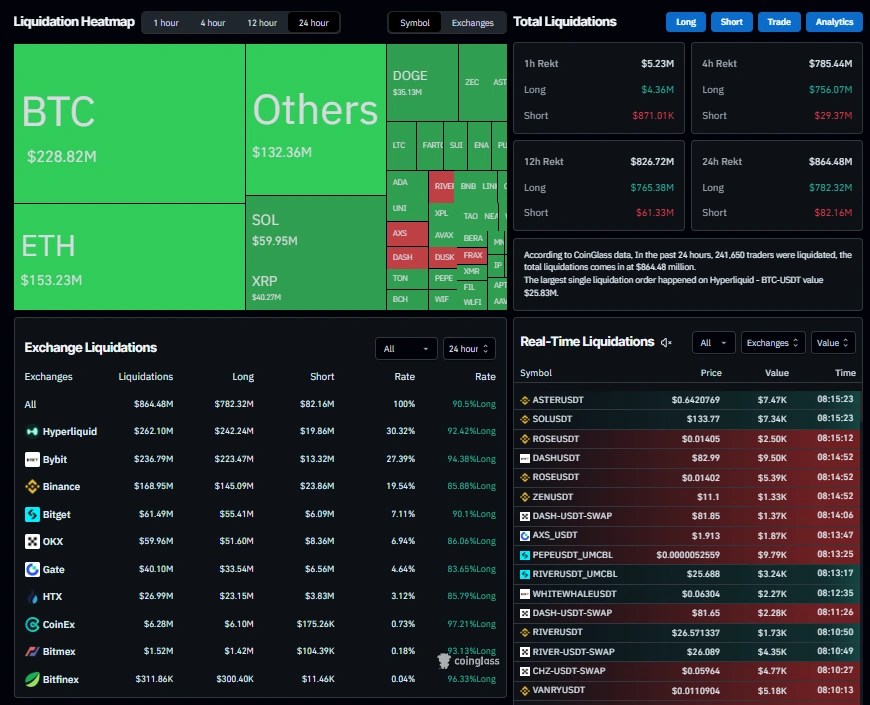
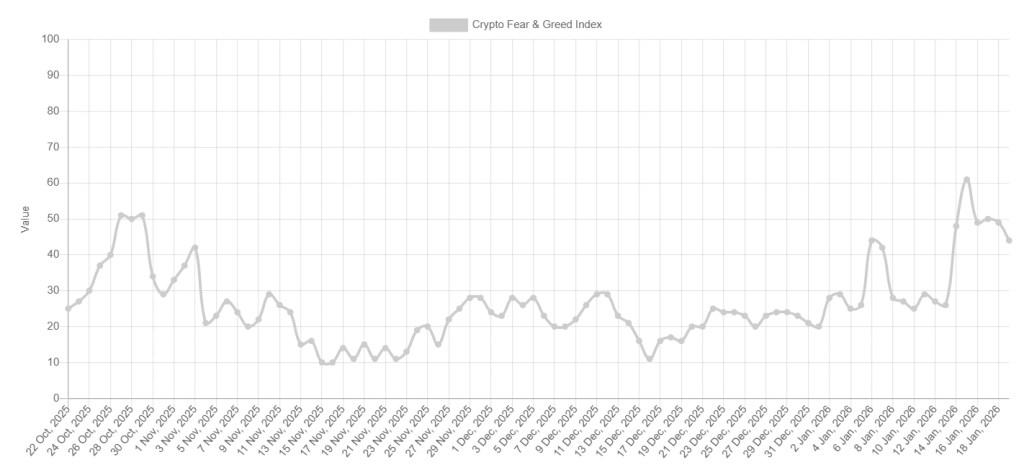

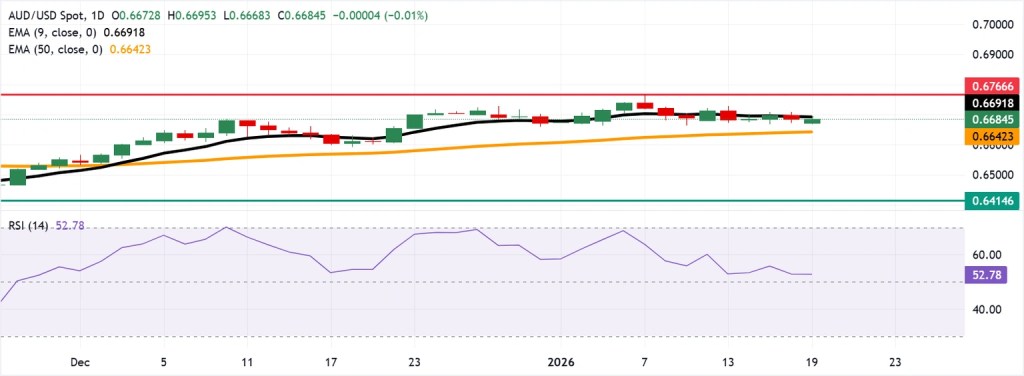
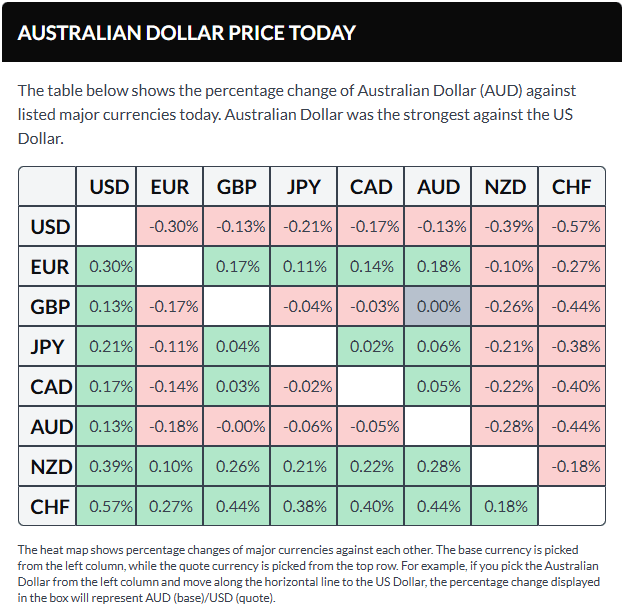


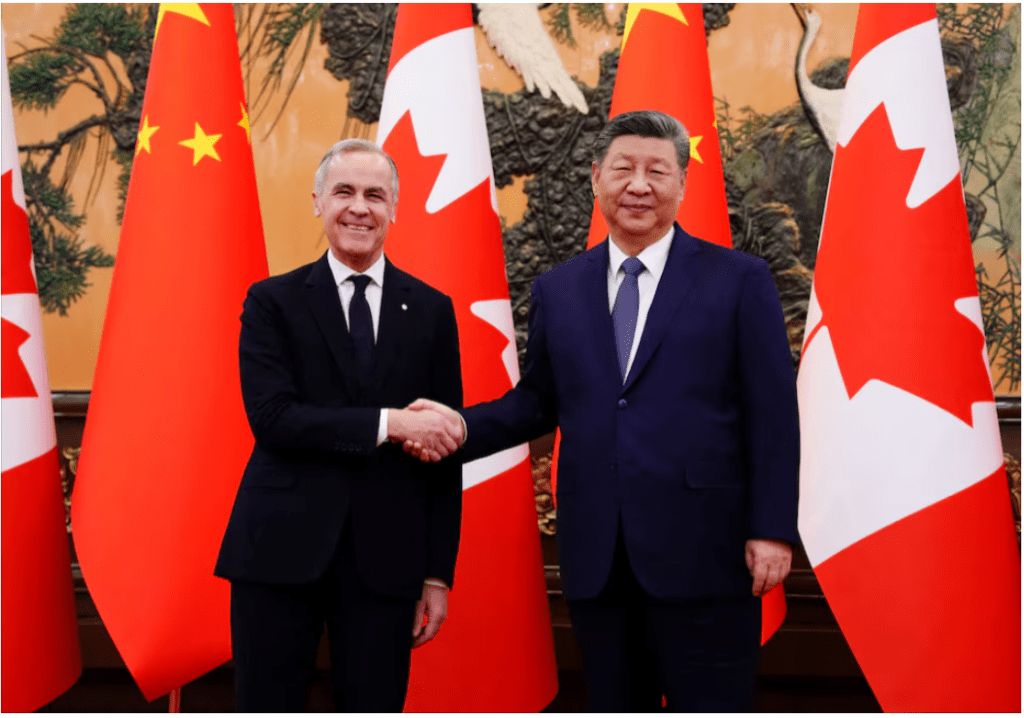





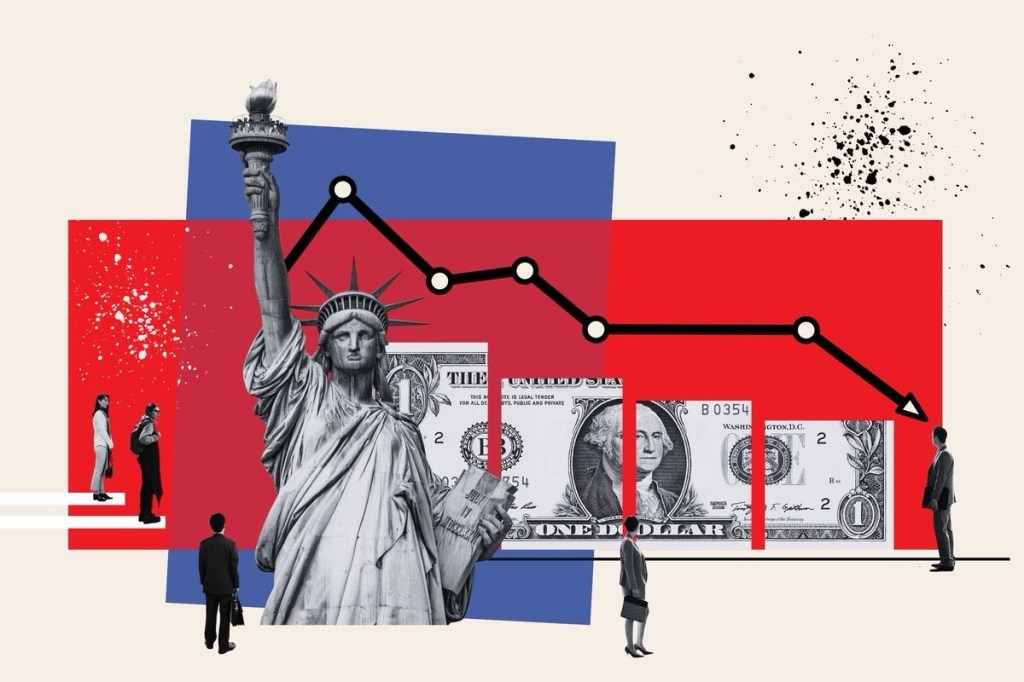

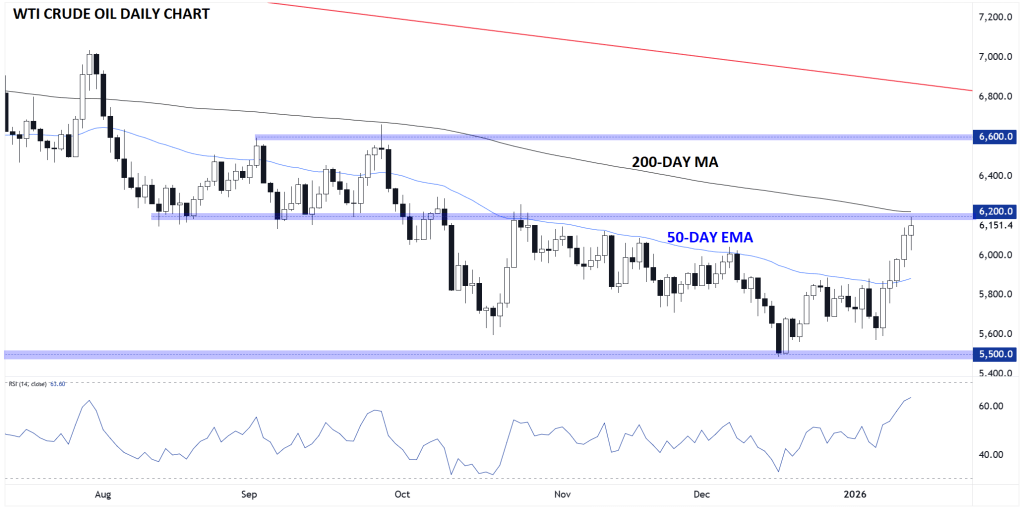
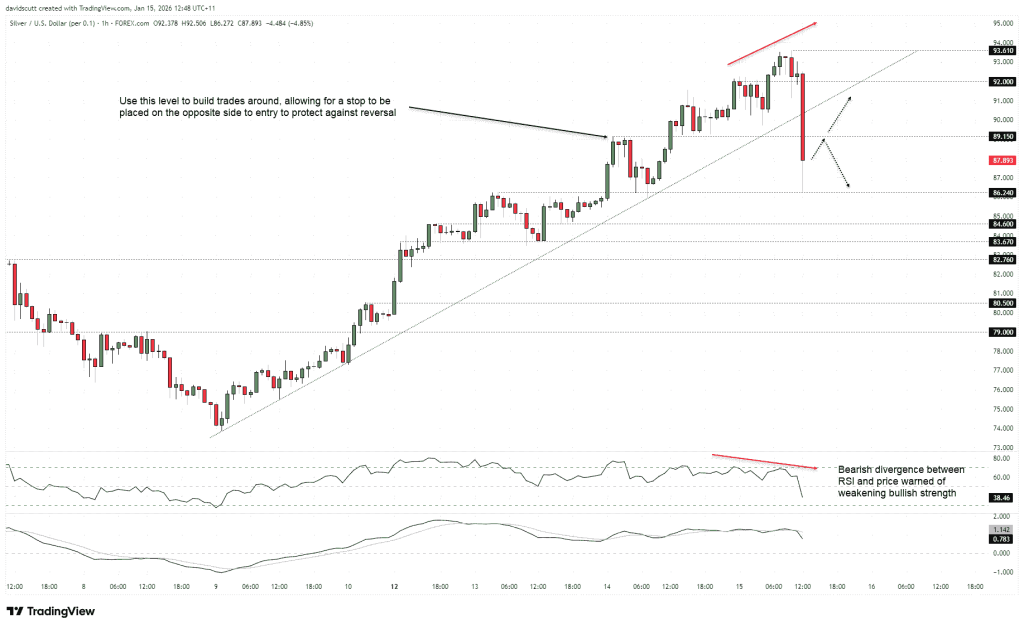




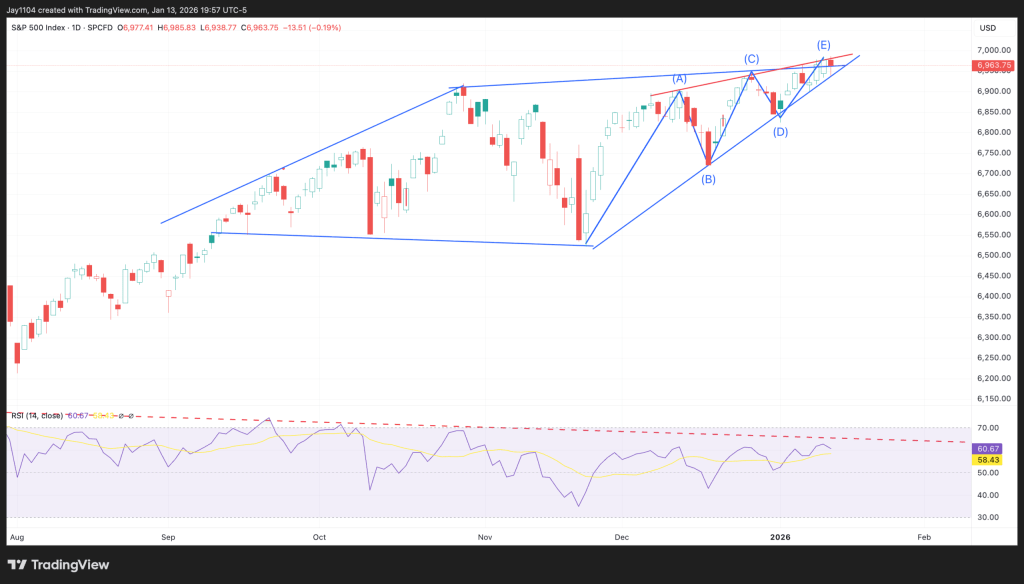
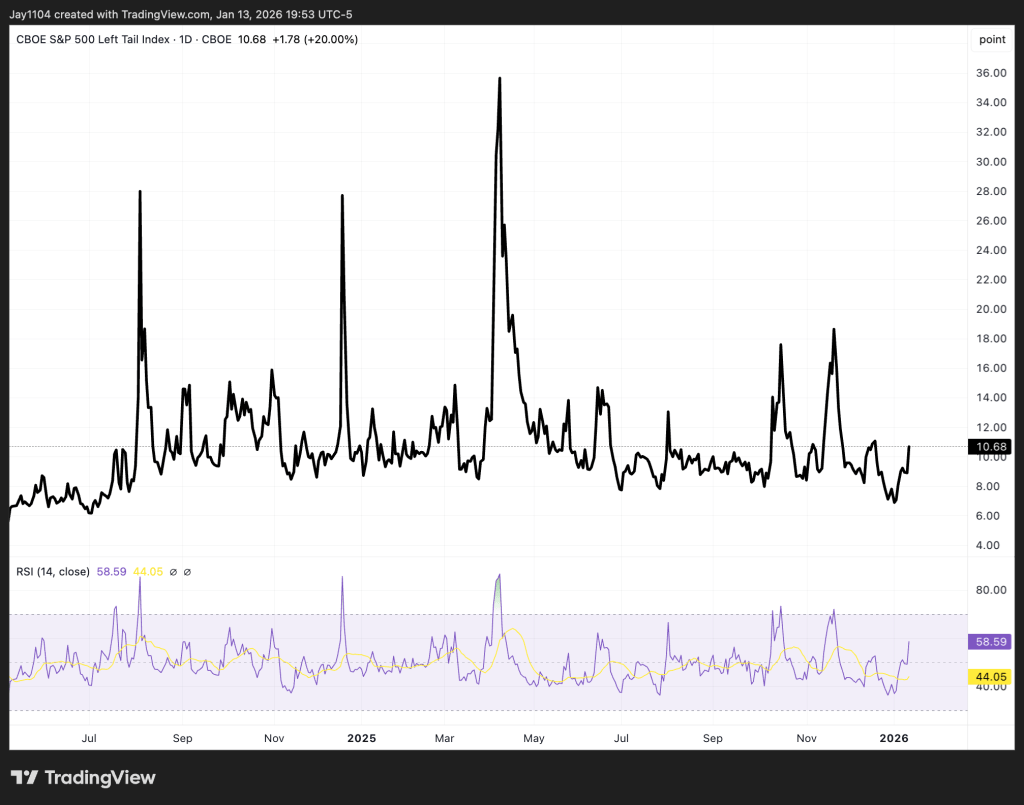
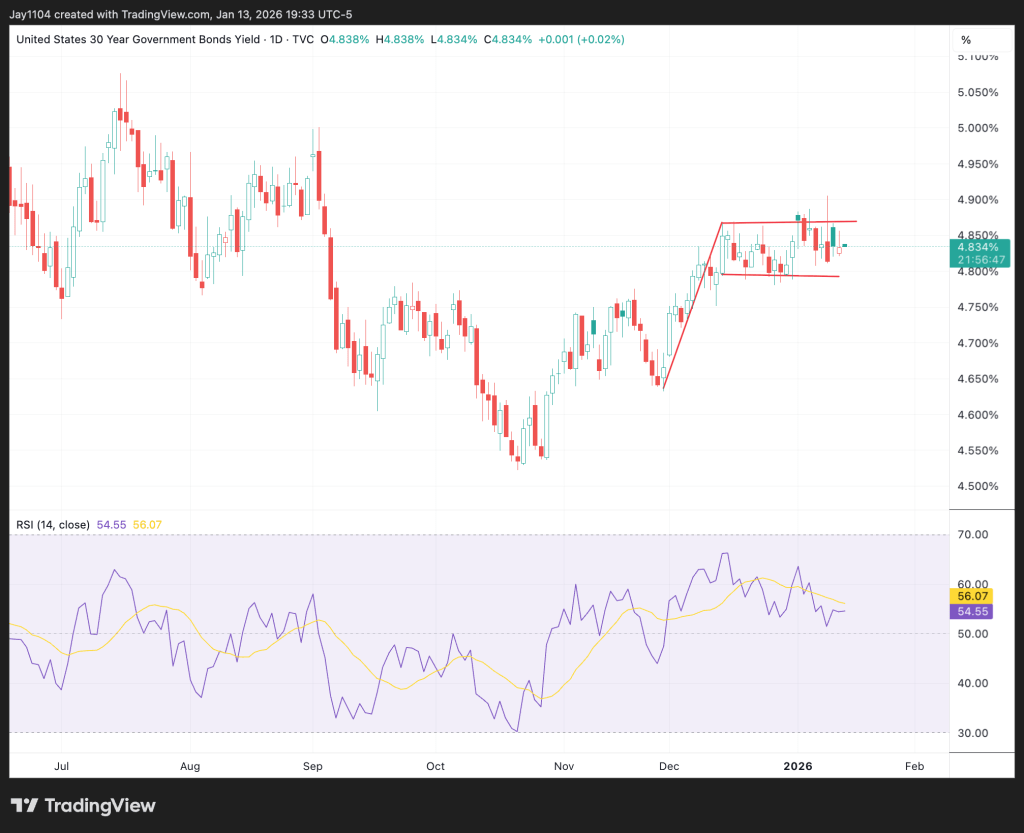
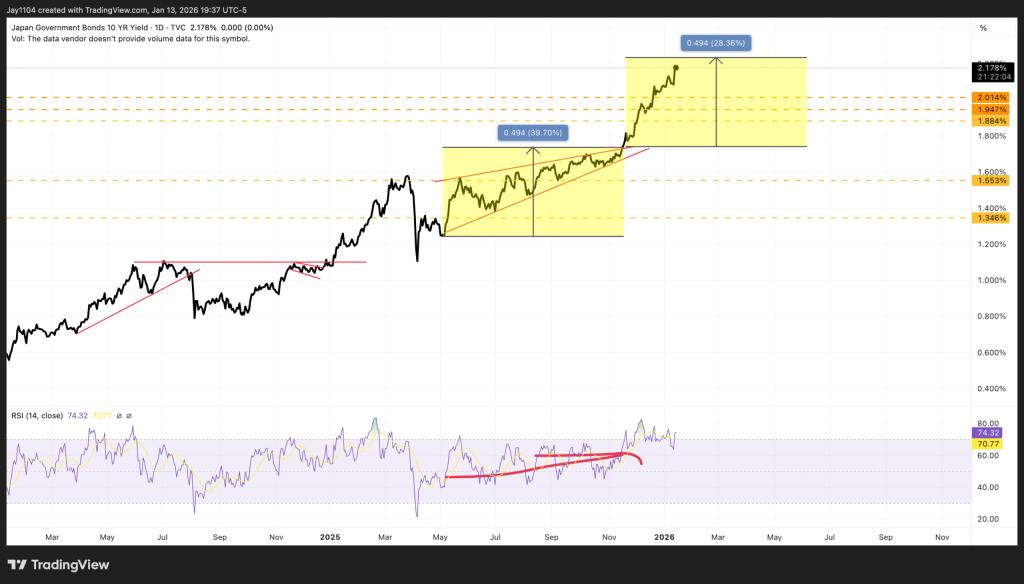
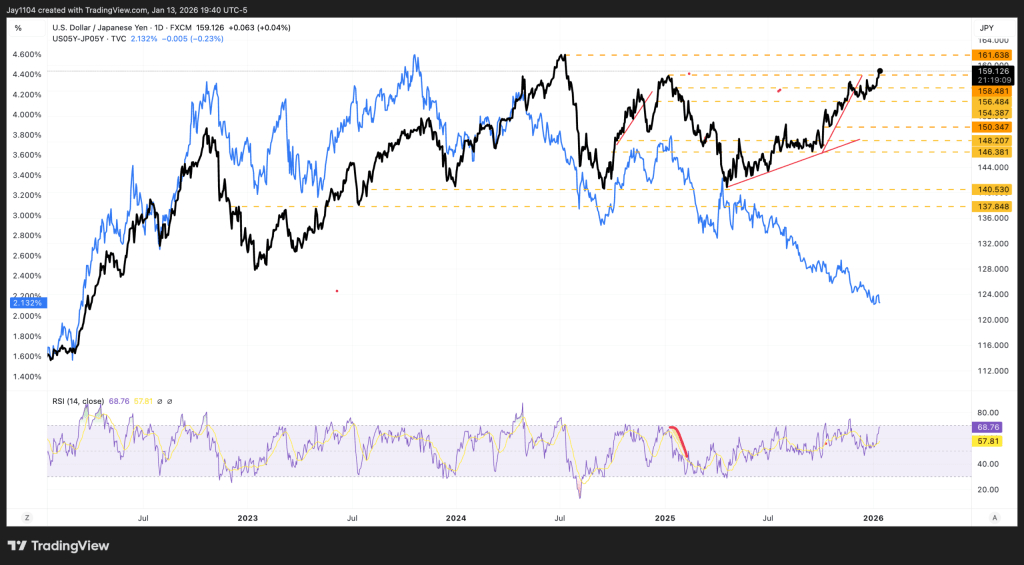
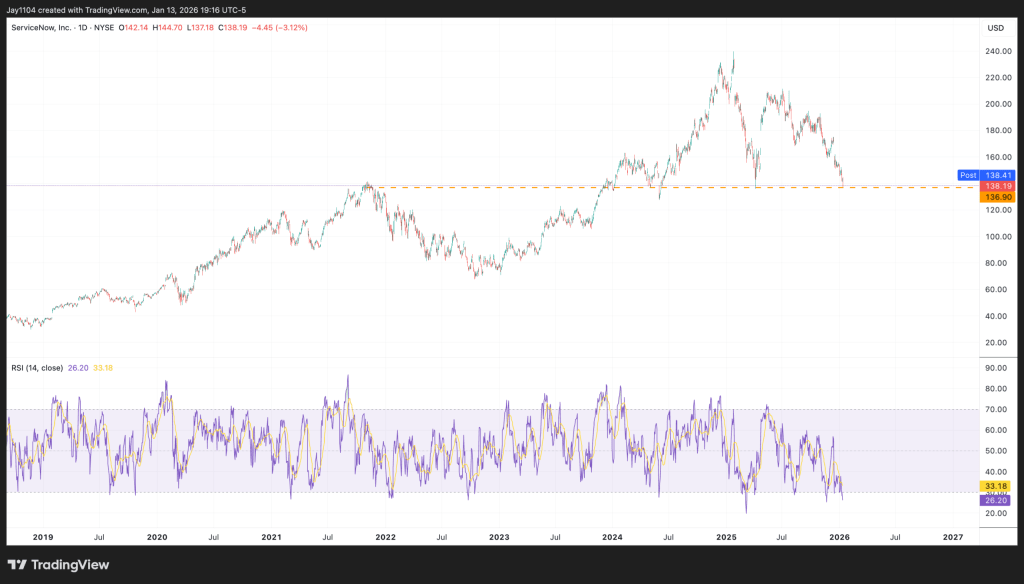
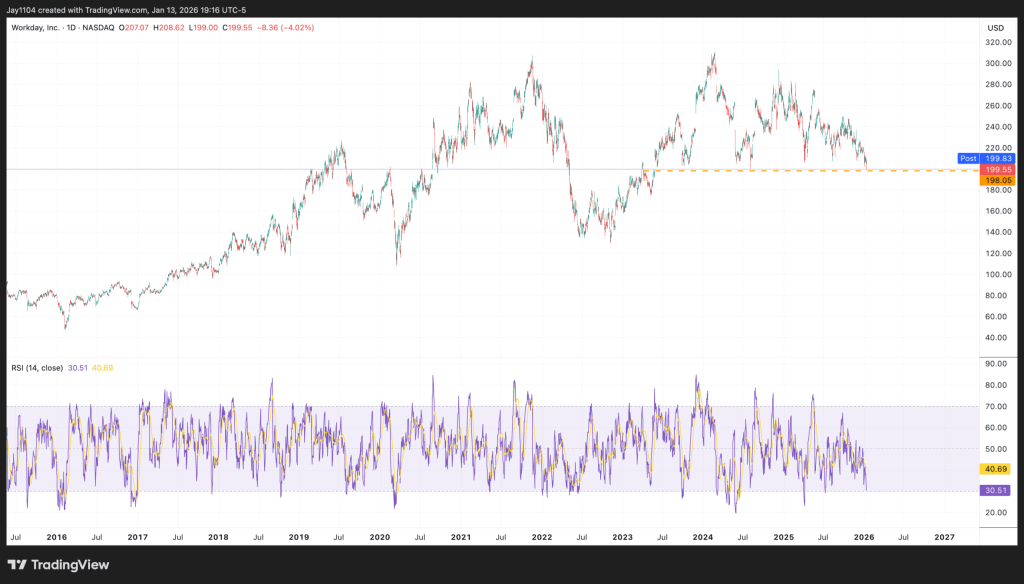
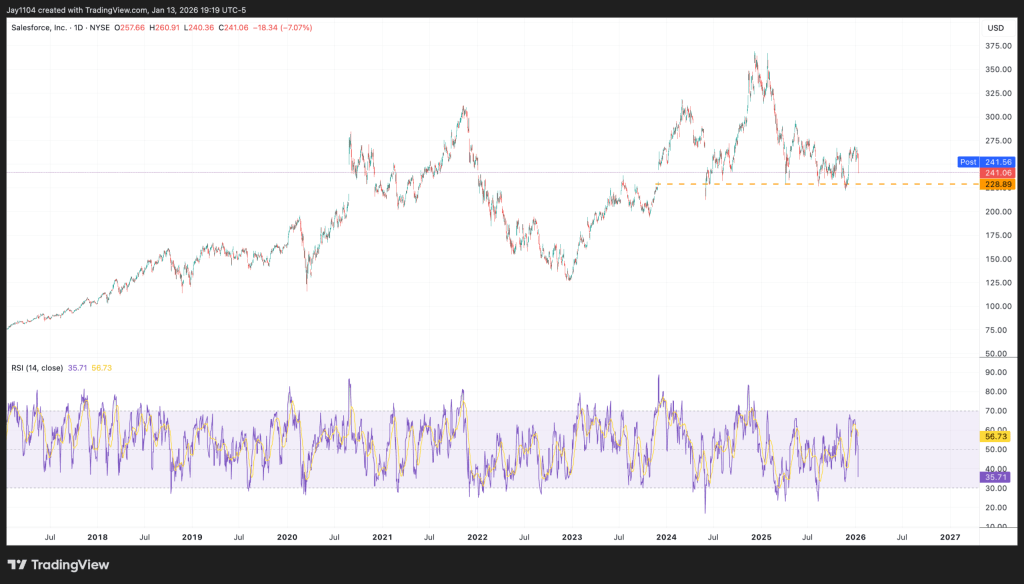





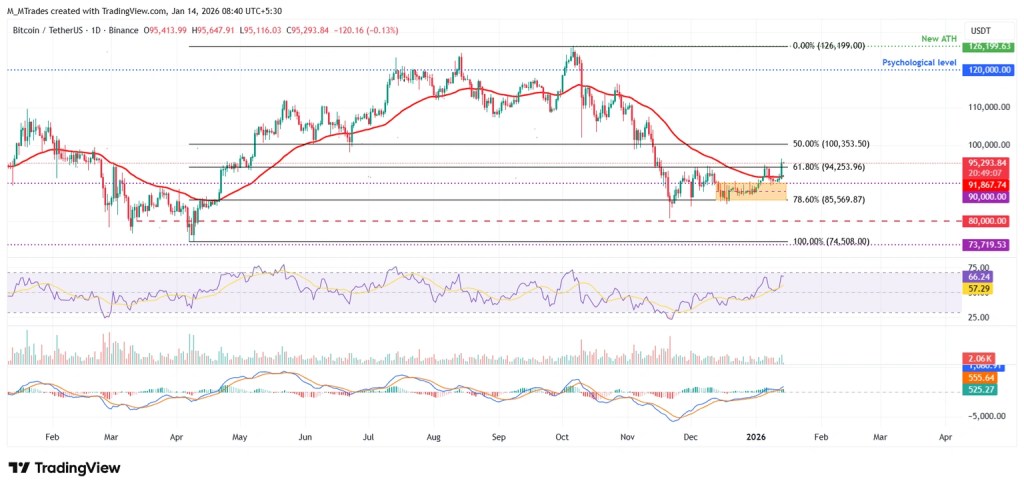
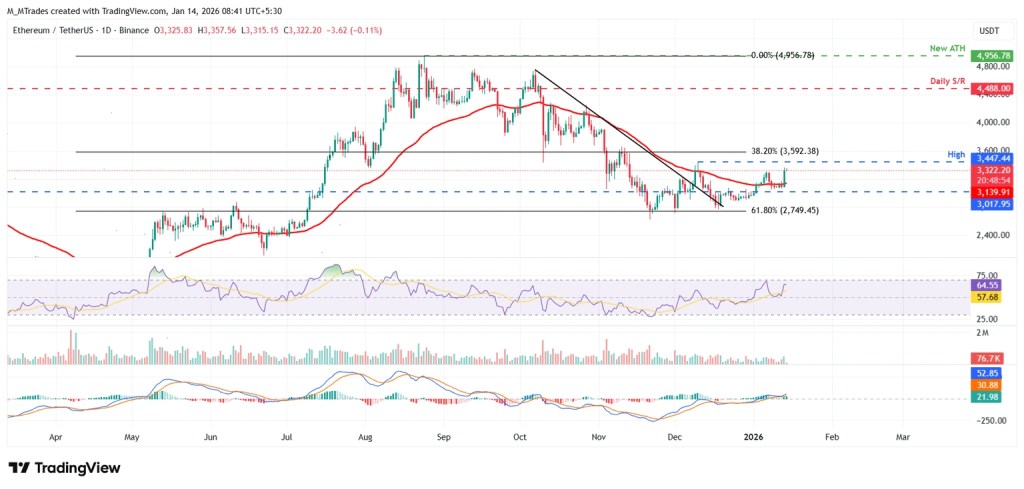
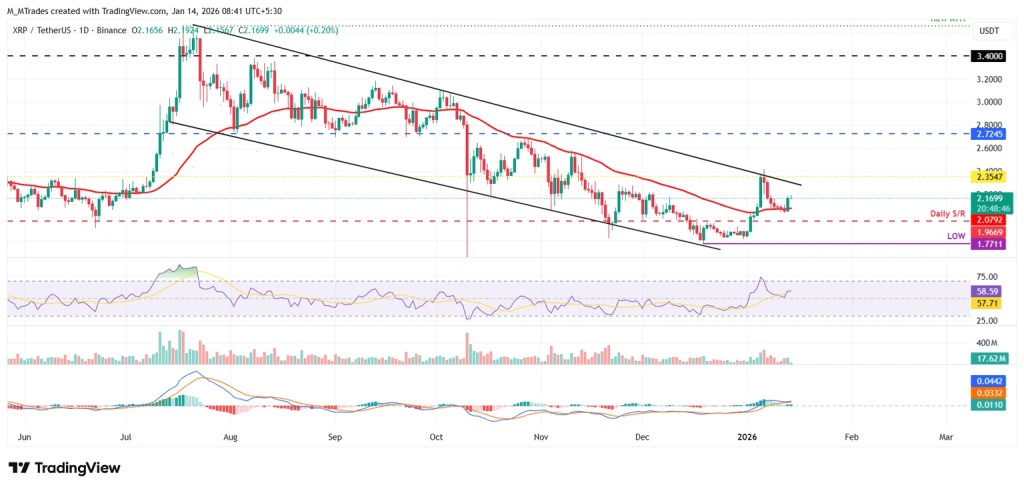

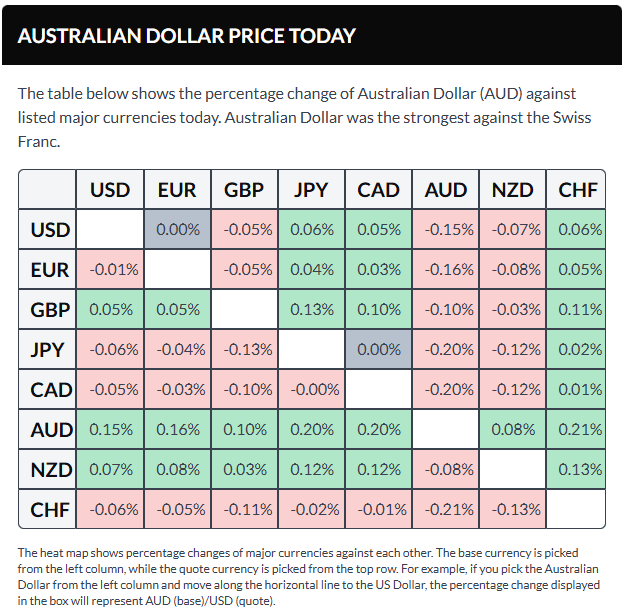





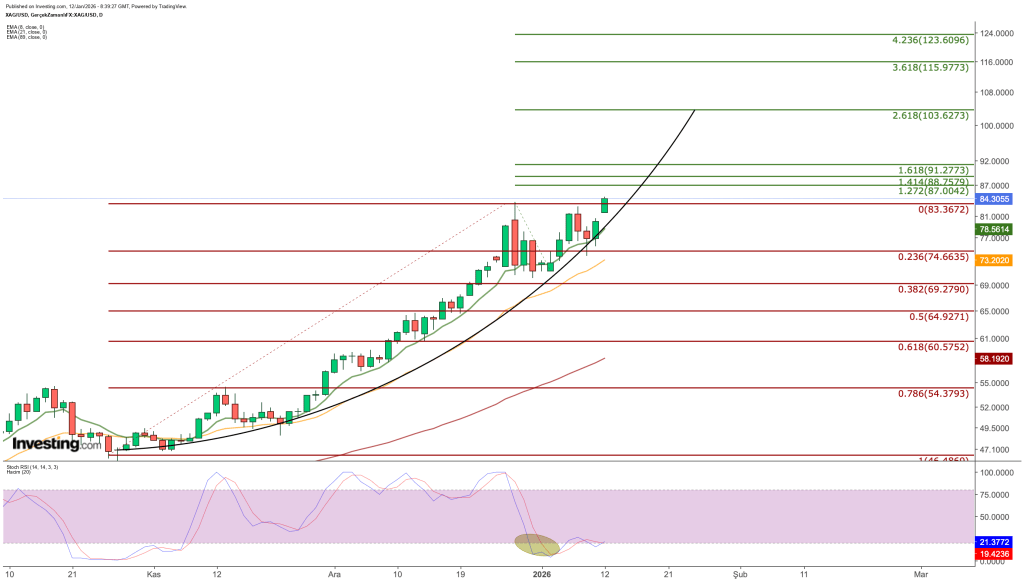
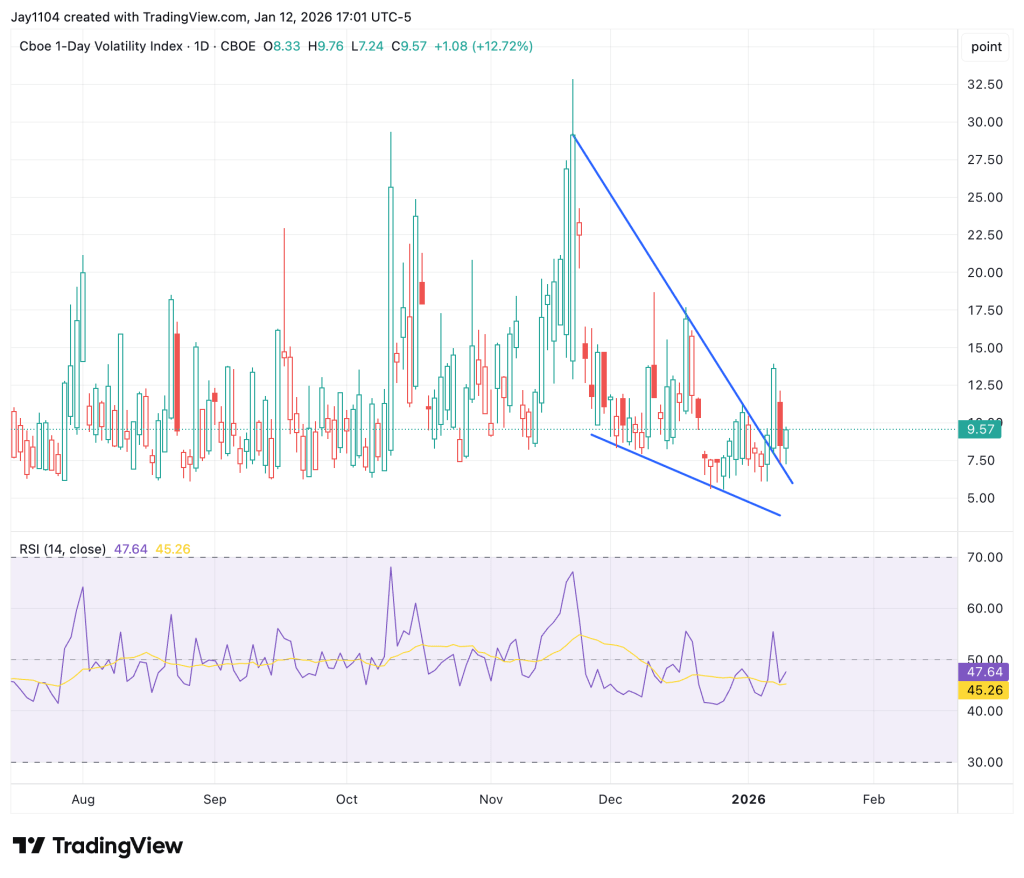
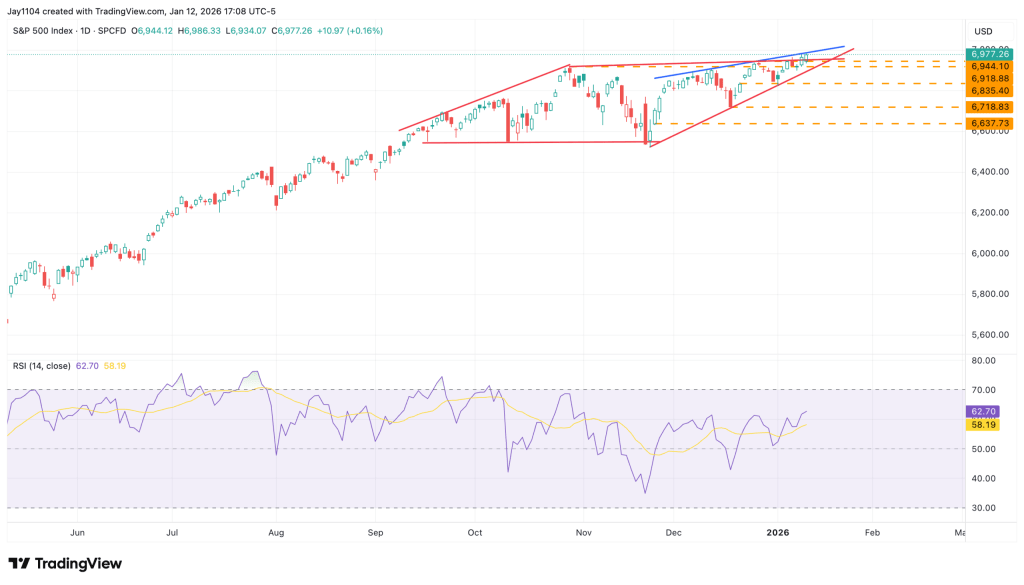
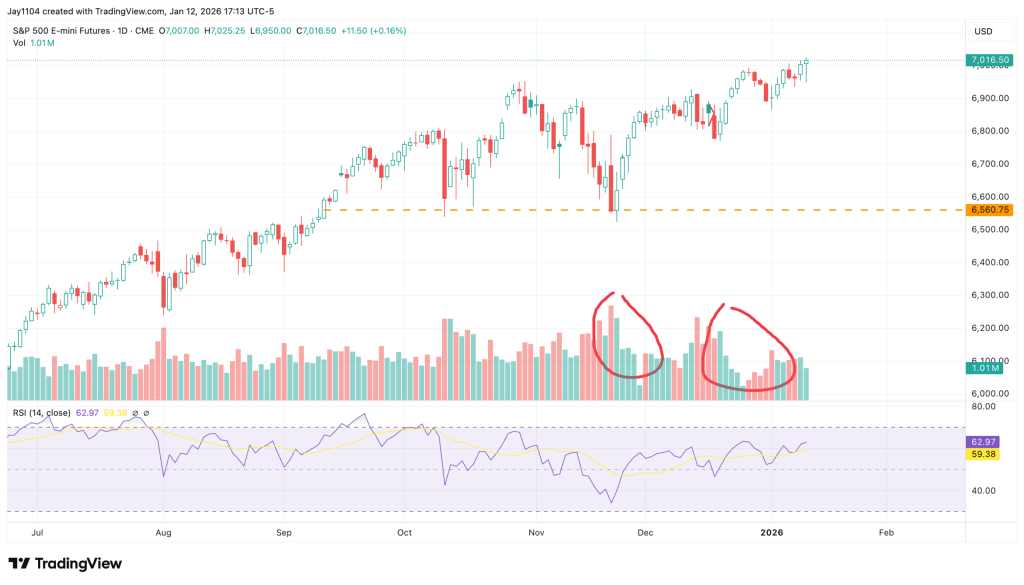
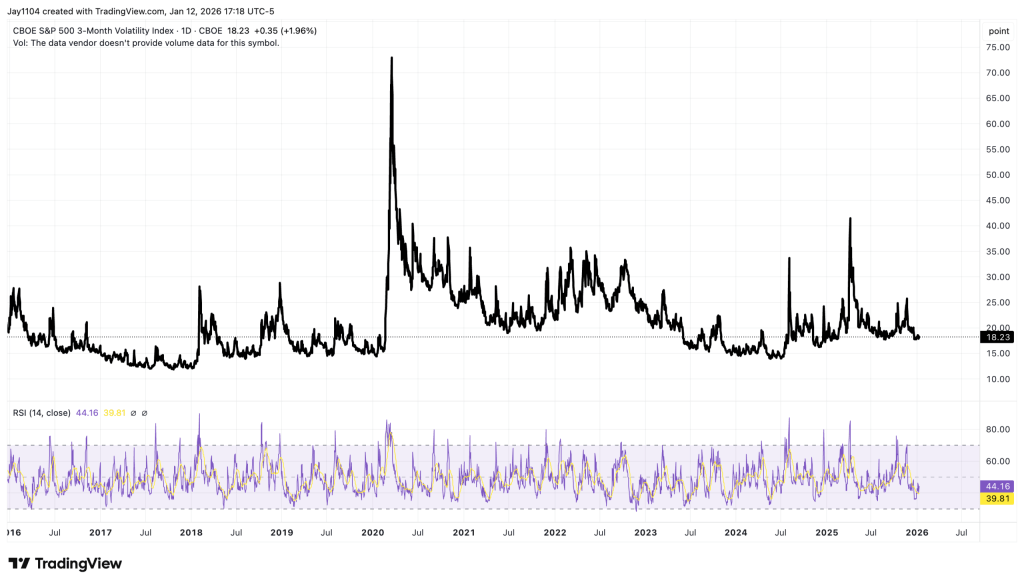
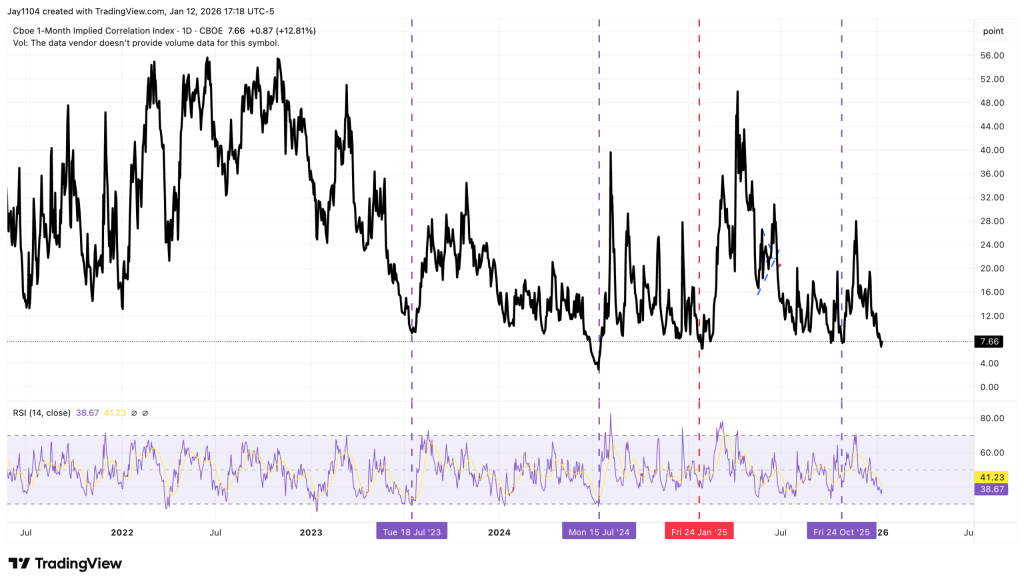
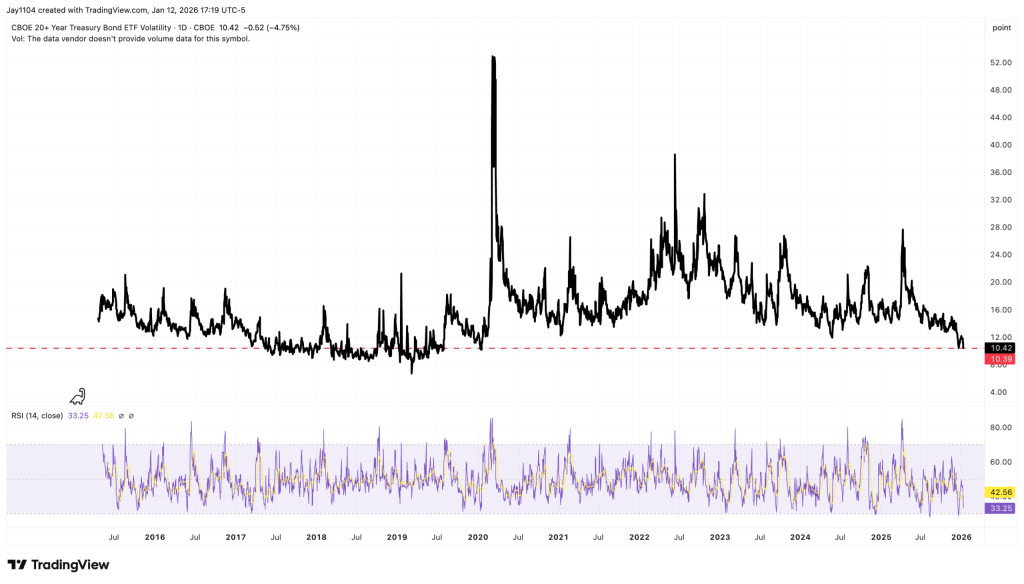
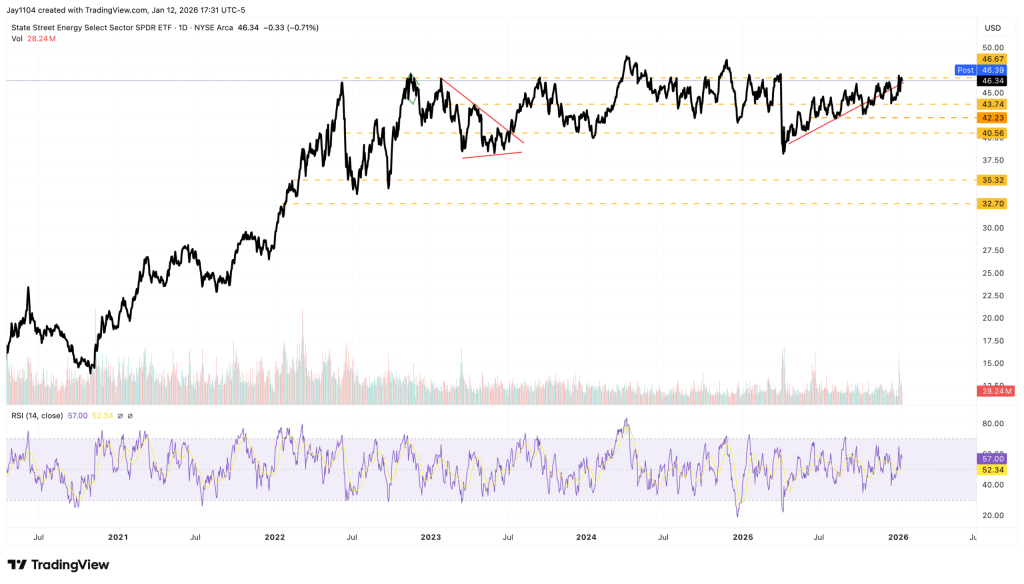
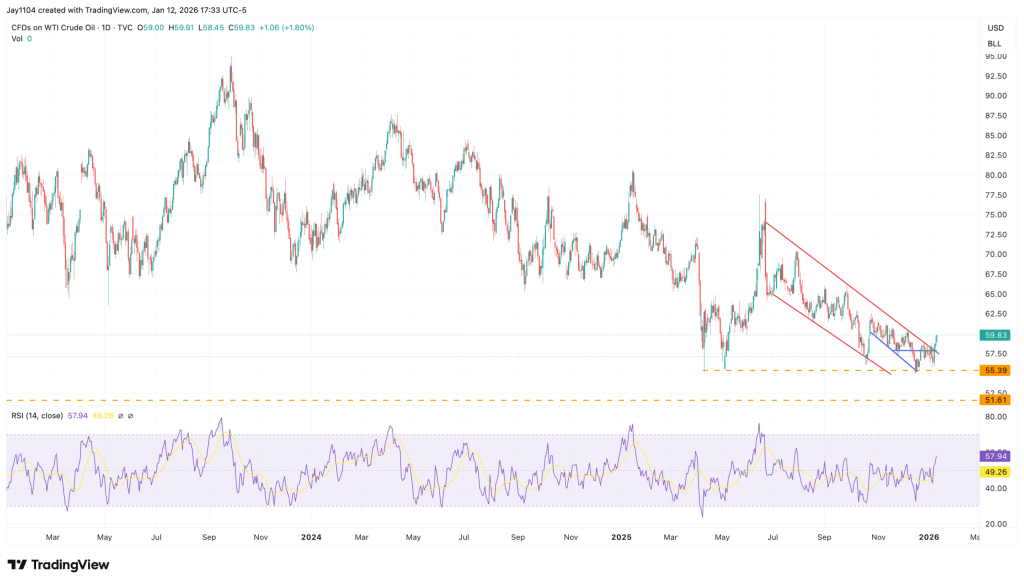

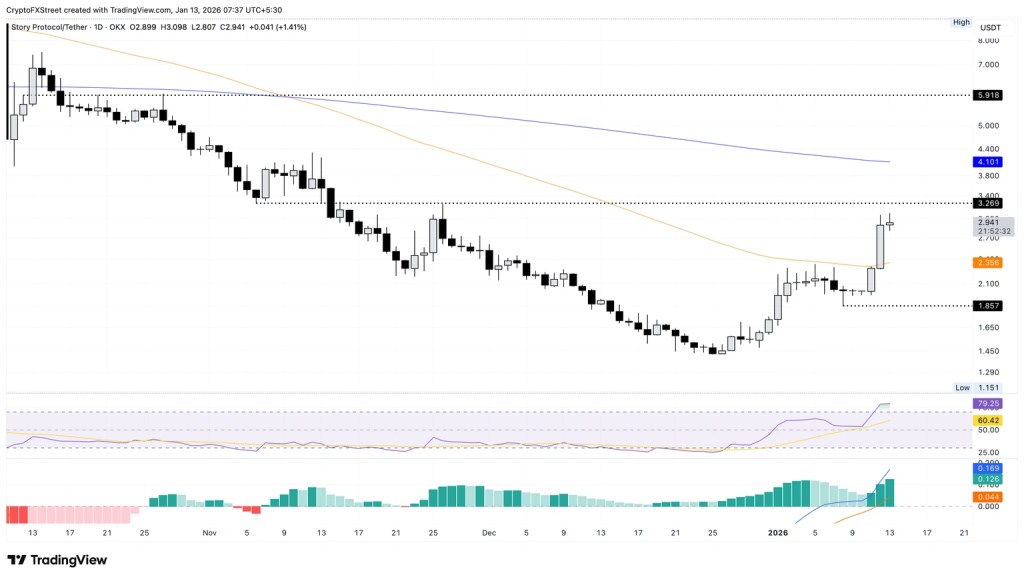
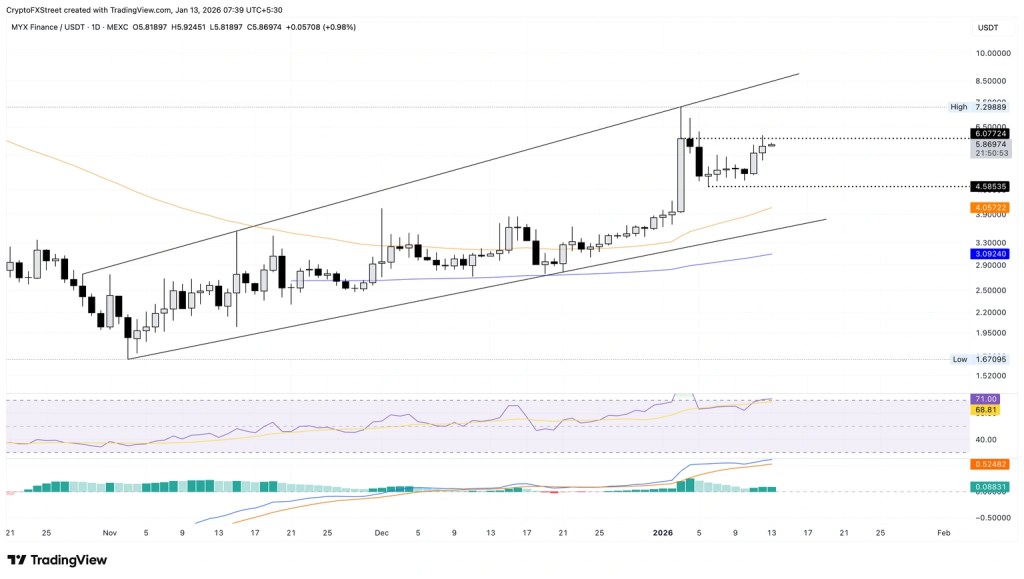
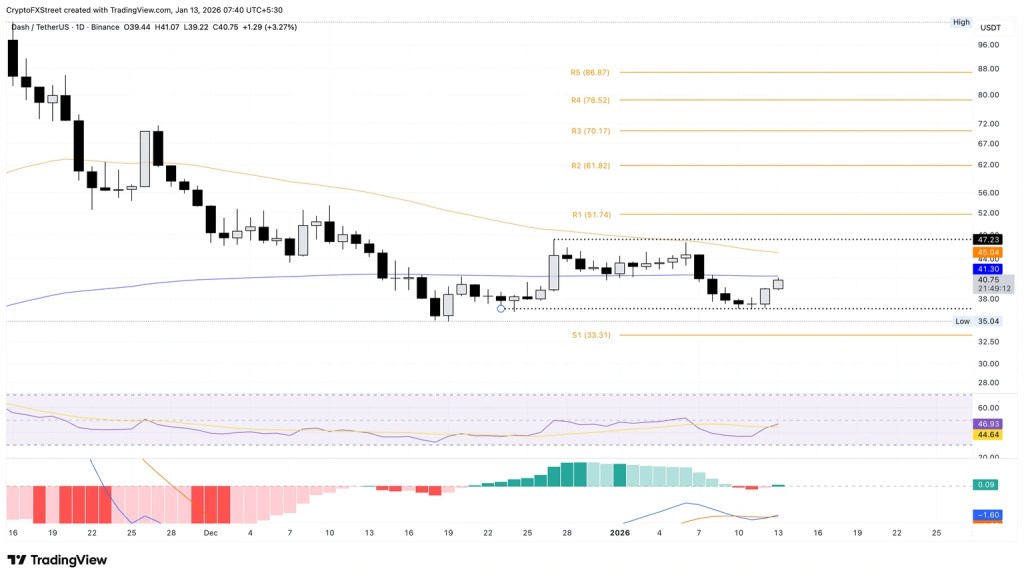



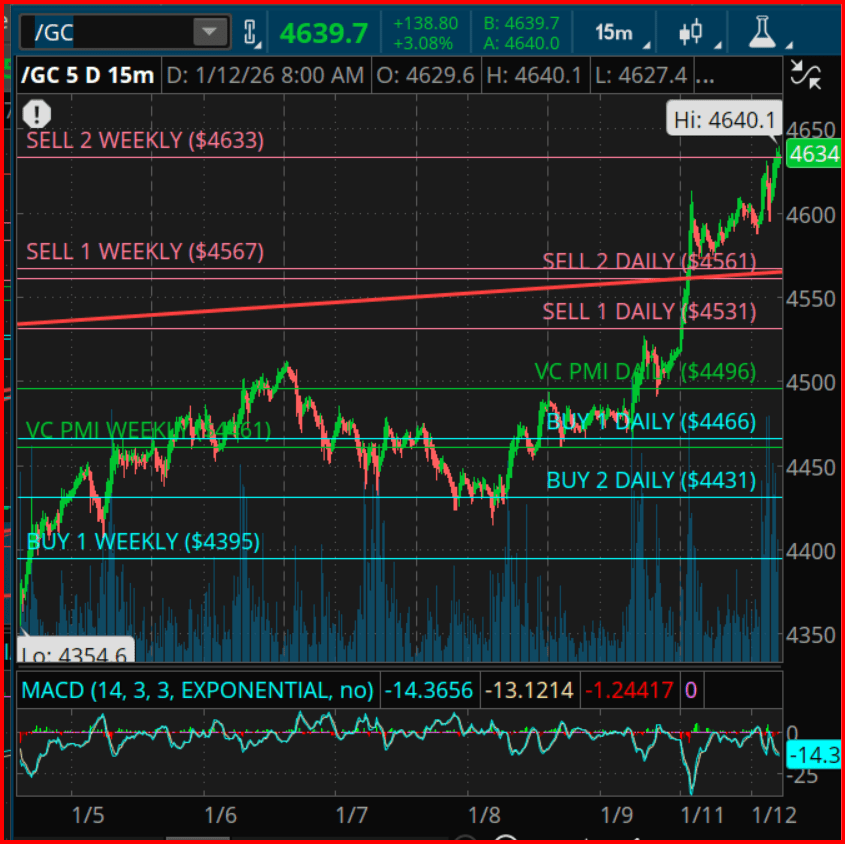
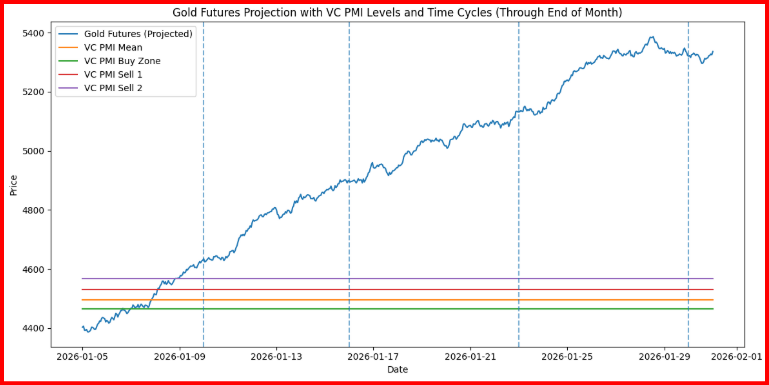

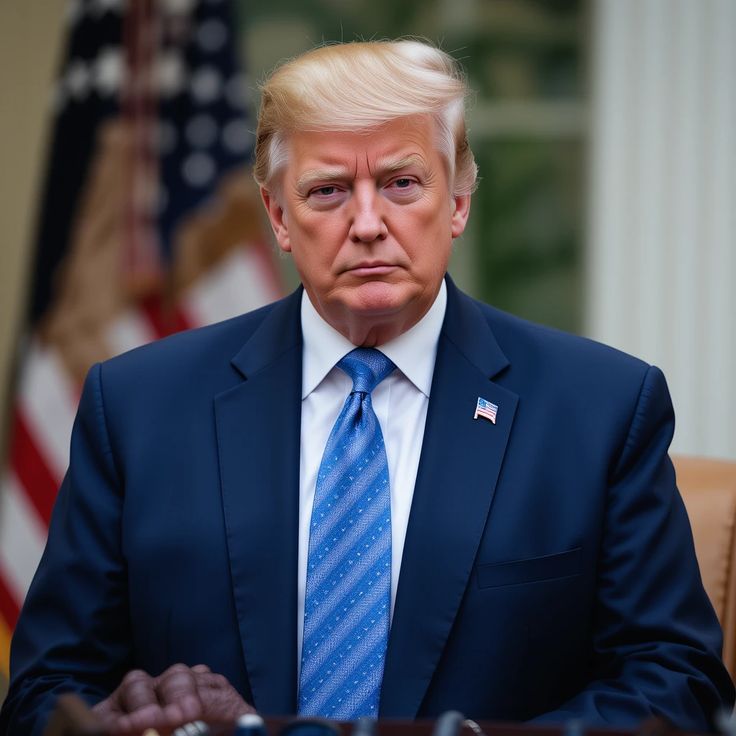
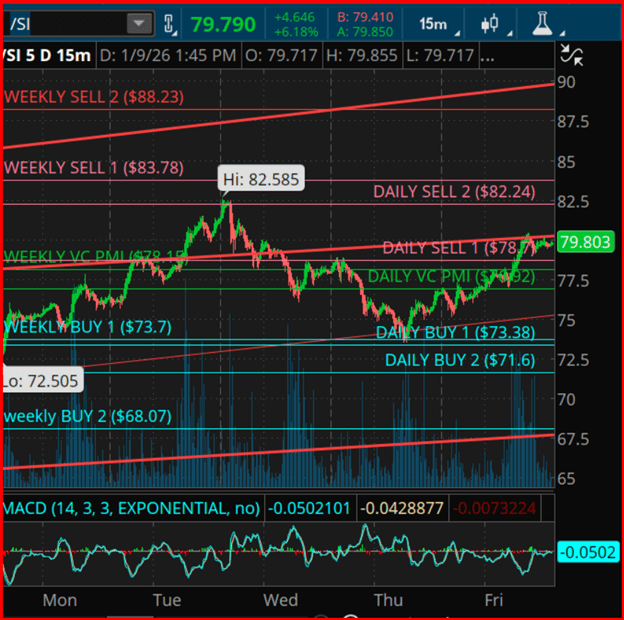
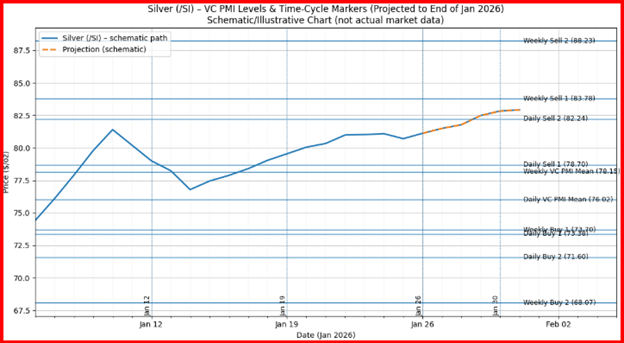

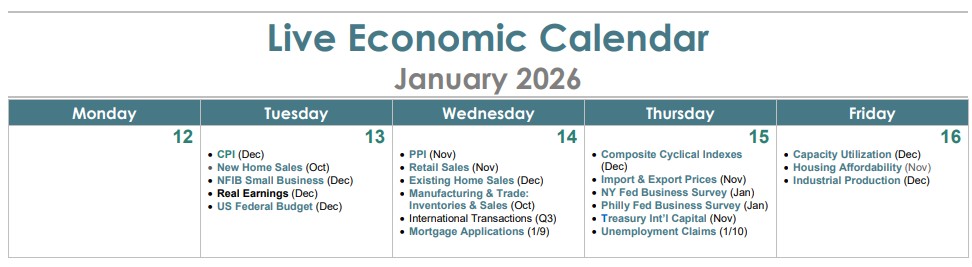
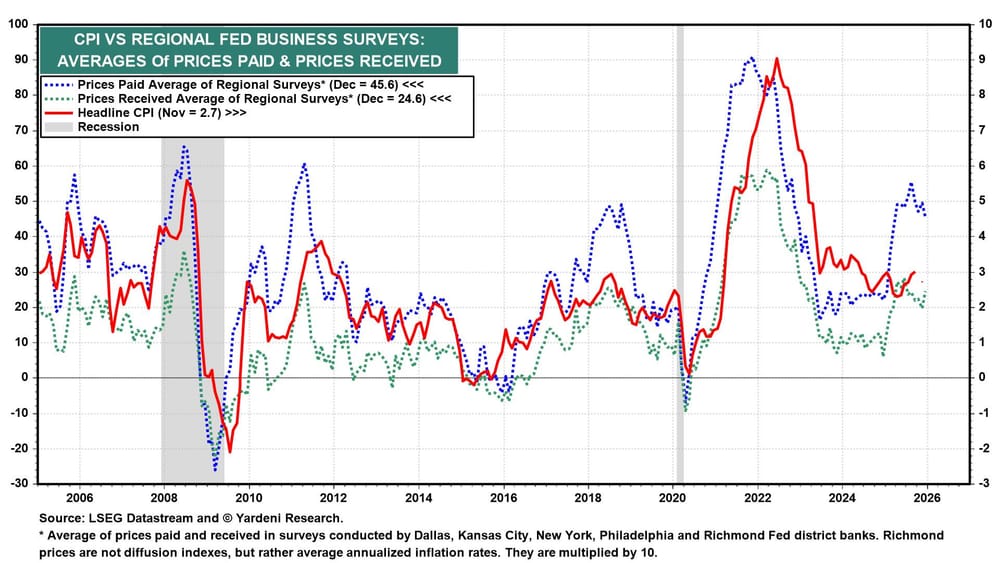
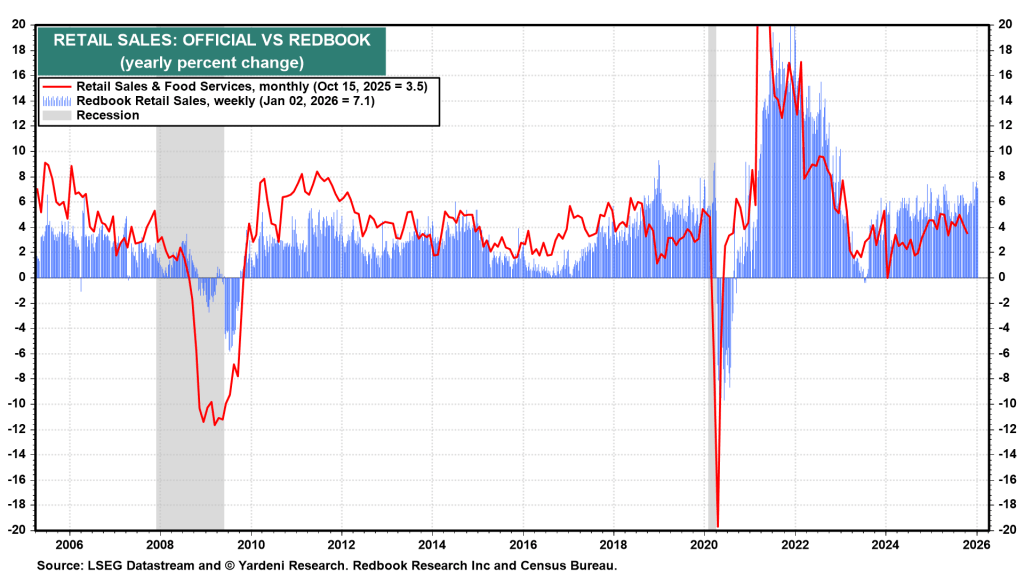
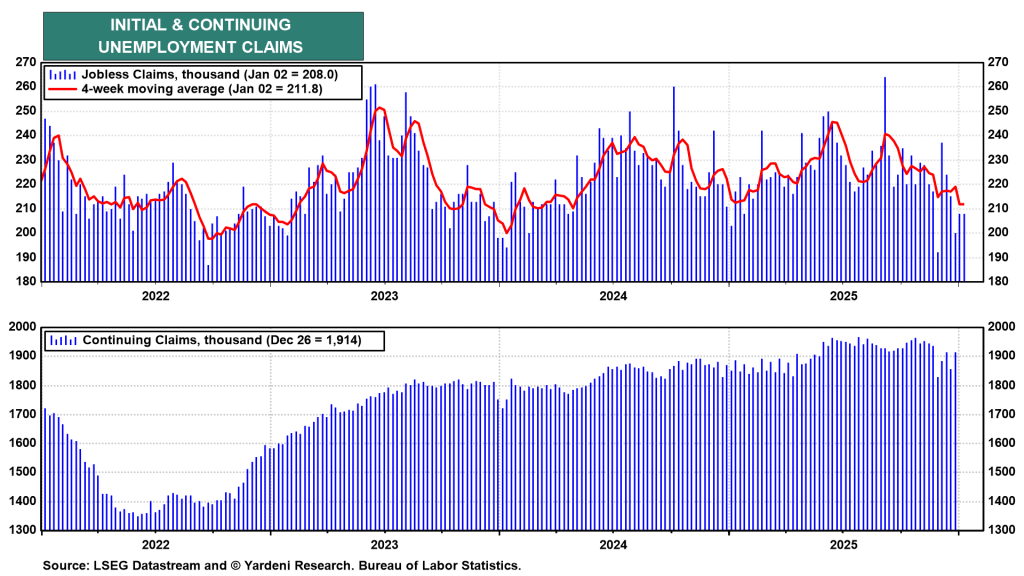
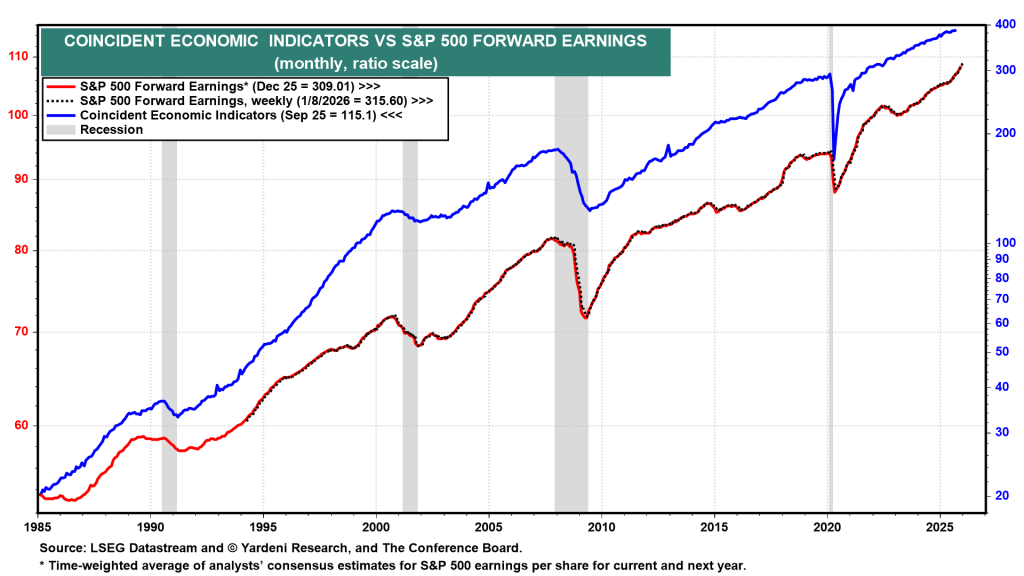
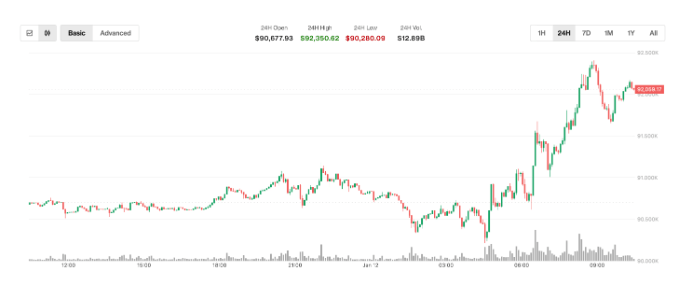
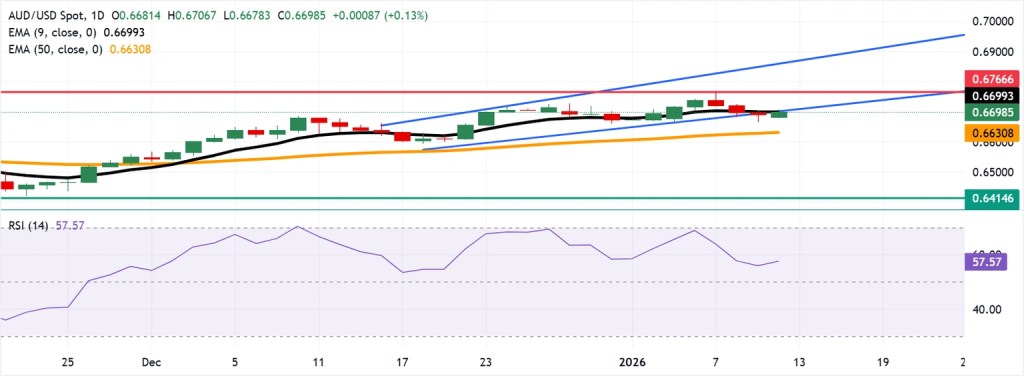
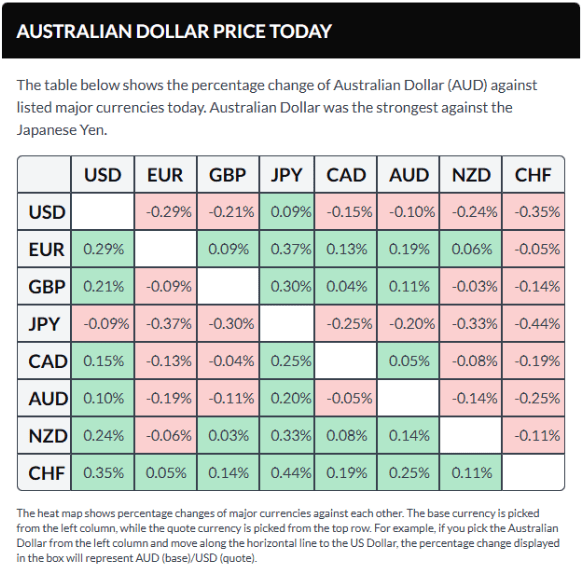
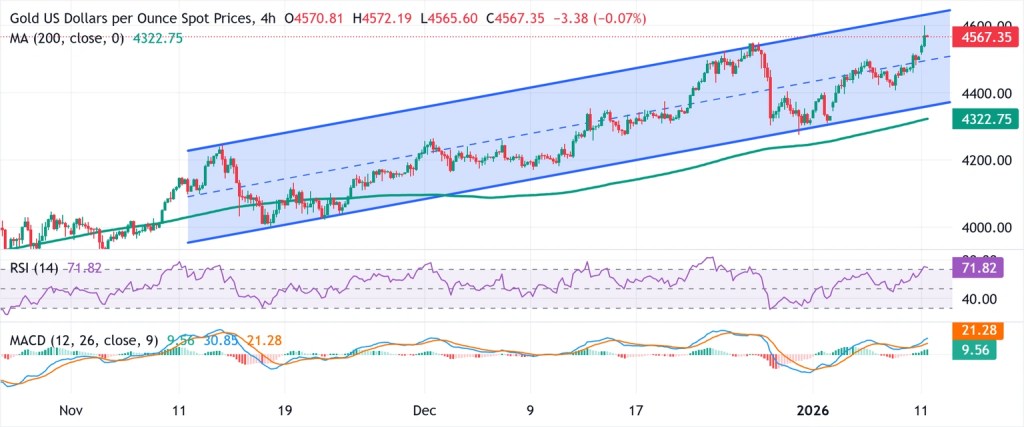


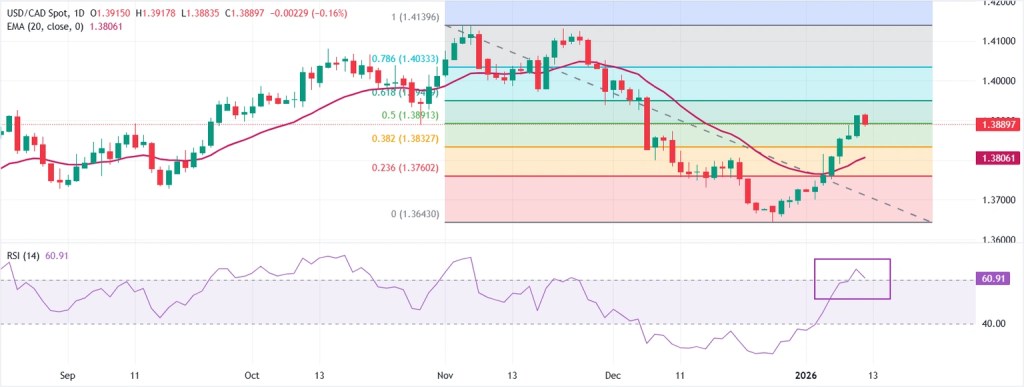
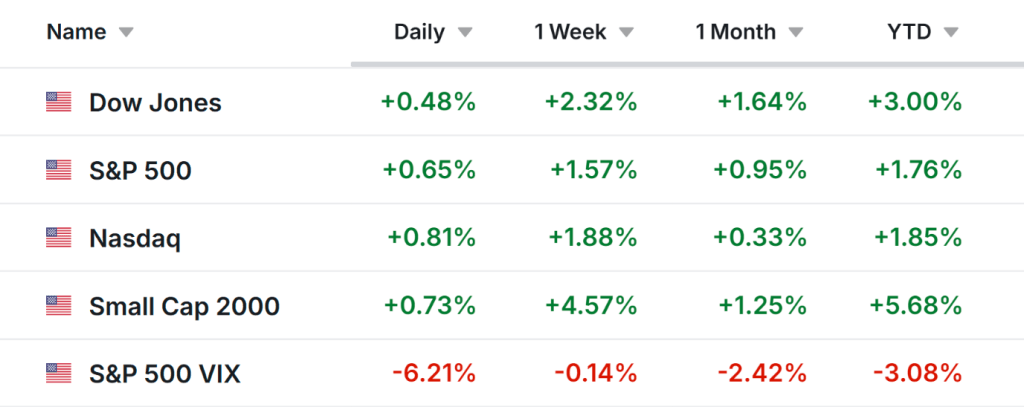
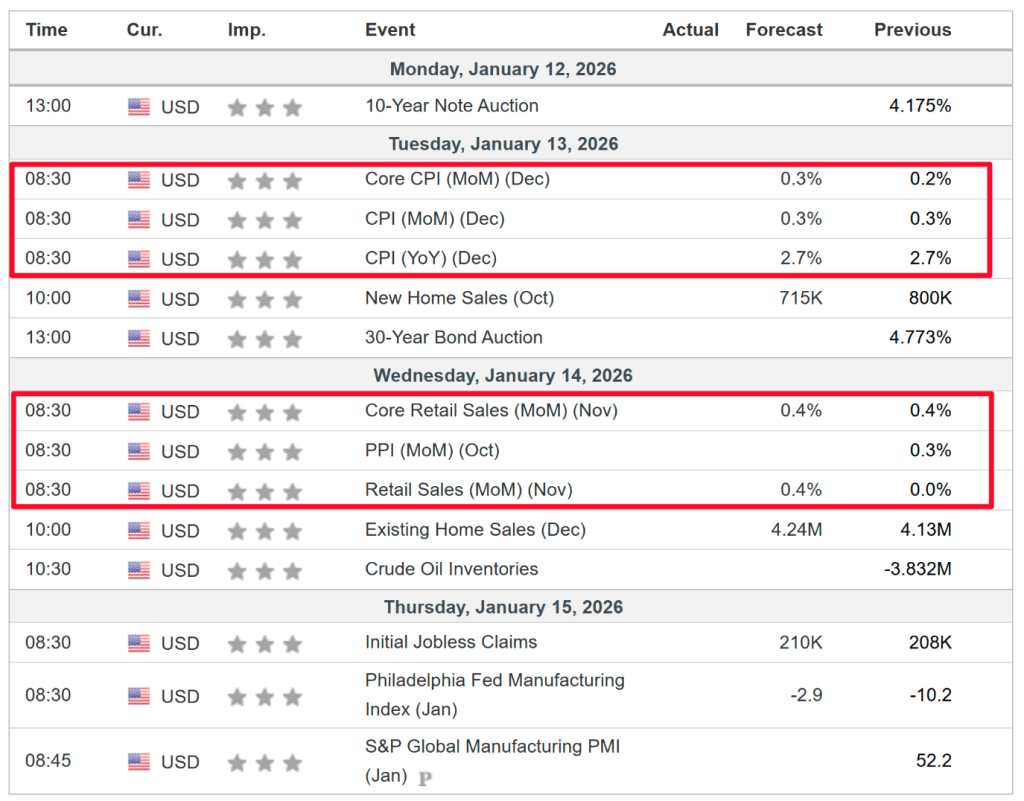
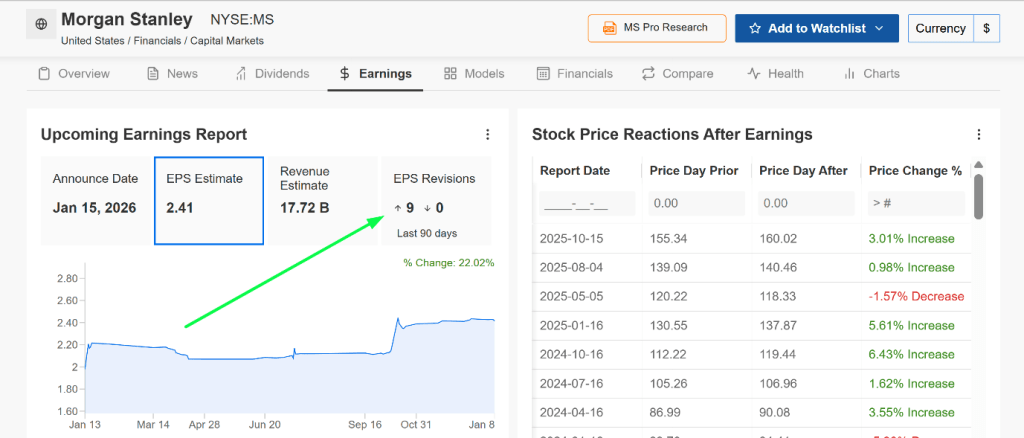
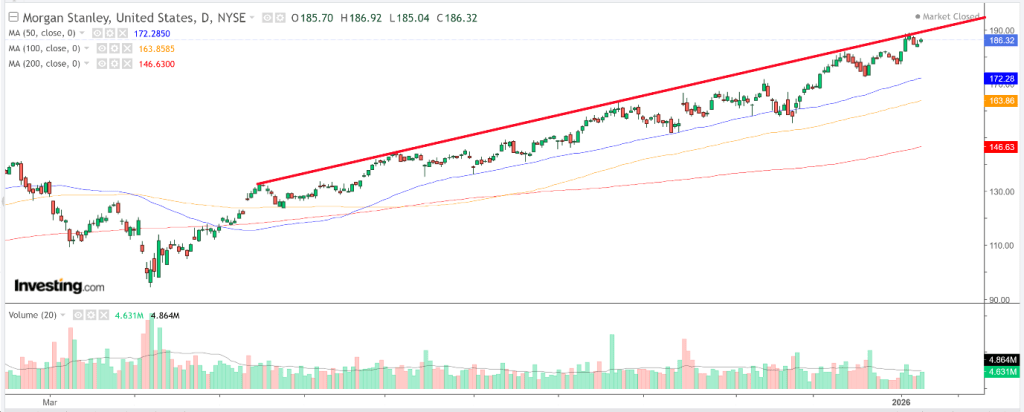
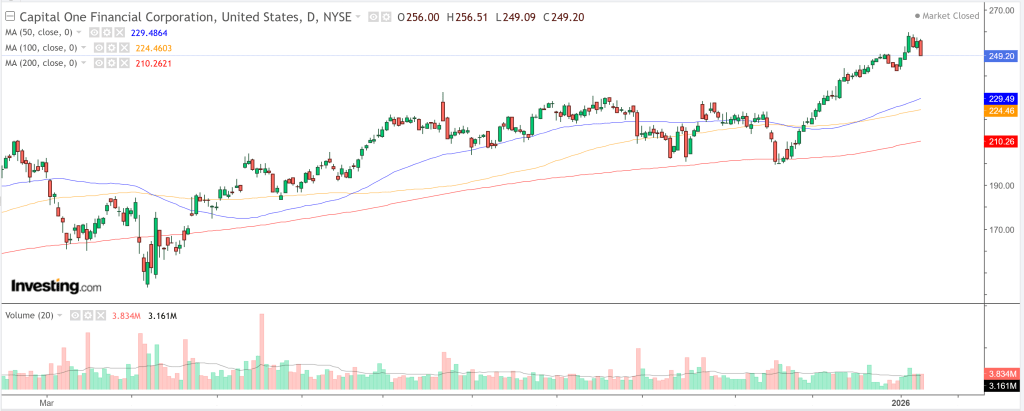

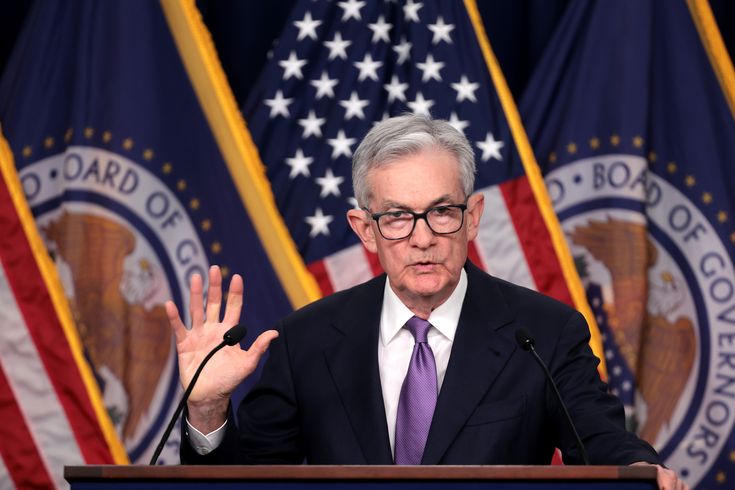
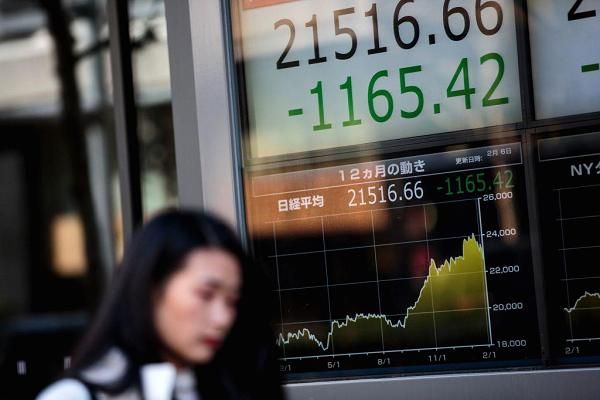


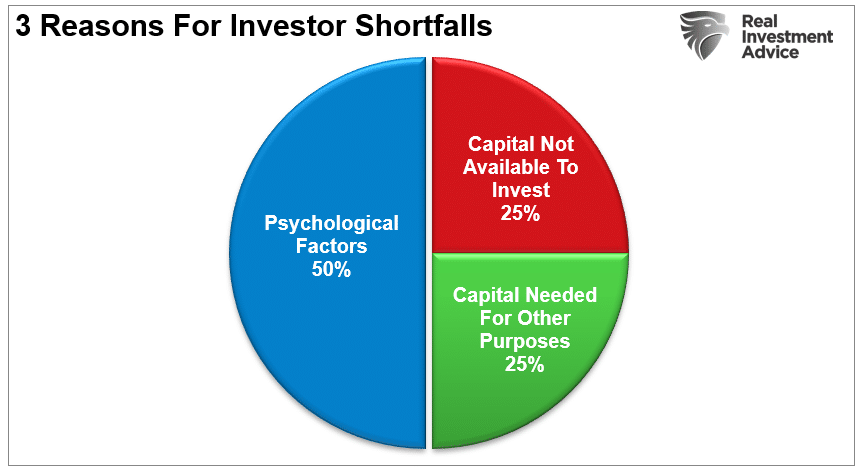
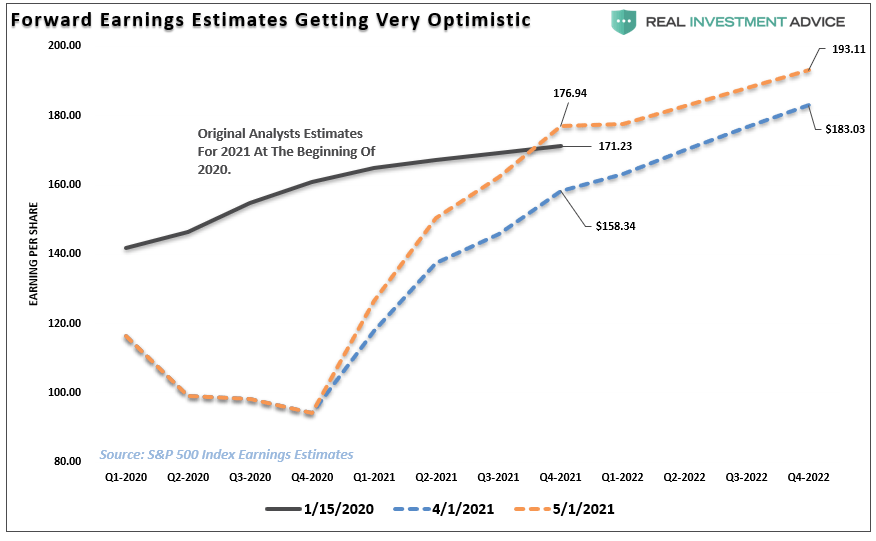
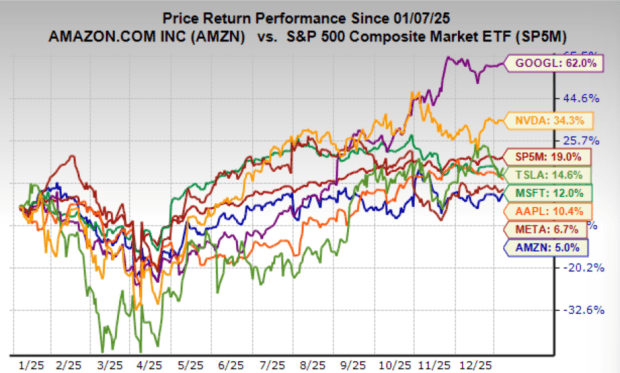
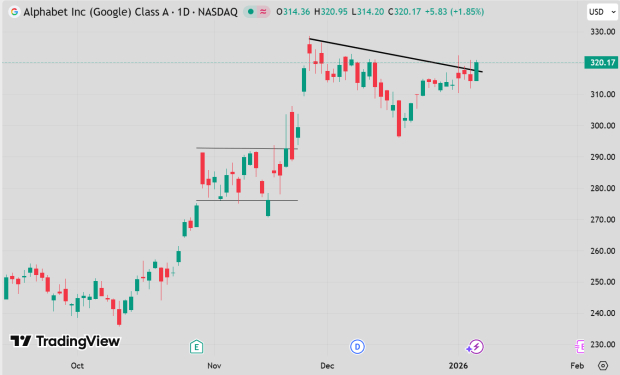
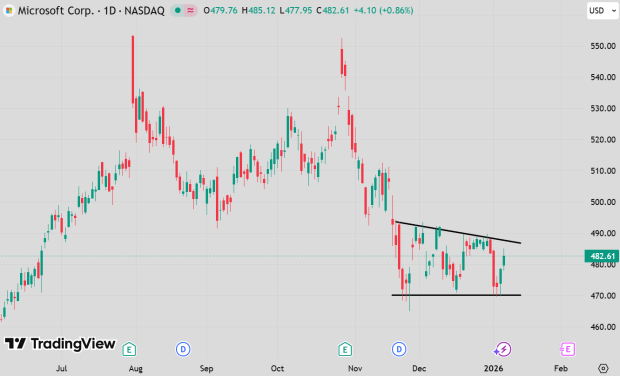
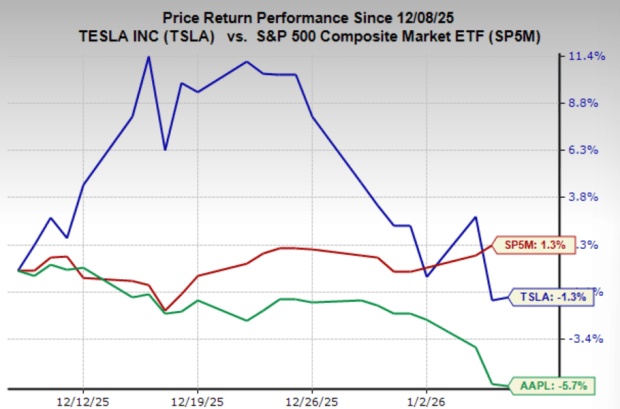
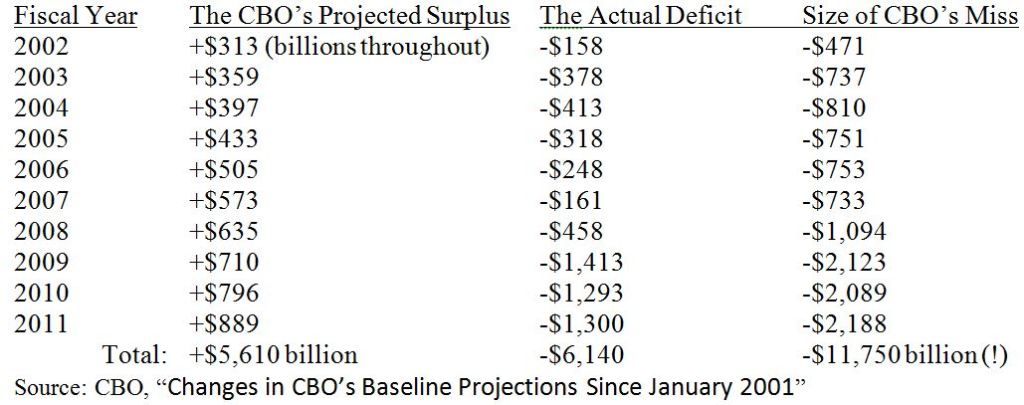
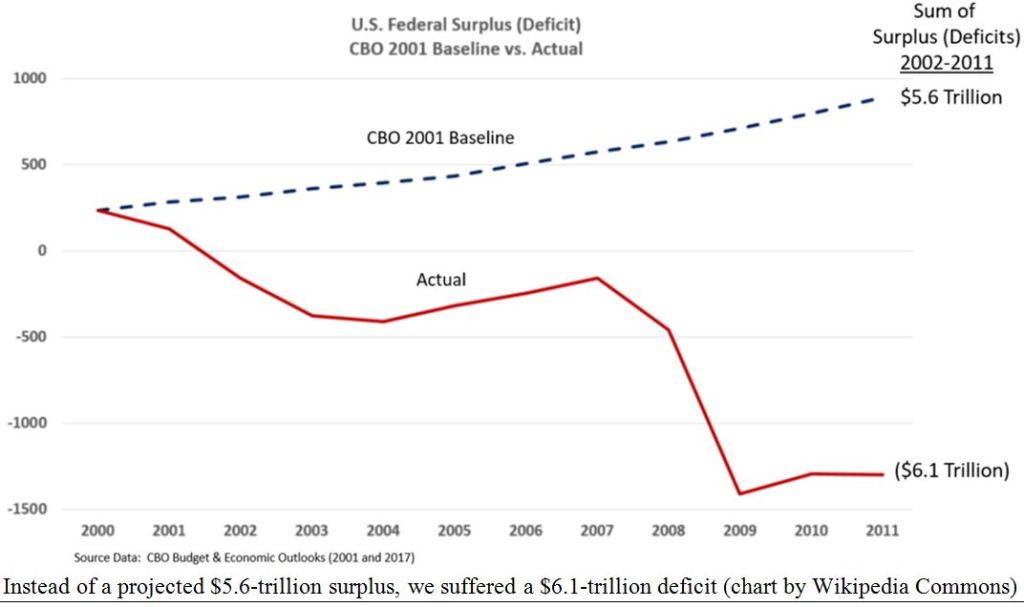
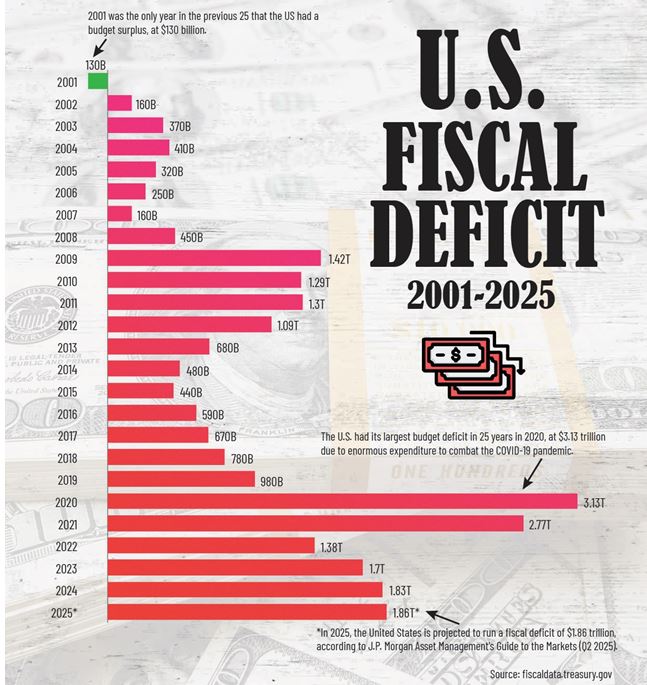


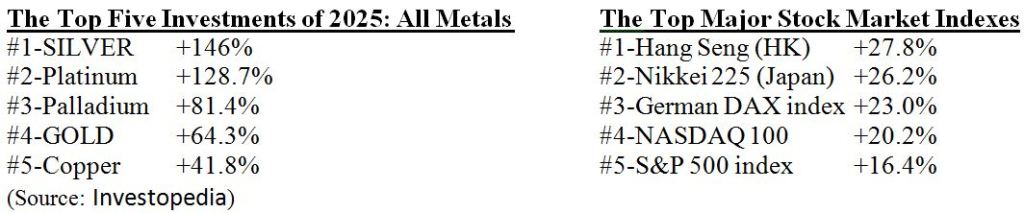
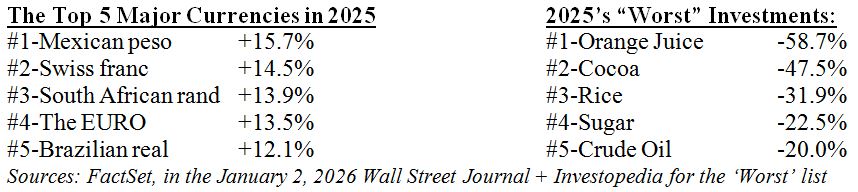





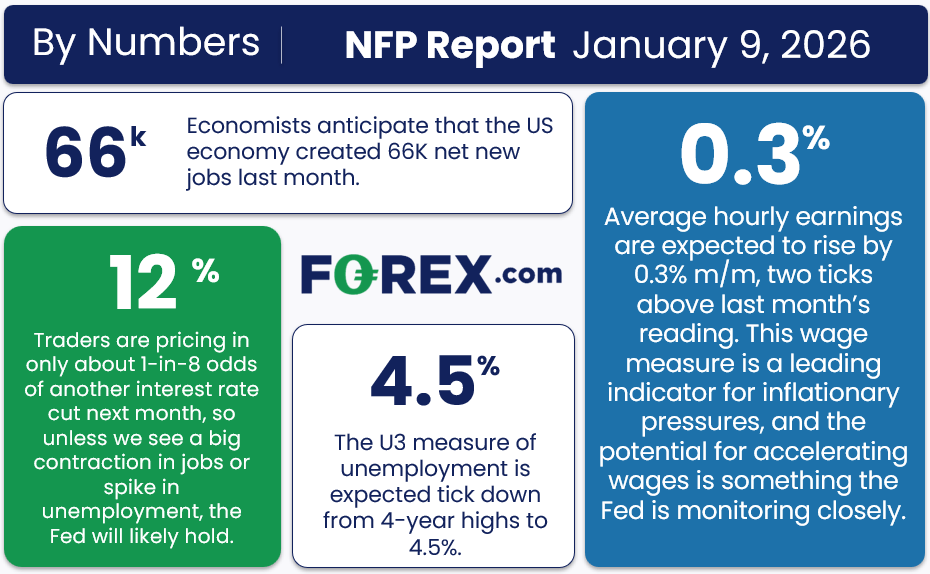
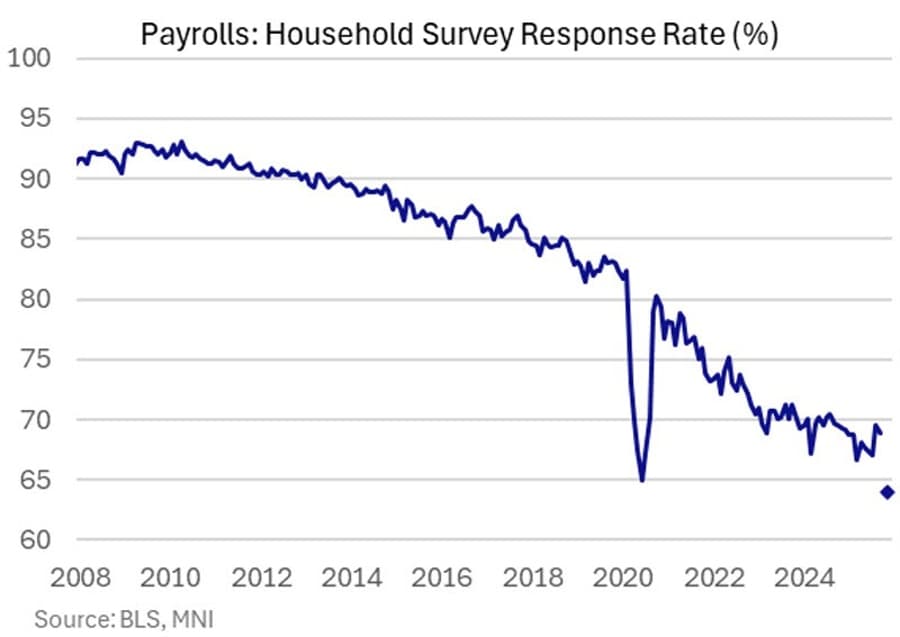
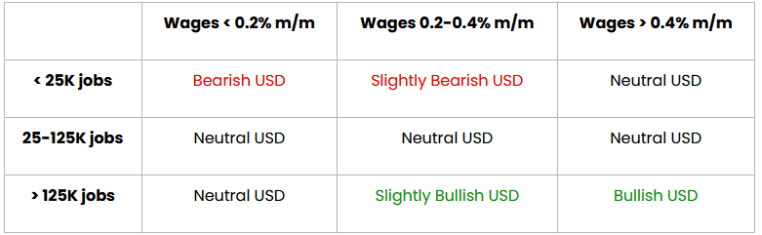
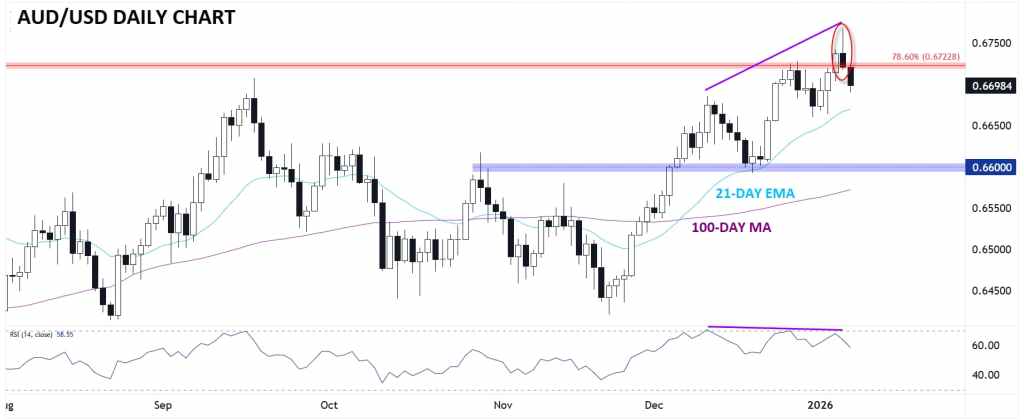
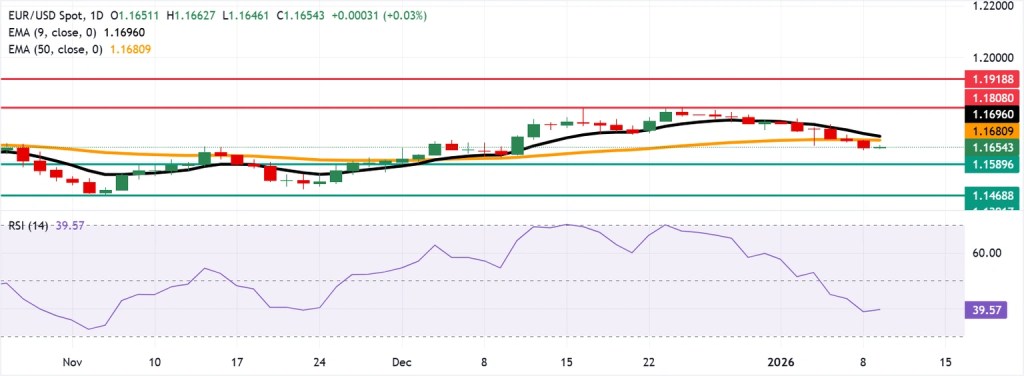
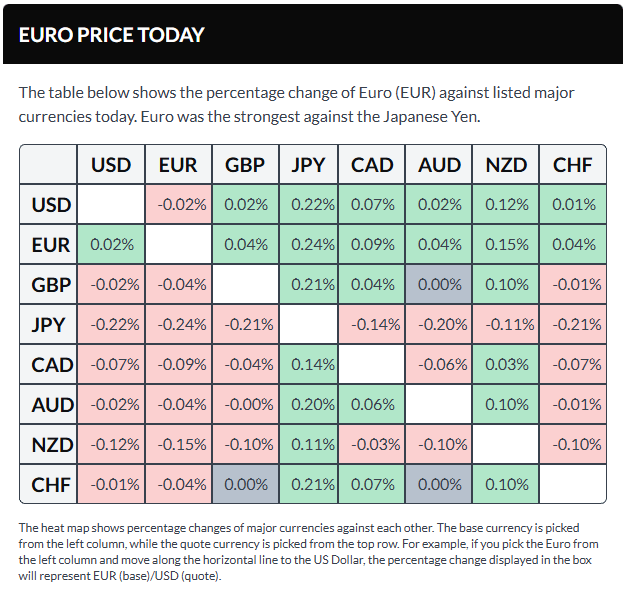
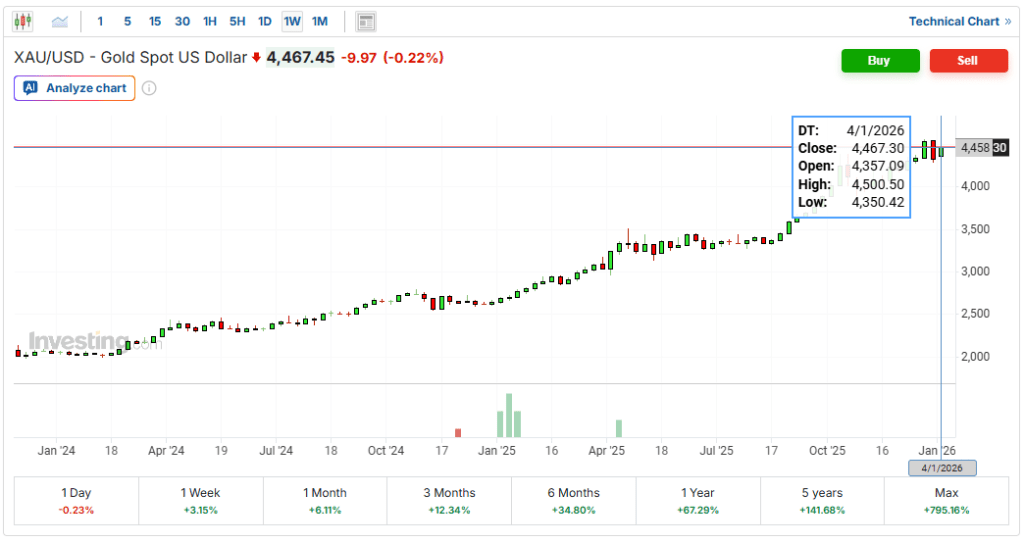

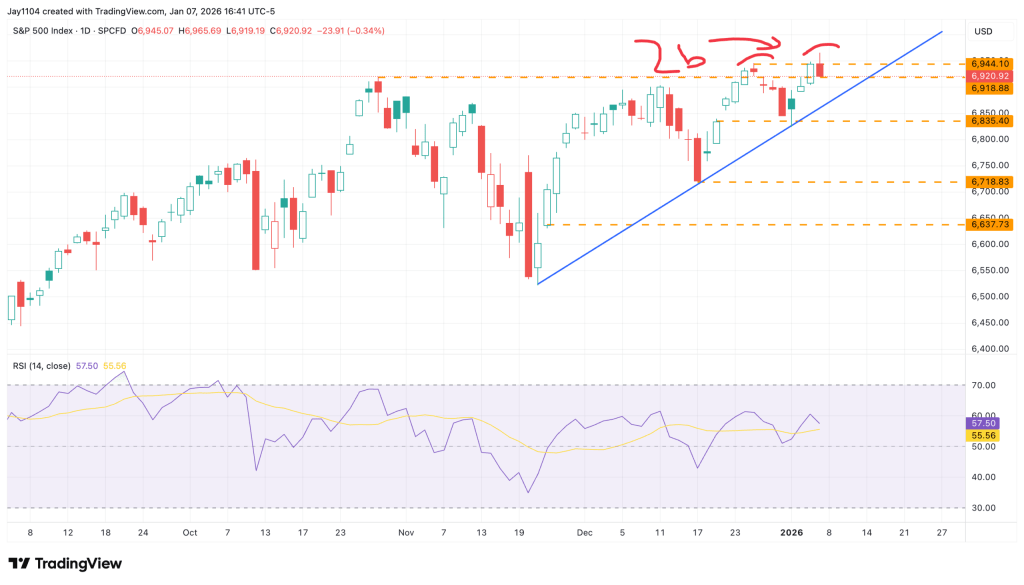
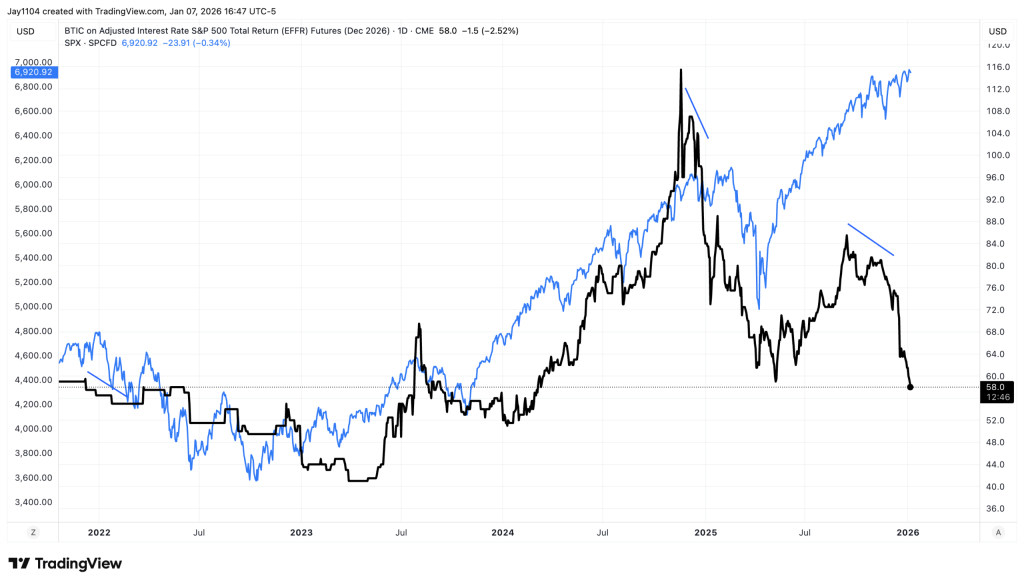
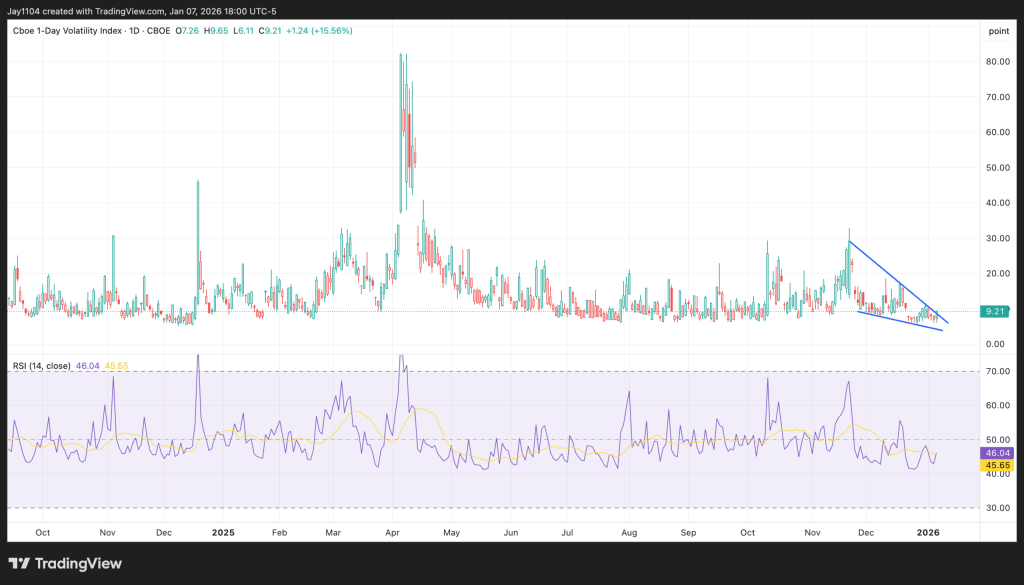

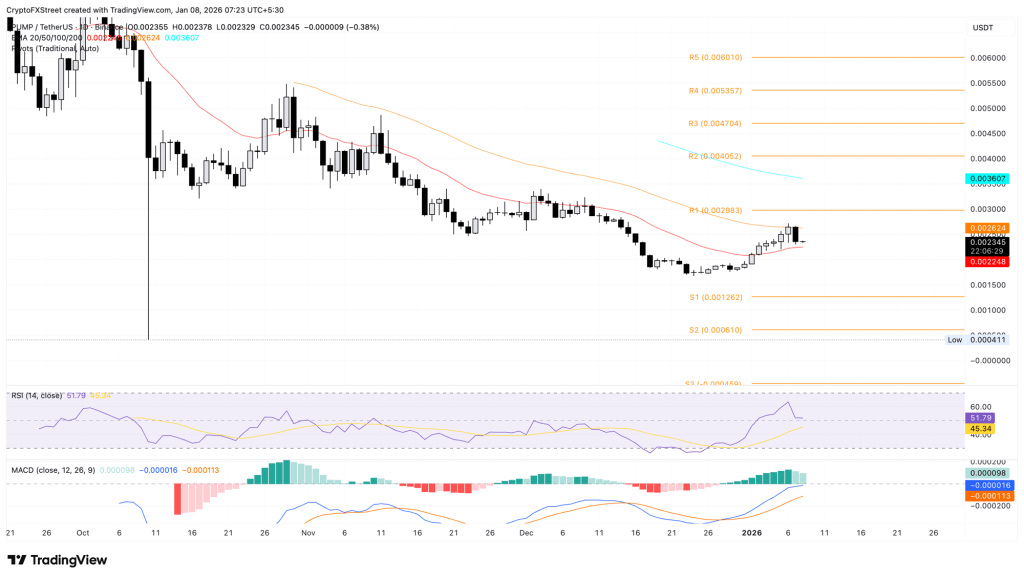
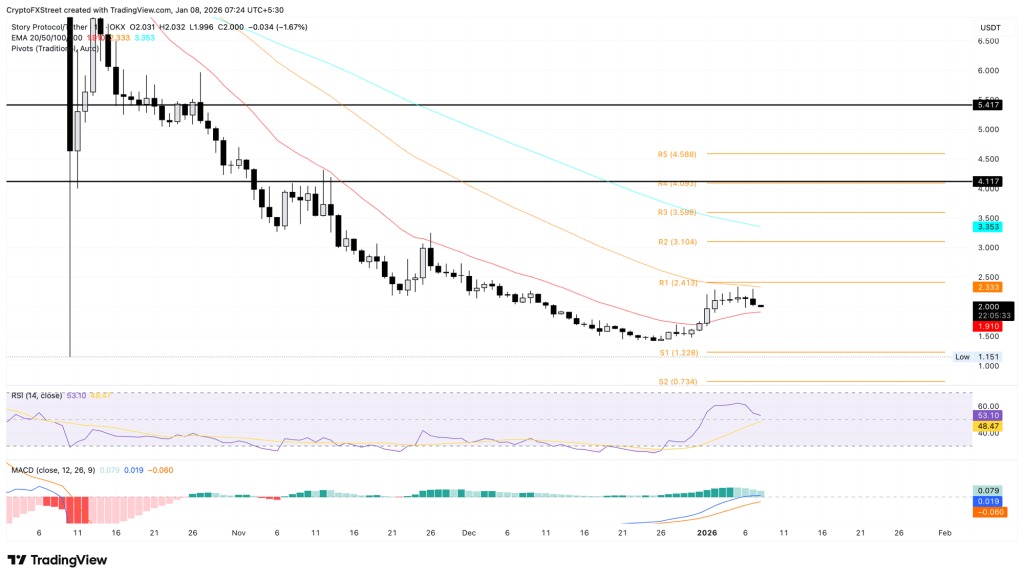
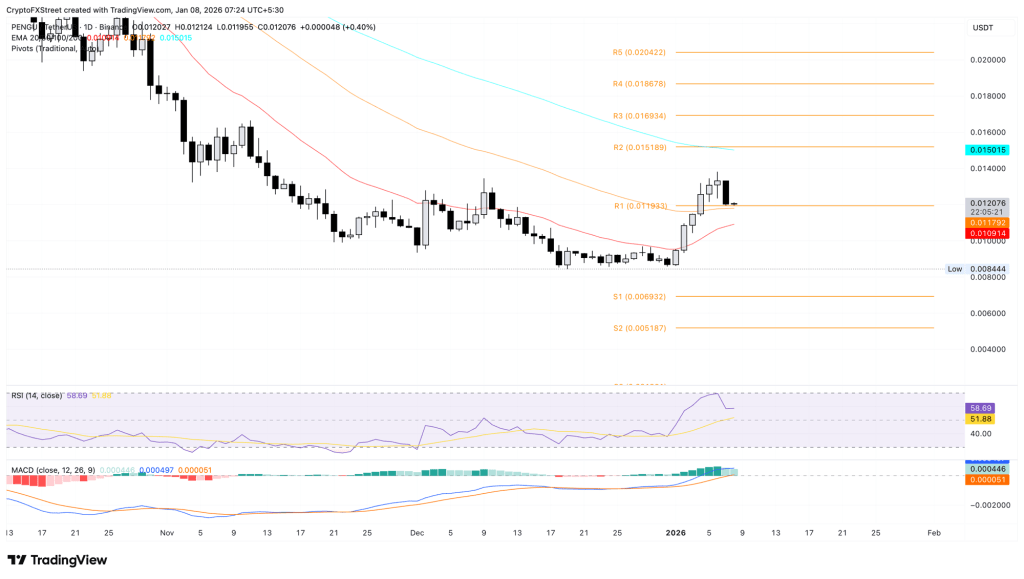

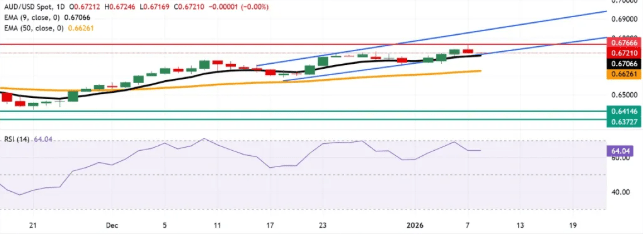


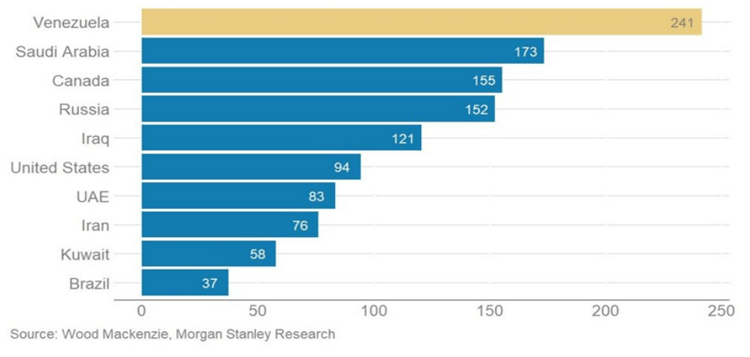
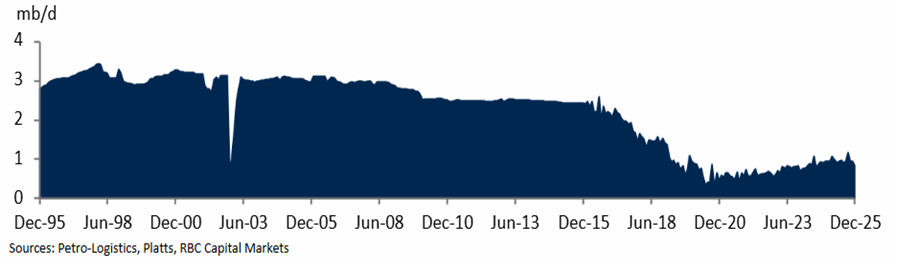
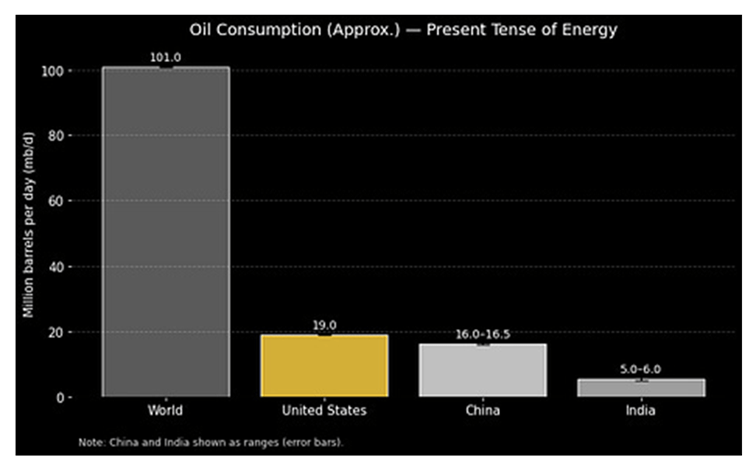
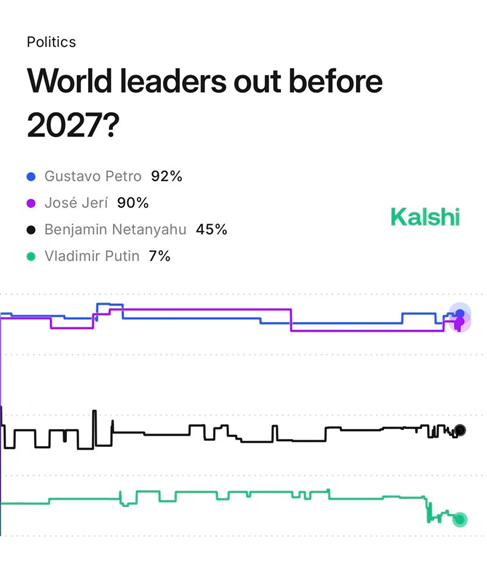

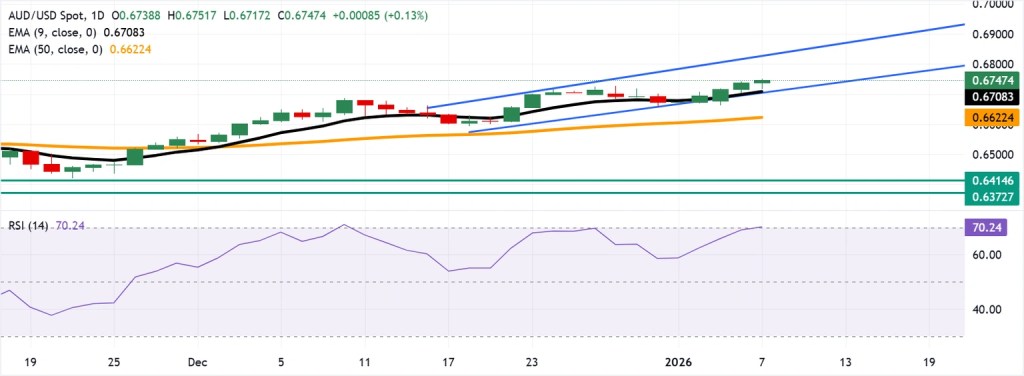
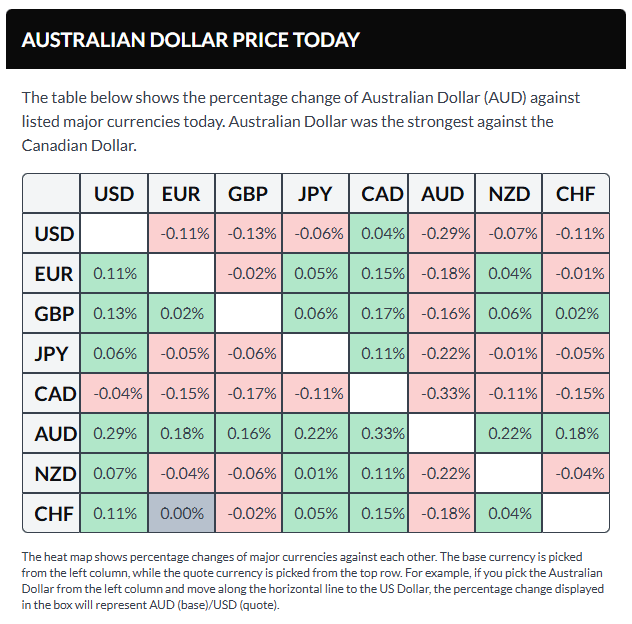

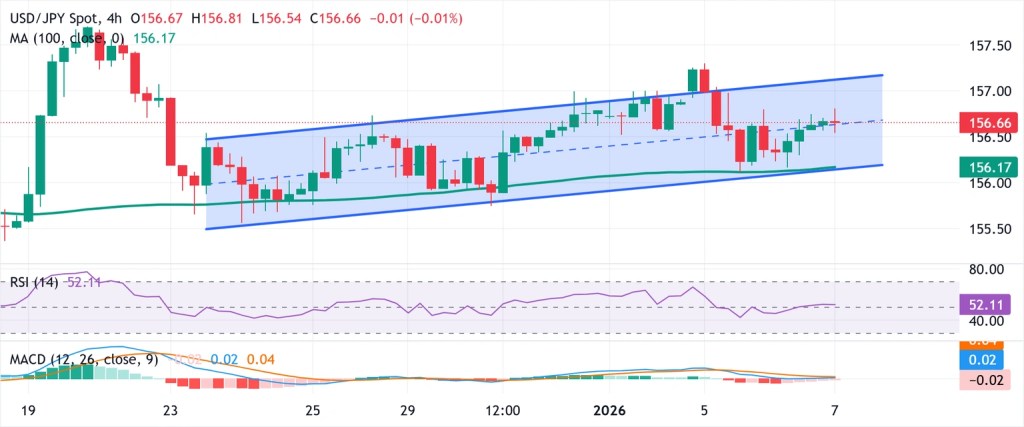
 THE ETERNAL SOVEREIGN