Currencies moved within narrow ranges on Friday as investors stayed cautious amid ongoing Middle East tensions, while reduced liquidity from the Good Friday holiday kept market activity subdued.
The U.S. dollar was largely steady after gaining 0.4% in the prior session, supported by safe-haven demand following remarks from U.S. President Donald Trump regarding Iran.
Tensions surrounding Iran remained elevated, with Trump signaling the possibility of expanded military action in the coming weeks and warning that key infrastructure—such as bridges and power facilities—could be targeted.
However, sentiment showed slight improvement on Thursday after Iran indicated it was working with Oman on a framework to manage shipping through the Strait of Hormuz, easing fears of disruptions along a critical oil route.
In Asia, the Japanese yen held flat, with USD/JPY trading near the closely watched 160 level. Japan’s finance minister also cautioned that authorities were prepared to intervene against speculative currency moves amid rising volatility.
Other regional currencies, including the South Korean won and Singapore dollar, saw limited movement.
Meanwhile, the Indian rupee weakened slightly to 92.71 per dollar but remained on track for a weekly gain of over 2%, recovering from earlier losses after support measures from the Reserve Bank of India helped stabilize the currency.
The RBI imposed limits on banks’ foreign exchange positions and restricted non-deliverable forward trades, prompting the unwinding of speculative bets and increased dollar selling in the domestic market.
Elsewhere, the Chinese yuan edged lower. Data released earlier showed China’s services sector growth slowed in March, with the Ratingdog Services PMI declining from February’s recent peak.
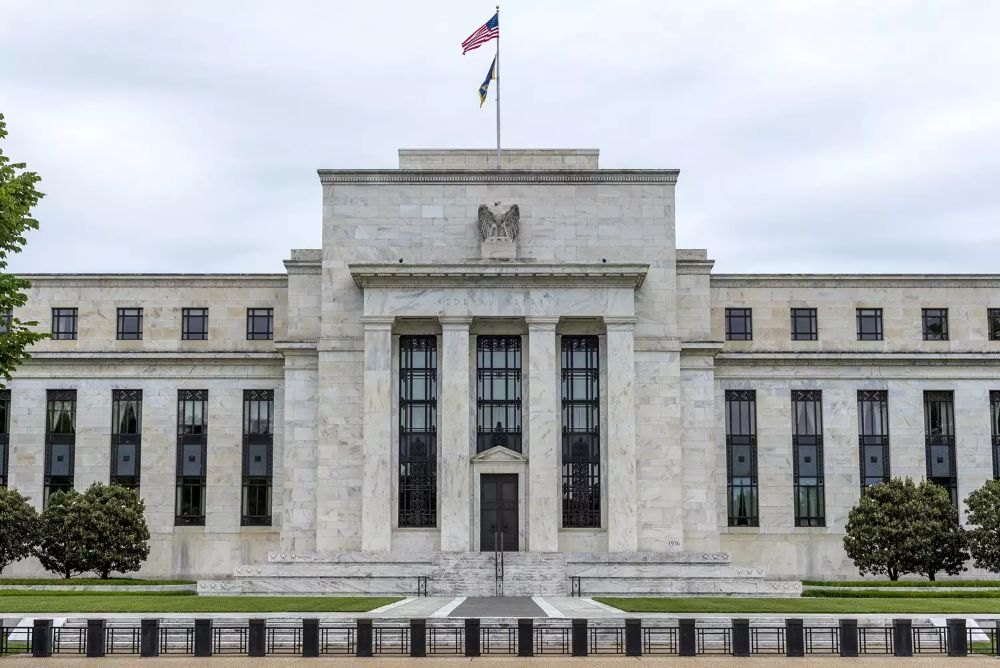
Investors are now focusing on the upcoming U.S. nonfarm payrolls report, which may offer further insight into the Federal Reserve’s interest rate outlook.
Sources: Ayushman Ojha
 THE ETERNAL SOVEREIGN
Leave a comment