The U.S. dollar is on track for its strongest monthly performance since July, solidifying its position as the dominant safe-haven asset as escalating conflict in the Middle East drives oil prices higher and fuels concerns about a global economic slowdown.
The greenback extended its broad rally overnight, with the notable exception of the Japanese yen, where renewed intervention warnings from Tokyo have made traders cautious about pushing the currency much beyond the 160-per-dollar level.
After hitting its weakest level since July 2024 a day earlier, the yen traded at 159.81 in Tuesday’s Asian session, marking a roughly 2.4% monthly decline, largely due to Japan’s heavy reliance on imported energy. It showed little reaction to data indicating a slight easing in Tokyo inflation.
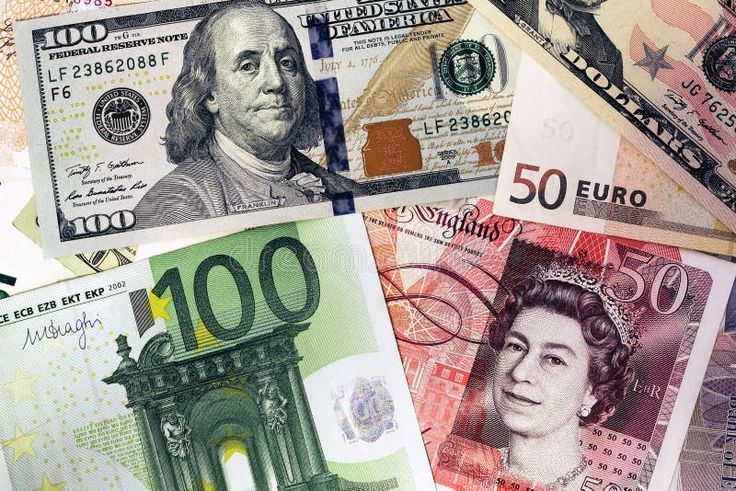
Meanwhile, the euro dropped 0.3% overnight and is set for a monthly loss of around 3%, while both the Australian and New Zealand dollars fell to multi-month lows. The Australian dollar, which had remained relatively resilient for most of the month, has recently come under pressure as market concerns shift from inflation toward slowing global growth. It slipped to a two-month low of $0.6834 before stabilizing slightly, while the New Zealand dollar hit a four-month low near $0.5716.
Elsewhere, South Korea’s won weakened to its lowest level since 2009. The U.S. dollar index climbed to 100.61 on Monday—its highest since last May—and is up 2.9% in March, marking its sharpest monthly gain since July.
Geopolitical tensions intensified after U.S. President Donald Trump warned that the U.S. could target Iran’s energy infrastructure if Tehran fails to reopen the Strait of Hormuz, following Iran’s dismissal of U.S. peace proposals and continued missile strikes on Israel. Reports of an Iranian attack on a Kuwaiti oil tanker near Dubai further lifted oil prices.
According to ING’s global head of markets, Chris Turner, the dollar is unlikely to give up its gains without clear signs of de-escalation from Iran.
On the monetary policy front, Federal Reserve Chair Jerome Powell signaled a cautious stance, downplaying the likelihood of near-term rate hikes and emphasizing a wait-and-see approach as inflation expectations remain stable in the longer term. Although this pushed short-term bond yields lower and reduced expectations for rate hikes this year, it did little to weaken the dollar, which continues to benefit from safe-haven demand amid global uncertainty.
Other traditional safe havens have underperformed since the conflict began. Bonds and gold have struggled, while the yen has remained weak and the Swiss franc has been pressured by signals from the Swiss National Bank that it may act to curb currency strength. The dollar has gained nearly 4% against the franc this month, reaching around 0.80 francs.
Looking ahead, investors are watching for upcoming European inflation data and China’s PMI figures later in the session.
Sources: Reuters
 THE ETERNAL SOVEREIGN
Leave a comment