U.S. stocks are facing a challenging mix of shrinking valuation multiples and still-strong corporate fundamentals as markets head into the Q1 2026 earnings season.
According to Goldman Sachs’ latest “Weekly Kickstart” report, the S&P 500 has fallen about 9% from its January peak, pressured by rising oil prices, higher interest rates, and ongoing instability linked to the Iran conflict. Over the past month, the index’s P/E ratio has dropped from 21x to 19x, even as analysts have unexpectedly increased 2026 EPS forecasts by 3%.
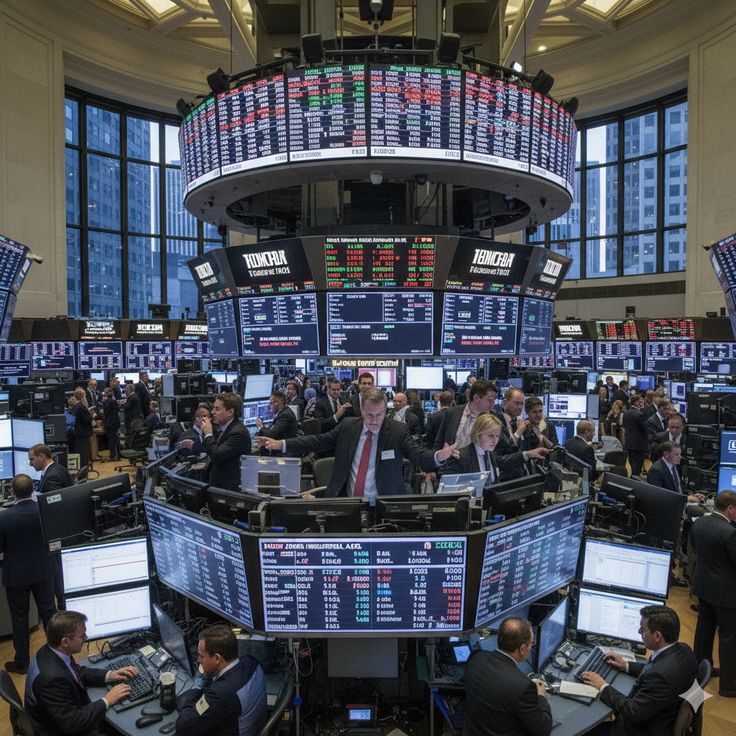
From a sentiment standpoint, positioning has weakened sharply, with Goldman’s U.S. Equity Sentiment Indicator falling to -0.9—its lowest level since August 2025. While historically such low readings can precede stronger returns, analysts caution that sentiment alone may not be enough to drive a rebound without clearer improvements in underlying fundamentals. Continued escalation in the Middle East could still pose downside risks to growth expectations.
Despite macro pressures, corporate fundamentals remain relatively solid. Goldman still expects S&P 500 earnings to grow 12% in 2026, assuming disruptions do not worsen significantly. The upcoming earnings season will be key in testing this outlook, particularly whether companies can sustain margins amid elevated energy costs and shifting trade dynamics.
Looking ahead, markets are closely watching how the Federal Reserve responds to stagflationary pressures. While earnings growth persists, high oil prices and sticky inflation complicate the case for rate cuts. Investors are increasingly leaning toward high-quality companies with strong balance sheets that can endure a prolonged high-rate environment. Ultimately, management guidance in the coming earnings reports will play a decisive role in determining whether the S&P 500 can stabilize at current levels.
Sources: Simon Mugo
 THE ETERNAL SOVEREIGN
Leave a comment