Donald Trump on Saturday warned that the United States would “obliterate” Iran’s power plants if Tehran fails to fully reopen the Strait of Hormuz within 48 hours—marking a sharp escalation just a day after suggesting the war might wind down. Posting on social media, Trump set a firm deadline and threatened to begin strikes with Iran’s largest facilities, signaling a potential expansion of U.S. targets to include civilian infrastructure.
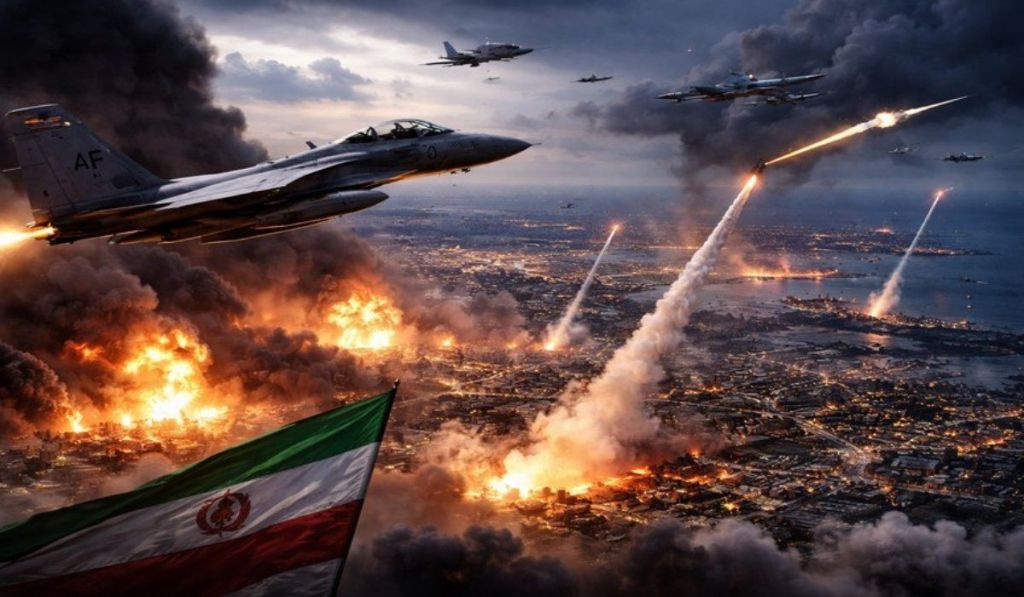
The near shutdown of the strait—through which roughly one-fifth of global oil and LNG supplies pass—has already disrupted shipping and driven energy prices sharply higher, with European gas prices jumping as much as 35% last week. In response, Iran’s Khatam al-Anbiya warned it would retaliate against U.S. energy, IT, and desalination infrastructure across the region if attacked.
Tensions intensified further after Iran struck Qatar’s Ras Laffan Industrial City—a key global LNG hub—causing damage expected to take years to repair. Meanwhile, the conflict has expanded militarily, with Iran reportedly launching long-range missiles for the first time, including strikes targeting the U.S.-British base at Diego Garcia, raising concerns about threats extending as far as Europe.
The war, now in its fourth week, has killed more than 2,000 people and continues to escalate unpredictably. Trump’s shifting rhetoric—from de-escalation to issuing a 48-hour ultimatum—has left allies uncertain, while rising energy costs and inflation are increasing domestic pressure in the U.S. ahead of upcoming elections.
On the ground, fighting continues between Iran and Israel. Iranian missile strikes hit southern Israeli cities, injuring dozens, while Israeli forces carried out retaliatory strikes in Tehran. Israeli Prime Minister Benjamin Netanyahu vowed to continue military operations, describing the situation as a critical moment in the country’s fight for its future.
Sources: Reuters
 THE ETERNAL SOVEREIGN
Leave a comment