The U.S. dollar maintained its strength on Friday and is on course for a second consecutive weekly gain since the outbreak of the conflict involving Iran, as global market volatility has reinforced its role as the primary safe-haven asset.
The euro hovered close to its lowest level since November, while the Japanese yen remained weak enough to raise concerns among traders about possible intervention by Japanese authorities.
As oil prices surged, the United States allowed limited sales of certain Russian petroleum products that had previously been sanctioned due to Russia’s war in Ukraine. Meanwhile, Iran intensified strikes on oil and transportation infrastructure across the Middle East. The country’s new Supreme Leader, Mojtaba Khamenei, also pledged to keep the vital Strait of Hormuz shipping route closed.
“For now, markets are focused less on diversification and more on inflation and slowing growth,” said Gavin Friend, senior markets strategist at National Australia Bank in London, during a podcast. “The longer this crisis continues, the more we face a dangerous combination of rising inflation and weaker economic growth.”
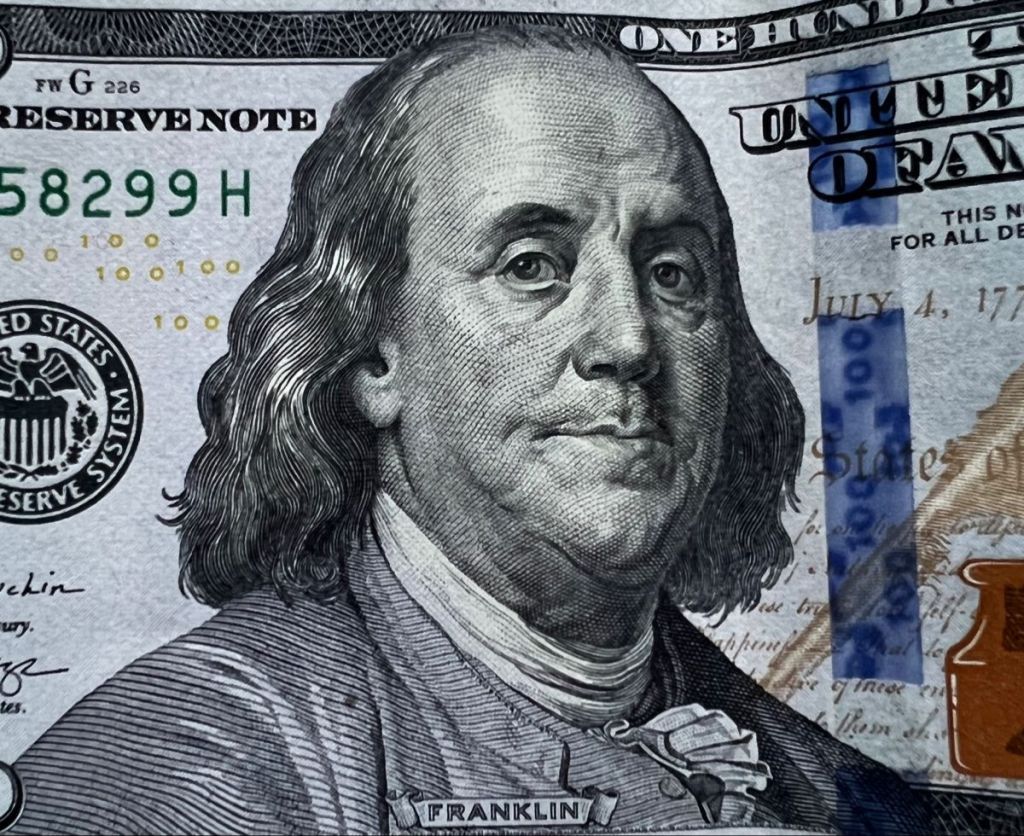
The dollar index, which tracks the U.S. currency against a basket of major currencies, climbed to its highest level since November. The rise reflects both its safe-haven demand and the fact that the United States is a net exporter of energy.
In early Asian trading, the index slipped slightly by 0.04% to 99.63, though it remained on track for a weekly gain of about 0.8%. The euro edged up 0.13% to $1.1525.
The yen strengthened by 0.17% to 159.08 per dollar after hitting 159.43 on Thursday—its weakest level since January 14. The British pound also rose 0.11% to $1.3356.
On Thursday, the U.S. Treasury issued a new Russia-related general license allowing the sale of Russian crude oil and petroleum products that were loaded onto ships through April 11.
According to a report by the Financial Times, the Trump administration has used up “years” worth of key munitions since the conflict began. Meanwhile, U.S. forces are conducting rescue operations in western Iraq after a military refueling aircraft crashed—an incident that U.S. Central Command said was not caused by hostile or friendly fire.
Earlier this week, the International Energy Agency agreed to release a record 400 million barrels of oil from strategic reserves. However, this would cover only around 20 days of supply lost from disruptions around the Strait of Hormuz and could take weeks or months to reach the market.
Investors are also turning their attention to next week’s policy meetings at the Federal Reserve and the European Central Bank to assess how central bankers might respond to a potential shock in energy prices.
Data from LSEG showed that the swaps market now expects the European Central Bank to potentially begin raising interest rates as early as June. In contrast, the U.S. Federal Reserve is expected to delay any rate cuts until September, later than earlier expectations of July.
The Australian dollar gained 0.14% against the U.S. dollar to reach $0.7084, while New Zealand’s kiwi rose slightly by 0.05% to $0.5858.
In the cryptocurrency market, bitcoin climbed 1.81% to $71,464.23, and ether increased 2.48% to $2,114.22.
Sources: Reuters
 THE ETERNAL SOVEREIGN
Leave a comment