The U.S. dollar resumed its upward movement on Thursday after briefly pulling back from a three-month high, as ongoing tensions in the Middle East unsettled investors and increased demand for the safe-haven currency.
Initial optimism about a possible easing of the conflict quickly faded, replaced by renewed uncertainty after Iran warned that Washington would “bitterly regret” the sinking of an Iranian warship near Sri Lanka.
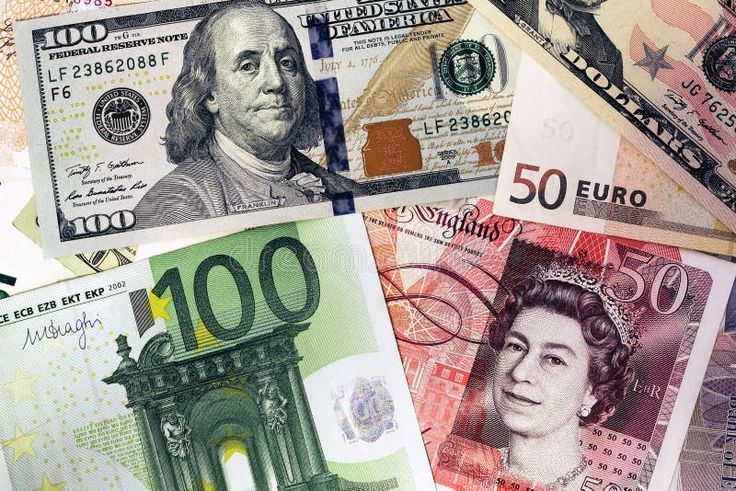
As a result, the dollar remained strong, with the euro slipping 0.18% to $1.1610 and the British pound falling 0.1% to $1.3358. The dollar index, which tracks the greenback against six major currencies, rose 0.18% to 98.99.
Nick Rees, head of macro research at Monex, said investors are struggling with limited clarity about the geopolitical outlook. He noted that markets currently react strongly even to minor headlines because confidence about future developments is low.
While geopolitical turmoil usually pushes investors toward safe assets, concerns about rising inflation have complicated the picture. Some traditional safe havens have behaved unpredictably, forcing investors to reconsider which assets truly provide protection.
Germany’s 10-year Bund yield, the eurozone benchmark, climbed 6.1 basis points to 2.807% on Thursday as bond prices declined.
Limited safe havens
Bas van Geffen, senior macro strategist at Rabobank, said investors appear to have few clear safe options. Even assets like gold are not responding in their usual way. Instead, the sharp rise in the dollar index suggests that dollar liquidity is currently the dominant refuge.
So far this week, the dollar has gained nearly 1.37%, standing out as one of the few assets to benefit during several volatile trading sessions that have pressured stocks, bonds, and occasionally even precious metals.
The surge in energy prices triggered by the Middle East conflict has also revived concerns that inflation could return, potentially disrupting expectations for interest rate cuts from major central banks.
Traders now see only a 31.5% probability that the Federal Reserve will cut interest rates in June, down from roughly 46% a week earlier, according to the CME FedWatch tool. Part of this shift reflects stronger-than-expected U.S. economic data released on Wednesday.
Expectations for rate cuts from the Bank of England have also been reduced, while markets are increasingly betting that the European Central Bank could raise interest rates as early as this year.
Thierry Wizman, global FX and rates strategist at Macquarie Group, said central bankers are increasingly worried about the return of inflation. He added that U.S. rate expectations could change significantly in 2026 if global inflation accelerates again due to energy supply constraints.
The Japanese yen also gave up earlier gains and was last trading 0.2% weaker at 157.35 per dollar.
Meanwhile, China set its 2026 economic growth target between 4.5% and 5%, slightly lower than last year’s 5% growth. The target leaves room for more efforts to reduce industrial overcapacity and rebalance the economy, though not aggressively.
The Chinese yuan recovered from a one-month low to trade roughly unchanged at 6.8951 per dollar after the People’s Bank of China set its daily reference rate at the strongest level in nearly three years.
In the cryptocurrency market, both bitcoin and ether declined by less than 1% following strong gains in the previous trading session.
Sources: Reuters
 THE ETERNAL SOVEREIGN
Leave a comment