The U.S. dollar held steady on Wednesday after a sharp rebound from near four-year lows, while the euro weakened following the release of key regional inflation data.
By 11:54 ET (16:54 GMT), the Dollar Index was up 0.3% at 97.69 and has gained more than 1% since Kevin Warsh was nominated as the next Federal Reserve chair.
The dollar remained resilient despite softer labor market data.
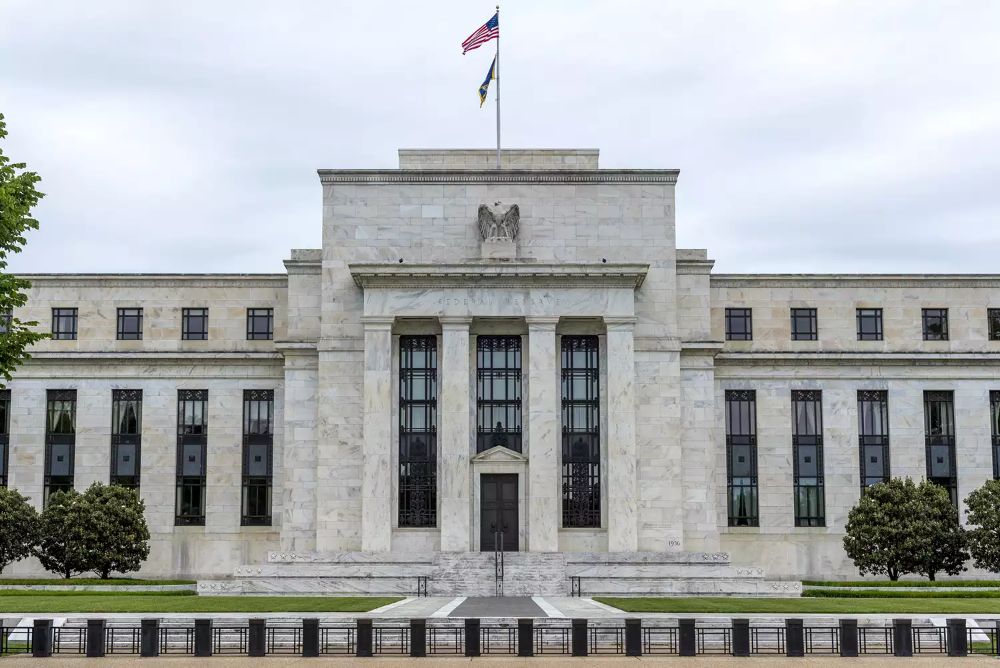
The dollar got a lift late last week after Kevin Warsh was nominated to succeed Federal Reserve Chair Jerome Powell, with markets viewing him as more hawkish and supportive of shrinking the Fed’s balance sheet.
Attention has now turned to Warsh’s Senate confirmation and the potential implications of his appointment for U.S. interest rates when he is set to take over from Powell in May.
A brief government shutdown had little impact on the greenback, as lawmakers approved additional funding this week, though it did delay the release of key employment data originally due on Friday.
Traders also shrugged off a soft ADP payrolls report for January released on Wednesday.
Eurozone consumer prices fall.
In Europe, the euro slipped slightly, with EUR/USD down 0.1% at 1.1802, despite the release of weaker-than-expected preliminary eurozone inflation data. Consumer prices eased to an annual rate of 1.7% last month, below the ECB’s 2% target and down from 2% in December.
The data did little to alter expectations that the European Central Bank will keep interest rates unchanged at 2% for a fifth consecutive meeting. Policymakers have recently expressed concern about the euro’s rapid rise against the dollar and its dampening effect on inflation. The euro touched a 4½-year high of 1.2084 last week.
According to Macquarie strategist Thierry Wizman, the euro is being pulled by opposing forces. Falling inflation could pave the way for policy easing in 2026, potentially weighing on the currency as euro area rates lag those elsewhere. However, this is being offset by improving growth prospects, supported by stronger survey data and a more favorable political backdrop, including eased budget tensions in France and renewed reform momentum in Germany. Wizman said stronger growth could ultimately provide greater support for the euro than lower rates would undermine it.
GBP/USD fell 0.3% to 1.3657, as the Bank of England was also expected to leave interest rates unchanged at its policy meeting on Thursday.
The yen remained under pressure.
In Asia, USD/JPY rose 0.5% to 156.55, leaving the pair near a two-week high.
The yen faced renewed pressure this week after comments from Prime Minister Sanae Takaichi cast doubt on whether Tokyo would step in to support the currency. Attention has shifted to a snap lower house election on February 8, with Takaichi’s party expected to secure a strong victory and strengthen her grip on parliament.
Elsewhere, USD/CNY edged up to 6.9415, hovering near its lowest level since mid-2023. AUD/USD slipped 0.4% to 0.6988 after rallying earlier in the week on a hawkish Reserve Bank of Australia meeting. The RBA raised interest rates by 25 basis points and lifted its growth and inflation forecasts for the year.
Sources: Anuron Mitra
 THE ETERNAL SOVEREIGN
Leave a comment