Japanese Prime Minister Sanae Takaichi highlighted the advantages of a weaker yen during a campaign speech, striking a note that contrasted with her finance ministry’s stance, which has kept all measures on the table to address excessive currency volatility.
She later walked back her remarks, clarifying that she holds no particular preference regarding the yen’s direction.
“Many people argue that the weak yen is a negative at the moment, but for exporters it represents a significant opportunity,” Takaichi said on Saturday, ahead of the snap election scheduled for February 8.
“Whether in food exports or automobile sales, even with U.S. tariffs in place, the weaker yen has acted as a cushion. That support has been extremely valuable,” she added.
Takaichi also said she aims to strengthen Japan’s economy against currency swings by encouraging greater domestic investment.
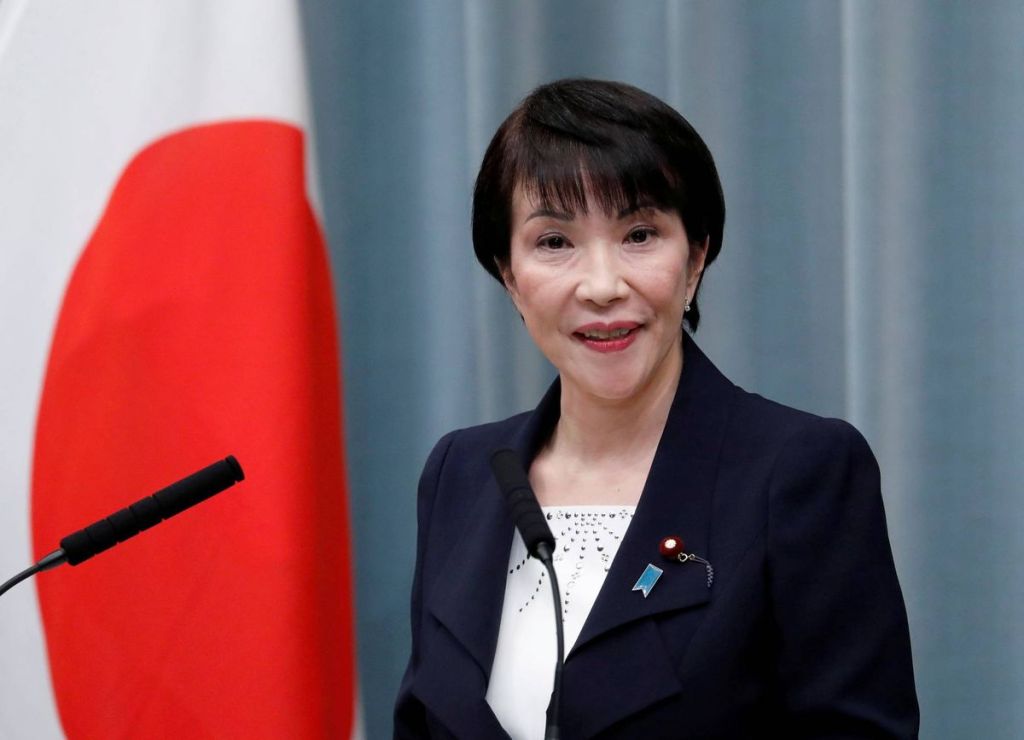
The yen has been trading near 18-month lows against the U.S. dollar, fuelling inflation and raising expectations of potential interest-rate increases by the central bank. Finance Minister Satsuki Katayama has repeatedly stated that authorities are prepared to step in to stabilise the currency if needed — comments widely interpreted by markets as a signal of possible intervention.
In a post on X on Sunday, Takaichi reiterated that she does not support either a strong or weak yen.
“I did not state that one is better or worse,” she wrote, adding that the government is closely watching financial markets and that, as prime minister, she will avoid making specific remarks on exchange-rate levels.
“My intention was simply to say that we want to build an economic framework capable of withstanding exchange-rate volatility, not — as some reports have implied — to promote the advantages of a weak yen.”
Former prime minister and finance minister Yoshihiko Noda, who co-leads the largest and newly formed opposition group, the Centrist Reform Alliance, said a weak yen is hurting households, according to Nikkei on Sunday.
“Amid an excessive depreciation of the yen, no one feels comfortable when they look at their household finances,” Noda was quoted as saying. “The viewpoint of ordinary citizens is absent, which once again raises serious concerns for me.”
The yen jumped after reports that the New York Federal Reserve had joined Japanese authorities in contacting banks to inquire about exchange rates for potential yen purchases — a move traders often view as a signal that intervention could be imminent.
The currency’s prolonged slide, alongside a recent surge in Japanese government bond yields to record levels, underscores investor unease over the country’s stretched fiscal position.
Takaichi is seeking voter approval for her push to revive inflation and reflate the economy.
Sources: Reuters
 THE ETERNAL SOVEREIGN
Leave a comment