The U.K. economy showed signs of recovery in November following a weak start to the fourth quarter, though economic outlooks remain uncertain.
Data published Thursday by the Office for National Statistics revealed that the U.K.’s gross domestic product increased by 0.3% in November, rebounding from a 0.1% monthly decline in October. Year-over-year, the U.K. economy grew by 1.4% in November, up from 1.1% growth the month before.
The manufacturing sector saw strong growth of 2.1% in November, supported by the ongoing reopening of Jaguar Land Rover’s factories as the company continues to recover from last year’s cyberattack.
However, Michael Brown, senior research strategist at Pepperstone, cautioned that this modest growth rate does little to inspire confidence in the U.K.’s economic outlook. He pointed out that risks remain heavily skewed to the downside, and that recent government policy reversals have eroded up to two-thirds of the fiscal flexibility that Chancellor Rachel Reeves had secured in the November Budget.
Late last year, Finance Minister Reeves increased taxes to help reduce the deficit and support higher welfare spending, but the tax hikes were less severe than initially expected.
Reeves recently announced a £4.3 billion fund aimed at easing the impact of upcoming interest rate hikes on the hospitality sector, especially as Covid-era support ends in April and property valuations are updated.
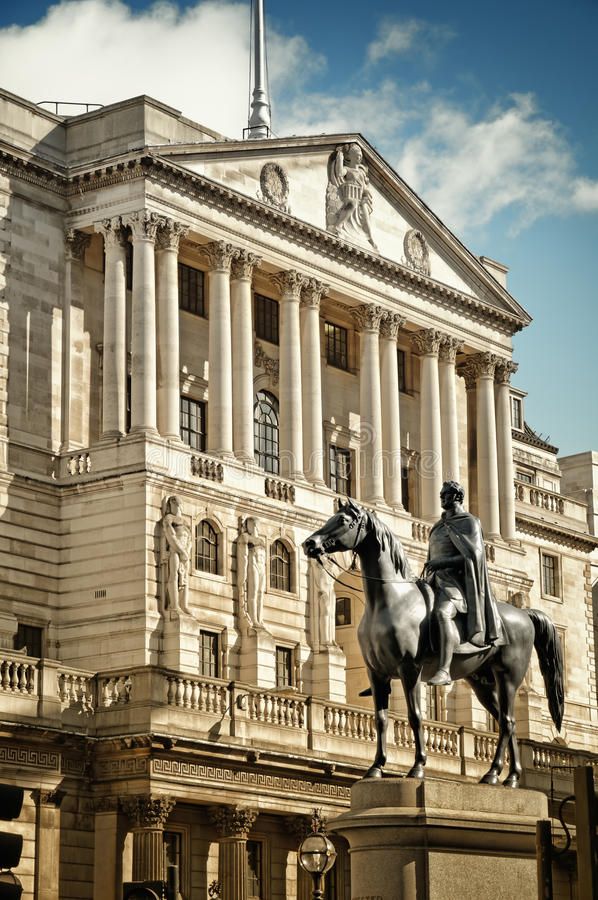
In December, the Bank of England cut interest rates at its final policy meeting of 2025, with expectations of further cuts this year due to forecasts of a significant slowdown in inflation. Alan Taylor, an external member of the Bank’s monetary policy committee, noted this earlier in the week.
He added that falling energy prices and measures introduced in the autumn budget to reduce living costs should help bring inflation back to the 2% target by mid-2026.
“Interest rates are likely to keep declining, provided my economic outlook aligns with the data, as it has over the past year,” Taylor said. British inflation eased to 3.2% in November 2025, falling more than anticipated but still above the Bank of England’s 2% goal.
Sources: BBC
 THE ETERNAL SOVEREIGN
Leave a comment