Beyond the surge in oil prices — which had already been climbing before Israel and the accompanying U.S. strike on Iran — the longer-term market consequences remain uncertain. I closely monitor how major indices trade relative to their 200-day moving averages. Since late 2025, this positioning has normalized, no longer appearing overbought or presenting the level of risk I had anticipated heading into 2026.
That said, clearly defined support levels are now in play and are likely to be tested early next week. A break below these levels would not necessarily be severe, as the 200-day moving averages lie beneath and could provide a cushion. The real risk scenario would emerge if the Iran conflict escalates into sustained terrorist attacks targeting U.S. interests, potentially provoking direct U.S. (and possibly Israeli) ground involvement in Iran.
The Middle East rarely offers quick, decisive resolutions, and the U.S. has little historical success in such engagements to rely upon. In that kind of drawn-out conflict, markets could experience gradual, persistent losses that eventually shift the broader trend into bearish territory. If declines were to push indices decisively below their 200-day moving averages, it could create attractive long-term buying opportunities — even if headlines remain overwhelmingly negative.
The S&P 500 ended Friday with a technical “sell” signal following higher-volume distribution. February has already seen several distribution days. Considering the questionable activity in prediction markets ahead of the Iran strikes, it raises the possibility that some February selling may have reflected insider positioning around a potential conflict. The elevated distribution volume on Friday — just before Saturday’s airstrikes — stands out as unusual, especially within what had been a range-bound market where volume is typically subdued.
Ultimately, speculation aside, we can only act on the data in front of us. For now, the S&P 500 remains a “hold.”
The Nasdaq Composite also registered a distribution day, though the signal was less pronounced than what we saw in the S&P 500. It’s possible the 200-day moving average could converge with established range support just as the index pulls back to retest that same level.
Technical indicators are giving mixed signals. The only outright positive is a weak MACD buy trigger, but that comes after an extended stretch of relative underperformance compared to the Russell 2000 (IWM). Under these conditions, a break below support would not be surprising — though it’s best to wait and see how price action unfolds.
The Russell 2000 (IWM) may prove to be the most resilient in the face of negative headlines. Unlike the larger indices, it did not register a distribution day and continues to hold support at its 50-day moving average.
Technical indicators are leaning constructive: on-balance volume and stochastics are positive, ADX remains neutral, and although MACD is trending lower, it is still positioned above the bullish zero line. For now, the key question is how the index responds to the weekend developments — price action will ultimately provide the clearest signal.
Bitcoin has responded relatively calmly to the developments surrounding Iran. From a trading perspective, there appears to be a swing setup forming, with a decisive move above $70K or below $65K likely to determine the next directional bias.
Given that the market is already in oversold territory, even a downside break may struggle to sustain prolonged weakness. Any dip could prove short-lived if buyers step in at lower levels.
An eventful week is shaping up, but this feels more like the beginning of a broader development rather than its conclusion.
The U.S. dollar initially strengthened against the Canadian dollar over the course of the week, but has since pulled back and is now showing signs of indecision. This isn’t particularly surprising, given that the pair has been fluctuating within the same range for the past five weeks. Notably, the 1.3550 level continues to serve as solid support, while the 1.3750 area above remains a key resistance zone.
For longer-term traders, the prudent approach is likely to wait for a decisive breakout in either direction. In the meantime, short-term participants may keep trading the range, especially as the interest rate differential between the two currencies continues to narrow, encouraging back-and-forth price action.
EUR/USD
The euro has traded in a choppy, sideways manner throughout the week, much like the U.S. dollar against the Canadian dollar. The interest rate differential between the euro and the dollar is relatively modest, with the European Central Bank expected to hold rates steady while the Federal Reserve may move toward cutting them.
In this kind of environment, traders are searching for a catalyst to drive price in either direction. At the moment, the 1.18 level appears to be acting as a magnet, drawing price back toward it as the market struggles to establish a clear trend.
USD/MXN
The U.S. dollar moved higher against the Mexican peso over the week, which isn’t particularly surprising given how sharply it had declined beforehand. If the pair continues to rebound, the 17.50 level is likely to attract selling pressure, making it a potential area to consider short positions.
A sustained break above 18.00 would be needed before entertaining the idea of a broader trend reversal. For now, the interest rate differential continues to favor the downside, so the pair is often used to collect positive swap. I rarely look to buy this market, though sharp upside moves can occur and prove highly profitable—typically driven by strong momentum or bouts of risk aversion, which tend to override the yield advantage.
BTC/USD
Bitcoin has been highly volatile throughout the week, with price action continuing to revolve around the $60,000 level. This area is drawing significant attention, as a decisive break below it could pave the way for a swift move toward the $50,000 region.
A break above the $72,000 level would open the door for a potential rally toward $84,000. However, at this stage, the more likely scenario appears to be continued sideways consolidation. In fact, the longer Bitcoin trades within a range and builds a base, the healthier the overall structure becomes, potentially setting the stage for a more sustainable move higher later on.
USD/JPY
The U.S. dollar edged higher against the Japanese yen over the week, though the ¥158 level continues to act as resistance. At this point, traders seem to be searching for a catalyst strong enough to push the pair beyond the key ¥160 threshold.
A sustained move above ¥160 could trigger a significant rally, as that area marks the major swing high dating back to 1990. In the meantime, short-term pullbacks are likely to be viewed as buying opportunities, supported by the wide interest rate differential and Japan’s heavy debt burden, which limits the scope for materially higher domestic rates.
DAX
The German equity market has been somewhat erratic, with the DAX moving back and forth, though overall activity has been relatively subdued. The 25,000-euro level remains a key focus, as it represents a major round number with strong psychological significance. In the near term, minor pullbacks are likely to be viewed as buying opportunities.
There is also the potential for a push above the 25,400 level. A decisive breakout there could pave the way for a move toward the 27,000-euro region. At this stage, I have no interest in shorting the DAX, as the German economy appears to be supported by substantial government stimulus measures.
NASDAQ 100
The Nasdaq 100 has experienced significant volatility throughout the week. Despite ongoing challenges and heavy selling pressure in major stocks such as Nvidia, the index is set to close the week in relatively steady shape. The 25,000 level remains a key focus, as it represents a major psychological milestone.
A decisive move above 25,000 could open the door to the 25,500 area, which may act as the next resistance barrier. Overall, the broader outlook remains constructive, with short-term pullbacks likely presenting buying opportunities.
Meanwhile, the U.S. dollar has continued to weaken against the Swiss franc over the past week, making this currency pair one to monitor closely.
USD/CHF
The U.S. dollar has edged lower against the Swiss franc over the past week, making the pair particularly important to monitor. Swiss officials have expressed concern about the franc’s strength, which adds another layer of sensitivity to current price movements.
The 0.76 level appears to be providing near-term support, and the market will be watching closely to see whether it holds. A breakdown below that area could open the way toward the 0.75 level. Over the longer term, there is a strong possibility that the Swiss National Bank may step in to curb further franc appreciation, though any intervention would more likely begin in the euro–Swiss franc pair rather than in USD/CHF itself.
The United States and Israel carried out coordinated strikes on Iran on Saturday, killing Supreme Leader Ali Khamenei and triggering a fresh wave of conflict across the Middle East.
The attacks unsettled neighboring Gulf Arab oil producers as concerns mounted over further escalation, particularly after Iran retaliated with missile launches toward Israel.
According to four trading sources, several major oil companies and leading commodity traders temporarily halted crude and fuel shipments through the Strait of Hormuz following the strikes.
Key Reactions from Analysts
Helima Croft, Head of Commodities Research, RBC Capital:
Croft said the long-term impact on oil prices will depend on whether the IRGC retreats under sustained airstrikes or escalates further, potentially increasing the costs of what she described as Washington’s second regime-change effort in just over two months.
She added that regional leaders had cautioned Washington about the spillover risks of renewed confrontation with Iran, warning that oil prices above $100 per barrel would pose a serious threat.
Croft also emphasized that OPEC’s ability to cushion supply shocks is limited. Aside from Saudi Arabia, most OPEC+ members are already producing near capacity, meaning any announced output increase may have little practical effect.
Jorge Leon, SVP and Head of Geopolitical Analysis, Rystad Energy:
Leon noted that while alternative infrastructure exists to bypass the Strait of Hormuz, a prolonged disruption could effectively remove 8–10 million barrels per day from the market—significant in a world consuming roughly 100 million barrels daily.
He suggested countries with strategic petroleum reserves may release supplies if the disruption drags on. Absent quick de-escalation, he expects oil prices to reprice sharply higher at the start of the week.
Eurasia Group energy analysts:
They anticipate oil prices will surge when markets reopen. If fighting continues into Sunday, prices could jump $5–$10 above the current $73 level, especially given Iran’s claim that it has closed the Strait of Hormuz and reports of tanker disruptions.
Barclays energy analysts:
Barclays warned that markets may confront worst-case supply fears on Monday. Brent crude could climb to $100 per barrel as traders assess the risk of major supply interruptions amid intensifying regional instability.
Vishnu Varathan, Head of Macro Research (Asia ex-Japan), Mizuho, Singapore:
Varathan said recurring regional attacks may become the new norm, keeping oil prices elevated as both production and transit routes remain vulnerable. OPEC could face pressure to boost output, though a 10–25% risk premium on oil prices would not be excessive—even without a full blockade of the Strait of Hormuz, which he described as a potential 50% premium event.
Christopher Wong, Strategist, OCBC, Singapore:
Wong expects geopolitical risk premiums to rise as markets open. Safe-haven assets like gold are likely to gap higher, while oil could strengthen on supply concerns. Meanwhile, risk assets and high-beta currencies may experience early volatility, particularly if retaliation or regional spillover intensifies.
Nick Ferres, CIO, Vantage Point Asset Management, Singapore:
Ferres argued that energy remains undervalued and should rally at the start of the week—alongside gold.
Each week, host and Zacks stock strategist Tracey Ryniec teams up with guest experts to break down the most compelling trends in stocks, bonds, and ETFs — and what they mean for investors’ everyday lives.
The era of the “Magnificent 7” may be winding down. Before that, investors rallied around the FANG stocks, which later evolved into FANGMAN. At one point, some pushed to include Tesla, transforming the group into the Magnificent 7.
Now, with several of those mega-cap names losing momentum, that once-dominant lineup appears to be fading.
Moving Past Apple and Microsoft
For years, mega-cap tech giants like Apple and Microsoft have led the market. But what if leadership shifts?
Tracey highlights five non–big tech companies that could emerge as the “new” magnificent stocks. All five are trading at fresh five-year highs and are projected to deliver double-digit earnings growth in 2026.
Are you prepared to look beyond Apple and Microsoft to discover the market’s next generation of winners?
5 New “Magnificent” Stocks to Consider for 2026
MasTec, Inc. (MTZ)
MasTec operates across communications, energy, and utilities infrastructure — positioning it as a potential AI infrastructure beneficiary. The stock has surged 225% over the past five years and is trading at fresh five-year highs.
While it has yet to report Q4 2025 results (due Feb. 26, 2026), earnings are projected to climb 61.8% in 2025 and another 28.6% in 2026. However, with a forward P/E of 33.5, the valuation is well above traditional value levels.
Does an infrastructure-focused growth name like MasTec deserve a spot on your watchlist?
Caterpillar Inc. (CAT)
Known for its construction and mining equipment, Caterpillar is benefiting from renewed infrastructure and development activity. Shares are up 262% over the past five years, also marking new five-year highs.
Earnings are expected to grow 18.9% in 2026. Yet, like MasTec, Caterpillar trades at a premium, with a forward P/E of 33.6.
Is there still upside ahead, or have investors already priced in the growth?
Walmart Inc. (WMT)
One of America’s largest retailers, Walmart has significantly expanded its online presence since 2020. The strategy appears to be paying off: shares have gained 164% over five years and sit at new highs.
Despite projected earnings growth of 11% in fiscal 2027, Walmart trades at a lofty 42.6 forward P/E — even higher than NVIDIA at roughly 25x.
Has Walmart become overheated, or is its transformation still underappreciated?
Eli Lilly & Company (LLY)
Eli Lilly, a pharmaceutical heavyweight, is riding strong momentum driven partly by its weight-loss treatments and an upcoming pill launch. The stock has soared 404% over five years, outperforming the S&P 500 and hovering near record highs.
Earnings are forecast to rise 39.6% in 2026. With a forward P/E of 30, Lilly isn’t cheap, but it’s more moderately valued compared to some peers.
Could healthcare leadership define the next “magnificent” cycle?
Howmet Aerospace Inc. (HWM)
Operating in aerospace and defense, Howmet has delivered one of the most remarkable runs of the group, climbing 798% over the past five years and reaching new all-time highs.
Earnings are projected to grow 18.8% in 2026. Still, its forward P/E of 56 signals a steep premium.
Can a high-growth defense supplier sustain its momentum at these levels?
Indices: Tech Drags as Futures Edge Lower Before PPI
U.S. equity futures slip slightly after a weak session led by semiconductor losses. The tech-heavy Nasdaq 100 (-1.2% to 25,034) paced declines, followed by the S&P 500 (-0.5% to 6,908), while the Dow 30 (flat at 49,499) avoided closing in the red. Treasury yields eased across the curve, with the 10-year hovering near the 4% threshold, as investors await January PPI data. CME FedWatch pricing still points to rate cuts in July and October as the base case.
Stocks: Chip Selloff; Media Takeover Saga Nears Conclusion
Nvidia (-5.5%) slid despite beating earnings and revenue expectations, dragging the broader semiconductor space lower, including AMD (-3.4%), Intel (-3%), and ASML (-4.1%).
The contest for Warner Bros Discovery (-1.7% AH) appears to be wrapping up, with Netflix (+8.5% extended) stepping aside after Paramount Skydance (+10% close; +6.2% AH) presented a stronger bid.
Block (+23.6%) surged in extended trading after earnings and announcing plans to cut over 4,000 jobs.
IonQ (+21.7%) rallied on upbeat revenue guidance, with Morgan Stanley lifting its price target.
Meta (-0.7% AH) dipped after reports its in-house chip project faced hurdles and that it struck a deal to lease Google TPUs for AI development.
PayPal (-3.7%) declined after denying talks of a potential sale.
Meme stock movers included Beyond Meat (+2.9%), GoPro (+3.3%), Krispy Kreme (+27.8%), Opendoor (+8.6%), and BlackBerry (+2.6%).
Earnings Highlights:
Dell Technologies beat on both earnings and revenue; shares rose 11.6% after hours.
Zscaler missed on deferred revenue and billings; shares fell 9.5% AH.
Synopsys disappointed with full-year guidance; shares dropped 5.2%.
Rolls-Royce beat expectations, raised its profit outlook, and announced £2.5bn in buybacks; shares closed up 5.2%.
Baidu missed revenue forecasts; shares slid 5.7%.
Commodities:
Gold volatility eased as prices hovered near $5,200 but failed to sustain gains above that level, amid geopolitical uncertainty and a firmer dollar. Silver reclaimed $90, narrowing the gold/silver ratio below 58. The World Gold Council flagged stretched valuations.
WTI crude steadied around $65 after elevated intraday swings, with attention on Geneva talks and lingering U.S. military rhetoric. Traders are also focused on Sunday’s OPEC+ meeting amid speculation of a possible April output increase.
FX / Central Banks / Crypto:
Bitcoin retreated toward $68K, while Ether remained above $2K.
The U.S. Dollar Index firmed back into the 97 area, reversing prior losses on stronger labor data and reduced expectations for near-term Fed easing.
Fed officials offered mixed signals: Miran backed four quarter-point cuts this year, while Goolsbee cautioned against easing too quickly before inflation cools.
ECB President Lagarde reiterated inflation is expected to return to the 2% target over the medium term, emphasizing a data-dependent approach and monitoring — not targeting — FX markets.
Data: Stronger-Than-Expected Labor Figures
U.S. initial jobless claims came in at 212K (vs. 217K forecast), with continuing claims falling to 1.833m. Kansas Fed manufacturing improved sharply to 10 from -2.
Tokyo headline CPI rose to 1.6% y/y, though core measures eased. Retail sales rebounded 1.8% y/y, while industrial production disappointed at 2.2% growth (vs. 5.3% expected).
Ahead:
U.S. PPI, Chicago PMI, and Baker Hughes rig count data due later today.
In Europe, German preliminary CPI, import prices, and labor data.
Saturday: Earnings from Berkshire Hathaway.
Sunday: OPEC+ meeting to determine April output levels.
The benchmark 10-year Treasury yield is testing critical support, with downside pressure beginning to build.
Equities and bond yields are sliding in tandem — an unusual combination that may reflect deteriorating macro-risk conditions.
A strengthening US dollar alongside declining yields could point to a broader defensive rotation across markets.
Last week, attention was drawn to the danger zone in the CBOE Volatility Index. Historically, when Wall Street’s “fear gauge” climbs into the mid-20s, equity markets have tended to experience heightened turbulence.
Now, focus shifts to the benchmark 10-year US Treasury yield. Recently, declining yields have supported the S&P 500 — particularly small- and mid-cap shares — since the so-called Liberation Day and the development of the expansive One Big Beautiful Bill Act (OBBBA). Additional fiscal stimulus or tax relief may still be forthcoming, as suggested by Donald Trump during Tuesday night’s State of the Union address.
Importantly, the surge in yields last April and May was not confined to the United States. Global bond markets reached multi-decade highs, pulling US Treasuries higher in tandem. Despite narratives around “selling America,” the primary US bond bear market unfolded between August 2020 and October 2023, when the 10-year yield climbed sharply from 0.504% to 4.997%. The past two and a half years have largely represented a consolidation phase rather than a fresh structural breakout.
The key question now: is that consolidation nearing resolution — and if so, in which direction?
10-Year Treasury Yield: A historic tightening pattern after the major bond bear market. Chart courtesy of StockCharts.com.
Treasuries Under the Spotlight
The chart below suggests that the 10-year Treasury yield could be slipping beneath a critical support level. A brief upside breakout in January quickly reversed as sellers stepped in, and now the benchmark rate is hovering near the 3% mark. It’s worth reminding traders that diagonal trendlines can be unreliable, while horizontal support and resistance levels tend to carry more weight. Additionally, log-scale charts are generally better suited for evaluating wide swings in price or yield.
With those caveats noted, what is the chart signaling? Trading below both the 50-day and 200-day moving averages, the primary trend favors Treasury price bulls (and lower yields). Meanwhile, the RSI has eased back toward the 30 level after failing to reach 70 during the fourth-quarter rate advance. The green upward-sloping support line is now pivotal — a decisive break beneath it, along with a drop below the late-2025 low of 3.947%, could push the 10-year yield down into the low 3% range.
10-Year Treasury Yield: Multi-Year Consolidation With Key Support at Risk (Log Scale). Chart courtesy of StockCharts.com.
In isolation, increasing exposure to Treasuries would be logical if yields break down and bond prices attract strong demand. But stepping back with an intermarket perspective, the bigger question becomes: what would that move signal for the broader financial markets?
A Potential Shift in the Stock–Bond Dynamic?
For stocks, a move toward 3–4% intermediate-term rates would likely coincide with softer economic conditions — perhaps a weak jobs report, sharply cooling CPI or PCE inflation, a downturn in sentiment indicators such as the ISM Manufacturing survey, or another disappointing Retail Sales release.
That said, with the fourth-quarter earnings season mostly wrapped up — including NVIDIA’s (NASDAQ: NVDA) results released Wednesday — it would probably take truly bleak off-season earnings updates or a wave of negative preannouncements to significantly rattle equities.
Another potential driver of a renewed bond bull market could be the ever-intensifying AI theme. In a “sell first, ask questions later” climate, fresh cautionary analyses or existential-impact discussions around artificial intelligence could further unsettle investors and sustain demand for safe-haven assets.
When Trading Ranges Start to Break Down
Regardless of the underlying catalyst, it’s evident that stocks and bonds are no longer moving in sync the way they did last spring and summer. The S&P 500 — like the 10-year Treasury yield — has been edging lower in recent weeks. We’re now nearly a month past the SPDR S&P 500 ETF Trust (SPY) intraday record of $697.84. Although much attention has focused on the tight trading range since late November, one could argue that a rounded-top formation is beginning to take shape.
A glance at the RSI momentum oscillator reinforces this view. Momentum has been trending lower since July. Much like a ball tossed into the air slows before changing direction, RSI often decelerates ahead of a price reversal. The unfolding narrative could be this: bond yields break down first — and equities eventually follow.
SPY: Emerging Rounded-Top Pattern, RSI Deteriorating, 200-Day Moving Average Around $650. Chart courtesy of StockCharts.com.
Don’t Overlook the Dollar
Largely flying under the radar is the US Dollar Index (USD). The greenback carved out a low near 95.55 around the same time U.S. large-cap equities peaked. Since then, the 98 level has surfaced as a potential breakout zone.
A setup featuring falling Treasury yields, declining stocks, and a strengthening dollar would reflect a classic risk-off macro environment. Based on a measured-move projection, the USD could target the 100 area — just shy of the zone where the dollar encountered resistance from May through November 2025.
US Dollar Index: Short-Term Ascending Triangle Pattern Points Toward 100. Chart courtesy of StockCharts.com.
The Bottom Line
Is this a doomsday forecast? Not at all. Market corrections are a normal part of the cycle. On average, the S&P 500 experiences an intra-year drawdown of about 14.2%, yet it has still finished higher in 35 of the past 46 years.
Rather than sounding alarms, this is simply a cross-asset check-in as we head into a month that has historically delivered heightened volatility. I tend to think of March as October’s little brother — price swings can become exaggerated. And with the CBOE Volatility Index still hovering around 20, disciplined risk management deserves to remain front and center.
Nvidia’s (NASDAQ: NVDA) $78bn revenue projection would once have sparked a broad rally in global equities. This time, investors paused.
The stock initially slipped before edging slightly higher in post-market trading. In this stage of the AI cycle, rapid expansion alone is no longer enough to impress the market.
Over the past two years, artificial intelligence exposure commanded a premium almost regardless of valuation. Capital flowed aggressively into the AI infrastructure layer, with Nvidia at the epicentre. Its chips became foundational to hyperscale data centres, sovereign digital strategies, and enterprise AI rollouts. Valuations climbed on expectations of sustained, exponential demand. Now, scrutiny has intensified.
A $78bn forecast confirms demand remains robust—but it also suggests expectations were already set near perfection. Markets are no longer rewarding size alone; they are evaluating the durability, quality, and profitability behind that growth.
Investors are calling for tighter operating discipline. They want clearer visibility on margins, pricing strength, and forward orders. Strong revenue growth does not automatically guarantee lasting shareholder returns when valuations assume near-flawless execution.
Nvidia’s competitive position remains strong. It continues to underpin the AI infrastructure ecosystem. Hyperscale cloud providers are spending aggressively, governments are advancing sovereign AI ambitions, and enterprise adoption is accelerating. The structural tailwinds remain intact.
What has changed is the market’s tolerance for uncertainty. Premium valuations now demand premium predictability—stable gross margins, resilient pricing power, and a more diversified revenue mix.
Markets are likely to scrutinise customer concentration, especially reliance on a limited group of hyperscale clients. They will question whether current capital expenditure by major cloud operators marks a cyclical high or the start of a sustained multi-year investment cycle.
Any indication that AI-driven capex is plateauing rather than accelerating could trigger disproportionate market reactions. Competitive pressures are also building. As large cloud providers ramp up in-house chip development, investors will increasingly assess how defensible Nvidia’s ecosystem remains amid the rise of alternative silicon architectures.
This shift does not negate the AI revolution — it sharpens its contours.
The implications stretch far beyond a single company. Semiconductor peers, advanced memory manufacturers, data-centre infrastructure providers and AI-centric software firms have largely traded in tandem with Nvidia’s rally. A more discerning market is now separating businesses that translate AI adoption into concrete earnings from those still priced primarily on long-term potential.
Dispersion within AI equities is likely to widen over the coming year. Infrastructure leaders with strong cash flow and resilient balance sheets may continue to attract support. By contrast, application-layer companies that have yet to prove sustainable monetisation could face heightened volatility.
Institutional investors are applying greater discipline to their assumptions. Portfolio managers who heavily overweighted AI leaders during the initial surge are revisiting long-term growth trajectories beyond peak deployment phases. Scenarios in which hyperscale spending moderates into 2027 are increasingly part of valuation models, with capital intensity and return on invested capital under renewed scrutiny.
AI companies are being assessed more like established enterprises than early-stage disruptors. Market psychology has matured.
For Nvidia, this phase could ultimately reinforce its leadership if operational execution remains strong. Consistent free cash flow, ongoing innovation cycles and deep integration across the AI value chain offer structural advantages. However, expectations have risen materially. Earnings announcements may drive sharper volatility as the scope for positive surprise narrows.
Markets are transitioning from thematic enthusiasm to detailed financial examination. Compelling narratives must now be backed by measurable precision.
The AI expansion is tangible. The capital investment is tangible. The demand is tangible. But investors are no longer rewarding mere participation in the theme — they are rewarding disciplined growth, sustainable margins and transparent capital deployment.
Nvidia’s $78bn revenue outlook affirms that large-scale AI expansion continues. The subdued market response underscores a parallel reality: momentum alone is insufficient to justify elevated valuations.
The next stage of the AI cycle will favour companies capable of turning market leadership into reliable profitability. Those that fall short may discover that even strong revenue growth offers limited insulation when expectations are already stretched.
Futures tied to the main U.S. stock benchmarks edged lower as investors focused on key earnings from the technology sector. Nvidia, a heavyweight in the U.S. equity market, delivered stronger-than-expected results, though investors are seeking clearer guidance on when its substantial cash flow will translate into greater shareholder returns. Salesforce shares declined after issuing a softer revenue outlook. Meanwhile, oil prices held steady ahead of crucial nuclear negotiations between U.S. and Iranian officials.
Futures Edge Lower
U.S. equity futures moved down Thursday as markets digested earnings from AI leader Nvidia.
As of 03:05 ET (08:05 GMT), Dow futures were down 122 points, or 0.3%, S&P 500 futures slipped 0.1%, and Nasdaq 100 futures also fell 0.1%. This followed gains across all major Wall Street indices in the previous session, when investors positioned ahead of Nvidia’s earnings release.
Sentiment had improved on renewed optimism surrounding artificial intelligence, marking another shift in what has been a volatile narrative around the emerging technology. The Nasdaq led prior gains as investors regained confidence that AI could eventually deliver broad economic benefits — contrasting with earlier concerns that new AI models might disrupt software firms and limit returns on heavy data center spending.
Remarks from Richmond Fed President Tom Barkin also supported equities, as he noted uncertainty over whether automation would significantly raise unemployment and suggested AI could instead improve labor market efficiency.
Nvidia Little Changed Despite Strong Results
Nvidia reported better-than-expected earnings for the January quarter and issued revenue guidance above forecasts for the current period, yet its shares were mostly flat in after-hours trading.
Some investors questioned whether the chipmaker is returning sufficient capital to shareholders. Yvette Schmitter, CEO of Fusion Collective, pointed out that while Nvidia generated $35 billion in cash during the fourth quarter, it returned just 12% to shareholders — sharply lower than 52% a year earlier.
She also raised concerns about reduced buybacks despite record cash generation, especially as Nvidia highlights strong demand for its sold-out Ampere chips.
These concerns echoed questions raised during the company’s earnings call, including from a UBS analyst who asked whether Nvidia plans to distribute more of the anticipated $100 billion in cash expected this year. CFO Colette Kress emphasized ongoing investment in the broader AI ecosystem, while CEO Jensen Huang underscored AI’s foundational role in the future of computing.
Salesforce Drops on Soft Revenue Outlook
Salesforce shares fell in extended trading after the company issued fiscal 2027 revenue guidance below Wall Street expectations, suggesting softer demand for enterprise software amid economic uncertainty and tighter corporate budgets.
The company projected full-year revenue between $45.80 billion and $46.20 billion, slightly below consensus estimates at the midpoint.
Salesforce continues to invest heavily in artificial intelligence to counter investor concerns that emerging AI models, such as those developed by startups like Anthropic, could erode demand. These pressures have contributed to stock volatility as the company works to defend its position within the software-as-a-service industry.
However, Salesforce raised its fiscal 2030 revenue forecast to $63 billion from $60 billion, citing expected growth from agentic AI offerings. Analysts at Vital Knowledge described the report as not flawless but “good enough,” highlighting strong AI product momentum, stable core performance, and solid cash flow generation.
Oil Steady Before U.S.- Iran Talks
Oil prices were largely unchanged Thursday, remaining near seven-month highs as markets prepared for a third round of nuclear discussions between Washington and Tehran.
Brent crude gained 0.2% to $70.84 per barrel, while U.S. West Texas Intermediate rose 0.2% to $65.62 per barrel.
U.S. representatives, including special envoy Steve Witkoff and adviser Jared Kushner, are scheduled to meet Iranian officials in Geneva as negotiations continue over Iran’s nuclear program. President Donald Trump has warned that failure to make meaningful progress could lead to serious consequences, raising concerns that prolonged tensions may disrupt supply from Iran, a key OPEC producer.
Gold Edges Higher
Gold prices ticked up as uncertainty surrounding U.S. trade tariffs bolstered safe-haven demand, with investors also monitoring developments in the U.S.-Iran nuclear talks.
Spot gold rose 0.6% to $5,196.55 per ounce, while U.S. gold futures dipped 0.5% to $5,200.54 per ounce.
Markets are also evaluating the implications of newly announced U.S. tariffs following a Supreme Court ruling that struck down President Trump’s sweeping reciprocal tariff measures. Attention now turns to upcoming U.S. economic data, including weekly jobless claims. So far this year, gold has remained supported by geopolitical tensions, central bank buying, and portfolio diversification trends.
U.S. stock index futures edged higher on Monday night after growing uncertainty surrounding Donald Trump’s tariff policies and concerns about AI-related disruption in the software sector triggered steep losses on Wall Street.
Lingering unease over a potential U.S.-Iran conflict, along with caution ahead of this week’s closely watched earnings from NVIDIA Corporation (NASDAQ: NVDA), also kept sentiment restrained.
As of 19:30 ET (00:30 GMT), S&P 500 Futures were up less than 0.1% at 6,855.0 points. Nasdaq 100 Futures gained 0.1% to 24,781.0 points, while Dow Jones Futures added nearly 0.1% to 48,873.0 points.
FedEx sues U.S. government to recover tariff payments
FedEx Corporation (NYSE: FDX) filed a lawsuit against the U.S. government on Monday evening, seeking a “full refund” of emergency tariffs it paid over the past year.
The action comes only days after the Supreme Court of the United States ruled the levies illegal, with the tariffs scheduled to be lifted from midnight Tuesday.
FedEx is the first company to formally pursue reimbursement following the Court’s decision, joining a broader wave of firms mounting legal challenges against tariff measures introduced under Donald Trump.
However, the ruling did not clarify how the more than $160 billion in revenue already collected from the invalidated tariffs will be handled.
Wall Street battered by tariff uncertainty and AI concerns
Wall Street’s major indexes each dropped more than 1% on Monday as uncertainty surrounding Donald Trump’s tariff policies and mounting concerns about artificial intelligence disrupting the software industry kept investors in a risk-off mood.
Technology sentiment remained fragile ahead of quarterly results from NVIDIA Corporation (NASDAQ: NVDA), scheduled for Wednesday. Widely viewed as a key gauge of AI demand, the world’s most valuable company is expected to post robust earnings growth compared with last year.
Markets also grappled with renewed tariff worries after Trump unveiled a 15% universal tariff under a different legal authority. A report from The Wall Street Journal indicated the administration is considering additional levies on at least six more sectors.
The president appeared to double down on his trade agenda, even as several countries that recently reached agreements with Washington sought greater clarity on the scope and implementation of the tariffs. He also cautioned that nations retreating from newly negotiated trade deals could face steeper duties.
The S&P 500 declined 1%, while the NASDAQ Composite fell 1.1%. The Dow Jones Industrial Average led losses, tumbling 1.7%.
Technology stocks continued to lag, with software names hit by renewed selling pressure amid rising anxiety over AI-driven disruption. Part of the concern stemmed from a speculative note by Citrini Research envisioning a June 2028 scenario in which rapid AI adoption leads to widespread displacement of white-collar jobs.
U.S. PPI inflation data and Nvidia’s earnings will take center stage in the coming week.
Nvidia appears set to post another standout quarter.
Meanwhile, Intuit is confronting mounting fundamental and technical pressures ahead of its results.
U.S. equities closed higher on Friday after the Supreme Court invalidated President Donald Trump’s tariffs. Trump criticized the decision as a “disgrace” and said in a Truth Social post on Saturday that he would introduce a new 15% global tariff, just one day after announcing a 10% levy.
After Friday’s gains, the 30-stock Dow Jones Industrial Average finished the week up about 0.3%. The S&P 500 advanced 1.1%, while the tech-heavy Nasdaq Composite broke a five-week slide with a 1.5% surge. The small-cap Russell 2000 added nearly 0.7%.
Markets may see heightened swings in the days ahead as investors weigh prospects for growth, inflation, interest rates, and corporate earnings against a backdrop of renewed trade frictions.
With a relatively light economic calendar, attention will center on Friday’s January U.S. producer price index report. As of Sunday morning, traders are pricing in slightly better than even odds that the Federal Reserve will lower rates by its June meeting.
On the earnings front, Nvidia’s (NASDAQ: NVDA) report will headline the week as the season winds down. Beyond Nvidia, investors will be tracking several major tech names, particularly software companies facing pressure from concerns that AI could disrupt their core businesses, including Salesforce (NYSE: CRM), Intuit (NASDAQ: INTU), Snowflake (NYSE: SNOW), Zscaler (NASDAQ: ZS), and Zoom Video Communications (NASDAQ: ZM).
AI infrastructure providers Dell Technologies (NYSE: DELL) and CoreWeave (NASDAQ: CRWV) are also set to post results. Outside the tech space, prominent retailers such as Home Depot (NYSE: HD), Lowe’s Companies (NYSE: LOW), and TJX Companies (NYSE: TJX) are scheduled to report.
At the same time, markets will be parsing President Trump’s State of the Union address on Tuesday and monitoring any developments involving the U.S. and Iran.
No matter which way markets move, below I outline one stock that could attract buying interest and another that may face renewed downside pressure. Keep in mind, this outlook covers only the week ahead—Monday, February 23 through Friday, February 27.
Stock to Buy: Nvidia
Nvidia heads into its earnings report with analysts anticipating another “beat-and-raise” performance, fueled by robust demand for AI infrastructure. Fourth-quarter results are scheduled for release after Wednesday’s market close at 4:20 p.m. ET, followed by a 5:00 p.m. ET conference call with CEO Jensen Huang.
According to an InvestingPro survey, profit forecasts have been lifted 36 times in recent weeks, compared with just one downward revision—highlighting growing optimism around Nvidia’s earnings outlook. In the options market, traders are pricing in a potential move of roughly ±6% in NVDA shares following the announcement.
Wall Street expects the AI powerhouse to deliver earnings of $1.52 per share, up 71% from a year earlier. Revenue is forecast to climb 67% to $65.6 billion, underscoring the company’s ongoing strength in the AI chip space.
Citi recently suggested that January-quarter revenue could exceed $67 billion, with projections pointing to even stronger results in the April quarter.
Another solid showing in data-center sales, along with widening margins and healthy free cash flow, would bolster the view that Nvidia remains firmly in the midst—not at the tail end—of an AI supercycle.
NVDA shares ended Friday at $189.82, consolidating after a strong advance but still positioned to move higher on favorable catalysts. Across multiple timeframes—from intraday charts to the monthly view—technical indicators and moving averages continue to signal a “strong buy.”
A beat-and-raise report could ignite another leg up, particularly if management emphasizes longer-term visibility into 2026–2027 growth driven by next-generation architectures such as Rubin.
Trade Setup:
Entry: Near current levels (around $190)
Target: $210 (approximately 10% upside)
Stop-Loss: $184 (roughly 3.5% downside risk)
Stock to Sell: Intuit
Intuit—the parent company of TurboTax, QuickBooks, Credit Karma, and Mailchimp—heads into earnings week facing mounting pressure. Concerns have escalated in early 2026 that generative AI tools could weaken its competitive moat across tax prep, accounting, and financial software by enabling free or lower-cost alternatives, custom AI agents, or in-house solutions for small businesses and consumers.
This anxiety has fueled broader “SaaSpocalypse” sentiment, with the software sector shedding trillions in market value. INTU shares have been particularly hard hit in recent months, sliding sharply alongside peers such as Salesforce.
Analyst sentiment has also turned more cautious ahead of the report, with 23 of the last 25 estimate revisions moving lower—signaling growing skepticism around near-term performance.
Wall Street expects Intuit to post earnings of $3.68 per share, up roughly 11% year over year, on revenue of about $4.5 billion. The bigger concern, however, centers less on the headline numbers and more on the narrative surrounding AI-driven disruption.
Although Intuit has made significant investments in artificial intelligence, investors seem to view these efforts as largely defensive—designed to protect its existing franchises rather than meaningfully expand them or counter broader competitive threats. TD Cowen recently cut its price target, pointing to doubts about the strength of Intuit’s AI strategy and intensifying competition.
Any remarks about rising competitive pressures, decelerating growth in key segments, or conservative forward guidance could amplify downside risks—particularly in a stock that may be technically oversold but remains vulnerable in a sentiment-driven market.
Shares of Intuit have fallen 42.5% over the past three months and are now hovering just above their 52-week low of $375.40. Technical signals remain decisively negative: across timeframes—from hourly charts to the monthly view—both moving averages and momentum indicators continue to flash “strong sell.”
With management’s outlook likely to face intense scrutiny, any earnings miss or cautious commentary reflecting a more competitive, AI-driven environment could deepen the selloff.
The US dollar at one stage surged sharply against the Mexican peso, but by week’s end it had given back some of those gains. The 17.00 area below continues to act as a key support zone, and a decisive break beneath it could open the door for a move toward 16.50.
While short-term bounces are possible, the broader setup suggests selling into strength. The 17.50 region remains a significant resistance barrier, and the wide interest rate differential still strongly favors the Mexican peso.
S&P 500
The S&P 500 pulled back early in the week but appears to be stabilizing as it continues to trade within a broader consolidation range. Since early December, price action has been confined between 6,800 and 7,000, suggesting a market building momentum for its next major move.
The bias still leans to the upside. A decisive daily close above 7,000 could trigger a stronger breakout and accelerate gains. On the other hand, a breakdown below 6,800 would signal a shift in tone and mark a more bearish development.
EUR/USD
The euro declined notably over the course of the week, but it continues to find buyers near the 1.18 level, making that area especially important to watch. Given the current structure, caution is warranted when trading this pair.
Price action appears largely range-bound, with 1.18 acting as a central pivot or magnet. Resistance stands near 1.1850, while solid support can be found around 1.1750, reinforcing the broader sideways pattern.
USD/CAD
The US dollar has advanced against the Canadian dollar, but price action remains choppy around the 1.3750 zone — an area that has repeatedly proven significant. The pair appears to be oscillating as traders assess whether momentum can build for a sustained move higher.
A decisive push and hold above 1.3750 would signal renewed strength for the US dollar. Conversely, a breakdown below 1.35 would represent a notably bearish shift in sentiment.
Major Technical Support and Resistance Levels
Gold (XAU/USD)
Gold remains choppy, initially easing back during the week, yet buyers continue to emerge on dips, stepping in whenever prices soften. The 4,800 level appears to be firm support, while the 5,000 mark is likely to act as a psychological magnet for price action.
The broader bias still favors buying pullbacks, with the expectation of an eventual move higher. However, volatility may persist after the sharp turbulence seen in recent weeks, following what had previously been a near one-way surge. Over the longer term, a retest of the highs seems plausible, though it will likely require patience amid ongoing fluctuations.
Bitcoin (BTC)
The Bitcoin market is still searching for renewed upside momentum, but the encouraging development is that price action has at least stabilized. Given the prolonged weakness seen in recent periods, simple stability is a constructive step forward for the market.
The $60,000 level remains a crucial support zone and a major psychological benchmark. Holding above this area is essential if Bitcoin is to maintain any realistic prospect of a sustained recovery.
USD/JPY
The US dollar posted solid gains against the Japanese yen over the week, with the ¥152 level continuing to provide strong support. The 50-week EMA is positioned just beneath that area, reinforcing the floor and encouraging dip-buying as the interest rate differential remains in favor of the US dollar.
With the Bank of Japan maintaining its current policy stance, there appears to be little immediate catalyst for a structural shift. As a result, the pair may be entering a consolidation range between ¥152 on the downside and ¥158 on the upside. A decisive move above ¥160 would represent a significant breakout, clearing a resistance zone that has been in place since 1990.
GBP/USD
The British pound declined sharply during the week, dropping to test the 1.35 level — a large, round psychological threshold that has proven important on multiple occasions. The fact that buyers are attempting to defend this area is at least a constructive short-term signal.
However, recent UK economic data has been somewhat underwhelming. As a result, sterling may currently be one of the weaker major currencies against the US dollar. This pair deserves close monitoring, as broader dollar strength could translate into pronounced downside pressure here, potentially making GBP/USD particularly vulnerable.
The artificial intelligence trade faces its biggest test of the year this week as three cornerstone companies in the AI infrastructure ecosystem prepare to deliver quarterly earnings. With tech stocks showing signs of fatigue, investors want more than simple earnings beats. They’re looking for proof that heavy capital expenditure is translating into the successful deployment of next-generation hardware. All attention will turn to the after-market close (AMC) on Wednesday and Thursday to see whether the AI rally still has momentum.
NVIDIA: The undisputed AI infrastructure leader
NVIDIA (NVDA) is set to report fiscal Q4 2026 results on Wednesday, Feb. 25, after market close. As the dominant supplier of GPUs powering large language models, NVIDIA remains the clearest gauge of the AI trade’s health. Wall Street is anticipating a “beat and raise,” with consensus revenue estimates around $65.6 billion — an impressive 67% year-over-year increase.
Investors are especially focused on the production ramp of its Blackwell architecture chips. Any updates on supply chain constraints or the development timeline for the upcoming Rubin platform could influence not only tech stocks but the broader S&P 500. Options markets imply a potential 6.5% swing in either direction, making NVIDIA’s earnings the week’s must-watch event for global investors.
Hardware and cloud players: CoreWeave and Dell under the spotlight
On Thursday, Feb. 26, AMC, attention shifts to the physical backbone of AI infrastructure. CoreWeave (CRWV), a specialized cloud provider and key NVIDIA partner, will report against high expectations driven by its sizable revenue backlog. Analysts project Q4 revenue of roughly $1.53 billion, but the more significant figure is its $56 billion backlog — a forward-looking signal of how much computing capacity AI firms and tech giants are securing
Also reporting Thursday is Dell Technologies (DELL), which has repositioned itself as a major supplier of AI-optimized servers. Consensus forecasts call for earnings of $3.53 per share on $31.6 billion in revenue. Dell recently earned a spot on Evercore’s “Tactical Outperform” list, supported by a sharp rise in AI server orders and an $18.4 billion backlog exiting last quarter. The key question for Dell will be whether it can preserve margins while rapidly scaling production to meet surging demand for AI infrastructure.
After a powerful rally in large-cap technology shares, investors are once again asking whether smart money is beginning to rotate.
With AI enthusiasm pushing tech valuations higher and energy names still trading at comparatively modest multiples, there are early signs that capital flows may be shifting beneath the surface. Here’s a closer look at the current landscape — and where institutional positioning may be headed.
The Case for Tech: Structural Growth Still Intact
Companies such as Nvidia (NASDAQ: NVDA), Microsoft (NASDAQ: MSFT), and Apple (NASDAQ: AAPL) remain central pillars of institutional portfolios.
Technology continues to lead in earnings expansion, fueled by AI infrastructure investment, cloud migration, and ongoing software monetization.
Why capital is still favoring tech:
Revenue growth outpacing the broader market
High operating margins and robust free cash flow
Sustained AI-driven capex cycles
Strong balance sheets with significant liquidity
Mega-cap tech remains a structural core holding for institutional investors. Even during brief pullbacks, dip-buying has been persistent — a sign that long-term conviction in the sector remains strong.
That said, valuations in select segments have stretched beyond historical norms. If earnings momentum moderates, the probability of sector rotation increases, particularly as investors reassess risk-reward at elevated multiples.
The Case for Energy: Undervalued and Cash-Generative
Integrated majors such as Exxon Mobil (NYSE: XOM) and Chevron (NYSE: CVX) are drawing renewed attention as investors reassess sector allocations.
Energy equities typically trade in cycles influenced by crude prices, global demand dynamics, and geopolitical developments. After extended periods of relative underperformance, the sector often becomes a magnet for value-oriented capital.
Why institutional money may rotate toward energy:
Lower forward P/E multiples compared to technology
Strong and visible free cash flow generation
Dividend yields frequently above the broader market average
Ongoing share repurchase programs
If crude prices remain stable or trend higher, integrated oil majors can produce substantial cash flows, offering a mix of income, capital return, and relative defensiveness.
In an environment where parts of the technology sector appear valuation-stretched, energy provides a compelling contrast on both multiples and yield.
Sector ETF Signals: Tracking Institutional Flows
Sector ETFs can offer valuable insight into how institutional capital is rotating beneath the surface. Two key vehicles to monitor are the Technology Select Sector SPDR Fund (NYSE: XLK) and the Energy Select Sector SPDR Fund (NYSE: XLE).
ETF performance and fund flow data often act as real-time indicators of positioning shifts:
If XLK continues to outperform, it suggests growth leadership remains firmly in place.
If XLE begins to show sustained relative strength versus XLK, it may signal that rotation into energy is gaining traction.
Historically, sector leadership transitions tend to coincide with:
Shifts in interest rate expectations
Narrowing earnings growth differentials
Sharp moves in commodity prices
Monitoring the relative strength ratio between XLE and XLK can provide early confirmation of whether capital is merely rebalancing tactically — or whether a broader structural rotation is unfolding.
Macro Forces Driving Sector Rotation
1. Interest Rates Elevated yields tend to weigh more heavily on high-multiple technology stocks, as future cash flows are discounted at higher rates. In contrast, energy companies—often valued on nearer-term cash generation—can prove more resilient. If bond yields move higher, defensive value sectors may attract incremental capital at the expense of growth.
2. Commodity Prices Oil prices remain a primary earnings driver for energy producers. A sustained rally in crude can rapidly alter sector performance dynamics, drawing capital into integrated majors and upstream names as profit expectations improve.
3. Earnings Revisions Institutional allocation models closely track forward earnings revisions. If analyst upgrades begin to slow in technology while turning more constructive for energy, portfolio rebalancing flows may follow.
4. Risk Appetite Technology typically outperforms in strong risk-on environments characterized by abundant liquidity and growth optimism. Energy, by contrast, can gain relative strength during inflationary phases or periods of geopolitical tension, when commodity exposure and cash yield become more attractive.
What Institutional Capital Is Likely Doing Now
Rather than making an outright “either/or” shift, institutional investors typically adjust exposure more subtly. That can mean trimming extended technology positions, selectively adding energy holdings, or rotating within sectors—such as moving from mega-cap AI leaders into second-tier beneficiaries of the theme.
The real driver is relative earnings momentum, not headlines.
Which Sector Offers More Upside?
Tech Upside Scenario
Continued acceleration in AI-related spending
Consistent earnings beats from mega-cap leaders
Declining bond yields that support higher valuation multiples
Energy Upside Scenario
Oil prices establish a sustained uptrend
Inflation concerns re-emerge
Technology valuations compress
In the near term, technology remains the structural growth narrative, supported by AI infrastructure, cloud expansion, and software monetization. However, energy presents potential asymmetric upside if commodity dynamics shift in its favor.
Sector rotation is rarely abrupt. More often, it unfolds gradually through portfolio rebalancing rather than wholesale liquidation.
While tech continues to dominate leadership, energy’s relative valuation discount and strong cash generation could attract incremental capital if macro conditions evolve.
Key indicators to monitor:
Relative strength between the Energy Select Sector SPDR Fund and the Technology Select Sector SPDR Fund
Forward earnings revisions
Oil price trends
Bond yield movements
The critical question is not whether rotation will occur — but whether it is already quietly underway beneath the surface.
Most Asian equities declined on Friday as mounting uncertainty over the U.S. interest-rate outlook and escalating tensions surrounding Iran dampened appetite for risk assets.
South Korea stood out as a bright spot, with the KOSPI surging to fresh record highs on sustained optimism in domestic markets following a recent tech-led rally.
Regional bourses tracked overnight losses on Wall Street, where a wave of risk-off sentiment pressured stocks. S&P 500 Futures edged up 0.16% by 22:37 ET (03:37 GMT), as investors awaited key inflation and growth data due later in the session. Chinese markets remained shut for the Lunar New Year holiday.
Japan slides despite mixed data; Hong Kong retreats after break
In Japan, the Nikkei 225 and TOPIX were the region’s weakest performers, falling 1.4% and 1.2%, respectively.
Shares came under pressure following mixed economic releases. Data showed Japan’s headline consumer price index slowed to its lowest level in nearly four years in January, while core inflation also eased but remained above the Bank of Japan’s 2% annual target.
Meanwhile, purchasing managers’ index figures indicated factory activity expanded to a four-year high in February, supported by firm overseas demand.
Hong Kong’s Hang Seng Index fell 0.6% as trading resumed after a three-day holiday, with local technology stocks mirroring earlier global declines.
Among the laggards were Alibaba Group and Baidu Inc, which tumbled between 4% and 6% after being briefly named on a U.S. government list of firms allegedly linked to the Chinese military. BYD Co, also cited in the list, slipped 1.6%.
Elsewhere, markets were subdued. Australia’s S&P/ASX 200 dipped 0.2%, Singapore’s Straits Times Index edged up 0.1%, and India’s Nifty 50 was little changed, with local tech shares remaining cautious despite reports of new artificial intelligence ventures.
Risk sentiment remained fragile after U.S. President Donald Trump gave Iran a 10–15 day deadline to reach a nuclear agreement or face potential U.S. action, with multiple reports suggesting further strikes were under consideration.
South Korea outperforms as KOSPI hits record
South Korea’s KOSPI bucked the regional trend, climbing more than 1.6% to a record 5,768.61 points and marking its second straight session at an all-time high.
While Thursday’s gains were driven by technology stocks, Friday’s advance was led by strong performances in brokerage, defense, and insurance names.
Local media reported a surge in buying by retail investors, even as foreign investors continued to pare holdings.
Separately, South Korea’s top court on Thursday sentenced former President Yoon Suk-Yeol to life imprisonment over charges linked to an attempted insurrection in late 2024.
As fourth-quarter 2025 earnings season draws to a close, Nvidia (NVDA) is once again set to headline the finale, with its results due on February 25. Following Super Micro Computer (SMCI) reporting an impressive 123% surge in sales, expectations are high that Nvidia will once more capture investors’ attention.
Additional momentum came from Taiwan Semiconductor Manufacturing Company (TSM), which posted a 37% jump in January revenue—its fastest pace in months and well above its 30% growth outlook for 2026. As a key supplier of advanced chips for Microsoft Surface devices, Apple computers, and Nvidia’s GPUs, TSM’s strong performance reinforces the view that the AI expansion is accelerating, a positive signal for Nvidia’s forward guidance.
On the geopolitical front, U.S. Secretary of State Marco Rubio received a warm reception, including a standing ovation, for his remarks at the Munich Security Conference. While European leaders praised his speech, they reiterated their commitment to Net Zero emissions targets and emphasized their desire to play a central role in discussions regarding Ukraine and Russia.
Meanwhile, French President Emmanuel Macron has publicly suggested that President Trump aims to weaken the EU. Facing domestic political pressure, including strong influence from Marine Le Pen in parliament, Macron appears to be rallying pro-EU supporters ahead of the 2027 European elections, where anti-EU parties are expected to gain ground.
Tensions between France and Germany have added strain to the European Union, though Germany and Italy have recently aligned more closely due to their interconnected manufacturing sectors. Poland, by contrast, stands out for its strong economic growth. At the Munich conference, a Polish official voiced disagreement with U.S. policy on the EU’s Net Zero agenda—an interesting stance given Poland’s continued reliance on coal. However, its relatively low electricity costs have supported industrial expansion, potentially attracting manufacturing activity under stricter EU emissions rules.
Elsewhere, Iran has reportedly floated the idea of temporarily halting uranium enrichment and exploring potential commercial arrangements with the U.S. President Trump commented that Iran likely prefers a deal to facing the consequences of failing to reach one. Hopes of incremental diplomatic progress have slightly eased gold prices, although a comprehensive agreement between the two nations appears unlikely in the near term.
Volatility in the S&P 500 has led to repeated swings without the steady upward momentum that characterized much of late 2025. With concerns about a potential correction—such as the bursting of an AI-driven bubble—investors may look toward more defensive options like dividend-paying stocks.
That said, dividend investing spans a wide spectrum. While many gravitate toward globally recognized, ultra-stable companies favored by figures like Warren Buffett, lesser-known firms can sometimes offer both dependable income and greater growth potential. Three under-the-radar dividend payers worth noting are Hancock Whitney Corp., NewMarket Corp., and Horace Mann Educators Corp..
A Well-Capitalized Southern Bank Gaining Momentum
Hancock Whitney Corp. is a bank holding company best known in the Gulf South. Through Hancock Whitney Bank, it provides commercial and retail banking along with wealth management services.
The company offers a solid 2.53% dividend yield and maintains a conservative payout ratio of 31.7%. In Q4 2025, earnings per share narrowly exceeded expectations by one cent, though revenue fell short.
Looking ahead to 2026, several factors strengthen its outlook. The company recently completed a bond portfolio restructuring expected to lift net interest margin by about 7 basis points and boost annual EPS by roughly $0.23. Loan growth is improving, and a strong capital position supported share buybacks totaling about 3% of outstanding shares in Q4 alone. That same capital base reinforces dividend sustainability, making it appealing for risk-conscious investors.
NewMarket: Resilient Income Despite Market Pressures
NewMarket Corp., a specialty chemicals company focused on lubricants and petroleum additives, has seen its shares decline roughly 14% year to date following its latest earnings release.
Lower net income and EPS in 2025—largely due to a higher effective tax rate—pressured results, while fourth-quarter petroleum additive shipments fell about 6% year over year amid softer demand.
However, its specialty materials division has performed strongly, bolstered by the October acquisition of aerospace propellant firm Calca. The company plans to invest $1 billion to expand this segment further in 2026.
Despite a Wall Street “Hold” rating, NewMarket continues generating strong cash flow. Last quarter alone, it returned $183 million to shareholders through dividends and buybacks. The stock yields 2.01%, carries a payout ratio just over 27%, and has consistently raised its dividend over multiple years.
Horace Mann’s Broad Strength Supports Its Dividend
Horace Mann Educators Corp., which provides retirement, property, and casualty insurance products tailored to U.S. school employees, has posted several strong quarters.
Its latest results included a 3-cent EPS beat and record full-year EPS of $4.71. Forecasts for 2026 align with the company’s 10% compound annual growth target.
Much of this improvement stems from its property and casualty segment, where both the combined ratio and core earnings improved significantly—more than doubling last year. Growth in individual supplemental and group sales has further diversified the business.
An early retirement initiative is expected to generate $10 million in annual savings, helping the company reduce its expense ratio by 100–150 basis points over the next three years. This should enhance cash flow for additional buybacks—after $21 million in repurchases in 2025—and continued dividend support. The stock currently offers a 3.25% yield with a 35.9% payout ratio.
In a market environment marked by uneven performance, these lesser-known dividend stocks combine income stability with strategic growth initiatives, making them compelling options for investors navigating potential turbulence in 2026.
U.S. stock index futures were largely unchanged Wednesday night after the minutes from the Federal Reserve’s January meeting delivered mixed signals on interest rates, adding to uncertainty about the longer-term policy path.
Investors are now turning their attention to upcoming earnings from retail heavyweight Walmart Inc (NYSE:WMT) for fresh insight into the health of the U.S. economy.
Markets were also pressured by rising geopolitical tensions involving Iran, as reports pointed to a stronger U.S. military presence in the Middle East despite continued talks between Tehran and Washington.
As of 20:00 ET (01:00 GMT), S&P 500 Futures dipped slightly to 6,892.0, Nasdaq 100 Futures edged down nearly 0.1% to 24,942.75, and Dow Jones Futures slipped 0.1% to 49,685.0.
Futures held steady after Wall Street posted gains in the regular session, driven mainly by an ongoing rebound in technology stocks and data showing resilience in the U.S. economy. However, caution surrounding the Fed’s outlook kept major indexes below their intraday peaks.
Fed minutes reveal divisions on inflation and rates
Minutes from the Fed’s January meeting showed officials unanimously agreed to keep interest rates steady at 3.50%–3.75%. Still, policymakers appeared divided over the next move. Several members warned that inflation could take longer than expected to return to the central bank’s 2% target.
A number of officials also suggested that rate hikes could be considered if inflation remains elevated for an extended period — a tone that contrasts with market expectations for further easing this year.
Artificial intelligence emerged as a key area of debate, with officials split on whether the rapidly expanding sector will ultimately fuel inflation or help contain it.
Walmart earnings in focus
Walmart Inc (NYSE:WMT) is scheduled to report fourth-quarter results on Thursday, with particular attention on its 2026 outlook, which may offer broader clues about U.S. consumer strength.
According to Investing.com data, Walmart is expected to post earnings per share of $0.7269 on revenue of $190.4 billion.
As the world’s largest retailer by valuation and a widely followed barometer of U.S. consumer spending, Walmart’s results come at a time when sticky inflation is showing signs of straining retail demand.
Also due Thursday are U.S. December trade data and weekly jobless claims.
Wall Street gains led by tech rebound
Wall Street ended higher on Wednesday, led by technology stocks as the sector extended its recovery from recent declines.
Still, both major indexes and tech shares retreated from session highs amid lingering concerns about the impact of artificial intelligence. Worries over AI-driven disruption have recently weighed on software and logistics companies, while concerns about heavy AI-related capital spending have pressured firms exposed to data centers.
The S&P 500 rose 0.6% to 6,881.32, the NASDAQ Composite gained 0.8% to 22,753.64, and the Dow Jones Industrial Average added 0.3% to 49,662.66.
The inflation print investors had been bracing for came in cooler than expected.
Friday’s January CPI showed headline inflation at 2.4%—below the 2.5% consensus forecast and the lowest annual reading since May 2025. Core CPI, which excludes food and energy, eased to 2.5%, marking its softest level since April 2021. On a monthly basis, prices rose just 0.2%, the smallest increase since July.
Markets reacted swiftly. Homebuilder stocks rallied sharply, small caps climbed 1.2%, and the 10-year Treasury yield slid to its lowest point since early December.
My takeaway: the market may have just received the confirmation it was waiting for. And the most compelling opportunities from here likely aren’t the mega-cap tech leaders that have dominated performance, but rather rate-sensitive sectors that were punished under the “higher for longer” narrative and are now repricing for a potentially different 2026 backdrop.
What the CPI Report Really Signals
Shelter—by far the largest CPI component and the category that has stubbornly kept headline inflation elevated—rose only 0.2% in January, bringing the annual rate down to 3%. That’s a notable slowdown and perhaps the clearest indication yet that the housing inflation lag is beginning to unwind.
Energy prices declined 1.5%, with gasoline tumbling 3.2% during the month. Food inflation held at 2.9% year over year—still somewhat elevated, but not alarming. Importantly, core goods prices were flat, helping to counter concerns that renewed tariffs would reignite goods inflation.
“Headline CPI inflation was a touch softer than expected in January, delivering a welcome surprise to the downside at the beginning of the year,” said Bernard Yaros, lead economist at Oxford Economics. He added that tariff-related price pressures “are largely behind us.”
Lindsay Rosner of Goldman Sachs Asset Management was even more direct: “Trust the groundhog. The Fed’s path to normalization cuts appears clearer now.”
The timing is critical. A stronger-than-expected January jobs report—130,000 payrolls versus forecasts of 55,000—had pushed expectations for rate cuts further out, likely into the summer. This softer CPI reading shifts that outlook. Economists surveyed by Bloomberg now anticipate as much as 100 basis points of easing this year, with the first cut potentially arriving in June—or even March if disinflation continues.
Why Rate-Sensitive Stocks Stand Out
One key dynamic investors often overlook is that by the time the Federal Reserve actually begins cutting rates, much of the upside in rate-sensitive sectors has already played out. Markets tend to price in policy shifts well in advance.
Friday’s CPI data appeared to give institutional investors the confidence to begin reallocating toward sectors poised to benefit from lower yields. The equal-weight version of the S&P 500 and the Russell 2000 both climbed 1.2%, notably outperforming the traditional cap-weighted S&P 500, which was little changed.
That divergence is often viewed as a textbook signal of sector rotation—away from mega-cap dominance and toward more rate-sensitive, economically cyclical areas of the market.
Capital is rotating down the market-cap ladder and into economically sensitive groups. Three segments stand out most clearly: homebuilders, REITs, and small caps.
How to Position
D.R. Horton (DHI)
Closing Friday at $167.78, DHI is arguably the purest expression of the housing-affordability theme. The largest U.S. homebuilder by volume posted solid fiscal Q1 results in January, with revenue of $6.89 billion (ahead of $6.59 billion estimates) and EPS of $2.03 (vs. $1.93 expected).
At roughly 15.3x trailing earnings, the stock trades at a notable discount to the broader market. Beyond the rate backdrop, there’s also a policy angle: the Trump administration’s reported “Trump Homes” initiative has involved direct engagement with builders around affordability measures—potentially creating a dual tailwind of lower mortgage rates and regulatory support.
The median analyst price target is $170, with UBS as high as $195—suggesting upside potential of roughly 16%.
Lennar (LEN)
Trading at $122.28, Lennar offers a slightly different profile as the second-largest U.S. builder. Its “land-light” model—optioning land instead of holding it outright—reduces balance-sheet risk and positions it well for a rate-cutting cycle.
The stock has rebounded about 40% from its April 2025 lows but remains below its 2024 peak. With fiscal Q1 earnings due in late March, improving mortgage application trends could serve as a near-term catalyst if rates continue to ease.
SPDR S&P Homebuilders ETF (XHB)
At $121.36, XHB is up nearly 18% year-to-date and recently marked a fresh 52-week high of $123.13. As an equal-weighted ETF, it offers diversified exposure across the housing ecosystem—not just large builders, but also building products manufacturers, home improvement retailers, and construction suppliers.
For investors who prefer sector exposure over single-stock risk, XHB provides a balanced approach.
Vanguard Real Estate ETF (VNQ)
Trading near $94.59—close to its 52-week high—VNQ provides broad exposure to the REIT space, one of the most rate-sensitive areas of the market. The ETF holds over 150 REITs across healthcare, industrial, data center, and retail subsectors.
Its largest holdings include Welltower, Prologis, and American Tower.
With an average analyst target near $100.81, implied upside sits around 8%, in addition to a dividend yield of roughly 3.6%. After significant underperformance during the rate-hiking cycle, REITs are positioned to benefit mechanically as yields decline.
iShares Russell 2000 ETF (IWM)
At approximately $263, IWM tracks small-cap equities—arguably the most interest-rate-sensitive segment of the equity market. Smaller firms tend to carry more floating-rate debt and are disproportionately affected by elevated borrowing costs. That dynamic can reverse sharply when policy eases.
IWM surged 1.6% on Friday’s CPI release alone. With its 52-week high of $271.60 within reach, sustained rate declines could drive a prolonged catch-up rally in small caps.
The Big Picture
If inflation continues to moderate and rate-cut expectations firm, the leadership baton may continue shifting away from mega-cap growth and toward housing, real estate, and smaller domestically oriented companies. Markets typically front-run the policy cycle—and this rotation suggests that repositioning may already be underway.
The Bear Case (and Why It May Be Overstated)
There are valid reasons for caution. Fox Business pointed out that January’s CPI could carry a downward bias tied to last fall’s government shutdown. During that period, the Bureau of Labor Statistics missed portions of October data collection and relied on a “carry-forward” methodology that may influence inflation readings into spring 2026. In short, the 2.4% headline figure could be somewhat understated.
There’s also the Federal Reserve itself. Policymakers are not signaling urgency. Oxford Economics continues to project cuts in June and December rather than March. Meanwhile, although the labor market is cooling—annual benchmark revisions show 2025 job growth was the weakest since 2003 outside recessionary periods—it is far from collapsing. Jerome Powell has consistently emphasized the need for a sustained disinflation trend, not a single favorable report.
The Counterargument
Even if the Fed waits until June, markets won’t. Yields have already declined meaningfully. Mortgage rates are edging lower. And sectors that trade on rate expectations—rather than the actual fed funds rate—are beginning to reprice now. By the time the first official cut arrives, much of the move in rate-sensitive equities could already be behind us.
What to Watch
Three near-term catalysts will likely shape the next phase:
Fed Minutes (Feb. 18): The release of the latest policy meeting minutes could shift expectations quickly. Any dovish commentary on inflation progress or labor-market softness may pull forward rate-cut pricing.
Walmart Q4 Earnings (Feb. 19): As the largest U.S. retailer—now with a market cap above $1 trillion and up 13% year-to-date—Walmart’s guidance will offer real-time insight into consumer spending trends. If easing inflation is translating into stronger purchasing power, that reinforces the soft-landing narrative.
PCE Price Index (Later This Month): The Fed’s preferred inflation gauge will be pivotal. Confirmation of CPI’s cooling trend would likely solidify expectations for a June cut and intensify debate around a possible March move—potentially fueling the next leg higher in rate-sensitive stocks.
Bottom Line
The inflation backdrop has shifted in a way that favors investors. The opportunity isn’t complex—but it does require stepping away from the mega-cap tech trade that has dominated for the past two years and leaning into sectors positioned to benefit most from falling yields.
The Elliott Wave (EW) framework seeks to measure and interpret investor sentiment, which unfolds in recognizable wave patterns. These waves can span extremely short periods—such as minutes—or stretch across decades and even centuries. At its core, the pattern reflects a “three steps forward, two steps back” progression. Because this structure repeats across multiple timeframes, it is considered fractal in nature.
Given that markets are non-linear, stochastic, and probabilistic, Elliott Wave analysis does not predict certainties but instead identifies the most probable path forward—so long as key price levels remain intact. If those levels are breached—such as a downside break signaling a potential top—the outlook shifts, providing a clear framework for adjusting positions to protect profits or limit losses.
Turning to the S&P 500, we have been monitoring an advance labeled green Wave 5, forming what appears to be an overlapping ending diagonal (ED) since the November 2025 low (green Wave 4). As illustrated in Figure 1, we first identified this developing structure in mid-December and have been tracking its progression closely to assess how the pattern ultimately resolves.
Figure 1. Intermediate-term Elliott Wave count for the S&P 500 (SPX).
An ending diagonal is made up of five overlapping waves—here labeled gray Wave i through v. Importantly, each of those gray waves unfolds as its own three-wave structure. Three-wave patterns are notoriously difficult to forecast, and the current sideways action in the index reflects that overlapping, indecisive character. (See Figure 2.)
At present, the S&P 500 is trading near the same levels seen in late October. The 6,985 area has been tested ten times (red arrows), while support around 6,780 has held on four occasions (green arrows). This repeated interaction with resistance and support suggests a developing range.
Range-bound conditions tend to frustrate traders because the absence of a clear directional trend makes forecasting more challenging. From a symmetry standpoint, an upside breakout projects toward approximately 7,190 (6,985 + 6,985 − 6,780), highlighted by the green box. Conversely, a breakdown below support would imply a downside target near 6,575 (6,780 − 6,985 + 6,780), marked by the red box.
With today’s price action, the bulls appear to be on the brink. However, if the index manages to close higher, a positive divergence could form on the daily RSI(5) (green arrow), signaling that downside momentum may be fading and giving way to emerging upside strength.
Figure 2. The S&P 500 since October 2025 has largely traded within a defined range.
As noted earlier, Elliott Wave analysis outlines the most probable path forward—provided key price levels remain intact. Once those levels are breached, the outlook shifts, giving traders a clear signal to protect gains or limit losses.
In this case, the pivotal level is the November low at 6,521. A decisive break beneath that threshold would signal that the ending diagonal has completed and that a larger corrective phase—black Wave 4 in Figure 1—is underway, with a preferred target zone between 5,500 and 6,125, ideally toward the upper end of that range.
For now, the focus remains on 6,780. If the bulls can defend that level—our third warning threshold—we can still allow for a final gray Wave v advance toward roughly 7,120–7,190, potentially extending into the April turn window. However, a daily close below 6,780 raises the probability to about 60% that the broader uptrend has already topped.
Should support fail, attention quickly shifts to 6,575 as the next downside level to monitor.
U.S. stock index futures slipped modestly on Tuesday night as a fragile rebound in technology shares showed signs of strain, with investors remaining cautious ahead of a wave of economic data and Federal Reserve signals.
Futures pulled back following a mildly upbeat session on Wall Street, where tech stocks attempted to bounce from recent declines. The recovery, however, was uneven, as lingering concerns over AI-driven disruptions continued to cloud sentiment in the sector.
By 19:55 ET (00:55 GMT), S&P 500 futures were down 0.1% at 6,851.50, Nasdaq 100 futures fell 0.2% to 24,721.0, and Dow Jones futures slipped 0.1% to 49,553.0.
Economic data, Fed minutes in focus
Attention now turns to several key economic releases and the minutes from the Fed’s January meeting, due Wednesday afternoon. Investors are looking for greater clarity on the central bank’s interest rate outlook after policymakers kept rates steady last month and signaled ongoing caution over persistent inflation and softening labor market conditions.
January industrial production figures are scheduled for Wednesday, followed by December’s PCE price index on Friday — the Fed’s preferred inflation measure and a key input into its longer-term rate projections.
Uncertainty surrounding the Fed has weighed on markets in recent weeks, particularly after President Donald Trump’s nomination of Kevin Warsh as the next Fed Chair was interpreted as a less dovish shift in leadership.
Nvidia, Meta pare gains; AMD cuts losses
NVIDIA and Meta Platforms gave back some after-hours gains but still rose about 0.6% each after announcing a multi-year partnership to expand AI infrastructure, with Nvidia set to supply millions of chips to Meta.
Rival AMD, which had dropped as much as 4% following the announcement, reduced its losses to trade roughly 2% lower.
Technology stocks remain sensitive after weeks of declines fueled by concerns about AI-related disruption — especially within software — as well as skepticism over elevated AI spending and the sector’s long-term growth outlook.
Wall Street posts modest gains
Major indexes ended Tuesday slightly higher, supported by a patchy tech rebound and strength in financial stocks. The S&P 500 rose 0.1% to 6,843.22, the Nasdaq Composite added 0.1% to 22,578.38, and the Dow Jones Industrial Average gained 0.07% to 49,533.19.
While some dip-buying helped tech shares recover modestly, heavyweight names including Microsoft, Tesla, Alphabet, and Oracle extended last week’s declines.
Markets also drew limited support from reports of progress in U.S.-Iran nuclear discussions, easing some concerns about escalating geopolitical tensions in the Middle East.
The S&P 500 E-mini bears are targeting a decisive breakdown below the February 5 low and the 20-week EMA, followed by strong and sustained selling pressure. In contrast, bulls want the 20-week EMA to hold as support, and if prices decline, they are looking to the November 21 low as a key support level.
S&P 500 E-Mini Futures – Weekly Chart
This week’s candlestick formed an inside bear bar that closed in the lower half of its range while testing the 20-week EMA. As mentioned last week, the market was likely to continue moving sideways in the near term, and so far it remains confined within an 11-week tight trading range.
From the bearish perspective, the chart shows a wedge top (December 11, December 26, and January 12), a double top (October 29 and January 28), and a smaller double top (January 12 and January 28). Bears want the October 29 high to serve as resistance. Their goal is a strong breakout below the February 5 low and the 20-week EMA, followed by continued selling that could project a measured move down toward 6,500, based on the height of the 11-week range. To shift the market into an Always In Short condition, bears need consecutive strong bear bars closing well below the 20-week EMA. If the market moves higher, they prefer weak follow-through buying to raise the probability of a failed breakout.
Bulls, on the other hand, see a large double-bottom bull flag (December 17 and February 5), along with a High 4 buy setup. They need a powerful breakout above the January 28 high with sustained follow-through to increase the likelihood of trend continuation, targeting a measured move toward 7,300, based on the range height. Bulls want the 20-week EMA to hold as support, and if prices fall, they expect the November 21 low to provide backing.
The market has traded in a tight range for 11 weeks, reflecting a balance between buyers and sellers as bearish pressure has caught up with the prior uptrend. Over the past two weeks, bulls have been unable to break above previous highs and have seen progressively lower closes within the range.
Until a decisive breakout occurs, traders may continue to apply a Buy Low, Sell High strategy within the range. Market participants will watch whether bears can push through the bottom of the 11-week range with strong follow-through selling, or whether bulls can retest and break above the all-time high. However, even if a new high is reached, lack of sustained buying would increase the risk of a failed breakout.
Alternatively, the market may continue to consolidate around the October 29 high. Most traders will likely wait for a clear breakout with strong follow-through—either above the all-time high or below the 20-week EMA—before committing aggressively. The longer price stalls near the October 29 high without breaking higher, the greater the probability of a deeper pullback.
Daily S&P 500 E-Mini Chart
The market edged higher early in the week. Although Tuesday and Wednesday opened with gap-ups, both sessions reversed and closed as bear bars. On Thursday, a large bear bar formed, testing the 100-day EMA, and Friday printed a doji, signaling hesitation.
Last week, traders were monitoring whether price would stall near the 20-day EMA and develop a second sideways-to-down leg, or whether bulls could produce enough follow-through buying to push to new all-time highs. So far, price action is pausing around both the 20-day EMA and the all-time high zone.
From the bullish perspective, the chart shows a large double-bottom bull flag (December 17 and February 5), a wedge bull flag (January 2, January 20, and February 5), and a smaller double bottom (February 5 and February 13). Bulls are aiming for a decisive breakout above the January 28 high with sustained buying momentum, targeting a measured move toward 7,300 based on the height of the 11-week range. If the market declines, they want the November 21 low or the 200-day EMA to provide support. To improve the odds of a successful breakout and renewed uptrend, bulls need consecutive strong bull bars.
Bears, meanwhile, want the 20-day EMA to cap price as resistance. Their objective is a clear breakdown below the 11-week trading range, with a projected move toward 6,500 based on the same range measurement. To shift the market into an Always In Short condition, they need consecutive strong bear bars breaking below the December 17 low and the 100-day EMA. If the market rallies to a new all-time high, bears prefer to see weak follow-through buying to raise the likelihood of a failed breakout.
The market continues to trade within a range that began in late November, with bulls seeking an upside breakout and bears pushing for a downside resolution. Since late December, price action has shaped an expanding triangle, which can serve as either a continuation or reversal pattern and often traps traders with false breakouts before reversing.
Over the past two weeks, bear bars have been more pronounced than bull bars, suggesting gradually increasing and cumulative selling pressure. Traders are closely watching whether the market keeps stalling around the 20-day EMA and the all-time high area. A pattern of slightly lower highs accompanied by stronger bear bars would increase the probability of a downside breakout. Conversely, if bulls manage a breakout to new highs, traders will look for strong follow-through; without it, the risk of a failed breakout rises.
Until a decisive move with sustained momentum occurs in either direction, traders may continue applying a Buy Low, Sell High (BLSH) approach — buying near the lower third of the range and selling near the upper third.
The upcoming holiday-shortened trading week will spotlight the Federal Reserve’s FOMC minutes and Walmart’s earnings report.
Analog Devices enters its earnings release with Wall Street projecting a strong 41% increase in EPS alongside 28% revenue growth. Meanwhile, Walmart may face downside risk, as expectations appear stretched and the stock looks “priced for perfection” ahead of results.
On Friday, U.S. equities finished largely flat as investors digested softer-than-expected inflation data, reinforcing expectations that the Federal Reserve remains on course to cut interest rates this year.
Despite the muted close, major indexes posted weekly losses. Concerns over AI-driven disruption extended beyond technology shares, weighing on brokerages, commercial real estate companies, and logistics firms.
The S&P 500 declined 1.4%, marking its second straight weekly drop. The Dow Jones Industrial Average lost 1.2%, while the Nasdaq Composite slid 2.1%, notching its fifth consecutive weekly loss — its longest downturn since May 2022.
The week ahead is shaping up to be active as investors continue evaluating the outlook for growth, inflation, and monetary policy. U.S. markets will be closed Monday in observance of Presidents Day.
With limited economic data on the calendar, attention will center on the minutes from the Fed’s January FOMC meeting, which could provide further clues on the interest-rate trajectory. Friday will also bring the release of the latest core PCE price index, a key inflation gauge.
As of Sunday morning, markets are pricing in two 25-basis-point rate cuts by the end of 2026, with about a 50% probability of an additional reduction, according to Investing.com’s Fed Monitor Tool.
On the corporate front, Walmart’s earnings will headline the final stretch of reporting season. Other notable reports due include Deere, Palo Alto Networks, and Toll Brothers.
Investors are also awaiting a U.S. Supreme Court decision expected Friday regarding the legality of President Donald Trump’s global tariffs.
Regardless of market direction, below are one stock that could attract buying interest and another that may face renewed selling pressure in the week of Monday, February 16 through Friday, February 20.
Stock to Buy: Analog Devices
Analog Devices (NASDAQ: ADI) remains well-positioned at the center of the industrial semiconductor recovery. The company is set to release its fiscal first-quarter results on Wednesday at 7:00 a.m. ET, with analysts forecasting a 41% jump in earnings per share and 28% revenue growth, driven by accelerating demand in robotics, automation, and AI-related infrastructure.
Sentiment heading into the report has been increasingly upbeat. InvestingPro data shows that 23 of the past 25 EPS revisions have been upward, reflecting rising confidence in the company’s growth trajectory. In the options market, traders are pricing in a potential post-earnings swing of approximately ±4.2%.
Analog Devices continues to benefit from long-term structural themes, including electrification, factory automation, and data-center expansion. Following prior inventory adjustments, recent quarters have demonstrated a solid rebound, supported by strong free cash flow generation that underpins dividends and share repurchases.
Technically, ADI has maintained a firm uptrend, recently reaching highs near $344 before experiencing a modest pullback. The stock remains comfortably above key moving averages and is showing relative strength versus the broader market. Immediate support lies in the $325–$330 range, while resistance stands near its record high around $344.
Across multiple timeframes, indicators point to strong bullish momentum. If earnings meet or exceed expectations, the technical setup suggests the potential for a breakout move.
Trade Setup:
Entry: Near current levels (~$337)
Target: $350–$360 (approximately 4%–7% upside)
Stop-Loss: $325 (around 3.5% downside risk)
Stock to Sell: Walmart
Walmart (NASDAQ: WMT) has just crossed the historic $1 trillion market cap milestone and is set to release earnings Thursday at 7:00 AM ET. Fundamentally, the company remains strong: it’s expanding grocery market share, scaling its high-margin advertising segment, and leveraging AI to improve efficiency.
However, valuation is the key concern. With a forward P/E of 50.6x, the stock appears priced for flawless execution. That leaves minimal margin for disappointment. Even a slight miss in forward guidance could spark a notable pullback as expectations reset. Options markets are implying a post-earnings swing of just over 8 points in either direction.
Wall Street expects EPS of $0.73 (around 10% year-over-year growth) on roughly $190 billion in revenue. This will be the first earnings report under new CEO John Furner, adding another layer of scrutiny. Analyst sentiment has turned more cautious recently, with more than half of the latest estimate revisions skewing lower.
Oppenheimer anticipates solid results but cautions that guidance may underwhelm—similar to last year’s Q4 report, when the stock dropped about 8%. Jefferies notes that Walmart benefits from price normalization and tighter consumer spending, but much of that optimism seems fully reflected in the share price.
After a sharp rally to fresh record highs in the $134–$135 range, momentum appears stretched. Short-term technical indicators, including RSI, signal overbought conditions. Buying volume has begun to fade, and a negative surprise could push shares back toward support near $125.
European equities moved modestly higher on Monday, helped by a broadly supportive earnings season, though trading volumes were thin due to holidays in both Asia and the United States.
At 03:02 ET (08:02 GMT), Germany’s DAX advanced 0.4%, France’s CAC 40 added 0.2%, and the UK’s FTSE 100 gained 0.2%.
Earnings season supports sentiment
The week began quietly, with much of Asia observing the Lunar New Year holiday and U.S. markets closed for George Washington’s birthday. Still, investor mood in Europe remained constructive, as corporate results have generally exceeded expectations amid signs of a gradual economic recovery.
According to LSEG data, companies accounting for 57% of Europe’s total market capitalization have reported fourth-quarter results so far, delivering average earnings growth of 3.9%—well above earlier projections for a 1.1% contraction. Around 60% of firms have beaten analyst estimates, compared with a typical quarterly average of 54%.
While Monday’s earnings calendar is light, attention this week will center on Europe’s four largest mining groups—Rio Tinto, Glencore, Anglo American, and Antofagasta—as metals prices hover near recent highs.
Meanwhile, Volkswagen is in focus after Manager Magazin reported that the carmaker plans to reduce costs by 20% across all brands by the end of 2028.
In the U.S., the key earnings event will be results from Walmart on Thursday, with the retail heavyweight’s report expected to provide fresh insight into consumer spending trends.
Economic data and oil markets
On the macro front, Eurozone industrial production data for December is due later Monday and is forecast to show a 1.5% monthly decline.
In the UK, property website Rightmove reported that average asking prices for newly listed homes dipped by just £12 in February to £368,019, following a sharp 2.8% rise in January.
Earlier in Asia, Japan’s fourth-quarter GDP rose just 0.2% on an annualized basis, significantly below the 1.6% forecast, reinforcing the case for stronger fiscal support under Prime Minister Sanae Takaichi.
Oil prices were broadly steady in holiday-thinned trading. Brent Crude futures edged down 0.1% to $67.66 per barrel, while West Texas Intermediate slipped 0.1% to $62.68. Both benchmarks had already fallen between 0.5% and 1% last week after comments from U.S. President Donald Trump suggesting a potential deal with Tehran.
The U.S. and Iran are scheduled to hold a second round of talks in Geneva on Tuesday as they continue efforts to address longstanding tensions over Tehran’s nuclear program.
Analysts at Deutsche Bank say mounting concerns about artificial intelligence have sparked a dramatic repricing in global equities, wiping out more than $1 trillion in market value and spreading volatility far beyond the technology sector. They note that softer U.S. economic data and mixed growth signals also contributed to a strong rally in Treasuries and weekly declines in the S&P 500.
AI fears deepen and broaden the sell-off
Over the past two weeks, markets have erased well over $1 trillion in global equity value amid worries that AI could fundamentally alter business models and squeeze profit margins across industries ranging from software and legal services to IT consulting, wealth management, logistics, insurance, real estate brokerage, and commercial property.
What began as tech-driven volatility earlier in the month evolved into a more indiscriminate market downturn last week. The low point came on Thursday with a sharp drop in software stocks, but losses were widespread. Companies in wealth management, real estate, and financials posted double-digit declines, highlighting the breadth of the pullback.
Market breadth reflected the shift: the equal-weighted S&P 500 fell 1.37% on Thursday before ending the week up 0.29% (including a 1.04% gain on Friday). Overall, major U.S. indices closed the week weaker, with the S&P 500 down 1.39%, the Nasdaq Composite off 2.10%, and the “Magnificent 7” sliding 3.24%.
While AI-related fears dominated sentiment, a busy run of U.S. economic data also influenced markets. Early-week releases—including flat December retail sales, a softer fourth-quarter Employment Cost Index, and downgraded Q4 growth estimates from the Atlanta Fed—helped drive Treasury yields lower across the curve.
The AI-driven displacement trade weighed on multiple sectors this week.
Logistics companies were particularly pressured, with C.H. Robinson (CHRW) dropping more than 14% on Thursday amid AI-related concerns. The stock has fallen over 10% for the week.
Brokerage firm Charles Schwab slid starting Tuesday and is down roughly 9% over the past week. Its CEO told Bloomberg TV that management was “disappointed and surprised” by the sell-off, noting the firm is actively integrating AI to benefit clients.
Real estate services company CBRE sank sharply on Wednesday and Thursday, leaving shares down about 15.2% for the week. While AI-related concerns contributed to the decline, weaker-than-expected revenue in its latest earnings report also weighed on sentiment.
Applied Materials
Applied Materials is on track to finish the week higher, surging more than 8% Friday (as of 13:20 ET) after posting quarterly results.
The company exceeded consensus estimates and delivered strong second-quarter guidance. Brokerage Summit Insights upgraded AMAT to Buy, citing anticipated strength in wafer fabrication equipment (WFE) spending through the second half of 2026.
Pinterest
Shares of Pinterest tumbled more than 18% Friday following its post-close earnings release Thursday, bringing its weekly loss to over 22%.
The company reported fourth-quarter earnings and revenue below analyst expectations and issued first-quarter guidance that also missed consensus. Loop Capital analyst Rob Sanderson said that while Pinterest has a compelling platform and strong user growth, challenges in monetization and exposure to unusual macro conditions are overshadowing its strengths.
Sanderson downgraded PINS to Hold, noting it may take several quarters to complete its sales reorganization, manage higher spending, and rebuild investor confidence.
Cisco Systems
Shares of Cisco Systems dropped more than 12% Thursday following earnings.
Although Cisco beat profit and revenue expectations and offered upbeat guidance, investors reacted negatively to weaker-than-anticipated gross margins. UBS analyst David Vogt noted that higher memory input costs are expected to pressure margins over the next several quarters, lowering FY26 gross margin forecasts.
Unity Software
Unity Software plunged more than 26% Wednesday after earnings, with losses extending into Thursday and Friday. The stock is now down 21% over the past week.
While fourth-quarter results beat expectations, first-quarter revenue guidance disappointed investors. Despite that, Citizens analyst Andrew Boone maintained a positive stance, arguing that despite uncertainty around AI’s long-term impact, Unity’s platform remains essential for developers given the complexity of game creation and operations.
Oracle
After several weeks of declines tied to AI data center concerns, Oracle rebounded strongly, gaining more than 15% this week.
On Monday, DA Davidson analyst Gil Luria upgraded Oracle to Buy from Neutral. He suggested that a restructured OpenAI could reestablish itself as a leading challenger to Google and meet its commitments to Oracle this year, potentially removing a key overhang for the stock.
U.S. stock index futures edged down Thursday night after a sharp selloff in technology shares triggered heavy losses on Wall Street, with investors now awaiting key inflation data for further direction.
Wall Street declines as tech losses deepen; Cisco plunges.
Tech stocks slid as markets worried about fresh disruptions linked to artificial intelligence, while disappointing earnings from Cisco added to the pressure. Lingering uncertainty around U.S. rate cuts—particularly after this week’s strong nonfarm payrolls report—kept buyers cautious and prompted some profit-taking. By 19:57 ET, S&P 500 and Nasdaq 100 futures were each down 0.1%, while Dow futures were slightly lower.
On Thursday, major indexes fell steeply, led by renewed weakness in technology amid concerns over AI-driven disruption. Logistics and transportation stocks were also hit following reports that a new tool from Algorhythm Holdings could significantly streamline freight operations, potentially dampening demand across the sector.
The news sent trucking and logistics shares sharply lower, while Algorhythm surged nearly 30%. Meanwhile, Cisco Systems dropped 12% after posting weaker-than-expected results, dragging other major tech names lower, with the “Magnificent Seven” declining between 0.6% and 3%. The S&P 500 lost 1.6%, the Nasdaq Composite fell 2%, and the Dow Jones Industrial Average dropped 1.3%.
Investors await CPI report as interest rate uncertainty intensifies.
Attention now turns to January’s consumer price index data due Friday, which is expected to show a modest cooling in both headline and core inflation.
However, CPI has exceeded expectations in January for the past four years, keeping markets wary of an upside surprise. Stronger-than-expected jobs data earlier this week reinforced views of a tight labor market, reducing the Federal Reserve’s urgency to cut rates. Persistent inflation could further dampen sentiment, with CME FedWatch indicating markets see a high likelihood that rates will remain unchanged in March and April.
Asian equities retreated on Friday, following a decline in U.S. technology stocks overnight as fresh concerns about stretched artificial intelligence valuations weighed on investor sentiment. Despite the pullback, regional markets remained on track for solid weekly gains after a strong rally earlier in the week fueled by AI enthusiasm and upbeat corporate earnings.
On Nasdaq Composite, shares fell as investors reassessed elevated AI-related valuations, pressuring semiconductor and growth stocks across Asia. Meanwhile, U.S. stock index futures were mostly flat by late evening trading (22:04 ET / 03:04 GMT).
KOSPI climbed to a new all-time high and is on track to post a weekly gain of about 9%.
In South Korea, the KOSPI rose 0.5% to a fresh record of 5,558.82, bucking the broader regional weakness and heading for an impressive weekly gain of nearly 9%, driven by major chipmakers. Samsung Electronics climbed almost 15% this week on optimism surrounding its HBM4 high-bandwidth memory rollout and expanding edge AI prospects, while SK Hynix was poised for a roughly 6% weekly advance.
Japan’s Nikkei 225 slipped 0.7% after reaching record highs above 58,000 in the prior session but remained on course for a weekly rise of about 6%, supported by renewed trade optimism following the election victory of Sanae Takaichi. The broader TOPIX fell 1% on Friday, though it was still set for a weekly gain of around 4%.
Australian shares were poised for a weekly advance, supported by strong earnings from major banks.
Elsewhere, Australia’s S&P/ASX 200 dropped 1.3% on the day but remained on track for a 3% weekly increase, supported by strong bank earnings. Singapore’s Straits Times Index fell 1%, while futures linked to India’s Nifty 50 were little changed.
Hong Kong’s Hang Seng Index declined 2% on Friday and was poised to finish the week flat, diverging from the broader regional trend. In mainland China, the CSI 300 slipped 0.5% and the Shanghai Composite fell 0.7%, though both were still set for modest weekly gains of around 1%.
Investors were also looking ahead to upcoming U.S. consumer price index data for further guidance on the Federal Reserve’s rate outlook, after stronger-than-expected U.S. employment figures earlier in the week reduced expectations for near-term interest rate cuts.
The S&P 500 climbed early in the session, gaining roughly 50–60 basis points at its intraday peak, but those advances faded as the volatility crush quickly ran out of steam. As mentioned previously, the 1-day VIX had closed at 13.6—levels that typically coincide with 50–60 basis-point moves when volatility compresses. However, the 1-day VIX opened near 9, steadily increased during the session, and finished around 12, making the volatility unwind even more short-lived than anticipated.
More notably, subtle signs of stress are emerging beneath the surface. The VVIX—which tracks implied volatility of the VIX itself—moved higher, and the S&P 500 left-tail index also rose. While the index may appear calm on the surface, these indicators suggest that underlying volatility is building and becoming harder to ignore.
Single-stock volatility, reflected by VIXEQ, remains unusually elevated compared with the headline VIX, which measures index-level volatility. The spread between the two sits near 21.5. Historically, when this gap widens to such levels, it has often preceded meaningful market pullbacks.
Although the surface looks stable, significant shifts are occurring underneath, serving as a cautionary signal. As earnings season progresses, implied volatility for individual stocks should continue to ease, as is typical. If that happens, the spread is likely to compress. That normalization process may require the unwinding of positioning, which could trigger a sharp downside move. This risk has been a recurring theme in prior commentary.
Meanwhile, several sectors appear technically stretched. The Materials ETF (XLB) now shows a weekly RSI of 77 and is trading above its upper weekly Bollinger Band—classic overbought signals that suggest near-term vulnerability.
The Industrials ETF (XLI) is even more extended, trading above its upper monthly Bollinger Band with an RSI of 78.3. Historically, similar conditions—in 2007, 2013–2014, and 2018—have led to prolonged consolidation phases. When monthly momentum reaches these extremes, sustaining further upside typically becomes difficult without first easing overbought pressures.
The complication is that Industrials, Materials, Staples (XLP), and Energy (XLE) have been key drivers of the equal-weight S&P 500 (RSP) outperforming the cap-weighted index. This rotation helps explain why the headline S&P 500 often appears relatively steady: leadership shifts from one group to another, offsetting weakness elsewhere. The large-cap “Mag 7” stocks alone are no longer carrying the market.
One possible factor behind this dynamic is the growing influence of zero-DTE options and heavy trading in short-dated contracts. While definitive proof is lacking, the pattern suggests dealer hedging flows may be shaping price action around heavily concentrated strike levels.
For instance, if substantial open interest exists at a strike like 6,950, positioning could effectively pin the index near that level. As a result, underlying sector rotation may occur to keep the index aligned with options pricing. This could drive increased dispersion beneath the surface, with individual sectors making larger moves even as the broader index appears relatively unchanged.
Most Asian equities advanced on Thursday, led by a record-breaking surge in South Korea, where chip stocks powered gains. Japanese shares were mostly steady after earlier climbing to a new all-time high above 58,000, supported by optimism surrounding the so-called “Takaichi trade.”
Regional upside was limited, however, after stronger-than-expected U.S. employment data underscored the resilience of the labor market. While the figures eased worries about the health of the world’s largest economy, they also reduced expectations for near-term interest rate cuts by the Federal Reserve.
On Wall Street, major indexes finished largely unchanged overnight, with futures trading flat during Asian hours.
KOSPI sets record as Samsung rallies on AI momentum
In Seoul, the KOSPI surged nearly 3% to a historic high of 5,515.8, extending gains fueled by robust demand for AI-related semiconductors.
Samsung Electronics jumped more than 6% to record levels after a senior executive emphasized the firm’s technological leadership in next-generation HBM4 (high-bandwidth memory) chips. The comments boosted confidence in Samsung’s production plans and its competitive positioning in advanced AI memory markets.
Investors are increasingly viewing HBM4 as a key driver of the next phase of AI hardware expansion, supporting profit margins and earnings visibility.
SK Hynix also rose 3.5%, buoyed by expectations of sustained demand for high-end memory chips used in AI servers.
Nikkei surpasses 58,000 milestone
Japan’s Nikkei 225 briefly broke above the 58,000 mark for the first time, hitting a new record before trimming gains to trade flat. The broader TOPIX index climbed 1.5% to a fresh all-time high of 3,888.94.
The rally has been partly linked to optimism over Prime Minister Sanae Takaichi’s election win. Investors have responded positively to her pro-growth agenda, which includes backing domestic industries, increasing defense spending, and maintaining supportive financial conditions—policies seen as favorable for exporters and cyclical sectors.
Strong U.S. jobs data tempers Fed cut expectations
U.S. data released Wednesday showed nonfarm payrolls increased by 130,000 in January, well above forecasts, while the unemployment rate unexpectedly dipped to 4.3% from 4.4%. The figures highlighted ongoing strength in the labor market.
Although the report eased fears of an economic slowdown, it also dampened hopes for imminent Federal Reserve rate reductions.
Elsewhere in Asia-Pacific, Australia’s S&P/ASX 200 gained 0.5% and Singapore’s FTSE Straits Times rose 0.7%. China’s CSI 300 and Shanghai Composite were mostly unchanged, while Hong Kong’s Hang Seng fell more than 1%, diverging from regional trends. India’s Nifty 50 futures edged up 0.1%.
Consider initiating a short position between $84.57 (the lower boundary of the horizontal support range) and $87.35 (the upper boundary of that support zone).
Market Index Overview
Sysco Corporation (SYY) is a constituent of the S&P 500 Index.
While the index is trading near record highs, declining trading volume raises concerns about the sustainability of the rally. The Bull Bear Power Indicator has turned positive but remains below its downward-sloping trendline, suggesting that bullish momentum lacks full confirmation.
Market Sentiment
Equity futures are edging lower after the Dow Jones Industrial Average posted another all-time high, with the S&P 500 closing in on a record level of its own.
Retail sales data may introduce short-term volatility today, though the primary macro catalyst this week is tomorrow’s January Nonfarm Payrolls (NFP) report. Investors are also watching Coca-Cola’s earnings and price swings in gold, silver, and Bitcoin.
Despite a recent two-day rebound, technology stocks face renewed downside risks as rising memory costs pressure margins. Meanwhile, Alphabet is reportedly planning to issue its first 100-year bond since the dot-com era.
Fundamental Analysis of Sysco Corporation
Sysco is the world’s largest foodservice distributor, serving more than 700,000 customers through 340 distribution centers across ten countries.
Why Bearish After a 22%+ Rally?
Despite its strong rally, several factors support a cautious outlook:
The $52 million whistleblower ruling, while not materially damaging on its own, adds headline risk.
Continued margin compression reinforces broader profitability concerns.
The latest earnings report lacked strong positive catalysts.
Insider selling has increased in recent weeks.
The stock is trading near the consensus analyst price target, limiting apparent upside.
Elevated debt levels and negative free cash flow raise financial concerns within a structurally low-margin distribution business.
Signs of market saturation may restrict organic growth potential.
Taken together, these factors suggest limited upside and increasing downside risk at current levels.
Sysco’s price-to-earnings (P/E) ratio of 23.31 suggests the stock is relatively inexpensive. In comparison, the S&P 500 trades at a higher P/E multiple of 29.90.
Meanwhile, the average analyst price target of $89.94 implies limited upside from current levels, while downside risks appear to be increasing.
Sysco Corporation Technical Analysis
Today’s SYY Signal
The daily (D1) chart for SYY shows the formation of a new horizontal resistance area. Price is currently trading between the 0.0% and 38.2% levels of the ascending Fibonacci Retracement Fan.
The Bull Bear Power Indicator remains in bullish territory but is displaying a negative divergence, signaling weakening upside momentum. Additionally, average bearish volume exceeds average bullish volume, suggesting stronger selling pressure.
Although SYY has moved higher alongside the S&P 500 — typically a positive confirmation — bearish signals are beginning to build.
Despite ongoing noise around elevated valuations, rapid price swings, and a general sense of unease surrounding major U.S. equity indices, the S&P 500 continues to hover near record territory. Futures have edged higher again this morning, with the index trading around the 6,979.50 level.
Early last Friday, the S&P 500 dipped toward the 6,738.00 area, marking its lowest point since mid-December. However, a swift rebound restored upside momentum, pushing the index back within striking distance of all-time highs. The 7,000.00 mark remains a powerful psychological milestone for investors and short-term traders alike, especially those closely monitoring daily price action.
The 7,000 Milestone in a Cautious Environment
Although the S&P 500 typically moves less aggressively than the Nasdaq 100, it remains a popular vehicle for speculative positioning, particularly among retail traders using CFDs. Recent weeks have brought heightened volatility, yet the index has consistently stayed near the 7,000.00 threshold—a level it briefly surpassed in late January and early February.
Still, maintaining sustained breakouts has proven challenging. For bullish conviction to strengthen, traders may look for a decisive and lasting move above 7,000.00. Until such confirmation materializes, choppy and range-bound conditions are likely to persist—especially with key economic releases on deck, including Retail Sales, employment data, and Friday’s Consumer Price Index report.
Short-Term Positioning Amid Lingering Caution
While it may seem contradictory to speak of nervousness with the index near record highs, institutional sentiment appears notably guarded. This caution could serve as a defensive posture in case markets experience renewed downside volatility, similar to the sharp pullbacks seen in recent weeks.
Although the S&P 500’s ability to test upper-tier levels is encouraging, persistent headwinds have so far prevented a confident breakout into fresh territory. A series of strong U.S. economic readings may be needed to fuel a sustained advance. Whether that catalyst emerges remains to be seen.
U.S. equity futures moved slightly higher Tuesday night following a modest decline in the regular trading session, as investors assessed softer retail sales figures and looked ahead to a series of postponed U.S. economic reports due later in the week.
By 20:11 ET (01:11 GMT), S&P 500 futures rose 0.2% to 6,978.25, Nasdaq 100 futures advanced 0.3% to 25,291.75, and Dow Jones futures added 0.2% to 50,385.0.
Wall Street declined ahead of the upcoming jobs report, while the Dow posted a fresh record closing high.
During Tuesday’s regular session, the S&P 500 declined 0.3% and the Nasdaq Composite dropped 0.6%, pressured by losses in technology and other growth-oriented stocks.
In contrast, the Dow Jones Industrial Average managed a slight advance, closing above the 50,000 mark at a new record high for the third consecutive session.
Earlier, investors reacted to U.S. retail sales figures showing flat monthly consumer spending, missing expectations. The softer data fueled worries that elevated borrowing costs may be starting to curb household demand, despite broader signs of economic resilience. This strengthened expectations that the Federal Reserve could move toward rate cuts later this year if growth continues to ease.
Attention now shifts to the delayed monthly employment report, set for release Wednesday following the recent government shutdown. The data will offer the first detailed snapshot of labor market conditions in weeks, as policymakers monitor for indications of cooling.
Markets are also awaiting the postponed U.S. consumer price index report on Friday, which could play a pivotal role in shaping near-term market sentiment.
Robinhood and Lyft slide in after-hours trading.
In company-specific developments, Robinhood Markets (NASDAQ: HOOD) fell 7.5% in after-hours trading after posting earnings that came in below expectations, as weaker-than-anticipated revenue and user figures pressured the stock.
Shares of Lyft (NASDAQ: LYFT) plunged more than 17% in extended trading after the ride-hailing firm reported results that missed forecasts, further weighing on consumer-focused tech stocks.
Meanwhile, Ford Motor Company (NYSE: F) delivered quarterly earnings that fell short of Wall Street estimates, citing costs related to its electric vehicle operations and ongoing supply chain challenges. Despite the miss, the automaker projected improved earnings in 2026. Ford shares rose 0.5% in after-hours trading.
Last week, I attended the 2026 Harvard Presidents’ Seminar with leading executives and thinkers, where Ambassador Kevin Rudd, former Australian prime minister, stood out. He warned that the post–World War II rules-based global order is likely fading, giving way to a more 19th-century style world defined by power politics and spheres of influence. Rudd, a realist rather than an alarmist, argued that a strong U.S. remains essential for global stability, while a weakened U.S. risks creating power vacuums that China and Russia are ready to exploit.
A Fracturing Global Order?
For roughly eight decades after World War II, the United States played a central role in shaping the global order—promoting open markets, free trade, democratic expansion, and the U.S. dollar as the world’s reserve currency—underpinning a period of relative stability.
According to Rudd, that chapter may now be closing. Democratic governance is weakening worldwide, while the number of armed conflicts has climbed to its highest level since World War II.
China and Russia are making their ambitions increasingly explicit. Just last week, Xi Jinping and Vladimir Putin reaffirmed their deepening partnership, pledging mutual support across economic, military, and ideological fronts. With the New START treaty expiring this month, the final pillar of nuclear arms control between the United States and Russia has now fallen away.
Redrawing the Global Playbook
Rudd, who has written two major books on Xi Jinping, cautioned that China’s current leader is far from a pragmatist in the mold of Deng Xiaoping, whose market-oriented reforms in the 1970s set China on its path to global prominence. Instead, Xi is best understood as a Marxist-Leninist nationalist.
Under his leadership, China has moved beyond simply operating within existing global rules to actively reshaping them. The Chinese Communist Party is pursuing an all-encompassing strategy that spans nearly every sphere—military modernization, industrial leadership, energy self-sufficiency, and more. As I noted back in October, I see China’s expansive Belt and Road Initiative as a Trojan horse.
For Xi’s government, economic strength and national security are inseparable, a reality most evident in its approach to energy and technology.
China’s Sweeping Energy Expansion
As the U.S. continues to oscillate on energy policy, China has been pressing ahead at full speed. Since 2021, it has added more power-generating capacity than the United States has built over its entire 250-year history—an astonishing feat achieved in just four years.
In 2025 alone, China brought online 543 gigawatts of new capacity across solar, wind, coal, nuclear, and gas. Looking ahead, BloombergNEF projects an additional 3.4 terawatts over the next five years—nearly six times what the U.S. is expected to add. The objective is clear: to ensure that China’s next wave of industries, including AI, robotics, and advanced manufacturing, is never constrained by energy shortages.
Clean Energy Emerges as the Next Growth Engine
As I’ve noted before, both Elon Musk and NVIDIA CEO Jensen Huang have warned that China’s enormous power surplus could give it a decisive edge in AI computing—and the data backs that up.
In 2025, clean energy accounted for more than a third of China’s GDP growth and over 90% of new investment. Industries such as solar, electric vehicles, and battery technology generated more than $2.1 trillion in economic output, roughly on par with the GDP of Canada or Brazil. Viewed on its own, China’s clean energy sector would rank as the world’s eighth-largest economy.
Meanwhile, in Washington, progress remains stalled by politics.
By contrast, the United States has struggled to execute large-scale energy buildouts amid political gridlock and partisan divides. While China plans decades ahead, U.S. policymakers too often remain focused on the next election cycle.
According to a recent report from the Information Technology and Innovation Foundation (ITIF), China is on course to overtake the U.S. across a wide range of what it terms “national power industries.” These span military sectors such as guided missiles and tanks, dual-use industries like electronic displays and semiconductors, and enabling industries including automobiles and heavy construction equipment.
That said, the U.S. continues to commit heavily to defense spending. Congress recently approved an $839 billion defense bill—$8 billion more than requested by the Pentagon—with funding directed toward key systems such as the F-35, the B-21 bomber, and the Sentinel intercontinental ballistic missile program. More than $13 billion is also allocated to space and missile defense under President Trump’s Golden Dome initiative.
What This Means for Investors
Equity markets may already be signaling the start of a new investment cycle. In January, leadership shifted toward small-cap, domestically oriented stocks. While the S&P 500 hit new highs with a gain of about 1.4%, the Russell 2000 jumped 5.4%, markedly outperforming large caps. Small caps also logged a 15-day streak of outperformance versus the S&P—the longest since May 1996.
This strength does not appear to be a one-off. Since the beginning of Trump’s second term, the Russell 2000 has edged ahead of the S&P 500, rising roughly 17% versus 15% as of Friday, February 6. Some small-cap companies, though not all, tend to be less exposed to tariffs and could benefit over time in a less globalized world.
That said, careful stock selection is critical. Around 40% of Russell 2000 constituents are currently unprofitable.
Finally, with precious metals retreating from recent highs, investors may want to consider buying the dip. A 10% allocation to gold—split evenly between physical bullion and high-quality mining stocks—can help diversify portfolios, with regular rebalancing remaining essential.
Amazon has indicated to publishing executives that it intends to introduce a marketplace allowing publishers to license their content to companies developing artificial intelligence products, according to a Monday report by The Information.
The report said Amazon Web Services shared presentation slides ahead of its conference on Tuesday that referenced a planned content marketplace, citing two sources familiar with discussions with Amazon.
Those slides reportedly place the marketplace alongside AWS’s main AI offerings, such as Bedrock and Quick Suite, positioning it as a tool publishers could use in their operations.
The move comes as publishers and AI firms continue negotiations over how digital content may be used for AI training or for generating responses, with publishers seeking fees tied to the level of content usage.
An Amazon spokesperson said the company had no specific comment on the report, noting its long-standing partnerships with publishers and its ongoing focus on innovation.
The development follows Microsoft’s recent announcement that it is working on a Publisher Content Marketplace, an AI licensing platform that reflects publishers’ usage terms.
Asian equities climbed further on Tuesday, led by tech stocks, with Japan’s market hitting new records as investors embraced the “Takaichi trade” after PM Sanae Takaichi’s election win. Sentiment was supported by modest gains on Wall Street overnight, where the Nasdaq outperformed on a rebound in tech and AI shares, while U.S. futures were mostly flat in Asian trading.
Nikkei jumps to a fresh record, closing in on 58,000 after Takaichi’s victory.
Japan’s Nikkei 225 surged as much as 3% to a fresh record of 57,960, while the broader TOPIX advanced about 2.2% to an all-time high of 3,863.90. The gains followed a strong session on Monday, when the Nikkei rose nearly 4% and the TOPIX added 2.3%.
The rally underscored growing investor confidence in Prime Minister Sanae Takaichi’s policy agenda, widely seen as supportive of economic growth, corporate earnings, and domestic investment. Her decisive election victory over the weekend has reinforced expectations of continued pro-business reforms, expansionary fiscal policy, and initiatives to boost capital spending, innovation, and strategic sectors.
ING analysts said the landslide win strengthens the case for “responsible but expansionary” fiscal spending and a more Japan-centric foreign policy, adding that risk-on sentiment is likely to dominate markets in the near term.
Asian tech stocks extend gains
Technology shares across Asia extended recent gains after last week’s sharp global sell-off driven by AI and valuation concerns. South Korea’s KOSPI rose 0.5% after a more than 4% surge previously, while Hong Kong’s Hang Seng added 0.5%, led by a 1% gain in the tech subindex. Mainland Chinese benchmarks were flat, Australia’s ASX 200 edged up 0.2%, Singapore’s STI slipped 0.3%, and India’s Nifty 50 futures were little changed. Investors are also awaiting key U.S. jobs and inflation data later this week for signals on interest rates and global growth.
Japan equities rally: Japanese stocks surged after Prime Minister Sanae Takaichi’s landslide election victory, boosting expectations of higher government spending on defense and AI. The Nikkei jumped as much as 4.2% to a record high, while the Topix rose up to 2.6%, led by gains in electronics and banking stocks.
Gold rebounds: Gold climbed above $5,000 an ounce, rising as much as 1.6% early on as dip buyers returned following a volatile week. The move was supported by Japan’s election outcome, which fueled expectations of looser fiscal policy and a weaker yen—both supportive for bullion. Gold remains about 11% below its Jan. 29 peak but is still up roughly 15% year to date.
Oil slips: Oil prices edged lower as easing Middle East tensions reduced near-term supply disruption risks. Talks between Iran and the U.S. in Oman on Tehran’s nuclear program were described by Iran as “a step forward.”
Asia markets higher: Asian equities opened higher, tracking Friday’s rebound on Wall Street. Stocks jumped in Japan and South Korea, with the Kospi—popular among AI-linked trades—surging 4%. U.S. futures were firmer after the S&P 500 closed about 2% higher on Friday amid dip-buying and improved consumer sentiment.
Algo-driven risks flagged: Goldman Sachs warned that trend-following algorithmic funds could accelerate U.S. equity selling this week. A renewed decline could trigger around $33 billion in automated sales immediately, with a break below 6,707 on the S&P 500 potentially unleashing up to $80 billion more over the next month. Thin liquidity and short-gamma positioning may keep volatility elevated.
AI fears spark selloff: Concerns over AI’s economic impact intensified after Anthropic unveiled new tools, triggering a broad selloff that erased $611 billion in market value across 164 software, financial services, and asset management stocks. Despite the selloff, fundamentals remain intact, with S&P 500 software and services earnings expected to grow 19% in 2026 and valuations becoming more attractive.
Wall Street rebound: U.S. equity futures ticked higher late Sunday after a strong rebound on Friday. Bitcoin jumped following steep losses, the Dow hit a fresh record above 50,000, and the S&P 500 reclaimed its 50-day moving average. The Nasdaq, however, remained below that key level and ended the week notably weaker.
U.S. Economic Data and Corporate Earnings Schedule
Investors are set to focus on the delayed January labor market data, alongside upcoming consumer inflation (CPI) and retail sales releases. The jobs and CPI reports were postponed due to a brief government shutdown last week, while December retail sales figures were also delayed following the 2025 shutdown.
The Federal Reserve continues to view inflation as “somewhat elevated,” with January’s CPI report, due Friday, expected to provide further clarity. As the central bank assesses risks to both inflation and employment as having eased, markets are pricing in no additional rate cuts before the June meeting. By then, Kevin Warsh—President Trump’s nominee for Fed chair—could be in office.
Despite the Fed’s year-end rate cut, futures markets still anticipate roughly two additional 25-basis-point cuts by December, a pricing stance that has remained largely unchanged since Warsh’s nomination last month.
Economic calendar:
Monday, Feb 9 Remarks from Fed officials including Governors Stephen Miran and Christopher Waller, along with Atlanta Fed President Raphael Bostic.
Tuesday, Feb 10 Key U.S. data releases include December retail sales, NFIB Small Business Optimism, the Q4 Employment Cost Index, December import prices, and November business inventories. Cleveland Fed President Beth Hammack is also scheduled to speak.
Wednesday, Feb 11 The January U.S. employment report is due, alongside remarks from Vice Chair for Supervision Michelle Bowman. The monthly U.S. federal budget for January will also be released.
Thursday, Feb 12 Data highlights include January existing-home sales and weekly initial jobless claims for the week ending Feb 7. Governor Stephen Miran is scheduled to speak.
Friday, Feb 13 The January Consumer Price Index (CPI) will be released.
Earnings Calendar:
Monday, Feb. 9 Earnings are due from Apollo Global Management, Onsemi, Loews, and Principal Financial.
Tuesday, Feb. 10 A heavy earnings slate includes Coca-Cola, AstraZeneca, Gilead Sciences, BP, CVS Health, Spotify, Duke Energy, Marriott, Ferrari, Ecolab, Robinhood, Cloudflare, Ford, Honda Motor, and Barclays.
Wednesday, Feb. 11 Reports are expected from Cisco, McDonald’s, T-Mobile, AppLovin, and Shopify.
Thursday, Feb. 12 Applied Materials, Arista Networks, Unilever, Vertex Pharmaceuticals, Brookfield, Airbnb, and Coinbase Global are scheduled to report.
Friday, Feb. 13 Enbridge and Moderna round out the week.
Cisco is set to report fiscal Q2 results after Wednesday’s close. Consensus estimates call for adjusted EPS of $1.02, up 9% year over year, on revenue of $15.1 billion, an 8% increase. Product orders are expected to soften slightly following 13% growth last quarter, while AI-related orders may cool after reaching $1.3 billion in Q1. Investors will be watching for upside tied to Cisco’s AI-networking partnership with Nvidia and signs of a recovery in its security segment following a weak prior quarter despite the Splunk acquisition.
AstraZeneca reports Q4 results early Tuesday, with analysts forecasting flat adjusted EPS and roughly 4% sales growth. The company’s recent move from Nasdaq to the NYSE has helped propel shares sharply higher, up around 108% in February.
Robinhood is expected to post a roughly 38% decline in EPS to $0.63, even as revenue is seen rising nearly 34% to $1.36 billion on stronger options, equities, and transaction activity. Crypto revenue is projected to fall about 28% to $259 million. The company has recently faced regulatory scrutiny related to prediction markets, including halting sports-related contracts in Nevada, contributing to a sharp pullback in the stock last week.
Elsewhere, McDonald’s earnings are expected to show about 8% EPS growth—its strongest quarter since late 2023—while Coca-Cola is forecast to report modest slowing growth, despite shares gaining around 8% since breaking out in January.
By the end of the week, more than 80% of Dow Jones Industrial Average constituents will have reported earnings.
Technical Analysis:
DJIA Index The index confirmed a breakout from a bullish rectangular consolidation on Friday. As long as support at 49,970 holds, the upside target remains at 51,000. DJIA daily candlestick chart.
Nasdaq 100 Index The NDX broke below the 25,200 support level last Wednesday, in line with the view that a sustained move under 25,200 would open the door toward 24,650. The index subsequently dropped to 24,455 before reclaiming 24,650. It is now rebounding toward 25,200, with further upside toward 25,370. A decisive break above 25,370 would expose resistance near 25,850. NDX daily candlestick chart.
SPX Index The SPX successfully defended the 6,790–6,780 support zone during its second pullback of the year. The index is now consolidating within a rectangular range. As long as support at 6,780 holds, the upside target remains 7,010. SPX daily candlestick chart.
Weekly Probability Outlook for U.S. Indices
The U.S. weekly market probability map for Feb. 9–13, 2026 points to a mixed open for U.S. equity indices, followed by a stronger close and a rally developing midweek. The probability maps are based on historical seasonality trends, with sentiment readings generated through a seasonality-driven scoring model.
Key U.S. economic data—including the jobs report, CPI inflation, retail sales—and another round of corporate earnings will be in focus this week.
Cisco is expected to post strong earnings along with upbeat guidance, positioning the stock as a high-conviction potential outperformer in the near term.
By contrast, Moderna faces pressure from declining revenue and anticipated losses, leaving the stock vulnerable to downside risk this week.
Wall Street stocks surged on Friday, posting their strongest gains in months as the Dow Jones Industrial Average finished above the landmark 50,000 level for the first time.
The rally came after three consecutive sessions of declines driven by artificial intelligence-related concerns, with software stocks particularly pressured on fears that AI could intensify competition across the sector.
For the week, the benchmark S&P 500 and the tech-heavy Nasdaq Composite edged lower by 0.1% and 1.8%, respectively, while the 30-stock Dow Jones Industrial Average gained 2.5% and the small-cap Russell 2000 advanced 1.8%.
Volatility may remain elevated in the days ahead as investors weigh the outlook for economic growth, inflation, interest rates, and corporate earnings.
On the economic front, delayed December retail sales data is set for release on Tuesday. However, Wednesday’s postponed January U.S. jobs report could prove more influential amid mounting concerns over labor-market conditions. January CPI inflation data due on Friday will also be closely watched for further evidence on whether price pressures are truly easing.
Earnings season also rolls on, with a busy slate of high-profile results due in the coming days. Notable reports include Coca-Cola, McDonald’s, Ford, Cisco, Robinhood, Coinbase, and Arista Networks, alongside key software names such as AppLovin, Shopify, and Datadog.
Regardless of broader market direction, below I highlight one stock that is likely to attract buying interest and another that could face renewed downside pressure. Note that this view is strictly short term, covering the week ahead from Monday, February 9 through Friday, February 13.
Stock To Buy: Cisco
Cisco’s upcoming earnings report is the key catalyst for the stock this week, with the risk–reward profile appearing skewed to the upside. CSCO is set to report fiscal second-quarter results after the market closes on Wednesday at 4:05 p.m. ET.
Market expectations remain relatively modest, suggesting that even a small beat on revenue and earnings per share, coupled with steady or slightly optimistic guidance, could be enough to spark a post-earnings rally.
Analyst sentiment has been notably constructive heading into the release. According to InvestingPro data, 14 of the last 16 EPS revisions have been upward, underscoring growing confidence in Cisco’s ongoing expansion.
As a leading player in networking hardware, cybersecurity, and an increasingly important provider of AI infrastructure, Cisco is well positioned to capitalize on multiple tailwinds that could support a strong quarterly performance despite a mixed macroeconomic backdrop.
Consensus forecasts call for adjusted earnings per share of $1.02, representing a 9% increase from a year earlier. Revenue is expected to rise 8% year over year to $15.1 billion, supported by AI-driven demand and solid product sales.
Analysts see potential for longer-term upside from Cisco’s partnership with Nvidia to develop AI networking solutions for the enterprise market. Meanwhile, Cisco’s security segment underperformed in fiscal first quarter results despite the acquisition of Splunk, and investors will be watching closely for signs of a rebound in that business.
Cisco’s shares have been on a strong run, notching a string of fresh 52-week highs in recent sessions. The stock closed at $84.82 on Friday, underscoring solid momentum heading into the earnings release.
Valuation and sentiment also remain supportive. Cisco continues to trade at a reasonable earnings multiple relative to both the broader technology sector and its own historical averages, while offering an appealing dividend yield underpinned by robust free cash flow.
Trade setup:
Entry: Near current levels (~$84–85)
Target: $90–$95 (potential upside of ~5.8%–10.8%)
Stop-loss: $80 (downside risk of ~5.8%)
Stock To Sell: Moderna
Moderna, meanwhile, faces a tougher setup this week as it heads into its fourth-quarter earnings release scheduled for before Friday’s opening bell at 6:35 a.m. ET. Options markets are pricing in a sharp post-earnings swing of around ±16%, underscoring the heightened risk of a downside surprise.
After its blockbuster pandemic-era success with the mRNA COVID-19 vaccine, the biotech company has struggled with the transition from reliance on a single product to a broader—yet still largely unproven—development pipeline.
Analyst sentiment has turned increasingly cautious ahead of the report, with consensus sales estimates cut by roughly 14%, reflecting growing concerns over Moderna’s near-term revenue outlook.
Consensus expectations point to a sizable loss, with earnings per share projected at around –$2.62 on revenue of $662.8 million, representing a steep year-over-year decline of more than 30% from sales of $966 million.
Moderna is grappling with slowing revenue growth and a lack of near-term catalysts to counter weakening demand, as vaccine sales continue to fade.
At the same time, the company must maintain elevated spending on research, development, and manufacturing to advance a broad pipeline spanning respiratory viruses, oncology, and other therapeutic areas. This combination is weighing on near-term profitability and increasing pressure on cash burn.
Moderna’s share price has started to lose momentum after a strong recent rally, ending Friday at $41.01. While the stock remains up 67.1% over the past three months and 21.1% in the last month, last week’s 7% decline points to waning upside traction.
In a market increasingly favoring growth and AI-linked themes, high-beta biotech stocks like Moderna are vulnerable to rotation, particularly if earnings fall short or forward guidance disappoints.
Trade setup:
Entry: Near current levels (~$40–41)
Target: $35 (potential gain of ~15%)
Stop-loss: $45 (risk of ~12.5%)
Whether you’re a newer investor or an experienced trader, tools like InvestingPro can help uncover opportunities while managing risk in a challenging and fast-moving market environment.
U.S. stock futures ticked higher on Sunday evening after Wall Street mounted a strong rebound late last week, even as investors remained cautious ahead of delayed U.S. employment and inflation data scheduled for release in the coming days.
S&P 500 futures rose 0.4% to 6,978.75 points, while Nasdaq 100 futures advanced 0.6% to 25,319.0 points by 19:12 ET (00:12 GMT). Dow Jones futures were up 0.2% at 50,327.0 points.
Wall Street bounced back late last week as AI disruption fears eased
Wall Street’s major indexes surged on Friday after several days of losses, as investors stepped in to scoop up beaten-down technology stocks and found reassurance in easing bond yields.
The S&P 500 advanced 2%, while the Nasdaq Composite climbed 2.2%. The Dow Jones Industrial Average rose 2.5%, notching its first close above the 50,000-point mark.
Gains were led by chipmakers and AI-linked stocks, which had faced intense selling pressure amid concerns over technology disruption and lofty valuations.
Earlier in the week, the technology sector had suffered sharp declines as investors rotated away from high-growth names, worried that rapid advances in artificial intelligence could upend software business models and squeeze profit margins.
For the week as a whole, the Dow gained roughly 2.5%, supported by strength in industrial and financial stocks. The S&P 500 slipped 0.1%, while the Nasdaq fell about 2%, underscoring the sector’s pronounced weakness.
Jobs, inflation data in focus with major earnings ahead
Market attention is shifting toward key U.S. economic data releases that were postponed due to the partial government shutdown.
The closely watched January employment report, originally due last week, is now scheduled for release on Wednesday. A private-sector jobs report published last week showed weaker-than-expected hiring, sparking concerns that labor market momentum may be starting to cool after months of strength.
Focus will then turn to January consumer price index data, set for release on Friday following the shutdown-related delay. The inflation report will be closely examined for indications that price pressures are easing enough to give the Federal Reserve scope to consider interest rate cuts later this year.
Corporate earnings may also influence markets in the days ahead, with companies such as Coca-Cola Co (NYSE:KO) and Ford Motor Company (NYSE:F) among the notable firms due to report quarterly results this week.
Most Asian markets climbed sharply on Monday, tracking Wall Street’s tech-led rebound, while Japanese shares jumped to record highs after Prime Minister Sanae Takaichi’s coalition won a decisive lower-house victory. Risk sentiment improved across the region following Friday’s strong U.S. rebound from AI-driven losses, with U.S. stock futures also edging higher in Asian trade.
Nikkei tops 57,000 following Takaichi’s election victory
Japan’s Nikkei 225 jumped as much as 5.6% to a new record of 57,337.07, supported by improved political certainty after Prime Minister Sanae Takaichi’s coalition won a commanding majority in Sunday’s lower-house election. The broader TOPIX index also surged 3.4% to an all-time high of 3,825.67.
Analysts said the decisive victory gives Takaichi greater latitude to push through policy initiatives, with markets anticipating higher public spending, tax incentives, and measures to lift wages and corporate investment, alongside continued backing for key sectors such as technology, defense, and energy. While the outcome is seen as positive for Japanese equities, it is expected to pressure government bonds and the yen.
Asian tech stocks jump, with South Korea’s KOSPI surging nearly 5%
Asian tech stocks rallied at the start of the week, supported by gains in U.S. chipmakers and AI-linked shares. South Korea’s KOSPI surged nearly 5%, rebounding from sharp losses, as Samsung Electronics jumped more than 5% on reports it will begin mass production of HBM4 chips later this month, while SK Hynix also climbed over 5%.
Elsewhere, Hong Kong’s Hang Seng rose 2% with the tech subindex up 1.5%, while China’s CSI 300 and Shanghai Composite gained 1.3% each. Australia’s ASX 200 advanced 2%, Singapore’s STI added 1%, and India’s Nifty 50 futures edged higher. Despite the rebound, investors remain cautious amid recent volatility in tech stocks and ahead of key U.S. jobs and inflation data due later this week.
Google plans to increase capital expenditures to as much as $185 billion this year, significantly exceeding market expectations of around $120 billion. Robust growth in search advertising and Google Cloud has provided Alphabet with the financial flexibility to pursue this aggressive investment strategy. According to Morgan Stanley analysts, the sharp rise in spending signals that AI is driving higher engagement and improved monetisation across Google’s core businesses, with search revenue climbing 17% and cloud revenue surging 48% in the most recent quarter.
Meta conveyed a similar message after projecting annual capital expenditures of $135 billion, supported by evidence that AI is enhancing advertising effectiveness. However, not all technology giants have been able to convince investors that rising capital spending is justified. Microsoft, for example, saw its shares fall sharply—erasing more than $350 billion in market value—after its cloud performance disappointed, even as its own capital investment ramped up.
Amazon is also under pressure to sustain strong growth at AWS while continuing to expand data-center capacity. In contrast, Alphabet’s sharply rising cloud backlog highlights growing demand for AI infrastructure and tools, lending credibility to its aggressive spending plans.
The trade-off, however, is immediate. Morgan Stanley estimates that Alphabet’s free cash flow per share could decline by 58% in 2026 and by as much as 80% in 2027 as higher capital expenditures flow through the business. In effect, the company is sacrificing near-term cash returns in exchange for longer-term strategic positioning.
Alphabet now stands at a crossroads. Strong advertising and cloud growth point to early benefits from AI investments, but the sheer scale of spending increases execution risk. If the added capacity delivers sustained revenue growth, the strategy will appear well-timed. If growth slows, Alphabet could face a thinner cash buffer and heightened expectations. For now, the company is betting that leading with investment is essential to staying ahead—and the market will be watching closely to see whether returns keep pace.
The S&P 500 remains highly volatile, with last week seeing the index test the 7,000 mark and briefly dip below 6,800 before rebounding. Overall, the price action suggests the market is still trying to determine its next direction, which is understandable given that earnings season is underway.
For now, the index continues to favor a buy-the-dip dynamic, with rebounds likely fueling further FOMO. A decisive move above 7,000 would likely open the door to further upside, although short-term choppiness is still to be expected.
EUR/USD
The euro traded in a choppy manner throughout the week as it tested the 1.18 level, an area that had previously acted as resistance. Last week’s price action formed a particularly ugly shooting star, leaving uncertainty about whether the euro has enough momentum to sustain an upside breakout.
A move below the low of last week’s candle could open the door for a pullback toward the 1.16 level, effectively returning the pair to its prior consolidation range. While short-term price action is likely to remain noisy, the broader outlook is clouded by ongoing uncertainty around ECB policy and whether the Federal Reserve will move quickly enough on rate cuts to satisfy market expectations. Overall, I remain neutral on this pair.
USD/CAD
The US dollar strengthened against the Canadian dollar but once again ran into resistance near the 1.37 level. Price is hovering around the 200-week EMA, and last week’s hammer candle suggests buyers may attempt to drive the pair higher, though confirmation is still needed.
From a technical perspective, this zone appears attractive for potential long positions, with the interest rate differential continuing to favor the US dollar. That said, this setup is better suited for short-term traders, as large or sustained moves are unlikely in the near term given the pair’s typically range-bound behavior.
USD/CHF
The US dollar has edged higher against the Swiss franc, pushing above the 0.78 level, a key psychological round number that many traders are closely monitoring. This pair is especially noteworthy given last week’s hammer formation and ongoing comments from the Swiss National Bank expressing discomfort with a strong franc.
Should the SNB maintain this stance, intervention remains a possibility, which would likely weaken the franc and lift USD/CHF along with other CHF-denominated pairs. While the positive swap favors long positions, the move higher is likely to be uneven and challenging, so traders should be mindful of potential volatility.
USD/MXN
The US dollar has been highly volatile against the Mexican peso, with the 17.50 level continuing to act as resistance. For now, the 17.00 area below appears to be the most likely short-term target.
From a longer-term perspective, there is substantial support beneath current levels, making a deeper breakdown uncertain. At the same time, the pair still offers an attractive carry trade, particularly for short-term participants. Given recent price action, this week is likely to remain as choppy as the last two, and significant moves seem unlikely.
DAX
The German DAX has maintained a bullish tone for most of the week but continues to face resistance near the 25,000 level. A decisive break above 25,000—ideally confirmed by a daily, if not weekly, close—would likely clear the way for further upside in the index.
A Global Search for Support
Over time, I expect that breakout to occur. This is not a market that lends itself well to short positions, as it is likely to receive ongoing support from the German government, which continues to inject significant spending into the economy. As a result, buying pullbacks in the DAX remains an attractive strategy.
USD/JPY
The US dollar has held up well against the Japanese yen this week, even in the wake of recent intervention efforts. The 158 level remains a major reference point on long-term charts, an area of significance that dates back to May 1990 and deserves close attention.
Looking further ahead, a sustained break above the 163 level—where the monthly chart shows a substantial resistance zone—could eventually open the door to much higher levels, potentially even toward 250 yen over the longer term. While such a move is not expected in the near future, it reflects the broader outlook for the yen unless there is a meaningful shift in underlying conditions.
GBP/USD
The British pound was highly volatile throughout the week, with the 1.3750 level once again acting as notable resistance. A break below 1.35 would be a strongly bearish signal for GBP/USD and could potentially open the door for a move toward the 1.30 area.
While it remains unclear whether the US dollar has definitively bottomed, it is beginning to show signs of attempting a base. If that proves to be the case, it could leave many traders positioned on the wrong side of the market.
Stifel downgrades Microsoft to Hold, says it’s “time to pause”
Microsoft (NASDAQ: MSFT) saw a rare Wall Street downgrade this week as Stifel analyst Brad Reback lowered the stock to Hold from Buy, cautioning that expectations for fiscal and calendar 2027 appear overly optimistic. He cited ongoing cloud capacity constraints, rising capital intensity, and intensifying AI competition as key concerns.
Reback cut Stifel’s price target to $392 from $540, saying the stock may need a breather after its strong run. Persistent limitations in Azure capacity remain a major headwind. Given well-known supply issues, along with strong results from Google’s GCP and Gemini platforms and increasing momentum at Anthropic, Reback believes meaningful near-term acceleration at Azure is unlikely.
He also noted that revenue tailwinds from overlapping product cycles that benefited fiscal 2026 should fade, limiting upside in subsequent years. Meanwhile, investment spending is expected to surge. Stifel raised its fiscal 2027 capex estimate to roughly $200 billion, about 40% growth and well above the Street’s $160 billion forecast. As a result, Reback lowered his FY27 gross margin outlook to around 63%, versus a consensus near 67%.
Operationally, Microsoft is entering what Reback described as a new — though still efficient — phase of elevated spending as it builds and monetizes proprietary AI platforms, a shift likely to weigh on operating margin leverage. While Stifel remains positive on Microsoft’s long-term strategic position, Reback said near-term visibility has become less clear, arguing the stock is unlikely to re-rate until capital spending moderates relative to Azure growth or cloud demand reaccelerates meaningfully.
DA Davidson cuts Amazon as AWS cedes cloud leadership
DA Davidson downgraded Amazon (NASDAQ: AMZN) to Neutral from Buy, warning that the company is losing its leadership position in cloud computing and showing early strategic strain in an AI-driven retail landscape. The firm lowered its price target to $175, arguing Amazon is now playing catch-up through increasingly aggressive investment.
Analyst Gil Luria said AWS continues to trail Microsoft Azure and Google Cloud. While AWS posted 24% year-over-year growth, Google Cloud accelerated to 48%, and Azure grew 39% despite capacity constraints. Luria highlighted Amazon’s lack of a frontier AI research lab and the absence of a flagship partnership like Microsoft’s alliance with OpenAI as factors driving customer preference toward rivals.
Falling behind, he warned, is forcing Amazon into heavier spending, pointing to more than $200 billion in projected capex. Luria suggested Amazon may ultimately need to pursue a $50 billion OpenAI investment to remain competitive in frontier AI models. He also raised concerns that Amazon’s retail business could face a structural disadvantage in a chat-centric internet dominated by Gemini and ChatGPT, where merchants embedded directly in leading AI platforms may gain superior traffic and advertising leverage.
Wolfe sees massive long-term upside in Tesla robotaxis, but near-term pressure
Wolfe Research said Tesla’s (NASDAQ: TSLA) robotaxi platform could become a major long-term growth engine, estimating the business could scale to $250 billion in annual revenue by 2035 as autonomous adoption expands. Analyst Emmanuel Rosner described 2026 as a catalyst-heavy year, with investor focus on robotaxi rollout, Optimus production, and the launch of unsupervised full self-driving.
Wolfe’s model assumes 30% autonomous penetration, a 50% market share for Tesla, and pricing of $1 per mile, which could support roughly $2.75 trillion in equity value, or about $900 billion on a discounted basis. Additional upside could come from Optimus and FSD licensing.
Despite the long-term optimism, Rosner remains cautious on near-term fundamentals, sitting below consensus earnings estimates for 2026 and 2027. He expects margin pressure from higher costs, pricing dynamics, and changes in FSD monetization, along with heavy AI-related investment weighing on earnings. Still, strong momentum in Tesla’s energy storage business provides some offset, and Wolfe remains tactically constructive given the steady flow of upcoming catalysts.
Truist tells investors to “buy the dip” in AMD
Truist Securities reiterated a bullish long-term view on AMD (NASDAQ: AMD), urging investors to buy the weakness after the stock fell more than 14% over the past week to its lowest level since October 2025. Analyst William Stein said AMD continues to compound earnings at roughly a 45% CAGR through 2030, while trading at just 11x estimated 2030 EPS.
Although fourth-quarter results benefited from a one-off China-related dynamic, AMD still reaffirmed its outlook for 60% data-center growth and 35% overall sales growth, which management believes could drive more than $20 in EPS by 2030. Stein cited strong customer engagement, accelerating adoption of Instinct MI350 GPUs, and solid demand for fifth-generation EPYC processors as key drivers. Truist raised its 2027 EPS forecast and lifted its price target to $283, arguing long-term fundamentals outweigh short-term noise.
Jefferies warns Palantir valuation still has room to fall
Jefferies said Palantir Technologies (NASDAQ: PLTR) remains vulnerable to further downside despite a steep year-to-date decline of roughly 27%. Analyst Brent Thill emphasized that the call is based on valuation rather than fundamentals, noting that even after compressing from 73x to about 31x forward revenue, Palantir still trades at nearly double the valuation of other large-cap software peers.
While acknowledging improving fundamentals, expanding addressable markets, and strengthening competitive positioning, Thill argued that valuation risk outweighs operational progress. The stock’s premium leaves it highly sensitive to shifts in AI sentiment and broader software sector trends. Jefferies believes cooling enthusiasm could push Palantir toward more sustainable valuation levels, reiterating its Underperform rating and $70 price target, even after strong quarterly results failed to justify the stock’s elevated multiple.
On Monday, JPMorgan downgraded Best Buy (NYSE: BBY) to Neutral with a $76 price target.
TL;DR
JPMorgan turns cautious on BBY. Seller pressure remains heavy, upside is capped, and the stock struggles to break out — “Run, Forrest, run.”
The full story
JPMorgan cut BBY to Neutral from Overweight and set a December 2026 price target of $76, based on 12x P/E and 5.5x EV/EBITDA using its 2026 estimates.
The firm expects a tough 4Q25, with punishing year-over-year comparisons in 2Q and 3Q that mute any consumer recovery rally. Computing faces meaningful pressure just as macro tailwinds fade. While tax stimulus could briefly lift demand, JPM sees limited durability: a short-lived boost from the Nintendo Switch 2 (adding ~2.3 points of comp in 2Q) and the October Windows 10 end-of-support event fail to change the bigger picture.
Rising memory prices — potentially doubling — threaten computing, which makes up over 35% of sales, undercutting what had been mid-single-digit growth from replacement demand. Meanwhile, housing remains weak, while TVs (20%+ of revenue) and appliances (11%) continue to struggle amid aggressive pricing and limited feature-driven upgrades.
Crowded short positioning and stimulus optimism could push shares back into the $70s, but JPM sees this as a classic “can’t see the forest for the trees” setup. With sellers positioned higher, the firm steps aside.
SoFi (SOFI)
What happened?
On Tuesday, JPMorgan upgraded SoFi (NASDAQ: SOFI) to Overweight and lifted its price target to $31.
TL;DR
Momentum is real, and the recent pullback looks like a gift — not a red flag. Happy New Year.
The full story
SoFi shares are down about 10% since the company’s Q4 earnings call on January 30, even as the S&P 500 has barely moved. JPMorgan views the selloff as disconnected from fundamentals, coming on the heels of record quarterly results and 2026 adjusted EBITDA guidance that surpassed expectations.
The firm points to strong and accelerating momentum across the business. SoFi continues to add members and deposits at record levels, standing out as many competing fintechs face outflows or stalled growth. Elevated marketing spend through 2025 and into the first half of 2026 is seen as a strategic advantage, helping attract and retain higher-quality customers.
With a nearly $40 billion loan portfolio now producing meaningful GAAP earnings — even excluding non-cash fair-value adjustments — alongside growing fee revenue from the Tech Platform and expanding products like SoFi Plus, JPM argues the company has reached real scale. That combination, in its view, supports a premium valuation and underpins the upgrade.
Booking Holdings (BKNG)
What happened?
On Wednesday, Mizuho upgraded Booking Holdings (NASDAQ: BKNG) to Outperform and reiterated its $6,000 price target.
TL;DR
Mizuho turns bullish on BKNG. Buy the fear — roughly 30% upside ahead.
The full story
Mizuho raised BKNG to Outperform from Neutral while holding its $6,000 price target, implying about 30% upside and a compelling 2.7x bull/bear skew.
Shares are down 16% since the recent selloff, underperforming peers (Expedia +6%, Airbnb -1%) and the broader market (Nasdaq +2%), even as 2027 EPS estimates have risen roughly 4%. The firm dismisses concerns that generative AI will bypass online travel agencies and drive consumers directly to hotels, characterizing the narrative as exaggerated market fear rather than a structural threat.
Valuation has become increasingly attractive. BKNG now trades at 17.8x next-twelve-month consensus P/E, a full standard deviation below its three-year average of 20.6x, and around 16x projected 2027 GAAP EPS.
For investors who missed the November selloff, Mizuho frames the current setup as another clear opportunity: sentiment has overshot fundamentals, and fear is once again creating an entry point.
Qualcomm (QCOM)
What happened?
On Thursday, Bank of America downgraded Qualcomm (NASDAQ: QCOM) to Neutral and cut its price target to $155.
TL;DR
Handset demand is collapsing, QCT is in trouble, and near-term catalysts are nowhere to be found. BofA looks elsewhere.
The full story
BofA downgraded QCOM from Buy to Neutral and slashed its price target from $215 to $155, lowering its valuation multiple to 13.5x FY27E P/E, down from 17x previously.
The call centers on worsening handset fundamentals. Smartphones account for roughly 74% of QCT revenue, and unit volumes are now expected to fall about 15% this year, a sharp deterioration from prior expectations of a modest 2% decline. Memory pricing volatility continues to pressure the ecosystem, weighing on demand across the supply chain, with even ARM and MediaTek feeling the strain.
Competitive dynamics add to the pain. Samsung has taken roughly 25% share, Apple is expected to reduce reliance on Qualcomm later this year, and China demand is fading following a holiday-driven surge. As a result, BofA forecasts QCT revenue to decline 1.5% in FY26.
While Qualcomm trades at a seemingly cheap ~12x FY27E earnings, the firm sees little reason for multiple expansion. With no clear near-term catalysts and both cyclical and structural headwinds building, BofA steps to the sidelines.
Amazon (AMZN)
What happened?
On Friday, DA Davidson downgraded Amazon (NASDAQ: AMZN) to Neutral and cut its price target to $175.
TL;DR
AWS is losing momentum versus faster-moving rivals, AI leadership gaps are widening, and rising capex clouds the risk/reward. DA Davidson steps back.
The full story
DA Davidson downgraded Amazon from Buy to Neutral, arguing that AWS’s dominance is beginning to erode under competitive pressure. While AWS is growing at roughly 24%, rivals are accelerating faster—Google Cloud at 48% and Azure at 39%—driven by stronger AI ecosystems, frontier-model partnerships, and perceived leadership rather than arguments around scale.
The firm highlights growing concerns around AWS’s AI stack. Trainium continues to lag Google’s TPUs, and customers appear increasingly willing to shift workloads accordingly. In retail, DA Davidson sees strategic risk from limited deep integration with leading conversational AI platforms such as Gemini or ChatGPT, potentially allowing competing commerce platforms to capture merchant traffic and advertising dollars. Internal efforts, including Rufus and broader “horizontal model” initiatives, are viewed as slow to gain traction. Even Amazon’s early investment in Anthropic is seen as less differentiating as competition intensifies.
Meanwhile, capital expenditures are surging beyond $200 billion, raising questions about return on investment and whether Amazon may need to pursue costly external AI partnerships simply to remain competitive. Although revenue growth remains solid at around 13% and backlog continues to build, the firm believes the balance of risk has shifted.
DA Davidson concludes that Amazon’s scale no longer guarantees leadership, and that caution—not blind confidence—is warranted at current levels.
The opening weeks of the year have underscored how rapidly investor sentiment can change. In early 2026, markets saw a clear rotation into consumer staples, a sector traditionally favored for its defensive characteristics. As technology stocks came under pressure from elevated valuations and growing doubts about the durability of the AI-driven rally, consumer staples emerged as a relative safe haven.
The Consumer Staples Select Sector SPDR Fund (XLP), a widely followed benchmark, climbed roughly 13% year-to-date through early February—one of its strongest starts in more than ten years. By contrast, technology shares fell by about 3% over the same period, reflecting a classic shift toward lower-risk assets.
Why Investors Are Seeking Safety
The drivers behind this rotation are varied but grounded in clear logic. After years of leadership fueled by AI enthusiasm and an extended period of low interest rates, technology entered 2026 with lofty expectations. Rising concerns over escalating AI capital expenditures, potential regulatory pressure, and a more normalized rate environment triggered a wave of profit-taking.
At the same time, broader macro signals—including softening labor market conditions, pockets of persistent inflation, and heightened geopolitical risks—pushed investors toward more stable areas of the market. Consumer staples fit that role well. Demand for everyday necessities such as food, beverages, household goods, and tobacco alternatives remains steady, supporting reliable earnings, consistent dividend payouts, and lower overall volatility.
This shift mirrors historical patterns in which periods of uncertainty or market broadening drive capital away from high-growth, cyclical sectors and into defensive ones. Amid broader market pullbacks this year, consumer staples have stood out as one of the few areas of relative strength, drawing significant inflows as investors reduce risk. The sector’s limited sensitivity to economic cycles—consumers continue to buy essentials like toothpaste, soap, and snacks regardless of conditions—offers a cushion when discretionary spending weakens.
Consumer Staples Stocks Reaching Yearly Highs
Established industry leaders have been at the forefront of this move, combining defensive stability with incremental growth drivers. Philip Morris International (NYSE: PM) has been a notable example, with shares posting solid gains in early 2026 following a strong fourth-quarter 2025 earnings report. The company’s ongoing shift toward smoke-free alternatives—such as IQOS heated tobacco products and Zyn nicotine pouches—has delivered robust volume growth, more than offsetting declines in traditional cigarette sales.
Philip Morris exceeded Q4 expectations, reporting adjusted earnings per share of $1.70, up 9.7% year over year, alongside revenue growth of 6.8%. The stock currently holds a Zacks Rank #3 (Hold), reflecting stable near-term expectations. Consensus forecasts call for full-year 2026 EPS of roughly $8.34, representing nearly 11% annual growth, supported by strong pricing power and continued momentum in emerging markets.
Coca-Cola (NYSE: KO) completes the list of standout performers, benefiting from its unmatched global brand presence in beverages. Continued volume growth in emerging markets, along with broader diversification into non-carbonated offerings, has helped sustain the company’s momentum. Coca-Cola’s attractive dividend yield and dependable payout profile make the stock particularly appealing in income-focused environments. Currently holding a Zacks Rank #3 (Hold), consensus estimates suggest a steady, incremental improvement in earnings per share.
Bottom Line
These sector leaders highlight the core appeal of consumer staples: dependable, recurring revenue from essential products; strong balance sheets that support consistent dividends—often in the 3–4% yield range; and modest growth driven by innovation or international expansion. Valuations across the sector remain reasonable relative to growth prospects, with many names trading at forward price-to-earnings multiples in the high teens to low 20s, well below the elevated valuations seen in much of the technology space.
As recession concerns quietly build amid a softening labor market, consumer staples offer credible downside protection without materially compromising long-term total returns. For well-diversified portfolios, the sector serves as a stabilizing anchor—delivering steady performance in increasingly uncertain market conditions.
Amazon.com (NASDAQ: AMZN) reported quarterly revenue that topped expectations on Thursday, but markets focused on the company’s 2026 capital expenditure forecast of roughly $200 billion—far above what analysts had anticipated.
Shares ended Friday down 5.55%, though they pared earlier losses as a broad rally on Wall Street boosted risk assets.
The results arrive amid a notable rotation out of technology stocks into other sectors. Investor sentiment has shifted from viewing the tech sector broadly as an AI beneficiary to a more selective approach, with clear winners and losers emerging. Software firms have been singled out as laggards, with weakness spreading to chipmakers and the wider tech space.
Concerns around stretched valuations and aggressive spending plans have also weighed on sentiment. Amazon’s projected $200 billion in 2026 capex significantly exceeded the consensus estimate of $146.11 billion.
Despite those concerns, Morgan Stanley analyst Brian Nowak struck an optimistic tone, noting that AWS is gaining momentum with stronger growth ahead, while Amazon’s retail business continues to improve efficiency. Although the company is ramping up investment across AWS, Retail, and its low-Earth-orbit initiatives, Nowak highlighted Amazon’s solid history of delivering returns on invested capital, keeping the firm bullish on what it views as an underappreciated GenAI leader.
Amazon’s guidance followed closely on the heels of Alphabet (NASDAQ: GOOGL), which also surprised investors earlier in the week with plans to spend as much as $185 billion in capital expenditures in 2026.
On the earnings front, Amazon narrowly missed profit expectations, posting earnings of $1.95 per share—one cent below forecasts—on revenue of $213.39 billion for Q4 2025, representing a 13.6% year-over-year increase. Revenue exceeded the consensus estimate of $211.27 billion.
Emarketer principal analyst Sky Canaves described the results as slightly mixed, citing strong overall revenue growth and a notable acceleration in the cloud business, which had been closely watched by investors.
Looking ahead, Amazon forecast first-quarter 2026 revenue in the range of $173.5 billion to $178.5 billion, compared with analyst expectations of $175.2 billion.
CEO Andy Jassy said the company plans to invest heavily in areas such as AI, custom chips, robotics, and low-Earth-orbit satellites, adding that Amazon expects these investments to generate strong long-term returns on invested capital despite the elevated spending outlook.
An overview of AWS
For Amazon, one of the Magnificent Seven, Amazon Web Services (AWS) sits at the core of its AI strategy and remains its fastest-expanding business. AWS generated $35.58 billion in revenue in Q4, marking a 23.6% year-over-year increase. Beyond cloud services, the unit includes Amazon’s AI development platforms and infrastructure—such as Bedrock—as well as products like Alexa and Polly.
According to Emarketer analyst Canaves, AWS delivered an uncommon performance in Q4 by outpacing the advertising segment’s growth while also improving operating margins. Amazon has also deepened its exposure to AI through a substantial investment in Anthropic, the startup behind the Claude AI models.
Amazon revealed in October that it had added 3.8 gigawatts of cloud computing capacity over the past year—more than any rival provider. CEO Andy Jassy noted during the earnings call that AWS’s power capacity has doubled since 2022 and is expected to double again by 2027.
UBS has argued that the market is not fully accounting for the implications of Amazon’s aggressive capital expenditure plans. The bank raised its combined CapEx forecast for 4Q25–4Q27 to $344 billion from $300 billion, including an increase in AWS investment estimates from $225 billion to $260 billion.
UBS analysts Stephen Ju and Vanessa Fong believe Amazon shares remain undervalued, as neither they nor broader markets are factoring in the possibility that AWS revenue could double by 2028. They estimate this scenario could generate an additional $20 billion in free cash flow that year.
Despite these growth drivers, Amazon’s stock has lagged its Magnificent Seven peers. Shares rose just 5.2% in 2024—the weakest performance among the group—and trailed the S&P 500’s 16.4% gain. Performance in the current year has also been modest, with Amazon up 0.9% year-to-date, compared with the S&P 500’s 0.5% increase.
While AI continues to attract attention, Amazon’s core business is still its e-commerce, retail, and subscription services—primarily housed in its North America segment. This division posted Q4 revenue of $127.08 billion, up 9.9% year over year.
Consumer spending faced increasing pressure last year amid economic challenges. The National Retail Federation projects 2025 holiday sales growth of 4.1%, down from 4.3% in 2024, while consumer confidence has recently dropped to its lowest level since May 2014.
Even so, Amazon’s retail operations showed resilience during the critical holiday season. Canaves noted that profitability in North America improved due to stronger fulfillment efficiency, despite faster delivery rollouts. Meanwhile, Amazon’s AI shopping assistant, Rufus, is gaining adoption and contributing to higher sales among users.
Despite a turbulent week that ended with a rebound on Friday, both the S&P 500 and Nasdaq are on track to finish lower, weighed down by steep losses in technology stocks.
Below are Investing.com’s stocks of the week:
Walmart
As volatility rocked the tech sector, investors rotated into more defensive names, lifting Walmart shares by more than 11% over the week. The rally pushed the stock above $130, taking Walmart’s market capitalization past the $1 trillion mark.
PayPal
PayPal shares plunged over 20% on Tuesday and are down more than 23% for the week after the company reported fourth-quarter earnings and revenue that fell short of analysts’ forecasts.
The company also announced a major leadership change, naming Enrique Lores as President and CEO effective March 1, 2026, replacing Alex Chriss.
Commenting on the results, Wolfe Research analyst Darrin Peller said that while a miss and a weak 2026 outlook were anticipated, both were worse than expected, raising “greater questions around execution and market share and competition.”
Novo Nordisk
Novo Nordisk’s stock dropped more than 14% on Tuesday and has slid over 21% in the past week.
The maker of Wegovy reported fourth-quarter earnings and issued a sales warning for 2026.
According to BMO Capital analyst Evan Seigerman, the company is facing significant pricing pressure in the U.S. following Trump MFN deals and additional efforts required to maintain access in the obesity treatment market.
“Although there are early indications of growth for the oral Wegovy pill, pricing concessions on injectable GLP-1 treatments are weighing on overall revenue, effectively offsetting gains from the pill segment.”
Silicon Laboratories
Silicon Labs shares jumped more than 48% on Wednesday and are on track to finish the week up roughly 44% after announcing it will be acquired by Texas Instruments.
Texas Instruments agreed to pay about $231 per share in an all-cash deal, valuing the company at approximately $7.5 billion on an enterprise basis.
Strategy
After sliding for much of the week, MSTR rebounded sharply on Friday and is currently up more than 24% for the day. Despite the bounce, the stock is still set to end the week down around 5%.
The move mirrored Bitcoin’s price action, which fell to around $62,200 on Thursday before rebounding to above $70,100 on Friday.
In a client note, Benchmark analyst Mark Palmer reaffirmed a Buy rating and a $705 price target, saying the firm remains bullish based on a sum-of-the-parts valuation. This includes the projected value of the company’s Bitcoin holdings by year-end 2026, a 10x multiple on its estimated FY26 Bitcoin gains, and the expected value of its software business by YE26.
Palmer added that the target assumes Bitcoin reaches $225,000 by the end of 2026.
Amazon
Amazon shares fell sharply on Friday, down more than 5%, as investors reacted to the company’s latest quarterly earnings report released after the market closed on Thursday.
The tech heavyweight exceeded expectations on quarterly revenue but surprised markets by projecting capital spending of roughly $200 billion in 2026, well above forecasts.
Commenting on the outlook, Morgan Stanley analyst Brian Nowak said AWS is gaining momentum with even stronger growth ahead, while the retail segment continues to improve efficiency. Although Amazon is ramping up investment across AWS, Retail, and LEO, he noted the company’s strong track record in generating returns on invested capital, keeping the firm bullish on what it sees as an underappreciated GenAI leader.
It’s striking that the S&P 500 is only about 2–3% below its all-time high given the turmoil seen across other areas of the market. On Thursday alone, silver and bitcoin fell by roughly 20% and 13%, respectively. For the moment, the index is hovering near the 6,800 level, supported by gamma-related positioning, though that support can shift quickly. A break below 6,800 would likely expose the next support zone around 6,700–6,720.
Based on some of the post-earnings price action late last evening, there is also a meaningful risk that the index opens with a downside gap.
At present, the VIX remains below the three-month VIX index, indicating that the volatility curve has not yet moved into backwardation. This suggests that implied volatility is increasing across maturities, but the market has not yet experienced a full-fledged spike in fear.
In addition, the dispersion index minus the three-month implied correlation index is still near the top of its range, indicating that the broader unwind has yet to begin.
At this stage, NVIDIA (NASDAQ: NVDA) appears to be one of the few pillars supporting the broader market, having held above the $170 level since July. That area represents a key support zone and can reasonably be viewed as the neckline of a potential head-and-shoulders pattern. A decisive break below $170 would likely signal further downside for NVIDIA and could also act as a catalyst for a wider breakdown across the major equity indexes.
Viewed through a second-order lens, the prevailing narrative suggests that AI could disrupt—or even undermine—the traditional SaaS business model. That naturally leads to a third-order question: if the SaaS model falters, who will be left to purchase AI models from the hyperscalers? And if hyperscalers struggle to earn adequate returns, who ultimately continues to drive demand for GPUs from NVIDIA?
Ironically—or perhaps predictably—the software sector topped out before NVIDIA did. With software stocks now turning lower, the key question is whether NVIDIA will eventually follow the same trajectory.
After posting disappointing earnings after the market closed on February 4, Qualcomm (NASDAQ: QCOM) left investors questioning what has gone wrong. The stock has since fallen below $140, down from $185 just a month ago—a sharp decline in a short time, capped by a steep selloff following Thursday morning’s earnings reaction.
Most notably, Qualcomm has now erased all the gains it painstakingly built over the past two years. The stock has fallen back to its 2020 levels—an unsettling spot for a company that has consistently positioned itself as a semiconductor player well placed to benefit from the AI boom.
Heading into earnings with already fragile sentiment, Qualcomm’s Q1 results did little to reinforce confidence in its long-term story. (Qualcomm’s fiscal year runs ahead of the calendar year.) While the headline figures stopped short of a major miss, management’s downbeat forward guidance was enough to spark another sharp deterioration in investor sentiment. That said, does this selloff present an opportunity for risk-tolerant investors, or was the pessimistic outlook a warning that’s simply too loud to dismiss? Let’s dig in.
Why Long-Term Investors Should Take This as a Red Flag
The key concern raised by the latest report is what it reveals about Qualcomm’s underlying structural headwinds. Management cited continued industry pressures stemming from memory supply limitations and weaker handset demand. While these challenges are not exclusive to Qualcomm, they carry greater weight given the company’s ongoing reliance on smartphones, despite its efforts to diversify. Automotive, Internet of Things (IoT), and licensing are still presented as growth drivers, but so far they have not been sufficient to counterbalance downturns in the core business when market conditions weaken.
This is significant because Qualcomm has a history of failing to sustain upside momentum. Each time enthusiasm builds around a rally or its diversification story, the stock has ultimately reversed course, and the latest selloff aligns uncomfortably well with that pattern. As a result, the market is once again justified in questioning whether Qualcomm can generate lasting growth rather than short-lived recoveries.
Analyst sentiment has also clearly deteriorated. In response to the earnings release, several firms reiterated neutral ratings or downgraded their outlooks. In some instances, the commentary turned explicitly bearish, with HSBC noting that it may be “difficult to forecast a potential bottom.”
The consequence is a meaningful erosion of credibility. Long-term shareholders who endured multiple cycles are now faced with a stock that has delivered little progress over the past five years, despite repeated assurances of strategic transformation. Viewed through that lens, this earnings report appears less like a reset and more like a clear warning sign.
Where Short-Term Traders May Spot an Opportunity
That said, while the long-term outlook appears impaired, the near-term technical picture may be telling a different story. The speed and severity of the selloff have driven Qualcomm into deeply oversold territory, with momentum indicators reaching extremes rarely seen over the past decade. While this does not guarantee a sustained recovery, it does raise the likelihood of a sharp relief bounce, particularly as selling pressure begins to fade.
There are already tentative signs of this process taking shape. After opening sharply lower in the session following earnings, the stock began to find support by the afternoon. How this behavior develops in the days ahead will be worth watching.
Even among analysts who have adopted a more cautious stance, many updated price targets still sit well above current levels. Bank of America, for instance, maintains a $155 target, while Cantor Fitzgerald sees value up to $160. Rosenblatt went a step further, reiterating its Buy rating with a $190 price target.
Whether those targets are ultimately justified over the coming year remains open to debate, but in the near term, they support the notion that bearish sentiment may have become stretched.
How to Approach the Current Setup
The crucial point is to clearly distinguish between investing and trading. From a long-term investment perspective, this report surfaces some uncomfortable issues. Until Qualcomm demonstrates an ability to deliver consistent growth and maintain its gains, a cautious and patient approach is justified.
For short-term traders, however, the setup looks different. Deeply oversold conditions, sharp price swings, and widespread pessimism can create conditions where relief rallies are swift and potentially lucrative—provided risk is managed carefully.
Global equities fell for a third straight session on Friday as the selloff on Wall Street intensified, while precious metals and cryptocurrencies were swept up in sharp volatility.
MSCI’s broad Asia-Pacific index excluding Japan dropped 1%, extending losses for a second day, led by a 5% plunge in South Korea’s Kospi that triggered a brief trading halt shortly after the open. S&P 500 e-mini futures declined 0.2%, while Nasdaq e-mini futures slid 0.4%. IG market analyst Tony Sycamore said investors were increasingly questioning their exposure to assets that have driven markets over the past six months—namely AI, cryptocurrencies and precious metals—raising the risk of a deeper unwinding. U.S. stocks sold off overnight on fears that new AI models could erode software-sector profitability, with the S&P 500 turning negative for the year amid growing labor market concerns.
U.S. employers announced a surge in layoffs in January, marking the highest level for the month in 17 years, according to data released Thursday by Challenger, Gray & Christmas.
Precious metals rebounded from session lows but remained weaker on the day. Gold slipped 0.1% to $4,764.43, while silver plunged as much as 10% before paring losses, last down 1.4% at $70.26.
Cryptocurrencies staged a rebound after suffering a $2 trillion market wipeout on Thursday. Bitcoin jumped 3.7% to $65,446.07 after earlier falling nearly 5% to a low of $60,008.52, while ether climbed 4.4% to $1,928.12 after reversing a prior 5.1% decline.
The S&P 500 software and services index sank 4.6%, shedding roughly $1 trillion in market capitalization since January 28 in a selloff dubbed “software-mageddon.” Pepperstone’s head of research Chris Weston said aggressive unwinding of crowded positions had driven large capital flows, warning that some companies—particularly outside the so-called Magnificent Seven—could face difficulties later this year as capital markets become less accommodating.
Amazon shares slid 11.5% in after-hours trading after the company projected capital spending to surge by more than 50% this year.
Markets have also begun to price in a higher probability of Federal Reserve policy easing, though expectations still favor no change at the next meeting. Fed funds futures imply a 22.7% chance of a 25-basis-point rate cut at the Fed’s March 18 meeting, up from 9.4% the previous day, according to CME Group’s FedWatch tool.
The U.S. dollar index was flat at 97.92, while the yield on the 10-year Treasury note fell 2.8 basis points to 4.18%. The yen strengthened 0.3% to 156.58 per dollar, and Japanese government bonds attracted buying ahead of Sunday’s election.
In energy markets, Brent crude slipped 0.4% to $67.31.
U.S. stock index futures slipped on Thursday evening, extending Wall Street’s losses as the selloff in technology shares showed little sign of abating. Amazon.com led declines after forecasting a sharp increase in capital expenditures for 2026.
Futures weakened after another steeply negative session on Wall Street, where technology stocks fell amid ongoing concerns over AI-driven disruption within the software sector. Investors were also unsettled by elevated spending across the industry, with Amazon’s outlook echoing similar guidance from other major tech firms. By 18:30 ET (23:30 GMT), S&P 500 Futures were down 0.5% at 6,789.25, Nasdaq 100 Futures slid 0.9% to 24,422.0, and Dow Jones Futures fell 0.3% to 48,857.0.
Amazon plunges 11% after projecting higher-than-expected 2026 capex
Amazon.com Inc (NASDAQ: AMZN) was among the biggest laggards in after-hours trading, plunging 11% following the release of its December-quarter earnings. The company projected capital expenditures of roughly $200 billion in 2026, far exceeding both last year’s spending and analyst estimates of about $146.1 billion.
Quarterly profit came in at $1.95 per share, narrowly missing expectations, while the outlook for the current quarter also fell short as the e-commerce giant factored in rising AI-related costs. Revenue from Amazon Web Services—the core of the company’s artificial intelligence strategy—climbed 24% to $35.6 billion, topping analyst forecasts.
Despite the strong AWS performance, investors were unsettled by the scale of the planned spending, amid growing uncertainty over when heavy AI investments will begin to generate meaningful returns. In sympathy, shares of Microsoft (NASDAQ: MSFT), Alphabet (NASDAQ: GOOGL), and Meta Platforms (NASDAQ: META)—all of which have recently outlined elevated AI spending plans for 2026—fell by as much as 3% in after-hours trade following Amazon’s results.
Wall Street declines again on heavy tech losses, weak employment figures
Wall Street benchmarks extended their decline on Thursday, led lower by the Nasdaq Composite, which fell 1.6%. The S&P 500 dropped 1.3%, while the Dow Jones Industrial Average slid 1.2%. Both the Nasdaq and the S&P fell to their lowest levels since late November and mid-December, respectively.
Technology stocks continued to be the main drag on U.S. equities, as investors grew increasingly concerned about elevated AI-related spending and the potential disruptive effects of artificial intelligence on the software sector. Additional pressure came from disruptions tied to AI’s heavy demand for memory chips. Qualcomm (NASDAQ: QCOM) tumbled 8.5% after warning about the impact of a global memory-chip shortage, while data from Counterpoint Research showed memory-chip prices have surged by as much as 90% quarter-on-quarter so far this quarter.
Broader economic worries also weighed on sentiment. Data from Challenger indicated that U.S. layoffs in January rose to their highest level since the 2009 financial crisis. Weekly jobless claims came in above expectations, while December job openings data also fell short of forecasts, reinforcing concerns about a slowing labor market.
Although signs of labor market weakness have raised expectations for additional Federal Reserve rate cuts, investors remained focused on the outlook for monetary policy under Kevin Warsh, President Donald Trump’s nominee to become the next Fed chair. Warsh has been perceived as a less dovish choice, a view that has also weighed on Wall Street sentiment.
Stocks ended lower on Wednesday, though the S&P 500 slipped just 50 basis points. In contrast, the equal-weight S&P 500 ETF (RSP) gained nearly 90 basis points, highlighting a notable degree of dispersion beneath the surface. This divergence was reflected in the Dispersion Index, which climbed to 37.6 and is once again approaching the upper end of its historical range. As earnings season draws to a close, dispersion is likely to ease, with correlations gradually moving higher.
The spread between the Dispersion Index and the three-month implied correlation index widened on Wednesday. As earnings season comes to an end, this gap is likely to narrow in the coming weeks as dispersion trades begin to unwind and correlations normalize.
One explanation for the notable strength in Walmart (NASDAQ: WMT) and the broader consumer staples sector may be the rise in implied volatility. While IV typically increases ahead of earnings season, this year it appears to be climbing to levels well above those seen in prior quarters. With Walmart not scheduled to report until February 19 and most retailers releasing earnings later in the cycle, the recent strength in XLP may not reflect a true sector rotation. Instead, it could be driven by the same dispersion dynamics observed ahead of the major technology earnings releases.
Long-term rates edged higher on Wednesday, with the 30-year yield rising about 2 basis points to 4.92%, once again testing the upper end of its resistance range. Whether it ultimately breaks higher remains uncertain. Fundamentally, yields have had ample justification to move higher for weeks, yet they remain stubbornly range-bound. The 30-year could arguably already be above 5%, but the market continues to wait.
The latest QRA released Wednesday continues to point to mounting stress at the long end of the curve, though those pressures have yet to fully materialize. The report noted that the Treasury General Account (TGA) is expected to exceed $1 trillion around tax season—roughly $150 billion above current levels. That represents a significant liquidity drain from the system, and based on rough estimates, the Fed’s bill purchases would dilute, rather than offset, that impact.
Looking ahead, Kevin Warsh’s arrival in May adds another layer of uncertainty around balance-sheet policy. As a result, liquidity conditions are likely to remain tight for some time.
The bull market has expanded beyond technology, and a number of upcoming Investor Days, Analyst Days, and business updates across non-tech sectors may provide valuable insight into the health of the broader, Main Street economy. Improving manufacturing sentiment creates a constructive backdrop for renewed corporate commentary. Together with fourth-quarter earnings reports and early-year industry conferences, these events are expected to deliver both qualitative perspectives and quantitative data points for investors.
Technology stocks and the AI theme have driven global markets since the bull run began in October 2022. This year’s rally—marked by record highs across regions from Japan to Europe—has been led by a new group of sectors. In the United States, Energy and Materials are out in front, delivering double-digit gains through early February, with other “real economy” areas such as Consumer Staples and Industrials close behind.
This kind of sector rotation is often viewed constructively, particularly when the S&P 500 holds elevated levels as market leadership shifts. Still, some observers have raised concerns that late-cycle industries and even traditionally defensive segments are starting to outperform more than three years into the bull market.
Regardless of whether the shift proves bullish or bearish, attention has clearly moved toward cyclical and value-oriented stocks. While two more members of the Magnificent Seven are set to report earnings this week, meaningful macro signals are increasingly expected to come from outside the technology sector. In addition, corporate events—including investor conferences, shareholder meetings, interim updates, analyst days, and business briefings—add important context alongside formal earnings releases.
Our team has identified several upcoming events hosted by non-tech, blue-chip companies over the next few weeks that could provide insight into the health of the manufacturing sector and the broader Main Street economy. These meetings follow the strongest U.S. ISM Manufacturing PMI reading since August 2022, released earlier this week. The next phase of the bull market may be taking shape—not in technology, but in more traditional sectors. Below are the key events that will help clarify that trajectory.
Thursday, February 5: Xcel Energy 2025 Year-End Webcast
Power generation is expected to be a central theme at Xcel Energy’s (XEL) Analyst Day, which will take place shortly after the release of its Q4 2025 earnings. The $44 billion market-cap utility has pulled back after reaching record highs late last year, though the weakness has been broadly shared across the sector. Utilities within the S&P 500 continue to face volatility as significant structural changes reshape what has historically been a relatively quiet corner of the market.
A Dividend Aristocrat, Xcel Energy shares are up roughly 10% over the past year. Management signaled a more aggressive capital expenditure strategy in its Q3 update last October. Investors will be looking for greater detail on project developments, as well as insight into trends tied to the expanding AI-driven infrastructure buildout, when the company presents tomorrow morning.
Tuesday, February 10: Williams Companies 2026 Analyst Day
Williams (WMB) is also expected to spotlight developments in the energy market. The $81 billion market-cap oil and gas storage and transportation company navigated several major winter storms with limited disruption. In November, management outlined a significant investment plan, announcing a $5.1 billion capital expenditure initiative focused on power innovation, alongside an ambitious 9% annualized growth outlook.
Midstream energy companies have long appealed to income-focused investors for their stable and growing dividends, but a meaningful growth angle may now be emerging. After years of subdued demand, U.S. power consumption is beginning to accelerate. Investors will gain updated insight into these trends next Tuesday, following the company’s Q4 earnings release.
Thursday, February 12: FedEx 2026 Investor Day
One of the most closely watched events this month is FedEx’s (FDX) Investor Day on February 12. CEO Raj Subramaniam has navigated a series of macroeconomic challenges during his tenure, prompting strategic shifts and operational adjustments. This year, the Memphis-based air freight and logistics company plans to spin off its FedEx Freight division by June 1.
FedEx delivered an earnings beat in December, triggering a long-awaited rally in the stock. Shares are up more than 50% over the past six months, setting a constructive backdrop for the Investor Day. While the specific announcements remain uncertain, companies typically do not convene such high-profile events to deliver negative news, suggesting an optimistic tone is likely.
Monday, February 23: JPMorgan Chase & Co. 2026 Update
JPMorgan Chase (JPM) may use its Business Update on Monday, February 23, to address several housekeeping items. While the largest U.S. bank by market value is shifting back to a first-quarter reporting cadence, that change is unlikely to capture investors’ attention. Instead, the focus will be on an operational overview and a potentially market-moving Q&A session with company leadership.
JPM shares reached an all-time high on January 6 before pulling back around earnings, ultimately sliding into a roughly 12% drawdown early in the year. Whether the stock can regain momentum following the upcoming update remains an open question. Investors may get early signals on Tuesday, February 10, when co-CEO Troy Rohrbaugh is scheduled to present at the UBS Financial Services Conference.
Wednesday, February 25: L3Harris Technologies 2026 Investor Day
Tuesday, March 10: Howmet Aerospace 2026 Technology & Markets Presentation
Two Aerospace & Defense companies—L3Harris (LHX) and Howmet Aerospace (HWM)—are set to host investor briefings in the coming weeks. Similar to banks, defense stocks have faced early pressure to start 2026. Both companies were also referenced unfavorably in recent Truth Social posts from President Trump. Proposals such as a potential cap on credit card interest rates weighed on financial stocks like JPMorgan, while threats of capital controls—including restrictions on dividends and share buybacks—were directed at defense names such as LHX, HWM, and their peers.
L3Harris shares declined following last week’s Q4 earnings release, while Howmet Aerospace is scheduled to report results before the market opens on Thursday, February 12.
The Bottom Line
Market leadership within the bull run appears to be widening, as capital increasingly rotates toward cyclical, value-oriented, and real-economy sectors. A slate of upcoming corporate events across Utilities, Energy, Industrials, and Financials could provide important clues as to whether economic momentum is gaining traction beyond technology. Should these updates confirm improving fundamentals, they may point to a more resilient and broadly based next stage of the bull market.
Uncertainty surrounding AI is driving market volatility on several fronts. Beyond accelerating layoffs as AI replaces certain roles, software stocks continue to sell off amid concerns that rapid AI deployment threatens all but companies with strong client-relationship moats. At the same time, surging demand for large-scale data centers has boosted memory chipmakers, while early winners in other semiconductor segments are now facing valuation pressure. Meanwhile, advances in quantum computing are gaining traction and could fundamentally reshape the landscape if fully realized—particularly in the area of security, where quantum systems are widely viewed as capable of breaking existing encryption methods, including those used in blockchain technology. Despite the turbulence, the longer-term outlook still points toward meaningful gains in labor productivity and improved corporate profit margins.
This morning, the Dow Jones Industrial Average and the equal-weighted S&P 500 are the only major indexes trading in positive territory. Both the NASDAQ and the “Magnificent Seven” are now negative year to date. While the S&P 500 is up 0.9% YTD, the equal-weighted S&P has gained 4.6%, highlighting the underperformance of mega-cap technology stocks. The Dow is up 3.2%, and the Russell 2000 continues to lead with a 6.3% gain YTD, despite a 0.5% decline over the past week. Market volatility remains elevated, with the VIX jumping to 19.1 at the open from 18 previously and currently holding near 18.8.
Sector performance year to date shows Financial Services (-2.3%), Technology (-1.3%), and Healthcare (-0.5%) as the only groups in negative territory. In contrast, Energy (+15.6%), Basic Materials (+11.8%), and Consumer Staples (+10.5%) are posting double-digit gains.
Interest rates are little changed, with the U.S. 2-year Treasury yield at 3.57% and the 10-year at 4.27%. International yields are similarly flat. The U.S. dollar index is higher by 0.25 at 97.55, up 1.3% over the past week.
Precious metals are experiencing sharp swings today, with gold climbing as high as $5,113 per ounce before retreating to $4,939, while silver fell from $92.0 to $86.5 per ounce. Copper prices declined 2.7% to $5.92 per ounce. Energy markets are relatively quiet, with crude oil trading flat near $63.20 per barrel.
Cryptocurrencies continue to weaken, as Bitcoin has fallen 3.7% to $73.9K and is now down 26.4% over the last twelve months. Ethereum is lower by 4.2% and down 31% LTM. Even with the prospect of clearer regulation, many investors remain cautious given the sector’s persistent volatility.
On the earnings front, AMD delivered solid top- and bottom-line beats, but weaker-than-expected data center revenue and rising costs weighed heavily on the stock. Shares are down a sharp 15.9%—their worst session in years—bringing performance to -4.9% YTD, though still up 70.4% LTM, and sending ripples through the broader hardware space. The semiconductor sector is down 3.9% on the day, including a 3.1% decline in NVIDIA. In contrast, Eli Lilly posted a strong earnings beat, exceeded expectations on both revenue and profit, and raised guidance. Its shares are up 9.8%, now +2.6% YTD and +33.7% LTM. Investors are also looking ahead to Alphabet’s results tonight and Amazon’s tomorrow.
As trading continues, the Dow Jones Industrial Average and the equal-weighted S&P 500 are holding onto gains, while the NASDAQ has slid more than 1% and the Magnificent Seven is down 0.9%. The S&P 500 has dipped below 6,900, off 0.3%, and the Russell 2000 is down 0.8%. The ongoing pullback in technology stocks reflects elevated valuations and persistently high interest rates. Even so, the Dow and the equal-weighted S&P remain near record highs, the broader trend is still positive, and a rebound in tech following this correction would not be unexpected.
Asian stock markets declined on Thursday, pulling back from record highs reached earlier in the week, as heightened volatility in global technology shares and concerns over AI-driven disruption dampened investor sentiment.
The retreat followed a sharp overnight selloff in U.S. technology stocks, with the Nasdaq underperforming broader market indexes. Meanwhile, U.S. stock index futures were largely flat during early Asian trading hours on Thursday.
AI fears drag tech stocks lower
The decline follows a volatile week for technology and semiconductor stocks, as rising concerns that rapid advances in artificial intelligence could disrupt established business models and squeeze profit margins prompted investors to take profits after a strong rally.
South Korea’s benchmark KOSPI fell 3.7% after hitting record highs over the previous two sessions. Shares of Samsung Electronics and SK Hynix dropped more than 5% each as investors moved to lock in recent gains.
In China, the blue-chip CSI 300 index and the Shanghai Composite both slipped nearly 1%. Hong Kong’s Hang Seng Index declined 1.2%, while the Hang Seng TECH Index fell 1.5%.
Japanese stocks slip, earnings help stem losses
Japanese equities edged lower on Thursday, with the Nikkei 225 slipping 1% from record highs reached earlier in the week as technology stocks followed overnight losses on Wall Street.
The decline was cushioned by strong gains in select stocks. Panasonic shares surged after the company reported solid earnings and issued upbeat guidance, while Renesas Electronics jumped following the announcement that it will sell its timing business to U.S.-based SiTime in a deal valued at around $3 billion.
The broader TOPIX index was largely unchanged, highlighting relative resilience outside the technology sector.
Elsewhere in the region, Singapore’s Straits Times Index eased 0.4% after closing at a record high in the previous session. Australia’s S&P/ASX 200 also slipped 0.4%, tracking regional weakness as investors digested trade data released earlier in the day.
Australia’s trade surplus widened less than expected in December, reflecting modest export growth and softer imports, which reinforced concerns over uneven global demand.
Futures linked to India’s Nifty 50 were slightly lower, down 0.3%.
SoftBank Group Corp. shares fell sharply on Thursday, tracking losses in Arm Holdings after the British chip designer—one of the Japanese conglomerate’s largest investments—reported weaker-than-expected earnings for the December quarter.
SoftBank was also swept up in a broader selloff in technology stocks, as growing uncertainty surrounding artificial intelligence and its implications for the software sector weighed on sentiment. Shares of the group dropped as much as 7% to 3,909 yen, making SoftBank one of the biggest drags on the Nikkei 225 index, which declined 1%.
The slide followed an 8% drop in Arm’s shares in after-hours U.S. trading. Arm posted disappointing licensing revenue for the December quarter. The company generates income by licensing its chip designs to major customers such as Nvidia and Apple, as well as collecting ongoing royalties on those technologies.
Pressure on Arm was compounded by a cautious outlook from Qualcomm, which warned that rising global memory prices—driven by AI-related demand—could weigh on smartphone sales in 2026. Such a trend would be negative for Arm, whose chip architectures are widely used across the smartphone industry.
SoftBank currently owns an 87.1% stake in Arm following the chip designer’s return to public markets in 2023. Arm remains one of SoftBank’s most significant holdings and a central pillar of the group’s long-term ambitions in artificial intelligence and semiconductor technology.
Nasdaq has put forward a proposal to accelerate the inclusion of newly listed large companies into its indexes, aiming to reduce the lengthy delays that have often kept major IPOs and exchange transfers out of benchmark indexes for months.
The move comes as 2026 is shaping up to be a particularly active year for high-profile listings, with potential IPOs from companies such as Elon Musk’s SpaceX and artificial intelligence startup Anthropic. According to a source familiar with the discussions, advisers to SpaceX—following its recent acquisition of xAI—have contacted major index providers, including Nasdaq, to explore earlier-than-usual index entry. SpaceX did not immediately respond to a request for comment, and Nasdaq declined to comment.
Under the proposed “Fast Entry” rule, a newly listed Nasdaq company would qualify for expedited inclusion if its market capitalization ranks within the top 40 of existing index constituents. Eligible companies would receive at least five trading days’ notice and be added to the index after 15 trading sessions.
The proposal would waive the usual seasoning and liquidity requirements. Rather than replacing an existing constituent, the new entrant would temporarily expand the index’s size until the next annual reconstitution, consistent with Nasdaq’s approach to handling spin-offs.
Michael Ashley Schulman, partner and chief investment officer at Running Point Capital Advisors, said faster inclusion would enhance Nasdaq’s appeal for large issuers by improving liquidity and narrowing bid-ask spreads through greater passive fund ownership.
The lack of a fast-track mechanism has frequently created a gap between index composition and broader market realities, particularly given the scale and market influence of newly listed giants. Investors also expect major additions to be reflected promptly in the index, something the current framework often fails to deliver.
The proposed rule could prove especially consequential in 2026, as artificial intelligence–driven technology leaders may seek valuations in the hundreds of billions of dollars. Nasdaq remains the preferred exchange for U.S. technology heavyweights, including trillion-dollar companies such as Alphabet and Nvidia.
The Nasdaq 100 index, which includes the exchange’s largest listed firms, is closely watched by investors and analysts and is widely viewed as a key gauge of the health of technology and growth-focused sectors.
“As this proposal shows, Nasdaq is signaling that no company is too large and no system is too established to be improved,” Schulman said.
Elon Musk’s SpaceX is seeking early inclusion in major stock indexes ahead of a planned IPO later this year, aiming to boost liquidity and support its share price, the Wall Street Journal reported.
Advisers to the company have approached index providers such as Nasdaq to explore faster-than-usual entry into benchmark indexes, which typically require newly listed firms to wait several months. SpaceX is looking to bypass these rules as it prepares for what could be the largest U.S. IPO on record, targeting a valuation above $1 trillion, up from an estimated $800 billion previously.
Early index inclusion could attract inflows from index-tracking funds and ETFs, helping stabilize the stock in the volatile period following its debut.
U.S. stock index futures ticked up slightly on Wednesday night after a weaker close on Wall Street, as technology stocks remained under pressure amid concerns over AI-driven disruption, while investors assessed Alphabet’s earnings report and new labor market data. S&P 500 futures rose 0.3% to 6,923.0, Nasdaq 100 futures advanced 0.4% to 25,088.75, and Dow Jones futures were mostly unchanged at 49,589.0.
Technology stocks extended their sell-off, while investors turned their attention to Alphabet’s earnings report.
In regular trading, the S&P 500 and the Nasdaq Composite fell 0.5% and 1.5%, respectively, as renewed selling pressure hit heavyweight technology and AI-related stocks. In contrast, the Dow Jones Industrial Average rose about 0.5% as investors shifted toward defensive and value names.
Technology and AI shares led the decline, extending a sector-wide selloff that has persisted into early February. Software and services stocks slid amid growing concerns that rapid advances in AI could disrupt traditional business models and squeeze margins for established companies.
Advanced Micro Devices was a key drag on market sentiment, with its shares plunging around 17% after the company reported earnings and issued guidance that failed to meet lofty market expectations. Although AMD pointed to strong AI-driven demand, investors focused on pricing pressures and intensifying competition in data centers, resulting in the stock’s sharpest one-day drop in years.
Focus also turned to Alphabet’s earnings after the close. The Google parent posted solid advertising revenue and reaffirmed plans for significant investment in AI infrastructure, but caution lingered over the near-term impact on profitability. Alphabet shares fell more than 1% in extended trading.
Meanwhile, Qualcomm shares slid nearly 10% after hours after the company forecast second-quarter revenue and profit below Wall Street estimates, citing a global memory chip shortage expected to weigh on smartphone sales and broader device demand.
U.S. private-sector payrolls rose by less than expected in January, signaling some cooling in the labor market.
Broader market sentiment was also influenced by economic data. Figures released on Wednesday showed private-sector employment increased by just 22,000 jobs last month, well short of the 50,000 gain expected, following a downwardly revised rise of 37,000 in December.
A brief government shutdown led to the postponement of the closely watched monthly jobs report, which had been scheduled for release on Friday.
Investors are now turning their attention to weekly jobless claims data due on Thursday, which should offer a near-term snapshot of labor market conditions ahead of the delayed nonfarm payrolls report.
On December 7, 2025, we advised maintaining a market-weight stance rather than an overweight position in the S&P 500’s Information Technology and Communication Services sectors. Since then, their combined share of the index’s market capitalization has fallen from a record 46.7% on November 5, 2025, to 43.9% as of Monday (see chart). This decline has occurred even as their combined contribution to S&P 500 earnings continued to climb, reaching a new high of 39.8% by Monday.
Despite strong growth in the two sectors’ combined forward earnings, their aggregate forward P/E multiple has compressed from 28.9 on November 5, 2025, to 24.3 currently (see chart).
On December 7 last year, we argued that AI was intensifying competition among the Magnificent Seven, compelling them to sharply ramp up investment in AI infrastructure. On that basis, we recommended an underweight position. We expect the primary beneficiaries of this dynamic to be the broader S&P 500—often referred to as the “Impressive 493”—which are leveraging AI tools to boost productivity rather than competing on infrastructure scale.
Technology has always been a highly competitive industry, and AI is intensifying that dynamic even further. In my 2018 book Predicting the Markets, I described the tech sector as a textbook case of “creative destruction,” where new innovations relentlessly displace older technologies.
More recently, software stocks have come under pressure as AI tools become increasingly proficient at writing code (see charts). While forward earnings for the sector have climbed to record levels, investors have compressed valuation multiples in response to the growing competitive threat posed by AI.
On Tuesday, software stocks were hit particularly hard after Anthropic unveiled new tools for its Cowork product. While it remains too early to assess their practical impact, investors responded by marking down valuation multiples across the software sector.
By contrast, semiconductor stocks have proven relatively resilient, even as the industry’s forward P/E multiple has declined amid a sharp surge in forward earnings (see chart). Competitive pressures are intensifying, particularly among chips designed to rival Nvidia’s (NASDAQ: NVDA) GPUs. At the same time, tight memory supply has driven prices sharply higher, though history suggests that once capacity expands to meet demand, those prices are likely to retreat.
Shares of semiconductor equipment makers have continued to climb, alongside rising earnings and expanding valuation multiples (see chart). This strength reflects the industry’s relative insulation from competitive pressures, as these companies benefit whenever demand is strong for equipment that enables chipmakers to expand production capacity.
Stocks came under heavy pressure, even as the S&P 500 ended the session with a relatively modest 85-basis-point decline. Losses were concentrated in technology and software, with the Nasdaq 100 sliding more than 1.5% and the XLK technology ETF falling over 2%. The selloff in software has been particularly severe, with several names now trading below their 2022 lows. Adobe, for instance, closed at its weakest level since October 2019.
In some ways, the current environment echoes the shift from 2021 into 2022. The crucial difference is that the Federal Reserve is now in an easing cycle, whereas policy was tightening back then. Oil prices were also racing toward $100 at the time, while this week they have struggled to stay above $60. Even so, the pattern is familiar: the Software ETF (IGV) peaked well ahead of the S&P 500 and helped pull the broader market lower, a dynamic that has also played out across several other market segments.
Pressure has also resurfaced in private equity stocks, with many now trading below their November lows.
Meanwhile, consumer staples—tracked by XLP—are surging to record highs in an unusually sharp move, reinforcing the view that markets are undergoing a broader re-rating of risk. This shift may reflect growing expectations of multiple compression, driven either by concerns that a new Fed chair could be less supportive of markets and liquidity, or by an increasing tendency among investors to separate winners from losers in the AI race.
I see this mainly as a re-pricing of risk and the early phase of multiple compression, a view that is reinforced by Microsoft’s (NASDAQ: MSFT) P/E ratio.
The brief sense of relief following the easing selloff in metals quickly faded after news emerged that Anthropic—an AI startup backed by Amazon and Google—had launched a new AI tool capable of performing legal and research tasks traditionally handled via paid databases. The announcement rattled markets, sparking fears that AI-driven disruption is accelerating and threatening the core business models of software firms that provide data analytics and decision-support tools to law firms, banks, and corporations.
The result was a renewed bout of panic selling, particularly across software stocks. In Europe, RELX and London Stock Exchange Group plunged 14% and 12% respectively, while Thomson Reuters dropped 15%. Experian, Pearson, and Sage were also caught in the downdraft. In the US, shares of FactSet, Salesforce, and Adobe fell sharply, with Adobe sliding to its lowest level in nearly six years as concerns mounted that AI competition could severely undermine parts of its core business. Even tech heavyweights were not spared: Microsoft declined 2.87% and is now roughly 25% below its November peak.
Broader technology markets also weakened. VanEck’s Semiconductor ETF fell 2.5%, while Google—despite being one of the leading AI beneficiaries—slipped 1.22% after recently hitting a record high. The selloff spilled into Asia as well, with Tencent down around 3%. South Korea’s Kospi, however, largely avoided the turmoil, supported by continued strength in Samsung Electronics and SK Hynix amid tight memory supply and strong pricing power.
On the earnings front, AMD reported a solid beat, posting revenue above $10 billion and adjusted EPS of $1.53, both exceeding expectations. Growth was driven by robust demand for data-center and AI products, alongside solid performance in PCs and gaming. Despite impressive figures—including 39% growth in data-center revenue and 34% growth in PCs—and an upbeat message from CEO Lisa Su, the company’s outlook failed to meet elevated market expectations. AMD shares fell roughly 8% in after-hours trading.
Nasdaq futures are modestly lower at the time of writing, suggesting no immediate intensification of the software-led selloff. Still, recent earnings reactions highlight a broader issue: even companies delivering strong results are being punished, as investors demand ever-higher performance to justify stretched valuations.
Attention now turns to upcoming earnings from Google and Qualcomm later today, with Amazon reporting after Thursday’s close. By week’s end, markets may have a clearer picture of where the AI trade is headed. So far, enthusiasm has been muted—Meta, for instance, failed to sustain its post-earnings rally despite AI-driven revenue growth.
It increasingly appears that the AI rally is being unwound, largely irrespective of earnings strength.
Elsewhere, geopolitical tensions between the US and Iran escalated after reports that the US Navy shot down an Iranian drone approaching a US aircraft carrier in the Arabian Sea. That development pushed US crude prices up about 2.4%, with prices now consolidating just below $64 per barrel. While geopolitically driven spikes can offer short-term trading opportunities, risks remain skewed to the upside given the fragile situation.
Zooming out, gold has climbed back above $5,000 per ounce. In the past, this might have signaled a classic flight to safety amid equity volatility and geopolitical stress. Today, however, it is less clear whether this reflects genuine risk aversion or a rapid rotation from one crowded trade—AI—into another—metals.
Safe-haven options appear increasingly constrained. Gold remains volatile, US 10-year yields are elevated amid debt concerns and potential further Fed balance-sheet tightening, and the Japanese yen continues to struggle. USDJPY is testing its 50-day moving average near 156.30 and could push higher ahead of the weekend’s snap election. That leaves the Swiss franc, with USDCHF encountering resistance near 0.78. Meanwhile, EURUSD is gradually recovering after holding support near 1.1780, while sterling is consolidating above 1.37.
Both moves are largely driven by dollar dynamics. The dollar index has come under renewed pressure ahead of US labor data, though the Bureau of Labor Statistics has announced it will not release payroll figures this Friday due to a partial government shutdown. As a result, today’s ADP report takes on added significance and is expected to show roughly 46,000 private-sector job gains—a weak figure that would reinforce the view that US economic strength remains narrowly concentrated in AI-related investment rather than broad-based growth. This two-speed economy complicates the Fed’s policy outlook.
Soft labor data would likely support a more dovish Federal Reserve stance, which—absent policy shifts from the ECB or the Bank of England—could further bolster the euro and sterling against the dollar. I continue to expect EURUSD to move back toward, and ultimately above, the 1.20 level.
Zurich Insurance Group AG (SIX: ZURN) and Beazley PLC (LON: BEZG) have agreed in principle on the main financial terms of a potential all-cash offer, valuing the UK-based insurer at around £8 billion. Under the proposed transaction, Beazley shareholders would receive up to 1,335 pence per share, consisting of 1,310 pence in cash plus allowable dividends of up to 25 pence for the year ending December 31, 2025.
The indicative offer implies a premium of almost 60% to Beazley’s closing price of 820 pence on January 16, the final trading day before the offer period commenced, and represents a 34.6% uplift to the company’s record high of 973 pence reached on June 6, 2025.
Beazley’s board said it would be “minded to recommend” the proposal to shareholders should a firm offer be made on the outlined financial terms, subject to agreement on remaining conditions and the execution of definitive documentation.
The proposed deal would bring together two complementary operations, forming a leading global specialty insurance group with roughly $15 billion in gross written premiums, supported by Beazley’s strong position at Lloyd’s of London.
Zurich is required to announce a firm intention to proceed with an offer by February 16, or confirm that it does not plan to make a bid. The Swiss insurer currently owns a 1.479% stake in Beazley, equivalent to 8,866,051 ordinary shares.
Morgan Stanley published a new analysis of Japan’s tire industry, reaffirming Overweight (OW) ratings on two major companies with solid growth prospects despite differing market pressures. The report highlights firms well positioned to benefit from opportunities in North America while navigating sector-specific challenges.
1. Toyo Tire — Morgan Stanley reiterates its Overweight rating on Toyo, pointing to growing confidence in the company’s growth strategy and shareholder return outlook ahead of its Medium-Term Plan announcement on March 4. Analysts see additional upside as investors continue to factor in stronger demand for WLTR (Wide Light Truck Radial) tires in North America, where Toyo holds a well-established market position.
2. Bridgestone — Bridgestone also retains an Overweight rating, supported by initiatives to reinvigorate the Firestone brand in the North American market. Morgan Stanley highlights encouraging expectations from the company’s restructuring efforts, while cautioning that soft OE (Original Equipment) demand for TBR (Truck and Bus Radial) tires in North and South America presents a downside risk. Nonetheless, replacement demand in these regions remains resilient.
The Dow Jones continues to trade within an increasingly narrow range, as buyers find support along the December trendline while sellers cap advances near 49,580. The longer this compression persists, the higher the likelihood of a decisive and volatile breakout once the range is resolved.
Triangle pattern continues to tighten as pressure mounts.
49,580 stands as the critical upside barrier.
The breakout will determine direction, not strength.
Something has to give in the Dow Jones contract as price action continues to compress within an ascending triangle. Buyers remain active along the trendline support drawn from early December, while sellers continue to defend the 49,580 area. The market is effectively locked in a stalemate, and the longer this coiling persists, the greater the likelihood of a sharp, potentially explosive move once the pattern finally resolves.
Traditionally, this setup favors a bullish resolution, opening the door to fresh record highs, with a push beyond 51,000 possible given the placement of the triangle. A decisive break and close above 49,580 would allow long positions to be established above the level, with stops placed just below for risk management. While the 50,000 mark will naturally attract close attention due to its psychological importance, I would prefer to see a clear topping formation before reassessing whether to trim, exit, or maintain positions.
That said, technical conventions do not always play out—particularly against a backdrop of elevated valuations—so traders should remain mindful of the potential for a downside break from the pattern.
For now, the December uptrend is tracking closely alongside the 50-day moving average, creating a key zone where both long and short opportunities could emerge, depending on price behavior, should another pullback unfold.
A successful test and rebound from support could offer opportunities to establish long positions, targeting a retest of resistance near 49,580. Conversely, a decisive break and close below this zone would flip the bias, opening the door for short positions with stops placed above the trendline for protection. On the downside, 47,840 emerges as the first notable objective, aligning with multiple rebound points seen in December. Below that, 47,200—where the current uptrend originated—comes into focus, followed by the 46,875 area, which saw considerable two-way price action in the final quarter of 2025.
Adding some support to the bullish case, the 14-period RSI has broken its downward trend and is holding above the 50 level, indicating that downside momentum has stalled for now. The MACD echoes this view, turning back toward its signal line from below while remaining in positive territory. Overall, the signals suggest a neutral near-term bias, though with a slight edge still favoring the bulls.
Asian equity markets were mixed on Wednesday, with South Korean stocks climbing to a record high, though broader gains were limited as a rally in technology shares lost momentum following a weaker close on Wall Street.
U.S. markets finished lower overnight, led by declines in the technology sector as concerns resurfaced over potential disruption stemming from the rapid pace of advancements in artificial intelligence.
The Nasdaq underperformed broader market indexes, as investors adopted a cautious stance ahead of key earnings reports from major U.S. technology companies.
Alphabet (NASDAQ: GOOGL) is set to release its results later on Wednesday, followed by Amazon (NASDAQ: AMZN) on Thursday, with both reports expected to serve as important gauges of demand for advertising, cloud services, and AI-related spending.
Asian stocks mixed as South Korea’s KOSPI hits record high
Asian markets were coming off a strong previous session, when equities rallied broadly across the region.
South Korea’s KOSPI climbed nearly 1% on Wednesday to a record high of 5,361.85 points, after surging almost 7% the day before on strong gains in heavyweight chipmakers and technology stocks.
Japan’s Nikkei 225 slipped 0.7% following a roughly 4% advance in the prior session.
Sentiment toward artificial intelligence remained volatile, as overnight declines in U.S. technology shares weighed on regional peers and triggered some profit-taking after recent sharp rallies.
Elsewhere in the region, China’s Shanghai Composite edged up 0.1%, while the blue-chip CSI 300 slipped 0.2%. Hong Kong’s Hang Seng fell 0.5%.
Australia’s S&P/ASX 200 added 0.5%, Singapore’s Straits Times Index was flat, and futures for India’s Nifty 50 ticked higher. The Nifty surged nearly 3% on Tuesday after the U.S. signed a trade agreement with India that sharply reduced tariffs.
Fed overhaul concerns persist as China services PMI comes into focus
Investors also remained cautious over President Donald Trump’s nomination of former Federal Reserve governor Kevin Warsh as the next Fed chair.
Warsh is widely regarded as having a hawkish policy stance, fueling concerns that U.S. interest rates may stay higher for longer.
In China, a private-sector survey released on Wednesday showed that the services sector expanded in January at its fastest pace in three months.
While the data provided some reassurance about underlying demand in the world’s second-largest economy, investor sentiment remained restrained amid ongoing concerns about uneven growth and subdued consumer confidence.
European stocks inched higher on Tuesday, supported by a solid overnight close on Wall Street, as the recent sell-off in precious metals appeared to be short-lived.
By 03:05 ET (08:05 GMT), Germany’s DAX was up 0.8%, France’s CAC 40 added 0.4%, and the U.K.’s FTSE 100 edged 0.1% higher.
Global markets—including European equities—have steadied after several days of heightened volatility, marked in particular by sharp declines in gold and silver prices late last week and over the weekend.
Precious metals rebounded on Monday, restoring some investor confidence and helping lift the blue-chip Dow Jones Industrial Average by more than 500 points, or around 1%, on Wall Street.
Market sentiment also improved after U.S. President Donald Trump announced late Monday that the United States had reached a trade agreement with India, cutting tariffs on Indian goods to 18% from 50%.
The deal followed months of negotiations during which punitive tariffs had climbed as high as 50% and was widely viewed as a step toward normalizing trade relations.
Publicis draws investor attention.
Back in Europe, focus has returned to the quarterly earnings season, with a large number of major companies across the region scheduled to report results this week.
Publicis Groupe is in focus on Tuesday after a series of strong client wins helped the French advertising group deliver underlying fourth-quarter revenue ahead of expectations. The company generated €2.03 billion in free cash flow before working capital movements in 2025, up 10.6% from the previous year, and proposed a fully cash dividend of €3.75 per share, representing a 4.2% increase.
Elsewhere in France, asset manager Amundi posted a 6% rise in adjusted pretax income for 2025 to €1.86 billion, supported by record net inflows of €88 billion as it rolled out a new strategic plan aimed at driving growth through 2028.
In the Netherlands, Akzo Nobel reported a solid improvement in fourth-quarter margins compared with a year earlier, as the paints manufacturer contends with subdued demand while pursuing a potential merger with U.S. rival Axalta Coating Systems.
Attention is also on U.S. earnings later Tuesday, with results due from companies such as PayPal, Pfizer, and Marathon Petroleum, ahead of Advanced Micro Devices’ earnings after the close. Sentiment toward AI-related stocks remains fragile following poorly received results from Microsoft last week.
French consumer prices decline.
Data released earlier in the session indicated that inflation pressures remain subdued in France, the eurozone’s second-largest economy.
French consumer prices declined 0.3% month on month in January, while annual inflation stood at just 0.3%, undershooting expectations of 0.6%.
Attention now turns to the European Central Bank’s policy meeting later this week, where policymakers are widely expected to leave interest rates unchanged at 2% for a fifth consecutive meeting.
ECB President Christine Lagarde may also be pressed on the implications of a stronger euro for inflation, after the single currency briefly climbed above $1.20 last week, marking its highest level since 2021. It has since retreated but remains more than 2% higher over the past two weeks.
Crude prices continue to edge lower
Oil prices edged lower on Tuesday, extending losses for a second straight session, as easing tensions between the United States and Iran reduced the geopolitical risk premium in crude markets.
Brent futures slipped 0.4% to $65.96 a barrel, while U.S. West Texas Intermediate crude fell 0.4% to $61.90.
Both benchmarks dropped more than 4% in the previous session after President Donald Trump said Iran was “seriously talking” with Washington, signaling a potential de-escalation with the OPEC member.
Further pressure came from reports that Iran and the U.S. are set to resume nuclear talks on Friday in Turkey, according to Reuters.
Oil prices were also weighed down by a firmer U.S. dollar, with the dollar index hovering near a more-than-one-week high, dampening demand from holders of other currencies.
The S&P 500 closed the session up just over 50 basis points, in what felt like a familiar Monday pattern following Friday’s sharp drop in the 1-day VIX from 16.4 to 9.5. While the repetition can feel tiresome, the signal is clear: with volatility effectively reset, the index is once again at risk of stalling.
In other developments, the quarterly refunding announcement came in stronger than anticipated based on prior guidance, with the second quarter standing out as the key surprise. The Treasury now expects to issue $109 billion, assuming a Treasury General Account balance of $900 billion. The increase in the TGA target from $850 billion was unsurprising given the scale of U.S. debt and is a point that has been repeatedly highlighted.
Treasury yields were higher for much of the session following the stronger-than-expected ISM manufacturing data and extended those gains after the Treasury’s 3:00 p.m. ET announcement. Further clarity on the composition of the issuance is expected Wednesday morning.
The 30-year minus 3-month spread has returned to the upper boundary of its bull-flag formation. A decisive break above the 1.25% level could trigger further upside momentum, with scope for a move toward the 1.7%–1.75% range.
Absent a meaningful downside shock, the yield curve is likely to continue steepening, driven primarily by higher long-end yields.
As highlighted yesterday, Palantir’s (NASDAQ: PLTR) key resistance level from an options-positioning perspective sits near $160, which is where the stock stalled in after-hours trading. If shares fail to break decisively above that level, a reversal of recent gains and a sharp pullback during today’s session would not be unexpected.
Asian equities bounced back strongly on Tuesday, led by advances in South Korean and Japanese markets as AI-linked stocks rallied, while investors looked ahead to the Reserve Bank of Australia’s policy announcement later in the session.
The recovery came after a solid overnight close on Wall Street, driven by gains in technology and semiconductor shares. Market participants are also focused on major earnings releases this week, including results from Amazon and Alphabet.
U.S. equity index futures ticked higher during Asian trading hours on Tuesday.
KOSPI surges 5% while Nikkei gains 3% amid tech-led rally
Sentiment toward AI-related equities has been choppy in recent sessions. Earlier optimism over rapid adoption and robust long-term growth prospects was tempered by heavy profit-taking after Microsoft’s earnings underscored substantial capital expenditure needs, prompting concerns about near-term margin pressure.
Tuesday’s rally, however, indicated that investors were prepared to overlook short-term challenges, betting that sustained demand for AI infrastructure will continue to underpin chipmakers and technology suppliers.
South Korea’s KOSPI surged close to 5%, with major chipmakers Samsung Electronics and SK Hynix rising between 6.5% and 8%.
Investors rotated back into AI-linked stocks on expectations that long-term demand for advanced memory and processors remains solid.
Japan’s Nikkei 225 advanced more than 3%, supported by broad gains in chipmakers and technology shares, as well as a weaker yen.
Defying the broader regional rally, Hong Kong’s Hang Seng Index fell more than 1%. In mainland China, the CSI 300 edged down 0.4%, while the Shanghai Composite was little changed. By contrast, gains were seen elsewhere in the region, with Australia’s S&P/ASX 200 rising 1.1% and Singapore’s Straits Times Index up nearly 1%.
US, India finalize trade agreement; RBA policy decision awaited
India’s Nifty 50 futures surged more than 1% ahead of the market open after U.S. President Donald Trump announced a trade agreement with India on Monday, cutting tariffs on Indian exports to 18% from 50%.
The deal follows months of negotiations marked by sharply higher punitive tariffs and is widely viewed as a move toward restoring normal trade relations. It reportedly includes India gradually reducing purchases of Russian oil while boosting imports of U.S. energy and other goods.
Regional focus now shifts to Australia, where the Reserve Bank of Australia is set to deliver its interest rate decision later on Tuesday. Markets and economists are pricing in a 25-basis-point increase, which would lift the cash rate to around 3.85%, effectively reversing the RBA’s brief easing phase amid stubborn inflation and a tight labour market.
S&P 500 futures edge lower as investors prepare for a packed week of corporate earnings and major central bank meetings.
The U.S. payrolls report looms as a critical test for market direction following the Fed’s pause in rate cuts.
Japan’s Nikkei records a rare gain, supported by polls pointing to a likely LDP majority victory.
Gold and silver extend sharp losses after Friday’s volatility, adding to broader market unease.
The dollar stabilizes while the yen stays weak; Asian equities mostly track Wall Street futures lower.
Roughly 25% of S&P 500 companies report earnings this week, including Alphabet, Amazon, and Eli Lilly.
The dollar jumped after reports that President Trump nominated Kevin Warsh as Fed chair, while CFTC data show asset managers increased bearish dollar positions by $8.3 billion in the week to Jan. 27.
Copper falls further, extending last week’s steep declines as metals traders brace for continued volatility; U.S. natural gas futures slump, reversing Friday’s spike on milder weather forecasts.
Bitcoin slips below $76,000 in thin weekend trading, down about 40% from its 2025 peak, with demand fading amid thinning liquidity and subdued investor sentiment.
Dow Jones, S&P 500, and Nasdaq futures fell on Sunday night. The U.S. federal government entered another shutdown on Saturday, although it is widely expected to be resolved quickly.
A busy week of earnings lies ahead, led by Alphabet (NASDAQ: GOOGL), Amazon (NASDAQ: AMZN), Eli Lilly (NYSE: LLY), Palantir (NASDAQ: PLTR), Advanced Micro Devices (NASDAQ: AMD), and Disney (NYSE: DIS), with Disney set to report early on Monday.
Key U.S. Economic Data and Earnings Ahead
Wall Street will also be closely focused on the U.S. monthly jobs report due on February 6, after the Federal Reserve signaled some stabilization in the labor market by pausing its rate-cutting cycle last week.
Following the decision to hold interest rates steady, Fed officials will be watching hiring trends closely, balancing persistent inflation risks against signs of cooling job growth. Some policymakers continue to argue that additional rate cuts may be needed to support employment. Investors will also keep an eye on February consumer sentiment, consumer credit figures, and PMI data for both manufacturing and services.
Economic calendar:
Mon, Feb 2: ISM manufacturing PMI (Jan); Atlanta Fed President Raphael Bostic speaks.
Tue, Feb 3: Job openings (Dec).
Wed, Feb 4: ADP employment (Jan); remarks from Fed Governor Lisa Cook; ISM services PMI (Jan) in focus.
Thu, Feb 5: Initial jobless claims (week ending Jan 31).
Fri, Feb 6: U.S. employment report (Jan); preliminary consumer sentiment (Feb) and consumer credit data also due.
Earnings calendar:
Mon, Feb 2: Palantir (PLTR), Disney (DIS), Mizuho Financial (MFG)
Wed, Feb 4: Alphabet (GOOG, GOOGL), Eli Lilly (LLY), AbbVie (ABBV), Novartis (NVS), Novo Nordisk (NVO), Uber (UBER), Qualcomm (QCOM)
Thu, Feb 5: Amazon (AMZN), Philip Morris (PM), Shell (SHEL), ConocoPhillips (COP), Bristol-Myers Squibb (BMY)
Fri, Feb 6: Toyota Motor (TM)
Amazon (AMZN) shares jumped after the company reported strong third-quarter results, posting adjusted EPS of $1.95, up 36% year over year, on revenue of $180.2 billion, a 13% increase. AWS revenue rose 20% to $33 billion, while advertising sales climbed 24% to $17.7 billion. According to The Wall Street Journal, Amazon is in discussions to invest as much as $50 billion in OpenAI, having already committed $8 billion to Anthropic, for which AWS serves as the primary cloud and AI-training partner using its Trainium and Inferentia chips. Looking ahead, FactSet forecasts Amazon’s fourth-quarter EPS at $1.96, up 6%, with revenue expected to rise 13% to $211.4 billion.
FactSet estimates that Advanced Micro Devices (AMD) will report fourth-quarter EPS of $1.32 on revenue of $9.65 billion, while analysts forecast EPS of $1.23 and revenue of $9.38 billion for the following quarter. Some analysts expect AMD to exceed fourth-quarter expectations when it reports on February 3.
Analysts also anticipate that Alphabet (GOOGL) will report quarterly EPS of $2.58, representing 20% year-over-year growth, on revenue of $94.7 billion, up 16%. Consensus EPS estimates for the quarter have been trimmed by 0.4% over the past 30 days.
Technical Analysis:
DJIA Index
The Dow Jones Industrial Average is currently trading in a rectangular consolidation pattern, with prices compressing between 49,700 and 48,450. A decisive breakout above or breakdown below this range is likely to set the direction of the next major trend.
DJIA Daily Candlestick Chart
Nasdaq 100 Index
The Nasdaq 100 (NDX) failed to sustain gains above 25,860 last week and remains range-bound between 25,860 and 25,200, with stronger support near 24,650. A clear break below 25,200 would increase the risk of a decline toward 24,650. Conversely, if 25,200 continues to hold on repeated tests, the index is likely to remain choppy within the 25,860–25,200 range.
NDX Daily Candlestick Chart
SPX Index
The S&P 500 (SPX) has been hovering around the 6,900–6,890 zone for several weeks, with 7,000 acting as a key psychological resistance for bulls. For now, price action is expected to remain range-bound between 7,000 and 6,880. A decisive break below 6,880 would likely open the door to a deeper pullback toward 6,830.
European stocks moved lower on Monday as a selloff in precious metals rattled investor sentiment at the start of a week packed with corporate earnings, central bank meetings, and key economic data.
By 03:05 ET (08:05 GMT), Germany’s DAX was down 0.4%, France’s CAC 40 slipped 0.5%, and the U.K.’s FTSE 100 fell 0.6%.
Investor sentiment pressured by further declines in precious metals
Market sentiment was sharply dented on Monday as gold and silver extended their selloff, deepening losses from Friday’s rout. The nomination of Kevin Warsh as the next Federal Reserve chair sparked a strong rebound in the U.S. dollar, triggering widespread profit-taking and bringing an end to a rally that had pushed precious metals to record highs only days earlier.
Spot gold slid just under 6% to $4,597 per ounce on Monday, after plunging nearly 10% on Friday—its steepest single-day decline since 1983.
Silver, which had surged alongside gold on safe-haven demand and speculative inflows, also remained under heavy pressure following last Friday’s 30% collapse, marking its worst session since March 1980.
Adding to investor unease, CME announced increases to margin requirements on several metals contracts effective from Monday’s market close, suggesting some traders may be struggling to meet margin calls and could be forced to sell liquid assets.
Intesa Sanpaolo posts strong 2025 profit
Shifting back to the corporate sector, another heavy week of quarterly earnings is ahead, with roughly 30% of the EuroSTOXX index’s market capitalization due to report results.
Earlier on Monday, Intesa Sanpaolo (BIT: ISP) posted a 7.6% increase in 2025 net profit to €9.3 billion and unveiled plans to return €8.8 billion to shareholders through dividends and share buybacks, reinforcing its status as one of Europe’s most profitable banks.
Meanwhile, Swiss lender Julius Baer (SIX: BAER) reported 2025 net profit of CHF 764 million, down 25% from the previous year but slightly above market expectations of CHF 679 million.
In the U.S., attention this week will focus on technology heavyweights Alphabet (NASDAQ: GOOGL) and Amazon (NASDAQ: AMZN), especially as sentiment toward AI-related stocks has weakened after Microsoft (NASDAQ: MSFT) flagged rising costs from heavy AI investment, raising doubts over near-term returns.
German retail sales edge up
Data released earlier in the session showed that German retail sales increased by 0.1% in December from the previous month, improving from a 0.5% decline in November.
Manufacturing activity figures for January are due later in the session for the eurozone and are expected to show a modest improvement, although remaining in contraction territory.
Meanwhile, data released on Saturday indicated that China’s official manufacturing PMI fell further below the 50 threshold in January, signaling continued contraction in factory activity and underscoring ongoing weakness in domestic demand.
Both the European Central Bank and the Bank of England are set to hold policy meetings this week, with each widely expected to leave interest rates unchanged.
Oil falls as geopolitical risk premium fades
Oil prices dropped sharply on Monday as fears of a potential U.S. strike on Iran eased after President Donald Trump said the Middle Eastern oil producer was “seriously talking” with Washington.
Brent crude futures fell 4.8% to $65.97 a barrel, while U.S. West Texas Intermediate crude slid 5% to $61.91 a barrel.
Oil prices had surged last week as markets priced in a higher risk of supply disruptions from the region, following repeated threats by Trump toward Iran over its nuclear program and ongoing domestic unrest.
Those geopolitical risks appeared to recede after Trump’s comments over the weekend.
Meanwhile, the Organization of the Petroleum Exporting Countries and its allies, known collectively as OPEC+, left output levels unchanged at their weekend meeting, in line with expectations.
U.S. stock index futures edge lower as a sharp selloff in gold and silver weighs on investor sentiment ahead of a packed week of major corporate earnings and key economic releases. Bitcoin continues to slide after dropping below $80,000 over the weekend. Elsewhere, Oracle signals plans for fresh fundraising, while speculation over potential executive changes at Walt Disney grows ahead of its upcoming quarterly results.
Futures edge lower
U.S. equity index futures moved lower on Monday, pointing to a continuation of last session’s losses at the start of the new trading week.
As of 03:11 ET (08:11 GMT), Dow futures were down 323 points, or 0.7%, S&P 500 futures had declined 62 points, or 0.9%, and Nasdaq 100 futures were lower by 291 points, or 1.1%.
Market participants are closely watching a heavy slate of upcoming corporate earnings alongside a new monthly jobs report. Together, these releases could shed light on the health of the U.S. economy and test the resilience of a stock market rally now in its fourth year.
Beyond ongoing questions over the durability of the artificial intelligence-driven rally, investors are also weighing the implications of President Donald Trump’s nomination of Kevin Warsh as the next Federal Reserve Chair. If confirmed by the Senate, Warsh would bring his long-held calls for a shift in the monetary policy framework to the world’s most influential central bank.
Gold and silver extend their selloff
A sharp decline in both gold and silver, continuing the historic drop seen on Friday, weighed heavily on market sentiment—especially in Asia, where equities broadly fell.
Following a nearly 10% plunge late last week, spot gold fell another 4.9% to $4,626.80 per ounce by 03:27 ET, slipping well below the $5,000 mark it had just recently surpassed. Silver, which had benefited from speculative interest and industrial demand, also faced selling pressure but had somewhat stabilized around $79 an ounce as of 03:30 ET.
Analysts attribute the metals’ losses to a stronger U.S. dollar and widespread profit-taking after their significant rally in recent months.
Investors also showed concern about Kevin Warsh’s potentially hawkish stance in the long term. Although Warsh—formerly a Federal Reserve governor—has supported President Trump’s calls for sharply lower interest rates, he has been critical of the Fed’s asset purchase programs.
“Warsh is viewed as the most inflation-focused candidate for the Fed chair, reducing the chances of aggressive monetary easing. This sparked a wave of selling, with gold enduring its steepest decline in four decades,” ANZ analysts noted.
Bitcoin continues to decline
The risk-averse mood extended to cryptocurrencies, with Bitcoin dropping over 2% to $76,892.4. On Saturday, the leading digital currency fell below the $80,000 mark, continuing its decline from Friday. Some investors worried that Kevin Warsh might support shrinking the Federal Reserve’s balance sheet, which could reduce liquidity in the financial system.
Larger Fed balance sheets have historically supported cryptocurrencies by injecting cash into money markets, providing backing for riskier assets.
This latest slide marks another downturn for Bitcoin since reaching its all-time high last October. Once buoyed by optimism over increased cash flows and a friendlier regulatory environment under Trump, the token has now lost about one-third of its value.
With turmoil spreading across stocks, commodities, and crypto, Jonas Goltermann, Deputy Chief Markets Economist at Capital Economics, described the past few days as “unusually hectic […] for financial markets” in a recent note.
Oracle announces plans for new fundraising
On Sunday evening, Oracle Corporation announced plans to raise new capital in 2026 to support the expansion of its AI and cloud infrastructure amid rising demand for computing power.
The company aims to generate between $45 billion and $50 billion in gross proceeds during 2026, utilizing a mix of debt and equity financing.
About half of the funds will come from a combination of equity derivatives and common stock, according to a company statement.
Oracle plans to raise its debt funding through a single, one-time issuance of investment-grade senior unsecured bonds in early 2026, with no additional debt expected afterward.
Analysts at Vital Knowledge highlighted that roughly half of the total funding will come from equity-linked securities, including a $20 billion at-the-market (ATM) common equity program.
They noted, “Oracle’s $20 billion ATM offering is the first time a major tech company has been compelled to raise equity since the AI boom began. If this signals a shift toward greater fiscal caution in the industry, it could lead to a slower overall pace of spending.”
Disney set to release earnings
Walt Disney is set to release its earnings before the opening bell on Monday.
While the company’s continued focus on its streaming services, alongside its vital parks and studios divisions, will be closely watched, much of the attention may center on leadership succession.
According to the Wall Street Journal, Disney CEO Bob Iger has informed colleagues that he intends to step down and reduce his day-to-day involvement before his contract expires on December 31.
Board members are expected to convene soon to decide on Iger’s successor, with several media outlets naming Experiences division head Josh D’Amaro as the likely frontrunner.
The U.S. jobs report, ISM PMI data, and another round of AI-driven tech earnings will be in the spotlight this week. Alphabet is poised to deliver robust results and upbeat guidance, making it an attractive buy. Meanwhile, Strategy heads into a difficult week as Bitcoin volatility and concerns over its BTC holdings weigh on the stock.
Wall Street stocks closed lower on Friday after President Donald Trump nominated former Federal Reserve Governor Kevin Warsh as the next Fed chair. Sharp sell-offs in gold and silver prices further unsettled markets.
Despite Friday’s pullback, the major U.S. stock indexes ended the month higher. The Dow Jones Industrial Average and the S&P 500 posted January gains of 1.1% and 1.2%, respectively, while the Nasdaq Composite rose 1%. Small caps outperformed, with the Russell 2000 climbing more than 4% for the month.
Volatility may pick up in the days ahead as investors weigh the outlook for economic growth, inflation, interest rates, and corporate earnings.
The key economic release will be Friday’s January U.S. jobs report, which is expected to show payroll growth of 67,000, with the unemployment rate unchanged at 4.4%. Ahead of that, the ISM manufacturing and services PMI readings will also be in focus.
A busy earnings calendar is also on tap, featuring reports from several major companies. These include “Magnificent Seven” members Alphabet and Amazon (NASDAQ: AMZN), along with AI-focused leaders Palantir Technologies (NASDAQ: PLTR) and Advanced Micro Devices (NASDAQ: AMD). Other high-profile reporters include Eli Lilly, Novo Nordisk, Pfizer, PepsiCo, Walt Disney, PayPal, Uber, Reddit, Roblox, Snap, Qualcomm, and Super Micro Computer.
Meanwhile, the federal government entered another shutdown on Saturday, though it is expected to be resolved by Monday.
No matter how markets move, I outline below one stock that could attract buying interest and another that may face renewed downside pressure. Keep in mind that this outlook applies only to the week ahead, from Monday, February 2, through Friday, February 6.
Buy Call: Alphabet
Alphabet goes into its quarterly earnings release with expectations for an upside surprise on both profit and revenue, driven by two key growth engines: a rebound in advertising and rising AI-driven contributions across Search, YouTube, and Google Cloud.
The company is set to report fourth-quarter results after the market closes on Wednesday at 4:00 p.m. ET. Options markets are pricing in a potential move of about ±6.4%, with positioning tilted to the upside as roughly 80% of whisper estimates point to a beat.
Earnings forecasts have been raised 29 times in recent weeks, compared with just five downward revisions, underscoring increasing confidence in Alphabet’s earnings outlook.
Wall Street expects Alphabet to deliver earnings of $2.64 per share, up 21.8% from a year earlier, while revenue is projected to rise 15.7% year over year to $111.1 billion. Cloud remains a standout performer, with Google Cloud Platform revenue forecast to grow more than 37% annually, driven by robust demand for AI infrastructure and enterprise offerings.
A meaningful earnings beat, paired with upbeat forward guidance, could propel the stock to fresh record highs as the search giant continues to unlock monetization from its expanding suite of AI initiatives and builds on accelerating cloud momentum.
GOOGL shares are trading near their 52-week high of $342.29 and remain above the 50-day moving average at $317.97. The stock is up about 8% year to date and has gained 66.3% over the past 12 months. From a technical perspective, the shares have held up well, consolidating above key support near $325 and setting up for a potential breakout above $350 if earnings exceed expectations.
Trade Setup:
Entry: $338–$340 (ahead of earnings)
Target: $350–$355 (approximately 5% upside)
Stop-Loss: $330 (around 2.4% downside risk)
Sell Call: Strategy
Strategy heads into its earnings release under markedly different conditions. The Michael Saylor–led company, which has transformed itself into the world’s largest corporate holder of Bitcoin, is facing mounting pressure as cryptocurrency markets turn volatile.
The firm holds roughly 712,647 Bitcoin, accumulated at an average cost of about $76,037 per coin, representing more than $54 billion at recent market prices. Over the weekend, however, Bitcoin fell below Strategy’s average purchase price for the first time since October 2023, pushing the company’s holdings into an unrealized loss position and heightening investor concerns.
Strategy is scheduled to report its fourth-quarter earnings after the market closes on Thursday at 4:20 p.m. ET.
Wall Street is forecasting a loss of $0.08 per share on revenue of $118.8 million, though investors’ attention will center less on the core figures and more on the company’s Bitcoin treasury and any related impairment charges.
In the third quarter of 2025, the company booked a massive $17.44 billion in unrealized losses tied to cryptocurrency price declines, and the prospect of similar write-downs could pressure fourth-quarter results as well.
Even with the stock trading at an estimated 0.7x the value of its Bitcoin holdings, Strategy’s elevated beta of 3.4 magnifies downside exposure in a risk-off market environment.
MSTR shares have plunged 55.3% over the past year and are currently trading around $149.71, just above their 52-week low of $139.36. From a technical standpoint, the stock has fallen below both its 50-day and 200-day moving averages, while momentum indicators point to oversold conditions without signaling a decisive reversal.
Elevated short interest and negative sentiment leave the shares vulnerable to additional downside, particularly if the earnings report points to slower Bitcoin accumulation or greater dilution from further capital-raising efforts.
Shares of Australia’s GrainCorp (ASX: GNC) fell to four-year lows on Monday after the company issued a weaker earnings outlook for fiscal 2026, citing depressed global grain prices and continued pressure on export margins.
The grain handler forecast underlying EBITDA of A$200 million to A$240 million for FY26, down from A$308 million a year earlier, while underlying net profit after tax is expected to come in between A$20 million and A$50 million, compared with A$87 million in FY25.
GrainCorp’s Sydney-listed shares dropped as much as 19.3% to A$5.81, their lowest level since November 2021.
The company said global grain markets remain constrained by cyclical oversupply and subdued pricing, despite a strong winter harvest along Australia’s east coast. Slower grower selling and export margins at multi-year lows are also expected to weigh on earnings this year.
GrainCorp anticipates grain receivals of 11.0 million to 12.0 million tonnes in FY26, compared with 13.3 million tonnes last year, while exports are forecast at 5.5 million to 6.5 million tonnes.
The company added that it is stepping up cost-control efforts while continuing to maintain service levels.
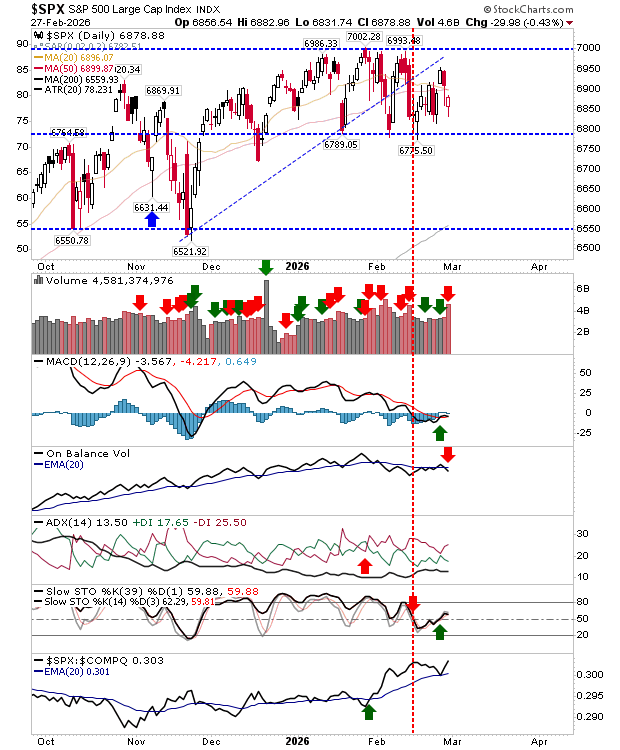
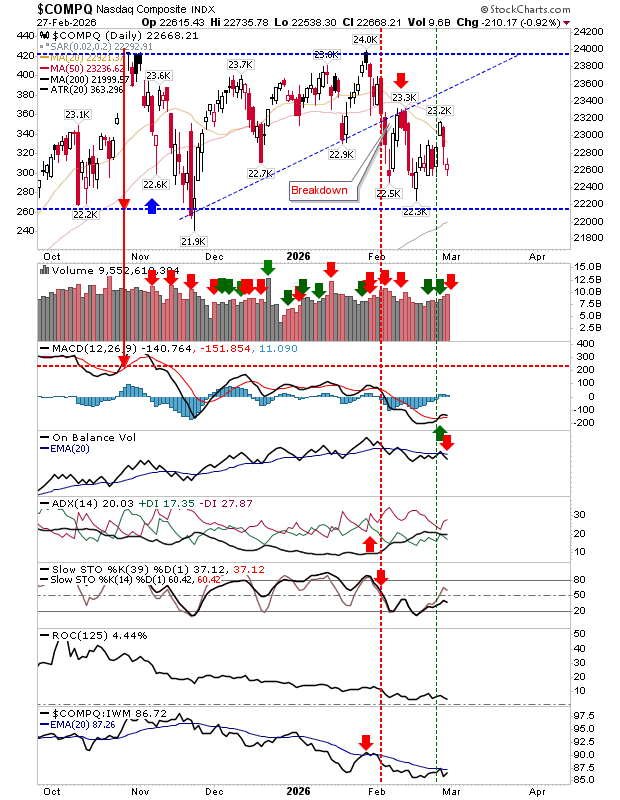
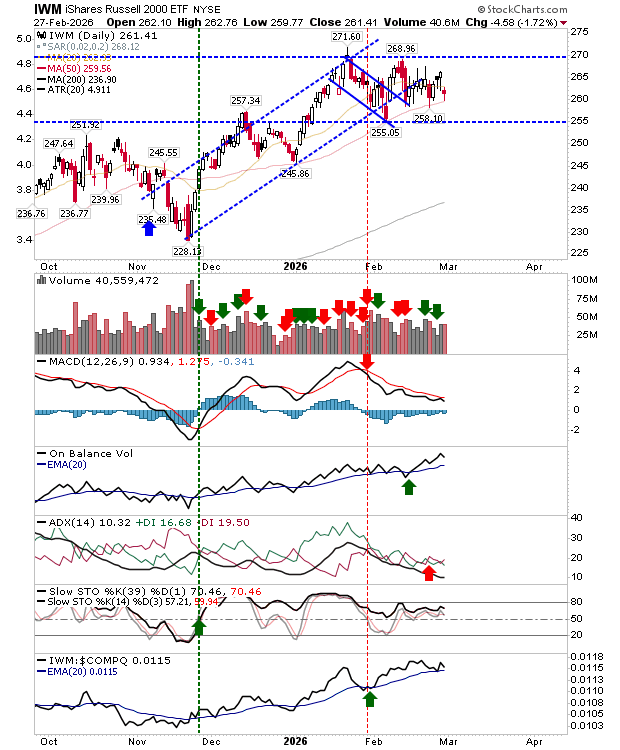
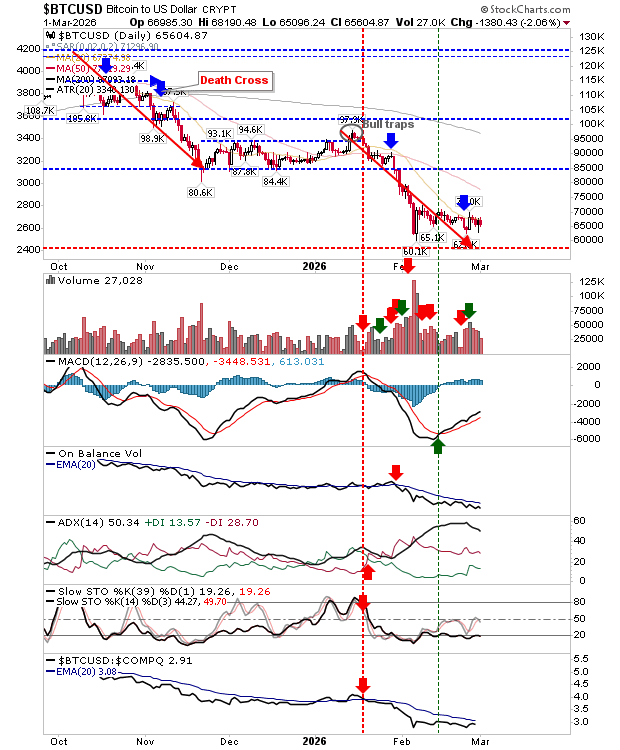
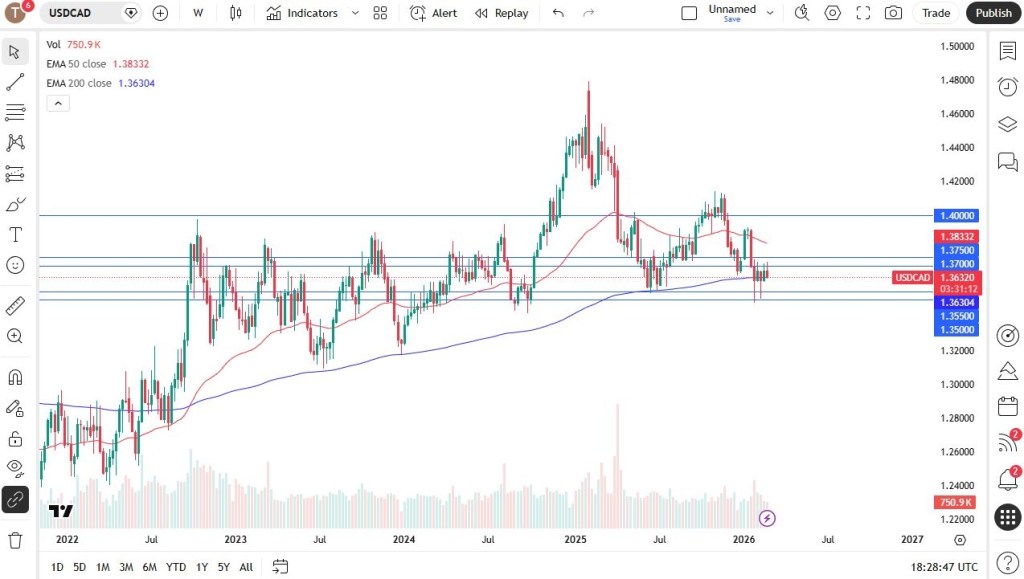
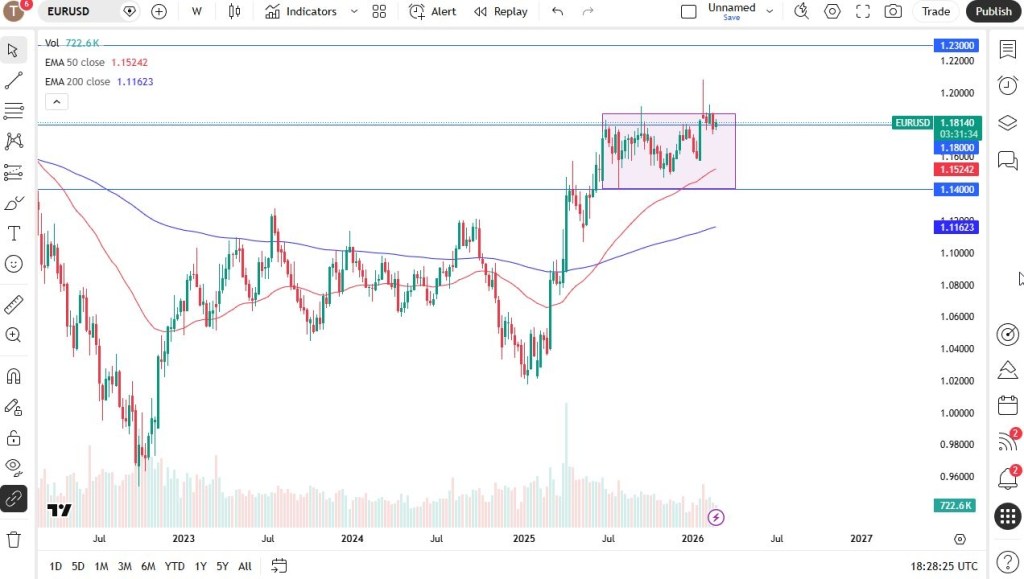
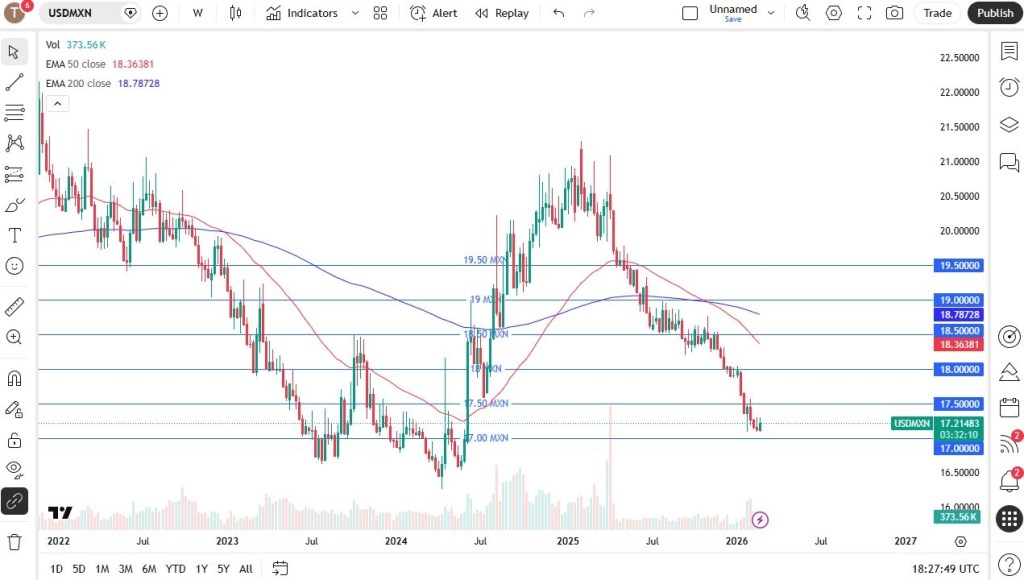
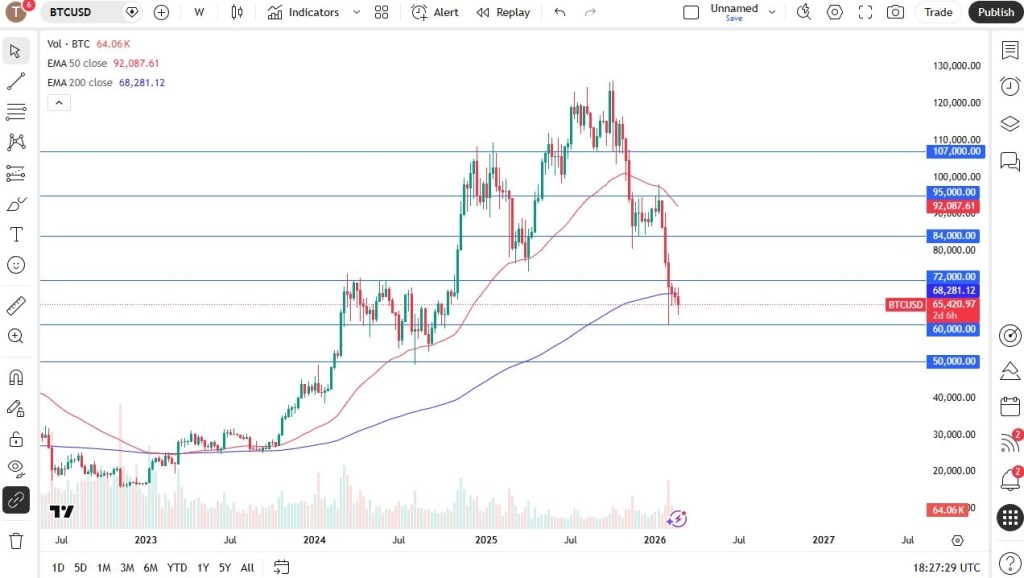
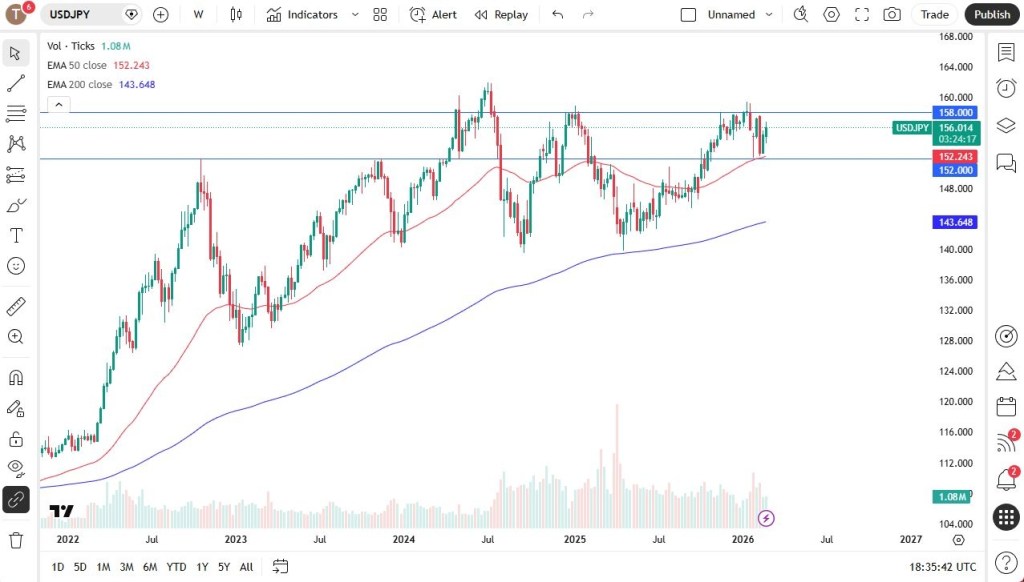
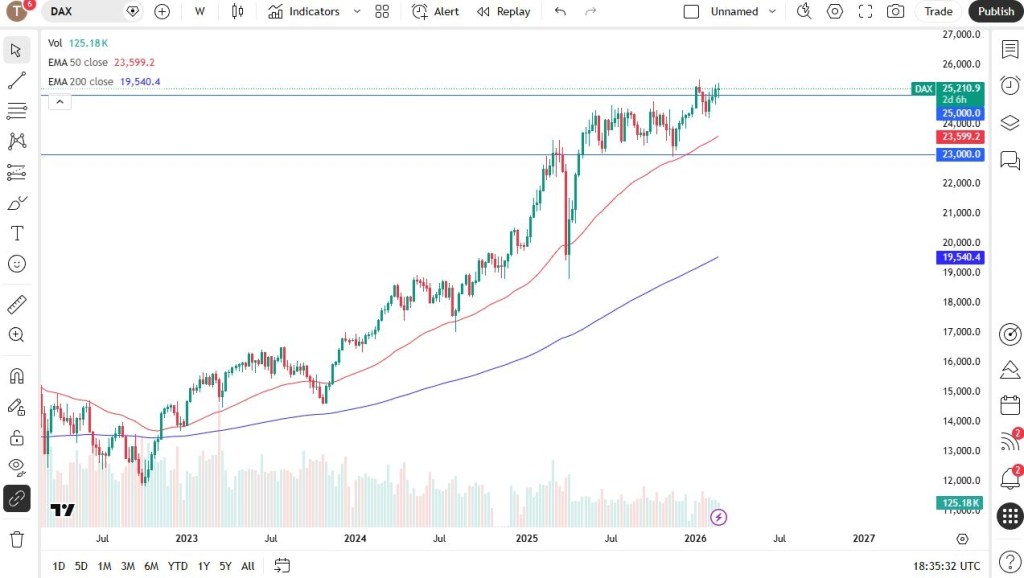
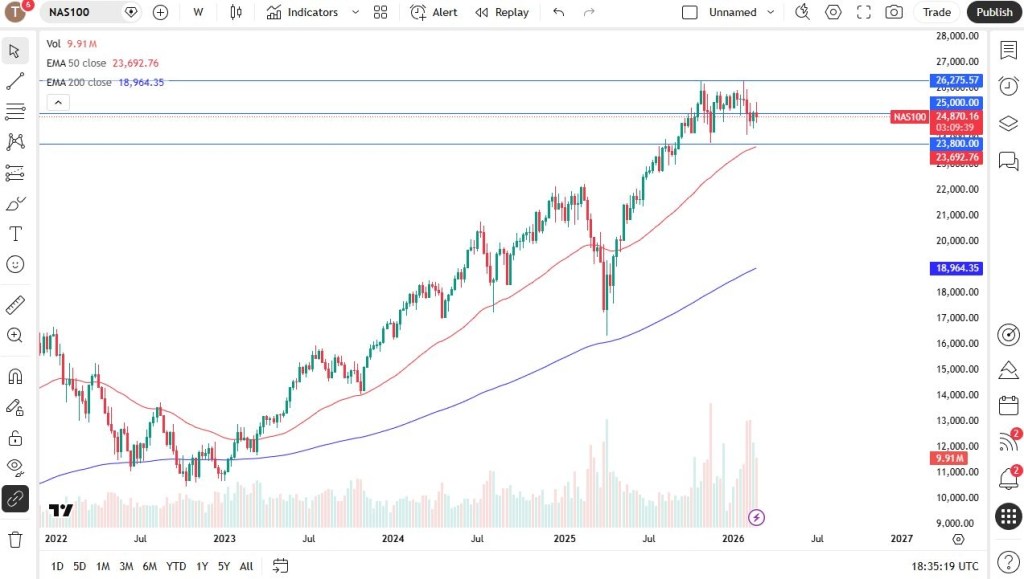
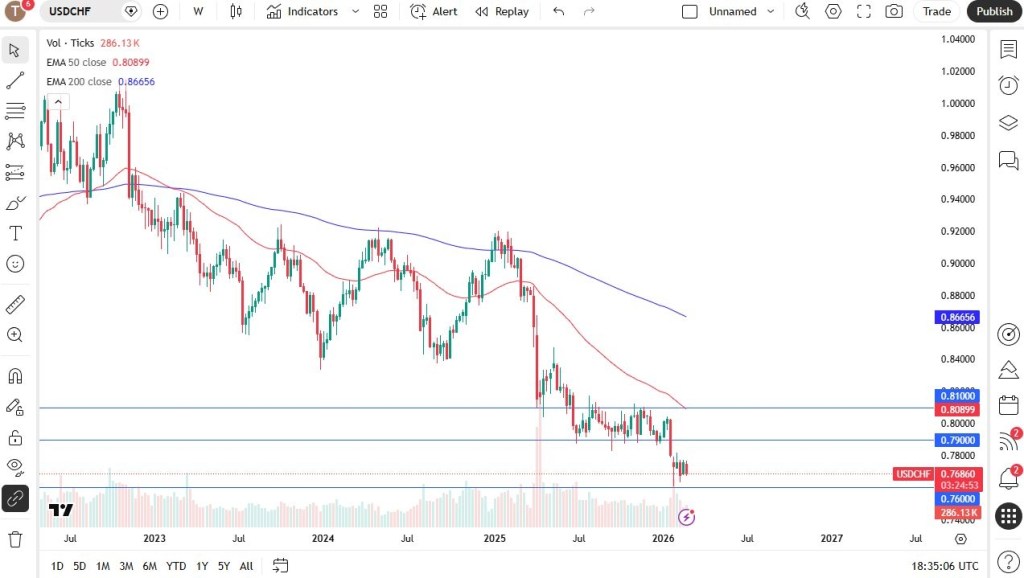

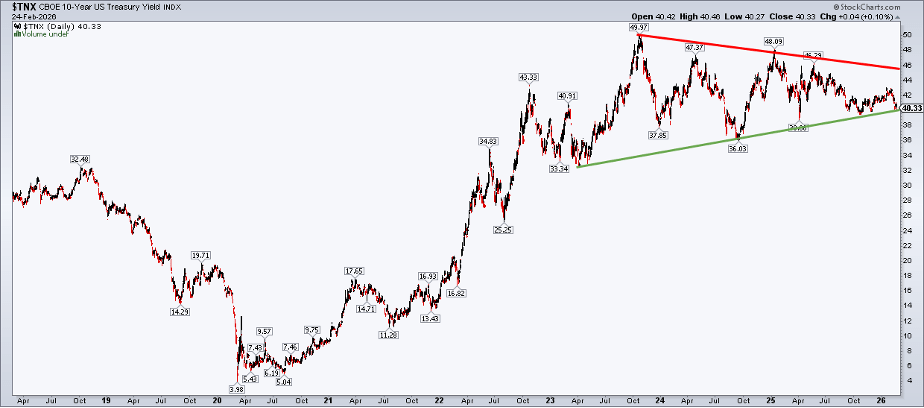
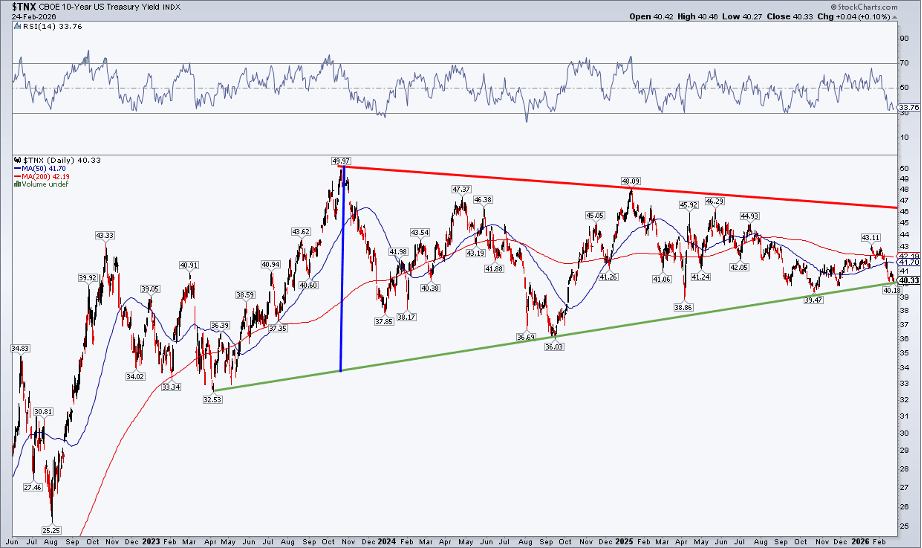
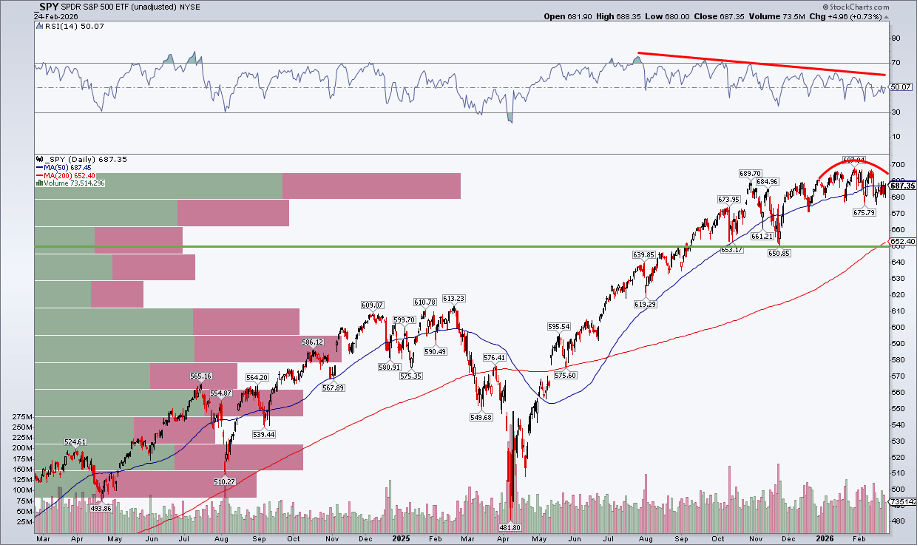
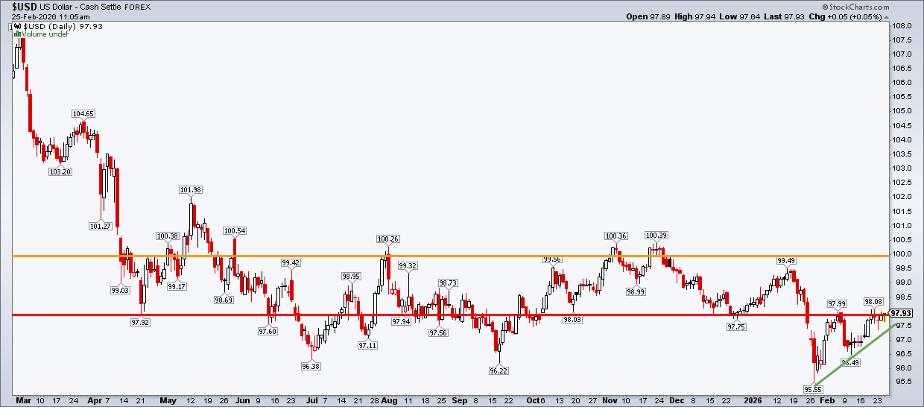


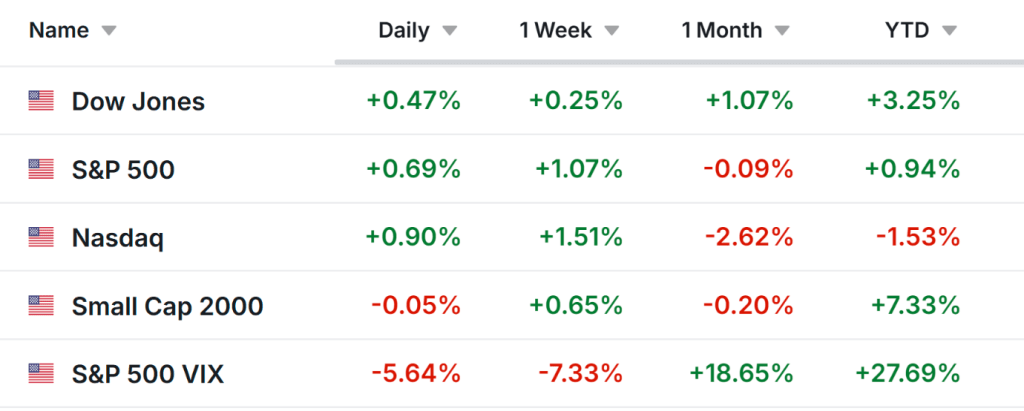
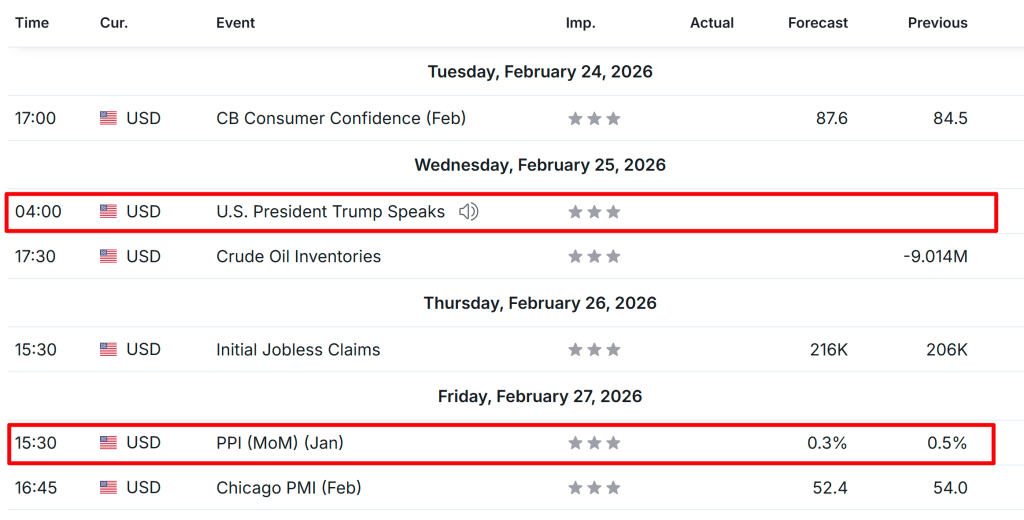
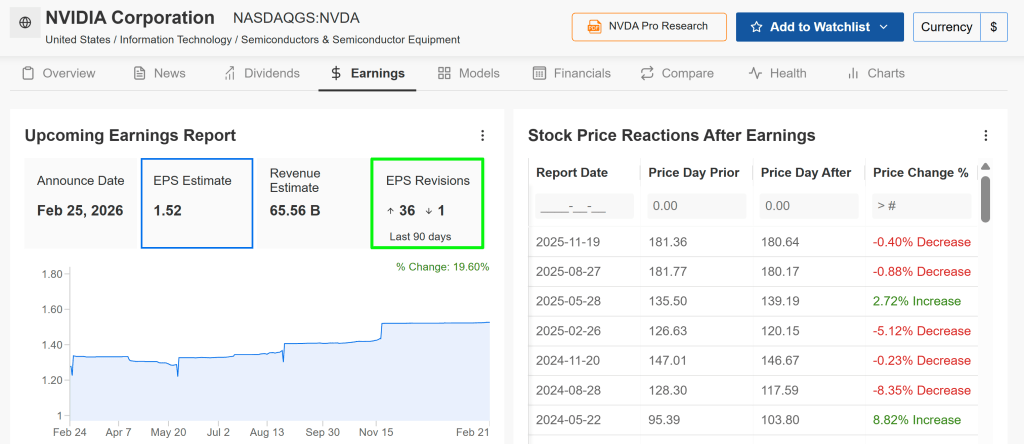
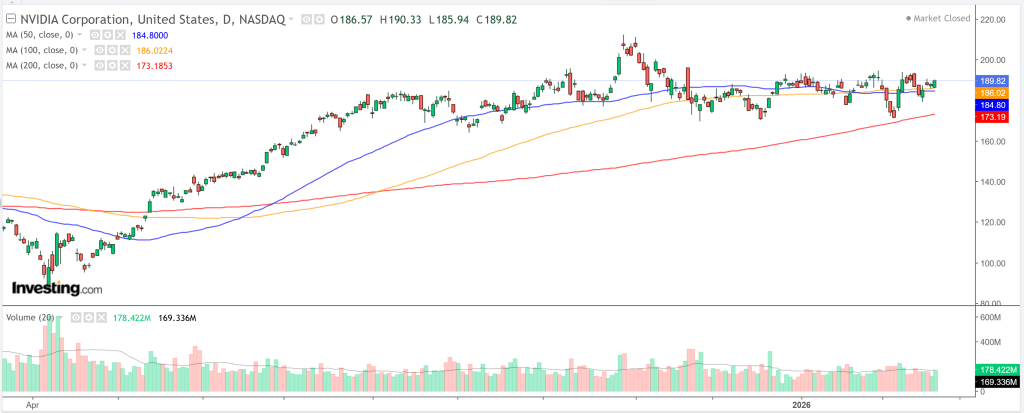
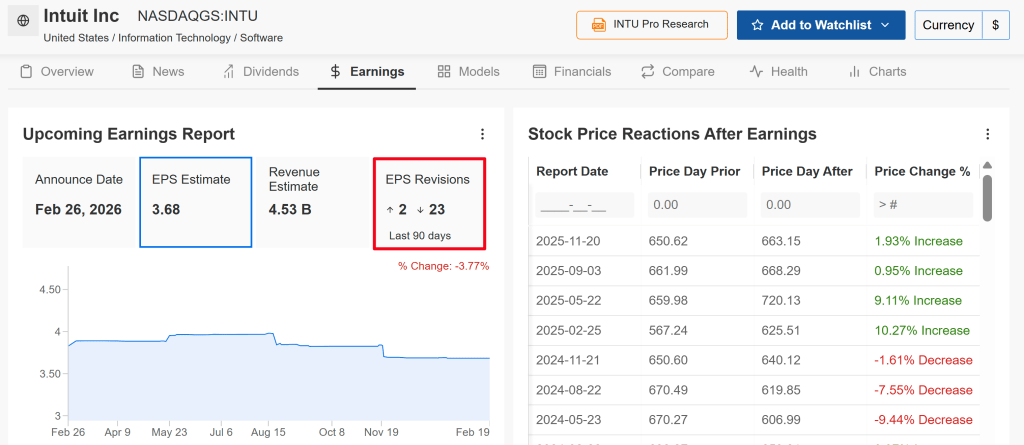
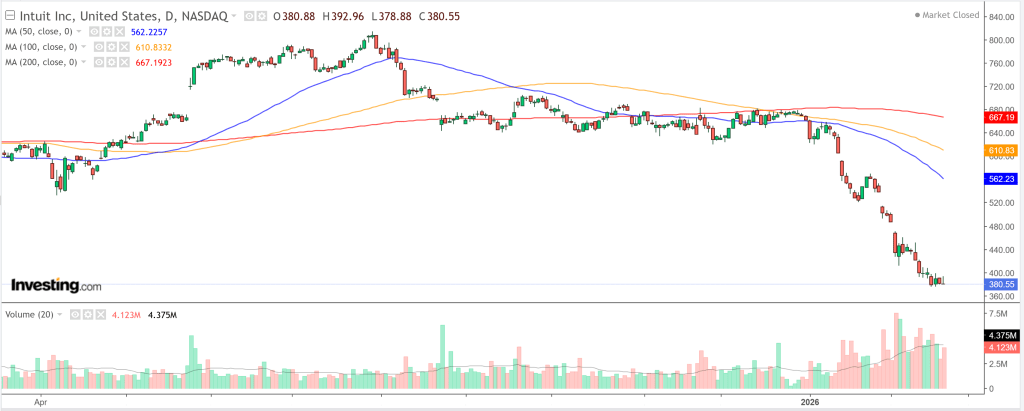
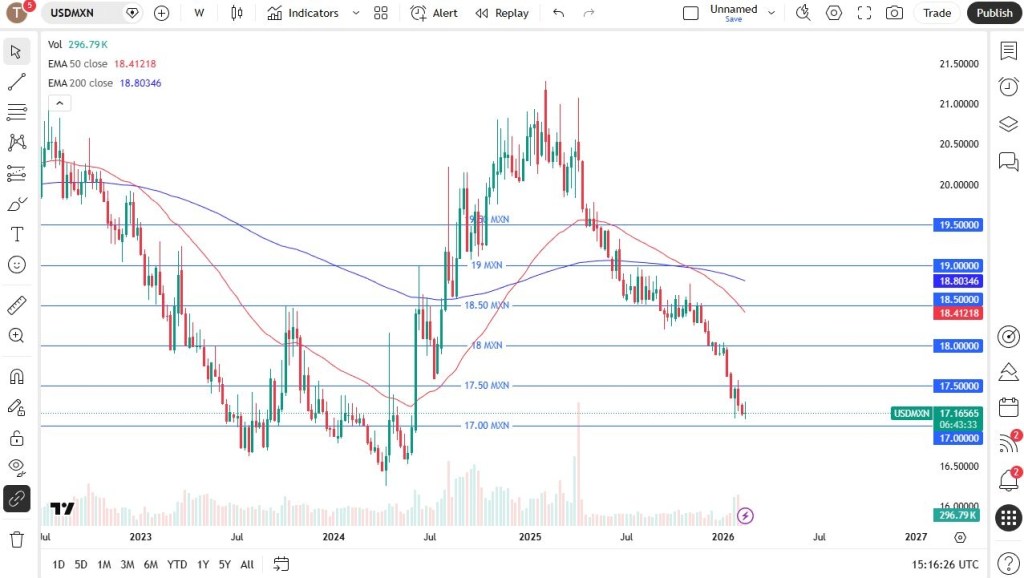
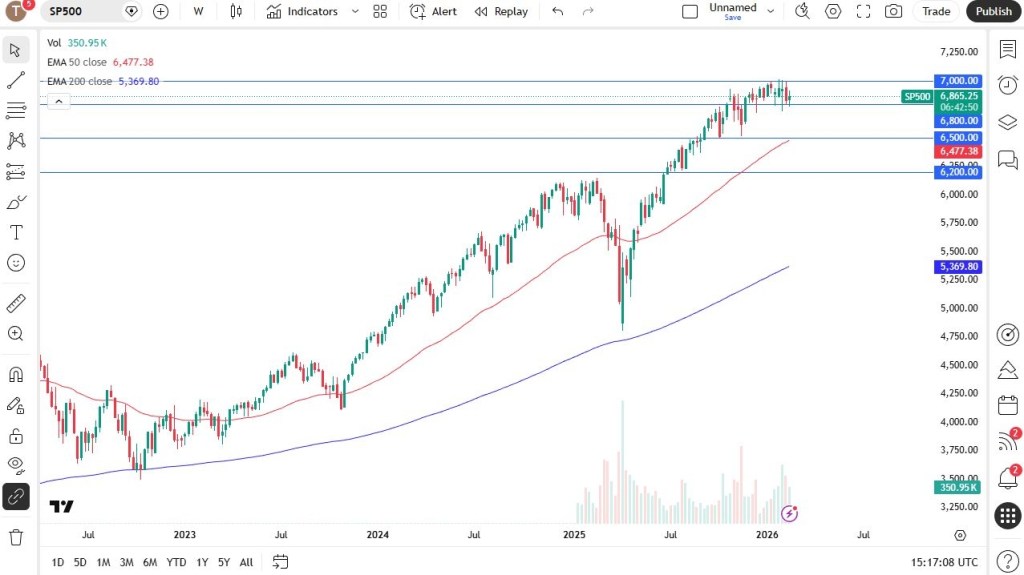
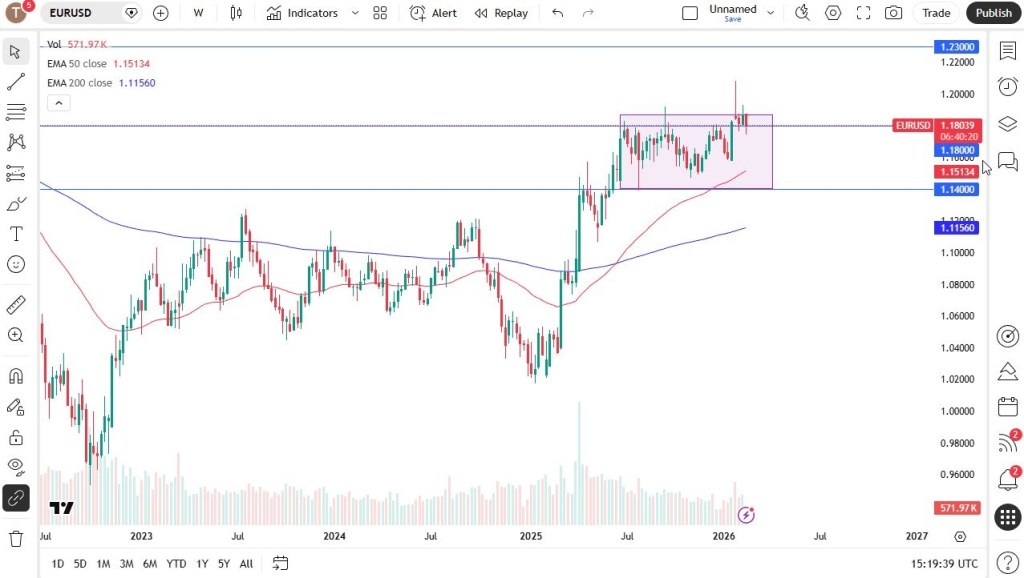
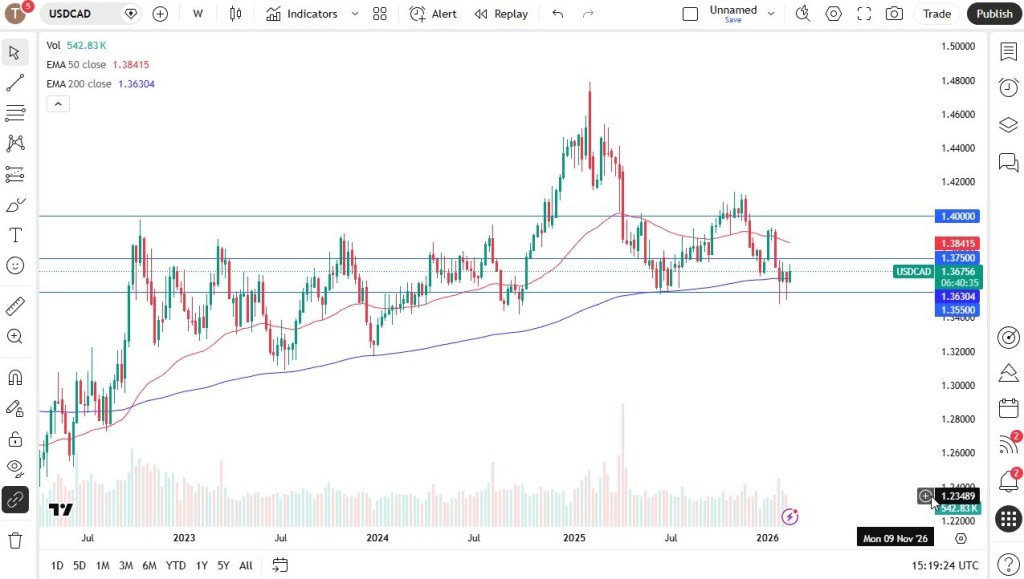
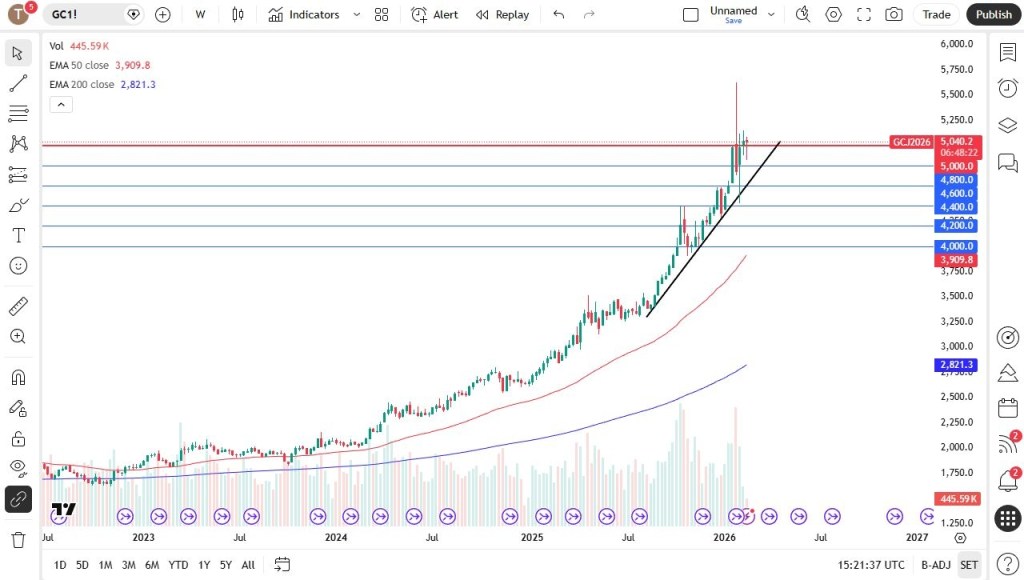
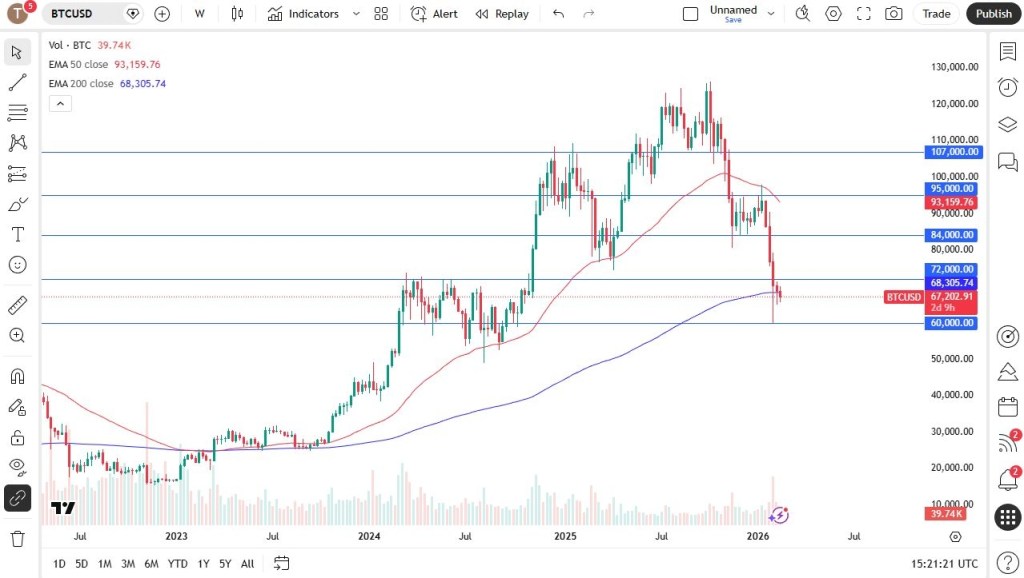
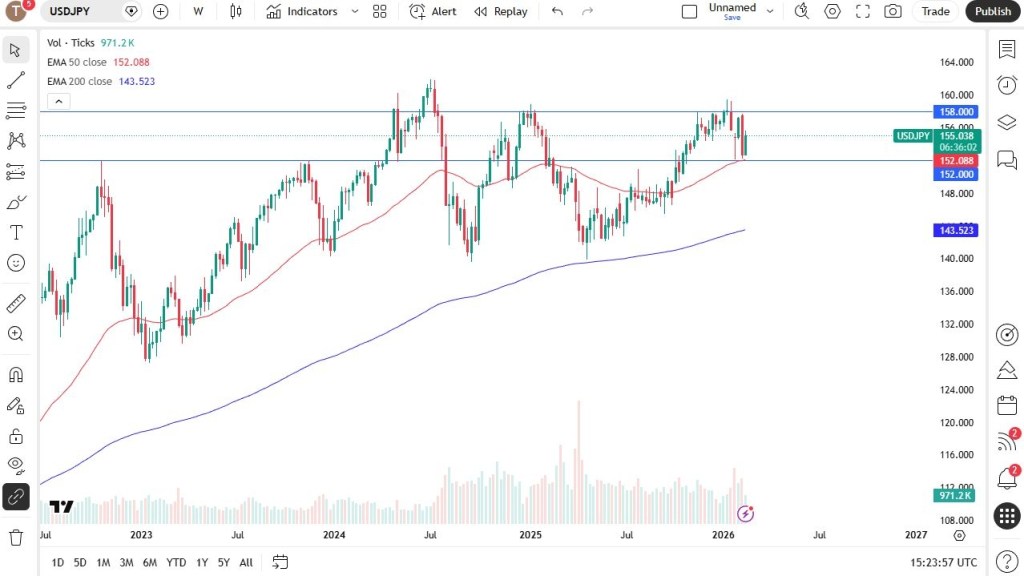
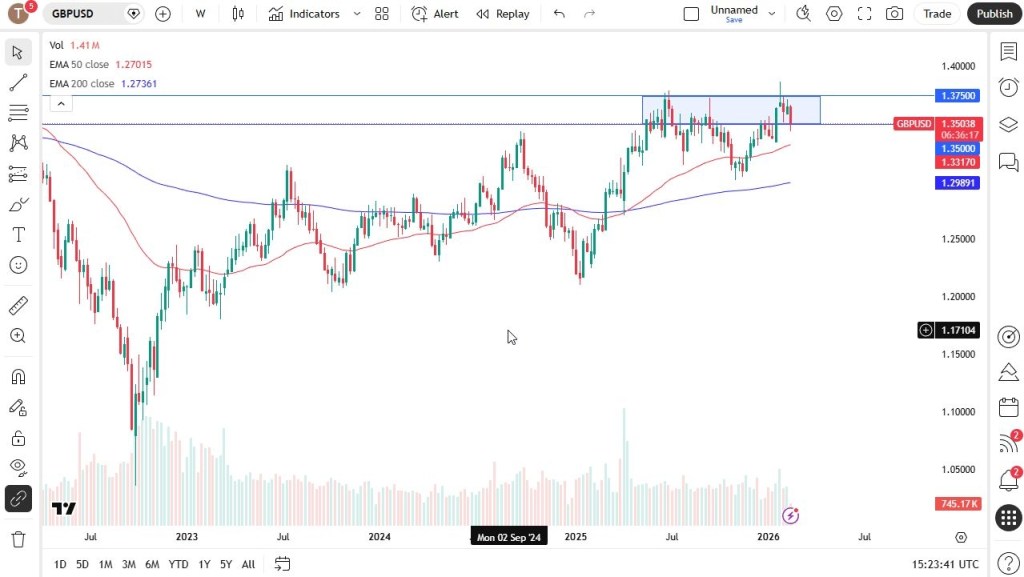
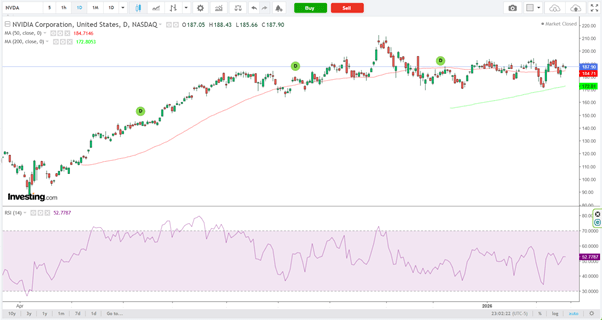
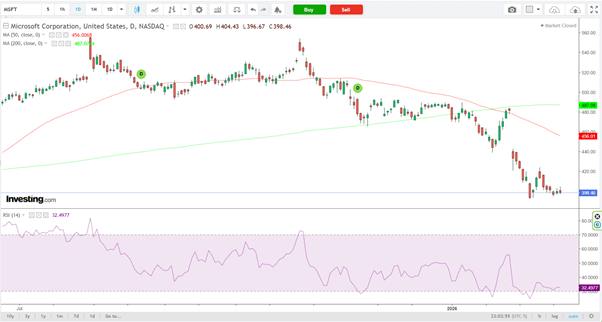
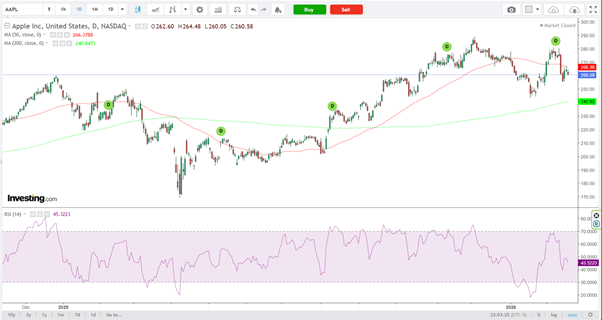
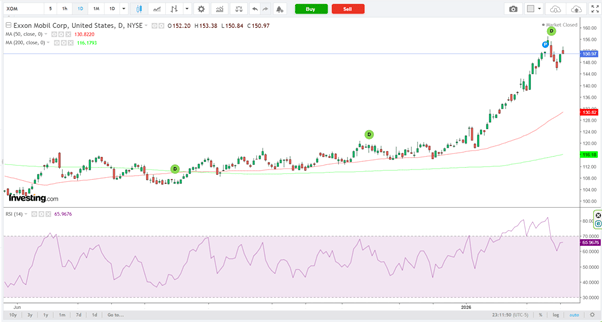
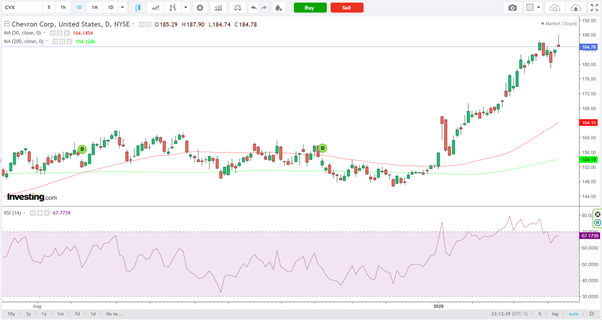
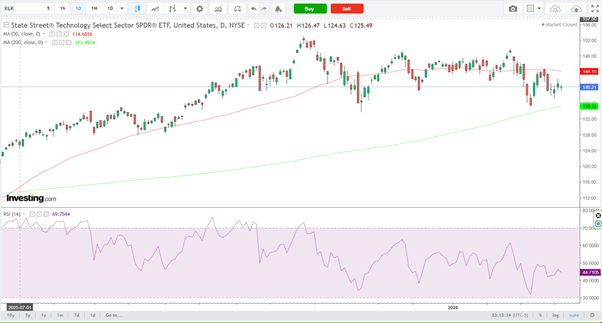
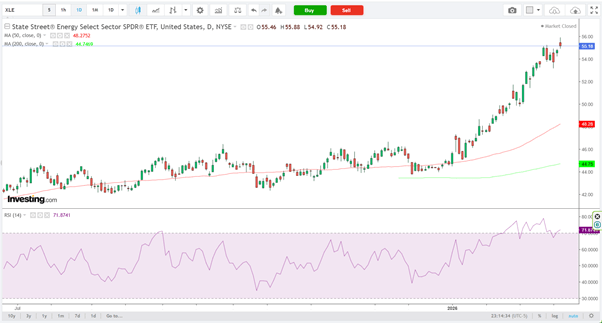
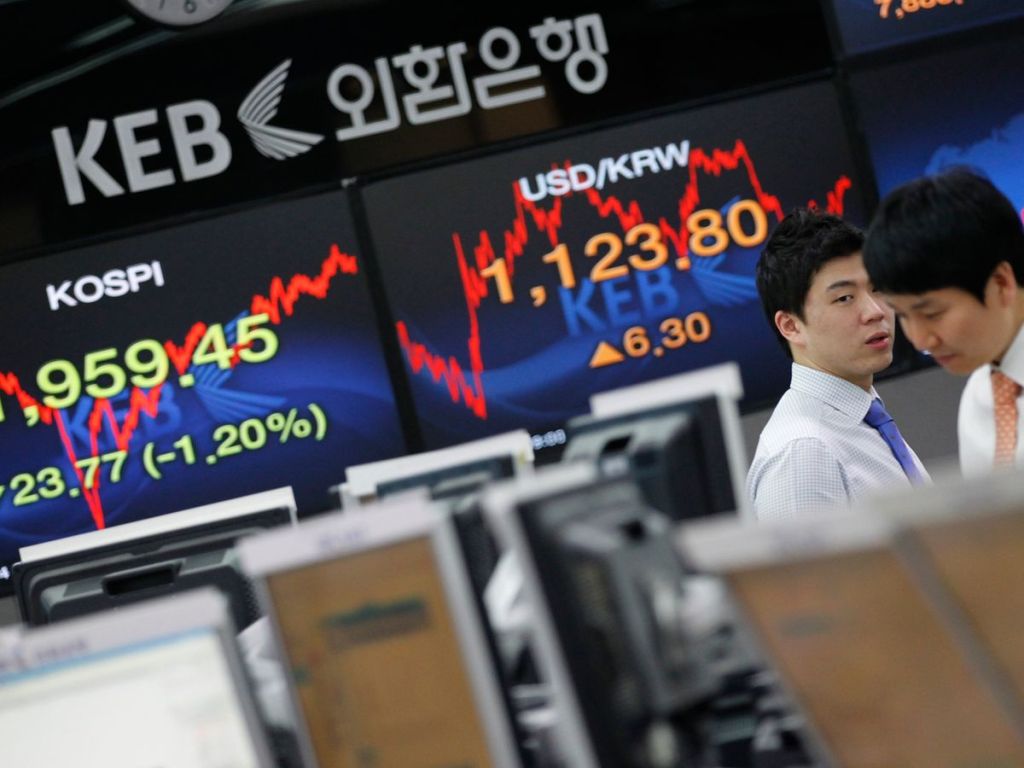

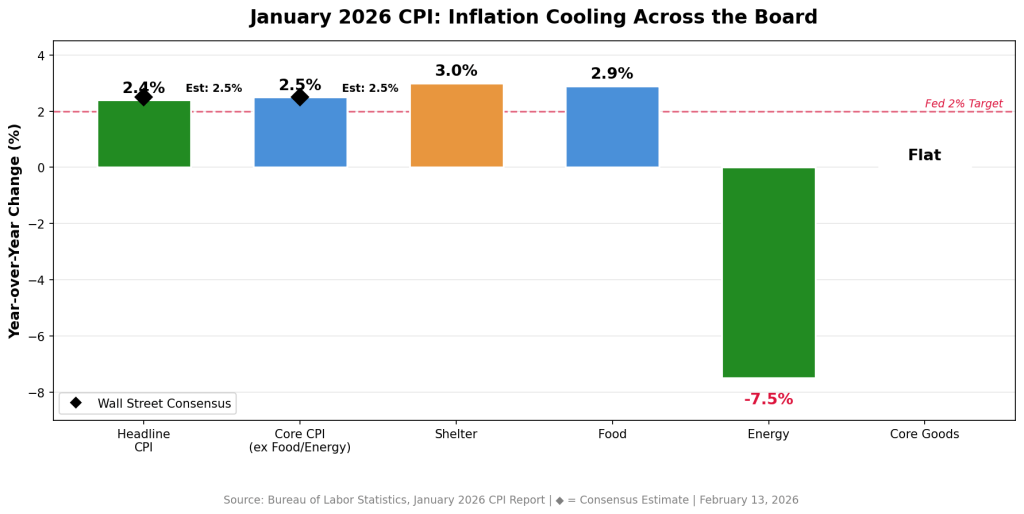
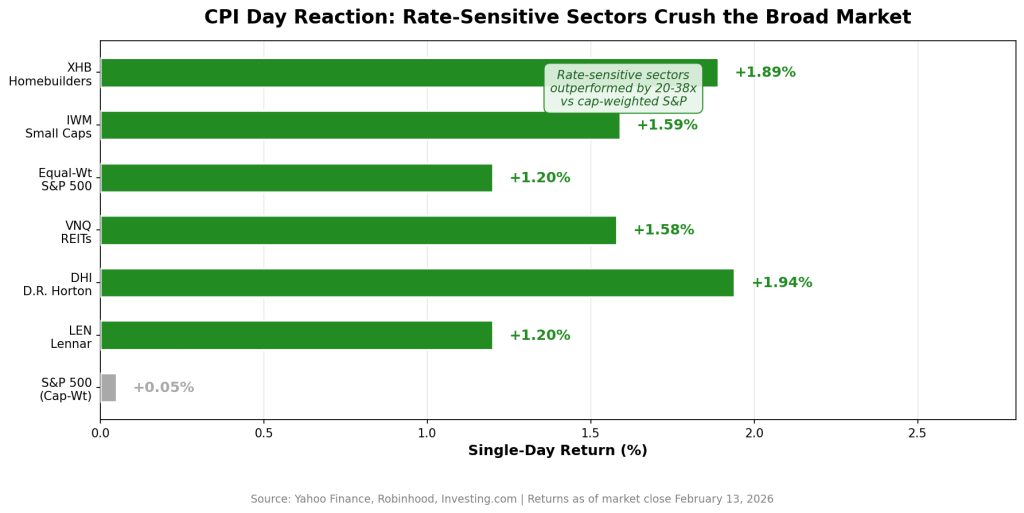
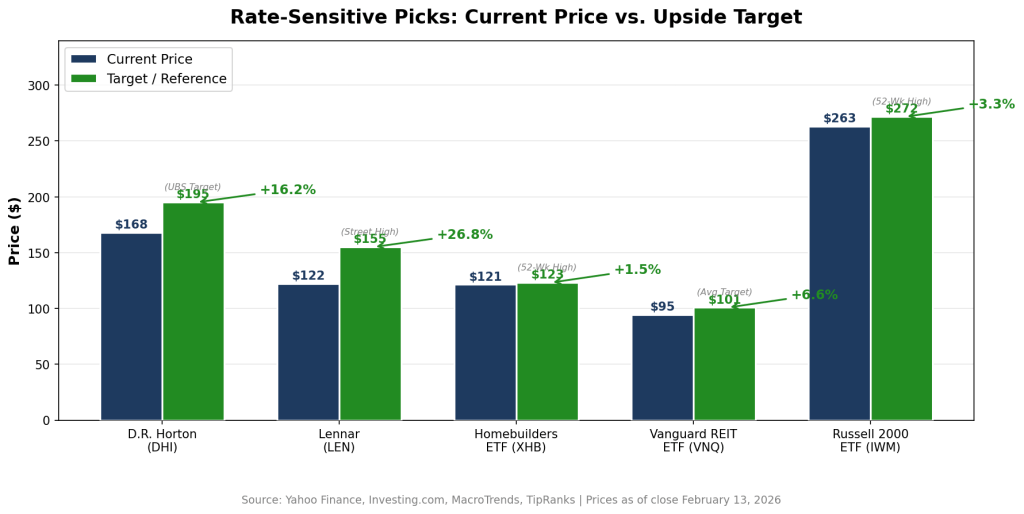
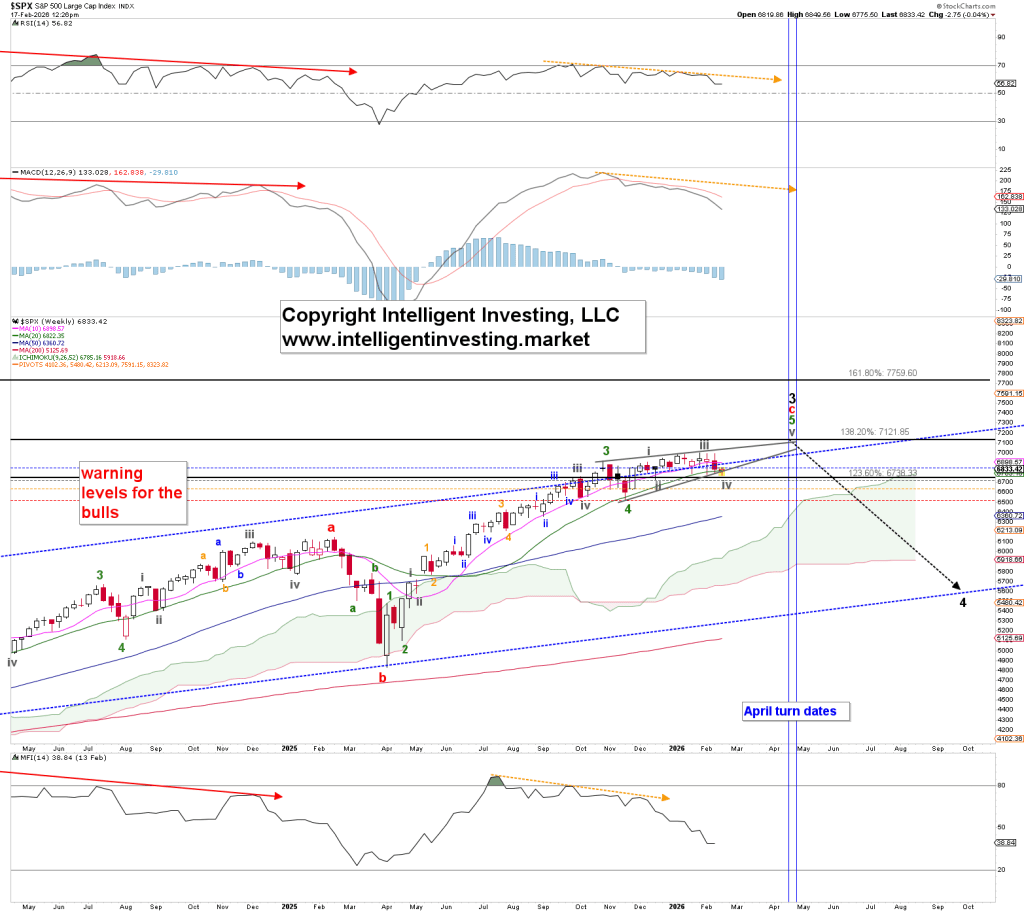
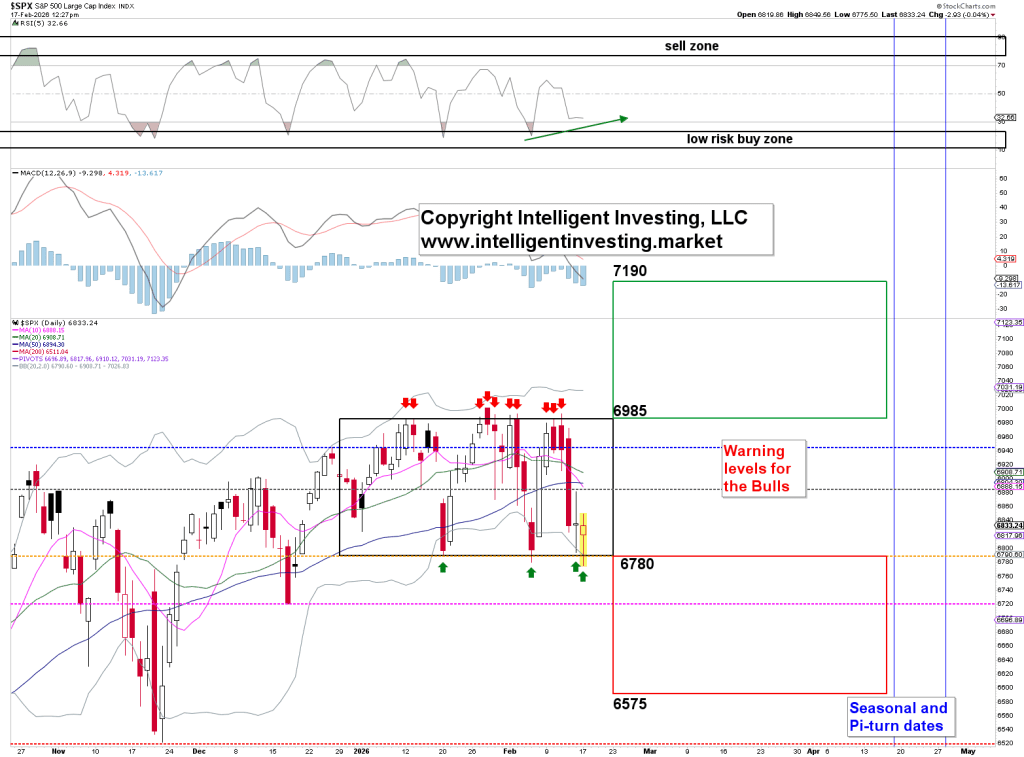

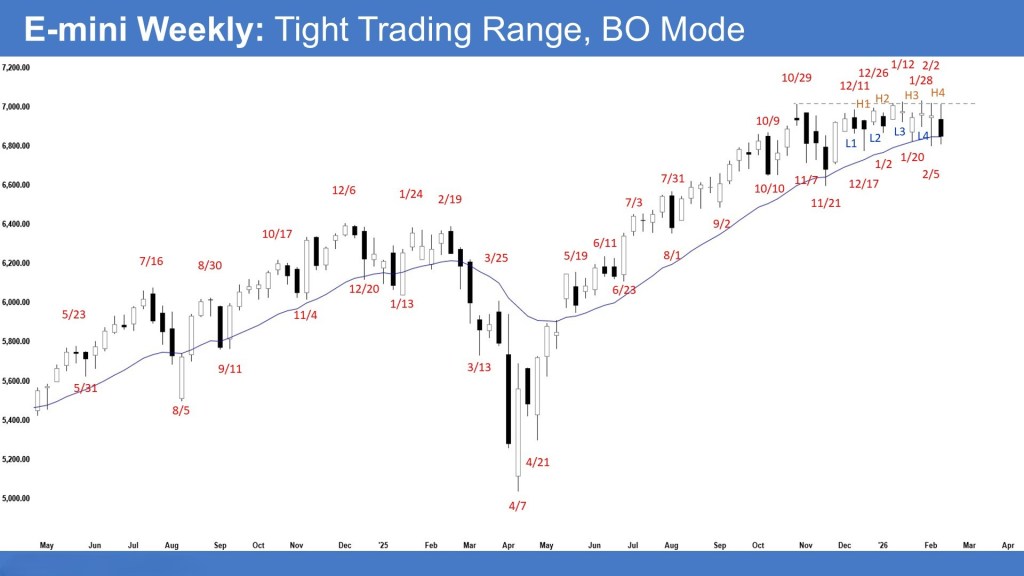
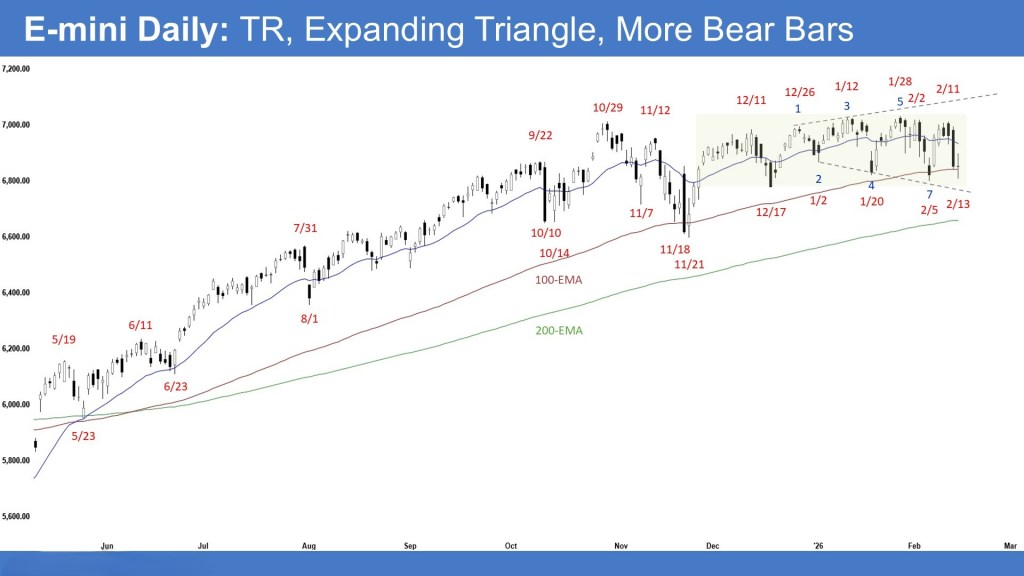
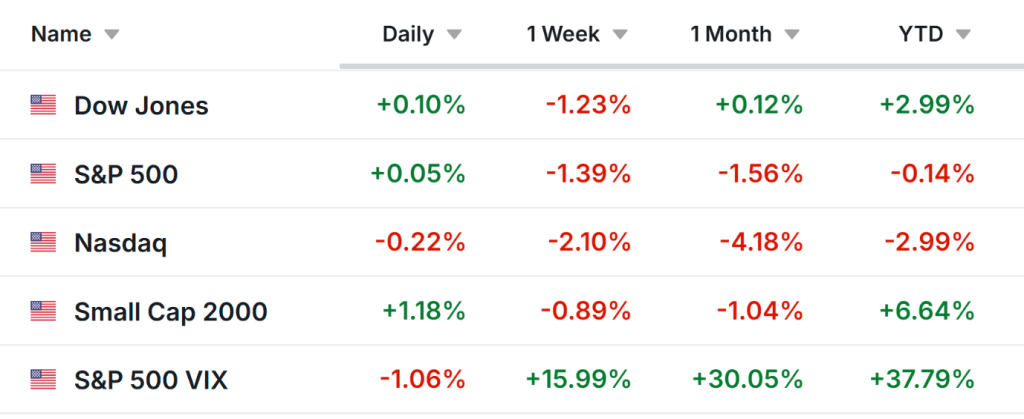
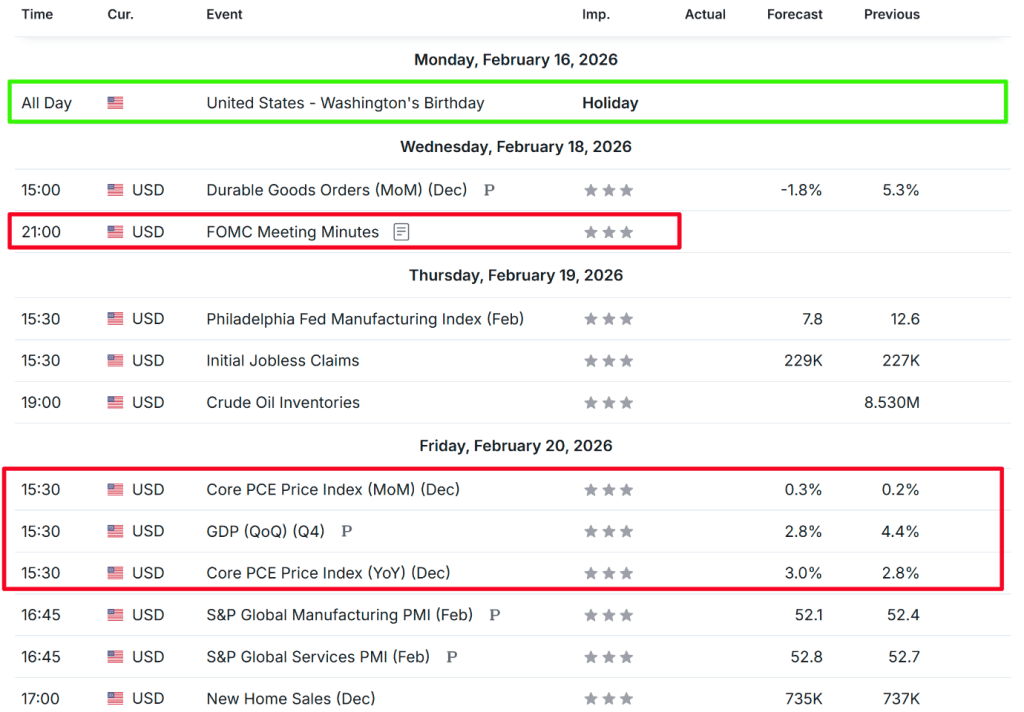
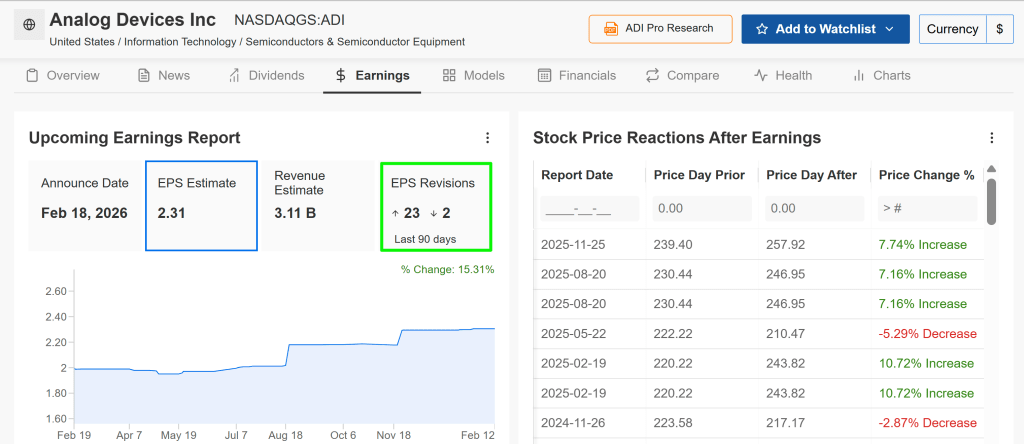
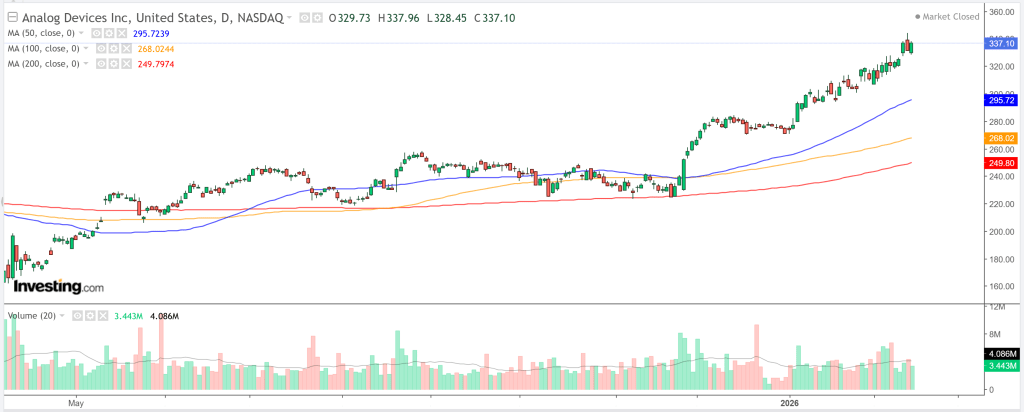
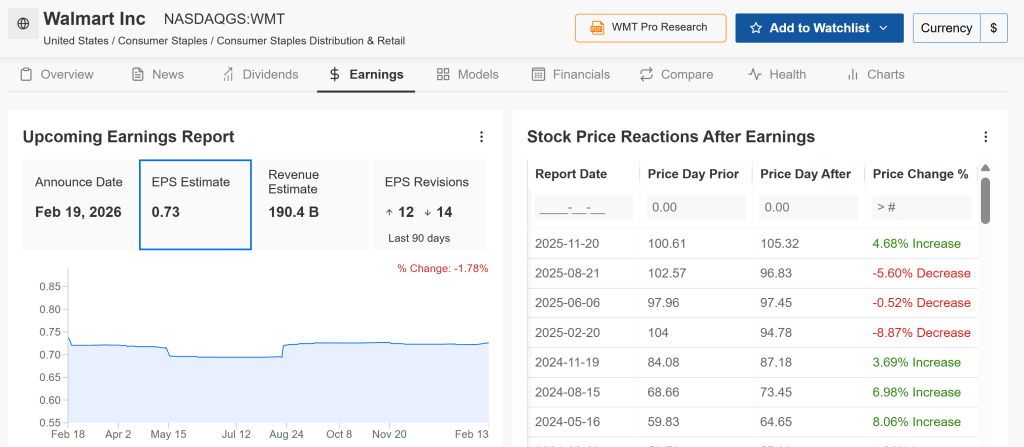
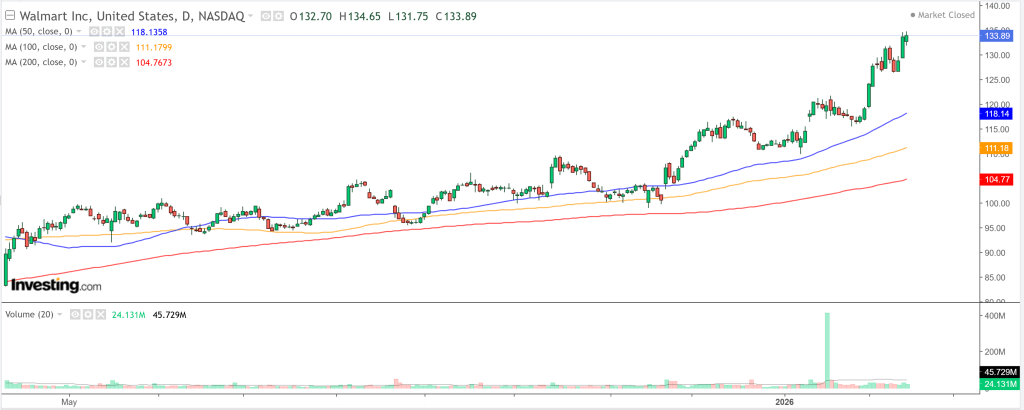


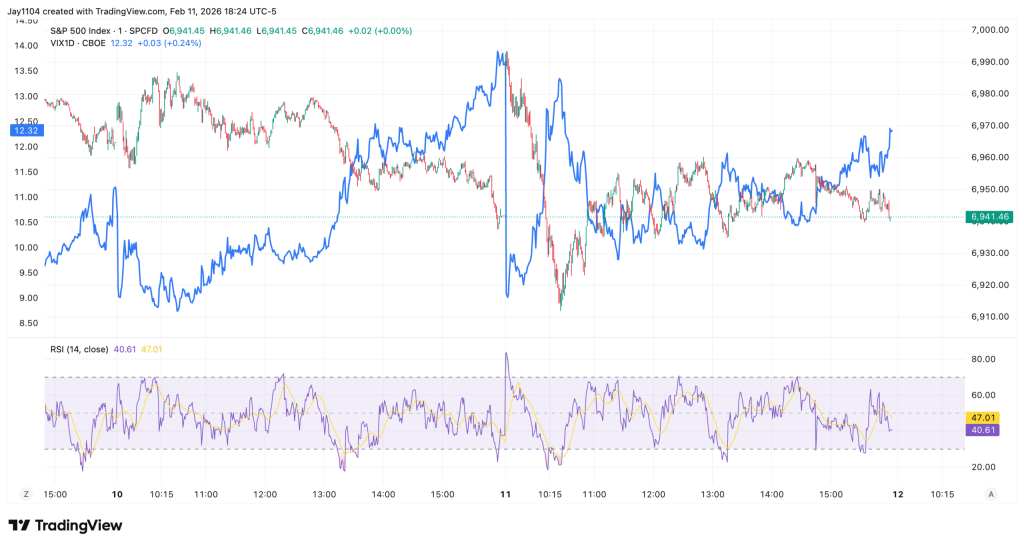
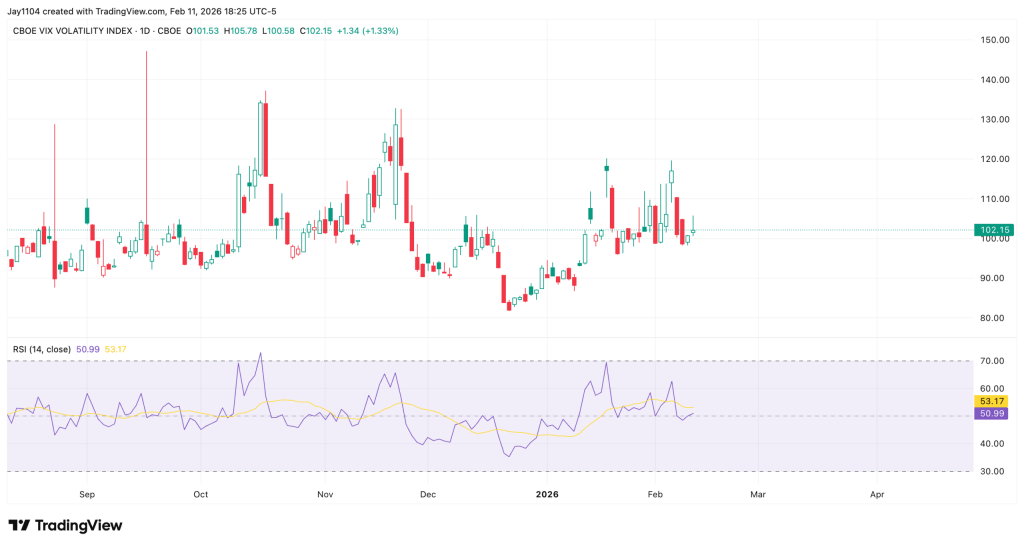
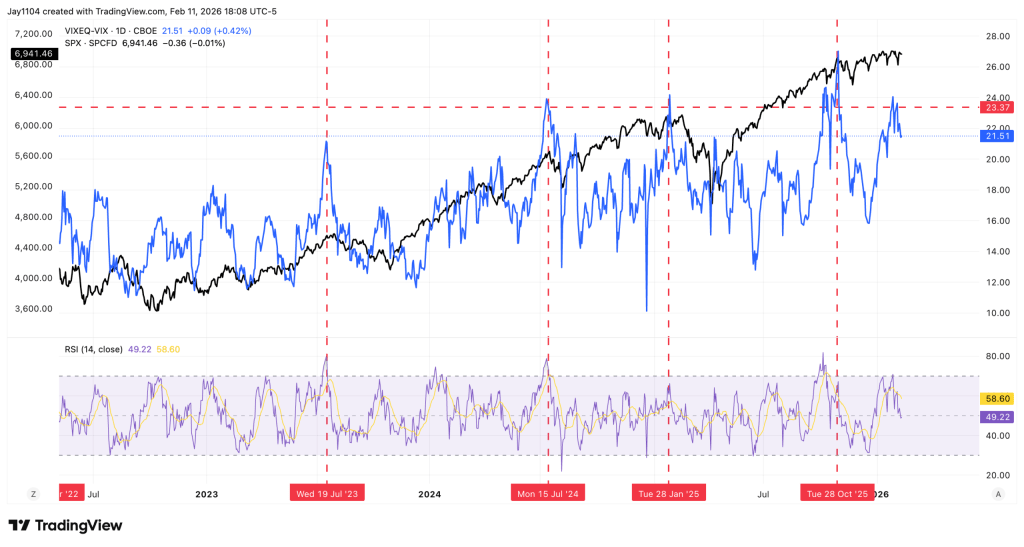
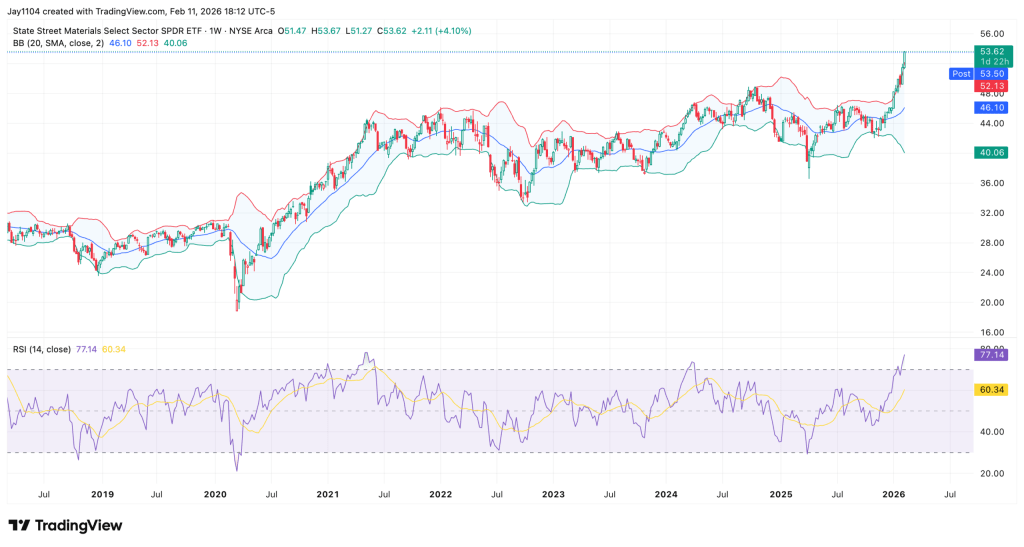
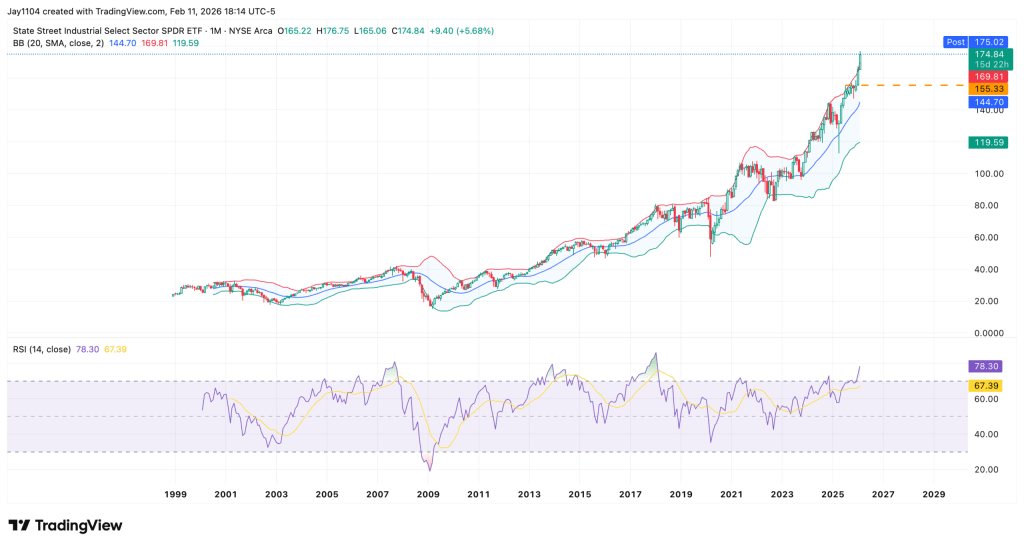
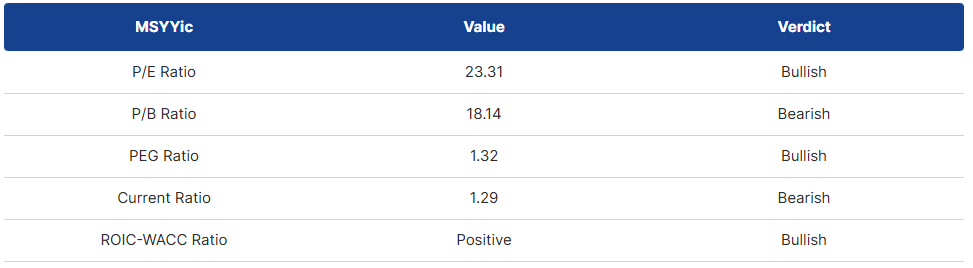
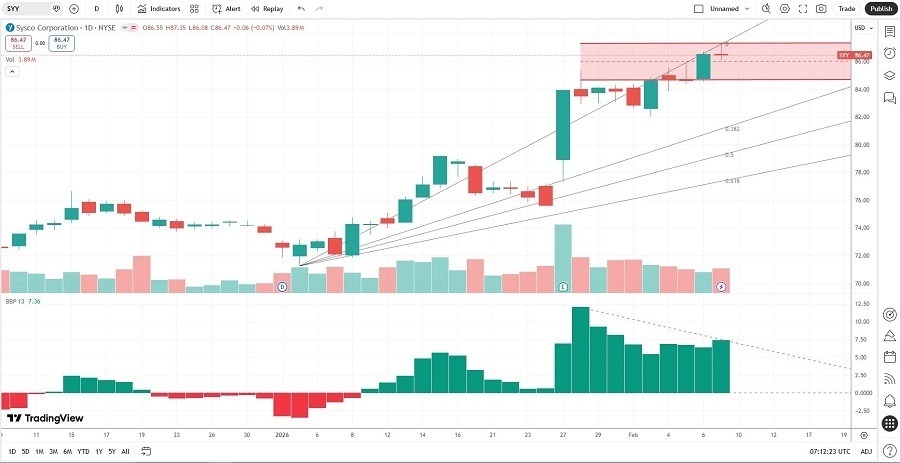
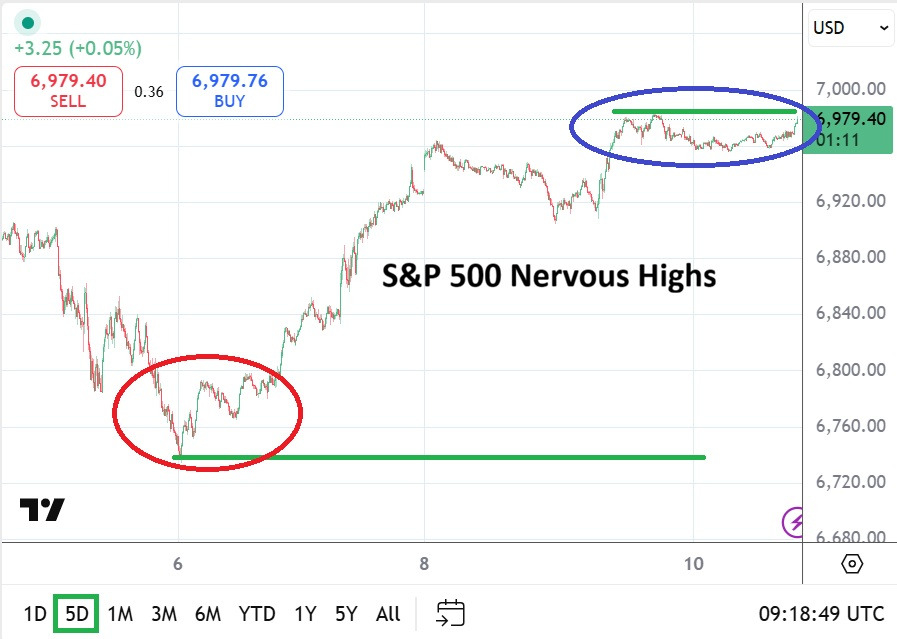
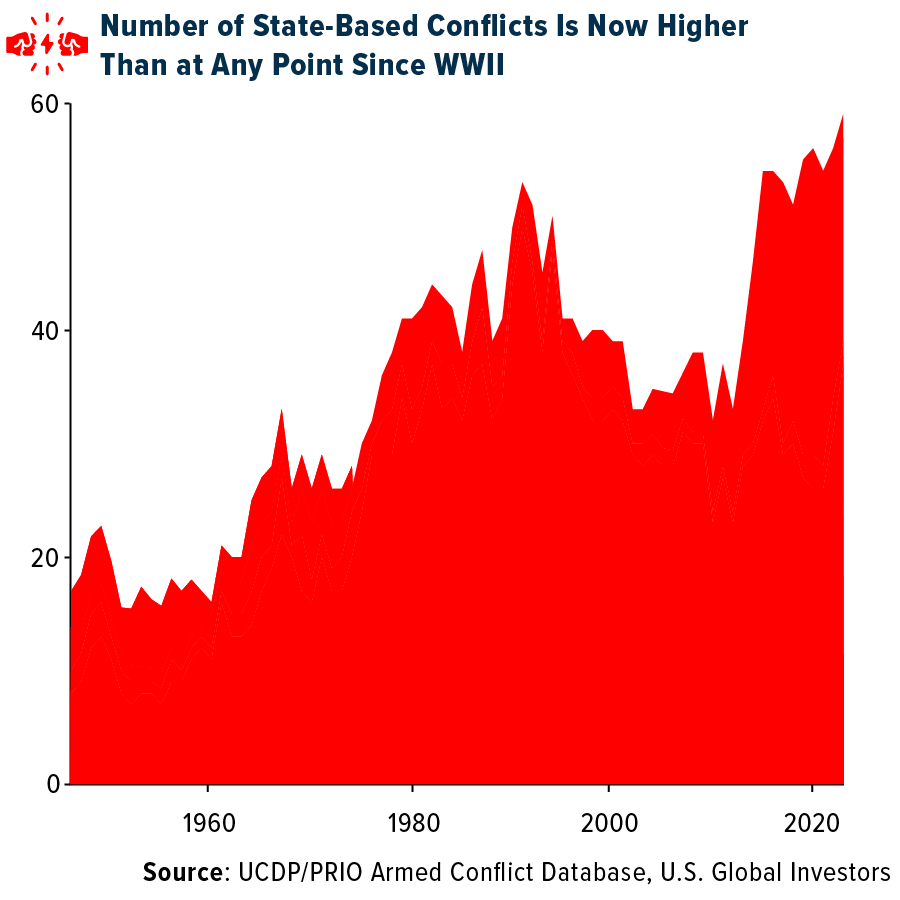
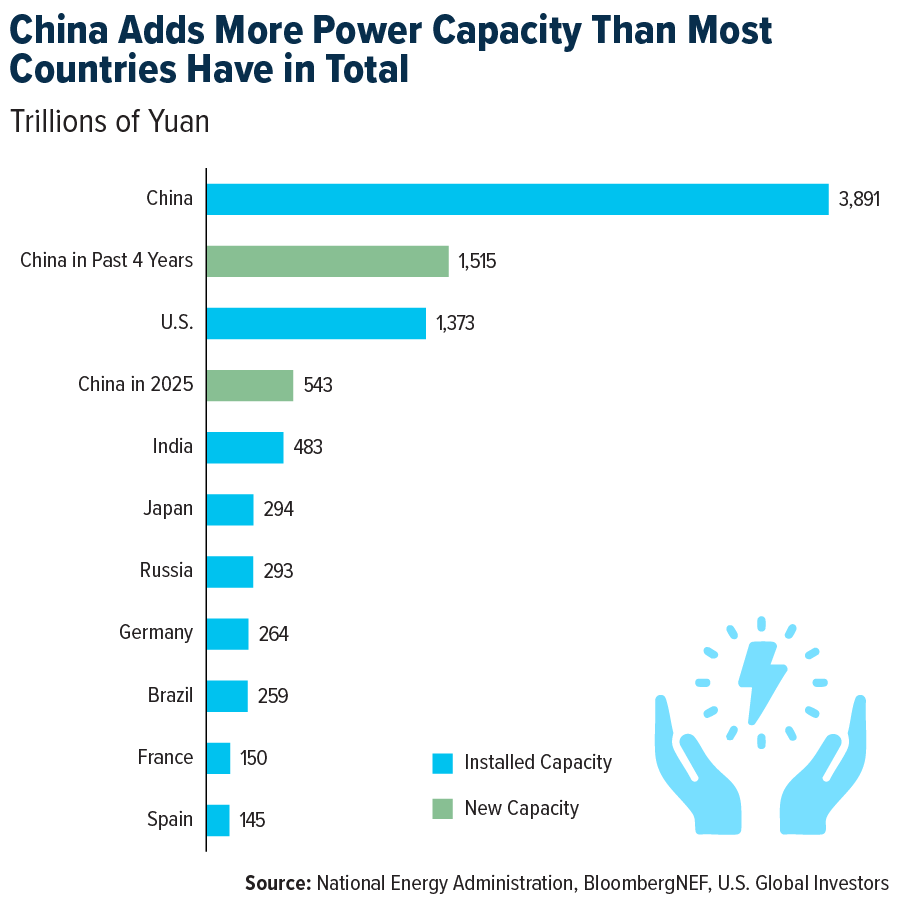
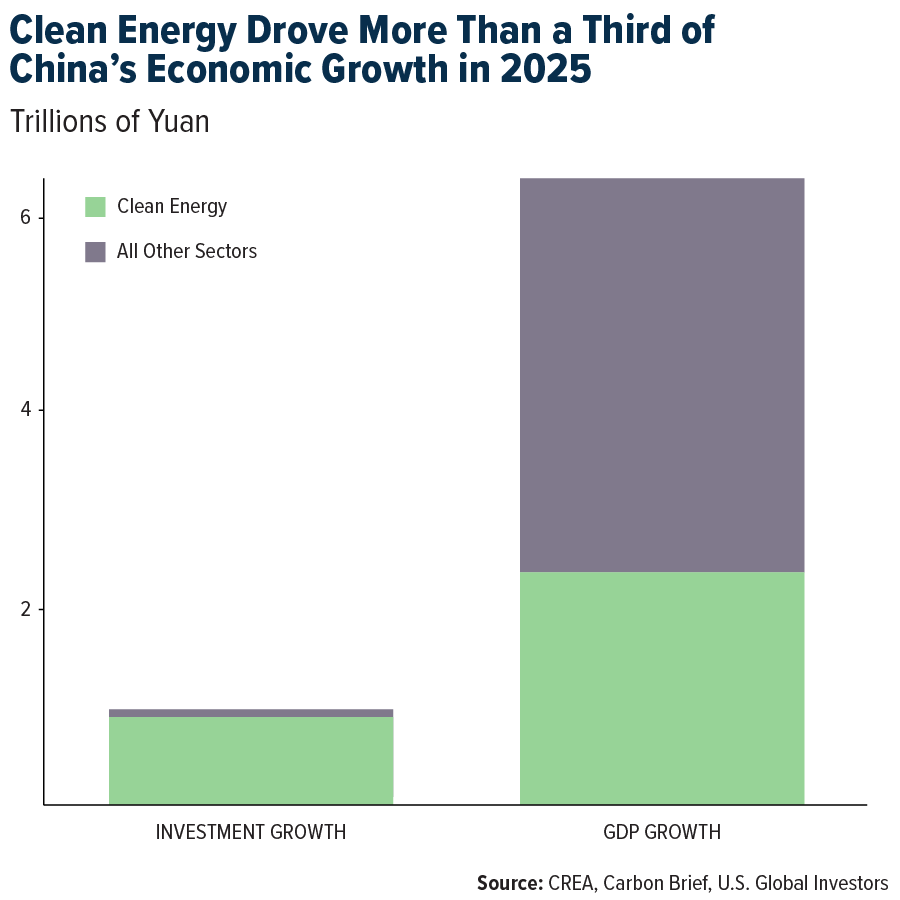

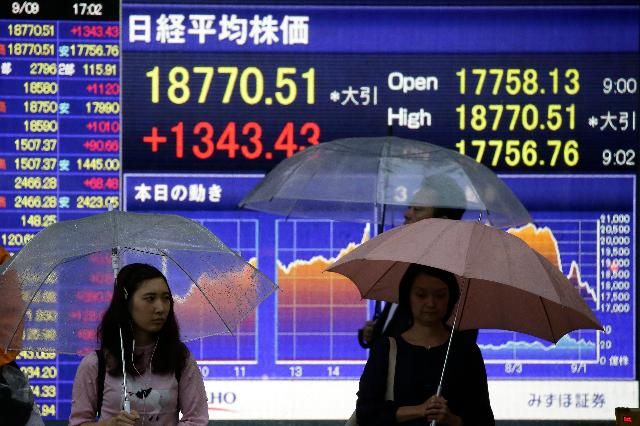
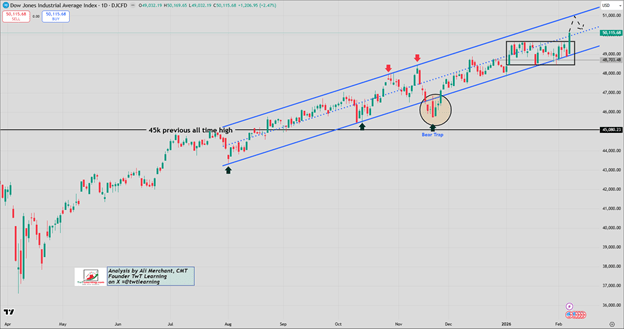
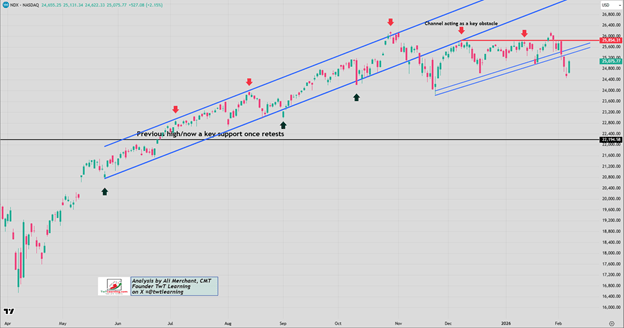
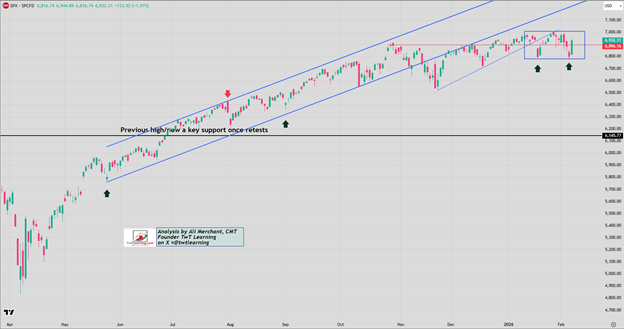
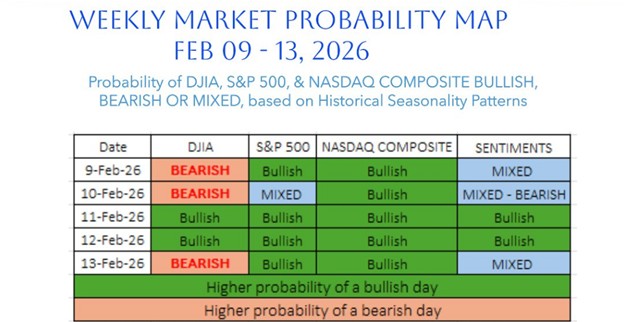
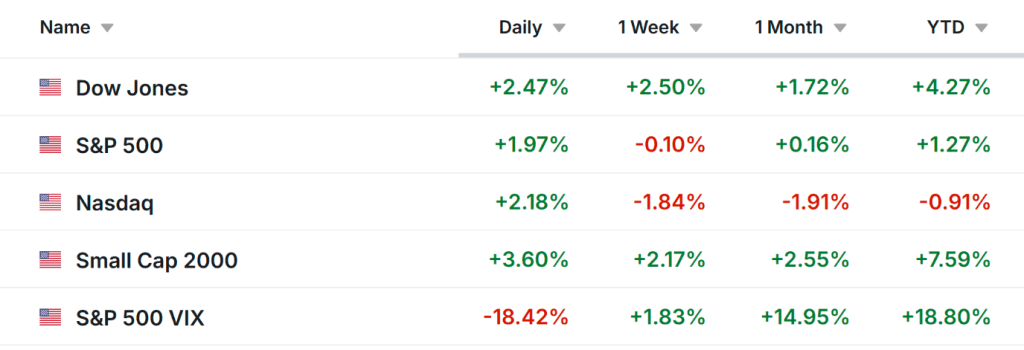
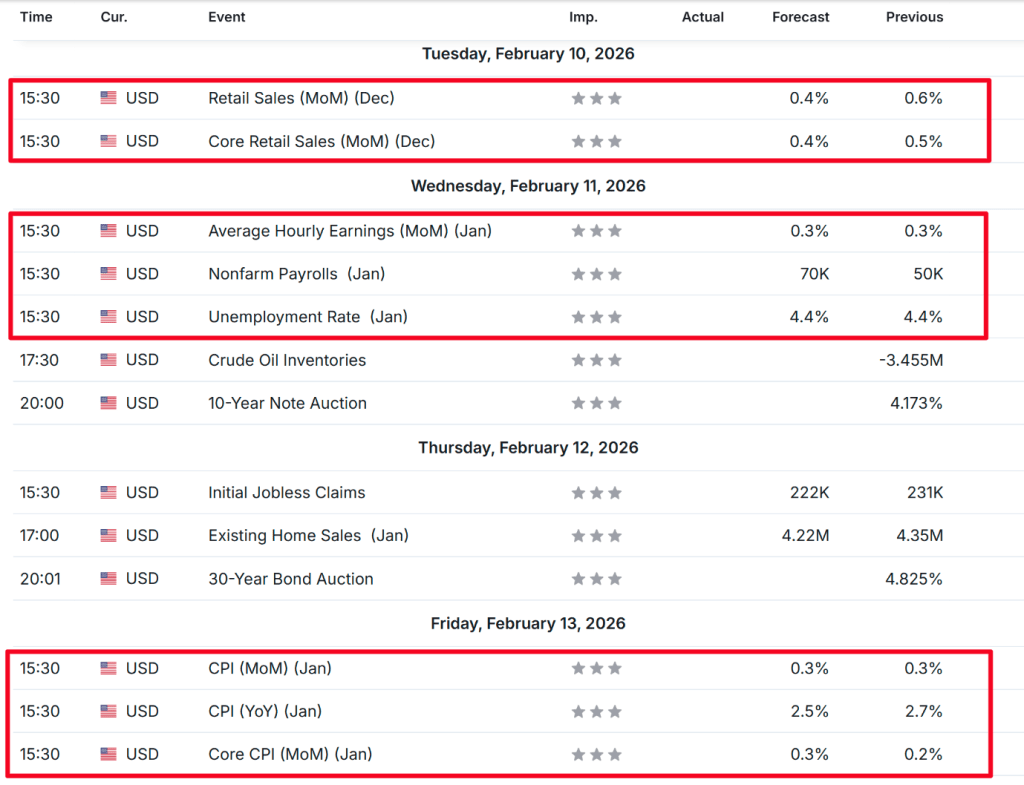
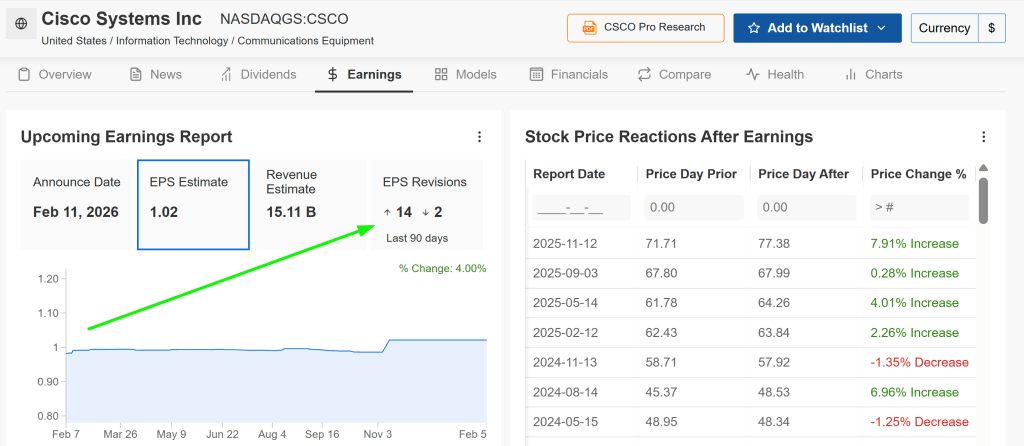
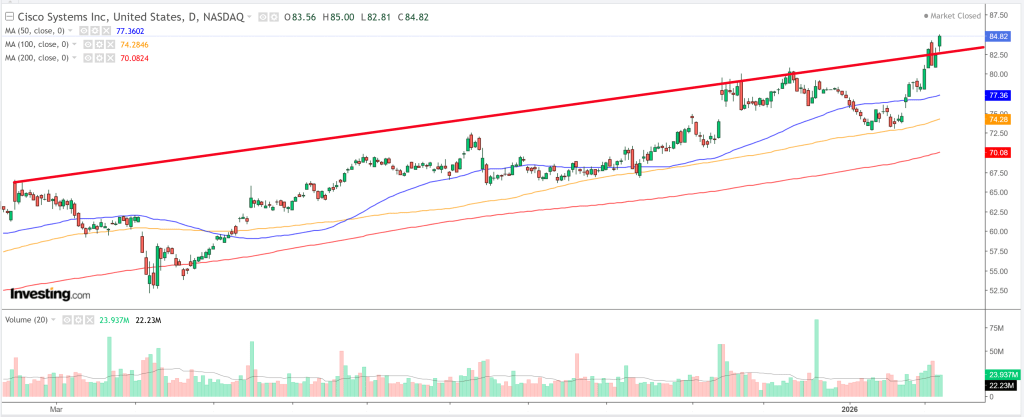
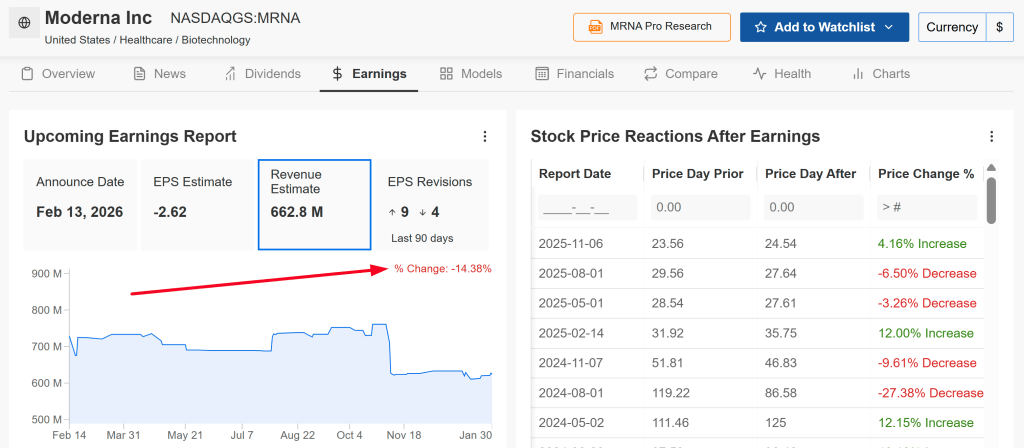
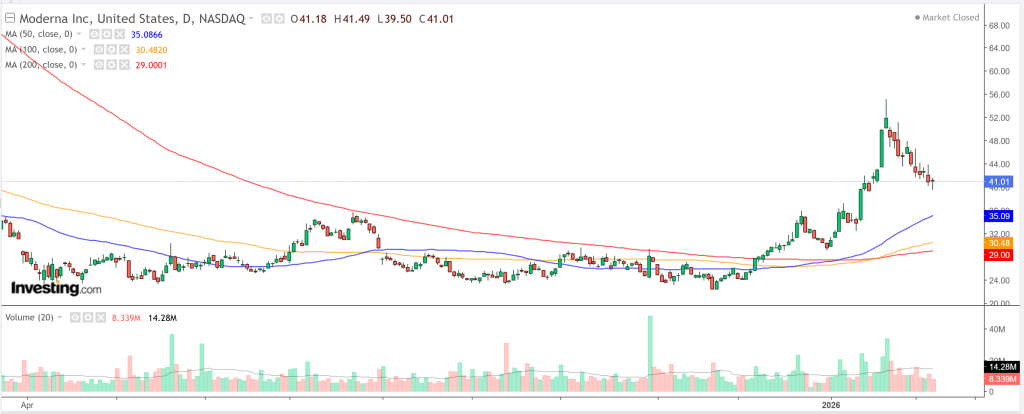
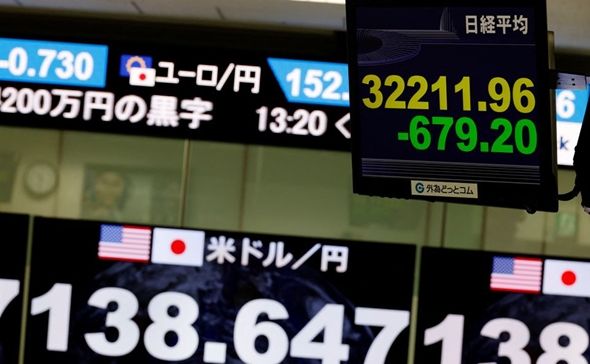

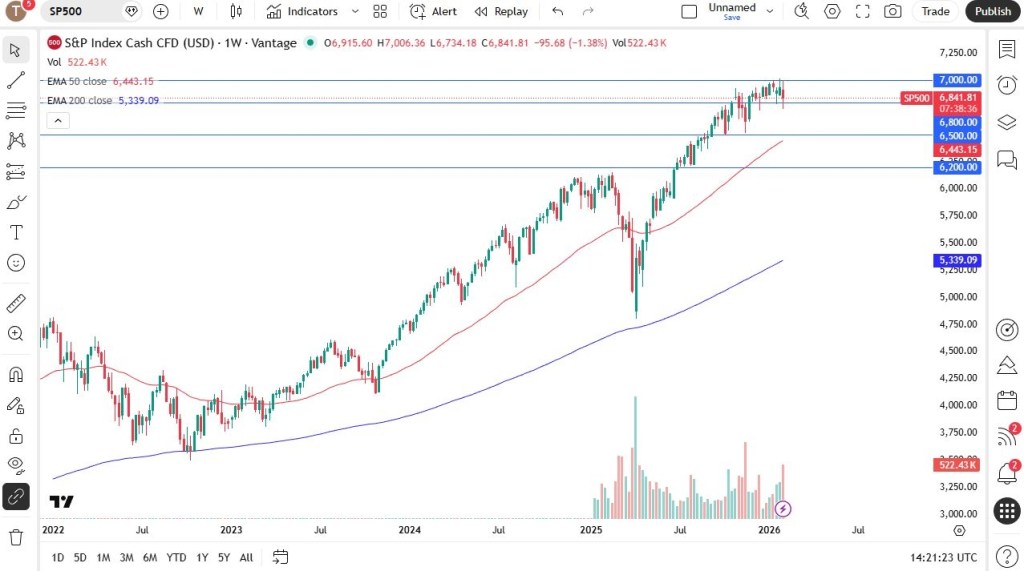
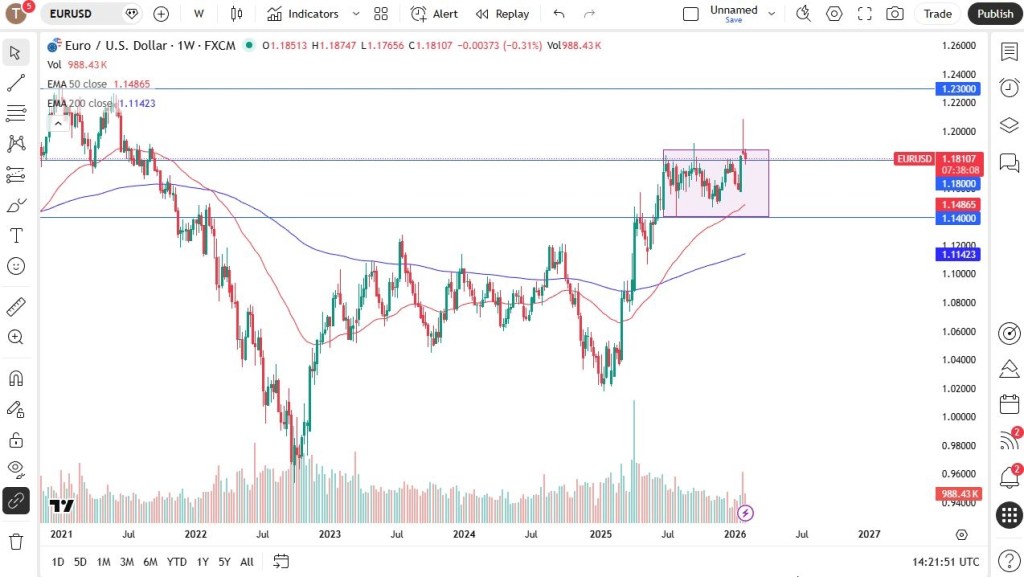
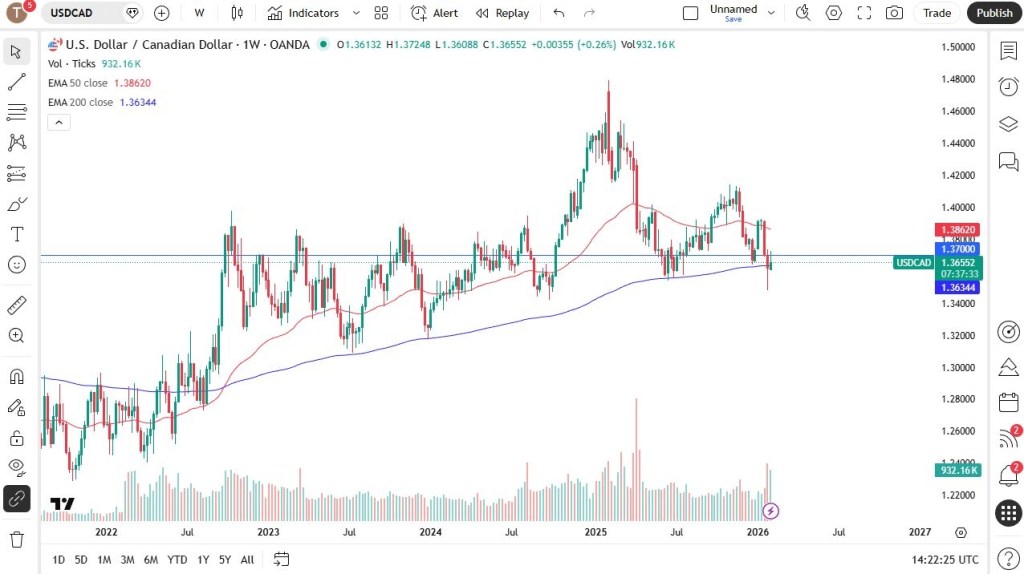
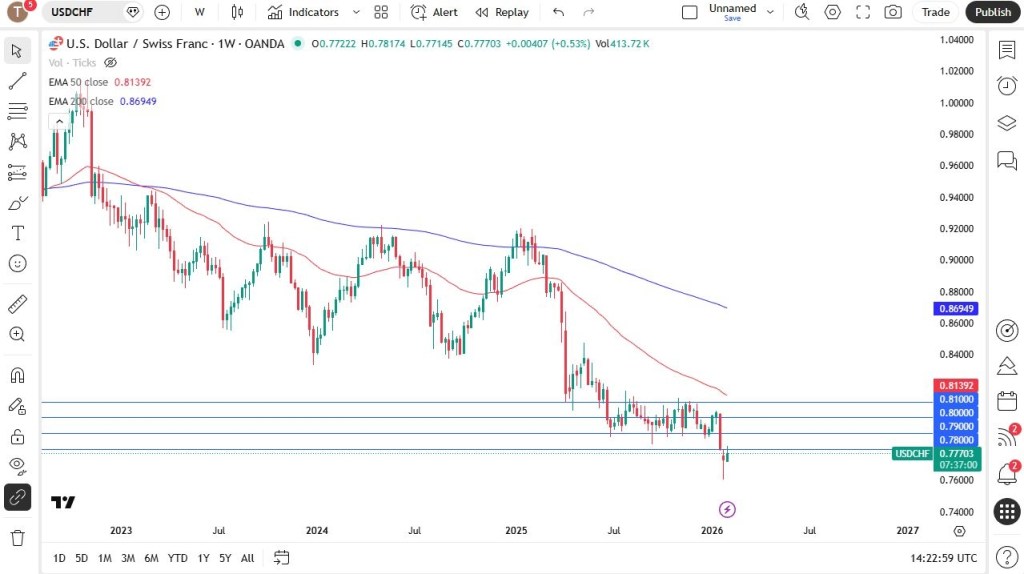
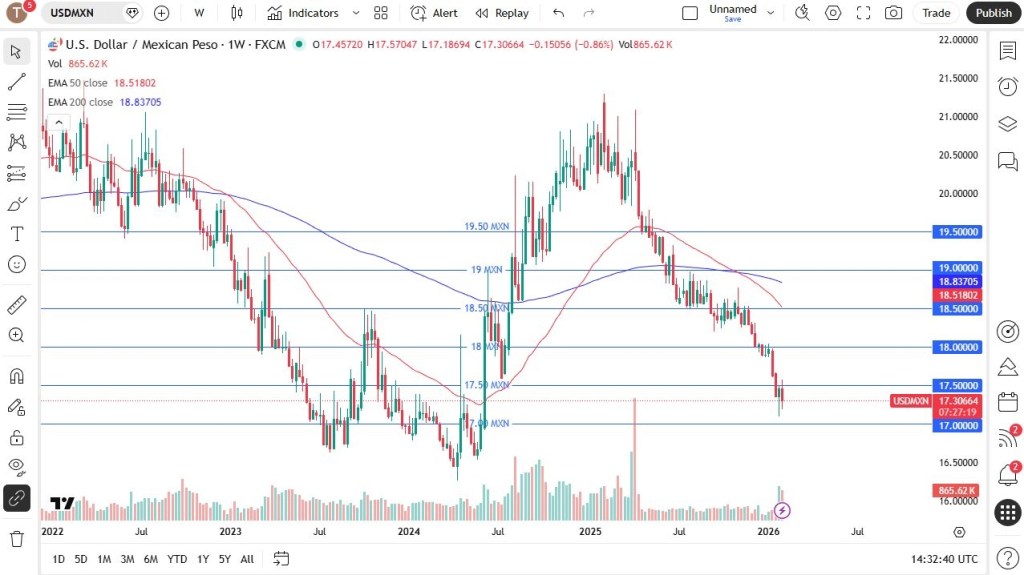
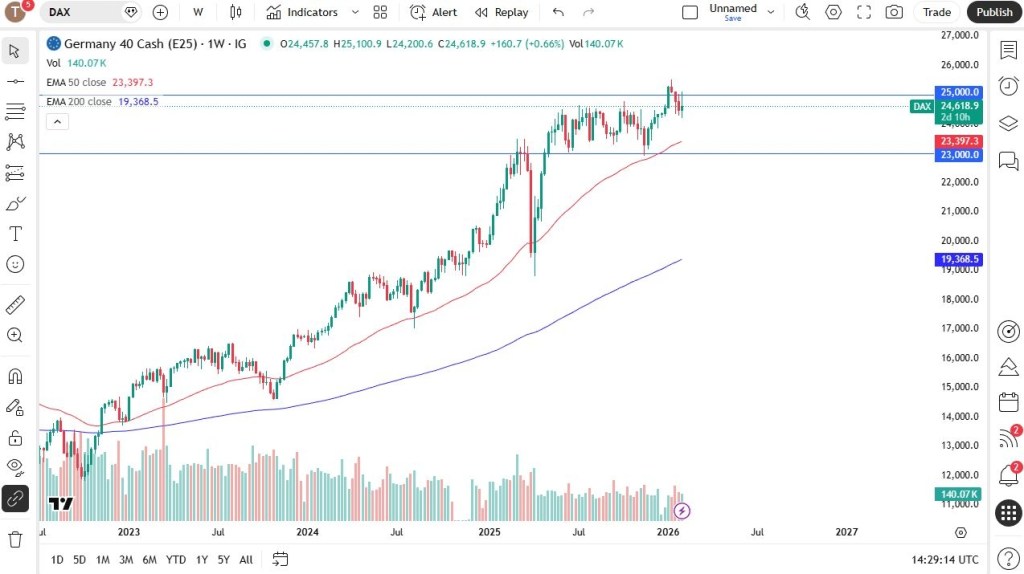
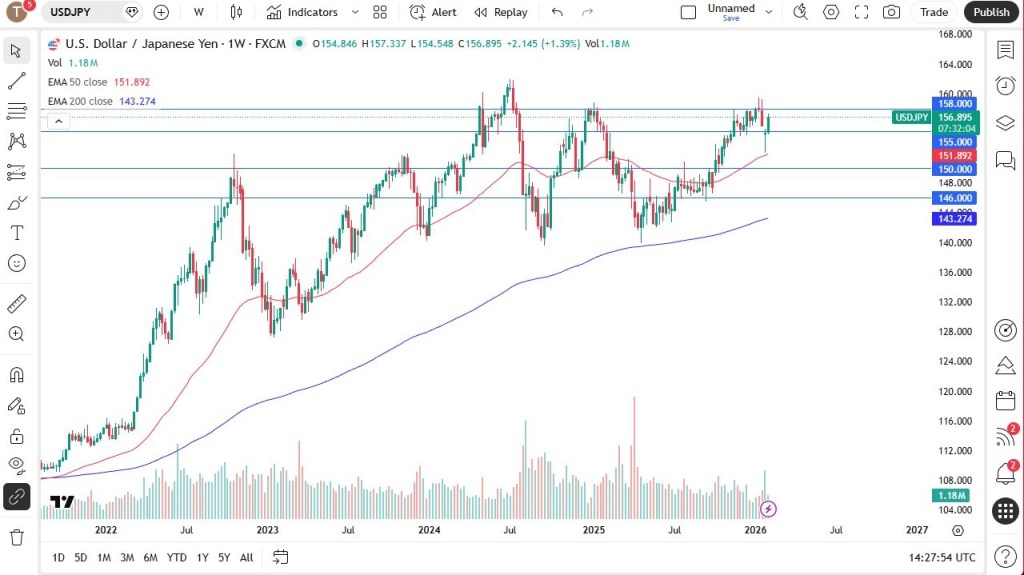
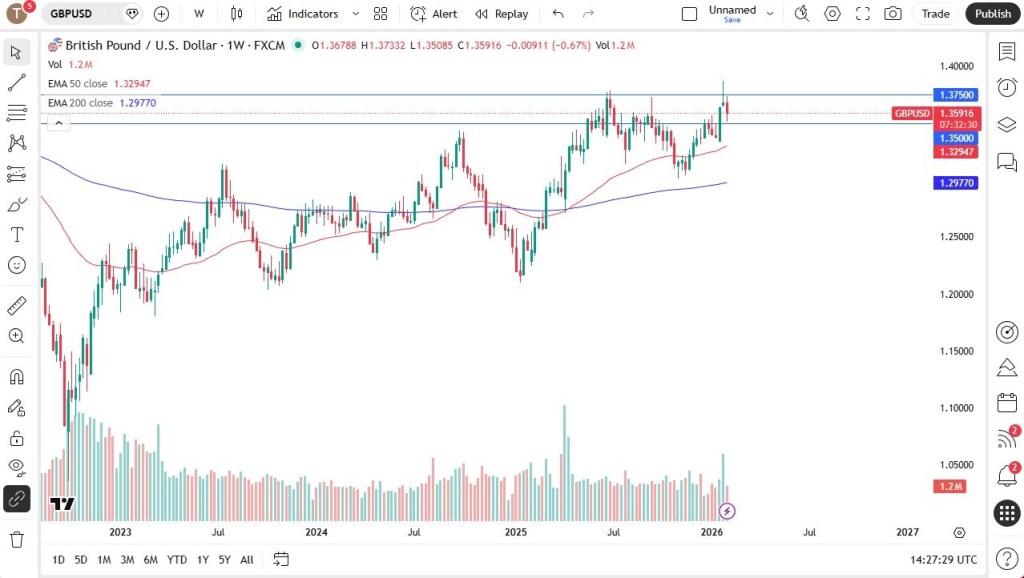


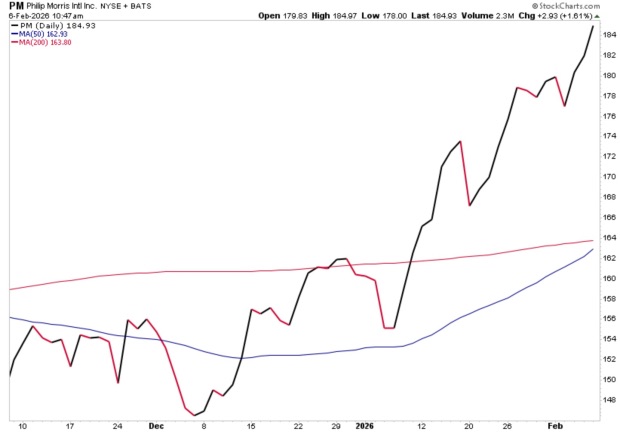
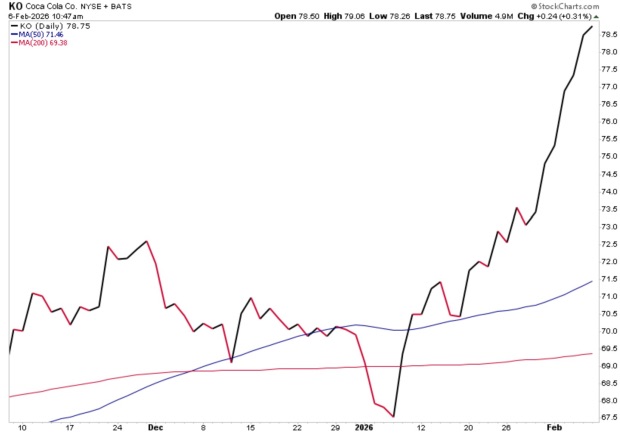
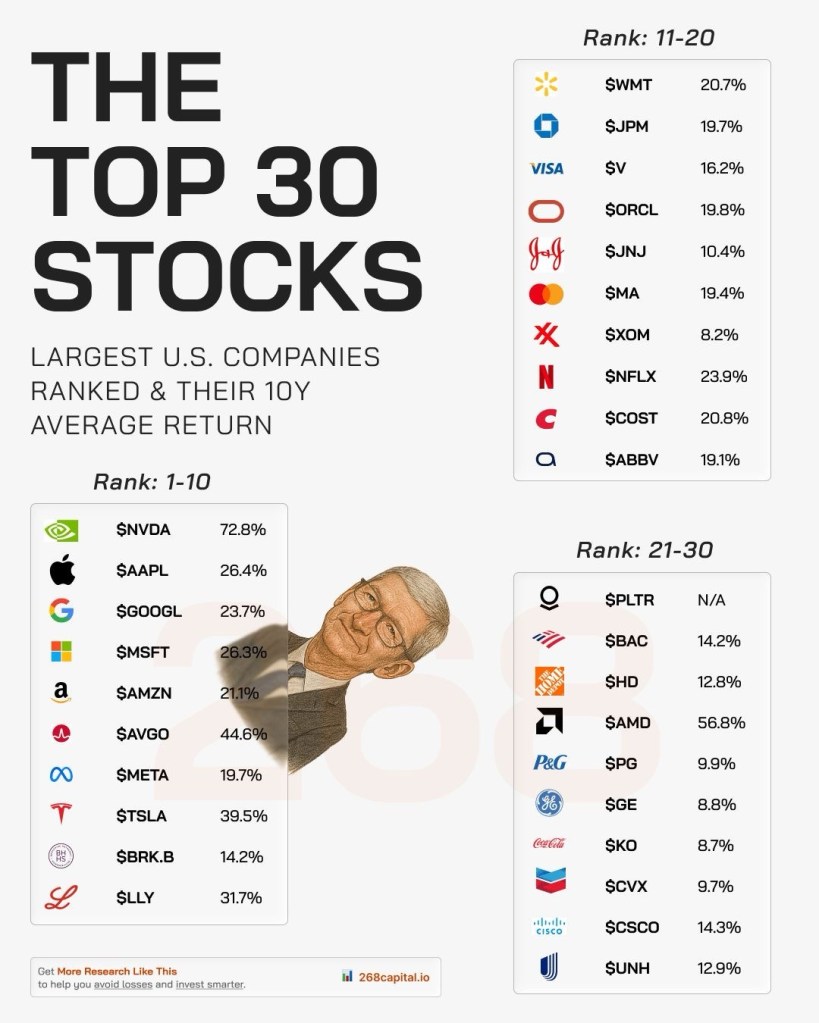
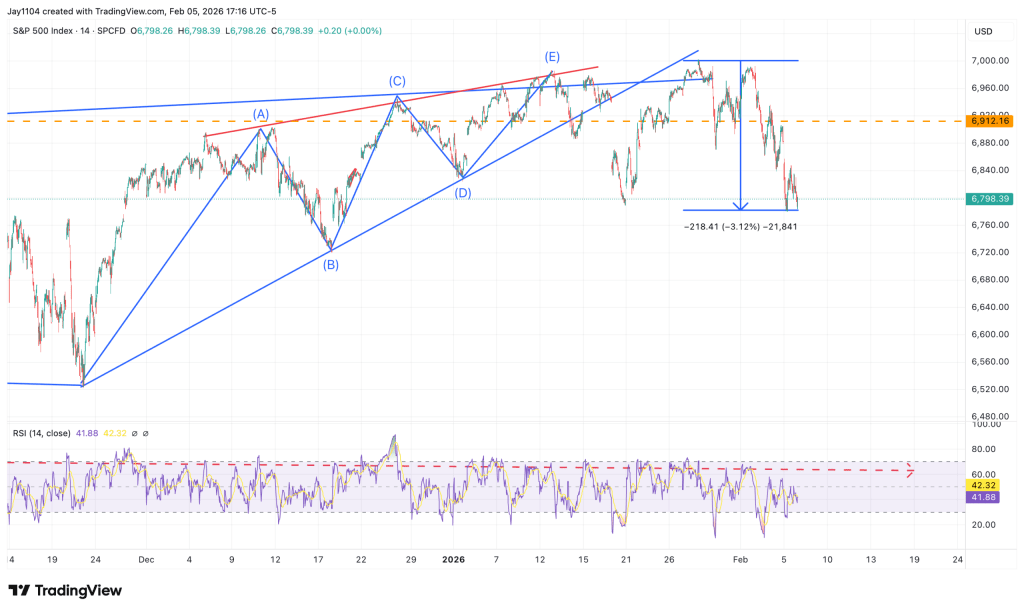
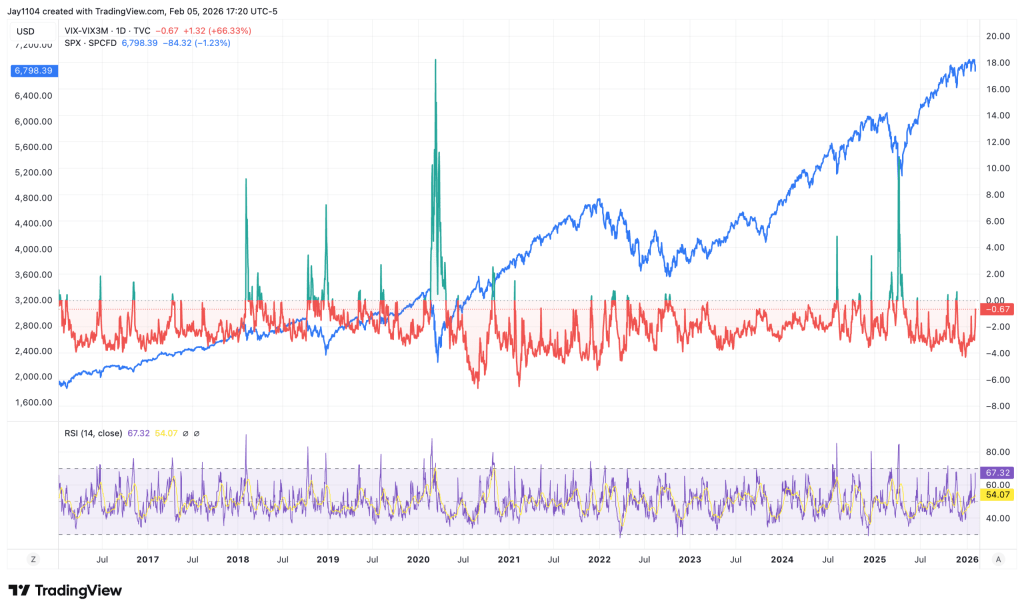
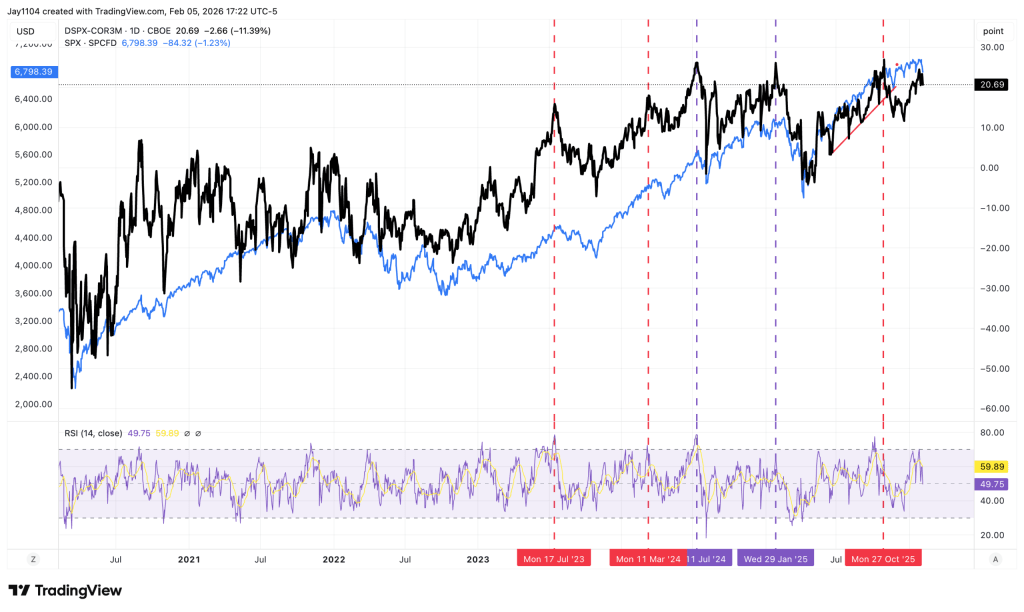
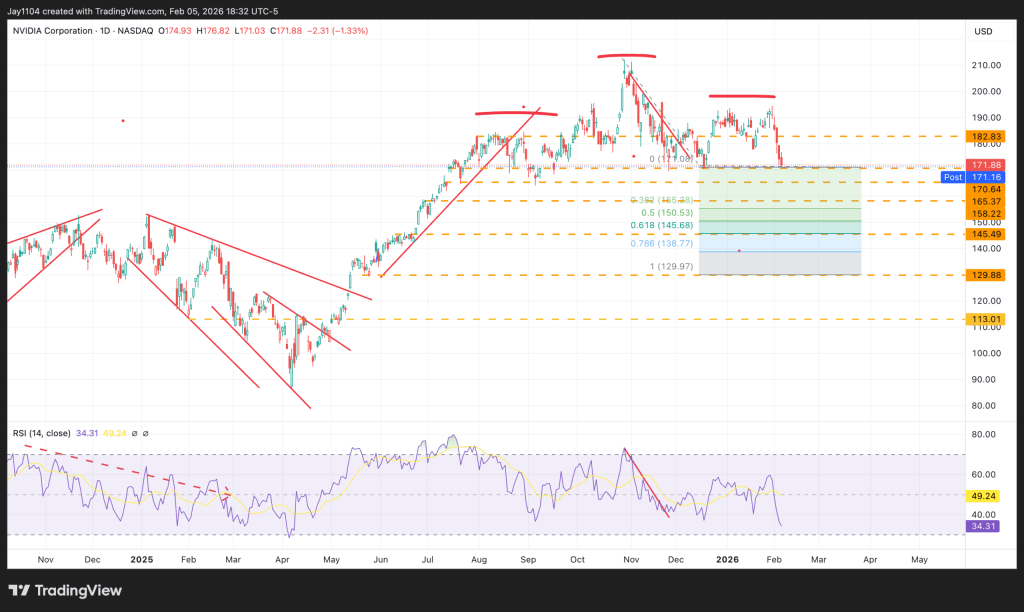
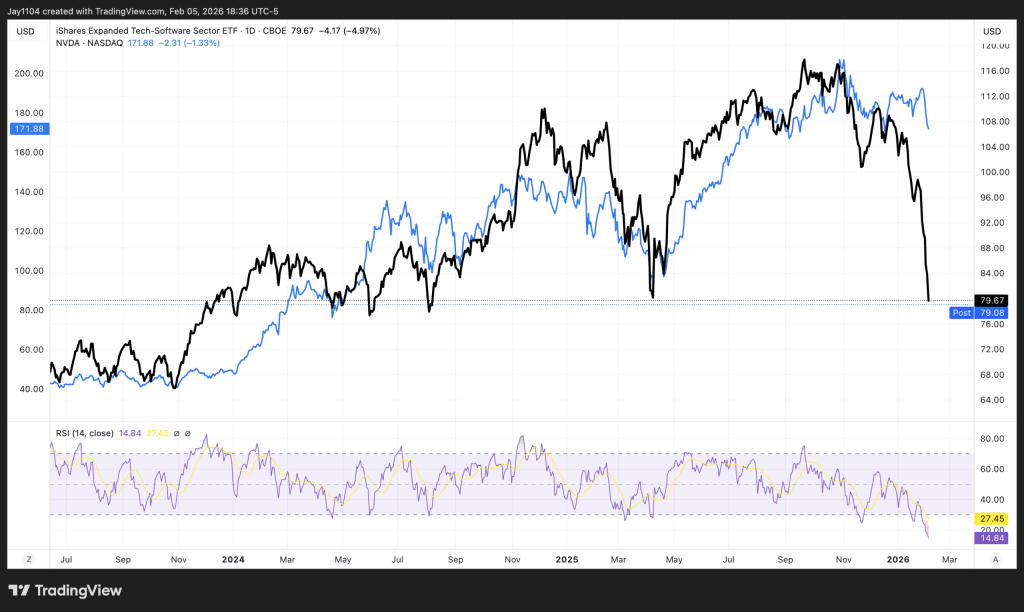
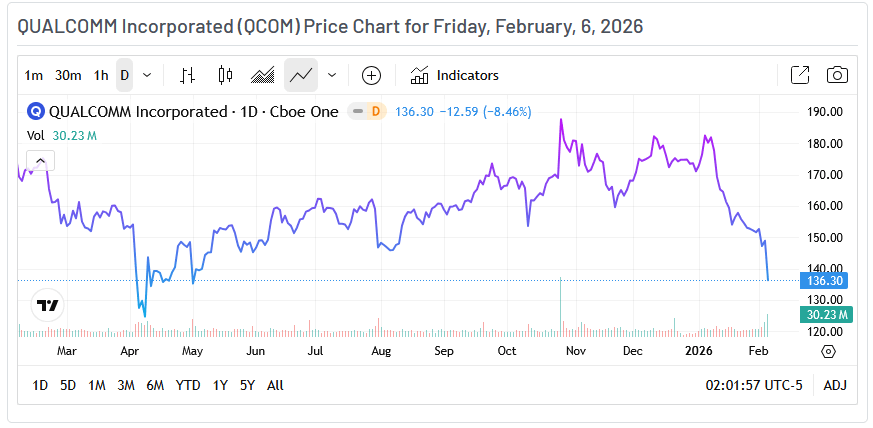

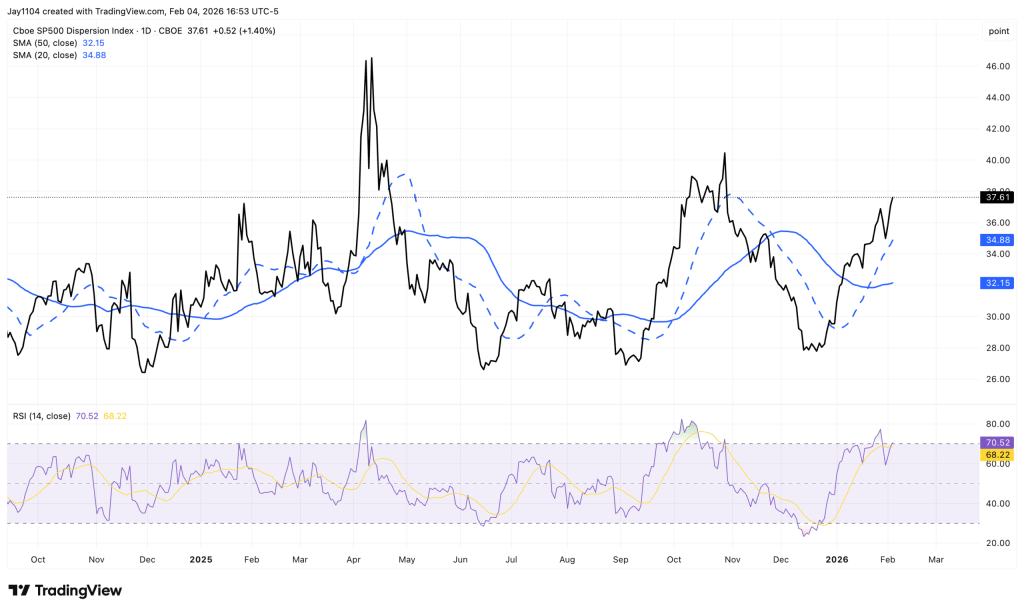
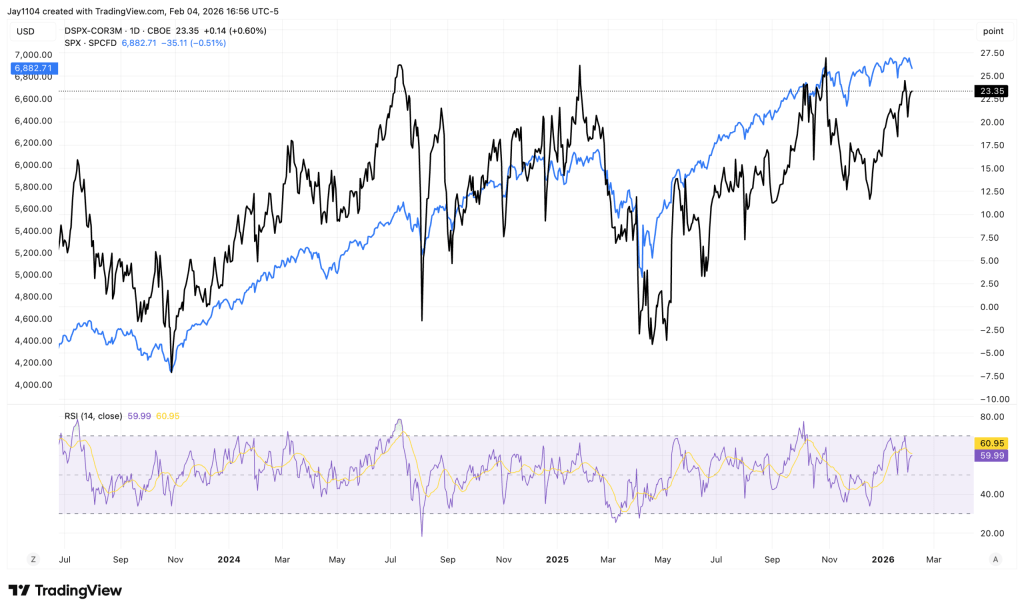
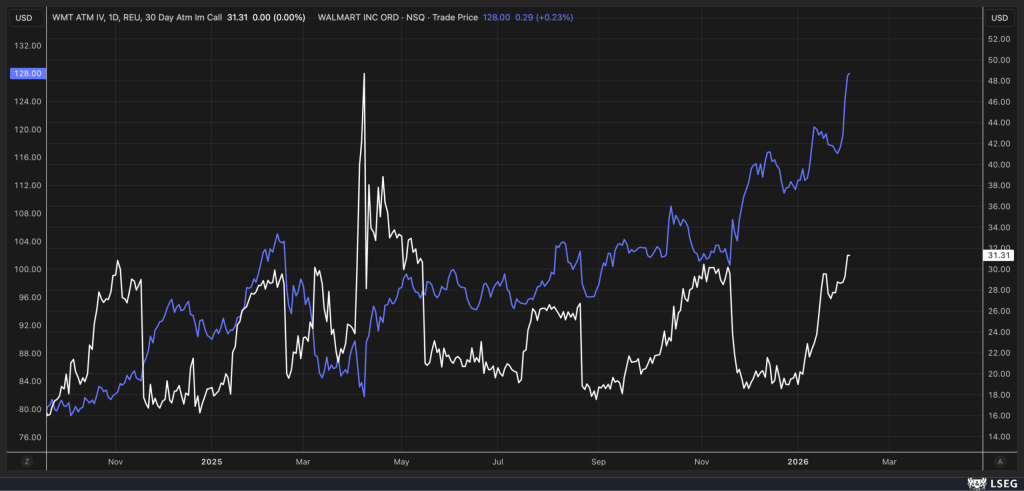
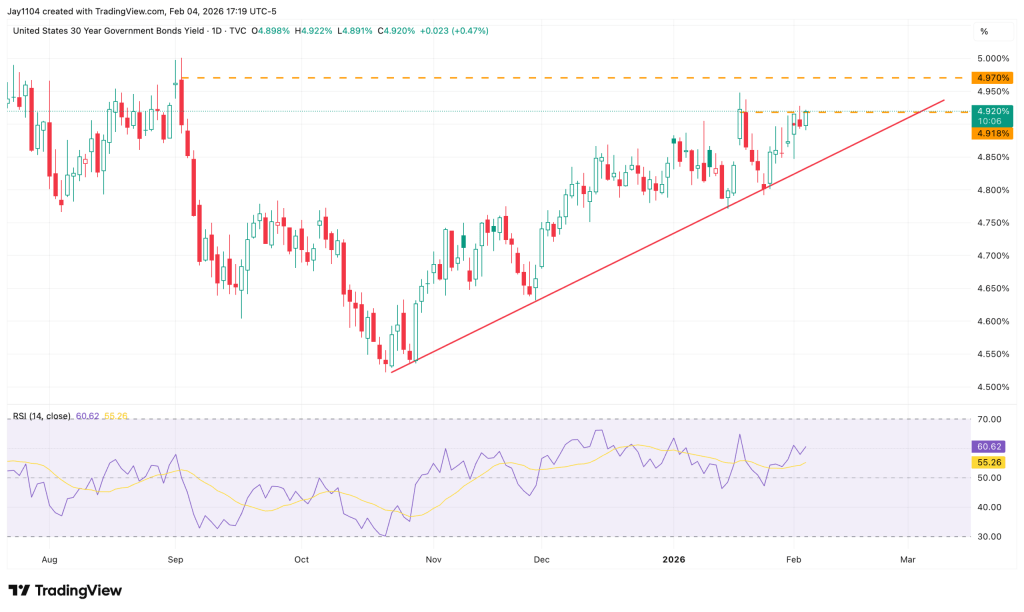




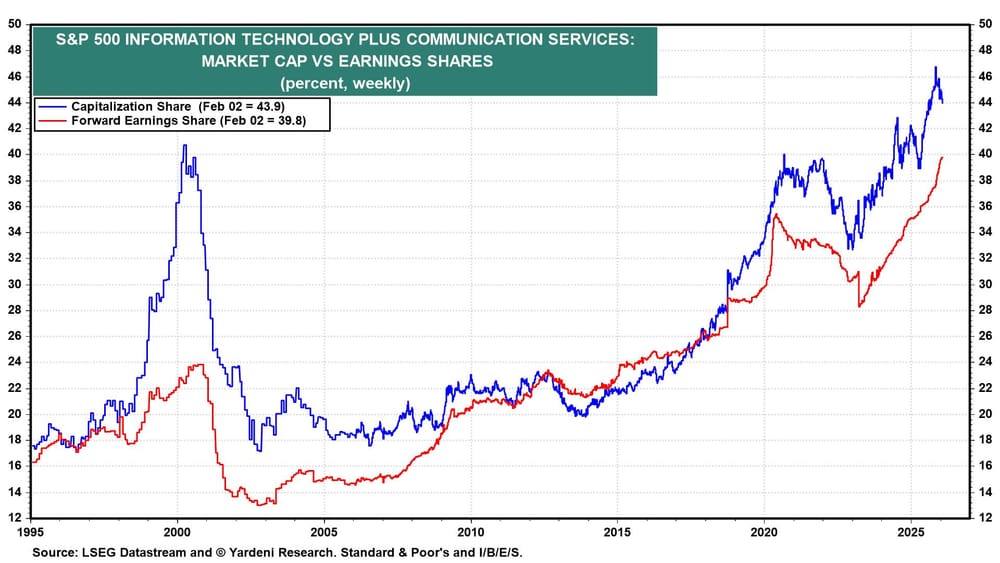
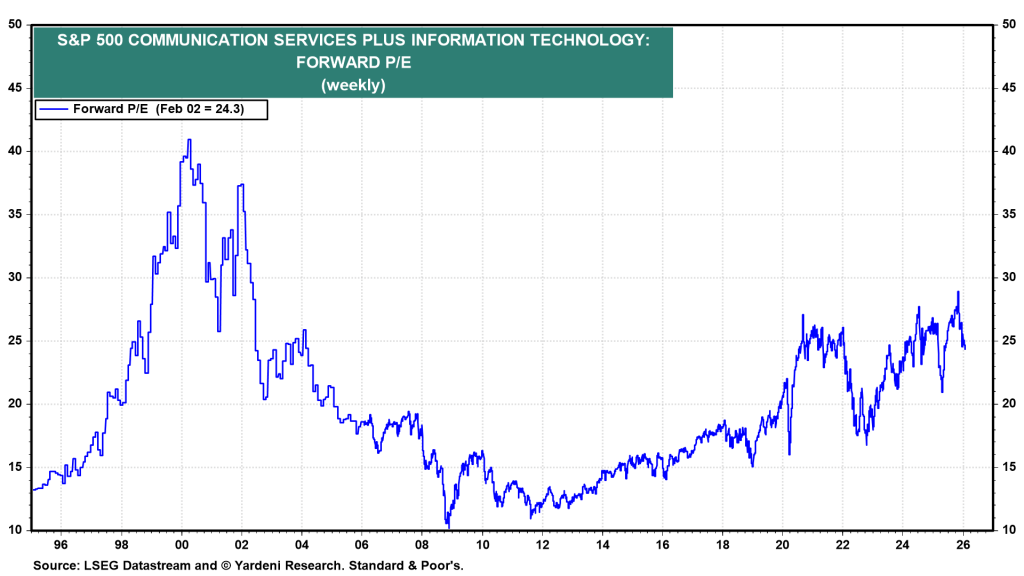
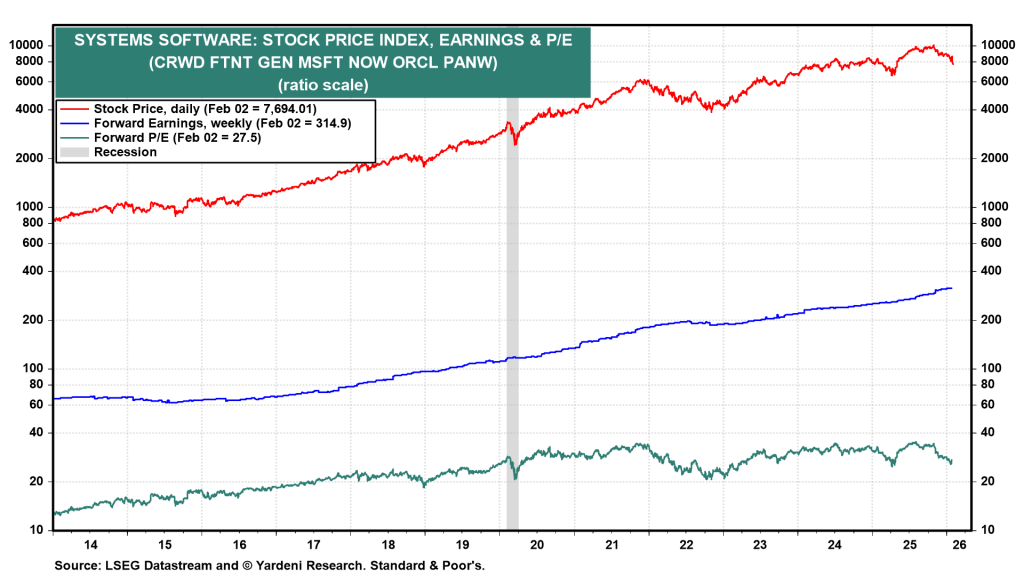
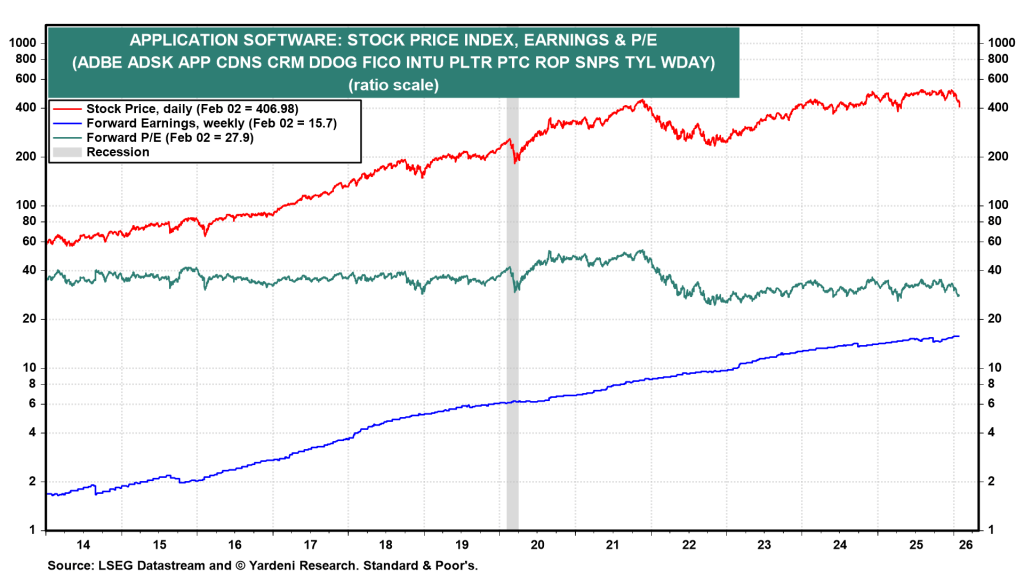
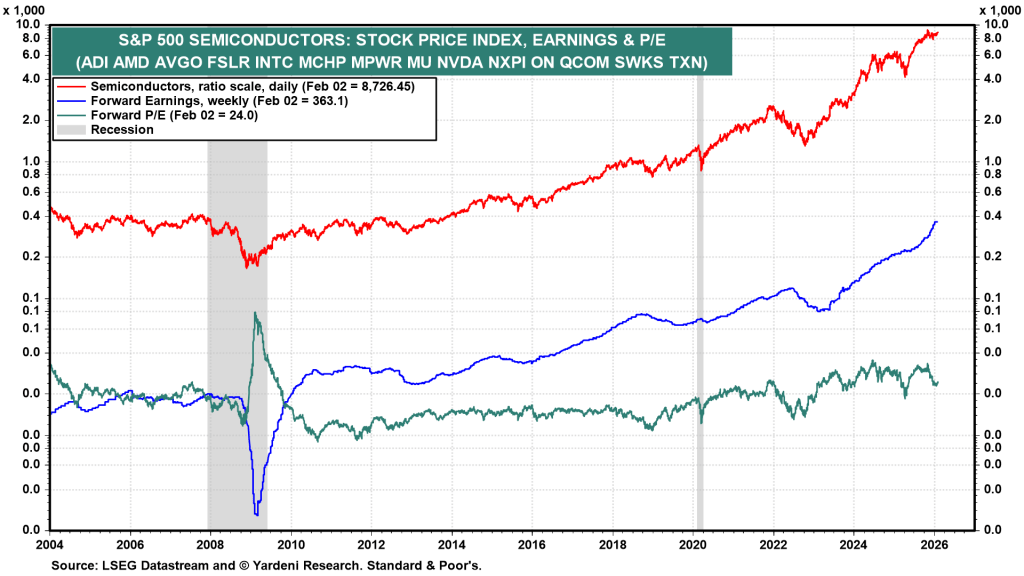
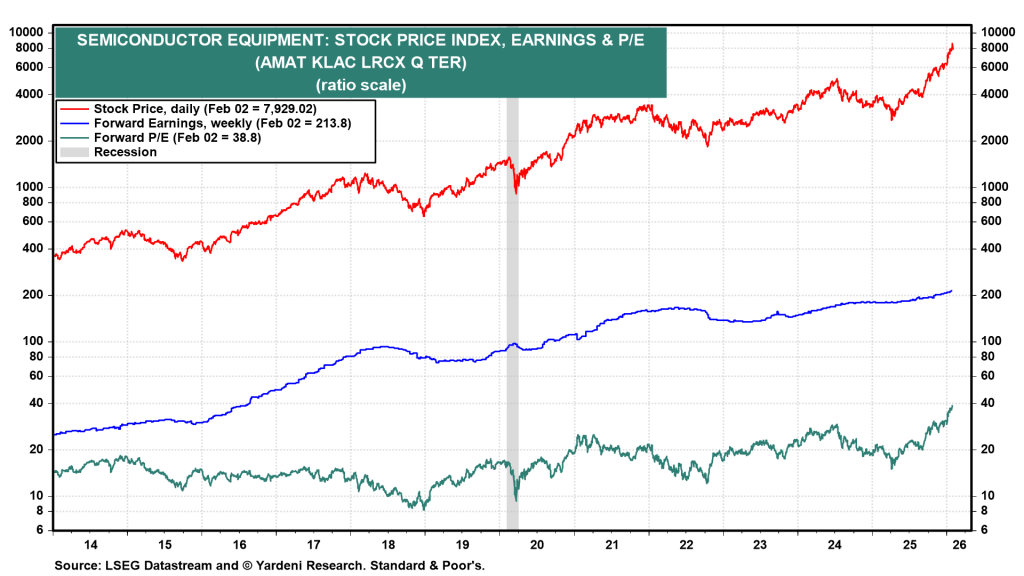
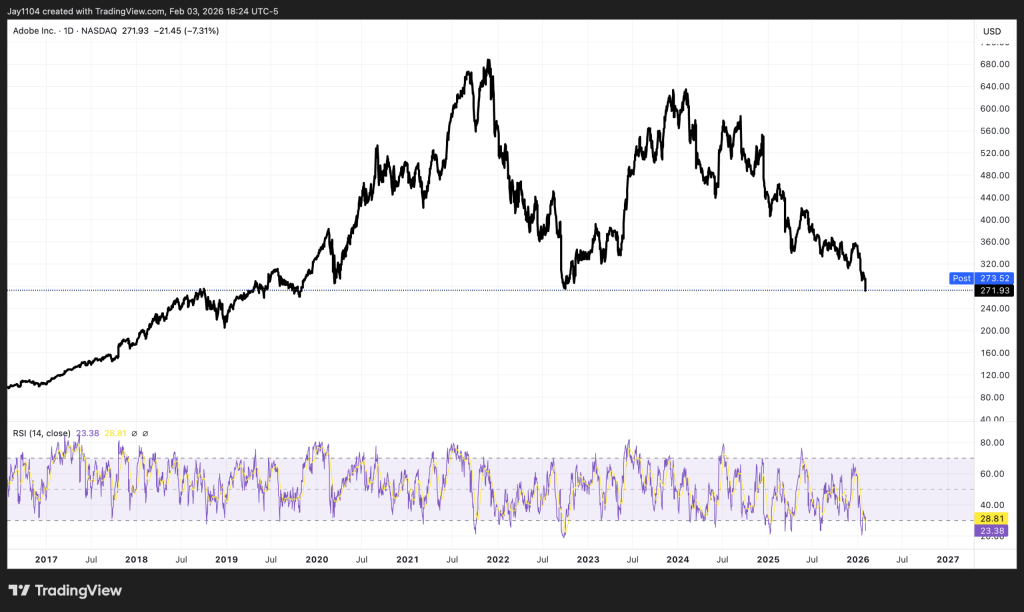
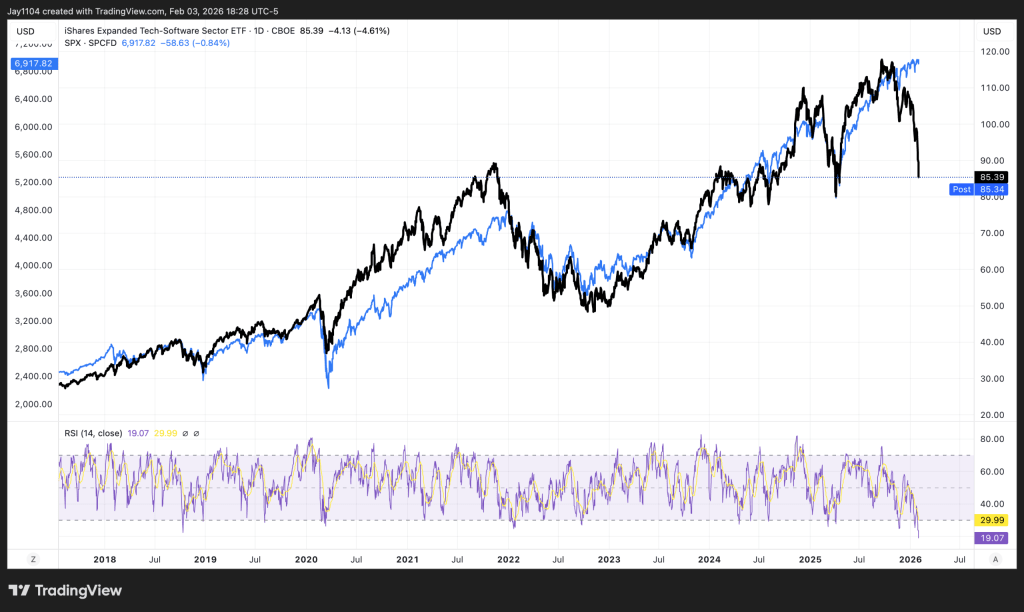
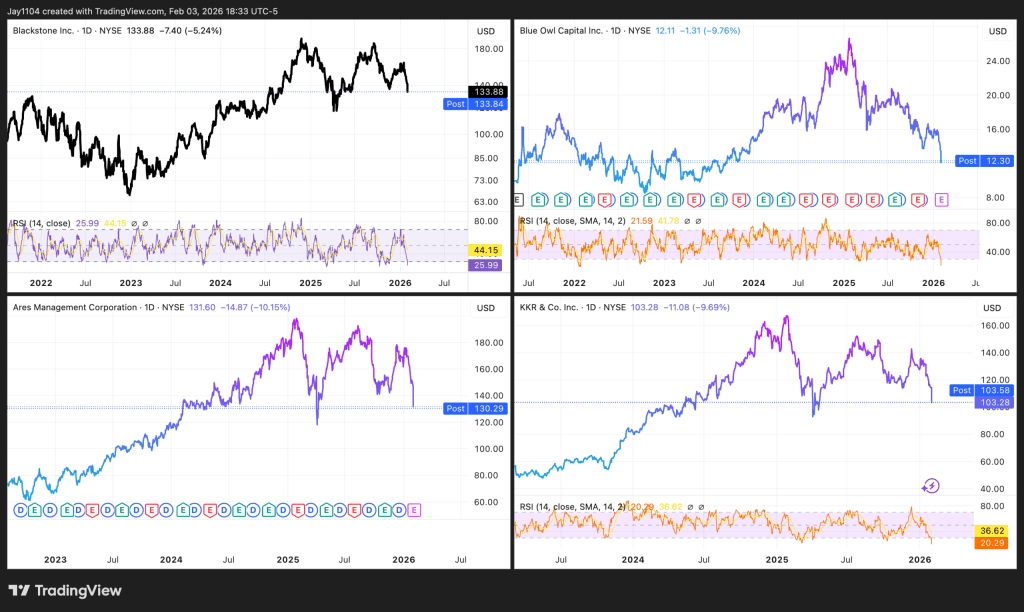
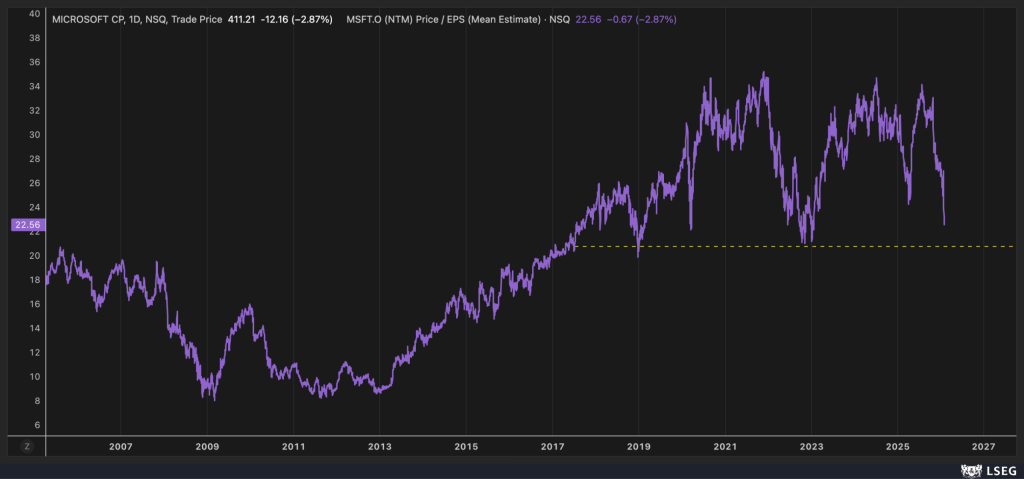

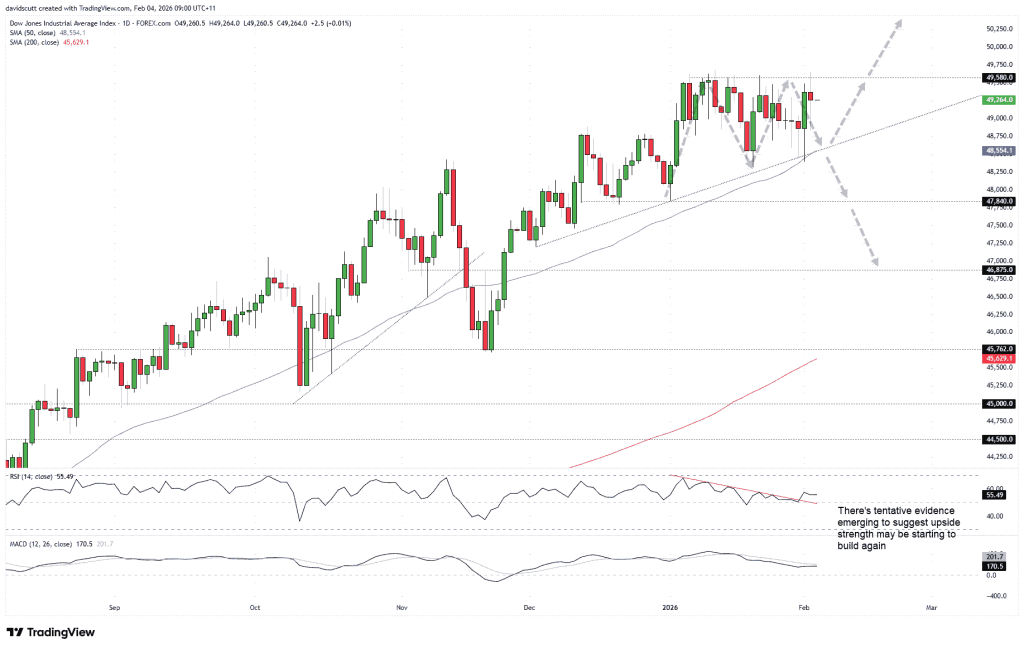
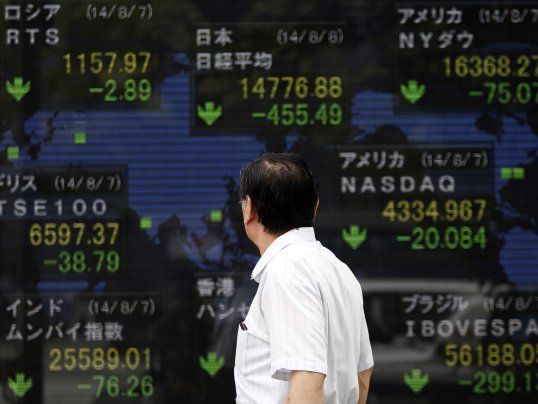

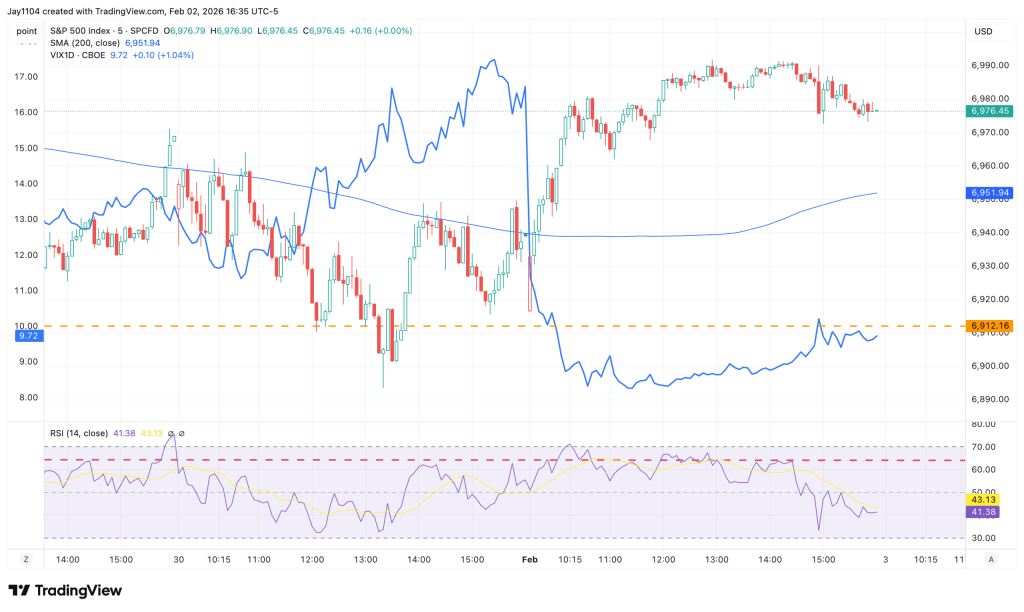
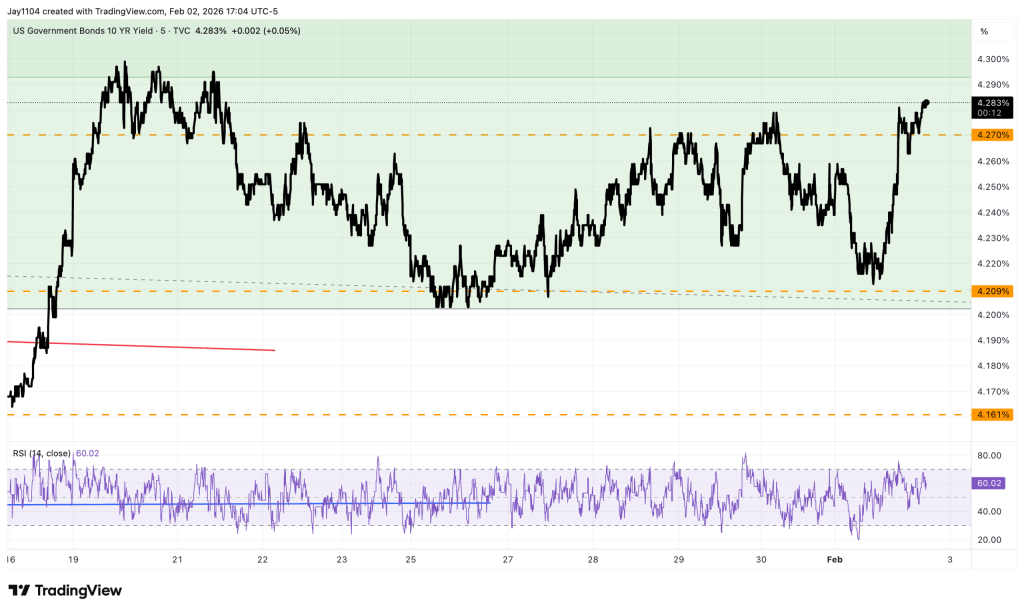
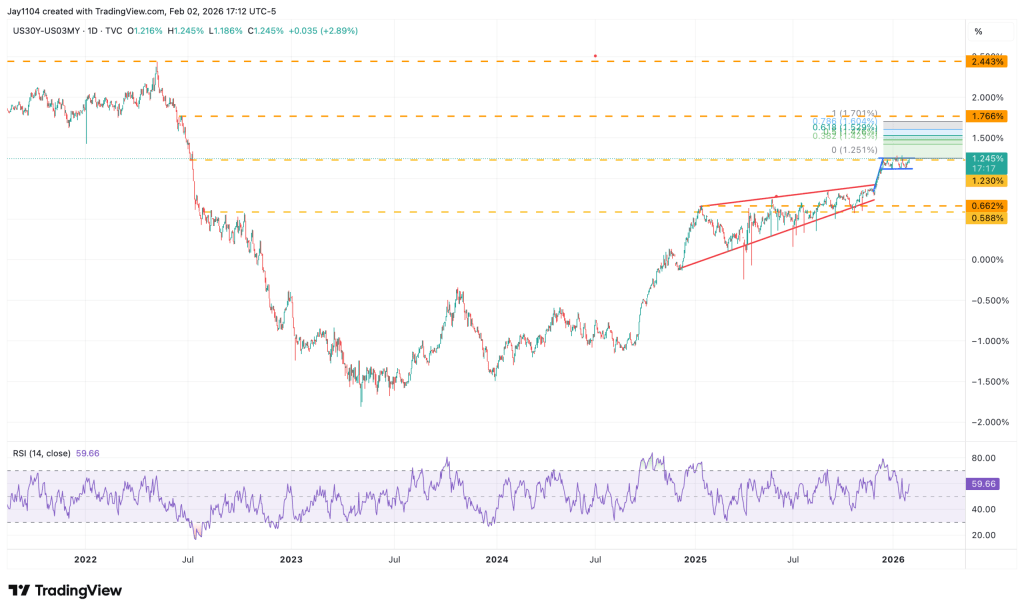
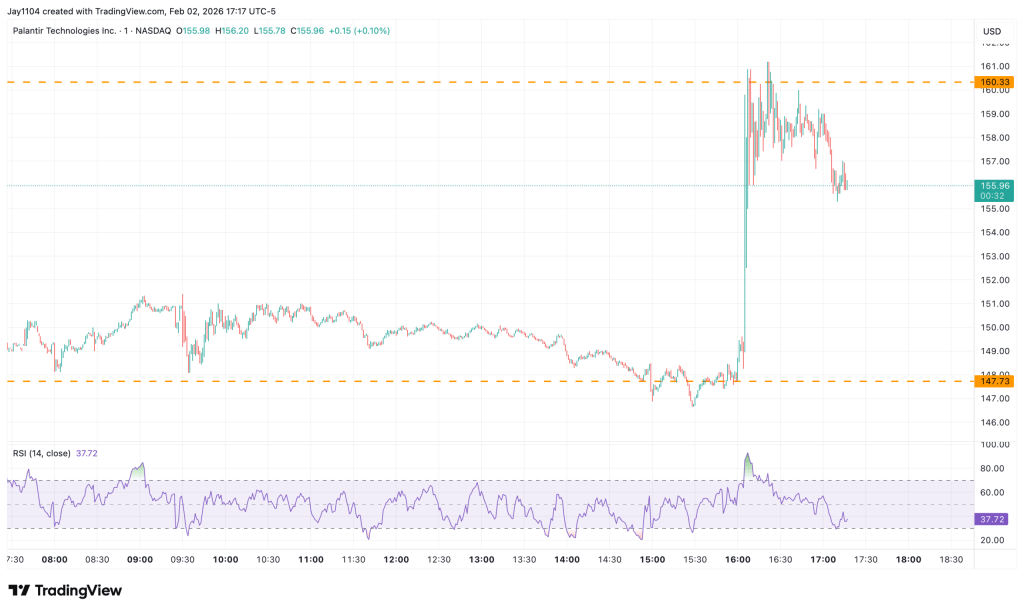
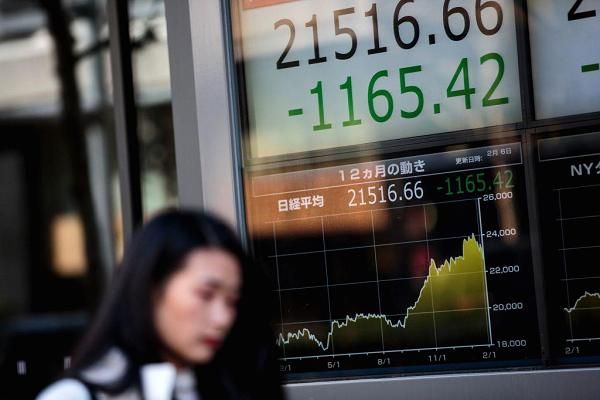
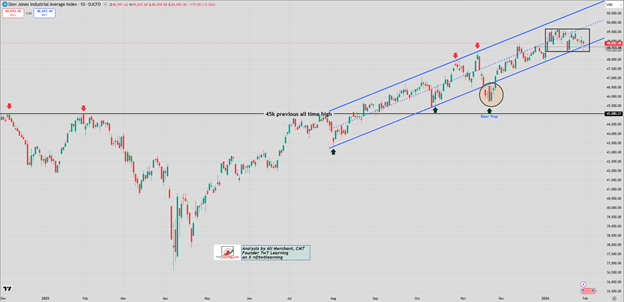
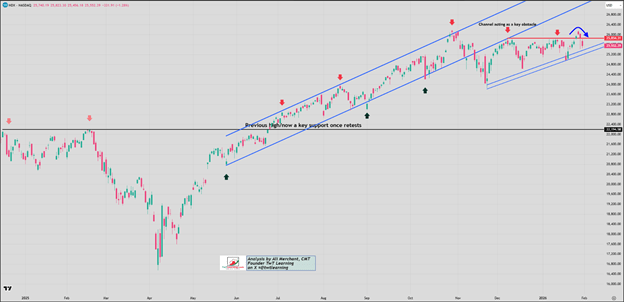
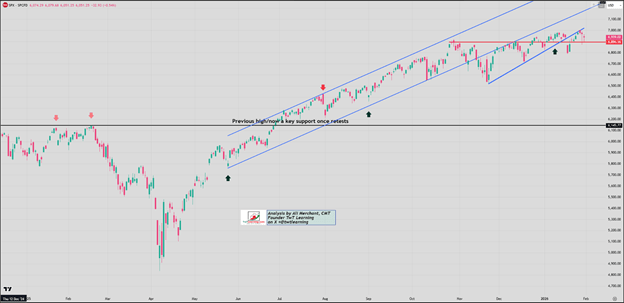
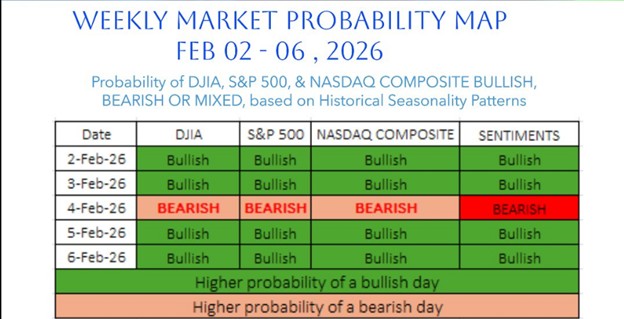

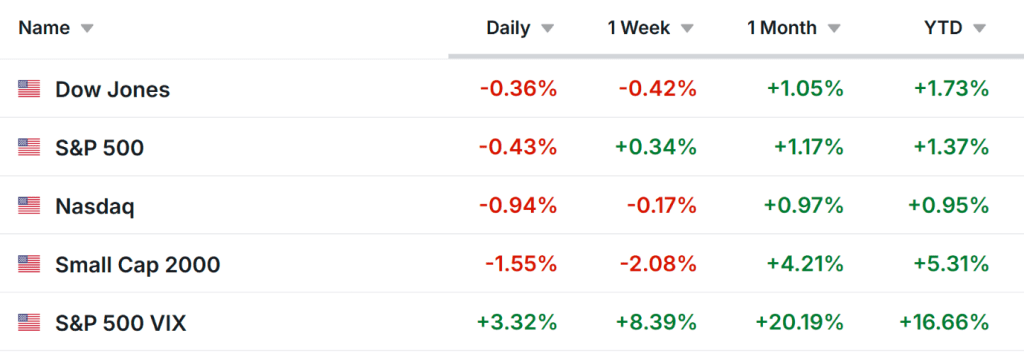
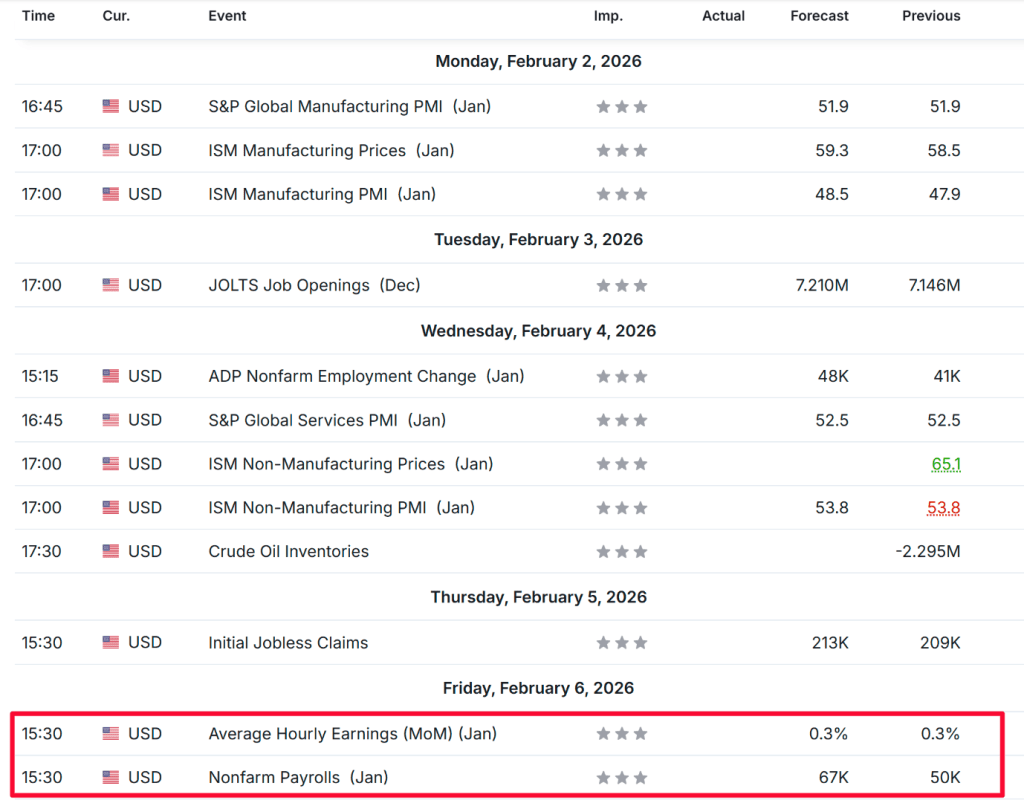
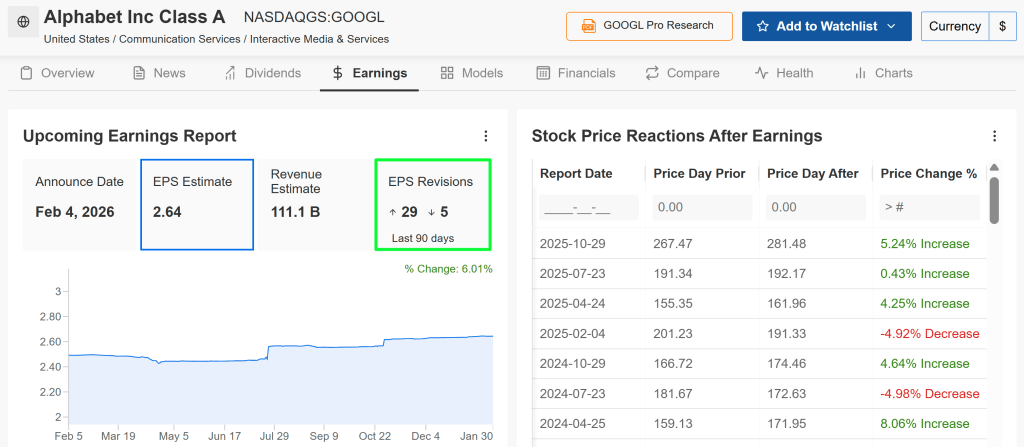
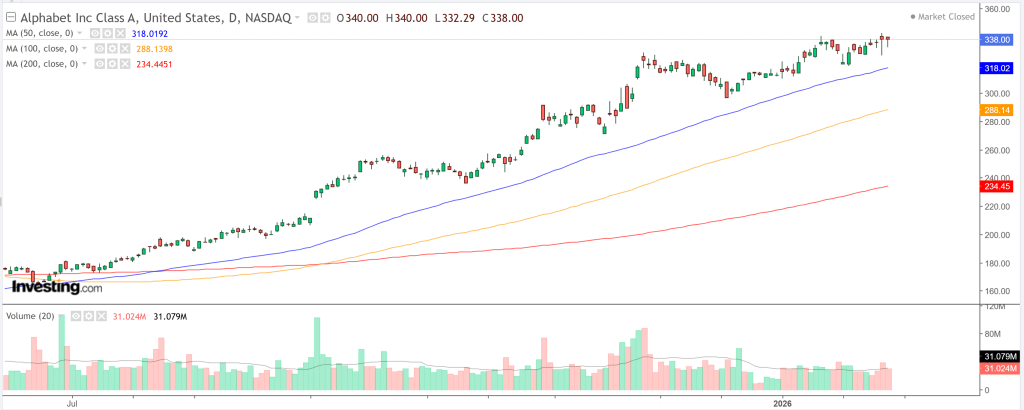
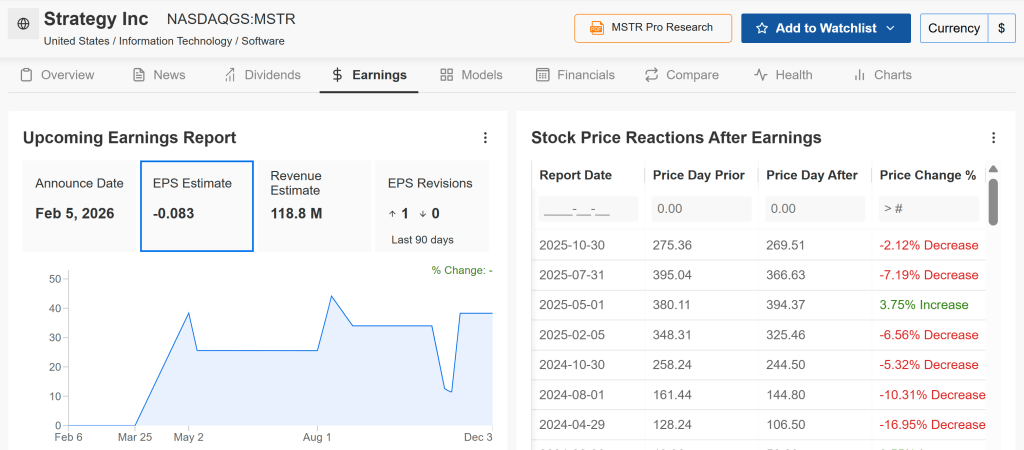
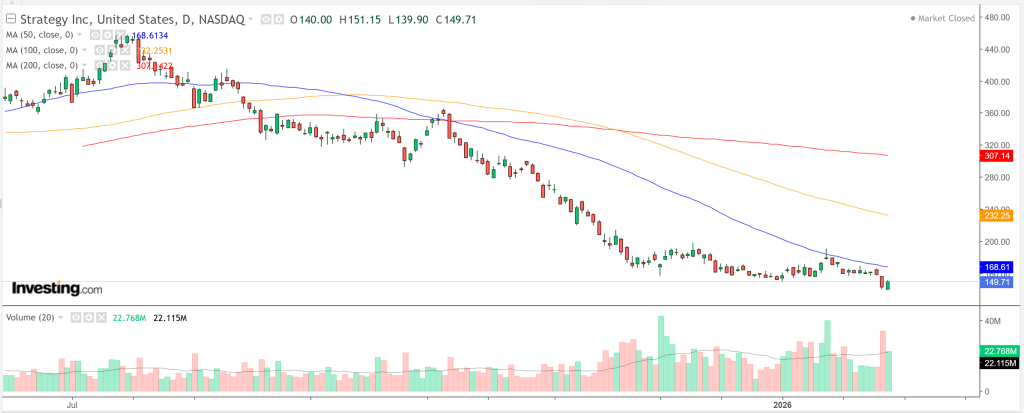

 THE ETERNAL SOVEREIGN