Recent weeks have clearly shown that President Trump’s domestic, foreign, and trade policy actions continue to weigh on the US dollar. Several of his tariff measures were struck down by the Supreme Court, creating frustration within the administration and adding fresh uncertainty. The independence of the Federal Reserve may also face scrutiny under the designated Fed Chair Kevin Warsh, who is seen as politically aligned with Trump. At the same time, the risk of military tensions with Iran adds another layer of geopolitical concern. In addition, shifting relative growth dynamics and a narrowing US interest rate advantage are likely to favor the euro. Overall, we see persistent headwinds for the USD and expect further depreciation against the EUR.
Yen – Weak despite Takaichi’s decisive win
Despite Prime Minister Takaichi’s landslide election victory, the yen remains under pressure. With her coalition securing a three-quarters majority and the LDP holding two-thirds of parliamentary seats, attention now turns to whether promised stimulus measures and tax cuts — including a potential suspension of VAT on food — will be implemented. BoJ Governor Ueda reiterated that rate hikes would depend on supportive economic data. Given the current political backdrop, we expect the BoJ to keep policy rates unchanged for now. As a result, EUR/JPY is likely to move sideways.
CHF – Strength amid rising uncertainty
Amid persistent trade and geopolitical uncertainty — much of it originating from the US — defensive currencies like the Swiss franc have benefited. Switzerland’s solid structural fundamentals, including economic resilience and strong fiscal and external positions, reinforce its safe-haven status. However, we anticipate a modest depreciation of the CHF in 2026, supported by stronger eurozone growth momentum, unless equity markets correct sharply or geopolitical risks intensify again. We view the franc’s current strength as temporary. With EUR/CHF near 0.90, the risk of Swiss National Bank intervention cannot be ruled out. Further CHF appreciation would be unwelcome given inflation remains extremely low at just 0.1% year-on-year, as it would deepen imported deflationary pressures.
The U.S. dollar weakened this week amid ongoing geopolitical tensions and renewed uncertainty over U.S. trade policy. The setback followed a ruling by the Supreme Court of the United States declaring the Trump administration’s tariffs illegal, prompting President Donald Trump to announce a fresh round of levies. Even stronger-than-expected Producer Price Index (PPI) data failed to revive the greenback.
The U.S. Dollar Index (DXY) hovered near the 97.60 area, down about 0.20% on the day and ending the week modestly lower, as traders remained cautious amid trade and geopolitical uncertainty.
EUR/USD traded around 1.1810, edging higher during the U.S. session after Germany’s flash Harmonized Index of Consumer Prices (HICP) for February came in softer than expected at 2% year-on-year (vs. 2.1% forecast) and 0.4% month-on-month (vs. 0.5%). Investors also evaluated testimony from Christine Lagarde, President of the European Central Bank, before the European Parliament. Lagarde reiterated that inflation is gradually returning to the 2% target and said she intends to complete her term, dismissing speculation about an early departure.
GBP/USD hovered near 1.3470, rebounding after nearly revisiting a one-month low earlier in February. Meanwhile, Andrew Bailey, Governor of the Bank of England, indicated there is room for rate cuts as inflation is expected to move back toward the 2% target.
USD/JPY traded near 156.00, stabilizing after recouping most of its intraday losses. Tokyo’s February CPI rose 1.6% year-on-year, with the core measure excluding fresh food falling below the Bank of Japan’s 2% target for the first time since 2024.
AUD/USD climbed back toward 0.7120, turning positive after reversing earlier declines. Attention now shifts to Australia’s TD-MI Inflation Gauge, due Monday.
USD/CAD hovered around 1.3630, marking nearly a two-week low, as markets assessed economic data from both sides of the border. According to Statistics Canada, Canada’s GDP contracted at an annualized 0.6% rate in the fourth quarter, following a revised 2.4% expansion in Q3.
Gold traded near $5,260, reaching a one-month high amid persistent geopolitical uncertainty. The precious metal is attempting to retest its all-time high of $5,598 set earlier this year.
Anticipating economic perspectives: Key voices in focus
Sunday, March 1
Joachim Nagel – European Central Bank
Monday, March 2
Frank Elderson – European Central Bank
Joachim Nagel – European Central Bank
Christine Lagarde – European Central Bank
Dave Ramsden – Bank of England
Michele Bullock – Reserve Bank of Australia
Tuesday, March 3
Kazuo Ueda – Bank of Japan
John C. Williams – Federal Reserve
Olaf Sleijpen – European Central Bank
Martin Kocher – European Central Bank
Neel Kashkari – Federal Reserve
Wednesday, March 4
Piero Cipollone – European Central Bank
Tiff Macklem – Bank of Canada
Luis de Guindos – European Central Bank
Thursday, March 5
Luis de Guindos – European Central Bank
Martin Kocher – European Central Bank
Christine Lagarde – European Central Bank
Friday, March 6
Piero Cipollone – European Central Bank
Mary Daly – Federal Reserve
Beth Hammack – Federal Reserve
Scott Paulson – Federal Reserve
Central bank meetings and key data releases set to steer monetary policy outlook
Monday, March 2
Australia: TD-MI Inflation Gauge
China: February RatingDog Manufacturing PMI
Germany: January Retail Sales
Switzerland: January Real Retail Sales
Spain: February HCOB Manufacturing PMI
Italy: February HCOB Manufacturing PMI
Germany: February HCOB Manufacturing PMI
Canada: February S&P Global Manufacturing PMI
U.S.: February ISM Manufacturing Employment Index
U.S.: February ISM Manufacturing New Orders Index
U.S.: February ISM Manufacturing PMI
U.S.: February ISM Manufacturing Prices Paid
New Zealand: January Building Permits (s.a.)
Japan: January Unemployment Rate
Tuesday, March 3
Australia: January Building Permits
Eurozone: HICP (Harmonized Index of Consumer Prices)
The U.S. dollar slipped on Friday but remained on course for its first monthly advance since October, supported by escalating geopolitical tensions and a more hawkish Federal Reserve stance.
As of 15:11 ET (20:11 GMT), the Dollar Index — which measures the greenback against a basket of six major currencies — was down 0.2% at 97.59, though it was still headed for a roughly 0.6% gain for the month.
Dollar supported by heightened geopolitical tensions
The dollar has drawn support from concerns that the U.S. military buildup in the Middle East could escalate into a conflict with Iran, even as both sides continue discussions over Tehran’s nuclear program.
While the United States and Iran reportedly made some progress in Thursday’s talks, mediator Oman said negotiations concluded without a breakthrough that might prevent potential U.S. military action.
U.S. President Donald Trump told reporters Friday that he was “not exactly happy” with how Iran was handling the negotiations. He added that Tehran had not shown willingness to meet key U.S. demands and reiterated his dissatisfaction with the pace of progress.
Analysts at ING noted that any further escalation in U.S.-Iran tensions currently poses the greatest upside risk for the dollar. They pointed out that prediction market Polymarket still assigns a relatively elevated 55% probability of a U.S. strike on Iran by the end of March, which they believe is limiting further dollar weakness for now.
The greenback has also benefited from a slightly more hawkish tone at the Federal Reserve, after several policymakers signaled at January’s meeting that additional rate hikes remain possible if inflation stays persistent.
Supporting that view, January’s U.S. Producer Price Index (PPI) data released Friday came in well above expectations.
“Near-term factors continue to favor further USD strength, though renewed tariff uncertainty has reinforced the dollar’s risk premium,” ING added, expecting the currency to stabilize barring any major geopolitical developments.
Euro slips in February
In Europe, EUR/USD rose 0.2% to 1.1822 on the day, but the single currency remained on track for a roughly 0.2% monthly decline, as markets expect the European Central Bank to keep interest rates unchanged in the coming months.
Data showed Germany’s unemployment total edged up by 1,000 in February to 2.977 million, reflecting the prolonged economic slowdown that has weighed on Europe’s largest economy over the past three years.
Meanwhile, French consumer prices increased 1.1% year-on-year in February, exceeding expectations and marking a pickup after inflation slowed to a more than five-year low in January.
Analysts at ING said the 1.180 level is likely to continue acting as a near-term anchor for EUR/USD, as heightened uncertainty surrounding Iran discourages strong directional bets.
Elsewhere, GBP/USD was little changed at 1.3485 but was poised to end a three-month winning streak, with sterling down about 1.5% for February.
UK Prime Minister Keir Starmer saw his Labour Party suffer a notable by-election defeat, losing one of its safest seats to the left-wing Green Party of England and Wales.
The result adds to political pressure on Starmer after weeks of turbulence and renewed calls for his resignation. ING noted that developments perceived as weakening Starmer’s position have recently weighed on the pound, as a stronger showing by the Greens may raise expectations of a more left-leaning successor should he step down prematurely.
Yen on track for monthly decline
In Asia, USD/JPY slipped 0.1% to 156.00 on the day, but the pair remained poised for a 0.8% gain in February, reflecting continued weakness in the Japanese currency. The yen has come under pressure as investors assess the fiscal implications of Prime Minister Sanae Takaichi’s stimulus and tax cut proposals.
Takaichi’s ruling coalition strengthened its position after securing a supermajority in Japan’s lower house, clearing the way for her fiscal agenda.
At the same time, uncertainty over the timing of the next rate hike from the Bank of Japan has weighed on the yen. Soft February consumer price data from Tokyo — often viewed as a leading indicator of nationwide inflation — showed core CPI slipping below the BOJ’s 2% annual target for the first time in nearly four years, potentially limiting the scope for further tightening.
Elsewhere, USD/CNY rose 0.3% to 6.8579 after the People’s Bank of China removed a key foreign exchange risk reserve requirement for certain forward contracts, effectively making it cheaper to buy dollars domestically.
The move followed a strong rally in the yuan in recent months, partly fueled by exporters selling dollars amid a robust trade surplus with the United States.
AUD/USD gained 0.2% to 0.7120, with the Australian dollar set for a more than 2% monthly advance, supported largely by a more hawkish policy outlook from the Reserve Bank of Australia.
Indices: Tech Drags as Futures Edge Lower Before PPI
U.S. equity futures slip slightly after a weak session led by semiconductor losses. The tech-heavy Nasdaq 100 (-1.2% to 25,034) paced declines, followed by the S&P 500 (-0.5% to 6,908), while the Dow 30 (flat at 49,499) avoided closing in the red. Treasury yields eased across the curve, with the 10-year hovering near the 4% threshold, as investors await January PPI data. CME FedWatch pricing still points to rate cuts in July and October as the base case.
Stocks: Chip Selloff; Media Takeover Saga Nears Conclusion
Nvidia (-5.5%) slid despite beating earnings and revenue expectations, dragging the broader semiconductor space lower, including AMD (-3.4%), Intel (-3%), and ASML (-4.1%).
The contest for Warner Bros Discovery (-1.7% AH) appears to be wrapping up, with Netflix (+8.5% extended) stepping aside after Paramount Skydance (+10% close; +6.2% AH) presented a stronger bid.
Block (+23.6%) surged in extended trading after earnings and announcing plans to cut over 4,000 jobs.
IonQ (+21.7%) rallied on upbeat revenue guidance, with Morgan Stanley lifting its price target.
Meta (-0.7% AH) dipped after reports its in-house chip project faced hurdles and that it struck a deal to lease Google TPUs for AI development.
PayPal (-3.7%) declined after denying talks of a potential sale.
Meme stock movers included Beyond Meat (+2.9%), GoPro (+3.3%), Krispy Kreme (+27.8%), Opendoor (+8.6%), and BlackBerry (+2.6%).
Earnings Highlights:
Dell Technologies beat on both earnings and revenue; shares rose 11.6% after hours.
Zscaler missed on deferred revenue and billings; shares fell 9.5% AH.
Synopsys disappointed with full-year guidance; shares dropped 5.2%.
Rolls-Royce beat expectations, raised its profit outlook, and announced £2.5bn in buybacks; shares closed up 5.2%.
Baidu missed revenue forecasts; shares slid 5.7%.
Commodities:
Gold volatility eased as prices hovered near $5,200 but failed to sustain gains above that level, amid geopolitical uncertainty and a firmer dollar. Silver reclaimed $90, narrowing the gold/silver ratio below 58. The World Gold Council flagged stretched valuations.
WTI crude steadied around $65 after elevated intraday swings, with attention on Geneva talks and lingering U.S. military rhetoric. Traders are also focused on Sunday’s OPEC+ meeting amid speculation of a possible April output increase.
FX / Central Banks / Crypto:
Bitcoin retreated toward $68K, while Ether remained above $2K.
The U.S. Dollar Index firmed back into the 97 area, reversing prior losses on stronger labor data and reduced expectations for near-term Fed easing.
Fed officials offered mixed signals: Miran backed four quarter-point cuts this year, while Goolsbee cautioned against easing too quickly before inflation cools.
ECB President Lagarde reiterated inflation is expected to return to the 2% target over the medium term, emphasizing a data-dependent approach and monitoring — not targeting — FX markets.
Data: Stronger-Than-Expected Labor Figures
U.S. initial jobless claims came in at 212K (vs. 217K forecast), with continuing claims falling to 1.833m. Kansas Fed manufacturing improved sharply to 10 from -2.
Tokyo headline CPI rose to 1.6% y/y, though core measures eased. Retail sales rebounded 1.8% y/y, while industrial production disappointed at 2.2% growth (vs. 5.3% expected).
Ahead:
U.S. PPI, Chicago PMI, and Baker Hughes rig count data due later today.
In Europe, German preliminary CPI, import prices, and labor data.
Saturday: Earnings from Berkshire Hathaway.
Sunday: OPEC+ meeting to determine April output levels.
Most Asian currencies slipped on Friday as investors weighed a mixed interest rate outlook across the region. The Australian dollar was on track for a solid monthly gain, while the Japanese yen remained under pressure.
The Chinese yuan declined after Beijing lowered a key reserve requirement to make dollar purchases cheaper domestically, though the currency continued to hover near three-year highs.
Meanwhile, the dollar index and dollar index futures edged down about 0.1% in Asian trading. Despite the dip, the greenback was up 0.7% for February, supported by safe-haven demand and lingering uncertainty over the direction of interest rates.
Japanese yen subdued after weak Tokyo CPI, February decline in focus
The Japanese yen saw the USD/JPY pair slip 0.2% on Friday and was on track to gain 0.7% for February.
Pressure on the yen intensified as uncertainty grew over the timing of the Bank of Japan’s next interest rate hike. Those doubts deepened following softer-than-expected consumer price index data from Tokyo for February.
The reading—often viewed as a leading indicator for nationwide inflation—showed core CPI falling below the BOJ’s 2% annual target for the first time in nearly four years, potentially complicating the central bank’s plans for further rate increases.
The yen had weakened earlier in February amid concerns about the fiscal implications of Prime Minister Sanae Takaichi’s proposed stimulus measures and tax cuts. However, she appeared to gain momentum for advancing her fiscal agenda after her ruling coalition secured a supermajority in Japan’s lower house of parliament.
Chinese Yuan slips after PBOC lowers FX risk reserve ratio
The Chinese yuan’s USD/CNY pair rose 0.2% on Friday after the People’s Bank of China removed a key foreign exchange risk reserve requirement for certain forward contracts—a step that makes dollar purchases cheaper domestically.
The move follows a strong rally in the yuan against the dollar in recent months, partly fueled by exporters offloading the greenback amid a robust trade surplus with the United States.
However, rapid appreciation of the yuan can weigh on Chinese exporters by shrinking returns on overseas sales. Friday’s decision suggests the central bank may be aiming to curb further strength in the currency.
The yuan had approached a three-year high on Thursday before pulling back.
Australian dollar set for February gains on hawkish RBA outlook
The Australian dollar’s AUD/USD pair climbed 0.25% on Friday, ranking among Asia’s top performers for the month.
The Aussie was on track to advance 2.3% in February, largely supported by a more hawkish stance from the Reserve Bank of Australia. The central bank raised interest rates by 25 basis points earlier in the month and signaled it would tighten further if inflation fails to ease.
Stronger-than-expected January CPI data released this week reinforced expectations that the RBA could deliver additional rate hikes.
Elsewhere in the region, most Asian currencies edged lower on Friday. The South Korean won’s USD/KRW pair ticked up slightly but remained down 1.3% for February.
The Indian rupee’s USD/INR pair steadied after climbing back above the 91-per-dollar mark, though it was still 0.8% weaker this month, despite gaining support from a U.S.–India trade agreement.
Meanwhile, the Singapore dollar’s USD/SGD pair was little changed on the day and down 0.7% for February.
The U.S. dollar steadied on Thursday, recovering from earlier declines after upbeat earnings from AI heavyweight Nvidia, as investors looked ahead to further clarity on upcoming U.S. tariff measures.
As of 03:00 ET (08:00 GMT), the US Dollar Index, which measures the greenback against six major peers, was up 0.1% at 97.650. Despite the modest rebound, the index remained on course for a weekly drop of roughly 0.2%.
Dollar Holds Steady Following Strong Results from Nvidia
The dollar steadied after starting the session under pressure, as stronger-than-expected earnings from Nvidia lifted investor sentiment and reduced demand for the traditional safe-haven currency.
The world’s most valuable company reported January-quarter revenue that topped analyst forecasts and projected current-quarter sales above market expectations, reinforcing optimism around the AI theme.
“Improved sentiment has weighed on the dollar over the past 24 hours, with only the yen faring worse among G10 currencies yesterday,” analysts at ING Group noted.
Markets are also watching how the Trump administration responds to the February 20 Supreme Court decision that invalidated the president’s emergency tariffs. Meanwhile, U.S. Trade Representative Jamieson Greer said Wednesday that tariff rates for certain countries will increase to 15% or more from the newly introduced 10%, though he did not specify which trading partners would be affected.
In addition, U.S. and Iranian officials are set to meet in Geneva to discuss a potential nuclear agreement, with Donald Trump warning that “bad things” could occur if meaningful progress is not made.
According to ING, any escalation in tensions could serve as the most credible trigger for a broader dollar rally, particularly given the supportive backdrop from Nvidia’s results and the absence of major economic data releases. Overall, while the dollar may find some near-term stability, downside risks persist as the positive spillover from Nvidia’s earnings keeps investors leaning away from defensive currencies for now.
Euro edges lower
In Europe, EUR/USD slipped 0.1% to 1.1798 ahead of the latest Eurozone consumer confidence data due later in the session.
Still, both these figures and Friday’s inflation release are unlikely to move the needle much for the single currency, as the European Central Bank is widely expected to leave interest rates unchanged for the foreseeable future.
“For now, the EUR/USD short-term rate differential remains unsupportive for the pair, but we haven’t seen a sufficient rebound in dollar confidence to call for a significant downside break. We continue to view 1.1750 as solid support, absent a major escalation involving Iran,” analysts at ING Group said.
Meanwhile, GBP/USD declined 0.3% to 1.3523, with sterling failing to gain traction despite improved sentiment data from the UK’s business and professional services sector.
The latest quarterly survey from the Confederation of British Industry showed optimism in the sector rebounded sharply to -3 in February from -50 in November — its strongest reading since August 2024.
Yen Strengthens Following Interview with Kazuo Ueda
In Asia, USD/JPY slipped 0.3% to 156.01 after Kazuo Ueda, governor of the Bank of Japan, told the Yomiuri Shimbun that policymakers will внимательно assess incoming data at their March and April meetings, keeping the door open to another rate hike if inflation and wage growth remain solid.
His comments bolstered expectations that Japan will stay on a gradual path toward policy normalization.
The yen had weakened the previous day following reports that Prime Minister Sanae Takaichi adopted a cautious stance on additional rate increases, alongside news that two dovish-leaning nominees were selected for the BOJ board.
Meanwhile, USD/CNY declined 0.4% to 6.8392, hitting a fresh 34-month low amid anticipation of supportive measures ahead of China’s annual legislative gathering, the National People’s Congress. Investors are looking for growth targets and potential fiscal stimulus signals from the meeting, which typically outlines Beijing’s economic agenda for the year.
Elsewhere, AUD/USD eased 0.1% to 0.7114, while NZD/USD fell 0.2% to 0.5988.
Most Asian currencies traded in a tight range on Thursday as lingering uncertainty over U.S. trade policy kept sentiment cautious, though the Chinese yuan and Japanese yen stood out on domestic drivers.
The US Dollar Index slipped 0.1% during Asian trading hours, with its futures also down 0.1% as of 00:22 ET (05:22 GMT).
Chinese yuan surges to 34-month high on policy hopes
China’s onshore yuan strengthened, with USD/CNY sliding 0.5% to a new 34-month low of 6.834 ahead of the country’s annual parliamentary session, the National People’s Congress. Markets are betting on fresh policy backing as investors look for growth targets and potential fiscal stimulus signals that will shape Beijing’s economic agenda for the year.
The offshore yuan also advanced, with USD/CNH touching its weakest level since mid-April 2023.
Elsewhere in the region, currencies were mostly subdued as concerns over U.S. tariffs persisted. President Donald Trump’s 10% global tariffs came into force earlier this week, with plans underway to raise them to 15%.
The South Korean won was little changed after the Bank of Korea kept its benchmark rate steady at 2.5%, in line with expectations. The Singapore dollar edged 0.1% higher against the greenback, while the Indian rupee gained 0.1%. The Australian dollar rose 0.2%.
Yen rebounds on BOJ rate hike expectations
The Japanese yen strengthened, with USD/JPY falling 0.4%, after Kazuo Ueda, Governor of the Bank of Japan, said policymakers would carefully assess incoming data at their March and April meetings, leaving room for another rate hike if inflation and wage growth remain solid.
His comments bolstered expectations that Japan will stay on a gradual path toward policy normalization.
The yen had weakened a day earlier following reports that Prime Minister Sanae Takaichi adopted a cautious stance on further tightening and after two more dovish-leaning members were nominated to the BOJ board.
Analysts at ING said the addition of new board members would broaden the range of views in policy discussions, though no single perspective is likely to dominate. They added that a June rate hike appears more likely than one in April, pending confirmation of strong spring wage gains and April inflation data.
GBP/USD extended its advance for a fourth straight session, hovering near 1.3510 in Wednesday’s Asian trading. The pair is benefiting from continued softness in the US Dollar after US President Donald Trump delivered the first State of the Union address of his second term before a joint session of Congress.
Technical Analysis
GBP/USD continues to draw support near the 200-period Simple Moving Average (SMA) on the four-hour chart, around the 1.3550 area, which now serves as an important short-term pivot. The MACD histogram remains in negative territory, reflecting that the MACD line is still below the Signal line near the zero threshold. Meanwhile, the RSI stands at 40 — leaning neutral-to-bearish — after bouncing from earlier lows, indicating that upside moves may lack strong conviction.
As long as price holds above the upward-sloping 200-period SMA, the near-term bias remains constructive. However, a decisive break back below this level would tilt momentum in favor of sellers. A turn of the MACD histogram into positive territory would signal easing bearish pressure. For a stronger recovery outlook, the RSI would need to climb back above 50; remaining below that mark would likely keep rallies contained and shift focus toward consolidation rather than a sustained advance.
Fundamental Analysis
The GBP/USD pair edges lower for a second consecutive session on Tuesday, sliding to its weakest level in over a week — around the mid-1.3500s — during early European trading after the release of the UK labor market data.
Figures from the UK Office for National Statistics showed the ILO unemployment rate rose to 5.2% in the three months to December, up from 5.1% previously and marking the highest reading since early 2021. Meanwhile, jobless claims increased by 28.8K in January, signaling further softening in the labor market at the start of 2026.
Wage growth also cooled notably. Average Earnings Excluding Bonus rose 4.2% in the three months to December, easing from 4.6% in the prior quarter and hitting the slowest pace in nearly four years. Earnings Including Bonuses likewise slowed to 4.2% from 4.6%. Unless UK inflation data due Wednesday delivers an upside surprise, the latest employment figures reinforce expectations that the Bank of England could cut rates as soon as March, adding pressure on the British Pound.
At the same time, the US Dollar strengthens to a one-week high, further weighing on GBP/USD. However, the greenback’s upside appears limited by dovish Federal Reserve expectations. Following softer US inflation data last Friday, markets increased bets that the Fed may begin easing policy in June. Current pricing suggests at least two rate cuts in 2026, and lingering concerns about the Fed’s independence also restrain bullish USD momentum.
With traders hesitant to take aggressive positions ahead of clearer guidance on the Fed’s path, attention now shifts to the FOMC Minutes on Wednesday and the US Personal Consumption Expenditure (PCE) Price Index on Friday. These releases will be pivotal for shaping expectations around US monetary policy and, in turn, the direction of the dollar. Additionally, Wednesday’s UK CPI report could inject fresh volatility into GBP/USD as the week progresses.
US stock futures stabilized on Tuesday following a shaky start to the week, as renewed selling linked to AI disruption concerns unsettled investors. Sentiment was also dented by fresh uncertainty around US President Donald Trump’s tariff agenda. Anxiety over artificial intelligence’s potential to disrupt software and wider industries intensified after a bearish report from Citirni Research highlighted AI-related risks extending beyond the tech sector.
While the intensity of the “AI scare” trade appears to be easing and traders are stepping back into some beaten-down tech names, markets remain cautious amid ongoing tariff confusion. This comes after Friday’s turbulence triggered by the US Supreme Court’s decision to overturn President Trump’s sweeping tariff measures.
The US100 is trying to stabilize after sliding 1.13% in the previous session, breaking below a medium-term ascending trendline drawn from the August lows. The index is trading just beneath the 38.2% Fibonacci retracement of the October 30–November 21 decline from the record peak of 24,757. Immediate support is seen at the 23.6% Fibonacci level around 24,400, while a recovery could prompt a retest of the short-term SMAs near 25,075 and 25,300.
Tariff uncertainty and US-Iran tensions support Gold
Gold is retreating from a three-week high near 5,250 as a firmer US dollar and profit-taking pressure prices after a rally fueled by tariff uncertainty and geopolitical risks in the Middle East. Investors are awaiting further clarity on President Trump’s trade policy after the Supreme Court invalidated his earlier global tariff framework. The administration has since introduced temporary 15% tariffs aimed at addressing what it describes as a balance-of-payments crisis, a characterization questioned by many economists.
Attention also remains on escalating US-Iran tensions ahead of a third round of talks, as the White House signals it may be edging closer to potential military action related to Iran’s nuclear program, including additional naval deployments. Later today, President Trump’s State of the Union address could add another layer of volatility.
Technically, gold has snapped a four-day winning streak and is testing firm support at 5,141 — the 61.8% Fibonacci retracement of the January 29–February 2 decline from its record high. Further support lies near the 20-day SMA around the key 5,000 mark. Despite the pullback, the broader bias remains positive, with both MACD and RSI still in bullish territory, albeit turning cautious. A rebound could target 5,342, with scope for fresh highs above 5,420.
Yen ahead of CPI
The yen extended its decline against a stronger dollar as tariff concerns resurfaced and reports suggested Japanese Prime Minister Sanae Takaichi voiced caution about additional Bank of Japan rate hikes during discussions with Governor Kazuo Ueda. The yen’s rebound following the February 8 election has faded, reviving the so-called “Takaichi trade” amid fears that fiscal expansion could further weaken the currency.
Yen weakness also shifts attention to Friday’s Tokyo CPI data. Current fiscal measures may struggle to keep inflation anchored at the BoJ’s 2% target, while recent figures indicate earlier cost-push pressures are easing. Continued currency softness could bring forward expectations for the next BoJ rate hike from December to as early as April.
Technically, USD/JPY is approaching an upside breakout from a symmetrical triangle pattern, testing two-week highs around 156.30. Momentum remains modest, with the RSI hovering near the neutral 50 level and the MACD still below zero. A daily close above the 50-day SMA — coinciding with the triangle’s upper boundary — could pave the way toward 157.60. On the downside, a move below the 20-day SMA may expose the psychological 154.00 level.
The U.S. dollar recovered on Tuesday after the prior session’s slide, supported by upbeat economic data, while investors stayed cautious amid fresh volatility tied to President Donald Trump’s tariff policies.
At 15:24 ET (20:24 GMT), the Dollar Index—measuring the greenback against six major currencies—rose 0.2% to 97.86, after falling as much as 0.5% a day earlier.
Strong data underpin dollar
Encouraging economic releases lent the dollar some backing. ADP reported a gain of 12.8K in private payrolls last week, exceeding the previous reading. In addition, the Conference Board’s consumer confidence index for February surprised to the upside at 91.2.
According to José Torres, senior economist at Interactive Brokers, the stronger-than-expected figures nudged both the dollar and yields modestly higher, with a bear-flattening move led by shorter-dated maturities that are more sensitive to monetary policy.
He noted that firmer labor data are pushing rates up, as improving employment conditions weaken the case made by dovish Federal Reserve members for interest rate cuts based on softening job trends.
Trade tensions cloud outlook
Despite the rebound, uncertainty surrounds the U.S. currency as Trump’s revised tariff plans take shape following a Supreme Court ruling that his use of a 1977 emergency law to impose tariffs overstepped his authority.
In response, Trump said he would lift a temporary import tariff from 10% to 15% on goods from all countries. The move has cast doubt on the reliability of trade agreements reached prior to the ruling. Reflecting this uncertainty, the European Parliament delayed a vote on the European Union’s trade pact with the United States due to the new import tax.
Trade concerns have resurfaced at a time when questions are also emerging over the durability of heavy investment in artificial intelligence and the resilience of the U.S. economy after last week’s weak growth data.
Euro steady; Yen under pressure
In Europe, EUR/USD slipped 0.1% to 1.1779, with the euro largely steady after ECB President Christine Lagarde reiterated in Washington that the European Central Bank’s rate policy remains in a “good place,” while emphasizing the need for flexibility.
GBP/USD edged up 0.1% to 1.3501 ahead of parliamentary testimony from four Bank of England rate-setters, which may shape expectations before the March policy meeting.
In Asia, USD/JPY jumped 1% to 155.76 as expectations for near-term tightening by the Bank of Japan softened. The yen was also pressured by a Nikkei report suggesting U.S. authorities led recent rate-check efforts aimed at supporting Japan’s currency.
USD/CNY fell 0.4% to 6.8830 after the People’s Bank of China kept its one-year and five-year loan prime rates unchanged, signaling Beijing’s preference for calibrated support while balancing growth and financial stability. Chinese markets reopened Tuesday following the Lunar New Year holiday.
Elsewhere, AUD/USD rose 0.1% to 0.7060, while NZD/USD advanced 0.2% to 0.5967.
The U.S. dollar weakened on Monday as investors assessed the implications of the Supreme Court of the United States decision to strike down tariffs introduced by Donald Trump, along with the administration’s subsequent response.
Traders were also monitoring renewed nuclear negotiations between Washington and Tehran.
As of 14:12 ET (19:12 GMT), the Dollar Index — which measures the greenback against a basket of six major currencies — was down 0.2% at 97.65. The currency had posted a gain of roughly 1% last week, marking its strongest weekly advance in more than four months.
Dollar pressured by mounting trade uncertainty
The Supreme Court of the United States ruled on Friday that sweeping tariffs introduced by Donald Trump exceeded his authority. In response, Trump criticized the court and unveiled a blanket 15% levy on imports.
The new duties are set to remain in place for 150 days, but it remains unclear whether the U.S. government must reimburse importers for tariffs already collected, as the Court did not address that issue.
The uncertainty could trigger prolonged legal battles and further confusion as Trump explores alternative mechanisms to reinstate broad-based global tariffs on a more permanent footing.
Thierry Wizman, global FX and rates strategist at Macquarie, said the firm’s bearish U.S. dollar outlook for 2026 was based on the view that tariffs signal U.S. “disengagement” from the rules-based order underpinning free trade. He added that tariff conflicts themselves generate uncertainty centered on the United States — a negative for the dollar.
“In that sense, while the Supreme Court ruling may have strengthened institutional checks, it also heightens uncertainty, as Trump is likely to revive the tariff war through different — and more legally grounded — channels that have yet to be detailed. We see no reason to revise our broader expectation for a weaker USD in 2026,” Wizman said.
Beyond trade policy, investors are also watching a U.S. military buildup in the Middle East aimed at pressuring Iran to abandon its nuclear ambitions, with further talks between Washington and Tehran expected later this week.
Euro advances as confidence in Europe strengthens
In Europe, EUR/USD rose 0.2% to 1.1799, with the single currency drawing support from trade-driven weakness in the dollar.
Growing confidence in the region’s economic outlook also underpinned the euro, following data on Friday showing eurozone business activity expanded faster than expected this month, as manufacturing returned to growth for the first time since October.
Momentum was reinforced on Monday as Germany’s Ifo business climate index climbed to 88.6 from 87.6 the previous month, signaling improving sentiment in Europe’s largest economy.
Meanwhile, GBP/USD added 0.1% to 1.3497, with sterling firming ahead of key event risks this week — including testimony before the Treasury Committee by Andrew Bailey, governor of the Bank of England, and Thursday’s UK by-election in Gorton and Denton.
Yen edges higher
In Asia, USD/JPY fell 0.4% to 154.48, with the Japanese yen supported by its traditional safe-haven appeal as investors remained cautious about the economic impact of higher U.S. tariffs. Trading volumes were thinner due to a public holiday in Japan.
USD/CNY was little changed at 6.9087, with Chinese markets shut for New Year holidays. Elsewhere, AUD/USD declined 0.3% to 0.7060, while NZD/USD also dropped 0.3% to 0.5961.
Thierry Wizman of Macquarie said that while the dollar could remain under pressure amid persistent U.S.-driven uncertainty, some currencies — such as the yuan and the euro — may outperform, whereas others, including the Canadian and Mexican pesos, could lag. He added that even in the face of potential credit rating actions, long-term U.S. Treasury yields might rise due to uncertainty over revenue replacement, and equities could come under strain if higher yields lead to valuation compression.
The US dollar at one stage surged sharply against the Mexican peso, but by week’s end it had given back some of those gains. The 17.00 area below continues to act as a key support zone, and a decisive break beneath it could open the door for a move toward 16.50.
While short-term bounces are possible, the broader setup suggests selling into strength. The 17.50 region remains a significant resistance barrier, and the wide interest rate differential still strongly favors the Mexican peso.
S&P 500
The S&P 500 pulled back early in the week but appears to be stabilizing as it continues to trade within a broader consolidation range. Since early December, price action has been confined between 6,800 and 7,000, suggesting a market building momentum for its next major move.
The bias still leans to the upside. A decisive daily close above 7,000 could trigger a stronger breakout and accelerate gains. On the other hand, a breakdown below 6,800 would signal a shift in tone and mark a more bearish development.
EUR/USD
The euro declined notably over the course of the week, but it continues to find buyers near the 1.18 level, making that area especially important to watch. Given the current structure, caution is warranted when trading this pair.
Price action appears largely range-bound, with 1.18 acting as a central pivot or magnet. Resistance stands near 1.1850, while solid support can be found around 1.1750, reinforcing the broader sideways pattern.
USD/CAD
The US dollar has advanced against the Canadian dollar, but price action remains choppy around the 1.3750 zone — an area that has repeatedly proven significant. The pair appears to be oscillating as traders assess whether momentum can build for a sustained move higher.
A decisive push and hold above 1.3750 would signal renewed strength for the US dollar. Conversely, a breakdown below 1.35 would represent a notably bearish shift in sentiment.
Major Technical Support and Resistance Levels
Gold (XAU/USD)
Gold remains choppy, initially easing back during the week, yet buyers continue to emerge on dips, stepping in whenever prices soften. The 4,800 level appears to be firm support, while the 5,000 mark is likely to act as a psychological magnet for price action.
The broader bias still favors buying pullbacks, with the expectation of an eventual move higher. However, volatility may persist after the sharp turbulence seen in recent weeks, following what had previously been a near one-way surge. Over the longer term, a retest of the highs seems plausible, though it will likely require patience amid ongoing fluctuations.
Bitcoin (BTC)
The Bitcoin market is still searching for renewed upside momentum, but the encouraging development is that price action has at least stabilized. Given the prolonged weakness seen in recent periods, simple stability is a constructive step forward for the market.
The $60,000 level remains a crucial support zone and a major psychological benchmark. Holding above this area is essential if Bitcoin is to maintain any realistic prospect of a sustained recovery.
USD/JPY
The US dollar posted solid gains against the Japanese yen over the week, with the ¥152 level continuing to provide strong support. The 50-week EMA is positioned just beneath that area, reinforcing the floor and encouraging dip-buying as the interest rate differential remains in favor of the US dollar.
With the Bank of Japan maintaining its current policy stance, there appears to be little immediate catalyst for a structural shift. As a result, the pair may be entering a consolidation range between ¥152 on the downside and ¥158 on the upside. A decisive move above ¥160 would represent a significant breakout, clearing a resistance zone that has been in place since 1990.
GBP/USD
The British pound declined sharply during the week, dropping to test the 1.35 level — a large, round psychological threshold that has proven important on multiple occasions. The fact that buyers are attempting to defend this area is at least a constructive short-term signal.
However, recent UK economic data has been somewhat underwhelming. As a result, sterling may currently be one of the weaker major currencies against the US dollar. This pair deserves close monitoring, as broader dollar strength could translate into pronounced downside pressure here, potentially making GBP/USD particularly vulnerable.
The U.S. dollar edged lower on Friday as investors digested the impact of the Supreme Court’s decision to invalidate President Donald Trump’s broad tariff measures. Despite the pullback, the greenback remained on track for its strongest weekly advance since November, supported by a more hawkish tone from the Federal Reserve and ongoing geopolitical tensions between the U.S. and Iran.
As of 17:31 ET (22:31 GMT), the Dollar Index slipped 0.2% to 97.72, though it was still poised to post a weekly gain of around 1%, its best showing in nearly three months.
The Supreme Court ruled 6–3 that Trump lacked authority under the International Emergency Economic Powers Act (IEEPA) to implement sweeping reciprocal tariffs. The president criticized the decision as “deeply disappointing” and indicated that tariffs would remain in effect through alternative legal channels, alongside a new 10% global levy.
According to Jeff Buchbinder of LPL Financial, removing the tariff overhang eliminates a drag on economic growth that had been expected to lift costs and pressure corporate margins. With that risk easing, growth may stabilize and inflation expectations embedded in bond markets could cool more quickly, potentially prompting a modest reassessment of Fed rate-cut expectations and weighing slightly on the dollar.
Even so, the dollar had attracted demand earlier in the week, underpinned by resilient U.S. economic data, hawkish Fed meeting minutes, and heightened Middle East tensions.
Friday’s data, however, delivered mixed signals. Core PCE — the Fed’s preferred inflation measure — rose 0.4% month-over-month and 3.0% year-over-year in December 2025, marking the highest annual reading since November 2023 and remaining well above the 2% target. Meanwhile, preliminary fourth-quarter GDP growth came in at 1.4%, falling short of the 2.8% consensus forecast.
In Europe, EUR/USD ticked up 0.1% to 1.1781, though the euro was still headed for a 0.7% weekly decline amid uncertainty surrounding ECB President Christine Lagarde’s tenure and softer German producer price data. Analysts at ING noted that while sentiment indicators such as the ZEW survey disappointed, the eurozone composite PMI is expected to stay above the 50 threshold, limiting downside pressure on the euro.
GBP/USD rose 0.1% to 1.3474, but sterling hovered near a one-month low and was set for a weekly loss of about 1.3%. Strong January retail sales — up 1.8% month-over-month and 4.5% year-over-year — failed to provide sustained support. ING analysts said markets are pricing in a Bank of England rate cut in March, with another possible move in June, while political risks continue to weigh on the pound.
In Asia, USD/JPY held steady at 155.06 after data showed Japan’s inflation slowed to 1.5% in January, slipping below the Bank of Japan’s target for the first time in nearly four years. Core inflation excluding fresh food and fuel also moderated, reinforcing uncertainty over the timing of the next rate hike. Separate data showed Japanese factory activity expanded at its fastest pace in over four years in February.
USD/CNY was unchanged at 6.9087, with Chinese markets closed. Meanwhile, AUD/USD climbed 0.5% to 0.70892, although the Australian dollar trimmed some gains after unemployment held at 4.1% in January, signaling a still-tight but gradually cooling labor market.
Macro uncertainty is intensifying just as EUR/USD and GBP/USD test pivotal technical zones. With interest-rate expectations shifting and tail risks mounting, the next directional move may depend more on macro catalysts than chart patterns.
Both pairs are hovering near critical support and resistance levels, while a dense lineup of U.S. and European data raises the prospect of increased volatility. The dollar continues to trade in close correlation with Treasury yields and evolving Federal Reserve rate pricing, reinforcing the macro-driven backdrop.
At the same time, tariff developments and geopolitical tensions are injecting additional tail risk ahead of the weekend, leaving markets vulnerable to sharp, sentiment-driven swings.
Summary
As the week moves into its final stretch, both Europe and the United States face a heavy slate of economic releases—and this is unlikely to be mere background noise for markets. Recent price action has already underscored how reactive EUR/USD and GBP/USD are to changes in relative rate expectations across the U.S., U.K., and euro area.
With both currency pairs now positioned near critical technical thresholds, the incoming data flow carries the potential to do more than simply inject volatility. It may ultimately determine whether the latest directional moves gain traction—or begin to lose momentum and reverse.
Heavy Data Calendar Lifts Volatility Threat
Flash PMIs rarely fail to generate movement in EUR/USD and GBP/USD, largely because European participants tend to respond far more decisively to the releases than traders elsewhere. In the euro area, the focus is likely to center on price components and new orders, especially in light of the recent resilience in the single currency. In the UK, attention may gravitate toward price pressures, employment trends, and overall activity, reflecting the economy’s persistent softness.
The more consequential headline risk, however, lies in the United States. The advance Q4 GDP print stands out. While backward-looking and heavily estimate-based, it still carries the potential to influence how the dollar closes the week. An upside surprise would reinforce the narrative of U.S. exceptionalism. A downside miss, on the other hand, could reignite expectations for Federal Reserve rate cuts—expectations that have recently been scaled back after generally firm data and relatively hawkish FOMC minutes.
December’s core PCE deflator rarely delivers genuine surprises these days. Enhanced data mapping has largely diminished its shock factor, shifting attention toward the consumption and income components instead. Markets will scrutinize the consumption data for signs that recent weakness in goods demand has spilled into services, while income figures should provide a clearer indication of households’ capacity to sustain spending.
US flash PMIs, meanwhile, have produced inconsistent market reactions and are often overshadowed when more significant releases land on the same day. Broadly speaking, they have tended to exaggerate the signal seen in ISM surveys. As a result, a stronger market response may emerge if there are clear signs of softening—particularly within the services sector.
Weekend Risk Premium Builds
Beyond the dense data schedule, traders also face mounting tail risks heading into the weekend. A ruling from the Supreme Court of the United States on the legality of tariffs imposed under the International Emergency Economic Powers Act (IEEPA) could arrive around 10 a.m. U.S. time, although there is no certainty a decision will be issued today. Even the possibility is sufficient to keep markets cautious, given the potential implications for Treasury yields and overall risk sentiment.
At the same time, Donald Trump has set a 10-day deadline for Iran to reach a deal or face potential military action. Considering the risks to global energy supply—and the United States’ position as a major energy producer—any pre-emptive strike would likely support the dollar against European currencies, particularly if it sparks a renewed wave of risk aversion.
Regarding tariffs, the market reaction may remain relatively muted regardless of the court’s decision—unless investors begin to question whether any shortfall in government revenues can be covered through alternative channels. Should doubts arise on that front, both the dollar and longer-dated Treasuries could face meaningful downside pressure as fiscal concerns move to the forefront.
Dollar Catalysts Return to Center Stage
Underscoring the significance of the upcoming data and event risk, the US Dollar Index (DXY) has shown a notably tight correlation over the past week with Fed rate-cut expectations, front-end yield differentials, US two-year Treasury yields, and even Brent crude, as illustrated in the middle panel of the chart above. In practical terms, the dollar has reverted to trading primarily as a rates-and-yields narrative, with an added layer of sensitivity to energy prices.
Yet the 20-day correlation metrics shown on the right paint a much less compelling picture. Over the past month, these relationships have been weak and statistically insignificant, serving as a reminder that the recent alignment may prove temporary rather than structural.
GBP/USD Faces Growing Downside Pressure
As discussed in earlier analysis this week, the release of key UK labour market and inflation figures acted as the catalyst that pushed GBP/USD out of its consolidation phase. Combined with firm U.S. data, the move triggered a decisive break below multiple technical markers, including the November uptrend and the 50-day moving average, before finding support at the 200-day moving average. Whether assessed through pure price action or momentum indicators, the bias now tilts toward increasing downside risk.
The 14-period RSI continues to trend lower below the 50 mark, while MACD has crossed beneath its signal line and moved into negative territory—both reinforcing the build-up of bearish momentum. As a result, selling rallies appears more favorable than buying dips. That said, the pair’s proximity to the 200DMA provides a clearly defined reference point for structuring trades as incoming data and headlines shape sentiment.
A sustained break below the 200DMA would strengthen the bearish case, opening the door for short positions with stops placed just above the average. Initial downside targets would sit at 1.3371, followed by 1.3300 and 1.3250. Conversely, if price manages to hold above the 200DMA, the setup could shift tactically. Long positions above the level, with stops placed beneath, would target 1.3535—a zone where several technical indicators, including the 50DMA, currently converge. A reclaim of that area would undermine the newly established bearish bias and shift directional risks back toward a sideways-to-higher outlook.
Triangle Formation Brings Breakout Levels Into View
With EUR/USD coiling within a descending triangle and momentum indicators drifting lower, downside risks appear to be gradually building. A decisive break beneath the confluence of the 50-day moving average and horizontal support at 1.1768 may prove pivotal in unlocking further weakness. Thursday’s doji candle aligns with that narrative, highlighting a degree of indecision among market participants at a technically sensitive juncture.
While the bearish case in GBP/USD looks more straightforward—given recent UK data and the repricing of Bank of England rate expectations—the outlook for the euro is less clear-cut. That ambiguity reinforces the importance of upcoming data and headlines in shaping near-term direction. RSI (14) has slipped just below 50, offering a neutral-to-soft signal, while MACD has rolled over but remains marginally above zero, underscoring the lack of decisive momentum so far.
The descending triangle structure keeps the downside break scenario firmly in focus, but confirmation is still required. A sustained break and close below the 50DMA/1.1768 area would strengthen the bearish case, with short positions targeting 1.1684 initially, followed by the 200-day moving average. Stops could be placed just above the broken support zone for protection.
Conversely, if the pair manages to hold this confluence area, a tactical long setup may be considered with tight stops below, initially targeting the January downtrend line. Should price test but fail to clear that trendline convincingly, it may favor squaring positions or re-establishing shorts with stops above, aiming for a retest of the 50DMA/1.1768 region. A clean upside breakout, however, would alter the landscape, opening scope toward 1.1837 and potentially 1.1918, shifting directional risks back toward a sideways-to-higher bias.
Here’s what you need to know for Friday, February 20:
The US Dollar Index (DXY) maintains its upward momentum, hovering near 98.00 after reaching a near one-month high on Thursday. The economic agenda for Friday features preliminary February Purchasing Managers’ Index (PMI) data from Germany, the Eurozone, the UK and the US. The spotlight, however, will be on the first estimate of fourth-quarter Gross Domestic Product (GDP) growth and the December Personal Consumption Expenditures (PCE) Price Index, both to be released by the US Bureau of Economic Analysis.
The US Dollar outperformed major peers on Thursday amid a risk-off market tone fueled by rising tensions between the US and Iran. According to BBC, US President Donald Trump warned that Iran must strike a deal or face serious consequences. Iran, in communication with UN Secretary-General Antonio Guterres, stated it does not seek conflict but would not tolerate military aggression. Iranian officials also reportedly cautioned that any US military move over the nuclear issue would be met with a decisive response. Early Friday, US stock index futures were modestly higher.
The US economy is expected to have expanded at an annualized pace of 3% in Q4, following a 4.4% increase in the prior quarter. Meanwhile, the core PCE Price Index — the Federal Reserve’s preferred inflation gauge — is forecast to rise 2.9% year-over-year in December, up slightly from 2.8% in November.
EUR/USD, which closed lower on Thursday, remains under pressure early Friday, trading near 1.1750. PMI figures from Germany and the Eurozone are anticipated to continue signaling expansion in private-sector activity for February.
GBP/USD extended its decline for a fourth straight session on Thursday and trades below 1.3450, marking its weakest level since late January. Data from the UK’s Office for National Statistics showed that Retail Sales climbed 1.8% month-over-month in January, significantly beating the 0.2% consensus estimate.
USD/JPY continues its weekly advance and holds comfortably above 155.00 in early Friday trading. Japan’s Prime Minister Sanae Takaichi stated that necessary expenditures would largely be financed through the initial budget, adding that efforts would be made to gradually reduce the debt-to-GDP ratio and restore fiscal discipline. Japan’s National Consumer Price Index rose 1.5% in January, down from 2.1% in December.
Gold benefited from safe-haven demand on Thursday but struggled to build momentum amid broad USD strength. XAU/USD edges higher during the European session on Friday, trading above $5,000.
In Australia, flash data from S&P Global showed the Composite PMI easing to 52 in February from 55.7 in January. AUD/USD largely brushed off the release and was last seen slightly lower on the day near 0.7050.
The United Kingdom is set to release its preliminary February Purchasing Managers’ Index (PMI) figures, with the data scheduled to be published by S&P Global on Friday at 09:30 GMT.
The Services PMI is forecast at 53.6, slightly lower than January’s reading of 54.0, signaling a modest slowdown in services sector growth.
Potential Impact on GBP/USD
If the Services PMI prints in line with expectations, GBP/USD could face pressure, as a softer services reading may counterbalance the recent strength seen in UK Retail Sales.
UK Retail Sales rose 1.8% month-over-month in January, well above December’s 0.4% gain and surpassing the 0.2% market forecast. Core Retail Sales increased 2.0% over the same period, improving from a 0.3% rise previously and exceeding expectations for a 0.2% uptick.
However, the pair may remain under strain as the US Dollar stays firm following the release of the January meeting minutes from the Federal Open Market Committee. The minutes revived speculation that the Federal Reserve could consider further rate hikes if inflation proves persistent. Although most officials favored holding rates steady, only a minority supported a cut, and policymakers suggested easing could be appropriate if inflation slows as projected.
From a technical standpoint, GBP/USD has stabilized after rebounding from daily losses, hovering near 1.3460 at the time of writing. Daily chart analysis points to a developing bearish tone, with the pair trading below an ascending channel formation. Immediate support is located near the two-month high of 1.3344. On the upside, resistance is seen at the 50-day EMA around 1.3524, followed by the nine-day EMA near 1.3548.
USD/JPY is consolidating Wednesday’s strong advance, hovering near the 155.00 mark early Thursday. The bullish bias remains intact as concerns over Japan’s fiscal outlook and a generally positive market sentiment continue to weigh on the safe-haven Japanese Yen.
At the same time, the latest FOMC Minutes revealed divisions among Fed officials regarding the need and timing of additional rate cuts amid lingering inflation risks. This uncertainty lends support to the US Dollar, providing an added tailwind for the pair.
USD/JPY Technical Overview
The US Dollar (USD) is trading with a mild bullish bias against the Japanese Yen (JPY) this week, hovering near the top of the 153.00 range. However, the pair remains confined within its weekly boundaries, as resistance around 154.00 continues to cap upside attempts ahead of the release of the minutes from the US Federal Reserve’s latest meeting.
Fundamental Overview
The Federal Reserve kept its benchmark rate unchanged at 3.5%–3.75% and signaled that policy is likely to remain steady in the near term. The meeting minutes are expected to underscore divisions within the committee—differences that are drawing added attention after last week’s softer U.S. inflation data and disappointing jobs report.
On Tuesday, Chicago Fed President Aistan Goolsbee pointed to those internal splits, noting that if inflation continues to ease, the central bank could lower rates multiple times this year.
In Japan, weak fourth-quarter GDP data released Monday have renewed worries about the country’s economic prospects, reinforcing Prime Minister Sanae Takaichi’s push for substantial fiscal stimulus and tax cuts.
Meanwhile, the International Monetary Fund cautioned that reducing the consumption tax could strain public finances and urged the Bank of Japan to tighten monetary policy further to keep inflation in check. As a result, the yen’s recent bullish momentum has faded somewhat, offering relief to the previously pressured U.S. dollar.
The US Dollar Index (DXY) is taking a breather after climbing to a more than one-week high in the previous session, trading in a tight range around 97.70 during Thursday’s Asian session and holding steady on the day.
Minutes from the Federal Reserve’s January meeting showed policymakers split over the timing and need for further rate cuts, given lingering inflation concerns. While some officials suggested additional easing could be appropriate if inflation cools as projected, others warned that cutting rates too soon might jeopardize the Fed’s 2% target. The relatively less dovish tone has helped curb expectations for aggressive policy easing and continues to lend support to the US dollar.
The upbeat January Nonfarm Payrolls report released last week has also reinforced the case for a cautious approach from the Fed, further underpinning the greenback. In addition, reports that the US military could be ready to strike Iran as soon as this weekend are keeping geopolitical risks elevated, sustaining demand for the dollar’s safe-haven appeal.
However, markets are still pricing in the likelihood of at least two Fed rate cuts in 2026. Softer US consumer inflation data released last Friday, combined with a generally positive risk tone, has limited stronger bullish momentum in the dollar. Attention now turns to Friday’s US Personal Consumption Expenditure (PCE) Price Index, which may offer fresh direction for the DXY.
GBP/USD is struggling to stage a meaningful rebound after dropping to a four-week low in Thursday’s Asian session, with the pair hovering just below the 1.3500 psychological level and appearing vulnerable to further losses. It is currently consolidating declines recorded over the past three days within a tight range near weekly lows.
The British pound remains under pressure amid growing expectations that the Bank of England will deliver a rate cut at its March meeting. Those bets were reinforced by weaker UK employment data and a slowdown in consumer inflation to its lowest level in nearly a year. Combined with a firm US dollar, this keeps the near-term bias tilted to the downside for GBP/USD.
Meanwhile, minutes from the Federal Reserve’s January meeting revealed divisions among policymakers regarding the timing and need for additional rate cuts, given persistent inflation concerns. While some officials signaled that easing could be appropriate if inflation continues to cool, others warned that premature cuts might jeopardize the Fed’s 2% target. The relatively less dovish tone has helped underpin the US dollar.
Geopolitical tensions also remain in focus, with reports suggesting the US military could be ready to strike Iran as soon as this weekend. Such risks have supported safe-haven demand for the greenback, allowing it to hold onto recent gains and reinforcing the case for an extension of the pair’s weekly downtrend. Any attempted recovery in GBP/USD may therefore attract fresh selling interest.
Traders now turn to Thursday’s US data releases, including weekly initial jobless claims, the Philadelphia Fed Manufacturing Index, and pending home sales. Speeches from key FOMC members are also due later in the North American session, though attention will ultimately center on Friday’s US Personal Consumption Expenditures (PCE) Price Index for clearer policy direction.
USD/CHF remains under pressure as the Swiss franc benefits from safe-haven inflows amid ongoing geopolitical tensions.
The pair trades near 0.7720 in Asian session dealings on Thursday, holding in negative territory after trimming earlier losses. The franc draws support from persistent strains between the United States and Iran, as well as stalled Russia-Ukraine negotiations. Investors are also looking ahead to Switzerland’s Trade Balance and Industrial Production figures due later in the day.
Additional support for the Swiss currency stems from expectations that the Swiss National Bank (SNB) will keep policy accommodative in the near term. January inflation in Switzerland came in at 0.1%, staying at the lower edge of the SNB’s 0–2% target band and matching its first-quarter forecasts, reinforcing market views.
SNB President Martin Schlegel recently noted that the central bank can tolerate brief periods of negative inflation while prioritizing medium-term price stability, adding that the threshold for a return to negative interest rates remains high.
Still, downside in USD/CHF may be limited as the US dollar stabilizes after rising more than 0.5% in the previous session, supported by hawkish Federal Reserve meeting minutes. The January FOMC minutes rekindled expectations that rates could be raised again if inflation remains persistent. While most policymakers favored keeping rates unchanged, only a small number supported cuts, and officials indicated a willingness to ease policy should inflation moderate as anticipated.
U.S. stock futures drifted near the flatline Tuesday as investors braced for a wave of economic data and corporate earnings in a holiday-shortened week.
As of 03:04 ET, Dow futures were down 26 points (0.1%), S&P 500 futures slipped 11 points (0.2%), and Nasdaq 100 futures dropped 99 points (0.4%). Wall Street’s main indexes were closed Monday for a public holiday.
Markets ended Friday mixed, with investors weighing the broader impact of new artificial intelligence models and questioning whether heavy AI infrastructure spending will generate strong returns for mega-cap tech firms. At the same time, cooler-than-expected U.S. consumer price data for January fueled expectations that the Federal Reserve could bring forward its next interest rate cut after pausing its easing cycle last month. The tech-heavy Nasdaq Composite edged down 0.2%, while the S&P 500 and Dow Jones Industrial Average posted gains.
Crude prices steady ahead of U.S.-Iran negotiations
In commodities, Brent crude ticked lower ahead of planned talks between the U.S. and Iran in Geneva over Tehran’s nuclear enrichment program. A firmer dollar, ahead of key economic releases and signals from the Fed, also weighed on oil prices. Brent for April delivery fell 0.7% to $68.13 a barrel, while West Texas Intermediate futures rose 0.6% to $63.11, with the move partly influenced by Monday’s U.S. market holiday.
U.S. and Iranian officials are scheduled to meet in Switzerland on Tuesday amid elevated tensions in the Middle East, as Washington increases its regional military presence. President Donald Trump has repeatedly warned of potential military action if Iran declines a U.S.-backed agreement.
Trading activity was subdued across Asia due to Lunar New Year holidays in China, Hong Kong, Taiwan, South Korea, and Singapore.
Gold declines
Gold prices moved lower Tuesday, with silver also retreating, as traders stayed cautious ahead of a slate of U.S. economic data due this week.
At 03:09 ET, spot gold fell 1.4% to $4,919.72 an ounce, while April gold futures dropped 2.2% to $4,941.74. Spot silver slid 2.0% to $75.0925 per ounce, whereas platinum edged up 0.2% to $2,024.79.
Precious metals have been volatile in recent weeks, posting sharp swings and remaining well below their late-January highs.
Investor focus is shifting to upcoming U.S. economic releases, along with minutes from the January meeting of the Federal Reserve, when policymakers kept interest rates unchanged at 3.5% to 3.75%.
U.S. industrial production figures are scheduled for release on Wednesday, followed by Friday’s PCE price index report — one of the Fed’s key measures of inflation.
Palo Alto Networks earnings ahead
Attention is also turning to results from Palo Alto Networks, due after U.S. markets close Tuesday, which could offer further insight into the outlook for tech firms grappling with rising competition from newly launched AI models.
The California-based cybersecurity group raised its full-year revenue and profit guidance in November, pointing to strong demand for its digital security solutions amid growing online threats.
Palo Alto also unveiled a $3.35 billion acquisition of cloud management and monitoring firm Chronosphere, saying it plans to fold the business into its Cortex AgentiX platform. The integration is designed to allow Palo Alto’s AI agents to leverage Chronosphere’s data to identify performance bottlenecks and pinpoint root causes more effectively.
Together with a separate agreement to acquire identity security specialist CyberArk Software, the Chronosphere transaction is slated to be finalized in the second half of Palo Alto’s fiscal 2026.
Nikkei extends slide
Japan’s benchmark Nikkei 225 slipped again, adding to Monday’s losses after data showed the country’s economy grew far less than expected in the fourth quarter.
Official figures revealed that gross domestic product expanded at an annualized rate of 0.2% in the October–December period — well below forecasts of 1.6%. Still, the reading marked a rebound from the prior quarter, when the world’s fourth-largest economy contracted by 2.6%.
The weak data highlights the economic hurdles facing Prime Minister Sanae Takaichi following her sweeping election victory earlier this month. While she appears to have secured a mandate to implement stimulus measures aimed at boosting growth, her government must contend with persistent cost-of-living pressures that continue to dampen domestic demand.
Adding to the complexity is the stance of the Bank of Japan, where policymakers are working to address stubborn inflation and yen weakness. Officials have indicated they intend to continue raising interest rates after years of ultra-loose monetary policy.
EUR/USD is slipping for a fifth consecutive session, though it continues to trade above the crucial 20-day SMA. Momentum indicators remain in positive-to-neutral territory, with the RSI hovering slightly above its midpoint and flattening, while the MACD stays above zero but just below its signal line — a sign that upside momentum has eased without fully turning bearish.
The pair is stabilizing around 1.1865, extending its retreat from the 1.1900 area even as the US dollar softened on Friday following weaker inflation data that strengthened expectations of Fed rate cuts. Trading conditions are relatively quiet on Monday due to the US President’s Day holiday.
If price rebounds from the short-term ascending trendline and breaks above the 38.2% Fibonacci retracement of the January 27–February 6 decline at 1.1885, the next resistance could appear near 1.1923, which aligns with the 50% Fibonacci level and recent monthly highs. A stronger push higher may target the 1.1960–1.1974 zone, just beneath the key 1.2000 mark — the highest level since mid-2021.
On the downside, further weakness could bring the pair back toward the 20-day SMA near the 23.6% Fibonacci level at 1.1839. Below that, attention would shift to the 1.1800–1.1820 area, followed by the February 6 low of 1.1765, which sits just above the 50-day SMA.
Overall, despite the recent pullback, the near-term outlook remains constructive as long as EUR/USD holds above the 20-day SMA, with the 50-day SMA acting as stronger support in case of a deeper correction.
The US dollar initially weakened against the Canadian dollar earlier in the week, slipping toward the 1.35 level before rebounding and showing renewed strength. This recovery is shaping a potential weekly hammer pattern. A break above the 1.3750 level could pave the way for further gains toward 1.40. Overall, the pair is likely to remain range-bound, continuing to trade within the broad sideways band that has held for more than a year.
EUR/USD
The euro climbed at the start of the week but now appears to be losing momentum, struggling to hold on to its gains. Traders are likely assessing whether the broader uptrend can be sustained. With the US dollar having been oversold against several currencies, the euro often serves as a key gauge for the greenback’s next move. Even if the pair breaks higher, the measured move from the prior consolidation range indicates that the upside may be limited to around 1.23.
GBP/USD
The British pound advanced early in the week but later surrendered roughly half of those gains amid continued choppy trading. The 1.3750 level remains a key area to monitor, as a decisive break above it could clear the path toward 1.39. On the downside, a pullback would likely find support around 1.35, followed by 1.33 if selling pressure intensifies. Overall, the US dollar appears to be regaining some strength.
USD/MXN
The US dollar has weakened further against the Mexican peso, with the pair appearing to drift toward the 17.00 level. A decisive break below that mark could open the door to a move toward 16.50. On the upside, any rebound is likely to face significant resistance around 17.50. That said, the pair may ultimately settle into a consolidation phase, similar to the range observed at this level in late 2023.
Silver
Silver remains highly erratic, with the week producing a volatile yet ultimately neutral candlestick. The $80 level appears to act as a pivot point and a magnet for price action. Strong support is seen near $70, while $90 stands out as a key resistance zone. Overall, the market is likely to continue exhibiting choppy and unpredictable movements.
Gold
Gold also moved in a back-and-forth manner throughout the week, with the $5,000 level emerging as a potential price magnet. A sustained break above $5,000 could signal the start of a stronger upward move. However, recent candlestick patterns tell a mixed story: a prominent Shooting Star formed a couple of weeks ago, followed by a hammer, suggesting ongoing uncertainty and likely consolidation. Still, the longer price holds near the $5,000 mark, the more it may indicate underlying bullish strength.
USD/CHF
The US dollar has declined against the Swiss franc, though the 0.76 level appears to be providing solid support. If the pair rebounds from this area, it could move toward the 0.79 level, which stands out as significant resistance. Overall, the market remains sensitive to potential action from the Swiss National Bank, and the risk of intervention if the franc strengthens too much makes taking short positions less appealing at this stage.
USD/JPY
The US dollar dropped sharply against the Japanese yen over the week and is now testing its 50-week EMA. A rebound from this area could see the pair target ¥156, with ¥158 as the next potential objective. On the longer-term charts, the ¥160 level—where price pulled back a few weeks ago—remains a significant resistance zone dating back to 1990.
Although this week’s candlestick appears bearish, there are likely plenty of buyers waiting below. It may simply be a matter of allowing the market to stabilize before considering fresh long positions. For now, it’s a pair worth monitoring closely, but staying on the sidelines seems prudent.
Here’s what you need to know for Monday, February 16:
Major currency pairs begin the week trading within established ranges, as investors remain cautious ahead of several key events and important macroeconomic releases scheduled for later in the week. In Europe, December Industrial Production figures are due on Monday. Meanwhile, US stock and bond markets are closed for the Presidents Day holiday.
The US Dollar Index ended last week on a softer note, as below-forecast inflation data prevented the greenback from gaining momentum before the weekend. According to the US Bureau of Labor Statistics, annual Consumer Price Index (CPI) inflation slowed to 2.4% in January from 2.7% in December, undershooting expectations of 2.5%. Early Monday, the USD Index is moving sideways around the 97.00 mark during European trading hours.
Early Monday, CBS News reported—citing two sources—that US President Donald Trump told Israeli Prime Minister Benjamin Netanyahu he would back Israeli strikes targeting Iran’s ballistic missile program. So far, markets have shown little reaction, with West Texas Intermediate crude trading largely flat near $62.80 per barrel.
EUR/USD remains in consolidation mode, hovering just above 1.1850 after ending last week slightly higher. European Central Bank policymaker Joachim Nagel is expected to speak later in the day.
In Asia, Japan’s data showed that fourth-quarter Gross Domestic Product (GDP) expanded at an annualized rate of 0.2%, rebounding from a 2.6% contraction in the prior quarter but missing the 1.6% growth forecast. After dropping nearly 3% last week, USD/JPY is recovering modestly, up 0.4% on the day to trade near 153.30.
AUD/USD trades in a tight range below 0.7100 in European hours. The Reserve Bank of Australia will release minutes from its February meeting early Tuesday, when it raised the policy rate by 25 basis points to 3.85%.
Gold surged on Friday and closed the week higher, though XAU/USD is struggling to maintain upward momentum and is trading below the $5,000 level on Monday morning in Europe.
The UK’s Office for National Statistics is set to publish employment data on Tuesday. GBP/USD remains subdued, edging slightly below 1.3650.
Finally, Statistics Canada will release January CPI data on Tuesday. USD/CAD trades steadily around 1.3600 in European hours after posting modest losses last week.
The US Dollar (USD) posted notable weekly losses, briefly rebounding after stronger-than-expected US jobs data showed 130K new positions added in January and the Unemployment Rate dipping to 4.3% from 4.4%. However, softer January CPI figures pressured the currency.
The US Dollar Index (DXY) slipped to around 96.80 from 97.15 highs as weak inflation data boosted expectations of a Federal Reserve rate cut later this year. Attention now turns to Friday’s release of the December Personal Consumption Expenditures (PCE) report, the Fed’s preferred inflation measure.
EUR/USD hovers around 1.1880, erasing earlier losses after Eurozone flash Q4 GDP came in at 1.4% YoY, above the 1.3% forecast. Focus next week includes the Eurogroup Meeting and December Industrial Production on Monday, followed by the EcoFin Meeting and February Eurozone and German ZEW Surveys on Tuesday.
AUD/USD trades near 0.7080, close to a three-year peak, supported by the hawkish stance of the Reserve Bank of Australia. Upcoming data include NAB Business Confidence and the Wage Price Index on Wednesday, then Australian jobs figures and the February flash S&P Global Composite PMI on Thursday.
USD/CAD sits near 1.3600, recovering nearly half of its weekly losses after US inflation data. Markets will watch Canada’s December Retail Sales on Friday.
USD/JPY trades around 152.80 following a sharp sell-off triggered by the election victory of Sanae Takaichi, which raised fiscal policy concerns. Japan’s National CPI is due on Thursday.
GBP/USD holds near 1.3650, with UK Producer Price Index and Retail Price Index data due Wednesday, and Retail Sales scheduled for Friday.
Gold trades around $5,038, rebounding from Thursday’s drop but still below January’s record high of $5,598, as easing geopolitical tensions push investors toward riskier assets.
Looking ahead to the economic outlook: Key voices take center stage.
Saturday, February 14
Christine Lagarde (ECB President)
Sunday, February 15
Christine Lagarde (ECB President)
Monday, February 16
Michelle Bowman (Fed)
Joachim Nagel (ECB)
Tuesday, February 17
José Luis Escrivá (ECB)
Michael Barr (Fed)
Mary Daly (Fed)
Wednesday, February 18
Piero Cipollone (ECB)
Isabel Schnabel (ECB)
Michelle Bowman (Fed)
Thursday, February 19
Piero Cipollone (ECB)
Luis de Guindos (ECB)
Raphael Bostic (Fed)
Michelle Bowman (Fed)
Neel Kashkari (Fed)
Christian Hawkesby (rbnz official)
Friday, February 20
Christine Lagarde (ECB President)
Raphael Bostic (Fed)
Central bank meetings and upcoming economic data releases are set to guide the next moves in monetary policy.
Sunday, February 15
Japan flash Q4 GDP
Tuesday, February 17
Reserve Bank of Australia (RBA) Meeting Minutes
Germany January Harmonized Index of Consumer Prices (HICP)
UK January Claimant Count Change
UK December Employment Change
UK December ILO Unemployment Rate
Canada January CPI
Wednesday, February 18
Reserve Bank of New Zealand (RBNZ) Interest Rate Decision
UK January CPI
Federal Open Market Committee (FOMC) Minutes
Thursday, February 19
Australia January Employment Change
Australia Unemployment Rate
Friday, February 20
UK January Retail Sales
Germany February flash HCOB Composite PMIs
Eurozone PMIs
UK flash February S&P Global PMIs
US December Core Personal Consumption Expenditures (PCE)
MUFG Senior Currency Analyst Lloyd Chan observes that the US dollar remained resilient after stronger-than-expected nonfarm payrolls, though it struggled to build lasting upward momentum as markets question how much further interest rates can shift in a hawkish direction. He points to the January US CPI release as the next major catalyst, noting that only an upside inflation surprise is likely to spark renewed hawkish repricing and support further dollar strength.
CPI surprise seen as key for further gains
Chan explains that while solid payroll data has eased immediate concerns about a sharp slowdown in the labour market, it has not significantly altered the broader macroeconomic outlook. The dollar held steady in the aftermath of the jobs report but failed to generate sustained gains, highlighting investor skepticism over the scope for additional hawkish rate adjustments.
Attention now turns firmly to the upcoming US CPI data, expected to be the primary driver for both rates and currency markets. MUFG’s US strategist forecasts January core CPI to rise 0.25% month-on-month and 2.6% year-on-year, with base effects boosting the annual figure. In contrast, Bloomberg consensus anticipates 2.5% year-on-year for both headline and core inflation.
From a market standpoint, inflation would likely need to exceed expectations to prompt a fresh hawkish repricing of the Federal Reserve’s rate trajectory. If the data meets or falls short of forecasts, markets are likely to stick with expectations of roughly two rate cuts this year, limiting further upside for the dollar.
If you’ve been tracking currency markets, you’ve likely seen the Japanese yen advance for three straight sessions, trading near the 153 JPY/USD level. This move isn’t random—it reflects deeper shifts in forex positioning and strategic reallocations by Japanese investment funds.
Despite stronger-than-expected U.S. employment data, the yen has gained ground. The key driver appears to be a rotation in positioning: Japanese hedge funds and institutional investors have closed out prior bearish bets on the yen and are now positioning for further appreciation. This shift highlights a broader change in sentiment and confidence within the currency market.
What’s Fueling the Move?
The primary catalyst is renewed buying interest from Japanese funds. After unwinding short-yen trades, they are now building long positions, anticipating continued strength. Market perceptions of the Japanese government and the Bank of Japan’s commitment to currency stability are also contributing to this shift.
While U.S. macroeconomic indicators—such as payroll data—often dominate headlines, this episode shows that capital flows and institutional positioning can at times outweigh even strong economic releases.
Authorities Remain Vigilant
Japan’s top foreign exchange official, Junichi Mimura, has emphasized that authorities are closely monitoring currency developments and maintaining active communication with U.S. counterparts. This ongoing dialogue signals a commitment to orderly market conditions.
For traders and investors, this reinforces an important point: currency movements are shaped not only by data, but also by policy signals, market psychology, and cross-border coordination.
Sentiment and USD/JPY Positioning
Recent trends indicate softer demand for USD/JPY hedging, suggesting rising confidence in the yen’s near-term outlook. Shifts in options activity often provide insight into market expectations and potential support or resistance zones.
Whether you’re a short-term trader or a longer-term investor, staying attuned to these sentiment indicators can help refine entry points and risk management strategies.
How to Navigate Yen Volatility
Monitor official communication: Watch statements from Japanese policymakers and central bank officials.
Apply technical analysis: Pay attention to key levels around 153 JPY/USD for potential breakout or reversal signals.
Control risk exposure: Use stop-loss strategies to guard against sharp counter-moves.
Diversify allocations: Avoid overexposure to a single currency pair by balancing across assets.
Why It Matters
The yen’s recent strength reflects more than price action—it represents shifting expectations, institutional flows, and evolving policy narratives. Understanding these dynamics can sharpen your broader market perspective and improve decision-making.
In forex, staying informed is a competitive advantage. By tracking positioning trends, official commentary, and sentiment signals, you can better anticipate market turns and respond with confidence.
Most Asian currencies edged lower on Friday, while the U.S. dollar held steady as investors assessed the interest rate outlook ahead of closely watched U.S. inflation data due later in the session. Despite the day’s softness, many regional currencies were still on track for weekly gains, whereas the dollar continued to reflect broader weekly losses amid uncertainty surrounding U.S. monetary policy.
Japanese yen outperforms on intervention speculation
The Japanese yen emerged as one of the strongest Asian performers this week, supported by rising speculation of potential government intervention in currency markets, which helped investors look beyond concerns about Japan’s fiscal position. The USD/JPY pair ticked up 0.2% on Friday but remained down roughly 2.6% for the week—its strongest weekly showing since November 2024.
The yen’s rally followed a series of hawkish remarks from Japanese officials signaling readiness to intervene, easing worries over elevated fiscal spending under Prime Minister Sanae Takaichi.
Elsewhere, the Australian dollar also posted solid gains, with AUD/USD climbing 1% for the week to a three-year high after hawkish commentary from the Reserve Bank of Australia.
The South Korean won strengthened as well, with USD/KRW down 1.4% on the week, aided by renewed foreign inflows into domestic equities, particularly chipmakers tied to artificial intelligence themes.
China’s yuan saw USD/CNY edge up slightly on Friday but remain 0.4% lower for the week, supported by a series of firm daily midpoint settings from the People’s Bank of China. The currency hovered near a nearly three-year peak reached earlier in the week.
Meanwhile, the Indian rupee was little changed for the week, and the Singapore dollar gained 0.6% against the greenback.
Dollar steady before CPI, but weekly loss likely
The dollar index and its futures posted modest gains during Asian hours Friday, with attention fixed on January’s consumer price index report. Although expectations point to a slight cooling in both headline and core inflation, traders remained cautious about potential upside surprises, especially as January CPI has exceeded forecasts in each of the past four years.
The greenback drew some support earlier in the week from stronger-than-expected nonfarm payrolls data, yet it was still down about 0.7% on a weekly basis. Ongoing uncertainty over U.S. monetary policy—particularly following Kevin Warsh’s nomination as the next Federal Reserve Chair—continued to weigh on the currency.
GBP/USD is hovering around the critical 1.3508 level, where competing Elliott Wave counts are in play. The bullish scenario remains intact above 1.3508, while a sustained move below this level would strengthen the bearish case. A significant directional move is expected once one count clearly takes control.
On January 14, when GBP/USD was trading at 1.3428, we projected a modest pullback followed by a rally to kick off wave (iii). Price action has largely followed that script, although the drop from January 27 to February 6 was deeper than expected. This larger-than-anticipated decline opens the door to a possible revision in our wave interpretation.
GBP/USD Elliott Wave Analysis
We have been accurately tracking the broader GBP/USD structure, anticipating further upside. However, the sharper decline between January 27 and February 6 raises concerns that an alternative pattern may be unfolding. While no Elliott Wave rules have been violated, the structure now warrants closer scrutiny.
Bullish Scenario
The primary bullish view assumes wave (ii) завершed at 1.3339, near the upper boundary of our projected 1.3125–1.3333 reversal zone. Under this interpretation, wave ‘i’ of (iii) advanced to 1.3869 on January 27, and the subsequent decline into February 6 represents wave ‘ii’ of (iii).
The complication lies in the size of this wave ‘ii’ pullback. At 360 pips, it is considerably larger than its higher-degree counterpart wave (ii), which measured only 147 pips. While this does not breach any Elliott Wave rules, it is unusual for a lower-degree correction to significantly exceed the size of its higher-degree equivalent.
Typically, subwaves within an extended wave maintain proportions comparable to higher-degree waves. With this second wave nearly double the size, we must stay alert for an alternative count if GBP/USD continues to weaken.
For the bullish case to remain valid, Cable needs to rebound swiftly and push above 1.39. A retest of the February 6 low at 1.3508 would serve as an early warning that the bullish interpretation may be losing credibility.
Bearish Alternative Scenario
Should GBP/USD break decisively below 1.3508, the bearish alternative would gain traction.
Under this view, wave ‘2’ did not finish at the November low and remains in progress. The January 27 peak would represent wave ((b)) of 2, and the decline since then marks the early stages of wave ((c)) of 2. If this scenario unfolds, the pair could revisit the November support level near 1.3010.
Bottom Line
GBP/USD stands at a pivotal juncture, with both bullish and bearish Elliott Wave scenarios in contention. While the primary outlook favors a strong upward move, a continued slide toward 1.35 would shift focus toward the bearish alternative.
The US Dollar (USD) remains firm against major peers in the latter part of the week, supported by stronger-than-expected January labor market data. On Thursday, market participants will focus on weekly Initial Jobless Claims and January Existing Home Sales figures from the US economic calendar.
According to data released Wednesday by the US Bureau of Labor Statistics, Nonfarm Payrolls increased by 130,000 in January, following December’s upwardly revised gain of 48,000 (from 50,000) and surpassing market forecasts of 70,000. The report also showed the Unemployment Rate easing to 4.3% from 4.4%, while the Labor Force Participation Rate edged up to 62.5% from 62.4%. In response, the USD Index strengthened, climbing toward the 97.30 area. Early Thursday, the index enters a consolidation phase, moving sideways near 97. Meanwhile, US equity futures advance between 0.2% and 0.3%, reflecting an improved risk appetite.
In the UK, data released Thursday indicated that the economy expanded by 0.1% quarter-over-quarter in the three months to December 2025, matching Q3 growth. On an annual basis, GDP rose 1.0% in Q4, below the expected 1.2% and down from the prior quarter’s revised 1.2% (previously 1.3%). Additionally, December Industrial Production and Manufacturing Output declined by 0.9% and 0.5% month-over-month, respectively, both falling short of forecasts. GBP/USD showed little immediate reaction, trading flat near 1.3630.
EUR/USD trades sideways around 1.1870 after ending Wednesday in negative territory. Several European Central Bank (ECB) officials are scheduled to speak later in the day.
USD/JPY continued its weekly decline despite overall USD strength, marking its third consecutive daily loss on Wednesday. The pair extends its drop early Thursday, trading at a two-week low below 153.00.
In Australia, RBA Assistant Governor Sarah Hunter stated Thursday that she expects labor market conditions to remain tight and inflation to stay above target for an extended period. She added that capacity constraints in the economy and labor market will be closely monitored. AUD/USD surged over 0.7% on Wednesday, reaching a fresh three-year high near 0.7150. Although the pair is correcting lower on Thursday, it remains comfortably above 0.7100 in European trading.
Gold struggles to build further upside momentum but holds above the $5,000 level after posting moderate gains the previous session.
Most Asian currencies strengthened on Tuesday, following an overnight pullback in the dollar as its recent rebound lost momentum ahead of a batch of key U.S. economic data due this week. The Japanese yen edged higher, extending prior gains as fresh government warnings on possible market intervention supported the currency, offsetting concerns about heavier fiscal spending under Prime Minister Sanae Takaichi after her landslide election win. Regional FX benefited from the softer dollar, though advances were capped by investor caution ahead of upcoming U.S. data releases.
Dollar steadies after overnight drop, with payrolls and CPI in focus.
The dollar index was little changed in Asian trade after sliding about 0.7% overnight, leaving the greenback hovering near a late-January, almost four-year low. BofA said the absence of fresh catalysts points to choppy, two-way dollar trading with a mild bearish bias ahead of key U.S. data. Markets are now focused on December retail sales due Tuesday, followed by January nonfarm payrolls on Wednesday and CPI inflation on Friday.
The data will be closely scrutinized for signals on interest rates, as markets remain on edge over U.S. monetary policy following President Donald Trump’s nomination of Kevin Warsh to succeed Jerome Powell as Fed chair. Warsh is seen as a less dovish choice, a perception that has already fueled a sharp dollar rebound and weighed on Asian currencies.
Asian currencies firm, with the yen holding on to post-election gains.
Asian currencies broadly strengthened on Tuesday, led by the Japanese yen, with USD/JPY down 0.3%. The yen extended gains for a second session after renewed government warnings on possible currency intervention, helping it shrug off lingering concerns over Japan’s heavy debt burden despite Prime Minister Sanae Takaichi’s landslide victory. Her ruling coalition’s supermajority gives room for expansive fiscal and budget reforms, including higher spending and tax incentives.
Elsewhere, the Chinese yuan rose, with USD/CNY down 0.2% to its strongest level in over 2½ years, supported by firm midpoint settings from Beijing ahead of upcoming CPI data. The Australian dollar slipped 0.1%, paring gains after hawkish RBA comments, while BofA warned the Aussie’s rally may be overextended. The Singapore dollar was flat despite stronger-than-expected Q4 GDP, while the South Korean won and Indian rupee edged higher, though the rupee remained above 90 per dollar.
Japan equities rally: Japanese stocks surged after Prime Minister Sanae Takaichi’s landslide election victory, boosting expectations of higher government spending on defense and AI. The Nikkei jumped as much as 4.2% to a record high, while the Topix rose up to 2.6%, led by gains in electronics and banking stocks.
Gold rebounds: Gold climbed above $5,000 an ounce, rising as much as 1.6% early on as dip buyers returned following a volatile week. The move was supported by Japan’s election outcome, which fueled expectations of looser fiscal policy and a weaker yen—both supportive for bullion. Gold remains about 11% below its Jan. 29 peak but is still up roughly 15% year to date.
Oil slips: Oil prices edged lower as easing Middle East tensions reduced near-term supply disruption risks. Talks between Iran and the U.S. in Oman on Tehran’s nuclear program were described by Iran as “a step forward.”
Asia markets higher: Asian equities opened higher, tracking Friday’s rebound on Wall Street. Stocks jumped in Japan and South Korea, with the Kospi—popular among AI-linked trades—surging 4%. U.S. futures were firmer after the S&P 500 closed about 2% higher on Friday amid dip-buying and improved consumer sentiment.
Algo-driven risks flagged: Goldman Sachs warned that trend-following algorithmic funds could accelerate U.S. equity selling this week. A renewed decline could trigger around $33 billion in automated sales immediately, with a break below 6,707 on the S&P 500 potentially unleashing up to $80 billion more over the next month. Thin liquidity and short-gamma positioning may keep volatility elevated.
AI fears spark selloff: Concerns over AI’s economic impact intensified after Anthropic unveiled new tools, triggering a broad selloff that erased $611 billion in market value across 164 software, financial services, and asset management stocks. Despite the selloff, fundamentals remain intact, with S&P 500 software and services earnings expected to grow 19% in 2026 and valuations becoming more attractive.
Wall Street rebound: U.S. equity futures ticked higher late Sunday after a strong rebound on Friday. Bitcoin jumped following steep losses, the Dow hit a fresh record above 50,000, and the S&P 500 reclaimed its 50-day moving average. The Nasdaq, however, remained below that key level and ended the week notably weaker.
U.S. Economic Data and Corporate Earnings Schedule
Investors are set to focus on the delayed January labor market data, alongside upcoming consumer inflation (CPI) and retail sales releases. The jobs and CPI reports were postponed due to a brief government shutdown last week, while December retail sales figures were also delayed following the 2025 shutdown.
The Federal Reserve continues to view inflation as “somewhat elevated,” with January’s CPI report, due Friday, expected to provide further clarity. As the central bank assesses risks to both inflation and employment as having eased, markets are pricing in no additional rate cuts before the June meeting. By then, Kevin Warsh—President Trump’s nominee for Fed chair—could be in office.
Despite the Fed’s year-end rate cut, futures markets still anticipate roughly two additional 25-basis-point cuts by December, a pricing stance that has remained largely unchanged since Warsh’s nomination last month.
Economic calendar:
Monday, Feb 9 Remarks from Fed officials including Governors Stephen Miran and Christopher Waller, along with Atlanta Fed President Raphael Bostic.
Tuesday, Feb 10 Key U.S. data releases include December retail sales, NFIB Small Business Optimism, the Q4 Employment Cost Index, December import prices, and November business inventories. Cleveland Fed President Beth Hammack is also scheduled to speak.
Wednesday, Feb 11 The January U.S. employment report is due, alongside remarks from Vice Chair for Supervision Michelle Bowman. The monthly U.S. federal budget for January will also be released.
Thursday, Feb 12 Data highlights include January existing-home sales and weekly initial jobless claims for the week ending Feb 7. Governor Stephen Miran is scheduled to speak.
Friday, Feb 13 The January Consumer Price Index (CPI) will be released.
Earnings Calendar:
Monday, Feb. 9 Earnings are due from Apollo Global Management, Onsemi, Loews, and Principal Financial.
Tuesday, Feb. 10 A heavy earnings slate includes Coca-Cola, AstraZeneca, Gilead Sciences, BP, CVS Health, Spotify, Duke Energy, Marriott, Ferrari, Ecolab, Robinhood, Cloudflare, Ford, Honda Motor, and Barclays.
Wednesday, Feb. 11 Reports are expected from Cisco, McDonald’s, T-Mobile, AppLovin, and Shopify.
Thursday, Feb. 12 Applied Materials, Arista Networks, Unilever, Vertex Pharmaceuticals, Brookfield, Airbnb, and Coinbase Global are scheduled to report.
Friday, Feb. 13 Enbridge and Moderna round out the week.
Cisco is set to report fiscal Q2 results after Wednesday’s close. Consensus estimates call for adjusted EPS of $1.02, up 9% year over year, on revenue of $15.1 billion, an 8% increase. Product orders are expected to soften slightly following 13% growth last quarter, while AI-related orders may cool after reaching $1.3 billion in Q1. Investors will be watching for upside tied to Cisco’s AI-networking partnership with Nvidia and signs of a recovery in its security segment following a weak prior quarter despite the Splunk acquisition.
AstraZeneca reports Q4 results early Tuesday, with analysts forecasting flat adjusted EPS and roughly 4% sales growth. The company’s recent move from Nasdaq to the NYSE has helped propel shares sharply higher, up around 108% in February.
Robinhood is expected to post a roughly 38% decline in EPS to $0.63, even as revenue is seen rising nearly 34% to $1.36 billion on stronger options, equities, and transaction activity. Crypto revenue is projected to fall about 28% to $259 million. The company has recently faced regulatory scrutiny related to prediction markets, including halting sports-related contracts in Nevada, contributing to a sharp pullback in the stock last week.
Elsewhere, McDonald’s earnings are expected to show about 8% EPS growth—its strongest quarter since late 2023—while Coca-Cola is forecast to report modest slowing growth, despite shares gaining around 8% since breaking out in January.
By the end of the week, more than 80% of Dow Jones Industrial Average constituents will have reported earnings.
Technical Analysis:
DJIA Index The index confirmed a breakout from a bullish rectangular consolidation on Friday. As long as support at 49,970 holds, the upside target remains at 51,000. DJIA daily candlestick chart.
Nasdaq 100 Index The NDX broke below the 25,200 support level last Wednesday, in line with the view that a sustained move under 25,200 would open the door toward 24,650. The index subsequently dropped to 24,455 before reclaiming 24,650. It is now rebounding toward 25,200, with further upside toward 25,370. A decisive break above 25,370 would expose resistance near 25,850. NDX daily candlestick chart.
SPX Index The SPX successfully defended the 6,790–6,780 support zone during its second pullback of the year. The index is now consolidating within a rectangular range. As long as support at 6,780 holds, the upside target remains 7,010. SPX daily candlestick chart.
Weekly Probability Outlook for U.S. Indices
The U.S. weekly market probability map for Feb. 9–13, 2026 points to a mixed open for U.S. equity indices, followed by a stronger close and a rally developing midweek. The probability maps are based on historical seasonality trends, with sentiment readings generated through a seasonality-driven scoring model.
A major Australian pension fund has increased hedging on its international equities, arguing the Australian dollar is undervalued as the Reserve Bank of Australia tightens policy while most major central banks pause or prepare to cut rates.
Jeff Brunton, head of portfolio management at HESTA, which manages A$100 billion in assets, said the fund has raised its exposure to the Australian dollar, citing long-term valuation models that point to persistent undervaluation. By increasing currency hedging, HESTA aims to protect portfolio returns if a stronger Aussie dollar erodes the local-currency value of overseas investments.
The move contrasts with the traditionally low level of currency hedging among Australian investors in U.S. equities, where the U.S. dollar has typically been viewed as a shock absorber. HESTA is the second large fund to adjust its strategy recently, following similar steps by Australian Retirement Trust.
Analysts note that increased Australian dollar buying by pension funds could add upward pressure to the currency, which rose 4.3% last month to a three-year high and has gained nearly another 1% in February. Support has also come from the RBA’s recent 25-basis-point rate hike to 3.85%, strong commodity-driven trade surpluses, and Australia’s yield advantage over other G10 economies.
HESTa currently holds A$23.45 billion in international equities, and Brunton said the fund remains underweight foreign currencies relative to both its long-term targets and its peers.
EUR/USD slipped below 1.1900 and tested support near 1.1780.
The pair broke above a key bearish trend line, previously acting as resistance around 1.1810 on the 4-hour chart.
EUR/USD technical analysis
On the 4-hour chart, EUR/USD tested the 61.8% Fibonacci retracement of the advance from the 1.1577 swing low to the 1.2082 peak. The pair has held above both the 100-period (red) and 200-period (green) simple moving averages, signaling underlying support.
The pair is stabilizing above 1.1780 and has recently cleared the bearish trend line near 1.1810. On the upside, initial resistance is seen around 1.1850, followed by 1.1890. A sustained close above 1.1890 could pave the way for further gains toward 1.1920, with a potential extension toward the 1.2000 handle.
On the downside, immediate support remains at 1.1780. A deeper pullback could test the 1.1720 area, while the key support level lies at 1.1700. A break below this zone would likely shift momentum in favor of the bears and could expose the 1.1650 region.
The Japanese yen slid to a fresh two-week low as Sanae Takaichi’s landslide victory reignited concerns over Japan’s fiscal outlook. However, warnings of possible currency intervention sparked some intraday short covering in the yen, aided by broader U.S. dollar weakness.
Still, downside momentum in the yen was partly limited after data showed a decline in Japan’s real wages, which reduced expectations for an immediate interest rate hike by the Bank of Japan and helped cap further moves in the currency.
The Japanese yen began the new week on a softer footing after Prime Minister Sanae Takaichi’s landslide victory in Sunday’s election raised expectations of additional fiscal stimulus. That initial weakness proved short-lived, however, as Finance Minister Satsuki Katayama reiterated warnings over excessive currency moves and confirmed close coordination with the United States to counter disorderly FX fluctuations. Combined with continued U.S. dollar selling, the comments prompted an intraday reversal of nearly 150 pips in USD/JPY from the Asian session peak near 157.65.
Meanwhile, data released earlier showed Japan’s real wages fell in December for a 12th straight month, with nominal pay growth slightly lagging cooling consumer inflation. This reinforces expectations that the Bank of Japan will proceed cautiously after lifting interest rates to a three-decade high in December. In addition, a more upbeat risk environment, supported by signs of easing tensions in the Middle East, limited further safe-haven demand for the yen, allowing USD/JPY to find support and stall its pullback around the 156.20 area.
Yen bulls stay cautious as fiscal concerns and delayed BoJ hike bets offset intervention talk
Japan’s ruling Liberal Democratic Party, led by Prime Minister Sanae Takaichi, secured a decisive victory in Sunday’s election, comfortably surpassing the 233-seat threshold needed for a lower-house majority. The result clears the path for proposed tax cuts and increased defense spending, bringing renewed attention to Japan’s already stretched public finances.
Finance Minister Satsuki Katayama said on Monday that she stands ready to communicate with markets if necessary to help stabilize the yen. She reiterated that Japan remains in close coordination with U.S. Treasury Secretary Scott Bessent and emphasized Tokyo’s right to intervene if currency moves stray from economic fundamentals.
Meanwhile, data from the labor ministry showed nominal wages rose 2.4% year-on-year in December 2025, accelerating from a revised 1.7% gain previously but still missing market expectations. Adjusted for inflation, real wages fell 0.1% from a year earlier, extending their decline to a 12th consecutive month.
The figures have dampened expectations for an imminent Bank of Japan rate hike, as policymakers have stressed that further tightening hinges on sustained and broad-based wage growth. Together with a generally positive global equity backdrop, this has limited the yen’s rebound from a more than two-week low.
Risk sentiment was further supported by indirect U.S.–Iran talks on Tehran’s nuclear program, which concluded on Friday with agreement to keep diplomatic channels open. The development eased fears of a military escalation in the Middle East and encouraged demand for risk assets at the start of the week, despite new U.S. sanctions on Iran.
The U.S. dollar weakened for a second straight session amid growing bets that the Federal Reserve could cut interest rates twice more in 2026. This contrasts with expectations that the BoJ will continue its gradual policy normalization, helping to cap gains in USD/JPY and urging caution among bullish traders.
Attention now turns to key U.S. data later this week, including the closely watched nonfarm payrolls report due Wednesday and consumer inflation figures on Friday, both of which are likely to shape dollar direction and drive fresh moves in USD/JPY.
USD/JPY holds steady below 100-hour SMA as technical signals remain mixed
The USD/JPY pair is showing modest resilience around the 100-hour Simple Moving Average (SMA), with its intraday pullback stalling near the 156.20 area, which now stands out as a key pivot for short-term traders. Momentum indicators, however, paint a mixed picture. The Moving Average Convergence Divergence (MACD) has formed a bearish crossover near the zero line, signaling rising downside pressure, while the Relative Strength Index (RSI) is hovering around 46, below the neutral 50 level, pointing to subdued momentum.
At the same time, USD/JPY remains above the 100-hour SMA, currently located around the 156.55–156.50 zone, which preserves a mildly constructive near-term bias and provides dynamic support. A move by the MACD back into positive territory alongside an RSI break above 50 would strengthen the bullish case and open the door to further gains. On the other hand, a clear break and close below the 100-hour SMA would undermine the setup and increase the risk of a deeper corrective move.
Most Asian currencies traded in narrow ranges on Monday, while the yen edged higher after Japan’s finance ministry stepped up intervention warnings. However, the yen remained under pressure from concerns over heavy fiscal spending, which are expected to persist following Prime Minister Sanae Takaichi’s landslide election win. Elsewhere, Asian currencies stayed subdued after recent dollar strength, with markets now focused on key economic data due from the U.S. and China.
Yen buoyed by intervention warnings following Takaichi’s victory
The USD/JPY slipped 0.2% to 156.87 on Monday after earlier dropping as much as 0.5%, with the yen finding modest support from renewed intervention warnings by Japanese officials. While the currency remained broadly weak against the dollar, comments from Finance Minister Satsuki Katayama about close coordination with U.S. Treasury officials lent temporary relief.
However, the yen continues to face pressure following Prime Minister Sanae Takaichi’s decisive election victory, which gives her coalition a supermajority in the lower house and a clearer path to expansionary fiscal plans. Concerns over stretched government spending have weighed heavily on the yen and previously triggered a sharp sell-off in Japanese government bonds. Analysts at OCBC noted that while a looser fiscal stance could further pressure the yen, the risk of official pushback is likely to rise as USD/JPY nears the 160 level.
Dollar rebound eases as Asian FX trades quietly
The dollar eased slightly in Asian trade, extending its pullback from last week’s near-98 highs, as traders stayed cautious ahead of key U.S. data, including nonfarm payrolls on Wednesday and CPI inflation on Friday. The releases are expected to shape expectations for U.S. interest rates under potential Fed leadership changes.
Asian currencies were mostly rangebound. The Chinese yuan edged up, with USD/CNY down 0.1% and hovering near mid-2023 lows, supported by firm PBOC fixings ahead of Friday’s CPI data and the Lunar New Year. The Australian dollar rose 0.2% above $0.70 on bets of further RBA rate hikes after a hawkish move last week.
Elsewhere, the Singapore dollar was flat, the Korean won weakened slightly, and the Indian rupee stayed above 90 per dollar following the RBI’s steady policy stance and upgraded forecasts.
The S&P 500 remains highly volatile, with last week seeing the index test the 7,000 mark and briefly dip below 6,800 before rebounding. Overall, the price action suggests the market is still trying to determine its next direction, which is understandable given that earnings season is underway.
For now, the index continues to favor a buy-the-dip dynamic, with rebounds likely fueling further FOMO. A decisive move above 7,000 would likely open the door to further upside, although short-term choppiness is still to be expected.
EUR/USD
The euro traded in a choppy manner throughout the week as it tested the 1.18 level, an area that had previously acted as resistance. Last week’s price action formed a particularly ugly shooting star, leaving uncertainty about whether the euro has enough momentum to sustain an upside breakout.
A move below the low of last week’s candle could open the door for a pullback toward the 1.16 level, effectively returning the pair to its prior consolidation range. While short-term price action is likely to remain noisy, the broader outlook is clouded by ongoing uncertainty around ECB policy and whether the Federal Reserve will move quickly enough on rate cuts to satisfy market expectations. Overall, I remain neutral on this pair.
USD/CAD
The US dollar strengthened against the Canadian dollar but once again ran into resistance near the 1.37 level. Price is hovering around the 200-week EMA, and last week’s hammer candle suggests buyers may attempt to drive the pair higher, though confirmation is still needed.
From a technical perspective, this zone appears attractive for potential long positions, with the interest rate differential continuing to favor the US dollar. That said, this setup is better suited for short-term traders, as large or sustained moves are unlikely in the near term given the pair’s typically range-bound behavior.
USD/CHF
The US dollar has edged higher against the Swiss franc, pushing above the 0.78 level, a key psychological round number that many traders are closely monitoring. This pair is especially noteworthy given last week’s hammer formation and ongoing comments from the Swiss National Bank expressing discomfort with a strong franc.
Should the SNB maintain this stance, intervention remains a possibility, which would likely weaken the franc and lift USD/CHF along with other CHF-denominated pairs. While the positive swap favors long positions, the move higher is likely to be uneven and challenging, so traders should be mindful of potential volatility.
USD/MXN
The US dollar has been highly volatile against the Mexican peso, with the 17.50 level continuing to act as resistance. For now, the 17.00 area below appears to be the most likely short-term target.
From a longer-term perspective, there is substantial support beneath current levels, making a deeper breakdown uncertain. At the same time, the pair still offers an attractive carry trade, particularly for short-term participants. Given recent price action, this week is likely to remain as choppy as the last two, and significant moves seem unlikely.
DAX
The German DAX has maintained a bullish tone for most of the week but continues to face resistance near the 25,000 level. A decisive break above 25,000—ideally confirmed by a daily, if not weekly, close—would likely clear the way for further upside in the index.
A Global Search for Support
Over time, I expect that breakout to occur. This is not a market that lends itself well to short positions, as it is likely to receive ongoing support from the German government, which continues to inject significant spending into the economy. As a result, buying pullbacks in the DAX remains an attractive strategy.
USD/JPY
The US dollar has held up well against the Japanese yen this week, even in the wake of recent intervention efforts. The 158 level remains a major reference point on long-term charts, an area of significance that dates back to May 1990 and deserves close attention.
Looking further ahead, a sustained break above the 163 level—where the monthly chart shows a substantial resistance zone—could eventually open the door to much higher levels, potentially even toward 250 yen over the longer term. While such a move is not expected in the near future, it reflects the broader outlook for the yen unless there is a meaningful shift in underlying conditions.
GBP/USD
The British pound was highly volatile throughout the week, with the 1.3750 level once again acting as notable resistance. A break below 1.35 would be a strongly bearish signal for GBP/USD and could potentially open the door for a move toward the 1.30 area.
While it remains unclear whether the US dollar has definitively bottomed, it is beginning to show signs of attempting a base. If that proves to be the case, it could leave many traders positioned on the wrong side of the market.
Concerns that the U.S. dollar is heading into a phase of rapid debasement look exaggerated, despite ongoing longer-term headwinds. Although the currency has been volatile recently and briefly hit multi-year lows—reviving “Sell America” narratives—Bank of America says market evidence does not yet point to a structural shift away from U.S. assets.
While BofA remains bearish on the dollar over the long run, it expects any depreciation to play out gradually through 2026 and 2027 rather than through an abrupt decline. Investor positioning and capital flow data show little sign of a coordinated move out of U.S. assets. Dollar risk premia have risen only modestly, and options markets indicate that short-dollar positioning is not meaningfully larger than it was three months ago.
Cross-asset flows reinforce this view, with equity and bond data showing no substantial foreign capital flight from the U.S. Notably, there has been just one session this year in which both the dollar and U.S. equities sold off sharply at the same time—an outcome inconsistent with a broad debasement scenario.
Instead, BofA suggests that increased currency hedging is the more likely adjustment. European investors may hedge their U.S. exposure more actively, which could place steady, incremental pressure on the dollar without triggering a disorderly selloff.
Macro indicators also fail to signal rising debasement risks. Inflation expectations remain well anchored, and although fiscal concerns are widely discussed, they have not produced market stress indicative of eroding confidence in the dollar. Part of the expected dollar weakness may simply reflect improving conditions elsewhere, particularly in Europe, where stronger growth prospects, German fiscal stimulus, potential spillovers from Chinese stimulus, and longer-term structural factors such as higher defense spending and trade agreements could support the euro and other non-U.S. assets.
The Bank of England held its policy rate at 3.75%, but the decision revealed a notably divided committee, with four of the nine members voting in favor of another cut. This close split has reinforced expectations for a rate reduction as soon as March, particularly as inflation continues to ease and wage growth shows signs of cooling.
The BoE now estimates that wage growth consistent with its 2% inflation target is roughly 3.25%, only slightly below current private-sector pay growth of about 3.6%. With inflation projected to fall toward 1.8% by April, the central bank appears increasingly comfortable with the prospect of further policy easing.
Governor Andrew Bailey remains a pivotal swing vote, and if upcoming data confirms a softer labor market and moderating pay growth, he is widely expected to back a rate cut at the next meeting. Markets are already pricing in additional easing through the summer months.
GBP/USD Technical Perspective
GBP/USD has been trending lower, reflecting expectations of Bank of England rate cuts and a broadly dovish policy outlook.
On the four-hour chart, the pair continues to trade within a well-defined descending channel, currently hovering around 1.3536. This structure indicates that sellers remain in control for the time being.
That said, a notable support zone sits near 1.34, aligning with a previous accumulation area. A break lower within the channel could see price gravitate toward that level.
Conversely, a move above the upper boundary of the channel would signal a shift in momentum and could open the door to a rebound toward the 1.37–1.38 area in the near term.
Summary:
Trend: Bearish, within a descending channel
Support: 1.34
Resistance: 1.37–1.38
Key Catalyst: March Bank of England policy meeting
ECB Remains Comfortably on Hold
The European Central Bank left interest rates unchanged, signaling confidence that the eurozone economy remains in a solid position. Inflation is tracking close to the 2% target, growth is stable, and there is little immediate need to either tighten or ease policy.
That said, past experience suggests the ECB is willing to resume rate cuts after extended pauses if conditions evolve. A meaningful appreciation in the euro or a dip in inflation below target could prompt policymakers to consider a modest “insurance cut” later in the year to guard against undershooting inflation.
For now, however, the ECB appears comfortable remaining on hold, a stance that has translated into relatively calm market conditions.
EUR/USD Technical Perspective
EUR/USD continues to consolidate in a narrow range between 1.1780 and 1.1840, reflecting the ECB’s steady policy stance and a broader lack of directional conviction. Volatility remains subdued, underscoring ongoing market indecision.
A renewed move lower could develop if expectations build around further ECB easing, or if euro strength becomes a concern for policymakers. Until a clear catalyst emerges, price action is likely to remain range-bound, with consolidation dominating near-term trading.
Summary:
Trend: Sideways / range-bound
Range: 1.1780–1.1840
Downside risk: A decisive break below 1.1780 would expose a move toward 1.1700
Catalyst: Shift in ECB tone or renewed concerns over excessive euro strength
In short:
The BoE’s dovish stance is pressuring the pound, leaving GBP/USD biased lower.
The ECB’s steady, wait-and-see approach is keeping the euro supported, though excessive euro strength could revive rate-cut speculation.
With both central banks leaning dovish, the next meaningful FX moves are likely to be driven by shifts in rate expectations, not policy surprises.
EUR/USD remains technically constructive, consolidating after a strong push toward recent highs. While short-term momentum has eased, the price action continues to reflect a pause within a broader uptrend rather than a trend reversal.
Attention now turns to whether the pair can hold key support levels and reassert upside momentum in the sessions ahead.
From a medium-term standpoint, EUR/USD continues to exhibit a well-defined bullish structure, marked by a sequence of higher highs and higher lows. The recent pullback comes after a sharp rally and appears corrective, suggesting profit-taking rather than a meaningful change in the underlying trend.
Notably, downside momentum has been contained, supporting the view that buyers are still stepping in on dips.
Moving Averages Continue to Act as Dynamic Support
Price is currently holding near and above the 15-day and 20-day moving averages, both of which continue to slope higher.
Key technical takeaways:
Moving averages are still functioning as dynamic support
Pullbacks have been modest relative to the preceding advance
No decisive break has occurred to signal deterioration in the trend
As long as EUR/USD remains above these moving averages, the broader technical outlook stays constructive.
Momentum: RSI Cools Without Undermining the Trend
The 14-day RSI has pulled back toward the low-50s after previously reaching elevated readings.
This momentum behavior suggests:
A healthy reset following strong upside momentum
Reduced risk of near-term overextension
Conditions more consistent with consolidation than exhaustion
Importantly, there is no clear bearish divergence, reinforcing the view that the broader trend remains intact.
Key Technical Zone: 1.1780–1.1820 in Focus
The 1.1780–1.1820 area has become a key technical reference zone:
It previously served as resistance prior to the recent breakout
It is now acting as near-term support
A sustained hold above this range would strengthen the case for bullish continuation
A failure to hold this zone could allow for a deeper pullback toward the moving averages, though such a move would still be considered corrective unless support is decisively broken.
Broader Market Backdrop
EUR/USD continues to be closely influenced by:
Broader trends in the U.S. dollar
Changes in global risk sentiment
Evolving expectations around relative monetary policy trajectories
For now, the technical backdrop suggests that euro resilience remains intact, as long as external conditions stay broadly supportive.
Outlook
EUR/USD appears to be shifting from trend extension into a consolidation phase:
Holding above key support: The upside bias remains intact
Sideways consolidation: Would help reinforce the durability of the trend
Break below moving averages: Needed to meaningfully weaken the outlook
Until such confirmation occurs, the balance of technical evidence continues to favor the bullish scenario.
Overall, EUR/USD is consolidating following a strong advance, but the broader technical structure remains supportive. Momentum has eased in a constructive manner, key support levels are holding, and price action continues to point toward stabilization rather than reversal.
As long as EUR/USD remains above established support zones, the uptrend stays intact, with scope for renewed upside once the consolidation phase resolves.
Japanese yen bears trimmed positions ahead of Japan’s snap election on Sunday, allowing the currency to recover modestly. Growing speculation of an imminent Bank of Japan rate hike, combined with a broader risk-off mood, has also supported the safe-haven yen. Meanwhile, the U.S. dollar paused its recent rebound from a four-year low, adding further downside pressure on USD/JPY.
The Japanese yen attracted modest buying during Asian trading on Friday, appearing to snap a five-day losing streak against the U.S. dollar after touching a two-week low in the previous session. Traders remain alert to the possibility of coordinated Japan–U.S. intervention to curb further yen weakness, while a shift in global risk sentiment and elevated market volatility have boosted demand for the currency’s safe-haven appeal. Expectations for a more hawkish Bank of Japan have also provided underlying support to the yen.
Data released earlier showed Japan’s household spending fell sharply in December, highlighting the impact of higher prices on consumer activity and reinforcing expectations that the BoJ could move toward a rate hike sooner rather than later. That said, concerns about Japan’s fiscal position and ongoing political uncertainty may limit aggressive bullish positioning in the yen. In addition, the U.S. dollar’s recent recovery from a four-year low could help cap further declines in USD/JPY as markets look ahead to Japan’s snap lower house election on February 8.
Yen finds support from hawkish BoJ outlook and improving risk sentiment
Data released earlier on Friday showed that Japan’s Household Spending fell 2.6% YoY in December 2025, reversing a 2.9% increase in the previous month. The sharp contraction highlights the drag from elevated living costs on consumption and reinforces the Bank of Japan’s resolve to tackle inflation, strengthening the case for an earlier interest rate hike.
This view is supported by the Summary of Opinions from the BoJ’s January meeting, which revealed that policymakers discussed rising price pressures stemming from a weak Japanese Yen and agreed that further rate hikes would be appropriate over time. These factors helped the JPY attract modest buying during the Asian session.
The Yen also benefited from a risk-off impulse, as Asian equities extended losses for a second straight day following a deepening selloff in global tech stocks. Meanwhile, the US Dollar paused its recent advance to a two-week high, prompting traders to trim USD/JPY long positions ahead of Japan’s snap lower house election on Sunday, February 8.
Japan’s Prime Minister Sanae Takaichi’s Liberal Democratic Party (LDP) is widely expected to secure a decisive victory, which would strengthen her control over parliament and provide greater scope to pursue aggressive pro-stimulus policies. However, markets remain concerned that expansionary fiscal plans could further strain Japan’s already fragile public finances, limiting the Yen’s upside.
From the US, data released Thursday showed that Initial Jobless Claims rose to 231K for the week ending January 31, up from 209K and above expectations of 212K, adding to weak private-sector employment data released earlier in the week. Further evidence of labor market softening came from the JOLTS report, which showed job openings falling to 6.542 million in December from a downwardly revised 6.928 million previously.
The softer labor backdrop has reinforced expectations for additional Federal Reserve easing, with markets currently pricing in two more rate cuts in 2026. This has capped the US Dollar’s rebound from a four-year low and contributed to USD/JPY pulling back modestly from the two-week high above the 157.00 level touched on Thursday.
Traders now await the preliminary Michigan Consumer Sentiment Index and inflation expectations, along with remarks from key FOMC members, for fresh directional cues later in the North American session. However, market reactions are likely to remain subdued ahead of Japan’s closely watched political event.
USD/JPY buyers remain in control after breaking above the 200-period SMA resistance on the H4 chart.
The overnight move above the 156.50 barrier, which aligns with the 200-period SMA on the 4-hour chart, marked an important catalyst for USD/JPY bulls. The gently rising SMA reflects a stable underlying uptrend, and prices remaining above it preserve a bullish tone. However, the MACD has dipped below its Signal line around the zero level, with the histogram turning negative and widening, pointing to a loss of upside momentum. Meanwhile, the RSI has retreated to 63 from overbought territory, highlighting a more tempered momentum backdrop.
As long as USD/JPY holds above the rising 200-period SMA, upside risks remain favored. A sustained break below this level would shift the focus toward a corrective pullback. From a momentum perspective, continued expansion of the negative MACD histogram would strengthen downside risks, while a swift move back above zero would negate the bearish crossover. The RSI staying above 50 continues to support the bullish case, whereas a slide toward that level would signal weakening buying interest.
USD/CAD edged lower as the commodity-linked Canadian dollar found support from a rebound in oil prices. Gains in WTI crude may be limited, however, after the U.S. and Iran agreed to hold talks in Oman on Friday, easing supply-related concerns. Meanwhile, the U.S. Dollar Index remained near two-week highs as markets continued to price in a slower pace of potential Federal Reserve rate cuts.
USD/CAD traded largely flat around the 1.3700 level during Asian hours on Friday after paring earlier gains, as the Canadian dollar drew support from a rebound in oil prices. West Texas Intermediate (WTI) crude recovered to around $63.50 at the time of writing, although further upside appeared limited after the United States and Iran agreed to hold talks in Oman later in the day.
Iran is expected to center discussions on its long-standing nuclear dispute with Western powers, while Washington is pushing to broaden the agenda to include Tehran’s ballistic missile program, its regional proxy activities, and human rights concerns.
The USD/CAD pair could regain upward momentum as the U.S. Dollar Index (DXY) remains close to two-week highs, underpinned by expectations for a slower pace of Federal Reserve rate cuts. Fed Governor Lisa Cook said she would not support additional easing without clearer evidence of cooling inflation, emphasizing greater concern over stalled disinflation than labor market softness.
Markets also assessed the implications of Kevin Warsh’s nomination as the next Fed chair, noting his preference for a smaller balance sheet and a more restrained approach to rate reductions—factors that have also helped ease concerns about the Fed’s independence.
Meanwhile, a series of U.S. labor market reports released this week pointed to cooling employment conditions, reinforcing dovish expectations for the Fed. Investors are now pricing in two rate cuts this year, beginning in June, with another potentially in September.
EUR/USD inched higher toward the 1.1770 area, finding modest support as the U.S. dollar struggled to extend its recent rally. Rising expectations of a more dovish Federal Reserve stance have capped further gains in the greenback. Meanwhile, the European Central Bank left interest rates unchanged at its policy meeting on Thursday, as widely expected.
The EUR/USD pair edged higher toward the 1.1770 area during Asian trading on Friday, as the U.S. dollar eased amid growing speculation that the Federal Reserve could cut interest rates at its March policy meeting. The pair attracted modest buying interest as expectations for Fed easing gained traction.
At the time of writing, the U.S. Dollar Index (DXY), which measures the greenback against a basket of six major currencies, was down 0.1% at around 97.85, although it remained close to Thursday’s weekly high of 97.98.
According to the CME FedWatch tool, the probability of a 25-basis-point rate cut—taking the fed funds rate to a 3.25%–3.50% range—at the March meeting has risen to 22.7%, from just 9.4% on Wednesday. Dovish Fed expectations have strengthened following a string of labor market indicators pointing to softer demand. December JOLTS data showed job openings fell to 6.542 million, well below estimates of 7.2 million and the prior 6.928 million. Meanwhile, ADP data released on Wednesday showed private sector payrolls rose by only 22,000 in January, down from 37,000 in December.
On the other hand, the euro remained broadly pressured despite the European Central Bank’s policy decision on Thursday. The ECB left interest rates unchanged, as expected, and played down the recent dip in eurozone inflation, reaffirming that inflation is likely to stabilize around its 2% target over the medium term. The central bank also cautioned about an uncertain geopolitical backdrop.
The U.S. Dollar Index edged lower as recent labor market data pointed to cooling employment conditions, reinforcing expectations of a more dovish Federal Reserve. CME FedWatch data showed markets pricing in a 77.3% probability that the Fed will keep rates unchanged at its March meeting, with the first rate cut now expected in June. Despite the dip, the DXY remained near two-week highs as investors continued to factor in a slower pace of potential rate cuts.
The U.S. Dollar Index (DXY), which tracks the greenback against a basket of six major currencies, edged lower on Friday after posting gains over the previous two sessions, hovering around 97.90 during Asian trading hours. Market participants are awaiting the preliminary February Michigan Consumer Sentiment Index, due later in the North American session, for fresh direction.
The dollar softened as recent U.S. labor market data signaled cooling employment conditions, reinforcing expectations of a more dovish Federal Reserve stance. Markets are now pricing in two rate cuts this year, beginning in June and potentially followed by another in September. CME FedWatch data indicate a roughly 77.3% probability that the Fed will keep rates unchanged at its March meeting, with expectations centered on a first cut in June.
Labor Department figures showed initial jobless claims climbed to 231,000 in the week ended January 31, exceeding forecasts of 212,000 and the prior reading of 209,000. Meanwhile, ADP data revealed private payroll growth slowed sharply to 22,000 in January, well below expectations of 48,000 and the previous month’s revised 37,000.
Despite the pullback, the DXY remained near two-week highs, supported by expectations for a slower pace of Fed easing. Fed Governor Lisa Cook said she would not support further rate cuts without clearer evidence of easing inflation, highlighting greater concern over stalled disinflation than labor market softness.
Traders also assessed the implications of Kevin Warsh’s nomination as the next Fed chair, with markets noting his preference for a smaller balance sheet and a more restrained approach to rate cuts, while also easing concerns over the central bank’s independence.
The U.S. dollar inched higher on Thursday, clawing back some strength amid ongoing volatility in equity markets, while attention turned to the euro and sterling following key central bank rate decisions. By 13:43 ET (18:43 GMT), the Dollar Index—which measures the greenback against a basket of six major currencies—was up 0.2% at 97.77, hovering near a two-week high and extending its rebound from levels close to four-year lows.
Stock market volatility lends support to the dollar
Heightened volatility across global equity markets—driven largely by concerns over stretched artificial intelligence spending—has prompted traders to rotate back into the U.S. dollar as a safe haven.
Analysts at ING noted that a more challenging equity backdrop typically triggers a move away from risk and pro-cyclical currencies toward the dollar, a dynamic they said has likely provided the greenback with some support this week. They added that while it remains unclear whether the current correction in U.S. technology stocks has further to run, a fully invested buy side appears increasingly vulnerable to negative surprises.
The dollar also found support late last week following the nomination of Kevin Warsh as the next Federal Reserve chair, with markets viewing him as less dovish than previously anticipated. Meanwhile, private payrolls data pointed to a cooling U.S. labor market, although the recent brief government shutdown has delayed the release of key employment figures scheduled for Friday.
Even so, several weak labor market signals emerged on Thursday. January job cuts rose to their highest level for that month since 2009, initial jobless claims exceeded expectations, and December job openings data fell short of forecasts.
Euro and pound move into focus
In Europe, the euro edged lower, with EUR/USD down 0.1% at 1.1799 after the European Central Bank left interest rates unchanged, in line with expectations. The ECB’s Governing Council said inflation is likely to stabilize around its 2% target over the medium term, while noting that the eurozone economy remains resilient despite a challenging global backdrop. Data released earlier in the week showed euro area CPI inflation eased to 1.7% year-on-year in January, from 1.9% in December.
Commenting on the decision, Mark Wall, chief European economist at Deutsche Bank, said the ECB was striking a necessary balance between downside risks and underlying strengths, adding that holding rates steady appeared appropriate given external vulnerabilities alongside domestic resilience, partly supported by increased defence and infrastructure spending in Germany.
Sterling also weakened, with GBP/USD falling 0.9% to 1.3544 after the Bank of England kept its benchmark rate unchanged. The Monetary Policy Committee said it expects inflation to return to its 2% target by the spring. Sanjay Raja, chief UK economist at Deutsche Bank, noted that while a rate cut was closer than anticipated, the meeting was more about positioning within the MPC, as rising economic trade-offs continue to fuel uncertainty over how restrictive current policy remains.
Yen in focus ahead of weekend elections
In Asian trading, USD/JPY edged 0.1% higher to 156.84, as the Japanese yen remained under pressure ahead of this weekend’s lower house elections. Prime Minister Sanae Takaichi’s party is widely expected to secure a larger majority, raising expectations of increased fiscal spending from Tokyo. Ongoing concerns about Japan’s stretched public finances have weighed heavily on the yen in recent weeks, with losses compounded by Takaichi’s remarks downplaying currency weakness.
Elsewhere, USD/CNY dipped slightly to 6.9378, with the Chinese yuan hovering near its strongest level in almost three years. The currency has been supported by a series of firm midpoint fixings from the People’s Bank of China, keeping the pair comfortably below the psychologically important 7.00 level.
The Australian dollar weakened, with AUD/USD sliding 0.4% to 0.6960, slipping back below 0.70 after two sessions of solid gains following a hawkish Reserve Bank of Australia meeting on Tuesday. The RBA raised interest rates by 25 basis points and upgraded its growth and inflation forecasts for the year.
USD/JPY paused its advance near the 157.00 mark during Thursday’s Asian session, as a renewed bout of risk aversion revived safe-haven demand for the Japanese yen.
That said, the yen remains on fragile footing amid ongoing concerns over Japan’s fiscal position under Prime Minister Sanae Takaichi’s expansionary spending agenda, helping to limit downside pressure on the pair.
Looking ahead, the U.S. JOLTS Job Openings report could provide fresh impetus for near-term trading.
USD/JPY Technical Analysis
The Japanese yen emerged as the weakest-performing G8 currency on Wednesday. Its sharp underperformance has lifted USD/JPY above the 156.80 level at the time of writing, putting the pair on course for a roughly 3% rebound from last week’s lows.
Fundamental Analysis
Investors are offloading the yen broadly ahead of this weekend’s snap election. Rising support for Prime Minister Takaichi has fuelled concerns that a stronger electoral mandate would allow her to extend tax cuts and expand stimulus spending, heightening fears of fiscal strain.
Markets Brush Aside Intervention Concerns
Tokyo authorities have warned of possible intervention to curb excessive yen volatility, but those concerns have been largely brushed aside. Comments from Prime Minister Takaichi highlighting the benefits of a weaker yen, along with the U.S. Treasury Secretary’s denial of any coordinated effort to stabilise the currency, have instead driven the yen sharply lower across the board.
The U.S. dollar, however, is not especially strong on Wednesday. While markets continue to react positively to the nomination of Kevin Warsh as the next Federal Reserve Chair and to the end of the brief partial government shutdown, the recent rally in the U.S. Dollar Index appears to be losing momentum.
Attention now turns to upcoming U.S. data, including the Services PMI and the ADP Employment Change report. The latter could be particularly influential, as the government shutdown has delayed Friday’s official nonfarm payrolls release, leaving private-sector jobs data as a key guide for markets.
The Chinese yuan has recently attracted strong demand, and Bank of America Securities believes this momentum could become a key driver of foreign exchange markets in both the near and longer term. On Tuesday, the People’s Bank of China set the yuan’s daily midpoint at 6.9533 per U.S. dollar—75 pips stronger than the prior fix—marking its firmest level in nearly 33 months and breaking below the 6.96 threshold. BofA analysts cited solid export performance and firmer policy guidance as reasons for upgrading their USD/CNY forecasts to 6.7 for the end of Q3 and Q4, from 6.8.
According to the bank, the yuan’s strength may have broader implications for global FX markets, as signs emerge that appreciation is spreading across trade-weighted measures, including the CFETS basket, and increasingly influencing emerging-market currencies. While correlation does not prove causation, BofA noted that the alignment between bilateral and trade-weighted CNY gains is becoming difficult to ignore. A softer U.S. dollar is further reinforcing EM currency strength alongside the yuan.
High U.S. tariffs have encouraged China to redirect exports from the U.S. toward Europe, a shift reflected in the European Union’s expanding trade deficit with China, now nearing levels last seen during the Covid period. Although part of this imbalance stems from a weaker yuan versus the euro, unlike during the pandemic, the widening deficit has not led to euro weakness. Instead, EUR/CNY has climbed to a ten-year high, intensifying pressure on European exporters and renewing calls for yuan appreciation. BofA expects Chinese export momentum into Europe to continue in the short term, though heightened EU scrutiny and anti-dumping measures could pose challenges over the medium term, potentially placing downward pressure on EUR/CNY.
The case for yuan appreciation is gaining traction, reinforced most recently by comments from President Xi emphasizing the goal of building a “powerful currency” that is widely used in global trade, investment, and foreign exchange markets, and that ultimately achieves reserve-currency status. This builds on Xi’s 2020 remarks outlining China’s ambition to reach high-income status by 2025 and significantly expand economic output by 2035. However, BofA cautioned that aggressive currency appreciation could lead to overvaluation and pose risks to financial stability.
In this context, the outcome of U.S.–China competition in artificial intelligence will be critical for productivity growth and the long-term sustainability of relative currency valuations. Given the continued dominance of the U.S. dollar and the U.S.-centered global financial system, BofA expects USD leadership to persist over the next decade. While full internationalization of the renminbi appears unlikely, a more realistic approach may involve expanding CNY usage across the Global South and Asia, potentially reducing the need for a sharply stronger yuan.
The U.S. dollar held steady on Wednesday after a sharp rebound from near four-year lows, while the euro weakened following the release of key regional inflation data.
By 11:54 ET (16:54 GMT), the Dollar Index was up 0.3% at 97.69 and has gained more than 1% since Kevin Warsh was nominated as the next Federal Reserve chair.
The dollar remained resilient despite softer labor market data.
The dollar got a lift late last week after Kevin Warsh was nominated to succeed Federal Reserve Chair Jerome Powell, with markets viewing him as more hawkish and supportive of shrinking the Fed’s balance sheet.
Attention has now turned to Warsh’s Senate confirmation and the potential implications of his appointment for U.S. interest rates when he is set to take over from Powell in May.
A brief government shutdown had little impact on the greenback, as lawmakers approved additional funding this week, though it did delay the release of key employment data originally due on Friday.
Traders also shrugged off a soft ADP payrolls report for January released on Wednesday.
Eurozone consumer prices fall.
In Europe, the euro slipped slightly, with EUR/USD down 0.1% at 1.1802, despite the release of weaker-than-expected preliminary eurozone inflation data. Consumer prices eased to an annual rate of 1.7% last month, below the ECB’s 2% target and down from 2% in December.
The data did little to alter expectations that the European Central Bank will keep interest rates unchanged at 2% for a fifth consecutive meeting. Policymakers have recently expressed concern about the euro’s rapid rise against the dollar and its dampening effect on inflation. The euro touched a 4½-year high of 1.2084 last week.
According to Macquarie strategist Thierry Wizman, the euro is being pulled by opposing forces. Falling inflation could pave the way for policy easing in 2026, potentially weighing on the currency as euro area rates lag those elsewhere. However, this is being offset by improving growth prospects, supported by stronger survey data and a more favorable political backdrop, including eased budget tensions in France and renewed reform momentum in Germany. Wizman said stronger growth could ultimately provide greater support for the euro than lower rates would undermine it.
GBP/USD fell 0.3% to 1.3657, as the Bank of England was also expected to leave interest rates unchanged at its policy meeting on Thursday.
The yen remained under pressure.
In Asia, USD/JPY rose 0.5% to 156.55, leaving the pair near a two-week high.
The yen faced renewed pressure this week after comments from Prime Minister Sanae Takaichi cast doubt on whether Tokyo would step in to support the currency. Attention has shifted to a snap lower house election on February 8, with Takaichi’s party expected to secure a strong victory and strengthen her grip on parliament.
Elsewhere, USD/CNY edged up to 6.9415, hovering near its lowest level since mid-2023. AUD/USD slipped 0.4% to 0.6988 after rallying earlier in the week on a hawkish Reserve Bank of Australia meeting. The RBA raised interest rates by 25 basis points and lifted its growth and inflation forecasts for the year.
The Japanese yen stays under pressure as fiscal worries and political uncertainty outweigh stronger-than-expected data.
Concerns over possible intervention and the BoJ’s increasingly hawkish stance may deter traders from adding new bearish yen positions.
Rising expectations of further Fed easing weigh on the U.S. dollar and could limit upside in USD/JPY.
The Japanese yen (JPY) continues its downward trajectory against the U.S. dollar for a fourth consecutive session on Wednesday, sliding to a near two-week low during Asian trading. Persistent concerns over Japan’s fiscal position—linked to Prime Minister Sanae Takaichi’s expansionary spending agenda—remain a key drag on the currency. In addition, heightened political uncertainty ahead of the February 8 snap election further weakens sentiment toward the yen, driving USD/JPY above the 156.00 level.
At the same time, markets remain cautious amid the risk of coordinated Japan–U.S. intervention aimed at curbing excessive yen weakness. Expectations of gradual policy normalization by the Bank of Japan may also discourage traders from adding aggressive bearish positions. Meanwhile, expectations that the Federal Reserve will deliver two additional rate cuts limit U.S. dollar demand, potentially capping further upside in USD/JPY ahead of later U.S. economic data releases.
Yen sellers stay in charge as fiscal strains and political uncertainty persist.
Japan’s services sector gathered momentum at the start of 2026, with business activity expanding for a tenth straight month and at the fastest pace in nearly a year. The Jibun Bank Services PMI rose to 53.7 from 51.6 in December, coming in slightly above market expectations of 53.4. The figures point to a more sustained recovery in the services industry, which represents about 70% of Japan’s GDP.
Despite the encouraging data, market reaction was subdued as concerns over Japan’s fiscal outlook continued to weigh on sentiment. Investor unease has been amplified by Prime Minister Sanae Takaichi’s expansionary fiscal agenda, including aggressive spending plans and proposed tax cuts. As part of her campaign ahead of the February 8 snap lower house election, Takaichi has pledged to suspend the 8% consumption tax on food for two years, bringing renewed focus to Japan’s already stretched public finances and keeping the yen under pressure on Wednesday.
Meanwhile, a recent and unusual rate check by the New York Federal Reserve was interpreted as the clearest indication so far of coordination between Japanese and U.S. authorities to curb excessive yen weakness. This lowers the bar for potential intervention and could help limit further JPY losses, particularly alongside expectations of a more hawkish Bank of Japan.
The Summary of Opinions from the BoJ’s January meeting, released Monday, revealed that policymakers discussed rising inflationary pressures stemming from a weaker yen. Board members also agreed that additional rate hikes would be appropriate over time, a stance that could provide underlying support for the JPY.
On the other side, the U.S. dollar has struggled to extend last week’s rebound from a four-year low, despite support from the nomination of Kevin Warsh as the next Federal Reserve chair. Even the approval of a government funding package to end a partial shutdown failed to generate meaningful upside for the greenback.
Looking ahead, traders are awaiting the U.S. ADP employment report and the ISM Services PMI. In addition, remarks from influential FOMC members could shape near-term USD demand amid expectations for two more Fed rate cuts in 2026, with implications for the USD/JPY pair.
USD/JPY must clear the 156.50 confluence zone to reinforce bullish momentum.
Wednesday’s push above the 156.00 handle builds on the overnight breakout through the 50% retracement of the 159.13–152.06 decline, tilting the near-term bias in favor of USD/JPY bulls. The 14-period Relative Strength Index stands at 66.9, remaining below overbought territory and pointing to a solid, albeit increasingly mature, upswing.
That said, the MACD histogram, while still in positive territory, is narrowing—an early sign of waning bullish momentum. The MACD line remains above the Signal line, with both oscillating close to the zero level, underscoring a more cautious and transitional setup.
As a result, further upside is likely to face notable resistance around the 156.51 confluence, which combines the 100-period Simple Moving Average on the 4-hour chart and the 61.8% Fibonacci retracement. A sustained move above this zone would be required to reassert a constructive short-term outlook.
A decisive break could pave the way toward the 78.6% retracement at 157.62. Conversely, an inability to clear this hurdle would leave the rebound exposed to renewed downside pressure. Moreover, USD/JPY continues to trade below a downward-sloping 100-period SMA, suggesting that upside attempts may remain constrained for now.
The Australian dollar strengthened after the Composite PMI surged to 55.7 in January, marking the fastest pace of expansion in nearly four years.
The Aussie also benefited as markets priced in an 80% probability of an interest rate hike in May, along with around 40 basis points of additional policy tightening.
Meanwhile, the U.S. dollar remained subdued for a second straight session.
The Australian dollar strengthened against the U.S. dollar on Wednesday, extending gains of more than 1% from the previous session. The AUD/USD pair held firm after China’s Services Purchasing Managers’ Index (PMI) rose to 52.3 in January from 52.0 in December, beating market expectations of 51.8. As China is Australia’s largest trading partner, improvements in Chinese economic activity tend to support the Aussie.
The AUD also drew support from upbeat domestic PMI data. Seasonally adjusted figures from S&P Global showed Australia’s Composite PMI climbed to 55.7 in January from 51.0 in December, marking the strongest expansion in 45 months. The Services PMI jumped to 56.3 from 51.1, its highest reading since February 2022, exceeding the flash estimate of 56.0 and remaining well above the 50.0 threshold. This extended the run of expansion in services activity to two years.
The Reserve Bank of Australia raised its Official Cash Rate by 25 basis points to 3.85% on Tuesday, pointing to stronger-than-expected economic growth and persistently elevated inflation. As the tightening cycle gathers momentum, markets have increased the odds of another rate hike in May to around 80% and are now pricing in roughly 40 basis points of additional tightening through the rest of the year.
Speaking at the post-meeting press conference, RBA Governor Michele Bullock said inflationary pressures remain uncomfortably high, warning that a return to the target range will take longer than previously expected and is no longer acceptable. She emphasized that the board will remain data-dependent and avoid providing forward guidance.
U.S. dollar little changed after recent losses
The U.S. Dollar Index (DXY), which tracks the greenback against six major currencies, remained subdued for a second straight session, trading near 97.40 at the time of writing.
Data released on Monday showed an unexpected rebound in U.S. manufacturing activity, underscoring economic resilience. The ISM Manufacturing PMI rose to 52.6 in January from 47.9 in December, comfortably beating expectations of 48.5.
Markets have also been assessing President Donald Trump’s nomination of Kevin Warsh as the next Federal Reserve chair, a move widely interpreted as signaling a more disciplined and cautious approach to monetary easing. The dollar found some support earlier as risk sentiment improved after the U.S. Senate reached an agreement to advance a government funding package, averting a shutdown, according to Politico.
Producer-side inflation in the U.S. remained firm, reinforcing the Fed’s policy stance. Headline PPI held steady at 3.0% year-over-year in December, unchanged from November and above expectations for a slowdown to 2.7%. Core PPI, which excludes food and energy, accelerated to 3.3% from 3.0%, defying forecasts for a decline to 2.9% and highlighting persistent upstream price pressures.
Fed officials struck a cautious tone. St. Louis Fed President Alberto Musalem said additional rate cuts are not warranted at this stage, describing the current 3.50%–3.75% policy rate range as broadly neutral. Atlanta Fed President Raphael Bostic echoed this view, urging patience and arguing that policy should remain modestly restrictive.
In Australia, inflation data showed mixed signals. The RBA’s trimmed mean inflation rose 0.2% month-over-month and 3.3% year-over-year, while the monthly CPI jumped 1.0% in December, exceeding forecasts of 0.7%. Export prices climbed 3.2% quarter-on-quarter in Q4 2025—the first increase in three quarters and the strongest gain in a year—while import prices rose 0.9%, beating expectations for a decline.
China’s RatingDog Manufacturing PMI edged up to 50.3 in January from 50.1 in December, in line with expectations and marking the fastest pace of factory expansion since October.
Additional Australian indicators pointed to easing inflation momentum and improving labor demand. The TD-MI Inflation Gauge rose 3.6% year-over-year in January, while monthly inflation increased just 0.2%, the weakest pace since August. Meanwhile, ANZ Job Advertisements surged 4.4% month-over-month in December, posting the strongest increase since February 2022 and signaling renewed momentum in hiring toward year-end.
Australian dollar rebounds toward three-year highs near 0.7100
The AUD/USD pair was trading near 0.7030 on Wednesday. Analysis of the daily chart shows the pair remains within an ascending channel, pointing to a sustained bullish bias. The 14-day Relative Strength Index (RSI) stands at 73.30, signaling strong upward momentum, though conditions appear increasingly stretched.
AUD/USD recently rebounded toward 0.7094, its highest level since February 2023, reached on January 29. A decisive break above this resistance could open the way for a move toward the upper boundary of the ascending channel around 0.7210. On the downside, initial support is seen at the nine-day Exponential Moving Average (EMA) near 0.6964, which coincides with the channel’s lower boundary. A deeper pullback could bring the 50-day EMA at 0.6759 into focus.
The U.S. dollar weakened broadly in January, defying its usual seasonal strength — what lies ahead in February?
Key Takeaways From February Forex Seasonality
The U.S. dollar weakened broadly in January, defying its typical seasonal strength. While USD/JPY has historically underperformed in February, the relevance of seasonal averages may be diminished amid anticipated political developments on both sides of the Pacific. Meanwhile, tonight’s RBA meeting could be pivotal in determining whether AUD/USD retreats from three-year highs and aligns with its traditionally weak February seasonality.
The start of a new month provides an opportunity to revisit the seasonal patterns that have shaped the forex market over more than five decades, following the dismantling of the Bretton Woods system in 1971 and the emergence of the modern foreign exchange regime.
As always, these seasonal tendencies reflect historical averages, and individual months or years can deviate from long-term norms. As such, seasonality should be used alongside other forms of analysis when building a robust, long-term trading strategy, as past performance is not necessarily indicative of future results.
Euro Forex Seasonality – EUR/USD Chart
Historically, February has tended to be mildly bullish for EUR/USD, with the world’s most heavily traded currency pair posting an average gain of around 0.3% over the past 50-plus years. In January, EUR/USD defied its typical seasonal pattern, pushing higher to briefly touch a 4.5-year high near 1.21 before retreating to finish the month lower. For a U.S. dollar that has historically underperformed against the euro, the prospect of another government shutdown—potentially delaying key economic releases such as the NFP report—offers an encouraging backdrop.
British Pound Forex Seasonality – GBP/USD Chart
As shown in the chart above, GBP/USD has historically tended to decline in February, posting average returns of roughly -0.3% since 1971. Similar to the euro, sterling has advanced for three consecutive months and briefly surged to multi-year highs in January before retreating to finish back within last year’s trading range. While no changes to interest rates are anticipated, this week’s BOE and ECB meetings remain key event risks for European currencies.
Japanese Yen Forex Seasonality – USD/JPY Chart
February has historically been a mildly bearish month for USD/JPY, with the pair posting average declines of around 0.2% since the Bretton Woods era. The year began with a volatile but ultimately weaker January for USD/JPY, running counter to its usual seasonal pattern amid broad-based U.S. dollar softness. With idiosyncratic political factors exerting an outsized influence on markets on both sides of the Pacific, traders may want to be cautious about placing too much weight on USD/JPY’s seasonal history at present.
Australian Dollar Forex Seasonality – AUD/USD Chart
Shifting focus to Australia, AUD/USD has historically posted modest declines in February, averaging losses of around 0.2% since 1971. In January, the Australian dollar rallied sharply, breaking out of a three-year range on the back of strong domestic employment and inflation data. While the RBA is widely expected to deliver a rate hike shortly after publication, the central bank’s forward guidance for the remainder of the year may prove more influential for the currency than the rate decision itself.
Canadian Dollar Forex Seasonality – USD/CAD Chart
Finally, February has historically been a mildly supportive month for USD/CAD, delivering an average gain of around 0.2%. At the time of writing, the pair is holding above support near its 15-month low in the mid-1.3500s after briefly dipping below that level last month. However, USD/CAD remains below its key medium- and long-term moving averages clustered around the 1.3800 area, marking that zone as a critical hurdle if bulls are to regain control after a difficult three-week stretch.
As always, we close by emphasizing that seasonal patterns are not definitive—even when they appear to be tracking well. This analysis should be paired with a thorough review of current fundamental and technical conditions across the major currency pairs.
NZD/USD sees renewed buying interest on Tuesday as multiple factors weigh on the US Dollar.
Expectations for two additional Fed rate cuts in 2026, along with a positive risk environment, undermine demand for the greenback.
The Reserve Bank of New Zealand’s relatively hawkish stance supports the NZD and adds to the pair’s upside.
The NZD/USD pair shows notable resilience below the 0.6000 psychological level and gathers strong upside momentum during Tuesday’s Asian session. Spot prices advance to the 0.6040–0.6045 zone in the past hour, snapping a two-day losing streak amid a modest pullback in the US Dollar.
As markets digest Kevin Warsh’s nomination as the next Federal Reserve Chair, expectations that the Fed will deliver two additional rate cuts this year continue to cap the US Dollar’s rebound from a four-year low reached last week. At the same time, an upbeat risk environment weighs on the Greenback’s safe-haven appeal and supports demand for the risk-sensitive New Zealand Dollar.
Investor sentiment was further buoyed after US President Donald Trump announced on Monday that the United States and India have finalized a trade agreement and will immediately move to reduce tariffs on each other’s goods. In addition, signs of easing tensions between the US and Iran over Tehran’s nuclear program have reduced fears of military escalation, reinforcing the positive market mood.
Further support for the Kiwi comes from the Reserve Bank of New Zealand’s relatively hawkish outlook on the policy path. The RBNZ has signaled a potential end to its easing cycle after cutting rates to 2.25% in November, and now projects the cash rate at 2.20% in the first quarter of 2026 and 2.65% by the fourth quarter of 2027.
Meanwhile, the release of the December 2025 Job Openings and Labor Turnover Survey (JOLTS) and the US Nonfarm Payrolls (NFP) report has been delayed due to a partial US government shutdown. As a result, commentary from key FOMC officials will be closely watched for cues on USD direction and could provide fresh impetus to NZD/USD, which appears poised to extend its two-week uptrend.
Gold sees modest buying interest on Tuesday as the USD takes a breather from its rebound off a four-year low.
Kevin Warsh’s nomination as the next Fed Chair may help limit USD downside and restrain gains in the precious metal.
Easing geopolitical and trade tensions could continue to cap further upside in XAU/USD.
Gold (XAU/USD) extends Monday’s rebound from the $4,400 area — its lowest level since January 6 — and picks up modest follow-through during the Asian session on Tuesday. However, the metal struggles to sustain the upside momentum, paring part of its intraday gains and easing back toward the $4,856 zone amid a confluence of bearish factors.
US President Donald Trump’s nomination of Kevin Warsh as the next Federal Reserve Chair has removed a major source of uncertainty. In addition, a stronger-than-expected US ISM Manufacturing PMI released on Monday has helped the US Dollar hold onto its recent recovery from a four-year low, creating headwinds for gold prices.
Further weighing on the precious metal are signs of easing US–Iran tensions over Iran’s nuclear program, the US–India trade agreement, and CME Group’s decision to increase margin requirements for precious metals futures. These factors, combined with a generally positive risk tone in global equity markets, call for caution among XAU/USD bulls.
As a result, it may be prudent to wait for sustained follow-through buying before concluding that the recent sharp corrective decline from the $5,600 region — the record high reached last week — has fully played out. Looking ahead, the US JOLTS Job Openings data could provide fresh direction later in the North American session.
Daily Digest Market Movers: Gold supported by a weaker USD; upside remains limited amid upbeat risk sentiment
US President Donald Trump on Friday nominated Kevin Warsh to replace Jerome Powell as Federal Reserve Chair in May, subject to Senate confirmation. Given Warsh’s hawkish credentials, he is expected to remain alert to any rise in inflation expectations.
Separately, CME Group announced over the weekend that margin requirements for precious metals futures will be raised from Monday’s market close. This triggered a second consecutive day of liquidation, pushing gold to a four-week low on Monday.
On the data front, the Institute for Supply Management reported that US manufacturing activity expanded for the first time in a year. The Manufacturing PMI jumped to 52.6 in January from 47.9 previously, signaling a sharp rebound.
Meanwhile, Trump said on Monday that the US and India have finalized a trade agreement and will immediately begin lowering tariffs on each other’s goods. In addition, expectations that the US and Iran will resume nuclear talks on Friday further lifted investor confidence.
The US Dollar eases on Tuesday, retreating from an over one-week high reached the previous session, offering some support to gold during Asian trading. However, the aforementioned headwinds may continue to cap upside in the precious metal.
Market participants will look ahead to the US JOLTS Job Openings report on Tuesday, followed by Wednesday’s US ADP private employment data and ISM Services PMI. These releases, along with Fed commentary, are likely to influence the USD and XAU/USD.
Gold’s mixed technical picture calls for caution before aggressive directional positioning
The commodity displayed resilience below its 50-day Simple Moving Average (SMA) and rebounded from the 50% Fibonacci retracement of the July 2025–January 2026 rally on Monday. The rising slope of the SMA indicates that downside moves may continue to attract buying interest. In addition, XAU/USD remains above the 38.2% retracement level, located around the $4,645–4,650 region, which should provide immediate support. The Relative Strength Index (RSI) is currently at 51.91 and trending higher, signaling stabilizing momentum.
That said, the Moving Average Convergence Divergence (MACD) remains below both the signal line and the zero line, maintaining a bearish bias. The expanding negative histogram suggests that downside momentum is gaining traction. On the upside, any further recovery could shift focus toward the 23.6% retracement at $4,995.94. Conversely, a failure to defend the initial support zone may leave the rebound exposed to deeper consolidation.
The Reserve Bank of Australia’s board voted on Tuesday to raise the Official Cash Rate by 25 basis points to 3.85% from 3.60% at the conclusion of its February policy meeting, in a move widely anticipated by markets.
Overview of the RBA’s Monetary Policy Statement
The Reserve Bank Board’s policy decision was unanimous. The Board reaffirmed that it will continue to closely monitor incoming data and evolving risks when determining future policy settings.
Although inflation has fallen significantly from its 2022 peak, it rose materially in the second half of 2025. Recent data confirm a renewed strengthening in inflationary pressures, partly reflecting tighter capacity constraints and stronger-than-expected private demand. The Board judged that inflation is likely to remain above the target range for some time and therefore considered an increase in the cash rate target appropriate.
While some of the inflation pickup is expected to be temporary, demand has been growing faster than anticipated and capacity pressures are greater than previously assessed. Labour market conditions remain slightly tight, though they have stabilised in recent months. The Board reiterated its commitment to achieving price stability and full employment and stated it would take whatever action it deems necessary to meet its mandate.
There remains considerable uncertainty around the outlook for domestic activity, inflation, and the degree of monetary policy restrictiveness. The forecasts assume the cash rate rises to 3.9% by June and 4.2% by December, with higher inflation projections extending through to the end of 2027. The assumed policy tightening is expected to help restore balance between demand and supply, although the economy is currently judged to be operating above potential.
Private demand growth was much stronger than expected in late 2025, financial conditions may now be somewhat accommodative, and credit growth has accelerated, with the cash rate sitting below some estimates of neutral. The RBA significantly lifted its forecasts for business investment—partly driven by data centre expansion—as well as government spending and dwelling investment, while noting that some sector-specific demand may not persist.
GDP growth is projected at 2.3% in Q4 2025, slowing to 1.8% in Q4 2026 and 1.6% in Q4 2027. CPI inflation is forecast at 4.2% in Q2 2026, easing to 3.6% by Q4 and returning to around 2.6–2.7% by 2027–28. Trimmed mean inflation follows a similar path. The unemployment rate is expected to gradually rise to 4.3% by Q4 2026 and 4.6% by mid-2028.
Globally, economic growth in 2025 has been stronger than anticipated, with downside risks diminishing.
AUD/USD response to the RBA’s interest rate decision
The Australian Dollar attracts renewed buying interest immediately after the RBA’s decision, pushing AUD/USD back above 0.7000. At the time of writing, the pair is up 0.75% on the day.
The following section was published on February 2 at 21:45 GMT as a preview of the Reserve Bank of Australia’s (RBA) policy announcement.
The Reserve Bank of Australia is expected to raise interest rates by 25 basis points to 3.85% in February. Comments from RBA Governor Michele Bullock and updated economic forecasts may provide guidance on the future path of rate hikes. The Australian Dollar is likely to experience heightened volatility around the RBA policy announcement.
The Reserve Bank of Australia is widely anticipated to lift the Official Cash Rate (OCR) from 3.6% to 3.85% following the conclusion of its first monetary policy meeting of 2026.
The decision is scheduled for release at 03:30 GMT on Tuesday, alongside the Monetary Policy Statement (MPS) and quarterly economic forecasts. This will be followed by a press conference with RBA Governor Michele Bullock at 04:30 GMT.
The Australian Dollar is expected to see sharp moves as markets digest the RBA’s policy decision and revised economic outlook.
RBA is set to break the global easing trend
The Reserve Bank of Australia is widely expected to deliver its first interest rate increase in more than two years at its February policy meeting on Tuesday, breaking from the global easing trend as it seeks to rein in mounting inflationary pressures.
Speaking at the press conference following the December policy decision, RBA Governor Michele Bullock stressed the central bank’s commitment to controlling inflation, stating that “the Board will do what it needs to do to get inflation down.” She added that if incoming data showed inflation was not easing, it would be taken into account at the February meeting.
Data released by the Australian Bureau of Statistics (ABS) last Wednesday showed inflation accelerating, with the monthly Consumer Price Index (CPI) rising to 3.8% in December from 3.4% in November, exceeding market expectations of a 3.6% increase.
Core inflation also surprised to the upside, as the trimmed mean CPI — the RBA’s preferred underlying inflation gauge — climbed 0.9% quarter-on-quarter in the fourth quarter, above forecasts of a 0.8% rise.
In response to the stronger inflation data, money markets lifted the implied probability of a February rate hike to 73%, up from 60% previously, according to Reuters.
Australia’s four major banks — ANZ, Westpac, Commonwealth Bank of Australia and National Australia Bank (NAB) — have also revised their outlooks, now expecting a 25-basis-point rate increase from the RBA in February.
Further support for a policy tightening came from the labour market. ABS data released on January 22 showed the unemployment rate unexpectedly falling to 4.1% in December from 4.3%, marking its lowest level since May. Net employment rose sharply by 65.2K after declining by 28.7K in November.
How will the RBA’s decision affect AUD/USD?
The Australian Dollar faces two-way risks against the US Dollar in the run-up to the RBA policy decision.
AUD/USD could end its recent correction and regain upside momentum if Governor Michele Bullock’s remarks and updated economic forecasts indicate that further rate increases remain likely in the months ahead.
On the other hand, the pair may extend its pullback should Governor Bullock temper expectations for additional tightening, particularly if inflation projections appear stable.
Dhwani Mehta, Asian Session Lead Analyst at FXStreet, outlines the key technical levels to watch following the policy announcement.
“AUD/USD is trading below the 0.7000 mark ahead of the RBA rate decision, consolidating after a pullback from a three-year high of 0.7094 reached on Thursday. The 14-day Relative Strength Index (RSI) has retreated from overbought conditions and is now testing the 60 level, indicating that the broader bullish bias remains intact.”
Mehta adds, “The pair could reverse higher and embark on a fresh uptrend toward the 0.7050 psychological level if the RBA delivers a hawkish rate hike. Further resistance is located at the 2026 high of 0.7094, followed by the February 2023 peak at 0.7158. Conversely, a dovish outcome could see AUD/USD probe the 0.6900 region. A decisive break below this area may open the door to further losses toward the 0.6850 psychological level, with the 0.6800 round figure acting as the final support for buyers.”
The Reserve Bank of Australia raised its policy rate by 25 basis points on Tuesday, in line with expectations, and cautioned that inflation is likely to stay above target in the months ahead.
The unanimous decision lifted the cash rate target to 3.85% from 3.65%, following a renewed uptick in inflation late last year that pushed underlying price pressures back above the RBA’s 2%–3% target range.
The central bank said private demand remained resilient and domestic capacity constraints persisted, factors it expects will keep inflation elevated for some time. While some of the recent rise in inflation reflects temporary influences, the RBA noted that demand has been expanding faster than anticipated, capacity pressures are stronger than previously assessed, and labour market conditions remain tight.
The RBA stopped short of signalling further rate increases, instead reaffirming its commitment to maintaining price stability and full employment, and said it would take whatever action it deems necessary to achieve those objectives.
The U.S. dollar has extended its modest recovery as gold and silver have sold off sharply, and conditions now appear stable enough for incoming data to drive FX markets this week. The U.S. economic calendar is set to culminate in solid payrolls and unemployment figures, potentially leaving room for further upside in the dollar.
Elsewhere, the European Central Bank may avoid focusing heavily on the euro in its messaging, while the Reserve Bank of Australia could deliver a rate hike as soon as tonight.
USD: Some Health Restored
The dollar is showing renewed strength. The de-basement trade that appeared to drive last week’s sharp decline in the USD has begun to unwind following Kevin Warsh’s nomination by President Donald Trump as the next Federal Reserve chair. The steep correction in previously overbought precious metals has likely provided additional support for the dollar, although we have consistently argued that the earlier USD selloff had become overly disconnected from underlying macro fundamentals.
With the dollar now partially recovered, we expect price action to realign more closely with incoming data and short-term rate dynamics this week. The U.S. economic calendar is busy, featuring ISM surveys (with manufacturing due today), JOLTS and ADP reports ahead of Friday’s payrolls release. Our expectation is for around 80,000 jobs added and an unchanged unemployment rate of 4.4%, which could help underpin further stabilization or recovery in the dollar.
In the meantime, we are watching closely for signs of dip-buying interest in EUR/USD. We see the key support zone around 1.1880–1.1900, and the recent break below this area suggests some renewed confidence in the dollar. A renewed rally in the euro without clear data or event-driven justification would imply that damage to the dollar may be more persistent. For now, however, we maintain a short-term bullish outlook for the USD.
EUR: Concerns over euro strength may be overstated
This week’s key question is how concerned the European Central Bank truly is about the euro’s recent appreciation. With EUR/USD no longer hovering near the much-feared 1.20 level, the likelihood of an explicit reaction from ECB officials has diminished—any comments were always more likely to emerge after the meeting or in the minutes rather than in the main policy statement.
At Thursday’s meeting, there may be little to prompt a change in President Christine Lagarde’s long-standing reluctance to comment on exchange rate levels. At the same time, markets do not appear to be pricing in significant risk of verbal pushback against euro strength, suggesting that the threshold for a negative euro response is relatively low.
Eurozone core inflation data due on Wednesday are expected to ease slightly to 2.2%. Our economists see a marginally higher print of 2.3%, but either outcome is unlikely to have much impact on the currency. For now, EUR/USD should continue to be driven largely by dollar sentiment, and if confidence in the USD continues to recover as expected, we see the pair moving toward our short-term fair value estimate of 1.1770 in the near term.
AUD: RBA rate hike hangs in the balance
The Australian dollar has been among the hardest hit by the abrupt unwinding of long positions in gold and silver. More broadly, AUD/USD appeared to be pricing in an excessive amount of optimism in January, particularly given unchanged interest rate differentials. Unlike EUR/USD—where rate expectations have shifted little on the euro side—AUD/USD has seen notable moves at the front end of the curve on both sides.
Markets are now pricing in around 19 basis points of tightening from the Reserve Bank of Australia at tonight’s meeting, and we align with consensus in expecting a 25 bp rate hike to 3.85%. That said, the decision looks finely balanced. While the upside surprise in December CPI, coupled with a strong housing market, supports a hike, the RBA is unlikely to signal the start of a new tightening cycle. With markets already pricing at least one additional hike by year-end, any indication that this move is “one and done” would limit the support a hike could provide to the Australian dollar.
In our view, the impact of RBA tightening on AUD/USD is more likely to become apparent beyond the near term, once the overwhelming volatility in the U.S. dollar subsides. Consistent with our USD outlook, and given that market pricing is already skewed toward a hawkish outcome, we expect AUD/USD to trade lower in the coming weeks before eventually settling into a more sustainable recovery path beyond the 0.70 level.
As January 2026 draws to a close, FX markets find themselves at a pivotal juncture, shaped by diverging central bank policies and evolving technical signals. After delivering a cumulative 175 basis points of rate cuts since September 2024, the Federal Reserve now faces a critical inflection point. Meanwhile, the European Central Bank has wrapped up its easing cycle, and the Bank of Japan appears poised to begin its first substantive tightening phase in decades.
Together, these dynamics have fueled sustained U.S. dollar weakness—a trend that looks set to continue as U.S. economic growth moderates and investor confidence deteriorates.
From a technical standpoint, the dollar is underperforming against its major counterparts and is trading near multi-month lows. In this outlook, we examine the greenback’s performance versus USD/JPY, EUR/USD, and GBP/USD, incorporating both fundamental drivers and technical considerations.
USD/JPY – Weekly Timeframe
USD/JPY is currently trading in the mid-150s after failing to sustain gains near the 160 region, where price action appears to have formed a double-top structure. While the pair continues to find support along a rising trend line in place since January 2021, bearish RSI divergence has intensified, signaling potential downside risk for the U.S. dollar in the months ahead.
Key resistance remains near 160, while a support base is evident in the 148–150 zone. A decisive weekly close below this area would strengthen the bearish outlook, potentially opening the door toward the 138 level and aligning with the broader theme of ongoing dollar selling.
EUR/USD – Weekly Timeframe
EUR/USD is currently trading near a key resistance zone around 1.19. This area carries both psychological significance and technical importance, representing a measured move based on Fibonacci projections. With no evident bearish divergence at present, the possibility of a sustained break above 1.20 cannot be dismissed. Such a move would likely open the path toward the 1.30 level over the coming months, in line with the broader outlook of continued U.S. dollar weakness.
GBP/USD – Daily Timeframe
Sterling’s advance against the U.S. dollar appears to be driven more by dollar weakness than by underlying pound strength. JP Morgan strategist Nelligan cautions that any meaningful outperformance in sterling is more likely to materialize in the first half of the year, with fiscal concerns potentially resurfacing in the second half.
GBP/USD projections align with the broader bearish-dollar theme outlined in this report, with the Sigmacast ensemble from Sigmanomics’ classical models pointing to higher levels over the medium term. From a technical perspective, the pair has recently pulled back after closing above a key descending trend line that had capped upside since early 2025.
EUR/USD began a renewed downturn after failing to hold above 1.2080.
The pair slipped below a crucial bullish trend line, with prior support located around 1.1880 on the 4-hour chart.
EUR/USD Technical Outlook
On the 4-hour timeframe, EUR/USD broke beneath an important ascending trend line at 1.1880, triggering the latest leg lower. Price action also moved below the 38.2% Fibonacci retracement of the rally from the 1.1577 swing low to the 1.2083 peak.
Near-term support is seen around 1.1820, aligning with the 50% Fibonacci retracement of the same upward move. A stronger support zone for buyers could emerge near the 1.1800 level.
The key support level is positioned at 1.1770. A break below this zone could expose EUR/USD to a test of the 200-period simple moving average (green, 4-hour), followed by the 100-period simple moving average (red, 4-hour).
On the upside, any renewed advance is likely to encounter resistance near 1.1910. The first major obstacle for buyers stands around 1.1940, with an additional barrier near 1.1960. A decisive close above 1.1960 would strengthen the bullish case and potentially pave the way for a move back toward the 1.2080 area.
Long EUR/USD after a daily close above 1.1866, resulting in a 0.24% loss.
Long Silver, which ended with a loss of 18.62%.
Long Gold after a daily close above $5,000, producing a 2.26% loss.
Taken together, these positions generated a total loss of 21.12%, or 7.04% per asset. While this was a sizable drawdown, the broader performance of my weekly forecasts over recent weeks remains positive, as earlier gains were exceptionally strong and more than offset this setback.
Key market data from last week:
U.S. Federal Reserve policy meeting: No surprises, with interest rates left unchanged.
U.S. Producer Price Index (PPI): The standout data release of the week. Inflation came in far hotter than expected, with headline PPI rising 0.5% month-on-month and core PPI increasing 0.7%, versus forecasts of just 0.2% for both. This reinforced a more hawkish Fed outlook, lifted the U.S. dollar, and accelerated the sharp reversal in Silver (and Gold). As a result, expectations for a second U.S. rate cut in 2026 were pushed back to October.
Bank of Canada policy meeting: No change to interest rates, as anticipated.
Australian CPI: Inflation exceeded expectations, with an annual rate of 3.8% versus 3.5% forecast, strengthening the case for possible RBA rate hikes and supporting the Australian dollar early in the week.
Canadian GDP: Slightly weaker than expected, showing zero month-on-month growth.
U.S. unemployment claims: In line with forecasts.
While PPI and Australian inflation influenced market moves, two broader developments likely had an even greater impact:
Federal Reserve leadership: President Trump announced his nominee for the next Fed Chair, Kevin Warsh. Although regarded as a hawk, Warsh is now thought to favor lower interest rates. The nomination contributed to the collapse of the Silver rally and provided additional support to the U.S. dollar.
Geopolitical tensions: The U.S. continued its military buildup near Iran, raising the risk of a wider regional conflict. Polymarket currently assigns a high probability to a U.S. strike on Iran in March, despite President Trump still referencing the possibility of a diplomatic agreement. These tensions appear to be supporting crude oil prices, with WTI crude reaching a new four-month high last week.
Meanwhile, the S&P 500 briefly pushed to a fresh record above 7,000. Although the index remains resilient, upside momentum is limited. In my view, a clearer resolution to U.S.–Iran tensions is needed before a more decisive directional move can develop.
The Week Ahead: 2nd – 6th February
The most significant data releases for the coming week, ranked by expected market impact, include:
U.S. Average Hourly Earnings and Non-Farm Payrolls
Preliminary University of Michigan Inflation Expectations
European Central Bank main refinancing rate decision and monetary policy statement
Bank of England official bank rate decision, voting breakdown, and monetary policy report
Reserve Bank of Australia cash rate decision, rate statement, and monetary policy statement
U.S. JOLTS job openings
Preliminary University of Michigan consumer sentiment
U.S. ISM services PMI
U.S. ISM manufacturing PMI
U.S. unemployment rate
New Zealand unemployment rate
Canadian unemployment rate
U.S. weekly unemployment claims
This will be a particularly busy and potentially market-moving week, with three major central banks delivering policy decisions. Please note that Friday is a public holiday in New Zealand, which may reduce liquidity in related markets.
Monthly Forecast February 2025
For the month of January 2026, I forecasted that the USD/JPY currency pair would rise in value. Unfortunately, this was a losing trade.
For the month of February, I forecast that the EUR/USD currency pair will rise in value.
Weekly Forecast 2nd February 2026
Last week, three currency crosses experienced unusually high volatility, prompting the following weekly trade forecasts:
Short NZD/JPY, which resulted in a 0.57% loss.
Short AUD/JPY, ending with a 0.32% loss.
Short NZD/CAD, producing a 0.39% loss.
Overall, the Swiss franc and the New Zealand dollar emerged as the strongest major currencies of the week, while the U.S. dollar was the weakest. Market conditions were relatively subdued, with directional volatility dropping sharply—only 11% of major currency pairs and crosses moved by more than 1% over the week.
Technical Analysis
Key Support/Resistance Levels for Popular Pairs
US Dollar Index
Last week, the U.S. Dollar Index formed a notably large bullish pin bar, rejecting a fresh four-year low. On its own, this price action is bullish. However, the broader technical structure remains bearish, with the index still trading below its levels from 13 and 26 weeks ago. As a result, the technical outlook for the U.S. dollar is mixed.
The nomination of Kevin Warsh as Federal Reserve Chair provided some support to the dollar during the week. Nevertheless, the forward outlook remains uncertain, and I believe the most attractive trading opportunities in the near term are likely to be independent of U.S. dollar direction.
EUR/USD
The EUR/USD pair recently staged a strong long-term bullish breakout as the U.S. dollar accelerated lower and printed a new 3.5-year low. However, the move quickly failed, with price retreating sharply and finding minimal follow-through support.
This price action suggests the breakout may have been a temporary spike, although the potential for a sustained bullish trend should not be dismissed, as EUR/USD has historically shown a tendency to trend cleanly once momentum is established.
That said, the appointment of a new Fed Chair and the renewed strength in the U.S. dollar late in the week—driven by hotter inflation data—argue for a more cautious stance.
Accordingly, I would only consider a long position following a daily (New York close) above 1.2039.
WTI Crude Oil
WTI crude oil has surged strongly in recent sessions as the risk of a regional conflict centered on Iran has intensified. Prediction markets are currently assigning a high probability to a U.S. strike on Iran in March, a scenario that could significantly disrupt global crude supply. Against this backdrop, prices pushed to a new four-month high by the end of last week, with a daily close above $66.25 marking a potential six-month high.
However, two important cautions should be noted:
While a daily close above $66.25 would typically attract trend-following buying, the current moving average structure does not confirm a bullish setup. Even in the event of military conflict, the move could prove to be a short-lived spike, especially if a rapid U.S. victory follows, potentially resulting in a failed breakout.
Unlike recent Democratic administrations, the Trump administration is likely to take aggressive steps to suppress crude oil prices, which could cap or reverse upside momentum.
Bitcoin
BTC/USD has finally completed a decisive bearish breakdown below the long-term support zone just above $81,000. Price is now firmly established beneath this level and has pushed to a new nine-month low, a development that is technically significant and clearly bearish.
While equities and precious metals have rallied strongly in recent months, Bitcoin peaked at a record high several months ago and has since trended steadily lower. This divergence highlights a broader downturn across the crypto sector, with Bitcoin now showing clear signs of structural weakness.
Despite early expectations that Bitcoin would fundamentally reshape global finance, real-world adoption remains limited outside parts of Africa. Practical usability is still constrained, and its underlying value proposition remains uncertain.
Although I generally avoid short-selling, Bitcoin appears entrenched in a long-term bearish trend. I would not consider buying at current levels. Short positions may be worth considering, but only with strict risk management, as shorting is best suited to experienced traders.
XAG/USD
Silver experienced an exceptionally volatile week, surging more than 15% to hit a new all-time high and the long-discussed $120 options target, before suffering a dramatic reversal. The sell-off unfolded sharply on Thursday and Friday—particularly Friday—when prices plunged 28% in a single session.
I had previously cautioned that the move was highly vulnerable to a sharp correction, and that while a long position was justified, it should be taken with a reduced position size.
The sheer magnitude of the collapse, even with some bullish undertones and modest resilience in the bounce from the weekly lows, strongly suggests that another record high is unlikely in the near term. This extraordinary rally appears to be finished, and the most probable next phase is a period of erratic consolidation, marked by large swings and gradually diminishing volatility.
XAU/USD
Much of the analysis above regarding Silver also applies to Gold. That said, gold’s volatility was noticeably lower, and its price action showed greater resilience at the lows.
While gold is also likely to enter a period of sideways consolidation, the underlying structure suggests it may recover to the upside more quickly than silver.
Bottom Line
My preferred trade for the coming week is:
Long EUR/USD, contingent on a daily (New York) close above 1.2039.
USD/JPY traded steadily after the Bank of Japan signaled that the risk of falling behind the curve has not increased meaningfully. Japanese Prime Minister Sanae Takaichi noted that a weaker Yen supports exports and helps offset the impact of US tariffs on the auto sector. Meanwhile, the US Dollar gained support following Kevin Warsh’s nomination as Federal Reserve Chair.
USD/JPY is holding steady after three consecutive days of gains, trading near 155.20 during Asian hours on Monday. Upside momentum may be capped as the Japanese Yen remains relatively calm following the Bank of Japan’s January Summary of Opinions.
The BoJ’s Summary of Opinions indicated that the risk of falling behind the policy curve has not increased materially, though members emphasized that timely policy action is becoming more important. With real interest rates still deeply negative, policymakers agreed that additional rate hikes would be appropriate if the outlook for growth and inflation remains intact, while continuing to favor a gradual tightening path. Over the weekend, Japanese Prime Minister Sanae Takaichi said a weaker Yen could benefit export-driven industries and help shield the auto sector from the impact of US tariffs.
The pair may still find support as the US Dollar strengthens following President Donald Trump’s nomination of Kevin Warsh as the next Federal Reserve Chair. Markets view Warsh’s appointment as signaling a more disciplined and cautious approach to monetary easing.
US producer inflation data also underpinned the Dollar, reinforcing the Federal Reserve’s restrictive policy stance. Headline PPI remained unchanged at 3.0% year over year in December, above expectations for a slowdown to 2.7%, while core PPI accelerated to 3.3% from 3.0%, defying forecasts for a decline to 2.9% and highlighting persistent upstream price pressures.
Echoing this view, St. Louis Fed President Alberto Musalem said further rate cuts are not justified at this stage, describing the current 3.50%–3.75% policy rate range as broadly neutral. Atlanta Fed President Raphael Bostic also urged patience, arguing that monetary policy should remain modestly restrictive.
NZD/USD edged higher to around 0.6025 during early Asian trading on Monday. China’s RatingDog Manufacturing PMI increased to 50.3 in January 2026, in line with expectations. Meanwhile, US producer prices rose strongly in December, with PPI climbing 0.5% month over month.
The NZD/USD pair is trading on a positive note around 0.6025 during early Asian hours on Monday. The New Zealand Dollar remains supported against the US Dollar following the release of China’s Manufacturing PMI data, while traders await further direction from the US ISM Manufacturing PMI report due later in the day.
Data published by RatingDog showed that China’s Manufacturing Purchasing Managers’ Index rose to 50.3 in January from 50.1 in December, marking the highest reading since October 2025 and coming in line with market expectations. The data may offer modest support to the China-sensitive Kiwi, given China’s status as New Zealand’s largest trading partner.
US President Donald Trump’s selection of Kevin Warsh as the next Federal Reserve (Fed) Chair could boost the US dollar. Markets expect Warsh may lean toward a smaller Fed balance sheet and likely favor lower interest rates but would stop well short of the more aggressive easing associated with some of the other potential candidates.
Additionally, hotter-than-expected US producer price inflation could lift the Greenback and create a headwind for the pair. The Bureau of Labor Statistics revealed on Friday that US Producer Price Index (PPI) rose to 3.0% year-over-year (YoY) in December, beating estimates of 2.7%. Meanwhile, the PPI rose to 0.5% month-over-month (MoM) in December, above the market consensus and the previous reading of 0.2%. This report could further strengthen the case for the Fed to hold rates steady while policymakers monitor how inflation trends.
The Australian Dollar softened even as China’s RatingDog Manufacturing PMI edged up to 50.3 in January from 50.1. Meanwhile, Australia’s TD-MI Inflation climbed 3.6% year over year, though the monthly increase eased to 0.2%, its slowest pace since August. The US Dollar could gain further support after Donald Trump nominated Kevin Warsh as Fed Chair, a move seen as signaling a more cautious stance on monetary easing.
The Australian Dollar weakened against the US Dollar on Monday, extending losses after falling more than 1% in the prior session. The AUD/USD pair stayed under pressure despite China’s RatingDog Manufacturing PMI ticking up to 50.3 in January from 50.1 in December, in line with market expectations. While the reading signaled a modest expansion in factory activity, it marked the strongest growth since October.
Meanwhile, Australia’s TD-MI Inflation Gauge rose to 3.6% year over year in January from 3.5% previously. On a monthly basis, inflation increased by 0.2%, easing sharply from December’s two-year high of 1% and registering its slowest pace since August.
ANZ Job Advertisements surged 4.4% month over month in December 2025, rebounding from a revised 0.8% decline and marking the first increase since July. The rise was also the strongest monthly gain since February 2022, pointing to renewed hiring momentum toward the end of the year.
The data come ahead of the Reserve Bank of Australia’s policy meeting on Tuesday, following the central bank’s decision to keep the cash rate unchanged at 3.6% for a third consecutive meeting in December. Policymakers are widely expected to maintain a cautious stance, as underlying inflation remains above target and labor market conditions stay relatively tight, supporting a restrictive and data-dependent policy approach.
Meanwhile, Australia’s Consumer Price Index increased 3.8% year over year in December, up from 3.4% previously. With headline inflation still exceeding the RBA’s 2–3% target range, recent PMI and employment indicators strengthen the argument for a tighter monetary policy bias.
US Dollar edges lower ahead of ISM Manufacturing PMI
The US Dollar Index (DXY), which tracks the Greenback against six major currencies, is edging lower after posting gains of more than 1% in the previous session, trading near 97.10 at the time of writing. Market attention is turning to the release of the US ISM Manufacturing PMI for January later in the day.
Despite the modest pullback, the US Dollar had recently drawn support following President Donald Trump’s nomination of Kevin Warsh as the next Federal Reserve Chair, a move markets viewed as signaling a more disciplined and cautious approach to monetary easing. The Greenback also benefited from improved risk sentiment after the US Senate reached an agreement to advance a government funding package, averting a potential shutdown, according to Politico.
US producer-side inflation data further underpinned the Dollar, reinforcing the Federal Reserve’s restrictive policy stance. Headline PPI remained unchanged at 3.0% year over year in December, exceeding expectations for a slowdown to 2.7%. Core PPI, which excludes food and energy, accelerated to 3.3% YoY from 3.0%, defying forecasts for a decline to 2.9% and highlighting persistent upstream price pressures.
Federal Reserve officials echoed a cautious tone on easing. St. Louis Fed President Alberto Musalem said additional rate cuts are not justified at present, describing the current 3.50%–3.75% policy rate range as broadly neutral. Atlanta Fed President Raphael Bostic also urged patience, arguing that monetary policy should remain modestly restrictive.
In Australia, inflation and trade data pointed to continued price pressures. The RBA’s Trimmed Mean inflation rose 0.2% month over month and 3.3% year over year, while the monthly CPI jumped 1.0% in December from zero previously, exceeding forecasts of 0.7%. Export prices increased 3.2% quarter over quarter in Q4 2025, rebounding from a 0.9% decline in Q3 and marking the strongest gain in a year, while import prices climbed 0.9%, beating expectations for a fall and reversing a prior decline.
Following the data, markets now price in more than a 70% probability of a 25-basis-point rate hike by the Reserve Bank of Australia from the current 3.6% cash rate, up from around 60% previously. Rates are fully priced at 3.85% by May and near 4.10% by September.
Australian Dollar slides toward key confluence support near 0.6900
The AUD/USD pair is trading near 0.6940 on Monday. Analysis of the daily chart shows the pair continuing to move higher within an ascending channel, pointing to a sustained bullish bias. The 14-day Relative Strength Index has eased from the 70 level to around 67, suggesting a cooling in bullish momentum rather than a trend reversal.
On the upside, AUD/USD could recover toward 0.7093, its highest level since February 2023, reached on January 29. A sustained break above this level would open the door for a test of the channel’s upper boundary near 0.7190. On the downside, initial support is seen at a confluence zone around the nine-day Exponential Moving Average at 0.6927, which aligns closely with the lower boundary of the ascending channel near 0.6920.
Most Asian currencies traded in narrow ranges on Monday, while the dollar strengthened as investors assessed U.S. President Donald Trump’s nomination for the next Federal Reserve chair.
The Japanese yen weakened in volatile trading after remarks from Prime Minister Sanae Takaichi suggested a reduced likelihood of currency market intervention by Japanese authorities.
Broader moves across Asian currencies were subdued as investors awaited further economic signals this week, including a policy meeting by the Reserve Bank of Australia and the release of key U.S. jobs data.
Dollar gains after Trump taps Warsh as Fed chair nominee
The dollar index and its futures each rose around 0.1% in Asian trading, extending last week’s gains after the greenback staged a sharp rebound from a near four-year low.
The dollar’s advance was driven largely by U.S. President Donald Trump’s nomination of former Federal Reserve governor Kevin Warsh to succeed Jerome Powell as Fed chair.
Warsh is broadly seen as aligned with Trump’s push for significantly lower interest rates, but is also viewed as a critic of the Fed’s asset-purchase programs—suggesting that longer-term monetary policy under his leadership may prove less dovish than markets initially expected.
“We expect a Warsh-led Fed to favour a smaller balance sheet, limiting support for large-scale fiscal expansion,” ANZ analysts said in a note.
The analysts added that Warsh may view labour market weakness as the greater threat to the Fed’s dual mandate of maximum employment and price stability, and would likely back additional rate cuts if confirmed in the months ahead.
Powell’s term is set to expire in May. The current Fed chair said last week that his successor should remain independent of political pressures.
Yen weakens after Takaichi remarks
The Japanese yen underperformed its Asian peers on Monday, with USD/JPY climbing as much as 0.5% to trade above the 155 level.
The currency weakened after comments from Sanae Takaichi highlighted the benefits of a softer yen during a recent campaign speech—remarks that contrasted with earlier warnings from her administration against sustained currency weakness. Takaichi later appeared to moderate her stance, noting that a weaker yen supports exporters.
Previously, a series of comments from Japanese officials, including Takaichi, cautioning against excessive yen moves had fueled speculation of possible government intervention. That speculation helped the yen strengthen sharply in January, though it remains near levels that have triggered intervention in the past. Recent media reports have suggested Japan and the United States may be considering coordinated measures to support the currency.
Elsewhere in Asia, currencies traded in a narrow to softer range amid a lack of near-term catalysts. The Australian dollar slipped about 0.2% against the U.S. dollar, with attention focused on Tuesday’s Reserve Bank of Australia meeting, where a 25-basis-point rate hike is widely expected.
Expectations of a rate hike by the Reserve Bank of Australia were driven mainly by data pointing to a rebound in Australian inflation during the second half of 2025.
The South Korean won weakened, with USD/KRW climbing about 0.5%, as heavy outflows from domestic equity markets weighed on the currency amid selloffs in major technology stocks.
The Chinese yuan was largely unchanged, with USD/CNY flat as markets showed little response to mixed January purchasing managers’ index readings.
The Singapore dollar edged higher, with USD/SGD slipping 0.1%, while the Taiwan dollar was steady against the greenback.
The Indian rupee also weakened, with USD/INR rising roughly 0.2% and hovering near record levels, after investors reacted cautiously to the government’s fiscal 2027 budget, which signaled increased spending to bolster the manufacturing sector.
The $66 level in WTI crude oil has proven to be a notable resistance zone, and prices are now retreating from that area. There is considerable uncertainty in the market over whether potential strikes against Iran could occur over the weekend, adding a layer of geopolitical risk.
Even so, underlying supply-and-demand dynamics remain a significant constraint on price action. As a result, large, sustained moves appear unlikely, and the prevailing strategy may continue to favor selling into rallies rather than chasing upside momentum.
British Pound
The British pound pushed above the 1.3750 level, but buying momentum now appears to be fading as selling pressure shows signs of exhaustion. Notably, the weekly candlestick resembles a shooting star, a pattern that often signals difficulty in sustaining further gains.
From here, a pullback could see GBP/USD slide toward the 1.35 area, a major round number with strong psychological significance. Part of this shift in sentiment may be tied to Kevin Warsh’s nomination as the next Federal Reserve Chair, as his comparatively hawkish stance has strengthened expectations for tighter U.S. monetary policy, weighing on the pound.
EUR/USD
The euro staged a strong rally earlier in the week but then reversed sharply after the initial upside move. This price action suggests the market may be entering a period of consolidation, raising the possibility that the recent breakout was a false move.
Much will depend on how traders respond to the nomination of the new Federal Reserve Chair. For now, the euro appears to be losing momentum. On the downside, the 1.16 level could come into play. However, if buyers step back in quickly over the coming week, the pair could regain strength and push higher, potentially revisiting the 1.20 area, with a further extension toward 1.23 if bullish momentum builds.
DAX
The German DAX has spent most of the week in negative territory but continues to hold above the 24,500 level, an area that has become important support after previously acting as resistance. This ability to stabilize at a former breakout zone suggests underlying buying interest remains intact.
Overall, the index appears to be in the process of bottoming and potentially turning higher, with scope for a renewed push to the upside. Looking further ahead, the outlook remains constructive. Ongoing fiscal support and heavy government spending in Germany should provide a tailwind for equities, leading to expectations that the DAX could be among the stronger-performing indices this year. As a result, the broader bias remains bullish.
Silver
Silver has become the focal point of market discussion after an extraordinary week of price action. After surging to around $122, the metal suffered a dramatic reversal, ending Friday in what can only be described as a sharp selloff.
In a single session, silver plunged below the $90 level, and momentum now suggests a potential move toward $80. After such an extreme rally, a correction was inevitable, and the market now appears to be experiencing that long-overdue pullback.
The selloff was likely exacerbated by the nomination of a more hawkish-than-expected Federal Reserve Chair, adding pressure to precious metals. Even in normal conditions, silver is known for its volatility, and the current environment has only amplified those swings. For now, price action has become exceptionally unstable, making silver largely untradeable for many participants.
Gold
Gold has been hit hard as well, but unlike silver, it benefits from strong central bank support, which should help it recover more quickly. Silver had moved so far beyond its fundamental norms that it began to resemble the kind of speculative excess often seen in smaller cryptocurrencies.
Gold, by contrast, continues to attract substantial institutional and central bank demand. That said, it is possible the market has already set a peak, although it may be too soon to say so definitively. Given the way trading unfolded on Friday, it is difficult to ignore the risk of continued downside follow-through.
Still, considering that gold was trading near $1,700 just two years ago, some form of correction was inevitable. When markets become stretched and overheated, this kind of reset is ultimately unavoidable.
USD/JPY
The U.S. dollar initially sank sharply against the Japanese yen over the week, but that move has since reversed decisively. The rebound suggests markets may be reassessing what now appears to have been an overly aggressive bet against the dollar.
Given the significant interest rate differential between the two currencies, this type of recovery is broadly in line with how the pair might be expected to trade. Technically, USD/JPY found support at the 50-week EMA, and if prices can reclaim the 155 level, the next upside target could be a move toward 158 yen.
USD/CHF
The U.S. dollar declined sharply against the Swiss franc, briefly testing the 0.76 level. While that price point may not be especially significant on its own, it does raise the possibility of Swiss National Bank intervention if franc strength becomes excessive—a risk that remains in the background.
Technically, the pair appears to be forming a hammer pattern following the breakdown, and more importantly, the U.S. dollar has begun to strengthen more broadly across global markets. Taken together, these factors suggest USD/CHF could be setting up for a rebound in the near term.
The euro’s recent surge has brought renewed attention to the European Central Bank, though economists argue it is unlikely to prompt any near-term policy action.
Last week, the single currency climbed to $1.20 against the U.S. dollar for the first time since mid-2021, marking an unusually swift move by historical standards. According to Capital Economics, the euro has strengthened by a similar scale over a 10-day period only a few times in the past decade, while its trade-weighted exchange rate has reached a record high.
Even so, analysts expect the inflationary impact across the euro zone to remain modest. Capital Economics cited ECB sensitivity analysis showing that if the euro stabilizes at current levels, headline inflation next year would be roughly 0.1 percentage points lower than projected in the ECB’s December forecasts.
While this slightly increases downside risks to inflation, the brokerage said it falls far short of the threshold that would justify foreign-exchange intervention on price-stability grounds.
The ECB is likely to address the euro’s strength at its meeting next week, but concrete action appears improbable. Although the central bank has the authority to intervene in currency markets to prevent disorderly moves that could threaten price stability, Capital Economics noted that the euro would need to rise much further before such measures were considered. Even then, intervention through dollar purchases is viewed as highly unlikely.
Historically, the ECB has stepped into currency markets only twice—once in late 2000 and again in March 2011—both times to support, rather than weaken, the euro. Those interventions were coordinated with other major central banks. Capital Economics added that a coordinated effort to push the euro lower now looks extremely unlikely, particularly given the U.S. administration’s preference for a weaker dollar.
ECB officials have so far played down the recent appreciation. Vice President Luis de Guindos has previously described levels above $1.20 as “complicated,” while also calling the level itself “perfectly acceptable.” Meanwhile, Austria’s central bank governor has characterized the latest rise as “modest.”
Capital Economics expects ECB President Christine Lagarde to reiterate that policymakers are closely monitoring exchange-rate developments, but not to actively try to talk the currency down.
Although intervention is unlikely in the near term, prolonged euro strength could influence policy over time. Capital Economics said ECB analysis suggests that if the euro were to appreciate gradually to between $1.25 and $1.30 over the next three years, headline inflation in 2028 would be about 0.3 percentage points lower.
Under such conditions, policymakers would be more inclined to respond through stronger verbal guidance and lower interest rates rather than direct currency market intervention.
For now, economists say the euro’s rise largely reflects U.S. dollar weakness rather than stronger euro zone fundamentals, reducing the need for an immediate response. As a result, the ECB is expected to remain on the sidelines unless the appreciation becomes substantially larger and more persistent, according to Capital Economics.
Japanese Prime Minister Sanae Takaichi highlighted the advantages of a weaker yen during a campaign speech, striking a note that contrasted with her finance ministry’s stance, which has kept all measures on the table to address excessive currency volatility.
She later walked back her remarks, clarifying that she holds no particular preference regarding the yen’s direction.
“Many people argue that the weak yen is a negative at the moment, but for exporters it represents a significant opportunity,” Takaichi said on Saturday, ahead of the snap election scheduled for February 8.
“Whether in food exports or automobile sales, even with U.S. tariffs in place, the weaker yen has acted as a cushion. That support has been extremely valuable,” she added.
Takaichi also said she aims to strengthen Japan’s economy against currency swings by encouraging greater domestic investment.
FILE PHOTO: Japan’s Internal Affairs Minister Sanae Takaichi attends a news conference at Prime Minister Shinzo Abe’s official residence in Tokyo, Japan September 11, 2019. REUTERS/Issei Kato/File Photo
The yen has been trading near 18-month lows against the U.S. dollar, fuelling inflation and raising expectations of potential interest-rate increases by the central bank. Finance Minister Satsuki Katayama has repeatedly stated that authorities are prepared to step in to stabilise the currency if needed — comments widely interpreted by markets as a signal of possible intervention.
In a post on X on Sunday, Takaichi reiterated that she does not support either a strong or weak yen.
“I did not state that one is better or worse,” she wrote, adding that the government is closely watching financial markets and that, as prime minister, she will avoid making specific remarks on exchange-rate levels.
“My intention was simply to say that we want to build an economic framework capable of withstanding exchange-rate volatility, not — as some reports have implied — to promote the advantages of a weak yen.”
Former prime minister and finance minister Yoshihiko Noda, who co-leads the largest and newly formed opposition group, the Centrist Reform Alliance, said a weak yen is hurting households, according to Nikkei on Sunday.
“Amid an excessive depreciation of the yen, no one feels comfortable when they look at their household finances,” Noda was quoted as saying. “The viewpoint of ordinary citizens is absent, which once again raises serious concerns for me.”
The yen jumped after reports that the New York Federal Reserve had joined Japanese authorities in contacting banks to inquire about exchange rates for potential yen purchases — a move traders often view as a signal that intervention could be imminent.
The currency’s prolonged slide, alongside a recent surge in Japanese government bond yields to record levels, underscores investor unease over the country’s stretched fiscal position.
Takaichi is seeking voter approval for her push to revive inflation and reflate the economy.
EUR/USD drops 0.75% as Kevin Warsh’s Fed nomination lifts US yields and fuels Dollar demand.
Hot US producer inflation reinforces expectations for a steady Fed, pushing Treasury yields above 4.25%.
Solid German and Eurozone GDP figures fail to counter Dollar strength driven by policy repricing.
EUR/USD slid 0.75% in the North American session as broad US Dollar strength followed Trump’s mildly hawkish Fed nominee and an inflation report supporting a steady-rate stance. The pair was trading at 1.1882 at the time of writing, down from a session high of 1.1974.
Euro sinks below 1.19 as hawkish Fed leadership signals and sticky inflation crush rate-cut hopes
Kevin Warsh has been named by President Trump as the next Chair of the Federal Reserve, confirming rumors that surfaced late Thursday. Financial markets reacted swiftly, sending precious metals sharply lower while the US Dollar climbed nearly 1%, as measured by the US Dollar Index (DXY), which tracks the greenback against six major peers. The DXY is on course to close above the 97.00 mark.
US Treasury yields also advanced, with the 10-year yield rising toward 4.25%. Meanwhile, US producer-side inflation edged higher, moving further away from the Federal Reserve’s 2% target and reinforcing the case for keeping interest rates unchanged. In addition to the December Producer Price Index (PPI) release, comments from Federal Reserve officials remained in focus.
Separately, breaking news reported that the US Senate reached an agreement to pass a government funding package later tonight, averting a potential shutdown, according to Politico.
Rising Treasury yields suggest investors see reduced odds that Warsh would pursue aggressive rate cuts to appease the White House. At the time of writing, the US 10-year Treasury yield was up around 1.5 basis points at 4.247%.
In Europe, Germany’s economy expanded by 0.4% year-on-year, beating expectations. However, stronger-than-forecast GDP readings for Germany and the Eurozone, along with an uptick in German inflation, failed to offer meaningful support to EUR/USD.
Looking ahead, the US economic calendar will feature a batch of labor market data, speeches from Fed officials, and January ISM Manufacturing and Services PMIs. In Europe, HCOB flash PMIs for the Eurozone, Germany, and France, alongside the European Central Bank’s monetary policy meeting, could inject volatility into EUR/USD.
Daily market movers: Dollar comeback sends Euro tumbling
St. Louis Fed President Alberto Musalem said there is no need for further rate cuts at present, noting that the current 3.50%–3.75% policy range is broadly neutral. He added that easing would only be warranted if the labor market weakens significantly or inflation falls materially.
Fed Governor Stephen Miran backed Kevin Warsh as a strong candidate for Fed Chair, attributing the recent rise in producer prices largely to housing costs and portfolio management fees. Meanwhile, Fed Governor Christopher Waller said the labor market remains soft despite steady growth, arguing inflation would be closer to 2% without tariffs, which he said are keeping price growth near 3%. Waller added that policy should be closer to neutral, around 3%.
Atlanta Fed President Raphael Bostic called for patience, stressing that interest rates should remain somewhat restrictive. He warned that the full inflationary impact of tariffs has yet to be felt and expects price pressures to persist.
US producer inflation data reinforced the cautious tone. The Producer Price Index (PPI) held steady at 3.0% YoY in December, missing expectations for a slowdown to 2.7%. Core PPI accelerated to 3.3% YoY from 3.0%, defying forecasts for a decline and highlighting ongoing upstream price pressures.
In Europe, EU GDP grew 1.4% YoY in Q4, unchanged from Q3 but above expectations. Germany’s economy expanded 0.4% YoY, beating forecasts and improving from the prior quarter. German inflation, measured by the HICP, edged up to 2.1% in January from 2.0%, remaining within the ECB’s target range.
Technical outlook: EUR/USD uptrend under threat after break below 1.1850
The EUR/USD technical outlook suggests the uptrend is under threat after the pair failed to sustain gains above the 2025 high at 1.1918, accelerating the decline below 1.1850. The Relative Strength Index (RSI) has turned mildly bearish, indicating a shift in momentum that could open the door to further downside.
On the downside, initial support is seen at 1.1800. A decisive break below this level could expose the 20-day simple moving average (SMA) at 1.1743.
On the upside, immediate resistance stands at 1.1900. A move back above this level would bring 1.1950 into focus, followed by the yearly high at 1.2082.
The US Federal Reserve experienced an eventful week. On Monday, it contacted New York–based banks to assess their USD/JPY exposure, sparking speculation that Washington could be coordinating with Japan to address the Japanese Yen’s weakness. This development prompted a sharp sell-off in the US Dollar early in the week.
The Fed’s midweek policy meeting resulted in no change to the federal funds rate, which was kept within the 3.50%–3.75% range, in line with expectations. During his press conference, Chair Jerome Powell avoided questions related to politics, his tenure, and the subpoena. However, he pointed to improving economic momentum and reduced risks to both inflation and the labor market.
The US Dollar Index (DXY) has since rebounded toward the 96.90 level, recovering most of its weekly losses after President Donald Trump nominated former Fed Governor Kevin Warsh as the next Fed Chair on Friday. The nomination now awaits Senate approval. Looking ahead, the US is set to release several key data points next week, including the ISM Manufacturing PMI for January, MBA mortgage applications, Challenger job cuts, and weekly initial jobless claims.
EUR/USD is hovering around the 1.1880 area after the US Dollar rebounded and recovered nearly all of its weekly losses. In the coming week, Hamburg Commercial Bank (HCOB) will release Manufacturing, Services, and Composite PMIs for both Germany and the Eurozone. Additional Eurozone data include the ECB Bank Lending Survey and December Producer Price Index (PPI), while Germany will publish December Factory Orders and Industrial Production figures.
GBP/USD is trading near 1.3600 ahead of the Bank of England’s monetary policy announcement on Thursday. Governor Andrew Bailey’s subsequent press conference is expected to shed further light on the central bank’s outlook for interest rates. UK data releases include the final January S&P Global PMIs and the Halifax House Price Index.
USD/JPY is holding close to the 154.50 level, paring earlier gains after Tokyo CPI data indicated easing inflation in January. Headline inflation slowed to 1.5% year-over-year from 2% in December, while core measures eased to 2%, undershooting forecasts. The softer inflation profile reduces pressure on the Bank of Japan to tighten policy.
USD/CAD is trading around 1.3580, with the Canadian Dollar maintaining a slight edge against the greenback despite data showing economic stagnation in November. Monthly GDP was flat following a 0.3% contraction in the prior month and fell short of expectations for modest growth. Upcoming Canadian releases include January S&P Global PMIs and the Ivey PMI.
Gold is trading near the $4,880 area after surrendering all weekly gains. Prices retreated from a record high of $5,598 as profit-taking emerged and the US Dollar strengthened sharply.
Looking ahead: Emerging views on the economic outlook
Scheduled central bank speakers for the week:
Monday, February 2: – Bank of England’s Breeden – Federal Reserve’s Bostic
Tuesday, February 3: – Federal Reserve’s Barkin
Wednesday, February 4: – Federal Reserve’s Cook
Thursday, February 5: – Bank of England Governor Andrew Bailey – Federal Reserve’s Bostic – Bank of Canada Governor Tiff Macklem
Friday, February 6: – European Central Bank’s Cipollone – European Central Bank’s Kocher – Bank of England’s Pill – Federal Reserve’s Jefferson
Central bank meetings and upcoming data set to influence monetary policy decisions
Key economic data and policy events for the week:
Monday, February 2: – Germany’s December Retail Sales – US ISM Manufacturing PMI
Tuesday, February 3: – Reserve Bank of Australia monetary policy decision – US December JOLTS job openings
Wednesday, February 4: – Eurozone January Harmonized Index of Consumer Prices (HICP) – US January ADP employment report
Thursday, February 5: – Australia’s December trade balance – Eurozone December retail sales – Bank of England monetary policy decision – European Central Bank monetary policy decision
Friday, February 6: – Canada’s January employment change – US January nonfarm payrolls – US February Michigan consumer sentiment
Here is what you need to know on Friday, January 30:
Markets were driven early Friday by the latest political and geopolitical developments linked to US President Donald Trump, as investors focused on the announcement of his pick for Federal Reserve Chair. Bloomberg reported that the Trump administration is preparing to nominate former Fed Governor Kevin Warsh for the role as early as Friday morning in the US.
At the same time, the Wall Street Journal noted that President Trump and Senate Democrats have reached an agreement to avoid a government shutdown.
Together with profit-taking and the Federal Reserve’s recent decision to keep interest rates unchanged, these developments helped revive demand for the US Dollar (USD), pushing it up from four-year lows against its major counterparts.
Despite the rebound, the US Dollar remains on course for a second consecutive weekly decline, weighed down by concerns over President Trump’s unpredictable foreign policy stance and repeated challenges to the Federal Reserve’s independence.
On Thursday, Trump threatened to levy a 50% tariff on all aircraft exported from Canada to the United States, accusing Ottawa of unfairly restricting the certification of Gulfstream business jets.
Reuters also reported that Trump plans to hold talks with Iran, even as the Pentagon readies for potential military action and the US steps up its naval presence in the Middle East.
In addition, the White House confirmed that Trump signed an executive order authorizing tariffs on countries that supply oil to Cuba.
Looking ahead, market attention remains firmly on Trump’s nomination of the next Fed Chair, along with the upcoming US Producer Price Index (PPI) release, which could shape the Dollar’s next move.
Before that, preliminary fourth-quarter 2025 GDP data from Germany and the Eurozone are expected to draw investor interest.
In G10 currencies, AUD/USD remains under heavy pressure below the 0.7000 mark amid profit-taking ahead of a likely Reserve Bank of Australia (RBA) rate hike next week. USD/JPY hovers near 154.00, with the Japanese Yen staying weak after softer Tokyo CPI data reduced expectations for an early Bank of Japan (BoJ) rate increase.
EUR/USD pares losses to reclaim the 1.1900 level, though downside risks persist ahead of key German and Eurozone GDP releases. GBP/USD continues to consolidate around 1.3750, weighed down by the ongoing recovery in the US Dollar.
In commodities, Gold slides nearly 4% to trade around $5,200 in early European hours after briefly testing the $5,100 level during the Asian session. Meanwhile, WTI crude oil extends its retreat from five-month highs near $66.25, trading close to $64 as Trump signals openness to talks with Iran.
Germany’s Federal Statistics Office will publish preliminary fourth-quarter GDP figures at 09:00 GMT on Friday, followed by Eurostat’s release of flash Eurozone GDP data at 10:00 GMT for the same period.
Germany’s economy is expected to expand by 0.2% quarter-over-quarter in Q4, rebounding from stagnation in the previous quarter, while annual growth is forecast to remain unchanged at 0.3%. At the Eurozone level, seasonally adjusted GDP is projected to grow by 0.2% QoQ in the fourth quarter, down from 0.3% previously, with year-over-year growth seen moderating to 1.2% from 1.4%.
How might Germany and the Eurozone’s Q4 GDP data influence the EUR/USD exchange rate?
The EUR/USD pair may face downside pressure if Germany and Eurozone GDP figures come in line with forecasts. Investors will also closely monitor December unemployment data from both regions, as well as Germany’s Consumer Price Index (CPI for January).
ECB policymaker Martin Kocher cautioned that additional strength in the Euro could lead the central bank to restart interest-rate cuts. After his remarks, market expectations for a summer rate reduction edged higher, with the implied probability of a July cut increasing to roughly 25% from around 15%. The ECB is set to meet next week and is broadly expected to leave interest rates unchanged.
Meanwhile, EUR/USD is under strain as the US Dollar gains traction amid speculation that US President Donald Trump may nominate former Federal Reserve Governor Kevin Warsh as the next Fed Chair. Trump indicated late Thursday that he would reveal his decision on Friday morning, with markets leaning toward Warsh, who is perceived as relatively hawkish.
From a technical perspective, EUR/USD is hovering near 1.1920 at the time of writing. Daily chart analysis continues to point to a bullish bias, with the pair holding within an ascending channel. A move toward the upper channel boundary near 1.2050 is possible, followed by 1.2082, the highest level since June 2021. On the downside, initial support is seen at the nine-day Exponential Moving Average (EMA) around 1.1870, with further support near the lower boundary of the channel at approximately 1.1840.
Markets absorbed last night’s FOMC decision without much surface reaction, but the takeaway was straightforward: the Fed is content to keep financial conditions accommodative. That stance weighed on the U.S. dollar and pushed yields lower, while gold and equities edged higher on solid earnings. In essence, the Fed did nothing to challenge the prevailing market narrative. Attention now shifts back to the charts, which are beginning to tell a compelling story.
Is It Possible? DXY Slips Back to Its 2008 Trendline
The DXY has drifted back into a long-term monthly trendline zone that has previously served as a key structural floor. For now, this move represents a test rather than a confirmed breakdown.
What matters next:
A decisive weekly close below this support area would confirm a genuine structural breakdown. Conversely, if the DXY stabilizes and rebounds, it would be an early signal that the crowded “short USD” trade may be vulnerable to a squeeze.
This is precisely the kind of setup where long-term sentiment can be right, yet short-term positioning gets punished.
EUR/USD Points to a Near-Term Pause as the Dollar Regains Some Strength
EUR/USD is pushing into a dense resistance cluster, including the 1.20 psychological level, a multi-year trendline, channel alignment, and a bearish divergence on the weekly RSI.
That combination typically leads to at least a pause or pullback, even if the longer-term bias remains bullish for EUR/USD (and bearish for the dollar). If EUR/USD does roll over, it would offer the cleanest “risk-on USD bounce” setup without having to guess.
Key takeaway: A stall in EUR/USD here gives the DXY room to breathe.
USD/CHF Is Also Trading at Extreme Levels
USD/CHF is one of the clearest expressions of U.S. dollar pessimism. When it reaches extreme levels, two patterns typically emerge: downside momentum begins to fade as the trade becomes crowded, and volatility increases as even minor catalysts trigger repositioning.
Even if dollar weakness persists, this is a zone where smooth continuation should no longer be assumed.
USD/JPY: A Key Pressure Zone for a Potential Dollar Reversal
USD/JPY is where macro theory collides with market reality. If a meaningful USD squeeze is going to materialize, this pair is almost certain to play a role.
On the weekly chart, USD/JPY is interacting with a major structural pivot, pulling back into a former resistance area that is now attempting to act as support around 151–153. For now, price has printed a wick at this support zone, suggesting USD/JPY may pause here before any further downside acceleration.
If this support holds, a rotation higher becomes increasingly plausible, with upside targets back toward the prior supply zones at 157.7–158.7, followed by 160.7–161.8.
That wouldn’t imply the start of a new USD bull market, but rather a crowded-trade unwind, especially with the current consensus loudly focused on a yen carry unwind and broad USD bearishness.
Bank of Japan Policy Decision
The next Bank of Japan policy meeting is scheduled for 18–19 March 2026, with market expectations largely aligned:
No rate hike is expected in March
Attention will center on guidance, messaging, and any indications of follow-through later in 2026
A continued bias toward verbal intervention and tactical signaling, rather than immediate or aggressive FX action
In short, the BOJ meeting is unlikely to be the catalyst itself. More often, it serves as the narrative justification after price has already picked a direction.
That’s why USD/JPY should be viewed as a leading indicator rather than a reactive trade. Focus on the key levels, and let positioning and price action do the talking.

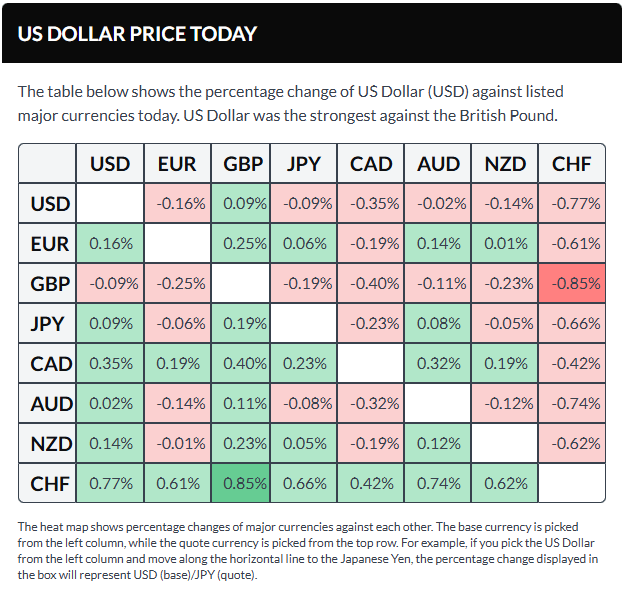





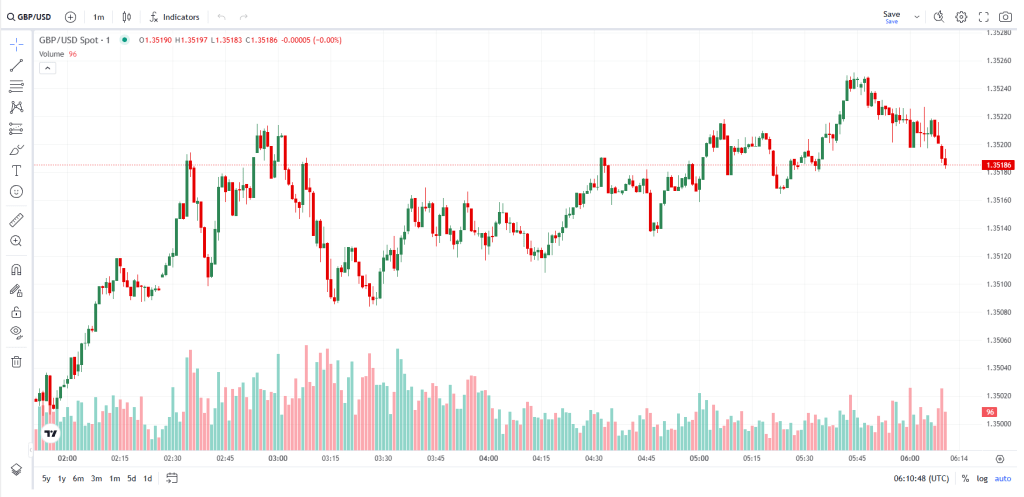
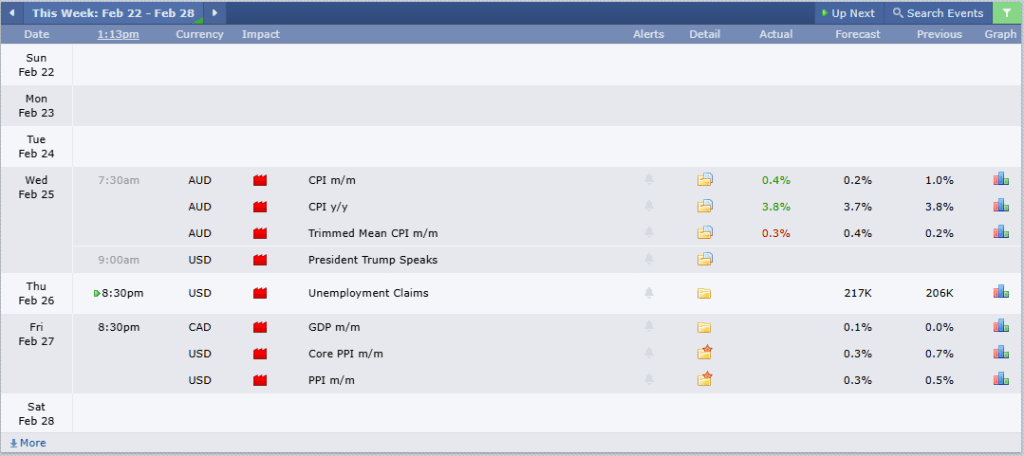


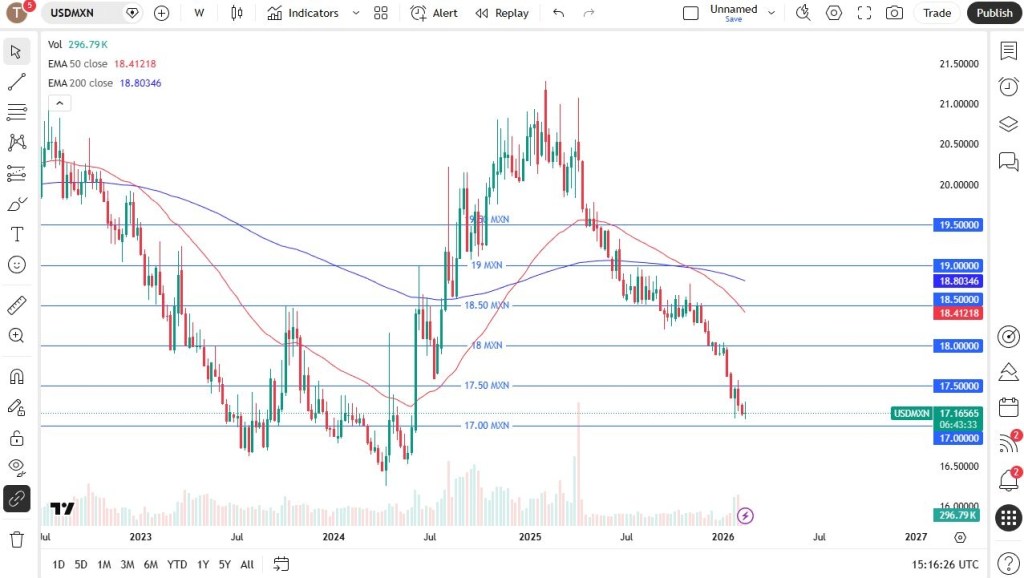
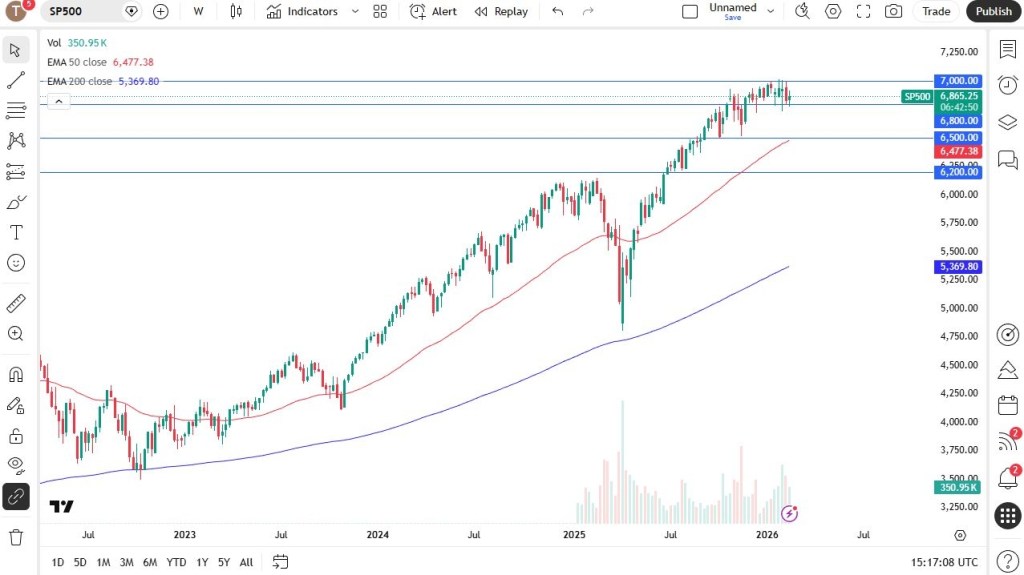
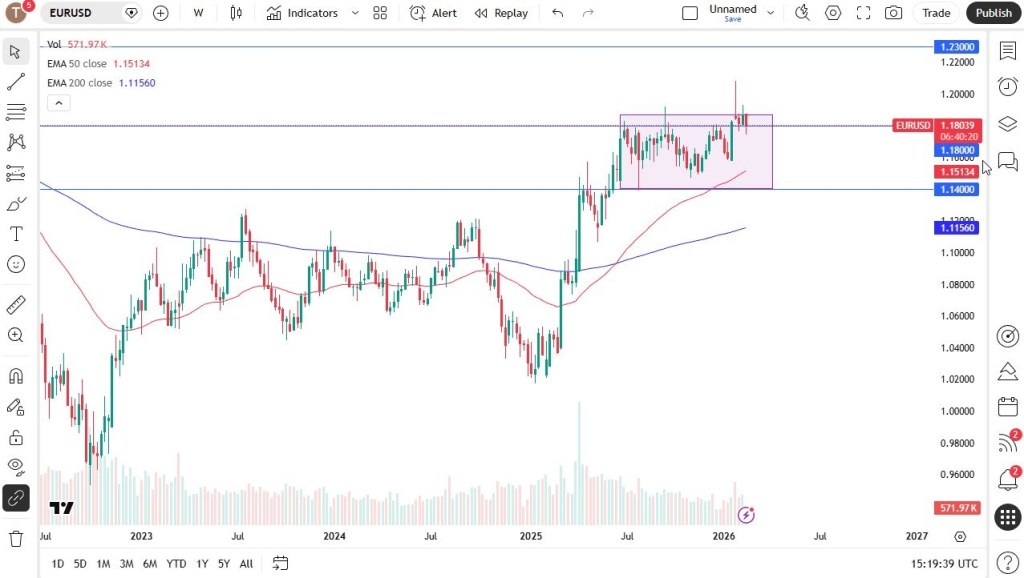
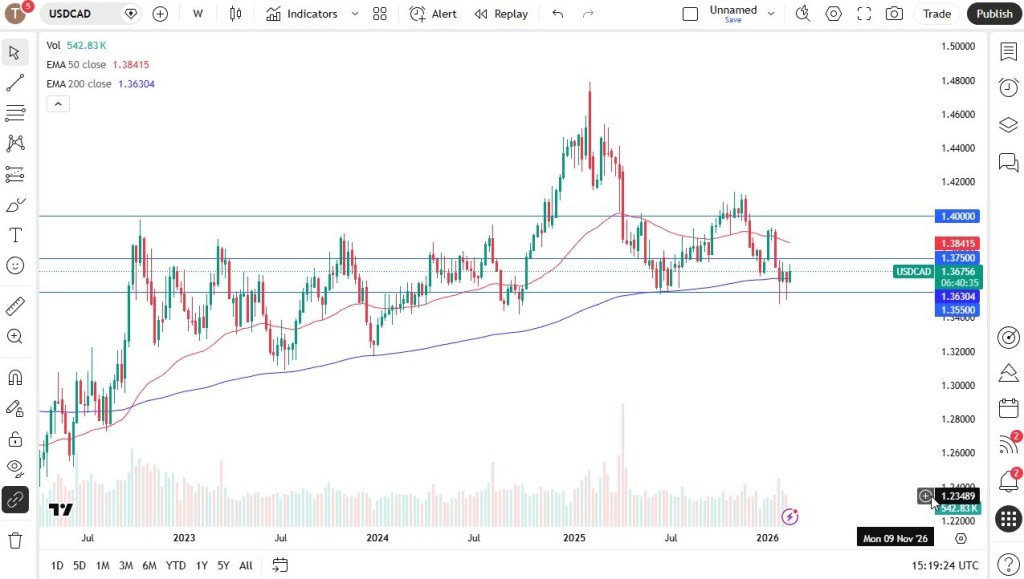
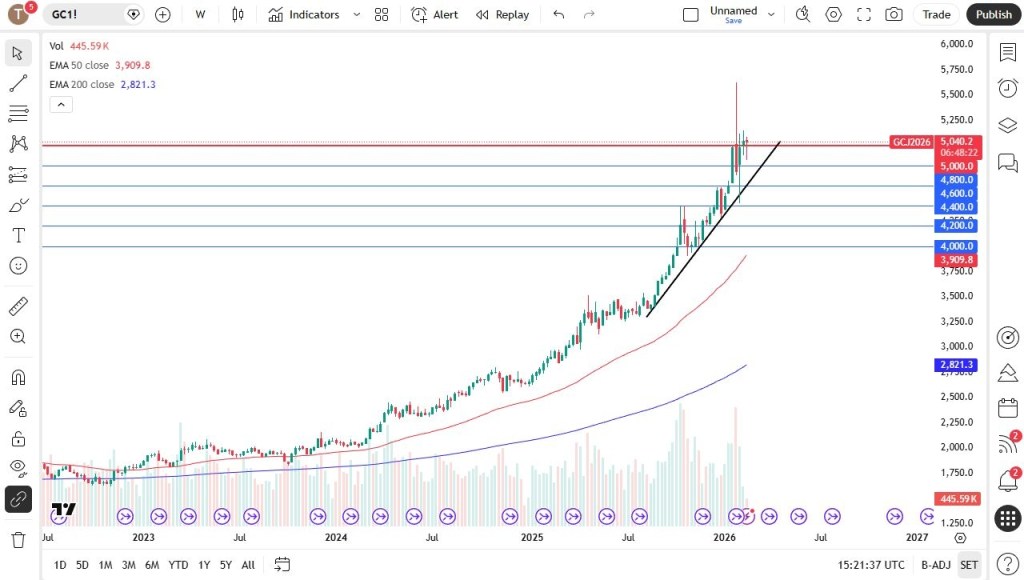
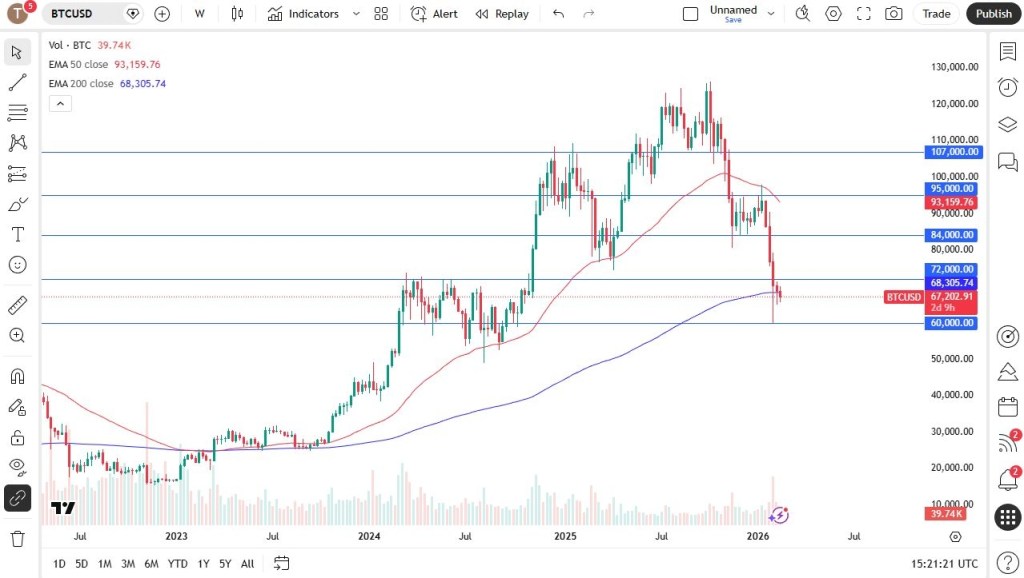
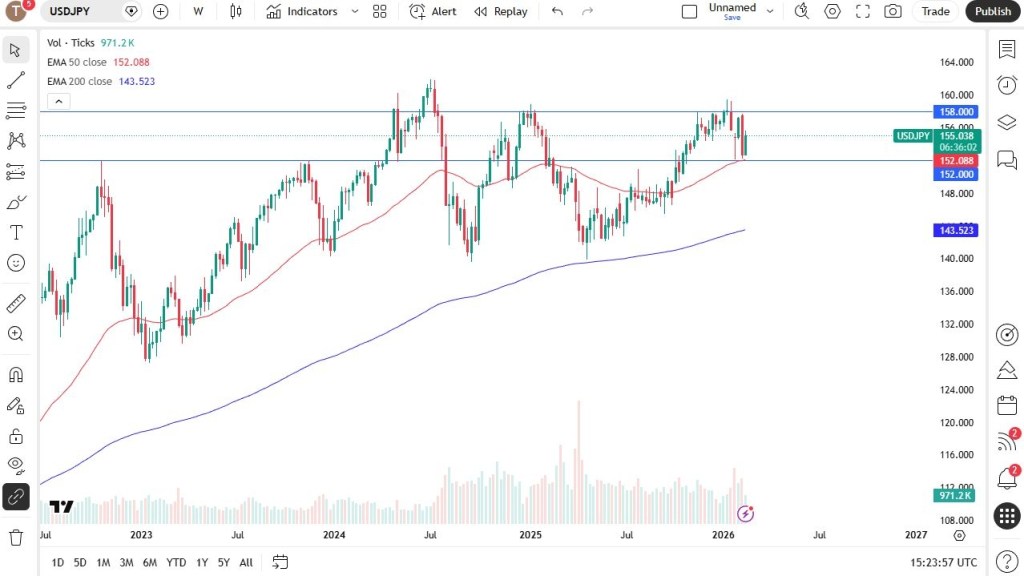
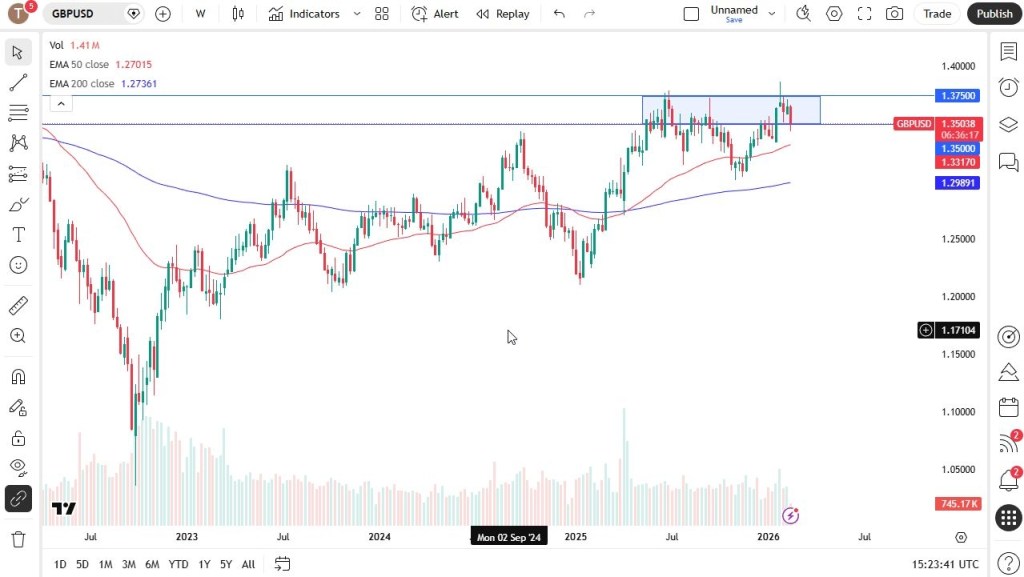

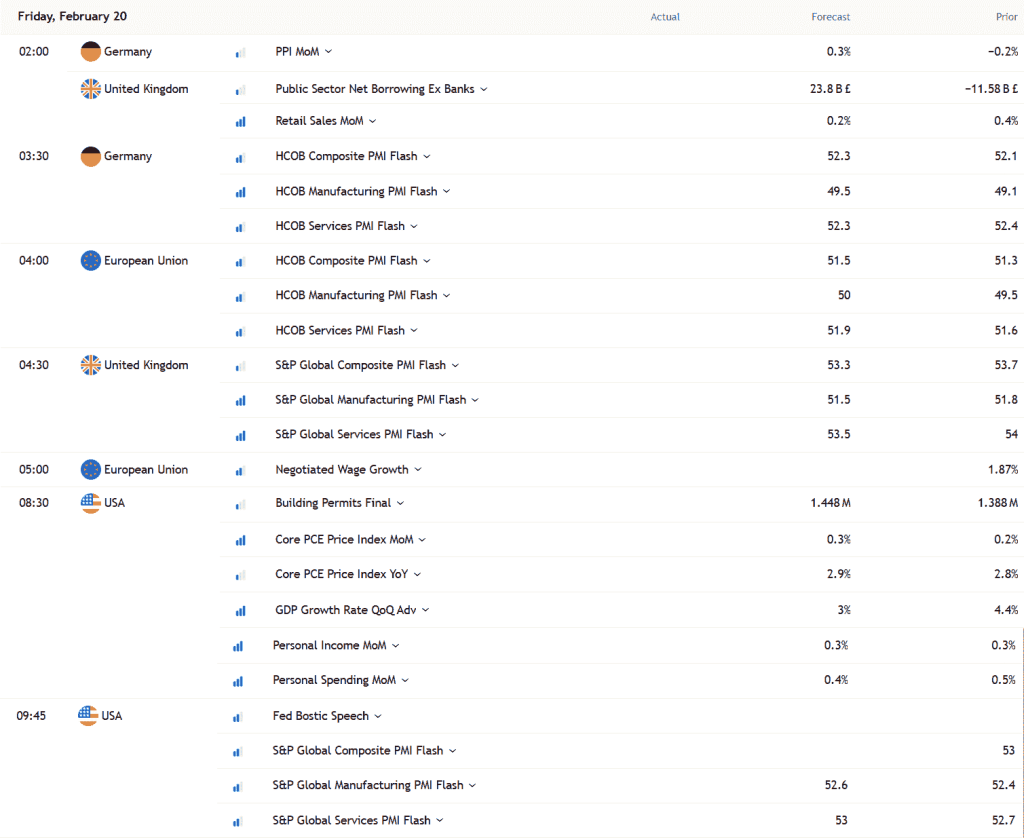
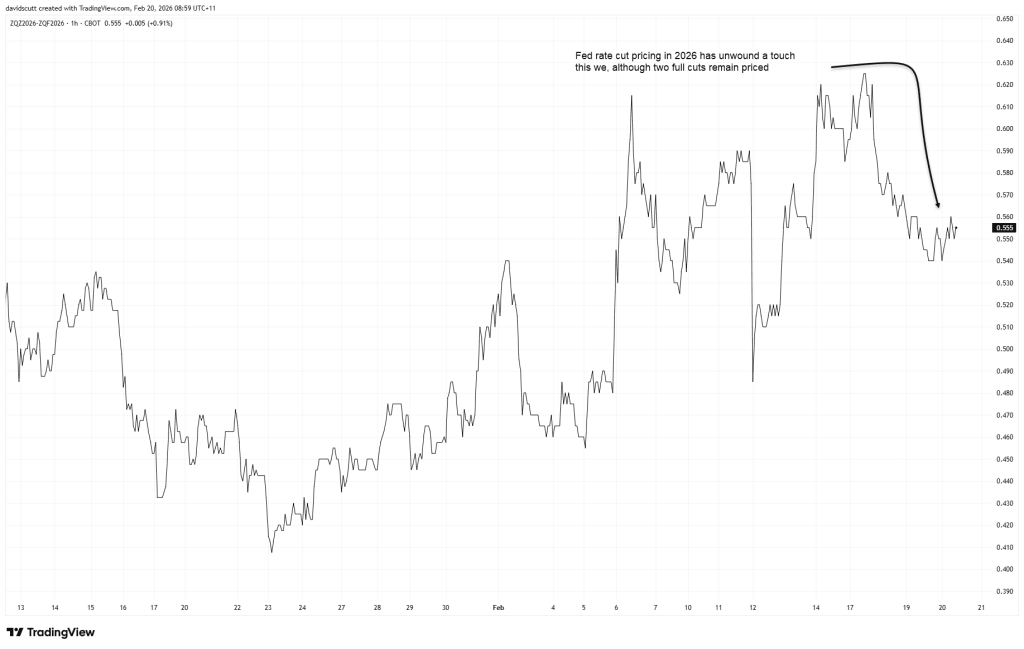
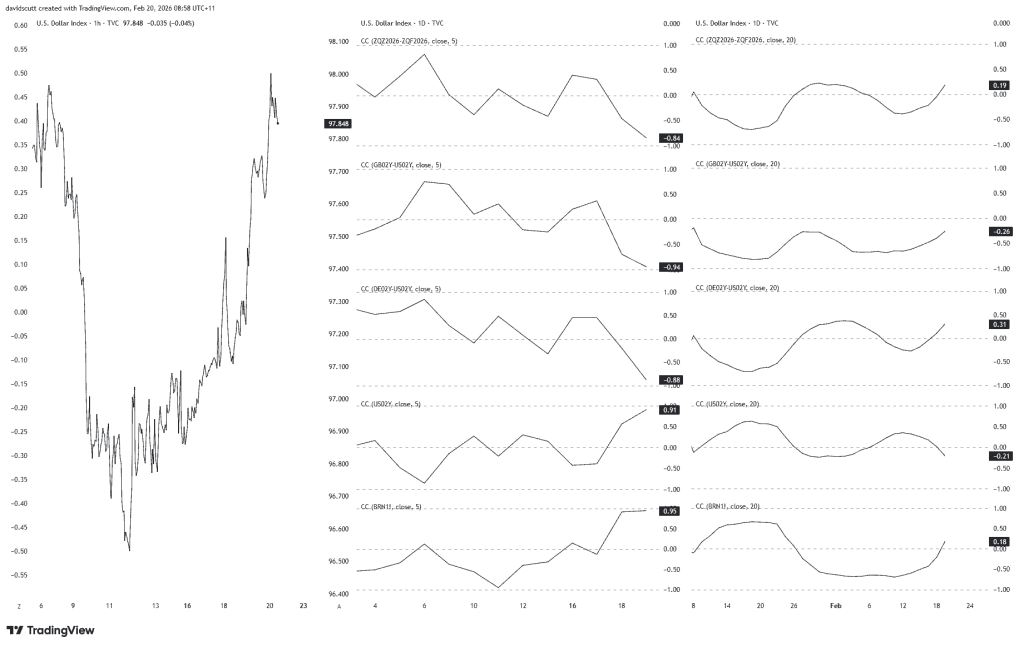
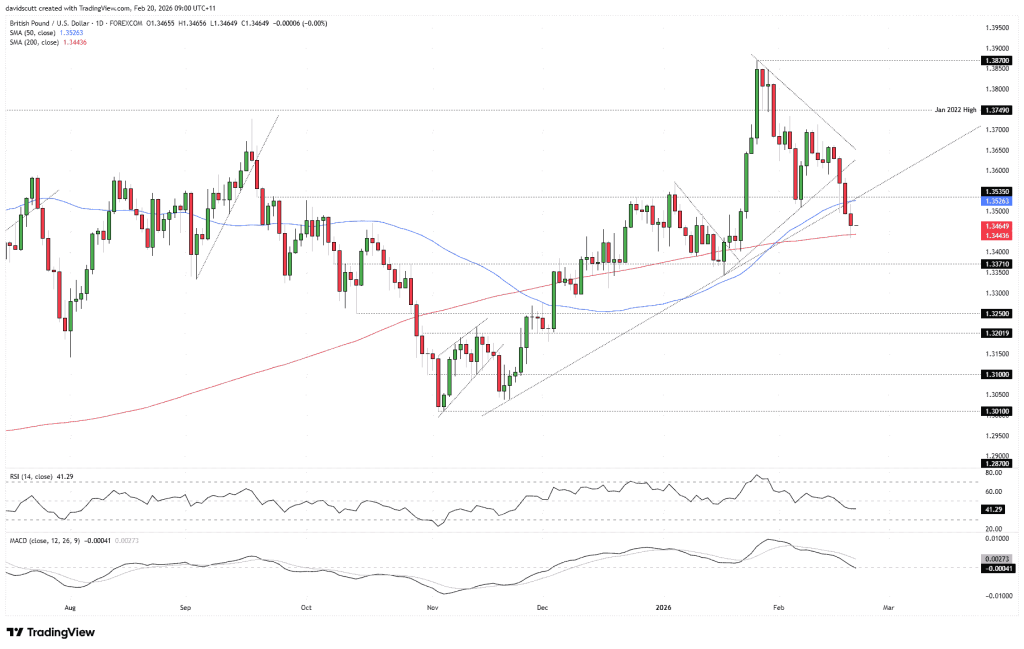
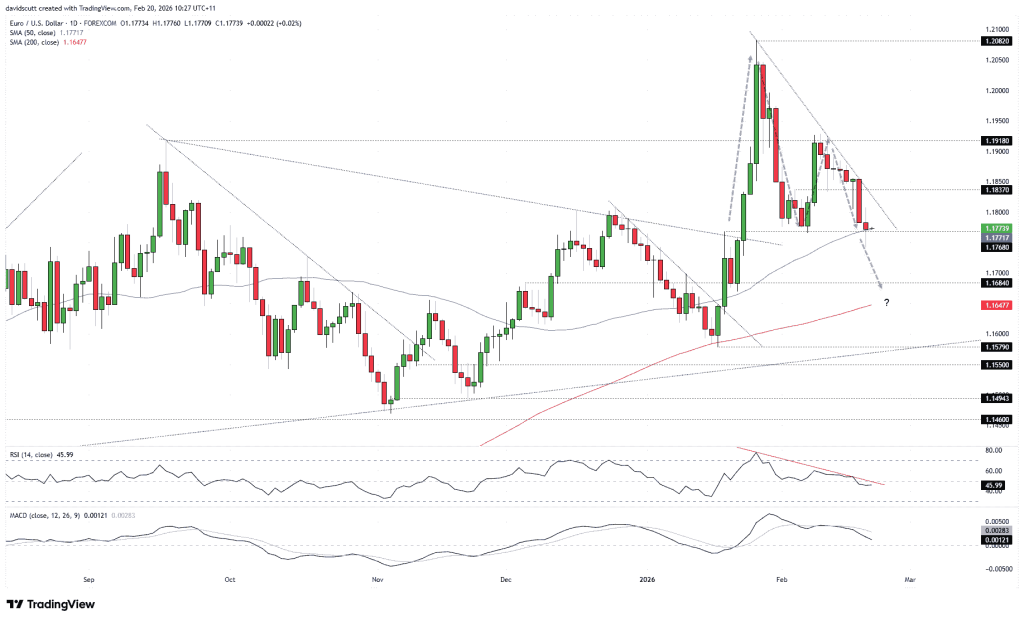
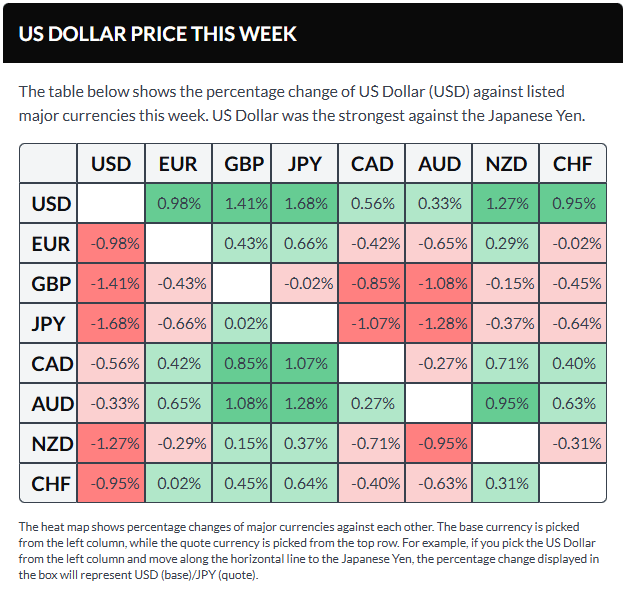

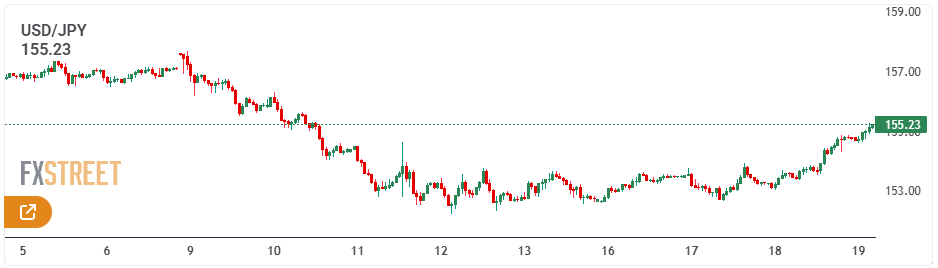
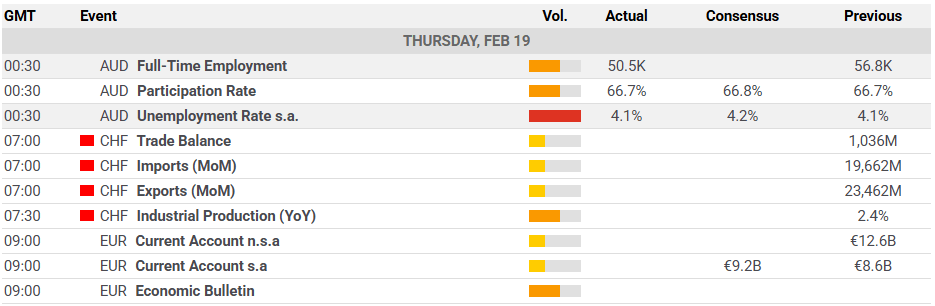

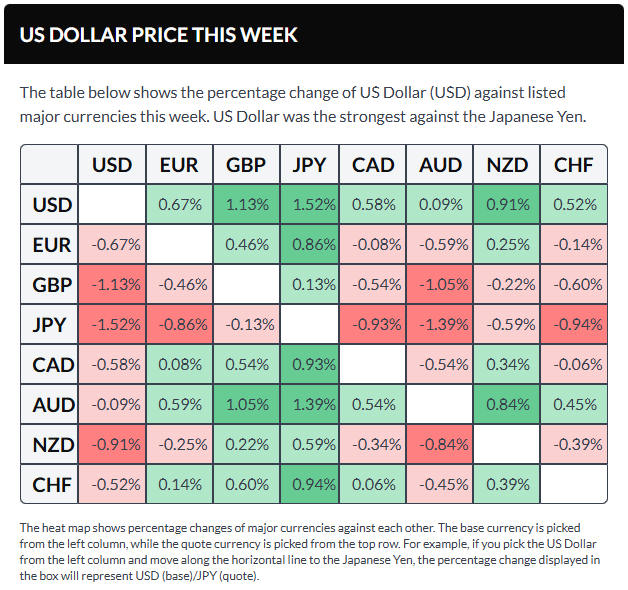



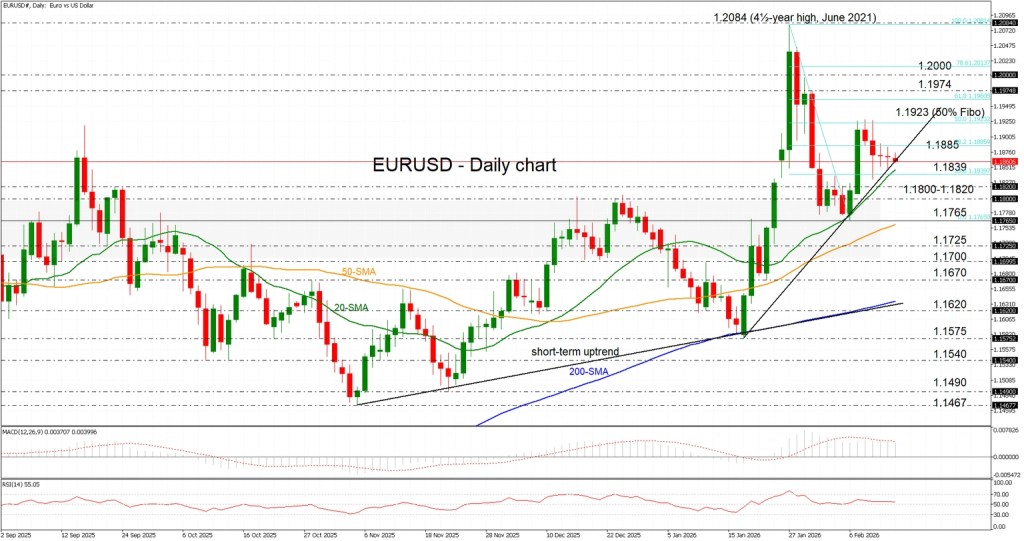
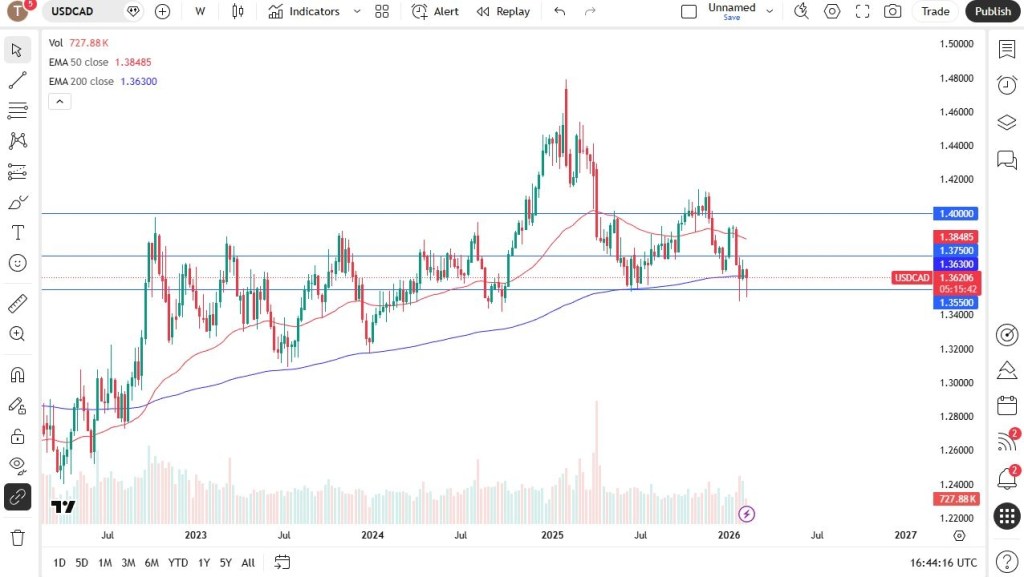
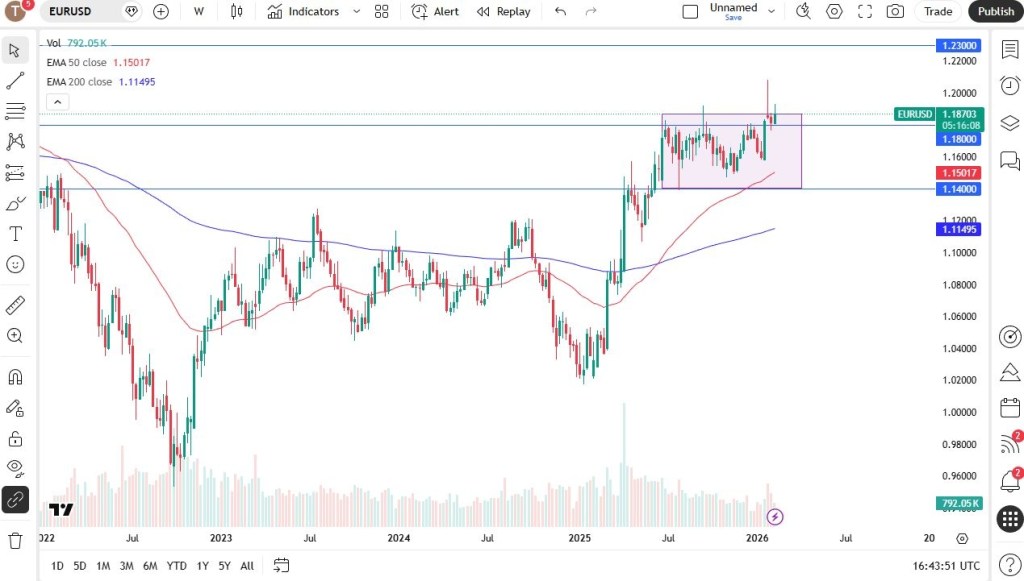
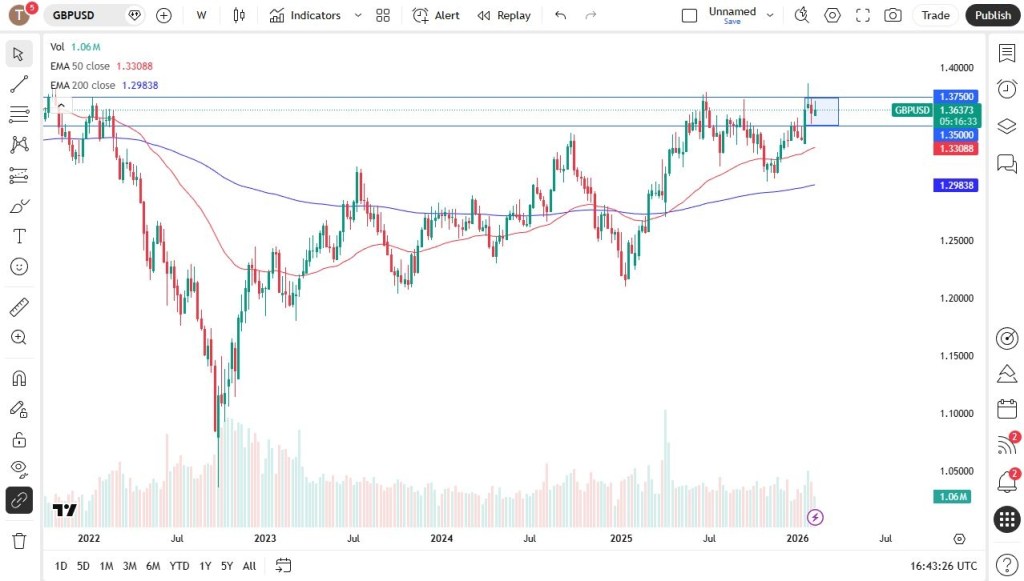
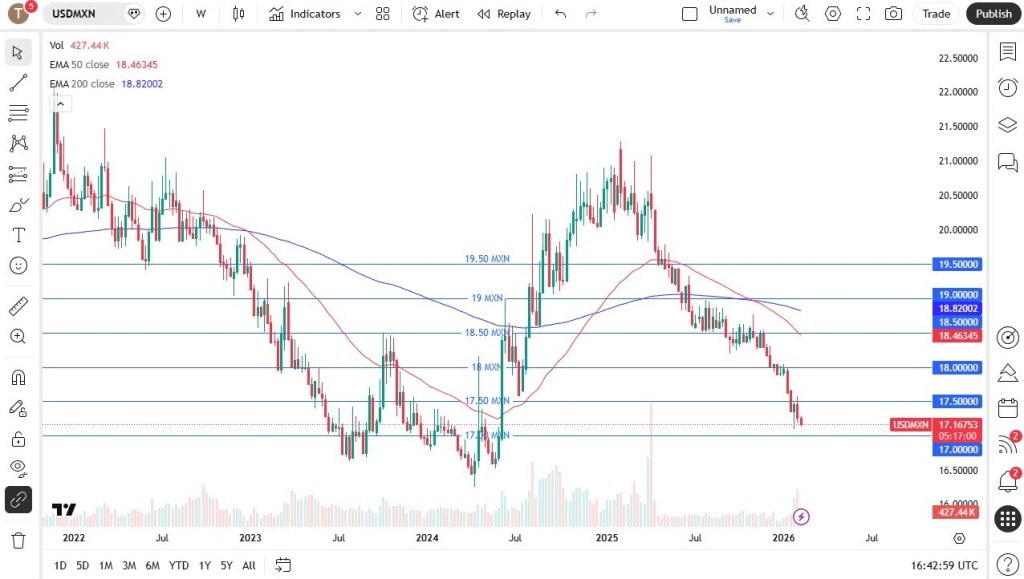
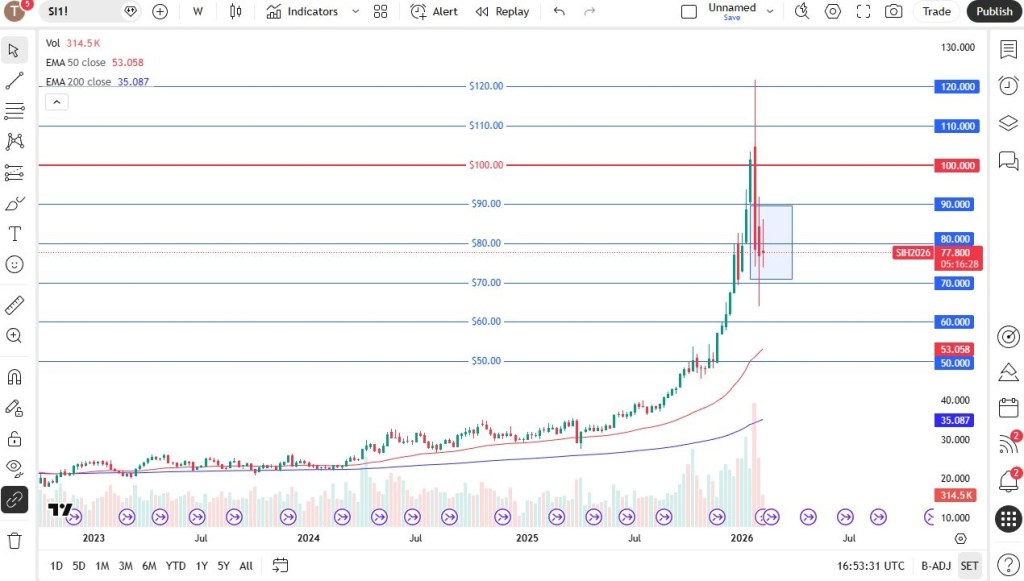
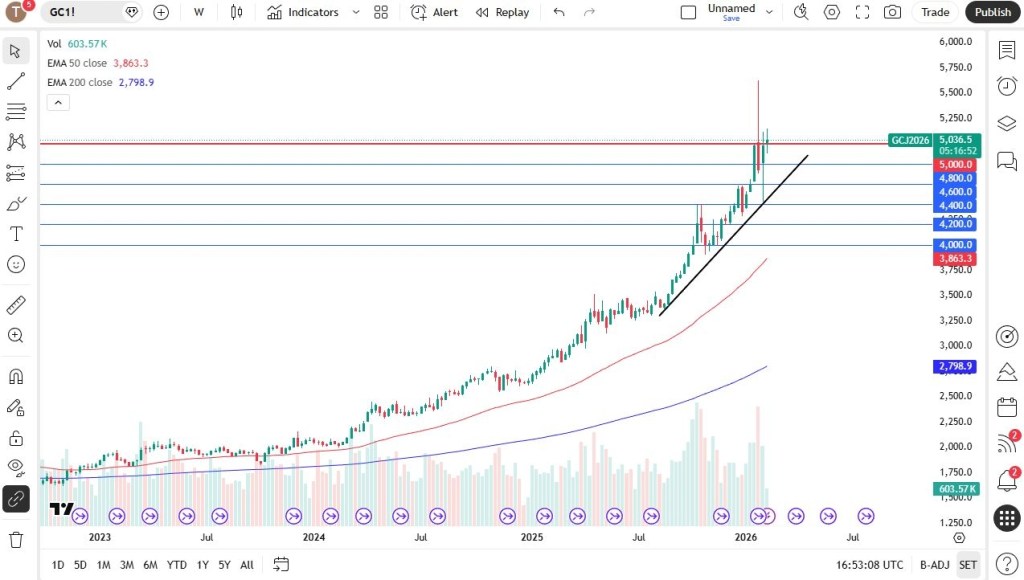
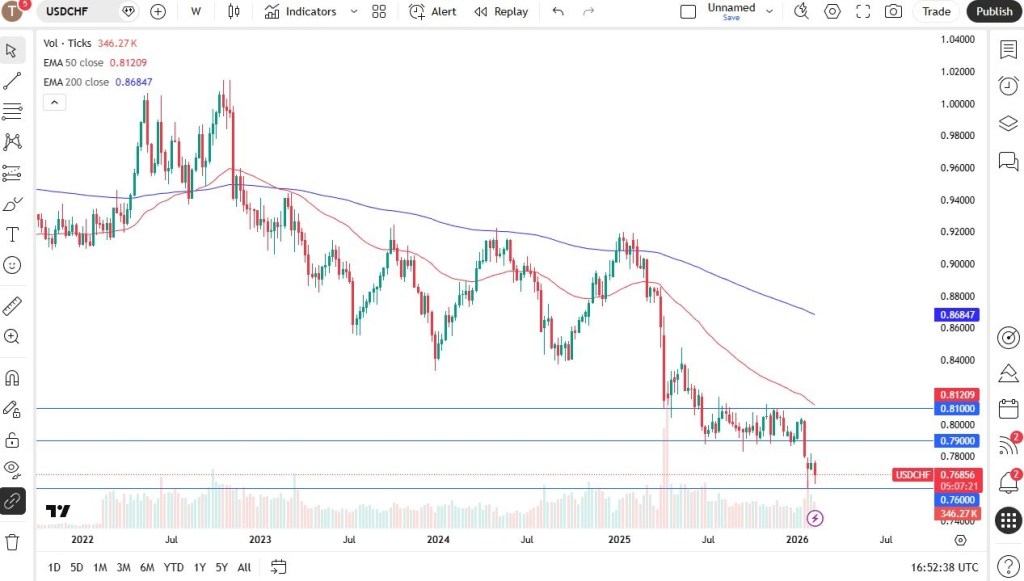
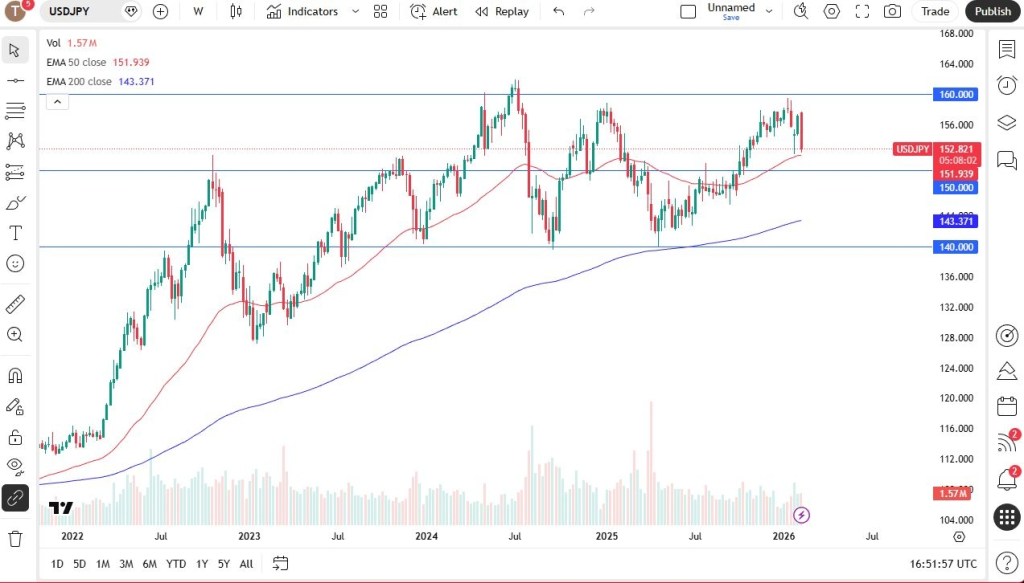
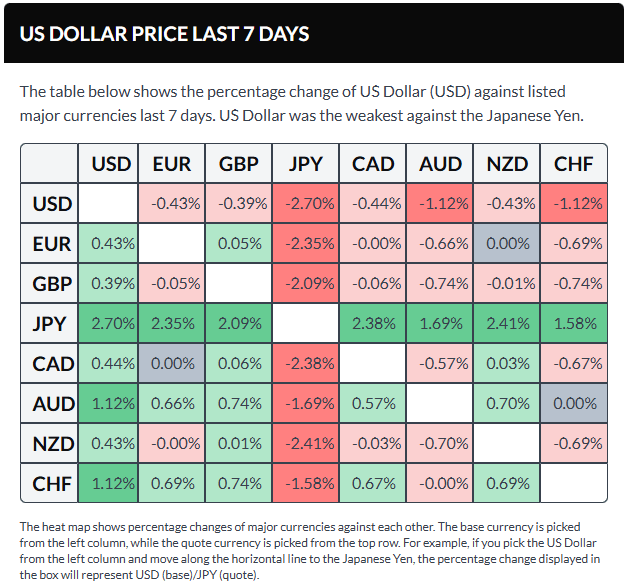
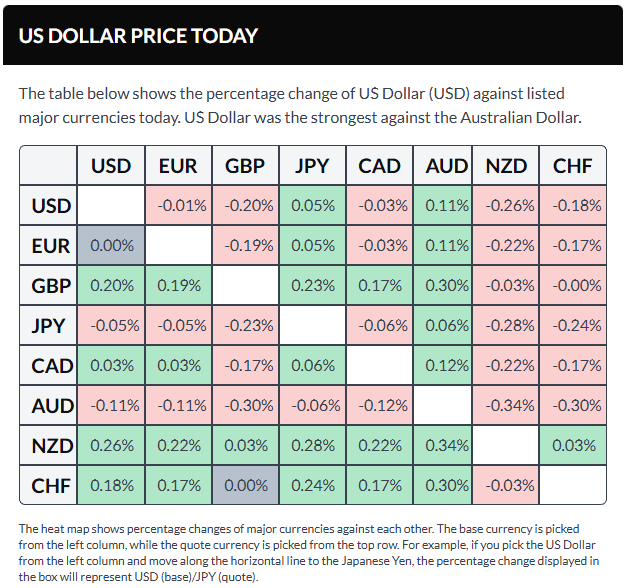



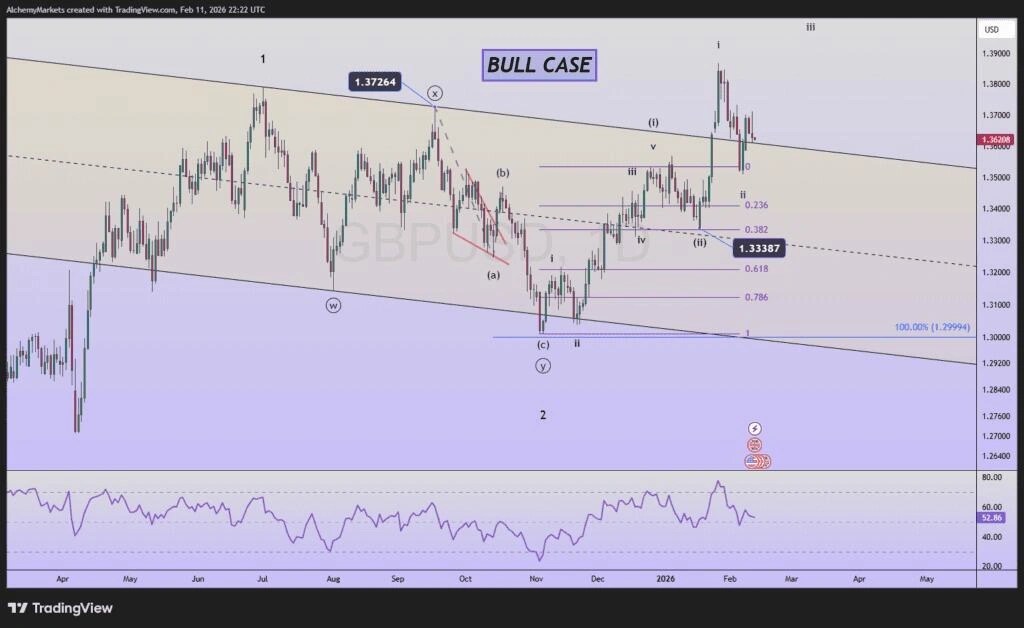
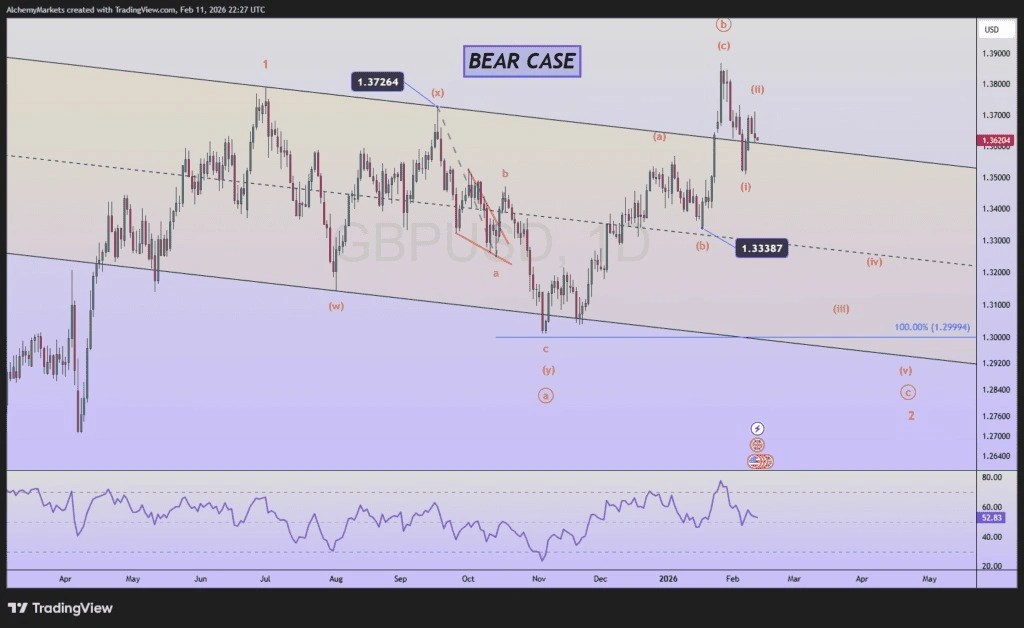
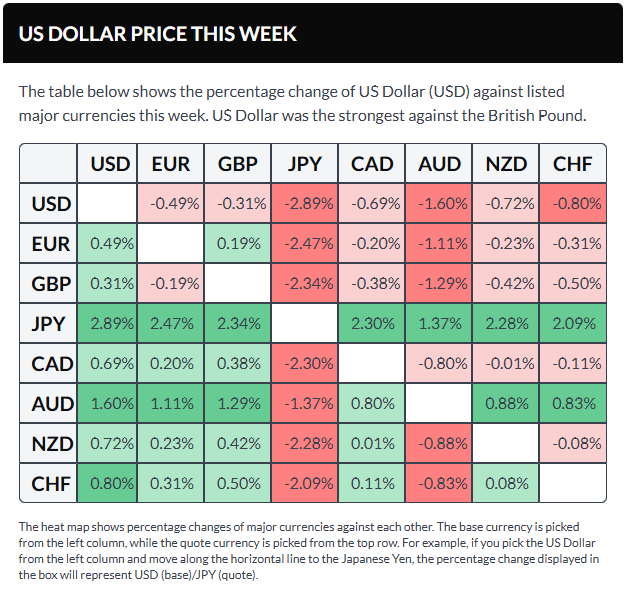

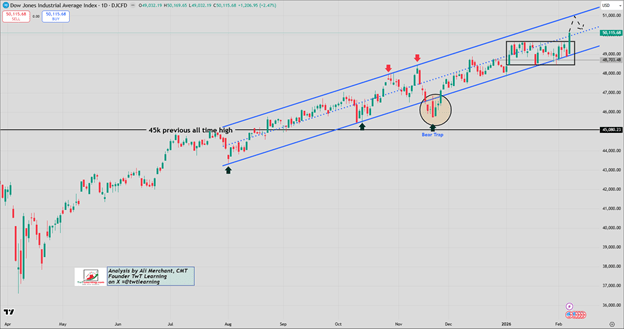
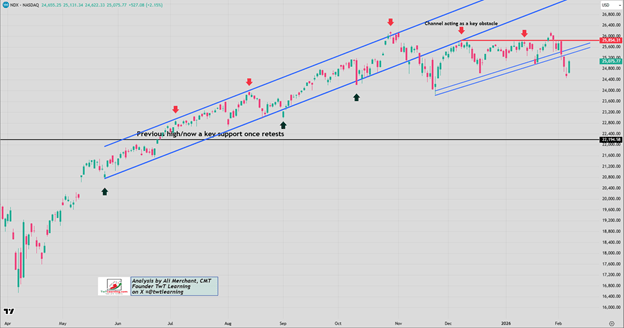
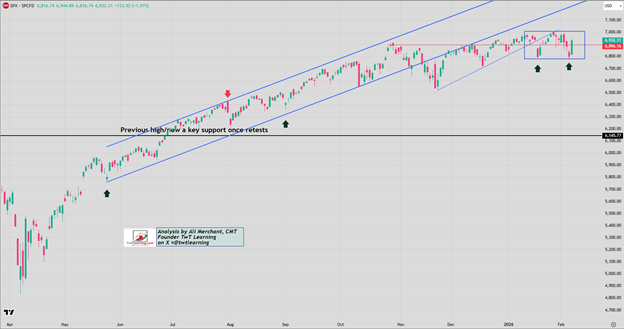
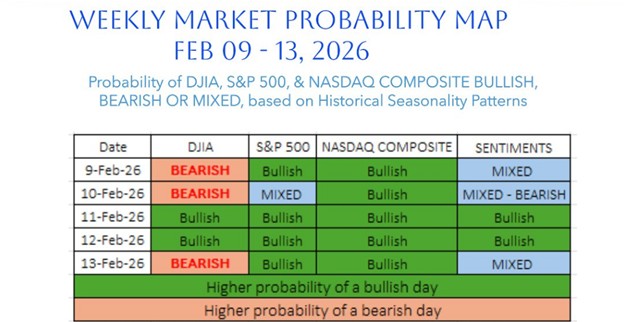
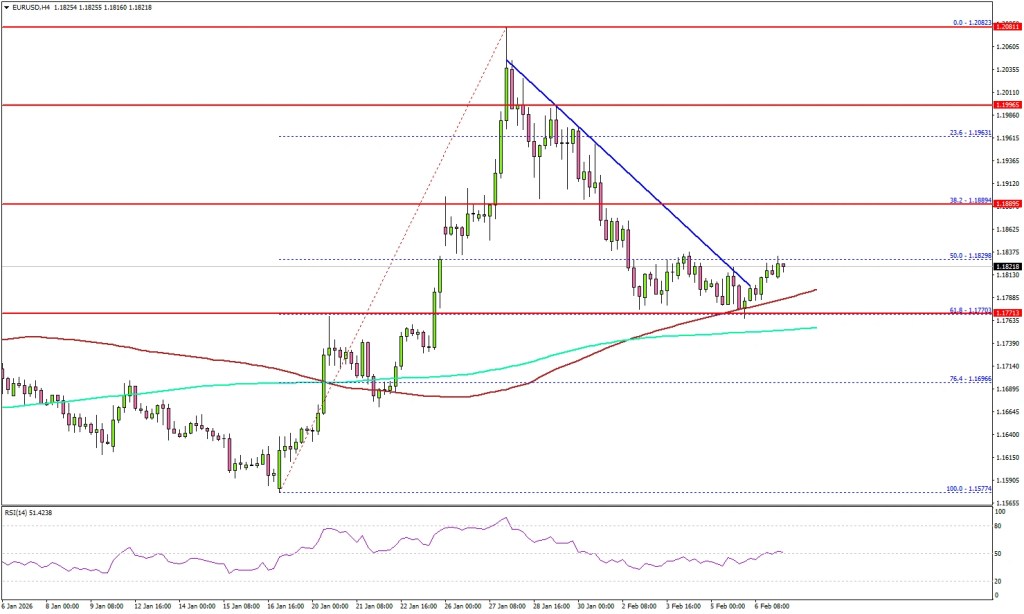

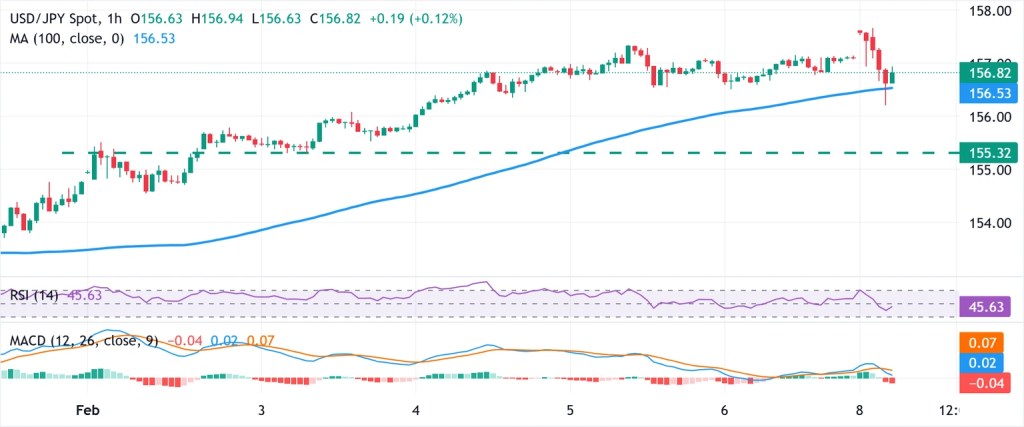
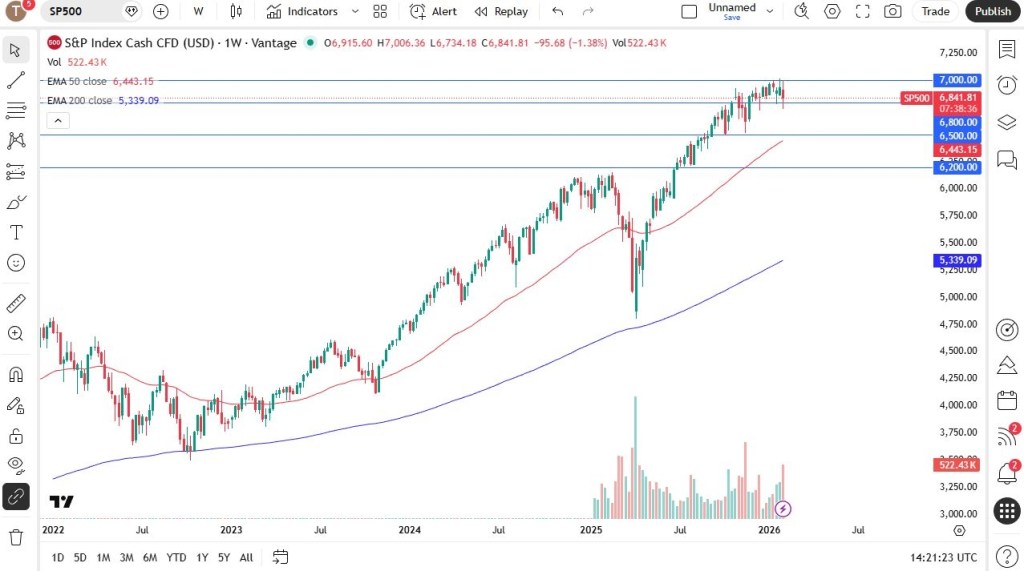
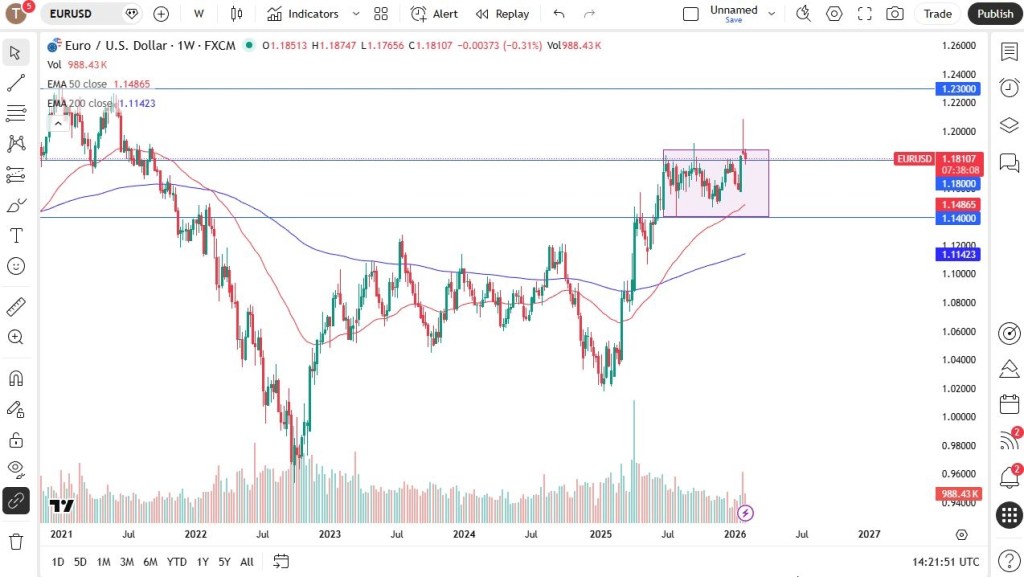
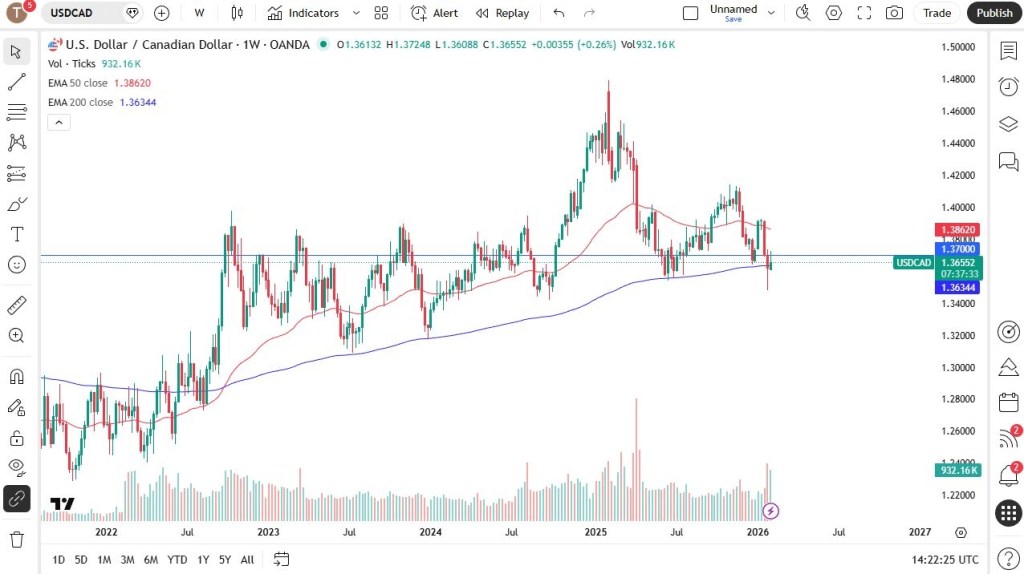
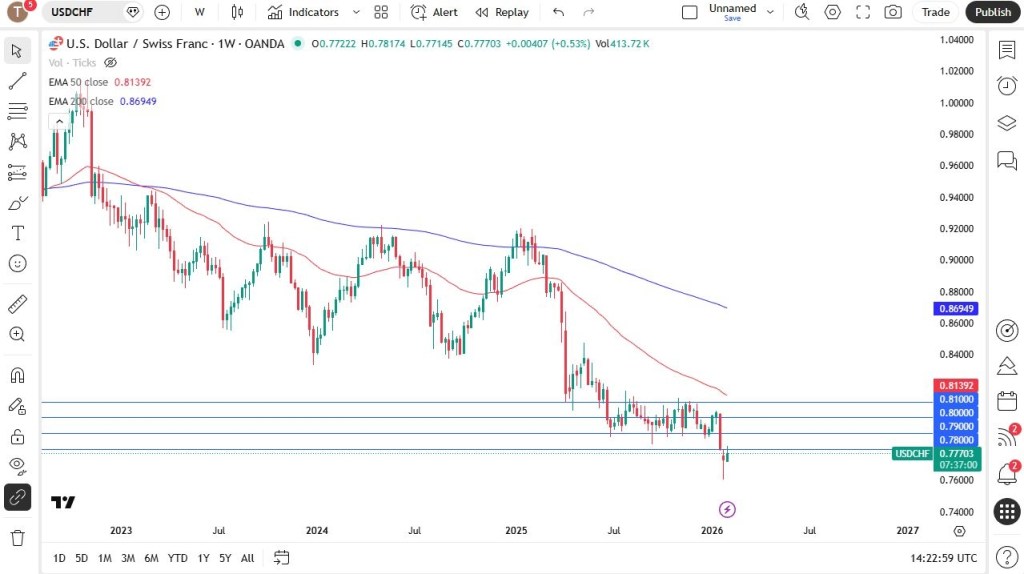
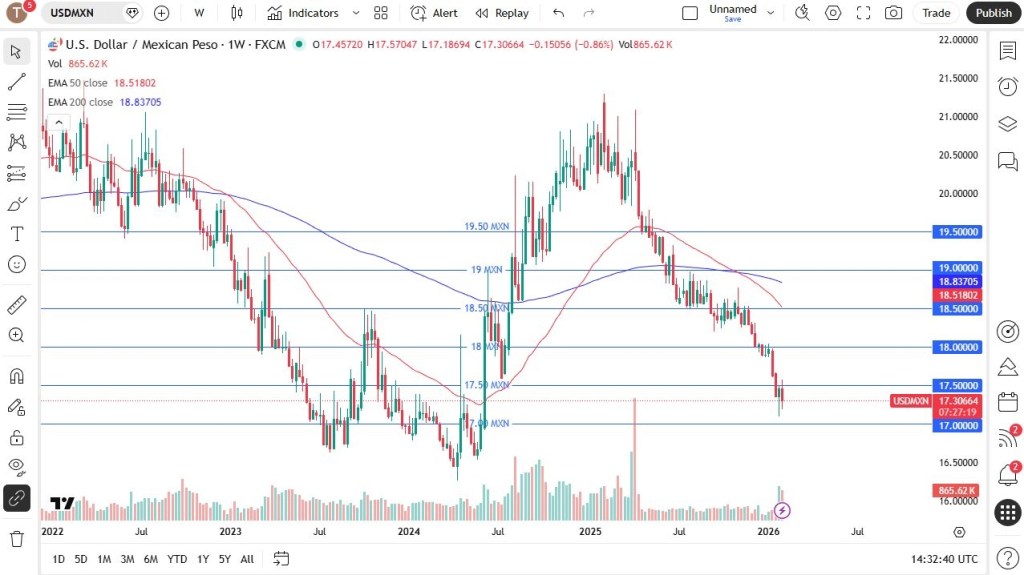
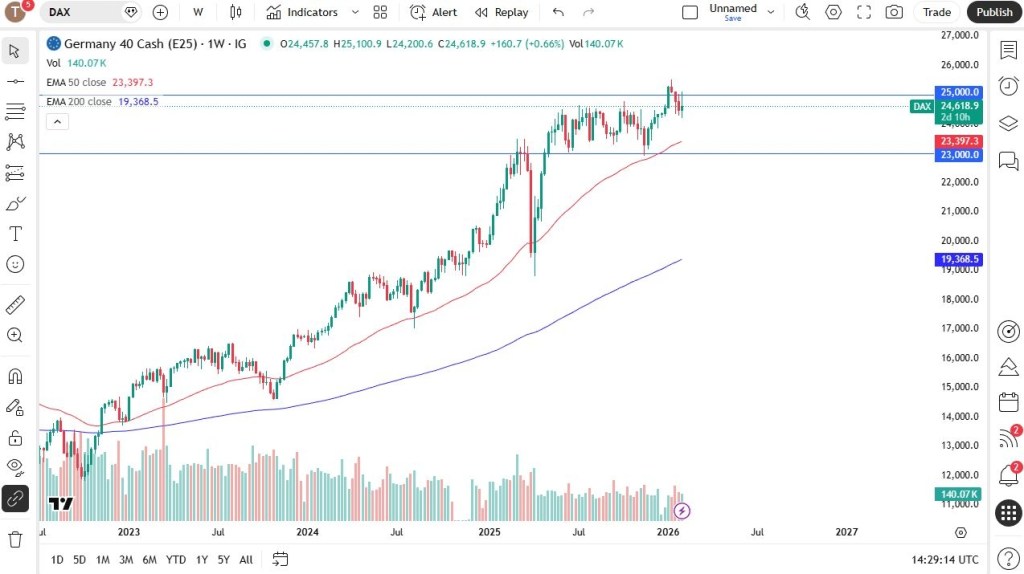
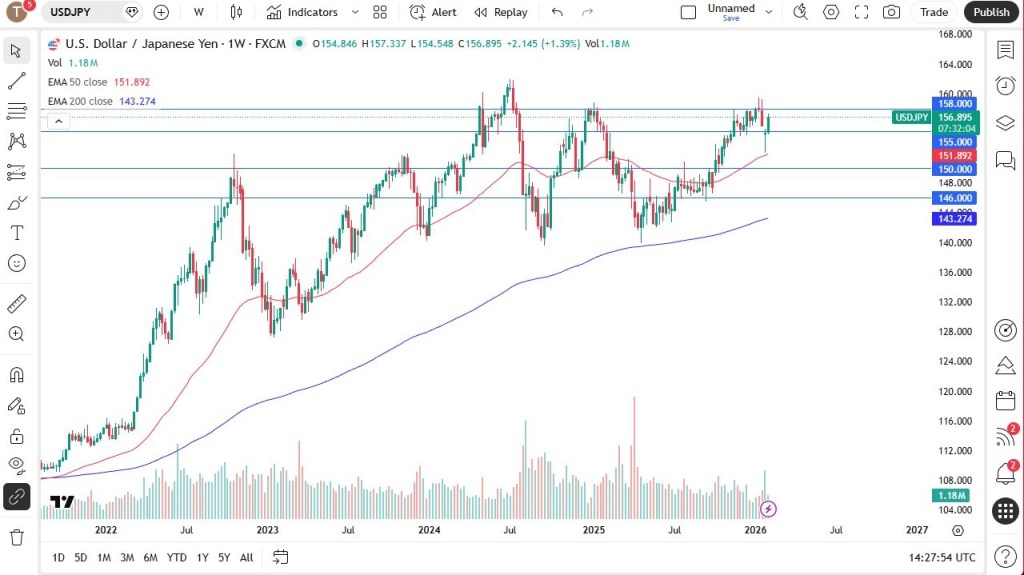
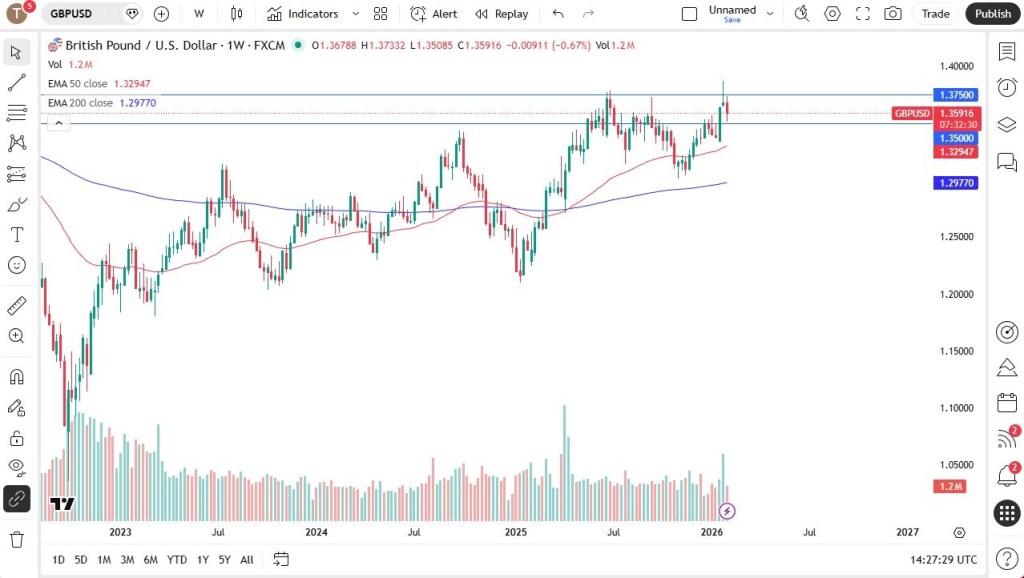
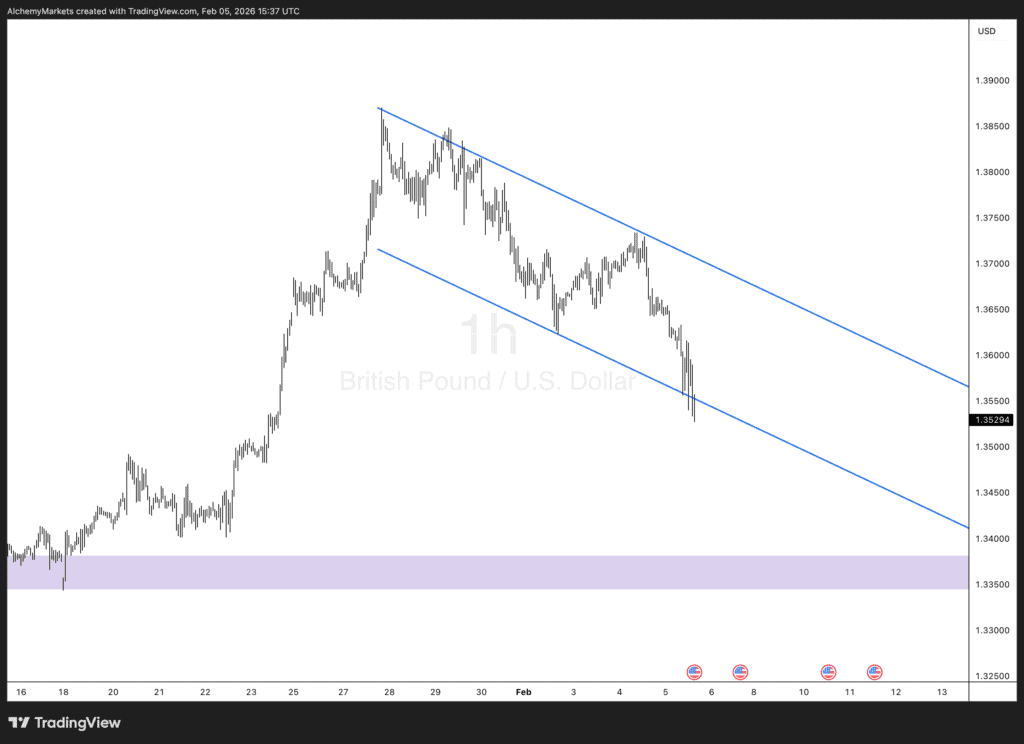
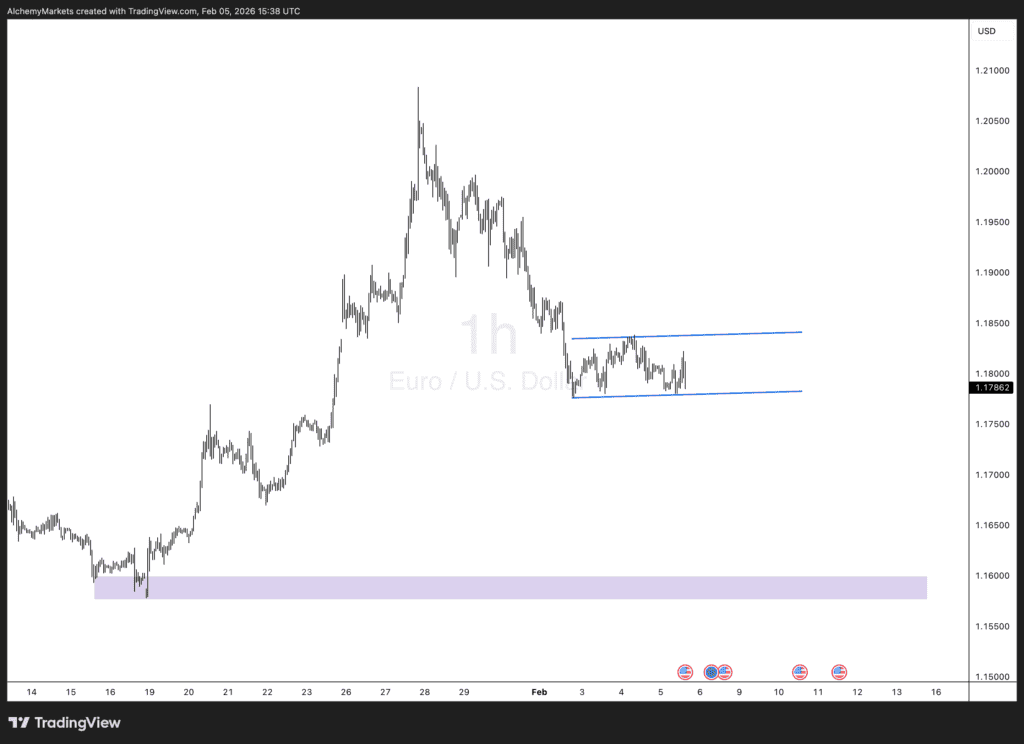
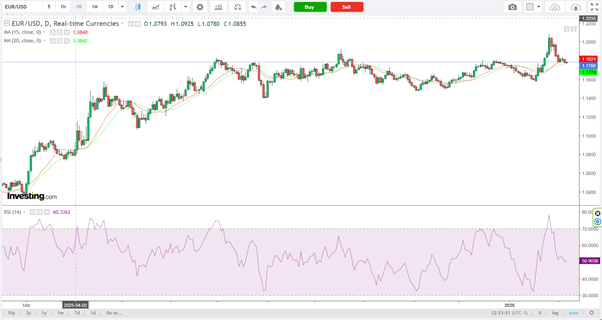
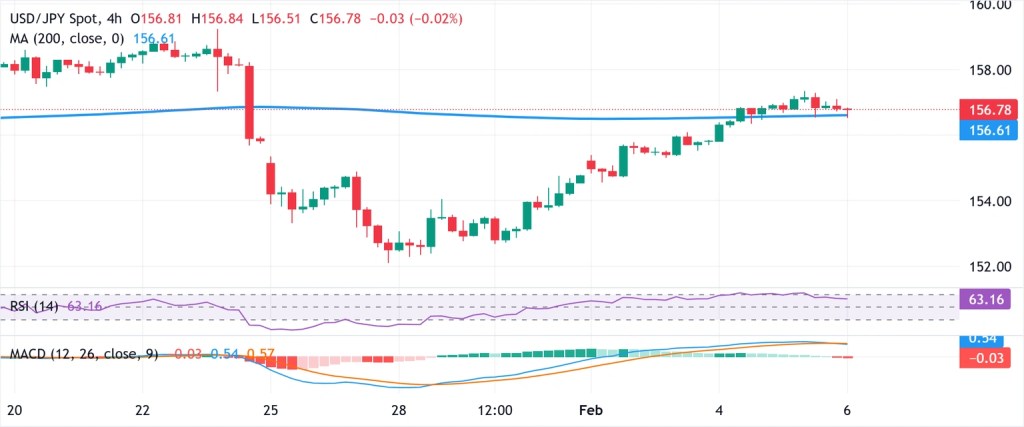


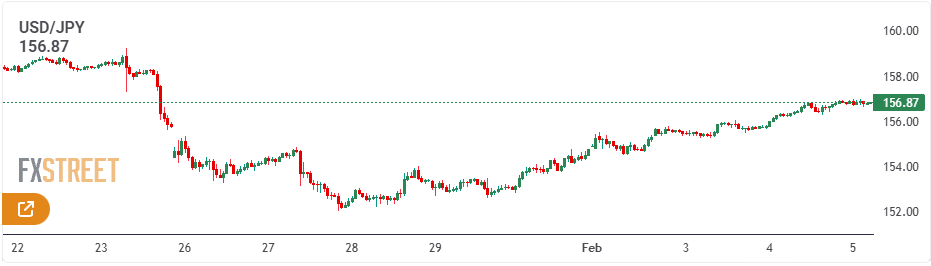
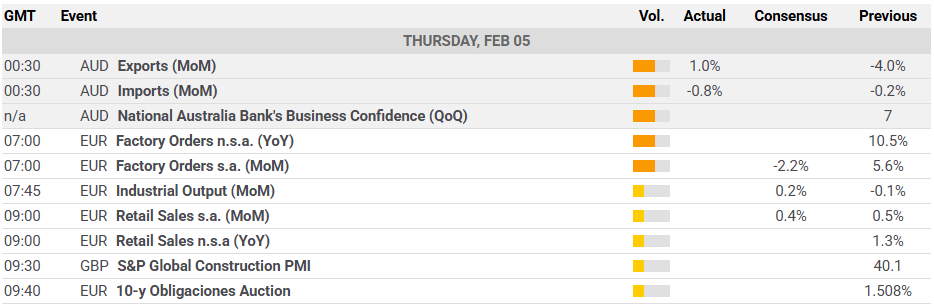

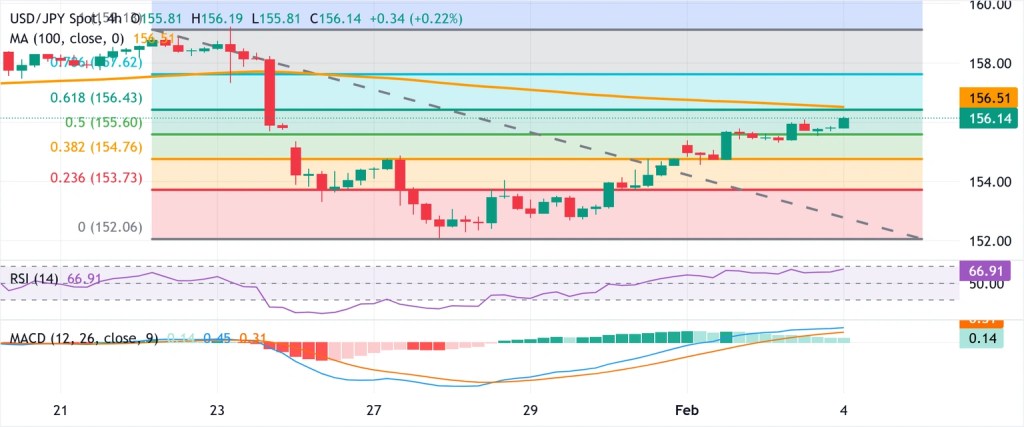
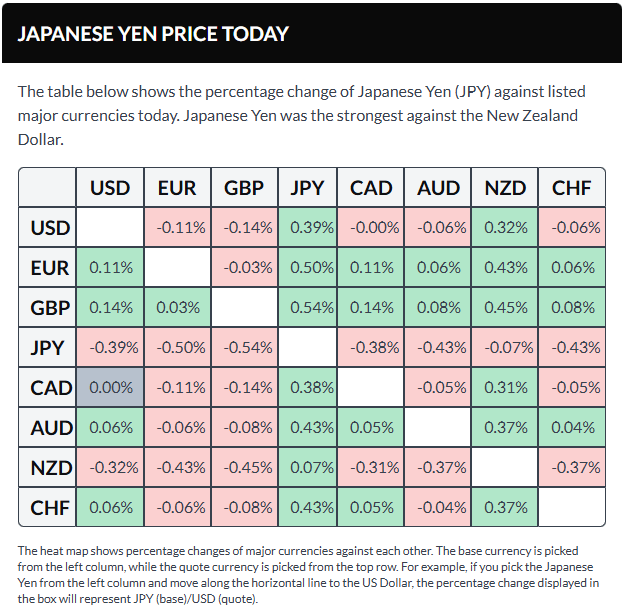
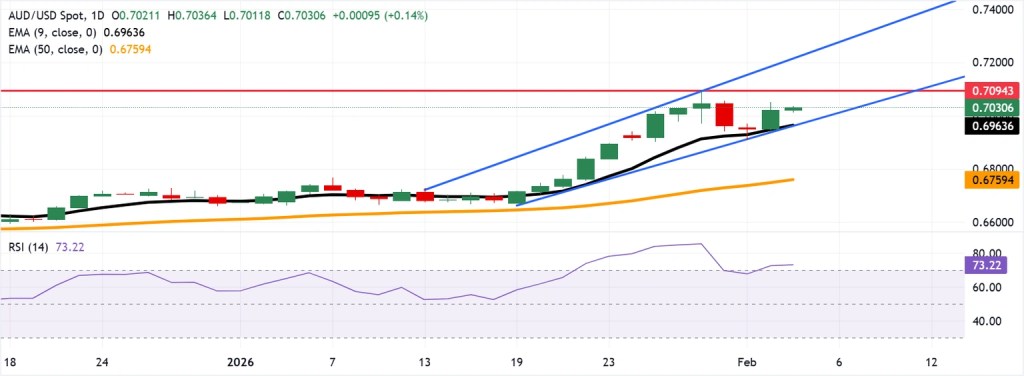
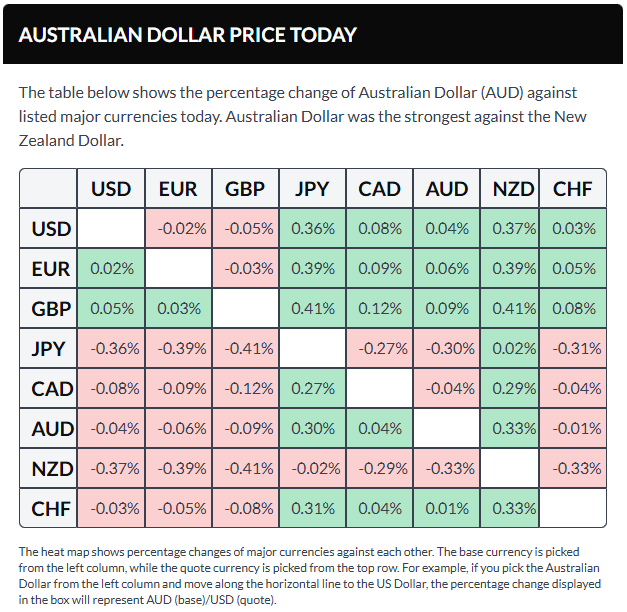

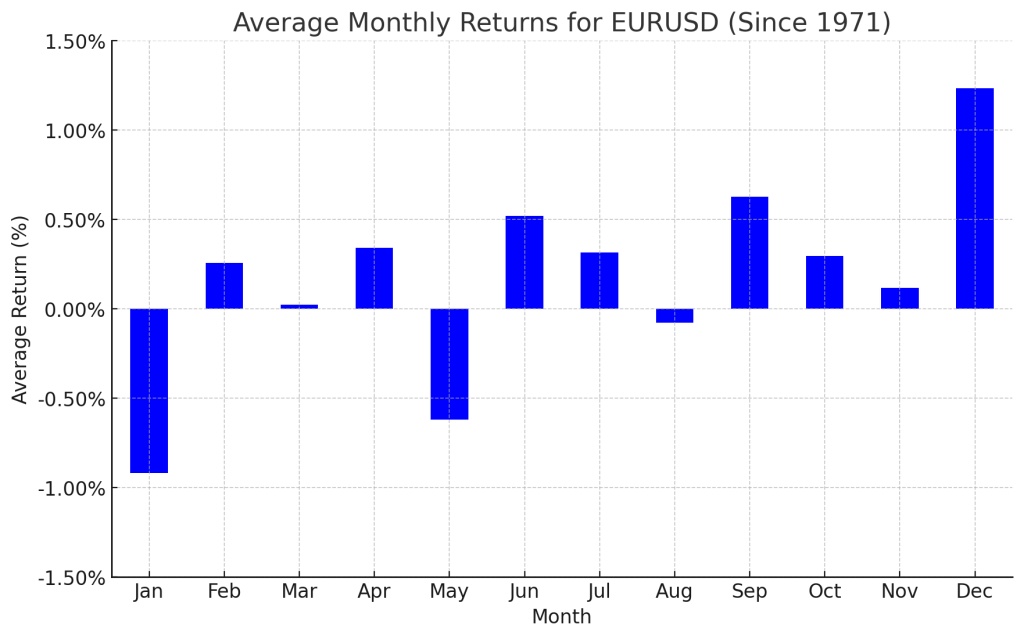
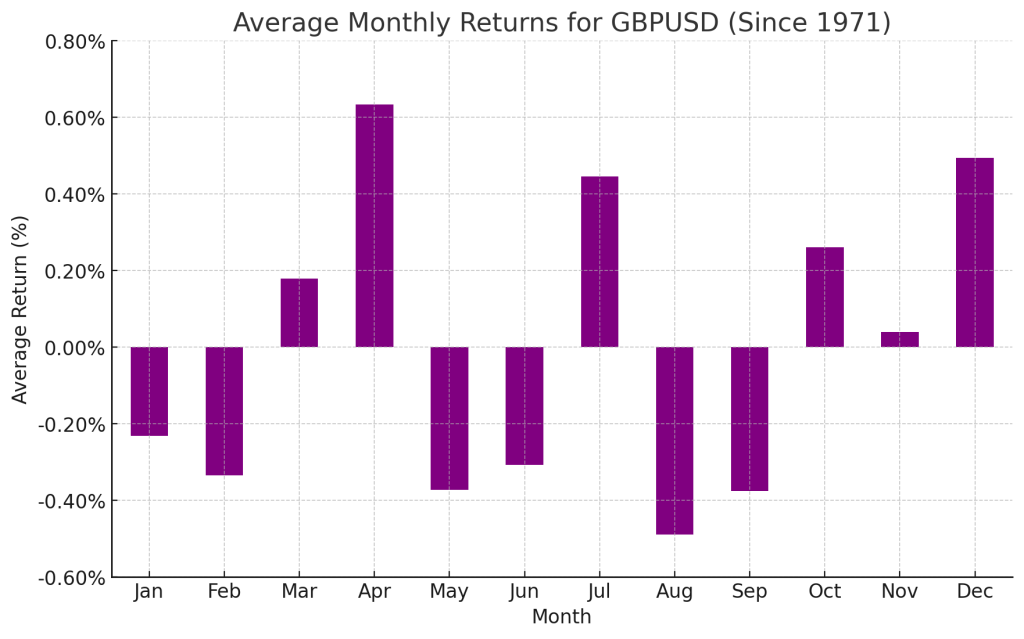
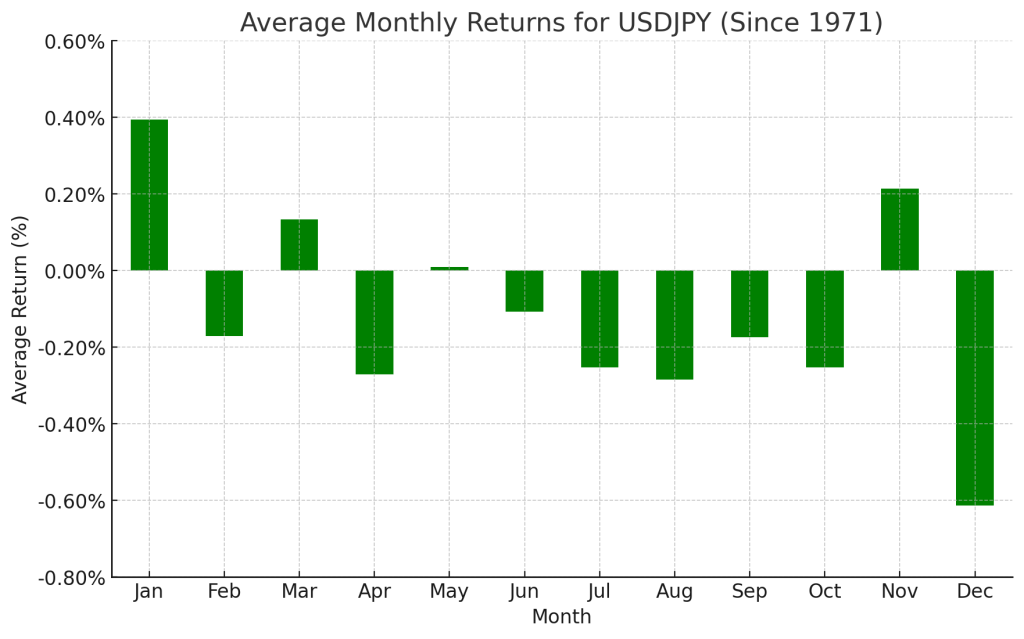
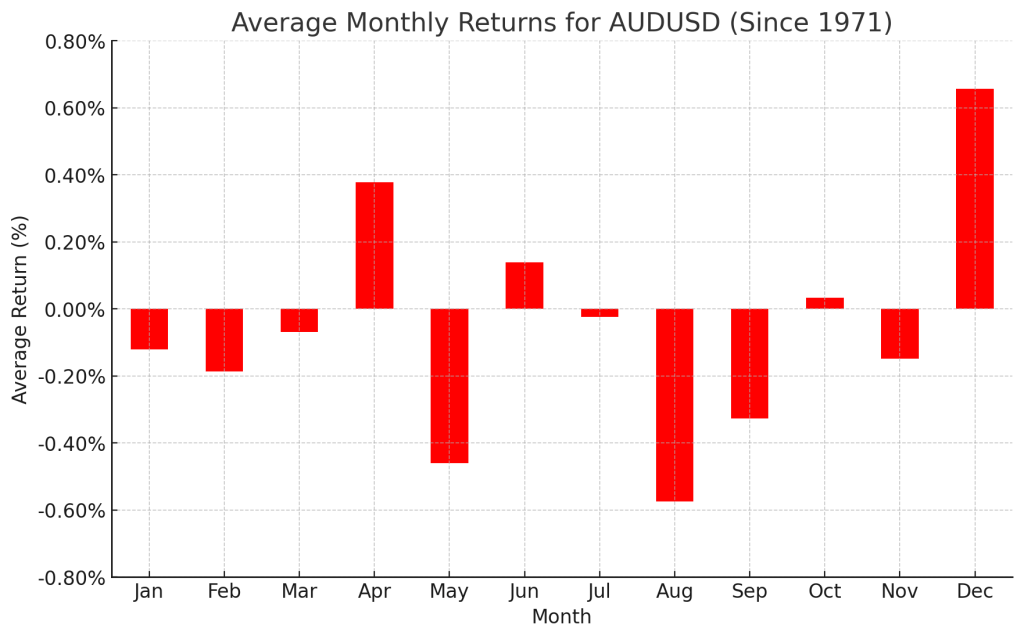
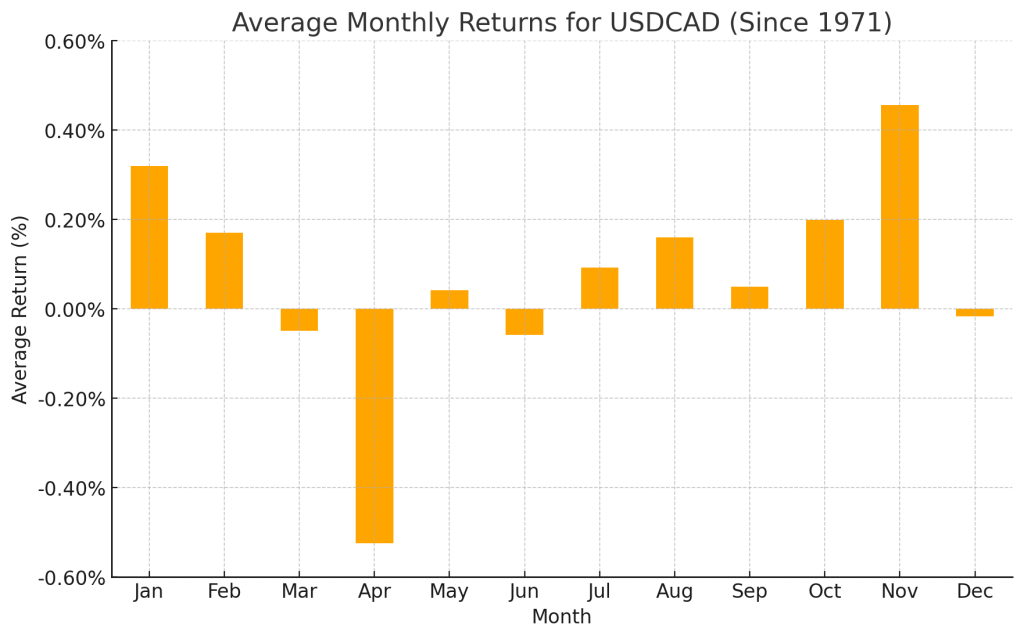
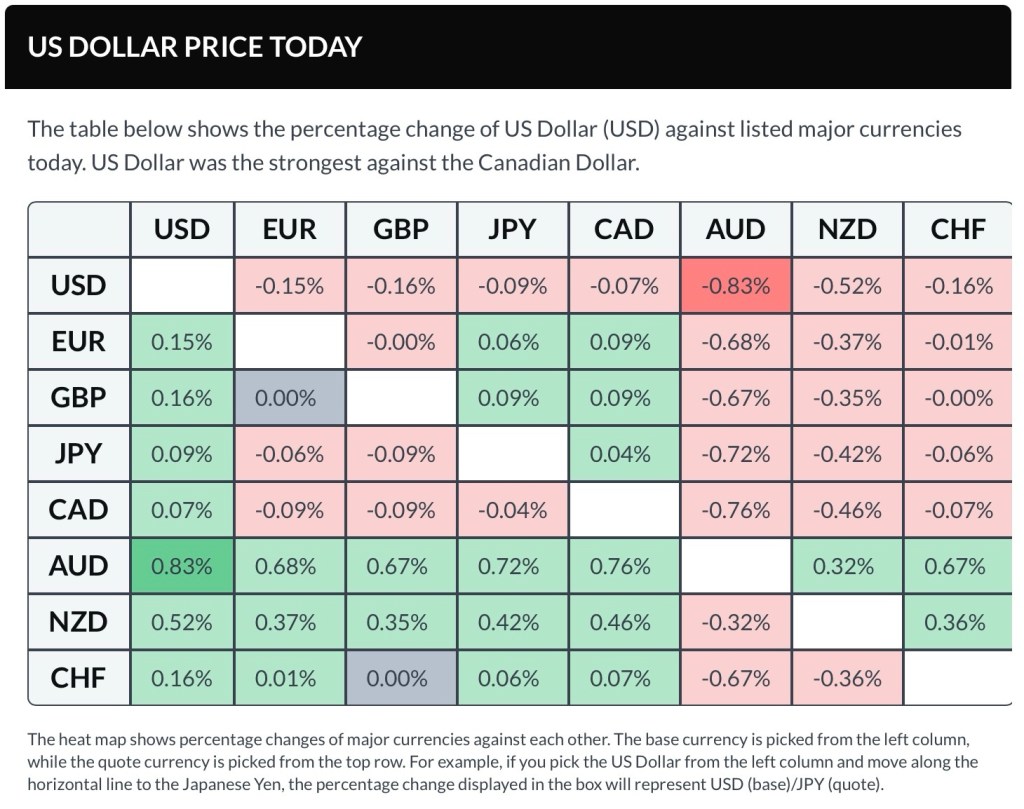

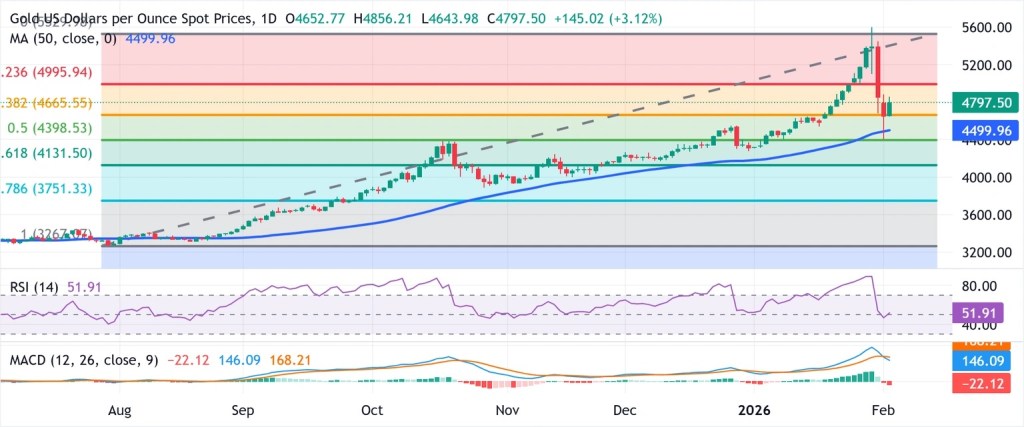

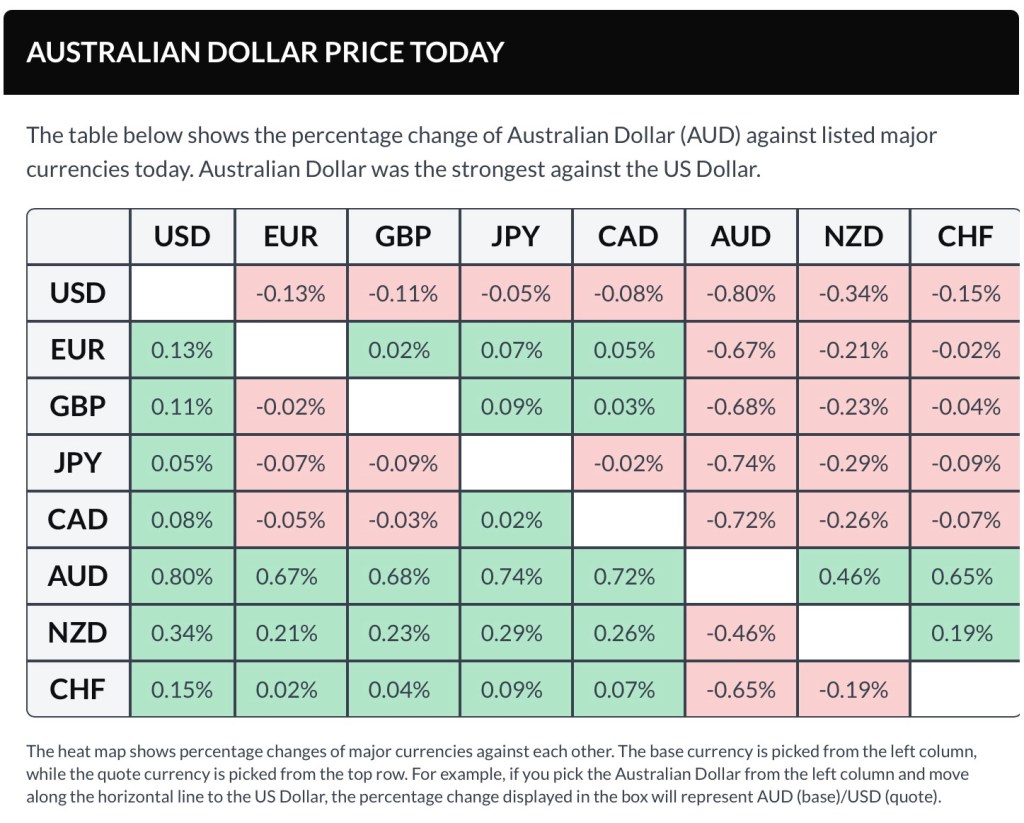

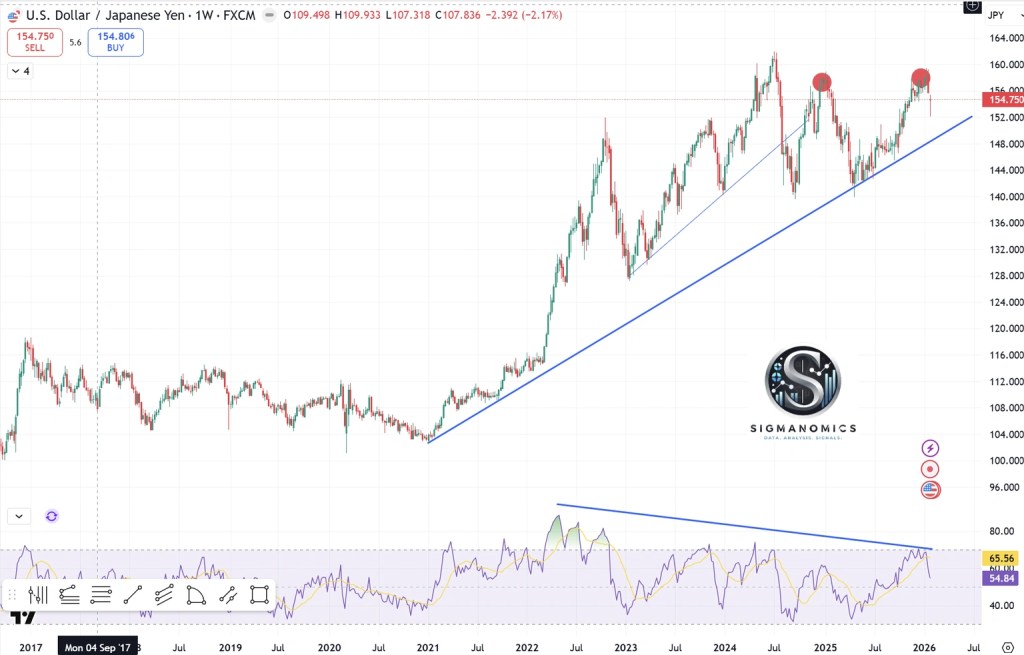
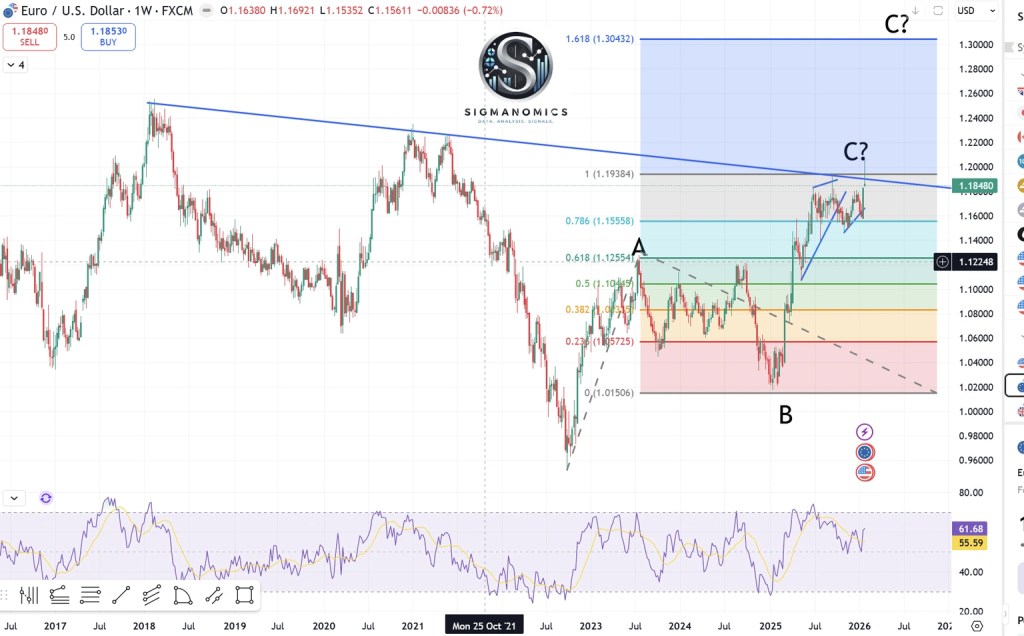
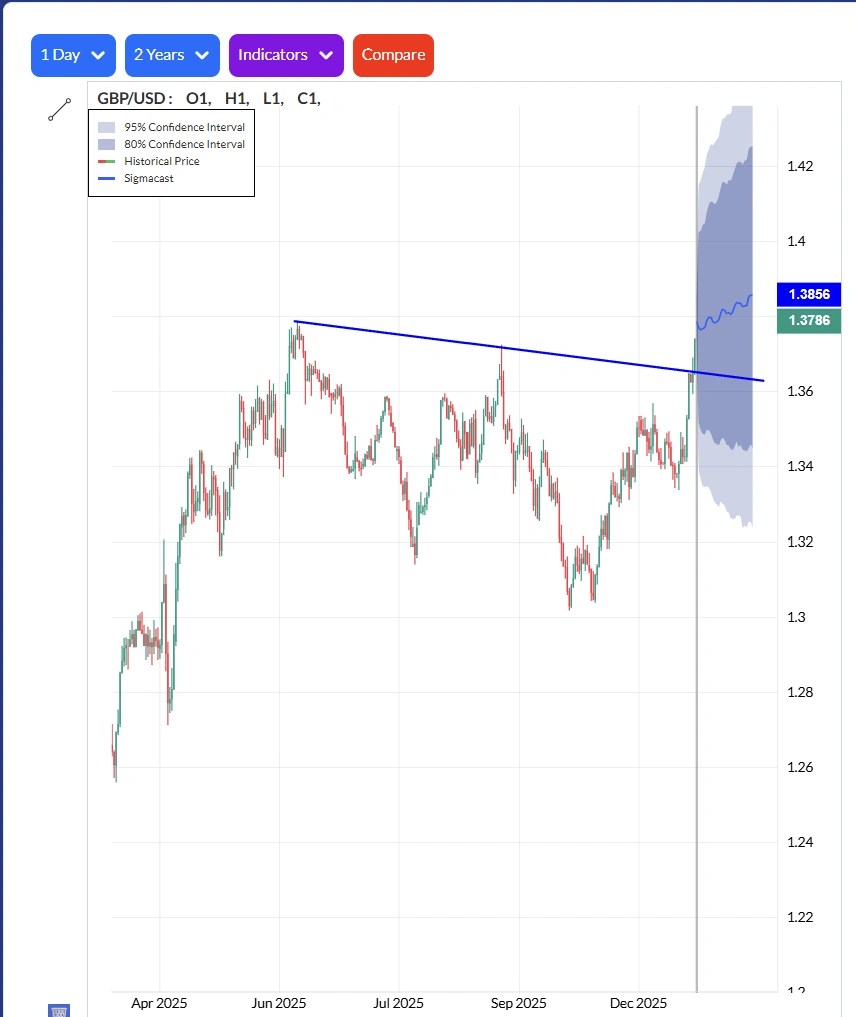

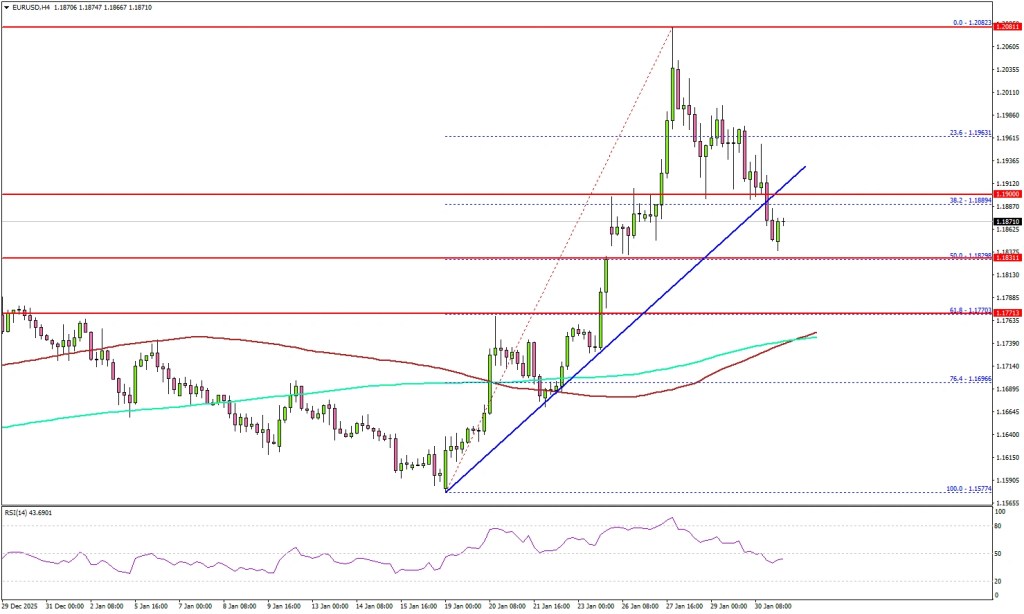
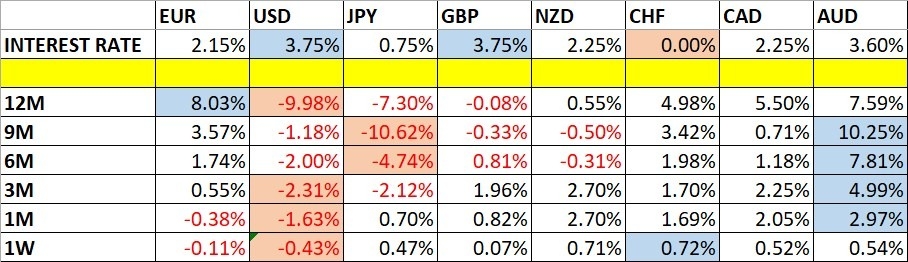

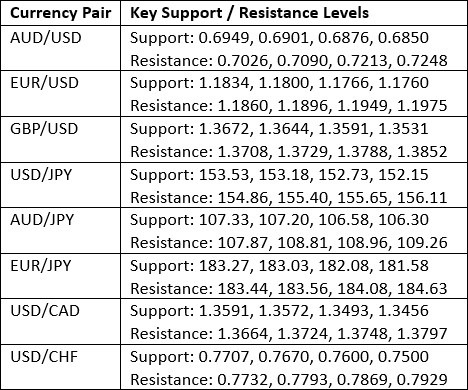
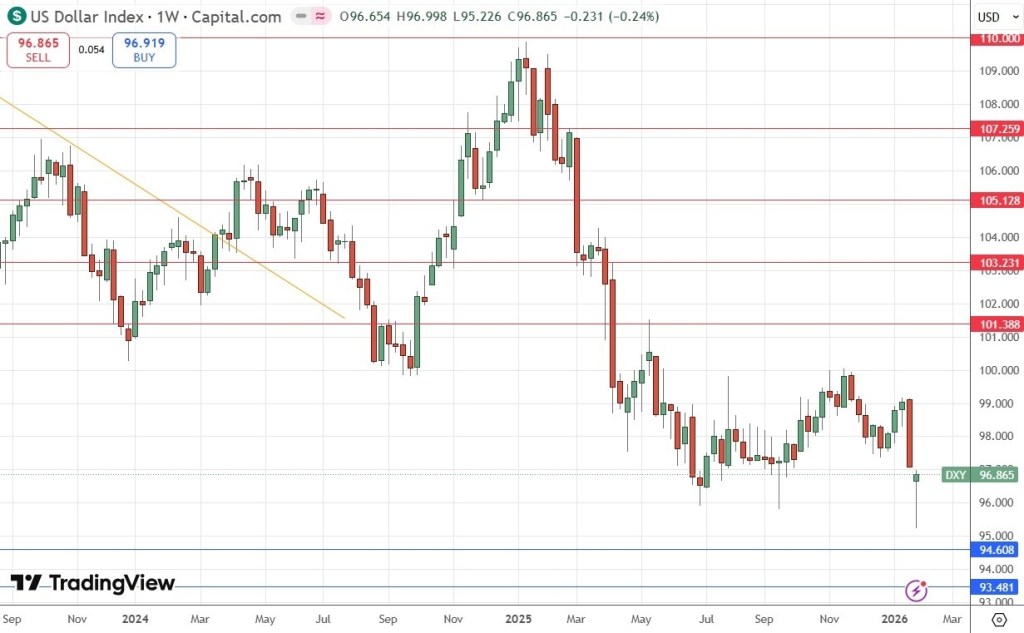
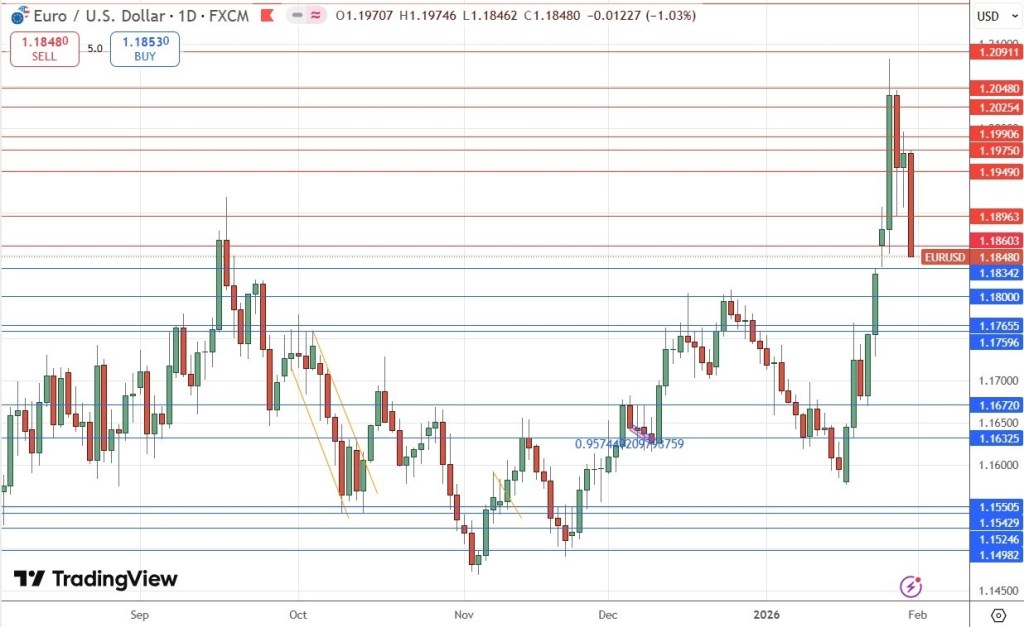
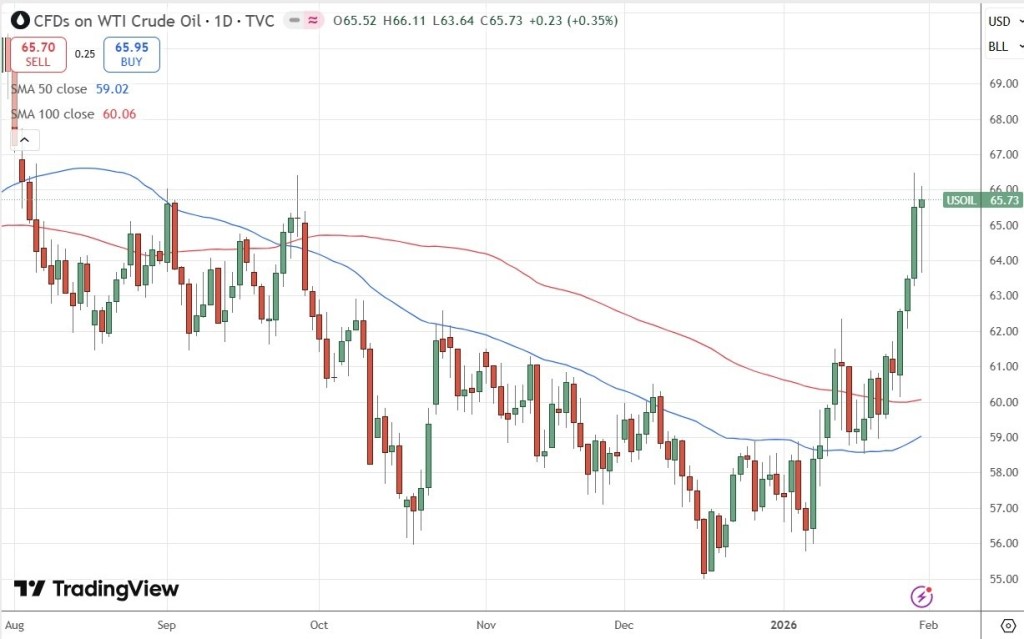
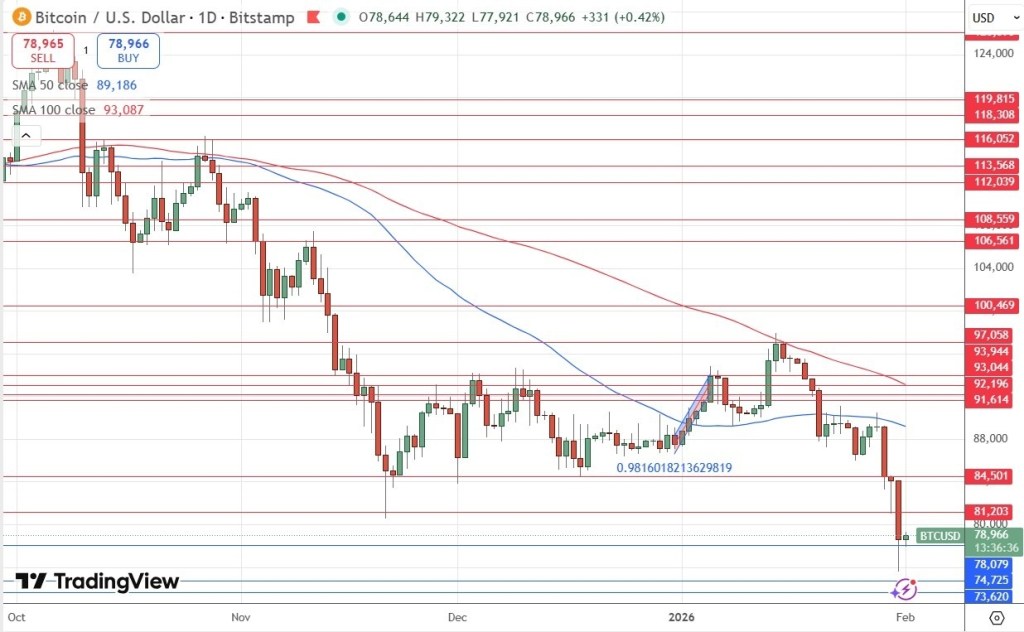
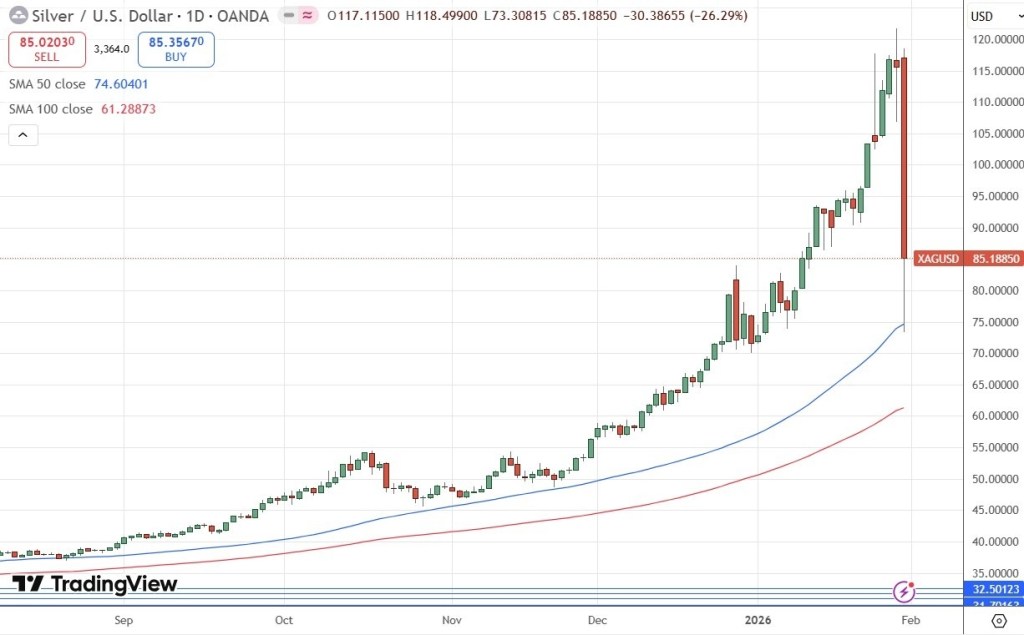
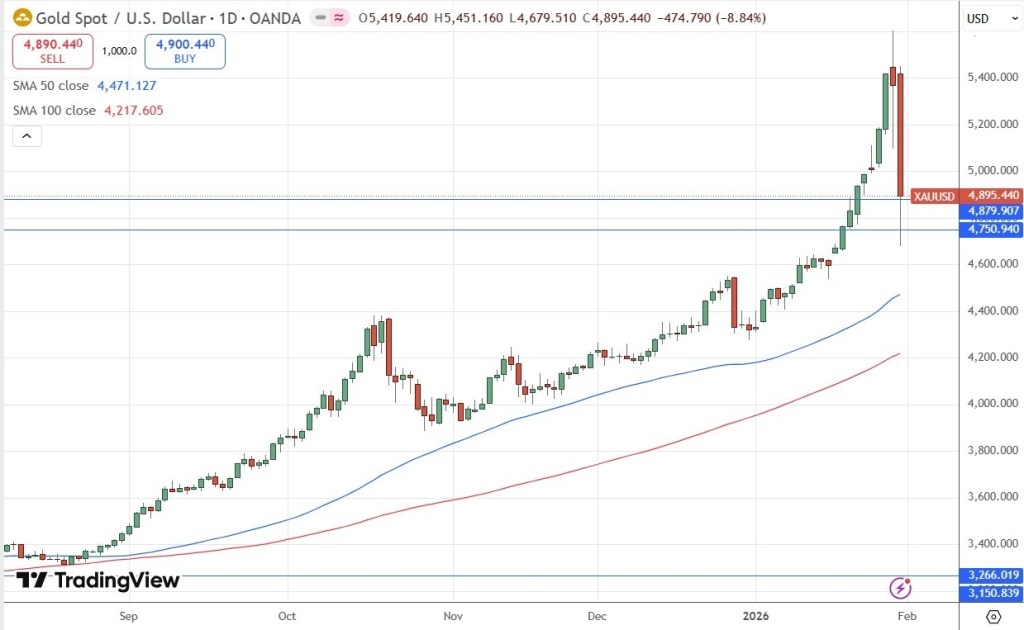



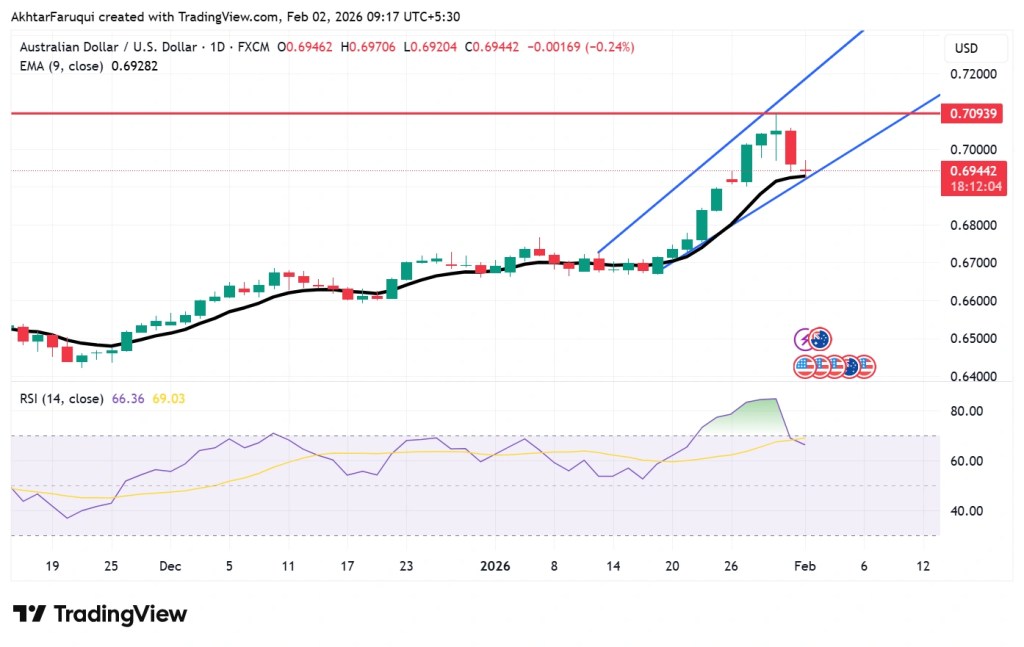
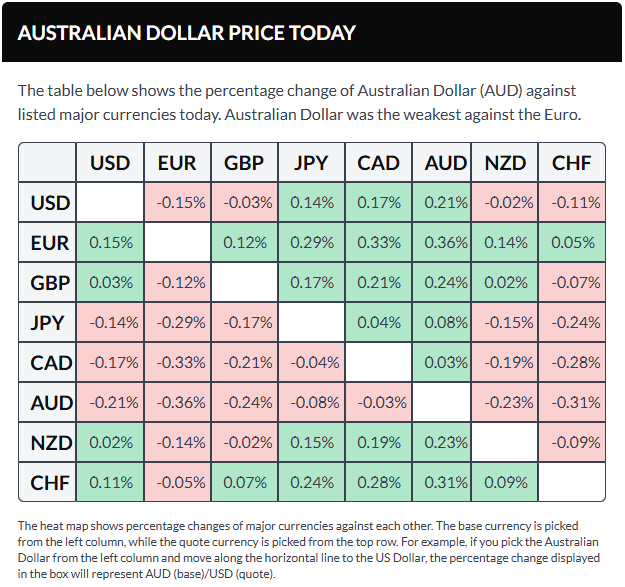
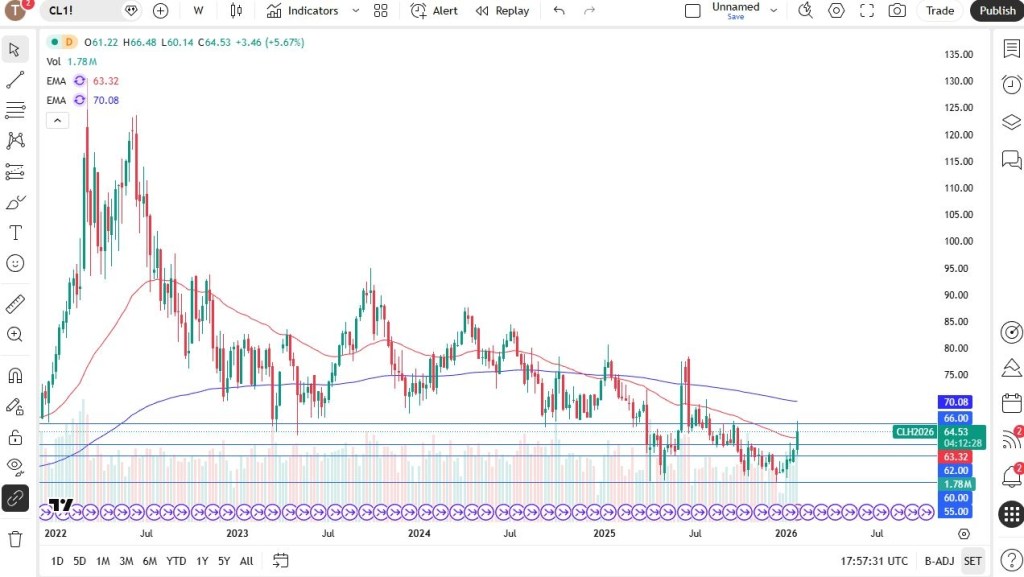
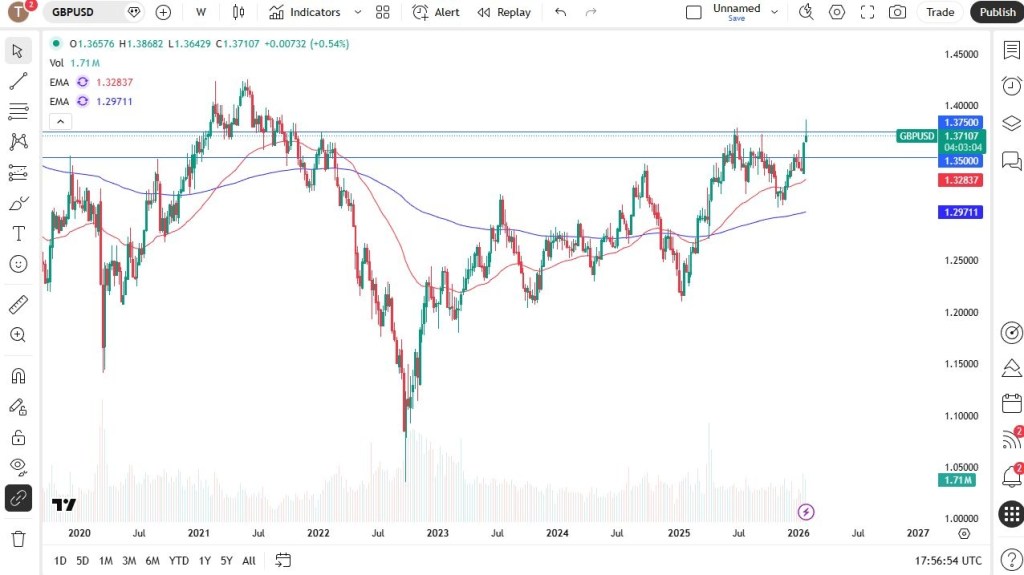
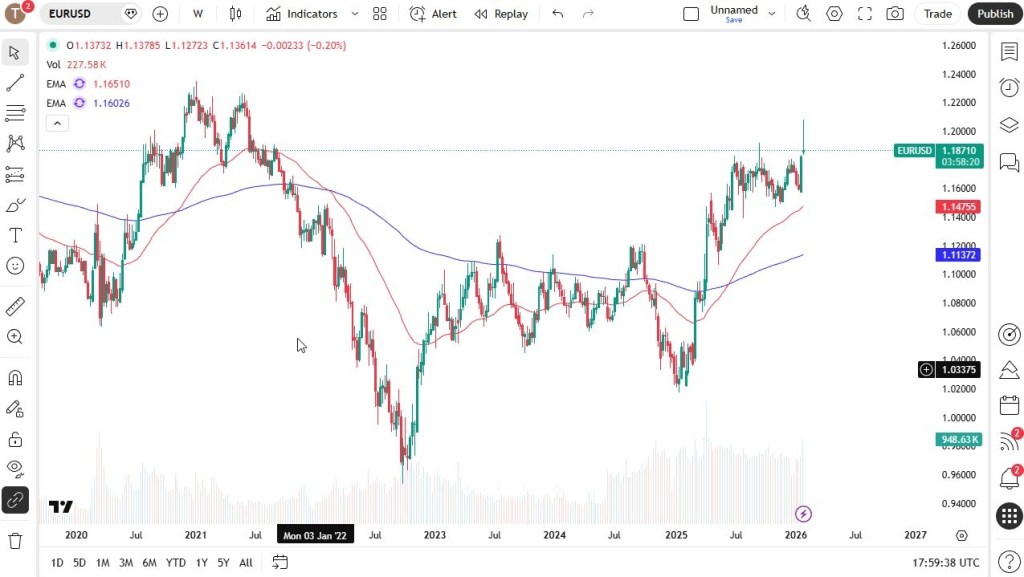
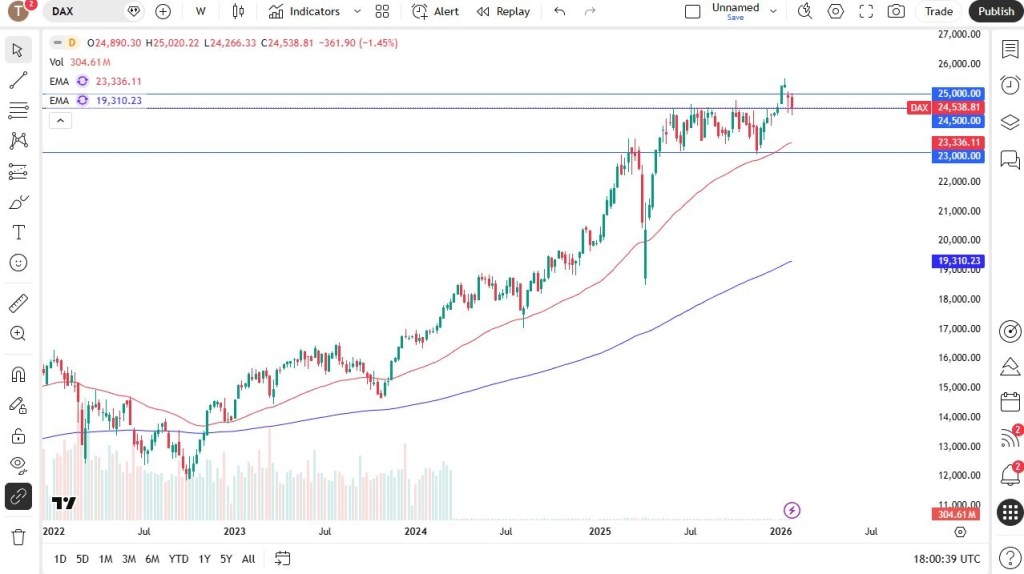
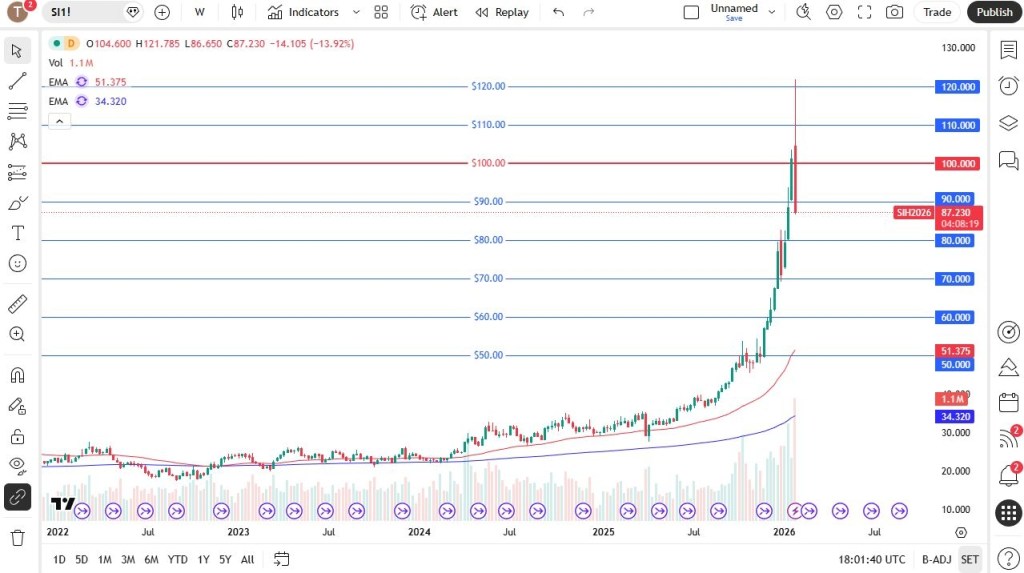
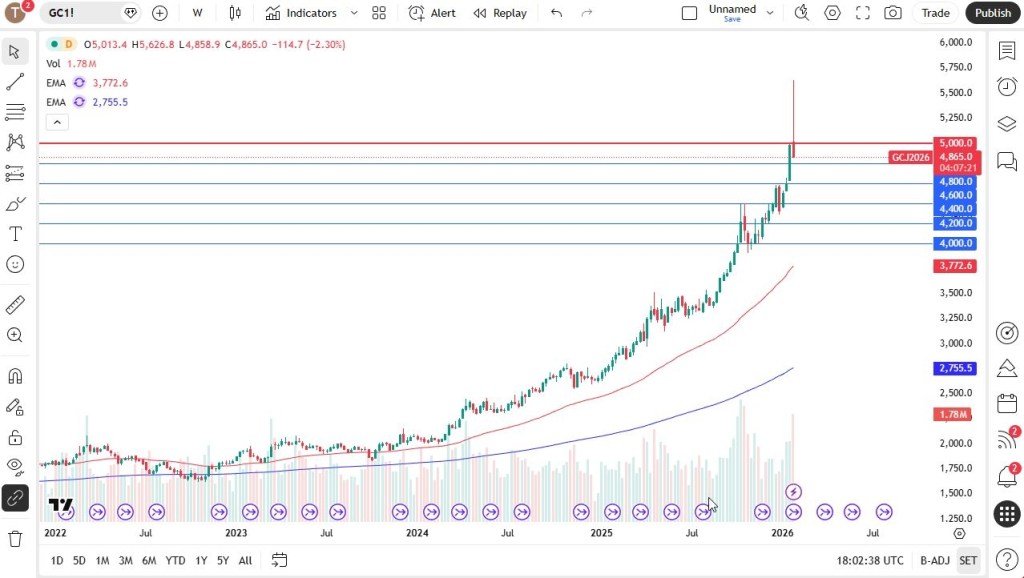
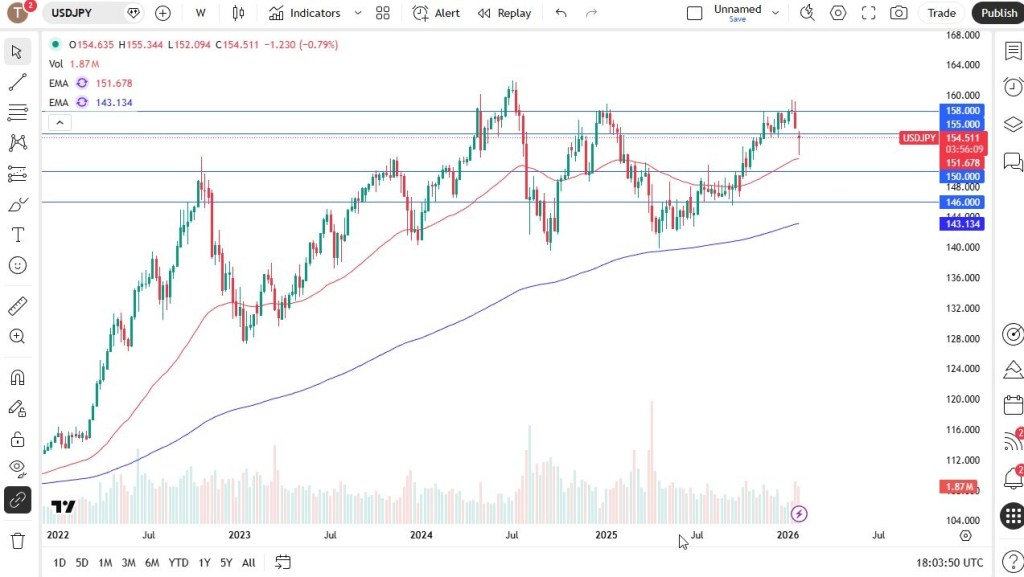
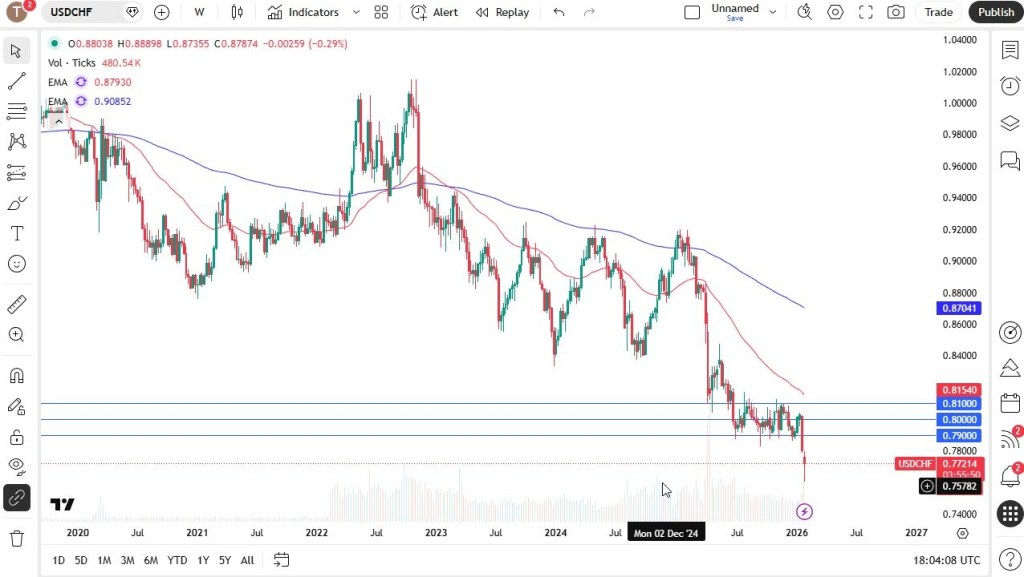


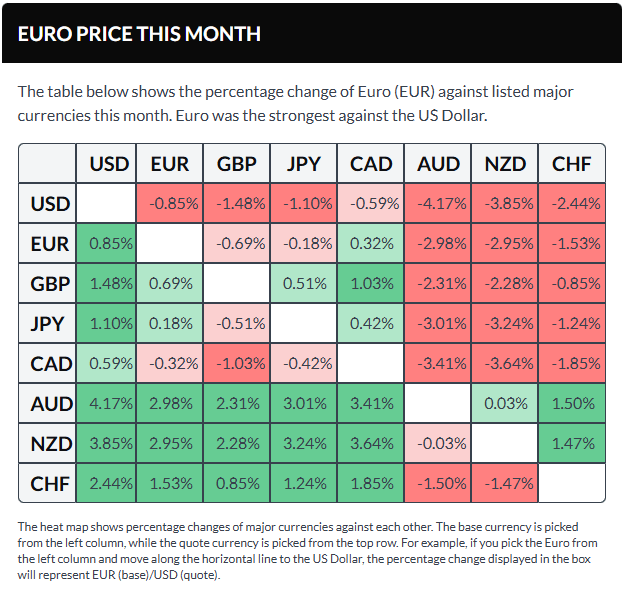
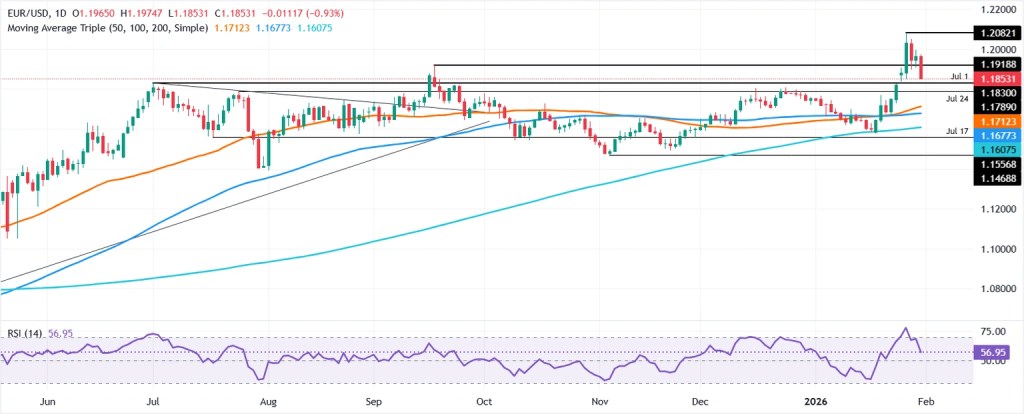
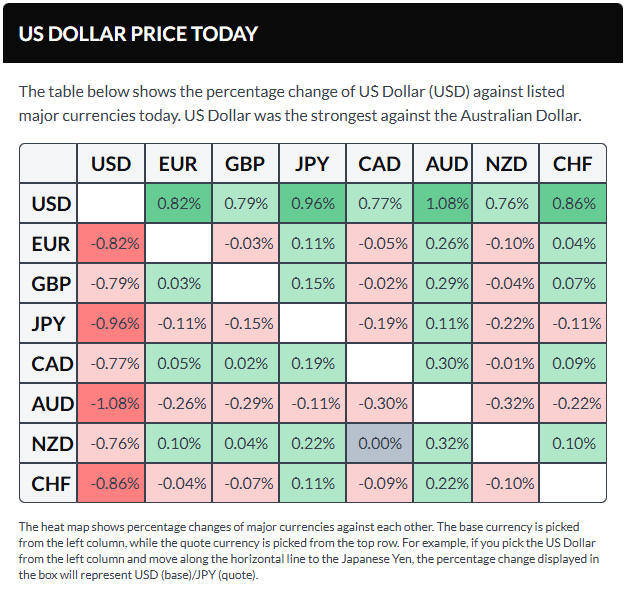
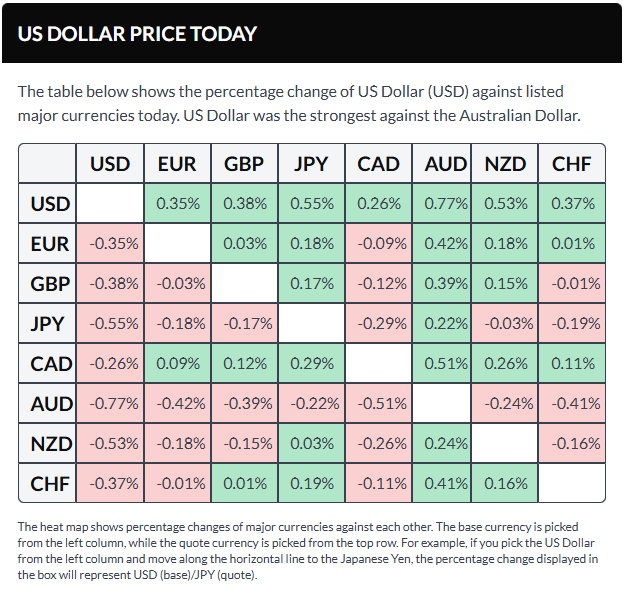

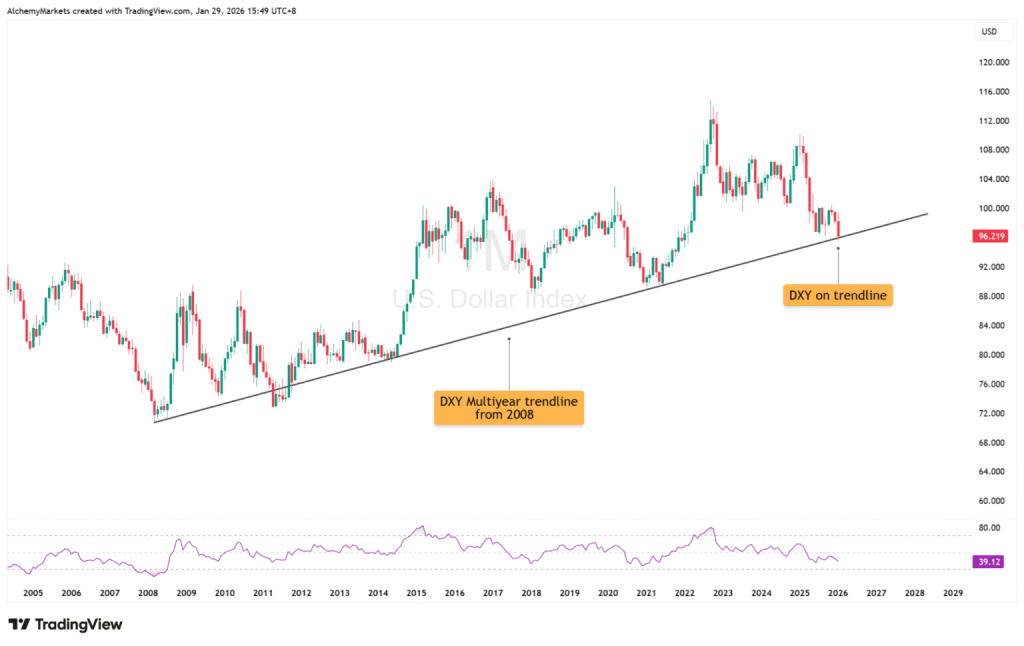
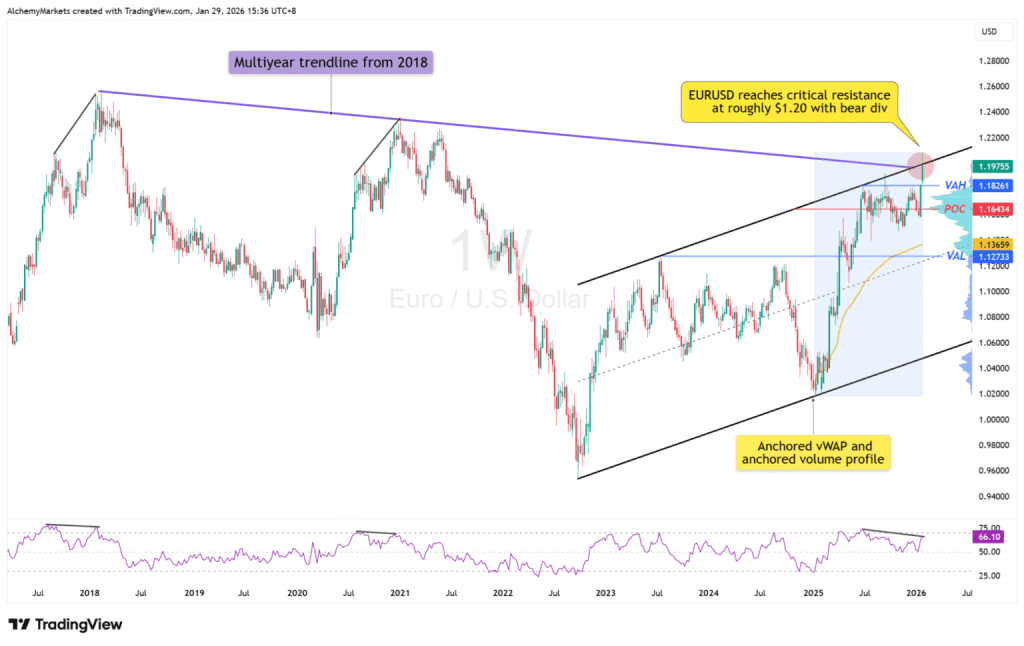
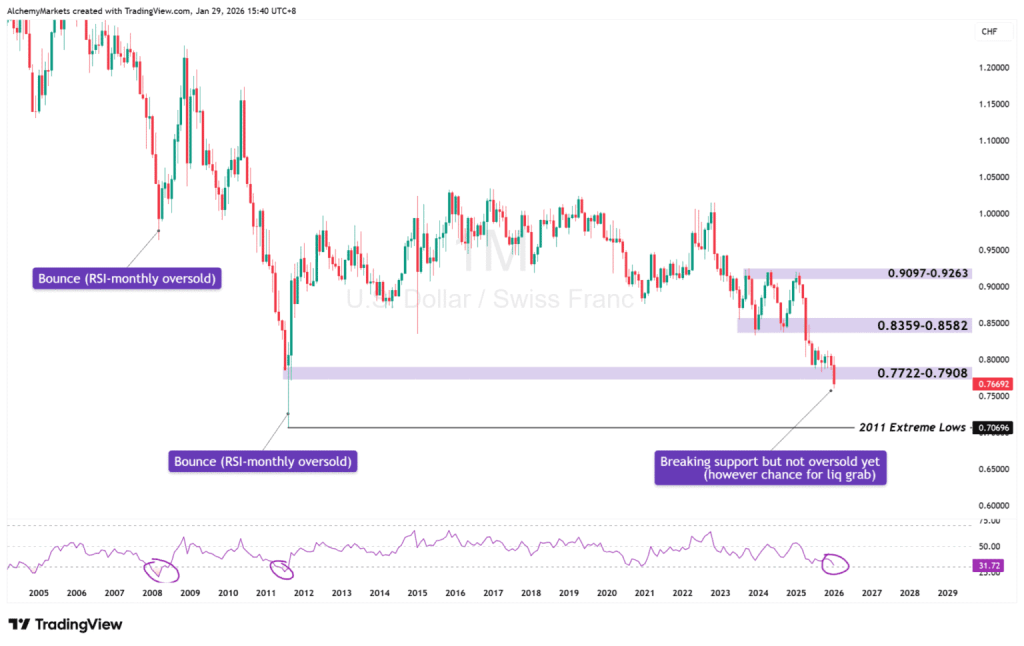
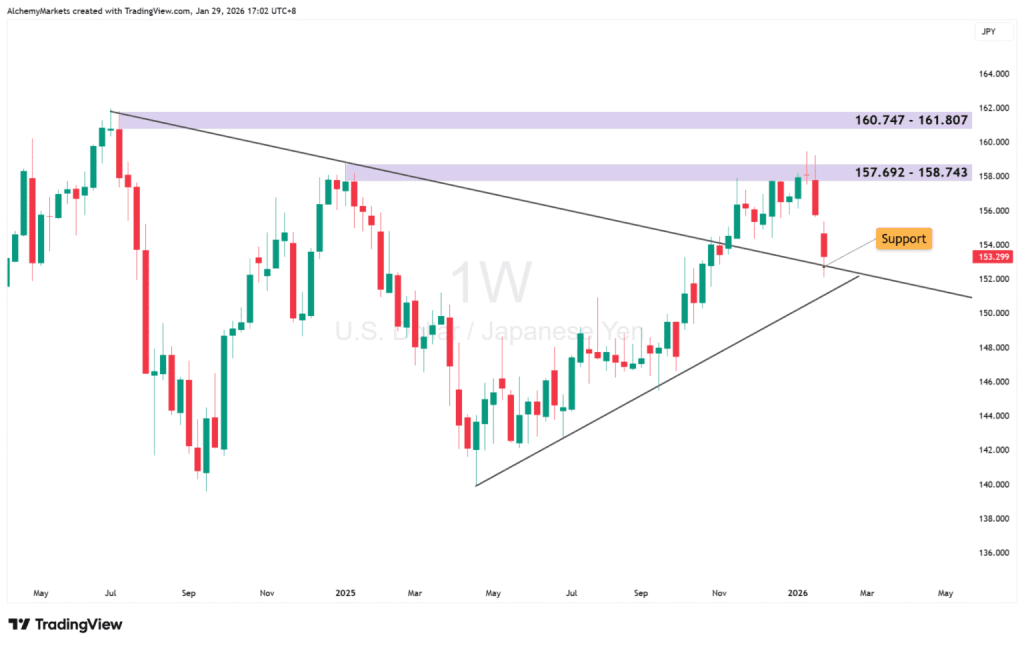
 THE ETERNAL SOVEREIGN