Markets absorbed last night’s FOMC decision without much surface reaction, but the takeaway was straightforward: the Fed is content to keep financial conditions accommodative. That stance weighed on the U.S. dollar and pushed yields lower, while gold and equities edged higher on solid earnings. In essence, the Fed did nothing to challenge the prevailing market narrative. Attention now shifts back to the charts, which are beginning to tell a compelling story.
Is It Possible? DXY Slips Back to Its 2008 Trendline
The DXY has drifted back into a long-term monthly trendline zone that has previously served as a key structural floor. For now, this move represents a test rather than a confirmed breakdown.
What matters next:
A decisive weekly close below this support area would confirm a genuine structural breakdown. Conversely, if the DXY stabilizes and rebounds, it would be an early signal that the crowded “short USD” trade may be vulnerable to a squeeze.
This is precisely the kind of setup where long-term sentiment can be right, yet short-term positioning gets punished.
EUR/USD Points to a Near-Term Pause as the Dollar Regains Some Strength
EUR/USD is pushing into a dense resistance cluster, including the 1.20 psychological level, a multi-year trendline, channel alignment, and a bearish divergence on the weekly RSI.
That combination typically leads to at least a pause or pullback, even if the longer-term bias remains bullish for EUR/USD (and bearish for the dollar). If EUR/USD does roll over, it would offer the cleanest “risk-on USD bounce” setup without having to guess.
Key takeaway: A stall in EUR/USD here gives the DXY room to breathe.
USD/CHF Is Also Trading at Extreme Levels
USD/CHF is one of the clearest expressions of U.S. dollar pessimism. When it reaches extreme levels, two patterns typically emerge: downside momentum begins to fade as the trade becomes crowded, and volatility increases as even minor catalysts trigger repositioning.
Even if dollar weakness persists, this is a zone where smooth continuation should no longer be assumed.
USD/JPY: A Key Pressure Zone for a Potential Dollar Reversal
USD/JPY is where macro theory collides with market reality. If a meaningful USD squeeze is going to materialize, this pair is almost certain to play a role.
On the weekly chart, USD/JPY is interacting with a major structural pivot, pulling back into a former resistance area that is now attempting to act as support around 151–153. For now, price has printed a wick at this support zone, suggesting USD/JPY may pause here before any further downside acceleration.
If this support holds, a rotation higher becomes increasingly plausible, with upside targets back toward the prior supply zones at 157.7–158.7, followed by 160.7–161.8.
That wouldn’t imply the start of a new USD bull market, but rather a crowded-trade unwind, especially with the current consensus loudly focused on a yen carry unwind and broad USD bearishness.
Bank of Japan Policy Decision
The next Bank of Japan policy meeting is scheduled for 18–19 March 2026, with market expectations largely aligned:
No rate hike is expected in March
Attention will center on guidance, messaging, and any indications of follow-through later in 2026
A continued bias toward verbal intervention and tactical signaling, rather than immediate or aggressive FX action
In short, the BOJ meeting is unlikely to be the catalyst itself. More often, it serves as the narrative justification after price has already picked a direction.
That’s why USD/JPY should be viewed as a leading indicator rather than a reactive trade. Focus on the key levels, and let positioning and price action do the talking.
The Japanese yen edged lower after softer-than-expected Tokyo CPI data dampened expectations for an imminent Bank of Japan rate hike.
Persistent fiscal challenges and political uncertainty continued to pressure the currency, although fears of official intervention helped limit losses.
Meanwhile, concerns over the Federal Reserve’s independence could restrain any rebound in the U.S. dollar and cap gains in the USD/JPY pair.
The Japanese yen (JPY) came under renewed selling pressure during Asian trading on Friday after data showed consumer inflation in Tokyo, Japan’s capital, slid sharply to a near four-year low in January. The weaker inflation reading reduces urgency for the Bank of Japan (BoJ) to move toward near-term rate hikes. In addition, concerns over Japan’s fiscal outlook, linked to Prime Minister Sanae Takaichi’s reflationary agenda, along with political uncertainty ahead of the February 8 snap election, continue to weigh on the currency. Coupled with modest U.S. dollar (USD) strength, these factors pushed USD/JPY toward the 154.00 level and the key 100-day Simple Moving Average (SMA) resistance.
That said, expectations of coordinated intervention by U.S. and Japanese authorities to support the yen may discourage aggressive bearish positioning. At the same time, lingering trade uncertainty stemming from President Donald Trump’s tariff threats and broader geopolitical risks is tempering risk appetite, as reflected in the cautious tone across equity markets, which could help limit downside in the safe-haven JPY. Meanwhile, the USD may struggle to gain sustained traction amid expectations of further Federal Reserve rate cuts and ongoing concerns over the central bank’s independence, potentially capping further upside in USD/JPY.
Japanese yen comes under pressure from soft Tokyo CPI, fiscal concerns and political uncertainty
A government report released earlier on Friday showed that Tokyo’s headline Consumer Price Index (CPI) fell to 1.5% in January from 2.0% previously, marking its lowest level since February 2022. Core inflation, which strips out fresh food prices, also softened to 2.0% from 2.3% in December, while a broader measure excluding both food and energy eased to 2.4% from 2.6% the month before.
The data signals easing demand-driven inflation pressures and diminishes the urgency for further monetary tightening by the Bank of Japan, following its December rate hike that lifted the policy rate to 0.75%, the highest level in three decades.
Meanwhile, concerns over Japan’s fiscal outlook persist as Prime Minister Sanae Takaichi has anchored her snap election campaign on expanded stimulus measures and pledged to suspend the consumption tax on food, raising questions about fiscal sustainability.
Adding another layer of complexity, reports of an unusual rate check by the New York Federal Reserve last Friday, following a similar move by Japan’s Ministry of Finance, have fueled speculation about potential coordinated U.S.-Japan intervention to curb yen weakness.
On the geopolitical front, U.S. President Donald Trump announced plans on Thursday to decertify all Canada-made aircraft and threatened to impose 50% tariffs unless U.S.-built Gulfstream jets receive certification in Canada. The move marks a fresh escalation in U.S.-Canada trade tensions.
These developments, alongside rising U.S.-Iran frictions and the prolonged Russia-Ukraine conflict, could help limit downside pressure on the safe-haven yen. The United States continues to deploy warships and fighter jets across the Middle East, while Secretary of War Pete Hegseth stated that Washington stands ready to act decisively under President Trump’s directives.
Russia has also reiterated its invitation for Ukrainian President Volodymyr Zelensky to travel to Moscow for peace talks, although prospects for a deal remain slim amid deep divisions between the two sides.
Meanwhile, the U.S. dollar received a modest boost amid speculation that Kevin Warsh may be appointed as the next Federal Reserve chair, lending additional support to the USD/JPY pair. President Trump is expected to announce his choice for Fed chair on Friday morning.
Looking ahead, traders will take further cues from the release of the U.S. Producer Price Index (PPI), which, alongside comments from Federal Reserve officials, is likely to influence dollar demand and provide direction for USD/JPY into the weekend.
USD/JPY bulls look for a sustained break above the 100-day SMA before adding new positions
The 100-day Simple Moving Average (SMA) continues to trend higher and is currently located near 153.98, with USD/JPY trading just below this level. This keeps near-term sentiment on the heavy side, despite the broader uptrend suggested by the rising trend filter. A sustained move back above this dynamic resistance would help steady the short-term outlook.
Momentum indicators show tentative signs of stabilization. The Moving Average Convergence Divergence (MACD) remains in negative territory, although its recent narrowing points to fading downside pressure. Meanwhile, the Relative Strength Index (RSI) stands at 37.81, below the neutral 50 mark but rebounding from oversold levels, indicating that bearish momentum is beginning to ease.
On the upside, the 38.2% Fibonacci retracement of the 159.13–152.07 decline, located at 154.77, is likely to act as initial resistance. A daily close above this level would enhance the recovery setup and open the door to further gains as momentum improves. Conversely, failure to break above this barrier would keep rebounds limited and reinforce a cautious near-term bias.
Federal Reserve Chair Jerome Powell offered few substantive remarks during his press conference on Wednesday, sidestepping multiple questions about the upcoming leadership transition as his term ends on May 15. He declined to comment on President Donald Trump’s potential nominee to succeed him, as well as on the president’s public criticism of his tenure.
Powell also avoided addressing questions related to the Department of Justice investigation involving him and the ongoing Supreme Court case concerning the possible removal of Fed Governor Lisa Cook. In response to these issues, he repeatedly indicated that he had nothing further to add.
“I have nothing on that for you.”
He repeated that response seven times in total. On four occasions, he simply said,
“I don’t have anything on that for you.”
After the FOMC voted to keep the federal funds rate in a range of 3.50%–3.75%, Powell provided no additional forward guidance beyond reiterating the Fed’s data-dependent, meeting-by-meeting approach. He did, however, acknowledge the underlying strength of the U.S. economy.
Powell noted that the unemployment rate has remained low at around 4.4% in recent months, even as job growth has slowed. He also said inflation is expected to ease as the effects of President Trump’s tariffs fade.
Overall, Powell characterized the risks of higher inflation and rising unemployment as balanced, signaling little urgency for policy action. This assessment increases the likelihood that the federal funds rate will remain unchanged at his final two meetings as FOMC chair.
Officials in the Trump administration broadly share our “Roaring 2020s” outlook, which assumes stronger-than-expected productivity growth will lift real GDP while easing inflation pressures as unit labor cost growth falls toward zero. They argue that this expectation supports additional cuts to the federal funds rate—a view echoed by two dissenting members of the FOMC, who expressed similar reasoning at the latest meeting.
We take a different view. Cutting the federal funds rate further from current levels would heighten the risk of financial instability, particularly by fueling a melt-up in equity markets. A similar dynamic is already evident in precious metals. Additional rate cuts would also put further downward pressure on the dollar, potentially reigniting inflationary pressures.
Bond markets appear to share this skepticism. When the Fed reduced the federal funds rate by 100 basis points in late 2024, the 10-year Treasury yield rose by a similar amount. Even after another 75-basis-point cut late last year, the yield held around 4.00% and has since climbed to 4.26%. We continue to expect the 10-year yield to trade largely between 4.25% and 4.75% this year—levels that were typical in the period before the Global Financial Crisis.
The U.S. dollar showed a limited reaction to the latest Federal Reserve meeting, with EUR/USD pushing toward the 1.20000 level. While the Fed’s messaging pointed to a low likelihood of a key rate cut in March—given that economic growth is now characterized as “solid”—market attention during the press conference shifted toward political issues.
This focus, according to Commerzbank analysts Volkmar Baur and Michael Pfister, suggests a growing change in how investors perceive the Federal Reserve’s independence.
Fed meeting weighs on US dollar
Overall, the market appeared to place greater emphasis on the Fed’s slightly hawkish tone and policy tweaks. Expectations for additional rate cuts were trimmed marginally, but the adjustment was too small to have a meaningful impact on the currency.
“The perception that political considerations are gradually influencing the Fed—or at least that markets believe this to be the case—was also reflected in Christopher Waller’s vote in favor of another cut to the key policy rate.
Ultimately, even if the Fed remains capable of conducting an independent monetary policy, this perception alone could become problematic. If markets lose confidence in that independence, the U.S. dollar is likely to come under pressure.”
EUR/USD extended Monday’s positive momentum, pushing closer to the key 1.2000 level and reaching highs not seen since June 2021. The latest advance reflects continued selling pressure on the U.S. dollar, supported by a constructive risk backdrop and renewed investor focus on potential tariff-related risks stemming from the White House.
Macro & Fundamental Overview
EUR/USD’s bullish momentum remains firmly intact, closely mirroring persistent selling pressure on the U.S. dollar, which continues to be weighed down by concerns over trade policy, questions surrounding the Federal Reserve’s independence, and renewed shutdown risks.
The pair extended its advance for a fourth straight session on Tuesday, edging closer to the pivotal 1.2000 level for the first time since June 2021.
The latest leg higher reflects a further deterioration in the dollar’s outlook amid revived trade tensions and geopolitical uncertainty, all ahead of the Federal Reserve’s interest rate decision due on Wednesday.
Meanwhile, sentiment surrounding U.S.–European Union trade relations has improved after President Donald Trump softened his rhetoric last week regarding potential tariffs tied to the Greenland dispute. Markets have interpreted this shift positively, boosting risk appetite and lending support to the euro alongside other risk-sensitive currencies.
By contrast, the U.S. dollar continues to underperform. The Dollar Index (DXY) remains under heavy pressure, extending its decline toward the 96.00 area — levels last seen in late February 2022.
The FED: Rates on hold, politics in focus
The Federal Reserve delivered its widely anticipated December rate cut, but the key signal came from its messaging rather than the policy action itself. A divided vote and Chair Jerome Powell’s measured language suggested that additional easing is far from assured.
The Fed begins its two-day policy meeting today, with markets largely expecting rates to remain unchanged when the decision is released on Wednesday.
However, monetary policy may not be the primary focus this time. Market attention has increasingly turned to questions surrounding the Fed’s independence after reports earlier this month of a Justice Department investigation involving Chair Powell.
Compounding the uncertainty, President Trump has indicated that an announcement on his nominee for the next Fed Chair could be imminent, keeping scrutiny on the central bank well beyond the outcome of this week’s meeting.
ECB urges patience, not complacency
The European Central Bank left interest rates unchanged at its December 18 meeting, adopting a more measured and patient tone that has pushed expectations for near-term rate cuts further into the future. Modest upward revisions to growth and inflation projections helped underpin this approach.
Minutes from the meeting, released last week, showed policymakers saw little immediate need to adjust policy. With inflation hovering near target, the ECB has room to remain patient, while still retaining flexibility should risks materialize.
Governing Council members emphasized that patience does not equate to complacency. Monetary policy is viewed as appropriately calibrated for now, but not on autopilot. Markets appear to have absorbed this message, currently pricing in just over 4 basis points of easing over the coming year.
Positioning remains constructive, but confidence has softened
Speculative positioning remains tilted toward the euro, although bullish conviction appears to be easing.
CFTC data for the week ended January 20 show non-commercial net long positions declining to a seven-week low of around 111.7K contracts. At the same time, institutional participants also reduced short positions, which now stand near 155.6K contracts.
Meanwhile, open interest slipped to approximately 881K contracts, breaking a three-week streak of increases and suggesting that market participation may be thinning alongside fading confidence.
Key Events Ahead
Near term: The FOMC meeting is set to keep attention firmly on the U.S. dollar, while flash inflation data from Germany and preliminary GDP readings for the euro area will dominate the regional data calendar later in the week.
Risk: A more hawkish-than-expected outcome from the Fed could quickly tilt momentum back in favor of the dollar. In addition, a clear break below the 200-day simple moving average would increase the risk of a deeper medium-term correction.
EUR/USD Technical Outlook
EUR/USD continues to exhibit a firm bullish bias, trading at levels last seen in mid-2021 while gradually shifting focus toward the key 1.2000 psychological handle.
On the downside, initial support is located at the 2026 low of 1.1576 (January 19), reinforced by the closely watched 200-day simple moving average. A more pronounced correction could open the door to the November 2025 trough at 1.1468, followed by the August base at 1.1391.
Momentum indicators remain broadly supportive of further gains, although elevated conditions may challenge the immediate upside. The Relative Strength Index is hovering near 75, pointing to overbought territory, while an Average Directional Index reading above 26 confirms the presence of a well-established trend.
Bottom Line
For the time being, EUR/USD continues to be influenced primarily by U.S.-centric developments rather than euro area dynamics.
Absent clearer signals from the Federal Reserve on the extent of potential policy easing, or a more compelling cyclical recovery in the eurozone, any additional upside is likely to unfold in a steady, incremental manner rather than marking the beginning of a decisive breakout.
The Japanese yen finds it hard to build on recent strong gains as worries over Japan’s fiscal position persist. However, a relatively hawkish Bank of Japan stance and concerns about potential currency intervention could continue to support the yen. Meanwhile, the US dollar remains near a four-month low on expectations of Fed rate cuts, helping to limit upside in USD/JPY.
The Japanese yen comes under modest selling pressure during Tuesday’s Asian session, pulling back further from its strongest level against the US dollar since November 2025, reached a day earlier. Sentiment toward the yen remains fragile as investors worry about Japan’s fiscal outlook, driven by Prime Minister Sanae Takaichi’s expansive spending proposals and tax cut plans. A broadly upbeat mood in equity markets, along with domestic political uncertainty ahead of the snap election scheduled for February 8, is also weighing on the safe-haven currency.
However, downside pressure on the yen may be limited by expectations that Japanese authorities could intervene to prevent excessive weakness, especially given the Bank of Japan’s relatively hawkish stance. Meanwhile, the US dollar stays near a four-month low as markets price in two additional Federal Reserve rate cuts this year. The ongoing “Sell America” theme further dampens demand for the greenback, which should help restrain USD/JPY movements as investors turn their attention to the key two-day FOMC meeting beginning later today.
Japanese yen bears remain cautious as intervention speculation offsets political uncertainty.
Japan’s already stretched public finances have come under sharper scrutiny following Prime Minister Sanae Takaichi’s campaign pledge to suspend the sales tax on food items ahead of the snap lower house election on February 8. Concerns over the country’s fiscal outlook have been a major driver behind the recent jump in long-dated Japanese government bond yields, which raises debt servicing costs and, in turn, limits the Japanese yen’s upside.
Data released earlier on Tuesday showed a slowdown in wholesale inflation, with the Producer Price Index rising 2.4% year-on-year in December, down from 2.7% in November. Additional figures indicated that the Corporate Service Price Index increased 2.6% YoY, slightly lower than the previous reading. Overall, the data offered little to challenge the Bank of Japan’s tightening trajectory and had a limited impact on the yen.
The BoJ recently raised its economic and inflation forecasts while keeping short-term rates unchanged at the conclusion of its two-day meeting last Friday, signaling its readiness to continue gradually lifting still-low borrowing costs. This stance contrasts sharply with expectations for a more dovish US Federal Reserve, leaving the US dollar under pressure near a four-month low and lending support to the yen amid fears of possible official intervention.
Reinforcing this view, Prime Minister Takaichi said on Sunday that authorities are prepared to take action against speculative and highly abnormal market moves, following rate checks by Japan’s Ministry of Finance and the New York Fed on Friday. Still, traders appear reluctant to take aggressive positions ahead of the two-day FOMC meeting beginning today, which is expected to be a key driver for the US dollar and the USD/JPY pair in the near term.
USD/JPY needs to establish a sustained break below the 100-day SMA to strengthen the case for further downside.
The USD/JPY pair showed signs of resilience below its 100-day Simple Moving Average (SMA) on Monday, although it continues to trade beneath the 154.75–154.80 horizontal support zone. The MACD histogram has moved further into negative territory, with the MACD line below the signal line, reflecting bearish momentum that remains below zero. Meanwhile, the RSI stands near 32, close to oversold territory, suggesting that the downside move may be becoming stretched.
A daily close below the 100-day SMA at 153.81, which currently provides near-term support, would give bears greater control. In contrast, sustained trading above this level would keep the broader bias supported by the rising SMA. Signs of stabilization would include a flattening MACD histogram and a move back toward the zero line, while an RSI rebound toward 50 would improve the overall tone. On the other hand, a dip below 30 on the RSI would increase the risk of deeper losses.
AUD/USD hovers near its 16-month high of 0.6940, supported by rising Australian three-year bond yields at 4.27%, while a weaker US Dollar amid political uncertainty and shutdown risks adds to the upside.
AUD/USD is holding near its 16-month high of 0.6940 set in the prior session, trading around 0.6920 during Tuesday’s Asian hours, as markets await Australia’s December CPI data on Wednesday for fresh cues on the RBA’s policy outlook.
The Australian Dollar is underpinned by higher government bond yields, with the policy-sensitive three-year yield climbing to 4.27%, its highest since November 2023, supported by confidence in Australia’s strong credit rating and the RBA’s relatively hawkish stance.
Australia’s strong PMI and employment data have strengthened expectations of tighter RBA policy. While inflation has eased from its 2022 peak, recent figures point to renewed upward pressure, with headline CPI slowing to 3.4% YoY in November but still above the RBA’s 2–3% target range.
AUD/USD may find further support as the US Dollar weakens on rising political uncertainty, with the risk of a partial US government shutdown ahead of the January 30 funding deadline after Senate Democratic leader Chuck Schumer vowed to oppose a key funding bill.
Market caution is also heightened by uncertainty around the Federal Reserve, after President Donald Trump said he would soon name a successor to Fed Chair Jerome Powell, raising speculation over a more dovish policy stance. Attention now turns to Wednesday’s Fed decision.
The US Dollar Index stays under pressure near 97.00 in Tuesday’s Asian session as concerns over Fed independence grow ahead of expectations that rates will remain unchanged at Wednesday’s meeting.
The US Dollar Index (DXY) weakened toward 97.00 in Asian trading on Tuesday, with investors awaiting the US ADP Employment Change and Consumer Confidence data later in the day.
Concerns over the Federal Reserve’s independence have pushed the DXY to its lowest level since September 18, 2025, after President Donald Trump said he would soon name a successor to Fed Chair Jerome when his term ends in May. According to Reuters, betting markets see BlackRock executive Rick Rieder as the leading candidate.
Tim Duy, chief US economist at SGH Macro Advisors, noted that the actions of the next Fed chair cannot be separated from broader economic conditions or their influence on other FOMC members.
Adding to the USD’s downside risks are fears of a US government shutdown, with Senate Democratic leader Chuck Schumer pledging to block a funding bill that includes Homeland Security appropriations. Lawmakers face a January 30 deadline to avoid a partial shutdown.
Meanwhile, the Fed is widely expected to keep rates unchanged at Wednesday’s meeting after three straight cuts late in 2025. Markets will focus on the press conference for signals on the economic outlook and future rate path, with any hawkish tone potentially limiting near-term USD losses.
Wednesday brings the FOMC meeting and Chair Powell’s press conference, and it wouldn’t be surprising if President Trump chose that moment—ideally around 2:30 p.m. ET—to announce his pick for the next Fed chair. Such timing would dominate headlines, catch financial media off guard, and inject maximum uncertainty into markets.
That said, the Fed is not expected to cut rates at this meeting, which should keep the event relatively uneventful. In the bigger picture, what the Fed does between now and May may prove less important, particularly if a new chair is appointed and moves quickly toward easing.
Markets appear to be dialing back expectations for aggressive rate cuts. Current pricing suggests the fed funds rate settles near 3.25% by December, with little additional easing beyond that. To meaningfully shift those expectations, the nominee would likely need to be notably dovish—something markets already anticipate, given the widespread assumption that Trump will select a policy-leaning accommodator.
As a result, the risk of a breakout in the 2-year Treasury yield appears increasingly credible, with initial resistance near 3.62%. Beyond that, a move back toward the 4% level cannot be ruled out. From a technical perspective, the setup supports this view: the 2-year yield has formed multiple bottoms in recent months, and the RSI has begun to turn higher, signaling building upside momentum.
The direction of the 2-year yield may ultimately be more closely linked to oil prices. With inflation still hovering near 3% and crude having fallen to around $60 from highs in the $120s, the message is clear: a rebound in oil prices could quickly reignite inflation pressures. That dynamic likely explains why the price action in oil and the 2-year yield charts has begun to look strikingly similar.
The Bank of Japan once again chose to kick the can down the road, leaving rates unchanged and, in my view, offering little in the way of a clear policy roadmap. The yen’s strength on Friday appeared to be driven solely by reports of a possible “rate check” by the New York Fed on behalf of the U.S. Treasury—widely interpreted as a warning signal that currency intervention could be imminent. Perhaps the strategy is to keep markets stable until after the snap election in February. It’s hard to say, but it should be telling to see how markets react once Japan reopens on Monday.
The Korean won also strengthened notably against the U.S. dollar on Friday. In recent weeks, there has been growing chatter that the KRW had become excessively weak, so it’s likely the currency took the developments around the yen as a warning signal and moved to reprice accordingly.
The Korean won likely matters more than many investors realize, given the sizable exposure South Korean investors have built up in U.S. equities. That dynamic is probably one of the reasons the KRW has weakened so significantly in the first place—buying U.S. stocks requires selling won for dollars.
If the KRW begins to strengthen from here, it could start to put pressure on that trade. For investors who are unhedged on the currency side, a stronger won increases the risk of FX-related losses on their U.S. equity holdings, potentially prompting position adjustments.
Of course, this week also brings major earnings reports from Microsoft, Apple, Tesla, and Meta. From what I can see, all four stocks are currently sitting in positive gamma with positive delta positioning. Implied volatility typically builds into earnings because of the event risk, which sets up a familiar dynamic: unless a company delivers truly blowout results, the reaction can easily turn into a sell-the-news move. Once earnings are released, implied volatility collapses and hedges are unwound as delta decays, potentially putting pressure on the shares.
Germany’s IFO Institute is set to release its January Business Survey on Monday at 09:00 GMT.
The headline IFO Business Climate Index is forecast to edge up to 88.1 in January, from 87.6 in December. In the previous release, the Current Assessment Index stood at 85.6, while the Expectations Index came in at 89.7.
How might the German IFO Survey influence the EUR/USD exchange rate?
EUR/USD could trade sideways if the German IFO Business Survey meets expectations, as heightened safe-haven demand continues to cap upside momentum despite the pair opening with a gap higher. Meanwhile, the Euro may hold relatively steady after Eurozone PMI figures signaled weakness in the services sector in January, reinforcing expectations that the European Central Bank (ECB) will keep interest rates unchanged. Earlier data from Germany was more constructive, with the Services PMI exceeding forecasts and remaining in expansionary territory, while the Manufacturing PMI showed improvement but stayed below the 50 threshold.
The pair comes under pressure as the US Dollar regains intraday strength, supported by rising risk aversion linked to trade and geopolitical concerns. US President Donald Trump warned of potential 100% tariffs on Canadian imports should Ottawa pursue a trade agreement with China. Canadian Prime Minister Mark Carney clarified that Canada has no intention of negotiating a free trade deal with Beijing. Trump also noted that a US aircraft carrier strike group is en route to the Middle East amid escalating tensions with Iran.
From a technical perspective, EUR/USD pulls back after opening at four-month highs and is trading near 1.1860 at the time of writing. Despite the dip, the broader bullish structure remains intact, with the 14-day Relative Strength Index (RSI) hovering around 69.00, indicating strong—though stretched—momentum. The pair could attempt a retest of the four-month peak at 1.1897, close to the key psychological resistance at 1.1900. On the downside, immediate support is seen at the nine-day Exponential Moving Average (EMA) near 1.1739.
GBP/USD is extending its strong weekly rally and is edging closer to the 1.3600 handle on Friday, marking fresh four-month highs. The pair’s upside momentum is being fueled by a deepening decline in the US Dollar, while supportive UK economic data further reinforces the bullish trend.
Fundamental Analysis Overview
The latest PMI data signaled a strong expansion in overall business activity, driven by a notable pickup in both manufacturing and services. The Composite PMI surged to 53.9 in January from 51.4 in December, comfortably surpassing market expectations of 51.7.
The Services PMI climbed to 54.3, exceeding both the forecast of 51.7 and the previous reading of 51.4, while the Manufacturing PMI also improved markedly, rising to 51.6 from 50.6.
In addition, UK Retail Sales rebounded in December after two consecutive monthly declines. Data from the Office for National Statistics (ONS) showed that Retail Sales, a key gauge of consumer spending, increased by 0.4% month-over-month, defying expectations for a 0.1% contraction.
On a year-on-year basis, consumer spending rose sharply by 2.5%, well above the consensus forecast of 1% and up from a revised 1.8% in November (previously reported at 0.6%).
The stronger-than-expected Retail Sales figures are likely to reduce market expectations for near-term interest rate cuts by the Bank of England (BoE).
Looking ahead, the UK economic calendar is relatively light next week, leaving broader market sentiment and expectations surrounding the BoE’s February policy decision as the primary drivers of Pound Sterling performance.
GBP/USD Technical Outlook
GBP/USD is trading around 1.3437 at the time of writing. The 20-day Exponential Moving Average is hovering near 1.3439, with price currently testing this dynamic resistance. A daily close above the moving average would strengthen near-term momentum. The Relative Strength Index (RSI) stands at 52, edging higher but still signaling broadly neutral momentum.
Using the move from the 1.3780 peak to the 1.3006 trough, the 50% Fibonacci retracement at 1.3393 continues to act as a hurdle on rebounds, while the 61.8% retracement at 1.3485 limits upside potential. A decisive break above the latter would suggest the broader bearish bias is losing strength and could pave the way for a deeper recovery, whereas rejection at that level would likely keep the pair confined to a range.
Bank of Japan (BoJ) Governor Kazuo Ueda is speaking at a press conference, outlining the rationale for keeping the benchmark interest rate unchanged at 0.75% at the January policy meeting.
Key takeaways from the BoJ press conference
Japan’s economy is showing a moderate recovery and is expected to continue growing at a steady pace.
The government’s economic stimulus package has improved the overall outlook.
Underlying inflation is projected to rise gradually and move closer to the 2% target.
Board members Takata and Tamura suggested revisions to the outlook report.
The BoJ will continue to raise interest rates if economic and price projections are realized.
Lending rates tied to the BoJ’s policy rate are already trending higher.
Financial conditions remain accommodative despite the December rate hike.
Foreign exchange movements are influenced by multiple factors.
The governor refrained from commenting on specific yen levels but emphasized close monitoring of FX developments.
Government bond yields are increasing at a rapid pace.
The BoJ stands ready to conduct bond-buying operations flexibly in exceptional circumstances.
Measures may be taken to support stable yield formation when necessary.
Currency movements, particularly the yen, may be having a stronger impact on prices.
Greater attention will be paid to foreign exchange trends going forward.
The rise in long-term yields is partly influenced by end-of-fiscal-year factors.
Price developments in April will be an important consideration when assessing the timing of future rate hikes.
The section below was published at 3:35 GMT on January 23 to cover the Bank of Japan’s monetary policy announcement and the initial market reaction.
The Bank of Japan (BoJ) board voted to keep the short-term policy rate unchanged at 0.75% at the conclusion of its two-day monetary policy meeting on Friday, a move that was widely expected.
As a result, borrowing costs remain at their highest level in roughly three decades.
Key takeaways from the BoJ’s policy statement
Japan’s economy is expected to continue a moderate recovery.
Consumer inflation is likely to pick up gradually.
The virtuous cycle in which wage growth and inflation reinforce each other is expected to be sustained.
The output gap is projected to improve over time and expand at a moderate pace.
Medium- to long-term inflation expectations are seen rising gradually.
No major imbalances are observed in Japan’s financial activity.
The overall financial system remains stable.
Firms’ moves to pass higher wages on to selling prices could strengthen more than previously anticipated.
The recent increase in food prices, including rice, mainly reflects temporary supply-side factors.
Significant uncertainty surrounds the global economic outlook, particularly due to trade policies that could push up import prices through supply-side channels.
Trade measures announced so far may weigh on global economic growth.
Regarding the US economy, close attention is needed on how tariffs could affect employment and income via weaker corporate profits.
High uncertainty persists around China’s economic outlook, especially the future pace of growth.
A sharp rise in import prices could further reinforce households’ cautious stance on spending.
Current trade policies could lead to a shift in the long-term trend of globalisation.
The Board raised its median real GDP growth forecast for fiscal 2025 to +0.9% from +0.7% in October.
The fiscal 2026 median growth forecast was revised up to +1.0% from +0.7%.
The fiscal 2027 median growth forecast was lowered to +0.8% from +1.0%.
BoJ’s Quarterly Outlook Report: Key Highlights
The Board kept its median core consumer price index forecast for fiscal 2025 unchanged at +2.7%, the same as in October.
The median real GDP growth forecast for fiscal 2025 was revised up to +0.9% from +0.7% in October.
Real interest rates remain at significantly low levels.
Risks to the economic outlook are assessed as roughly balanced.
The impact of foreign exchange volatility on prices has become more pronounced than in the past, as firms are more willing to raise prices and wages.
Core consumer inflation is expected to slow to below 2% during the first half of this year.
Companies’ efforts to pass higher wages on to selling prices could strengthen more than anticipated.
Japan’s economy is projected to continue a moderate recovery.
Market reaction following the BoJ policy announcements
USD/JPY climbed further toward 158.60 in an immediate reaction to the Bank of Japan’s (BoJ) decision to keep interest rates unchanged, rising 0.11% on the day.
The section below was published at 23:00 GMT on January 22 as a preview of the Bank of Japan’s interest rate decision.
The Bank of Japan is widely expected to leave interest rates unchanged at 0.75% on Friday.
The central bank is likely to wait and assess the effects of December’s rate hike before considering further tightening.
February’s general elections introduce an additional layer of uncertainty to the BoJ’s monetary policy outlook.
The Bank of Japan (BoJ) is widely expected to keep its benchmark interest rate unchanged at 0.75% following the conclusion of its two-day monetary policy meeting next Friday.
The Japanese central bank raised interest rates to their highest level in three decades in December and is now likely to keep policy unchanged on Friday to better evaluate the economic impact of earlier hikes.
BoJ Governor Kazuo Ueda is expected to reaffirm the bank’s commitment to continued policy normalisation. As a result, investors will closely scrutinise his press conference for clues on the timing and extent of the next phase of the tightening cycle.
What to anticipate from the Bank of Japan’s interest rate decision?
The Bank of Japan is broadly expected to leave interest rates unchanged in January while signaling the possibility of further tightening if economic conditions unfold as projected.
In December, the BoJ raised rates by 25 basis points to 0.75%, and the meeting minutes showed that some policymakers favor additional tightening, noting that real interest rates remain sharply negative once inflation is taken into account.
Markets, however, have ruled out consecutive rate hikes, especially following Prime Minister Sanae Takaichi’s surprise call for snap elections and her proposal to suspend food and beverage taxes for two years to ease the burden on households amid rising inflation.
While the implications of these political developments for monetary policy remain uncertain, the BoJ has emphasized a cautious, gradual normalization of policy, aiming to withdraw stimulus without undermining economic growth. As a result, the central bank is likely to wait for greater political clarity and for the effects of past rate increases to become clearer before moving again.
Meanwhile, the yen has weakened steadily amid speculation surrounding the snap election. This raises the question of whether the currency’s depreciation will push the BoJ to adopt a firmer stance on monetary tightening.
How might the Bank of Japan’s monetary policy decision influence the USD/JPY exchange rate?
Markets have fully priced in a Bank of Japan rate pause on Friday, but the central bank will need to clearly signal further monetary tightening to curb the Yen’s ongoing weakness.
Yen sellers have eased off in recent days, helped by broad US Dollar softness linked to the EU–US trade dispute following President Donald Trump’s threats over Greenland. Even so, USD/JPY is still up roughly 0.7% year to date and remains close to last week’s 18-month peak around 159.50.
Investors are also concerned that Prime Minister Takaichi could secure stronger parliamentary backing after the elections, allowing her to push ahead with expansionary fiscal policies such as higher spending and tax cuts. This has heightened worries about Japan’s already stretched public finances, driving the Yen lower and pushing long-term government bond yields to record highs amid fears of a potential fiscal crisis.
Meanwhile, recent remarks from BoJ Governor Ueda have reinforced the bank’s cautious tightening stance, suggesting Japan is transitioning toward a more sustainable inflation environment where wages and prices rise together. For the Yen’s recent, still-fragile rebound to continue, markets will need clearer evidence that interest rate hikes are on the horizon.
USD/JPY 4-Hour Chart
From a technical standpoint, FXStreet analyst Guillermo Alcalá views USD/JPY as undergoing a bearish correction, with an important support zone just above 157.40. He notes that while the pair has pulled back from recent highs, Yen buyers would need to push it below the 157.40–157.60 support area to invalidate the short-term bullish structure and open the door to a move toward the early-January lows near 156.20.
A cautious or non-committal message from the BoJ would likely disappoint markets and weaken the Yen. In that scenario, Alcalá expects USD/JPY to climb to new long-term highs. He points out that technical signals are improving, with the 4-hour RSI rebounding from the 50 level, indicating strengthening bullish momentum. At the time of writing, the pair is challenging resistance around 158.70 (the January 16 high), which stands as the final hurdle before the 18-month peak close to 159.50.
UK retail sales increased by 0.4% month-on-month in December, rebounding from a 0.1% decline in November, according to data released Friday by the Office for National Statistics.
Markets had expected retail sales to fall by 0.1% during the month. Core retail sales, which exclude auto fuel, rose 0.3% month-on-month in December, reversing a revised 0.4% decline previously reported. The reading exceeded market expectations for a 0.2% fall.
On an annual basis, UK retail sales increased 2.5% in December, up from a revised 1.8% previously and above the consensus forecast of 1.0%. Annual core retail sales also strengthened, climbing 3.1% compared with a revised 2.6% gain earlier, outperforming expectations of a 1.4% rise.
Market response to the UK Retail Sales data
The positive UK Retail Sales report has failed to lift the Pound Sterling, with GBP/USD down 0.06% on the day, trading at 1.3488 at the time of writing.
The following section was published on January 23 at 5:11 GMT as a preview of the UK Retail Sales report.
Overview of UK Retail Sales
The UK calendar features the release of the December Retail Sales figures from the Office for National Statistics (ONS) on Friday at 07:00 GMT.
Retail Sales are forecast to edge down by 0.1% month-on-month in December, following an identical 0.1% decline in November. On a yearly basis, sales are expected to increase by 1%, slightly higher than the previous 0.6% rise.
Core Retail Sales, which exclude motor fuel, are also projected to slip by 0.2% MoM, in line with the prior reading, while annual growth is anticipated to improve to 1.4% from 1.2% in November.
How might UK retail sales influence the GBP/USD exchange rate?
The GBP/USD pair could show little reaction even if UK Retail Sales for December exceed expectations, as markets largely anticipate the Bank of England to maintain a cautious, gradual easing stance despite stronger price pressures seen in December. Attention is likely to shift instead to the preliminary January S&P Global PMI readings from both the UK and the US, scheduled for release later in the day.
Sterling may find support if the US Dollar weakens amid rising risk aversion linked to geopolitical tensions. Earlier, US President Donald Trump threatened tariffs on European nations opposing his Greenland initiative, but later eased his stance after reaching a NATO framework agreement that opened the door to a potential deal.
From a technical perspective, GBP/USD is holding firm after climbing more than 0.5% in the previous session, hovering near the 1.3500 level at the time of writing. The pair could aim for the three-month peak at 1.3562 as the next resistance. On the downside, initial support is seen at the nine-day EMA around 1.3451, followed by the 50-day EMA near 1.3398.
The Australian dollar moved higher after stronger-than-expected employment data reinforced expectations of a tighter policy stance from the Reserve Bank of Australia. Seasonally adjusted employment in Australia increased by 65.2K in December, while the unemployment rate declined to 4.1%. Meanwhile, the U.S. dollar firmed after Bloomberg reported that President Trump would pause tariffs on European countries opposing his push over Greenland.
The Australian dollar strengthened against the U.S. dollar on Thursday after seasonally adjusted employment data from Australia reinforced expectations of a tighter monetary policy stance by the Reserve Bank of Australia. Data from the Australian Bureau of Statistics showed employment rose by 65.2K in December, reversing a revised loss of 28.7K jobs in November and well above the market forecast of a 30K increase. Meanwhile, the unemployment rate fell to 4.1% from 4.3%, beating expectations of 4.4%.
Sean Crick, head of labour statistics at the ABS, noted that a rise in employment among people aged 15–24 helped lift overall employment levels and contributed to the drop in the unemployment rate. Meanwhile, the International Monetary Fund has called on the RBA to proceed cautiously, pointing out that inflation has remained above the Bank’s 2%–3% target range for an extended period, despite headline CPI easing faster than expected in November.
U.S. dollar rises as Trump eases tariff threats against Europe
The U.S. Dollar Index (DXY), which tracks the greenback against six major currencies, was steady after posting modest gains in the previous session, trading around 98.80 at the time of writing. The dollar found support after Bloomberg reported on Wednesday that President Donald Trump said he would step back from imposing tariffs on goods from European countries opposing his bid to take control of Greenland. Earlier, Trump had insisted there was “no going back” on his ambitions for Greenland and had threatened to impose new 10% tariffs on eight European Union nations.
Trump also stated that the United States and NATO had “established the framework of a future deal on Greenland,” though he provided no details, leaving the scope and substance of the proposed agreement unclear.
U.S. labor market data has pushed expectations for further Federal Reserve rate cuts back to June, with Fed officials signaling little urgency to ease policy until there is clearer evidence that inflation is moving sustainably toward the 2% target. Morgan Stanley analysts revised their 2026 outlook, now projecting one rate cut in June and another in September, compared with their earlier expectations for cuts in January and April.
In Asia, the People’s Bank of China announced on Tuesday that it would keep its Loan Prime Rates unchanged, with the one-year and five-year LPRs remaining at 3.00% and 3.50%, respectively. Developments in China remain important for the Australian dollar, given the close trade relationship between the two economies.
China’s industrial production grew 5.2% year-on-year in December, accelerating from 4.8% in November, supported by resilient export-led manufacturing. However, retail sales increased just 0.9% year-on-year, falling short of expectations of 1.2% and slowing from November’s 1.3%.
In Australia, the TD-MI Inflation Gauge rose to 3.5% year-on-year in December from 3.2%, while monthly inflation jumped 1.0%, the fastest pace since December 2023 and a sharp acceleration from 0.3% in the previous two months.
RBA policymakers acknowledged that inflation has eased significantly from its 2022 peak, but recent data points to renewed upward pressure. Headline CPI slowed to 3.4% year-on-year in November, the lowest level since August, yet remains above the RBA’s 2–3% target range. Trimmed mean CPI edged down to 3.2% from 3.3% in October.
The RBA assessed that inflation risks have modestly tilted to the upside, while downside risks—particularly from global factors—have eased. Policymakers expect only one additional rate cut this year, with underlying inflation projected to stay above 3% in the near term before easing toward around 2.6% by 2027.
Australian dollar tests the 0.6800 level near the top of its ascending channel
AUD/USD was trading near 0.6790 on Thursday. Daily chart signals show the pair continuing to climb within an ascending channel, reflecting a sustained bullish bias. The nine-day exponential moving average remains above the 50-day EMA, with prices holding above both indicators, reinforcing the positive momentum and keeping upside pressure intact. Meanwhile, the 14-day Relative Strength Index stands at 69.93, close to overbought territory, suggesting momentum is becoming stretched.
The pair is currently challenging immediate resistance at the psychological 0.6800 level, followed by the upper boundary of the ascending channel near 0.6810. A decisive break above the channel could open the door to 0.6942, marking the highest level since February 2023.
On the downside, initial support is seen at the nine-day EMA around 0.6732. A move below this short-term support would undermine bullish momentum, bringing the lower boundary of the ascending channel near 0.6680 into focus, ahead of the 50-day EMA at 0.6656.
The UK’s Office for National Statistics (ONS) is set to release December CPI data on Wednesday. Headline inflation is expected to edge up to 3.3%, while core inflation is projected to remain sticky above 3.0% year-on-year.
The UK Office for National Statistics (ONS) is scheduled to publish December Consumer Price Index (CPI) data at 07:00 GMT on Wednesday, a release closely watched by financial markets. Economists anticipate a mild pickup in inflationary pressures.
UK inflation remains a key consideration for the Bank of England (BoE) and is typically a significant driver of Sterling movements. With the Monetary Policy Committee (MPC) due to meet on February 5, markets largely expect policymakers to leave the bank rate unchanged at 3.75%, though this week’s inflation figures are likely to influence the guidance and tone of the decision.
What might the upcoming UK inflation report reveal?
Headline UK CPI is projected to tick up to 3.3% year-on-year in December, compared with 3.2% in November. On a monthly basis, inflation is expected to rebound by 0.4%, reversing the 0.2% month-on-month decline seen previously.
Meanwhile, core inflation—which excludes volatile food and energy prices and is more closely monitored by the Bank of England—is anticipated to remain steady at 3.2% annually. Month-on-month, core CPI is forecast to rise by 0.3% after falling 0.2% in November.
What impact will the UK CPI data have on GBP/USD?
In December, the Bank of England’s Monetary Policy Committee narrowly voted 5–4 to reduce the bank rate by 25 basis points to 3.75%, marking its fourth cut in 2025. Although policymakers pointed to easing inflation pressures and initial signs of a softening labour market, they emphasised that any additional policy loosening would proceed cautiously.
The December Decision Maker Panel (DMP) survey largely reinforced this outlook and failed to alter expectations around the policy path. Persistent wage pressures continue to constrain the potential for significant repricing at the short end of the yield curve.
One-year-ahead wage growth expectations rose slightly to 3.7% from 3.6%, while actual pay growth over the past year remains in the mid-4% range. Both indicators remain well above levels consistent with a sustained return of inflation to the BoE’s target.
Overall, the survey does little to shift sentiment and supports the argument against accelerating rate cuts. Markets currently price in just over 42 basis points of easing for the year, with the BoE widely expected to keep rates unchanged at its next meeting.
From a technical perspective, Pablo Piovano highlights that GBP/USD is facing resistance near its yearly lows around 1.3340, recorded on January 19. A further decline could open the door to the 55-day simple moving average at 1.3309, followed by the December low at 1.3179. Conversely, if buyers regain control, the year-to-date high at 1.3567 may act as the first upside hurdle, with little resistance beyond that until the September 2025 peak at 1.3726.
Piovano also notes that momentum indicators remain supportive, with the Relative Strength Index rebounding to around 54 and the Average Directional Index near 20, pointing to a reasonably firm underlying trend.
Most Asian currencies traded within narrow ranges on Tuesday, while the U.S. dollar weakened as President Donald Trump’s renewed demands over Greenland dampened appetite for U.S. assets.
Regional markets showed little response to China’s decision to keep a key lending rate unchanged, as expected, while the Japanese yen was steady after Prime Minister Sanae Takaichi called a snap election for early February.
A U.S. market holiday on Monday limited overnight signals, leaving Asian markets broadly risk-averse after President Trump announced tariffs on Europe over Greenland over the weekend.
Japanese yen little changed ahead of snap vote and BOJ meeting
The Japanese yen weakened slightly on Tuesday, with USD/JPY slipping 0.1%, though the pair remained near recent highs amid a lack of strong supportive signals for the currency. Prime Minister Sanae Takaichi said on Monday that she will dissolve Japan’s lower house this week and call a snap election for February 8.
With Takaichi enjoying solid approval ratings, the early election is expected to strengthen her mandate for additional fiscal stimulus. However, markets questioned the scope for further government spending, as Japanese government bonds extended their selloff, which in turn pressured the yen.
The election announcement also comes ahead of a Bank of Japan policy meeting on Friday, with investors divided over whether the central bank has sufficient momentum to raise interest rates again.
The central bank raised interest rates at its final meeting of 2025 and signaled that further hikes would be driven by sustained gains in inflation and wages. However, the BOJ may pause before tightening again until it gains clearer insight into Japan’s spring wage negotiations, scheduled for March–April.
Dollar under pressure as Trump–Greenland tensions persist
The dollar index and its futures slipped about 0.1% in Asian trading, as the greenback faced pressure from growing caution toward U.S. assets amid President Trump’s push to acquire Greenland.
European leaders largely rejected Trump’s tariff threats and reiterated that Greenland should remain part of the Kingdom of Denmark. Trump on Monday renewed his demands for the island and declined to rule out the use of military force.
The U.S. president is now set to attend the World Economic Forum in Davos, Switzerland, where he may hold discussions with European leaders on the Greenland issue. Asian currencies remained mostly subdued amid broader risk aversion linked to Trump’s Greenland stance.
The Chinese yuan saw USD/CNY edge slightly lower, showing little response to the People’s Bank of China’s decision to leave its loan prime rate unchanged. The currency, however, stayed near its strongest levels in two and a half years after a series of firm midpoint fixings by the PBOC. Elsewhere, USD/TWD rose 0.3%, while AUD/USD gained 0.3%, with the Australian dollar supported by the softer U.S. dollar.
The South Korean won weakened slightly, with USD/KRW rising 0.2%, while the Singapore dollar also softened as USD/SGD added 0.1%. The Indian rupee saw USD/INR edge up 0.1% and hover near the 91-per-dollar level, as growing concerns over the health of India’s economy weighed on the currency.
Few analysts had a U.S. invasion of Greenland anywhere near the top of their 2026 market outlooks. President Trump’s surprise weekend tariff move has triggered a classic risk-off reaction, with gold rallying around 2%, equities down 1.0–1.5%, and the dollar coming under modest pressure. This week’s World Economic Forum in Davos is now set to become a focal point for U.S.–European diplomacy, with elevated FX volatility likely.
USD: Too Early to Embrace the ‘Sell America’ Narrative
Washington escalated its pursuit of Greenland over the weekend, with the threat of 10% tariffs—potentially rising to 25%—on eight European countries appearing consistent with a broader “maximum pressure” strategy to force a deal. Political commentary in Europe suggests this could mark the end of the EU’s long-standing policy of accommodation toward the U.S., with France emerging as a key advocate for deploying the EU’s Anti-Coercion Instrument, which allows for retaliatory measures spanning tariffs, taxation, and investment restrictions against coercive trade actions.
The issue, alongside growing concerns about strains within NATO, is set to dominate the policy agenda in a week that might otherwise have focused on Ukraine. President Donald Trump is scheduled to speak at the World Economic Forum in Davos on Wednesday, followed by an EU leaders’ meeting on Thursday. A central question is whether Europe adopts China’s approach from last year—matching U.S. tariffs one-for-one—to ultimately force a de-escalation from Washington.
Initial market reactions have been cautious but telling: gold has gapped roughly 2% higher, German DAX futures are down around 1.5%, and the U.S. dollar is marginally weaker. While U.S. cash markets are closed for the Martin Luther King Jr. holiday, S&P 500 futures are indicating losses of about 0.8%. Still, it may be premature to revive the “Sell America” narrative. As with last April’s near-50% “Liberation Day” tariff threats, investors appear reluctant to chase what often proves to be aggressive rhetoric that ultimately gives way to diplomatic negotiation.
Nonetheless, these developments are likely to inject a degree of volatility into what has otherwise been a relatively calm investment environment. On the broader “Sell America” theme, we noted on Friday that there was little concrete evidence of meaningful de-dollarisation last year. Even in a scenario where geopolitical tensions were to escalate materially, it appears unlikely that the dollar would experience a sell-off on the scale of last year’s near-10% decline, particularly given that the buy-side was then unusually under-hedged in U.S. dollar exposure.
Beyond the Greenland issue, this week may also bring clarity on the future leadership of the Federal Reserve. President Trump could announce his nominee to succeed Jerome Powell as Fed Chair. The dollar rallied on Friday after reports suggested Trump wants Kevin Hassett to remain at the National Economic Council, with Kevin Warsh now viewed as the leading candidate—an outcome that would be modestly supportive for the dollar if confirmed.
Overall, U.S. economic data are likely to take a back seat to political developments in the coming days. In the near term, the dollar may probe lower levels. For DXY, gap resistance around 99.35 could cap upside, while a corrective move toward the 98.80–98.85 zone remains the mild tactical bias.
EUR: Unwelcome Developments
The renewed tensions surrounding Greenland and the prospect of fresh tariffs are particularly negative for European industry. This comes just as industrial confidence had begun to recover, with firms appearing to have adapted to last year’s tariff-related volatility. The latest developments are likely to sharpen the focus among European policymakers on boosting domestic demand and may even add momentum to long-delayed reforms such as the Savings and Investment Union, aimed at strengthening Europe’s capital markets and enhancing their competitiveness relative to the U.S.
In FX markets, EUR/USD has established support just below 1.1600. Initial intraday resistance is seen near 1.1650, with scope for a move toward the 1.1690–1.1700 area if that level is cleared. Short-dated implied volatility for EUR/USD, both one-week and one-month, has edged higher, reflecting the elevated uncertainty surrounding the week ahead.
GBP: Poised for Relative Outperformance This Week
We believe this week’s U.K. data — November employment figures and December CPI — may offer modest support to sterling, potentially extending the short-covering rally that has been underway since late November. While EUR/GBP was initially seen as the more vulnerable cross, with downside risks toward 0.8600, early-week dollar softness could shift the bulk of the move into GBP/USD. A sustained break above the 1.3415–1.3420 zone would open scope for a move toward 1.3450–1.3460.
That said, sterling historically underperforms during pronounced risk-off phases, and the current environment remains fluid with multiple cross-currents at play.
Futures tied to major U.S. stock indexes fell after President Donald Trump raised the prospect of imposing tariffs as part of his push to acquire Greenland. European leaders discussed possible retaliation against the measures, which they described as a form of blackmail. Gold climbed to a fresh record high, while oil prices edged lower as traders assessed Trump’s remarks and the EU’s response. Elsewhere, China’s economic growth slowed in the fourth quarter but still met Beijing’s 2025 target.
U.S. futures and global stocks decline
U.S. stock futures pointed lower on Monday as investors weighed President Donald Trump’s threat to impose tariffs on several European countries until the United States is allowed to acquire Greenland.
By 03:05 ET (08:05 GMT), Dow futures were down 404 points, or 0.8%, S&P 500 futures had fallen 66 points, or 1.0%, and Nasdaq 100 futures were off 336 points, or 1.3%.
With U.S. cash markets closed for the Martin Luther King Jr. Day holiday, the immediate reaction to Trump’s latest tariff threat will be delayed. Risk-off sentiment has spread globally, dragging equities lower across Europe and Asia.
ING analysts said Trump’s comments, following last year’s sweeping global tariffs, have pushed trade tensions into “an entirely new dimension,” driven less by economic considerations and more by political motives. They added that while past experience suggests caution in reacting to dramatic announcements, some of Trump’s threats over the past year have ultimately been carried out.
Focus on Trump’s Greenland tariffs
European leaders agreed on Sunday to intensify efforts to counter President Donald Trump’s tariff threats, with reports suggesting EU officials are considering strong retaliatory measures if the levies are imposed.
On Saturday, Trump said he would introduce 10% tariffs on exports from eight European countries—Denmark, Sweden, France, Germany, the Netherlands, Finland, Norway and the United Kingdom—until the United States is able to acquire Greenland. He added that the tariffs would be raised to 25% if the purchase of the semi-autonomous Danish territory does not go ahead. Trump has framed the move as a national security necessity, a claim European governments have rejected, describing it as blackmail.
Ahead of an emergency EU summit in Brussels on Thursday, member states are expected to debate a range of responses, including a potential €93 billion tariff package on U.S. imports and the possible use of the bloc’s “Anti-Coercion Instrument,” which could restrict U.S. access to investment, banking and services markets. Reuters, citing an EU source, reported that the tariff package currently has broader backing.
Trump’s latest tariff threat has also cast doubt over the future of a U.S.–EU trade agreement reached last year, with EU officials saying they cannot approve the deal while Washington pursues control of Greenland. ING analysts said that while the outcome of the dispute remains uncertain, it underscores the lack of predictability in global trade and tariff policy.
Gold reaches record high
Gold prices climbed to record highs in Asian trade on Monday, nearing $4,700 an ounce, as investors rushed into safe-haven assets following President Trump’s latest tariff threat.
Spot gold rose 1.6% to $4,667.33 an ounce by 02:26 ET (07:26 GMT), after earlier touching a record $4,690.75. U.S. gold futures also hit a new peak at $4,697.71 an ounce.
Silver prices surged more than 4% to a fresh all-time high of $94.03 an ounce, supported by safe-haven demand as well as its role as an industrial metal.
Oil prices edge lower
Oil prices edged lower, giving back part of last week’s gains as markets weighed the growing risk of a trade dispute linked to Greenland. Brent crude slipped 0.1% to $59.74 a barrel, while U.S. West Texas Intermediate fell 0.1% to $55.95.
Crude had rallied early last week on concerns that unrest in Iran could threaten oil supplies from the Middle East, a region that accounts for a significant share of global output. Much of that risk premium faded after President Trump ruled out immediate U.S. military action, leading prices to pull back before stabilizing toward the end of the week.
China’s economy meets 2025 growth target
China’s economy grew slightly more than expected in the fourth quarter of 2025, data released on Monday showed, as policy stimulus and a pickup in consumption helped the country meet its annual growth target.
Gross domestic product rose 4.5% year on year in the October–December period, in line with forecasts but down from 4.8% in the previous quarter, marking the slowest pace in three years. On a quarter-on-quarter basis, GDP expanded 1.2%, marginally above expectations of 1.1%.
The result brought full-year 2025 growth to 5%, meeting Beijing’s target. The government is widely expected to set a similar 5% growth goal again, as it continues to face heightened U.S. trade tensions, weak consumer demand and a prolonged property sector downturn.
EUR/USD edges higher toward the 1.1625 area in early European trading on Monday, as the euro finds support from signs that Europe is prepared to respond to U.S. tariff measures.
The move follows President Donald Trump’s announcement of a 10% tariff on goods from several European countries, prompting pushback from European leaders.
Meanwhile, expectations that the Federal Reserve will keep interest rates unchanged at its January meeting—amid a resilient labor market and still-elevated inflation—have weighed on the U.S. dollar, providing additional support for the pair.
The EUR/USD pair advances to around 1.1625 in early European trading on Monday, snapping a four-day losing streak. The U.S. dollar comes under modest pressure against the euro after President Donald Trump threatened to escalate tariffs on eight European nations opposing his proposal for the United States to acquire Greenland.
U.S. markets are closed on Monday in observance of Martin Luther King Jr. Day.
Over the weekend, Trump announced a 10% tariff on goods from Denmark, Norway, Sweden, France, Germany, the Netherlands, Finland, and the United Kingdom, set to take effect on February 1. He added that the levy would rise to 25% in June unless an agreement is reached allowing the U.S. to purchase Greenland.
Europe is set to respond after President Donald Trump imposed additional tariffs on key allies, with European leaders expected to convene an emergency meeting in the coming days to consider potential retaliation. Renewed concerns over a trade war and the longer-term implications of Trump’s latest move have weighed on the U.S. dollar, providing support for the EUR/USD pair.
“While one could argue the tariffs are a threat to Europe, it is actually the dollar that is absorbing most of the impact, as markets appear to be pricing in a higher political risk premium for the U.S. currency,” said Khoon Goh, head of Asia research at ANZ.
That said, stronger-than-expected U.S. labor market data released last week have delayed expectations for further Federal Reserve rate cuts until June, which could help cap downside pressure on the dollar. According to the CME FedWatch tool, markets are pricing in nearly a 95% probability that the Federal Open Market Committee will leave rates unchanged at its January 27–28, 2026 meeting.
Economic growth depends on population expansion and the formation of new households. While the idea of fewer people—less congestion, smaller crowds, and reduced strain on infrastructure—may seem appealing, the risks associated with population decline are often understated. Much like deflation, a shrinking population poses serious and potentially greater threats to long-term economic stability.
Demographers use the “total fertility rate” (TFR), defined as the average number of births per woman, as a key measure of population sustainability. A TFR of at least 2.1 is required to maintain a stable population, with the additional 0.1 accounting largely for infant mortality. Although the global TFR stood at 2.24 last year, this figure masks significant regional disparities. Excluding Africa, the global fertility rate falls well below 2.0.
In 2025, most major advanced economies reported TFRs under the replacement threshold of 2.0, underscoring the growing demographic challenge facing industrialized nations.
No major developed economy currently records a total fertility rate above the 2.1 replacement threshold. Outside of Africa, global population growth is already in decline. Historically, from 1950 to 1970, the world’s wealthiest nations averaged more than 2.7 births per woman. Since 1995, however, that figure has fallen sharply to around 1.6, reaching a record low of approximately 1.5 during the 2020–2025 period.
Globally, population growth remains marginally positive, driven largely by demographic expansion in Africa and rising life expectancy among older populations. However, Asia’s two largest economies—China and Japan—are experiencing population decline, a trend that constrains their long-term growth potential. More critically, shrinking cohorts of younger workers are increasingly unable to shoulder the financial burden of supporting aging populations that are living longer and often facing higher healthcare needs.
China has formally abandoned its long-standing one-child policy, but behavioral patterns shaped by decades of enforcement have proven difficult to reverse. Today, many young couples are reluctant to have even a single child, prioritizing career advancement and higher incomes instead. Compounding the challenge, the legacy of the policy produced severe demographic distortions. Prior to 2010, widespread prenatal sex selection—driven by the desire to raise a single male “heir” to support parents in old age—led to a significant gender imbalance, with roughly 118 male births for every 100 female births between 2002 and 2008. The result is a surplus of men and a shrinking pool of potential spouses.
In the mid-1990s, a typical Chinese household consisted of four grandparents, two parents, and one heavily relied-upon child—the so-called “young emperor.” This inverted demographic pyramid is financially unsustainable, as the burden of supporting multiple generations increasingly falls on a single income earner.
Europe faces an even steeper demographic challenge. With an average fertility rate of just 1.4 children per woman and a comparatively generous system of old-age pensions, the region confronts mounting fiscal pressure. These constraints help explain Europe’s historical reliance on the United States for security spending—a strategy that may prove risky as President Donald Trump presses European nations to assume greater responsibility for their own defense.
The United States remains in a stronger demographic position than Europe or much of Asia, in part because of its relatively effective assimilation of immigrants and higher rates of family formation in more conservative regions of the country. However, with the administration introducing tighter immigration restrictions and stepping up efforts to detain and deport undocumented workers, questions are emerging over whether there will be a sufficient supply of willing young workers to staff the growing number of factories being brought back onshore.
Another structural risk embedded in these demographic trends is the growing strain on Social Security and Medicare. These programs function as intergenerational compacts, in which today’s workers finance the retirement and rising healthcare costs of the elderly. Unlike 401(k) plans or IRAs, they are not savings vehicles but largely unfunded entitlements built on historical assumptions of higher birth rates and a broad, growing workforce.
As younger generations are increasingly less likely to marry, have children, or pursue stable, high-earning careers—instead relying more on gig-based employment—the system faces mounting pressure. These shifts raise serious concerns about the long-term sustainability of funding future benefits, particularly in a society producing fewer contributors to support the next generation of retirees.
The Australian dollar advanced after the TD-MI Inflation Gauge rose to 3.5% year-on-year in December.
China’s GDP grew 1.2% quarter-on-quarter in the fourth quarter of 2025, accelerating from the previous quarter and exceeding market expectations.
Meanwhile, the U.S. dollar struggled as risk aversion intensified amid escalating uncertainty surrounding U.S.–Greenland developments.
The Australian dollar strengthened against the U.S. dollar on Monday after Australia’s TD-MI Inflation Gauge rose to 3.5% year-on-year in December, up from 3.2% previously.On a monthly basis, inflation jumped 1.0% in December 2025, marking the fastest pace since December 2023 and a sharp acceleration from the 0.3% increases seen in the prior two months.
AUD/USD also found support from China’s key economic data, with developments in the Chinese economy closely watched given Australia’s strong trade links with China.
Data from China’s National Bureau of Statistics showed industrial production grew 5.2% year-on-year in December, accelerating from 4.8% in November, supported by resilient export-led manufacturing activity.
China’s GDP expanded 1.2% quarter-on-quarter in the fourth quarter of 2025, up from 1.1% in Q3 and above the market consensus of 1.0%. On an annual basis, GDP rose 4.5% in Q4, easing from 4.8% in the previous quarter but beating expectations of 4.4%.
Meanwhile, retail sales rose 0.9% year-on-year in December, falling short of forecasts for a 1.2% increase and November’s 1.3% reading.In contrast, industrial output exceeded expectations, rising 5.2% YoY versus estimates of 5.0% and improving from 4.8% a month earlier.
U.S. Dollar softens amid escalating uncertainty over the U.S.–Greenland dispute
The US Dollar Index (DXY), which tracks the Greenback against six major currencies, is under pressure and hovering near 99.20 at the time of writing. US financial markets remain closed on Monday in observance of Martin Luther King Jr. Day, resulting in thinner liquidity.
The Dollar has come under renewed pressure amid rising risk aversion, fueled by growing uncertainty surrounding the US–Greenland dispute. Over the weekend, US President Donald Trump reiterated plans to impose tariffs on eight European nations that have opposed his proposal for the United States to acquire Greenland.
According to Bloomberg, Trump said the US would levy a 10% tariff starting February 1 on imports from EU members Denmark, Sweden, France, Germany, the Netherlands, and Finland, as well as Britain and Norway. The tariffs would remain in place until Washington is allowed to proceed with the Greenland acquisition.
Meanwhile, recent US labor market data have pushed expectations for additional Federal Reserve rate cuts further into the year. Fed officials have indicated limited urgency to ease policy until there is clearer evidence that inflation is sustainably returning to the 2% target.
Reflecting this shift, Morgan Stanley revised its 2026 outlook, now projecting two rate cuts in June and September, compared with its prior forecast that anticipated cuts in January and April.
Data from the US Department of Labor showed that Initial Jobless Claims unexpectedly declined to 198K for the week ending January 10, well below market expectations of 215K and down from the prior week’s revised 207K. The figures suggest layoffs remain subdued and the labor market continues to show resilience despite prolonged tight financial conditions.
Inflation data offered mixed signals. Core CPI, excluding food and energy, rose 0.2% month-over-month in December, below expectations, while annual core inflation held steady at 2.6%, matching a four-year low. Headline CPI increased 0.3% MoM, in line with forecasts, leaving annual inflation unchanged at 2.7%. The data reinforced signs of easing price pressures after earlier readings were distorted by shutdown-related effects.
In Australia, Reserve Bank of Australia (RBA) policymakers acknowledged that inflation has eased substantially from its 2022 peak, though recent data point to renewed upside risks. Headline CPI slowed to 3.4% YoY in November, the lowest level since August, but remains above the RBA’s 2–3% target range. Trimmed mean CPI edged down to 3.2% from 3.3% in October.
The RBA noted that inflation risks have modestly shifted to the upside, while downside risks—particularly from global developments—have diminished. Policymakers currently expect only one additional rate cut this year, with underlying inflation projected to stay above 3% in the near term before easing toward 2.6% by 2027. Reflecting these expectations, ASX 30-Day Interbank Cash Rate Futures for February 2026 were trading at 96.35 as of January 16, implying a 22% probability of a rate hike to 3.85% at the next RBA policy meeting.
The Australian Dollar approaches the 0.6700 level, facing resistance near the nine-day EMA
The AUD/USD pair trades near 0.6680 on Monday, with daily chart signals showing consolidation around the nine-day Exponential Moving Average (EMA), pointing to a near-term neutral outlook. The 14-day Relative Strength Index (RSI) stands at 52.78, remaining above the neutral level and indicating underlying upside momentum.
A sustained move below the short-term moving average could bring the 50-day EMA at 0.6642 into focus as initial support. Deeper declines may extend toward 0.6414, the lowest level recorded since June 2025.
Conversely, a decisive break above the nine-day EMA at 0.6690 would strengthen the bullish case, potentially opening the way for a move toward 0.6766, the highest level since October 2024.
EUR/JPY moved higher as the euro drew support from EU efforts to push back against potential U.S. tariffs on European allies.
President Donald Trump said tariffs would be imposed on eight European countries that have opposed his proposal involving Greenland.
Meanwhile, Japan’s industrial production dropped 2.7% month-on-month in November, marking its sharpest fall since January 2024.
EUR/JPY rebounded after three consecutive sessions of losses, trading near 183.60 during Asian hours on Monday. The cross found support as the euro was buoyed by reports that European Union ambassadors agreed on Sunday to intensify efforts to deter U.S. President Donald Trump from imposing tariffs on European allies, while also preparing retaliatory measures if the duties go ahead, according to diplomats.
On Saturday, Trump said he would impose tariffs on eight European countries opposing his proposal for the United States to acquire Greenland. He said a 10% levy would be applied from Feb. 1 on goods from Denmark, Sweden, France, Germany, the Netherlands and Finland, as well as Britain and Norway, until Washington is allowed to purchase Greenland, Bloomberg reported.
FILE – This July 31, 2012 file photo shows the euro sculpture in front of the headquarters of the European Central Bank, ECB, in Frankfurt, Germany. The eurozone economy has finally recouped all the ground lost in the recessions of the past eight years after official figures Friday April 29, 2016. showed that the 19-country single currency bloc expanded by a quarterly rate of 0.6 percent in the first three months of the year. (AP Photo/Michael Probst, File) ORG XMIT: LON101
Japan’s industrial production fell 2.7% month-on-month in November 2025, slightly worse than the preliminary estimate of a 2.6% decline, reversing October’s 1.5% rise and marking the steepest contraction since January 2024.
Gains in EUR/JPY could be limited as the yen finds support from expectations of Bank of Japan rate hikes and the prospect of increased fiscal spending under Prime Minister Sanae Takaichi.The BoJ is widely expected to keep its policy rate unchanged at 0.75% this week, although markets are watching for a potential move as early as June.
Last week, BoJ Governor Kazuo Ueda reiterated that the central bank stands ready to tighten policy if economic and inflation trends develop in line with its projections.
Meanwhile, Finance Minister Satsuki Katayama signaled the possibility of coordinated intervention with the United States, stressing on Friday that all options—including direct market action—remain on the table to address the yen’s recent weakness.
Most Asian currencies were little changed on Monday as fresh U.S. tariff threats against Europe dampened risk appetite, while markets also absorbed China’s slightly better-than-expected growth figures.
The U.S. Dollar Index slipped 0.2% from a seven-week peak during Asian trading, while Dollar Index futures were down 0.3% as of 03:58 GMT.
Yuan rises to a 32-month peak following China’s Q4 GDP release
China helped temper the broader risk-off sentiment after data showed the world’s second-largest economy expanded slightly faster than expected in the fourth quarter.
The GDP reading enabled China to achieve its official 5% growth target for 2025, providing some comfort on regional economic momentum despite ongoing worries about subdued domestic demand and stress in the property sector.The onshore yuan pair USD/CNY slipped 0.1% to its weakest level since May 2023.
Asia FX little changed as Trump renews Greenland tariff threats
Risk appetite weakened after U.S. President Donald Trump said he would impose tariffs on eight European countries that have opposed his proposal to acquire Greenland.
Trump said the duties would start at 10% from Feb. 1 and increase to 25% in June if no deal is reached, reigniting concerns about escalating transatlantic trade tensions and possible spillover effects on global markets.
Media reports indicated the European Union is considering suspending progress on an EU-U.S. trade agreement and may revive a previously proposed 93 billion euro tariff package on U.S. goods.
France has called on the bloc to consider deploying its anti-coercion instrument against the United States, a tool designed to respond to economic pressure from external partners.
Asian currencies mostly moved sideways, with traders remaining cautious and refraining from bold bets.
USD/KRW ticked up 0.1%, while USD/SGD slipped 0.2%.USD/INR was little changed.AUD/USD added 0.1%.
Japanese snap elections come into focus
The Japanese yen strengthened against the dollar, with USD/JPY slipping 0.2% to a 10-day low, supported by safe-haven demand amid global trade uncertainty.Domestic political developments also remained in focus after reports said Prime Minister Sanae Takaichi is weighing a snap election in the coming weeks to bolster her mandate.
“For now, the yen continues to face headwinds from election-related uncertainty, and greater clarity is unlikely before February,” MUFG analysts said in a note.
“Over the medium term, our global team still sees the yen as having been relatively weak, and we maintain a bias for USD/JPY to trend lower, subject to election outcomes,” they added.
The recent rally in Japanese equities, sparked by Prime Minister Sanae Takaichi’s announcement of a snap election, could lose momentum if she ultimately achieves her political objectives, as increased fiscal spending risks stoking inflation and pushing up government borrowing costs.
Japan’s Topix index jumped over 4% this week, marking its strongest advance since July, as investors revived the so-called “Takaichi trade,” betting on heavier government expenditure. Takaichi is seeking to strengthen her grip on power by expanding her party’s seat count, which would give her greater latitude to pursue expansionary economic policies.
Market participants believe Takaichi could follow in the footsteps of her mentor, former Prime Minister Shinzo Abe, whose stimulus-driven Abenomics era propelled asset prices. She has identified sectors such as artificial intelligence, semiconductors, defense, space, and content industries as key targets for investment.
Although Japanese equities are once again following a familiar pattern of rallying ahead of Lower House elections, sustained upside may hinge on the specifics of Takaichi’s fiscal agenda. Meanwhile, bond investors are demanding higher yields to compensate for holding Japanese government debt, even as global bond yields ease.
“Rising break-even inflation rates suggest the market is pricing in looser, more inflationary policies after the election, with inflation staying above the Bank of Japan’s target for longer,” said Aninda Mitra, head of Asia macro and investment strategy at BNY Investments.
Economists anticipate that Japan’s consumer inflation will ease to below 2.0% this year — falling under the Bank of Japan’s target for the first time in five years — helped in part by reductions in gasoline taxes and other regulated prices.
However, the yen’s decline to a more than one-year low of 159.45 per dollar on Wednesday, and to its weakest level since 1992 on a trade-weighted basis, has reignited inflation worries. The currency’s weakness is also eroding its traditional support for exporter stocks. Pressure on the yen has intensified as Takaichi’s dovish stance on monetary policy is seen as constraining the BOJ’s ability to raise interest rates swiftly.
“The yen is the biggest risk factor for Takaichi,” said Chisa Kobayashi, Japan equity strategist at UBS SuMi TRUST Wealth Management. “Further depreciation could push inflation higher, dampen consumer spending, and eventually weaken voter backing.”
Neil Newman, head of strategy at Astris Advisory Japan, said a Takaichi election victory could drive another 5% rise in the Nikkei 225 Stock Average. “With the government planning targeted investments in strategic sectors, a surge in capital expenditure is likely,” he said.
Despite Takaichi’s strong approval ratings, which have led many investors to expect a comfortable win, some analysts are growing more cautious after Komeito — previously a junior coalition partner of the Liberal Democratic Party — shifted toward cooperation with the main opposition party.
As a result, the election outcome has become increasingly uncertain, said Shinichi Ichikawa, senior fellow at Pictet Asset Management Japan.
“The one thing that’s clear is that both camps will be compelled to campaign on bold spending promises to attract voters,” he said.
The Federal Reserve’s Beige Book released Wednesday indicated that “tariff-driven cost pressures were widespread across every district.” Out of the 12 Fed districts, only two saw mild price increases, while the remaining 10 experienced more intense price pressure. This suggests the Fed is unlikely to reduce benchmark interest rates at the upcoming FOMC meeting—unless signs of labor market weakness push them to cut rates again to support hiring.
Meanwhile, a 5.1% increase in existing home sales in December could point to a potential recovery in the housing sector. The median price of homes sold last month was $405,400, a gain of just 0.4% year-over-year, indicating that home price appreciation remains limited.
The Commerce Department reported that retail sales increased 0.6% in December, surpassing economists’ forecasts of a 0.5% gain. In addition, October’s retail sales were revised to a 0.1% decline, instead of the previously estimated 0.2% rise. Overall, 10 of the 13 retail categories posted higher sales in November, making this a strong performance that should continue to support solid GDP expansion.
Meanwhile, three missile-capable ships and an aircraft carrier are being deployed to the Middle East in a show of force aimed at pressuring Iran’s government. Crude oil markets are pricing in the possibility that Iran’s oil exports could be removed from global supply, depriving the regime of revenue. This signals that President Trump may take further action beyond sanctions and a 25% tariff on nations that trade with Iran.
Intense diplomatic efforts have been taking place between Iran and neighboring Arab countries. On Wednesday, President Trump said Iran had halted the killing of anti-government demonstrators and would not carry out death sentences against people accused of seeking to overthrow the regime. His comments suggested the U.S. might be stepping back from launching military strikes. Trump told reporters that the U.S. had received word Iran had “no plans to execute protesters.”He went on to say that new information indicated the deaths had ceased and the executions had been stopped, adding that many believed executions were scheduled for that day.
Most Asian currencies traded in narrow ranges on Friday, while the U.S. dollar held firm near a six-week high, supported by upbeat U.S. economic data and growing expectations that Federal Reserve rate cuts are not imminent.
The US Dollar Index tarded largely flat during Asian hours after rising to its highest since early December overnight
US Dollar Index Futures also traded flat as of 03:35 GMT.
Strong U.S. data delays expectations of Fed rate cuts
U.S. initial jobless claims unexpectedly declined to 198,000 last week, beating forecasts of 215,000 and underscoring ongoing resilience in the labor market.
The figures strengthened expectations that the Federal Reserve will leave interest rates unchanged for a longer period, with traders now projecting the first rate reduction around the middle of the year. Remarks from multiple Fed officials overnight further contributed to the cautious sentiment.
Policymakers indicated they may delay rate cuts at the upcoming meeting, pointing out that employment conditions remain firm while inflation pressures have yet to fully ease.
Yen holds firm on government backing; won heads for weekly loss
In Japan, the yen inched higher after hovering near 18-month lows, with USD/JPY slipping 0.3%. The currency gained some backing following verbal interventions from government officials aimed at curbing its rapid decline.
“Recent headlines suggest the Bank of Japan is growing uneasy about the yen’s weakness, and BOJ policymakers now view the exchange rate as having a bigger impact on inflation,” MUFG analysts noted.
The yen has faced persistent pressure amid rising speculation that Prime Minister Sanae Takaichi may call an early snap election as soon as next month. Markets view the prospect of a vote as negative for the currency, on expectations of looser fiscal policy and increased government spending.
Across Asia, the South Korean won saw USD/KRW climb 0.2%, putting it on track for a gain of more than 1% this week, despite Thursday’s pullback. Brief support came earlier in the week after remarks from U.S. Treasury Secretary Scott Bessent helped bolster sentiment toward the currency.
In China, the onshore yuan (USD/CNY) was steady, while the offshore rate (USD/CNH) inched 0.1% higher. The Indian rupee (USD/INR) and the Singapore dollar (USD/SGD) were little changed, while Australia’s AUD/USD pair added 0.1% on Friday.
Jerome Powell’s eight-year leadership at the Federal Reserve is ending amid significant challenges for the U.S. central bank and divided opinions among policymakers about the right approach to monetary policy. So, what might Powell’s last moves as Chair look like in this environment?
The labor market is still slightly weaker than full employment. Private sector job growth has stalled recently, and although the unemployment rate dropped a bit in December, it remains above what most economists consider the long-term natural rate.
On the inflation front, recent data are more promising. Core CPI inflation fell to 2.6% year-over-year in December from 3.1% in August. Some temporary shutdown effects may be lowering this figure by about 0.1 percentage points, and the Fed’s preferred inflation gauge, the PCE deflator, likely hasn’t improved as much. However, the overall trend for core inflation entering 2026 is clearly downward.
Given this, the Federal Open Market Committee (FOMC) likely has room to continue guiding the federal funds rate toward a neutral level in the near term. The forecast remains two quarter-point rate cuts in March and June, with the rate then holding steady at 3.00%-3.25%.
However, the opportunity for further rate reductions is narrowing. Fiscal stimulus from the recent One Big Beautiful Bill Act is expected to start boosting the economy by spring or summer. Additionally, tariff risks seem to be declining, which could also spur faster growth later in the year. The recent 75 basis points of rate cuts over the past three months will likely provide some support as well.
If labor market and inflation indicators show signs of overheating in the coming months, Powell and the FOMC might opt to pause policy adjustments and leave things steady for the next Chair. This successor could face skepticism from a committee under pressure from the Trump administration. The expectation of stronger economic growth in spring and summer further supports holding rates steady.
For now, the current forecast stands, but there is growing risk that rate cuts may be delayed or reduced compared to the baseline prediction.
ECB policymaker Martins Kazaks warned that the European Central Bank must remain vigilant as the U.S. administration’s criticism of the Federal Reserve introduces new risks to the global economic outlook. He was speaking after Fed Chair Jerome Powell was reportedly threatened with criminal charges over remarks about the renovation of the central bank’s headquarters, a move that has raised concerns about the independence of the world’s most influential monetary authority.
Kazaks, who heads Latvia’s central bank and is a contender for the ECB’s vice presidency, said such attacks resembled the politics of emerging economies and added to growing uncertainties facing the ECB, alongside the potential for an AI-driven financial bubble and China’s assertive trade practices. He stressed that risks to both inflation and growth exist on both sides, leaving no room for complacency, and warned that weakening the Fed’s independence could ultimately hurt lower-income Americans through higher inflation and interest rates. On China, he criticized subsidies, rare-earth export limits, and exchange-rate policies that restrain the yuan’s rise, suggesting they may conflict with WTO rules, and called on Europe to respond through long-overdue reforms and, if necessary, targeted industrial policy.
Kazaks said ECB interest rates remain appropriate, noting that euro zone inflation is showing positive signs, with even core inflation measures—excluding volatile items—moving closer to the ECB’s 2% target.
Yesterday, the US CPI came in weaker than anticipated, supporting our prediction of a Fed rate cut in March. However, we expect the market to take a few more weeks before fully embracing this outlook. The US dollar could recover more than its recent losses, possibly driven by a hawkish stance following the Powell criminal investigation. In the meantime, we’ll continue to watch the Japanese yen closely today, along with developments in the Greenland discussions.
USD: We Maintain a Short-Term Optimistic Outlook
US inflation came in softer than consensus and well below our expected 0.4% month-on-month core reading. Yet, yesterday’s market reaction actually reinforced our short-term positive outlook on the dollar: despite the weak CPI data, Fed rate expectations barely shifted, and the dollar quickly regained strength.
This may partly be due to market caution in over-interpreting the CPI figures amid ongoing shutdown-related distortions. It also indicates that concerns about the Fed’s independence are diminishing, helped by expectations that the criminal probe into Chair Powell may not advance much further and opposition from some GOP lawmakers. We believe there’s a fair chance the dollar will ultimately come out stronger from this situation, as Powell might adopt a more firmly hawkish stance to assert Fed independence.
Additionally, the key message from yesterday’s CPI report is the continued softness in goods prices, highlighting how limited the tariff effects on inflation have been. Several tariff-sensitive categories remained weak, including appliances (-4.3% MoM), furniture (-0.4%), new vehicles (0.0%), and video and audio equipment (-0.4%). This clear trend suggests US retailers are still squeezing their margins. Overall, this strengthens our confidence in a Fed rate cut in March, although it may take time for markets to fully accept this outlook.
Today, focus shifts to November’s PPI, with core PPI expected to rise by 0.2% month-on-month, and retail sales, which are anticipated to remain fairly strong. A busy lineup of Fed speakers—including Paulson, Miran, Kashkari, Bostic, and Williams—will be closely watched for any subtle hawkish signals in support of Powell and the Fed’s independence.
Additionally, the Supreme Court is expected to issue a ruling on tariffs today, likely unfavorable. If that happens, significant noise from the Trump administration is expected, though markets are unlikely to be caught off guard. Our baseline expectation is for a mildly positive reaction in the dollar.
EUR: Greenland Discussions Likely to Have Limited Market Impact
A US delegation, including JD Vance and Marco Rubio, is scheduled to meet today with officials from Denmark and Greenland. So far, US threats related to Greenland have had minimal impact on markets—limited mostly to some movements in EUR/DKK forwards—meaning there’s little risk premium to be unwound even if the talks lead to a cooperative outcome. Nevertheless, any progress could help eliminate a lingering geopolitical “black swan” risk for European currencies.
There seems to be potential for an agreement, likely based on the US abandoning any claims of “ownership” over Greenland—a stance firmly rejected by both Denmark and Greenland—in exchange for enhanced economic partnerships and a greater US military presence.
Positive headlines from the talks might ease the EUR/USD’s recent decline slightly, but we still expect the pair to approach 1.1600 in the near term.
JPY: Approaching the 160 Level for a Key Test
The USD/JPY rally shows no signs of slowing. Rising speculation about snap elections is bringing back a political risk premium, giving another push to test Japan’s currency tolerance band. Meanwhile, ongoing diplomatic tensions between Japan and China are adding more momentum to the move.
On Monday, we viewed 160 as a key upside target. While intervention concerns may slow the rally near that level, it increasingly looks like 160 will eventually be tested. Recall that in July 2024, Japan allowed the pair to surpass 160 and only intervened when it neared 162. Pinpointing the exact intervention level is tricky, but since the BoJ hasn’t acted sooner, it’s reasonable to expect they’ll wait until the pair exceeds 160.
For context, the first intervention on July 11, 2024, led to a 1.8% drop in USD/JPY. Interestingly, back then, CFTC net non-commercial positions on the yen were at -52% of open interest, whereas now they are 3% net-long, despite spot price action suggesting otherwise.
The crucial question is whether FX interventions alone can sustain a USD/JPY recovery. Historically, they haven’t. In 2024, interventions curtailed short-term gains but the subsequent USD/JPY decline was driven mainly by a sharp 50bp drop in US 2-year swap rates over the next month. That scenario seems unlikely now, and with snap election risks ongoing, markets remain hesitant to price in a BoJ rate hike before summer.
China’s trade surplus widened in December, reaching CNY 808.80 billion, up from CNY 792.57 billion the previous month.
Exports grew 5.2% year-over-year in December, slightly lower than November’s 5.7% increase. Meanwhile, imports rose 4.4% year-over-year, accelerating from the 1.7% growth recorded in November.
In U.S. dollar terms, China’s trade surplus exceeded expectations, registering $114.10 billion compared to the forecasted $113.60 billion and $111.68 billion in the prior month. Exports increased 6.6% year-over-year, well above the 3.0% forecast and 5.9% last month. Imports also rose strongly by 5.7%, surpassing the anticipated 0.9% growth and previous 1.9% figure.
Market Reaction to China’s Trade Balance Data
AUD/USD continued its upward momentum, trading near 0.6692 shortly after the release of China’s trade data. The pair is currently up 0.16% on the day.
This section was released on Wednesday at 00:52 GMT as a preview ahead of China’s Trade Balance report.
China’s Trade Balance Overview
The General Administration of Customs is scheduled to release December trade data on Wednesday at 03:00 GMT. Analysts expect the trade surplus to widen to $113.60 billion, up from $111.68 billion previously. Exports are forecasted to grow 3.0% year-over-year in December, while imports are projected to rise 0.9% over the same period.
Given China’s significant influence on the global economy, this data release is anticipated to impact the Forex market.
In what ways can China’s Trade Balance impact the AUD/USD exchange rate?
AUD/USD is trading with modest gains ahead of China’s Trade Balance release. The pair dipped slightly as the U.S. dollar strengthened, supported by Consumer Price Index (CPI) inflation data that largely met economists’ expectations last month.
Should the trade data exceed forecasts, it may boost the Australian dollar, with initial resistance seen at the January 12 high of 0.6722. Further upside targets include the January 6 high at 0.6742 and the January 7 peak at 0.6766.
On the downside, the January 9 low of 0.6663 could provide support for buyers. A deeper decline might push the pair down to the December 4 low of 0.6614, followed by the 100-day exponential moving average near 0.6587.
USD/CHF declines as the Swiss franc benefits from increased safe-haven demand.
President Trump stated that Iran has expressed interest in negotiations following his military warnings, though he cautioned that action might occur prior to any talks.
Safe-haven demand intensifies amid growing concerns over the Federal Reserve’s independence.
USD/CHF declined for the second consecutive day, trading near 0.7970 during Tuesday’s Asian session. The pair weakened as the Swiss Franc gained support from safe-haven demand driven by geopolitical tensions and worries over the Federal Reserve’s independence.
On Sunday, U.S. President Donald Trump stated that Iran’s leadership had contacted him to seek negotiations following his military threats amid ongoing anti-government protests in the country. However, Trump cautioned that action might be taken before any formal meeting occurs.
Safe-haven demand has risen amid growing concerns over the Federal Reserve’s independence after federal prosecutors threatened to indict Chair Jerome Powell regarding his congressional testimony on a building renovation—an action Powell called an attempt to undermine the central bank’s autonomy.
However, downside pressure on the USD/CHF pair may be limited as the US Dollar maintains strength ahead of the December Consumer Price Index (CPI) release later in the day, which could provide new insights into the Fed’s policy direction.
Markets currently expect two rate cuts from the Federal Reserve this year, beginning in June, though a stronger-than-expected inflation report could reduce the likelihood of easing. December’s Nonfarm Payrolls (NFP) came in below expectations, supporting a more dovish Fed stance. According to the CME Group’s FedWatch tool, there is a 95% chance that the Fed will keep interest rates unchanged at its January 27–28 meeting based on fed funds futures pricing.
Most Asian currencies weakened on Tuesday, with the Japanese yen falling to a one-year low, as higher oil prices fueled by unrest in Iran pressured the region. Meanwhile, new political and trade developments in the United States dampened investor sentiment.
The U.S. Dollar Index, which tracks the greenback against a basket of major currencies, rose 0.1% after a slight decline in the previous session. Dollar Index futures were also up 0.1% as of 03:36 GMT.
Japan’s currency drops to a one-year low following news of a possible snap election
The yen was the worst-performing currency, as USD/JPY climbed 0.4% to 158.76, its highest level since January 2025. The currency came under pressure after reports suggested that Prime Minister Sanae Takaichi could call a snap election as early as February. Investors speculated that a potential election win would strengthen her mandate for expansionary fiscal policies, further weighing on the yen.
Markets focus on Trump’s tariff threat, unrest in Iran, and higher oil prices
Risk appetite across Asia stayed cautious following U.S. President Donald Trump’s announcement of a 25% tariff on goods from countries “doing business” with Iran, though specifics on timing and coverage remain unclear.
Meanwhile, oil prices rose further amid deadly anti-government protests in Iran, sparking concerns over potential supply disruptions. The unrest has also led to warnings of possible military intervention from Trump, heightening geopolitical risk premiums.
MUFG analysts noted that Asian currencies may have been negatively affected by recent rises in oil prices, driven by events in both Venezuela and Iran.
They added that, aside from China, countries like Turkey, the United Arab Emirates, and to a lesser extent Russia and India, maintain some trade connections with Iran.
In Asia, the South Korean won (USD/KRW) rose 0.4%, marking its seventh consecutive gain. The Indian rupee (USD/INR) increased slightly by 0.1%, while the Singapore dollar (USD/SGD) remained stable. In China, the onshore yuan (USD/CNY) showed little movement, whereas the offshore yuan (USD/CNH) edged up 0.1%. The Australian dollar (AUD/USD) traded mostly flat.
Concerns over Fed independence trigger risk-averse sentiment
The Trump administration has launched a criminal probe into Federal Reserve Chair Jerome Powell regarding his testimony about renovation activities at the central bank’s headquarters, raising concerns about the Fed’s independence.
In response, Powell issued a statement affirming the Fed’s autonomy and assuring that policy decisions will remain based solely on economic data and the central bank’s mandate. Several former Fed chairs and senior officials have publicly expressed their support for Powell.
“It’s a wait-and-see situation as markets attempt to gauge the actual impact of these developments,” noted analysts from ING in a recent report.
Despite a softer U.S. dollar, Asian currencies found it difficult to gain, as investors remained focused on broader U.S. political risks, trade uncertainties, and rising oil prices.
Focus is also shifting to upcoming U.S. economic reports and any indications from the Federal Reserve, as market participants reevaluate interest rate forecasts amid increased political scrutiny of the central bank.
If economists were meteorologists, this week’s forecast would predict a data blizzard. However, clarity is expected to improve as markets receive highly anticipated reports on inflation, retail sales, and industrial production ahead of the Federal Reserve’s policy meeting on January 28.
Few economists expect Fed Chair Jerome Powell and the Federal Open Market Committee (FOMC) to ease monetary policy again later this month—and neither do we. This week’s data could either confirm or challenge that view, starting with the December consumer price index report on Tuesday.
The Fed drama intensified last week after President Donald Trump instructed Fannie Mae and Freddie Mac to purchase $200 billion in mortgage bonds—an action typically undertaken by the Fed itself. Many saw this move as an attempt to restart quantitative easing. Meanwhile, Fed Governor Stephen Miran told Bloomberg he anticipates 150 basis points of rate cuts this year.
What’s still missing, however, is significantly lower inflation and a recession that would justify such aggressive easing. This week will also feature speeches from several Fed officials, which could provide insight into the central bank’s thinking. The lineup starts with New York Fed President John Williams on Monday, followed by Governors Miran (Wednesday), Michael Barr (Thursday), Michelle Bowman (Friday), and Vice Chair Philip Jefferson (Friday).
Here’s a rundown of this week’s key data releases likely to influence the timing and scale of any future Fed rate cuts:
Inflation
Since the 43-day government shutdown in October and November, investors have struggled to gauge inflation accurately. The 2.7% year-over-year CPI rise in November, a slight dip from October’s 3.0%, was met with caution, as the shutdown likely disrupted the Bureau of Labor Statistics’ data gathering.
This increases the importance of the upcoming CPI and PPI reports, which will be key indicators before the FOMC’s January 28 interest rate decision.
The upcoming CPI report on Tuesday is expected to show a modest easing in inflation, with the Cleveland Fed’s model forecasting a 0.2% monthly increase and 2.6% year-over-year growth. The November PPI report, due Wednesday, is considered less impactful, while import and export price data for November will be released on Thursday.
Retail sales
Retail sales (Wednesday) are expected to show a slight increase in November after remaining flat in October (see chart). Overall, we believe consumer spending remains resilient despite rising living costs and soft employment figures. Additional important demand indicators this week include December existing home sales (Wednesday) and mortgage applications for the week ending January 9 (Wednesday).
Jobless claims
We anticipate layoffs will stay minimal, which has been the key insight from recent initial unemployment claims data (Thursday) (see chart). While demand for labor may be slowing in certain sectors, the feared AI-driven collapse in the job market has not materialized yet.
Composite economic indicators & business surveys
The composite cyclical indicators for December, due Thursday, are expected to show the coincident index holding at a record high, while the (mis)leading index continues its decline. Additionally, given delays in official hard data, the National Federation of Independent Business’ Small Business Optimism Index for December (Tuesday) should provide valuable insights, following its rise to 99 in November. Later in the week, the Federal Reserve banks of New York and Philadelphia will release their January business surveys (Thursday).
Our preferred coincident indicator is the S&P 500 forward earnings per share, which has accelerated in recent weeks and hit record highs (see chart).
The Australian Dollar ended its three-day slide on Monday.
ANZ reported a 0.5% decline in job advertisements for December, following a revised 1.5% drop in the previous month.
Meanwhile, the US Dollar weakened after federal prosecutors launched a criminal investigation into Federal Reserve Chair Jerome Powell.
The Australian Dollar (AUD) gained ground against the US Dollar (USD) on Monday, reversing a three-day losing streak. The AUD/USD pair rose as the Greenback weakened, partly due to growing concerns about the Federal Reserve.
Federal prosecutors have launched a criminal investigation into Fed Chair Jerome Powell, focusing on the central bank’s renovation of its Washington headquarters and allegations that Powell may have misled Congress about the project’s details, according to a New York Times report on Sunday.
ANZ Job Advertisements fell by 0.5% in December, following a revised 1.5% decline in November. Meanwhile, household spending rose 1.0% month-on-month in November 2025, slowing from a revised 1.4% increase in October, reflecting consumer caution amid high interest rates and ongoing inflation.
Australia’s mixed Consumer Price Index (CPI) report for November has left the Reserve Bank of Australia’s (RBA) policy direction uncertain. However, RBA Deputy Governor Andrew Hauser stated that the inflation data largely met expectations and indicated that interest rate cuts are unlikely in the near term. Attention now turns to the quarterly CPI report due later this month for clearer insight into the RBA’s upcoming policy decisions.
US Dollar Slides Amid Federal Reserve Uncertainty
The US Dollar Index (DXY), which tracks the Dollar against six major currencies, is weakening and trading near 98.90 amid expectations of a dovish Federal Reserve. Slower-than-anticipated US job growth in December suggests the Fed may keep interest rates steady at its upcoming January meeting.
US Nonfarm Payrolls increased by 50,000 in December, below November’s revised 56,000 and the expected 60,000. Meanwhile, the unemployment rate fell to 4.4% from 4.6%, and average hourly earnings rose to 3.8% year-over-year from 3.6%.
CME Group’s FedWatch tool shows about a 95% chance that the Fed will hold rates steady on January 27–28. Richmond Fed President Tom Barkin welcomed the unemployment drop, describing job growth as modest but steady. He noted hiring remains limited outside healthcare and AI sectors and expressed uncertainty about whether the labor market will see more hiring or layoffs going forward.
US Treasury Secretary Scott Bessent told CNBC on Thursday that the Federal Reserve should continue cutting interest rates, emphasizing that lower rates are the “only ingredient missing” for stronger economic growth and urging the Fed not to delay.
The US Department of Labor reported that Initial Jobless Claims rose slightly to 208,000 for the week ending January 3, just below expectations of 210,000 but above the previous week’s revised 200,000. Continuing claims increased to 1.914 million from 1.858 million, signaling a gradual rise in those receiving unemployment benefits.
The Institute for Supply Management (ISM) revealed that the US Services PMI climbed to 54.4 in December from 52.6 in November, surpassing expectations of 52.3.
ADP data showed a gain of 41,000 jobs in December, improving from a revised 29,000 job loss in November, though slightly below the expected 47,000. Meanwhile, JOLTS job openings dropped to 7.146 million in November from a revised 7.449 million in October, missing forecasts of 7.6 million.
China’s Consumer Price Index (CPI) increased by 0.8% year-over-year in December, up from 0.7% in November but slightly below the 0.9% forecast. On a monthly basis, CPI rose 0.2%, reversing November’s 0.1% decline. Meanwhile, China’s Producer Price Index (PPI) fell 1.9% year-over-year in December, improving from a 2.2% drop the previous month and slightly beating expectations of a 2.0% decline.
Australia’s trade surplus narrowed to 2.936 billion AUD in November, down from a revised 4.353 billion AUD in October. Exports declined 2.9% month-on-month in November, following a revised 2.8% increase the previous month. Imports edged up 0.2% in November, slowing from a revised 2.4% gain in October.
AUD rebounds, testing upper boundary of rising channel around 0.6700
On Monday, AUD/USD trades near 0.6700 as the pair attempts a rebound toward an ascending channel, indicating a renewed bullish outlook. The 14-day RSI at 58.33 remains above the neutral midpoint, supporting upward momentum.
A sustained move back into the channel would reinforce the bullish trend, potentially pushing the pair toward 0.6766—the highest level since October 2024. Further upside could target the channel’s upper resistance near 0.6860.
Immediate support is found at the nine-day EMA around 0.6700, followed by the 50-day EMA at 0.6631. A break below these levels could open the path to 0.6414, the lowest point since June 2025.
GBP/USD inched up to around 1.3430 during Monday’s early European session.
The market remains cautious as federal prosecutors launch a criminal investigation into Fed Chair Powell.
With the RSI lingering near the midline, further consolidation is possible in the short term.
Key support to watch is at 1.3358, while immediate resistance is seen near 1.3458.
The GBP/USD pair found some buying interest around 1.3430 during Monday’s early European trading session. The US Dollar weakened against the British Pound following Federal Reserve Chair Jerome Powell’s revelation that President Donald Trump threatened him with a criminal indictment, sparking concerns about the Fed’s independence.
The US Justice Department issued subpoenas and threatened criminal charges linked to Powell’s Senate testimony regarding renovations at Federal Reserve buildings. Powell described the investigation as “unprecedented” and suggested it was motivated by Trump’s frustration over his refusal to lower interest rates despite the president’s repeated public pressure.
Ray Attrill, head of currency strategy at National Australia Bank, commented, “This open conflict between the Fed and the U.S. administration clearly doesn’t bode well for the U.S. dollar.”
Traders will be paying close attention to UK jobs data due Tuesday, as the results could provide insights into market expectations for the Bank of England’s monetary policy. Weaker-than-expected figures might put short-term pressure on the British Pound (Cable).
GBP/USD Technical Analysis
On the daily chart, the 100-day EMA is trending upward, offering support at 1.3358, with the price maintaining above this key moving average to sustain the broader bullish outlook. The RSI at 51.90 is neutral but trending slightly higher, indicating momentum is stabilizing following a recent pullback. Holding above the EMA could set the stage for a retest of resistance at 1.3458, preserving the recovery trend.
The price currently trades just below the Bollinger Bands’ middle line at 1.3458, with the bands narrowing, signaling lower volatility and a consolidation phase. The RSI near 52 confirms a range-bound environment. A decisive move above the mid-band would increase upward momentum, potentially targeting the upper band at 1.3552. Conversely, a drop toward 1.3365 would bring the lower band into focus, risking a deeper correction.
USD/CAD pulls back toward 1.3890 following an unsuccessful attempt to continue its nine-day rally.
Criminal indictment threats against Fed Chair Powell have put pressure on the US Dollar.
An increasing unemployment rate in Canada is expected to weigh on the Canadian Dollar.
The USD/CAD pair declined on Monday, ending its nine-day winning streak, and corrected to around 1.3890 as the US Dollar retraced following criminal charges against Federal Reserve Chair Jerome Powell.
At the time of reporting, the US Dollar Index (DXY), which measures the Greenback against six major currencies, was down 0.22% to approximately 98.90, retreating from a fresh monthly high of about 99.26 reached last Friday.
On Friday, the U.S. Department of Justice issued a subpoena to the Federal Reserve concerning Chair Jerome Powell’s Senate testimony last June, which involved a multiyear renovation project of historic buildings with an estimated cost of $2.5 billion.
Powell responded by stating that the charges are not related to his testimony or the renovation project, but rather serve as a pretext.
Meanwhile, the Canadian Dollar (CAD) remains under pressure as the unemployment rate rose to 6.8%, exceeding estimates of 6.6% and the previous 6.5% reading. The higher jobless rate may increase expectations that the Bank of Canada (BoC) will soon resume monetary easing.
USD/CAD technical analysis
USD/CAD is trading lower around 1.3890 on Monday. The 20-day Exponential Moving Average (EMA) has started to rise, currently at 1.3806, with the price holding above this level, supporting a short-term recovery outlook.
The 14-day Relative Strength Index (RSI) stands at 61, indicating solid positive momentum after bouncing back from oversold levels.
Measured from the recent high of 1.4140 to the low at 1.3643, the 50% Fibonacci retracement at 1.3891 serves as immediate resistance. Above this, the 61.8% retracement near 1.3950 may cap further upward movement. If the pair fails to break through these resistance levels, the recovery could remain limited, with pullbacks likely to find initial support at the rising 20-day EMA around 1.3806.
Asian currencies remained largely steady on Monday, while the U.S. dollar weakened following the announcement of a criminal investigation involving Federal Reserve Chair Jerome Powell, casting uncertainty over the central bank’s independence.
The U.S. Dollar Index, which tracks the greenback against a basket of major currencies, declined 0.2% from its one-month peak. Meanwhile, U.S. Dollar Index futures were also down 0.2% as of 04:27 GMT.
Fed Chair Powell faces threat of indictment
Investor confidence was rattled after Powell revealed that the administration had threatened the Federal Reserve with a potential criminal indictment related to his Senate testimony about cost overruns in the Fed’s headquarters renovation.
This development weakened trust in U.S. institutions and prompted a cautious mood across global markets, dampening risk appetite in Asia.
In this environment, most regional currencies showed little movement.
The Japanese yen’s USD/JPY pair edged up 0.2%, while the Singapore dollar’s USD/SGD remained flat.
The South Korean won stood out, rising 0.7% on Monday.
In China, the onshore yuan’s USD/CNY pair was mostly unchanged, whereas the offshore yuan’s USD/CNH dipped slightly by 0.1%.
The Indian rupee’s USD/INR pair saw minimal change.
Meanwhile, the Australian dollar’s AUD/USD pair rose modestly by 0.2%.
US jobs data bolster expectations for Fed rate cuts
Investor sentiment was also shaped by U.S. economic data released last Friday, which revealed that nonfarm payroll growth in December slowed more than anticipated.
The weaker-than-expected hiring numbers have heightened expectations that the Federal Reserve may implement interest rate cuts later this year.
Market pricing now factors in at least one additional Fed rate cut in 2026, with some traders anticipating two reductions.
Attention is now turning to the U.S. consumer price index for December, due Tuesday, a key economic indicator ahead of the Fed’s upcoming policy meeting later this month.
Reflecting on the start of this century, the first striking observation is our national shortsightedness. After surviving Y2K and the dot-com crash in 2000, our leaders assumed the path ahead would be smooth sailing from year one onward.
However, reality proved otherwise, beginning with a series of black swan events, notably the attacks on the World Trade Center and Pentagon on September 11. While such events are inherently unpredictable, it’s remarkable that the Congressional Budget Office (CBO) economists confidently forecasted in 2001 a future of continuous budget surpluses, anticipating the complete elimination of national debt by 2011.
For reasons unknown, the CBO issues 10-year federal spending and revenue projections, despite having no solid factual or practical foundation to accurately forecast beyond a year or two—akin to trying to predict the weather a year in advance.
The January 2001 CBO report highlights this myopia. Their projections simply extended current trends indefinitely without grounding in reality. Under this unrealistic mandate, the CBO projected a cumulative surplus of $5.6 trillion for 2002–2011.
In reality, deficits over that decade totaled $6.1 trillion—a swing of $11.7 trillion. It would have been much simpler to just flip a plus sign to a minus. The projections failed to account for the soaring costs of Bush’s “War on Terror” post-9/11, which led to prolonged wars in Afghanistan and Iraq, the bursting of the real estate bubble, and massive TARP bailouts to rescue large banks.
In short, this is a summary of CBO’s flawed foresight:
The first takeaway from this bleak forecast is that the CBO economists assumed deficits would increase in a smooth, predictable fashion—almost as if they were drawing a straight line with minor fluctuations, rather than reflecting the unpredictable realities of economic growth.
A second point is that the 2003 Bush tax cuts were not the main driver of the deficits. In fact, annual deficits dropped significantly—from $413 billion in fiscal year 2004 (which began October 1, 2003) to just $161 billion in fiscal year 2007. This means the deficit shrank by more than half during the four years following the tax cuts and before the 2007 real estate crash.
While much of this now feels like distant history, the ongoing wars and the Federal Reserve’s drastic response to the 2008 financial crisis—keeping interest rates near zero for eight years, essentially through the entire Obama administration—contributed to massive deficits that have persisted through to today, especially in the five years following the COVID-19 pandemic.
Since 2001, U.S. federal deficits have averaged about $1 billion annually, but that figure has surged to over $2 trillion per year since 2020, according to the U.S. Treasury.
Today, the total federal deficit stands at $38 trillion, which amounts to roughly $110,000 owed per American—far from the anticipated surpluses once projected.
Following a Challenging 2000–2009, Markets Surged in the First Quarter
What about the markets? After nearly a “lost decade” lasting nine years from March 2000 to March 2009, all major market indexes have experienced remarkable growth—particularly gold relative to the U.S. dollar.
By March 9, 2009, three of the four major indexes—the S&P 500, NASDAQ, and Russell 2000—had fallen by 50% since the decade began (while the Dow was down 40%), but they bounced back strongly from 2009 through 2025:
Over the same 25-year period, the Consumer Price Index (CPI) increased by 83%, which means the real market gains were somewhat diminished.
The U.S. dollar performed even worse, losing about 10% in value overall (and 8% against the euro), while gold and silver surged more than 15 times in value:
The first-quarter returns were decent, but the strong performance of gold and silver signals that the dollar—and the CBO’s deficit forecasts—cannot be relied on in the long run. In fact, President Trump has set a goal for 2026 to deliberately weaken the dollar against the Chinese yuan to “help” exporters boost overseas sales. Much of the talk about the dominance of the “King Dollar” is just rhetoric. In reality, many politicians aim to devalue their currencies to encourage trade, turning paper money into a “race to the bottom,” while gold quietly holds its value, watching from the sidelines.
This brings us to the 2025 summary—a major victory for precious metals as the dollar dropped by 10%.
2025 Brought Massive Gains for Precious Metals
The year 2025 exemplified the key trends seen over the past 25 years—while the stock market continued to climb, gold and silver surged even faster. Although inflation is easing, gold today serves less as an inflation hedge and more as a safeguard against crises, a hedge against the dollar, and increasingly, a hedge against cryptocurrency volatility.
In 2025, the U.S. Dollar Index (DXY) dropped by 10%, allowing major global currencies to gain between 5% and 15%. Meanwhile, the poorest-performing investments of 2025 brought good news for consumers through lower food and energy prices:
So, if 2026 mirrors the gains of 2025, it will surely be a rewarding year for most investors.
U.S. employment figures reinforce the Federal Reserve’s cautious stance on monetary policy. Meanwhile, Europe’s economic growth remains sluggish, but policymakers appear comfortable with the current pace. As demand for the U.S. Dollar stays strong, the EUR/USD pair has potential to continue its downward move toward the 1.1470 level.
The EUR/USD pair opened the year on a weak note, declining for the second week in a row to hover near 1.1640, marking its lowest level in a month. The US Dollar gained strength across the foreign exchange market, supported by geopolitical tensions and robust US employment figures.
Geopolitical Unrest Drives Financial Markets Early in 2026
On Saturday morning, the world learned that U.S. President Donald Trump had executed a precise military operation in Venezuela, capturing then-President Nicolás Maduro and his wife, Cilia Flores, and transporting them to the United States to face charges related to narco-terrorism. Delcy Rodriguez, Maduro’s Vice-President, has now taken control of Venezuela. Although there was initial criticism of Trump’s actions, Rodriguez quickly shifted her stance and expressed willingness to cooperate with the U.S.
President Donald Trump did not hide his motives for the U.S. military action in Venezuela. At a press conference following the operation that removed Nicolás Maduro from power, Trump said the United States would exercise control over Venezuela and its oil resources and warned of further measures if the Venezuelan government resisted. He described a future “transition” for the country’s governance, but did not outline specific plans for democracy or civilian rule.
In the days after the raid, international tensions gradually eased, but the situation remained unresolved. One clear strategic factor behind the U.S. intervention was limiting Venezuela’s oil ties with major global powers, including Russia and China — a goal linked to broader geopolitical rivalry.
Meanwhile, Russia carried out a significant missile strike on Ukraine early on Friday, shortly after Ukraine and its European partners agreed on elements of postwar security guarantees. The attack was widely interpreted as Russian President Vladimir Putin challenging Western support for Kyiv and signaling that sanctions, including restrictions on Russian oil, would not deter Moscow’s military actions.
In addition, Trump reignited controversy with comments about Greenland, an autonomous territory of Denmark. He argued that the U.S. needs Greenland for national security reasons and suggested Washington might pursue control of the island — a stance that drew criticism from European leaders and sparked fears of future U.S. territorial ambitions.
Europe Maintains Ongoing Stability
News from Europe has had little impact on the Euro (EUR), which is understandable given the Eurozone’s fragile yet steady stability, with ongoing growth, manageable inflation, and no significant employment concerns.
Eurostat reported that the seasonally adjusted unemployment rate in the Euro area stood at 6.3% in November, slightly down from 6.4% in October 2025 but up from 6.2% in November 2024. The broader EU unemployment rate remained stable at 6.0% in November 2025 compared to October, though it rose from 5.8% a year earlier.
The Hamburg Commercial Bank (HCOB) released the final December figures for the Eurozone’s Services and Composite Purchasing Managers’ Indexes (PMIs). The data showed a twelfth consecutive monthly increase in private sector activity, with the Composite PMI at 51.5, down from 52.8 in November. Services output also declined to 52.4 from 53.6, marking three-month lows for both indicators.
Regarding inflation, Germany’s preliminary December Harmonized Index of Consumer Prices (HICP) increased 2% year-over-year, lower than November’s 2.6% and below the 2.2% forecast. Monthly inflation rose by 0.2%, half the expected 0.4%. The Eurozone’s overall HICP inflation matched expectations at 2% annually, with a 0.2% monthly rise following November’s 0.2% decline.
Germany reported mixed figures for November, with retail sales falling 0.6% while industrial production saw a modest 0.8% increase.
On monetary policy, European Central Bank (ECB) Vice President Luis de Guindos told Bloomberg that current interest rates are appropriate as inflation targets have been met, though uncertainty remains high. This aligns with the ECB’s current stance: pausing rate changes while maintaining vigilance.
U.S. Employment and Economic Growth Update
The U.S. macroeconomic calendar was busy with key data mostly signaling progress. The Institute for Supply Management (ISM) reported December Manufacturing PMIs, showing a contraction in manufacturing output as the index fell to 47.9 from 48.2 in November, below expectations of 48.3. However, the Employment Index improved slightly to 44.9 from 44, while the Prices Paid Index remained steady at 58.5. Meanwhile, the Services PMI rose to 54.4 from 52.6, with the employment sub-index increasing to 52 from 48.9 and the Prices Paid Index easing to 64.3 from 65.4.
The trade deficit narrowed sharply to $59.1 billion in October, down from $78.3 billion, reflecting the impact of Trump’s policies.
Employment data was mostly positive. The ADP report showed private sector job growth of 41,000 in December, a bit below the expected 47,000 but an improvement over November’s revised -29,000. The JOLTS report recorded 7.146 million job openings at November’s end, down from 7.449 million in October. Job cuts announced in December dropped 50% from November to 35,553, the lowest monthly total since July 2024.
The December Nonfarm Payrolls (NFP) report showed 50,000 new jobs added, below the 60,000 forecast, while the unemployment rate fell to 4.4%, better than the anticipated 4.5%. November’s payrolls were revised down to 56,000 from 64,000. This data put some short-term pressure on the USD but did not alter the Federal Reserve’s cautious monetary policy.
The Fed cut interest rates by 25 basis points in December as expected, signaling the possibility of one more cut in 2026—less than markets hope but consistent with a cautious stance focused on employment. Market watchers anticipate at least two rate cuts this year, especially with Chairman Jerome Powell’s term ending in May and a likely replacement aligned with Trump’s preference for more aggressive easing. Still, no immediate Fed action is expected in the first meeting of 2026.
What’s coming up next on the agenda?
In the days ahead, attention will turn to U.S. inflation data, with the December Consumer Price Index (CPI) scheduled for release on Tuesday, followed by the Producer Price Index (PPI) for October and November on Wednesday. November Retail Sales data will also be published on Wednesday. These reports are expected to influence the Federal Reserve’s future policy decisions and, consequently, the direction of the U.S. Dollar.
EUR/USD technical analysis
From a technical standpoint, the daily chart shows a bearish outlook for EUR/USD with potential for further decline. The 20-day Simple Moving Average (SMA) is trending downward but still sits above the 100- and 200-day SMAs, indicating weakening short-term momentum. The price remains below the 20-day and 100-day SMAs at 1.1733 and 1.1666 respectively, while the rising 200-day SMA at 1.1571 acts as support. The Momentum indicator has dropped below its midpoint, maintaining strong bearish momentum, and the Relative Strength Index (RSI) is falling toward 36, suggesting lower prices ahead. A close above the 100-day SMA at 1.1666 could relieve some selling pressure and target the 20-day SMA at 1.1733, but failure to break this resistance leaves the pair vulnerable to test the 200-day SMA support at 1.1571.
On a broader scale, the weekly chart also points to continued bearishness. The pair trades beneath the flattened 20-week SMA near 1.1665, with upside limited by this level. The 100- and 200-week SMAs are rising at 1.1085 and 1.0856 but remain far below the current price, so they are less relevant short term. The Momentum indicator on the weekly chart has turned downward but stays within neutral territory, while the RSI is declining around 52.
If the pair falls below the key 1.1600 level, the next significant support lies near 1.1470, a major long-term pivot. Overall, bears will maintain control as long as EUR/USD stays below the 1.1740-1.1750 resistance zone.
Leading indicators suggest this month’s NFP report could exceed expectations, with headline job growth potentially landing in the 80–120K range. Read on for a deeper breakdown.
NFP Highlights
Consensus forecast: +66K jobs, earnings up +0.3% m/m, unemployment rate at 4.5%.
Outlook: Forward-looking data point to a stronger-than-expected result, with payroll gains possibly reaching between 80K and 120K.
Market impact: A positive surprise could allow AUD/USD to continue its rebound toward the mid-0.6600s, or even retest former resistance now acting as support near 0.6600.
Release timing
The December NFP report is scheduled for Friday, January 9, at 8:30 a.m. ET.
NFP Report Expectations
Market participants anticipate the NFP report will show the U.S. economy added around 66K jobs, with average hourly earnings increasing 0.3% month-on-month (3.6% year-on-year) and the U-3 unemployment rate edging lower to 4.5%.
NFP Overview
Economic data releases are gradually normalizing after the U.S. government shutdown disrupted—and in some cases eliminated—Q4 statistics. Ahead of the latest labor market update, economists expect conditions in December to reflect a continued “low hiring, low firing” environment.
As illustrated in the graphic below, traders are largely confident that the Federal Reserve will hold off on further rate cuts this month. Only a significant downturn in the labor market—such as a clear drop in job numbers or unemployment climbing above 4.7%—would likely undermine this confidence.
Consequently, market reactions to the NFP release may be muted, particularly since the anticipated Supreme Court ruling on President Trump’s “emergency” tariffs—due about 90 minutes later—is likely to dominate attention.
Another factor dampening trader response is the long-term decline in survey response rates for the NFP. As the chart below illustrates, the Bureau of Labor Statistics (BLS) has experienced a significant drop in response rates over the past decade, increasing uncertainty around the accuracy of the jobs data compared to previous years.
Looking ahead into 2026 and beyond, readers are advised to approach all survey-based economic data with greater skepticism and to rely on a diverse range of data sources when drawing robust conclusions about the U.S. economy.
Nonfarm Payrolls Outlook
As our regular readers know, we rely on four historically dependable leading indicators to assess each month’s NFP report:
The ISM Services Employment subindex rose to 52.0 from 48.9 last month.
The ISM Manufacturing Employment subindex increased slightly to 44.9 from 44.0.
The ADP Employment report showed 41K jobs added, improving from last month’s -29K but still below economists’ forecast of 49K.
The 4-week moving average of initial unemployment claims dropped to 212K from 217K last month.
Considering these data points and our internal models, the indicators suggest that this month’s NFP report could exceed expectations, with job gains potentially in the 80–120K range. However, a wide margin of uncertainty remains due to declining survey response rates.
That said, month-to-month variations in the NFP report are notoriously unpredictable, so it’s wise not to place too much confidence in any forecast—even ours. As always, other components of the release, such as the closely monitored average hourly earnings and the unemployment rate, will also influence market reactions.
Possible Market Response to NFP
From a technical perspective, the US dollar is trading close to one-month highs against several major currencies but remains near the midpoint of its three-month range, resulting in a balanced risk outlook ahead of the release.
Technical Overview of the US Dollar: AUD/USD Daily Chart
From a technical standpoint, AUD/USD finds itself in a notable position ahead of the jobs report. Earlier this week, the pair reached a 15-month high near 0.6800 but then formed a “Dark Cloud Cover” pattern on Wednesday, indicating an intraday shift from buying to selling pressure. This reversal is further supported by a triple bearish divergence on the 14-day RSI, suggesting waning bullish momentum and reinforcing the possibility of a near-term peak.
Should the jobs data surpass expectations, it may diminish the likelihood of a January Fed rate cut and raise doubts about March, thereby strengthening the US dollar. In that case, AUD/USD could continue its decline toward the mid-0.6600s or revisit the former resistance level, now acting as support, near 0.6600. Conversely, a strong report pushing the pair back above the 78.6% Fibonacci retracement at 0.6725 would negate the near-term bearish outlook.
EUR/USD is trading below the nine-day and 50-day EMAs, which stand at 1.1680 and 1.1696, respectively.
The 14-day Relative Strength Index (RSI) is at 39, signaling weakening momentum and a bearish outlook.
The pair could potentially decline further toward the six-week low of 1.1589.
EUR/USD steadies near 1.1650 during Asian trading on Friday, following a five-day losing streak. The 14-day Relative Strength Index (RSI) sits at 39, indicating bearish momentum that is weakening rather than signaling oversold levels.
Technical analysis of the daily chart reveals the pair trading below both the nine- and 50-day Exponential Moving Averages (EMAs), with the short-term EMA rolling over at 1.1696 and the 50-day EMA flattening around 1.1680. While the crossover pattern remains positive, the lack of support from the moving averages leaves the short-term outlook vulnerable.
The EUR/USD pair may test the area near the six-week low of 1.1589, established on December 1. A daily close below this initial support could open the way to the next key level at 1.1468, the lowest point since August 2025.
On the upside, immediate resistance is found at the crossover of the medium- and short-term moving averages around 1.1680 and 1.1696, respectively. A daily close above these levels would likely restore momentum, pushing EUR/USD toward the three-month high of 1.1808 reached on December 24, and potentially further to 1.1918, the highest level since June 2021.
The Australian Dollar weakens after the trade surplus narrowed to 2,936M MoM in November.
The Australian Dollar weakens after the trade surplus narrowed to 2,936M MoM in November.
The US ISM Services PMI climbed to 54.4 in December, up from 52.6 and above the 52.3 forecast.
The Australian Dollar (AUD) edges lower against the US Dollar (USD) on Thursday following Australia’s Trade Balance data, which showed that the trade surplus narrowed to 2,936M MoM in November versus 4,353M (revised from 4,385M) in the previous reading.
The Australian Bureau of Statistics (ABS) reported on Thursday that Exports fell by 2.9% MoM in November from a rise of 2.8% (revised from 3.4%) seen a month earlier. Meanwhile, Imports grew by 0.2% MoM in November, compared to a rise of 2.4% (revised from 2.0%) seen in October.
Australia’s mixed November Consumer Price Index (CPI) has left the Reserve Bank of Australia’s (RBA) policy path unclear, shifting attention to the quarterly CPI release later this month for stronger direction.
RBA Deputy Governor Andrew Hauser commented Thursday that November’s inflation figures were broadly in line with expectations, and noted that rate cuts are unlikely in the near term.
Data from the Australian Bureau of Statistics (ABS) on Wednesday showed annual inflation easing to 3.4% in November from 3.8% in October. The figure came in below the 3.7% forecast but remained above the RBA’s 2–3% target band. It was the lowest print since August, with housing costs rising at their weakest pace in three months.
US Dollar steadies amid market caution
The US Dollar Index (DXY), which tracks the Greenback against six major peers, is holding steady near 98.70 at the time of writing.
The Dollar is firm as soft recent data highlights a fragile US economy ahead of Friday’s pivotal jobs release, keeping sentiment subdued.
Traders are watching Thursday’s Initial Jobless Claims data, with focus shifting to Friday’s Nonfarm Payrolls report, expected to show a slowdown to 55,000 new jobs in December from 64,000 in November.
The ISM reported Wednesday that the US Services PMI strengthened to 54.4 in December from 52.6, beating forecasts of 52.3.
ADP data showed private payrolls increased by 41,000 in December, following a revised drop of 29,000 in November and slightly below the 47,000 consensus.
Fed Governor Stephen Miran said Tuesday the Federal Reserve may need to cut rates aggressively this year to sustain economic momentum, while Minneapolis Fed President Neel Kashkari cautioned that unemployment could “pop” higher.
Richmond Fed President Tom Barkin, who is not voting on policy this year, said Tuesday that rate adjustments will need to be carefully calibrated to incoming data, highlighting risks to both inflation and employment, per Reuters.
CME FedWatch pricing suggests an 88.9% chance the Fed will leave rates unchanged at its January 27–28 meeting.
China’s RatingDog Services PMI slipped to 52.0 in December from 52.1, while last week’s Manufacturing PMI ticked up to 50.1 from 49.9. Shifts in the Chinese economy are closely watched due to Australia’s deep trade ties with China.
November CPI in Australia was flat month-on-month, matching October. The RBA’s Trimmed Mean rose 0.3% MoM and 3.2% YoY. Seasonally adjusted Building Permits surged 15.2% MoM to nearly four-year highs of 18,406 units, rebounding sharply from October’s revised 6.1% drop. Annual permits climbed 20.2%, overturning a revised 1.1% decline.
The Australian Financial Review reported that the RBA may still have tightening ahead, with economists expecting sticky inflation and penciling in at least two further rate hikes.
The Australian Dollar is holding close to 0.6700 after retreating from its 15-month peak, with AUD/USD trading near 0.6720 on Thursday
Daily chart signals show the pair staying inside an ascending channel, maintaining a bullish structure. The 14-day RSI at 64.42 reinforces positive momentum.
On the upside, AUD/USD could retest 0.6766 — its highest level since October 2024 — and possibly climb toward the channel’s upper boundary near 0.6840.
Initial support is located around 0.6720 at the channel’s lower boundary, followed by the nine-day EMA at 0.6706. A break beneath that confluence area could expose downside toward the 50-day EMA at 0.6626.
The USD/CAD pair strengthened as the commodity-linked Canadian dollar struggled amid growing concerns over demand for Canadian oil.
Canada’s Prime Minister Mark Carney stated that Canadian crude remains low risk and competitive despite increasing Venezuelan exports.
Meanwhile, the U.S. dollar held steady as cautious market sentiment prevailed ahead of Friday’s key jobs report, influenced by fragile economic data.
USD/CAD extended its winning streak to a fifth consecutive day, trading near 1.3860 during Asian session on Thursday. The pair strengthened as the commodity-linked Canadian dollar faced pressure following U.S. President Donald Trump’s indication of plans to resume Venezuelan crude imports, raising concerns about increased supply and intensified competition for Canadian oil demand.
Despite this, Prime Minister Mark Carney affirmed that Canadian crude remains low risk and competitive even amid potential growth in Venezuelan exports. Carney’s office also announced his upcoming visit to China from January 13–17, aiming to diversify Canada’s export markets beyond the United States amid ongoing uncertainty over U.S. trade policy.
Canada’s seasonally adjusted Ivey Purchasing Managers’ Index (PMI) rose to 51.9 in December 2025 from 48.4 in November, exceeding the expected 49.5 and marking a return to expansion after a month of contraction. Canada’s Trade Balance data for October is scheduled for release on Thursday.
The U.S. dollar (USD) remained steady amid a fragile U.S. economic outlook ahead of Friday’s key jobs report, which has moderated market sentiment. The U.S. Nonfarm Payrolls (NFP) for December are forecasted to show a gain of 55,000 jobs, down from 64,000 in November.
On Wednesday, the Institute for Supply Management (ISM) reported the U.S. Services PMI increased to 54.4 in December from 52.6 in November, beating the expected 52.3. Additionally, the Automatic Data Processing (ADP) Employment Change showed an increase of 41,000 jobs in December, following a revised loss of 29,000 jobs in November, though this was slightly below market expectations of 47,000.
The ISM service index suggests potential positive revisions for fourth-quarter GDP growth. On Wednesday, the Institute for Supply Management (ISM) reported that its non-manufacturing service sector index increased to 54.4 in December from 52.6 in November, marking the third consecutive month of expansion and the fastest pace of growth in over a year.
The new orders sub-index rose sharply to 57.9 from 52.9, while business activity climbed to 56 from 54.5. Additionally, new export orders improved to 54.2, up from 48.7 in November. Out of 16 surveyed service industries, 11 showed expansion in December.
Conversely, the ISM manufacturing index fell to 47.9 in December from 48.2 the prior month, continuing its contractionary trend for the tenth straight month (a reading below 50 indicates contraction). Only 2 of 17 manufacturing industries—Electrical Equipment, Appliances & Components, and Computer & Electronic Products—reported growth, likely supported by strong data center demand.
ADP’s December report showed private payrolls increasing by 41,000, missing economists’ expectation of 48,000. This follows a loss of 29,000 private jobs in November, meaning just 12,000 private jobs were created over the last two months. Manufacturing shed 5,000 jobs in December, while education and health services added 39,000, and leisure and hospitality gained 24,000 jobs. Regionally, the West lost 61,000 private sector jobs, while the South led with a gain of 54,000.
Residential investment acted as a 5.1% drag on GDP growth during the second and third quarters. Strengthening GDP going forward will depend largely on stabilizing the residential real estate market, which remains sluggish due to high mortgage rates, rising insurance costs, and an oversupply in several key areas. According to the Intercontinental Exchange, prices for U.S. condominiums dropped 1.9% in September and October, with high homeowners association (HOA) fees and insurance expenses cited as major factors. In nine major metropolitan regions, over 25% of condominiums have fallen below their original sale prices. While multiple Federal Reserve rate cuts could help support home prices, the current weakness is fueling deflationary concerns that the Fed needs to address.
If deflation emerges from (1) weak housing and rental prices, (2) low crude oil prices, and (3) deflation imported from China and other struggling global economies, the Fed may need to implement rapid interest rate cuts totaling around 100 basis points. With President Trump expected to nominate a new Fed Chair soon, current Chair Jerome Powell is likely to become a lame duck. Minutes from the December Federal Open Market Committee (FOMC) meeting indicated at least one more 0.25% rate cut is probable, but any further deflationary signals could prompt the Fed to enact much larger reductions in key rates in the coming months.
President Trump is expected to nominate a new Federal Reserve Chair in January who will likely reverse the Fed’s current restrictive policies and adopt a more pro-business stance. Should Kevin Hassett, the current Chair of the Council of Economic Advisors, be appointed, the Fed would gain a strong economic advocate, a development that many find promising and exciting.
Markets are increasingly overlooking geopolitical issues—including developments in Venezuela and Greenland—while economic data is set to reclaim its role as the primary market driver in the latter half of the week. Today’s releases of ADP, JOLTS, and ISM services carry downside risks for the US dollar. Expectations of further rate cuts also point to softer FX performance in Central and Eastern Europe.
USD: Data May Weigh on Momentum
The impact of the Venezuela shock has largely dissipated. Although oil prices eased yesterday, they remain close to pre-4 January levels, equities continued to advance, and FX markets have shifted focus away from geopolitics. This reflects a post-“Liberation Day” tendency to ignore headlines and adopt a more measured outlook.
The dollar recovered modestly yesterday, likely supported by seasonal inflows and a slight rise in front-end swap rates rather than geopolitical factors. Unless the US intensifies its stance on Greenland or intervenes again in Venezuela, markets are expected to re-center on macro data in the second half of the week.
Today’s ISM services index is anticipated to be weak, but price action will likely be driven more by ADP (consensus: 50k) and the JOLTS job openings data. Notably, ADP has undershot expectations in seven of the past ten releases. Given our dovish view on the US labor market, we see upcoming employment data as carrying asymmetric downside risks for the dollar.
Looking beyond today, our near-term outlook remains neutral to slightly constructive on the greenback.
EUR: Inflation Risks to the Downside, but ECB Outlook Largely Unchanged
German inflation undershot consensus yesterday, decelerating to 1.8% YoY (2.0% in EU harmonised terms). As our economist notes here, the disinflation appears broad-based – i.e., beyond the base effect – with prices falling in leisure, clothing, and food.
That raises the chance of a sub-2.0% print today (consensus is at 2.0%) for the eurozone CPI flash estimate. Expectations are for the core CPI to remain unchanged at 2.4%, though; that is a measure that needs to start trending lower more decisively to revive any dovish dissent within the ECB.
For now, implications for ECB rate expectations are likely to be limited unless inflation starts undershooting materially and consistently. By extension, the euro may not be taking many cues from the print and will remain almost entirely driven by the US dollar leg.
The Australian Dollar gains ground amid a hawkish outlook on the Reserve Bank of Australia (RBA).
Australia’s CPI slowed to 3.4% year-over-year in November, below expectations but still above the RBA’s target range.
Traders now turn their attention to Wednesday’s US ISM Services PMI and JOLTs job openings reports for further market cues.
The Australian Dollar (AUD) extended its winning streak for the fourth consecutive session on Wednesday, gaining against the US Dollar (USD) despite easing inflation figures for November. Traders are now focused on the upcoming full fourth-quarter inflation report due later this month. Analysts caution that a core inflation increase of 0.9% or more could prompt the Reserve Bank of Australia (RBA) to consider further tightening at its February meeting.
Meanwhile, the Australian Financial Review (AFR) highlighted that the RBA may not be finished with its rate hikes this cycle. A recent poll suggests inflation is likely to remain persistently high over the coming year, supporting expectations for at least two more rate increases.
The Australian Bureau of Statistics (ABS) reported on Wednesday that Australia’s Consumer Price Index (CPI) rose 3.4% year-over-year (YoY) in November, easing from 3.8% in October. This figure missed market expectations of 3.7% but stayed above the Reserve Bank of Australia’s (RBA) target range of 2–3%. It marked the lowest inflation rate since August, with housing costs rising at their slowest pace in three months.
Month-on-month (MoM), Australia’s CPI remained flat at 0% in November, matching October’s reading. Meanwhile, the RBA’s Trimmed Mean CPI increased 0.3% MoM and 3.2% YoY. In a separate report, seasonally adjusted building permits surged 15.2% MoM to a near four-year high of 18,406 units in November 2025, bouncing back from a downwardly revised 6.1% decline the previous month. Annual approvals jumped 20.2%, reversing a revised 1.1% drop in October.
US Dollar declines ahead of ISM Services PMI
The US Dollar Index (DXY), which tracks the US Dollar’s value against six key currencies, is slightly declining after posting small gains in the previous session, currently hovering near 98.50. Market participants are awaiting US economic releases that may influence Federal Reserve (Fed) policy outlooks. Later today, attention will be on the ISM Services Purchasing Managers’ Index (PMI) and JOLTs job openings data. The upcoming US Nonfarm Payrolls (NFP) report, due Friday, is forecasted to show an increase of 55,000 jobs in December, a decrease from 64,000 in November.
Fed Governor Stephen Miran stated on Tuesday that the central bank should pursue aggressive interest rate cuts this year to bolster economic growth. Conversely, Minneapolis Fed President Neel Kashkari cautioned that unemployment could unexpectedly rise. Richmond Fed President Tom Barkin, who is not voting on this year’s rate decisions, emphasized that rate changes will need to be carefully calibrated to incoming data, pointing to risks affecting both employment and inflation targets, per Reuters.
According to CME Group’s FedWatch tool, futures markets assign roughly an 82.8% chance that the Fed will keep rates steady at the January 27–28 meeting.
On the geopolitical front, the US launched a significant military strike on Venezuela last Saturday. President Donald Trump announced that Venezuelan President Nicolas Maduro and his wife were captured and removed from the country. However, Maduro pleaded not guilty on Monday to US narcotics-terrorism charges, signaling a high-stakes legal confrontation with wide geopolitical consequences, Bloomberg reports.
Traders anticipate two more Fed rate cuts in 2026. Markets also expect Trump to nominate a new Fed chair to succeed Jerome Powell when his term expires in May, potentially steering monetary policy toward lower rates.
In China, the Services PMI from RatingDog fell slightly to 52.0 in December from 52.1 in November, while Manufacturing PMI rose to 50.1 from 49.9 the previous month. Given China’s close trade ties with Australia, shifts in the Chinese economy may affect the Australian Dollar.
The Reserve Bank of Australia’s December meeting minutes revealed readiness to tighten monetary policy further if inflation does not ease as expected. Greater attention is now on the Q4 Consumer Price Index report scheduled for January 28, with analysts warning that a stronger-than-anticipated core inflation figure could prompt a rate hike at the RBA’s February 3 meeting.
The Australian Dollar has reached new 14-month highs, climbing above the 0.6750 level
On Wednesday, AUD/USD is trading near 0.6750. Technical analysis of the daily chart shows the pair moving upward within an ascending channel, indicating a continued bullish trend. However, the 14-day Relative Strength Index (RSI) at 70 signals that the pair may be overbought.
Since October 2024, AUD/USD has hit new highs and is now aiming for the upper boundary of the ascending channel around 0.6830.
Initial support is found at the nine-day Exponential Moving Average (EMA) near 0.6708, followed by the lower boundary of the ascending channel at about 0.6700. A drop below this combined support zone could push the pair down toward the 50-day EMA level at approximately 0.6625.
EUR/JPY gains positive momentum, breaking a three-day losing streak amid a weaker Japanese yen.
Uncertainty over the timing of the next Bank of Japan rate hike, along with positive risk sentiment, weigh on the yen.
Meanwhile, hawkish bets on the ECB and a softer US dollar support the euro, providing further upside to the pair.
During Wednesday’s Asian session, the EUR/JPY pair attracted some buying interest, ending a three-day losing streak amid a generally weaker Japanese yen. However, prices remain close to the two-week low reached on Monday, currently trading around 183.20, up just under 0.10% for the day.
The yen continues to face pressure due to Japan’s fiscal concerns, a prevailing risk-on sentiment, and uncertainty over the timing of the Bank of Japan’s next rate hike, all of which provide support for EUR/JPY. Meanwhile, the euro benefits from a softer US dollar and hawkish signals from the European Central Bank, which showed no intention of cutting interest rates further.
Investors widely expect the ECB to maintain a steady 2% deposit rate throughout its eight meetings this year, supported by surprisingly strong economic growth across the Eurozone in 2025. Additionally, inflation in Germany—the region’s largest economy—slowed more than anticipated, dropping from 2.6% to 2% in December. Market attention now turns to the preliminary Eurozone consumer inflation data scheduled for release later today.
Despite this supportive fundamental backdrop for further gains in the EUR/JPY pair, caution remains warranted. Concerns that government authorities might intervene to curb further yen weakness suggest bullish traders should remain careful. Moreover, expectations that the Bank of Japan will continue its policy normalization path mean it’s wise to wait for solid follow-through buying before confirming that the two-week corrective pullback from the all-time high has ended.
EUR/USD is likely to find immediate support around the 50-day EMA at 1.1684.
The 14-day Relative Strength Index (RSI) at 47 indicates neutral momentum with weakening strength.
Initial resistance is expected near the nine-day EMA at 1.1724.
EUR/USD recovers after three consecutive days of losses, trading near 1.1700 during Wednesday’s Asian session. Technical analysis on the daily chart suggests a possible bearish bias, with the 14-day Relative Strength Index (RSI) at 47 indicating neutral but fading momentum.
The pair remains above the rising 50-day Exponential Moving Average (EMA) but stays below the nine-day EMA, which acts as resistance. While the overall trend stays positive as long as it holds above the medium-term average, failure to break above the short-term EMA could keep the recent pullback in place.
The EUR/USD pair may retest its immediate support at the 50-day EMA of 1.1684. A close below this level would weaken medium-term momentum and likely push the pair down toward the monthly low of 1.1589, established on December 1.
On the upside, the pair could aim for the nine-day EMA at 1.1724, followed by the three-month high of 1.1808, reached on December 24. A sustained move above these levels would strengthen short-term momentum and pave the way toward 1.1918, the highest point since June 2021.
Australian CPI inflation slowed more than expected in November as electricity prices eased, though core inflation remained sticky and above the Reserve Bank of Australia’s target band. Data from the Australian Bureau of Statistics released Wednesday showed annual CPI rising 3.4%, below forecasts of 3.6% and down from 3.8% in October.
The slowdown in inflation was mainly driven by electricity prices rising at a softer pace than in the previous month, while housing, food, and transport costs continued to climb. Core inflation remained persistent, with the trimmed mean CPI at 3.2% in November, easing slightly from 3.3% in October but still above the RBA’s 2%–3% target range. Goods inflation cooled to 3.3% from 3.8%, largely due to slower electricity price growth, while services inflation also eased to 3.6% from 3.9%, mainly reflecting seasonal factors. The ABS said Black Friday had minimal impact on prices. Although headline CPI softened, it remains uncertain whether the decline is enough to shift the RBA’s hawkish outlook, as the central bank paused its rate-cut cycle in late 2025 and signaled rates will stay unchanged amid stubborn inflation.
ANZ analysts said the November CPI figures suggest the RBA is likely to keep rates unchanged in February, while potentially debating a rate hike later in the year. They added that inflation pressures are expected to ease as 2026 progresses, with the cash rate forecast to remain at 3.60% over their outlook period. Meanwhile, Australian inflation unexpectedly accelerated in late 2025, driven by higher housing and food costs, while the gradual removal of Canberra’s electricity subsidies also pushed prices higher.
EUR/USD retreats toward 1.1710 after being rejected near 1.1740, giving back recent gains as downward revisions to Eurozone PMIs and softer German inflation renew selling pressure on the euro. With investors now awaiting key US labor market data, expectations for Federal Reserve monetary policy remain a major driver for the euro dollar exchange rate.
EUR/USD trades in a volatile market on Tuesday, hovering around 1.1710 at the time of writing, down 0.15% on the day. The pair has surrendered earlier gains as weaker Eurozone economic data revives concerns over the region’s growth outlook.
Selling pressure on the euro intensified after the downward revision of the Eurozone HCOB Services Purchasing Managers Index (PMI). The index was revised to 52.4 for December, below the preliminary estimate of 52.6 and down from 53.1 in November, signaling a slowdown in services sector activity—one of the main drivers of the European economy.
Meanwhile, German inflation data released on Tuesday point to a clear easing in price pressures. Annual CPI inflation slowed to 1.8% in December from 2.3% in November, while the Harmonized Index of Consumer Prices (HICP) dropped to 2.0% from 2.6%, coming in below market expectations. These readings reinforce expectations of a more subdued inflation environment across the Eurozone, limiting near-term upside for the euro.
On the US front, economic releases have also added to volatility in EUR/USD trading. The Services PMI was revised down to 52.5 in December, its lowest level in eight months, while the Composite PMI slipped to 52.7. According to S&P Global, softer demand, weaker new orders, and slower employment growth signal that the US economy is losing momentum, even as cost pressures remain elevated.
As a result, expectations for US monetary policy remain a key driver of the euro-dollar pair. Fed Governor Stephen Miran said on Tuesday that upcoming data are likely to support further interest rate cuts, arguing that the Federal Reserve could lower rates by more than 100 basis points this year as current policy remains restrictive and continues to weigh on economic growth.
Overall, EUR/USD continues to trade amid mixed macroeconomic signals from both sides of the Atlantic. With no clear near-term catalyst, price action remains uneven, while investors now turn their focus to upcoming US labor market data to better gauge the timing of potential Federal Reserve easing and the short-term direction of the US dollar.
Market Trend Structure (often called Market Structure) describes how price moves over time by forming highs and lows. It helps traders understand trend direction, strength, and possible reversals.
Types of Market Trend Structure
Why Market Trend Structure Is Important
✔ Identifies trend direction ✔ Helps with entry & exit timing ✔ Improves risk management ✔ Works across all markets:
Stocks
Forex
Crypto
Commodities
✔ Valid on all timeframes
Some other market trend patterns
Understanding market trend patterns requires a strong foundation in fundamental knowledge to be truly effective.
Most Asian currencies fell on Monday as U.S. actions against Venezuela unsettled markets, while the Japanese yen weakened despite the Bank of Japan signaling potential further interest rate hikes.
The U.S. dollar gained from heightened safe-haven demand following Washington’s intervention in Venezuela and the capture of President Nicolas Maduro. U.S. President Donald Trump declared that the U.S. would maintain control over Venezuela until a new leader is chosen.
Meanwhile, the Chinese yuan stood out by holding firm at its strongest level in two and a half years. This strength came after Beijing announced additional stimulus measures in late December. Moderate services activity data did little to slow the yuan’s rise, supported by a series of robust midpoint fixes from the People’s Bank of China.
Dollar boosted by safe-haven buying in wake of Venezuela action
The dollar index and its futures each climbed about 0.3% during Asian trading, driven by increased safe-haven demand amid rising geopolitical tensions.
Over the weekend, the U.S. reportedly transported Nicolás Maduro to New York, where he is expected to face legal proceedings.
President Trump also issued threats toward other nations opposing U.S. policies, including Colombia and Iran, and reiterated his calls for the U.S. to take control of Greenland.
This military move, combined with Trump’s remarks, heightened global geopolitical uncertainty. Analysts cautioned that Washington’s actions might set a precedent for other major powers like China and Russia.
Japanese yen continues to weaken despite BOJ rate hike signals
The Japanese yen slipped further on Monday, with the USD/JPY pair rising 0.2%, hovering near levels last seen in early 2025.
The yen’s weakness persisted even after BOJ Governor Kazuo Ueda reaffirmed that the central bank would continue raising interest rates as economic and inflation targets align with forecasts.
However, Ueda’s remarks largely echoed the message from the BOJ’s December meeting, when rates were increased by 25 basis points.
The yen remained under pressure, with USD/JPY trading within ranges that have historically prompted government intervention. Yet, traders questioned Tokyo’s capacity for further currency market intervention amid growing concerns over the country’s expanding fiscal deficit.
Chinese yuan hits 2½-year high on stimulus optimism
The Chinese yuan stood out as the USD/CNY pair extended recent declines, dropping 0.2% to its lowest level since May 2023.
The yuan’s strength was driven by Beijing’s announcement of additional stimulus measures aimed at boosting consumer spending. In late December, the government unveiled a 62.5 billion yuan ($8.94 billion) program to extend subsidies on consumer electronics and other goods.
Additionally, the People’s Bank of China supported the yuan by setting a series of strong daily midpoint rates, further reinforcing the currency’s gains.
Private purchasing managers index (PMI) data showed that growth in China’s services sector slowed slightly in December, though it remained in expansion for the third consecutive year.
Meanwhile, broader Asian currencies weakened as U.S. actions in Venezuela dampened risk appetite. The Australian dollar (AUD/USD) declined nearly 0.2%, while the South Korean won (USD/KRW) rose 0.4%.
The Taiwan dollar (USD/TWD) remained flat, whereas the Singapore dollar (USD/SGD) gained 0.2%.
The Indian rupee (USD/INR) strengthened by 0.1%, firming back above the 90-rupee level.
The removal of Venezuela’s current leadership would likely signal a sharp shift in Washington’s stated objectives—from a focus on counter-narcotics pressure to a far more ambitious agenda: unlocking one of the world’s largest oil reserves and reopening the country to U.S. energy companies.
“The oil business in Venezuela has been a bust—a total bust—for a long period of time,” U.S. President Donald Trump told reporters on Saturday.
“We’re going to have our very large United States oil companies—the biggest anywhere in the world—go in, spend billions of dollars, fix the badly broken oil infrastructure, and start making money for the country.”
The central question for Trump’s administration is whether political change alone would be sufficient to revive an industry hollowed out by decades of mismanagement, corruption, and chronic underinvestment.
On paper, Venezuela’s oil potential is vast. Government figures put proven reserves at more than 300 billion barrels, the largest in the world, consisting largely of heavy crude prized by refiners along the U.S. Gulf Coast and in parts of Asia.
Analysts note that this heavy crude complements U.S. shale production, which is typically lighter and less suited to certain refinery configurations. In theory, Venezuela’s reserves could once again play a meaningful role in global energy markets.
In practice, however, the obstacles are formidable. Venezuela currently produces less than one million barrels per day—a fraction of its output two decades ago. Infrastructure has deteriorated severely, skilled workers have fled the country, and oil fields, pipelines, ports, and refineries would require massive capital investment merely to restore reliable operations.
Even under optimistic scenarios, years of rebuilding would be required before production could rise meaningfully. Market conditions add another layer of complexity: global oil supplies remain ample, and prices below $60 a barrel reduce the incentive for large-scale, high-risk investment abroad.
U.S. producers must therefore weigh whether capital is better deployed in stable domestic basins rather than in a country with a long history of expropriation and contract disputes.
Legal and institutional reform would also be indispensable. Venezuela would need to overhaul laws governing private investment, restructure roughly $160 billion in sovereign and quasi-sovereign debt, and resolve outstanding arbitration claims stemming from past nationalizations.
Without clear property rights and predictable regulatory frameworks, international oil companies are unlikely to commit billions of dollars, regardless of political change.
Security and governance challenges remain unresolved as well. Removing a leader does not automatically produce stability, and companies will wait to see whether a transitional government can maintain order, protect assets, and establish credible authority across the country.
The scale of reconstruction required extends far beyond oil extraction, encompassing financing, currency stabilization, and the rebuilding of core state institutions.
In that sense, unlocking Venezuela’s oil is ultimately less a question of geology than of politics, economics, and time.
OPEC+ delegates indicated that the group is expected to keep oil production steady at their upcoming meeting on Sunday, despite ongoing political tensions between key members Saudi Arabia and the UAE, as well as the recent U.S. capture of Venezuela’s president.
The Sunday meeting involves eight OPEC+ members—Saudi Arabia, Russia, the UAE, Kazakhstan, Kuwait, Iraq, Algeria, and Oman—who together produce about half of the world’s oil supply. This session follows a challenging 2025, during which oil prices plunged over 18%, marking their steepest annual decline since 2020 amid concerns over oversupply.
From April to December 2025, these eight members raised oil output targets by roughly 2.9 million barrels per day, representing nearly 3% of global oil demand. They agreed in November to pause further output increases for January through March 2026.
According to three OPEC+ sources, Sunday’s meeting is unlikely to alter this policy.
OPEC Faces Multiple Crises Amid Market and Political Challenges
Tensions between Saudi Arabia and the UAE escalated last month over a decade-long conflict in Yemen, when a UAE-aligned group seized territory from the Saudi-backed government. This crisis sparked the biggest rift in decades between the former close allies, exposing years of divergence on key issues.
Historically, OPEC has managed to navigate serious internal disputes—such as during the Iran–Iraq War—by prioritizing market stability over political conflicts. However, the group now faces multiple challenges. Russian oil exports remain under pressure from U.S. sanctions related to the Ukraine war, while Iran grapples with widespread protests and threats of U.S. intervention.
These overlapping crises put OPEC’s cohesion and its ability to manage the global oil market to a critical test.
On Saturday, the United States reportedly captured Venezuelan President Nicolás Maduro. U.S. President Donald Trump announced that Washington would assume control of the country until a transition to a new administration can be arranged, though he did not specify how this process would be carried out.
Venezuela holds the world’s largest proven oil reserves, surpassing even those of OPEC’s leader, Saudi Arabia. However, its oil production has sharply declined over the years due to chronic mismanagement and international sanctions.
Analysts caution that a significant increase in crude output is unlikely in the near future, even if U.S. oil majors follow through on the multibillion-dollar investments promised by President Trump.
Financial markets extended the holiday-thinned mood on the first trading day of the new year, with investors largely staying on the sidelines. Markets remain in a wait-and-see mode ahead of a data-heavy week.
The US Dollar Index (DXY) traded near the 98.40 area on Friday, paring a significant portion of its New Year losses.
Gold (XAU/USD) traded around the $4,320 level, surrendering all intraday gains following the New Year’s break. Expectations of lower US interest rates and elevated geopolitical tensions have continued to support precious metals in recent sessions.
EUR/USD hovered near 1.1740 after edging lower earlier in the week, remaining under pressure as investors await upcoming economic data.
GBP/USD traded close to the 1.3480 area, little changed during the first US session of the year.
USD/JPY hovered around the 156.50 region, trading slightly lower on the day with limited intraday movement.
AUD/USD traded near the 0.6690 area on Friday, posting modest gains after paring nearly half of its intraday advance.
Key Economic Data Ahead: Upcoming Releases Set to Shape Market Sentiment
Over the coming days, investors will closely watch US employment figures and global inflation data, which are expected to influence central bank policies.
Monday: The US Institute for Supply Management (ISM) releases the Manufacturing Purchasing Managers’ Index (PMI) for December.
Tuesday: Germany’s Harmonized Index of Consumer Prices (HICP) and Australia’s Consumer Price Index (CPI) are scheduled for publication.
Wednesday: The US ADP Employment Change report (December), ISM Services PMI (December), and the preliminary Eurozone HICP (December) will be released.
Thursday: The US Trade Balance for October and Consumer Credit data for November are due.
January 9: The highly anticipated US Nonfarm Payrolls (NFP) report for December and the preliminary January Michigan Consumer Sentiment Index will be published.
These releases are expected to set the tone for market direction and provide clues on the pace of monetary tightening by major central banks.
Market volatility often feels personal. One week, your investment portfolio appears stable; the next, it drops, headlines turn alarming, and every conversation sounds like a prediction. This emotional rollercoaster is normal, but panic selling can turn temporary market swings into lasting financial damage.
For high-net-worth families and business owners, the stakes are even higher. Investments are not for entertainment—they serve real financial goals like retirement income, business transitions, philanthropy, and preserving long-term wealth.
The good news is, successful investing doesn’t require perfect timing. Instead, it demands a consistent process that withstands diverse market conditions, volatile periods, and unforeseen events. The most effective market volatility strategies emphasize preparation, discipline, and risk management, all geared toward sustainable long-term growth.
Key Takeaways
Market volatility is a normal part of investing; having a rules-based plan helps minimize panic selling and costly mistakes.
Effective risk management begins with clear asset allocation, defined investment horizons, and practical guardrails.
Portfolio diversification works best when intentional and based on asset class exposure—not simply by increasing the number of holdings.
Regular rebalancing reinforces the discipline of “selling high” and helps reduce volatility over time.
Maintaining a steady investment psychology keeps investors focused on long-term performance rather than daily market fluctuations.
What Market Volatility Really Means in the Stock Market
Market volatility reflects shifting expectations. Stock prices fluctuate, bond yields change, and the market continuously reprices risk as economic conditions evolve. Factors such as inflation risk, interest rate changes, and unexpected news can quickly alter market values.
Volatility is not limited to equities. When interest rates rise, bond prices typically fall, often surprising investors who expect fixed-income assets to provide stability. In the bond market, price fluctuations are driven by interest rate risk, credit risk, and credit quality—especially in high-yield bonds and certain bond funds.
Not every market downturn signals a crisis, but each one tests whether your portfolio aligns with your risk tolerance and investment objectives.
Investment Psychology: Why Many Investors Make Costly Moves
During volatile periods, investment psychology can undermine sound judgment. Loss aversion makes market declines feel unbearable, while recency bias convinces investors that recent events will dictate future outcomes. Coupled with constant commentary on indices like the Dow Jones and “potential winners,” investors face emotional pressure from all sides.
Risk-averse investors are particularly vulnerable. When fear peaks, many abandon their original plans and move to cash at inopportune moments. Hesitation to re-enter the market thereafter can significantly harm long-term returns.
The solution is not bravado but structure. A well-designed, rules-based investment plan reduces the likelihood of reactive decisions during turbulent times.
Practical Risk Management Strategies for a Diversified Portfolio
During periods of market turbulence, the objective isn’t to predict headlines but to manage risk effectively and keep your balanced portfolio aligned with your long-term financial goals.
1. Start With Asset Allocation and Risk Tolerance
Asset allocation is one of the most important factors driving long-term investment performance. A well-designed allocation reflects both your risk tolerance—the level of risk you are comfortable with—and your risk capacity, which is more practical and considers your time horizon, liquidity needs, and how much additional risk your financial plan can realistically withstand without forcing unwanted changes.
If a market downturn would compel you to sell assets to cover life expenses, your portfolio’s overall risk might be too high for your situation. This is especially critical for business owners nearing liquidity events or investors approaching retirement, who need to ensure their allocation aligns with their unique financial circumstances.
2. Build Portfolio Diversification That Holds Up Across Market Conditions
Portfolio diversification is effective when your assets respond differently under the same market conditions. Simply owning multiple mutual funds tracking similar benchmarks can still expose you to a single dominant risk factor.
A truly diversified portfolio includes exposure to multiple asset classes, such as:
Equities across various sectors
International stocks for broader geographic exposure
Fixed income securities selected by credit quality and duration
Cash or short-term instruments to manage liquidity risk
This approach reduces overall portfolio volatility by not relying on a single market narrative. It also preserves long-term growth potential by avoiding overconcentration in any one area.
3. Use Fixed Income Investments With Eyes Open
Bonds can provide portfolio stability, but selecting the right bonds is crucial. Government and high-quality bonds often behave differently from corporate or high-yield bonds, especially during economic stress. Credit risk and duration significantly impact bond performance.
Rising interest rates typically cause bond prices to fall, particularly for longer-duration bonds. Bond funds may also experience unexpected market value fluctuations, and selling during market stress can lock in losses. Understanding interest rate risk, credit quality, and bond price sensitivity across economic cycles is essential.
Fixed income investments play an important role but should be tailored to your time horizon and investment objectives—not based on assumptions or market noise.
4. Rebalancing With Discipline to Manage Risk
Rebalancing is a disciplined approach to managing risk and maintaining a balanced portfolio. It helps prevent emotional trading by systematically adjusting your holdings back to your target asset allocation.
Over time, rebalancing reinforces the “sell high” discipline by trimming assets that have grown disproportionately and adding to those that have lagged behind. While it’s not a guarantee of gains, this method effectively controls risk and reduces portfolio drift during volatile market conditions.
5. Plan Liquidity to Reduce Forced Selling
Liquidity risk becomes a critical concern when cash is needed during a market downturn. Having a clear cash plan, maintaining an emergency reserve, and carefully timing large expenses can help minimize the risk of being forced to sell investments at unfavorable prices.
This strategy is especially vital for investors with irregular cash flows, upcoming tax obligations, or significant business expenses. A well-structured liquidity plan safeguards your long-term investment goals by preventing your portfolio from being tapped as an emergency fund.
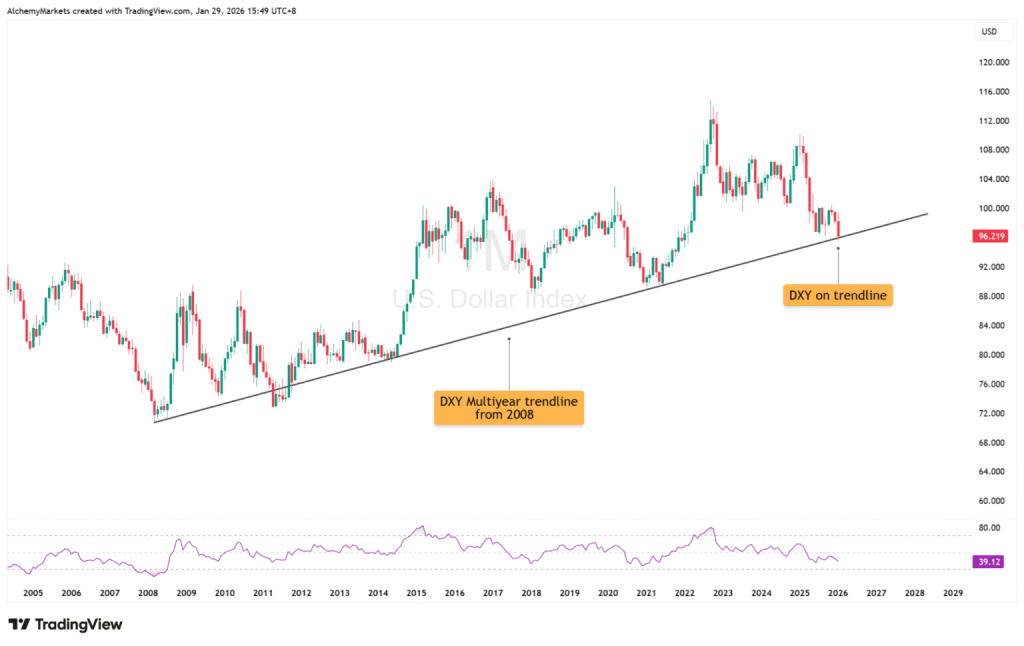
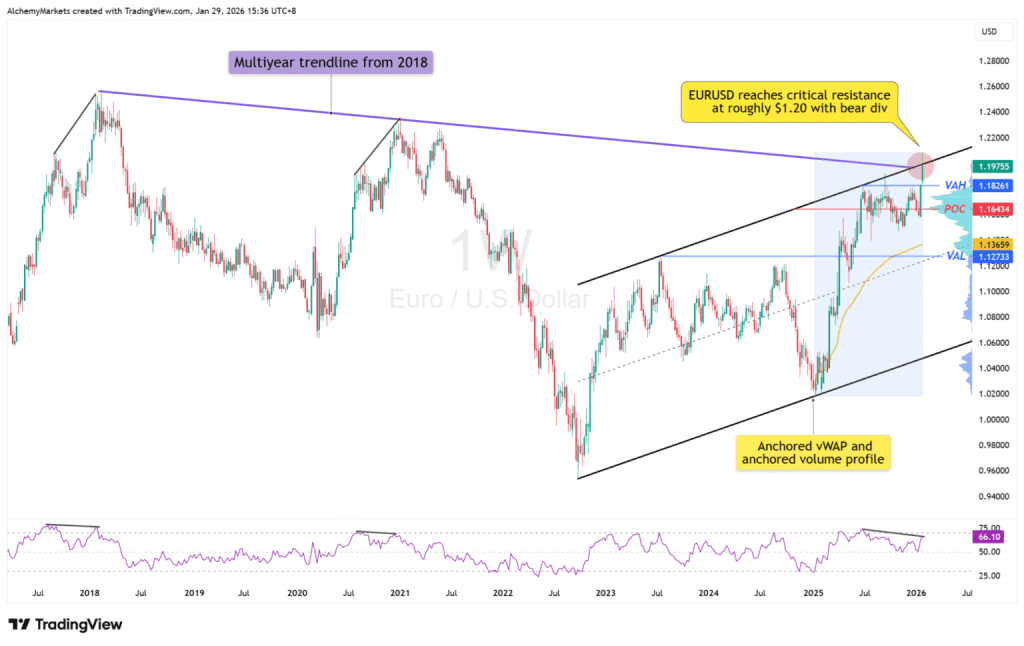
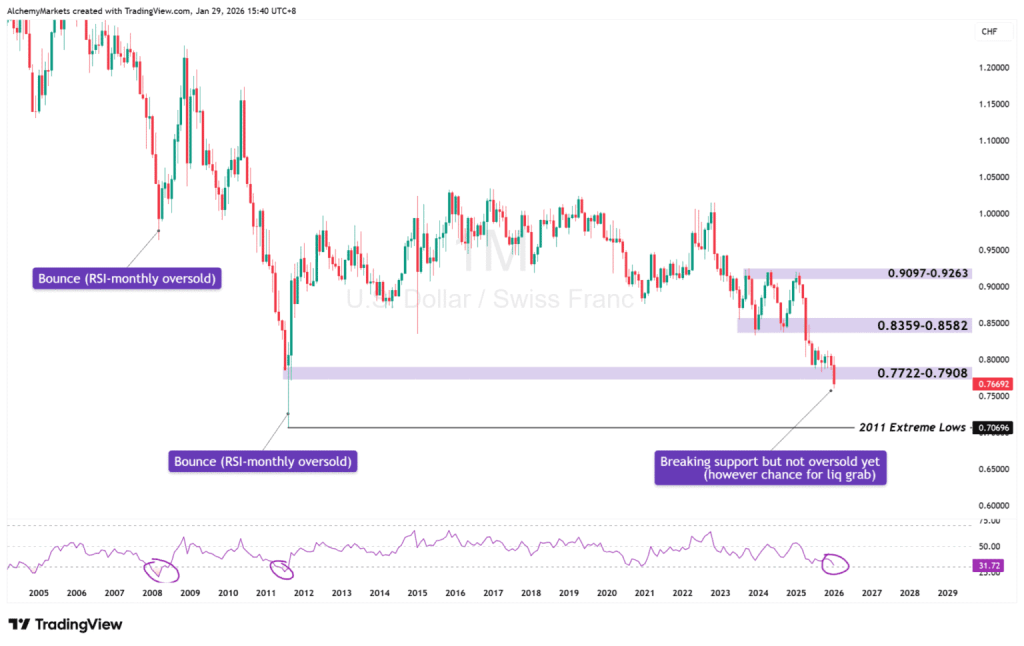
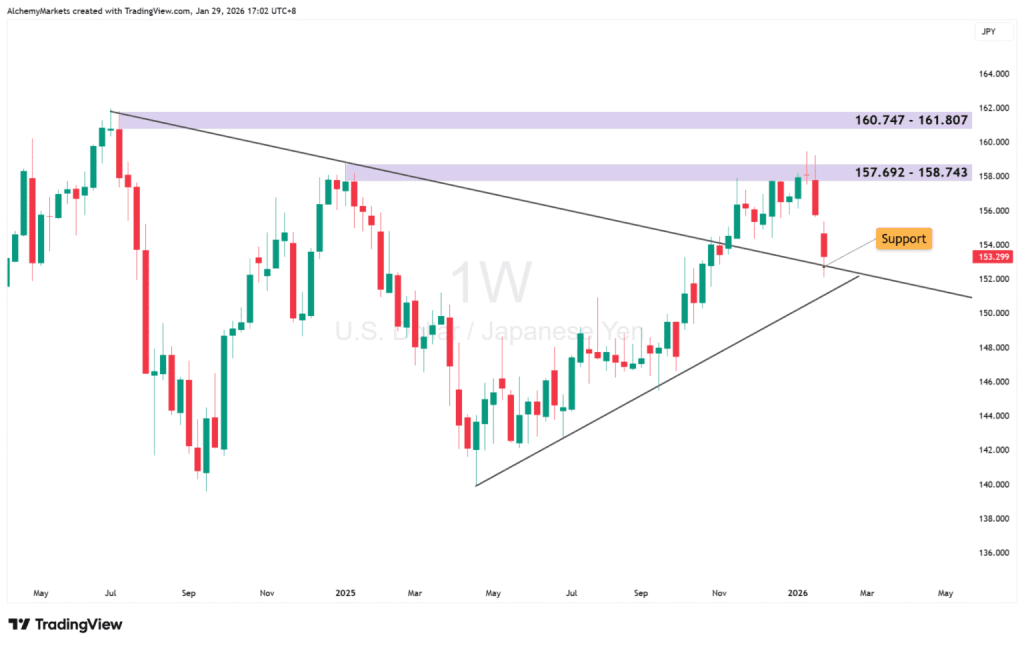

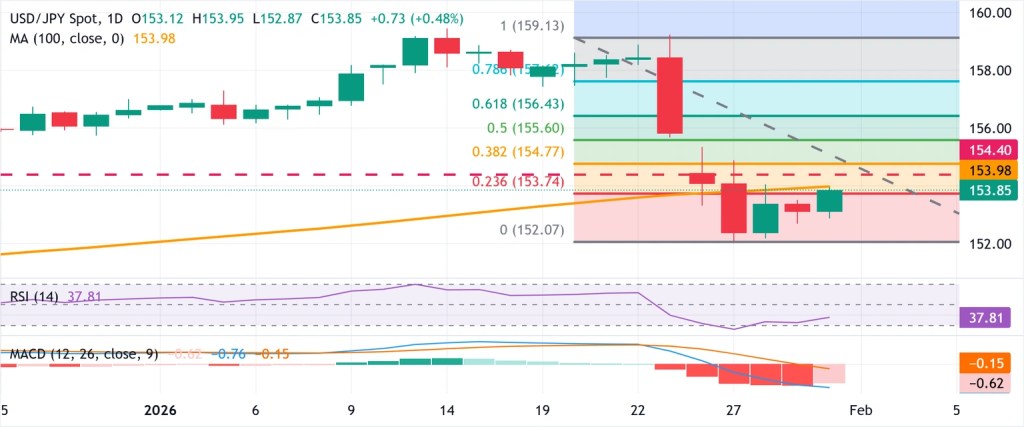
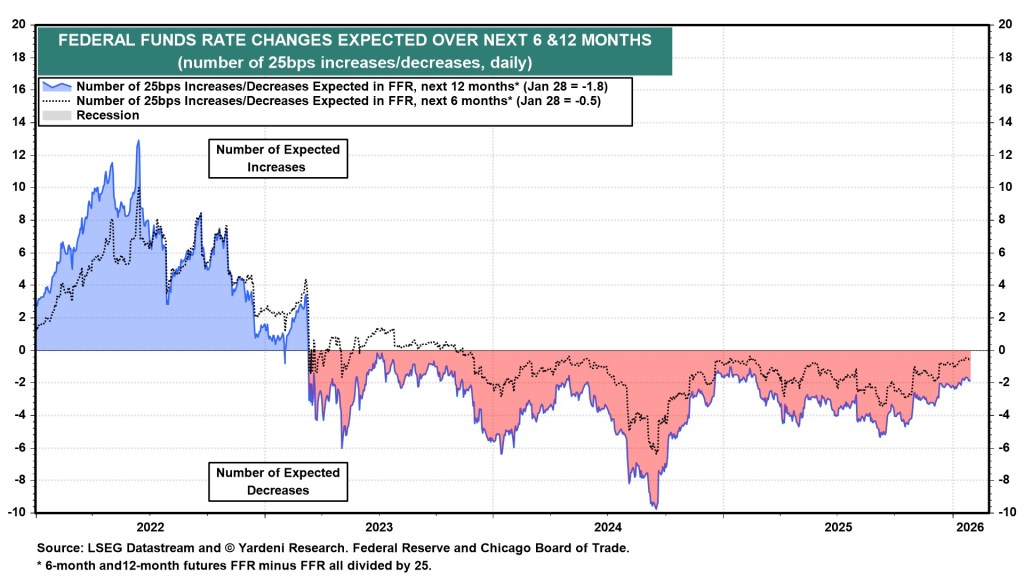
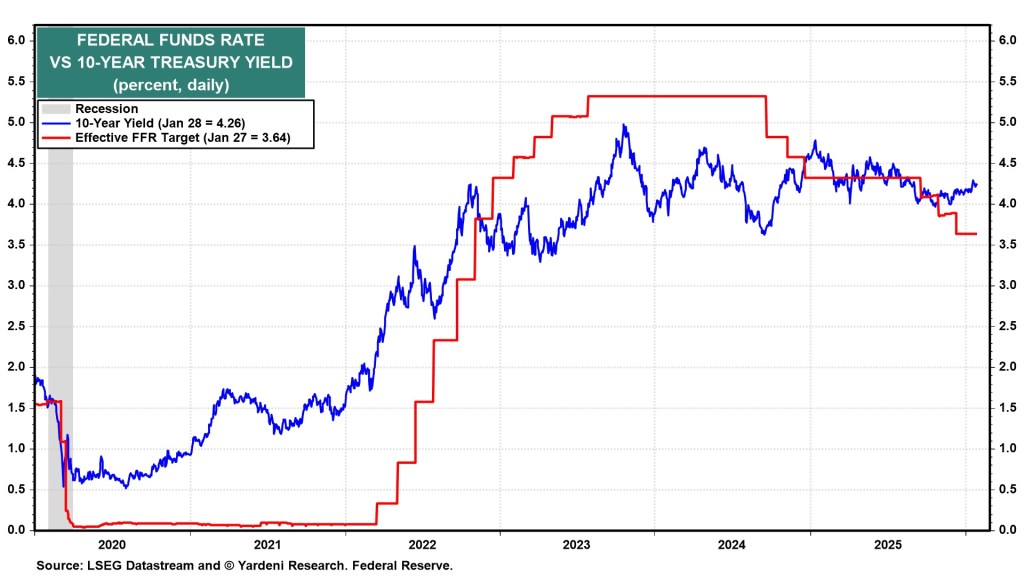

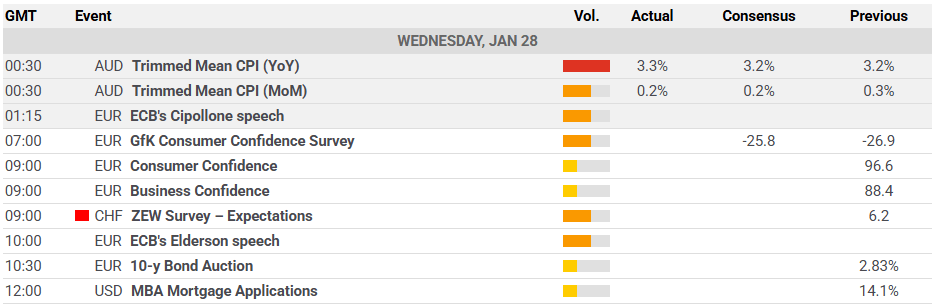
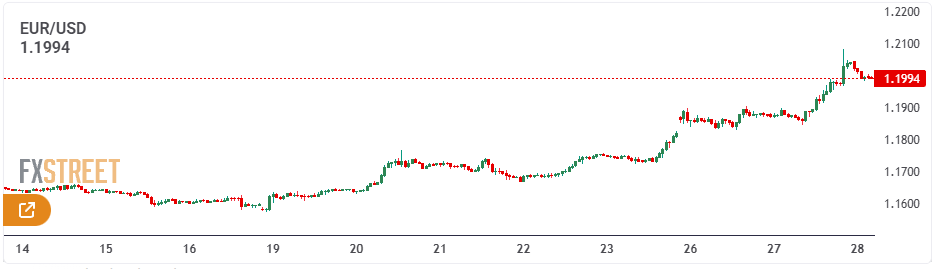

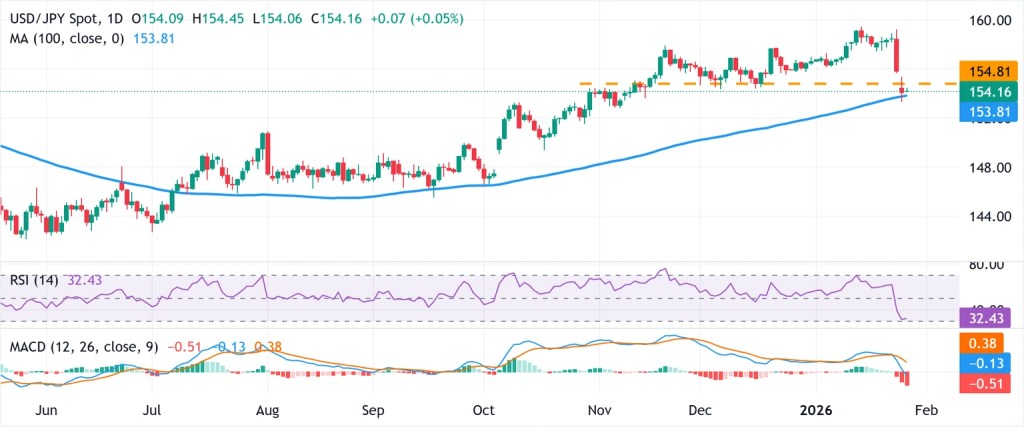


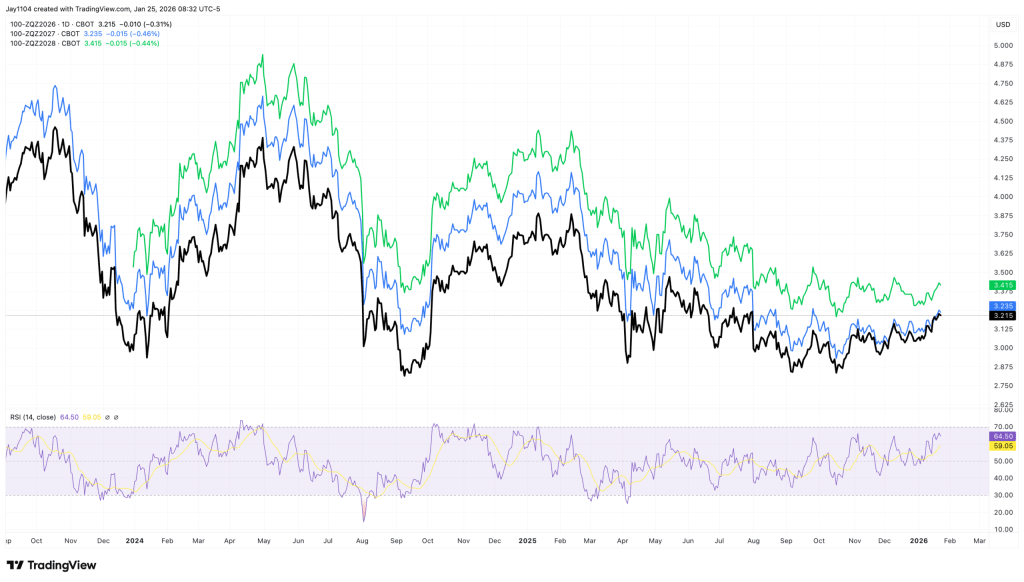
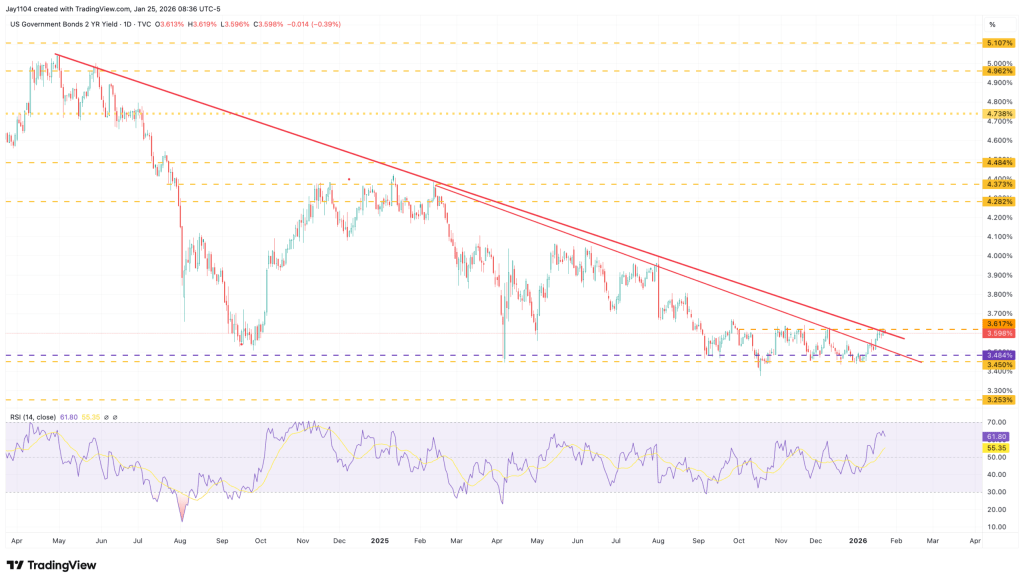
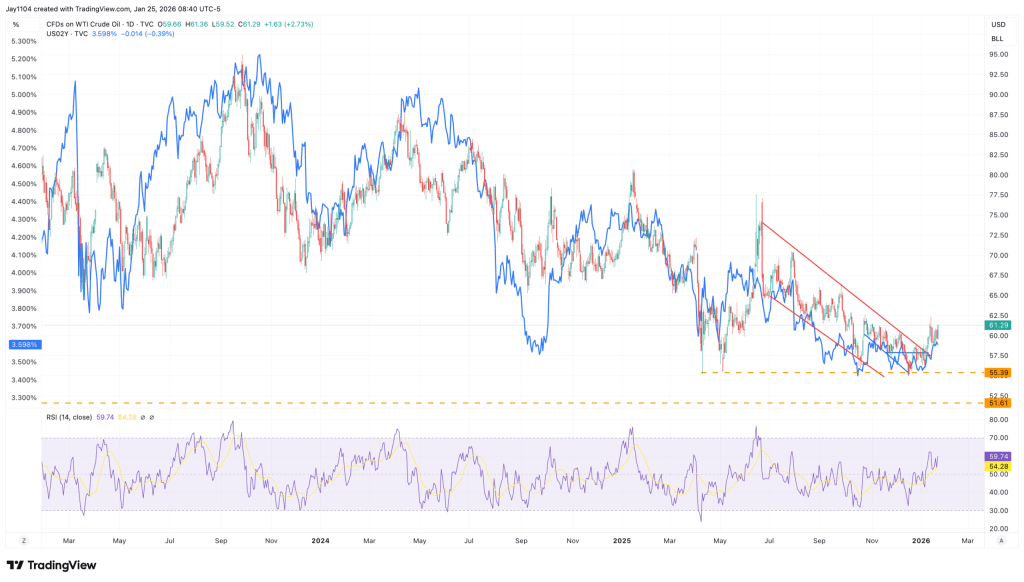
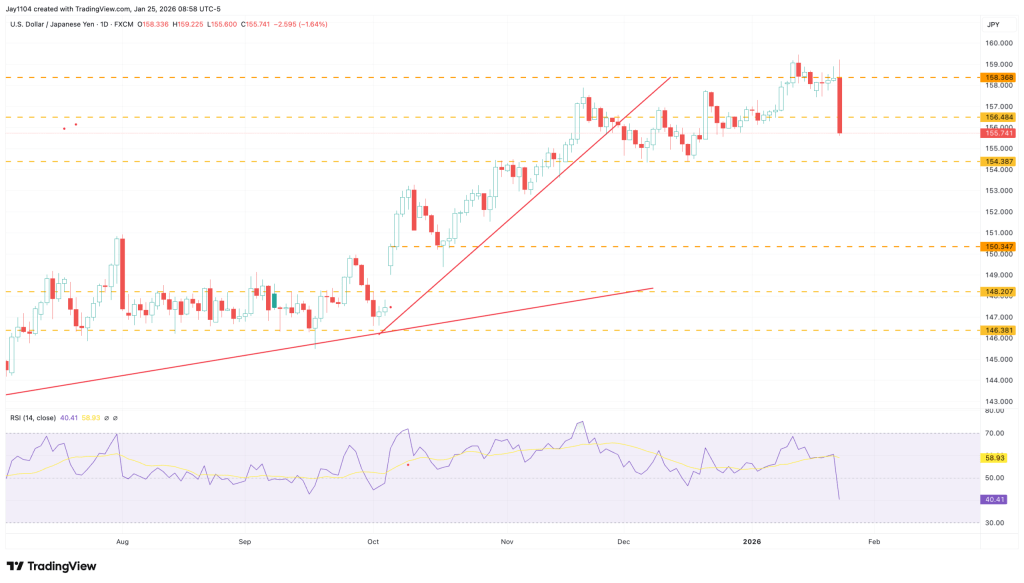
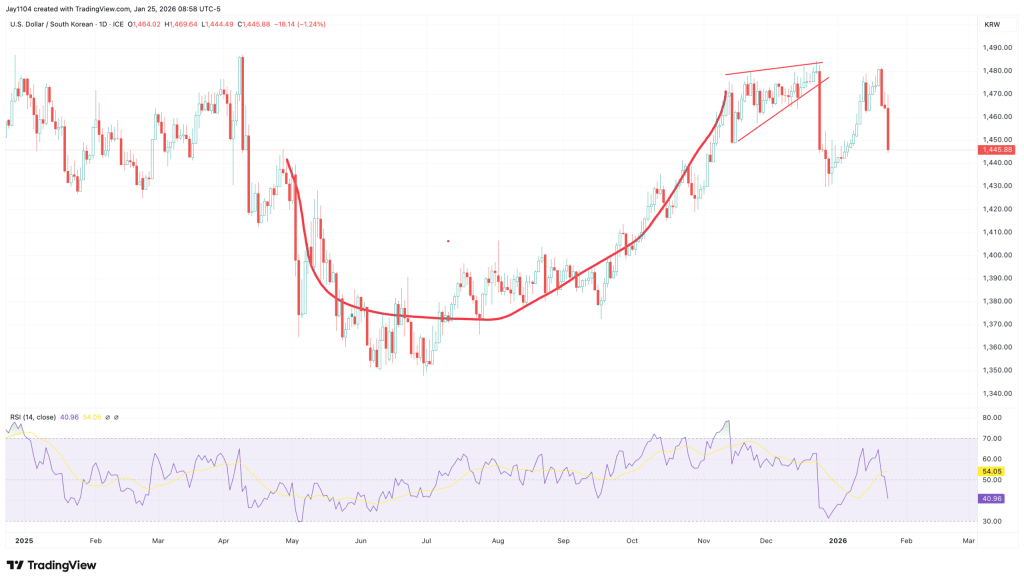
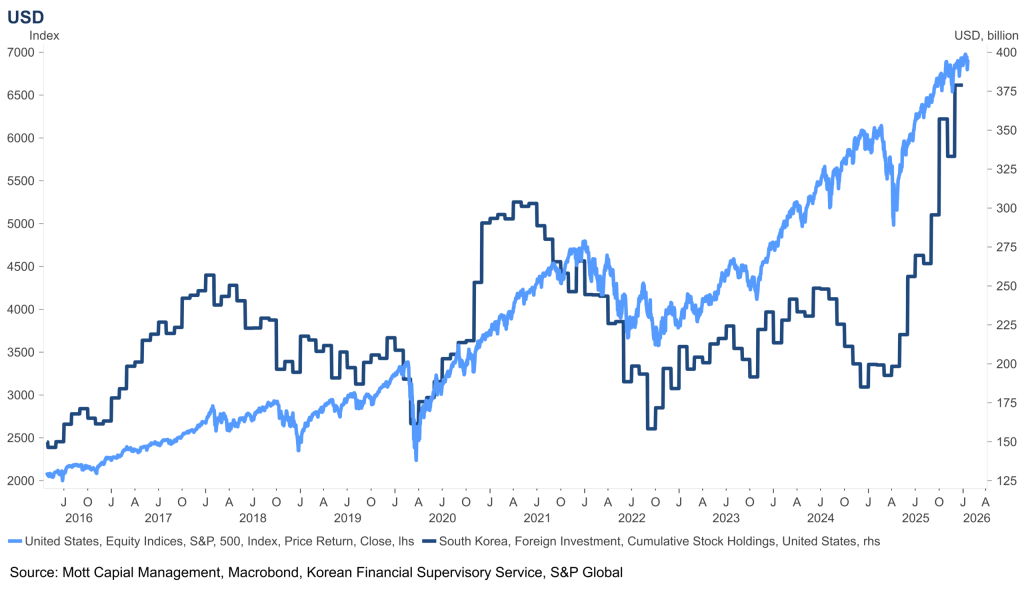

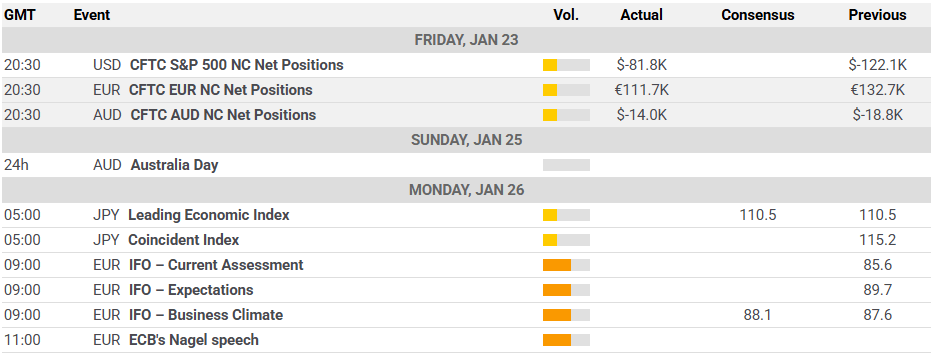
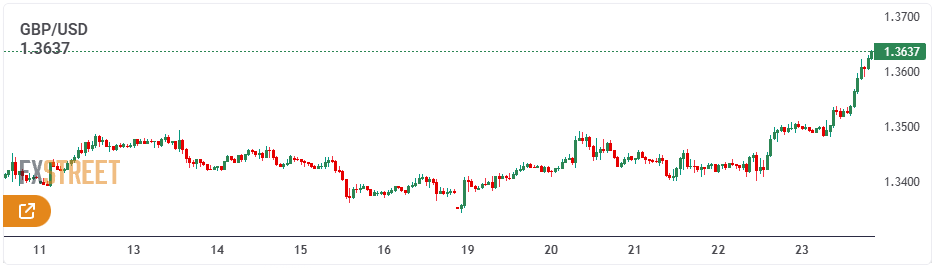
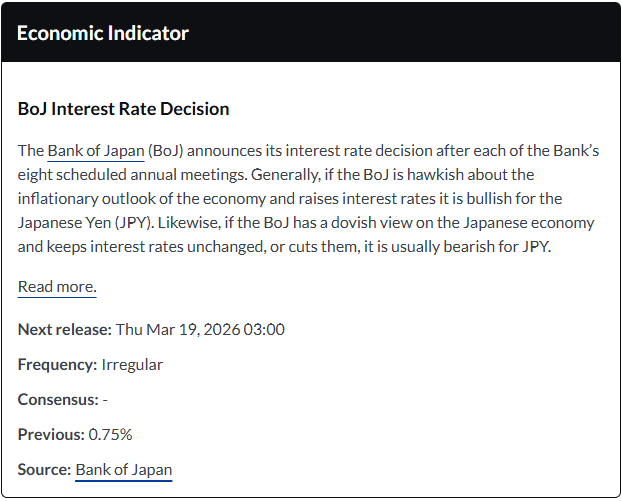
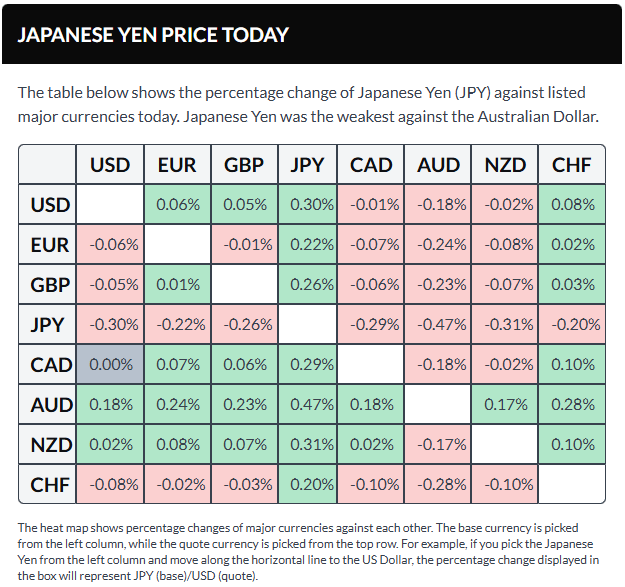
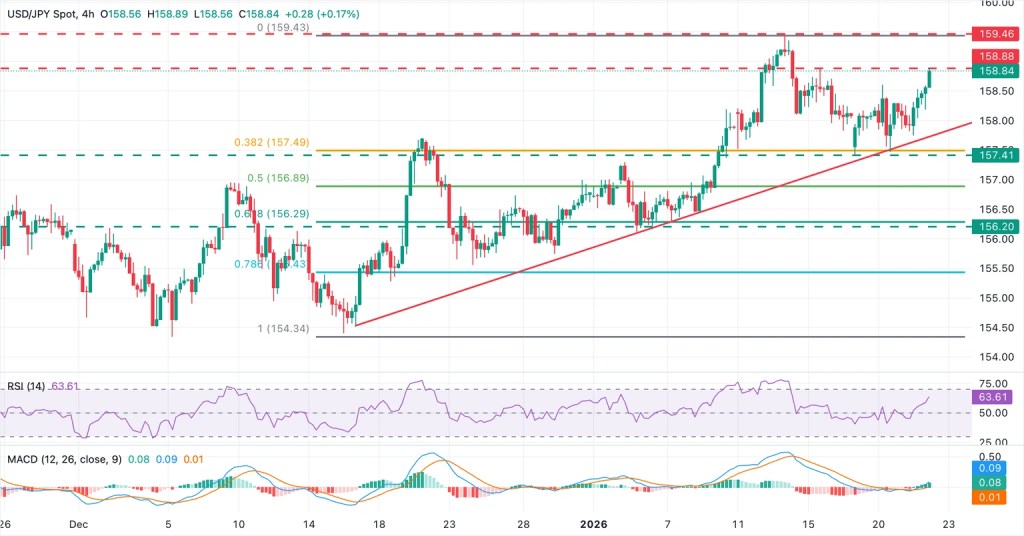
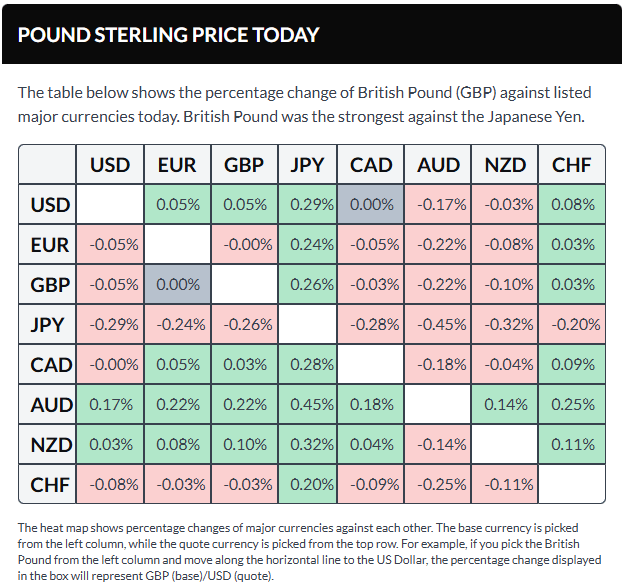
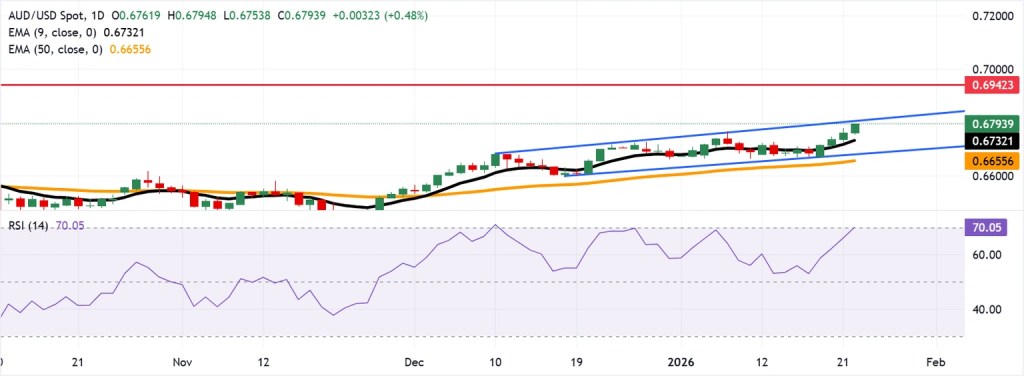
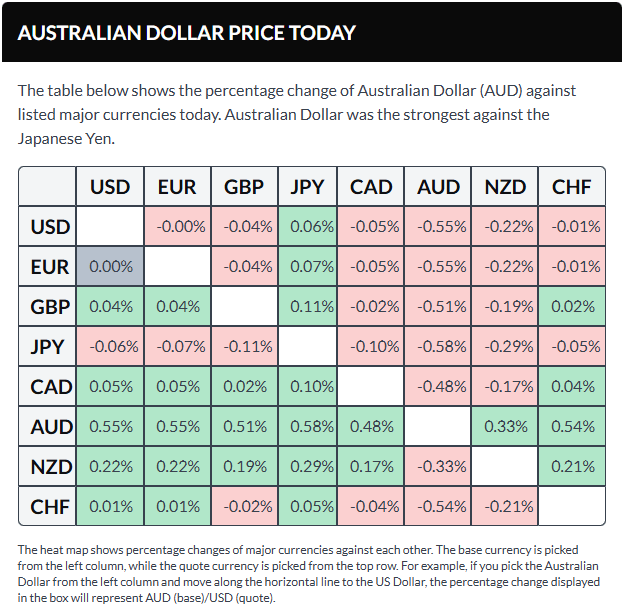
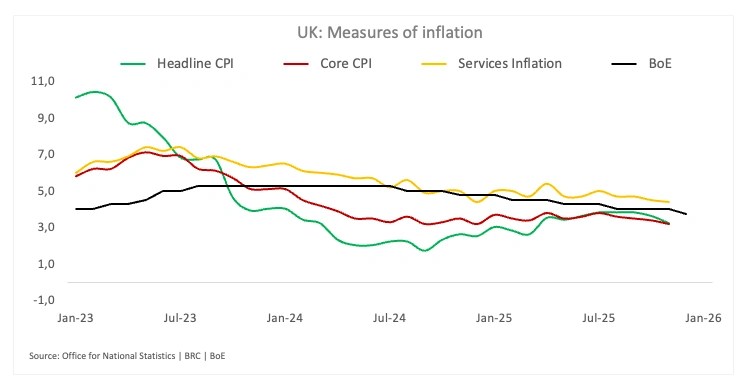





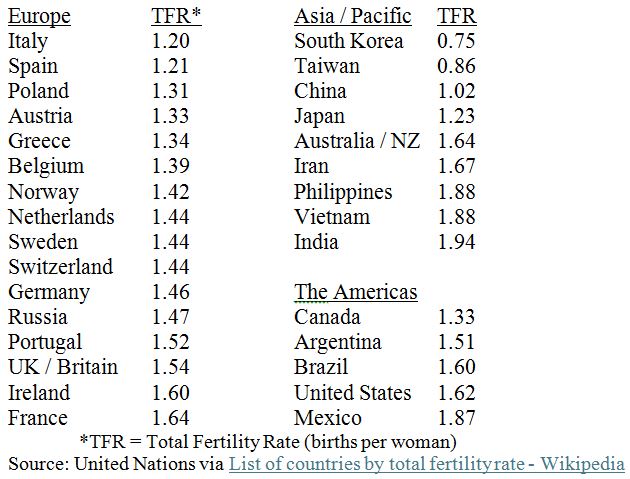
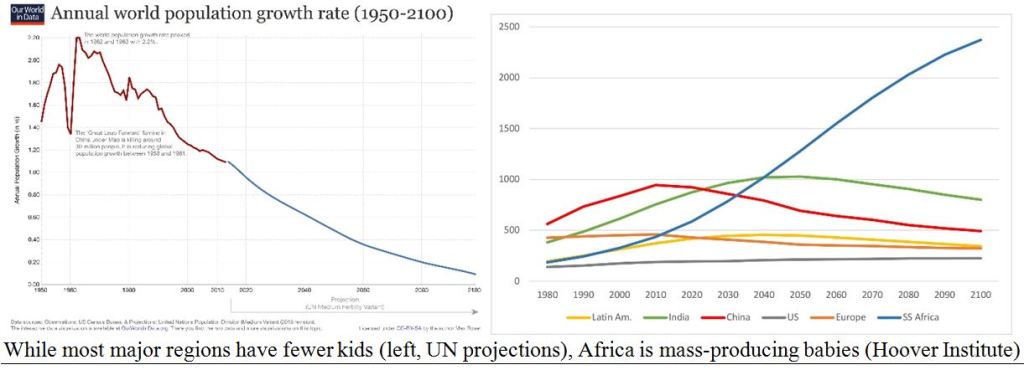
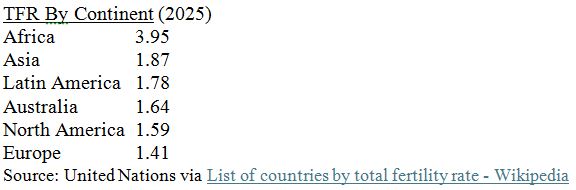
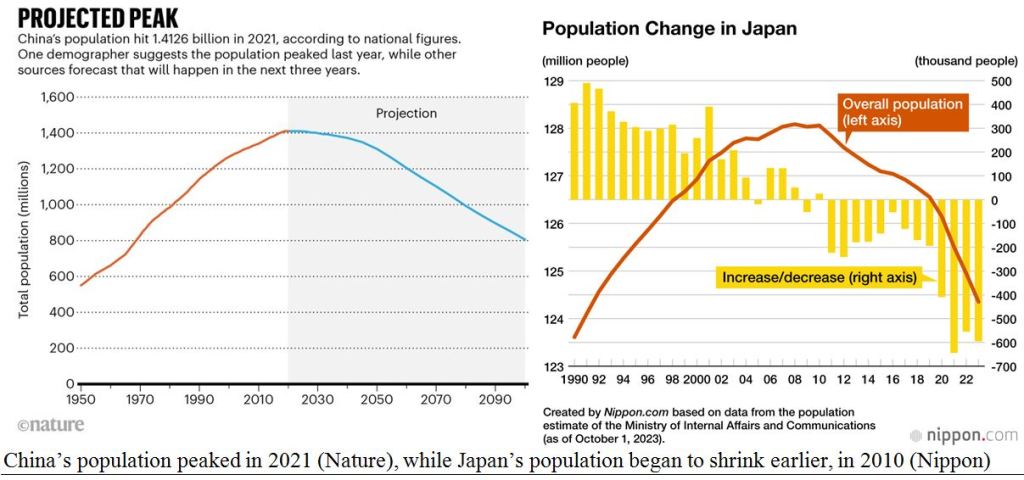
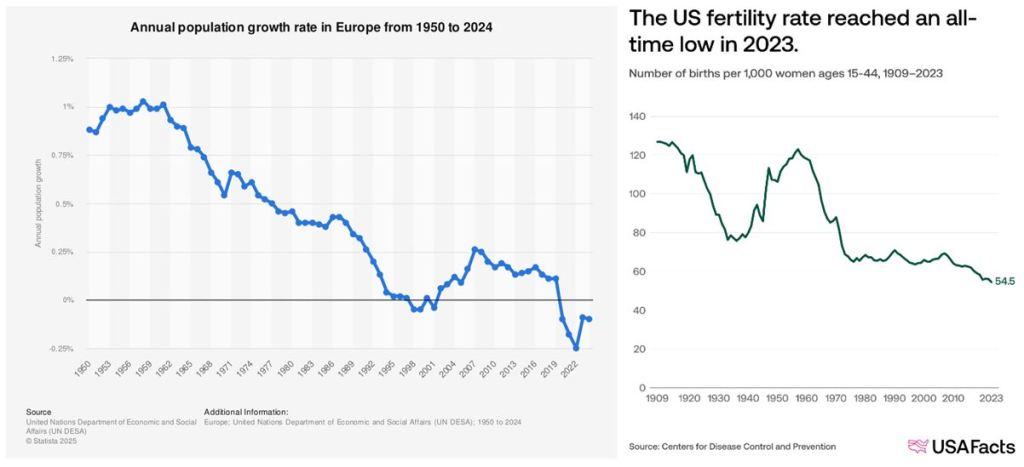

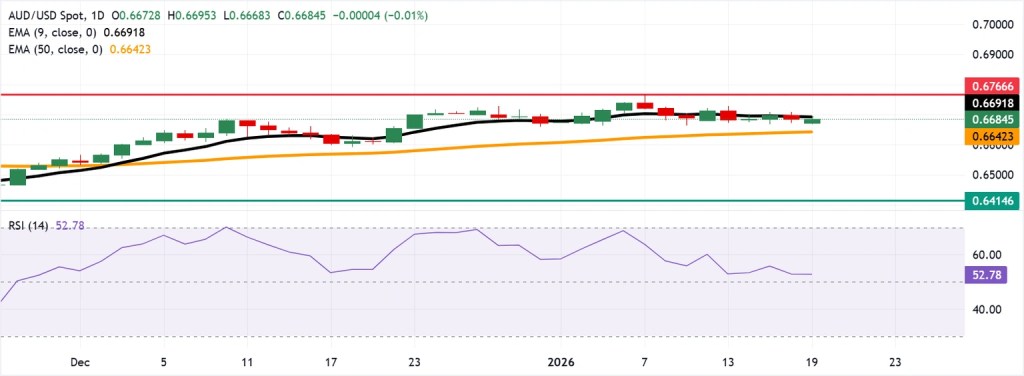
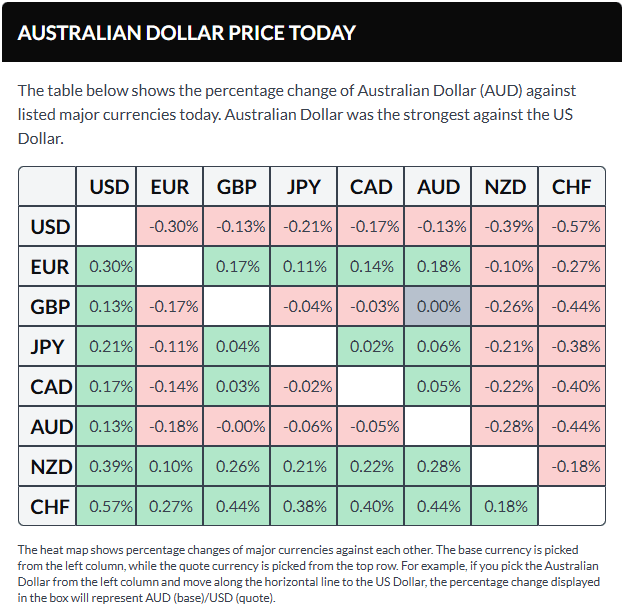










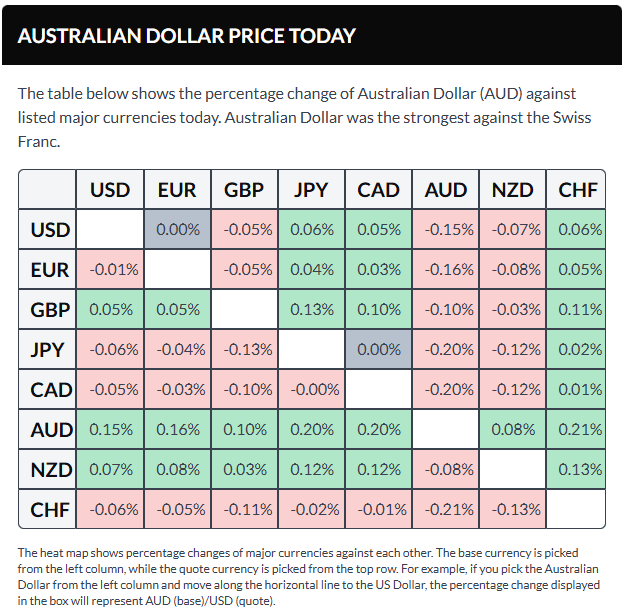



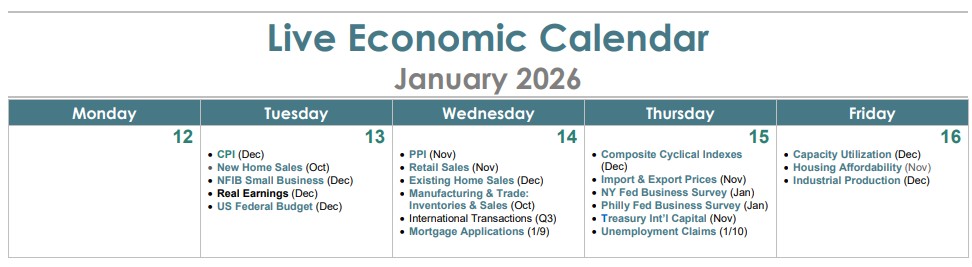
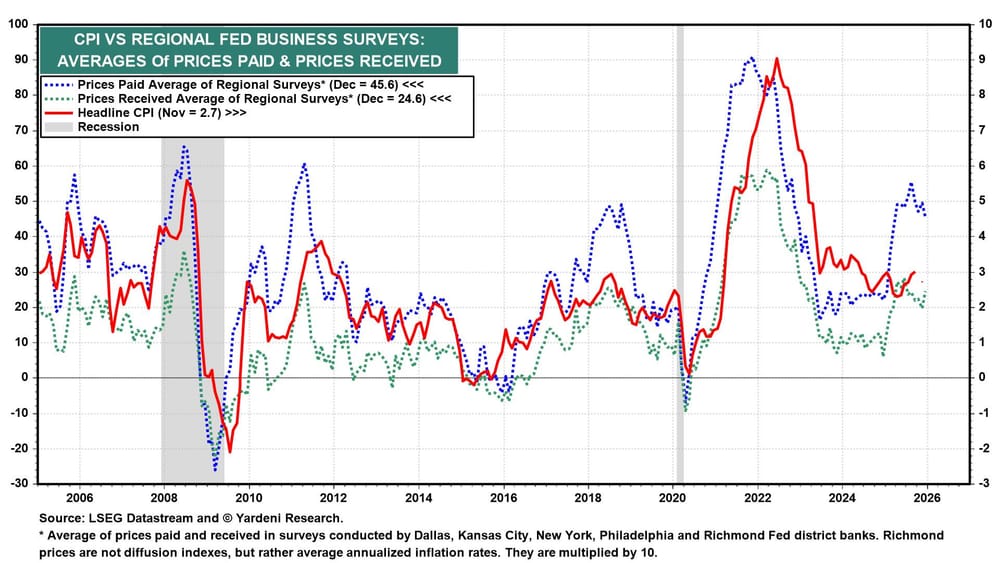
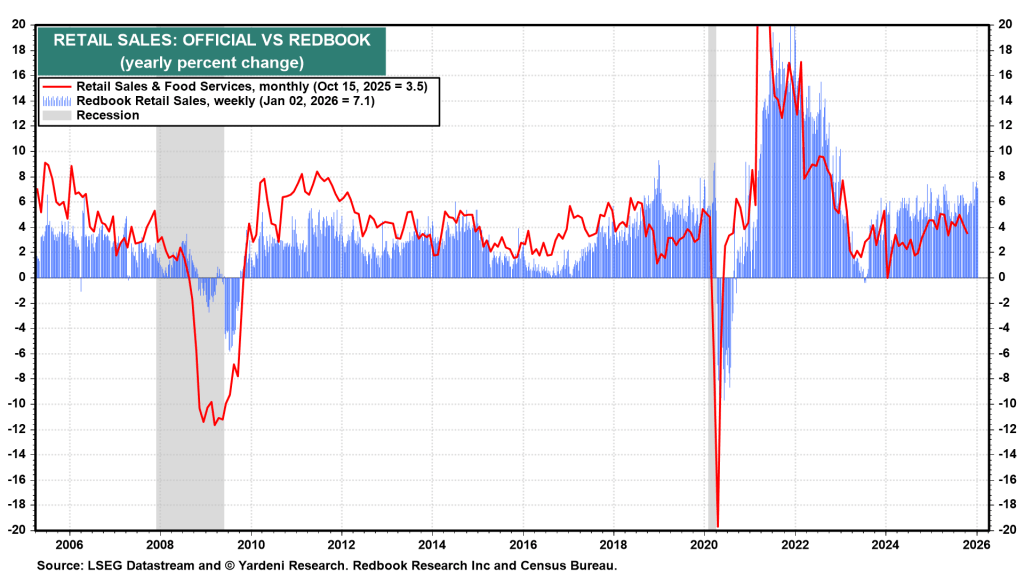
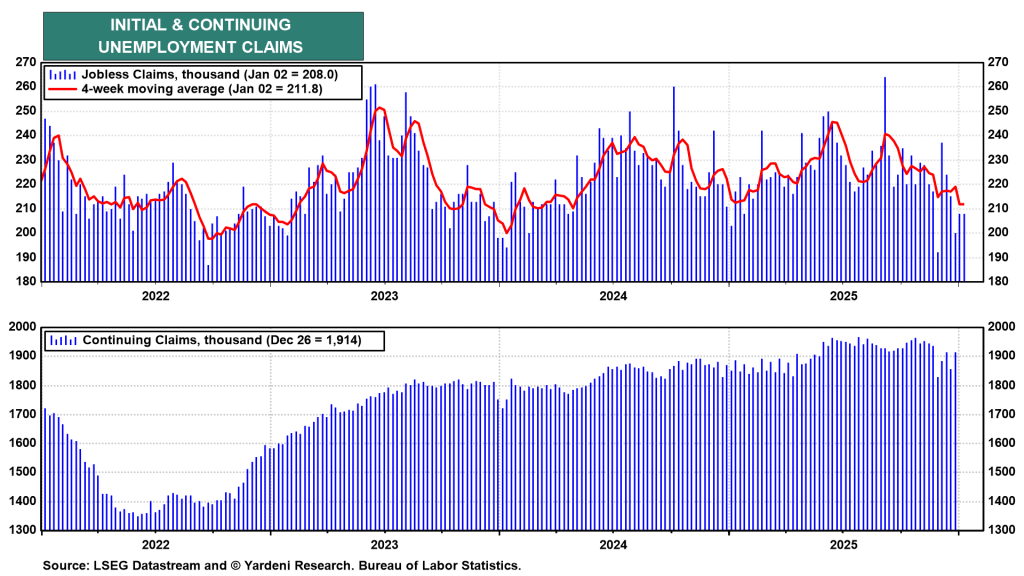
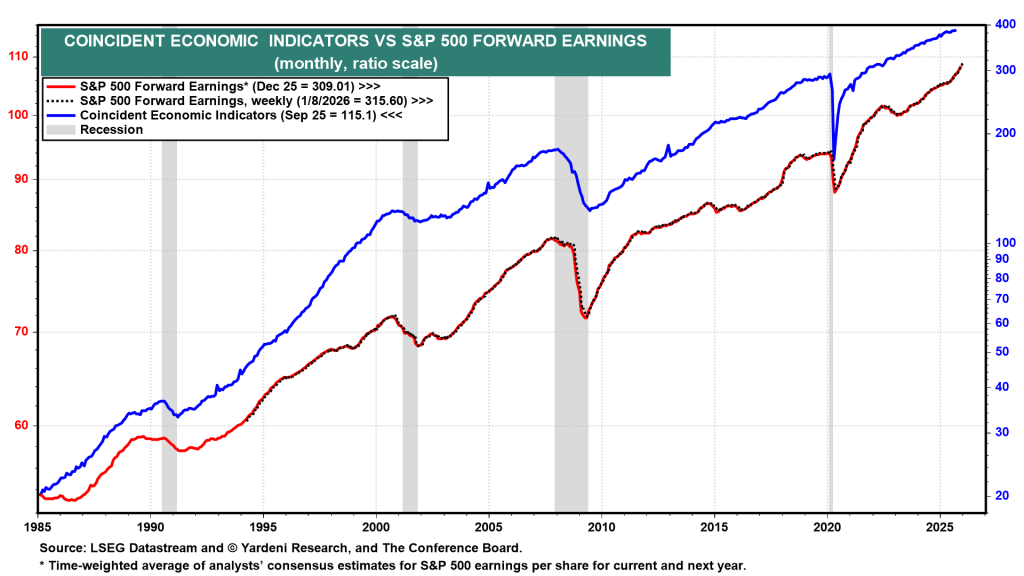

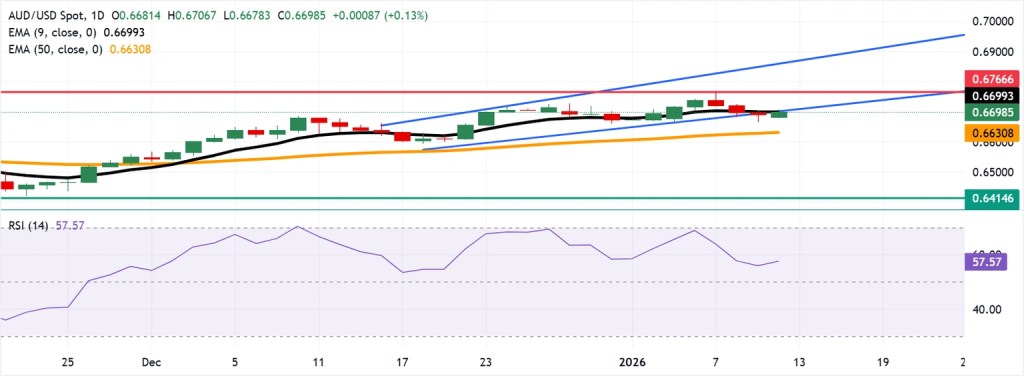
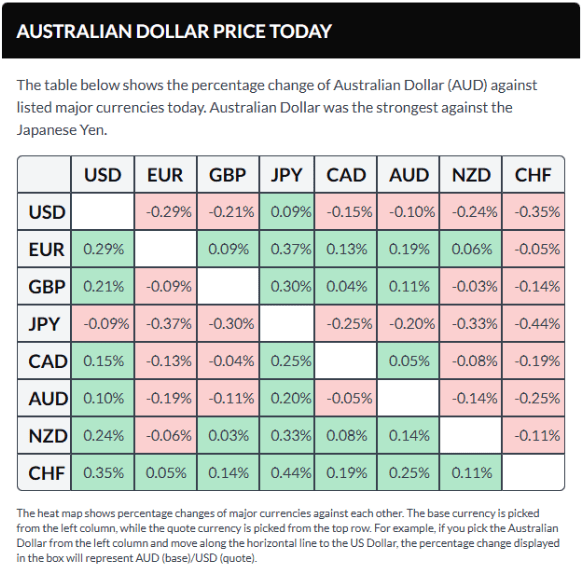

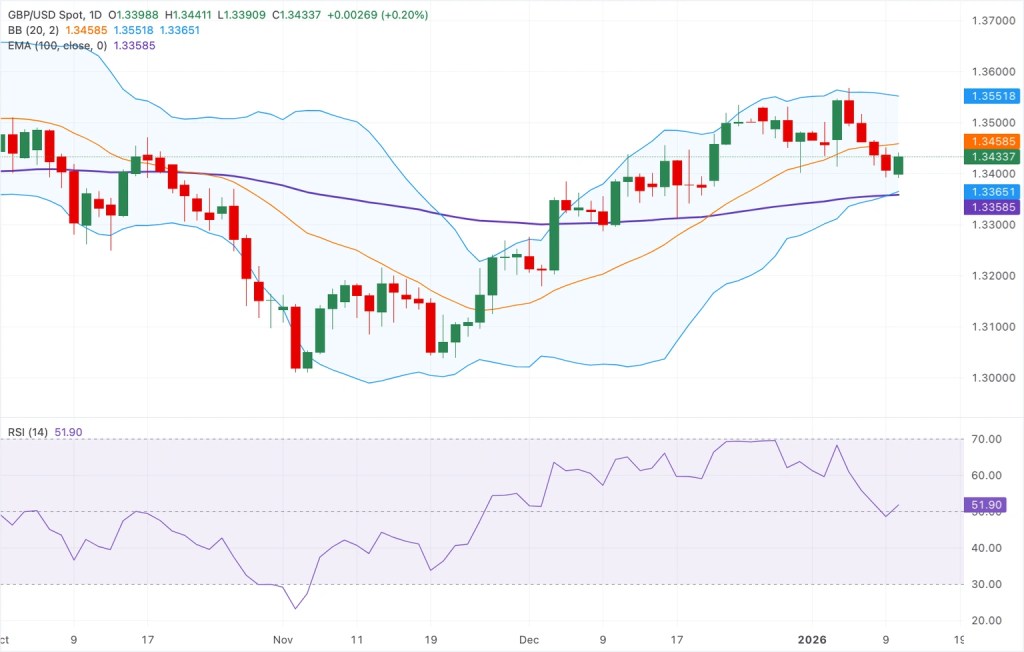

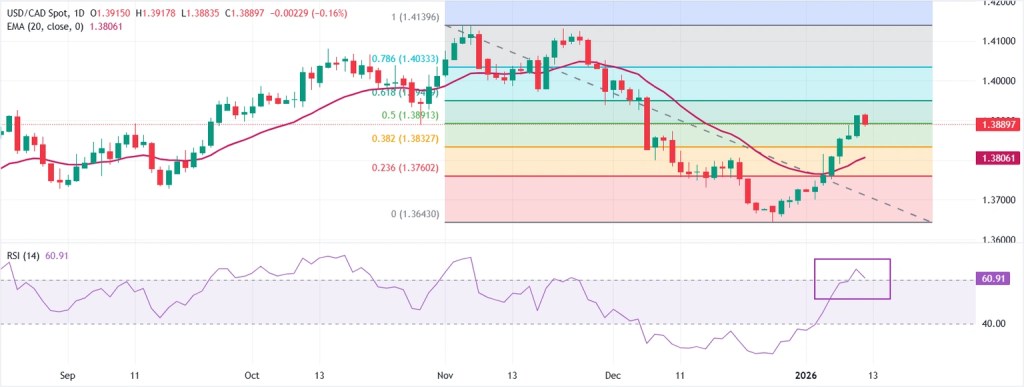
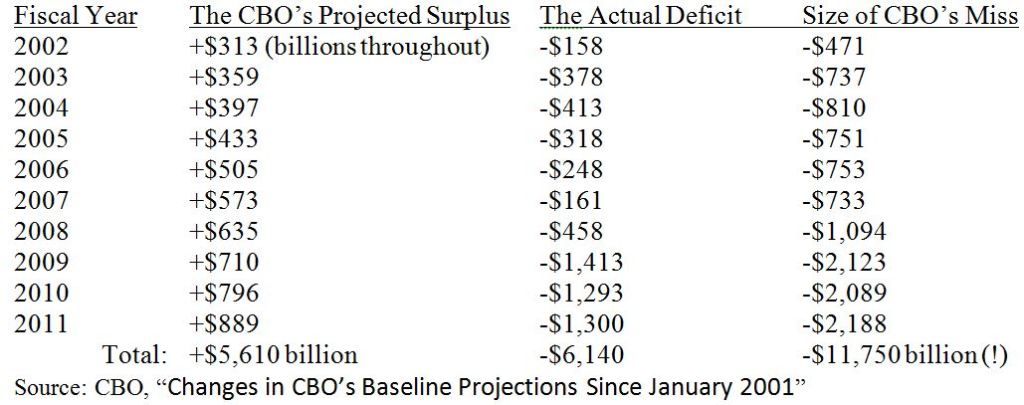
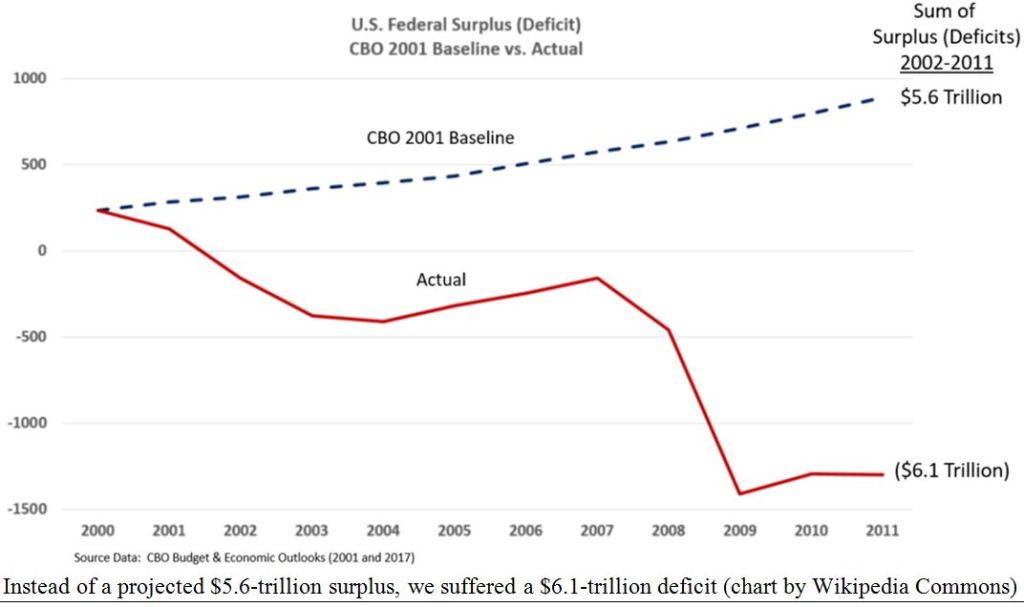
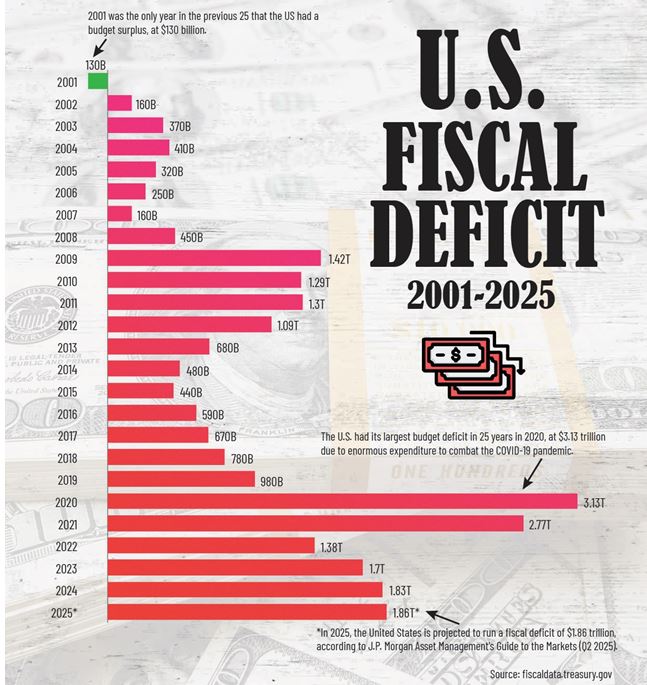


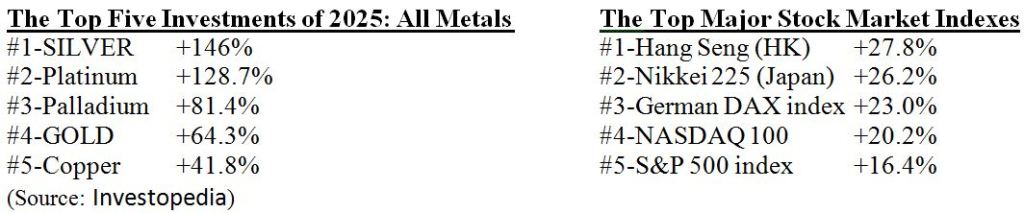
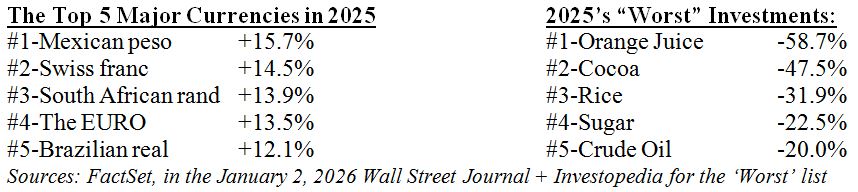

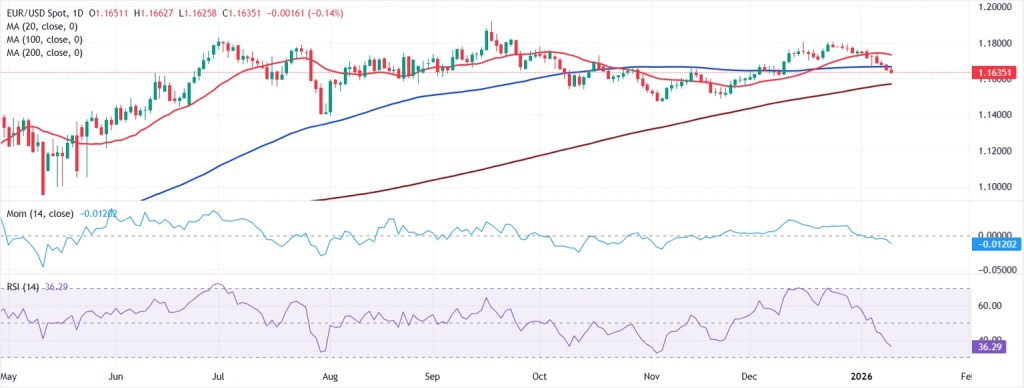
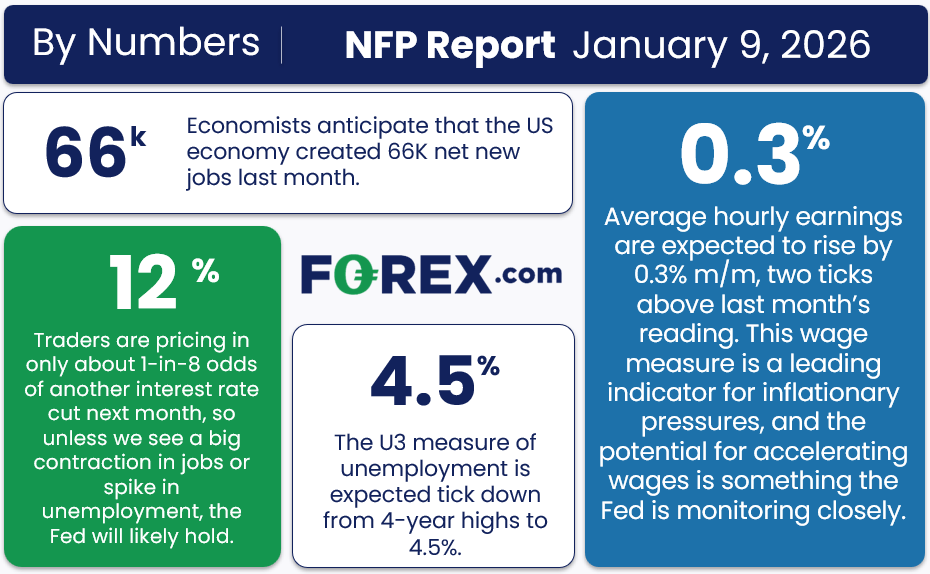
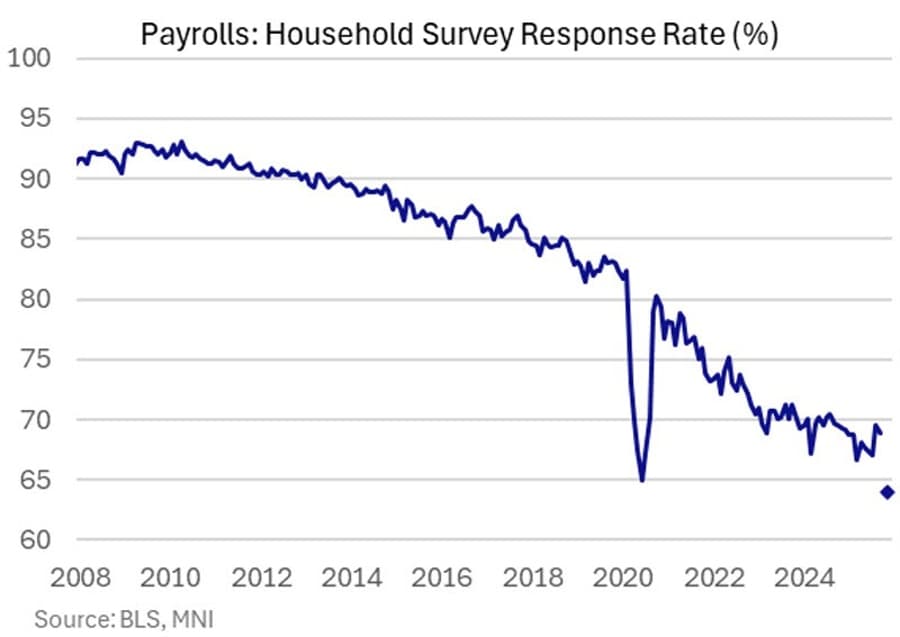
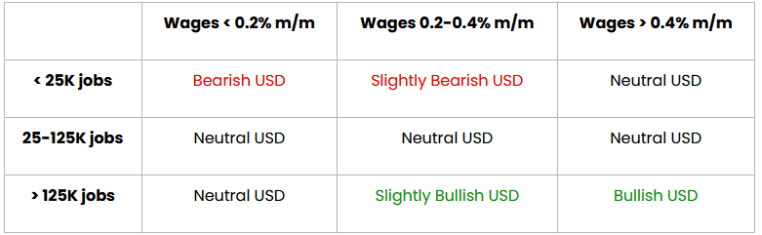
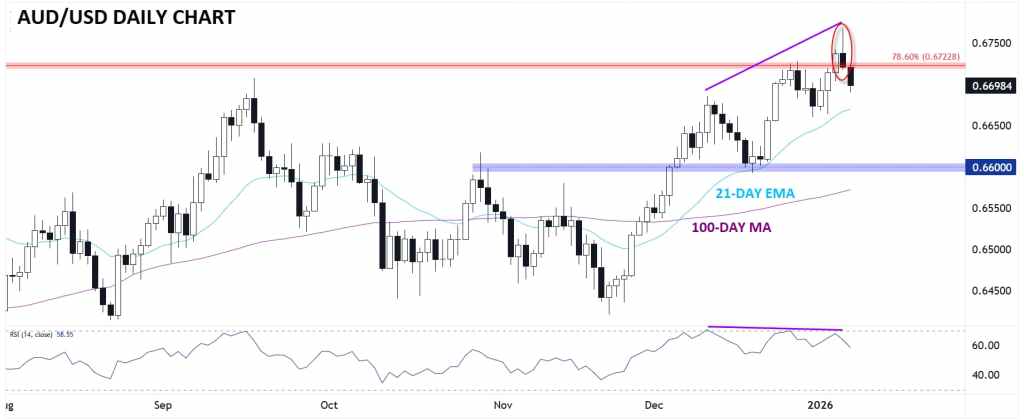
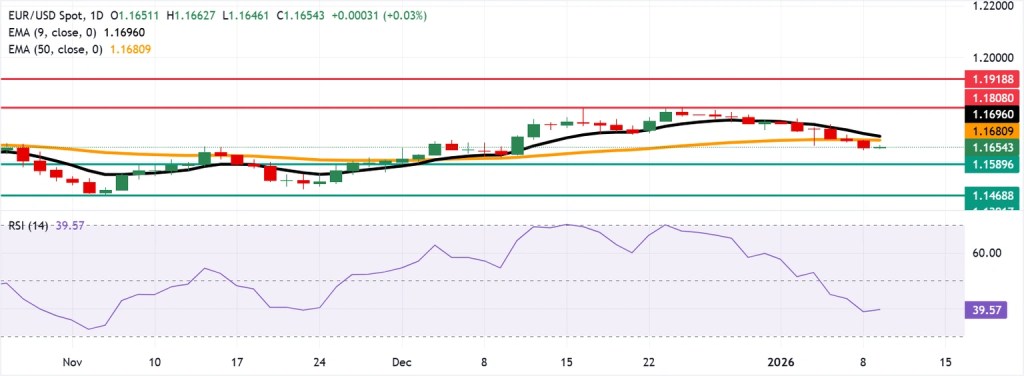
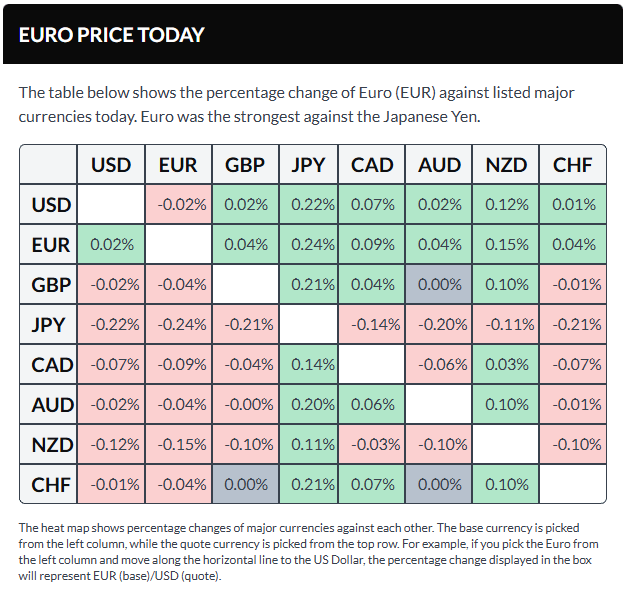

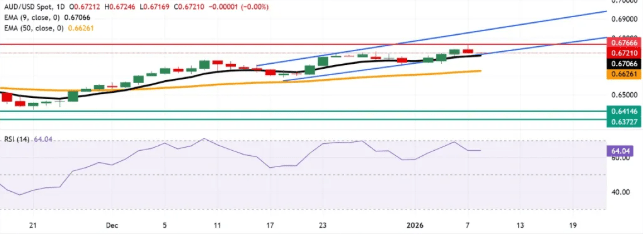



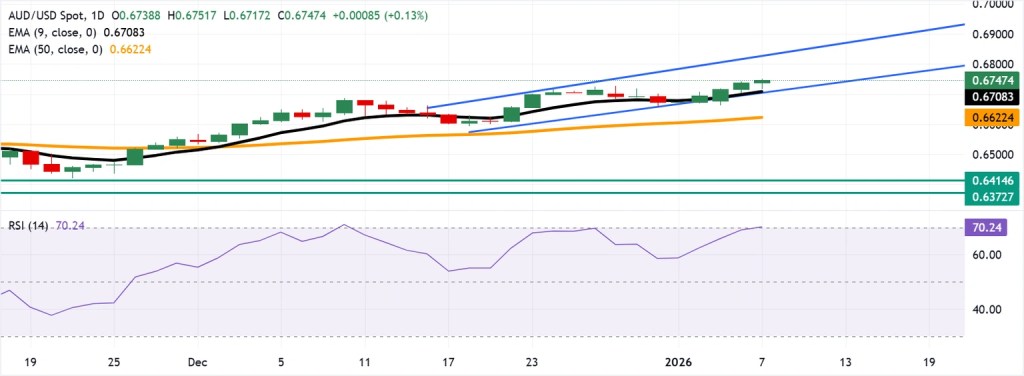
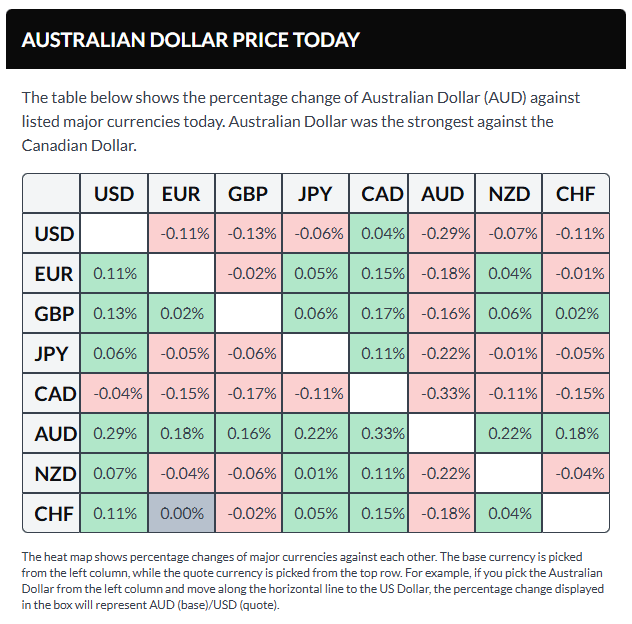

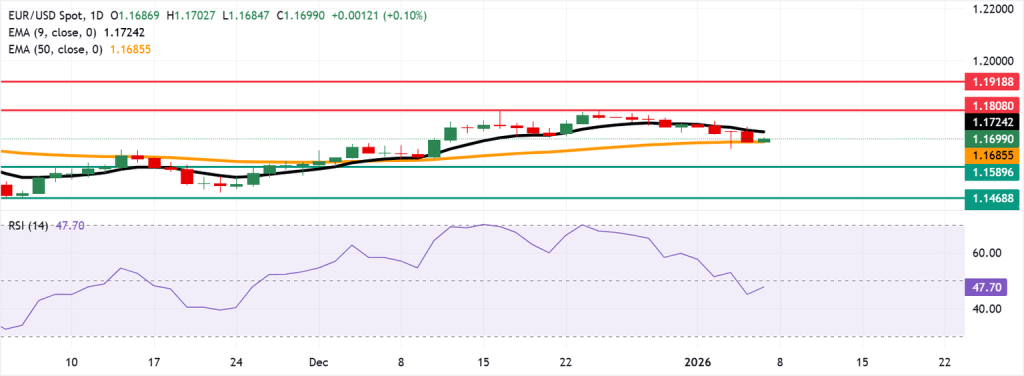
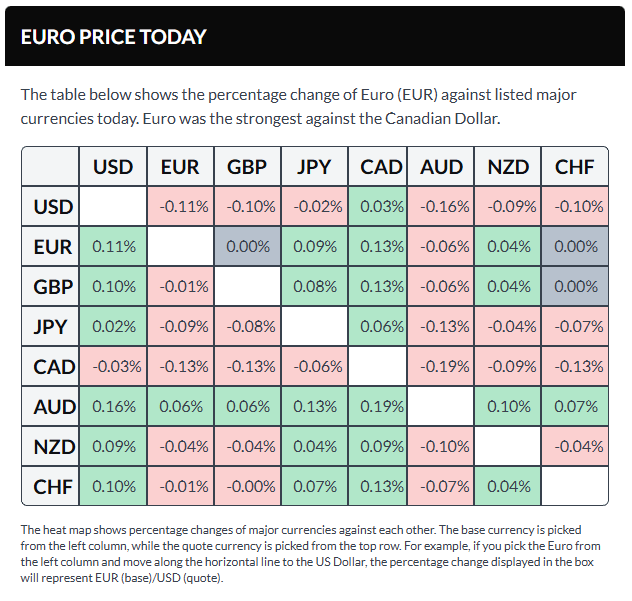


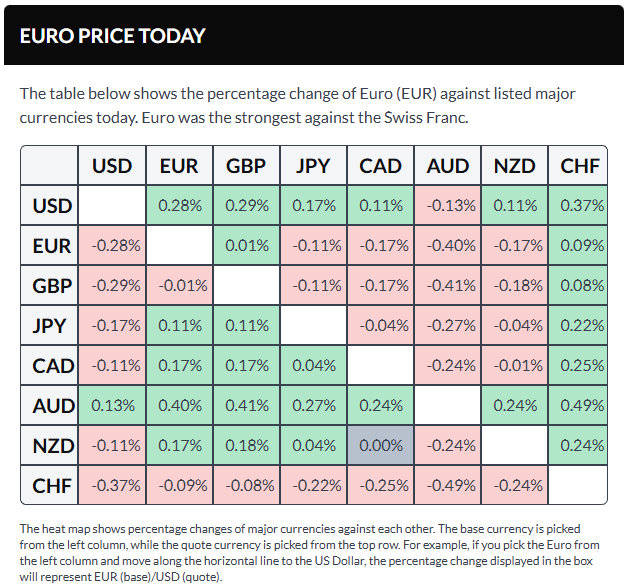
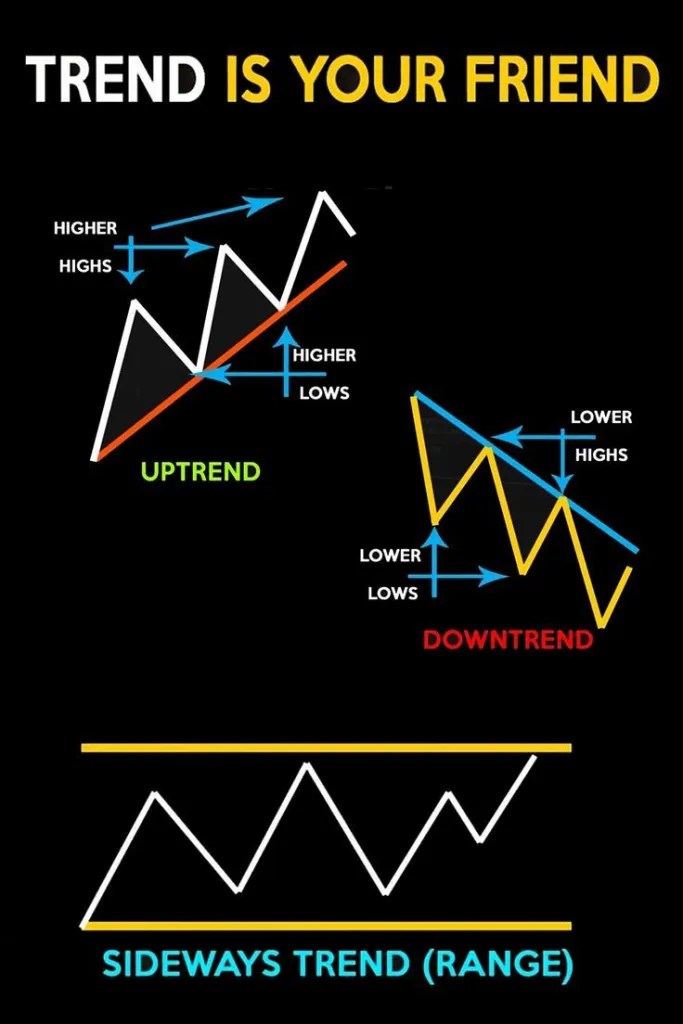

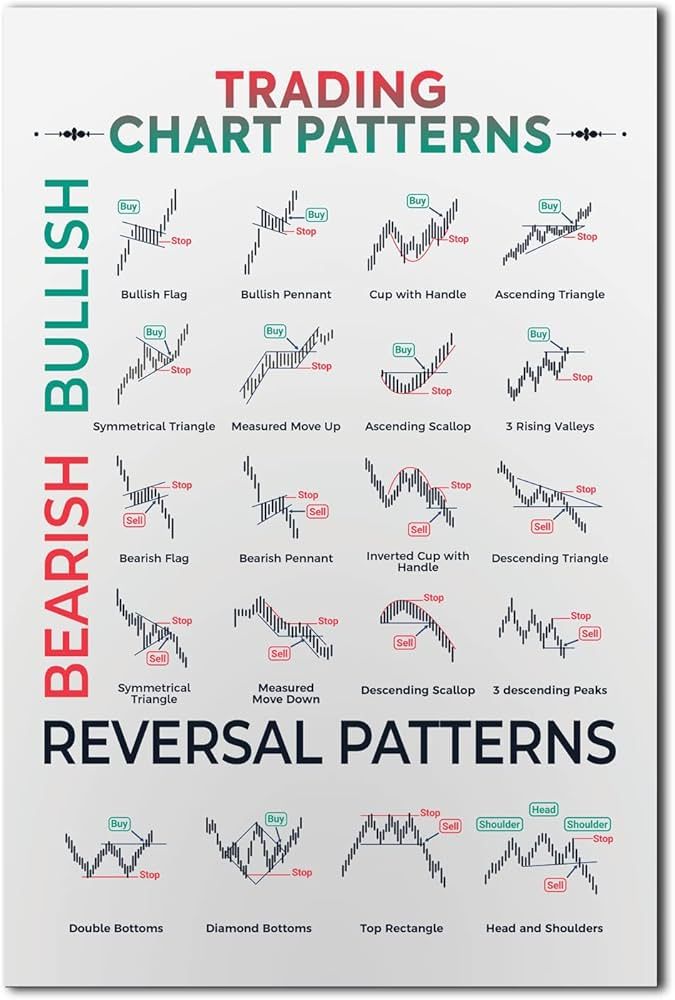



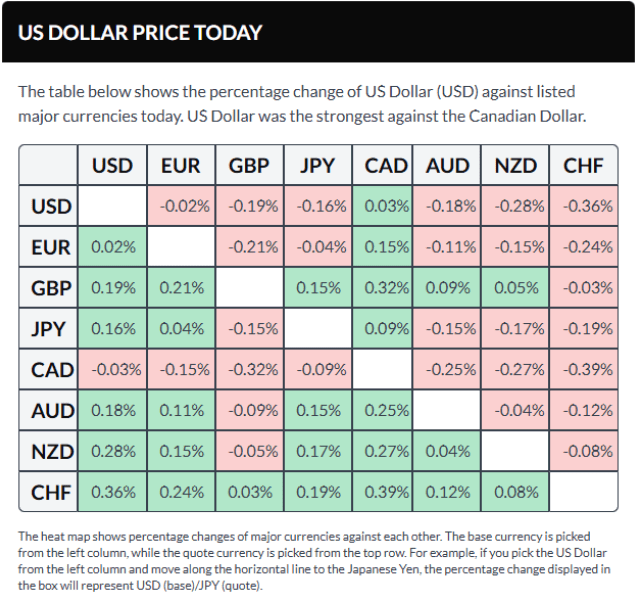
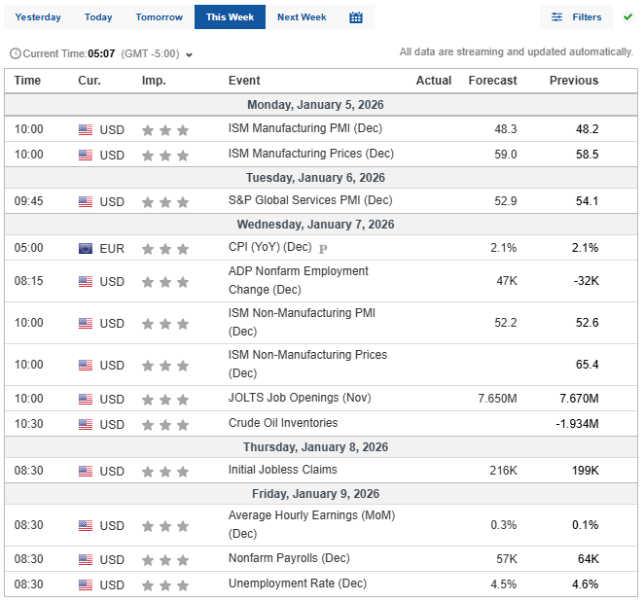



 THE ETERNAL SOVEREIGN