Tag: commodity trading

  • Oil prices climb on supply disruption risks as Venezuela market worries fade

    Oil prices advanced during Asian trading on Friday, extending the previous session’s rebound as investors focused on possible supply disruptions in Russia and Iran amid geopolitical risks.

    At the same time, fears of an immediate rise in Venezuelan oil output subsided after the U.S. Senate approved a measure requiring congressional authorization for further military action by President Trump.

    Analysts said oil production in the country is unlikely to increase sharply in the near term, even with U.S. intervention.
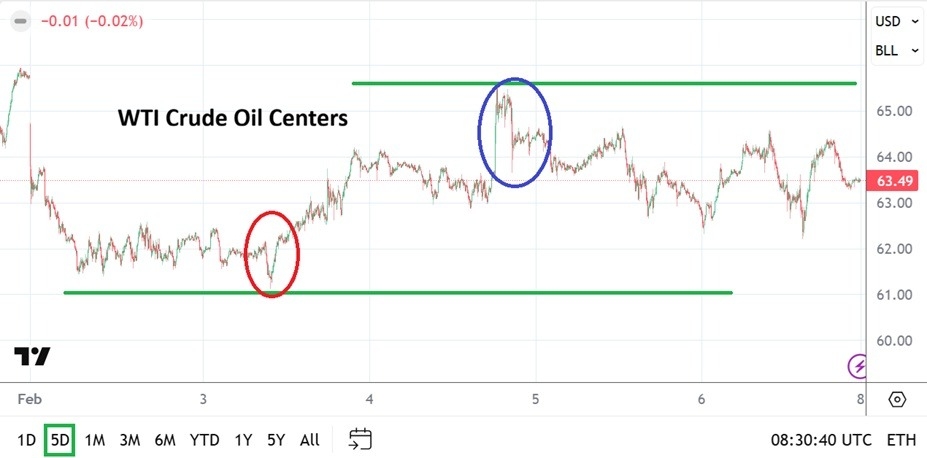
    Brent crude futures for March rose 0.7% to $62.44 a barrel, while WTI futures gained 0.7% to $58.03 by 21:04 ET (02:04 GMT). Both benchmarks rebounded to levels seen before last week’s U.S. military action in Venezuela after posting more than 4% gains on Thursday.
    Oil prices were supported by positive inflation data from China, the world’s top oil importer, signaling a tentative economic recovery. However, gains were limited as traders remained cautious ahead of key U.S. nonfarm payrolls data that could affect interest rate expectations.

    Markets focus on potential supply disruptions in Russia and Iran

    Concerns about possible supply disruptions in Russia and the Middle East lent support to oil prices this week.
    The conflict between Russia and Ukraine showed little sign of resolution, with ongoing military actions. A drone strike on a tanker headed to Russia in the Black Sea heightened fears of further interruptions to Russian crude supplies.
    Compounding these concerns, reports indicated that U.S. President Donald Trump plans to endorse a bipartisan bill imposing even tougher restrictions on countries trading with Russia, aiming to increase pressure on Moscow to seek a ceasefire.

    Meanwhile, Iraq’s government approved a move to nationalize operations at the West Qurna 2 oilfield—one of the world’s largest—in an effort to avoid supply disruptions stemming from U.S. sanctions on Russia.

    In Iran, escalating nationwide anti-government protests have raised worries about potential impacts on oil production. The government responded with a countrywide internet blackout as demonstrations spread across major cities protesting the Nezam regime.

    Market concerns over Venezuelan oil supply ease

    Oil prices benefited from easing worries that a U.S. intervention in Venezuela would lead to a significant near-term surge in global crude supply.

    Earlier this week, Trump stated that Caracas could deliver up to $3 billion worth of oil to the U.S. and indicated plans for long-term U.S. influence over the country.

    However, Congress has advanced legislation that may restrict U.S. military involvement in Venezuela.

    Many analysts noted that while U.S. involvement could eventually help boost Venezuelan oil production, persistent political turmoil and deteriorated infrastructure make any near‑term surge in output unlikely.

    Oil prices initially plunged after the U.S. detained Venezuelan President Nicolás Maduro and signaled control over the country’s oil industry, but prices had fully recovered by Friday as markets judged immediate changes to supply to be limited.

    Still, crude prices were experiencing their steepest annual decline in five years in 2025, weighed down by concerns over a widening supply glut and sluggish demand growth—an outlook echoed by major global institutions forecasting continued oversupply into 2026.

    Sources: Investing

  • Markets Rattled as U.S. Eyes Control of Venezuela’s Oil Industry

    Oil prices weakened yesterday after President Trump said Venezuela would supply large volumes of sanctioned crude to the United States.

    Energy

    Developments in Venezuela remain in the spotlight, adding further downside pressure to oil prices. President Trump said Venezuela is prepared to sell up to 50 million barrels of sanctioned crude to the United States, a move that could also immediately weigh on Canadian crude exports to the U.S.

    Such a deal would effectively open a release channel for Venezuelan oil, which has struggled to reach global markets due to a U.S. blockade on sanctioned tankers entering and leaving the country. Redirecting these barrels to the U.S. could ease storage constraints and reduce the need for Venezuela to curb production.

    The U.S. Department of Energy confirmed that Venezuelan crude is already being marketed internationally, while Trump’s energy secretary stated that Washington intends to maintain long-term control over future Venezuelan oil sales. This strategy is reinforced by the continued tanker blockade, with two additional vessels reportedly seized yesterday.

    Washington’s growing influence over Venezuela’s oil sector also raises uncertainty about the country’s future role within OPEC.

    Meanwhile, Energy Information Administration (EIA) data showed U.S. crude inventories fell by 3.83 million barrels last week, the sharpest draw since late October. However, product balances were more bearish, as gasoline stocks rose by 7.7 million barrels and distillate inventories increased by 5.6 million barrels.

    These inventory builds point to refinery utilization remaining firm, while implied demand for both products softened somewhat over the past week.

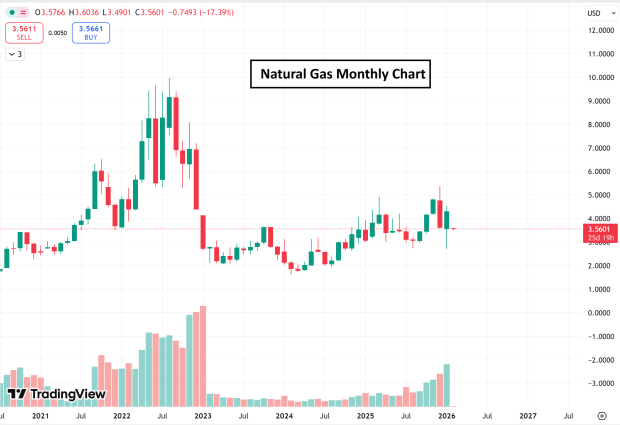
    European gas prices moved higher yesterday, with TTF closing more than 2.5% up on the day. Colder conditions across parts of Europe, along with forecasts for below-average temperatures in the days ahead, are supporting the market. The current cold spell has also accelerated storage drawdowns, with EU gas inventories now at 58% of capacity, compared with a five-year average of 72%.

    The latest positioning data show that investment funds cut their net short exposure in TTF for a third straight week. Funds purchased 6.2 TWh during the latest reporting period, reducing their net short position to 72.4 TWh.

    Sources: ING Economic and Financial Analysis

  • Federal Reserve could accelerate rate cuts amid rising deflation risks

    The ISM service index suggests potential positive revisions for fourth-quarter GDP growth. On Wednesday, the Institute for Supply Management (ISM) reported that its non-manufacturing service sector index increased to 54.4 in December from 52.6 in November, marking the third consecutive month of expansion and the fastest pace of growth in over a year.

    The new orders sub-index rose sharply to 57.9 from 52.9, while business activity climbed to 56 from 54.5. Additionally, new export orders improved to 54.2, up from 48.7 in November. Out of 16 surveyed service industries, 11 showed expansion in December.

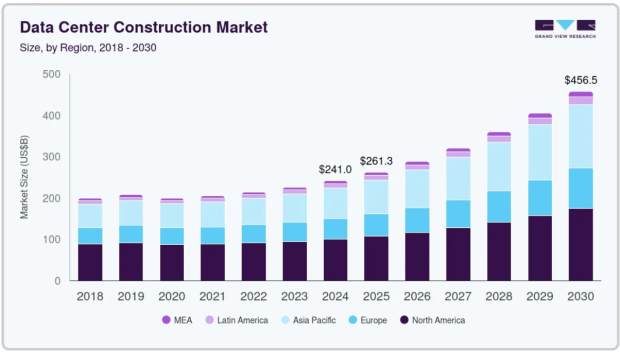
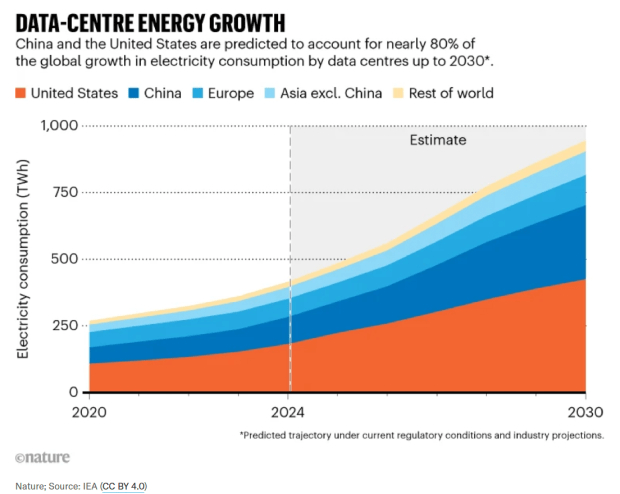
    Conversely, the ISM manufacturing index fell to 47.9 in December from 48.2 the prior month, continuing its contractionary trend for the tenth straight month (a reading below 50 indicates contraction). Only 2 of 17 manufacturing industries—Electrical Equipment, Appliances & Components, and Computer & Electronic Products—reported growth, likely supported by strong data center demand.

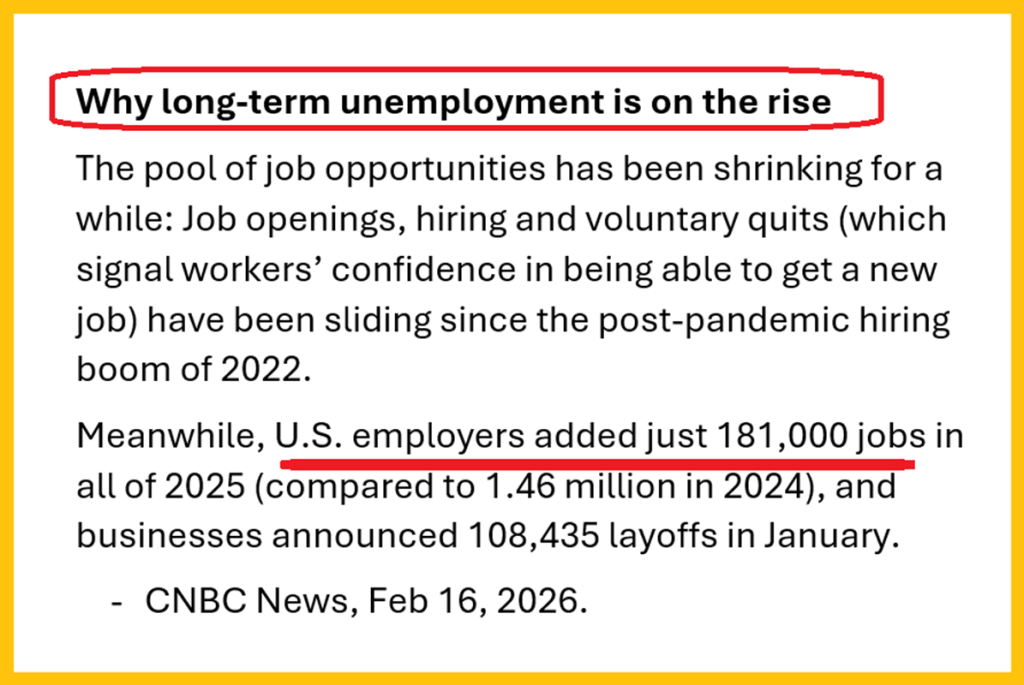
    ADP’s December report showed private payrolls increasing by 41,000, missing economists’ expectation of 48,000. This follows a loss of 29,000 private jobs in November, meaning just 12,000 private jobs were created over the last two months. Manufacturing shed 5,000 jobs in December, while education and health services added 39,000, and leisure and hospitality gained 24,000 jobs. Regionally, the West lost 61,000 private sector jobs, while the South led with a gain of 54,000.

    Residential investment acted as a 5.1% drag on GDP growth during the second and third quarters. Strengthening GDP going forward will depend largely on stabilizing the residential real estate market, which remains sluggish due to high mortgage rates, rising insurance costs, and an oversupply in several key areas. According to the Intercontinental Exchange, prices for U.S. condominiums dropped 1.9% in September and October, with high homeowners association (HOA) fees and insurance expenses cited as major factors. In nine major metropolitan regions, over 25% of condominiums have fallen below their original sale prices. While multiple Federal Reserve rate cuts could help support home prices, the current weakness is fueling deflationary concerns that the Fed needs to address.

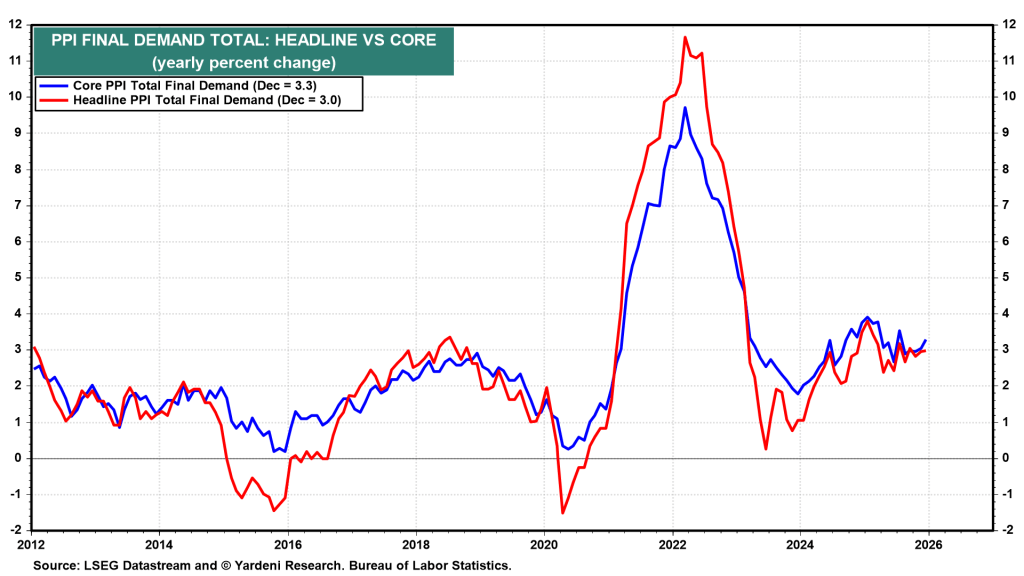
    If deflation emerges from (1) weak housing and rental prices, (2) low crude oil prices, and (3) deflation imported from China and other struggling global economies, the Fed may need to implement rapid interest rate cuts totaling around 100 basis points. With President Trump expected to nominate a new Fed Chair soon, current Chair Jerome Powell is likely to become a lame duck. Minutes from the December Federal Open Market Committee (FOMC) meeting indicated at least one more 0.25% rate cut is probable, but any further deflationary signals could prompt the Fed to enact much larger reductions in key rates in the coming months.

    President Trump is expected to nominate a new Federal Reserve Chair in January who will likely reverse the Fed’s current restrictive policies and adopt a more pro-business stance. Should Kevin Hassett, the current Chair of the Council of Economic Advisors, be appointed, the Fed would gain a strong economic advocate, a development that many find promising and exciting.

    Sources: Investing

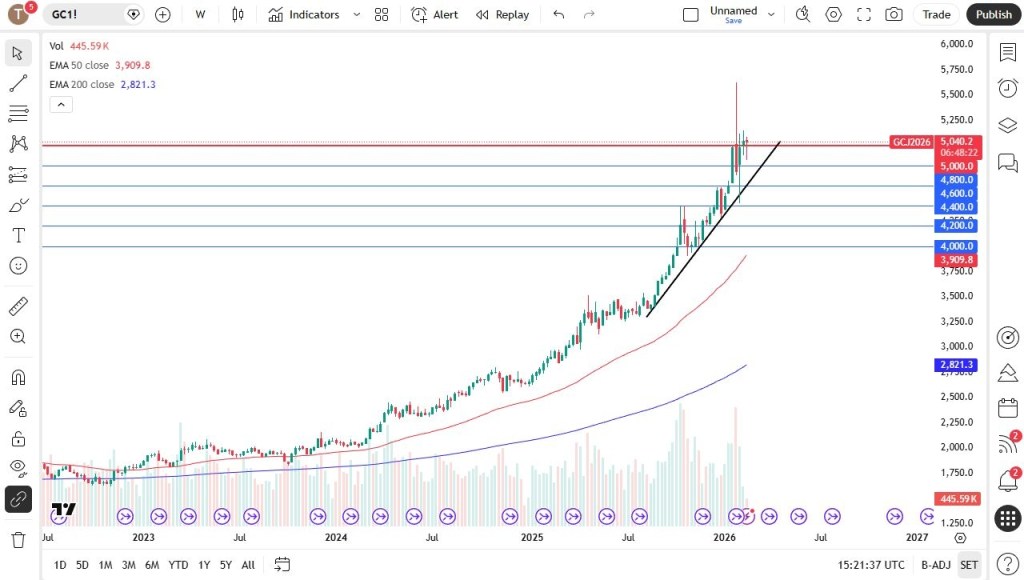
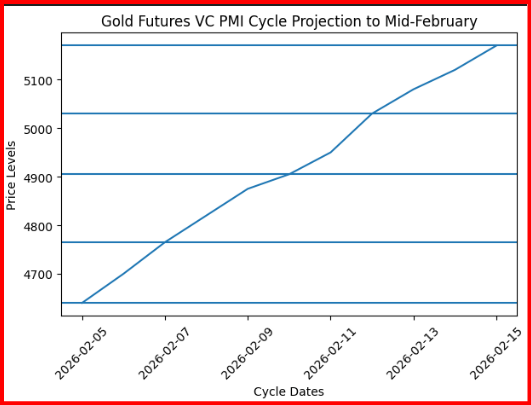
  • Gold stays strong as rising global tensions revive the case for hard money

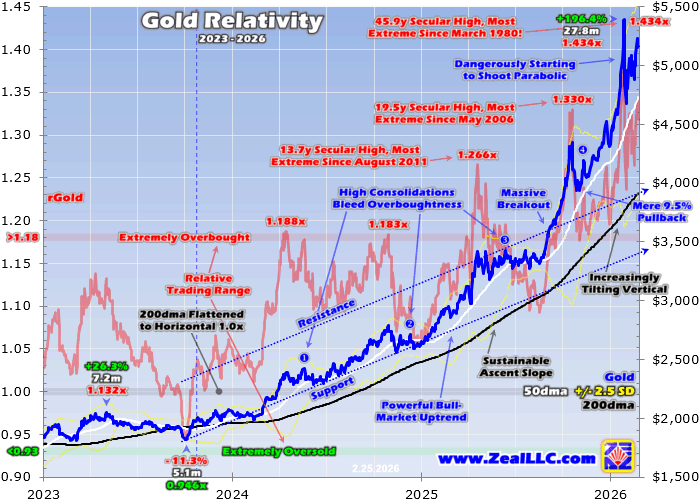
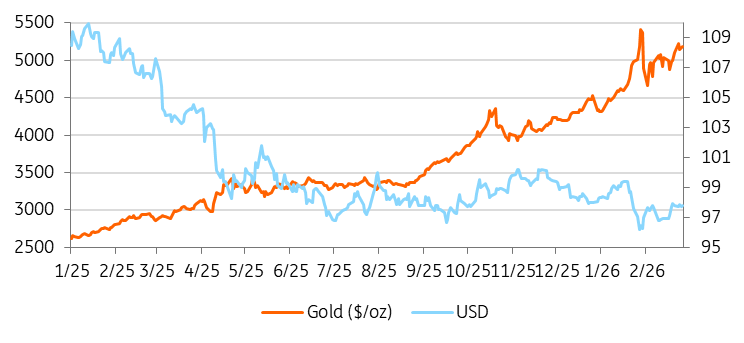
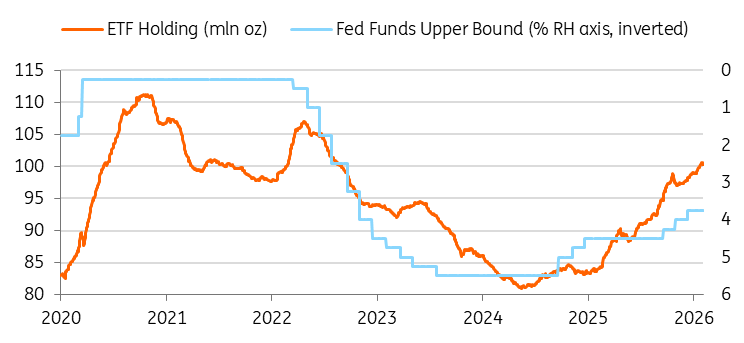
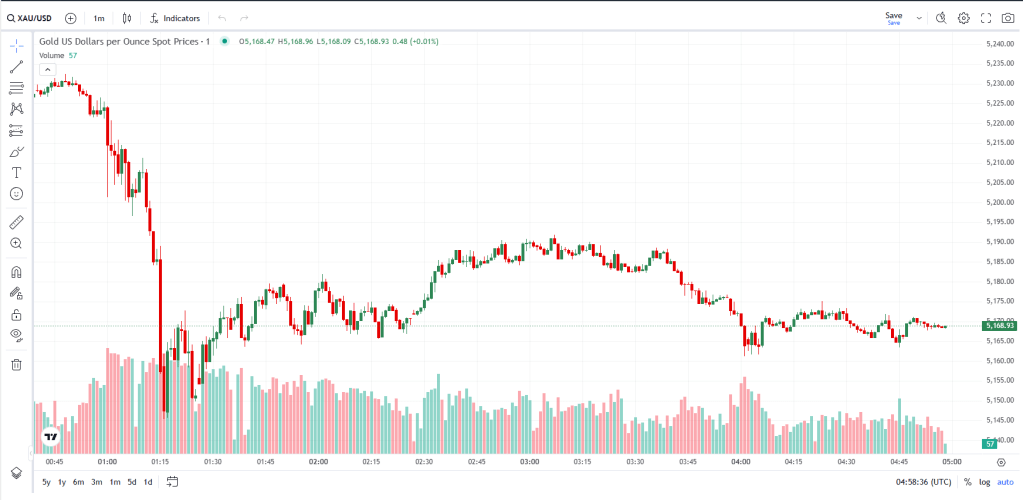
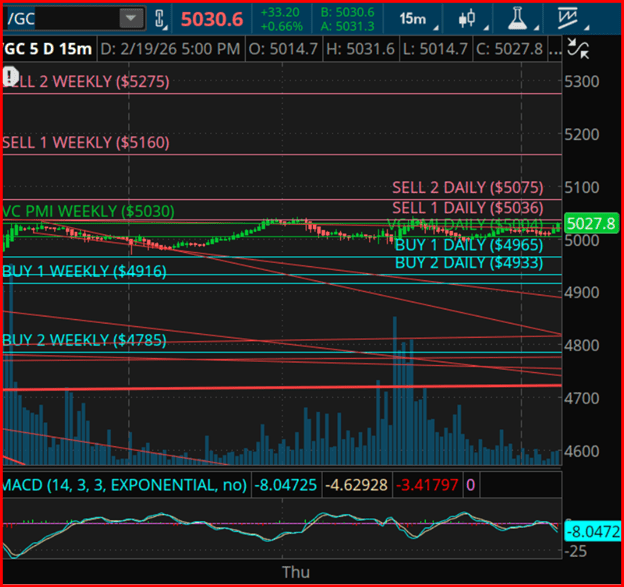
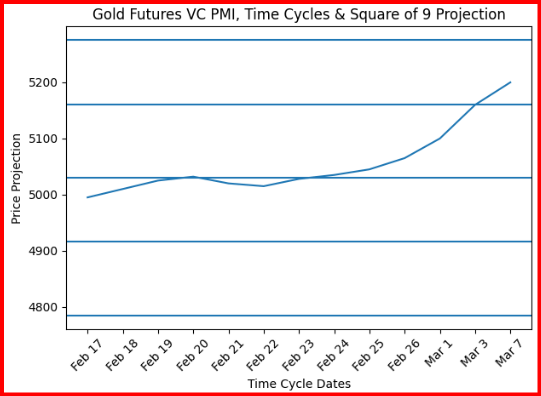
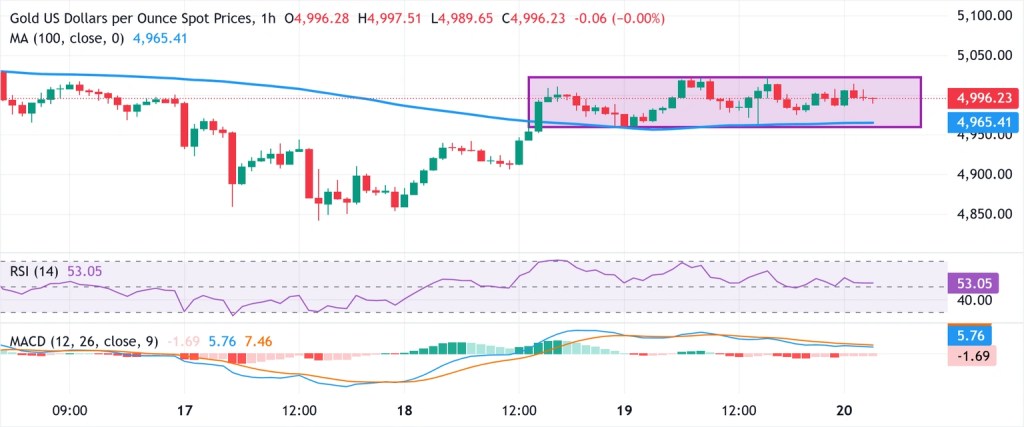
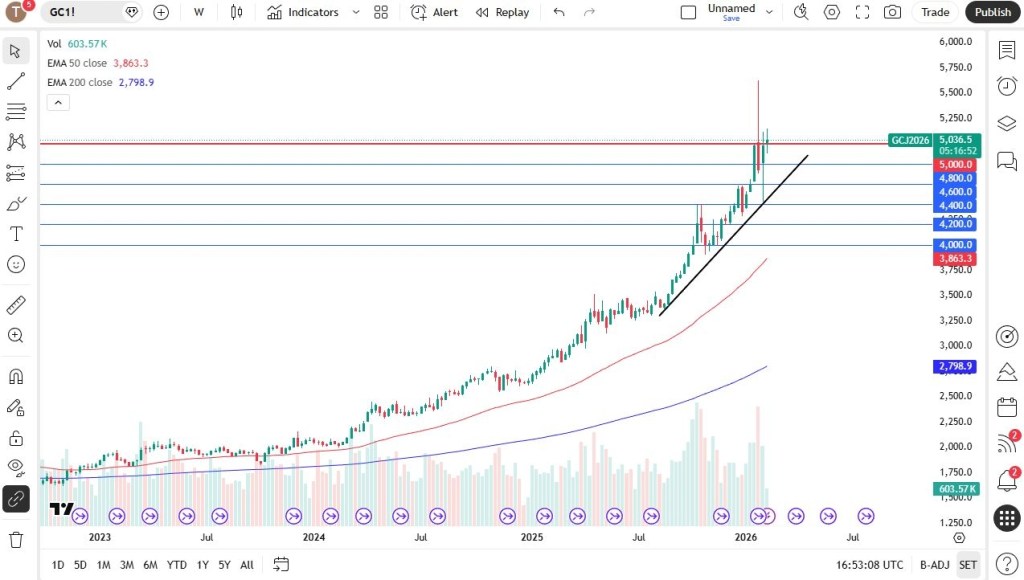
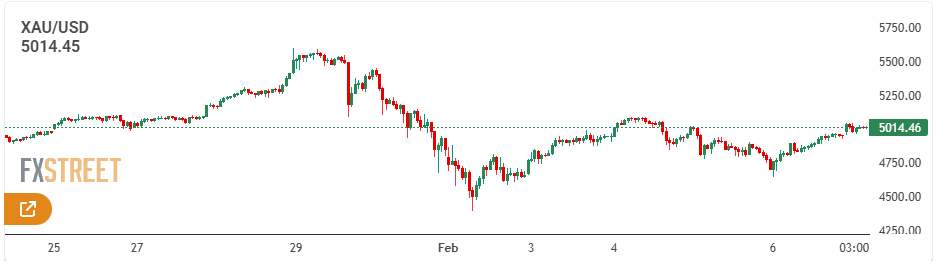
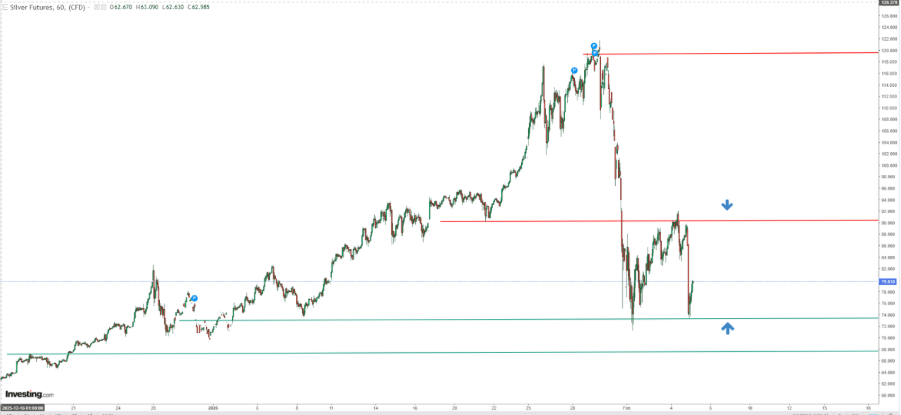
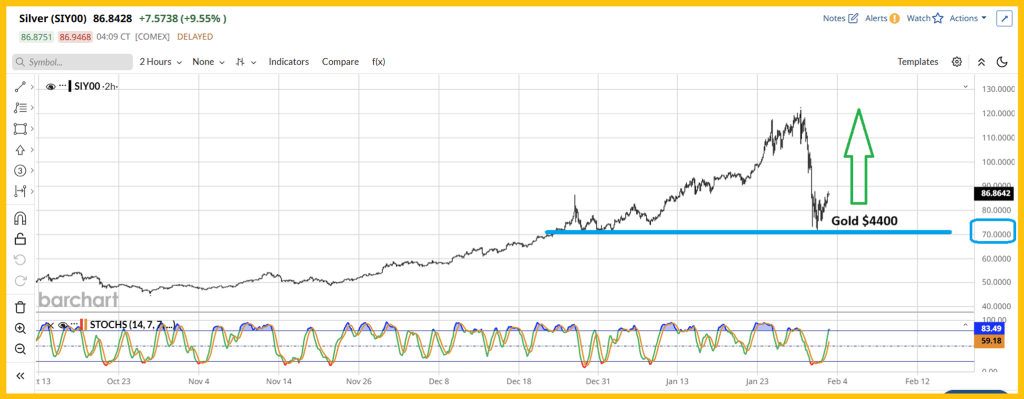
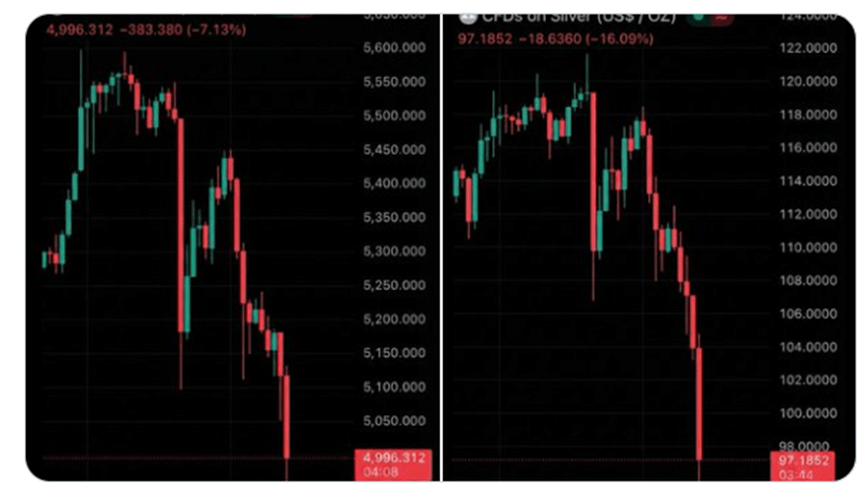
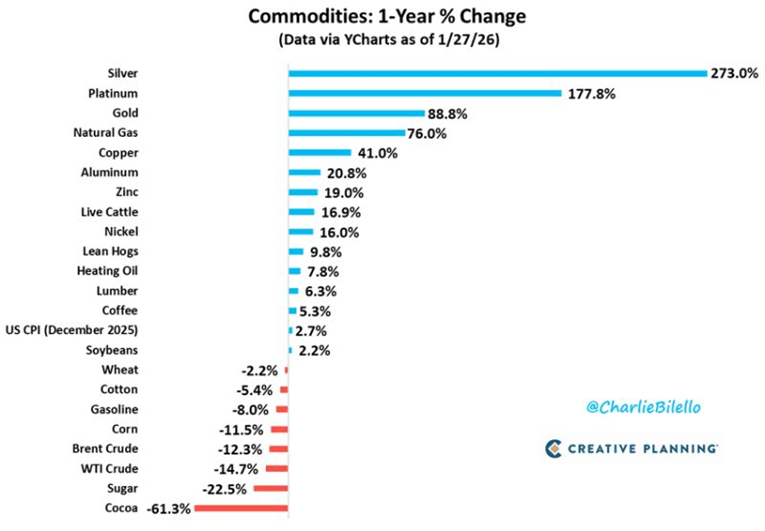
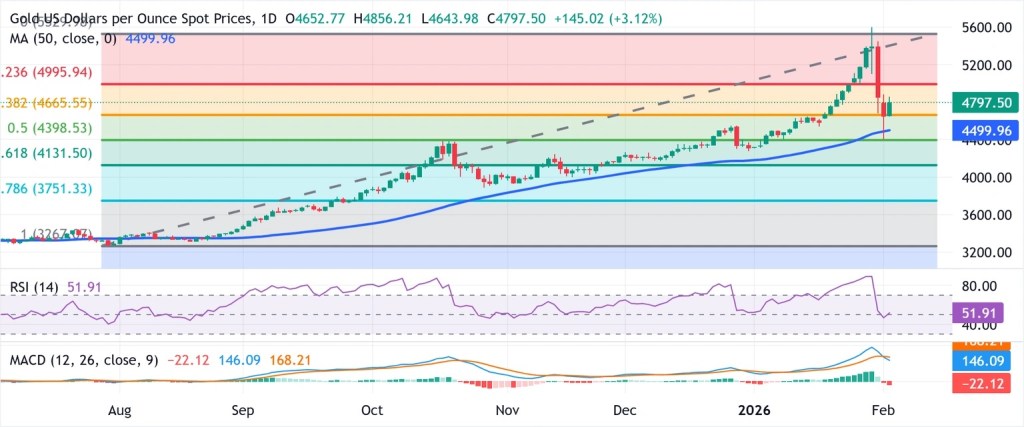
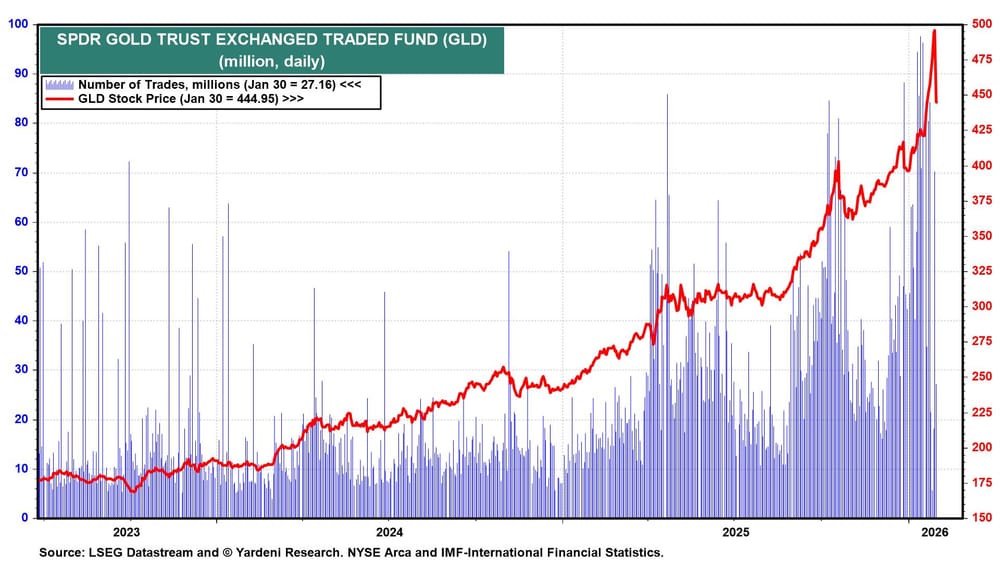
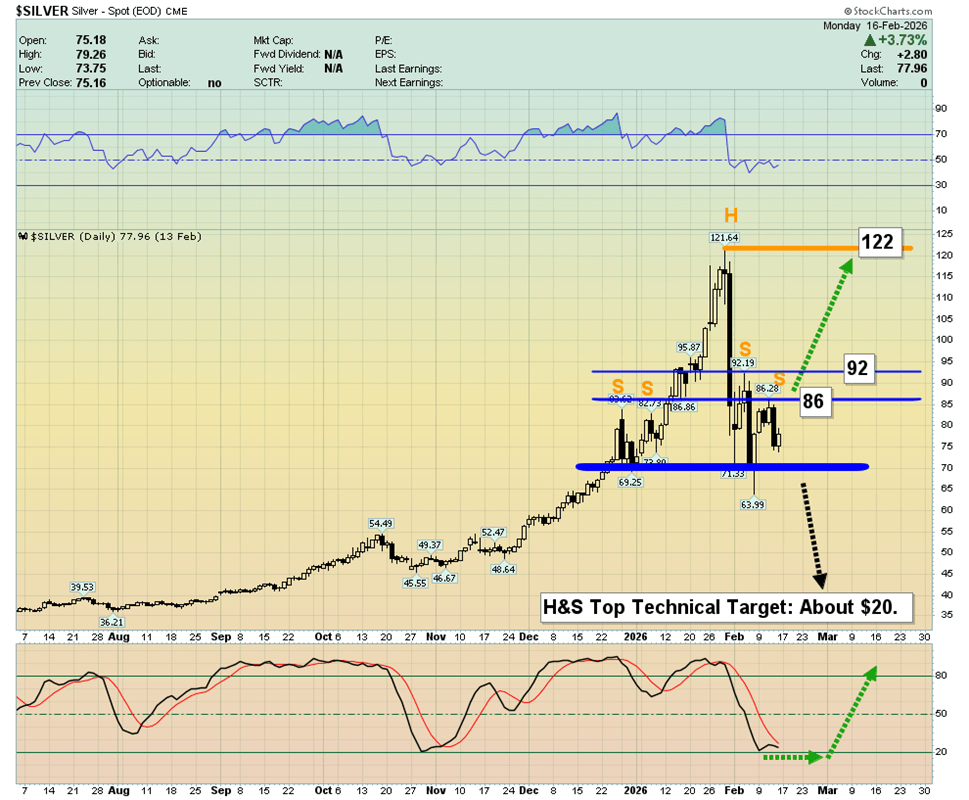
    Critics of fiat currency have repeatedly tried—and failed—to call a peak in gold and silver. Once again, their arguments were derailed by geopolitical developments in Venezuela and beyond. The repercussions could prove even more supportive for the world’s most powerful form of money: Gold.

    Iran is increasingly becoming a flashpoint of unrest, with protesters chanting “Death to the dictator!” while the U.S. government threatens action against the regime. Meanwhile in Asia, Chinese social media is circulating alleged plans to remove Taiwan’s leadership in a manner similar to what happened to Maduro. At the same time, President Trump’s earlier claim that he could end the war in Ukraine within 24 hours has clearly proven unrealistic. The conclusion is straightforward: geopolitical forces are now providing exceptionally strong support for gold—arguably outweighing, at least for the moment, concerns over government debt.

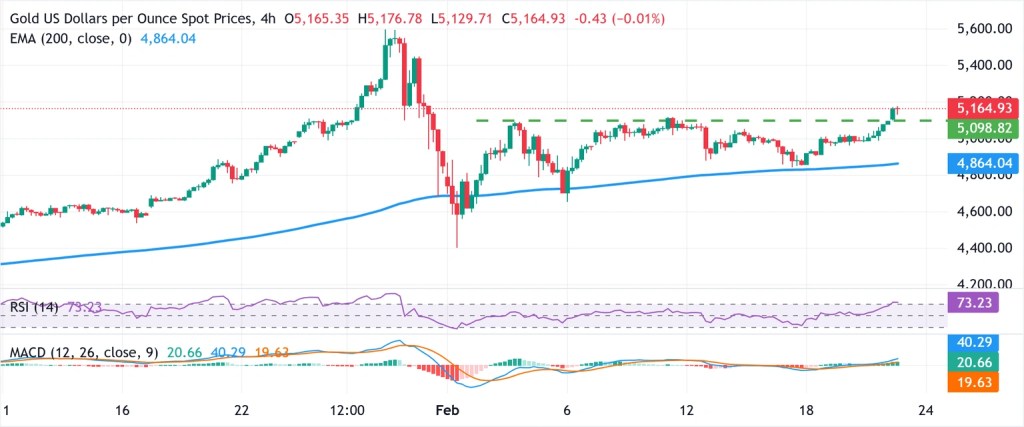
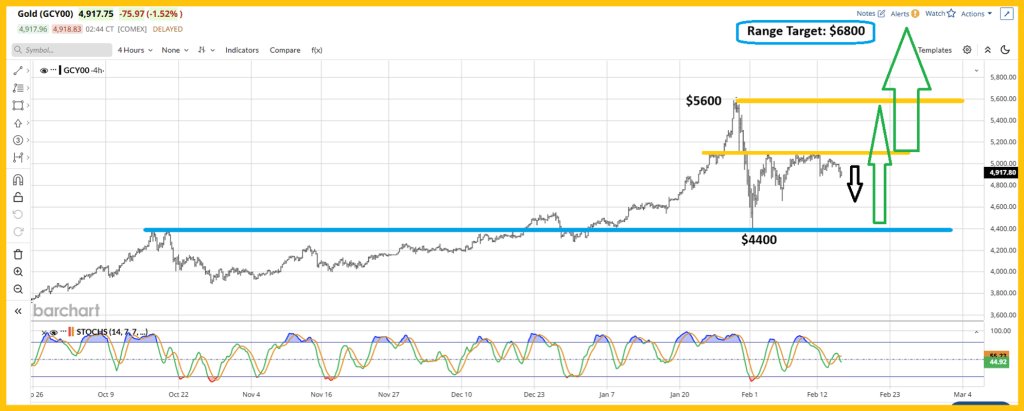
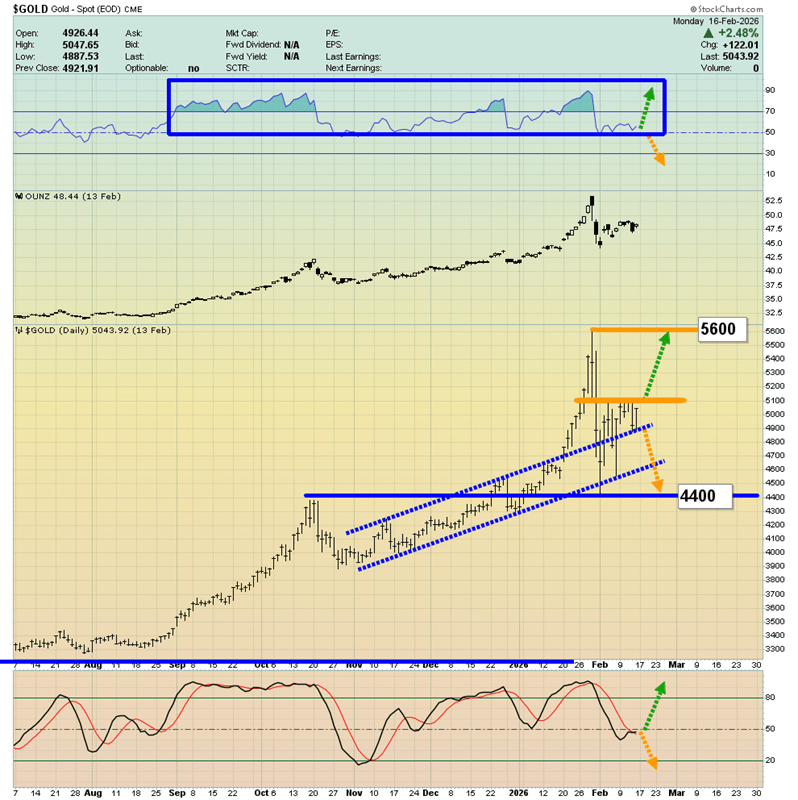
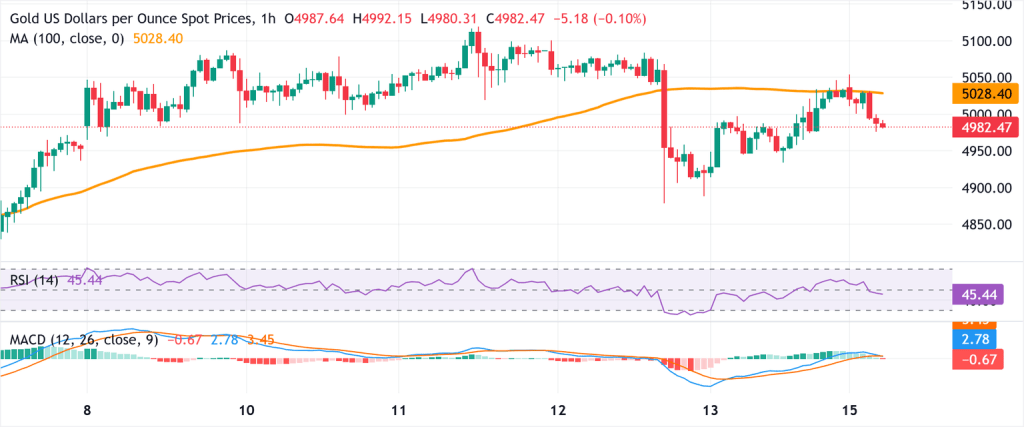
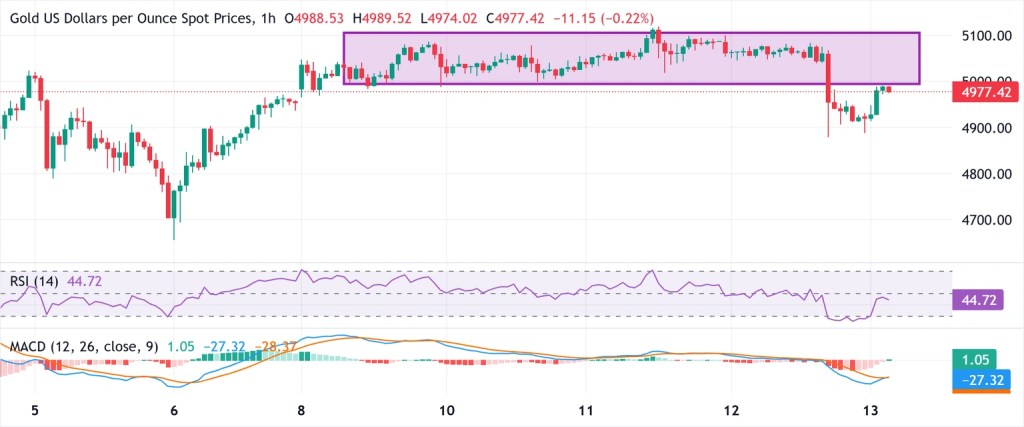
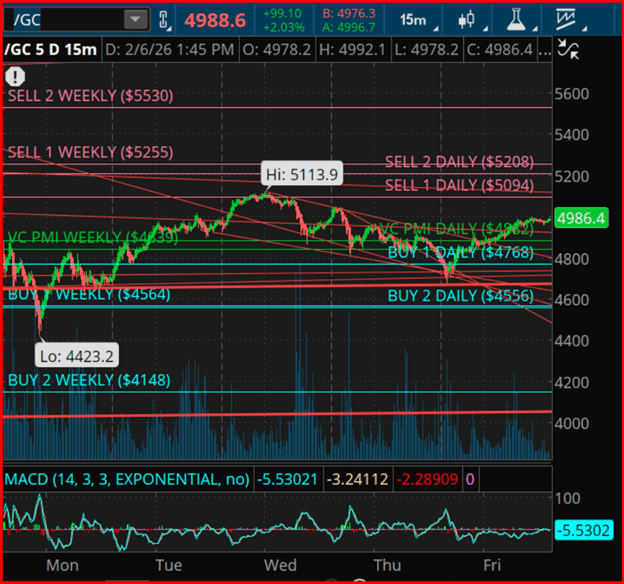
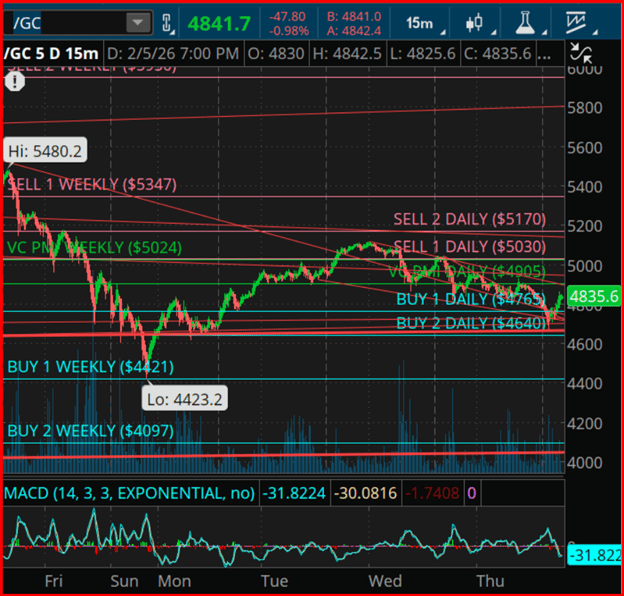
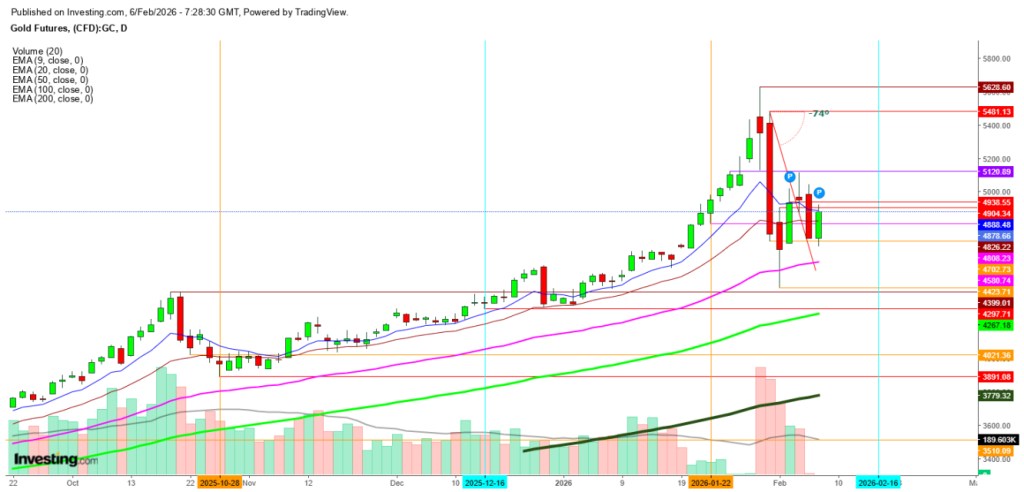
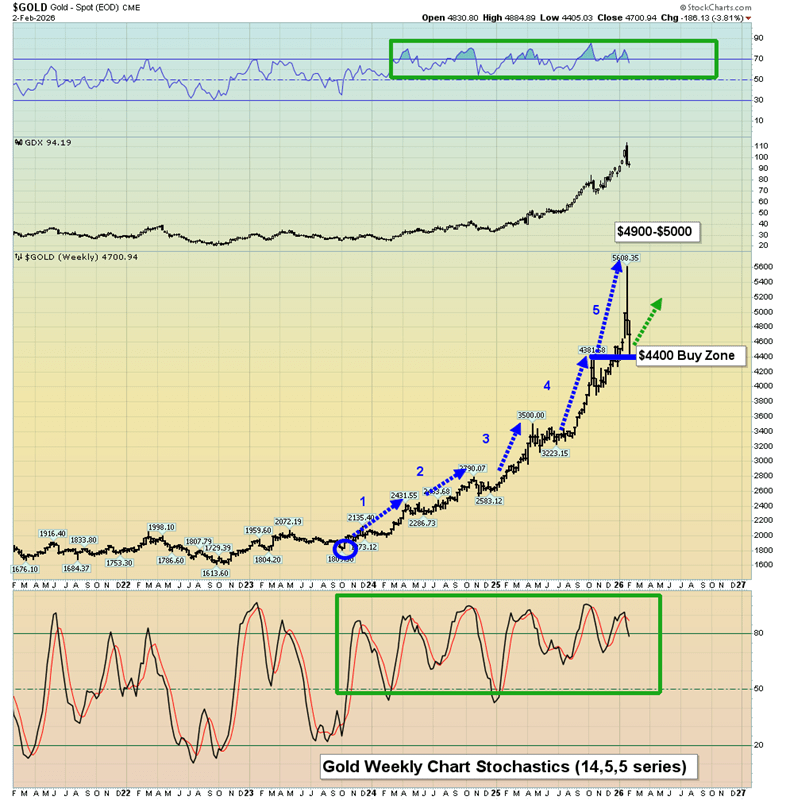
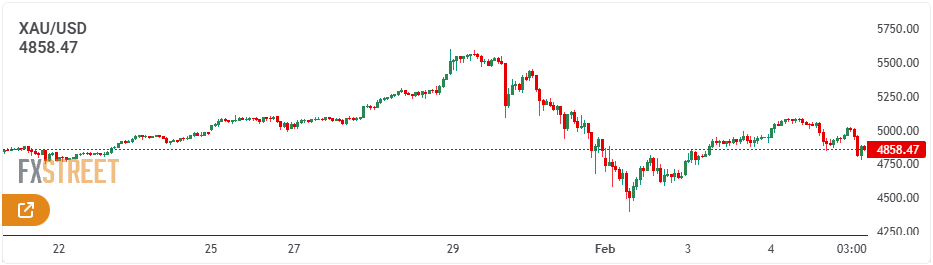
    Gold appears to have broken higher from its October peak, and the pullback toward my $4,260 “speculator buy zone” is a technically normal correction. Investors who currently hold no gold should not wait around for a major selloff before entering the market. A small starter position is a better way to gain initial exposure to this exceptional asset. From there, larger allocations can be added during deeper pullbacks into strong support levels.

    Because people are forced to purchase nearly everything using their government’s debased fiat currency, their attention in the early phase of a fiat system is directed toward acquiring more fiat rather than accumulating gold.

    Over time, the purchasing power of fiat currency deteriorates rapidly, eventually pushing people to shift their focus toward gold. This is the phase America is expected to enter within the coming years. For those who have already adopted gold as their preferred currency, it will be a rewarding period—while for others, the transition may prove unsettling.

    The platinum chart looks impressive. While platinum isn’t considered money, it remains a valuable metal and a useful means to acquire more gold. My recommendation was to buy platinum when prices are below $1,000 and then sell 30% to 70% of holdings between $1,800 and $2,400, using the proceeds to purchase gold. Personally, I opted to sell 70% and keep the remaining 30% as a long-term investment.

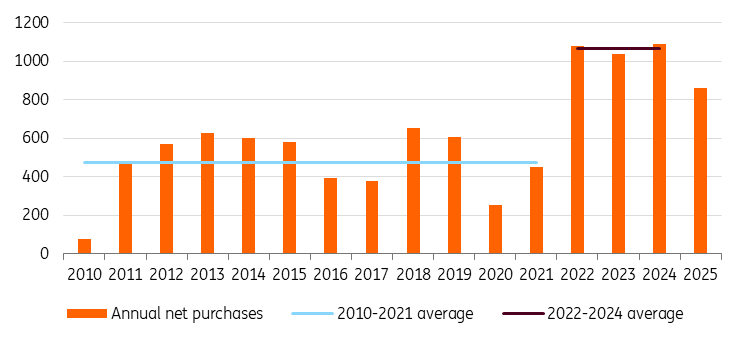
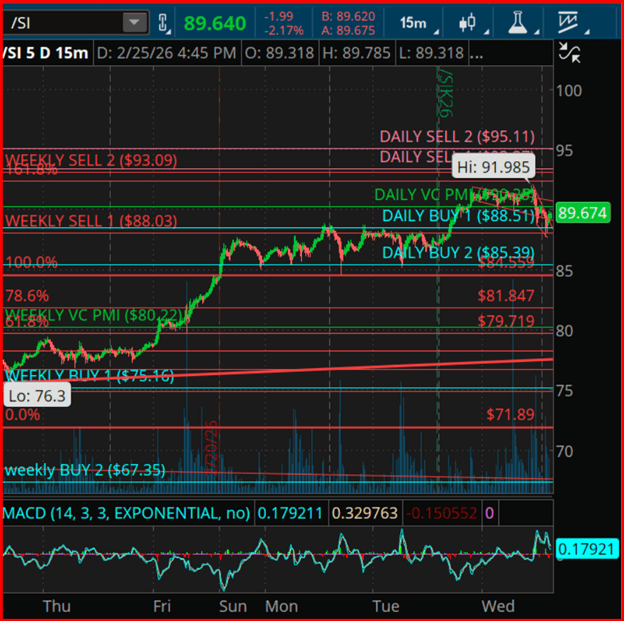
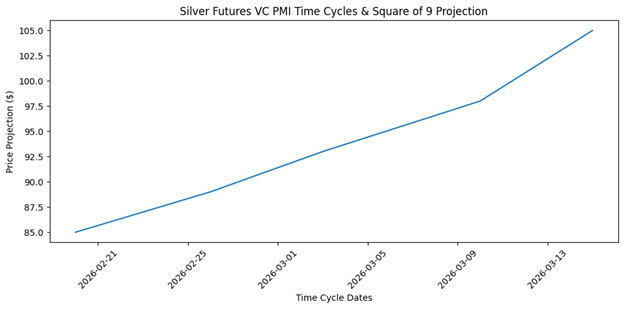
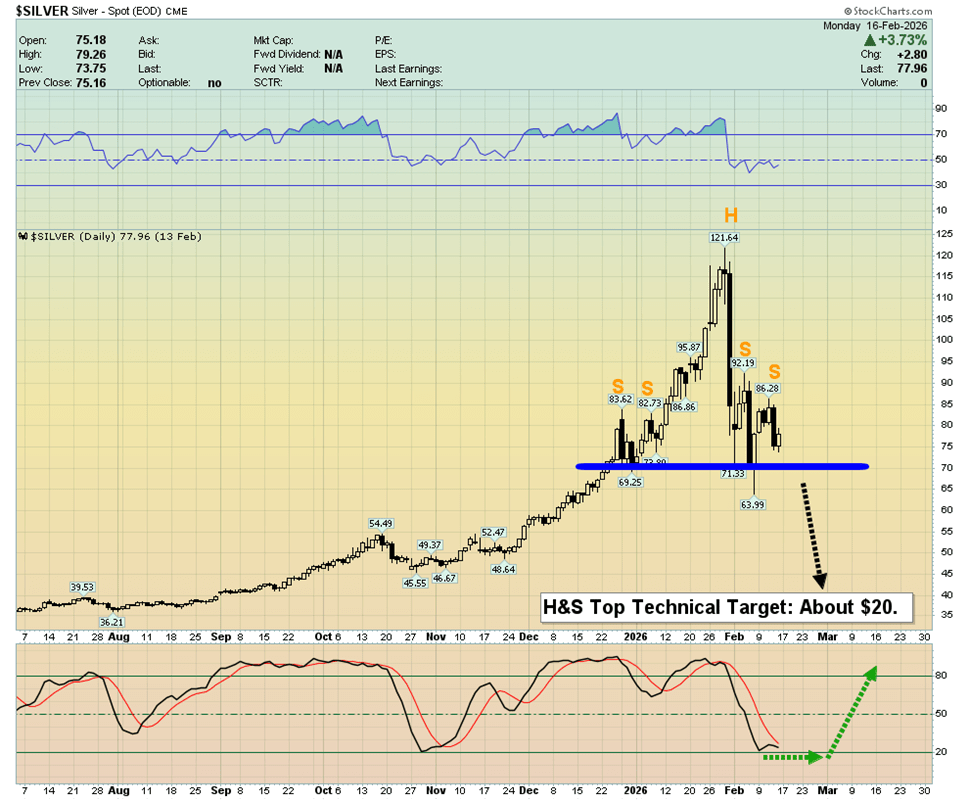
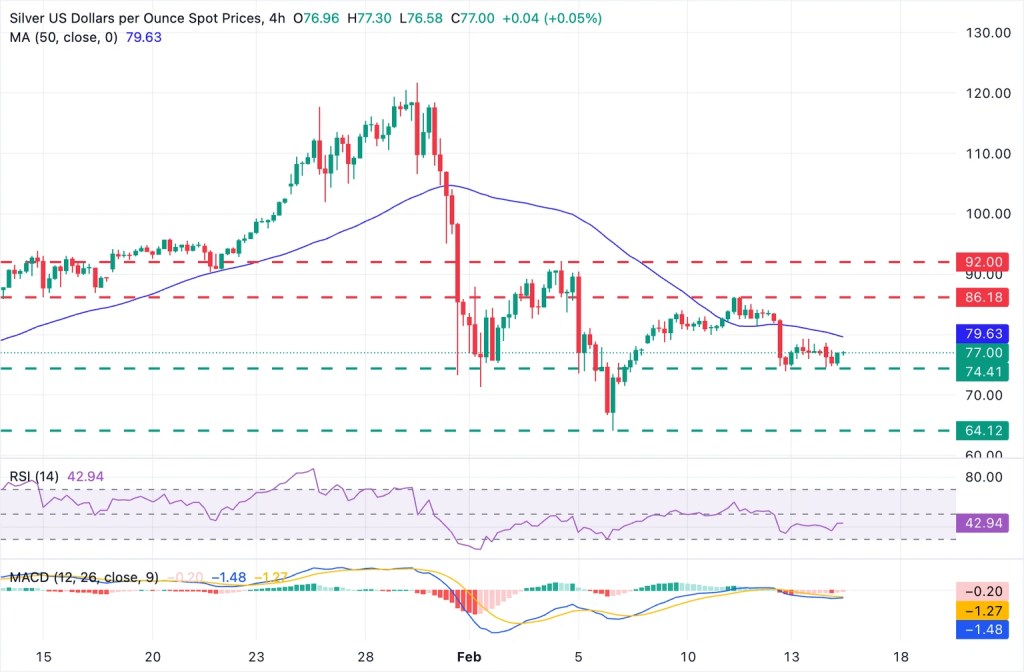
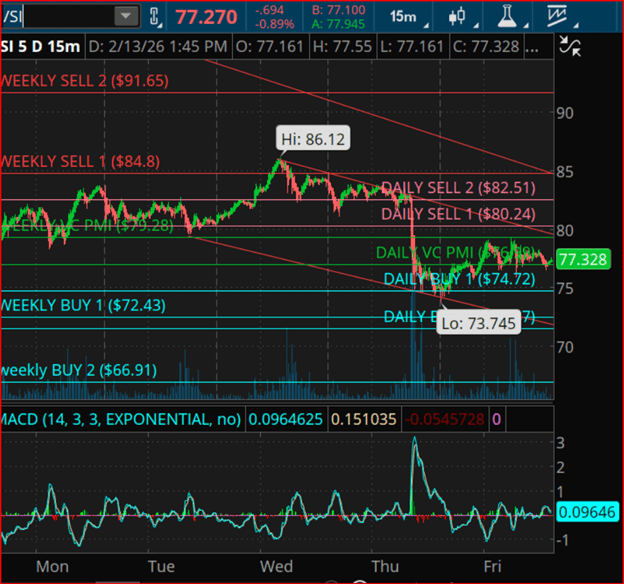
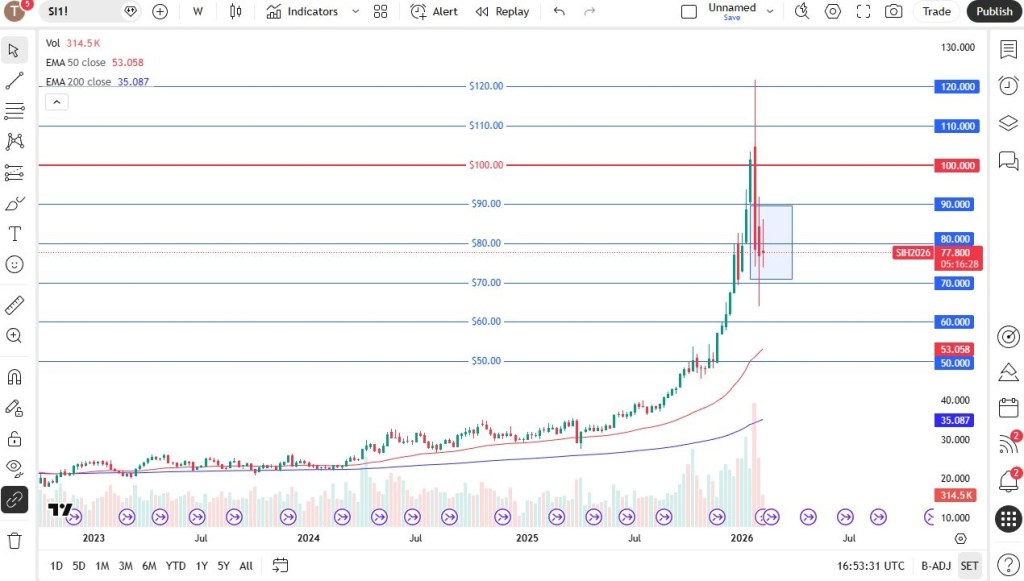
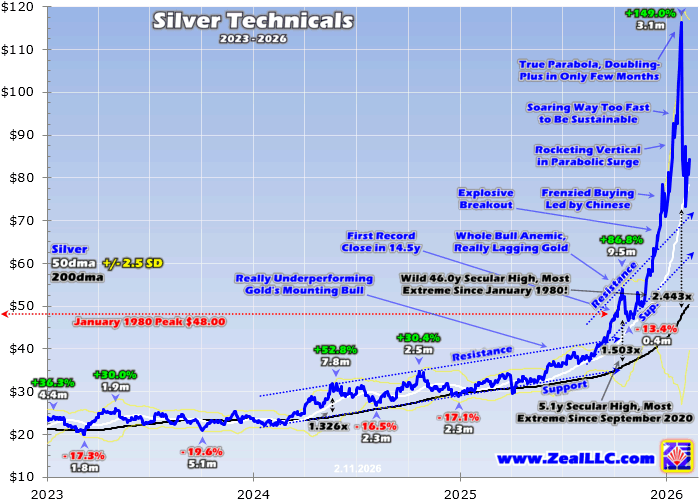
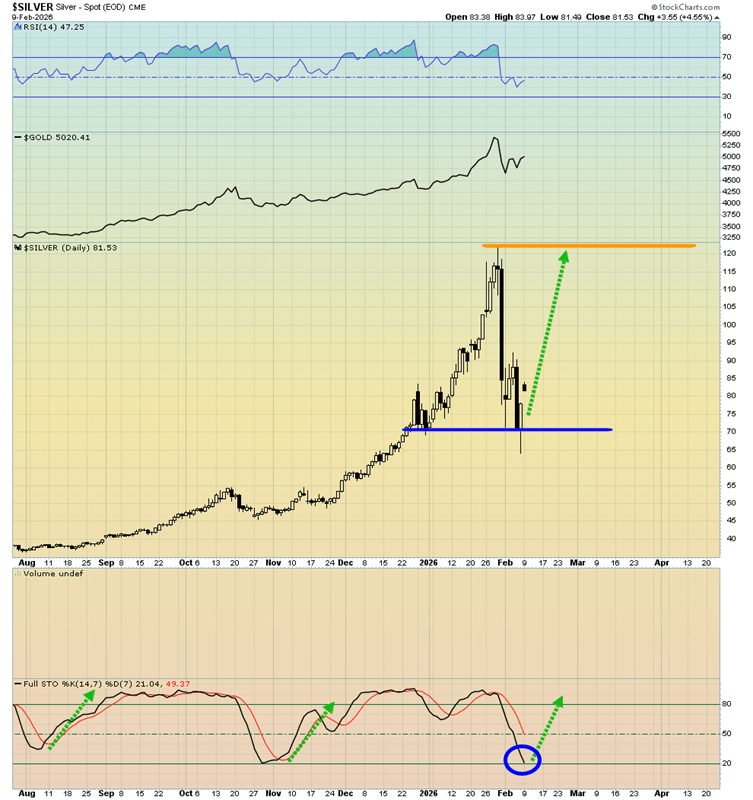
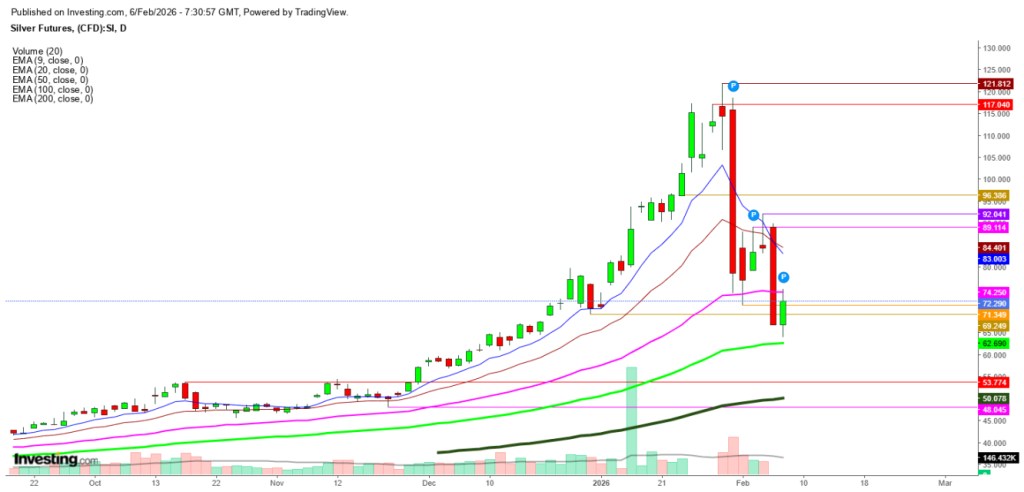
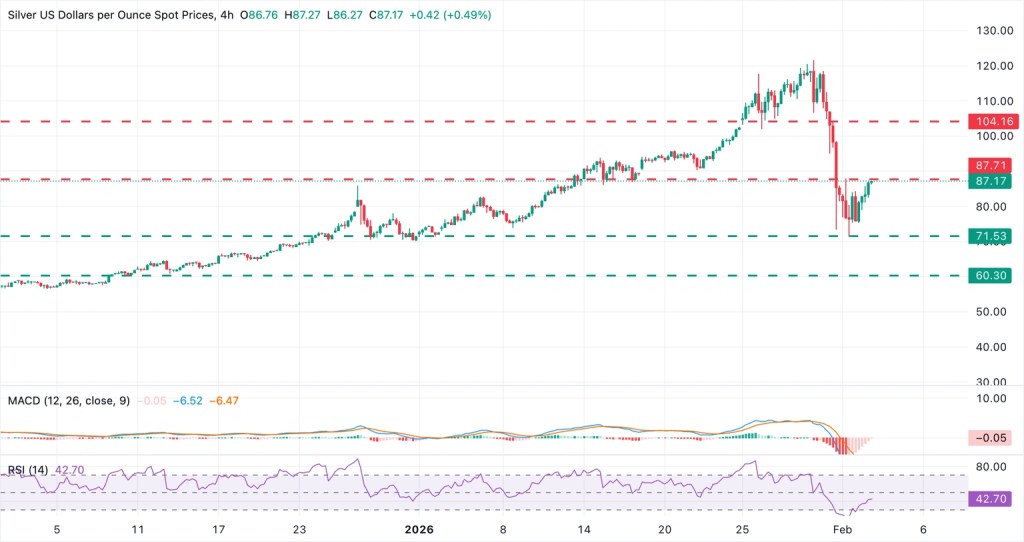
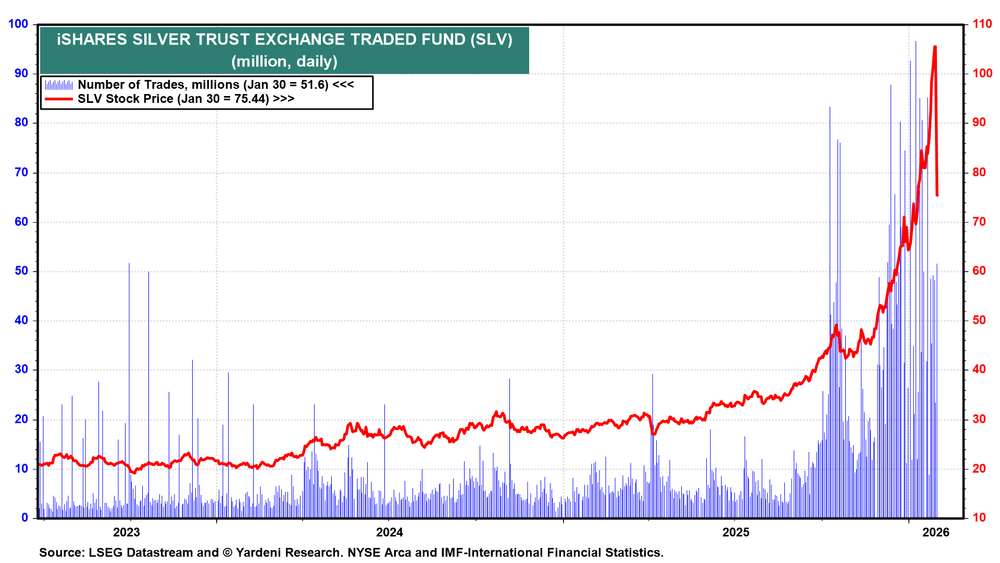
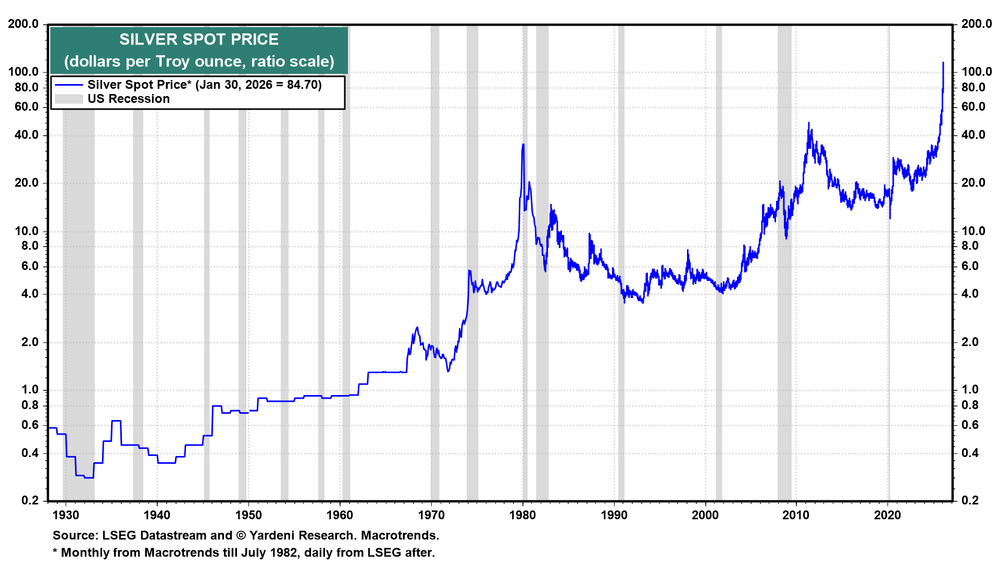
    As for silver, there’s promising news: it might reclaim its role as a form of money. Rumors persist about central banks’ growing interest in this remarkable metal. Additionally, the era of robotics is dawning, with millions of robots set to replace human workers. Most will likely run on electricity generated by solar panels, which require silver for their production. While some manufacturers may switch to copper, a $100 price floor for silver appears inevitable.

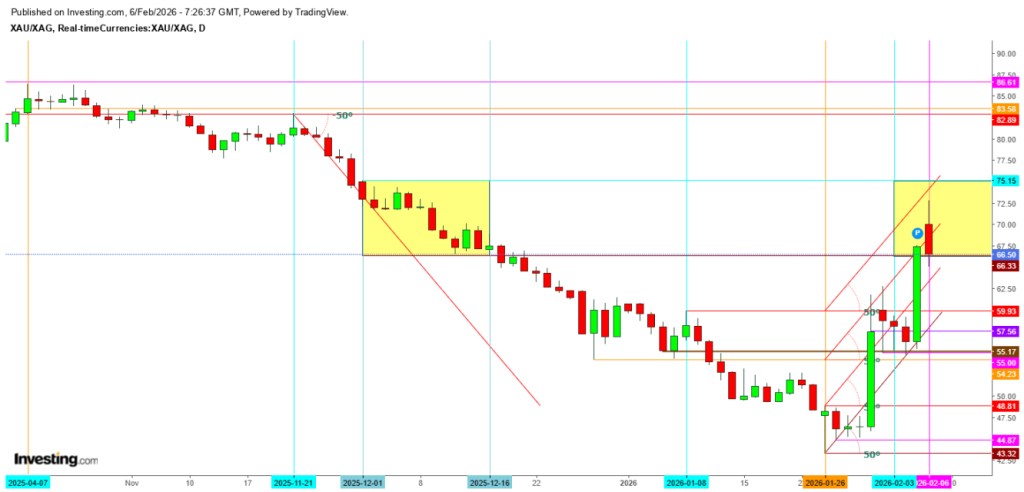
    Examining this metal’s impressive price movement relative to gold, and with silver’s potential to regain recognition as money, my advice is to sell no more than 30% of your holdings during the current upward rally, which has brought prices into my targeted zone on the chart. Similar to platinum, gains should be reinvested not into depreciating fiat currencies, but into gold.

    Another important asset for investors focused on gold is uranium. The chart for yellowcake stocks (URNM ETF) is striking, displaying a bullish inverse Head & Shoulders continuation pattern with a notably strong high right shoulder. Additionally, the Stochastics (14,7,7) indicator is signaling a buy at the chart’s lower levels. Simply put, yellowcake stocks present one of the clearest momentum-driven buying opportunities available.

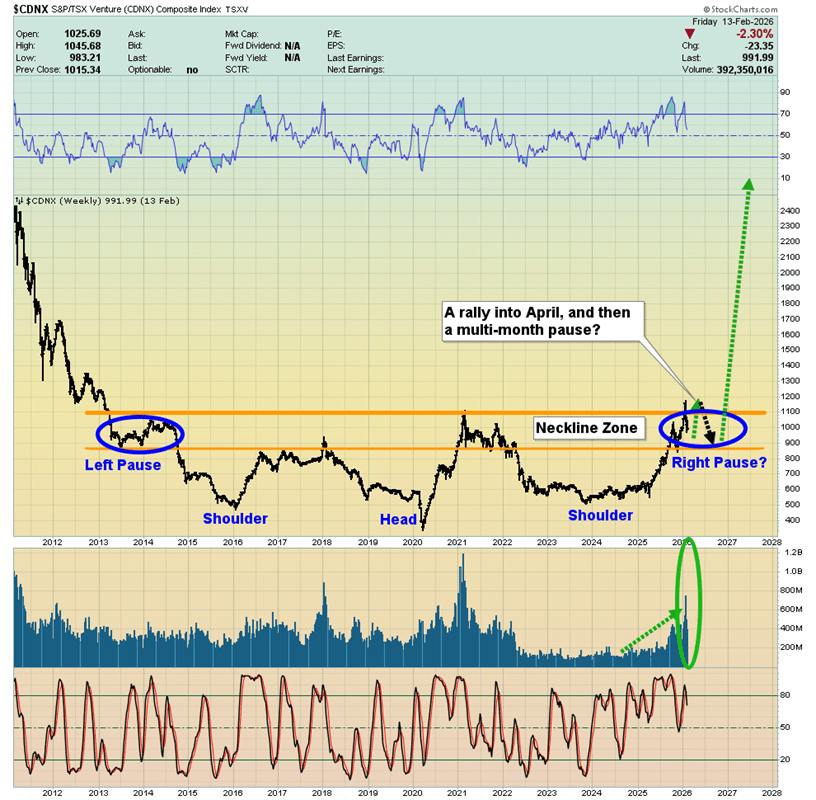
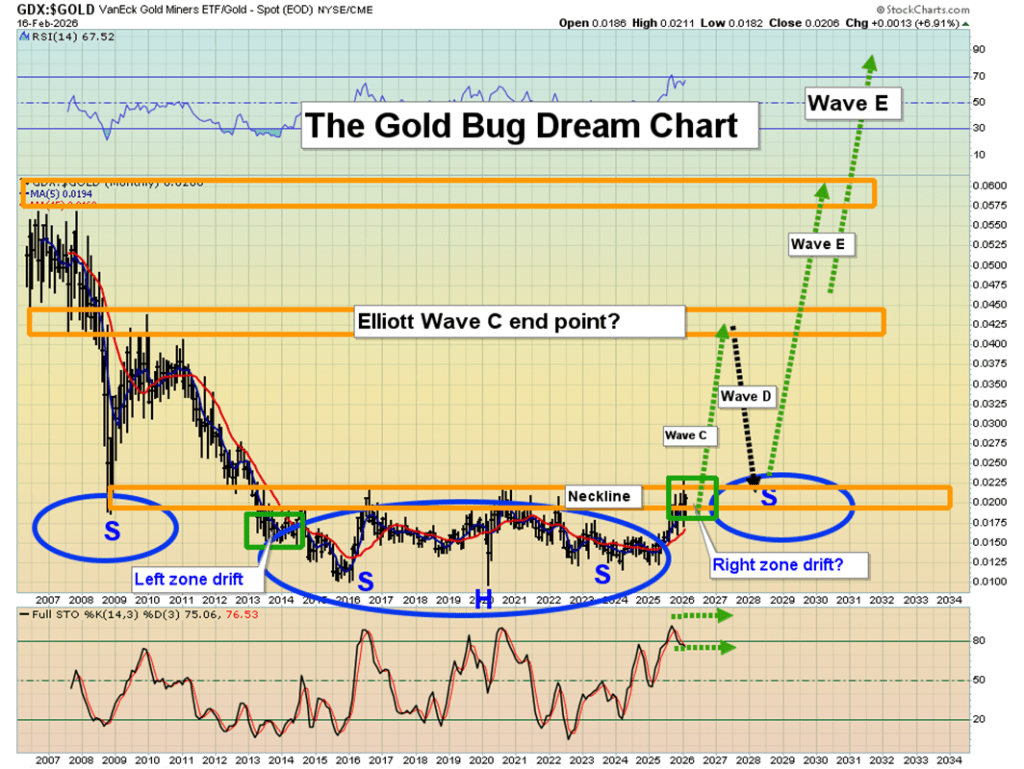
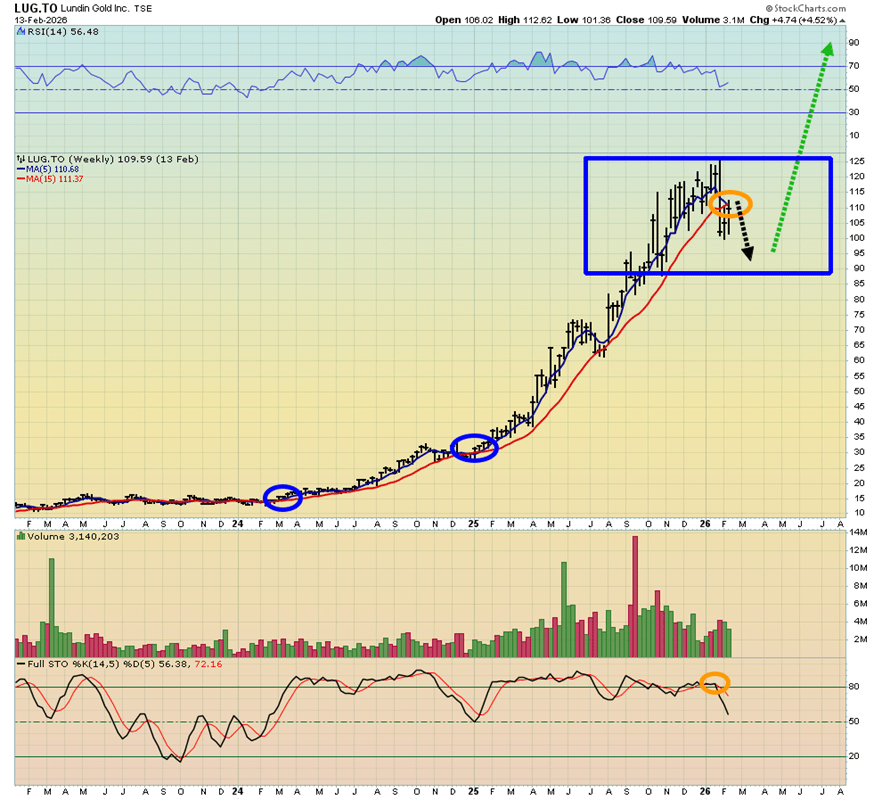
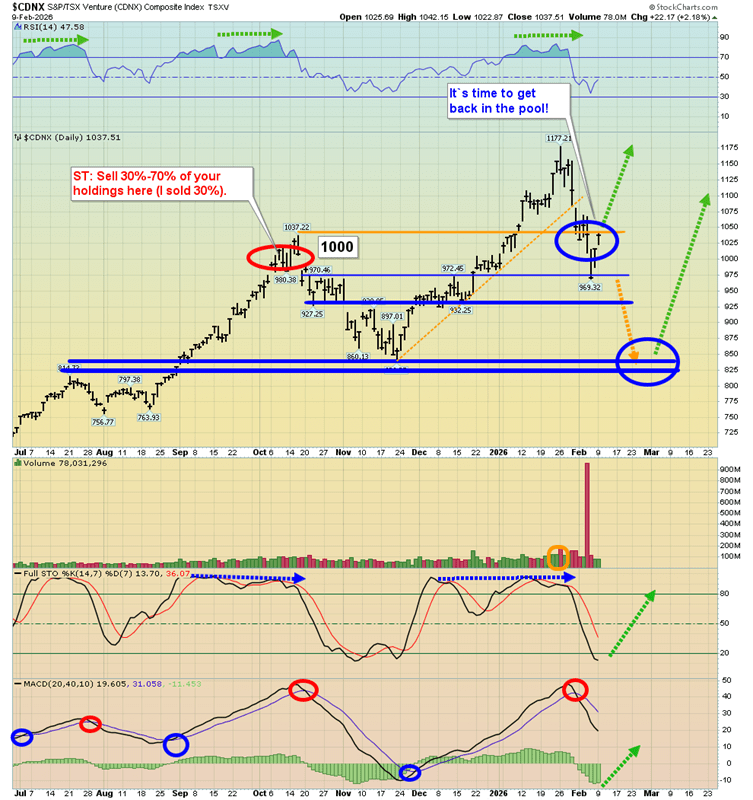
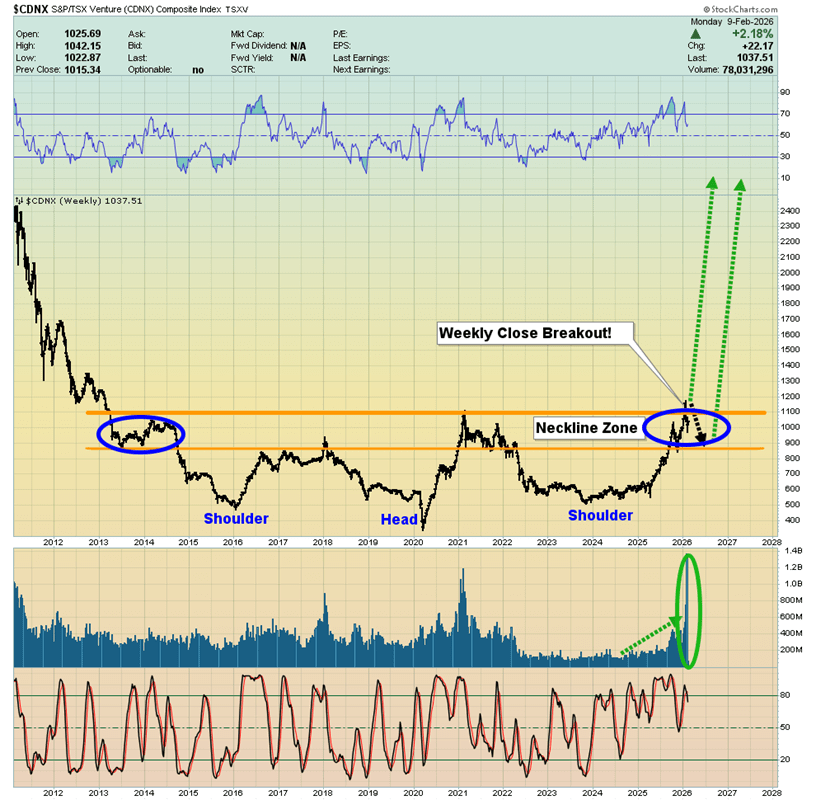
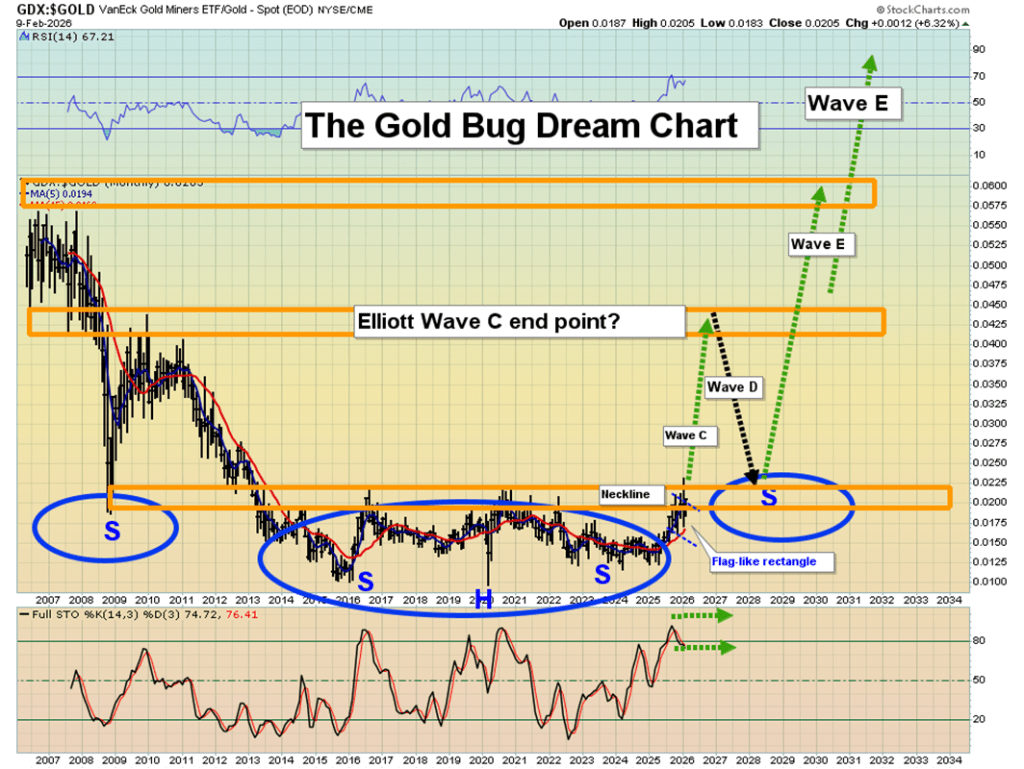
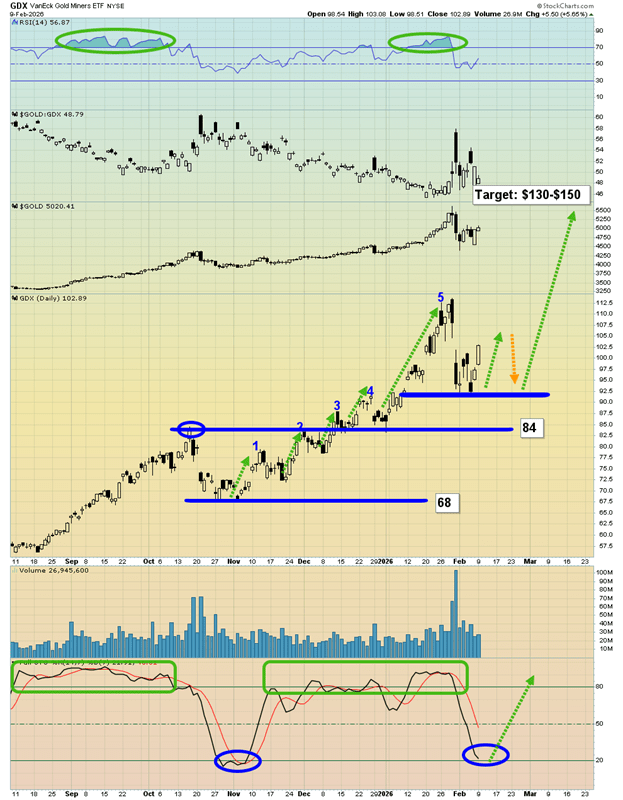
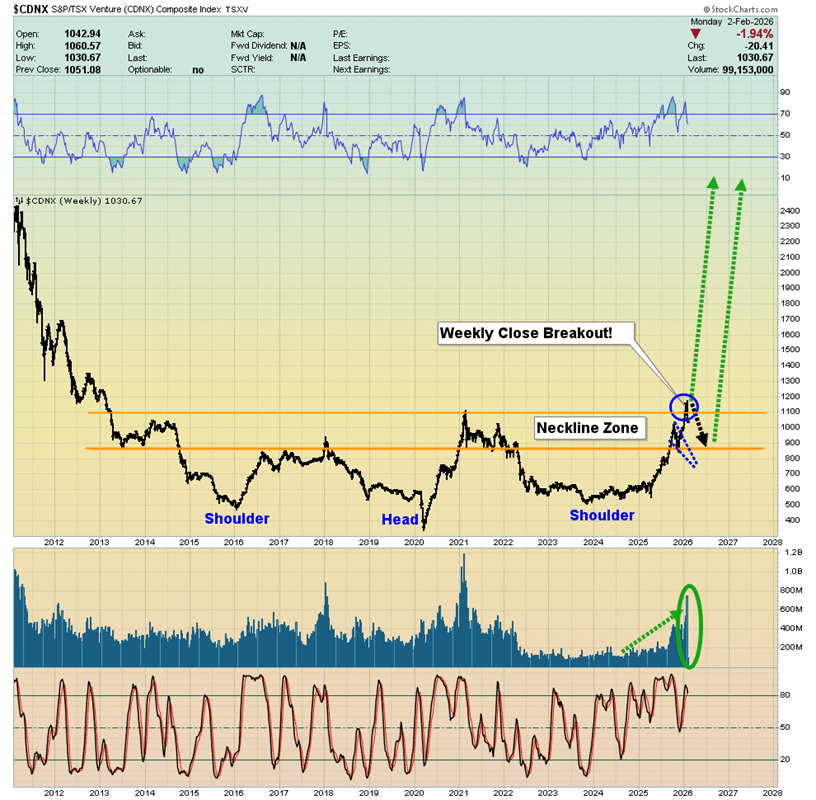
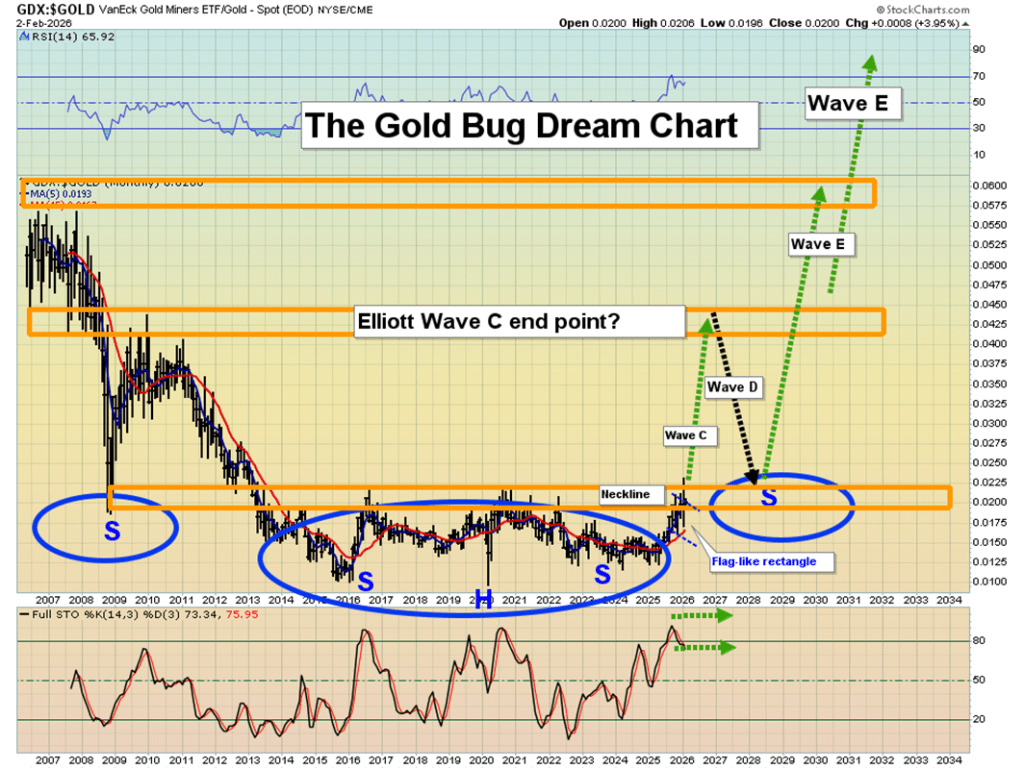
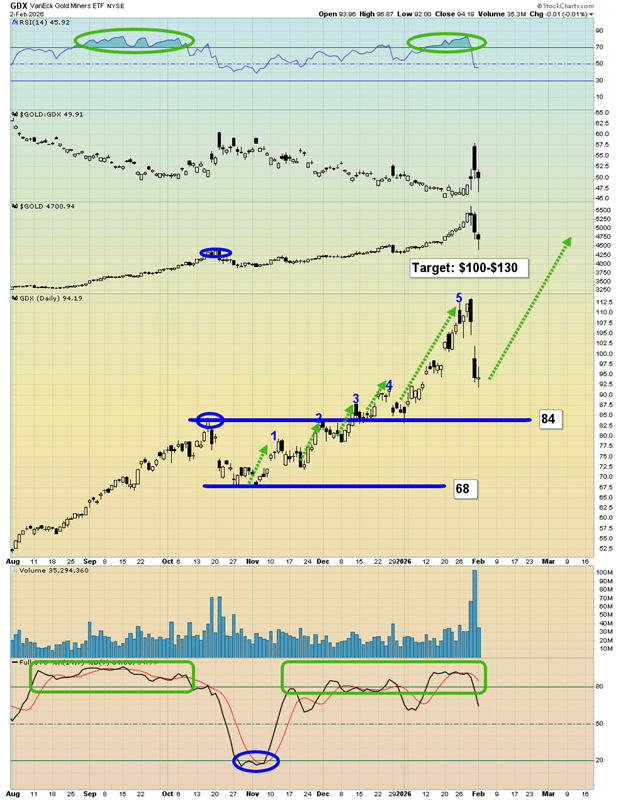
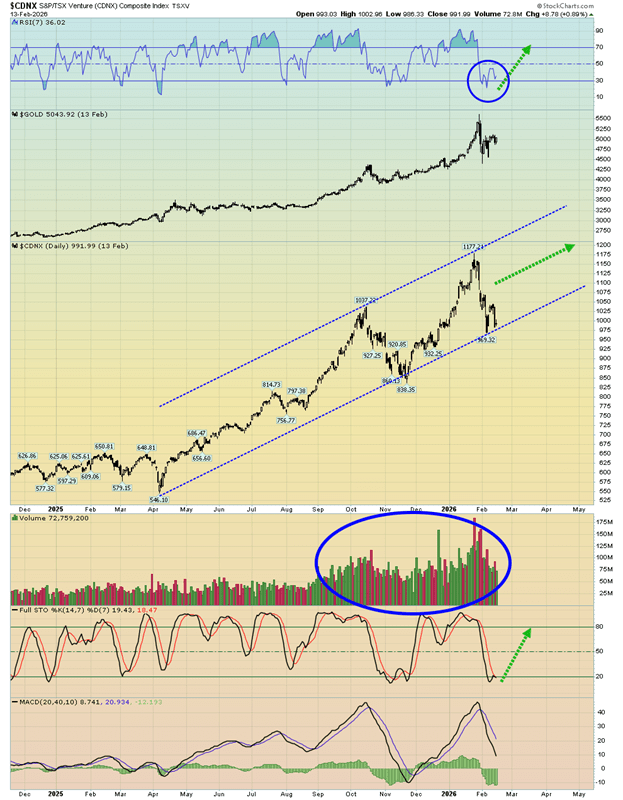
    What about the miners? This could be one of the most bullish charts worldwide. I’ve advised investors in mining stocks to watch the CDNX closely as a key indicator of upside potential for gold and silver miners across the board. The right shoulder appears to form a bull wedge, poised to trigger a powerful breakout for these significantly undervalued miners.

    The “mouthwatering” GDX versus gold chart has caught my attention. I urged investors to look for a Stochastics (14,3,3) flatline signal, which has now appeared. A breakout above the neckline of the large inverse Head & Shoulders pattern seems imminent.

    Put simply, if an investment cannot outperform gold—the ultimate store of value—there’s little reason to buy it; investors might as well hold gold directly. In the case of mining stocks, they seem poised to deliver one of the most significant wealth-building opportunities in market history. The key question remains: are informed investors ready to take advantage?

    Sources: Investing

  • Market Trend Structure

    Market Trend Structure (often called Market Structure) describes how price moves over time by forming highs and lows. It helps traders understand trend direction, strength, and possible reversals.

    Types of Market Trend Structure

    Why Market Trend Structure Is Important

    ✔ Identifies trend direction
    ✔ Helps with entry & exit timing
    ✔ Improves risk management
    ✔ Works across all markets:

    • Stocks
    • Forex
    • Crypto
    • Commodities

    ✔ Valid on all timeframes


    Some other market trend patterns

    Understanding market trend patterns requires a strong foundation in fundamental knowledge to be truly effective.