U.S. stock index futures edged lower Tuesday evening after Wall Street closed down for a third straight session, as investors braced for the final trading day of the year amid thin liquidity and the New Year’s Day holiday on Thursday.
S&P 500 futures slipped 0.2% to 6,933.75, Nasdaq 100 futures fell 0.2% to 25,621.0, while Dow Jones futures eased 0.1% to 48,617.0 by 21:20 ET (02:20 GMT).
Thin Year-End Trading Volumes, Fed Caution Weigh on U.S. Markets
Trading volumes remained thin as many investors stayed on the sidelines ahead of the holiday, while U.S. bond markets are set to close early on Wednesday.
Wall Street closed broadly lower on Tuesday, extending a late-December pullback that has weighed on market sentiment. The S&P 500 slipped 0.1%, the Dow Jones Industrial Average fell 0.2%, and the Nasdaq Composite also ended 0.2% lower.
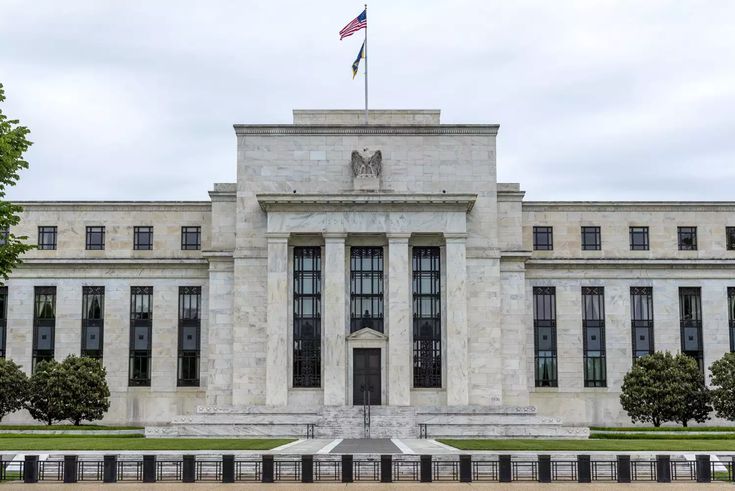
Markets were further unsettled by minutes from the Federal Reserve’s December policy meeting, which highlighted deep divisions among policymakers over the future path of interest rates in 2026.
Although the Fed delivered a quarter-point rate cut at the meeting, the minutes showed that some officials have grown increasingly cautious about further easing, citing persistent inflation pressures and uncertainty around the economic outlook. Others warned that keeping policy overly restrictive for too long could risk slowing economic growth too sharply.
Santa Claus Rally Optimism Fades as Thin Liquidity and Fed Caution Weigh
Investors entered late December expecting a so-called Santa Claus rally — a period historically marked by gains in the final days of the year and early January sessions. However, those hopes have faded as stocks drifted lower instead.
Analysts attribute the subdued seasonal optimism to narrow market leadership and profit-taking following a strong performance by major indexes throughout the year.
With economic data releases sparse during the holiday-shortened week, markets remain largely influenced by technical factors, policy expectations, and year-end portfolio adjustments.
Sources: Investing
 THE ETERNAL SOVEREIGN