The U.S. dollar was on track for its worst annual performance in more than two decades on Wednesday, as investors increasingly bet that the Federal Reserve will have scope to cut interest rates further next year, even as some major peers appear poised to tighten.
The greenback remained under pressure in Asian trading, with a stronger-than-expected U.S. GDP report doing little to shift rate expectations. Markets are now pricing in roughly two additional Fed rate cuts in 2026.

“We expect the FOMC to settle on two more 25 basis-point cuts, bringing rates to 3.00–3.25%, though risks remain skewed to the downside,” Goldman Sachs Chief U.S. Economist David Mericle said, citing cooling inflation dynamics.
Against a basket of currencies, the dollar slid to a 2½-month low of 97.767 and was on pace for a 9.9% decline this year—its steepest annual fall since 2003.
The dollar’s weakness follows a turbulent year marked by volatile U.S. trade policy under President Donald Trump, whose tariff moves rattled confidence in U.S. assets. Growing concerns over political influence on the Federal Reserve have further weighed on sentiment.
“The widening USD risk premium in December suggests that dollar weakness is increasingly driven by concerns over Fed independence, rather than monetary policy alone,” HSBC analysts noted.
“With most other G10 central banks on hold, Fed liquidity operations and a mildly dovish bias leave the dollar outlook tilted to the downside,” they added.
In contrast, the euro climbed to a three-month high of $1.1806 and is up just over 14% year to date, putting it on course for its strongest annual performance since 2003.
The European Central Bank held interest rates steady last week while revising up its growth and inflation forecasts, a move widely seen as shutting the door on further easing in the near term.
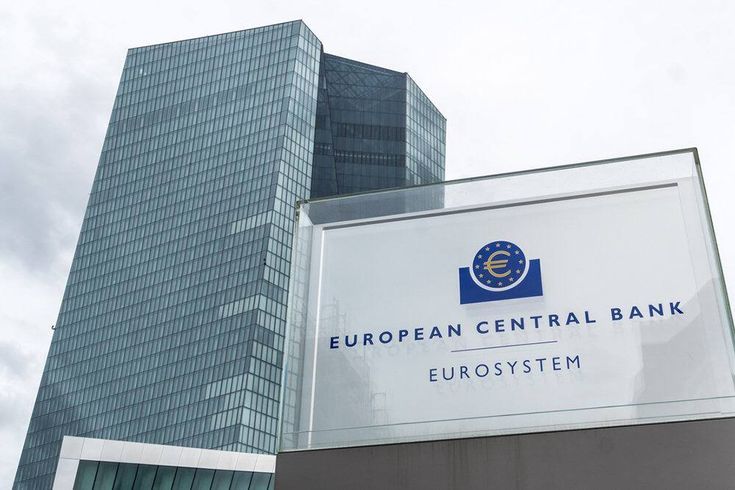
Markets have since responded by pricing in a small probability of policy tightening next year—an outlook that mirrors expectations for Australia and New Zealand, where the next moves are also seen as rate hikes.
That shift has buoyed the Antipodean currencies. The Australian dollar, up 8.4% so far this year, climbed to a three-month high of $0.6710 on Wednesday.
The New Zealand dollar likewise touched a 2½-month peak of $0.58475, extending its year-to-date gains to 4.5%.
Sterling rose to a three-month high of $1.3531 and has gained more than 8% this year. Investors are betting the Bank of England will deliver at least one rate cut in the first half of 2026, with roughly a 50% chance of a second cut before year-end.
Yen in focus as intervention risks loom
For now, the foreign exchange market’s attention remains firmly on the yen, with traders on alert for potential intervention by Japanese authorities to arrest the currency’s decline.
Finance Minister Satsuki Katayama said on Tuesday that Japan has full flexibility to respond to excessive yen moves, issuing the strongest signal yet that Tokyo stands ready to step into the market if needed.
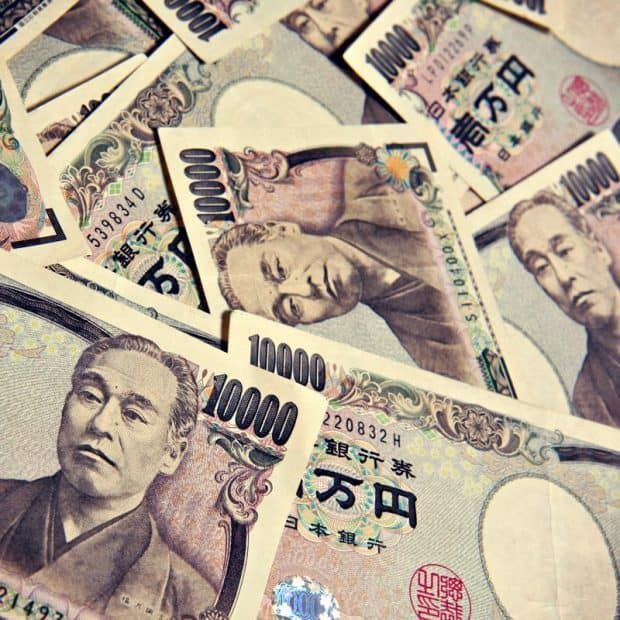
Her comments helped halt the yen’s slide, with the Japanese currency last up 0.4% at 155.60 per dollar on Wednesday, after gaining more than 0.5% in the previous session.
“Moves that are disconnected from observable fundamentals, combined with thin year-end liquidity, provide a compelling backdrop for intervention, making the risk of action over the holiday period significant,” said Kit Juckes, chief FX strategist at Société Générale.
Although the Bank of Japan delivered a long-anticipated rate hike on Friday, the move was fully priced in, and comments from Governor Kazuo Ueda fell short of the more hawkish tone some investors had been expecting, sending the yen lower in the aftermath.
That has left markets on alert for potential yen-buying intervention by Japanese authorities, particularly as trading volumes thin toward year-end—conditions analysts say could offer an opportune window for Tokyo to act.
Sources: Reuters & Investing
 THE ETERNAL SOVEREIGN