Tag: Yen

  • Yen Regains Strength: Implications for Forex Traders and Investors

    Understanding the Yen’s Recent Climb

    If you’ve been tracking currency markets, you’ve likely seen the Japanese yen advance for three straight sessions, trading near the 153 JPY/USD level. This move isn’t random—it reflects deeper shifts in forex positioning and strategic reallocations by Japanese investment funds.

    Despite stronger-than-expected U.S. employment data, the yen has gained ground. The key driver appears to be a rotation in positioning: Japanese hedge funds and institutional investors have closed out prior bearish bets on the yen and are now positioning for further appreciation. This shift highlights a broader change in sentiment and confidence within the currency market.

    What’s Fueling the Move?

    The primary catalyst is renewed buying interest from Japanese funds. After unwinding short-yen trades, they are now building long positions, anticipating continued strength. Market perceptions of the Japanese government and the Bank of Japan’s commitment to currency stability are also contributing to this shift.

    While U.S. macroeconomic indicators—such as payroll data—often dominate headlines, this episode shows that capital flows and institutional positioning can at times outweigh even strong economic releases.

    Authorities Remain Vigilant

    Japan’s top foreign exchange official, Junichi Mimura, has emphasized that authorities are closely monitoring currency developments and maintaining active communication with U.S. counterparts. This ongoing dialogue signals a commitment to orderly market conditions.

    For traders and investors, this reinforces an important point: currency movements are shaped not only by data, but also by policy signals, market psychology, and cross-border coordination.

    Sentiment and USD/JPY Positioning

    Recent trends indicate softer demand for USD/JPY hedging, suggesting rising confidence in the yen’s near-term outlook. Shifts in options activity often provide insight into market expectations and potential support or resistance zones.

    Whether you’re a short-term trader or a longer-term investor, staying attuned to these sentiment indicators can help refine entry points and risk management strategies.

    How to Navigate Yen Volatility

    • Monitor official communication: Watch statements from Japanese policymakers and central bank officials.
    • Apply technical analysis: Pay attention to key levels around 153 JPY/USD for potential breakout or reversal signals.
    • Control risk exposure: Use stop-loss strategies to guard against sharp counter-moves.
    • Diversify allocations: Avoid overexposure to a single currency pair by balancing across assets.

    Why It Matters

    The yen’s recent strength reflects more than price action—it represents shifting expectations, institutional flows, and evolving policy narratives. Understanding these dynamics can sharpen your broader market perspective and improve decision-making.

    In forex, staying informed is a competitive advantage. By tracking positioning trends, official commentary, and sentiment signals, you can better anticipate market turns and respond with confidence.

    Sources: Benjamin
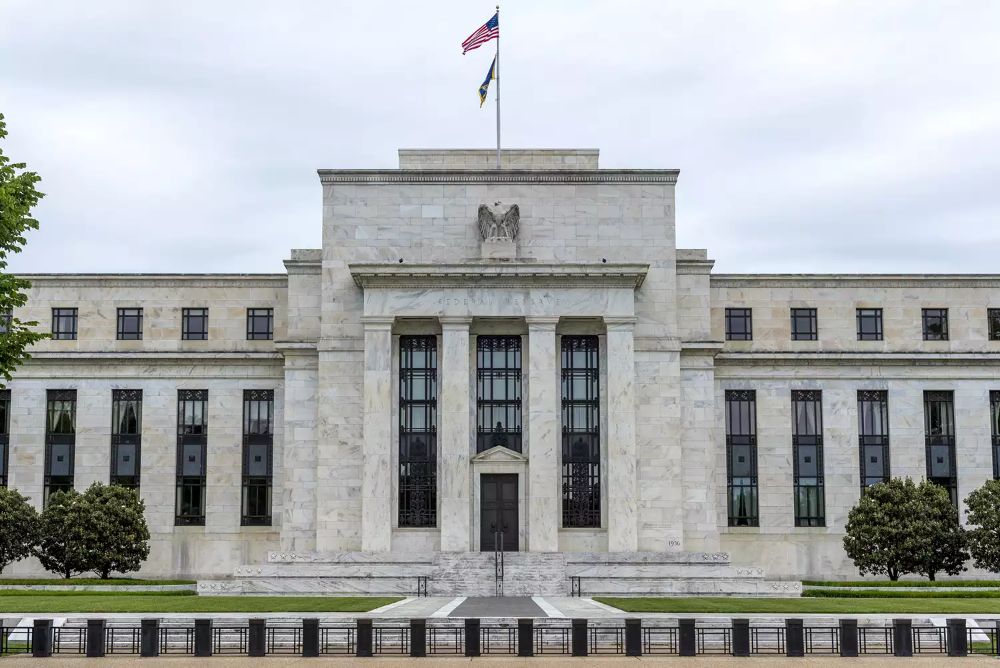
  • The dollar edged higher, extending recent gains, while the euro slipped after inflation data.

    The U.S. dollar held steady on Wednesday after a sharp rebound from near four-year lows, while the euro weakened following the release of key regional inflation data.

    By 11:54 ET (16:54 GMT), the Dollar Index was up 0.3% at 97.69 and has gained more than 1% since Kevin Warsh was nominated as the next Federal Reserve chair.

    The dollar remained resilient despite softer labor market data.

    The dollar got a lift late last week after Kevin Warsh was nominated to succeed Federal Reserve Chair Jerome Powell, with markets viewing him as more hawkish and supportive of shrinking the Fed’s balance sheet.

    Attention has now turned to Warsh’s Senate confirmation and the potential implications of his appointment for U.S. interest rates when he is set to take over from Powell in May.

    A brief government shutdown had little impact on the greenback, as lawmakers approved additional funding this week, though it did delay the release of key employment data originally due on Friday.

    Traders also shrugged off a soft ADP payrolls report for January released on Wednesday.

    Eurozone consumer prices fall.

    In Europe, the euro slipped slightly, with EUR/USD down 0.1% at 1.1802, despite the release of weaker-than-expected preliminary eurozone inflation data. Consumer prices eased to an annual rate of 1.7% last month, below the ECB’s 2% target and down from 2% in December.

    The data did little to alter expectations that the European Central Bank will keep interest rates unchanged at 2% for a fifth consecutive meeting. Policymakers have recently expressed concern about the euro’s rapid rise against the dollar and its dampening effect on inflation. The euro touched a 4½-year high of 1.2084 last week.

    According to Macquarie strategist Thierry Wizman, the euro is being pulled by opposing forces. Falling inflation could pave the way for policy easing in 2026, potentially weighing on the currency as euro area rates lag those elsewhere. However, this is being offset by improving growth prospects, supported by stronger survey data and a more favorable political backdrop, including eased budget tensions in France and renewed reform momentum in Germany. Wizman said stronger growth could ultimately provide greater support for the euro than lower rates would undermine it.

    GBP/USD fell 0.3% to 1.3657, as the Bank of England was also expected to leave interest rates unchanged at its policy meeting on Thursday.

    The yen remained under pressure.

    In Asia, USD/JPY rose 0.5% to 156.55, leaving the pair near a two-week high.

    The yen faced renewed pressure this week after comments from Prime Minister Sanae Takaichi cast doubt on whether Tokyo would step in to support the currency. Attention has shifted to a snap lower house election on February 8, with Takaichi’s party expected to secure a strong victory and strengthen her grip on parliament.

    Elsewhere, USD/CNY edged up to 6.9415, hovering near its lowest level since mid-2023. AUD/USD slipped 0.4% to 0.6988 after rallying earlier in the week on a hawkish Reserve Bank of Australia meeting. The RBA raised interest rates by 25 basis points and lifted its growth and inflation forecasts for the year.

    Sources: Anuron Mitra