Tag: technical indicators

  • Technical Indicators – Part 2

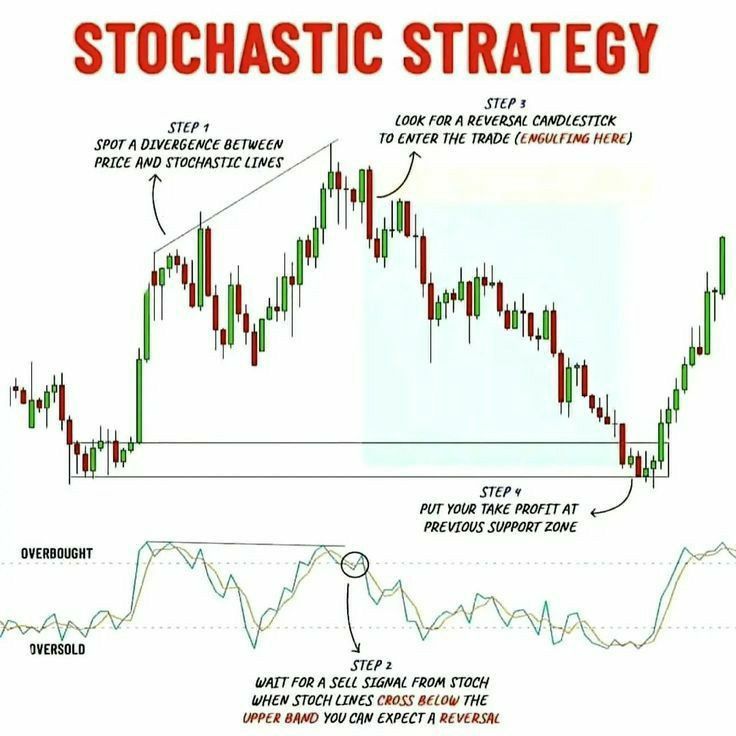
    Stochastic Oscillator

    The Stochastic Oscillator is a popular technical analysis indicator used to measure the momentum of a financial asset — basically, how fast the price is moving compared to its recent range.

    • It compares the closing price of an asset to its price range over a specific period of time.
    • It helps traders identify overbought or oversold conditions in the market.
    • Values range between 0 and 100.

    How it works

    • When the oscillator is above 80, the asset is considered overbought (price might be too high, possible reversal or pullback soon).
    • When it is below 20, the asset is considered oversold (price might be too low, possible upward reversal).
    • It’s often used to spot potential trend reversals or entry/exit points.

    Typical usage

    • Traders watch for crossovers between %K and %D lines for buy/sell signals.
    • Also, look for divergences between price and the oscillator to spot weakening trends.

    Notes

    • %K and %D are the two main lines used to generate signals:
      • %K — The Fast Stochastic Line
      • %D — The Slow Stochastic Line

    Average True Range (ATR)

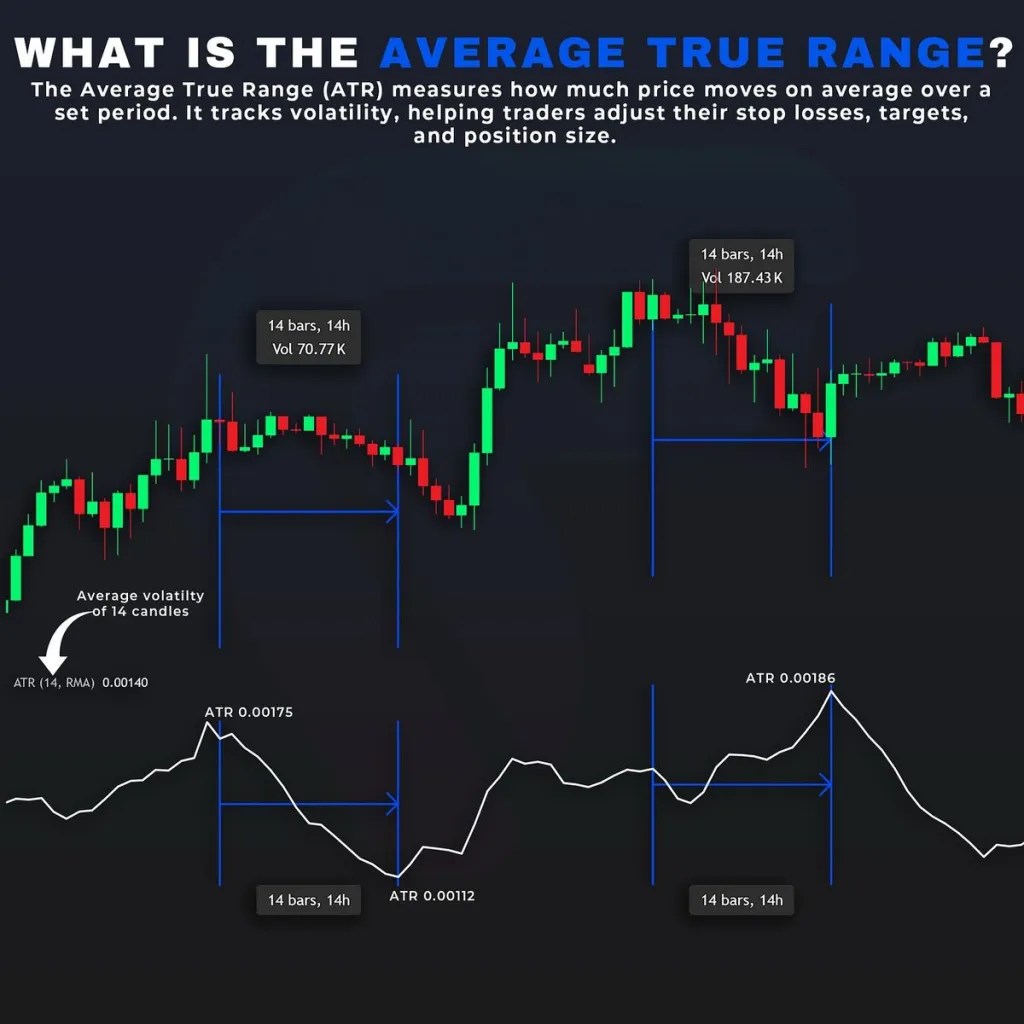
    Average True Range (ATR) is a technical analysis indicator that measures market volatility.

    • It was introduced by J. Welles Wilder Jr. in his 1978 book New Concepts in Technical Trading Systems.
    • ATR shows how much an asset’s price moves, on average, during a given period.
    • It helps traders understand the degree of price fluctuations or volatility.
    How is ATR calculated

    1. True Range (TR) for each period is the greatest of:
      • Current High − Current Low
      • Absolute value of (Current High − Previous Close)
      • Absolute value of (Current Low − Previous Close)
    2. Then, ATR is the moving average (usually 14 periods) of the True Range values.

    Why use ATR

    • It tells you how much the price typically moves, regardless of direction.
    • Higher ATR = higher volatility (bigger price swings).
    • Lower ATR = lower volatility (smaller price movements).
    • Traders use ATR for:
      • Setting stop-loss orders to avoid getting stopped out by normal volatility.
      • Identifying periods of high or low market volatility.
      • Confirming breakouts or trend strength.

    Volume indicators

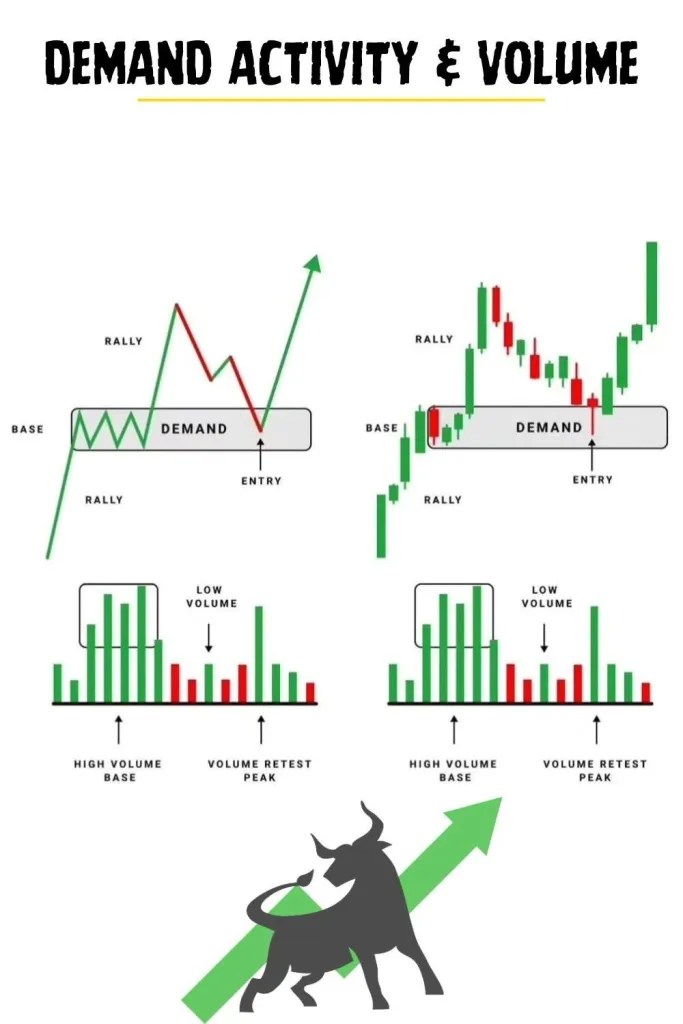
    Volume indicators are tools used in technical analysis to measure and analyze the amount of a security (like stocks, forex, crypto) traded during a specific period of time.
    What do Volume Indicators tell you

    • Trading activity strength: They show how strong or weak a price movement is by looking at the number of shares/contracts traded.
    • Confirm trends: High volume during a price rise can confirm a strong uptrend, while low volume might indicate weakness.
    • Spot reversals or breakouts: Sudden spikes or drops in volume often precede or accompany major price changes.
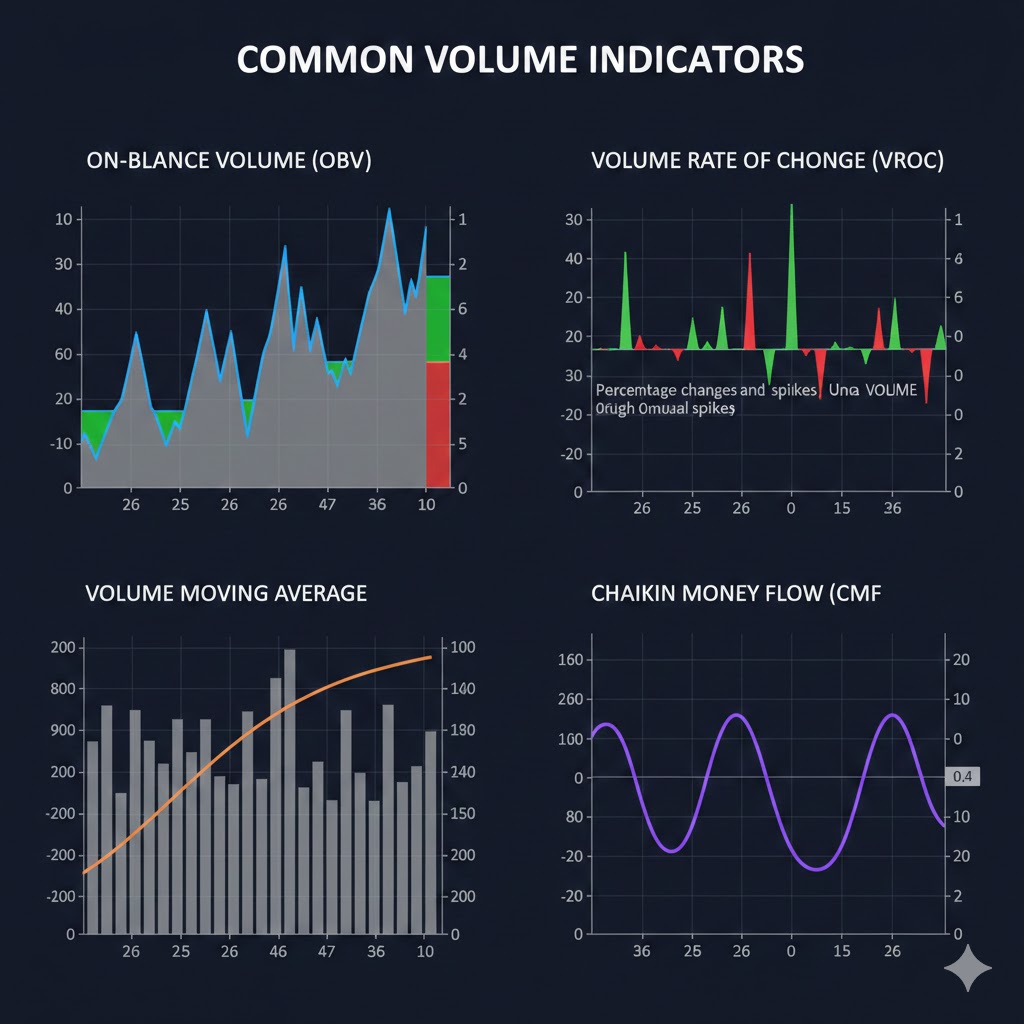
    Common Volume Indicators

    1. On-Balance Volume (OBV):
      It adds volume on up days and subtracts volume on down days to show cumulative buying or selling pressure.
    2. Volume Moving Average:
      Smooths volume data over a period (like 20 days) to identify trends in trading activity.
    3. Volume Rate of Change (VROC):
      Measures the percentage change in volume between two periods to detect unusual volume spikes.
    4. Chaikin Money Flow (CMF):
      Combines price and volume to show buying or selling pressure over a period.

    Important notes

    These indicators are most effective when the market is moving sideways.
  • Technical Indicators – Part 1

    Relative Strength Index (RSI)

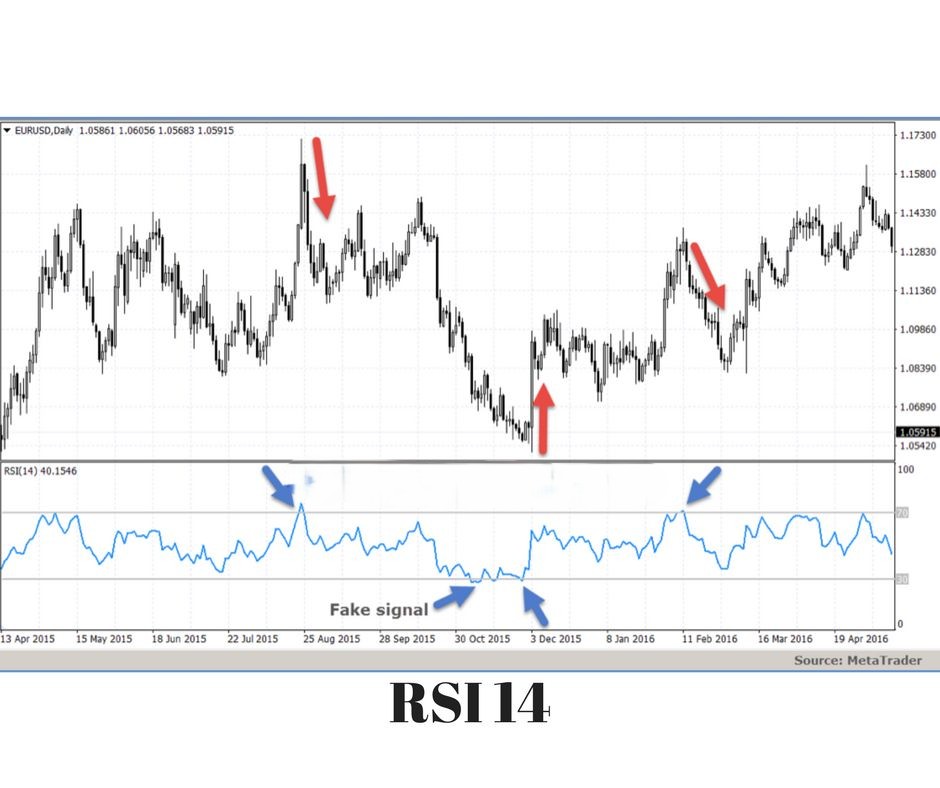
    The Relative Strength Index (RSI) is a popular technical indicator used in financial markets to measure the speed and change of price movements. It helps traders identify overbought or oversold conditions in an asset’s price, signaling potential reversals or continuation of trends.

    Key Points about RSI:

    • Range: RSI values range from 0 to 100.
    • Overbought condition: RSI above 70 typically suggests that the asset might be overbought, meaning it may be overvalued and a price pullback or reversal could happen.
    • Oversold condition: RSI below 30 typically indicates the asset might be oversold, meaning it could be undervalued and a price rise might be expected.
    • Calculation period: The standard RSI uses a 14-period timeframe (can be days, hours, minutes, depending on chart).
    • Interpretation:
      • RSI near 50 suggests neutral or balanced momentum.
      • Divergences between RSI and price (e.g., price makes a new high but RSI does not) can indicate weakening momentum and possible trend reversals.

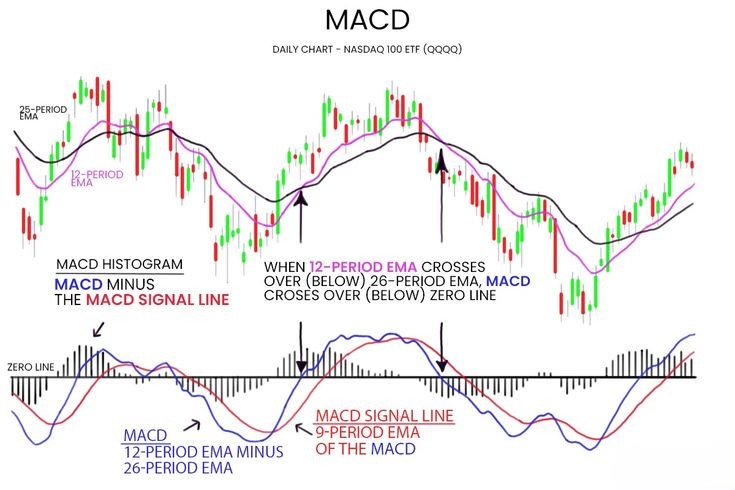
    Moving Average Convergence Divergence (MACD)

    MACD stands for Moving Average Convergence Divergence. It’s a popular technical analysis indicator used in trading to identify trends, momentum, and potential buy or sell signals in financial markets.

    Key components

    • MACD Line = 12 EMA – 26 EMA
    • Signal Line = 9 EMA of MACD Line
    • Histogram = MACD Line – Signal Line (visualizes the difference)

    What traders look for:

    • Crossovers:
      • When the MACD line crosses above the Signal line → potential buy signal (bullish).
      • When the MACD line crosses below the Signal line → potential sell signal (bearish).
    • Divergence:
      • When price moves in one direction but MACD moves in the opposite direction, indicating a possible trend reversal.
    • Overbought/Oversold conditions:
      • Very high or very low MACD values can signal the market might be overbought or oversold.

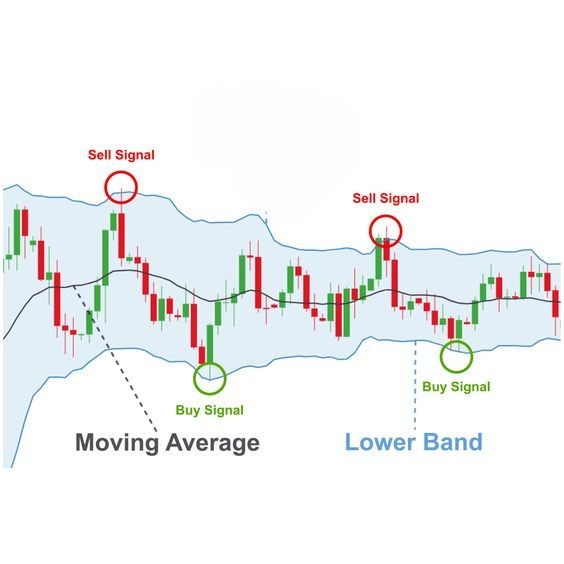
    Bollinger Bands

    Bollinger Bands are a popular technical analysis tool used in trading to measure market volatility and identify potential overbought or oversold conditions.

    Components

    1. Middle Band: A simple moving average (SMA), usually set to 20 periods.
    2. Upper Band: Middle Band + (usually 2) standard deviations.
    3. Lower Band: Middle Band – (usually 2) standard deviations.

    How it works

    • The bands expand when volatility increases and contract when volatility decreases.
    • Price tends to stay within the upper and lower bands most of the time.
    • When the price touches or crosses the upper band, it might indicate the asset is overbought.
    • When the price touches or crosses the lower band, it might indicate the asset is oversold.

    Uses of Bollinger Bands

    • Volatility measurement: Wider bands = higher volatility; narrower bands = lower volatility.
    • Trend identification: Price movements outside the bands can signal strong trends.
    • Reversal signals: Price bouncing off the bands can indicate possible reversals.

    Important notes

    These indicators are most effective when the market is moving sideways.