GBP/USD extended its advance for a fourth straight session, hovering near 1.3510 in Wednesday’s Asian trading. The pair is benefiting from continued softness in the US Dollar after US President Donald Trump delivered the first State of the Union address of his second term before a joint session of Congress.
Technical Analysis
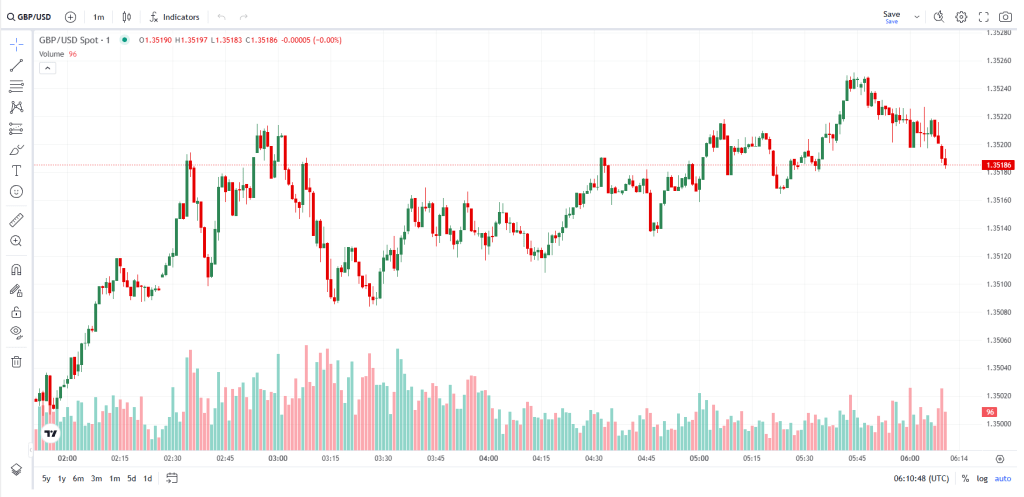
GBP/USD continues to draw support near the 200-period Simple Moving Average (SMA) on the four-hour chart, around the 1.3550 area, which now serves as an important short-term pivot. The MACD histogram remains in negative territory, reflecting that the MACD line is still below the Signal line near the zero threshold. Meanwhile, the RSI stands at 40 — leaning neutral-to-bearish — after bouncing from earlier lows, indicating that upside moves may lack strong conviction.
As long as price holds above the upward-sloping 200-period SMA, the near-term bias remains constructive. However, a decisive break back below this level would tilt momentum in favor of sellers. A turn of the MACD histogram into positive territory would signal easing bearish pressure. For a stronger recovery outlook, the RSI would need to climb back above 50; remaining below that mark would likely keep rallies contained and shift focus toward consolidation rather than a sustained advance.
Fundamental Analysis
The GBP/USD pair edges lower for a second consecutive session on Tuesday, sliding to its weakest level in over a week — around the mid-1.3500s — during early European trading after the release of the UK labor market data.
Figures from the UK Office for National Statistics showed the ILO unemployment rate rose to 5.2% in the three months to December, up from 5.1% previously and marking the highest reading since early 2021. Meanwhile, jobless claims increased by 28.8K in January, signaling further softening in the labor market at the start of 2026.
Wage growth also cooled notably. Average Earnings Excluding Bonus rose 4.2% in the three months to December, easing from 4.6% in the prior quarter and hitting the slowest pace in nearly four years. Earnings Including Bonuses likewise slowed to 4.2% from 4.6%. Unless UK inflation data due Wednesday delivers an upside surprise, the latest employment figures reinforce expectations that the Bank of England could cut rates as soon as March, adding pressure on the British Pound.
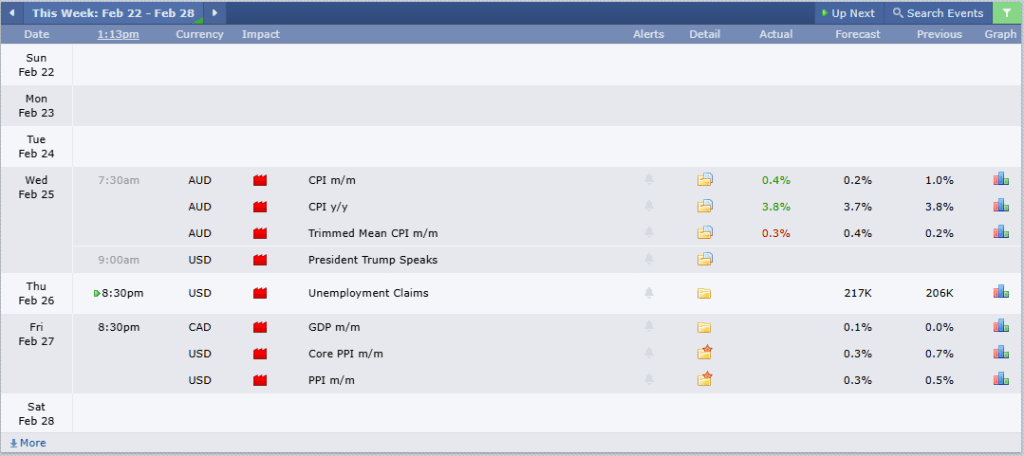
At the same time, the US Dollar strengthens to a one-week high, further weighing on GBP/USD. However, the greenback’s upside appears limited by dovish Federal Reserve expectations. Following softer US inflation data last Friday, markets increased bets that the Fed may begin easing policy in June. Current pricing suggests at least two rate cuts in 2026, and lingering concerns about the Fed’s independence also restrain bullish USD momentum.
With traders hesitant to take aggressive positions ahead of clearer guidance on the Fed’s path, attention now shifts to the FOMC Minutes on Wednesday and the US Personal Consumption Expenditure (PCE) Price Index on Friday. These releases will be pivotal for shaping expectations around US monetary policy and, in turn, the direction of the dollar. Additionally, Wednesday’s UK CPI report could inject fresh volatility into GBP/USD as the week progresses.
 THE ETERNAL SOVEREIGN