Tag: Iran

  • Bitcoin climbs back above $67,000 as traders respond to news of Khamenei’s death.

    Bitcoin (BitfinexUSD) is rebounding from its weekend slide, trading above the $67,000 mark as investors process a dramatic shift in Middle Eastern geopolitics.

    The bounce comes after intense volatility sparked by coordinated U.S. and Israeli strikes on Iran. President Donald Trump stated that the operation led to the death of Supreme Leader Ayatollah Ali Khamenei. Although Tehran initially rejected the reports, Iranian state media later confirmed his death, triggering sharp reactions across global financial markets.

    As highlighted in Saturday’s analysis, Bitcoin has a consistent pattern of sharply dropping on unexpected geopolitical shocks before stabilizing. That pattern appears to be unfolding again. After falling to nearly $63,000 yesterday, the cryptocurrency has gradually attracted renewed capital flows as the initial wave of panic selling eases.

    Ethereum and XRP are also participating in the broader recovery. ETH/USD has moved back toward the $2,000 level, while XRP is trading near $1.40, with investors anticipating a key March 1 deadline that could bring greater regulatory clarity in the United States.

    Regime change dynamics and shifting sentiment

    Khamenei’s death was a decisive and largely unforeseen development. The swift return of buyers into Bitcoin reflects a growing belief among traders that the most severe phase of military escalation may have already passed.

    At the same time, optimism is tempered by uncertainty surrounding the power vacuum in Tehran. As Iran’s highest authority for decades, Khamenei’s absence leaves open questions about the country’s leadership transition and broader regional stability.

    President Trump’s remarks encouraging Iranians to “reclaim their country” indicate that Washington may be aiming for structural regime change. For crypto investors, the coming days represent a critical period of observation. If Iran manages a controlled leadership transition without broadening the conflict, Bitcoin’s rebound could remain intact. However, a drawn-out internal or regional confrontation could quickly pressure the $67,000 support level once more.

    Escalation risks and Bitcoin’s “safe haven” debate

    Despite the recovery, the possibility of a wider regional conflict persists. Iran’s Revolutionary Guards have reportedly carried out strikes against neighboring states hosting U.S. forces, and casualties have been reported following retaliatory action involving Israel. This ongoing cycle of retaliation continues to unsettle institutional crypto participants.

    The central issue now is whether Bitcoin can genuinely function as a “digital gold” hedge during geopolitical crises — or whether it will keep behaving like a high-beta technology asset that reacts sharply to shifts in global risk sentiment.

    Sources: Simon Mugo
  • Financial experts respond to U.S.–Israel military action against Iran

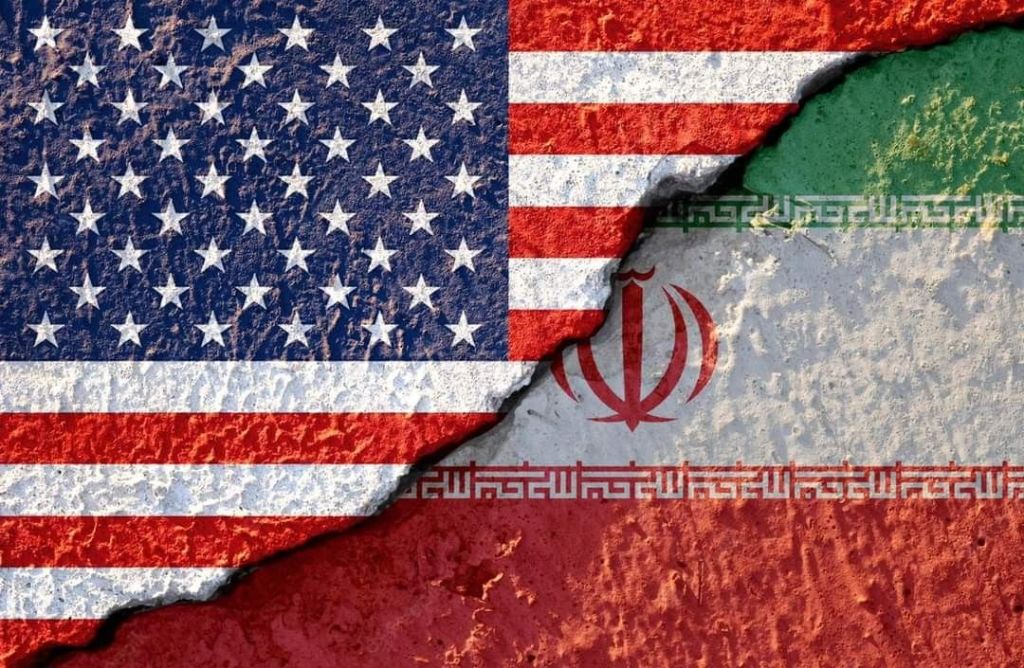
    The United States and Israel carried out coordinated strikes on Iran on Saturday, killing Supreme Leader Ali Khamenei and triggering a fresh wave of conflict across the Middle East.

    The attacks unsettled neighboring Gulf Arab oil producers as concerns mounted over further escalation, particularly after Iran retaliated with missile launches toward Israel.

    According to four trading sources, several major oil companies and leading commodity traders temporarily halted crude and fuel shipments through the Strait of Hormuz following the strikes.

    Key Reactions from Analysts

    Helima Croft, Head of Commodities Research, RBC Capital:

    Croft said the long-term impact on oil prices will depend on whether the IRGC retreats under sustained airstrikes or escalates further, potentially increasing the costs of what she described as Washington’s second regime-change effort in just over two months.

    She added that regional leaders had cautioned Washington about the spillover risks of renewed confrontation with Iran, warning that oil prices above $100 per barrel would pose a serious threat.

    Croft also emphasized that OPEC’s ability to cushion supply shocks is limited. Aside from Saudi Arabia, most OPEC+ members are already producing near capacity, meaning any announced output increase may have little practical effect.

    Jorge Leon, SVP and Head of Geopolitical Analysis, Rystad Energy:

    Leon noted that while alternative infrastructure exists to bypass the Strait of Hormuz, a prolonged disruption could effectively remove 8–10 million barrels per day from the market—significant in a world consuming roughly 100 million barrels daily.

    He suggested countries with strategic petroleum reserves may release supplies if the disruption drags on. Absent quick de-escalation, he expects oil prices to reprice sharply higher at the start of the week.

    Eurasia Group energy analysts:

    They anticipate oil prices will surge when markets reopen. If fighting continues into Sunday, prices could jump $5–$10 above the current $73 level, especially given Iran’s claim that it has closed the Strait of Hormuz and reports of tanker disruptions.

    Barclays energy analysts:

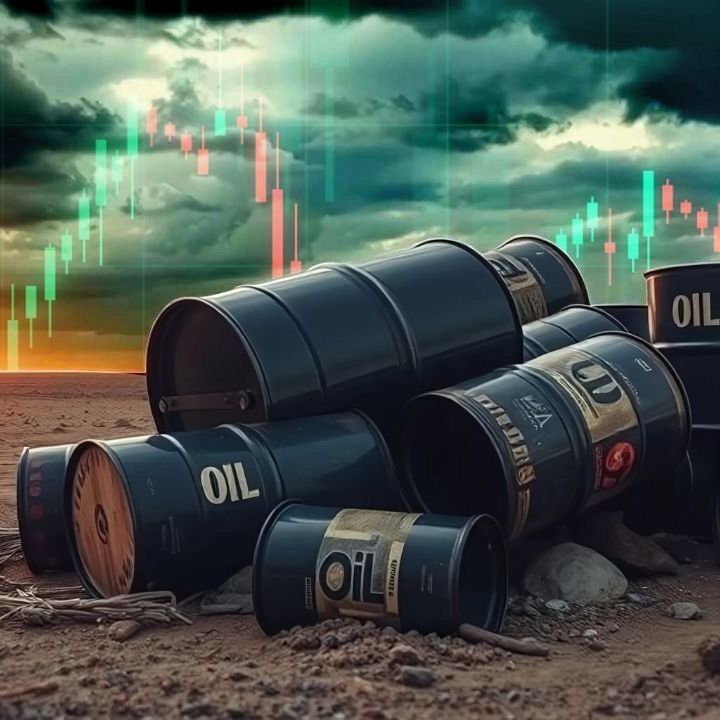
    Barclays warned that markets may confront worst-case supply fears on Monday. Brent crude could climb to $100 per barrel as traders assess the risk of major supply interruptions amid intensifying regional instability.

    Vishnu Varathan, Head of Macro Research (Asia ex-Japan), Mizuho, Singapore:

    Varathan said recurring regional attacks may become the new norm, keeping oil prices elevated as both production and transit routes remain vulnerable. OPEC could face pressure to boost output, though a 10–25% risk premium on oil prices would not be excessive—even without a full blockade of the Strait of Hormuz, which he described as a potential 50% premium event.

    Christopher Wong, Strategist, OCBC, Singapore:

    Wong expects geopolitical risk premiums to rise as markets open. Safe-haven assets like gold are likely to gap higher, while oil could strengthen on supply concerns. Meanwhile, risk assets and high-beta currencies may experience early volatility, particularly if retaliation or regional spillover intensifies.

    Nick Ferres, CIO, Vantage Point Asset Management, Singapore:

    Ferres argued that energy remains undervalued and should rally at the start of the week—alongside gold.

    Sources: Reuters

  • Missile strikes by Iran have brought the conflict to the edge of the Persian Gulf, reinforcing support for the joint campaign led by the United States and Israel.

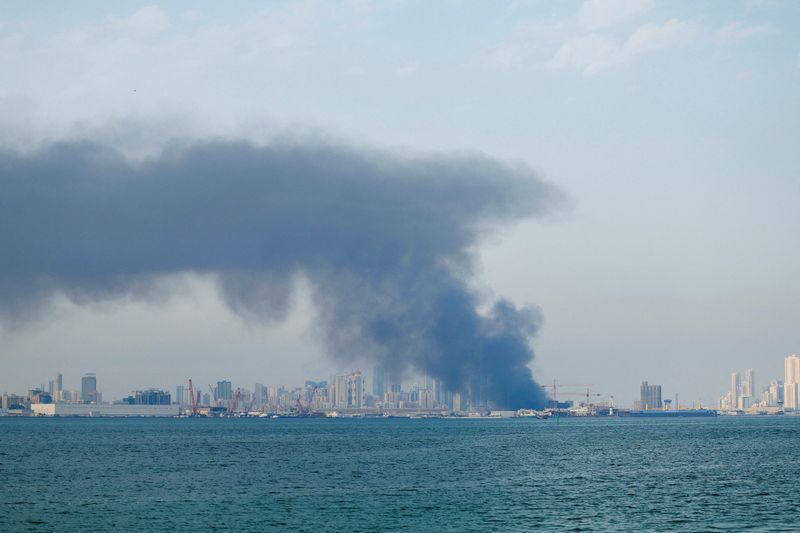
    Thunderous explosions and massive fireballs from missiles launched by Iran across the Gulf underscored a long-feared reality for regional leaders: Tehran can carry the fight directly to their territory. The attacks are likely to solidify Arab governments’ backing for joint action by the United States and Israel.

    Even on the Palm Jumeirah — Dubai’s most exclusive enclave — blasts shook buildings and struck a luxury hotel, sending residents scrambling as missiles and interceptors streaked overhead. The scenes made clear that the conflict had spilled beyond Iran’s borders, just as Tehran had cautioned.

    “What has now been demonstrated is that we — not the United States — are directly exposed,” said Ebtesam Al-Ketbi of the Emirates Policy Center. “When Iran attacked, it hit the Gulf first, claiming it was targeting U.S. bases.”

    Analysts say Tehran’s strikes are designed to show that no American ally in the region is out of reach and to increase the price of supporting Washington’s campaign. But they warn that any error in judgment could turn calibrated signaling into full-scale war.

    Gulf officials argue that by hitting oil-producing neighbors, Iran is widening the battlefield and putting global energy supplies at risk, not merely regional stability. For rapidly expanding economies such as Saudi Arabia, Qatar and the United Arab Emirates — all reliant on open skies, safe sea lanes and steady trade — a broader confrontation would be severely destabilizing.

    By casting the confrontation as a campaign for regime change in Iran, President Donald Trump has raised the stakes, increasing the likelihood that Tehran could retaliate more aggressively, observers say.

    If Iran were to misjudge and directly attack Gulf Cooperation Council states, the nature of the conflict would shift dramatically. Regional governments would be under intense pressure to respond as lives and strategic assets come under threat.

    Some Gulf analysts contend that Iran is undermining its own strategic interests by striking neighboring states. While Tehran insists it is targeting U.S. military installations, Gulf capitals view the attacks as clear violations of sovereignty.

    In recent indirect talks with Washington aimed at defusing tensions, Iran signaled willingness to negotiate over its nuclear program but refused to discuss its ballistic missile arsenal or its backing of regional militias. Tehran has suggested that such issues be handled in a regional dialogue excluding the United States — a proposal Gulf states argue would weaken rather than strengthen the existing security framework, given their longstanding reliance on U.S. protection.

    From their perspective, Iran’s missile capabilities and network of proxies pose immediate threats. Without external security guarantors, they see little credibility in a regional-only arrangement.

    Meanwhile, Trump’s rhetoric has shifted notably. Whereas he previously described potential U.S. strikes as leverage to secure a nuclear agreement, he has more recently framed them in terms that imply regime change. Unlike the large-scale 2003 invasion of Iraq under George W. Bush, which involved a prolonged troop deployment and occupation, the current strategy appears focused on limited air operations designed to achieve swift, visible outcomes while minimizing American casualties and domestic political fallout.

    The bet is that a short, decisive campaign would yield political benefits, whereas a drawn-out war — especially one disrupting oil flows or the broader economy — could carry heavy costs.

    Should the conflict expand to include U.S. bases, diplomatic missions, energy infrastructure, or the crucial maritime corridor of the Strait of Hormuz, the economic and political repercussions for the United States, the Gulf, and global markets would escalate sharply.

    Sources: Reuters

  • Trump cautions Iran against retaliation, saying the U.S. would strike back with even greater force.

    In a post on Truth Social, Donald Trump warned Iran not to carry out any additional retaliatory strikes against the United States or its Middle East allies. He said Tehran had threatened large-scale attacks on neighboring countries seen as aligned with Washington.

    The remarks suggest that Iran’s military capabilities remain operational despite the reported killing of its Supreme Leader, Ali Khamenei. The wave of retaliatory strikes indicates that Tehran has not been deterred by his death.

    Iran reportedly targeted the United Arab Emirates, striking Dubai International Airport and the Burj Khalifa, the world’s tallest building. It also launched attacks on Bahrain’s capital, as well as Qatar and Kuwait. In response, several Gulf states have warned they may retaliate against Iran.

    Qatar has shut down its main airport in Doha, while Dubai International Airport has also been closed following the strikes.

    It remains uncertain whether Trump’s threat to respond with significantly greater force will deter further escalation. It is also unclear what he meant by saying, “We will hit them with a force that has never been seen before.”

    Impact of the Conflict on Global Trade and the Energy Sector

    Earlier today, we noted that the sudden closure of Dubai International Airport caused widespread flight cancellations due to its vital role as a global transit hub. Leading Gulf airlines — Emirates, Qatar Airways, and Etihad Airways — have suspended services indefinitely.

    In addition, three major Japanese shipping companies have halted operations in the Gulf following a U.S. naval warning. These include Nippon Yusen (TYO:9101), Mitsui O.S.K. Lines (OTC:MSLOY), and Kawasaki Kisen Kaisha (TYO:9107).

    Analysts at RBC Capital Markets say that U.S. strikes on Iran and Tehran’s counterattacks have created a cascading effect across the Gulf. The Strait of Hormuz is now viewed as “effectively closed,” disrupting roughly 20% of global LNG exports and about 90% of Japan’s crude oil imports.

    They warn that crude oil prices could spike sharply as tensions intensify and diplomatic efforts remain stalled. Investors are advised to closely track developments in the region and assess their potential implications for oil and LNG markets.

    Sources: Simon Mugo

  • Oil declines amid US – Iran nuclear negotiations and uncertainty over Trump tariffs.

    Oil prices fell more than 1% in Asian trading on Monday, taking a breather after last week’s sharp rally, as investors assessed the likelihood of a third round of U.S.-Iran nuclear negotiations and renewed uncertainty around U.S. trade policy.

    By 20:50 ET (01:50 GMT), Brent crude for April delivery dropped 1% to $71.03 a barrel, while WTI crude declined 0.9% to $65.75 a barrel.

    Both benchmarks had climbed nearly 6% last week amid signs of a potential U.S.-Iran confrontation and an unexpected drawdown in U.S. crude inventories, which supported prices.

    Traders watch third round of U.S.- Iran nuclear talks

    Iran and the United States are expected to hold a third round of nuclear discussions on Thursday in Geneva, raising hopes that tensions may ease.

    Iranian Foreign Minister Abbas Araghchi told CBS’s “Face the Nation” on Sunday that there is a strong possibility of reaching a diplomatic resolution, adding that an agreement is within reach. Markets viewed the remarks as a signal of potential compromise.

    Iran is a major producer within OPEC and possesses some of the largest proven oil reserves globally. The country also borders the Strait of Hormuz, a vital chokepoint that handles about one-fifth of the world’s seaborne oil. Any escalation involving Iran could disrupt shipments and drive up freight and insurance costs.

    Trump raises global tariffs to 15%

    Meanwhile, U.S. President Donald Trump unveiled new global tariffs, initially imposing a 10% duty on imports for 150 days after the U.S. Supreme Court invalidated his previous, broader tariff plan.

    The administration increased the rate to 15% on Saturday—the maximum permitted under the applicable law—adding fresh uncertainty to global trade and demand prospects.

    Higher tariffs can strain supply chains and prompt retaliatory actions from trade partners. Slower trade activity and weaker industrial production typically weigh on fuel consumption.

    Sources: Ayushman Ojha

  • Oil hovers near six-month peak on US-Iran tensions, poised for strong weekly gains.

    Oil prices moved modestly higher in Asian trading on Friday, building on strong gains from the prior two sessions and putting major benchmarks on course for roughly a 6% weekly advance, as rising tensions between the U.S. and Iran heightened concerns about potential supply disruptions in the Middle East.

    By 22:41 ET (03:41 GMT), Brent for April delivery climbed 0.2% to $71.81 a barrel, while West Texas Intermediate (WTI) crude rose 0.5% to $66.78 a barrel.

    Both contracts were hovering near their highest levels since early August and were set to record weekly gains of more than 6%.

    Oil near six-month high on US-Iran tensions

    Investor anxiety has intensified after U.S. President Donald Trump warned Tehran that “bad things” could follow if a nuclear agreement is not reached within roughly 10–15 days, raising the possibility of military action.

    According to a Wall Street Journal report, Trump is considering a limited strike on Iranian targets to pressure Tehran into accepting a nuclear deal.

    Any escalation involving Iran — a key OPEC producer — could jeopardize shipments through the Strait of Hormuz, a vital passageway that handles about one-fifth of global oil trade, thereby increasing the market’s sensitivity to geopolitical risk.

    This week’s rally also marked a rebound from earlier losses, when prices slipped at the start of the week on hopes that U.S.-Iran negotiations were making progress. The renewed tough rhetoric has since restored a geopolitical risk premium, pushing crude back toward multi-week highs.

    US crude inventories drop sharply – EIA

    Data from the U.S. Energy Information Administration on Thursday showed crude stockpiles fell by around 9 million barrels last week, defying expectations for a 1.7 million-barrel increase.

    The report also indicated declines in gasoline and distillate inventories, both coming in below forecasts, suggesting solid demand from refiners and consumers.

    Markets are now awaiting the release of the U.S. Personal Consumption Expenditures (PCE) Price Index later on Friday — the Federal Reserve’s preferred measure of inflation.

    Following recent hawkish Fed minutes that signaled policymakers are in no rush to cut interest rates, the PCE data could offer additional insight into the central bank’s policy trajectory.

    Sources: Ayushman Ojha

  • WTI holds above $65.00 amid persistent geopolitical tensions.

    • WTI prices could stage a rebound as supply concerns intensify amid escalating US-Iran tensions and stalled Ukraine-Russia negotiations.
    • Talks between Washington and Tehran have yielded little concrete progress, with Iranian officials only اشاره to a broad framework for a potential nuclear agreement, leaving uncertainty over future crude exports.
    • Meanwhile, peace discussions between Ukraine and Russia held in Geneva concluded without a breakthrough, sustaining geopolitical risks that may continue to underpin oil prices.

    West Texas Intermediate (WTI) crude slips slightly on Thursday after plunging 4.9% in the previous session, hovering around $65.00 per barrel during Asian trading. Despite the recent drop, oil prices may find support from potential supply disruptions linked to rising US-Iran tensions and stalled Ukraine-Russia peace efforts.

    Negotiations between Washington and Tehran remain unresolved. Iranian officials have pointed to a “general agreement” on the framework of a possible nuclear deal, but key differences persist. US Vice President JD Vance stated that Iran failed to meet Washington’s red lines, while US President Donald Trump reiterated that military action remains an option. Reports suggest that any potential US strike could develop into a prolonged campaign, with Israel advocating for an outcome aimed at regime change in Iran.

    Meanwhile, peace talks in Geneva between Ukraine and Russia concluded without tangible progress, according to Reuters. Ukrainian President Volodymyr Zelenskiy accused Moscow of stalling US-backed diplomatic efforts to end the four-year conflict. Trump has urged Kyiv to consider a deal that could involve significant concessions, even as Russian forces continue attacking energy infrastructure and making battlefield advances.

    On the trade front, India’s state-run Bharat Petroleum Corporation Limited (BPCL) reportedly made its first-ever purchase of Venezuelan crude, while HPCL Mittal Energy Limited resumed buying cargoes from Venezuela for the first time in two years.

    In US inventory data, the American Petroleum Institute (API) reported a 0.609 million-barrel decline in weekly crude stocks, partially offsetting the previous week’s massive 13.4 million-barrel build — the largest increase since January 2023.

    Sources: Akhtar Faruqui

  • Oil prices remain stable while attention centers on US-Iran geopolitical risks.

    Oil prices moved sideways in Asian trading on Monday, as attention centered on renewed diplomatic engagement between the U.S. and Iran, with investors wary of possible supply disruptions in the Middle East.

    Trading activity remained subdued due to public holidays in China and the U.S., while weak Japanese growth figures added to worries about slowing demand. Brent crude for April delivery slipped 0.2% to $67.65 per barrel by 21:15 ET (02:15 GMT).

    U.S.– Iran nuclear talks to resume

    The U.S. and Iran are set to hold a second round of discussions in Switzerland this week regarding Tehran’s nuclear program, following the restart of negotiations earlier in February. However, diplomatic efforts coincided with Washington deploying a second aircraft carrier to the Middle East and signaling readiness for extended military action should talks collapse.

    President Donald Trump reiterated warnings that Iran must agree to a deal or risk further military measures. Over the weekend, Iranian officials indicated a willingness to make concessions on their nuclear activities in exchange for relief from tough U.S. sanctions, adding that the next move rests with Washington.

    Tensions between the two countries have recently supported oil prices, as traders factored in a higher geopolitical risk premium amid fears of renewed conflict that could disrupt Iranian oil output.

    OPEC+ considering renewed output increases

    At the same time, some of oil’s geopolitical premium was tempered by a Reuters report suggesting that OPEC+ intends to restart production hikes from April. Higher output would enable member countries to capitalize on recent price gains, though increased supply could weigh on prices over the longer term.

    The group is scheduled to meet on March 1.

    Oil markets were pressured throughout 2025 by concerns of excess supply in 2026. Although OPEC+ gradually raised production last year, it paused further increases in December due to persistent oversupply worries.

    Nonetheless, crude prices climbed to a six-month high in early 2026 amid escalating Middle East tensions, while signs of global economic resilience fueled expectations that demand would stay firm.

    Sources: Ambar Warrick

  • Oil prices slip after the U.S. and Iran signal progress in negotiations

    Oil prices slipped in Asian trading on Monday as the United States and Iran indicated they would continue negotiations over Tehran’s nuclear program, easing concerns about heightened tensions in the Middle East.

    Crude prices were also weighed down by a firmer U.S. dollar ahead of a busy week of key U.S. economic data, extending losses after a roughly 2% decline last week. Investors are additionally awaiting major economic releases from China, the world’s largest oil importer.

    Brent crude futures for April dropped 0.7% to $67.57 a barrel by 21:17 ET (02:17 GMT), while West Texas Intermediate futures also fell 0.7% to $63.12 a barrel.

    U.S. and Iran agree to press ahead with nuclear negotiations

    Washington and Tehran said over the weekend that indirect nuclear negotiations will continue following what both sides described as constructive talks in Oman on Friday.

    The statements helped ease fears of an imminent military confrontation in the Middle East, particularly after the United States had earlier deployed several warships to the region.

    Concerns over a potential conflict had previously pushed traders to build a higher risk premium into oil prices, with former President Donald Trump also issuing threats of military action against Iran.

    However, the likelihood of a full-scale war in the region now appears reduced, even as Tehran indicated it will continue advancing its nuclear enrichment activities.

    Markets await key U.S. and China economic data

    Attention this week is also on a slate of major economic data from the world’s largest oil-consuming economies.

    In the United States, January nonfarm payrolls figures are due on Wednesday, followed by CPI inflation data on Friday. These releases will be closely scrutinized for further signals on the interest-rate outlook, as markets continue to assess the direction of monetary policy under Warsh.

    In China, January CPI data is also scheduled for release on Friday, providing fresh insight into conditions in the world’s biggest oil importer.

    The data arrives just ahead of China’s week-long Lunar New Year holiday, which is expected to boost fuel demand across the country.

    Sources: Ambar Warrick

  • WTI slips toward $64.00 despite heightened geopolitical tensions

    • WTI prices slipped but were still on course for roughly 12% monthly gains, underpinned by elevated geopolitical risk premiums.
    • Iran warned of an unprecedented response following renewed threats from President Trump over nuclear negotiations.
    • Meanwhile, the Trump administration loosened some sanctions on Venezuela’s oil sector on Thursday to attract U.S. investment.

    West Texas Intermediate (WTI) crude edged lower after three consecutive sessions of gains, trading near $64.00 a barrel during Asian hours on Friday. Still, the benchmark remained on track for about a 12% monthly increase, supported by a strengthening geopolitical risk premium.

    Geopolitical tensions stayed elevated after Iran warned it would “defend itself and respond like never before” following renewed threats from U.S. President Donald Trump, who urged Tehran to engage in nuclear negotiations. Iranian officials cautioned that any provocation would be met with retaliation.

    Tensions escalated further after the European Union designated Iran’s Islamic Revolutionary Guard Corps as a terrorist organization. Concerns were compounded by reports that the United States was bolstering its military presence near Iran, while Tehran announced live-fire military exercises in the strategically vital Strait of Hormuz, heightening worries over regional security.

    Markets are closely watching the potential impact of these developments on shipping through the Strait of Hormuz, a critical chokepoint between Iran and the Arabian Peninsula that handles daily flows of crude oil and LNG. According to Dow Jones Newswires, Westpac Strategy Group warned that any regime change in Iran would likely be disorderly, unlike the U.S-backed removal of Venezuela’s Nicolas Maduro or targeted strikes such as those on Fordow.

    Separately, the Trump administration eased certain sanctions on Venezuela’s oil sector on Thursday to attract U.S. investment following President Nicolas Maduro’s removal earlier this month. The U.S. Treasury authorized transactions involving Venezuela’s government and state-run PDVSA, allowing U.S. firms to produce, transport, sell, and refine Venezuelan crude.

    Earlier this month, oil prices also drew support from supply disruptions in Kazakhstan, freeze-offs in the United States, and tighter U.S. restrictions on Russian oil purchases, helping underpin prices this year despite lingering expectations of global oversupply.

    Sources: Fxstreet

  • Asia FX weakens amid caution over Trump tariff threats, Iran tensions, and questions surrounding the Fed’s autonomy

    Most Asian currencies weakened on Tuesday, with the Japanese yen falling to a one-year low, as higher oil prices fueled by unrest in Iran pressured the region. Meanwhile, new political and trade developments in the United States dampened investor sentiment.

    The U.S. Dollar Index, which tracks the greenback against a basket of major currencies, rose 0.1% after a slight decline in the previous session. Dollar Index futures were also up 0.1% as of 03:36 GMT.

    Japan’s currency drops to a one-year low following news of a possible snap election

    The yen was the worst-performing currency, as USD/JPY climbed 0.4% to 158.76, its highest level since January 2025. The currency came under pressure after reports suggested that Prime Minister Sanae Takaichi could call a snap election as early as February. Investors speculated that a potential election win would strengthen her mandate for expansionary fiscal policies, further weighing on the yen.

    Markets focus on Trump’s tariff threat, unrest in Iran, and higher oil prices

    Risk appetite across Asia stayed cautious following U.S. President Donald Trump’s announcement of a 25% tariff on goods from countries “doing business” with Iran, though specifics on timing and coverage remain unclear.

    Meanwhile, oil prices rose further amid deadly anti-government protests in Iran, sparking concerns over potential supply disruptions. The unrest has also led to warnings of possible military intervention from Trump, heightening geopolitical risk premiums.

    MUFG analysts noted that Asian currencies may have been negatively affected by recent rises in oil prices, driven by events in both Venezuela and Iran.

    They added that, aside from China, countries like Turkey, the United Arab Emirates, and to a lesser extent Russia and India, maintain some trade connections with Iran.

    In Asia, the South Korean won (USD/KRW) rose 0.4%, marking its seventh consecutive gain. The Indian rupee (USD/INR) increased slightly by 0.1%, while the Singapore dollar (USD/SGD) remained stable. In China, the onshore yuan (USD/CNY) showed little movement, whereas the offshore yuan (USD/CNH) edged up 0.1%. The Australian dollar (AUD/USD) traded mostly flat.

    Concerns over Fed independence trigger risk-averse sentiment

    The Trump administration has launched a criminal probe into Federal Reserve Chair Jerome Powell regarding his testimony about renovation activities at the central bank’s headquarters, raising concerns about the Fed’s independence.

    In response, Powell issued a statement affirming the Fed’s autonomy and assuring that policy decisions will remain based solely on economic data and the central bank’s mandate. Several former Fed chairs and senior officials have publicly expressed their support for Powell.

    “It’s a wait-and-see situation as markets attempt to gauge the actual impact of these developments,” noted analysts from ING in a recent report.

    Despite a softer U.S. dollar, Asian currencies found it difficult to gain, as investors remained focused on broader U.S. political risks, trade uncertainties, and rising oil prices.

    Focus is also shifting to upcoming U.S. economic reports and any indications from the Federal Reserve, as market participants reevaluate interest rate forecasts amid increased political scrutiny of the central bank.

    Sources: Investing

  • WTI Holds Steady Above $59 Amid Increasing Supply Concerns

    • WTI prices rise amid growing supply concerns linked to escalating unrest in Iran.
    • President Trump has warned Tehran against using force on protesters, while Iran has warned the U.S. and Israel against any intervention.
    • However, oil price gains may be capped due to anticipated resumption of Venezuelan exports and forecasts of a potential market oversupply.

    West Texas Intermediate (WTI) crude extended its gains for a third consecutive session, trading around $59.10 per barrel during Asian hours on Monday. The rise in oil prices is driven by growing supply concerns amid escalating protests in Iran. As OPEC’s fourth-largest producer, exporting nearly 2 million barrels per day, any conflict escalation poses a significant risk to global supply.

    The unrest, now in its third week and having reportedly resulted in hundreds of casualties, has prompted Iranian authorities to signal a harsher crackdown. Meanwhile, U.S. President Donald Trump warned Tehran against using force on protesters and suggested possible intervention if the situation worsens, while Iranian officials cautioned against any U.S. or Israeli involvement.

    Oil price gains may be restrained by expectations that Venezuelan crude exports could resume following political changes in the country, with the U.S. poised to receive or manage up to 50 million barrels of sanctioned oil under a new arrangement with interim authorities. This potential influx of supply has tempered some of the upside from geopolitical risk.

    However, uncertainty remains over the timing and scale of Venezuelan shipments, as shifting U.S. policy and the logistics of restarting exports from dilapidated ports and vessels cloud the outlook for actual flows.

    Meanwhile, traders are watching for possible supply disruptions from Russia amid ongoing Ukraine attacks on energy infrastructure and the prospect of tougher U.S. sanctions on Russian energy exports — factors that could add upward pressure on prices if they materially reduce output.

    Sources: Fxstreet

  • Oil prices remain steady despite deadly protests in Iran and relaxed restrictions on Venezuela

    Oil prices remained mostly steady during Asian trading on Monday as investors balanced concerns over potential supply disruptions due to escalating unrest in Iran against the likelihood of more Venezuelan crude returning to the market.

    As of 22:23 ET (03:23 GMT), March Brent crude futures rose slightly by 0.1% to $63.39 per barrel, while West Texas Intermediate (WTI) futures also increased by 0.1% to $59.15 per barrel. Both benchmarks had gained over 3% last week amid heightened geopolitical tensions.

    Iran’s lethal protests raise fears of oil supply disruption

    Markets have been closely monitoring Iran, a major oil producer in the Middle East, where widespread anti-government protests have escalated in recent days. According to rights organizations, over 500 people have died amid the unrest.

    Iranian authorities have warned that U.S. military bases in the region would be targeted if Washington intervenes in support of the protesters. This threat has intensified concerns about a wider regional conflict that could disrupt oil shipments passing through the Strait of Hormuz, a critical artery for global energy supplies.

    U.S. President Donald Trump adopted a tougher stance on Iran last week, declaring that the U.S. would not remain passive if Iranian forces continue harsh crackdowns on demonstrators.

    “Iran, as the fourth-largest OPEC member, produces about 3.2 million barrels per day of crude oil, which represents a significant supply risk for the market,” ING analysts noted in a recent report.

    Resumption of Venezuelan oil exports limits upside in oil prices

    However, gains were limited by news from Venezuela, where U.S. officials indicated they might ease restrictions on the country’s oil sector. U.S. Treasury Secretary Scott Bessent said additional sanctions could be lifted as early as next week to help facilitate the sale of Venezuelan crude and support oil exports.

    President Donald Trump also revealed plans for Venezuela to turn over up to 30 – 50 million barrels of previously sanctioned oil to the United States.

    Despite the prospects of renewed output, major oil companies are cautious about re-entering the Venezuelan market without substantial legal and political reforms. ExxonMobil has described the country as “uninvestable” without major changes, and analysts note that firms whose assets were nationalised previously may be reluctant to return without adequate compensation.

    Sources: Investing

  • Iran threatens to target U.S. bases if Washington launches an attack

    Tehran has declared it will attack Israel and U.S. military bases in the region if Washington intervenes militarily to support protesters in Iran.

    Speaking before the Iranian Parliament today, Speaker Mohammad Baqer Qalibaf accused the U.S. and Israel of “supporting recent riots and causing unrest” across Iran. He warned that Israel and U.S. military bases in the region would be considered “legitimate targets” if the U.S. launches any attacks against Iran.

    According to Reuters, Israeli authorities are currently on high alert due to the possibility of U.S. intervention to back the protest movement in Iran.

    The New York Times quoted knowledgeable U.S. officials saying that in recent days, President Donald Trump has received reports on potential military interventions in Iran as he considers acting on his threats to attack the country over accusations of “suppressing protesters.”

    While Trump has not made a final decision, officials indicate he is seriously weighing the possibility of launching strikes in response to Iran’s crackdown on demonstrations. Various options have been presented to the president, including attacks on non-military sites in Tehran.

    According to sources, U.S. Secretary of State Marco Rubio spoke by phone with Israeli Prime Minister Benjamin Netanyahu on January 10 to discuss the protests in Iran, the situation in Syria, and the peace agreement in Gaza. Earlier that day, Rubio posted on social media expressing U.S. support for “the brave people of Iran.”

    When asked about the New York Times report, the White House referred to President Trump’s recent public statements and social media posts.

    “Perhaps Iran is closer to freedom than ever before. America is ready to help,” Trump wrote on social media on January 10.

    The day before, he warned of “very strong” retaliation if Iran causes protester deaths as in previous incidents. He noted the demonstrators in Iran face “extreme danger” and said the U.S. will closely monitor developments.

    “Iran better not start shooting because if they do, we will shoot back,” Trump said, but emphasized this did not mean American troops would directly deploy to Iran.

    The protests, which began on December 28, 2025, sparked by small traders upset over the economic situation and the falling rial, have spread in Tehran and other cities in recent days. Iranian officials accuse “terrorist agents” from Israel and the U.S. of inciting the protests and escalating violence, claims denied by the U.S. State Department, which says Tehran is “distracting attention from internal problems.”

    International organizations citing local sources report that the Iranian government has blocked nationwide information flow, cut Internet access, and limited international communications, making it difficult to assess the full scope of the protests. Some human rights groups abroad report over 100 protesters have died and more than 2,000 have been arrested since late December 2025.

    Iran’s Supreme Leader Ali Khamenei declared that the government will not back down before the protests, claiming that the past two weeks of unrest are caused by agitators aiming to please the U.S. leadership. He mocked Trump’s intervention warnings, urging the U.S. president to focus on domestic issues.

    Iranian Judiciary Chief Gholamhossein Mohseni Ejei warned of “severe, maximum, and merciless” punishment for rioters, while the intelligence branch of the Islamic Revolutionary Guard Corps (IRGC) vowed not to allow the protests to continue.

    Sources: Vnexpress

  • Oil prices climb on supply disruption risks as Venezuela market worries fade

    Oil prices advanced during Asian trading on Friday, extending the previous session’s rebound as investors focused on possible supply disruptions in Russia and Iran amid geopolitical risks.

    At the same time, fears of an immediate rise in Venezuelan oil output subsided after the U.S. Senate approved a measure requiring congressional authorization for further military action by President Trump.

    Analysts said oil production in the country is unlikely to increase sharply in the near term, even with U.S. intervention.

    Brent crude futures for March rose 0.7% to $62.44 a barrel, while WTI futures gained 0.7% to $58.03 by 21:04 ET (02:04 GMT). Both benchmarks rebounded to levels seen before last week’s U.S. military action in Venezuela after posting more than 4% gains on Thursday.

    Oil prices were supported by positive inflation data from China, the world’s top oil importer, signaling a tentative economic recovery. However, gains were limited as traders remained cautious ahead of key U.S. nonfarm payrolls data that could affect interest rate expectations.

    Markets focus on potential supply disruptions in Russia and Iran

    Concerns about possible supply disruptions in Russia and the Middle East lent support to oil prices this week.

    The conflict between Russia and Ukraine showed little sign of resolution, with ongoing military actions. A drone strike on a tanker headed to Russia in the Black Sea heightened fears of further interruptions to Russian crude supplies.

    Compounding these concerns, reports indicated that U.S. President Donald Trump plans to endorse a bipartisan bill imposing even tougher restrictions on countries trading with Russia, aiming to increase pressure on Moscow to seek a ceasefire.

    Meanwhile, Iraq’s government approved a move to nationalize operations at the West Qurna 2 oilfield—one of the world’s largest—in an effort to avoid supply disruptions stemming from U.S. sanctions on Russia.

    In Iran, escalating nationwide anti-government protests have raised worries about potential impacts on oil production. The government responded with a countrywide internet blackout as demonstrations spread across major cities protesting the Nezam regime.

    Market concerns over Venezuelan oil supply ease

    Oil prices benefited from easing worries that a U.S. intervention in Venezuela would lead to a significant near-term surge in global crude supply.

    Earlier this week, Trump stated that Caracas could deliver up to $3 billion worth of oil to the U.S. and indicated plans for long-term U.S. influence over the country.

    However, Congress has advanced legislation that may restrict U.S. military involvement in Venezuela.

    Many analysts noted that while U.S. involvement could eventually help boost Venezuelan oil production, persistent political turmoil and deteriorated infrastructure make any near‑term surge in output unlikely.

    Oil prices initially plunged after the U.S. detained Venezuelan President Nicolás Maduro and signaled control over the country’s oil industry, but prices had fully recovered by Friday as markets judged immediate changes to supply to be limited.

    Still, crude prices were experiencing their steepest annual decline in five years in 2025, weighed down by concerns over a widening supply glut and sluggish demand growth—an outlook echoed by major global institutions forecasting continued oversupply into 2026.

    Sources: Investing