Tag: energy

  • Global gas markets confront their most severe disruption since 2022 amid the conflict involving Iran.

    The global energy industry is preparing for its most serious upheaval since the 2022 invasion of Ukraine. As tensions in Iran intensify, the Strait of Hormuz — the world’s most vital transit route for liquefied natural gas (LNG) — has effectively come to a standstill.

    Vessel-tracking data shows that at least 11 large LNG carriers have suspended their journeys. Major Japanese shipping firms, including Nippon Yusen K.K. (TYO:9101) and Mitsui OSK Lines Ltd (OTC:MSLOY), have reportedly instructed their ships to remain in safer waters. Iranian state media has characterized the passage as “virtually closed,” leaving roughly 20% of global LNG supply stranded behind what amounts to a naval blockade. Unlike oil, which can sometimes be diverted through pipelines, the immense volumes of Qatari gas moving through this narrow corridor have no viable alternative route.
    Asia’s exposure and price shock

    Asian nations are at the forefront of the fallout. Buyers in China, India, and Japan — the largest importers of Qatari gas — are said to be urgently seeking substitute cargoes from other suppliers. Yet in an already tight market, traders expect a sharp surge in spot LNG prices, potentially undoing a year of relative price stability within days.

    The strain extends beyond spot purchases. Many long-term LNG agreements are linked to crude benchmarks, so any spike in Brent Crude would quickly drive up costs even for contracted volumes, raising energy bills for households and industrial users alike.

    Supply risks and broader regional strain

    The disruption is also creating operational risks for producers. LNG export terminals depend on a continuous rotation of tankers to maintain cooling systems; without outbound shipments, producers in Qatar and the UAE could face partial or full production shutdowns.

    The ripple effects are spreading beyond the Gulf. With Israeli gas fields closed and Iranian pipeline exports to Turkey under pressure, countries such as Egypt are being pushed into the higher-cost seaborne LNG market.

    The result is a global scramble for the limited cargoes still available, setting the stage for an international bidding war. Whether the conflict widens or remains contained, the financial burden is likely to be passed on to consumers around the world.

    Sources: Simon Mugo
  • Oil prices remain under pressure amid supply glut outlook; U.S. CPI data in focus.

    Oil prices were mostly stable in Asian trading on Friday but remained on course for a weekly loss after plunging nearly 3% in the prior session, as expectations of a substantial supply surplus and rising inventories pressured sentiment. By 21:07 ET (02:07 GMT), Brent crude for April delivery was up 0.1% at $67.56 a barrel, while WTI crude also edged 0.1% higher to $62.87. Both benchmarks had dropped close to 3% previously, leaving them down about 1% for the week.

    IEA projects oil supply surplus and weaker demand growth outlook.

    The International Energy Agency, in its latest monthly report, projected that the global oil market could see a surplus exceeding 3.7 million barrels per day in 2026, pointing to a pronounced supply overhang.

    It also noted that global stockpiles grew last year at one of the fastest paces since the pandemic, reflecting comfortable supply levels. The agency lowered its forecast for global demand growth, citing a softer economic outlook and moderating consumption, even as non-OPEC production stays strong. This combination of weaker demand and resilient output has intensified concerns about prolonged oversupply.

    In the U.S., the Energy Information Administration reported an 8.53 million-barrel increase in crude inventories this week—well above expectations and the largest build since January 2025—indicating sluggish refinery demand and abundant supply.

    U.S.- Iran nuclear talks under scrutiny; U.S. CPI data awaited.

    Meanwhile, investors monitored geopolitical developments after Donald Trump said negotiations over a potential U.S.-Iran nuclear deal could last up to a month.

    The possibility of extended talks eased immediate fears of supply disruptions in the Middle East, reducing the geopolitical premium that had previously supported prices. Attention is also turning to U.S. CPI data due later Friday, which may provide further insight into the Federal Reserve’s rate outlook after strong January employment figures dampened hopes for near-term rate cuts.

    Sources:

  • Global Climate Tax Proposal Targets Big Oil

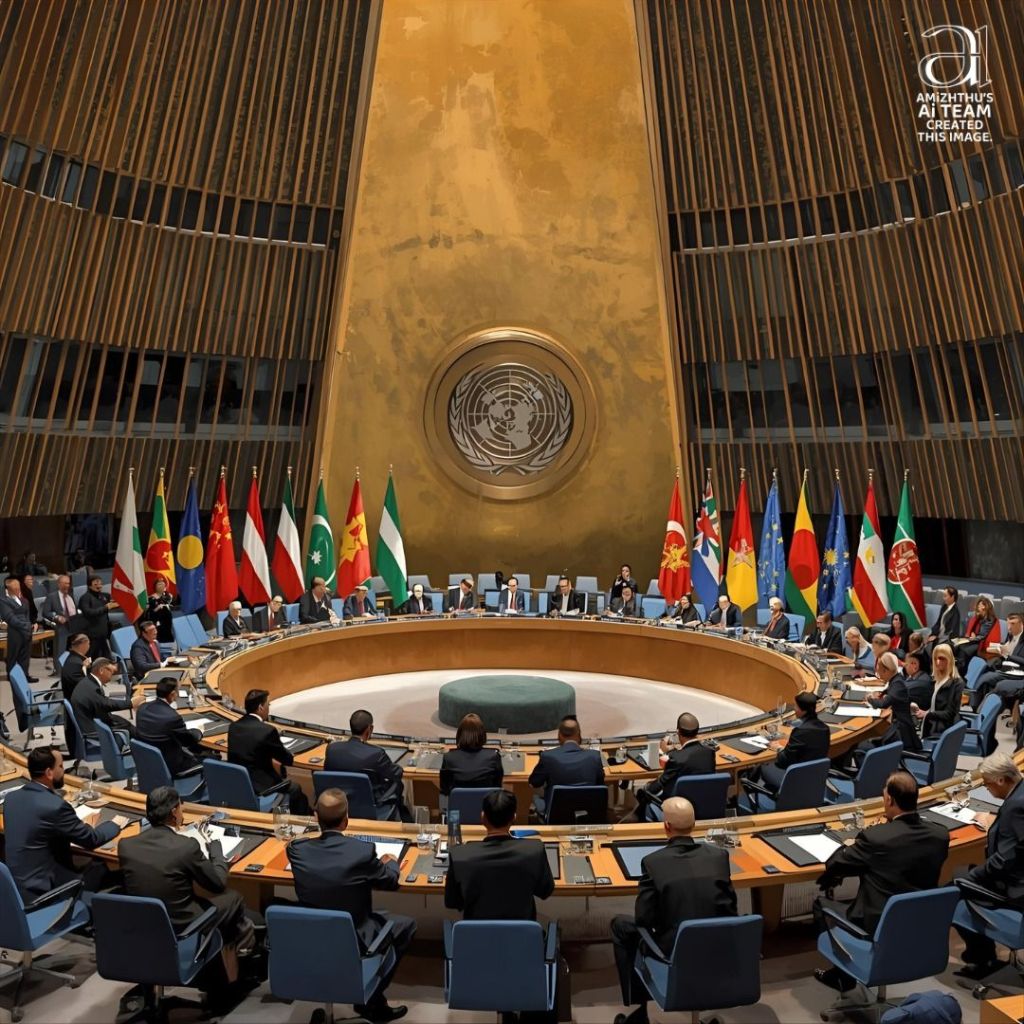
    The United Nations is considering a global tax framework that would tie oil and gas industry profits to climate compensation, though deep divisions among member states leave the outcome uncertain. Attempts to hold major energy producers financially accountable for climate change are not new. However, as the costs of the energy transition mount and legal efforts deliver mixed results, taxation is increasingly being viewed as an alternative policy instrument.

    The United Nations is currently weighing the creation of a new international tax cooperation framework that could, among other objectives, channel funds from the oil and gas industry toward climate-related compensation. While the proposal reflects a familiar ambition to hold the industry financially accountable for climate change, its prospects remain uncertain.

    The initiative falls under the Framework Convention on International Tax Cooperation, which is being negotiated at UN headquarters in New York. The broader goal is to strengthen global tax collection mechanisms and increase taxation on the world’s wealthiest entities and individuals. Sustainability features prominently in the discussions, with many countries—particularly those experiencing frequent climate-related disasters—supporting efforts to make major oil producers contribute financially. At the same time, resistance remains strong among other member states that oppose assigning climate liability to the energy sector or implementing a global wealth tax.

    Recent proposals have suggested linking oil and gas profits directly to climate compensation payments. However, critics argue that these ideas lack sufficient clarity and enforcement power, limiting their viability. Supporters note that such measures could have generated as much as $1 trillion in additional revenue since the 2015 Paris Agreement, highlighting the scale of the opportunity lost if no agreement is reached.

    Any move to formally tax Big Oil for its alleged role in man-made climate change would almost certainly provoke a strong response from the industry, likely through legal challenges. This would build on an already extensive record of climate-related litigation, where activist groups have achieved mixed results.

    In the United States, California launched a lawsuit against major oil companies in 2024, accusing them of downplaying the climate risks associated with fossil fuels. The case targets companies including Exxon Mobil, Chevron, BP, and ConocoPhillips. State Attorney General Rob Bonta later strengthened the case by adding a provision aimed at forcing companies to surrender profits derived from alleged wrongful conduct. However, the lawsuit’s progress remains unclear, and California officials have recently softened their rhetoric toward oil companies in an effort to keep refineries operating and prevent fuel price spikes.

    Maine has pursued a similar legal path, filing a “climate deception” lawsuit against several oil majors and the American Petroleum Institute. A federal judge allowed the case to proceed last year, with plaintiffs alleging that the defendants concealed information about the environmental and economic consequences of fossil fuel use.

    This wave of so-called climate lawfare has become a favored strategy among activists seeking to penalize the fossil fuel industry. Yet given the uncertain outcomes of court cases, taxation is increasingly viewed as a more reliable alternative. The energy transition has proven far more expensive than initially anticipated, and governments are searching for sustainable funding sources.

    Big Oil remains an obvious target due to its substantial profits from essential energy commodities that are widely blamed for climate change. Whether the UN negotiations ultimately result in a binding global tax remains to be seen. Even if they do, governments hoping for swift revenue may need patience—because the oil and gas industry is unlikely to accept such measures without a prolonged fight.

    Sources: Irina Slav

  • Markets Rattled as U.S. Eyes Control of Venezuela’s Oil Industry

    Oil prices weakened yesterday after President Trump said Venezuela would supply large volumes of sanctioned crude to the United States.

    Energy

    Developments in Venezuela remain in the spotlight, adding further downside pressure to oil prices. President Trump said Venezuela is prepared to sell up to 50 million barrels of sanctioned crude to the United States, a move that could also immediately weigh on Canadian crude exports to the U.S.

    Such a deal would effectively open a release channel for Venezuelan oil, which has struggled to reach global markets due to a U.S. blockade on sanctioned tankers entering and leaving the country. Redirecting these barrels to the U.S. could ease storage constraints and reduce the need for Venezuela to curb production.

    The U.S. Department of Energy confirmed that Venezuelan crude is already being marketed internationally, while Trump’s energy secretary stated that Washington intends to maintain long-term control over future Venezuelan oil sales. This strategy is reinforced by the continued tanker blockade, with two additional vessels reportedly seized yesterday.

    Washington’s growing influence over Venezuela’s oil sector also raises uncertainty about the country’s future role within OPEC.

    Meanwhile, Energy Information Administration (EIA) data showed U.S. crude inventories fell by 3.83 million barrels last week, the sharpest draw since late October. However, product balances were more bearish, as gasoline stocks rose by 7.7 million barrels and distillate inventories increased by 5.6 million barrels.

    These inventory builds point to refinery utilization remaining firm, while implied demand for both products softened somewhat over the past week.

    European gas prices moved higher yesterday, with TTF closing more than 2.5% up on the day. Colder conditions across parts of Europe, along with forecasts for below-average temperatures in the days ahead, are supporting the market. The current cold spell has also accelerated storage drawdowns, with EU gas inventories now at 58% of capacity, compared with a five-year average of 72%.

    The latest positioning data show that investment funds cut their net short exposure in TTF for a third straight week. Funds purchased 6.2 TWh during the latest reporting period, reducing their net short position to 72.4 TWh.

    Sources: ING Economic and Financial Analysis