Most Asian currencies slipped on Friday as investors weighed a mixed interest rate outlook across the region. The Australian dollar was on track for a solid monthly gain, while the Japanese yen remained under pressure.
The Chinese yuan declined after Beijing lowered a key reserve requirement to make dollar purchases cheaper domestically, though the currency continued to hover near three-year highs.
Meanwhile, the dollar index and dollar index futures edged down about 0.1% in Asian trading. Despite the dip, the greenback was up 0.7% for February, supported by safe-haven demand and lingering uncertainty over the direction of interest rates.
Japanese yen subdued after weak Tokyo CPI, February decline in focus
The Japanese yen saw the USD/JPY pair slip 0.2% on Friday and was on track to gain 0.7% for February.
Pressure on the yen intensified as uncertainty grew over the timing of the Bank of Japan’s next interest rate hike. Those doubts deepened following softer-than-expected consumer price index data from Tokyo for February.
The reading—often viewed as a leading indicator for nationwide inflation—showed core CPI falling below the BOJ’s 2% annual target for the first time in nearly four years, potentially complicating the central bank’s plans for further rate increases.
The yen had weakened earlier in February amid concerns about the fiscal implications of Prime Minister Sanae Takaichi’s proposed stimulus measures and tax cuts. However, she appeared to gain momentum for advancing her fiscal agenda after her ruling coalition secured a supermajority in Japan’s lower house of parliament.
Chinese Yuan slips after PBOC lowers FX risk reserve ratio
The Chinese yuan’s USD/CNY pair rose 0.2% on Friday after the People’s Bank of China removed a key foreign exchange risk reserve requirement for certain forward contracts—a step that makes dollar purchases cheaper domestically.
The move follows a strong rally in the yuan against the dollar in recent months, partly fueled by exporters offloading the greenback amid a robust trade surplus with the United States.
However, rapid appreciation of the yuan can weigh on Chinese exporters by shrinking returns on overseas sales. Friday’s decision suggests the central bank may be aiming to curb further strength in the currency.
The yuan had approached a three-year high on Thursday before pulling back.
Australian dollar set for February gains on hawkish RBA outlook
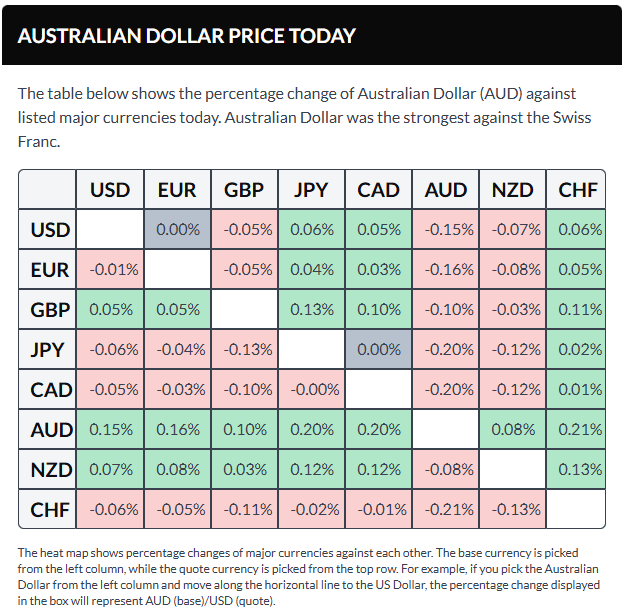
The Australian dollar’s AUD/USD pair climbed 0.25% on Friday, ranking among Asia’s top performers for the month.
The Aussie was on track to advance 2.3% in February, largely supported by a more hawkish stance from the Reserve Bank of Australia. The central bank raised interest rates by 25 basis points earlier in the month and signaled it would tighten further if inflation fails to ease.
Stronger-than-expected January CPI data released this week reinforced expectations that the RBA could deliver additional rate hikes.
Elsewhere in the region, most Asian currencies edged lower on Friday. The South Korean won’s USD/KRW pair ticked up slightly but remained down 1.3% for February.
The Indian rupee’s USD/INR pair steadied after climbing back above the 91-per-dollar mark, though it was still 0.8% weaker this month, despite gaining support from a U.S.–India trade agreement.
Meanwhile, the Singapore dollar’s USD/SGD pair was little changed on the day and down 0.7% for February.
Most Asian currencies traded in a tight range on Thursday as lingering uncertainty over U.S. trade policy kept sentiment cautious, though the Chinese yuan and Japanese yen stood out on domestic drivers.
The US Dollar Index slipped 0.1% during Asian trading hours, with its futures also down 0.1% as of 00:22 ET (05:22 GMT).
Chinese yuan surges to 34-month high on policy hopes
China’s onshore yuan strengthened, with USD/CNY sliding 0.5% to a new 34-month low of 6.834 ahead of the country’s annual parliamentary session, the National People’s Congress. Markets are betting on fresh policy backing as investors look for growth targets and potential fiscal stimulus signals that will shape Beijing’s economic agenda for the year.
The offshore yuan also advanced, with USD/CNH touching its weakest level since mid-April 2023.
Elsewhere in the region, currencies were mostly subdued as concerns over U.S. tariffs persisted. President Donald Trump’s 10% global tariffs came into force earlier this week, with plans underway to raise them to 15%.
The South Korean won was little changed after the Bank of Korea kept its benchmark rate steady at 2.5%, in line with expectations. The Singapore dollar edged 0.1% higher against the greenback, while the Indian rupee gained 0.1%. The Australian dollar rose 0.2%.
Yen rebounds on BOJ rate hike expectations
The Japanese yen strengthened, with USD/JPY falling 0.4%, after Kazuo Ueda, Governor of the Bank of Japan, said policymakers would carefully assess incoming data at their March and April meetings, leaving room for another rate hike if inflation and wage growth remain solid.
His comments bolstered expectations that Japan will stay on a gradual path toward policy normalization.
The yen had weakened a day earlier following reports that Prime Minister Sanae Takaichi adopted a cautious stance on further tightening and after two more dovish-leaning members were nominated to the BOJ board.
Analysts at ING said the addition of new board members would broaden the range of views in policy discussions, though no single perspective is likely to dominate. They added that a June rate hike appears more likely than one in April, pending confirmation of strong spring wage gains and April inflation data.
The Australian government has pledged to “consider every possible response” after President Donald Trump raised the standard import tariff to 15%. The abrupt increase came just a day after an initial 10% rate was announced, surprising global markets.
Trade Minister Don Farrell described the decision as “unjustified” and suggested it could strain relations between the long-standing strategic partners. The move follows a U.S. Supreme Court ruling that invalidated the administration’s earlier targeted tariff system as unlawful.
In reaction, the President shifted to a universal global tariff. The first 10% duty is scheduled to take effect at 12:01 a.m. EST on February 24, but the implementation date for the additional 5% remains uncertain, leaving exporters with goods already in transit facing heightened uncertainty.
Economic repercussions and Australia’s reaction
For Australia, the implications are significant. As a leading exporter of iron ore, LNG, and agricultural commodities, a 15% tariff could erode the competitiveness of Australian products in the U.S. market. Trade Minister Don Farrell confirmed that officials are coordinating closely with Australia’s embassy in Washington to evaluate the potential impact.
Analysts note that keeping “all options on the table” may involve filing a formal complaint with the World Trade Organization (WTO) or imposing reciprocal, tit-for-tat duties on American imports. Such action would represent an unusual trade clash between AUKUS allies.
The across-the-board 15% tariff reflects a broad, uniform policy that overlooks customary bilateral arrangements. Should Canberra proceed with countermeasures, it could affect multi-billion-dollar energy and defense agreements that are currently being negotiated.
Market turbulence and the investor outlook
Investors are already responding to the uncertainty. The Australian Dollar (AUD) came under immediate pressure as traders assessed the potential blow to the nation’s trade balance, while mining and energy shares adopted a more cautious tone.
Should the full 15% tariff be implemented without carve-outs, Australian exporters may have to accelerate their shift toward Asian markets, potentially deepening the divide between Western trading partners.
Attention is now fixed on the February 24 deadline. If the White House does not clarify whether allies will receive exemptions, the risk of a formal trade conflict increases. Analysts caution that much of the added cost could ultimately be passed on to American consumers, heightening concerns about renewed inflation.
The U.S. Supreme Court’s decision on Friday to overturn trade tariffs introduced by President Donald Trump last year could ease financial pressure on certain oil producers and drilling firms, though analysts say it is unlikely to significantly reshape global energy trade flows in the near term.
By striking down the tariffs, the Supreme Court of the United States may lower the cost of constructing LNG facilities and other major energy projects that depend on foreign-made modules and components. For instance, Venture Global assembles parts of its LNG plants in Italy before shipping them to the U.S. for completion — a process that had become more expensive under the tariff regime. U.S. crude producers and oilfield service firms also faced higher costs for imported equipment and materials, with some absorbing the impact and others attempting to pass it along to customers.
Cam Hewell, CEO of Premium Oilfield Technologies, said his company had expected to pay $5–6 million in tariff-related taxes in 2026 — a figure that may now decline. He noted that most of the added costs had been absorbed internally, meaning customer pricing would see little change, but improved cash flow could support research, employee compensation, and shareholder returns.
Kirk Edwards, president of Latigo Petroleum in Texas, added that the ruling could improve budgeting clarity and cost visibility for drilling projects.
However, the decision does not eliminate the 50% tariffs on steel and aluminum imposed last year, and some executives remain cautious that the administration could pursue alternative measures to maintain similar trade barriers. Trump himself indicated he may introduce a 10% global tariff for 150 days, signaling that policy uncertainty remains.
Despite the potential cost relief for LNG infrastructure, experts believe global LNG trade patterns are unlikely to shift materially. Ira Joseph of Columbia University’s Center on Global Energy Policy said China has stronger economic incentives to continue redirecting U.S. LNG cargoes to Europe for arbitrage or to import cheaper oil-indexed LNG from the Middle East.
Alex Munton of Rapidan Energy added that Beijing increasingly views LNG purchases as strategic leverage in its relationship with Washington, making new buying commitments unlikely even if tariff pressures ease. Samantha Santa Maria-Hartke of Vortexa echoed that view, suggesting China — which halted U.S. crude and LNG imports after imposing retaliatory tariffs — is unlikely to reverse course in the near term.
Oil prices advanced in Asian trading on Wednesday as investors monitored developments in U.S.-Iran relations and looked ahead to travel demand during an upcoming major holiday in China.
Crude rebounded from part of the previous session’s losses, supported by a softer U.S. dollar ahead of key economic data releases.
By 21:04 ET (02:04 GMT), April Brent futures climbed 0.6% to $69.18 a barrel, while WTI crude futures also gained 0.6% to $64.19 a barrel.
Oil prices rise amid US-Iran tensions over potential supply disruptions.
On Tuesday, Iranian officials stated that recent nuclear discussions with the United States helped Tehran assess Washington’s intentions, adding that diplomatic engagement between the two nations would continue.
The remarks followed talks held last week regarding Iran’s nuclear program, which came after U.S. President Donald Trump sent several warships to the Middle East.
Although both sides indicated some progress from their weekend negotiations, attention shifted after the U.S. issued a maritime warning for vessels passing through the Strait of Hormuz.
Media reports also suggested that Trump was weighing the deployment of a second aircraft carrier near Iran—a step that could significantly heighten regional tensions.
Amid the uncertainty, oil markets incorporated a risk premium, as traders grew concerned that potential military action might disrupt Iranian oil supplies.
China’s Lunar New Year travel surge draws attention as CPI data falls short of expectations.
Oil prices found some support on expectations of stronger Chinese fuel consumption during the upcoming Lunar New Year holiday.
This year’s Lunar New Year, marking the Year of the Horse in the Chinese zodiac, falls on February 17 and will be observed with an extended nine-day public holiday from February 15 to 23.
The festive period typically drives higher consumer spending in China, particularly in travel. Authorities project a record 9.5 billion passenger journeys during the spring holiday travel rush.
International travel is set to include several favored destinations across Southeast Asia, though flights to Japan have reportedly declined sharply amid escalating diplomatic tensions between Beijing and Tokyo.
Meanwhile, recent economic data signaled that deflationary pressures persist in China, as consumer price index figures came in below expectations and producer prices continued to contract.
Last week, I attended the 2026 Harvard Presidents’ Seminar with leading executives and thinkers, where Ambassador Kevin Rudd, former Australian prime minister, stood out. He warned that the post–World War II rules-based global order is likely fading, giving way to a more 19th-century style world defined by power politics and spheres of influence. Rudd, a realist rather than an alarmist, argued that a strong U.S. remains essential for global stability, while a weakened U.S. risks creating power vacuums that China and Russia are ready to exploit.
A Fracturing Global Order?
For roughly eight decades after World War II, the United States played a central role in shaping the global order—promoting open markets, free trade, democratic expansion, and the U.S. dollar as the world’s reserve currency—underpinning a period of relative stability.
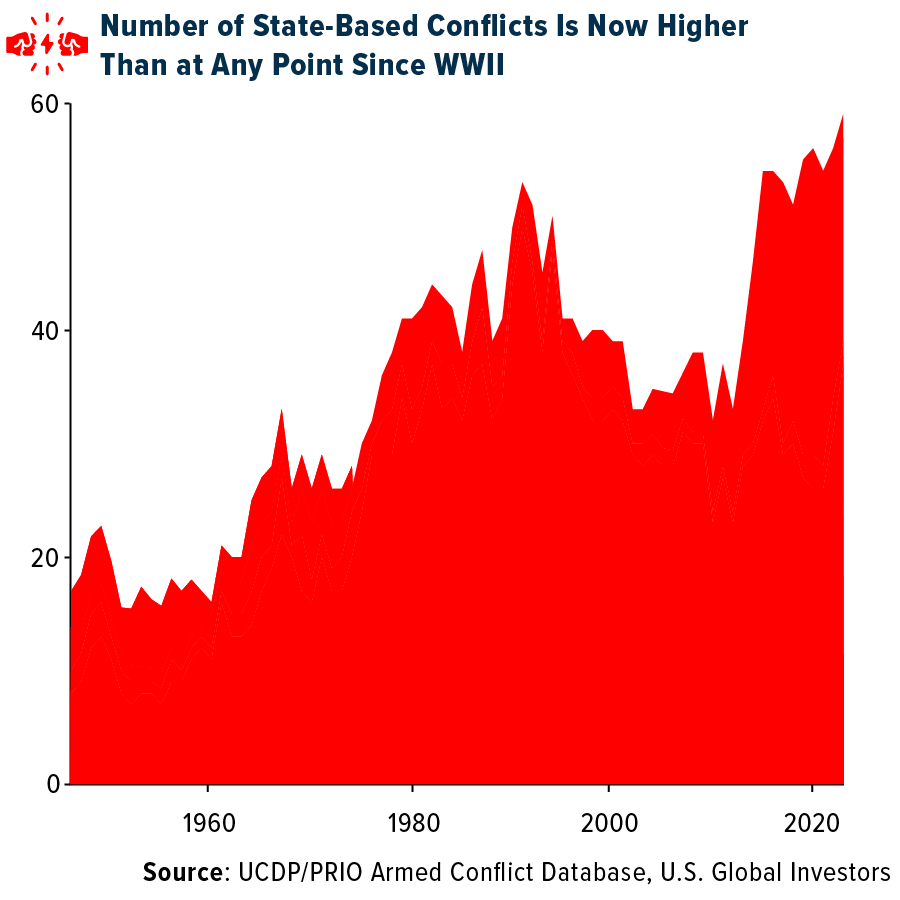
According to Rudd, that chapter may now be closing. Democratic governance is weakening worldwide, while the number of armed conflicts has climbed to its highest level since World War II.
China and Russia are making their ambitions increasingly explicit. Just last week, Xi Jinping and Vladimir Putin reaffirmed their deepening partnership, pledging mutual support across economic, military, and ideological fronts. With the New START treaty expiring this month, the final pillar of nuclear arms control between the United States and Russia has now fallen away.
Redrawing the Global Playbook
Rudd, who has written two major books on Xi Jinping, cautioned that China’s current leader is far from a pragmatist in the mold of Deng Xiaoping, whose market-oriented reforms in the 1970s set China on its path to global prominence. Instead, Xi is best understood as a Marxist-Leninist nationalist.
Under his leadership, China has moved beyond simply operating within existing global rules to actively reshaping them. The Chinese Communist Party is pursuing an all-encompassing strategy that spans nearly every sphere—military modernization, industrial leadership, energy self-sufficiency, and more. As I noted back in October, I see China’s expansive Belt and Road Initiative as a Trojan horse.
For Xi’s government, economic strength and national security are inseparable, a reality most evident in its approach to energy and technology.
China’s Sweeping Energy Expansion
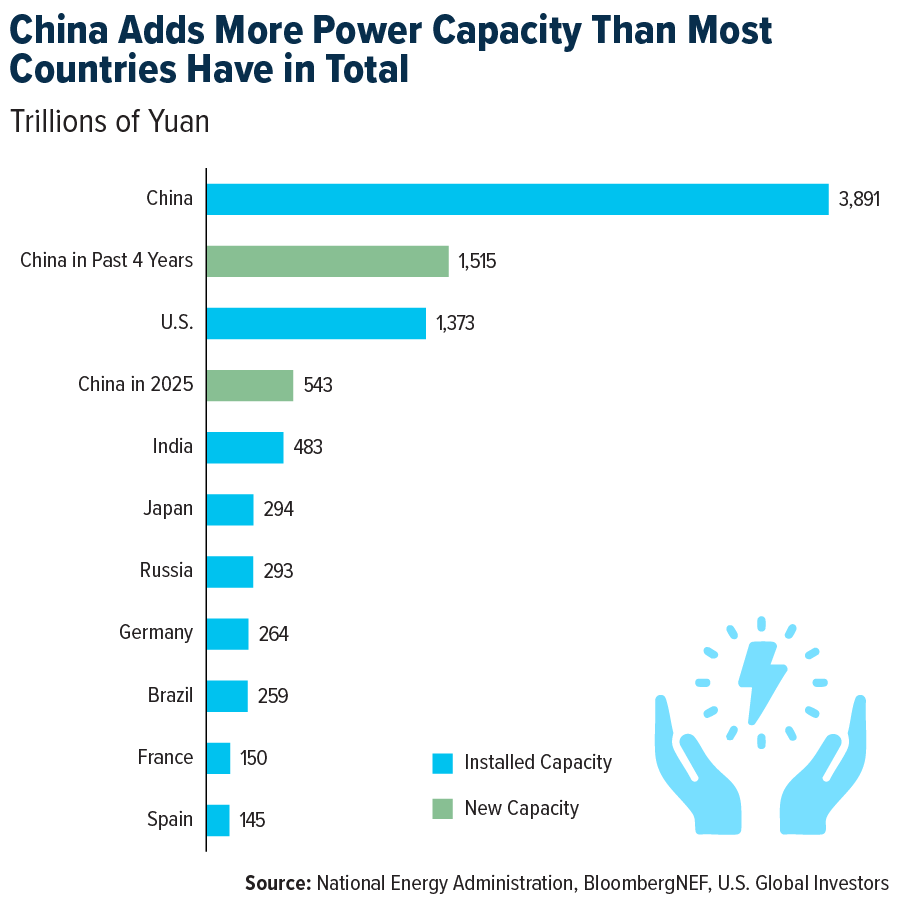
As the U.S. continues to oscillate on energy policy, China has been pressing ahead at full speed. Since 2021, it has added more power-generating capacity than the United States has built over its entire 250-year history—an astonishing feat achieved in just four years.
In 2025 alone, China brought online 543 gigawatts of new capacity across solar, wind, coal, nuclear, and gas. Looking ahead, BloombergNEF projects an additional 3.4 terawatts over the next five years—nearly six times what the U.S. is expected to add. The objective is clear: to ensure that China’s next wave of industries, including AI, robotics, and advanced manufacturing, is never constrained by energy shortages.
Clean Energy Emerges as the Next Growth Engine
As I’ve noted before, both Elon Musk and NVIDIA CEO Jensen Huang have warned that China’s enormous power surplus could give it a decisive edge in AI computing—and the data backs that up.
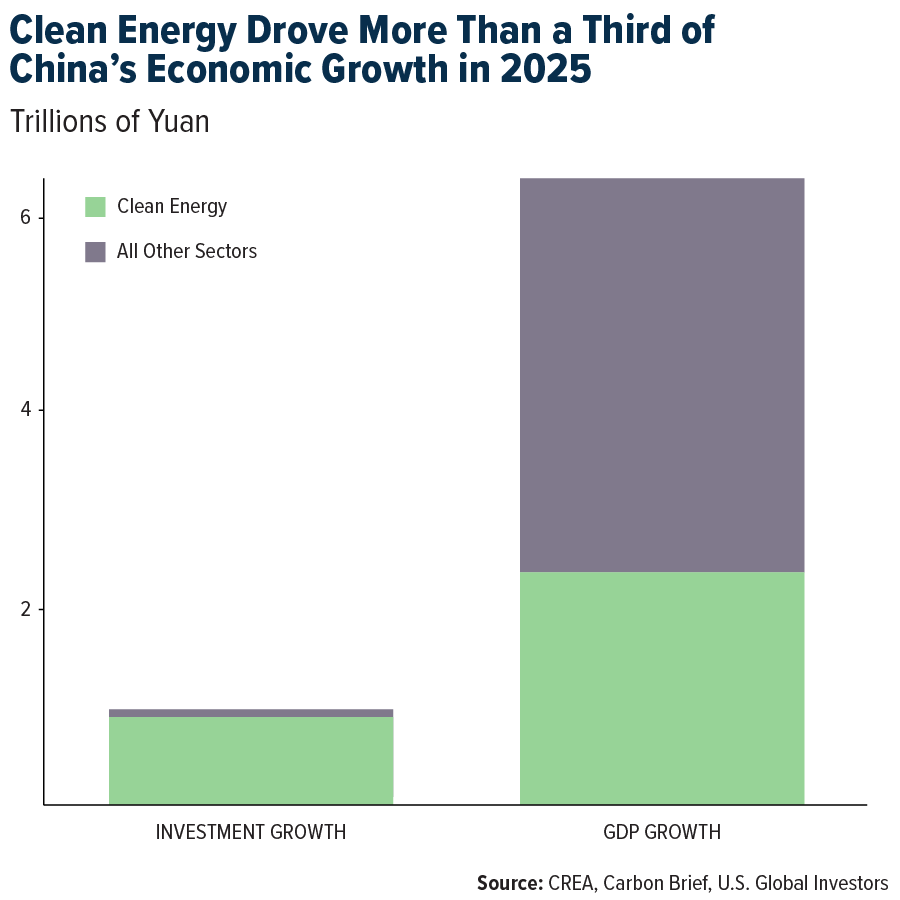
In 2025, clean energy accounted for more than a third of China’s GDP growth and over 90% of new investment. Industries such as solar, electric vehicles, and battery technology generated more than $2.1 trillion in economic output, roughly on par with the GDP of Canada or Brazil. Viewed on its own, China’s clean energy sector would rank as the world’s eighth-largest economy.
Meanwhile, in Washington, progress remains stalled by politics.
By contrast, the United States has struggled to execute large-scale energy buildouts amid political gridlock and partisan divides. While China plans decades ahead, U.S. policymakers too often remain focused on the next election cycle.
According to a recent report from the Information Technology and Innovation Foundation (ITIF), China is on course to overtake the U.S. across a wide range of what it terms “national power industries.” These span military sectors such as guided missiles and tanks, dual-use industries like electronic displays and semiconductors, and enabling industries including automobiles and heavy construction equipment.
That said, the U.S. continues to commit heavily to defense spending. Congress recently approved an $839 billion defense bill—$8 billion more than requested by the Pentagon—with funding directed toward key systems such as the F-35, the B-21 bomber, and the Sentinel intercontinental ballistic missile program. More than $13 billion is also allocated to space and missile defense under President Trump’s Golden Dome initiative.
What This Means for Investors
Equity markets may already be signaling the start of a new investment cycle. In January, leadership shifted toward small-cap, domestically oriented stocks. While the S&P 500 hit new highs with a gain of about 1.4%, the Russell 2000 jumped 5.4%, markedly outperforming large caps. Small caps also logged a 15-day streak of outperformance versus the S&P—the longest since May 1996.
This strength does not appear to be a one-off. Since the beginning of Trump’s second term, the Russell 2000 has edged ahead of the S&P 500, rising roughly 17% versus 15% as of Friday, February 6. Some small-cap companies, though not all, tend to be less exposed to tariffs and could benefit over time in a less globalized world.
That said, careful stock selection is critical. Around 40% of Russell 2000 constituents are currently unprofitable.
Finally, with precious metals retreating from recent highs, investors may want to consider buying the dip. A 10% allocation to gold—split evenly between physical bullion and high-quality mining stocks—can help diversify portfolios, with regular rebalancing remaining essential.
The Chinese yuan has recently attracted strong demand, and Bank of America Securities believes this momentum could become a key driver of foreign exchange markets in both the near and longer term. On Tuesday, the People’s Bank of China set the yuan’s daily midpoint at 6.9533 per U.S. dollar—75 pips stronger than the prior fix—marking its firmest level in nearly 33 months and breaking below the 6.96 threshold. BofA analysts cited solid export performance and firmer policy guidance as reasons for upgrading their USD/CNY forecasts to 6.7 for the end of Q3 and Q4, from 6.8.
According to the bank, the yuan’s strength may have broader implications for global FX markets, as signs emerge that appreciation is spreading across trade-weighted measures, including the CFETS basket, and increasingly influencing emerging-market currencies. While correlation does not prove causation, BofA noted that the alignment between bilateral and trade-weighted CNY gains is becoming difficult to ignore. A softer U.S. dollar is further reinforcing EM currency strength alongside the yuan.
High U.S. tariffs have encouraged China to redirect exports from the U.S. toward Europe, a shift reflected in the European Union’s expanding trade deficit with China, now nearing levels last seen during the Covid period. Although part of this imbalance stems from a weaker yuan versus the euro, unlike during the pandemic, the widening deficit has not led to euro weakness. Instead, EUR/CNY has climbed to a ten-year high, intensifying pressure on European exporters and renewing calls for yuan appreciation. BofA expects Chinese export momentum into Europe to continue in the short term, though heightened EU scrutiny and anti-dumping measures could pose challenges over the medium term, potentially placing downward pressure on EUR/CNY.
The case for yuan appreciation is gaining traction, reinforced most recently by comments from President Xi emphasizing the goal of building a “powerful currency” that is widely used in global trade, investment, and foreign exchange markets, and that ultimately achieves reserve-currency status. This builds on Xi’s 2020 remarks outlining China’s ambition to reach high-income status by 2025 and significantly expand economic output by 2035. However, BofA cautioned that aggressive currency appreciation could lead to overvaluation and pose risks to financial stability.
In this context, the outcome of U.S.–China competition in artificial intelligence will be critical for productivity growth and the long-term sustainability of relative currency valuations. Given the continued dominance of the U.S. dollar and the U.S.-centered global financial system, BofA expects USD leadership to persist over the next decade. While full internationalization of the renminbi appears unlikely, a more realistic approach may involve expanding CNY usage across the Global South and Asia, potentially reducing the need for a sharply stronger yuan.
Futures tied to major U.S. stock indexes fell after President Donald Trump raised the prospect of imposing tariffs as part of his push to acquire Greenland. European leaders discussed possible retaliation against the measures, which they described as a form of blackmail. Gold climbed to a fresh record high, while oil prices edged lower as traders assessed Trump’s remarks and the EU’s response. Elsewhere, China’s economic growth slowed in the fourth quarter but still met Beijing’s 2025 target.
U.S. futures and global stocks decline
U.S. stock futures pointed lower on Monday as investors weighed President Donald Trump’s threat to impose tariffs on several European countries until the United States is allowed to acquire Greenland.
By 03:05 ET (08:05 GMT), Dow futures were down 404 points, or 0.8%, S&P 500 futures had fallen 66 points, or 1.0%, and Nasdaq 100 futures were off 336 points, or 1.3%.
With U.S. cash markets closed for the Martin Luther King Jr. Day holiday, the immediate reaction to Trump’s latest tariff threat will be delayed. Risk-off sentiment has spread globally, dragging equities lower across Europe and Asia.
ING analysts said Trump’s comments, following last year’s sweeping global tariffs, have pushed trade tensions into “an entirely new dimension,” driven less by economic considerations and more by political motives. They added that while past experience suggests caution in reacting to dramatic announcements, some of Trump’s threats over the past year have ultimately been carried out.
Focus on Trump’s Greenland tariffs
European leaders agreed on Sunday to intensify efforts to counter President Donald Trump’s tariff threats, with reports suggesting EU officials are considering strong retaliatory measures if the levies are imposed.
On Saturday, Trump said he would introduce 10% tariffs on exports from eight European countries—Denmark, Sweden, France, Germany, the Netherlands, Finland, Norway and the United Kingdom—until the United States is able to acquire Greenland. He added that the tariffs would be raised to 25% if the purchase of the semi-autonomous Danish territory does not go ahead. Trump has framed the move as a national security necessity, a claim European governments have rejected, describing it as blackmail.
Ahead of an emergency EU summit in Brussels on Thursday, member states are expected to debate a range of responses, including a potential €93 billion tariff package on U.S. imports and the possible use of the bloc’s “Anti-Coercion Instrument,” which could restrict U.S. access to investment, banking and services markets. Reuters, citing an EU source, reported that the tariff package currently has broader backing.
Trump’s latest tariff threat has also cast doubt over the future of a U.S.–EU trade agreement reached last year, with EU officials saying they cannot approve the deal while Washington pursues control of Greenland. ING analysts said that while the outcome of the dispute remains uncertain, it underscores the lack of predictability in global trade and tariff policy.
Gold reaches record high
Gold prices climbed to record highs in Asian trade on Monday, nearing $4,700 an ounce, as investors rushed into safe-haven assets following President Trump’s latest tariff threat.
Spot gold rose 1.6% to $4,667.33 an ounce by 02:26 ET (07:26 GMT), after earlier touching a record $4,690.75. U.S. gold futures also hit a new peak at $4,697.71 an ounce.
Silver prices surged more than 4% to a fresh all-time high of $94.03 an ounce, supported by safe-haven demand as well as its role as an industrial metal.
Oil prices edge lower
Oil prices edged lower, giving back part of last week’s gains as markets weighed the growing risk of a trade dispute linked to Greenland. Brent crude slipped 0.1% to $59.74 a barrel, while U.S. West Texas Intermediate fell 0.1% to $55.95.
Crude had rallied early last week on concerns that unrest in Iran could threaten oil supplies from the Middle East, a region that accounts for a significant share of global output. Much of that risk premium faded after President Trump ruled out immediate U.S. military action, leading prices to pull back before stabilizing toward the end of the week.
China’s economy meets 2025 growth target
China’s economy grew slightly more than expected in the fourth quarter of 2025, data released on Monday showed, as policy stimulus and a pickup in consumption helped the country meet its annual growth target.
Gross domestic product rose 4.5% year on year in the October–December period, in line with forecasts but down from 4.8% in the previous quarter, marking the slowest pace in three years. On a quarter-on-quarter basis, GDP expanded 1.2%, marginally above expectations of 1.1%.
The result brought full-year 2025 growth to 5%, meeting Beijing’s target. The government is widely expected to set a similar 5% growth goal again, as it continues to face heightened U.S. trade tensions, weak consumer demand and a prolonged property sector downturn.
European stocks dropped sharply on Monday after U.S. President Donald Trump threatened to impose economic sanctions on several countries in the region if they resist his plans to acquire Greenland.
By 03:05 ET (08:05 GMT), Germany’s DAX was down 1.3%, France’s CAC 40 fell 1.6% and Britain’s FTSE 100 slipped 0.4%.
Tariff threats dampen market sentiment
President Donald Trump said over the weekend that he plans to impose tariffs on exports to the United States from eight European countries that have opposed his proposal for the U.S. to acquire Greenland. The countries affected include France, Germany and the United Kingdom, along with several Nordic and northern European nations.
Trump said an initial 10% tariff would be introduced on Feb. 1, rising to 25% in June if no agreement is reached allowing the United States to take control of Greenland, the semi-autonomous territory of Denmark.
The European Union has already suspended ratification of a U.S.–EU trade agreement, and media reports indicate the bloc may revive a €93 billion tariff package targeting U.S. goods. Such a move could sharply escalate tensions and increase the risk of a wider transatlantic trade conflict.
According to IG market analyst Tony Sycamore, the latest dispute has intensified fears of NATO fragmentation and the breakdown of last year’s trade accords with European partners, pushing investors toward risk-off positioning in equities while boosting demand for safe havens such as gold and silver.
This has put the World Economic Forum, which gets under way later in the session in Davos, squarely in focus as global leaders convene, including a large U.S. delegation led by President Trump.
Euro zone inflation data due
Monday’s key economic event is the release of December eurozone inflation data, particularly with U.S. markets closed for the Martin Luther King Jr. holiday. Annual eurozone CPI is expected to come in at 2.0% in December, matching the European Central Bank’s target for the first time since mid-2025, down from 2.1% in November.
The ECB has left interest rates unchanged since ending its rate-cut cycle in June and signalled last month that it is under no immediate pressure to adjust policy, as inflation concerns have eased and growth surprised on the upside toward the end of 2025. The ECB’s next policy meeting is scheduled for early February.
Earlier data showed China’s economic growth slowed to a three-year low in the fourth quarter, with GDP expanding 4.5% year on year, compared with 4.8% in the previous quarter.
U.S. tech giants in focus
The European corporate earnings calendar is thin, though UK building products group Marshalls reported full-year 2025 adjusted profit before tax in line with market expectations despite ongoing uncertainty in its end markets.
U.S. technology heavyweights listed in Europe will also be in focus, as they could become targets of retaliatory measures by European authorities if President Trump follows through on tariff threats against European countries until the U.S. is permitted to acquire Greenland.
Crude slips lower
Oil prices edged lower on Monday, giving back part of the previous week’s gains as markets weighed the growing risk of a trade dispute linked to Greenland. Brent crude slipped 0.1% to $59.74 a barrel, while U.S. West Texas Intermediate fell 0.1% to $55.95.
Prices had climbed early last week on concerns that unrest in Iran could threaten oil supplies from the Middle East, a region that represents a large share of global production. However, much of that risk premium faded after President Trump said there would be no immediate U.S. military action, triggering a pullback before prices stabilized later in the week.
EUR/USD edges higher toward the 1.1625 area in early European trading on Monday, as the euro finds support from signs that Europe is prepared to respond to U.S. tariff measures.
The move follows President Donald Trump’s announcement of a 10% tariff on goods from several European countries, prompting pushback from European leaders.
Meanwhile, expectations that the Federal Reserve will keep interest rates unchanged at its January meeting—amid a resilient labor market and still-elevated inflation—have weighed on the U.S. dollar, providing additional support for the pair.
The EUR/USD pair advances to around 1.1625 in early European trading on Monday, snapping a four-day losing streak. The U.S. dollar comes under modest pressure against the euro after President Donald Trump threatened to escalate tariffs on eight European nations opposing his proposal for the United States to acquire Greenland.
U.S. markets are closed on Monday in observance of Martin Luther King Jr. Day.
Over the weekend, Trump announced a 10% tariff on goods from Denmark, Norway, Sweden, France, Germany, the Netherlands, Finland, and the United Kingdom, set to take effect on February 1. He added that the levy would rise to 25% in June unless an agreement is reached allowing the U.S. to purchase Greenland.
Europe is set to respond after President Donald Trump imposed additional tariffs on key allies, with European leaders expected to convene an emergency meeting in the coming days to consider potential retaliation. Renewed concerns over a trade war and the longer-term implications of Trump’s latest move have weighed on the U.S. dollar, providing support for the EUR/USD pair.
“While one could argue the tariffs are a threat to Europe, it is actually the dollar that is absorbing most of the impact, as markets appear to be pricing in a higher political risk premium for the U.S. currency,” said Khoon Goh, head of Asia research at ANZ.
That said, stronger-than-expected U.S. labor market data released last week have delayed expectations for further Federal Reserve rate cuts until June, which could help cap downside pressure on the dollar. According to the CME FedWatch tool, markets are pricing in nearly a 95% probability that the Federal Open Market Committee will leave rates unchanged at its January 27–28, 2026 meeting.
China’s trade surplus widened in December, reaching CNY 808.80 billion, up from CNY 792.57 billion the previous month.
Exports grew 5.2% year-over-year in December, slightly lower than November’s 5.7% increase. Meanwhile, imports rose 4.4% year-over-year, accelerating from the 1.7% growth recorded in November.
In U.S. dollar terms, China’s trade surplus exceeded expectations, registering $114.10 billion compared to the forecasted $113.60 billion and $111.68 billion in the prior month. Exports increased 6.6% year-over-year, well above the 3.0% forecast and 5.9% last month. Imports also rose strongly by 5.7%, surpassing the anticipated 0.9% growth and previous 1.9% figure.
Market Reaction to China’s Trade Balance Data
AUD/USD continued its upward momentum, trading near 0.6692 shortly after the release of China’s trade data. The pair is currently up 0.16% on the day.
This section was released on Wednesday at 00:52 GMT as a preview ahead of China’s Trade Balance report.
China’s Trade Balance Overview
The General Administration of Customs is scheduled to release December trade data on Wednesday at 03:00 GMT. Analysts expect the trade surplus to widen to $113.60 billion, up from $111.68 billion previously. Exports are forecasted to grow 3.0% year-over-year in December, while imports are projected to rise 0.9% over the same period.
Given China’s significant influence on the global economy, this data release is anticipated to impact the Forex market.
In what ways can China’s Trade Balance impact the AUD/USD exchange rate?
AUD/USD is trading with modest gains ahead of China’s Trade Balance release. The pair dipped slightly as the U.S. dollar strengthened, supported by Consumer Price Index (CPI) inflation data that largely met economists’ expectations last month.
Should the trade data exceed forecasts, it may boost the Australian dollar, with initial resistance seen at the January 12 high of 0.6722. Further upside targets include the January 6 high at 0.6742 and the January 7 peak at 0.6766.
On the downside, the January 9 low of 0.6663 could provide support for buyers. A deeper decline might push the pair down to the December 4 low of 0.6614, followed by the 100-day exponential moving average near 0.6587.
U.S. Treasury Secretary Scott Bessent announced that Australia and several other countries would participate in a meeting of finance ministers from the Group of Seven (G7) advanced economies, which he is hosting in Washington on Monday to address critical minerals.
Bessent mentioned that he has been advocating for this dedicated meeting on critical minerals since the G7 leaders’ summit last summer, and the finance ministers previously held a virtual session on the topic in December.
India was also invited to attend the meeting, Bessent told Reuters during a visit to Winnebago Industries’ engineering lab near Minneapolis, though he was uncertain if India had accepted the invitation.
It is not yet clear which other countries have been invited.
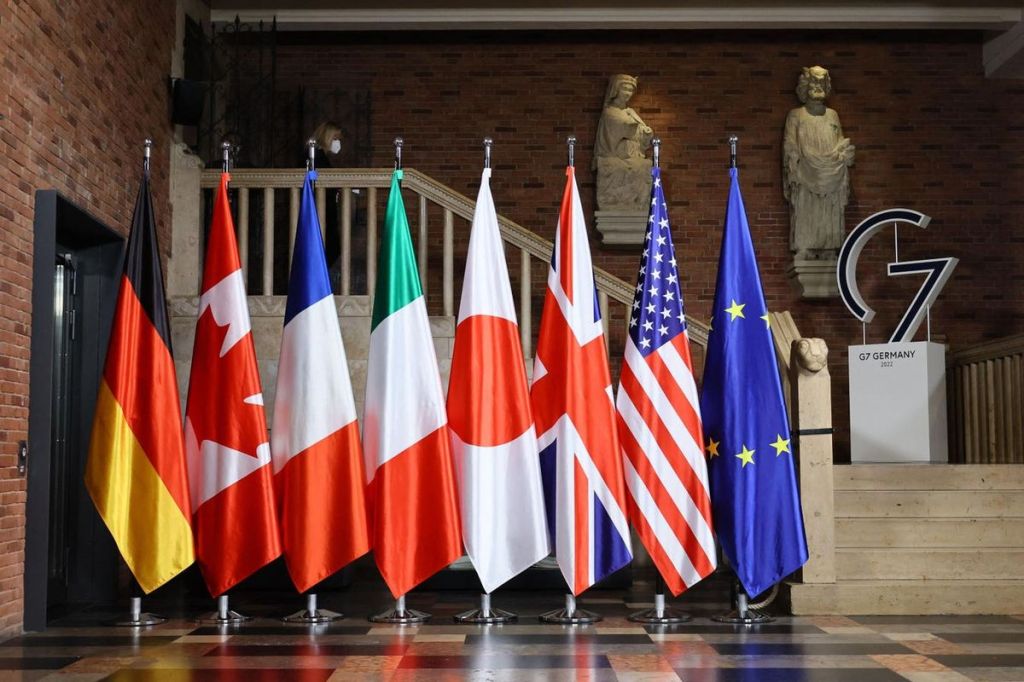
The G7 consists of the United States, Britain, Japan, France, Germany, Italy, Canada, and the European Union. Many members heavily rely on China for rare earth minerals. In June, the group agreed on a plan to secure supply chains and strengthen their economies.
In October, Australia signed an agreement with the U.S. to challenge China’s dominance in critical minerals, involving an $8.5 billion project pipeline and Australia’s proposed strategic reserve. This reserve will provide essential metals such as rare earths and lithium, which are vulnerable to supply disruptions.
Following this, Canberra reported interest from Europe, Japan, South Korea, and Singapore.
China currently dominates the critical minerals supply chain, refining between 47% and 87% of copper, lithium, cobalt, graphite, and rare earths, according to the International Energy Agency. These minerals are essential for defense technology, semiconductors, renewable energy components, batteries, and refining operations.
In recent years, Western countries have aimed to lessen their reliance on China’s critical minerals due to China’s implementation of stringent export restrictions on rare earth elements.
Monday’s meeting follows reports that China recently started limiting rare earth exports and powerful magnets to Japanese companies, and also banned the export of dual-use goods to the Japanese military.
Bessent noted that China continues to honor its commitments to buy U.S. soybeans and supply critical minerals to American companies.Monday’s meeting follows reports that China recently started limiting rare earth exports and powerful magnets to Japanese companies, and also banned the export of dual-use goods to the Japanese military.
Bessent noted that China continues to honor its commitments to buy U.S. soybeans and supply critical minerals to American companies.
Most Asian stock markets saw modest gains on Friday, following a mixed close on Wall Street as investors remained cautious ahead of crucial U.S. jobs data that could influence expectations for future Federal Reserve interest rate cuts.
U.S. markets closed Thursday with mixed results: technology stocks pulled back after recent advances, putting pressure on the Nasdaq, while the Dow and S&P 500 showed little movement.
Futures for major Wall Street indexes remained mostly flat during Friday’s Asian trading session.
Asian stocks mostly flat as Nikkei posts gains
Asian markets showed limited movement, reflecting investor caution, with the technology sector leading declines.
South Korea’s KOSPI index remained mostly flat after reaching record highs earlier in the week, as chipmakers Samsung Electronics (KS:005930) and SK Hynix (KS:000660) dropped between 1.5% and 3%.
Australia’s S&P/ASX 200 gained 0.3%, while Singapore’s Straits Times Index held steady.
Futures for India’s Nifty 50 also remained largely unchanged.
In contrast, Japanese stocks outperformed the region, with the Nikkei 225 rising 1% and the broader TOPIX index increasing 0.3%. A weaker yen against the U.S. dollar supported exporters’ prospects.
Looking ahead, investor attention is focused on the U.S. nonfarm payrolls report expected later on Friday, which could offer crucial insights into the health of the world’s largest economy and influence the Federal Reserve’s monetary policy outlook.
China’s December CPI reaches highest level in 3 years, PPI deflation slows
In China, official data released on Friday showed consumer inflation rose to its highest level in nearly three years, offering tentative signs of improving demand.
The consumer price index increased 0.8% year on year in December, the fastest pace in about 34 months, while monthly prices rose 0.2%. At the same time, producer price deflation eased, indicating some stabilization in factory-gate prices.
The data indicated that China could be nearing an end to a prolonged deflationary period that has dampened economic growth, squeezed corporate earnings, and restrained consumer spending.
China’s blue-chip Shanghai Shenzhen CSI 300 index gained 0.3%, while the Shanghai Composite rose 0.6%. Hong Kong’s Hang Seng traded flat.
After months of rising tensions, the United States launched a major military operation in Venezuela on 3 January 2026, resulting in the capture of President Nicolás Maduro and his wife, Cilia Flores. U.S. President Donald Trump confirmed the operation, saying Washington would administer Venezuela until a stable transition government could be established. This marks one of the most dramatic U.S. interventions in Latin America in decades, with Maduro removed from power and taken into U.S. custody.
Maduro, long a focal point of U.S. sanctions and foreign policy pressure, was transported to the United States to face federal charges—such as narco‑terrorism and drug trafficking—filed in the Southern District of New York.
Venezuela holds the world’s largest proven oil reserves, and the sudden change in leadership carries significant geopolitical and economic implications well beyond its borders.
Why Did the US Capture Maduro?
Nicolás Maduro rose through the Venezuelan political system under socialist leader Hugo Chávez and became president in 2013. His time in power was widely criticized domestically and internationally, with opponents accusing him of suppressing dissent, restricting freedoms, and holding elections that lacked credibility.
Relations with Washington deteriorated sharply, especially under the Trump administration. U.S. officials accused Maduro’s government of involvement in drug trafficking and creating conditions that fueled migration toward the United States. They also branded elements of his regime—including the Cartel of the Suns—as a terrorist organization.
Tensions escalated in 2025 when the U.S. increased the bounty for Maduro’s arrest to $50 million and expanded military pressure in the region, including strikes on vessels the U.S. claimed were tied to drug smuggling.
On 3 January 2026, after months of military buildup and diplomatic pressure, U.S. forces launched a major operation in Venezuela—code‑named Operation Absolute Resolve—that resulted in the capture of Maduro and his wife. The U.S. government framed the intervention as a law‑enforcement action tied to longstanding criminal charges against Maduro, including narcoterrorism.
The United States claims that Venezuelan officials were engaged in government‑backed drug trafficking, asserting links with the so‑called Cartel of the Suns, which Washington has designated as a terrorist organization—a claim Maduro vehemently rejects. He argues that U.S. actions were aimed at forcing regime change and securing control over Venezuela’s vast oil riches.
Only hours before his detention, Maduro made his final public appearance as president when he hosted China’s special envoy, Qiu Xiaoqi, at the Miraflores Palace to discuss bilateral relations—an event that highlighted Caracas’s reliance on foreign partnerships for political support. Shortly after that meeting, explosions were reported across Caracas.
The event went beyond a simple arrest; it sent a broader strategic message, particularly to countries like China and Iran, undermining the belief that the U.S. would refrain from acting against governments supported by foreign adversaries.
Drill, Baby, Drill
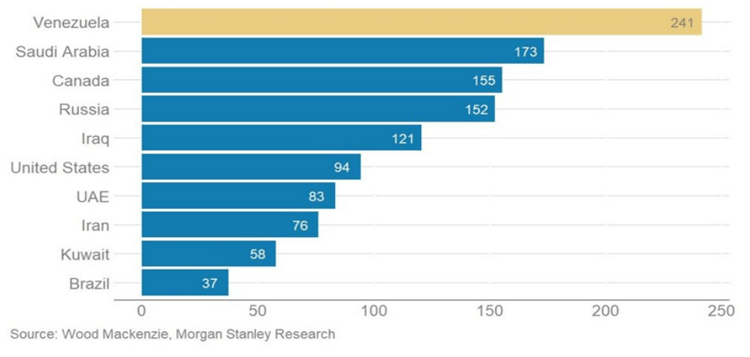
A major strategic factor behind U.S. actions in Venezuela appears to be securing access to its vast energy resources. Venezuela sits on the largest proven oil reserves on the planet, with estimates from Wood Mackenzie suggesting roughly 241 billion barrels of recoverable crude, making it a uniquely significant player in global oil markets.
Top Countries by Proven Oil Reserves (Billion Barrels)
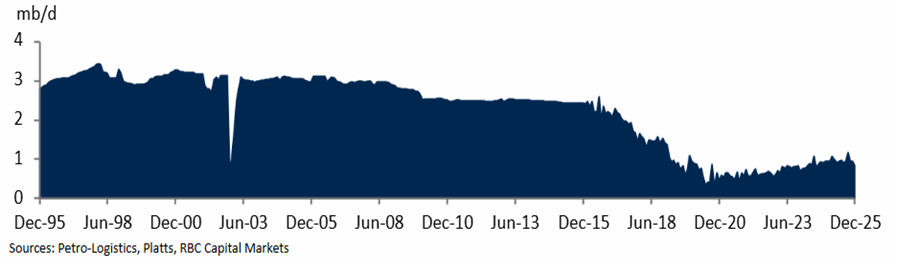
However, Venezuela’s track record of oil output underscores just how challenging it has been to tap into its vast reserves. In the late 1990s and early 2000s, the nation was capable of producing close to 3 million barrels per day—a level that made it one of the world’s top crude exporters. But political turmoil, labor strikes, and the restructuring of the oil sector under Hugo Chávez triggered a prolonged decline. The downturn was steepened further by U.S. sanctions starting in 2017, which restricted investment, technology, and exports, driving production down sharply. After bottoming out around 374,000–500,000 bpd during the worst of the crisis, output has only modestly recovered in recent years and remains in the range of approximately 800,000–900,000 bpd.
Historical Total Venezuelan Supply
Expectations that Venezuelan oil output could quickly rebound may overstate what’s realistically achievable. History shows that even after major disruptions, rebuilding oil production takes many years and vast investment. For example, Iraq needed almost a decade and well over $200 billion in capital to restore its output after the Iraq War, while Libya still has not returned to its pre‑2011 production levels.
Venezuela’s challenges are even more severe. Most of its reserves are extra‑heavy crude that demands upgrading and blending with diluents before it can be transported and refined, a costly and technical process. Years of underinvestment, international sanctions, the erosion of PDVSA’s workforce, and the deterioration of infrastructure have compounded these production hurdles. Pipelines, upgraders, and refineries have been left in poor condition, and limited access to modern technology continues to restrict any rapid recovery.
While PDVSA has claimed that facilities were not physically damaged in recent events—suggesting limited short‑term disruption—oil markets appear capable of absorbing this uncertainty for now. Inventories remain ample, and OPEC+ has signalled that its voluntary cuts of around 1.65 million bpd could be reversed if necessary to balance markets.
In a scenario where a pro‑U.S. government enables sanctions relief and attracts foreign investment, Venezuelan exports could gradually recover. But bringing production back to around 3 million bpd would take many years and substantial infrastructure upgrades. U.S. leadership has indicated that American oil companies would play a role in operating and developing Venezuela’s oil sector, though analysts note that the heavy crude’s technical challenges and investment risks remain significant.
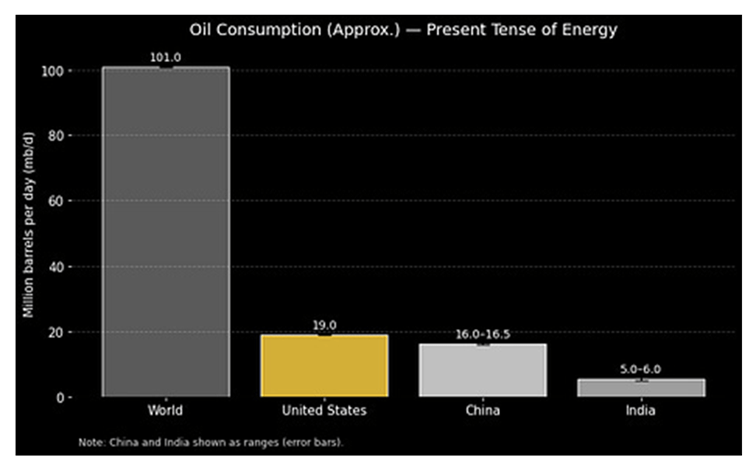
Meanwhile, global oil markets are structurally tightening, with world consumption exceeding 101 million bpd driven by demand growth in the U.S., China, and India. Any short‑term impact on supply may show up as a modest increase in geopolitical risk premiums, but over time, the sidelined Venezuelan barrels—currently producing around 800,000–900,000 bpd—could eventually add supply and influence prices if output scales up gradually.
In addition to oil, Venezuela sits on a wealth of mineral resources. Large deposits of iron ore, bauxite, gold, nickel, copper, zinc and other metallic minerals are concentrated mainly in the southern Guayana Shield region. The country also ranks among Latin America’s largest holders of gold, and geological assessments identify significant iron and bauxite resources alongside reserves of coal, antimony, molybdenum and other base metals.
Despite this geological potential, commercial mining activity remains very limited. Most non‑oil mineral sectors contribute only a tiny fraction of Venezuela’s economic output, and substantial foreign investment has largely been absent, meaning much of the nation’s mineral wealth has yet to be developed into large‑scale production.
The Ongoing Economic Battle Between the United States and China
Competition between modern empires today is no longer about direct confrontation but about control over key inputs. Energy, metals, and critical materials form the foundation of the modern world. When leaders signal a willingness to secure these resources directly, markets should interpret this not as mere rhetoric, but as a concrete resource strategy.
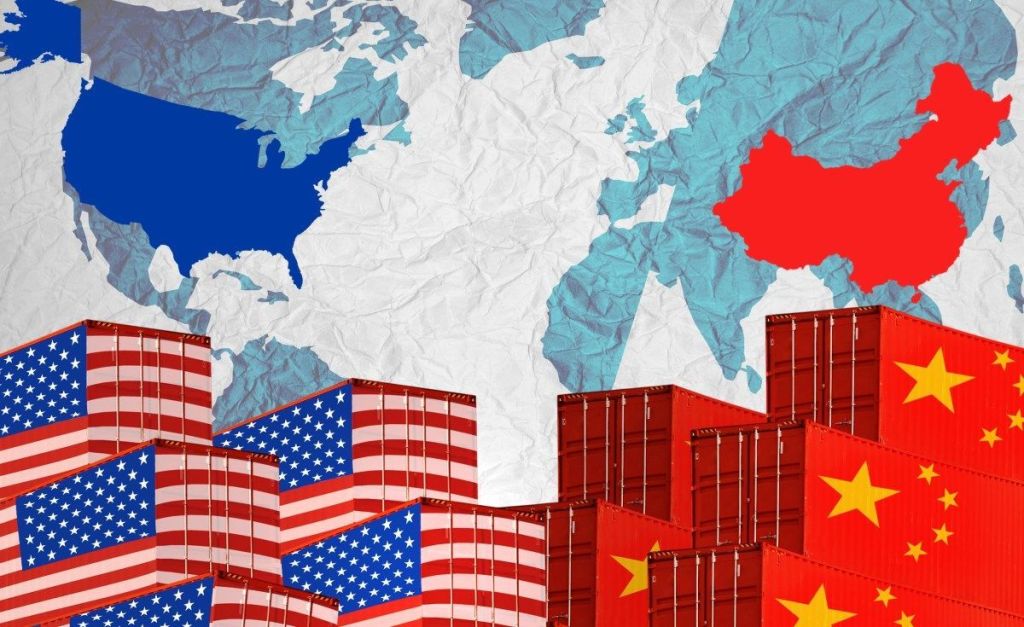
The rivalry between the United States and China is fundamentally structural rather than ideological. The U.S. is rich in energy but dependent on imported metals and rare earths. China dominates metals processing but imports around 70% of its crude oil. Each side is strong where the other is vulnerable, and both seek to turn this imbalance into strategic advantage.
Control over energy flows also carries monetary implications. Influence over Venezuelan oil is not only about supply, but also about reinforcing the petrodollar and preventing the rise of the petroyuan.
There is also a regional dimension to this rivalry. China has steadily increased its presence in Latin America through infrastructure projects and commodity-backed financing. Recent U.S. moves indicate an effort to reassert dominance in the Western Hemisphere, compelling Beijing to compete on less advantageous terms. The Trump administration’s 2025 National Security Strategy elevated the region to a core priority, effectively reviving the logic of the Monroe Doctrine—rebranded as the “Donroe Doctrine.” The aim is to bring strategically important natural resources, especially critical minerals and rare earths, under U.S.-aligned corporate control while building a hemisphere-wide supply chain that reduces dependence on China.
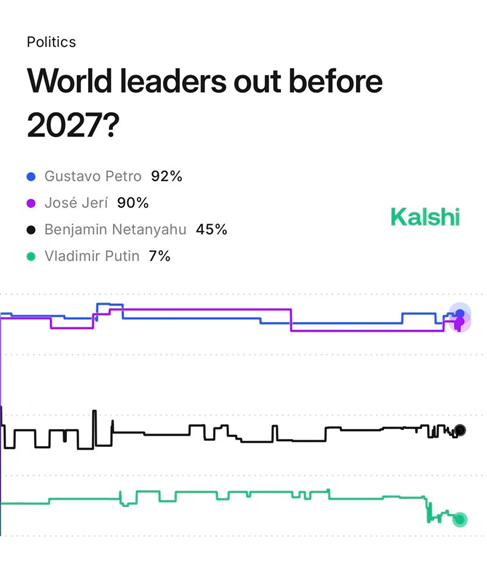
Across much of South America, governments are edging closer to Washington, leaving Brazil increasingly isolated. This is significant given President Lula’s openly left-leaning stance and his consistent alignment with Russia, China, and Iran. Following Trump’s capture of Maduro, betting markets on Kalshi assign a 90% probability that the presidents of Colombia and Peru will be out of office before 2027. At the same time, President Trump has again stated that Greenland should become part of the United States, reinforcing a broader strategy centered on securing critical assets.
Which Assets Could Gain from “Nation Building” in Venezuela?
A political transition in Venezuela would most directly benefit assets tied to sovereign debt restructuring, energy infrastructure, and the oil supply chain.
Venezuelan bonds are currently priced at roughly 25–35 cents on the dollar, reflecting the impact of sanctions and ongoing legal uncertainty. Under a regime-change scenario, several analysts project potential recoveries in the 30–55 cent range, supported by the prospects of debt restructuring and the easing or removal of sanctions.
Ashmore continues to rank among the largest institutional holders of Venezuelan sovereign debt. Advisory firms such as Houlihan Lokey—financial adviser to the Venezuela Creditor Committee—and Lazard, a veteran of major sovereign restructurings (including Greece and Ukraine), would likely stand to gain from the sheer scale and complexity of any debt workout. In such processes, advisers typically earn success-based fees and function as the “picks and shovels” of restructuring. Venezuela’s debt structure is widely regarded as one of the most intricate ever assembled.
Reviving Venezuela’s oil industry would demand swift rehabilitation of aging infrastructure. Technip, which historically designed much of the country’s core oil facilities, is well placed to play a leading role given its proprietary expertise—particularly if emergency repairs are fast-tracked through sole-source or no-bid contracts. Graham Corporation, a supplier of vacuum ejector systems used in heavy-oil upgrading and refining, could also benefit, since Venezuela’s crude requires vacuum distillation to prevent it from solidifying into coke.
Before exports can meaningfully increase, Venezuela will need to import substantial volumes of diluent (such as naphtha or natural gasoline) to transport its heavy crude through pipelines. Targa Resources, operator of the Galena Park Marine Terminal in Houston—a major LPG and naphtha export hub—would be a natural beneficiary if Venezuela pivots back to U.S. diluent supplies, replacing current inflows from Iran.
The clearest corporate beneficiary of regime change and nation-building in Venezuela is Chevron (NYSE: CVX). Unlike other U.S. energy majors that exited the country, Chevron has maintained an on-the-ground presence. It retains the workforce, regulatory approvals (through OFAC), and operational assets—most notably Petroboscan and Petropiar—that position it to scale up production quickly. Exxon Mobil (NYSE: XOM) and ConocoPhillips (NYSE: COP), both of which hold legacy claims and arbitration awards stemming from past expropriations, could also regain market access or pursue compensation under a revised legal and political framework.
Refiners along the U.S. Gulf Coast—such as Valero Energy (NYSE: VLO), Phillips 66 (NYSE: PSX), and Marathon Petroleum (NYSE: MPC)—were purpose-built to handle heavy, sour crude like that produced in Venezuela. Since the imposition of sanctions, these companies have had to rely on costlier substitute feedstocks. A resumption of Venezuelan supply would reduce input costs and support refining margins, assuming end-product demand remains stable.
At the sector level, a significant increase in Venezuelan output would likely weigh on oil prices, which would be negative for crude producers but positive for consumer-oriented equities. Lower energy prices are inherently deflationary and could translate into lower bond yields—conditions that are generally supportive of risk assets, all else equal.
Note: This section is for analytical purposes only and does not constitute investment advice.
Venezuela: What Comes Next for the Economy and Markets?
In a characteristically Trump-like approach, President Trump initially stated that the United States would “administer” Venezuela during the transition period. U.S. officials later confirmed that approximately 15,000 troops would remain stationed in the Caribbean, with the option of further intervention if the interim authorities in Caracas failed to comply with Washington’s demands.
Venezuela’s Supreme Court subsequently named Vice President Delcy Rodríguez as interim president. A close ally of Maduro since 2018, Rodríguez previously oversaw much of the oil-dependent economy and the country’s intelligence structures, placing her firmly within the existing power framework. She signaled a willingness “to cooperate” with the Trump administration, hinting at a potentially dramatic reset in relations between the two long-hostile governments.
International observers, including the United Nations and the Carter Center, have concluded that Venezuela’s 2024 elections lacked legitimacy and fell short of international standards. Independently verified tally sheets reviewed by analysts indicated that opposition candidate Edmundo González secured around 67% of the vote, compared with roughly 30% for Maduro.
At the same time, María Corina Machado—Nobel Peace Prize laureate and a leading figure in Venezuela’s opposition—is expected to return to the country later this month and has said the opposition is ready to take power. President Trump, however, has publicly cast doubt on the breadth of her support among the Venezuelan population.
In this context, three potential scenarios appear likely, as outlined by Gavekal Research:
“Soft” Military Rule
In the near term, the most probable outcome is the continuation of the current power structure under Rodríguez and the armed forces. For this arrangement to endure, it would likely require a pragmatic shift toward U.S. priorities—embracing a more business-friendly approach and loosening ties with traditional partners such as Russia, China, and Iran. Washington may be willing to accept this scenario if it ensures political stability and reliable access to energy supplies.
Democratic Transition
A negotiated move toward civilian governance would hinge largely on how new elections are structured. Allowing participation from the Venezuelan diaspora could significantly reshape the results, whereas restricting voting to residents inside the country would be more likely to benefit factions linked to the existing regime.
“Libya Redux” (State Breakdown)
The most destabilizing scenario would involve the collapse of central authority, triggering internal military conflict and the proliferation of armed groups. Such an outcome would heighten the risk of civil strife, renewed migration pressures, and severe disruptions to oil production and global energy markets.




 THE ETERNAL SOVEREIGN